Self-Guided Walking Tour of Bordeaux, France (2026)

Bordeaux Self Guided Walking Tour

This website uses affiliate links which earn a small commission at no additional cost to you.

Welcome to Bordeaux, a city where history, elegance, and vibrant street life come together in a beautifully walkable setting. As you set out on this walking tour, you'll traverse centuries of architecture-from Roman ruins and medieval gates to sweeping neoclassical squares and 18th-century mansions. With its limestone facades, tree-lined boulevards, and riverside promenades, Bordeaux offers a rich and varied experience at every turn. This is a city that reveals itself gradually, through narrow alleys, hidden courtyards, and grand civic spaces that speak to its past as a prosperous port and a center of Enlightenment thinking.

Our route will lead you through iconic landmarks such as the Place de la Bourse and the Grand Théâtre, while also dipping into quieter quarters like the Saint-Pierre and Saint-Michel districts, full of charm and character. Along the way, you'll encounter shaded squares, buzzing cafés, ornate churches, and riverside vistas, all infused with the spirit of Bordeaux-refined, creative, and full of life. Whether you're here for the wine, the architecture, or simply the pleasure of discovery, this tour will help you see the city not just as a destination, but as a living, breathing story.

TIP: If you're spending a day in Bordeaux and want to make the most of your time in the historic centre, consider joining a guided walking tour with a local expert. A 2-hour Old Bordeaux walking tour is a great way to get oriented, offering insights into the city’s elegant architecture, hidden squares, and the rich stories behind its grand façades and riverfront landmarks.

How to get to Bordeaux

By Plane: To get to Bordeaux by plane, fly into Bordeaux-Mérignac Airport (BOD), the city's main international airport with flights from many European and global destinations. The airport is about 20 minutes from Bordeaux city center by taxi, shuttle, or public transport. For the best deals and a seamless booking experience, check out these flights to Bordeaux on Booking.com.

By Train: Bordeaux is easily accessible by train, with excellent connections to Paris, Toulouse, and other major French cities. The main station, Bordeaux Saint-Jean, is located just a few kilometres from the city centre and is well served by local trams, buses, and taxis. From the station, it's a short ride or a pleasant walk to the heart of the old town. You can use SNCF Connect to check schedules, compare routes, and purchase tickets for National (SNCF ) and regional trains (TER). For a more streamlined experience, we recommend using Omio, which allows you to easily compare prices, schedules, and book tickets for both National and Regional travel across all of Europe, all in one place.

By Car: Bordeaux is connected to the national motorway network, making it convenient for drivers coming from all directions. Parking in the city centre can be limited, so using one of the Park-and-Ride (P+R) or Park + Tram (max 2.1m) facilities on the outskirts is a good alternative. From there, you can take a tram directly into the city centre. For example, the P+R at Brandenburg (max 2.1m) or Buttinière (max 1.9m) offers easy access to the main sights and is a practical choice for a hassle-free visit. Alternatively Park in METPARK – Libération and walk. If you are looking to rent a car in France I recommend having a look at Discover Cars, first, as they compare prices and review multiple car rental agencies for you.

Where to Stay in Bordeaux

For a city centre walking tour of Bordeaux, staying within the historic Golden Triangle or along the Garonne River places you close to landmarks like Place de la Bourse, the Grand Théâtre, and the Saint-André Cathedral. A refined option is InterContinental Bordeaux - Le Grand Hotel, a five-star property with luxurious amenities and direct views of the opera house. For a stylish boutique experience, Yndo Hôtel offers individually designed rooms in a 19th-century mansion. If you’re looking for a modern and convenient stay near the old town and tram lines, Mama Shelter Bordeaux combines funky design with rooftop views and a lively atmosphere. All of these choices are ideally located for exploring Bordeaux on foot, with restaurants, shops, and wine bars just around the corner.

A Short History of Bordeaux

Bordeaux, a city whose roots stretch back to Roman times when it was known as Burdigala, has grown into one of France's most important cultural and trading centers. Its prosperity, particularly from the wine trade, has left a legacy of grand monuments, religious buildings, and civic landmarks that chart the city's history through the centuries.

In the Middle Ages, Bordeaux developed as a thriving port under English rule during the Plantagenet era, a time when the Bordeaux Cathedral was built. Construction began in the 11th century, but its most striking feature, the Pey-Berland Tower, was added in the 15th century by Archbishop Pey Berland as a freestanding bell tower. The medieval fabric of the city is still visible in gates like the Grosse Cloche, a 15th-century belfry built on the remains of the old city walls, and the Porte Cailhau, erected in 1495 to celebrate King Charles VIII's victory at Fornovo. The Église Saint-Pierre, founded in the 14th century in the old merchant quarter, reflects the Gothic style that dominated the period.

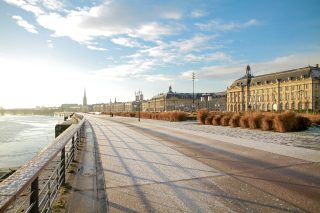
The 17th and 18th centuries brought immense wealth to Bordeaux, expressed in its harmonious classical architecture. The Grand Théâtre, completed in 1780 by architect Victor Louis, became one of France's finest theaters, while the Palais Rohan, built in the 1770s, now serves as Bordeaux's City Hall. Squares like the Place du Parlement, created in 1754, and the Place de la Bourse, designed by Ange-Jacques Gabriel between 1730 and 1775, became emblems of Enlightenment urban planning. Facing the Garonne, the Place de la Bourse is today mirrored by the modern Miroir d'Eau, the world's largest reflecting pool, inaugurated in 2006.

Religious devotion also shaped the Baroque cityscape. The Église Notre-Dame, built by the Dominicans in the late 17th century, stands out for its elaborate façade. Meanwhile, the 18th-century Maison Gobineau, with its distinctive triangular plan, symbolized Bordeaux’s aristocratic grandeur and its ties to the wine trade.

The revolutionary spirit of the late 18th century is remembered in the Monument aux Girondins, erected between 1894 and 1902 on the Place des Quinconces. Dedicated to the Girondins, deputies of Bordeaux who perished during the French Revolution, it combines sculptural allegories with soaring bronze fountains. The Musée d'Aquitaine, housed in a former university building since 1987, traces the full sweep of Bordeaux's history, from prehistoric times to its role in the transatlantic trade.

Take a Guided or Self-Guided Walking Tour of Bordeaux

If you're spending a day in Bordeaux and want to make the most of your time in the historic centre, consider joining a guided walking tour with a local expert. This 2-hour Bordeaux: City Highlights Guided Walking Tour led by a passionate local guide gives you a perfect introduction to the city’s key monuments and hidden gems.

Your Self-Guided Walking Tour of Bordeaux

Discover Bordeaux on foot as you wander through its elegant squares, medieval gates, grand churches, and lively neighbourhoods, and you can use our interactive walking tour map to track your current location and your next site as you go. Along the way, you will encounter reminders of Bordeaux's trading past, artistic heritage, and revolutionary spirit, all set against the backdrop of one of France's most graceful riverfront cities.

1. Monument aux Girondins
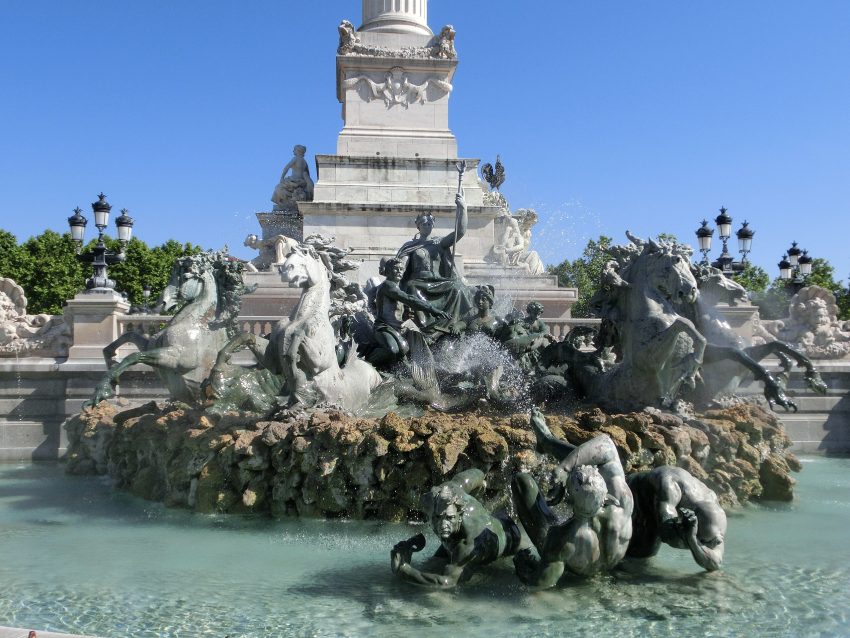
Esplanade des Quinconces
CC BY-SA 3.0 / Orikrin1998

Soaring 43 metres high, this monument dominates the vast Esplanade des Quinconces—Europe’s largest city square. Despite its name, the Monument aux Girondins has no link to Bordeaux’s football team; instead, it was constructed between 1894 and 1902 to honour the Girondins political group, many of whom perished during the Reign of Terror. Visible from multiple vantage points around the city, the column is crowned with a statue of Liberty breaking her chains, a powerful symbol of freedom and resilience.

At its base, you’ll find an ensemble of dramatic bronze sculptures and decorative fountains, which offer a welcome burst of cool air in the warmer months. These figures represent themes such as the Republic, the Triumph of the People, and the defeat of tyranny. Officially listed as a historic monument in 2011, the site remains one of the most photographed landmarks in Bordeaux, drawing visitors who come to admire both its artistry and the ideals it represents.


Location: Place des Quinconces, Bordeaux, France

We recommend to rent a car in France through Discover Cars, they compare prices and review multiple car rental agencies. Book your rental car here.

2. Maison Gobineau

Maison Gobineau, Bordeaux
CC BY-SA 4.0 / Jefunky

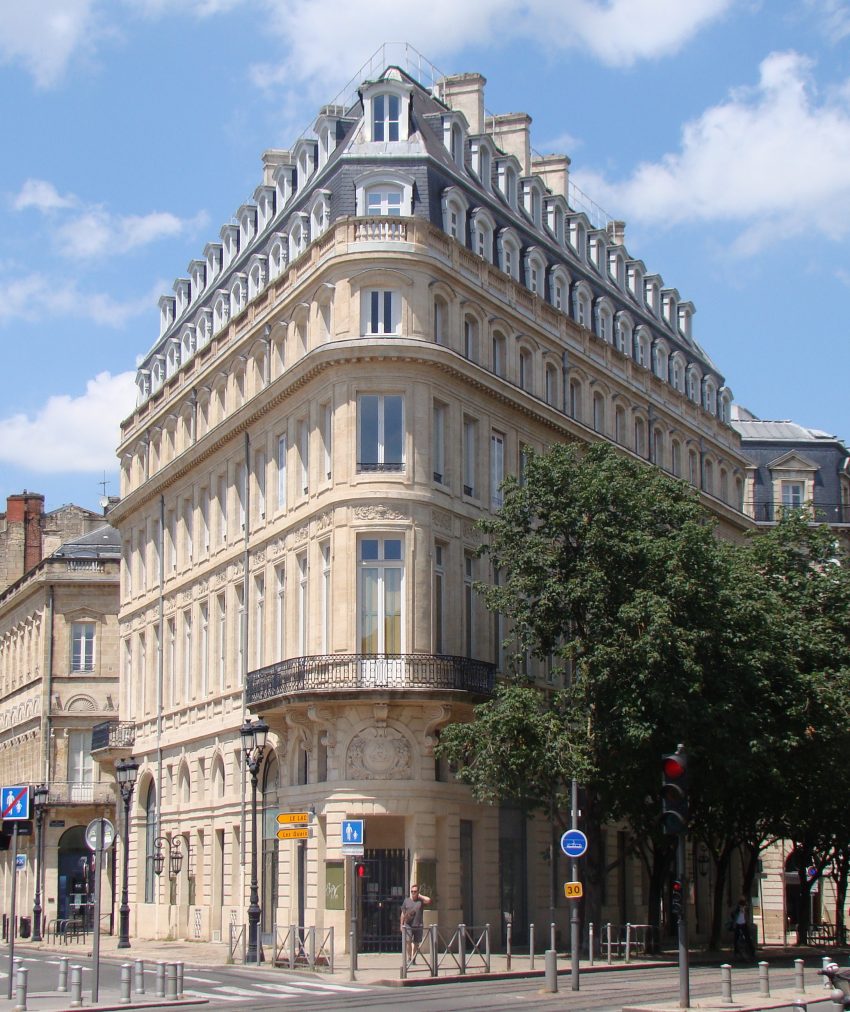
Just a few steps from the Esplanade des Quinconces stands this striking former private mansion—does its shape remind you of another iconic building? Designed by architect Victor Louis and completed in 1789, its distinctive wedge shape evokes the prow of a ship, as if poised to sail toward the nearby ocean. If you’ve visited New York, you might be reminded of the famous Flatiron Building, with which it shares a remarkably similar silhouette.

This building has long been part of Bordeaux’s urban life. Over the years, it has housed a cinema and even served as the site of the city’s first Citroën dealership. Since 1948, it has been the headquarters of the Bordeaux Wine Council (Le Conseil Interprofessionnel du Vin de Bordeaux), which promotes the region’s wine industry. Visitors can also enjoy the wine bar on the third floor, making it not just a historic structure, but a living part of Bordeaux’s culture and identity.


Location: Allée de Tourny, 33000 Bordeaux, France

Here is a complete selection of hotel options in Bordeaux. Feel free to review each one and choose the stay that best suits your needs.

3. Grand Théâtre

Bordeaux, Grand Théâtre
CC BY-SA 2.0 / Hervé Simon

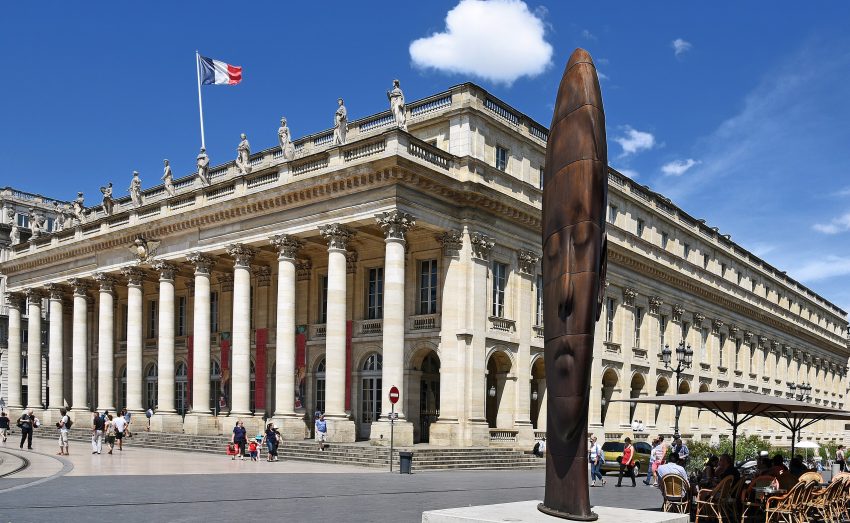
Just steps from Maison Gobineau, the Grand Théâtre is another brilliant showcase of Victor Louis’s architectural genius and one of the most iconic symbols of Bordeaux’s cultural prestige. Inaugurated in 1790, the theatre has long been admired for both its imposing neoclassical exterior and its richly designed interior. It quickly became a landmark of Enlightenment-era Bordeaux and was officially listed as a historic monument in 1899. Today, it remains at the heart of the city’s artistic life as the home of the Opéra National de Bordeaux, regularly hosting performances of music, theatre, and dance.

As you can see from this side, the Grand Théâtre’s façade is a striking example of neoclassical design, with its twelve Corinthian columns and statues of nine Greek muses and three goddesses—Minerva, Venus, and Juno—poised along the top. Victor Louis intentionally designed this frontage to echo the ancient Roman temple of Tutelle, which once stood nearby. Though the temple was demolished in 1675 to make way for the now-vanished Château Trompette, its memory lives on in the theatre’s colonnade—a respectful nod to Bordeaux’s Roman roots.

Yet it wasn’t just the theatre’s monumental exterior that captured the imagination of 18th-century France. The real innovation lies inside. Step through the grand entrance and you’ll find a sweeping staircase of remarkable symmetry and grace, a design so admired that it later inspired Charles Garnier’s famous staircase in the Paris Opéra. With its harmonious proportions, acoustical finesse, and elegant detailing, the Grand Théâtre is not only a stage for performance but also a stage in itself—an enduring masterpiece of architectural theatre.


Location: Grand Théâtre de Bordeaux, Place de la Comédie, Bordeaux, France

Traveling to a country with a different currency? Avoid ATM transaction fees and pay in local currency with a Wise Card. Having used it for over 5 years, we've saved loads on fees!

4. Église Notre-Dame

Église Notre-Dame
Église Notre-Dame
CC BY-SA 4.0 / Gzen92

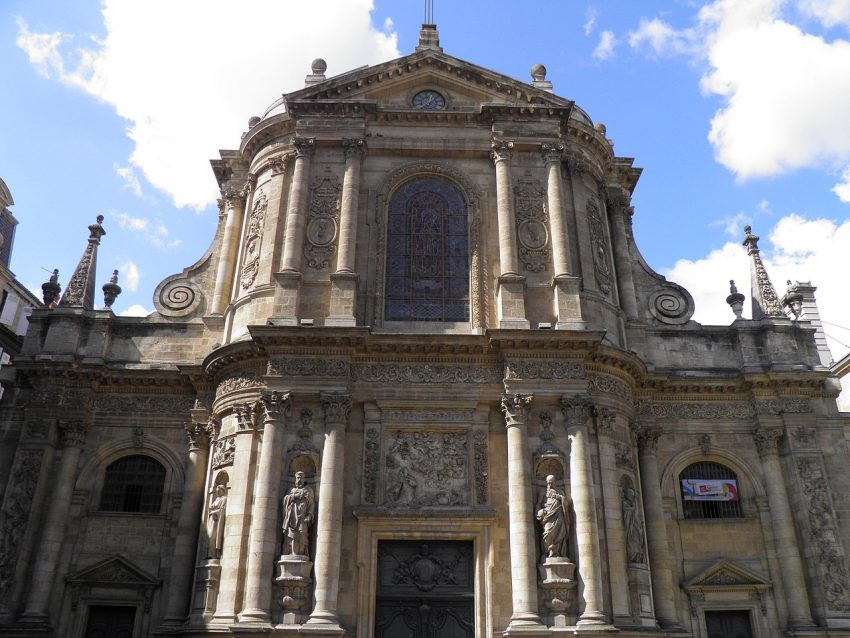
A short stroll brings you to Place du Chapelet, where the elegant Church of Notre-Dame (L’Église Notre-Dame) rises before you. Originally dedicated to Saint Dominic, this Baroque gem reflects the artistic and spiritual sensibilities of the Counter-Reformation. Completed in 1707, the church has been remarkably well preserved, earning its designation as a historic monument in 1908. Its intricately carved organ casing was also listed in 1971, further highlighting the building’s cultural significance.

Thanks to a thorough restoration completed in 1982, the church remains in excellent condition and continues to be an active part of Bordeaux’s cultural life. Known for its superb acoustics, it regularly hosts classical music concerts and recitals. On the outside, the church has also found a place in cinema, with its forecourt frequently used as a backdrop for period films. Whether you’re drawn to its architecture, its music, or its quiet presence amid the bustle of the city, Notre-Dame offers a moment of beauty and reflection.


Location: Église Notre-Dame-des-Anges de Bordeaux, Rue de Pessac, Bordeaux, France

Click here to read our blog about Médoc Wine & Heritage Road Trip (2026)

5. Porte Dijeaux

Porte Dijeaux Bordeaux
CC BY-SA 3.0 / Patrick Despoix

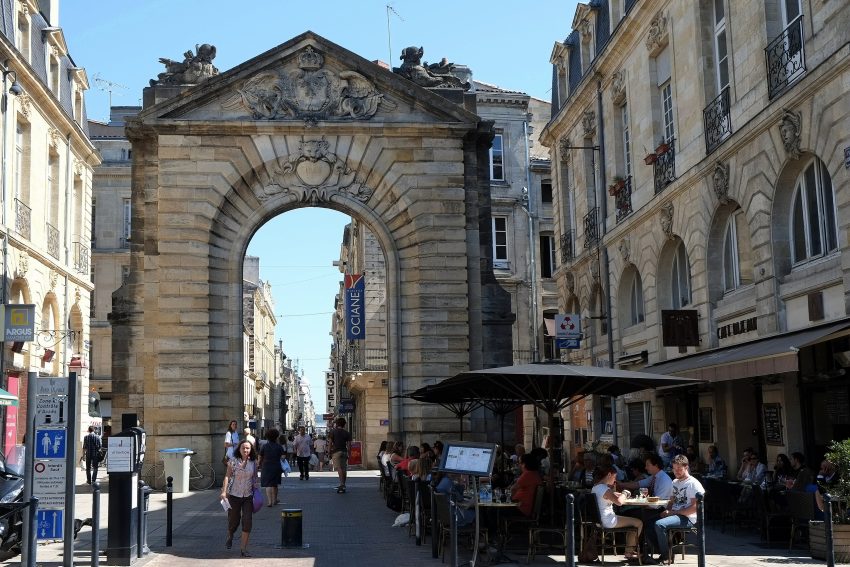
Once the site of the city’s western gateway since Roman times, the Porte Dijeaux now stands at the edge of the revitalised Place Gambetta, offering a striking historical contrast to its modern surroundings. Constructed between 1748 and 1753 by architect Michel Voisin, the arch originally bore the name Porte Dauphine in tribute to the Dauphin—future King Louis XVI—during the reign of Louis XV. It was a ceremonial entrance as much as a functional one, marking the transition from the fortified city to the expanding urban landscape beyond.

Following the French Revolution, the arch was renamed Porte Dijeaux, aligning it with the street it opens onto—either at its beginning or end, depending on your direction. With its clean lines and classical proportions, it remains a proud feature of Bordeaux’s architectural heritage. Constantly admired by passersby and locals, the arch has watched over centuries of transformation, from royal processions to modern foot traffic. It was officially listed as a historic monument in 1921, ensuring its preservation as a symbol of the city’s evolving identity.


Location: Porte Dijeaux, Rue de la Porte Dijeaux, Bordeaux, France

6. Palais Rohan

Hôtel de ville de Bordeaux (Palais Rohan)
CC BY-SA 4.0 / W. Bulach

Constructed between 1771 and 1784, the Palais Rohan has long played host to key figures and major events in Bordeaux’s history. Originally designed as the residence of the city’s archbishop, it quickly took on new roles as political tides shifted. In 1791, it became the seat of the revolutionary tribunal, and by 1800, it served as the prefecture of the Gironde. Its status continued to evolve—Napoleon I used it as an imperial palace during his reign in 1808, and it briefly became a royal residence under Louis XVIII in 1815. By 1837, the building was repurposed once more to serve as Bordeaux’s city hall, a role it continues to fulfill today.

The building is a striking example of monumental neoclassical architecture, with its elegant proportions, symmetrical layout, and stately presence. Positioned at the heart of Bordeaux, it reflects both civic pride and political power, its style echoing the values of the Enlightenment and the prestige of the 18th-century French elite. Its interiors, too, have been shaped by its varied functions, ranging from ecclesiastical splendour to imperial formality and municipal authority.

Recognising its architectural and historical significance, the Palais Rohan was designated a historic monument in 1997. This protection includes not only the building’s grand facades and roof structure but also its formal courtyard and several rooms on the ground floor. As the seat of Bordeaux’s city government, it remains a living institution—one that blends history, governance, and architectural heritage in the very fabric of the city.


Location: Palais Rohan Hôtel de ville de Bordeaux, Place Pey Berland, Bordeaux, France

7. Bordeaux Cathedral & Pey-Berland Tower

Bordeaux Cathédrale Saint André Extérieure
CC BY-SA 4.0 / Zairon

Just opposite the Palais Rohan stands La Cathédrale Saint-André, a magnificent Gothic monument that has played host to some of the most significant events in French royal history. Among its most notable moments are two grand royal weddings: the marriage of Eleanor of Aquitaine to the future Louis VII, and the union of Anne of Austria with Louis XIII. These illustrious ceremonies speak to the cathedral’s importance not only as a place of worship but also as a stage for national history. Its construction spanned several centuries, from the 12th to the 16th, resulting in a layered and impressive Gothic structure.

Inside, visitors will find one of the largest pipe organs in France, standing 15 metres tall. This remarkable instrument, itself a listed historical monument, adds to the cathedral’s sense of grandeur and is still used for performances and services. The vast vaulted nave and intricate stonework create an atmosphere both solemn and majestic, making it a must-see for lovers of history and architecture alike.

A short walk from the cathedral’s forecourt brings you to the Tour Pey-Berland, its freestanding bell tower. Built in the 15th century to prevent the heavy bells from damaging the cathedral’s structure, the tower rises 66 metres above the city. Those willing to make the climb—233 steps in total—are rewarded with sweeping panoramic views over Bordeaux’s rooftops, the Garonne River, and beyond. Together, the cathedral and its tower form one of the most iconic and historically rich ensembles in the city.


Location: Cathédrale Saint-André de Bordeaux, Place Pey Berland, Bordeaux, France

8. Musée d’Aquitaine

Musée d'Aquitaine
Musée d’Aquitaine
CC BY-SA 4.0 / FrDr

Once upon a time, there was Aquitaine—a vast and culturally rich region in the southwest of France, with a history stretching back thousands of years. To explore this layered past in a lively and engaging way, the Musée d’Aquitaine is the ideal destination. Conveniently located on the edge of Bordeaux’s historic centre, the museum traces the story of both the city and the wider region, from prehistoric settlements and Roman civilization through to the Middle Ages, the Enlightenment, and into modern times. Its spacious galleries and immersive displays help bring the region’s complex heritage to life.

The museum houses a permanent collection of over 70,000 objects, including archaeological finds, medieval relics, artworks, manuscripts, and items reflecting Bordeaux’s maritime and trading past. One of its standout features is the section dedicated to the transatlantic slave trade, offering an honest and informative look at the city’s role in that dark chapter of history. Alongside the core collection, temporary exhibitions add fresh perspectives on the region now known as Nouvelle-Aquitaine. Whether you’re a history enthusiast or a curious traveller, the Musée d’Aquitaine offers a deep and engaging insight into the people, events, and ideas that have shaped this corner of France.


Location: Musée d'Aquitaine, Cours Pasteur, Bordeaux, France | Hours: The museum is open Tuesday to Sunday, 11 a.m. to 6 p.m. Closed Mondays and public holidays | Price: Adults: €8 | Website

9. Grosse Cloche
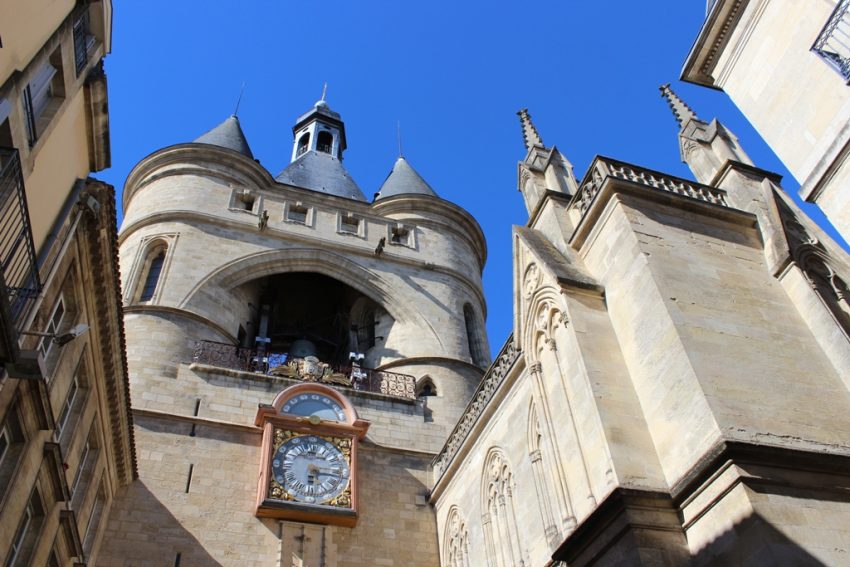
GrosseCloche
GrosseCloche
CC BY-SA 3.0 / Fabien.lotte

10. Porte Cailhau

Porte Cailhau Bordeaux France
CC BY-SA 4.0 / PLBechly

Having already encountered Porte Dijeaux, it’s now time to meet its equally impressive counterpart—Porte Cailhau. Built between 1493 and 1496, this striking gate once served as the principal entrance to Bordeaux from the Garonne River, welcoming merchants, travellers, and royalty alike. Also referred to as “La Porte du Palais” (the Palace Gate), it stood at the threshold of the old Palais de l’Ombrière, once the seat of ducal and royal authority in the city. Part defensive fortification and part ceremonial gateway, Porte Cailhau reflects Bordeaux’s dual identity as both a stronghold and a thriving hub of political and commercial life.

Designed in the late Gothic style with early Renaissance elements, the gate is richly ornamented, featuring niches, spires, and a carved stone likeness of King Charles VIII, in whose honour the arch was dedicated. This tribute celebrates his victory at the Battle of Fornovo and his brief dominance in Italy—a reminder of Bordeaux’s loyalty to the crown. Standing 35 metres tall, the structure was listed as a historic monument in 1883 and has since been carefully preserved. Today, visitors can step inside the gate to explore its interior exhibits, which detail its history, architecture, and the strategic role it played in the city’s fortifications. From the upper levels, the view over the Garonne and Pont de Pierre offers a rewarding glimpse into the Bordeaux of past and present.


Location: Porte Cailhau, Place du Palais, Bordeaux, France

11. Église Saint-Pierre
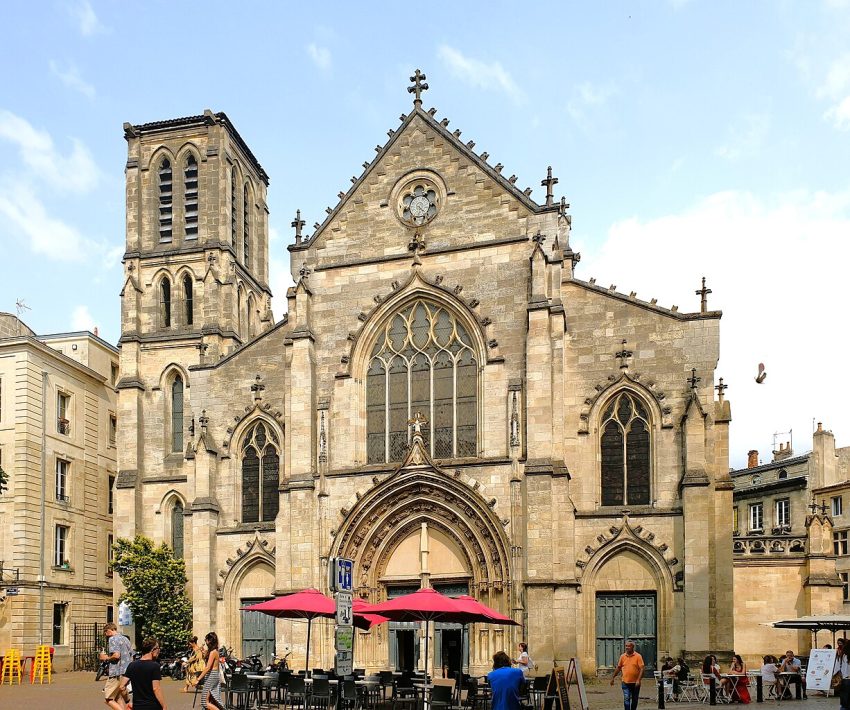
Eglise Saint Pierre de Bordeaux
CC BY-SA 4.0 / Chris06

Today, Église Saint-Pierre is tucked away in the maze of narrow, cobbled streets that define Bordeaux’s Old Town, but centuries ago, its setting was very different. In medieval times, this church stood almost at the water’s edge, right beside the Devèze River, not far from where it joined the Garonne. This made it a true port-side church, serving the bustling maritime community that lived and worked in the area. Merchants, sailors, and craftsmen would have passed by or sought refuge within its walls, linking the church closely to the everyday life of Bordeaux’s historic riverfront.

The current building was largely rebuilt from 1358 onwards, with major restructuring taking place in 1882 to preserve and adapt the aging structure. Despite these changes, it retains much of its original Gothic character, from its pointed arches to its compact yet elegant layout. In 1908, Église Saint-Pierre was officially designated a historical monument, recognising its cultural and architectural significance. Today, although the river has long since been redirected and the old port replaced by modern promenades, the church remains an evocative link to Bordeaux’s medieval past, quietly rooted in one of the city’s oldest and most atmospheric quarters.


Location: Église Saint-Pierre, Place Saint-Pierre, Bordeaux, France

12. Place du Parlement

Place du Parlement, Bordeaux
CC BY-SA 3.0 / BRENAC

Bordeaux’s geography and history are deeply etched into its squares, each one telling a different chapter of the city’s past. Among them, Place du Parlement stands out for its elegance and sense of timeless charm. Nestled in the Saint-Pierre district, this square transports visitors with its almost Italianate ambiance, thanks to its harmonious classical façades and human-scale proportions. Created in 1754, Place du Parlement is framed by superb limestone buildings dating from the first half of the 18th century—an era when Bordeaux was flourishing as a major port and cultural centre. The square’s compact symmetry and ornate balconies evoke a Mediterranean grace, lending it an atmosphere that is both refined and welcoming.

The central fountain, added in 1865, introduces a touch of English neo-Gothic style to the ensemble, contrasting yet complementing the surrounding architecture. Like much of Bordeaux, the square has had many names and roles, each reflecting the political mood of the time. Originally established as the Place du Marché Royal (Royal Market Square), it was renamed Place de la Liberté during the French Revolution—a period of upheaval that swept away monarchies and redefined public spaces. Its current name, Place du Parlement, pays tribute to the Parlement of Bordeaux, a sovereign judicial body that once exercised significant power before being dissolved in 1790 during the revolutionary reforms.

Since 1952, Place du Parlement has been protected as a listed historical monument, ensuring its preservation for future generations. Today, it is a lively and beloved corner of the city, where cafés and restaurants spill onto the cobblestones and people gather to enjoy the ambiance from morning to night. While it may lack the imposing scale of larger civic squares, its warmth, beauty, and layered history make it an essential stop for anyone seeking to understand the spirit of Bordeaux through its public spaces.


Location: Place du Parlement, Bordeaux, France

13. Place de la Bourse
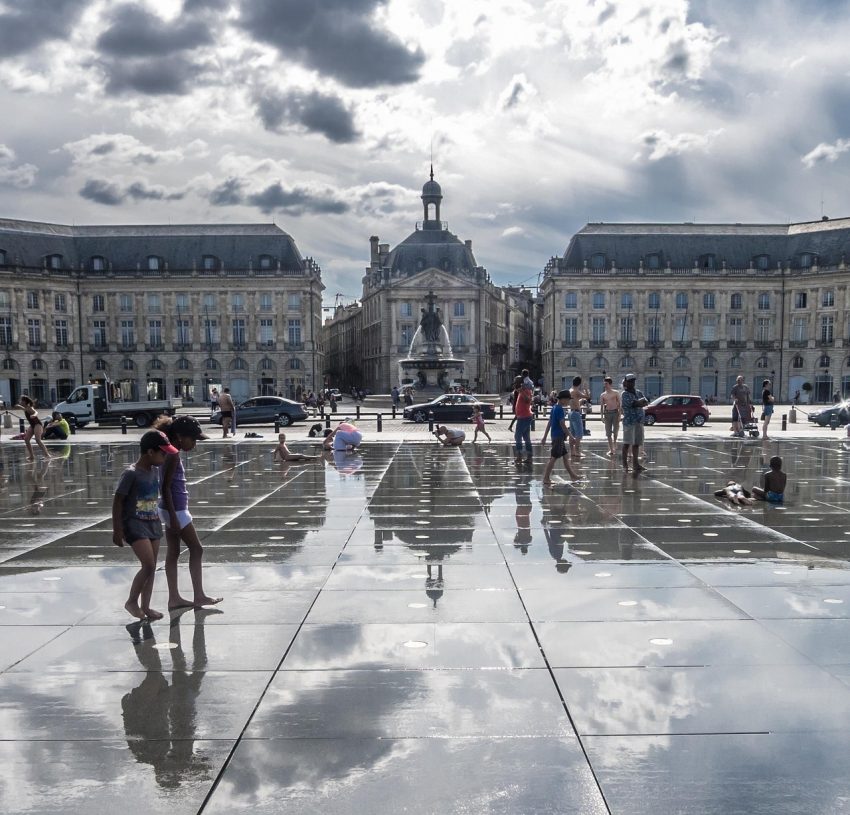
bordeaux Place de la Bourse Bordeaux

Here, you’d be forgiven for thinking you’ve stepped straight into the age of the French Enlightenment. Close your eyes and you might imagine the gentle rhythm of horse-drawn carriages on the cobblestones, the murmur of merchants, and the rustle of silk dresses beneath soaring limestone facades. Welcome to Place de la Bourse—Bordeaux’s most iconic and photographed square. Constructed between 1730 and 1755, it was originally called Place Royale, built to glorify the reign of Louis XV. With its elegant symmetry, classical architecture, and commanding position opposite the Garonne River, the square was designed as a statement of power, prosperity, and refined urban planning.

Place de la Bourse was groundbreaking in its time, as it was the first open square in Europe—a public space not enclosed by walls, but open to the river and sky. Today, it houses three key landmarks: the Palais de la Bourse, now the Chamber of Commerce; the Hôtel des Douanes, formerly the customs house; and, at its centre, the Fountain of the Three Graces, added in 1869. The square’s grandeur is beautifully mirrored in the Miroir d’eau, the world’s largest reflecting pool, located directly across the street. This modern feature, unveiled in 2006, offers a poetic echo of the past, capturing the classical buildings in its glassy surface and transforming the space into one of Bordeaux’s most magical meeting points, by day and night.


Location: Place de la Bourse, Place de la Bourse, Bordeaux, France

14. Miroir d’Eau
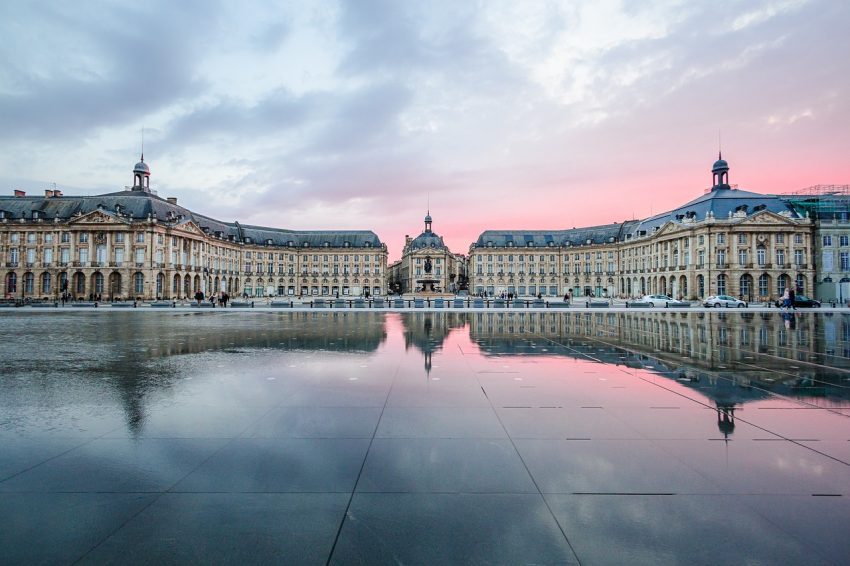
Bordeaux France
Bordeaux France

Covering an area of 3,450 square metres and supported by an underground reservoir that holds 800 cubic metres of water, Bordeaux’s Miroir d’Eau is the largest reflecting pool of its kind in the world. Inaugurated in 2006, it quickly became one of the city’s most emblematic features. The installation was part of an ambitious urban renewal project led by then-Mayor Alain Juppé, aimed at revitalising the once-industrial riverfront and reconnecting Bordeaux with its historic relationship to the Garonne River. Designed by landscape artist Michel Corajoud, the mirror has since become a masterpiece of modern urban design—elegant, accessible, and deeply rooted in its setting.

Situated directly opposite the Place de la Bourse, the Miroir d’Eau reflects the grandeur of the square’s classical architecture in its shallow surface, creating an ever-changing spectacle that shifts with the time of day and the mood of the weather. The installation alternates between a mirror-like stillness and a misting effect, which activates every 15 minutes, cloaking the surface in a cool, ethereal fog. This subtle play of water and light has turned the space into a gathering point for all ages—from children splashing through the shallow pool in summer to photographers capturing the poetic beauty of the city’s most famous vista. The Miroir d’Eau is more than just a public artwork; it is a symbol of Bordeaux’s transformation into a modern, walkable city that honours its heritage while embracing innovation.

Powered by GetYourGuide
Moira & Andy
Moira & Andy

Hey! We're Moira & Andy. From hiking the Camino to trips around Europe in Bert our campervan — we've been traveling together since retirement in 2020!

Read our full story here

This website uses affiliate links which earn a small commission at no additional cost to you.

Walking Tour Map
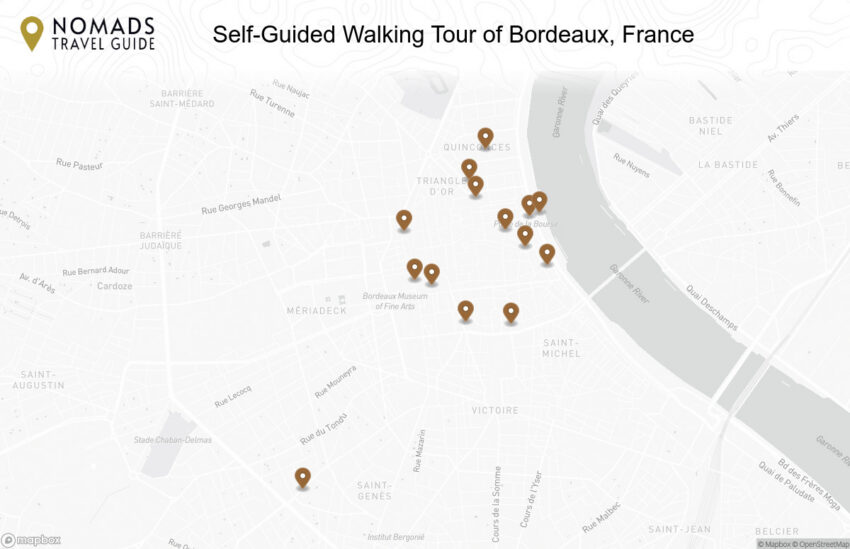
Map of the Self-Guided Walking Tour of Bordeaux, France walking route with 14 stops in Bordeaux.
Preview map of the Self-Guided Walking Tour of Bordeaux, France route in Bordeaux, showing 14 stops. Use the interactive map to zoom and tap markers.

More from this area

Self-Guided Walking Tour of Amiens, France (2026)

Self-Guided Walking Tour of Amiens, France

This website uses affiliate links which earn a small commission at no additional cost to you.

Amiens is one of northern France's most underrated gems-rich in history, full of character, and best explored on foot. With its Gothic cathedral towering above cobbled streets, peaceful canals winding through colorful quarters, and hidden corners where Jules Verne once wandered, Amiens offers a compact cityscape that's perfect for a self-guided walking tour. Whether you're here for a day or a long weekend, this route will lead you past grand landmarks, quiet gardens, and lively cafés, with plenty of space to pause, linger, and soak in the atmosphere.

This walking tour is designed to take you through the city's diverse layers-from medieval marvels to Belle Époque elegance, riverside paths to cultural treasures-all at your own pace. Along the way, you'll discover not just the major sights like the Cathédrale Notre-Dame and Quartier Saint-Leu, but also the thoughtful details that make Amiens so special: sculpture-lined squares, literary landmarks, and peaceful viewpoints along the Somme. Comfortable shoes recommended-curiosity essential.

TIP: If you're visiting Amiens for just a day and want to get the most out of your time in the historic center, consider joining a guided walking tour with a local expert. This group walking tour offers a well-paced, insightful introduction to the city’s rich architectural heritage, hidden gems, and literary and medieval highlights-including the cathedral, Quartier Saint-Leu, and spots connected to Jules Verne. It’s one of the best ways to dive into the city’s atmosphere and stories without missing the essentials.

How to Get to Amiens

By Plane: To get to Amiens by plane, the closest major airport is Paris Charles de Gaulle (CDG), about 1.5 to 2 hours away by car or train. From there, you can take a direct train or drive to Amiens for a convenient journey into the city. For the best deals and a seamless booking experience, check out these flights to Amiens on Booking.com.

By Train: Amiens is well connected by rail, particularly from Paris. Direct trains run frequently from Paris Gare du Nord to Gare d’Amiens, with the journey taking around 1 hour and 15 minutes. The station is centrally located, making it an easy starting point for a self-guided or guided walking tour.

By Car: Amiens is easily accessible by motorway, with the A16 and A29 providing efficient links to northern and central France. If you're driving, there are several convenient parking options near the center. For parking try Parking rederie or Maison de la Culture. If you are looking to rent a car in France I recommend having a look at Discover Cars, first, as they compare prices and review multiple car rental agencies for you.

Where to Stay in Amiens

For a walking tour of Amiens’ historic centre, staying near the cathedral and the Saint-Leu district offers convenient access to key attractions like the Notre-Dame Cathedral, the floating gardens (Hortillonnages), and the Jules Verne House. A top choice is Mercure Amiens Cathédrale, a 4-star hotel offering modern rooms with views of the cathedral. For a boutique experience, Hôtel Le Prieuré et La Résidence provides individually decorated rooms in a charming setting near the cathedral. Travelers seeking a budget-friendly option might consider Holiday Inn Express Amiens, which offers comfortable accommodations and is conveniently located near the train station. These hotels place you within walking distance of Amiens’ vibrant streets, historic landmarks, and delightful cafés.

A Short History of Amiens

Amiens, located in northern France, has a rich and layered history that dates back to ancient times. Originally known as Samarobriva, meaning “bridge over the Somme,” it was the central settlement of the Ambiani, a prominent Gallic tribe. The Romans later renamed it Ambianum, and it became a key city in their northern territories. Christianization began in the 4th century, with Saint Firmin serving as its first bishop.

Throughout the Middle Ages, Amiens grew in importance, gaining a charter in the 12th century and becoming a center of textile production. The city's iconic Notre-Dame Cathedral, begun in 1220, is one of the finest examples of Gothic architecture in Europe. Amiens was frequently contested in wars, including the Siege of Amiens in 1597 during the French Wars of Religion.

In modern history, Amiens played a significant role in both World Wars. The Battle of Amiens in 1918 marked the beginning of the Hundred Days Offensive, leading to the end of World War I. The city suffered heavy damage during World War II but was rebuilt with a focus on modern urban planning. Today, Amiens is celebrated for its historical landmarks, including the cathedral, and its vibrant cultural heritage.

Your Self-Guided Walking Tour of Amiens

Discover Amiens on foot with our interactive walking tour map guiding you between each stop, and use it to track your current location and your next site as you go. Begin at the awe-inspiring Notre-Dame Cathedral, a UNESCO-listed masterpiece of Gothic architecture, then continue into the Saint-Leu district where canals, bridges, and colourful façades give the city its most atmospheric streetscape. From there, work in cultural highlights such as the Maison de Jules Verne, then slow the pace with green spaces like the Jardin des Plantes before finishing around lively squares such as Place Gambetta, balancing landmark sights with the easy rhythm of a city built around water.

1. Tour Perret

Tour Perret
Tour Perret
CC BY-SA 4.0 / Bfauvergue

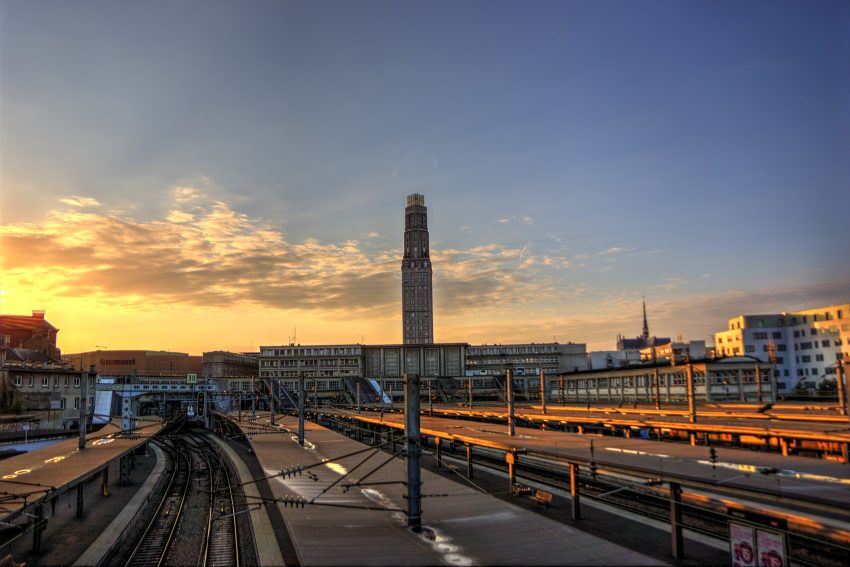
The Tour Perret is a striking example of modernist architecture, located in the heart of Amiens. Designed by the renowned architect Auguste Perret, this 110-meter-high tower was completed in 1954 and stands as a symbol of post-war reconstruction. The tower’s clean lines and the use of reinforced concrete reflect Perret’s innovative approach to building, as well as his vision for urban development. It was one of the first high-rise buildings in France, and its sleek, utilitarian design makes it a prominent feature of the city’s skyline. Visitors can ascend the tower to enjoy panoramic views of Amiens and the surrounding area, providing a unique perspective of the city.

While the Tour Perret’s architectural significance is remarkable, it also has cultural and historical importance. Perret’s design helped redefine the urban landscape of Amiens after much of the city was destroyed during World War II. The tower’s modernist aesthetic contrasts sharply with the medieval and gothic architecture found throughout the city, making it an intriguing spot for architecture enthusiasts. Today, it remains a testament to the resilience of Amiens and its commitment to rebuilding in the aftermath of the war.


Location: Tour Perret, Amiens, France

We recommend to rent a car in France through Discover Cars, they compare prices and review multiple car rental agencies. Book your rental car here.

2. Maison de Jules Verne

Maison de Jules Verne
CC BY-SA 3.0 / Chatsam

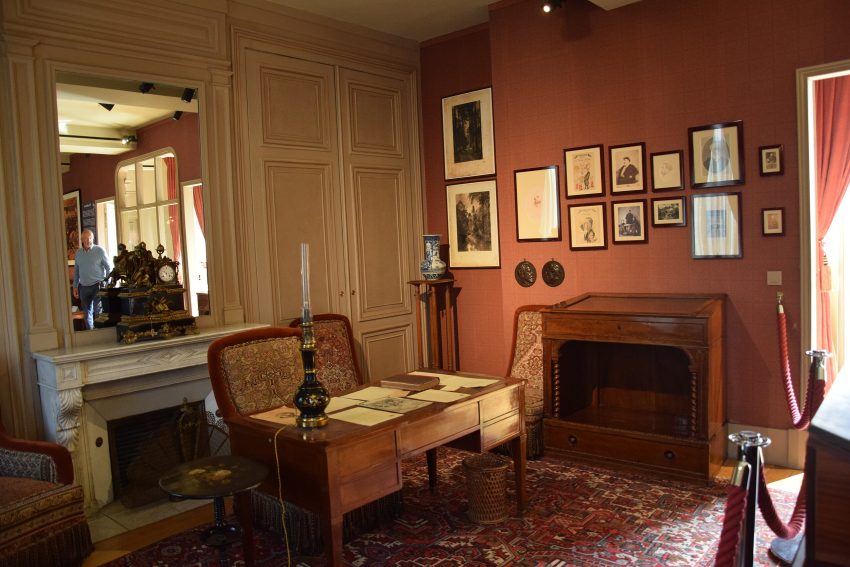
The Maison de Jules Verne is a fascinating glimpse into the life of one of France’s most celebrated writers. Located in the heart of Amiens, the house where Verne lived from 1882 to 1900 has been turned into a museum dedicated to his life and works. The building itself is a beautiful representation of 19th-century architecture, with a rich, historic charm that echoes the era in which Verne wrote many of his famous novels. Inside, visitors can explore a collection of personal items, manuscripts, and first editions, offering a rare insight into the mind of the visionary author behind Twenty Thousand Leagues Under the Sea and Journey to the Center of the Earth.

In addition to the permanent exhibits, the Maison de Jules Verne also features interactive displays and temporary exhibitions that highlight Verne’s extraordinary imagination and his legacy in literature. Visitors can step into rooms where Verne once wrote, evoking the atmosphere of creativity that fueled his visionary tales of adventure and exploration. The museum also reflects his deep connection to Amiens, showcasing how the city and its surroundings inspired many of his stories, making it a must-see for literature fans and anyone curious about Verne’s groundbreaking contributions to science fiction and adventure.


Location: Maison de Jules Verne, Rue Charles Dubois, Amiens, France | Hours: Daily: 10am-12:30pm and 2pm-6pm Closed Tuesday | Price: Adults: €9 | Website

Here is a complete selection of hotel options in Amiens. Feel free to review each one and choose the stay that best suits your needs.

3. Cirque Jules Verne

Cirque Jules Verne
Cirque Jules Verne
CC BY-SA 4.0 / Chabe01

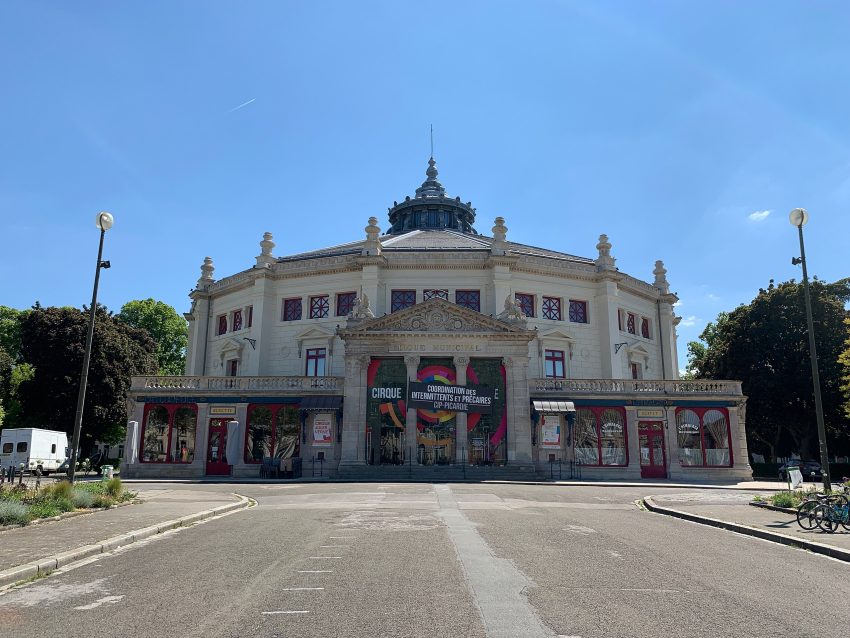
The Cirque Jules Verne is a historic and captivating venue located in Amiens, blending the magic of circus arts with the legacy of one of France’s most famous writers. Built in 1889, this grand structure is not just a circus but a true architectural masterpiece, designed in the style of a traditional circus hall with a striking combination of steel and glass. The building’s remarkable design features a large, dome-shaped roof and a facade that has been carefully preserved, making it an essential part of Amiens’ cultural heritage. Over the years, the circus has hosted a wide range of performances, from acrobatics to theatrical productions, continuing to serve as a center of artistic expression.

Today, the Cirque Jules Verne is a vibrant cultural hub that offers a variety of performances and events. It is particularly known for its contemporary circus productions and innovative performances, which honor the spirit of adventure and exploration found in Jules Verne’s writings. The venue also serves as a reminder of the city’s artistic history, where Verne himself was known to have attended performances during his lifetime. For visitors, the Cirque Jules Verne provides not only a chance to experience world-class entertainment but also a piece of history that ties together the city’s literary and theatrical traditions.


Location: Centre de documentation Cirque Jules Verne, Rue Cozette, Amiens, France | Website

Traveling to a country with a different currency? Avoid ATM transaction fees and pay in local currency with a Wise Card. Having used it for over 5 years, we've saved loads on fees!

4. Musée de Picardie

Extyernal view of Musée Picardie Amiens, on a sunny day
Musée Picardie Amiens
CC BY-SA 4.0 / Chabe01

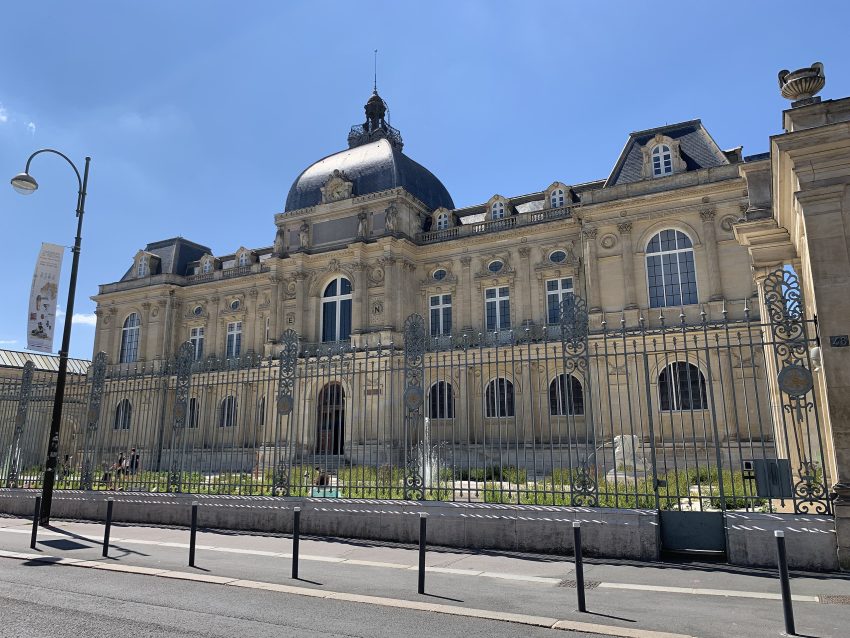
The Musée de Picardie, located in Amiens, France, is a prominent museum renowned for its extensive collections spanning from prehistory to the 19th century. Established in 1802 as the Musée Napoléon, it was initially housed in the Hôtel de Ville. The current building, constructed between 1855 and 1867, was purpose-built to serve as a museum, making it one of the first in France designed specifically for this purpose. Architects Henri Parent and Arthur-Stanislas Diet designed the edifice in the Second Empire style, drawing inspiration from the expansions of the Louvre under Napoleon III. This architectural endeavor was largely driven by the Société des Antiquaires de Picardie, aiming to provide a dedicated space for the region’s rich collections.

The museum’s collections are diverse and comprehensive. The archaeological section, located in the basement, features artifacts from ancient Greece, Egypt, and the local Picardy region, including the notable mummified remains of an Egyptian woman named Setjaïmengaou from the 7th century BC. The medieval department showcases masterpieces from the 12th to 16th centuries, such as the Puys d’Amiens from the Amiens Cathedral. The fine arts collection encompasses works from the 17th to 20th centuries by artists like El Greco, Frans Hals, Jean Siméon Chardin, and Francis Bacon. Additionally, the museum houses monumental frescoes by Pierre Puvis de Chavannes, including “Peace and War” (1861) and “Work and Rest” (1863), enhancing the grandeur of its interior spaces.


Location: Musée de Picardie, Rue Puvis de Chavannes, Amiens, France | Hours: Open every day except Mondays, January 1st, May 1st and December 25th from 9:30 a.m. to 6 p.m. from Tuesday to Friday. It is open from 11am to 6pm, Saturdays, Sundays and public holidays. | Price: Adults €9

5. Belfry of Amiens

Belfry of Amiens
Belfry of Amiens
CC BY-SA 3.0 / MonsieurDisorder

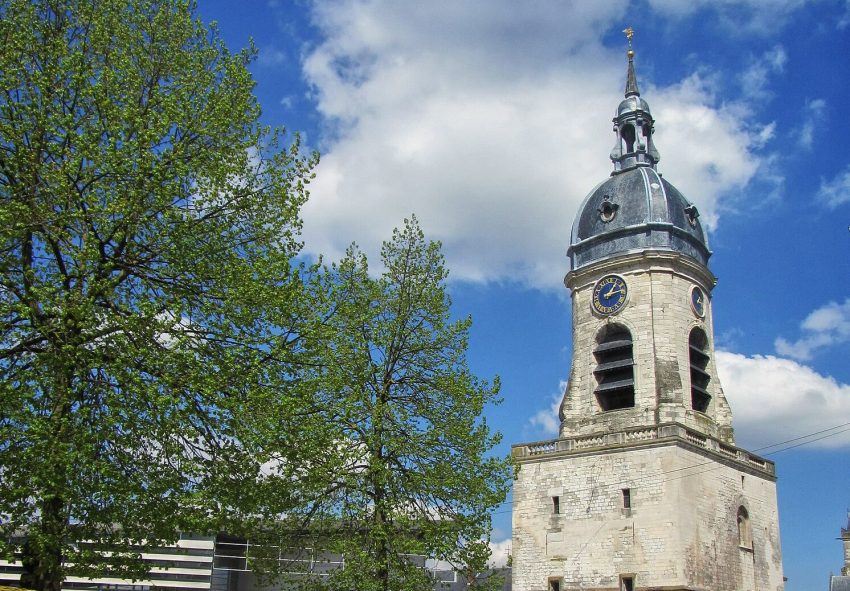
As you arrive at the Place au Fil, look up and you’ll see the Belfry of Amiens rising above the square—a symbol of the city’s independence since the 12th century. Originally built as a watchtower and a bell tower, it served both to warn citizens of danger and to mark important civic moments. Over time, it became a proud emblem of local authority, separate from the Church or nobility. Though damaged and rebuilt several times, especially after fires and wartime destruction, the belfry still stands tall today at 52 meters, blending Gothic roots with later classical features.

If you’re up for the climb, the interior offers a steep but rewarding staircase that leads to sweeping views over Amiens—from the rooftops of the old town to the spires of the nearby cathedral. Along the way, exhibits trace the belfry’s evolution and its place in city life, from medieval times through the Revolution. Whether you go inside or simply admire it from the square, this UNESCO-listed monument offers a strong sense of Amiens’ civic pride and its long-standing tradition of self-governance.


Location: Beffroi d'Amiens, Place Maurice Vast, Amiens, France

6. Hotel de Ville - Amiens

Amiens Hotel de ville
CC BY-SA 3.0 / Florestan

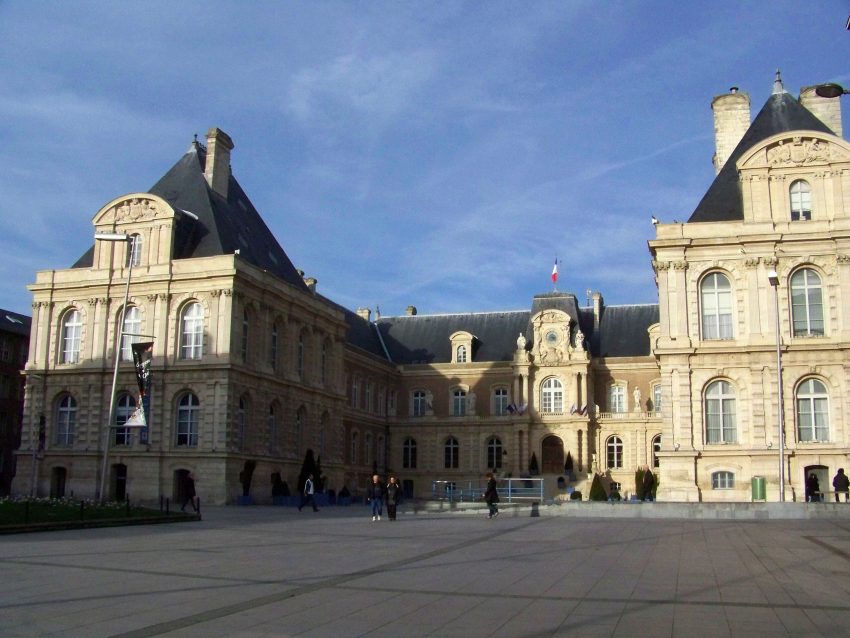
As you reach the Place de l’Hôtel de Ville, take a moment to admire Amiens’ City Hall—a grand neoclassical building completed in the 18th century. With its elegant symmetry, classical columns, and stately façade, it reflects the ambitions of a city rebuilding itself after centuries of upheaval. The structure you see today was finished around 1760, replacing an earlier town hall that had remained unfinished since the 16th century. Note the clock at the top and the sculpted figures commemorating key figures from Amiens’ history, including those who helped secure its communal charter back in the 1100s.

This square and the Hôtel de Ville have witnessed some of Amiens’ most important events, including the signing of the Treaty of Amiens in 1802, which briefly ended war between Britain and Napoleonic France. Over the years, wings were added to form a courtyard, giving the complex the shape it has now. While it remains a functioning center of local government, the building also stands as a symbol of Amiens’ resilience and civic identity—an enduring backdrop to everyday life and historical milestones alike.


Location: Hôtel de Ville d'Amiens, Place de l'Hôtel de ville, Amiens, France

7. Square du Cloître des Sœurs Grises

Convent of the Grey Sisters
CC BY-SA 4.0 / Chabe01

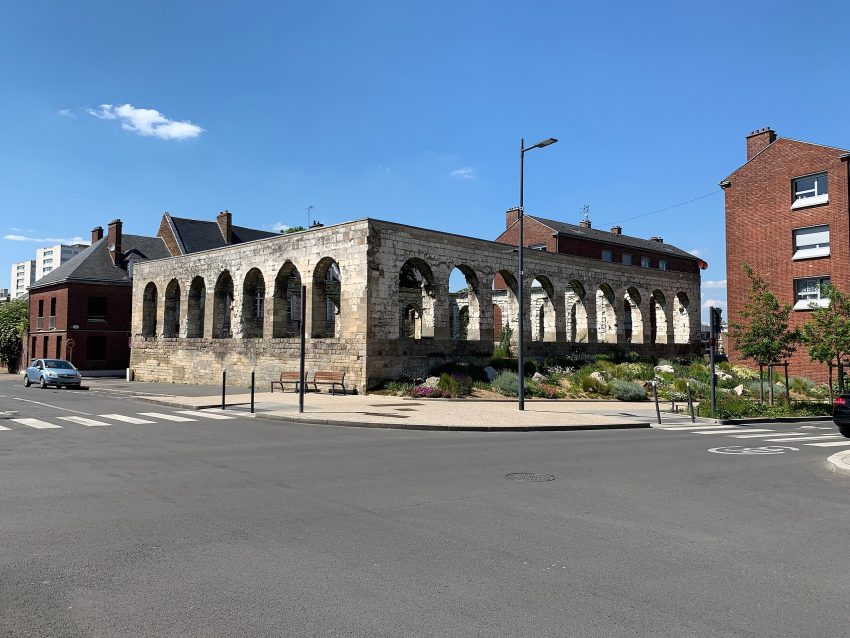
As you step into the quiet greenery of the Square du Cloître des Sœurs Grises, you’re walking on the grounds of a former Franciscan convent that once played a vital role in Amiens’ social life. Founded in 1486 by the “Grey Sisters”—a branch of the Third Order of Saint Francis—the convent was home to women who devoted their lives to caring for the poor, the sick, and travelers in need. The original convent buildings included a church, cloister, and residential quarters, expanded over the centuries as the order grew. Though much of the complex was lost during the French Revolution and later bombings in 1940, the spirit of compassion that defined this space still lingers.

What remains today are portions of the cloister walls, now forming the backdrop to this peaceful public garden. The Square du Cloître offers a rare pocket of calm in the city, where locals and visitors alike can pause among the trees and low stone walls that hint at centuries of quiet service and reflection. As you walk through, imagine the daily rhythms of the sisters who once lived here—tending to the vulnerable, moving between prayer and care, and shaping a legacy that earned the site recognition as a historic monument.


Location: Vestiges du Couvent des Sœurs Grises d'Amiens, Canton d'Amiens-1, Amiens, France

8. Man on his Buoy

Man on his Buoy
Man on his Buoy
CC BY-SA 4.0 / Yassine Boukhriss

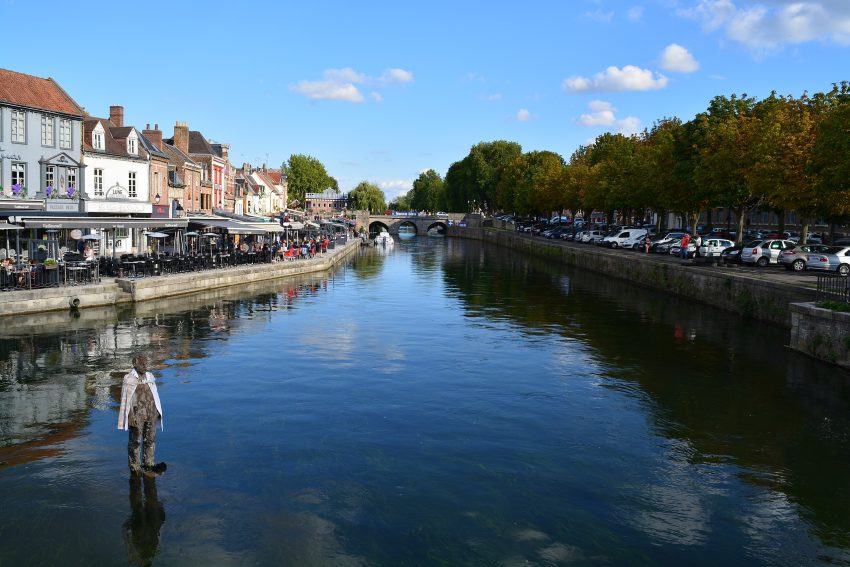
The Man on his Buoy (L’Homme sur sa Bouée) was part of a public commission in 1993, Stephan Balkenhol sculpted three figures from a single tree trunk. Two of these—The Man in the Red Shirt and The Woman in the Green Dress—were installed on the facades surrounding Place du Don. The third, The Man on his Buoy, was placed in the river, where he became an emblem of the Saint-Leu district. After years of water exposure, the original wooden figure deteriorated and eventually broke at the ankles. In 2019, it was replaced by a new version crafted by the artist in stainless steel to better withstand the elements. You may see clothes adorning the statue, a favourite pastime of local students…


Location: L'Homme sur sa bouée, Amiens, France

9. Quartier St Leu à Amiens

Quartier St Leu à Amiens
CC BY-SA 3.0 / Alexandre Bucquet

The Quartier St Leu is one of Amiens’ most picturesque and vibrant neighborhoods, brimming with history and character. Known for its charming canals, narrow cobblestone streets, and colorful buildings, the St Leu district was historically a working-class area that has been transformed over time into a lively hub of creativity and culture. Walking through the quarter, visitors are treated to a mix of old-world charm and modern vibrancy, with quaint cafés, art galleries, and boutiques lining the streets. The neighborhood’s proximity to the Somme River gives it a distinct atmosphere, with bridges and picturesque waterway views enhancing its appeal.

This area is also home to some of the city’s most notable landmarks, including the St Leu Church, a beautiful 19th-century Gothic church, and the Maison de la Culture d’Amiens. It’s a perfect area for those looking to experience the authentic local lifestyle while enjoying a more relaxed pace away from the hustle of the city center. The district hosts numerous festivals and events throughout the year, making it a vibrant and dynamic part of Amiens. Its unique blend of tradition and contemporary culture makes the Quartier St Leu an essential stop for any visitor to the city.


Location: amiens, Rue St Leu, Amiens, France

10. Les Hortillonnages (Marsh Gardens)

Hortillonnages d'Amiens
Hortillonnages d’Amiens
CC BY-SA 3.0 / Claude Shoshany

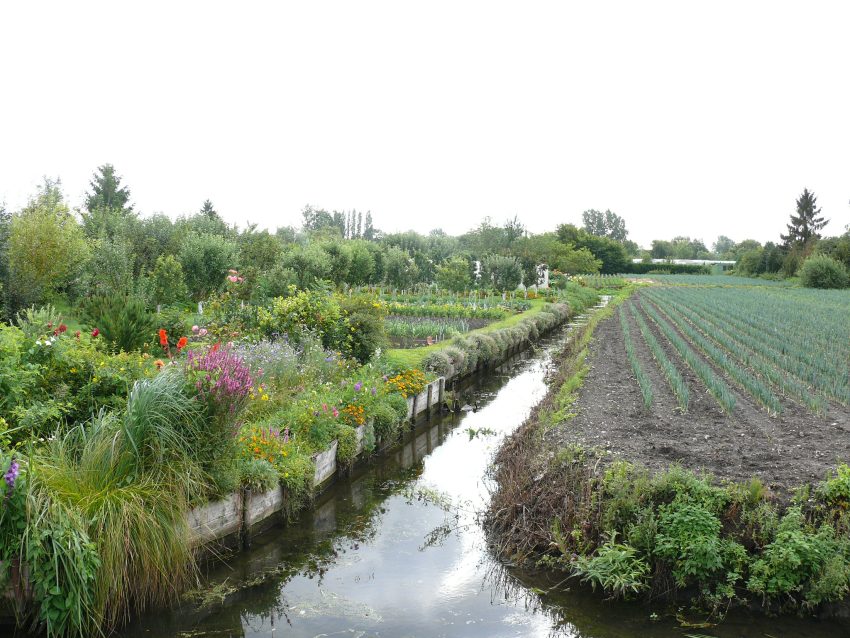
The Hortillonnages, or Marsh Gardens, are a beautiful and unique network of floating gardens located just outside Amiens, on the banks of the Somme River. Spanning over 300 hectares, these tranquil, waterlogged plots are carefully cultivated by local gardeners and have been a part of the region’s agricultural heritage for centuries. The gardens, which are accessed by small boats, offer visitors a peaceful retreat, where they can explore the lush greenery, vibrant flowers, and winding waterways that make this area so special. The beauty of the Hortillonnages lies in the combination of nature and human craftsmanship, as the farmers use traditional methods to maintain these fertile plots, growing a wide variety of vegetables, fruits, and flowers.

A boat ride through the Hortillonnages offers a serene and immersive experience, providing an opportunity to observe the natural environment and learn about the area’s unique history. The marshes are an essential part of Amiens’ cultural and ecological heritage, providing a peaceful counterpoint to the bustling urban center. Whether you’re an avid gardener or simply looking for a tranquil escape, the Hortillonnages offer a rare chance to experience the beauty of nature in one of France’s most well-preserved wetlands.


Location: Les hortillonnages, Amiens, France

11. Cathédrale Notre-Dame d'Amiens

Cathédrale Notre Dame d'Amiens
Cathédrale Notre Dame d’Amiens
CC BY-SA 4.0 / Pierre Poschadel

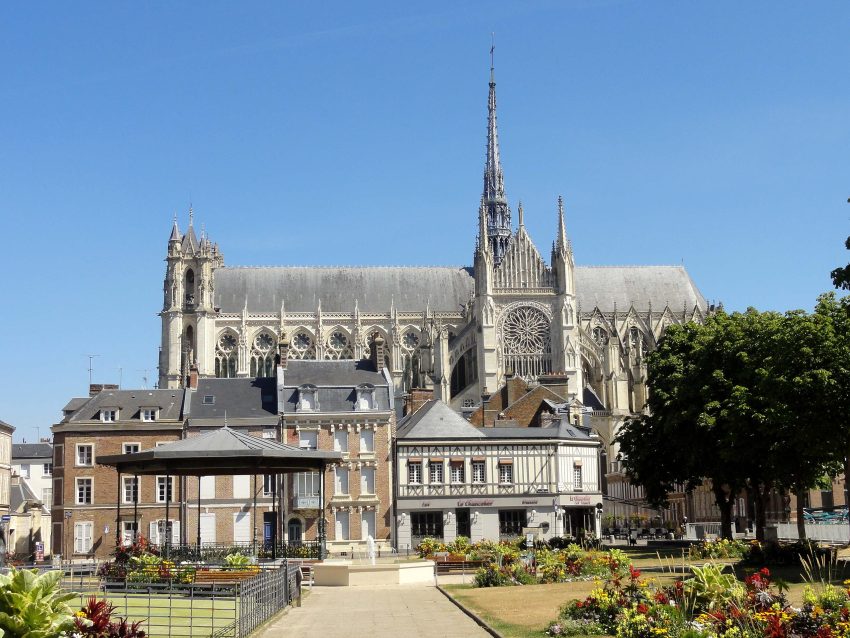
The Cathédrale Notre-Dame d’Amiens is an awe-inspiring Gothic masterpiece, renowned for its grandeur and architectural brilliance. Completed in the early 13th century, it is the largest cathedral in France and a UNESCO World Heritage site. The cathedral’s towering facade is adorned with intricate sculptures and stunning stained glass windows, depicting scenes from the Bible and local history. Inside, the vast, soaring nave creates an ethereal atmosphere, with high vaulted ceilings and remarkable acoustics. The cathedral is also famous for its breathtaking light and sound show, known as “Chroma,” which illuminates the cathedral’s stunning features in a mesmerizing display of colors.

Beyond its visual splendor, the Cathédrale Notre-Dame d’Amiens is an important religious site, still serving as the seat of the Diocese of Amiens. The building’s history reflects centuries of devotion, and it has been a place of pilgrimage for many. Visitors can also explore its crypts and chapels, where some of the relics of the city’s saints are preserved. Whether you are an admirer of architecture, a history buff, or simply in awe of monumental beauty, the cathedral’s sheer scale and intricacy make it an essential destination when visiting Amiens.


Location: Cathédrale Notre-Dame d'Amiens, Place Notre Dame, Amiens, France | Hours: From April 1st to September 30th: from 8:30 a.m. to 6:15 p.m. (until 7:30 p.m. on Fridays, Saturdays and Sundays – subject to availability). From October 1st to March 31st: from 8:30 a.m. to 5:15 p.m. (until 6:30 p.m. on Fridays, Saturdays and Sundays). | Price: Free

12. Dewailly Clock

Amiens Horloge Dewailly
CC BY-SA 4.0 / Zairon

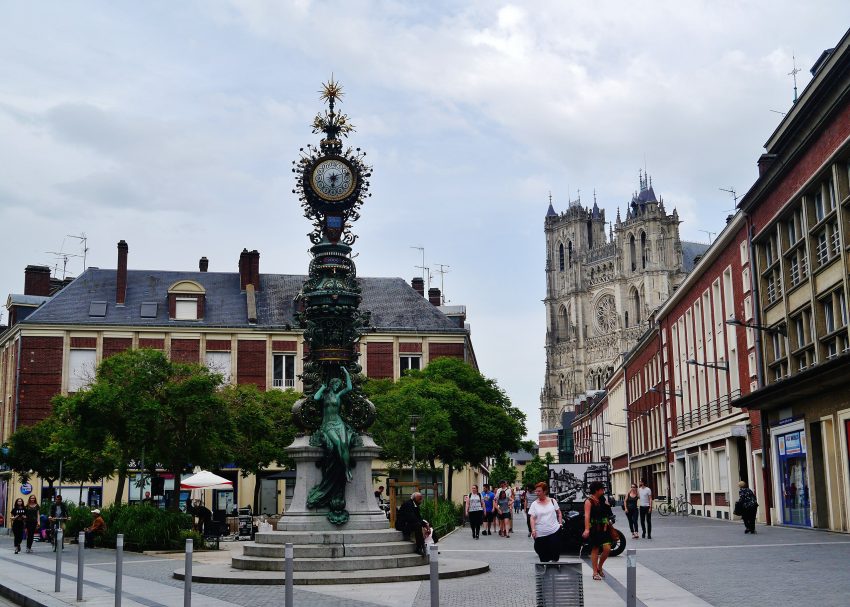
The Dewailly Clock (Horloge Dewailly) is one of Amiens’ most iconic landmarks, situated in the heart of the city near the central square. Built in 1868, this beautiful clock tower was a gift from local businessman and philanthropist Édouard Dewailly. The clock itself is an impressive feat of engineering and design, with intricate details and a striking mechanism that rings on the hour. Its elegant facade, featuring both Roman and Gothic architectural elements, adds to the charm of Amiens’ historical center. The clock tower also serves as a reminder of the city’s industrious past, as it was part of an initiative to showcase the region’s industrial prowess during the late 19th century.

The Dewailly Clock is not just a functional timepiece; it is a central symbol of Amiens’ rich history and serves as a meeting point for locals and visitors alike. It has become a significant part of the urban landscape, offering an atmospheric spot from which to appreciate the surrounding historic buildings. The clock’s regular chimes provide a comforting rhythm to the city, and its unique blend of architectural styles makes it a favorite among tourists exploring the city’s historical heart.


Location: Espace Dewailly, Place Louis Dewailly, Amiens, France

13. Maison du Pèlerin

Front facade of Maison Pèlerin on a sunny day.
Maison Pèlerin
CC BY-SA 4.0 / Chabe01

The Maison du Pèlerin is a charming historical site that offers a warm welcome to visitors and pilgrims passing through Amiens. Located near the Cathédrale Notre-Dame, this house has been a place of hospitality for centuries, originally providing lodging and support to those traveling to the cathedral on religious pilgrimages. Today, the Maison du Pèlerin is a visitor center that provides helpful information about Amiens, its rich history, and its religious significance. The building itself is a fine example of traditional architecture, with a welcoming atmosphere that reflects its long-standing role as a place of refuge.

Visitors to the Maison du Pèlerin can learn about the pilgrimage routes that once passed through Amiens, as well as the city’s religious traditions and festivals. The center also offers maps, guides, and other resources for exploring the city, making it an excellent starting point for anyone looking to discover more about Amiens’ rich cultural and spiritual heritage. With its historical connection to the cathedral and its role as a center for pilgrims, the Maison du Pèlerin embodies the spirit of hospitality and faith that has been a hallmark of Amiens for centuries.


Location: Place Notre Dame, 80000 Amiens, France
Powered by GetYourGuide
Moira & Andy
Moira & Andy

Hey! We're Moira & Andy. From hiking the Camino to trips around Europe in Bert our campervan — we've been traveling together since retirement in 2020!

Read our full story here

This website uses affiliate links which earn a small commission at no additional cost to you.

Walking Tour Summary

Distance: 5 km
Sites: 13

Walking Tour Map
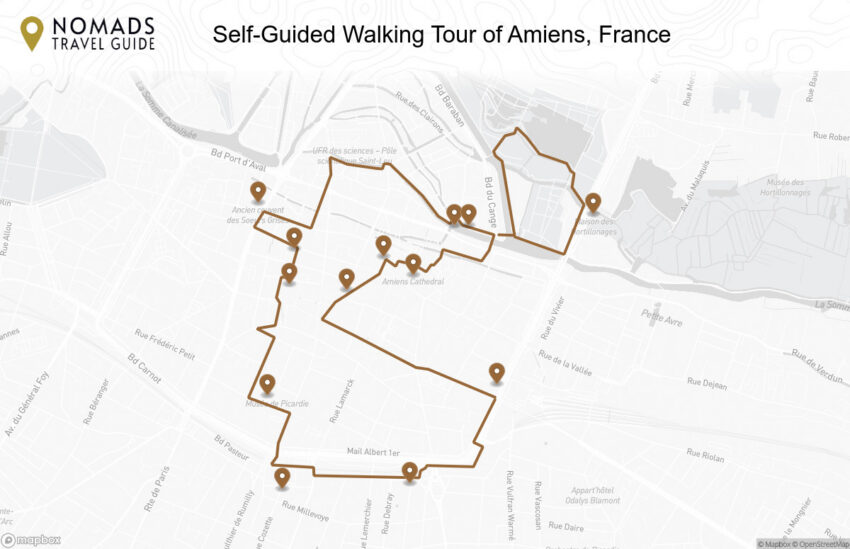
Map of the Self-Guided Walking Tour of Amiens, France walking route with 13 stops in Amiens.
Preview map of the Self-Guided Walking Tour of Amiens, France route in Amiens, showing 13 stops. Use the interactive map to zoom and tap markers.

More from this area

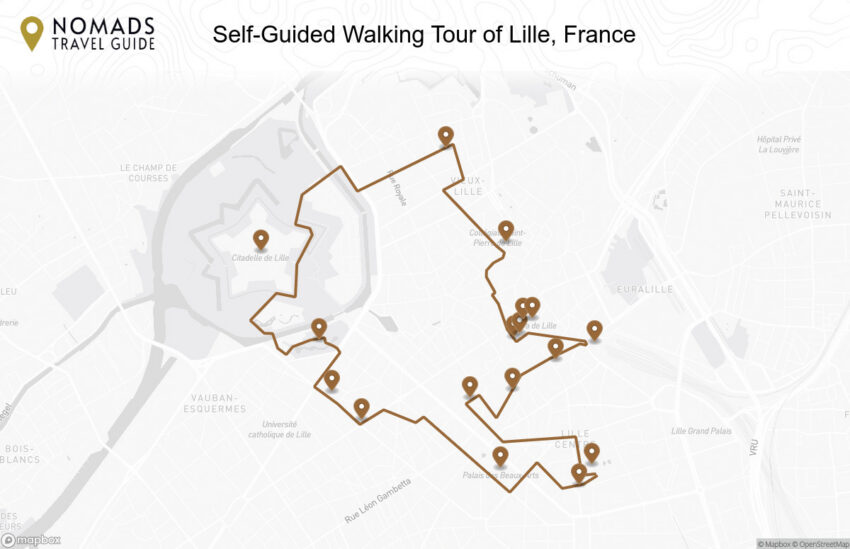
Self-Guided Walking Tour of Lille, France (2026)

Self Guided Walking Tour of Lille

This website uses affiliate links which earn a small commission at no additional cost to you.

A self-guided walking tour of Lille is the perfect way to experience the city's layered history, vibrant street life, and architectural richness at your own pace. Whether you're arriving by train at the central Gare de Lille-Flandres or stepping out from the charming streets of Vieux-Lille, this walk weaves through grand squares, medieval churches, Art Deco landmarks, and lush green spaces. Lille's compact city center means everything is easily reachable on foot, with surprises around every corner-from ornate Flemish façades to hidden courtyards and lively markets.

This walking tour will take you through the city’s most iconic landmarks, including the majestic Grand Place, the historic Vieille Bourse, and the elegant Palais des Beaux-Arts. You’ll pass through cultural institutions, peaceful parks, and architectural gems, each offering a glimpse into the city’s past and present. With a balance of must-see highlights and lesser-known corners, this route offers an intimate introduction to Lille’s distinctive Franco-Flemish character-ideal for curious visitors with a comfortable pair of shoes and a few hours to explore.

How to get to Lille

By Plane: To get to Lille by plane, fly into Lille Airport (LIL), which serves both domestic and some European flights. Alternatively, you can fly into Paris Charles de Gaulle (CDG) and take a high-speed train (TGV) to Lille in about one hour. For the best deals and a seamless booking experience, check out these flights to Lille on Booking.com.

By Train: Getting to Lille is simple thanks to its excellent transport connections with Paris and other parts of France. Lille has two main train stations: Lille-Flandres and Lille-Europe. Lille-Flandres primarily handles domestic routes within France, while Lille-Europe is the hub for international services, including the Eurostar to and from London, Brussels, and beyond. Both stations are centrally located and within walking distance of one another, making connections between them hassle-free.

By Car: Lille is well-connected by an extensive motorway network. Driving provides flexibility, and there are several parking facilities and Park-and-Ride options available around the city. I suggest the free parking at Parking Piscine Marx Dormoy. If you choose this option start the tour at Jardin Vauban (see below). If you are looking to rent a car in France I recommend having a look at Discover Cars, first, as they compare prices and review multiple car rental agencies for you.

Where to Stay in Lille

For a walking tour of Lille’s historic centre, staying in the heart of the city offers convenient access to major attractions like the Grand Place, Palais des Beaux-Arts, and Vieux Lille’s charming streets. A luxurious option is Clarance Hotel Lille, a 5-star boutique hotel set in an 18th-century townhouse, offering elegant rooms and a Michelin-starred restaurant. For a modern and stylish stay, OKKO Hotels Lille Centre provides contemporary accommodations with a fitness center and shared lounge, just a short walk from the Opera de Lille. Travelers seeking a blend of comfort and location might consider Grand Hôtel Bellevue - Grand Place, which boasts traditional Flemish architecture and overlooks the bustling Grand Place. These accommodations place you within walking distance of Lille’s vibrant streets, historic landmarks, and delightful cafés.

A Short History of Lille

Lille’s origins stretch back to the 11th century, when it was first mentioned as Insula in 1066. The medieval city quickly became an important commercial hub in Flanders, a legacy still visible in the Vieille Bourse (Old Stock Exchange), built between 1652 and 1653 under the orders of King Philip IV of Spain. This Flemish Renaissance masterpiece, with its richly decorated courtyard, became the beating heart of Lille's mercantile life and still anchors the Place du Général-de-Gaulle (Grand Place), the city's main square. Religious devotion also left its mark with the Église Saint-Maurice de Lille, a Gothic hall church whose construction began in the 14th century and continued for centuries, reflecting the prosperity of Lille's merchant class.

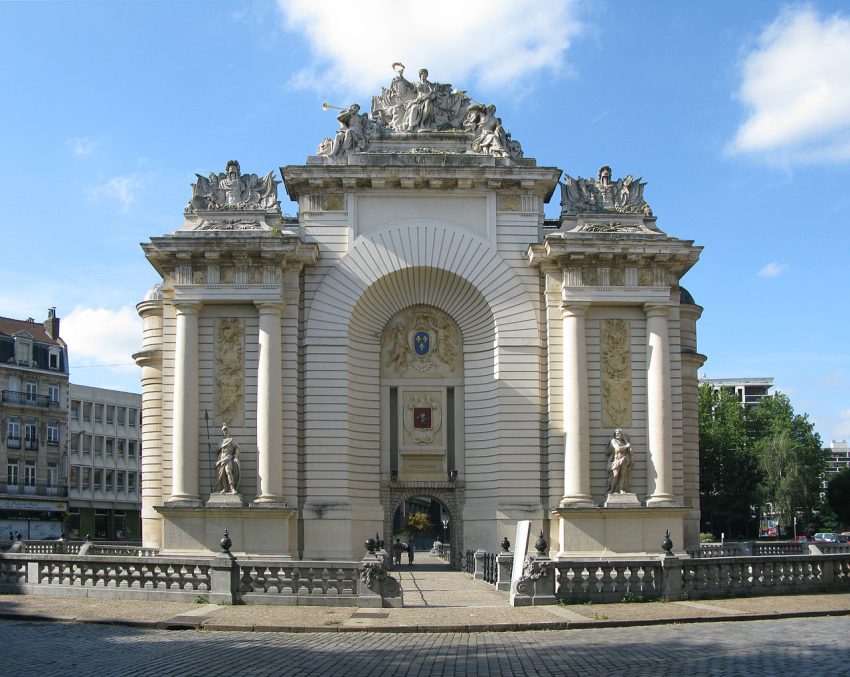
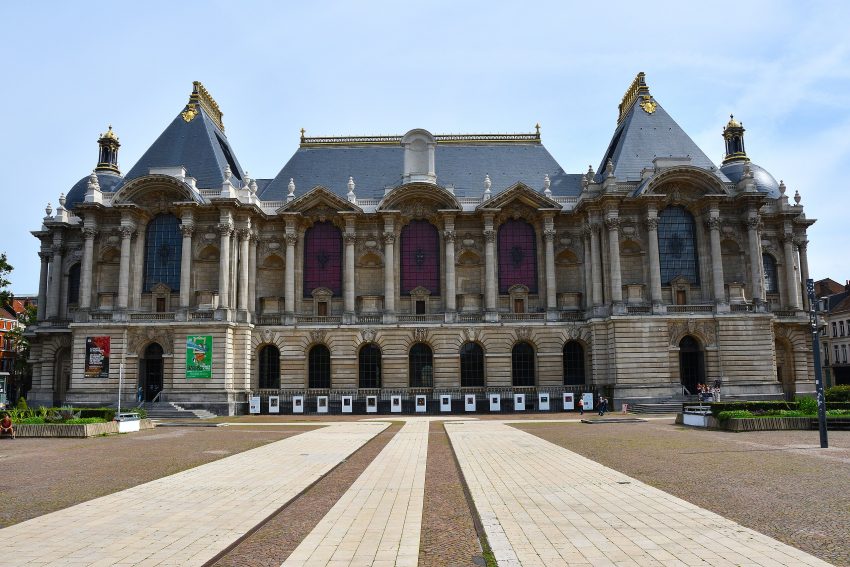
The city's military and political importance grew under French rule after the siege of 1667, when Louis XIV's engineer Vauban designed the mighty Citadelle de Lille, completed in 1670. Known as the “Queen of Citadels,” it was part of France's defensive belt and today is surrounded by the Jardin Vauban and the Lille Zoo, giving new life to a former fortress landscape. To celebrate Louis XIV's conquest, the Porte de Paris, a triumphal arch, was constructed in 1692 on the old city walls. Lille's cultural institutions also flourished, culminating in the Palais des Beaux-Arts de Lille, founded in 1809 by Napoleon and housed in its current grand Beaux-Arts building since 1892, now one of France's largest museums.

The industrial and modern eras reshaped Lille's skyline and identity. The Gare de Lille-Flandres, completed in 1892 with a façade designed by the architect of the Paris Gare du Nord, symbolized the city's role as a transport hub. Civic pride reached new heights with the construction of the Chamber of Commerce and its Belfry (1921) and the monumental Beffroi de l'Hôtel de Ville de Lille (1932), which remains a UNESCO World Heritage Site as part of the belfries of Belgium and France. Religious architecture continued with the Église du Sacré-Cœur de Lille, built in the late 19th century, while civic and cultural landmarks like the Opéra de Lille (opened in 1923) and the Palais Rameau reflected Lille's vibrant artistic life. The city also honors its modern history through the Maison Natale Charles de Gaulle, birthplace of France's wartime leader and president, now a museum dedicated to his legacy.

Guided or Self-Guided Walking Tour of Lille?

If you're visiting Lille for just a day and want to make the most of your time in the historic center, consider taking a guided walking tour with a local expert. This 2-hour Old Lille walking tour is one of the best-rated options, offering a rich introduction to the city’s architectural gems, hidden courtyards, and fascinating stories.

Your Self-Guided Walking Tour of Lille

Discover Lille on foot as you explore its grand squares, medieval landmarks, elegant 17th-century architecture, and lively shopping streets, and you can use our interactive walking tour map to track your current location and your next site as you go. This walking tour takes you through the city's layered history and cultural highlights, where you will encounter reminders of Lille's Flemish roots, French grandeur, and modern spirit, all within a city that blends history, commerce, and creativity at every turn.

1. Beffroi de l’Hôtel de Ville de Lille

Beffroi de l'Hôtel de ville de Lille
Beffroi de l’Hôtel de ville de Lille
CC BY-SA 3.0 / Hotczar3

Standing tall at 104 meters, the Beffroi de l’Hôtel de Ville de Lille is not only the tallest belfry in France but also a key landmark on any walking tour of the city. Built between 1924 and 1932 in the Art Deco style, it was designed by Émile Dubuisson and now serves as a symbol of civic pride and resilience. The belfry is part of the UNESCO-listed network of belfries in France and Belgium and was constructed after World War I as part of the city’s post-war reconstruction. Visitors can ascend via elevator and a short stairway to reach a panoramic viewing platform that offers sweeping views over Lille and beyond—on clear days, the skyline stretches to Belgium.

As you approach the belfry from the Place Roger Salengro, its red brick and concrete façade contrast dramatically with the traditional Flemish buildings nearby. It’s a bold and modern take on the historical belfry form, and an excellent way to begin your tour of Lille, setting the tone with a blend of past and present. Whether or not you go up, the tower’s presence is commanding, and its bells still mark the rhythm of the city today.


Location: Beffroi de l'Hôtel de Ville de Lille, Place Augustin Laurent, Lille, France | Hours: Tuesday to Sunday 11:00 AM to 1:00 PM and from 2:00 PM to 5:30 PM. | Price: Adults: €7.50 / €6.00 Online Price | Website

We recommend to rent a car in France through Discover Cars, they compare prices and review multiple car rental agencies. Book your rental car here.

2. Porte de Paris

Porte de Paris lille
CC BY-SA 3.0 / Jiel Beaumadier

A few steps from the belfry, the Porte de Paris offers a grand entrance into Lille’s historical core. This ceremonial triumphal arch was built between 1685 and 1692 to commemorate the capture of Lille by Louis XIV. Designed by Simon Vollant—the same architect responsible for the city’s Vauban citadel—the gate was not defensive, but celebratory, built to show off royal power. Its classical façade is richly decorated with sculptures of Mars, Hercules, and allegorical figures of Victory, giving visitors a glimpse into the grandeur of 17th-century royal propaganda.

Framing the entrance to what was once the walled city, the arch stands as a striking reminder of Lille’s transformation from a Flemish stronghold to a proud French city. Take a moment to walk around the monument and observe the details carved into the stonework. The square surrounding it is also a peaceful green space, perfect for a quick rest before continuing your walk deeper into the historic center.


Location: Porte de Paris, Boulevard Denis Papin, Lille, France

Here is a complete selection of hotel options in Lille. Feel free to review each one and choose the stay that best suits your needs.

3. Palais des Beaux-Arts de Lille

Palais des beaux arts Lille
CC BY-SA 4.0 / Rene Cortin

The Palais des Beaux-Arts de Lille is a cultural heavyweight and one of the largest fine arts museums in France, second only to the Louvre outside of Paris. Housed in a majestic Belle Époque building on the Place de la République, the museum boasts a collection that spans from antiquity to the 20th century. Inside, you’ll find masterpieces by Rubens, Goya, Delacroix, and Rodin, along with remarkable relief maps of fortified cities by Vauban. The grand central hall, with its glass roof and marble columns, is worth a visit even if you don’t go through the entire collection.

Even from the outside, the Palais is impressive—its symmetrical wings, fountains, and formal landscaping set it apart in this elegant civic square. It also marks the halfway point between Lille’s old city and its 19th-century expansion, making it an ideal mid-point for a walking tour. If time permits, pop in for a quick look at one of the temporary exhibitions or stop for a coffee in the museum café before heading back toward the Grand Place or the Vieux-Lille district.


Location: Palais des Beaux Arts, Place de la République, Lille, France | Hours: Monday: 2 p.m. - 6 p.m. Wednesday to Sunday: 10 a.m. - 6 p.m. Closed on Tuesdays | Price: Adults: €7 | Website

Traveling to a country with a different currency? Avoid ATM transaction fees and pay in local currency with a Wise Card. Having used it for over 5 years, we've saved loads on fees!

4. Église du Sacré-Cœur de Lille (Sacred Heart Church)

Lille Église du Sacré Cœur
CC BY-SA 4.0 / Peter Potrowl.

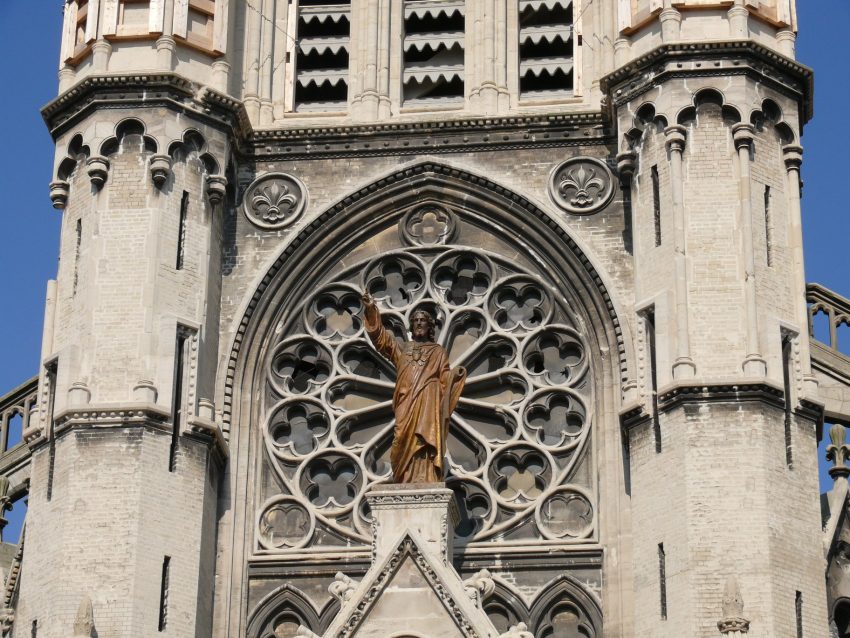
Just a short stroll south of the city center, the Église du Sacré-Cœur is one of Lille’s most imposing churches, standing out for its Neo-Gothic architecture and grand proportions. Built in response to a wartime vow in the 1870s, the church stretches 90 meters in length and features soaring stained-glass windows and a striking bell tower completed in 1928. The church’s austere exterior belies a richly detailed interior, including a series of chapels and vaulted ceilings that offer a calm and contemplative atmosphere for visitors. Its construction spanned decades, reflecting both devotion and the evolving style of ecclesiastical design through the late 19th and early 20th centuries.

It’s a quieter stop on a walking tour—removed from the hustle of the Grand Place—but well worth the detour, especially for those interested in religious architecture. Take time to admire the Chapel of the Vow at the rear of the church, which features beautiful stained glass dedicated to the Sacred Heart. The church grounds and its surrounding streets also offer a pleasant break from the busier parts of the city, with local cafés and bakeries nearby if you’re looking to pause your route.


Location: Église du Sacré-Cœur de Lille, Rue Solférino, Lille, France

5. Palais Rameau

Lille palais rameau
Lille palais rameau
CC BY-SA 2.0 / Velvet

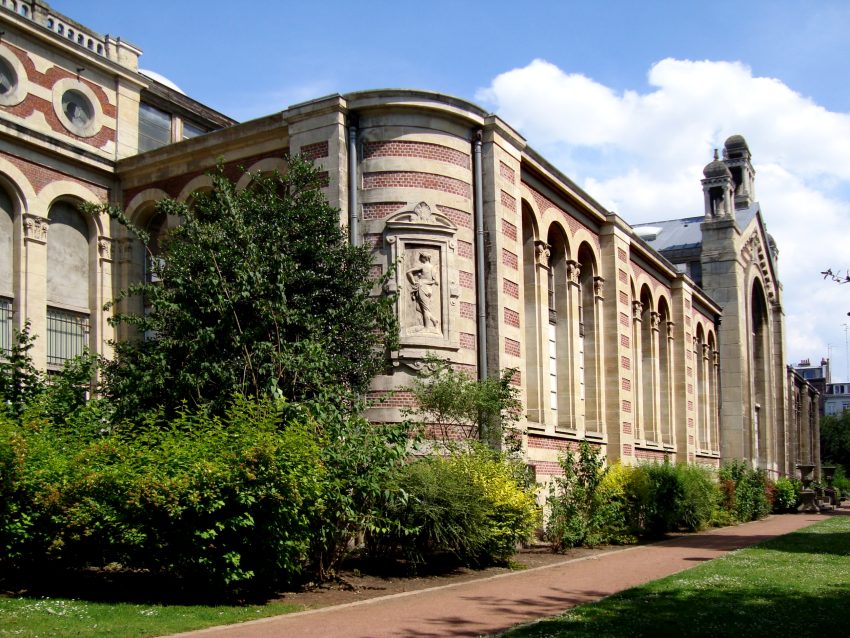
Tucked into the greenery of the Vauban district, the Palais Rameau is a lesser-known architectural gem that makes a rewarding stop for those venturing west of the city center. Built in 1903, it was originally intended to house exhibitions and cultural events and is named after Charles Rameau, the Lille businessman and benefactor who funded its construction. The building’s glass-and-brick façade reflects a blend of Art Nouveau and Beaux-Arts influences, with intricate ironwork and large windows that flood the interior with natural light.

Today, the Palais is often used for exhibitions, conferences, and cultural programming tied to the University of Lille. While it’s not always open to the public, even from the outside it’s a visual treat—especially when viewed in the soft light filtering through the nearby trees. It’s also a great transition point as you move from the city’s built environment into the leafy calm of the Jardin Vauban, located just behind.


Location: Palais Rameau, Boulevard Vauban, Lille, France

6. Jardin Vauban (Vauban Garden)

Jardin vauban lille
Jardin vauban lille
CC BY-SA 4.0 / Junglemowgli

The Jardin Vauban is one of Lille’s most cherished green spaces—a beautifully landscaped park that sits in the shadow of the historic Vauban Citadel. Created in the 19th century in the style of an English garden, it features winding paths, shaded groves, ornamental bridges, and a small grotto-style waterfall. It’s a favorite local spot for afternoon strolls, family outings, or simply relaxing on a bench with a book. The contrast between the park’s gentle landscaping and the Citadel’s imposing military presence gives the area a unique atmosphere, balancing history with leisure.


Location: Jardin Vauban, Boulevard Vauban, Lille, France

7. Citadelle de Lille and Lille Zoo

Lille citadelle porte royale
CC BY-SA 4.0 / Velvet

A highlight of any walking tour in Lille, the Citadelle de Lille is a 17th-century star-shaped fortress designed by the famed military engineer Vauban under the orders of Louis XIV. Though it remains an active military site with limited interior access, the fortress’s exterior and surrounding grounds are open to the public and make for a memorable stop. Its formidable ramparts, bastions, and wide moats reflect Vauban’s strategic brilliance, while the Porte Royale, the ceremonial entrance, showcases intricate stone carvings and the Sun King’s royal symbols. Walking the perimeter path allows visitors to admire the scale and symmetry of the design while soaking in views of the adjacent parklands.

Next to the citadel is the charming Lille Zoo, a beloved spot for families and animal lovers. The zoo is compact, well-maintained, and home to over 300 animals, including monkeys, red pandas, exotic birds, and reptiles. Entry is often free or very affordable, making it a great spontaneous addition to your day. Together, the Citadelle and the zoo offer a relaxing change of pace from Lille’s urban bustle—perfect for recharging mid-tour before heading back toward the historical heart of the city.


Location: Citadelle de Lille, Avenue du 43e régiment d'infanterie, Lille, France | Hours: Daily (Closed Tuesdays):10:00-17:00 | Price: Zoo Entry: Adults €6 | Website

8. Maison Natale Charles de Gaulle

Maison natale Charles de Gaulle
CC BY-SA 4.0 / Département du Nord

Located on Rue Princesse, the Maison Natale Charles de Gaulle is a modest yet moving tribute to the man who would become one of France’s most towering historical figures. Born here in 1890, Charles de Gaulle spent the early years of his life in this house, which belonged to his maternal grandparents. The interior has been lovingly restored to reflect the era of his childhood, with period furnishings, family portraits, and rooms arranged just as they would have been in a late 19th-century bourgeois home. Walking through the house provides an intimate sense of the values—duty, faith, patriotism—that would shape de Gaulle’s future leadership.

In addition to the preserved living quarters, the museum includes a small interpretation center that traces de Gaulle’s career through artifacts, multimedia exhibits, and personal memorabilia. It’s a compelling stop for anyone interested in modern French history or simply curious about the roots of a man who helped define France in the 20th century. Its quiet charm and educational richness make it a meaningful part of any Lille walking route, particularly for those exploring the Vieux-Lille district.


Location: Maison natale Charles de Gaulle, Rue Princesse, Lille, France | Hours: Dily (Closed Tuesdays)10:00 - 18:00 | Price: €8

9. Musée de l’Hospice Comtesse (Hospice Comtesse Museum)

Musée de l'Hospice Comtesse
Musée de l’Hospice Comtesse
CC BY-SA 2.0 / Patrick

Nestled in the cobbled lanes of Old Lille, the Hospice Comtesse Museum is housed in a former hospital founded in 1237 by Joan of Constantinople, Countess of Flanders. The complex includes a series of elegant brick-and-stone buildings that once served as both a medical and spiritual center for the city. Today, it’s a museum that immerses visitors in Lille’s medieval and early modern history, with collections of religious art, furniture, ceramics, and everyday objects. Rooms have been recreated to resemble the convent-like quarters of the hospital’s nuns, making the experience feel authentic and atmospheric.

Wandering through the old kitchen, apothecary, and chapel offers a vivid picture of the life and care once provided here. The museum also hosts rotating exhibitions that delve into aspects of Lille’s cultural and artistic heritage. With its peaceful cloister and richly evocative interiors, the Hospice Comtesse is a perfect final stop for a walking tour through the historic core—offering both historical depth and a sense of quiet reflection before the return to Lille’s livelier streets.


Location: Musée de l'Hospice Comtesse, Rue de la Monnaie, Lille, France | Hours: Monday from 2:00 p.m. to 6:00 p.m. Wednesday to Sunday from 10:00 a.m. to 6:00 p.m. Closed Monday morning, all day Tuesday and some public holidays. | Price: Temporary exhibition: €6 | Website

10. Place du Général-de-Gaulle (Grand Place)

General de Gaulle Square
CC BY-SA 2.0 / Visions of Domino

At the heart of Lille lies the bustling Place du Général-de-Gaulle, commonly known as the Grand Place. This grand, open square is the city’s central gathering point, framed by ornate façades from various centuries and brimming with history and life. Whether you’re watching street performers, browsing book stalls, or simply pausing for a coffee on a terrace, the square radiates charm. At its center stands the Column of the Goddess, a monument commemorating Lille’s resistance during the 1792 Austrian siege—a proud symbol of the city’s enduring spirit.

The Grand Place connects seamlessly to many of Lille’s major landmarks, making it an essential stop on any walking tour. From here, you can easily reach the Old Stock Exchange, the Opera House, and the Chamber of Commerce. The square is a perfect place to absorb the architectural blend of Flemish, French, and 19th-century styles, all while observing daily life in one of northern France’s most vibrant cities.


Location: Place du Général de Gaulle, Lille, France

11. Vieille Bourse (Old Stock Exchange)

Vieille bourse Lille
CC BY-SA 3.0 / 0x010C

One of Lille’s most beloved buildings, the Vieille Bourse (Old Stock Exchange) is a jewel of Flemish Renaissance architecture. Built between 1652 and 1653 by architect Julien Destrée, the building consists of 24 identical houses arranged around a central arcaded courtyard. With its richly decorated façades, garlands, and sculpted pilasters, it once served as the city’s central trading hub. Today, the courtyard is a lively space filled with secondhand booksellers, chess players, and flower vendors, offering a perfect snapshot of local color.

The Vieille Bourse is open to the public and free to enter, making it an inviting place to linger as you explore the Grand Place area. Its balance of historical grandeur and present-day community use is what makes it special: you’ll find locals and tourists alike browsing through vintage books or enjoying impromptu music under the vaulted arches. It’s one of those rare spots that feels both timeless and alive.


Location: Vieille Bourse, Lille, France

12. Chamber of Commerce, Lille

Lille Chambre de Commerce Opéra
CC BY-SA 3.0 / Jean-Pol GRANDMONT

Facing the Old Stock Exchange is the striking Chamber of Commerce and Industry, housed in the Nouvelle Bourse building, completed in 1921. Designed by architect Louis-Marie Cordonnier, this Neo-Flemish masterpiece stands out for its elegant proportions, elaborate stonework, and especially its 76-meter-high belfry, which echoes the silhouette of older town halls in Belgium and the Netherlands. The carillon of 26 bells and the four-sided clock tower make it one of Lille’s most recognisable skyline features.

While not usually open to casual visitors, the exterior alone is a showstopper, particularly when lit up in the evening. The building forms a harmonious triangle with the Vieille Bourse and the Opéra de Lille, creating one of the most beautiful civic ensembles in France. It’s a perfect place to pause and admire Lille’s blend of civic pride, commerce, and architectural ambition.


Location: Beffroi de la Chambre de Commerce de Lille, Place du Théâtre, Lille, France

13. Opéra de Lille (Lille Opera)

Lille Opéra
Lille Opéra
CC BY-SA 3.0 / Daniel VILLAFRUELA.

Just behind the Chamber of Commerce stands the Opéra de Lille, a Belle Époque treasure completed in 1913, designed by architect Louis-Marie Cordonnier. Its Neoclassical façade is adorned with sculptural reliefs by artists like Hippolyte Lefèbvre and Alphonse-Amédée Cordonnier, adding elegance and grandeur to the square. Inside, the opera house features a lavish auditorium and richly decorated foyer, frequently hosting performances of opera, ballet, and classical music.

Even if you’re not catching a show, the building is well worth admiring from the outside—especially as part of the trio it forms with the nearby Vieille Bourse and Chamber of Commerce. It’s a symbol of Lille’s cultural identity and its long-standing commitment to the arts. Stop here to appreciate the refined craftsmanship and perhaps check the schedule—there may just be an evening performance to cap off your walking tour.


Location: Opéra de Lille, Place du Théâtre, Lille, France

14. Gare de Lille-Flandres

Lille gare flandres
Lille gare flandres
CC BY-SA 3.0 / Velvet

A key entry point to the city, Gare de Lille-Flandres is not just a major railway hub but also a building steeped in history and architectural charm. Originally opened in 1848 and expanded in 1867, the station features a Neoclassical façade that was once part of Paris’s Gare du Nord—dismantled and reconstructed in Lille to create the impressive entrance we see today. With its grand clock, stone columns, and symmetry, the station feels more like a civic monument than a place of transit.

Whether you’re arriving, departing, or simply passing by on foot, the station offers a glimpse into Lille’s development as a key northern crossroads. The interior has been modernized, but the exterior still reflects the ambition of the 19th-century city.


Location: Gare de Lille Flandres, Place de la Gare, Lille, France

15. Église Saint-Maurice de Lille (St. Maurice Church)

Lille Église Saint Maurice
CC BY-SA 4.0 / Zairon

Tucked between the train station and the Grand Place, the Église Saint-Maurice is one of Lille’s most impressive and historic religious sites. Construction began in the late 14th century and continued over several centuries, resulting in a fascinating blend of Gothic and Neo-Gothic architecture. Its tall nave, ribbed vaults, and beautiful stained-glass windows make it an atmospheric and peaceful stop along the route. The church also contains artworks by Louis Joseph Watteau and Jakob van Oost the Younger, adding artistic richness to its sacred space.

One of the church’s more curious features is its possible origin atop an ancient Roman site, hinted at by its dedication to Saint Maurice—a rare choice in the region. Don’t miss the twelve cannonballs embedded in the façade, remnants of the 1792 siege of Lille. The church’s layered history, artistic heritage, and quiet dignity make it a rewarding detour off the main thoroughfares.


Location: Église Saint-Maurice de Lille, Parvis Saint-Maurice, Lille, France

16. Rue de Béthune (Bethune Street)

Rue Béthune Lille
Rue Béthune Lille
CC BY-SA 4.0 / Chabe01

Lille’s Rue de Béthune is the city’s main pedestrian shopping street, stretching between the Gare de Lille-Flandres and Place Rihour. Once known as Rue Notre-Dame, the street was renamed in 1793 and has since evolved into a bustling commercial artery lined with boutiques, cinemas, cafés, and department stores. It’s ideal for strolling, people-watching, or picking up a few souvenirs during your walking tour. Though modern in atmosphere, the street retains echoes of Lille’s architectural past, with remnants of pre-war facades and post-war rebuilding in harmony.

It’s also a key part of Lille’s social life—frequented by students, locals, and visitors alike. Highlights include the UGC Ciné Cité cinema, occasional pop-up markets, and easy access to nearby attractions like the Opéra and Grand Place. As you make your way down Rue de Béthune, you’ll feel the energy of a city that balances historical richness with contemporary vibrancy.


Location: Rue de Béthune, Lille, France

17. Préfecture de Lille (Lille Prefecture)

Lille prefecture
Lille prefecture
CC BY-SA 2.0 / Velvet

Just south of the Palais des Beaux-Arts, the Préfecture de Lille is a grand and stately building that reflects the administrative authority and civic pride of the city. Built between 1865 and 1905, the structure follows a Classical layout with a central block flanked by two wings, a ceremonial courtyard, and a landscaped garden at the rear. Its limestone façade, complete with allegorical sculptures and a central fountain, was the work of architect Charles Marteau, with later additions by Léonce Hainez.

Though not open to casual visitors, the building is worth admiring from the outside. Its H-shaped floor plan was designed to accommodate not only government offices but also reception halls, apartments for the prefect, and various public services. The surrounding area marks the transition between old Lille and its 19th-century extensions, making the Préfecture a natural stop as you circle back toward the heart of the city. It was declared a historic monument in 1975, and remains a key landmark in Lille’s civic landscape.


Location: Préfecture du nord, prefecture of Lille, Rue Jean Sans Peur, Lille, France
Powered by GetYourGuide
Moira & Andy
Moira & Andy

Hey! We're Moira & Andy. From hiking the Camino to trips around Europe in Bert our campervan — we've been traveling together since retirement in 2020!

Read our full story here

This website uses affiliate links which earn a small commission at no additional cost to you.

Walking Tour Summary

Distance: 8.5 km
Sites: 17

Walking Tour Map
Map of the Self-Guided Walking Tour of Lille, France walking route with 17 stops in Lille.
Preview map of the Self-Guided Walking Tour of Lille, France route in Lille, showing 17 stops. Use the interactive map to zoom and tap markers.

More from this area

15 Best Castles to See in the Loire Valley, France 2026

Castles You Must See in the Loire Valley

This website uses affiliate links which earn a small commission at no additional cost to you.

No region in France captures the romance and grandeur of its royal past quite like the Loire Valley. Dotted with more than 300 castles, the area is a living museum of Renaissance artistry, medieval fortifications, and sweeping French landscapes. These châteaux were once the playgrounds of kings and queens, statesmen and visionaries, each with its own story etched in stone, stained glass, and formal gardens.

Whether nestled in vineyard-covered hills or perched above winding rivers, the castles of the Loire Valley form a timeless itinerary for travelers who want to step into history. From the fortress-like towers of Chinon to the fairy-tale spires of Ussé, and the architectural showpiece of Chambord, this curated list highlights the 15 most iconic and unmissable châteaux in the region.

1. Château de Chambord: The King’s Dream

chambord
chambord

The Château de Chambord is arguably the crown jewel of the Loire Valley—a bold and magnificent expression of Renaissance ambition and royal grandeur. Commissioned by King François I in the early 16th century, this sprawling estate was conceived more as a symbol of power than a practical residence. Its sheer scale is breathtaking, with over 400 rooms, 84 staircases, and a silhouette crowned by fantastical towers, turrets, and chimneys. Despite its lavishness, François I spent only a few weeks there, yet it remains a monument to the French monarchy’s vision and taste.

One of Chambord’s most famous features is its double-helix staircase, believed to have been influenced by Leonardo da Vinci, who was under the king’s patronage at the time. The ingenious design allows two people to ascend and descend the staircase simultaneously without ever meeting. The interiors, though more austere than some other Loire châteaux, include grand halls, vaulted chambers, and temporary exhibitions that explore its history and the reign of François I. Walking through its echoing corridors, one can’t help but sense the weight of centuries past.

The château is set within the largest enclosed park in Europe—spanning more than 5,000 hectares and encircled by a 32-kilometre wall. Visitors can explore the estate on foot, by bike, or even from the water via small boats on the canals that run alongside the castle. Deer and wild boar roam the grounds, echoing its original purpose as a royal hunting lodge. Whether viewed from afar across misty meadows or admired up close beneath its ornate stonework, Chambord offers a larger-than-life introduction to the Loire’s châteaux and the regal dreams that built them.


Location: Château de Chambord, Chambord, France | Hours: January 5 to March 28: 9:00 AM – 5:00 PM​ March 29 to October 26: 9:00 AM – 6:00 PM​ October 27 to December 20: 9:00 AM – 5:00 PM​ December 21 to January 4: 9:00 AM – 6:00 PM | Price: Full Price: €19 | Website | Tickets

We recommend to rent a car in France through Discover Cars, they compare prices and review multiple car rental agencies. Book your rental car here.

Powered by GetYourGuide

2. Château de Cheverny: The Aristocrat’s Home

Château de Cheverny
Château de Cheverny

The Château de Cheverny stands out among Loire Valley castles for its remarkable preservation, refined elegance, and continuity of family ownership. Built in the early 17th century, it was one of the first châteaux in the region to be constructed entirely in the classical style, with perfect symmetry and a pale limestone façade that seems to glow in the sun. Unlike many royal or military châteaux, Cheverny was designed as a luxurious family home—and it still belongs to the same family today, the Hurault de Vibraye lineage, who have carefully maintained its interiors and traditions.

Inside, Cheverny is a treasure trove of antique furnishings, tapestries, and artwork, all displayed in rooms that feel more like a private residence than a museum. Highlights include the grand dining room with an elaborately set table, the king’s bedroom with its rich textiles, and the armoury hall showcasing suits of armor and weaponry. The library and salons are filled with centuries of family memorabilia and personal touches that bring warmth and authenticity to the visitor experience. Every room is impeccably curated, offering a rare look into aristocratic life untouched by revolutionary upheaval.

The grounds of Cheverny are equally inviting. Visitors can stroll through French formal gardens, admire seasonal flowerbeds, or take a boat ride through the estate’s tranquil canal. A special attraction is the kennel of hunting dogs, home to around a hundred Anglo-French hounds still used for ceremonial hunts. The château also hosts a permanent exhibition dedicated to Tintin, as it served as the inspiration for Marlinspike Hall in Hergé’s beloved comic series. With its rich interiors, family heritage, and unique blend of tradition and charm, Cheverny offers an unforgettable stop on any Loire Valley journey.


Location: Château de Cheverny, Avenue du Château, Cheverny, France | Hours: Winter: 01/10 till 31/03 -10am till 5pm Summer: 01/04 till 30/09 - 9:15am till 6pm | Price: Adults: €15 | Website

Here is a complete selection of hotel options in Loire Valley. Feel free to review each one and choose the stay that best suits your needs.

3. Château de Beauregard: The Gallery of the Greats

Château de Beauregard

The Château de Beauregard, nestled in the heart of the Loire Valley near Blois, is a Renaissance gem renowned for its remarkable Galerie des Illustres. Originally constructed in the late 15th century by the Doulcet family, the château gained prominence when Jean du Thier, Secretary of State to Henri II, acquired it in 1545. Du Thier initiated significant enhancements, including the addition of a central gallery connecting the residential wings, reflecting the architectural elegance of the Renaissance period.

In 1617, Paul Ardier, a minister to Louis XIII, purchased the estate and embarked on an ambitious project to create the Galerie des Illustres. This 26-meter-long gallery houses an impressive collection of 327 portraits depicting influential figures from 1328 to 1643, encompassing monarchs, statesmen, and other luminaries from various European nations. The gallery’s Delft tile flooring, comprising over 5,000 tiles, and its richly decorated ceiling adorned with lapis lazuli, contribute to its grandeur.

Surrounding the château is a sprawling 40-hectare park that blends landscaped gardens with natural woodlands. Notably, the Jardin des Portraits, designed by landscape architect Gilles Clément in 1992, features twelve garden “rooms,” each themed around dominant colors and symbolically linked to the historical figures portrayed in the gallery. This harmonious integration of art, history, and nature offers visitors a multifaceted experience, making Château de Beauregard a distinctive and enriching destination in the Loire Valley.


Location: Château de Beauregard, Loire Valley, Chemin de la Fontaine, Cellettes, France | Hours: Summer: 10.00 AM - 6:30PM Winter: 10.30 AM - 5:00PM | Price: Adult: €14 | Website

Traveling to a country with a different currency? Avoid ATM transaction fees and pay in local currency with a Wise Card. Having used it for over 5 years, we've saved loads on fees!

4. Château de Blois: The Royal Crossroads

Blois Castle
Blois Castle

The Château de Blois is a microcosm of French royal history and architecture, standing proudly in the center of the town of Blois. What makes this château especially compelling is the way it showcases four major architectural styles—Gothic, Flamboyant, Renaissance, and Classical—each represented in a different wing of the building. As a former royal residence to seven kings and ten queens of France, Blois served as both a seat of power and a stage for political drama, including the infamous assassination of the Duke of Guise in 1588 within the château walls.

The most striking architectural feature is the Francis I wing, with its ornate spiral staircase overlooking the courtyard—a masterpiece of Renaissance sculpture and symmetry. The royal apartments within are richly decorated and have been carefully restored, offering visitors a glimpse into the ceremonial and personal lives of France’s early modern monarchs. Walking through the château feels like stepping through layers of time, from medieval halls to regal salons adorned with coffered ceilings, fireplaces, and period furnishings.

Today, the Château de Blois also houses the Musée des Beaux-Arts, featuring a fine collection of paintings, sculptures, and objets d’art. Beyond the exhibitions, the château hosts immersive historical displays, sound and light shows, and educational activities that bring its storied past to life. Its central location in Blois makes it easily accessible and a perfect anchor for exploring the rest of the town. With its artistic treasures, architectural variety, and dramatic history, Blois is an essential stop for anyone seeking the full depth of the Loire Valley’s royal heritage.


Location: Château de Blois, Place du Château, Blois, France | Hours: Summer: 9:00 a.m. to 6:30 p.m. Winter: 10:00 a.m. to 5:00 p.m. | Price: Adults: €14.50 | Website

Click here to read our blog about Road Trip down Loire Valley, France 2026

Powered by GetYourGuide

5. Château Royal d’Amboise: The King’s Dream

royal castle of amboise

The Château Royal d’Amboise stands proudly above the Loire River, offering sweeping views and an extraordinary connection to the French Renaissance. Once a medieval fortress, it became a royal residence during the 15th and 16th centuries and played host to some of France’s most influential monarchs. Kings Charles VIII and François I both left their mark here, transforming the fortress into a refined palace that welcomed diplomats, artists, and visionaries from across Europe. Its elevated position above the town of Amboise makes it one of the most picturesque and strategically important castles in the valley.

What gives Amboise a unique resonance is its intimate link to Leonardo da Vinci, who spent his final years nearby at the nearby Château du Clos Lucé. Leonardo is believed to be buried in the castle’s Chapelle Saint-Hubert, a beautifully carved Gothic chapel located within the château grounds. The royal apartments, restored with period furnishings and decorative detail, offer a glimpse into the courtly life of the Valois and Bourbon dynasties. Interpretive displays and immersive exhibits help bring the political and cultural life of the era into sharper focus.

Visitors to the château are treated not only to a rich historical narrative but also to some of the most commanding views in the Loire Valley. From the ramparts and terraces, the vista stretches across the river and town, creating a moment of quiet majesty. The château gardens, redesigned in recent years to reflect their 16th-century origins, provide a serene place to wander and reflect. Whether you’re fascinated by royal history, Renaissance architecture, or the legacy of da Vinci, the Château Royal d’Amboise delivers on all fronts with depth, beauty, and historical weight.


Location: Château royal d'Amboise, Montée de l'Emir Abd el Kader, Amboise, France | Hours: Summer: 9:00 AM – 6:30 PM Winter: 9:00 AM – 4:30 PM (Check Website) | Price: Adults: €16.40​ | Website
Powered by GetYourGuide

6. Château de Chenonceau: The Ladies’ Château

Château de Chenonceau

The Château de Chenonceau is perhaps the most graceful and romantic of all the Loire Valley castles, arching elegantly across the River Cher. Often called the “Ladies’ Château,” its legacy has been shaped by a succession of remarkable women, including Diane de Poitiers and Catherine de’ Medici. Their rivalries and influence transformed the château’s appearance and atmosphere over the centuries. The building’s striking gallery bridge, with its river reflections and series of tall windows, makes Chenonceau one of the most photographed and beloved landmarks in the region.

Inside, the château offers a journey through time, with rooms that retain the style and personal touches of its historic residents. Diane de Poitiers’ refined sense of elegance can be seen in her former bedroom and the formal gardens she designed. Catherine de’ Medici, after taking possession of the château, added the long gallery that spans the river—a ballroom during her reign, and a field hospital in WWI. The interiors are rich with tapestries, paintings, and antique furnishings, yet they manage to feel intimate and warmly lived-in, rather than museum-like.

Beyond its architecture, Chenonceau’s surroundings are a major part of its charm. Visitors can stroll through two meticulously manicured gardens, a maze, a 16th-century farm, and wooded paths that feel worlds away from modern life. There’s even a flower workshop on site, where fresh arrangements are prepared daily for the château’s rooms. Whether you’re drawn to its unique structure, the stories of the powerful women who lived here, or its calm natural setting, Chenonceau delivers beauty and atmosphere in equal measure.


Location: Château de Chenonceau, Chenonceaux, France | Hours: Winter: 09:30–17:30. Summer: 09:00–18:00. | Price: Full entry (château + gardens): €18.00 | Website | Tickets
Powered by GetYourGuide

7. Château du Clos Lucé: The Genius’s Retreat

Amboise Château du Clos Lucé
CC BY-SA 4.0 / Thesupermat

The Château du Clos Lucé, just a short walk from the Château Royal d’Amboise, offers an intimate and inspiring glimpse into the final years of Leonardo da Vinci’s extraordinary life. Gifted to him by King Francis I in 1516, the château served as Leonardo’s residence, workshop, and sanctuary until his death in 1519. Unlike the grandeur of the royal palaces nearby, Clos Lucé feels personal—its warm stone, modest size, and leafy setting convey a sense of daily life rather than courtly spectacle.

Inside, the rooms have been lovingly restored to reflect Leonardo’s time here. Visitors can explore his bedroom, study, and dining room, all filled with objects and recreations that paint a picture of the Renaissance polymath’s routines and relationships. The lower floors house fascinating displays of da Vinci’s inventions, with models and explanations that demonstrate the genius of his engineering and imagination. This hands-on aspect of the visit brings his work to life and connects you directly with the mind of a true visionary.

The experience continues outdoors in the Parc Leonardo da Vinci, where full-scale models of his designs—bridges, machines, and flying devices—are installed along wooded paths and water features. Visitors of all ages are encouraged to interact with the inventions, making the château especially appealing to families, artists, and curious minds. Surrounded by quiet gardens and shaded walks, the estate becomes a kind of open-air museum of creativity. More than just a historical home, Clos Lucé is a celebration of art, science, and the enduring spirit of innovation.


Location: Château du Clos Lucé, Rue du Clos Lucé, Amboise, France | Hours: Winter: 10.00 am to 6.00 pm Summer: 9.00 am to 8.00 pm | Price: Adults: €19,50 | Website
Powered by GetYourGuide

8. Château de Villandry: The Garden Masterpiece

Château de Villandry

The Château de Villandry is celebrated not for royal intrigue or towering turrets, but for something equally majestic—its spectacular Renaissance gardens. Completed in the 1530s by Jean Le Breton, a minister to François I, the château itself is an elegant blend of Renaissance and classical architecture. While the interiors offer a glimpse into 18th-century aristocratic life, it is the artistry of the gardens that truly sets Villandry apart and draws visitors from around the world.

Occupying three levels of terraces, the gardens at Villandry are among the most exquisite and meticulously designed in Europe. The ornamental gardens feature intricate geometric patterns formed by box hedges, representing themes like love, music, and religion. The kitchen garden—designed to be as beautiful as it is practical—is laid out in symmetrical plots with vegetables arranged like pieces in a mosaic. There’s also a water garden, maze, medicinal herb garden, and sun garden, offering a varied landscape that reflects both human creativity and seasonal beauty.

Although the château’s rooms are more modest compared to grander Loire residences, they are tastefully decorated and reflect the family who restored and still lives in the château today. Climbing the central tower provides a panoramic view of the entire garden layout—a must-do for any visitor. Villandry is more than just a historical site; it’s a living masterpiece where horticulture becomes high art. It offers a tranquil, sensory-rich experience that balances the grandeur of the Loire Valley with the calming rhythms of nature and thoughtful design.


Location: Château de Villandry, Rue Principale, Villandry, France | Hours: Winter: 09:00–17:30. Summer: 09:00–18:30 | Price: Castle and Gardens: €14.00; €8.50 (gardens only). | Website
Powered by GetYourGuide

9. Château d’Azay-le-Rideau: The Mirror of the Indre

Château d'Azay le Rideau
Château d’Azay le Rideau

The Château d’Azay-le-Rideau is often described as one of the Loire Valley’s most poetic and picturesque castles. Built on an island in the Indre River during the reign of François I, the château’s pale stone façade and delicately tapered turrets are reflected in the surrounding water, creating a mirror-like image that enhances its fairytale charm. It was constructed by Gilles Berthelot, a wealthy financier, who sought to blend French tradition with the elegance of Italian Renaissance design—a goal that resulted in one of the most harmonious châteaux in the region.

Inside, the château offers a beautifully curated experience with restored interiors that reflect the lifestyle of 19th-century nobility. Visitors can admire richly furnished salons, ornate wooden ceilings, and a grand staircase that spirals upward with carved balustrades. The rooms are filled with period furniture, tapestries, and art, giving a sense of both historical authenticity and refined comfort. Audio guides and immersive exhibits add layers of detail to the experience, making it easy to imagine the château’s past inhabitants moving through these elegant spaces.

The surrounding park adds a final touch of magic to any visit. Designed in the English landscape style, the grounds are full of mature trees, winding paths, and peaceful river views. Benches and quiet clearings invite moments of reflection, and the changing light on the château’s reflective waters makes it especially photogenic throughout the day. Whether approached across its stone bridge or viewed from the far bank of the Indre, Château d’Azay-le-Rideau captures the romantic essence of the Loire Valley like few others can.


Location: Château d'Azay-le-Rideau, Rue Balzac, Azay-le-Rideau, France | Hours: From October 1st to March 31st - 10am - 5:15pm From April 1st to June 30th - 9:30am - 6pm From July 1st to August 31st - 9:30am - 7pm From September 1st to 30th 9:30a.m. - 6 p.m. | Price: Adults €13 | Website | Tickets
Powered by GetYourGuide

10. Château de Langeais: The Medieval Time Capsule

Château de Langeais
Château de Langeais
CC BY-SA 4.0 / Fab5669

The Château de Langeais stands as a testament to the evolution of French architecture and history, uniquely blending medieval fortifications with early Renaissance elegance. Originally constructed around 994 by Fulk Nerra, Count of Anjou, the initial fortress played a strategic role in the power struggles between the Counts of Anjou and Blois. The remnants of this early stone keep are among the oldest in France, offering a rare glimpse into 10th-century military architecture.

In the 15th century, King Louis XI commissioned the reconstruction of Château de Langeais, resulting in the structure that visitors see today. This iteration of the château showcases a harmonious blend of defensive features, such as a drawbridge and machicolations, alongside more refined elements indicative of a transition toward Renaissance aesthetics. Notably, in 1491, the château’s grand hall served as the venue for the politically significant marriage between Charles VIII and Anne of Brittany, an event that marked the union of Brittany with the French crown.

Today, Château de Langeais offers visitors an immersive journey through time. The interior is adorned with period furnishings and an impressive collection of 15th- and 16th-century tapestries, reflecting the daily life of nobility during the Middle Ages. The surrounding park features a reconstructed medieval garden and provides panoramic views of the Loire River, enhancing the historical ambiance. Managed by the Institut de France, the château stands as a well-preserved monument to France’s rich cultural heritage.


Location: Château de Langeais, Place Pierre de Brosse, Langeais, France | Hours: Winter: 10:00–17:00 Summer: 09:00–19:30 | Price: Adults: €12; ages 18–25: €10; ages 6–17: €6; under 6: free. | Website

11. Château d’Ussé: The Sleeping Beauty Château

Château d’Ussé
Château d’Ussé

The Château d’Ussé rises dramatically above the banks of the Indre River, its white stone towers and conical turrets creating the silhouette of a true storybook castle. This striking appearance has long captured the imagination, and it’s widely believed to have inspired Charles Perrault’s Sleeping Beauty. With its romantic architecture, picturesque setting on the edge of the Chinon forest, and well-kept gardens, Ussé feels every bit the classic fairytale château. Its mix of medieval and Renaissance styles reflects centuries of architectural evolution and noble ownership.

Inside, the château is richly furnished with period décor spanning the 17th to 19th centuries. The state apartments are filled with tapestries, antique furniture, and family portraits that tell the story of the de Blacas family, who still own the château today. One of Ussé’s most popular features is the upper tower exhibition that illustrates the tale of Sleeping Beauty through a series of tableaux set up in the castle’s winding staircases and small chambers. It’s a whimsical experience, especially for families, and adds a layer of storytelling to the visit that’s unique among Loire castles.

The château’s terraced gardens were designed by none other than André Le Nôtre, the landscape architect behind the gardens of Versailles. They offer sweeping views of the Indre Valley and are beautifully maintained, with sculpted hedges, fountains, and flowerbeds. Seasonal blooms add color and fragrance to the walkways, and the peaceful surroundings make Ussé feel like a secluded retreat. Whether you come for the architecture, the legend, or the lush setting, Château d’Ussé offers a theatrical, enchanting escape into the world of castles and fantasy.


Location: Château d'Ussé, Château d'Usse, Rue Principale, Rigny-Ussé, France | Hours: 15 February – 31 March: Daily: 10:00–18:00. 1 April – 30 September: Daily: 10:00–19:00. 1 October – 11 November: Daily: 10:00–18:00. | Price: Adults: €14.50; Children (8–16): €7.50; Under 8: free. | Website

12. Château de Chinon: The Castle of Joan of Arc

Château de Chinon
Château de Chinon

The Château de Chinon is one of the Loire Valley’s most historically significant sites, perched high on a rocky outcrop above the Vienne River. More fortress than palace, Chinon played a key role during the Hundred Years’ War and is closely associated with the Plantagenet dynasty, having served as a residence for Henry II of England. Its massive stone walls, watchtowers, and defensive position offer a stark contrast to the decorative elegance of Renaissance châteaux found elsewhere in the valley, making it an essential destination for those interested in medieval military history.

The château is perhaps most famous as the setting where Joan of Arc met the future King Charles VII in 1429, convincing him to let her lead the French army against the English. This pivotal meeting is commemorated within the castle through interpretive displays and multimedia exhibits that bring the story vividly to life. Visitors can walk the same halls where royalty and revolutionaries once gathered, explore restored towers, and even view the dungeon where Joan was once held. The blend of authentic ruins and sensitively restored spaces makes for an immersive historical experience.

Aside from its historical importance, Château de Chinon offers some of the most spectacular views in the Loire Valley. The panorama from the ramparts sweeps across the river and over the town’s slate rooftops, vineyards, and rolling countryside. The town of Chinon itself, located at the base of the castle, is full of character, with winding streets, local markets, and wine cellars to explore. For travelers seeking a deeper understanding of France’s medieval past, and a setting filled with dramatic tales and commanding views, Chinon delivers on every level.


Location: Château de Chinon, Rue du Château, Chinon, France | Hours: (Summer) Daily: 09:30–19:00. (Winter) Daily: 09:30–18:00. | Price: Adults: €12.50 | Website

13. Château de Saumur: The Knight’s Castle

Château de Saumur
Château de Saumur

The Château de Saumur rises gracefully above the Loire River, its white tufa stone walls and fairytale turrets making it one of the most photogenic castles in the region. Originally built in the 10th century by the Counts of Anjou, it has undergone several transformations, evolving from a medieval fortress to a lavish residence, then later into a military academy and prison. Its silhouette—elegant and symmetrical—has become an iconic symbol of Saumur and the surrounding Anjou region.

The interior of the château today serves as a museum, offering a fascinating mix of exhibits that trace its layered past. Visitors can explore rooms filled with decorative arts, antique furnishings, ceramics, and tapestries that speak to its time as a noble residence. The château also houses the Musée de la Cavalerie, reflecting Saumur’s long association with equestrian tradition and the prestigious Cadre Noir riding school. A visit here feels both regal and educational, blending culture with local pride in craftsmanship and horsemanship.

One of the highlights of a trip to Saumur is the view from the castle’s ramparts. From this elevated vantage point, the Loire stretches out in both directions, flanked by vineyards, rooftops, and lush countryside. The château’s terrace is a perfect spot to pause and take in the scenery, particularly at sunset when the stone glows gold and the river reflects the changing light. Whether approached by road, river, or bike trail, the Château de Saumur offers a graceful and enriching stop on any Loire Valley itinerary.


Location: Château de Saumur, Esplanade Hubert-Landais, Saumur, France | Hours: Closed on December 25, & January 1 to February 7 February 8 – March 31: Open Tuesday to Sunday, 10:00–13:00 & 14:00–17:30. April 1 – June 30 & September 1 – 30: Open **Tuesday to Sunday and holiday Mondays, 10:00–18:00. July 1 – August 31: Open daily, 10:00–19:00. Open on July 14 and August 15. October 1 – December 31: Open Tuesday to Sunday, 10:00–13:00 & 14:00–17:30. | Price: Adults: €9.50 | Website
Powered by GetYourGuide

14. Château de Brissac: The Giant of the Loire

Castle Brissac
Castle Brissac
CC BY-SA 2.0 / Manfred Heyde

The Château de Brissac, often referred to as the “Giant of the Loire Valley,” stands as the tallest château in France, boasting seven stories and over 200 rooms. Originally constructed in the 11th century as a fortress by the Counts of Anjou, it underwent significant transformations over the centuries. In 1502, René de Cossé acquired the property, and his descendants, the Dukes of Brissac, have maintained it ever since. The château’s striking façade reflects a blend of medieval architecture and baroque influences from the 17th century, showcasing its evolution through time.

Visitors to Château de Brissac can explore its opulent interiors, which feature gilded ceilings, period furnishings, and an impressive collection of artwork. A highlight of the château is the Belle Époque theater, a testament to the family’s appreciation for the arts. The surrounding landscaped park offers a serene setting with centuries-old trees and picturesque views, inviting guests to stroll and immerse themselves in the château’s tranquil ambiance.

Adding to its allure, Château de Brissac is shrouded in legend. The most famous tale is that of the “Green Lady,” believed to be the ghost of Charlotte de Valois, who met a tragic end within the château’s walls. According to local lore, her spirit roams the halls, adding an element of mystery to this grand residence.


Location: Château de Brissac, RUE JEANNE SAY, Brissac Loire Aubance, France | Hours: Summer (July and August) Every day 10 a.m. – 6 p.m. Winter: 10 a.m. – 1 p.m & 2 p.m. – 6 p.m. (Closed Tuesday) | Price: €12.50 | Website

15. Château d’Angers: The Fortress of Tapestries

Château d'Angers
Château d’Angers
CC BY-SA 4.0 / DXR

The Château d’Angers is a formidable medieval fortress that dominates the skyline of Angers with its massive stone walls and seventeen defensive towers. Built in the 13th century by King Louis IX, the castle served as both a stronghold and a symbol of royal authority in western France. With its stark exterior and commanding hilltop position above the River Maine, it presents a striking contrast to the ornate elegance of many other Loire Valley châteaux. Yet behind those walls lies a treasure of artistic and historical significance that is anything but austere.

The highlight of the château is undoubtedly the Apocalypse Tapestry, the largest known medieval tapestry in existence. Commissioned in the 14th century by Louis I, Duke of Anjou, the monumental series stretches over 100 meters and vividly depicts scenes from the Book of Revelation. The artistry, color, and condition of the tapestry are extraordinary, offering a glimpse into the religious imagination, political symbolism, and craftsmanship of the Middle Ages. Housed in a special gallery within the château, it alone makes the site a must-visit for history and art lovers alike.

Beyond the tapestry, visitors can explore the château’s ramparts, towers, and inner courtyards, which offer panoramic views over the city and river. Inside, exhibitions detail the history of the Anjou dynasty and the evolution of the fortress over centuries of use as a royal residence, prison, and military barracks. The contrast between its grim defensive exterior and the treasures it protects adds depth and surprise to every visit. Château d’Angers is not just a symbol of power—it’s a monument to the endurance of art, faith, and historical memory.


Location: Château d'Angers, Promenade du Bout du Monde, Angers, France | Hours: From May 2 to September 4: 10 a.m. - 6:30 p.m. From September 5 to April 30, 10 a.m. - 5:30 p.m. | Price: €11 | Website | Tickets
Powered by GetYourGuide
Moira & Andy
Moira & Andy

Hey! We're Moira & Andy. From hiking the Camino to trips around Europe in Bert our campervan — we've been traveling together since retirement in 2020!

Read our full story here

This website uses affiliate links which earn a small commission at no additional cost to you.

Walking Tour Map
Map of the 15 Best Castles to See in the Loire Valley, France walking route with 15 stops in Loire Valley.
Preview map of the 15 Best Castles to See in the Loire Valley, France route in Loire Valley, showing 15 stops. Use the interactive map to zoom and tap markers.

More from this area

Road Trip down Loire Valley, France 2026

Loire Valley Road Trip

This website uses affiliate links which earn a small commission at no additional cost to you.

There's a rhythm to the Loire Valley that's unlike anywhere else in France. It's slow, serene, and richly layered-with castles that rise out of the mist like storybook illustrations, sleepy riverside villages that invite you to linger, and vineyards that roll endlessly across the landscape. A road trip through this region is less about rushing between destinations and more about allowing space for detours, market stops, and long lunches under the trees. Over 6 to 9 days, the Loire offers a perfect balance of grandeur, heritage, and the good life.

Day 1: Start in Orléans – Where Joan of Arc Once Walked

jeanne darc
jeanne darc

Begin your Loire journey in Orléans, a historic city where Joan of Arc famously helped lift the siege in 1429.

Morning in Orléans

Begin your day at the Cathédrale Sainte-Croix, an architectural masterpiece with intricate Gothic details and stunning stained glass windows. This cathedral holds significant historical importance, particularly its association with Joan of Arc, who attended mass here during the city’s liberation in 1429.

After exploring the cathedral, take a short walk to the Maison de Jeanne d’Arc. This museum is a reconstruction of the house where Joan of Arc stayed during her time in Orléans. It offers insightful exhibits about her life and the pivotal role she played in French history.

Midday in Orléans

For lunch, head to the Place du Martroi, the city’s central square. Here, you’ll find a variety of cafés and restaurants offering both local and international cuisine. The square is also home to an impressive equestrian statue of Joan of Arc, serving as a reminder of her enduring legacy in Orléans.

Afternoon in Orléans

Post-lunch, consider visiting the Musée des Beaux-Arts, located near the cathedral. This museum houses an extensive collection of paintings, sculptures, and decorative arts spanning several centuries, featuring works by artists such as Correggio, Delacroix, and Gauguin.

If you prefer outdoor activities, take a leisurely stroll along the banks of the Loire River. The riverside offers picturesque views and is perfect for a relaxing walk or even a boat ride, allowing you to appreciate the natural beauty surrounding the city.

Evening in Orléans

Conclude your day with dinner at a local restaurant, where you can savor regional specialties such as rillettes (a type of pâté) or tarte Tatin (an upside-down caramelized apple tart). Afterward, enjoy a leisurely walk through the illuminated streets of the old town, soaking in the ambiance of this historic city.

Stay 1 Night in Orléans

For visitors to Orléans, staying in the city center is highly recommended. One notable option is Empreinte Hôtel & Spa, a boutique hotel situated along the Loire River. Guests can enjoy elegant rooms with contemporary design, some offering picturesque views of the river. The hotel also features a spa, providing a relaxing retreat after a day of sightseeing.

Another excellent choice is Hôtel de l'Abeille, located in a pedestrianized area of the city center. This unique boutique hotel offers individually designed rooms with Louis XIV-style touches and vibrant wallpapers. Guests can also enjoy an organic breakfast and access to a charming roof terrace.

For those seeking proximity to the train station, Novotel Orléans Centre Gare is a convenient option. This modern hotel offers comfortable rooms and is just a short walk from the city’s main attractions, making it ideal for both leisure and business travelers. If you prefer a location near the river, Escale Oceania Orléans provides modern accommodations along the banks of the Loire. The hotel offers easy access to the city center and features amenities such as free Wi-Fi and on-site parking.

For travelers interested in exploring the southern part of Orléans, Campanile Orléans Sud - La Source offers a quiet setting near the Parc Floral de la Source and the University of Orléans. The hotel features a restaurant with a terrace, free private parking, and comfortable rooms, making it suitable for both business and leisure stays.

We recommend to rent a car in France through Discover Cars, they compare prices and review multiple car rental agencies. Book your rental car here.

Powered by GetYourGuide

Day 2: Château de Chambord & Château de Cheverny

Blois
Blois

Head southwest toward Chambord, the largest and most extravagant of the Loire châteaux.  Afterward, make a short drive to Cheverny, a privately owned château with beautifully furnished rooms and a working pack of hunting dogs. That evening you will stay overnight in Blois, a lively town with its own hilltop château and a vibrant riverside atmosphere.

Morning: Château de Chambord

Begin your day early at the Château de Chambord, one of the most iconic and expansive châteaux in the Loire Valley. The château opens its doors at 9:00 AM, and arriving at this time allows you to explore its vast interiors and extensive grounds with minimal crowds. Designed in the 16th century under the reign of King Francis I, Chambord is renowned for its distinctive French Renaissance architecture and the remarkable double-helix staircase, often attributed to Leonardo da Vinci. Allocate approximately two to three hours to fully appreciate the château’s opulent rooms, panoramic terraces, and the surrounding parklands.

Midday: Lunch Near Chambord

After your morning exploration, consider enjoying lunch at one of the nearby restaurants or cafés that offer traditional French cuisine. This provides an opportunity to relax and savor the local flavors before proceeding to your next destination.

Afternoon: Château de Cheverny

Post-lunch, make your way to the Château de Cheverny, located about a 20-minute drive from Chambord. Cheverny stands out for its classical architecture and has been continuously inhabited by the same family for over six centuries, resulting in exceptionally well-preserved interiors. The château is also famed for inspiring Hergé’s depiction of Marlinspike Hall in the Tintin comics. Plan to spend around one and a half hours exploring the richly furnished rooms, the picturesque gardens, and the on-site kennels that house a pack of hunting dogs.

Late Afternoon: Departure to Blois

Following your visit to Cheverny, embark on the journey to Blois, a scenic drive of approximately 20 minutes. Arriving in the early evening allows you to check into your accommodation and perhaps take a leisurely stroll through the historic streets of Blois, soaking in the ambiance of this quintessential Loire Valley town. For dinner, explore the local bistros and restaurants that offer regional specialties, providing a delightful culinary end to your day of château exploration.

Stay 1 Night in Blois

For visitors to Blois, staying in the city center is highly recommended, as it places you within walking distance of major attractions like the Château Royal de Blois, the Maison de la Magie, and the scenic Loire River. This area offers a variety of accommodations to suit different preferences and budgets.

One notable option is Fleur de Loire, a luxurious 5-star hotel situated along the banks of the Loire River. This establishment features elegantly designed rooms, a full-service spa, and two on-site restaurants, providing a serene retreat after a day of exploration.

For those seeking a blend of comfort and convenience, Mercure Blois Centre is a 4-star hotel located near the city center. Guests can enjoy amenities such as an indoor pool, sauna, and a well-regarded restaurant, all within a short stroll to Blois’ historic sites.

Travelers interested in boutique accommodations might consider Logis Hôtel Côté Loire Auberge Ligérienne. This charming 2-star hotel offers a cozy atmosphere with individually decorated rooms and a renowned on-site restaurant, allowing guests to experience authentic local hospitality.

Another excellent choice is Hôtel de France et de Guise, a historic hotel dating back to 1891. Located just 150 meters from the Château Royal de Blois, it offers rooms with views of the castle and easy access to the city’s main attractions.

For budget-conscious travelers, ibis Blois Centre Château provides modern accommodations adjacent to the Château de Blois. Its central location and contemporary amenities make it a practical choice for those looking to explore the city without overspending.

Here is a complete selection of hotel options in Loire Valley. Feel free to review each one and choose the stay that best suits your needs.

Powered by GetYourGuide

Day 3: Amboise & Clos Lucé

royal castle of amboise

Your next stop is Amboise, a charming town that was once a royal favorite. The Château Royal d’Amboise sits dramatically over the Loire and offers spectacular views. Just a short walk away is Clos Lucé, the final home of Leonardo da Vinci, now a museum dedicated to his life and inventions.

Morning: Château du Clos Lucé

Begin your day at the Château du Clos Lucé, the final residence of Leonardo da Vinci. Arriving at the opening time allows you to explore the château and its expansive gardens with fewer visitors. Inside, you’ll find meticulously restored rooms, including Leonardo’s bedroom, studio, and workshops, offering insight into his daily life and creative process. The basement showcases models of his inventions, providing a tangible connection to his visionary ideas. The surrounding park features full-scale replicas of his designs, such as bridges and machines, set amidst lush greenery, allowing visitors to interact with and understand his engineering concepts.

Midday: Lunch in Amboise

After your visit, take a leisurely stroll to the town center of Amboise, where a variety of dining options await. For a taste of local cuisine, consider dining at one of the charming bistros or cafés that line the streets. Enjoy traditional dishes paired with regional wines, all while soaking in the ambiance of this historic town.

Afternoon: Château Royal d’Amboise and Town Exploration

Post-lunch, make your way to the Château Royal d’Amboise, perched majestically overlooking the Loire River. This château served as a residence for French royalty and is the final resting place of Leonardo da Vinci, whose tomb lies in the Chapel of Saint-Hubert within the château grounds. Explore the richly furnished rooms and take in panoramic views of the river and town from the terraces. After touring the château, wander through the historic streets of Amboise, visiting boutique shops, art galleries, and perhaps indulging in a pastry from a local patisserie.

Evening: Riverside Promenade and Dinner

As the day winds down, enjoy a leisurely walk along the banks of the Loire River. The soft evening light casts a golden hue over the water, creating a picturesque setting. For dinner, choose from the array of riverside restaurants offering both traditional and contemporary French cuisine. Dining al fresco with views of the illuminated château provides a perfect conclusion to your day in Amboise.

Stay 1 Night in Amboise

For visitors to Amboise, staying in the town center is highly recommended, as it places you within walking distance of major attractions like the Château Royal d’Amboise, the Château du Clos Lucé, and the charming streets lined with shops and restaurants. This area offers a variety of accommodations to suit different preferences and budgets. One notable option is Le Manoir Saint Thomas, a 4-star boutique hotel situated near the Château Royal d’Amboise. This elegant manor house features spacious rooms with period furnishings, a heated outdoor swimming pool, and a lush garden, providing a tranquil retreat after a day of exploration. Another excellent choice is Hôtel Le Clos d'Amboise, a 4-star hotel nestled in a 17th-century mansion. Guests can enjoy beautifully decorated rooms, a sauna, and a picturesque garden with a terrace, all while being just a short stroll from the town’s main attractions.  For those seeking a luxurious experience, Le Manoir Les Minimes offers 5-star accommodations with stunning views of the Loire River and the Château Royal d’Amboise. The hotel combines historic charm with modern comfort, featuring elegantly appointed rooms and a serene atmosphere. Travelers interested in a countryside setting might consider Château de Perreux, located just a short drive from Amboise. This 4-star hotel offers a unique experience in a restored 18th-century château, complete with expansive grounds, an outdoor pool, and tastefully decorated rooms that blend historic architecture with contemporary design. For a more budget-friendly option, ibis budget Amboise provides comfortable and modern accommodations. Located within a short drive to the town center and major sites, this hotel offers convenience and value for travelers looking to explore Amboise and its surroundings.

Traveling to a country with a different currency? Avoid ATM transaction fees and pay in local currency with a Wise Card. Having used it for over 5 years, we've saved loads on fees!

Powered by GetYourGuide

Day 4: Chenonceau and Montlouis Wines

Tours, Hôtel de Ville
CC BY-SA 2.0 / Parsifall

Few places are as enchanting as Château de Chenonceau, with its graceful arches spanning the Cher River. This is one of the most photographed châteaux in France for good reason—its architecture, gardens, and interior rooms are spellbinding. After your visit, head toward Montlouis-sur-Loire or Vouvray for some wine tasting. The Loire is famed for its white wines—crisp, mineral, and perfect on a warm afternoon. Spend the night in Tours, a lively student town with great food, a bustling old town, and easy access to nearby vineyards.

Morning: Château de Chenonceau

Begin your day with a visit to the Château de Chenonceau, often referred to as the “Ladies’ Château” due to its rich history of influential female proprietors. Arriving early, around 9:00 AM, allows you to explore the château and its exquisite gardens with fewer visitors. Marvel at the château’s unique architecture, notably its gallery that spans the River Cher, and wander through the meticulously maintained gardens that reflect the tastes of its former residents. The château also houses a fine-dining restaurant, L’Orangerie, where you might consider enjoying a leisurely lunch amidst the historic ambiance.

Afternoon: Montlouis-sur-Loire Wine Tasting

After lunch, make your way to Montlouis-sur-Loire, a short drive from Chenonceau. This appellation is celebrated for its exceptional Chenin Blanc wines, offering a range from dry to sweet and sparkling varieties. Arrange a visit to a local winery, such as Maison Laudacius, where you can tour the troglodyte cellars and partake in a guided tasting session. These experiences provide insight into the region’s viticulture and the unique characteristics of Montlouis wines.

Evening: Arrival in Tours

Conclude your day in the vibrant city of Tours, known for its historical significance and lively atmosphere. The city center is an ideal area to stay, offering convenient access to notable sites like the Cathedral Saint-Gatien and the charming Place Plumereau, renowned for its half-timbered houses and bustling cafés.

Stay 1 Night in Tours

For visitors to Tours, staying in the city center is highly recommended, as it places you within walking distance of major attractions such as the historic Old Town, Tours Cathedral, and the bustling Place Plumereau. This area offers a variety of accommodations to suit different preferences and budgets.

One notable option is Hôtel Les Trésorières, a 5-star establishment in the heart of Vieux-Tours. This luxury hotel seamlessly blends modernity and tradition, offering spacious rooms and a wellness area with an indoor pool and sauna, providing a tranquil retreat after a day of exploration.

Another excellent choice is Hôtel Oceania L'Univers Tours, a 4-star hotel housed in a historic building near the train station and the convention center. Guests can enjoy elegantly decorated rooms, a spa area with a swimming pool, and proximity to numerous shops and restaurants, making it ideal for both leisure and business travelers.

For those seeking boutique accommodations, Hôtel L'Adresse offers a charming stay in an 18th-century building. Located within a 15-minute walk from Tours Cathedral, this hotel provides individually decorated rooms and a cozy atmosphere, perfect for travelers looking to immerse themselves in the city’s historic ambiance.

Budget-conscious travelers might consider Hotel Du Cygne Tours, a 2-star hotel situated on a quiet street in the historical center. This charming 18th-century building has been renovated to offer modern comfort while retaining its authentic character, providing a peaceful stay close to the city’s main attractions.

Click here to read our blog about 15 Best Castles to See in the Loire Valley, France 2026

Powered by GetYourGuide

Day 5: Villandry and Azay-le-Rideau

chateau dazay le rideau

From Tours, it’s a short drive to Villandry, known not for its château interiors but for its spectacular Renaissance gardens. Spend the morning wandering among geometric flowerbeds, vegetable plots, and water gardens. Then head to Azay-le-Rideau, a smaller château that appears to float on the river—refined, romantic, and framed by quiet woods. If you want to stay somewhere peaceful, this is a good area to choose a countryside B&B or small hotel surrounded by vineyards.

Morning: Château de Villandry

Begin your day at Château de Villandry, renowned for its meticulously designed Renaissance gardens. Arriving at the opening time allows you to explore the château’s interiors before the crowds. The château offers guided tours in French and English, providing insights into its history and design. After touring the château, dedicate ample time to wander through the expansive gardens, which include ornamental flower beds, water features, and a decorative vegetable garden. The gardens are designed in formal patterns created with low box hedges, offering a visual delight. A visit of approximately two to three hours allows you to fully appreciate both the château and its gardens.

Afternoon: Château d’Azay-le-Rideau

In the afternoon, make your way to Château d’Azay-le-Rideau, a short drive from Villandry. This château is celebrated for its harmonious blend of French Renaissance architecture with Italian influences. Built on an island in the Indre River, the château’s reflection in the water creates a picturesque scene. Explore the recently restored interiors, which showcase period furnishings and tapestries, offering a glimpse into the opulent lifestyle of its former inhabitants. The surrounding English-style landscaped park provides a tranquil setting for a leisurely stroll. Allocate approximately two hours to fully experience the château and its grounds.

Evening: Dining in Azay-le-Rideau

Conclude your day with a delightful meal in the charming town of Azay-le-Rideau. The town offers a variety of restaurants serving traditional Loire Valley cuisine, allowing you to savor local flavors in a picturesque setting.

Stay 1 Night in Either Villandry or Azay-le-Rideau

For visitors planning to explore both Villandry and Azay-le-Rideau, staying in either of these charming towns offers convenient access to their renowned châteaux and picturesque surroundings.

In Villandry, Hôtel Le Haut des Lys is a notable choice. This elegant hotel is situated just a short walk from the famous Château de Villandry and its exquisite gardens. Guests can enjoy spacious, well-appointed rooms and a tranquil atmosphere, making it an ideal retreat after a day of sightseeing.

Another excellent option in Villandry is Logis Auberge Le Colombien. Located in the heart of the village, this traditional inn offers comfortable rooms and an on-site restaurant serving regional cuisine. Its proximity to the château and friendly service make it a popular choice among travelers.

In Azay-le-Rideau, Hôtel de Biencourt provides a charming stay in a restored 18th-century building. Situated on a pedestrian street just steps from the Château d’Azay-le-Rideau, this hotel offers tastefully decorated rooms and a peaceful courtyard garden, allowing guests to immerse themselves in the town’s historic ambiance.

For a unique experience, Logis Hôtels Troglododo offers accommodations in a 16th-century troglodyte farmhouse. This eco-friendly hotel is nestled into the hillside, providing guests with distinctive cave rooms that are both comfortable and atmospheric. Its location offers easy access to the château and surrounding vineyards, making it an excellent choice for those seeking something different.

Day 6: Chinon and Saumur

Chinon Castle
Chinon Castle

As you follow the river west, the land becomes softer and the pace slower. Chinon and Saumur offer a different kind of charm—medieval towns known for their red wines and hilltop castles. In Chinon, explore the old town and sip wine in one of the troglodyte cellars dug into the limestone hills. In Saumur, the château overlooks the town and the Loire, and the Cadre Noir school of horsemanship gives the area a sense of equestrian elegance.

Morning: Historic Chinon

Begin your exploration in the historic town of Chinon, renowned for its medieval charm and significant role in French history. The Forteresse Royale de Chinon stands prominently above the town, offering panoramic views of the Vienne River and the surrounding landscape. This fortress is notably linked to Joan of Arc, who met with Charles VII here in 1429. Wander through the fortress’s restored sections and delve into exhibits that narrate its storied past.

After touring the fortress, meander through Chinon’s old town, characterized by narrow cobblestone streets, half-timbered houses, and quaint squares. The town is also celebrated for its red wines; consider visiting a local winery or wine bar to sample the regional vintages.

Afternoon: Saumur

In the afternoon, make your way to Saumur, a picturesque town along the Loire River, approximately an hour’s drive from Chinon. Dominating the skyline is the Château de Saumur, a hilltop castle that has served various roles, from fortress to ducal residence. Today, it houses the Musée de la Cavalerie, showcasing the town’s equestrian heritage. Saumur is also renowned for its sparkling wines; consider visiting the Caves Louis de Grenelle, an underground cellar offering insights into traditional winemaking processes and tastings.

Evening: Saumur

Spend the evening exploring Saumur’s charming old town, with its medieval streets, lively squares, and riverside promenades. The town offers a range of dining options where you can savor local cuisine paired with regional wines.

Stay 1 Night in Chinon or Saumur

In Chinon, Hôtel Diderot offers a charming stay in a historic 17th-century townhouse. Guests appreciate its authentic ambiance, personalized service, and delightful homemade breakfasts featuring an array of jams. Its central location allows easy exploration of Chinon’s medieval streets and the nearby fortress.

In Saumur, Hôtel Anne d'Anjou, The Originals Collection stands out with its 18th-century architecture and prime position along the Loire River. The hotel boasts elegantly renovated rooms that blend historical charm with modern comforts. Its proximity to the Château de Saumur and the town center makes it an excellent base for sightseeing.

Day 7: Exploring Fontevraud-l'Abbaye

Fontevraud Abbey
Fontevraud Abbey

End your trip at Fontevraud Abbey, one of the largest monastic complexes in Europe and the resting place of Eleanor of Aquitaine and Richard the Lionheart. It’s a serene, majestic site to reflect on your journey before looping back toward Tours or Angers for departure.

Morning: Royal Abbey of Fontevraud

Start your second day with a visit to the Royal Abbey of Fontevraud, one of the largest monastic complexes in Europe. Established in the 12th century, the abbey served as a royal necropolis, housing the tombs of notable figures such as Eleanor of Aquitaine and Richard the Lionheart. The abbey’s architecture reflects a blend of Romanesque and Gothic styles, and its history encompasses periods as a monastery, prison, and now a cultural center. Explore the vast grounds, cloisters, and the church, immersing yourself in the serene atmosphere and rich history.

Afternoon: Modern Art Museum and Departure

Within the abbey complex, visit the Modern Art Museum, which houses the Cligman Collection, featuring works by artists like Toulouse-Lautrec and Degas. After your cultural exploration, enjoy a leisurely lunch at the abbey’s on-site restaurant, offering dishes inspired by regional flavors.

Stay 1 Night in the Abby itself!

For a unique experience in Fontevraud-l’Abbaye, Fontevraud L'Hôtel offers accommodations within the walls of the Royal Abbey itself. This 4-star hotel provides a serene retreat with minimalist design that complements the historic surroundings. Staying here grants guests exclusive access to the abbey’s grounds after public visiting hours, allowing for a truly immersive experience.

Day 9: Angers

Anger France
Anger France

For the final day continue west for an hour toward Angers, one of the major historic and cultural centers of the region. Visit Château d’Angers to see the Apocalypse Tapestry, explore the old town, and enjoy the city’s lively atmosphere.

Morning: Château d’Angers and the Apocalypse Tapestry

Begin your day at the Château d’Angers, a formidable 13th-century fortress with 17 imposing towers overlooking the Maine River. Inside, don’t miss the Apocalypse Tapestry, the oldest and largest medieval tapestry in existence, depicting scenes from the Book of Revelation.

Midday: Lunch in the Historic Center

After exploring the château, head to the nearby historic district for lunch. The area offers a variety of restaurants and cafés where you can savor regional specialties.

Afternoon: Galerie David d’Angers and Maison d’Adam

Post-lunch, visit the Galerie David d’Angers, housed in a restored 13th-century abbey. This museum showcases the works of the renowned sculptor Pierre-Jean David, known as David d’Angers. Just a short walk away is the Maison d’Adam, a well-preserved half-timbered house adorned with intricate carvings, offering a glimpse into medieval architecture.

Evening: Stroll Along the Maine River and Dinner

Conclude your day with a leisurely walk along the Maine River, enjoying views of the cityscape as the sun sets. For dinner, choose from the many bistros and restaurants offering local Anjou cuisine and wines, providing a perfect end to your day in Angers.

Stay 1 Night in Angers

For visitors to Angers, staying in the city center is highly recommended, as it places you within walking distance of major attractions such as the Château d’Angers, the Cathedral of Saint-Maurice, and the bustling Place du Ralliement. This area offers a variety of accommodations to suit different preferences and budgets.

One notable option is Hôtel 21 Foch, a boutique hotel housed in a 19th-century building. Guests can enjoy chic, contemporary rooms with striking city views, and the hotel’s central location provides easy access to Angers’ cultural sites and dining options.

Another excellent choice is Hôtel Du Mail, a charming establishment situated in a quiet street behind the city hall. This former 17th-century convent offers bright, stylish, and spacious rooms, providing a peaceful retreat while still being centrally located.

For those seeking a blend of historic charm and modern comfort, Hôtel D'Anjou is an excellent choice. This 4-star hotel features elegantly decorated rooms and is conveniently located near the train station and the city’s main attractions.

Travelers interested in a unique experience might consider Le Château des Forges, located just a short distance from the city center. This hotel offers a serene setting with views over the city, combining the charm of a historic residence with modern amenities.

Powered by GetYourGuide

A road trip through the Loire Valley isn't about rushing from château to château. It's about the feeling of driving along winding roads with sun-dappled trees overhead, pulling over for a vineyard tasting, or discovering a small town you hadn't planned to visit. It's where grandeur meets simplicity-France at its most gracious. Whether you're traveling solo, as a couple, or with family, the Loire offers a gentle kind of magic that stays with you long after the trip ends.

Moira & Andy
Moira & Andy

Hey! We're Moira & Andy. From hiking the Camino to trips around Europe in Bert our campervan — we've been traveling together since retirement in 2020!

Read our full story here

This website uses affiliate links which earn a small commission at no additional cost to you.

Walking Tour Map
Map of the Road Trip down Loire Valley, France walking route with 8 stops in Loire Valley.
Preview map of the Road Trip down Loire Valley, France route in Loire Valley, showing 8 stops. Use the interactive map to zoom and tap markers.

More from this area

A Road Trip Through Brittany, France 2026

A Road Trip Through Brittany

This website uses affiliate links which earn a small commission at no additional cost to you.

Brittany isn't just a region-it's a world apart. With its wild coastline, ancient forests, Celtic roots, and crêperies on every corner, it offers one of the most rewarding road trip experiences in France. This is a place where every village has a story, every harbor hums with local life, and every headland seems to come with a lighthouse and a legend. Whether you're chasing sea spray or soaking up Breton culture, a road trip here offers the perfect mix of scenery, heritage, and great food. Here's how to spend 7-10 days exploring Brittany by car, hitting the highlights while leaving room for spontaneity.

How to get to Brittany

To begin a road trip around Brittany, Rennes is an ideal starting point thanks to its excellent transport connections. Here’s how to get there:

By Train: From Paris Montparnasse, you can reach Rennes in as little as 1 hour and 25 minutes via high-speed TGV. Trains run frequently throughout the day, and the station in Rennes is located close to the city center, making it easy to pick up a rental car nearby.

By Air: Rennes-Saint-Jacques Airport (RNS) has direct flights from major French cities like Paris, Lyon, and Marseille, as well as a few international connections. The airport is about 15 minutes by car or taxi from the city center.

By Car: Driving from Paris to Rennes takes around 4 hours, following the A11 and then the A81. If you're coming from Normandy or the Loire Valley, it's also well connected via regional roads, making it convenient as a launch point for a circular route through Brittany. If you are looking to rent a car in France I recommend having a look at Discover Cars, first, as they compare prices and review multiple car rental agencies for you.

Once in Rennes, several car rental companies are available both at the train station and the airport, making it easy to begin your road trip.

Tips for the Road:

  • Roads are scenic but rural-rent a compact car for tight village streets.
  • Bring layers: Brittany’s weather can turn from sun to sea mist in minutes.
  • Learn a few Breton phrases or look out for bilingual road signs.
  • Give yourself time-Brittany rewards detours and unscheduled stops.

Suggested 10 Day Road Trip Itinerary Around Brittany

Day 1-2: Rennes – The Gateway to Brittany

Rennes France
Rennes France

Start in Rennes, Brittany’s lively capital. Spending two days in Rennes offers a delightful blend of historical exploration, cultural immersion, and culinary delights. Here’s a suggested itinerary to make the most of your visit:

Day 1: Discovering Rennes’ Historic and Cultural Heart

Morning: Explore the Historic Center

Begin your day in Rennes’ historic center, renowned for its charming half-timbered houses and cobblestone streets. Stroll through the Centre Historique de Rennes, where you’ll encounter landmarks like the Portes Mordelaises, the ancient city gates that once served as the main entrance to the medieval city. Nearby, the Cathédrale Saint-Pierre de Rennes showcases impressive neoclassical architecture and houses remarkable religious artifacts.

Midday: Lunch at Place des Lices

For lunch, head to the Place des Lices, a historic square that hosts one of France’s largest markets every Saturday morning. Even if your visit doesn’t coincide with market day, the area boasts numerous cafés and restaurants where you can savor traditional Breton cuisine, such as galettes (savory buckwheat crepes) and cider.

Afternoon: Visit the Parliament of Brittany

In the afternoon, visit the Parlement de Bretagne, an iconic 17th-century building symbolizing Rennes’ political heritage. Guided tours provide insights into its history, architecture, and the significant events that have shaped the region.

Evening: Experience Local Dining

For dinner, explore the city’s vibrant culinary scene by dining at a local restaurant that offers Breton specialties. Consider trying a traditional galette complète (filled with ham, cheese, and egg) paired with a glass of local cider.

Day 2: Art, Nature, and Modern Attractions

Morning: Stroll Through Parc du Thabor

Start your second day with a leisurely walk in Parc du Thabor, a 10-hectare park combining French and English garden designs. The park features meticulously landscaped gardens, a botanical section with diverse plant species, and an aviary. It’s an ideal spot for a morning stroll or a relaxing picnic.

Midday: Lunch in the Saint-Hélier District

Make your way to the Saint-Hélier district for lunch, an area known for its trendy eateries and cafés. This neighborhood offers a variety of dining options, from traditional Breton fare to contemporary cuisine.

Afternoon: Explore Les Champs Libres

Dedicate your afternoon to Les Champs Libres, a cultural complex housing the Musée de Bretagne, the Library of Rennes Métropole, and the Espace des Sciences, which includes a planetarium. The Musée de Bretagne offers exhibits detailing the region’s history and culture, providing a comprehensive understanding of Brittany’s heritage.

Evening: Enjoy the Nightlife at Place Sainte-Anne

Conclude your visit at Place Sainte-Anne, a lively square surrounded by bars and restaurants. It’s a popular spot among locals and visitors alike, offering a vibrant atmosphere to enjoy a drink and reflect on your Rennes experience.

Stay 2 Nights in Rennes

For visitors to Rennes, the City Center (Centre Ville) and the Sud-Gare (South Station) district are prime areas to consider for accommodation, each offering distinct advantages.

Staying in the City Center immerses you in the heart of Rennes’ historic charm, with cobblestone streets, half-timbered houses, and landmarks like the Parliament of Brittany and Rennes Cathedral within walking distance. This area is bustling with shops, cafés, and restaurants, providing a vibrant urban experience. A notable hotel in this area is Balthazar Hôtel & Spa Rennes - MGallery Hotel Collection, which offers luxurious accommodations and a renowned spa, making it ideal for travelers seeking comfort and proximity to cultural sites.

The Sud-Gare district, located near the Rennes Train Station, is perfect for those prioritizing convenient transportation links. This area has undergone significant development and offers modern amenities. An excellent choice here is Novotel SPA Rennes Centre Gare, which provides contemporary rooms and a spa, catering to both business and leisure travelers.

We recommend to rent a car in France through Discover Cars, they compare prices and review multiple car rental agencies. Book your rental car here.

Powered by GetYourGuide

Day 3: Cancale & Mont-Saint-Michel (Normandy Detour)

Normandy & Brittany mont saint michel

If you’re game for a short detour just outside Brittany’s official border, head to Mont-Saint-Michel—yes, technically in Normandy, but close enough to tempt. The drive from Mont-Saint-Michel takes around 1.5 hours and offers a scenic introduction to the Breton countryside, with rolling fields, stone farmhouses, and quiet villages along the way. On the way, stop in Cancale, known for its oysters and seafront charm. Even if you don’t go into the abbey, the silhouette of Mont-Saint-Michel rising out of the bay is unforgettable.

Morning: Cancale’s Maritime Delights

Begin your day in Cancale, a picturesque fishing village renowned for its oyster farming. Arriving early allows you to experience the town’s tranquil ambiance before it becomes busier. Stroll along the harbor of La Houle, where you can observe the vast oyster beds stretching into the bay. For breakfast, consider a local café offering fresh pastries and coffee, perhaps accompanied by a view of the sea.

A visit to the Marché aux Huîtres (Oyster Market) is a must. Here, vendors offer freshly harvested oysters that you can enjoy on the spot, with the sea as your backdrop. Even in the morning, sampling these delicacies is a unique experience, as they are a staple of the local diet.

If time permits, take a short drive or walk to the Pointe du Grouin, a scenic headland offering panoramic views of the Emerald Coast and, on clear days, the silhouette of Mont-Saint-Michel in the distance. The coastal path here provides a refreshing walk amid rugged natural beauty.

Afternoon: Journey to Mont-Saint-Michel

Departing Cancale by late morning, make your way to Mont-Saint-Michel, approximately an hour’s drive away. This iconic island commune, crowned by its medieval abbey, is one of France’s most celebrated landmarks. Upon arrival, park in the designated areas on the mainland and utilize the shuttle service or enjoy a scenic walk across the causeway to the island.

Begin your exploration by meandering through the narrow, winding streets lined with historic buildings, shops, and eateries. As you ascend, you’ll reach the Abbaye du Mont-Saint-Michel, a stunning example of medieval architecture with a rich history. It’s advisable to book your tickets in advance to avoid queues.

After touring the abbey, take time to walk along the ramparts, offering breathtaking views of the surrounding bay. Be mindful of the tide schedules, as the area is renowned for some of the highest tidal variations in Europe, which dramatically transform the landscape.

Evening: Sunset and Departure

As the day draws to a close, consider dining at one of the island’s restaurants to experience local specialties such as omelette de la Mère Poulard or a savory galette. Staying until sunset allows you to witness the island illuminated in the evening light, providing a serene and less crowded experience as many day-trippers depart.

Stay 1 Night in Cancale or Mont-Saint-Michel

In Cancale, staying near the Port de la Houle immerses you in the town’s vibrant maritime atmosphere, with easy access to renowned oyster markets and seaside dining. A notable choice is La Mere Champlain, offering comfortable rooms with panoramic views of the harbor, allowing guests to enjoy the lively port scene right from their windows. For a more tranquil experience, Le Chatellier provides a charming retreat in a renovated farmhouse surrounded by lush gardens, offering a peaceful stay just a short drive from the town center.

When visiting Mont-Saint-Michel, staying within the Intra-Muros area offers a unique experience, allowing you to explore the medieval streets after the daytime crowds have dispersed. An excellent option is Auberge Saint-Pierre, a historic property that combines authentic 14th-century architecture with modern comforts, providing an immersive stay within the island’s walls. Alternatively, for those preferring accommodations on the mainland with stunning views of Mont-Saint-Michel, Hôtel Mercure Mont-Saint-Michel offers spacious rooms and is conveniently located near the shuttle service that transports visitors directly to the mount.

Here is a complete selection of hotel options in Brittany. Feel free to review each one and choose the stay that best suits your needs.

Powered by GetYourGuide

Day 3: Dinan & Saint-Malo – Medieval to Maritime

Saint Malo France
Saint Malo France

It’s a short and beautiful coastal drive to Dinan and Saint-Malo—less than an hour—passing oyster beds, tidal flats, and glimpses of the sea as you approach the walled city.

Morning: Discovering Dinan

Begin your day in the medieval town of Dinan, renowned for its well-preserved architecture and historic charm. Start at the Centre Historique, where cobblestone streets are lined with half-timbered houses and artisan shops. A highlight is the Rue du Jerzual, a steep, picturesque street that connects the town center to the port area, bustling with artists’ studios and boutiques. Walking along the Les Remparts de Dinan, the town’s ancient ramparts, provides panoramic views of the Rance River and surrounding countryside. If time permits, consider visiting the Château de Dinan, a 14th-century castle offering insights into the region’s history.

Afternoon: Exploring Saint-Malo

In the afternoon, make your way to the coastal city of Saint-Malo, famed for its impressive fortifications and maritime heritage. Begin with a walk along the Les Remparts de Saint-Malo, the city walls that encircle the old town, offering stunning views of the sea and nearby islands. Within the walls, the Intra-Muros area features narrow streets filled with shops, cafés, and historical sites. Be sure to visit the Cathedral of St. Vincent, a testament to the city’s rich history. If time allows, explore the nearby Fort National, accessible during low tide, to delve deeper into Saint-Malo’s defensive past.

Evening: Dining and Relaxation

Conclude your day with a leisurely dinner in Saint-Malo, renowned for its seafood cuisine. The area offers numerous restaurants where you can savor local specialties such as oysters and mussels. After dinner, a stroll along the beach or through the illuminated streets of the old town provides a perfect end to your day of exploration.

Stay 1 Night in Saint-Malo

When visiting Dinan, staying within the medieval town center allows you to fully immerse yourself in its historic charm, with cobblestone streets, half-timbered houses, and easy access to local attractions. A notable accommodation in this area is Hôtel Arvor, offering elegantly designed rooms that blend modern comfort with historical ambiance, situated in a former 18th-century convent. Another excellent choice is La Maison Pavie, a beautifully restored 15th-century house providing a unique blend of medieval architecture and contemporary luxury, located adjacent to the Basilica of Saint-Sauveur.

In Saint-Malo, the Intra-Muros (walled city) area is highly recommended for its rich history, vibrant atmosphere, and proximity to beaches and landmarks. Within the city walls, Hôtel Le Nautilus offers comfortable accommodations with a personal touch, nestled in a quiet street yet close to bustling shops and restaurants. For those seeking a more luxurious stay, La Maison des Armateurs provides upscale rooms and is centrally located, making it convenient to explore the city’s fortifications and scenic beaches. Alternatively, if you prefer staying along the coastline with stunning sea views, the Sillon Beach area features Hôtel Le Nouveau Monde, a modern hotel boasting panoramic vistas, a renowned spa, and direct access to the beach, offering a perfect blend of relaxation and proximity to the historic center.

Traveling to a country with a different currency? Avoid ATM transaction fees and pay in local currency with a Wise Card. Having used it for over 5 years, we've saved loads on fees!

Powered by GetYourGuide

Day 5–6: The Pink Granite Coast

Pink Granite Coast
Pink Granite Coast

Continue west to the Côte de Granit Rose, a surreal stretch of coast where pink-hued boulders rise from the sea like ancient sculptures.  This leg takes about 2.5 to 3 hours. You’ll follow quiet country roads and portions of the N12, passing through rural landscapes and Breton towns. The last stretch near the coast winds into the stunning pink granite scenery of Ploumanac’h and Perros-Guirec.

Morning: Ploumanac’h and the Sentier des Douaniers

Begin your day in the picturesque village of Ploumanac’h, renowned for its stunning pink granite rock formations. These natural sculptures, shaped by wind and sea over millennia, create a surreal landscape that is best explored on foot. Embark on the Sentier des Douaniers (GR 34), a coastal path offering breathtaking views of the pink-hued boulders juxtaposed against the blue sea. This trail leads you past the iconic Ploumanac’h Lighthouse, a perfect spot for photography enthusiasts.

Midday: Trégastel and Île Renote

After your hike, head to the nearby town of Trégastel for lunch. This area boasts several seaside restaurants where you can savor fresh seafood while enjoying views of the coast. Post-lunch, take a leisurely walk around Île Renote, a peninsula accessible by a causeway. The island features more pink granite formations and offers panoramic vistas of the Sept-Îles Archipelago, a renowned bird sanctuary.

Afternoon: Perros-Guirec and Plage de Trestraou

In the afternoon, make your way to Perros-Guirec, a vibrant coastal town known for its beautiful beaches and lively atmosphere. Spend some time at Plage de Trestraou, a sandy beach ideal for relaxation or a refreshing swim. If you’re interested in marine life, consider taking a boat trip to the Sept-Îles to observe seabirds and possibly seals in their natural habitat.

Evening: Sunset at Pointe de l’Arcouest

Conclude your day with a visit to Pointe de l’Arcouest, located near the town of Paimpol. This viewpoint offers a serene setting to watch the sunset over the sea, providing a tranquil end to your exploration of the Pink Granite Coast.

Stay 1 Night in Perros-Guirec or Ploumanac’h

For visitors exploring the Pink Granite Coast (Côte de Granit Rose), the charming towns of Perros-Guirec and Ploumanac’h offer excellent accommodations that provide both comfort and proximity to the region’s stunning natural attractions.

In Perros-Guirec, staying near the Trestraou Beach area places you close to the vibrant beachfront, with easy access to coastal walks and local dining options. A notable choice here is L'Agapa Hôtel - Spa Codage, a luxurious hotel offering panoramic sea views, a renowned spa, and gourmet dining, making it ideal for travelers seeking relaxation and indulgence. Another excellent option is Grand Hôtel Perros-Guirec, a historic establishment that combines modern amenities with classic elegance, situated directly overlooking the beach for convenient access to seaside activities.

In the picturesque village of Ploumanac’h, immersing yourself in the heart of the Pink Granite Coast’s unique landscapes is effortless. Staying at Castel Beau Site offers contemporary accommodations with direct access to the beach and stunning views of the iconic pink granite formations, providing a memorable experience for nature enthusiasts. Alternatively, Hôtel Saint Guirec et de la Plage is a family-friendly establishment located directly on Saint-Guirec Beach, offering comfortable rooms and a traditional restaurant, perfect for those looking to explore the coastal trails and enjoy the seaside ambiance.

Click here to read our blog about Hike the GR34 2026: 5 Unforgettable Day Hikes on Le Sentier des Douaniers

Day 7: Locronan & Quimper – Celtic Heritage and Craftsmanship

Quimper
Quimper

Today you will head inland toward Locronan, a stunningly preserved village with cobblestone streets and a strong artisan tradition. Continue to Quimper, the cultural capital of western Brittany, known for its faïence pottery, gothic cathedral, and Celtic music.  This drive is around 2.5 hours, mostly along the scenic coastal route or faster via the N12 and N165.

Morning: Discovering Locronan

Begin your day in the picturesque village of Locronan, renowned for its well-preserved medieval architecture. Stroll through the central square, surrounded by granite houses that transport you back in time. The Église Saint-Ronan, a 15th-century church, stands as a testament to the village’s historical significance. As you wander the cobblestone streets, you’ll find various artisan shops offering local crafts and traditional Breton goods. Consider enjoying a coffee at one of the quaint cafés, soaking in the serene atmosphere before heading to your next destination.

Afternoon: Exploring Quimper’s Cultural Treasures

A short drive from Locronan brings you to Quimper, the cultural heart of Brittany. Begin your exploration with the Saint-Corentin Cathedral, an impressive Gothic structure with distinctive twin spires. Adjacent to the cathedral, the Musée des Beaux-Arts houses an extensive collection of European paintings, providing insight into the region’s artistic heritage. For lunch, choose from numerous crêperies offering authentic Breton galettes and cider. Afterward, meander through the Jardin de la Retraite, a tranquil garden showcasing diverse plant species, offering a peaceful retreat within the city.

Evening: Embracing Breton Traditions

As evening approaches, immerse yourself in Quimper’s vibrant Breton culture. Depending on the season, you might encounter local festivals or live music performances celebrating traditional Breton music and dance. Before concluding your day, consider dining at a local restaurant to savor regional specialties, reflecting on the day’s rich experiences in these two captivating Breton locales.

Spend 1 Night in Quimper

For visitors to Quimper, the City Center (Centre Ville) offers a charming experience with its cobblestone streets, half-timbered houses, and proximity to landmarks like the Saint-Corentin Cathedral. Staying in this area immerses you in the city’s rich history and vibrant atmosphere. A notable hotel here is Best Western Plus Hôtel Kregenn, which provides elegant rooms and modern amenities, ensuring a comfortable stay within walking distance of major attractions.

Another excellent option in the city center is Escale Oceania Quimper, offering contemporary accommodations and an on-site restaurant, making it convenient for guests to explore the nearby shops and cultural sites.

For those seeking a blend of historic charm and modern comfort, Hôtel Ginkgo - SPA Biloba is situated close to the Jardin du Prieuré de Locmaria. This hotel features chic rooms, a relaxing spa, and is nestled in a tranquil area, providing a peaceful retreat after a day of sightseeing.

If proximity to the train station is a priority, Hotel De La Gare offers comfortable rooms just a short walk from both the station and the city center, making it ideal for travelers relying on public transportation.

Click here to read our blog about Best Castles in Brittany, France (2026)

Powered by GetYourGuide

Day 8–9: Pointe du Raz & Crozon Peninsula – Wild Western Edges

The Pointe Du Raz
The Pointe Du Raz

Now it’s time to embrace Brittany’s wild side. Drive 1.5 hours to out to Pointe du Raz, France’s westernmost tip, where cliffs plunge into crashing waves and seabirds circle overhead. Then head to the Crozon Peninsula (about another 1.5 hours), a hiker’s paradise with turquoise coves, sea caves, and pine forests. Stay in Camaret-sur-Mer for seafood with a view, and take a coastal walk you’ll never forget. This leg splits into two coastal extremes and is best spread across the day.

Morning: Pointe du Raz

Begin your day at Pointe du Raz, a rugged promontory standing approximately 70 meters above sea level. Recognized as a “Grand Site de France,” this headland provides breathtaking panoramic views over the Atlantic Ocean and the turbulent waters of the Raz de Sein. As you walk along the well-maintained coastal paths, you’ll be treated to vistas of the Île de Sein and the iconic lighthouses, including La Vieille and, on clear days, Ar Men. The area’s wild moorland and dramatic cliffs offer a memorable experience of Brittany’s untamed beauty. Be mindful of the weather, as conditions can change rapidly, adding to the site’s raw allure.

Midday: Travel to the Crozon Peninsula

After immersing yourself in the natural splendor of Pointe du Raz, set out for the Crozon Peninsula, located approximately 90 kilometers to the north. The drive offers scenic views of Brittany’s diverse landscapes, from coastal vistas to charming villages. Consider stopping in a local town along the way for a leisurely lunch, where you can savor regional specialties such as fresh seafood or traditional Breton galettes.

Afternoon: Exploring the Crozon Peninsula

Upon arriving at the Crozon Peninsula, head towards the Cap de la Chèvre, the southernmost point of the peninsula. This area is renowned for its dramatic cliffs, heather-covered moorlands, and sweeping views of the Atlantic Ocean. The Sentier des Douaniers (GR 34) coastal trail offers an excellent route for hiking enthusiasts, providing access to secluded coves and panoramic viewpoints. The peninsula’s diverse landscapes, from steep cliffs to sandy beaches, encapsulate the essence of Brittany’s coastal charm.

Late Afternoon: Camaret-sur-Mer

Conclude your day in the picturesque port town of Camaret-sur-Mer, located on the western edge of the Crozon Peninsula. Stroll along the harbor, where colorful fishing boats bob in the water, and explore the Tour Vauban, a historic fortification listed as a UNESCO World Heritage Site. The town’s vibrant arts scene and array of galleries offer insight into the local culture. Before departing, enjoy a meal at one of the waterfront restaurants, sampling local seafood dishes while reflecting on the day’s adventures.

Spend 1 Night in Port de Camaret

Staying near the Port de Camaret offers convenient access to the town’s maritime heritage and scenic coastal walks. A notable choice is Hôtel de France, which provides comfortable accommodations with many rooms offering sea views. Its on-site restaurant, Le Quai des Saveurs, specializes in fresh seafood, allowing guests to indulge in local cuisine without leaving the premises.

Another excellent option is Le Thalassa Hôtel & Spa, located just steps from the port and beach. This hotel features an outdoor swimming pool, spa facilities, and rooms with private balconies, some overlooking the sea. Its proximity to local attractions and on-site amenities make it ideal for relaxation after exploring the area’s natural beauty.

Day 10: Vannes & the Gulf of Morbihan – A Softer Side of Brittany

vannes
vannes

Wrap up your road trip with a visit to Vannes, a delightful half-timbered town on the Gulf of Morbihan, where the sea is calmer and dotted with islands. The journey to Vannes takes around 2 to 2.5 hours along the N165, a smooth and direct route. When you arrive take a boat trip, stroll the old port, or relax with a chilled cider in the sun.

Morning: Discovering Vannes

Begin your day in the heart of Vannes, a city renowned for its well-preserved medieval architecture. Stroll through the Old Town, where narrow cobblestone streets are lined with colorful half-timbered houses. Make your way to the Place des Lices, historically a site for jousting tournaments, now a bustling square surrounded by cafés and shops. Nearby, the Saint-Pierre Cathedral showcases Gothic and Romanesque architectural styles and houses impressive stained-glass windows.

As you wander, don’t miss the Vannes Ramparts, the ancient city walls that encircle the Old Town. The well-maintained gardens at the base of the ramparts provide a picturesque setting for a leisurely walk. Exiting through the Porte Saint-Vincent, you’ll find yourself at the marina, a lively area perfect for a mid-morning coffee while watching boats in the harbor.

Midday: Lunch in Vannes

For lunch, explore the local cuisine at one of Vannes’ many restaurants. The city offers a variety of dining options, from traditional Breton crêperies to seafood establishments. The area around the marina and the Place Gambetta is particularly known for its culinary offerings.

Afternoon: Exploring the Gulf of Morbihan

In the afternoon, set out to explore the Gulf of Morbihan, a natural harbor dotted with numerous islands and islets. A popular way to experience the gulf is by taking a boat cruise, which offers panoramic views and the opportunity to visit some of the islands. Regular departures are available from Vannes, providing a relaxing way to appreciate the gulf’s unique landscape.

Alternatively, if you prefer to stay on land, consider visiting the Presqu’île de Rhuys, a peninsula offering beautiful beaches and scenic coastal trails. The town of Arzon, located on the peninsula, provides charming seaside views and is home to the Port du Crouesty, a modern marina with shops and cafés.

Evening: Return to Vannes

Conclude your day back in Vannes with a leisurely dinner. The evening ambiance in the Old Town is enchanting, with illuminated historic buildings and a vibrant atmosphere. Enjoying a meal at a local restaurant allows you to reflect on the day’s experiences and savor the flavors of the region.

Spend Your Final Night in Vannes

For visitors to Vannes, the City Center (Centre Ville) is an ideal area to stay, offering close proximity to the historic old town, charming shops, and vibrant cafés. A notable hotel in this area is Villa Kerasy Hotel Spa, which provides an elegant blend of Asian-inspired decor and Breton hospitality. Guests can enjoy luxurious spa services and tranquil gardens, all within a short walk from the medieval city center.

Another excellent choice is Hôtel & Spa Le Maury, situated just steps away from the old stone ramparts that encircle Vannes’ historic district. This contemporary hotel offers stylish rooms, a full-service spa, and easy access to local attractions and dining options.

For those who prefer a seaside experience, the Conleau Peninsula offers picturesque views and coastal charm. Best Western Plus Le Roof Vannes Bord de Mer is a standout option, located directly on the waterfront. Guests can enjoy rooms with sea views, direct beach access, and on-site dining specializing in fresh seafood, all while being a short drive from the city center.

Return to Rennes

To wrap up the circuit, it’s a 1.5-hour drive back to Rennes via the N24. It’s a straightforward, comfortable final leg through green countryside and villages—an easy close to a route full of contrast and beauty.

Powered by GetYourGuide

I hope you enjoyed this Road Trip, but remember Brittany isn't just a destination-it's a rhythm! It's the cry of gulls above a granite harbor, the swirl of cider in a ceramic cup, the hum of bagpipes at a village festival, and the crunch of sea salt on a warm crêpe. A road trip through this rugged and romantic corner of France will leave you windswept, well-fed, and completely enchanted.

Moira & Andy
Moira & Andy

Hey! We're Moira & Andy. From hiking the Camino to trips around Europe in Bert our campervan — we've been traveling together since retirement in 2020!

Read our full story here

This website uses affiliate links which earn a small commission at no additional cost to you.

Walking Tour Map
Map of the A Road Trip Through Brittany, France walking route with 7 stops in Brittany.
Preview map of the A Road Trip Through Brittany, France route in Brittany, showing 7 stops. Use the interactive map to zoom and tap markers.

More from this area

Côte d’Opale (Opal Coast) Road Trip: 3 Days of Cliffs, Beaches & Villages (2026)

Cap Gris Nez
Cap Gris Nez

This website uses affiliate links which earn a small commission at no additional cost to you.

Tucked along the Channel between Calais and the Somme estuary, the Côte d’Opale (Opal Coast) in Hauts-de-France is one of France’s most underrated coastal escapes. With dramatic chalk cliffs, windswept beaches, cozy villages, and just a dash of Belle Époque glamour, this stretch of northern shoreline is perfect for a relaxed and scenic long weekend. Whether you’re driving from Calais or hopping down from Paris or Lille, the Opal Coast welcomes you with a breath of sea air and a slower pace of life.

How to get to and Around Côte d’Opale?

Getting to Côte d’Opale by Air

The Côte d’Opale does not have its own major airport, but several nearby airports provide convenient access. The closest is Lille Airport (LIL), located around 1.5 hours by car from Boulogne-sur-Mer or Le Touquet. From Lille, you can rent a car or take a train to coastal towns. Paris Charles de Gaulle Airport (CDG) is also a viable option, about 2.5 hours away by car, and offers direct high-speed train connections to Calais. Brussels Airport (BRU) is another possibility, especially if arriving from northern Europe.

Getting to Côte d’Opale by Train

The Côte d’Opale is accessible via France’s regional and high-speed train network. Calais-Fréthun and Boulogne-Ville are the main stations serving the region. From Paris Gare du Nord, you can take a TGV to Calais-Fréthun, which takes around 1 hour 45 minutes. From there, local TER trains connect to other towns along the coast like Wimereux, Le Touquet, and Berck-sur-Mer. To plan and book tickets, visit SNCF Connect.

Getting to Côte d’Opale by Car

Driving is one of the best ways to experience the Côte d’Opale, as it allows easy access to scenic coastal roads, small villages, and nature spots. From Calais, you’re only 20-30 minutes from highlights like Cap Blanc-Nez, Wissant, and Boulogne-sur-Mer via the A16. From Paris, the A16 takes you directly to the coast in about 2.5-3 hours. Coming from Belgium, the drive from Brussels to Calais or Boulogne-sur-Mer is around 2 hours. Parking is generally easy in smaller towns and seaside resorts, especially outside peak summer. If you are looking to rent a car in France I recommend having a look at Discover Cars, first, as they compare prices and review multiple car rental agencies for you.

Travelling around Côte d’Opale

Getting around the Côte d’Opale is easiest by car, but regional trains and buses are also available. The TER Hauts-de-France network links key towns like Calais, Boulogne-sur-Mer, Le Touquet (via Etaples), and Berck-sur-Mer, although service is more limited on weekends and in rural areas. Check train routes and schedules via SNCF Connect. For local buses and connections between villages, consult regional transit via the Hauts-de-France mobility site or local tourist offices. Cycling is also a great option in many places, particularly along the coastal paths and in towns like Le Touquet.

When should I go to the Côte d’Opale?

The best time to visit the Côte d’Opale (Opal Coast) depends on what kind of experience you’re after, but here’s a seasonal breakdown to help you choose:

Spring is a fantastic time to explore the Opal Coast, especially for walkers and photographers. The wildflowers are blooming, the cliff-top trails between Cap Blanc-Nez and Cap Gris-Nez are fresh and green, and seaside villages are waking up from winter. Tourist numbers are low, so you’ll have quiet beaches, clear skies, and great light without the crowds. Temperatures are mild-usually between 12-18°C (mid-50s to mid-60s°F).

If you’re looking for classic beach days and lively energy, summer is your time. Long days, bustling markets, open-air events, and all seaside facilities in full swing. The weather is warm (20-25°C / 68-77°F), but never stifling. Do note that it’s the busiest period-especially in Le Touquet and Boulogne-sur-Mer-so book accommodations early. Ideal for families, swimming, and coastal dining with sea views.

Autumn brings golden light and a slower rhythm to the coast. It’s still warm in early September and often quite sunny, especially for long walks along the dunes or cliffs. Local produce is in season-think mussels, cider, and baked goods-and there are fewer tourists. It’s perfect for those seeking calm, photography, and a more reflective coastal escape.

Winter is for windswept walks, big skies, and peaceful villages. While many seaside cafés may close, cities like Boulogne-sur-Mer and Calais remain active. The coast feels wild and dramatic, ideal for a cosy weekend in a B&B with seafood, wine, and bracing beach walks. It’s not swimming weather, but it’s absolutely a mood-especially if you enjoy off-season travel.

Your 3 Day Itinerary

Here’s how to spend three days along this beautiful and often-overlooked coastline.

Day 1: Wissant – Wind, Views & Tranquility at the Capes

Cap Blanc nez
Cap Blanc nez

Start your weekend at the iconic duo of Cap Blanc-Nez and Cap Gris-Nez, the most dramatic and photogenic stretches of the Côte d’Opale. These chalky headlands are part of the Grand Site des Deux-Caps, a protected natural area where steep cliffs meet the wind-swept sea in spectacular fashion. On a clear day, you can look across the English Channel and see the White Cliffs of Dover shimmering on the horizon—only 34 kilometers away. The landscape here is all about openness: big skies, green pastures, and seagulls riding the breeze above the surf. It’s a place that invites you to pause and take in the natural rhythm of sea and land.

Pack your walking shoes and follow the Sentier des Douaniers (GR120), a historic customs trail that links the two capes. This cliff-top hike weaves through grassy fields, WW2 bunkers, and panoramic lookout points that seem to stretch forever. Whether you walk a short section or take on the whole trail between Escalles and Audinghen, you’ll be rewarded with some of the most unspoiled coastal scenery in northern France. Along the way, interpretive signs point out wildlife and historic details, adding depth to the walk.

After a morning of sea air and sweeping views, head down to the peaceful village of Wissant, tucked between the capes. Once a quiet fishing hamlet, Wissant still holds onto its authentic charm, with low cottages, quiet lanes, and a wide stretch of golden beach. Grab a table at a local bistro or brasserie—fresh mussels, oysters, or smoked fish are staples here—and enjoy lunch with the scent of salt in the air. Afterward, take your time wandering the beach, watching kite surfers or collecting sea-polished stones. The village is blissfully slow-paced, the kind of place where time seems to stretch with the tide. Whether you’re paddling in the shallows or just sitting in the dunes, Wissant offers the perfect pause between two of France’s most iconic capes.

Stay 1 Night in Wissant

Choosing accommodations near the beach or the village center enhances the coastal experience. For a beachfront stay, Hôtel de la Plage offers rooms with views of the sea or the river, providing direct access to the shoreline. Its proximity to the beach and serene setting make it ideal for those seeking a tranquil retreat.

Alternatively, Hôtel Le Vivier - Centre Village is situated in the heart of the village, just a short walk from the beach. This location allows guests to immerse themselves in local life, with easy access to shops and restaurants. The hotel offers contemporary rooms, making it a convenient base for exploring Wissant.

For travelers preferring a more secluded environment, Le Colombier is located approximately 1.6 kilometers from the village center. Set amidst lush gardens, this charming bed and breakfast provides a peaceful atmosphere, complemented by personalized service and a hearty breakfast featuring local produce.

Each of these accommodations offers a unique experience, catering to different preferences, whether it’s beachfront relaxation, village immersion, or countryside tranquility.

We recommend to rent a car in France through Discover Cars, they compare prices and review multiple car rental agencies. Book your rental car here.

Day 2: Boulogne-sur-Mer – Sea Life, Old Stones & Seaside Flavor

Boulogne sur Mer
Boulogne sur Mer
CC BY-SA 4.0 / Pierre Poschadel

Head to Boulogne-sur-Mer, the beating heart of the Côte d’Opale and a city that wears its history proudly while continuing to evolve with energy and warmth. As France’s largest fishing port, it has long been defined by its relationship with the sea—but Boulogne is much more than just a place to watch boats come and go. It’s a city of contrasts: medieval towers above, modern marina below; ancient walls holding stories from centuries past, and contemporary cafés buzzing with life. It’s the kind of place that’s always moving, but never loses its sense of identity.

Start your day at Nausicaá, Europe’s largest sea life center and one of the city’s crown jewels. Located right by the water in a sleek, futuristic building, Nausicaá is an experience that goes far beyond the traditional aquarium. You’ll wander through enormous tanks designed to mimic entire ecosystems—from the open ocean to coral reefs—where sharks glide overhead, manta rays hover, and jellyfish pulse like living art. Interactive exhibits and immersive storytelling make it ideal for families, but adults will find plenty to marvel at too, especially in the massive “High Seas” tank that feels like stepping into another world. It’s a place that brings the majesty of the ocean up close, while also highlighting marine conservation in a way that’s powerful and accessible.

After lunch—perhaps some fresh-caught fish at a seaside café—head uphill into the Ville Fortifiée, Boulogne’s medieval old town. Encircled by stone ramparts and entered through impressive arched gates, this area feels like stepping back in time. Wander the cobbled lanes at your own pace, discovering small galleries, patisseries, and local shops nestled into old stone buildings. Be sure to visit the Château-Musée, set in a former castle that now houses artifacts from ancient Egypt, Greece, and local maritime history. Just a short walk away stands the grand Basilica of Notre-Dame, its towering dome visible from all over town. Beneath it lies one of France’s largest crypts—a labyrinth of vaulted chambers and faded frescoes that tell the city’s religious and artistic story in hushed tones.

As the sun sets, make your way down to the harbor or promenade for a relaxed dinner. Boulogne-sur-Mer’s restaurants make the most of their location, serving ultra-fresh seafood—think grilled sole, garlicky mussels, or turbot straight from the port—paired with local white wine or a crisp cider. As the fishing boats return and lights shimmer across the water, you’ll feel the timeless connection between sea and city that defines Boulogne—quietly powerful, beautifully balanced.

Stay 1 Night in Boulogne-sur-Mer

In Boulogne-sur-Mer, choosing accommodations in the Ville Fortifiée (Old Town) or near the harbor offers distinct experiences. Staying within the Old Town immerses visitors in the city’s rich history, with cobblestone streets and proximity to landmarks like the Basilica of Notre-Dame and the Château-Musée. For example, Ibis Styles Boulogne Sur Mer Centre Cathedrale is situated opposite the cathedral and ancient walls, providing easy access to historical sites. The hotel offers comfortable rooms with modern amenities and a complimentary breakfast, making it ideal for those keen on exploring the city’s heritage.

Alternatively, staying near the harbor provides a maritime atmosphere and close proximity to the beach and attractions like Nausicaá National Sea Center. Hôtel Opal'Inn is located just opposite Nausicaá and offers rooms with sea views. Its contemporary design and 24-hour service cater to travelers seeking ocean vistas and easy beach access. Another option is Hotel De La Matelote, a four-star establishment known for its gourmet restaurant and spa facilities, providing a luxurious stay by the sea.

Here is a complete selection of hotel options in Normandy & Hauts-de-France. Feel free to review each one and choose the stay that best suits your needs.

Powered by GetYourGuide

Day 3: Le Touquet-Paris-Plage – A Touch of Belle Époque Elegance

Le Touquet
Le Touquet

Finish your weekend with a little coastal flair in Le Touquet-Paris-Plage, a seaside resort town that blends Art Deco elegance with salty sea air and timeless charm. Once the playground of the Parisian elite in the early 20th century, Le Touquet still carries an air of quiet sophistication—from its tree-lined avenues and vintage villas to its refined shops and cafés. Yet it’s also refreshingly relaxed, with sandy barefoot afternoons just as welcome as strolls past upscale boutiques. Whether you’re drawn to architecture, nature, or simply people-watching with a coffee in hand, this town offers the perfect final chapter to a coastal getaway.

Start your day with a bike ride through the Forêt du Touquet, a pine-scented forest crisscrossed with wide, peaceful trails. You’ll pass grand old holiday homes peeking through the trees, and if you’re lucky, spot deer or foxes between the brambles. After your ride, head into town to explore the open-air market, where locals stock up on cheeses, pastries, and seasonal produce. It’s a great place to sample regional specialties like smoked fish, Maroilles cheese, or handmade chocolates. Take time to pop into one of the many art galleries or design shops, many of which reflect the town’s blend of natural beauty and aesthetic flair.

Come lunchtime, choose between a chic beachfront brasserie or the bustling covered market square, where locals sip wine over oysters and tartines. After eating, take a long walk along Le Touquet’s immense beach, which stretches for miles and changes character with the tide. Kids explore tide pools, couples fly kites, and windsurfers carve through the waves—it’s a joyful, communal space that feels very alive, yet never overcrowded. If you’re not quite ready to head home, consider a scenic 20-minute drive inland to Montreuil-sur-Mer, a beautifully preserved hilltop town surrounded by old walls and filled with cobbled streets, ivy-draped stone houses, and literary nostalgia (Victor Hugo based Jean Valjean here). It’s the kind of place that invites one last pause—a gentle step back from the coast before the journey home.

Stay 1 Night in Le Touquet

In Le Touquet-Paris-Plage, selecting accommodations near the beach or within the town center enhances the coastal experience. For a beachfront stay, Novotel Thalassa Le Touquet offers direct access to the sandy shores, allowing guests to enjoy sea views and the soothing sound of waves. The hotel features a saltwater swimming pool and a terrace, making it ideal for those seeking relaxation by the sea.

Alternatively, Hôtel Barrière Le Westminster is situated in the heart of the town, providing easy access to local shops, art galleries, and restaurants. This historic five-star establishment exudes 1930s Art Deco elegance and offers luxurious rooms and suites. Guests can indulge in the on-site spa and dine at the Michelin-starred restaurant, making it a perfect choice for those seeking sophistication and proximity to the town’s vibrant life.

For travelers desiring a blend of tranquility and accessibility, Le Manoir Hôtel is located adjacent to Le Touquet Golf Club, nestled amidst lush greenery. This boutique hotel offers a serene retreat with the charm of an Anglo-Norman country house, featuring comfortable rooms and an on-site restaurant. Its proximity to both the golf course and the town center makes it an excellent choice for those looking to enjoy outdoor activities while remaining close to urban amenities.

Traveling to a country with a different currency? Avoid ATM transaction fees and pay in local currency with a Wise Card. Having used it for over 5 years, we've saved loads on fees!

The Opal Coast doesn’t shout for attention-it whispers. Its beauty lies in the soft light that dances on the sea, the quiet dignity of stone towns and fishing ports, and the ever-changing horizon of the Channel. It’s a place to breathe, to walk, to eat well, and to reconnect with the simple joys of the French coast.

So next time you’re craving a long weekend that’s just a little different, head north. The Opal Coast is waiting-with cliffs, charm, and a warm welcome.

Moira & Andy
Moira & Andy

Hey! We're Moira & Andy. From hiking the Camino to trips around Europe in Bert our campervan — we've been traveling together since retirement in 2020!

Read our full story here

This website uses affiliate links which earn a small commission at no additional cost to you.

Walking Tour Map
Map of the Côte d’Opale (Opal Coast) Road Trip: 3 Days of Cliffs, Beaches & Villages walking route with 3 stops in Normandy & Hauts-de-France.
Preview map of the Côte d’Opale (Opal Coast) Road Trip: 3 Days of Cliffs, Beaches & Villages route in Normandy & Hauts-de-France, showing 3 stops. Use the interactive map to zoom and tap markers.

More from this area

Southern France Road Trip 2026: 10 Days from Toulouse to Montpellier

Occitanie Road Trip Itinerary

This website uses affiliate links which earn a small commission at no additional cost to you.

If you're looking for a road trip that blends storybook towns, rolling vineyards, Mediterranean breezes, and centuries of history, a 10-day journey through Occitanie and Languedoc is the perfect escape. This route takes you through some of southern France's most captivating landscapes and culturally rich towns, from the pink façades of Toulouse to the sunny streets of Montpellier. It's a road trip designed for those who enjoy a slower pace, good wine, and wandering through places where history feels beautifully alive.

Occitanie is one of France's most diverse and lesser-known regions, offering everything from Roman ruins and medieval castles to tranquil canals and vibrant coastal cities. Languedoc, once a powerful medieval territory, forms a large part of this area and is dotted with vineyards, hilltop villages, and UNESCO World Heritage sites. Unlike its flashier cousins in Provence or the Riviera, this part of France invites you to dig deeper-into its traditions, local food culture, and unspoiled countryside.

This 10-day itinerary starts in Toulouse and winds through iconic stops like Carcassonne, Narbonne, and the Canal du Midi before reaching the coast in Sète and wrapping up in Montpellier. Along the way, you'll sample world-class wines, explore storybook towns, and enjoy a relaxed rhythm that makes every detour worth it. Whether you're a first-time visitor to France or returning for a deeper look, this road trip is the kind that lingers long after the journey ends.

Getting to Toulouse

Getting to Toulouse is simple, with the city well-connected by both air and rail. Toulouse-Blagnac Airport receives direct flights from major European cities and several international hubs, making it an easy entry point to southern France. From the airport, it's just a 20-minute tram or taxi ride into the city center. If you're arriving by train, Toulouse Matabiau Station is centrally located and served by high-speed TGV and regional trains. For the road trip ahead, it's best to rent a car once you're ready to leave the city-there are several rental agencies located both at the airport and near the train station, offering flexible options for your onward journey.

Day 1-2: Toulouse – La Ville Rose

Toulouse France
Toulouse France

Begin your road trip in Toulouse, the lively capital of Occitanie. Known as “La Ville Rose” thanks to its terracotta brick buildings, Toulouse offers a perfect introduction to southern French life.

Spending two days in Toulouse allows you to soak up the vibrant atmosphere, pink-toned architecture, and easygoing charm that make this city one of southern France’s most underrated gems. On your first day, start in Place du Capitole, the grand central square flanked by the iconic Capitole building, which houses both the city hall and a beautiful opera house. Step inside to admire its opulent interior and the Salle des Illustres with its frescoes. From there, stroll through the winding streets of the historic center, where warm brick buildings glow in the sun and small boutiques and cafés line every corner. Don’t miss the Basilique Saint-Sernin, a UNESCO-listed Romanesque church and one of the largest of its kind in Europe. In the afternoon, head down to the Garonne River, where you can relax along the quayside or cross the Pont Neuf for a lovely view of the city. Evening is best spent dining al fresco at one of the city’s many restaurants, sampling southwest French cuisine—duck confit, cassoulet, or garbure stew, paired with a local glass of Gaillac or Fronton wine.

On day two, explore Toulouse’s more modern and cultural sides. Start with a visit to the Cité de l’Espace, a science and space museum that celebrates the city’s role in Europe’s aerospace industry—it’s interactive, fun, and suitable for all ages. Back in the center, the Musée des Augustins offers a peaceful contrast with its collection of fine art housed in a Gothic convent. After lunch in the lively Carmes or Saint-Cyprien district, spend time wandering the covered Victor Hugo Market or browsing independent shops along Rue de la Bourse. If time allows, stop by the Canal du Midi, either for a relaxed walk under the trees or a brief boat ride. Toulouse’s pace is wonderfully unhurried, and its blend of culture, history, and southern warmth makes two days feel both full and refreshingly laid-back.

Stay 2 Days in Toulouse

The Capitole district is places you within walking distance of major attractions, vibrant cafés, and the city’s renowned pink-hued architecture. A notable choice here is Le Grand Balcon Hotel, celebrated for its blend of historic charm and modern luxury, situated just steps from Place du Capitole. Another excellent option is Grand Hôtel de l'Opéra, offering elegant rooms and a refined ambiance directly on the main square. For those seeking contemporary design with convenience, ibis Styles Toulouse Centre Capitole provides stylish accommodations adjacent to the bustling Capitole area.

Alternatively, the Saint-Georges district offers a slightly more tranquil environment while still being centrally located. This area is known for its charming squares and boutique shopping streets. A recommended stay here is Mercure Toulouse Centre Saint-Georges, which combines comfort with proximity to both the historic center and modern amenities. This location allows visitors to enjoy a serene atmosphere without sacrificing easy access to Toulouse’s main sights and vibrant nightlife.

We recommend to rent a car in France through Discover Cars, they compare prices and review multiple car rental agencies. Book your rental car here.

Powered by GetYourGuide

Day 3: Albi – The Red-Brick City of Art and Faith

albi
albi

Spending a day in Albi offers a rich tapestry of history, art, and scenic beauty. Begin your morning at the Sainte-Cécile Cathedral, an architectural marvel and the largest brick cathedral in the world. Its imposing Gothic exterior contrasts with an interior adorned with intricate frescoes and detailed sculptures. Adjacent to the cathedral, explore the Palais de la Berbie, a 13th-century fortress that now houses the Toulouse-Lautrec Museum. This museum boasts an extensive collection of works by Henri de Toulouse-Lautrec, providing deep insights into the artist’s life and creations.

After immersing yourself in art and history, take a leisurely stroll through the Jardins de la Berbie. These meticulously manicured gardens offer panoramic views of the Tarn River and the historic Pont Vieux (Old Bridge), which has gracefully spanned the river since the 11th century. Crossing the bridge leads you into the Old Town, where narrow cobblestone streets are lined with charming boutiques, cafés, and traditional houses showcasing Albi’s signature red brick architecture.

For lunch, consider dining at a local restaurant to savor regional specialties, such as cassoulet or magret de canard, accompanied by wines from the nearby Gaillac vineyards. In the afternoon, visit the Musée Lapérouse, dedicated to the navigator Jean-François de Galaup, comte de Lapérouse. The museum offers fascinating exhibits on his explorations and maritime history.

Conclude your day with a relaxing walk along the Berges du Tarn, the riverbanks that provide picturesque views of Albi’s skyline, especially enchanting during sunset. This tranquil setting is perfect for reflection on a day well spent in this UNESCO World Heritage city.

Spend 1 Night in Albi

The city center is highly recommended due to its proximity to major attractions such as the Sainte-Cécile Cathedral and the Toulouse-Lautrec Museum. Staying in this area allows for easy exploration of the city’s rich history and vibrant culture. A notable option is Hôtel Alchimy, a boutique hotel housed in a beautifully restored Art Deco building. Guests appreciate its elegant rooms and on-site brasserie offering gourmet cuisine.

Another excellent choice is Hostellerie Du Grand Saint Antoine, one of the oldest hotels in the city, known for its charming garden and classic French decor. Its central location provides convenient access to the old town’s cobblestone streets and local shops.

For those preferring accommodations with scenic views, Mercure Albi Bastides is situated on the banks of the Tarn River, offering picturesque vistas of the city. This hotel is set in a converted 18th-century mill, blending historical charm with modern amenities, and is just a short walk from the city center.

Here is a complete selection of hotel options in Occitanie & Languedoc. Feel free to review each one and choose the stay that best suits your needs.

Powered by GetYourGuide

Day 4: Carcassonne – A Fairytale Fortress

Carcassonne
Carcassonne

From Toulouse, drive east to the iconic walled city of Carcassonne. Spending one day in Carcassonne is like stepping into a medieval storybook, with cobbled lanes, towers, and centuries-old walls surrounding you from the moment you arrive. Start your day early at the Cité de Carcassonne, the city’s famed fortified upper town and UNESCO World Heritage Site. Walk the double ramparts and climb the towers for panoramic views of the surrounding countryside. A visit to the Château Comtal (Count’s Castle) inside the walls is a must—its museum and preserved interiors provide fascinating context on the city’s military and feudal history. Nearby, the Basilica of Saints Nazarius and Celsus impresses with its blend of Romanesque and Gothic architecture, stained-glass windows, and peaceful atmosphere.

For lunch, enjoy a traditional cassoulet at one of the many restaurants tucked into stone courtyards within the cité, then take time to explore the small artisan shops and galleries hidden in its winding alleys. In the afternoon, stroll down to the lower town (Bastide Saint-Louis) across the Pont Vieux, the old bridge that offers great views back toward the fortress. The Bastide has a completely different feel—lively, local, and more relaxed. Enjoy a coffee at a shaded square like Place Carnot, or visit the Museum of Fine Arts if time permits. As the sun begins to set, head back up to the ramparts or find a terrace with a view of the cité walls lit up in golden tones. One day in Carcassonne is just enough to be enchanted—and to leave you wanting more.

Stay 1 Night in Carcassonne

For an immersive experience in Carcassonne, staying within the medieval Cité offers unparalleled access to its historic charm. A prime choice is Hôtel de la Cité Carcassonne - MGallery, a luxurious five-star establishment nestled within the ancient ramparts. This neo-Gothic hotel boasts elegantly appointed rooms, a serene garden, and a Michelin-starred restaurant, providing guests with a blend of historical ambiance and modern comfort.

Alternatively, the Bastide Saint-Louis, Carcassonne’s lower town, offers a vibrant atmosphere with its bustling markets and local eateries. Here, Hotel De La Bastide provides comfortable accommodations in a family-run setting. Its central location ensures easy access to shops and restaurants, making it ideal for travelers keen to explore the city’s contemporary life.

For those seeking a tranquil retreat just outside the city center, Le Domaine d'Auriac offers a luxurious escape amidst lush greenery. This five-star hotel features elegant rooms, a renowned Michelin-starred restaurant, and an on-site golf course, catering to guests desiring relaxation and indulgence.

Traveling to a country with a different currency? Avoid ATM transaction fees and pay in local currency with a Wise Card. Having used it for over 5 years, we've saved loads on fees!

Powered by GetYourGuide

Day 5: Corbières – Into the Heart of Wine Country

ChateaudAguilar
ChateaudAguilar
CC BY-SA 2.0 / Hien Le

Leave Carcassonne and wind your way through the Corbières wine region. Spending one day exploring the Corbières region is a chance to immerse yourself in one of southern France’s most scenic and quietly compelling landscapes. Known for its wild hills, winding roads, and endless vineyards, Corbières is perfect for a slow-paced, sensory-filled day. Start your morning with a drive through the winding D611 and D613 roads that cut through the countryside—every turn reveals rocky cliffs, terraced vines, and tiny stone villages. Stop in the village of Lagrasse, one of the most beautiful in the region, with its medieval abbey, stone bridge, and artisan shops. A morning walk through its cobbled lanes followed by coffee at a riverside café sets the tone for the day.

In the afternoon, focus on wine and history—the two pillars of Corbières culture. Visit a local winery for a tasting of robust reds, often made with Carignan, Grenache, and Syrah. Many domaines are family-run and offer a personal welcome. For a dramatic change of pace, head up to one of the nearby Cathar castles, like Château de Termes or Château d’Aguilar, perched high above the valleys and surrounded by breathtaking views. These ruins evoke stories of resistance and medieval intrigue. As the sun begins to set, take a final slow drive through the vines, with golden light pouring over the hills. A relaxed dinner at a countryside auberge, perhaps with duck confit and a glass of Corbières wine, is the perfect way to end a peaceful, authentic day in this overlooked corner of Occitanie.

Stay 1 Night in the Corbières Wine Region

For a memorable stay while exploring the Corbières region, consider lodging in the picturesque village of Lagrasse. This charming locale offers convenient access to local attractions and a delightful ambiance. A notable accommodation is Hostellerie des Corbières, renowned for its comfortable rooms and proximity to the historic Lagrasse Abbey.

Alternatively, for those interested in staying near the Cathar castles, the village of Termes provides a serene setting. Accommodations such as Les Remparts de Termes offer cozy rooms with views of the surrounding hills, immersing guests in the region’s rich history.

For a more immersive experience in the Corbières vineyards, Domaine de Fraisse offers a rustic stay amidst rolling vineyards. This establishment provides an authentic connection to the region’s winemaking heritage, allowing guests to unwind in a tranquil environment.

Day 6: Narbonne – Roman Echoes and Canal Charm

Nancy France
Nancy France

Next, head to Narbonne, a town rich in Roman history and southern French charm. Spending a day in Narbonne offers a delightful blend of history, culture, and local flavors. Begin your morning at Les Halles de Narbonne, the city’s vibrant covered market. Here, you can immerse yourself in the lively atmosphere while sampling regional specialties and perhaps enjoying a coffee alongside locals.

Afterward, take a leisurely stroll along the Canal de la Robine, a UNESCO World Heritage site that meanders through the heart of Narbonne. The picturesque pathways along the canal are perfect for a relaxed walk, offering charming views of the city and its historic bridges.

Next, make your way to the Palais des Archevêques, a striking architectural ensemble that houses the Musée d’Art et d’Histoire. This museum showcases an impressive collection of fine and decorative arts, including notable faïence and orientalist paintings. The palace itself is a testament to Narbonne’s rich history and offers panoramic views from its towers.

For lunch, consider returning to Les Halles or choosing a nearby café to savor local dishes such as cassoulet or fresh seafood, reflecting the region’s culinary heritage.

In the afternoon, visit the Cathédrale Saint-Just et Saint-Pasteur, renowned for its impressive Gothic architecture and soaring vaulted ceilings. Although unfinished, the cathedral remains a dominant feature of Narbonne’s skyline and offers a serene atmosphere for contemplation.

Conclude your day with a visit to the Horreum Romain, an underground labyrinth of ancient Roman warehouses. These subterranean galleries provide a fascinating glimpse into Narbonne’s past as a significant Roman port.

As the day winds down, enjoy a leisurely dinner at a local restaurant, perhaps sampling regional wines from the nearby Corbières or Minervois vineyards. Narbonne’s blend of historical intrigue and relaxed southern French charm makes for a fulfilling day of exploration.

Stay 1 Night in Narbonne

Narbonne City Centre is ideal, offering easy access to the city’s main attractions, dining, and shopping. A notable choice here is Hôtel La Résidence, a family-owned boutique hotel housed in a charming 19th-century mansion. Guests appreciate its individually decorated rooms and proximity to landmarks like the Narbonne Cathedral and the Canal de la Robine.

Alternatively, the area near the Narbonne Train Station offers convenience for those relying on rail travel. Will's Hotel is ideally located between the train station and the city center, providing bright, spacious rooms with free Wi-Fi access. Its strategic position allows guests to explore the city easily and catch early trains without hassle.

For a more tranquil experience, consider staying in the surrounding vineyards of Narbonne. Château L'Hospitalet Wine Resort Beach & Spa offers luxurious accommodations amidst sprawling vineyards. Guests can indulge in wine tastings, relax by the outdoor pool, and enjoy the serene landscape, all while being a short drive from the city center.

Powered by GetYourGuide

Day 7: Canal du Midi – Slow Travel by Water

beziers france
beziers france

Spend a day along the Canal du Midi, where tree-lined towpaths are ideal for a peaceful walk or bike ride. Begin your morning in Béziers, a city deeply connected to the canal’s history. A highlight here is the Fonseranes Locks, a remarkable flight of staircase locks that once allowed boats to navigate a 21.5-meter elevation change over a 300-meter stretch. This engineering marvel, originally consisting of eight oval-shaped lock chambers and nine gates, now functions with six locks after modifications in the 19th century.

After exploring the locks, consider a boat tour departing from Béziers to experience the canal firsthand. These excursions provide a unique perspective on the waterway and its surroundings. Alternatively, rent a bicycle and ride along the canal’s towpaths, shaded by rows of plane trees. Cycling offers an intimate way to appreciate the tranquil landscapes and access charming villages along the route.

In the afternoon, make your way to Capestang, a picturesque village along the canal. Here, you can enjoy a leisurely lunch at a local café, savoring regional specialties. Afterward, take time to explore the village’s medieval architecture and visit the Collegiate Church of Saint-Étienne, known for its impressive Gothic design.  As the day winds down, relax by the canal, watching boats glide by and reflecting on a day well spent immersed in the charm and history of the Canal du Midi.

Stay 1 Night in Béziers

For an immersive experience along the Canal du Midi, consider staying in the charming village of Capestang. This picturesque locale offers proximity to the canal and a tranquil atmosphere. A notable accommodation here is Le Relais Bleu, which provides comfortable rooms and is just a short walk from the village center and the canal, making it ideal for leisurely explorations.

Alternatively, the town of Castelnaudary, known for its Grand Bassin and as the birthplace of the traditional cassoulet, offers a blend of culinary delight and canal-side charm. Here, Hôtel du Canal provides guests with scenic views of the canal and easy access to boat tours, enhancing the experience of canal life.

For those seeking a more unique stay, the village of Le Somail offers a quaint and historic setting. Le Neptune is a charming establishment located directly on the canal, allowing guests to enjoy the serene waterside ambiance and explore the local antique bookshops and art galleries.

Powered by GetYourGuide

Day 8: Sète – Salt Air and Seafood

Sete France
Sete France

Sète offers a welcome seaside change of scenery. With its working port, long beaches, and Venetian-style canals, it’s an ideal spot for a seafood lunch and a lazy afternoon. Stroll along the harbor, climb Mont Saint-Clair for the views, or simply enjoy the breeze and sunshine.

Spending a day in Sète offers a rich blend of cultural experiences, scenic views, and culinary delights. Begin your morning with a visit to Mont Saint-Clair, a 175-meter-high hill providing panoramic vistas of the city, the Mediterranean Sea, and the Étang de Thau. At the summit, explore the Notre-Dame-de-la-Salette chapel, adorned with vibrant frescoes that add to its serene ambiance.

Descending from Mont Saint-Clair, make your way to the Les Halles de Sète, the bustling central market. Here, immerse yourself in the lively atmosphere and sample local specialties such as the tielle sétoise, a savory pie filled with spicy octopus and tomato sauce, and zézettes de Sète, sweet boat-shaped biscuits flavored with vanilla and rosé.

After satisfying your palate, take a leisurely stroll along the picturesque canals that have earned Sète the nickname “Venice of the Languedoc.” The colorful façades and bustling quaysides offer ample photo opportunities and a glimpse into the daily life of this vibrant port town.

In the afternoon, consider visiting the Musée de la Mer, which delves into Sète’s rich maritime history, including exhibits on traditional fishing techniques and the unique sport of water jousting, a local tradition dating back to the 17th century.

As the day winds down, head to the Saint-Louis Lighthouse. A walk along the 650-meter-long Saint-Louis pier leads you to this historic lighthouse, where you can climb its 120 steps for a 360-degree view of the port, marina, and old town.

Conclude your day with a seafood dinner at one of the many waterfront restaurants, savoring the fresh catch of the day as you reflect on the diverse experiences Sète has offered.

Stay 1 Night in Sète

​For visitors seeking accommodations in Sète, the city center is an excellent choice, offering proximity to the vibrant canals, local markets, and cultural attractions. A notable option in this area is Le Grand Hotel, housed in a charming 19th-century building overlooking the Canal Royal. This hotel provides guests with a blend of historic ambiance and modern comfort, making it ideal for those wanting to immerse themselves in the city’s lively atmosphere. ​

Alternatively, the Corniche district offers a more tranquil setting near the beaches. Here, Hôtel de la Plage provides direct access to the sandy shores, allowing guests to enjoy the Mediterranean coastline just steps from their rooms. This location is perfect for travelers looking to combine beach relaxation with easy access to Sète’s attractions. ​

Powered by GetYourGuide

Day 8–10: Montpellier – Culture, Coast, and Cool Vibes

Montpellier France
Montpellier France

Wrap up your journey in Montpellier, a dynamic city where old-world elegance meets modern creativity. Spending two days in Montpellier allows you to immerse yourself in the city’s rich history, vibrant culture, and culinary delights. Here’s a suggested itinerary to make the most of your visit:

Day 1: Exploring the Historic Heart

Begin your morning at the Place de la Comédie, Montpellier’s central square, often referred to as “l’œuf” (the egg) due to its oval shape. This bustling area is perfect for people-watching and soaking in the city’s lively atmosphere. From here, venture into the Écusson, the medieval old town characterized by its narrow, winding streets and historic architecture. As you wander, you’ll encounter hidden courtyards, boutique shops, and charming cafés.

Make your way to the Musée Fabre, one of France’s premier art museums. Its extensive collection spans from the Renaissance to contemporary art, featuring works by renowned artists such as Rubens and Delacroix. After immersing yourself in art, take a leisurely stroll along the Esplanade Charles-de-Gaulle, a tree-lined promenade adjacent to the museum, ideal for a relaxing break.

In the afternoon, visit the Porte du Peyrou, a triumphal arch honoring King Louis XIV, leading to the Promenade du Peyrou. This elevated park offers panoramic views of the city and houses an equestrian statue of Louis XIV. Nearby, explore the Saint-Clément Aqueduct, an 18th-century structure reminiscent of Roman engineering, which once supplied water to the city. As evening approaches, dine at one of the local restaurants to savor regional specialties like cassoulet or tielle sétoise, accompanied by a glass of Languedoc wine.

Day 2: Culture and Nature

Start your second day with a visit to the Jardin des Plantes, France’s oldest botanical garden, established in 1593. Wander through its diverse plant collections, including medicinal herbs and exotic species, in a serene setting. Next, head to the Montpellier Zoological Park, home to over 500 animals representing 300 species. The park’s Amazonian greenhouse offers an immersive experience into tropical ecosystems.

In the afternoon, explore the Antigone District, a striking example of neoclassical architecture designed by Ricardo Bofill. The district’s grand structures and open spaces provide a modern contrast to the historic city center. For a unique experience, consider a wine-tasting tour in the nearby Pic Saint-Loup region, renowned for its exceptional vineyards. Alternatively, if you’re inclined towards the coast, the Mediterranean beaches are just a short drive or tram ride away, offering a relaxing seaside escape.

Conclude your day with dinner in the Saint-Roch neighborhood, known for its eclectic dining scene. Here, you can indulge in contemporary French cuisine or international dishes, reflecting Montpellier’s diverse culinary landscape.

Stay 2 nights in Montpellier

The Écusson district, also known as the historic city center, is an excellent choice for accommodation. This area offers charming medieval streets, vibrant cafés, and proximity to major attractions. A notable hotel here is Hôtel du Palais, which provides a blend of historic charm and modern comfort, making it ideal for those wanting to immerse themselves in the city’s rich history.

Another appealing area is the Les Arceaux neighborhood, known for its tranquil atmosphere and proximity to the Peyrou Park. This district offers a village-like feel within the city, making it perfect for visitors seeking a peaceful stay. In this area, Hotel des Arceaux stands out with its comfortable accommodations and easy access to local markets and the historic aqueduct.

For those interested in contemporary architecture and a more modern ambiance, the Antigone district is a suitable option. This area is characterized by its neoclassical design and open spaces. A recommended hotel here is Novotel Suites Montpellier, offering spacious suites and convenient access to the Lez River and shopping centers.

Powered by GetYourGuide
Moira & Andy
Moira & Andy

Hey! We're Moira & Andy. From hiking the Camino to trips around Europe in Bert our campervan — we've been traveling together since retirement in 2020!

Read our full story here

This website uses affiliate links which earn a small commission at no additional cost to you.

Walking Tour Map
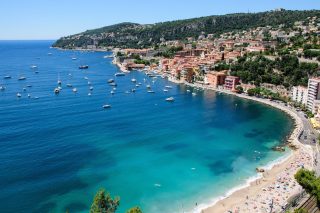
Map of the Southern France Road Trip: 10 Days from Toulouse to Montpellier walking route with 8 stops in Occitanie & Languedoc.
Preview map of the Southern France Road Trip: 10 Days from Toulouse to Montpellier route in Occitanie & Languedoc, showing 8 stops. Use the interactive map to zoom and tap markers.

More from this area

Mecklenburg-Western Pomerania Road Trip (2026)

Mecklenburg Western Pomerania Road Trip

This website uses affiliate links which earn a small commission at no additional cost to you.

A road trip through Mecklenburg-Western Pomerania promises a captivating journey across one of Germany's most scenic and culturally rich regions. With its dramatic Baltic coastline, fairy-tale castles, and medieval Hanseatic towns, the state offers the perfect balance of coastal relaxation and historic exploration. Starting in Lübeck or Hamburg and heading northeast, travelers can trace a route through towns like Wismar, Schwerin, Rostock, Stralsund, and Greifswald-each packed with UNESCO-listed architecture, cobbled squares, and unique local flavors. The roads are peaceful, the landscapes wide and open, and the sense of discovery is constant.

What makes Mecklenburg-Western Pomerania stand out is its quiet, timeless charm. In Wismar and Stralsund, Gothic brick churches and old merchant houses speak of the Hanseatic League's legacy, while towns like Greifswald and Güstrow reveal artistic and academic layers that feel genuinely lived-in, not just curated for tourists. The stretch of coast between Rostock and Rügen Island is dotted with fishing villages, lighthouses, and long beaches-ideal for spontaneous detours and picnics by the sea. Whether you're wandering through Schwerin's lakefront palace gardens or watching the sun dip behind the cliffs at Jasmund National Park on Rügen, the region rewards those who take their time.

The real magic of a Mecklenburg-Western Pomerania road trip in 2025 lies in its diversity of pace and scenery. One moment, you're driving through ancient forests and across sweeping causeways; the next, you're parked beside a quiet harbor lined with sailboats and seafood shacks. This is slow travel at its best-unhurried, deeply immersive, and rich in detail. For travelers looking to escape the usual tourist trail while still enjoying world-class heritage and natural beauty, this part of northern Germany offers an unforgettable and refreshingly authentic adventure.

How to get to Lübeck

Begin your journey in the historic city of Lübeck, technically in Schleswig-Holstein, but a perfect launchpad into the region. Lübeck is easily accessible by train, car, or bus, with the fastest and most convenient option often being a direct regional train from Hamburg, which takes under an hour and departs frequently throughout the day. From Berlin, travelers can reach Lübeck in about 2.5 to 3 hours by train, typically with a transfer at Büchen or Hamburg. For those driving, the A1 motorway connects Lübeck with Hamburg and other major cities in northern Germany. Long-distance buses, such as FlixBus, also offer affordable and regular services from cities like Berlin and Hamburg. Additionally, travelers arriving from Scandinavia can take ferries to nearby Travemünde, just a short ride from Lübeck's city center.

Day 1: Lübeck – Gateway to the Baltic

lubeck
lubeck

Spending one day in Lübeck is like stepping into a medieval storybook, full of charming alleys, Gothic spires, and the sweet scent of marzipan in the air. Start your day at the Holstentor, Lübeck’s iconic city gate with its twin towers and distinctive red brick—it’s the perfect symbol of the city’s Hanseatic legacy. From there, walk into the Altstadt (Old Town), a UNESCO World Heritage site packed with cobblestone streets, historic merchant houses, and beautiful churches. Don’t miss St. Mary’s Church (Marienkirche)—it’s one of the most significant brick Gothic churches in Europe and still holds visible damage from World War II, preserved as a quiet reminder of the past.

Grab lunch at a café along the Trave River, then spend your afternoon exploring the Buddenbrookhaus, a museum dedicated to Lübeck’s literary sons, Thomas and Heinrich Mann. If you’re into quirky charm, head to Gängeviertel, the city’s narrow alleyways where hidden courtyards and tiny homes reveal Lübeck’s layered history. Before the day ends, visit Café Niederegger near the Town Hall square for a slice of the city’s most famous export—marzipan. Pair it with a strong coffee while watching the world go by. With just one day, you’ll walk away with a deep appreciation of Lübeck’s unique blend of history, culture, and quiet elegance.

Stay 1 Night in Lübeck

Staying in Lübeck’s Old Town (Altstadt) is highly recommended for visitors who wish to immerse themselves in the city’s rich history and vibrant culture. This area offers convenient access to major attractions such as the Holstentor, St. Mary’s Church, and the Buddenbrookhaus, all within walking distance.

For a luxurious stay, consider Radisson Blu Senator Hotel, which offers elegant rooms with stunning views of the River Trave and is just a short stroll from the Holstentor. Another excellent option is ATLANTIC Hotel Lübeck, known for its modern design and proximity to the historic market square, making it ideal for exploring the city’s landmarks. For a boutique experience, Hotel Anno 1216 is set in a beautifully restored medieval building, offering a unique blend of historic charm and contemporary comfort. Each of these hotels provides a distinctive experience, ensuring a memorable stay in Lübeck’s captivating Old Town.

We recommend to rent a car in Germany through Discover Cars, they compare prices and review multiple car rental agencies. Book your rental car here.

Powered by GetYourGuide

Day 2: Wismar – Brick Gothic Beauty by the Sea

Wismar
Wismar

Once your car is packed and the playlist is set, hit the road northeast toward Wismar ready to explore its rich maritime heritage and well-preserved medieval architecture. Begin your morning at the Market Square (Marktplatz), one of Northern Germany’s largest, surrounded by historic buildings. Here, you’ll find the Wasserkunst, a striking 16th-century wrought-iron fountain that once supplied the city with water. Nearby stands the Town Hall (Rathaus), a testament to neoclassical design, offering insight into Wismar’s civic history.

Next, make your way to the Church of St. Nicholas (Nikolaikirche), renowned for its impressive Brick Gothic architecture and towering nave. This church, historically frequented by sailors and fishermen, provides a glimpse into the city’s spiritual and maritime past. A short stroll leads you to the Church of St. George (Georgenkirche), which, after extensive restoration, now serves as a cultural venue and offers panoramic views from its tower.

For lunch, consider dining at one of the local eateries near the Old Harbor (Alter Hafen), where you can savor fresh seafood while watching boats navigate the bustling port. Post-lunch, explore the harbor area, home to the historic Wassertor, the last remaining of Wismar’s original five city gates, symbolizing the city’s medieval defenses.

In the afternoon, visit the phanTECHNIKUM, an interactive museum dedicated to technological advancements, offering engaging exhibits suitable for all ages. If time permits, a leisurely walk along the Grube, a picturesque canal lined with colorful houses, provides a charming end to your day.

Conclude your exploration with a relaxing evening at a café in the Market Square, reflecting on the day’s discoveries in this UNESCO World Heritage city.

Stay 1 Night in Wismar

For visitors to Wismar, staying in the Old Town (Altstadt) offers a rich historical experience with easy access to the city’s main attractions, such as the Market Square, St. Nicholas Church, and the Old Harbor. One notable accommodation is Fründts Hotel, a charming establishment that combines modern amenities with historic architecture. Its central location allows guests to explore the city on foot, and the hotel’s courtyard provides a tranquil retreat after a day of sightseeing.

Another excellent choice is the Park Inn by Radisson Wismar, situated near the harbor. This contemporary hotel offers comfortable rooms with scenic views of the waterfront and is just a short walk from the Old Town’s landmarks. For those seeking a blend of relaxation and recreation, the WONNEMAR Resort-Hotel provides direct access to the adjacent water park and spa facilities, making it ideal for families or wellness enthusiasts.

Here is a complete selection of hotel options in Mecklenburg-Western Pomerania. Feel free to review each one and choose the stay that best suits your needs.

Powered by GetYourGuide

Day3: Schwerin – Palaces and Peaceful Lakes

Schwerin Castlejpg
Schwerin Castlejpg

A short drive inland brings you to Schwerin, a city known for its fairy-tale castle on an island in Lake Schwerin. Begin your morning at the Schwerin Castle (Schweriner Schloss), an architectural masterpiece situated on its own island in Lake Schwerin. This fairy-tale castle, with its golden domes and intricate facades, now serves as the seat of the Mecklenburg-Vorpommern state parliament. Inside, the museum showcases opulent rooms and a rich collection of art and artifacts. After touring the castle, take a leisurely stroll through the surrounding Schlossgarten, where meticulously landscaped gardens and serene lakeside paths provide a tranquil retreat.

Next, make your way to the Market Square (Marktplatz) in the heart of the Old Town. Here, you’ll find the Schwerin Cathedral (Schweriner Dom), a stunning example of Brick Gothic architecture. For a small fee, climb the cathedral’s tower to enjoy panoramic views of the city and its lakes. Adjacent to the square stands the Lion Monument (Löwendenkmal), commemorating Henry the Lion, the city’s founder. The monument’s column intriguingly depicts scenes from his life, including the so-called “bottom parade,” a cheeky nod to historical events. Spend your afternoon wandering the charming streets of the Old Town, perhaps stopping by the Staatliches Museum Schwerin, which houses an impressive collection of Dutch and Flemish paintings. Conclude your day with a relaxing lakeside dinner, savoring local cuisine as the sun sets over the water.

Stay in Schwerin 1 Night

For visitors to Schwerin, staying in the city center offers convenient access to its main attractions, including the iconic Schwerin Castle and the historic Old Town. One notable accommodation is Weinhaus Uhle, a 4-star superior hotel situated just 300 meters from Schwerin Castle. This establishment combines modern amenities with historic charm, featuring spacious rooms and an on-site restaurant offering regional cuisine.

Another excellent choice is Hotel Niederländischer Hof, located near the picturesque Pfaffenteich Lake. This elegant 4-star hotel provides individually decorated rooms with classic English furnishings, creating a cozy yet sophisticated atmosphere. Its proximity to both the train station and the city center makes it an ideal base for exploring Schwerin.

For those seeking a lakeside retreat, Hotel Speicher am Ziegelsee offers a unique stay in a converted historic grain silo on the banks of Lake Ziegelsee. This environmentally-friendly 4-star hotel features well-appointed rooms, an on-site restaurant, and opportunities for lakeside activities, all within a tranquil setting.

Alternatively, Boulevard Hotel Altstadt Schwerin is a charming 3-star hotel nestled in the heart of the Old Town. Its central location allows guests to easily explore nearby shops, restaurants, and cultural sites, while the hotel’s rooftop terrace offers panoramic views of the city.

Traveling to a country with a different currency? Avoid ATM transaction fees and pay in local currency with a Wise Card. Having used it for over 5 years, we've saved loads on fees!

Day 4: Rostock & Warnemünde – Where the City Meets the Sea

rostock
rostock

Head north to Rostock, a vibrant university city with maritime roots. Begin your morning in the historic city center at Neuer Markt (New Market Square), surrounded by colorful gabled houses and the impressive Town Hall (Rathaus) with its distinctive pink façade. A short walk from the square brings you to St. Mary’s Church (Marienkirche), renowned for its astronomical clock dating back to 1472. Take time to admire the intricate details of this medieval masterpiece.

Stroll along Kröpeliner Straße, the city’s main shopping avenue, leading you to Kröpeliner Tor, a preserved city gate that once formed part of Rostock’s medieval fortifications. Nearby, University Square (Universitätsplatz) offers a lively atmosphere with its historic university buildings and the iconic Fountain of Joy.

In the afternoon, make your way to the seaside district of Warnemünde, accessible via a short train ride or drive. Here, the Alter Strom canal is lined with traditional fishermen’s houses, boutiques, and cafés. Enjoy a leisurely lunch overlooking the water, perhaps sampling fresh seafood, a regional specialty.

Afterward, visit the Warnemünde Lighthouse, offering panoramic views of the Baltic Sea and the surrounding coastline. A walk along Warnemünde Beach provides a refreshing experience, with its wide sandy shores and the soothing sound of waves.

Conclude your day with a visit to the Rostock Zoo, renowned for its diverse animal collection and the innovative Darwineum, an interactive exhibition focusing on evolution and biodiversity. The zoo’s commitment to conservation and education makes it a rewarding experience for visitors of all ages.

As evening sets in, return to the city center to dine at one of Rostock’s traditional German restaurants, reflecting on a day well spent exploring the city’s rich history and coastal beauty.

Stay 1 Night in Rostock

Staying in the city center offers proximity to cultural landmarks such as St. Mary’s Church and the Town Hall, while Warnemünde provides a coastal retreat with sandy beaches and maritime charm.

In the heart of Rostock, Radisson Blu Hotel, Rostock stands out for its central location and modern amenities. Guests appreciate its spacious rooms with panoramic city views and easy access to shopping streets and historical sites. Another excellent choice is Motel One Rostock, known for its stylish design and comfortable accommodations, making it ideal for travelers interested in exploring the city’s rich history and vibrant nightlife.

For those preferring a stay by the sea, Hotel Neptun offers a luxurious experience with direct beach access and a renowned spa, perfect for relaxation while enjoying stunning Baltic Sea views. Alternatively, Strand-Hotel Hübner provides elegant rooms and a prime location near the promenade, allowing guests to immerse themselves in the tranquil atmosphere of Warnemünde’s coastal charm.

Powered by GetYourGuide

Day 5: Stralsund – The Maritime Soul

Stralsund
Stralsund

From Rostock, continue along the coast to Stralsund, another Hanseatic jewel.

Spending a day in Stralsund offers a rich blend of maritime heritage and architectural splendor. Begin your morning at the OZEANEUM, a renowned oceanographic museum located on the harbor’s edge. This modern facility features five exhibitions and 50 aquariums, showcasing marine life from the Baltic and North Seas. Highlights include life-sized whale models and a rooftop terrace inhabited by Humboldt penguins.

After exploring the OZEANEUM, take a leisurely walk to the Alter Markt (Old Market Square), the heart of Stralsund’s UNESCO World Heritage-listed Old Town. Here, you’ll find the impressive Town Hall (Rathaus) with its distinctive Gothic façade, reflecting the city’s Hanseatic past. Adjacent to the square stands St. Nicholas’ Church, a 13th-century Brick Gothic structure renowned for its intricate architecture and historical significance.

For lunch, consider dining at one of the local restaurants near the market square, where you can savor regional specialties. In the afternoon, visit the German Oceanographic Museum (Deutsches Meeresmuseum) housed in the former St. Catherine’s Monastery. This museum offers insights into marine biology and oceanography, complementing your earlier visit to the OZEANEUM.

Conclude your day with a stroll along the harbor, enjoying views of the historic gabled houses and perhaps taking a harbor cruise to appreciate Stralsund’s maritime charm from the water. This itinerary provides a comprehensive glimpse into Stralsund’s rich history and vibrant cultural scene.

Stay 1 Night in Stralsund

Staying in the Old Town (Altstadt) provides convenient access to the city’s UNESCO World Heritage sites, including the historic market square, St. Nicholas’ Church, and the German Oceanographic Museum. One notable accommodation in this area is Romantik Hotel Scheelehof, a 4-star superior hotel housed within five historic buildings. This establishment offers individually decorated rooms that blend historic charm with modern comfort, and features multiple dining options, including a restaurant serving regional cuisine and an in-house coffee roastery.

Another excellent choice is Hotel Hafenresidenz Stralsund, located directly on the waterfront of the Strelasund. This 4-star hotel offers stylishly furnished rooms with views of the lake or Old Town, an elegant hotel bar, and a trendy American-style restaurant. Its proximity to the harbor allows guests to enjoy scenic walks along the promenade and easy access to maritime attractions.

For those seeking a stay near the harbor, Hotel Kontorhaus Stralsund is a boutique hotel situated directly on the harbor of the Hanseatic city. Most rooms offer views of the yachts and the harbor exit, providing a maritime ambiance. The hotel’s location allows guests to easily explore the Ozeaneum and other harbor-side attractions.

Powered by GetYourGuide

Day 6: Rügen Island – Rugged Cliffs and Baltic Breezes

Rügen Island
Rügen Island

From Stralsund, cross the bridge over the Strelasund to Germany’s largest island, Rügen. Spending one day exploring Rügen Island gives you just enough time to soak in some of its most iconic landscapes and coastal charm. Begin your day in the town of Sassnitz, the gateway to Jasmund National Park, home to the island’s famous white chalk cliffs. Take a walk through the beech forests, part of a UNESCO World Heritage site, and make your way to the Königsstuhl (King’s Chair) viewing platform. The trail offers breathtaking views over the Baltic Sea and is especially beautiful in the morning light. After your hike, stop by the national park visitor center for a quick overview of the island’s geological and natural history.

In the afternoon, head south toward the elegant resort town of Binz. Along the way, you can stop at the Prora complex, a massive former Nazi seaside resort now partially converted into museums, apartments, and cultural spaces. Once in Binz, enjoy lunch on the promenade or by the beach, then take a stroll out on the historic pier for sea views and fresh air. If time allows, visit the nearby Granitz Hunting Lodge, set in a forest above Binz, with a spiral staircase offering a panoramic island view. End your day with a walk along the beach or a seaside dinner at one of Binz’s traditional restaurants before heading back—whether by car, train, or ferry—with a strong sense of Rügen’s unique mix of natural beauty and layered history.

Stay 1 night on Rügen Island

For visitors to Rügen Island, selecting the right area to stay depends on the experience you’re seeking. The island’s eastern coast is dotted with charming seaside resorts, each offering its own unique appeal.

In the bustling town of Binz, known for its well-preserved resort architecture and expansive sandy beaches, Hotel Am Meer & Spa stands out. This striking beachfront hotel offers modern guest rooms, suites, and two-bedroom apartments, catering well to families. Guests can enjoy international cuisine at the on-site restaurant, a refreshing swimming pool, and the convenience of the beach just steps away.

For a more intimate beach retreat, NiXe Boutiquehotel & Spa provides sleek, modern accommodations within a beautiful Art Nouveau residence. With only 16 guest rooms, this hotel offers a personalized experience, complemented by a cozy spa and an on-site eatery.

In the picturesque town of Sellin, Hotel Bernstein offers stunning views of the Baltic Sea. This hotel is known for its proximity to the historic Sellin Pier and provides guests with access to a luxurious spa and gourmet dining options.

For those seeking a blend of luxury and history, ROEWERS Privathotel & Spa in Sellin offers sophisticated accommodations in a heritage building. The hotel features multiple restaurants serving superb seafood and seasonal fare, a stunning rooftop pool, and a serene spa, making it ideal for well-heeled travelers seeking classic luxury.

Powered by GetYourGuide

Day 7: Greifswald – Art, Academia, and Atmosphere

Sailing Ships Greifswald

Back on the mainland, a short drive brings you to Greifswald, a town with both intellectual and artistic flair. Begin your morning in the Historic Old Town, where the Market Square (Marktplatz) serves as the heart of the city. Surrounded by colorful gabled houses and the iconic red-brick Town Hall, this area provides a picturesque introduction to Greifswald’s architectural charm. A short walk from the square leads you to the St. Nikolai Cathedral, a stunning example of Brick Gothic architecture. For a small fee, you can climb the tower to enjoy panoramic views of the city and its surroundings.

Next, visit the Pomeranian State Museum (Pommersches Landesmuseum), which offers insights into the region’s history and art, including works by the renowned Romantic painter Caspar David Friedrich, who was born in Greifswald. After exploring the museum, take a leisurely stroll to the Museum Harbor (Museumshafen) along the River Ryck. Here, you’ll find a collection of historic ships and can enjoy the maritime atmosphere. For lunch, consider dining at one of the waterfront restaurants in the nearby fishing village of Wieck, known for its fresh seafood and charming ambiance.

In the afternoon, explore the Eldena Abbey Ruins (Klosterruine Eldena), located just a short distance from Wieck. These picturesque ruins, immortalized in several paintings by Caspar David Friedrich, offer a glimpse into the city’s medieval past. Conclude your day with a visit to the Botanical Garden and Arboretum of the University of Greifswald, where you can relax amidst diverse plant collections and serene landscapes before departing the city.

Stay 1 Night in Greifswald

Staying in the city center offers convenient access to its historic sites, including the Market Square, St. Nikolai Cathedral, and the University of Greifswald. One notable accommodation is Hotel Am Dom, situated just a short walk from the cathedral. This hotel provides comfortable rooms and a charming atmosphere, making it an ideal base for exploring the city’s cultural landmarks.

Alternatively, for those seeking a maritime ambiance, the nearby fishing village of Wieck offers a tranquil setting by the River Ryck. Here, Hotel & Restaurant Utkiek provides scenic waterfront views and a renowned restaurant serving fresh seafood. This location combines peaceful surroundings with easy access to Greifswald’s attractions, offering a unique experience for visitors.

Powered by GetYourGuide

As your trip winds down, you might circle back toward Lübeck or make your way south to Berlin. Either way, the charm of Mecklenburg-Western Pomerania will stay with you-its quiet beaches, historic towns, and winding country roads offering a kind of peace and discovery that only a road trip can provide.

Ready to hit the road? This region waits with open arms-and wide horizons.

Moira & Andy
Moira & Andy

Hey! We're Moira & Andy. From hiking the Camino to trips around Europe in Bert our campervan — we've been traveling together since retirement in 2020!

Read our full story here

This website uses affiliate links which earn a small commission at no additional cost to you.

Walking Tour Map
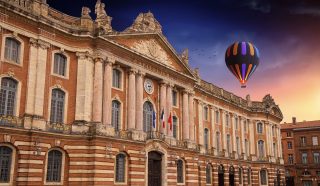
Map of the Mecklenburg-Western Pomerania Road Trip walking route with 7 stops in Mecklenburg-Western Pomerania.
Preview map of the Mecklenburg-Western Pomerania Road Trip route in Mecklenburg-Western Pomerania, showing 7 stops. Use the interactive map to zoom and tap markers.

More from this area

Northern Germany Road Trip 2026: A Scenic Journey from Hamburg to Flensburg

Northern Germany by Road

This website uses affiliate links which earn a small commission at no additional cost to you.

A road trip through northern Germany offers a perfect blend of dynamic city life, medieval charm, coastal heritage, and serene landscapes. Starting in the bustling port city of Hamburg, this journey takes you through the heart of Schleswig-Holstein, tracing a route filled with architectural beauty, historic depth, and peaceful waterfronts. Whether you’re drawn to music, maritime history, or quiet towns with cobbled streets, this road trip captures the diverse spirit of Germany’s northern edge.

From the cosmopolitan streets of Hamburg, where cutting-edge design meets centuries-old canals, you'll head to Lübeck, a city that wears its Hanseatic legacy proudly in every red-brick gable. Further north, Schleswig offers lakeside tranquility and Viking echoes, while Flensburg, with its Danish flair and harbor life, rounds out the journey with a unique cultural mix. Each stop along the way has its own rhythm, inviting you to slow down and soak up the surroundings.

Driving through this region is effortless, thanks to smooth roads and scenic countryside, with each destination only a short stretch apart. This makes it ideal for travelers looking to experience variety without covering great distances. Whether it's your first time in Germany or a return trip off the beaten path, this northern road trip will leave you with a rich mix of memories-from harbor breezes to historic towers and fjord-side sunsets.

Getting to Hamburg

Getting to Hamburg is simple, thanks to its well-connected international airport, major train links, and easy access by road. Hamburg Airport (HAM) welcomes direct flights from many European cities and key hubs worldwide, making it a convenient entry point for international travelers. From the airport, it’s just a short S-Bahn ride into the city center. If you’re arriving by train, Hamburg Hauptbahnhof is a major stop on Germany’s high-speed rail network, with regular services from Berlin, Frankfurt, Copenhagen, and beyond via Deutsche Bahn. Those starting their journey in Germany can also reach Hamburg easily by car via the A1 and A7 motorways.

Day 1–2: Discovering Hamburg

Hamburg Town Hall
Hamburg Town Hall

Spending two days in Hamburg offers the perfect chance to experience both its historic harbor roots and vibrant cultural scene. On your first day, begin in the Speicherstadt, the city’s iconic warehouse district with red-brick buildings and quiet canals. Walk through to HafenCity, home to the striking Elbphilharmonie concert hall—climb up to the viewing platform for sweeping views over the harbor. Take a boat tour for a different perspective of the port, then relax along the Alster Lakes, where locals gather to row, picnic, or unwind with a coffee beside the water.

On day two, explore the city’s creative and cultural side. Start with a visit to the Kunsthalle Hamburg, one of Germany’s leading art museums, or explore the exhibits at the International Maritime Museum. Then wander through the Altstadt to admire the Rathaus (Town Hall) and browse local shops and cafés. In the afternoon, head to St. Pauli and the Schanzenviertel—Hamburg’s edgy neighborhoods known for street art, quirky boutiques, and a lively café culture. Round off the evening on the Reeperbahn, where live music, bars, and theaters reflect the city’s famously vibrant nightlife.

Stay in Hamburg for 2 Nights

The Altstadt (Old Town) and Neustadt (New Town) districts offer proximity to major attractions, shopping areas, and dining options. Staying in these areas allows easy access to landmarks such as the historic Speicherstadt and the bustling Mönckebergstraße shopping street. A notable accommodation in this vicinity is Fairmont Hotel Vier Jahreszeiten, a luxurious establishment renowned for its elegant rooms and exceptional service. Another excellent choice is Fraser Suites Hamburg, offering stylish suites within walking distance of the Elbphilharmonie and HafenCity.

For those interested in a more eclectic and vibrant atmosphere, the Sternschanze and St. Georg neighborhoods are ideal. Sternschanze, known for its bohemian flair, is filled with trendy cafés, boutiques, and nightlife. Here, Mövenpick Hotel Hamburg stands out, uniquely housed in a former water tower, blending historical architecture with modern comforts. In the St. Georg district, celebrated for its multicultural ambiance and proximity to the Alster Lake, The George Hotel Hamburg offers a blend of British tradition and contemporary design, with a rooftop terrace providing panoramic city views. These areas provide a dynamic experience of Hamburg’s diverse cultural scene.

We recommend to rent a car in Germany through Discover Cars, they compare prices and review multiple car rental agencies. Book your rental car here.

Powered by GetYourGuide

Day 3: Lübeck – Brick Gothic and Marzipan

lubeck
lubeck

Pick up your rental car and head northeast to Lübeck, a UNESCO World Heritage Site about an hour from Hamburg. Begin your exploration at the Holstentor, the iconic 15th-century city gate that once protected Lübeck’s western entrance. This red-brick Gothic structure now houses a museum detailing the city’s mercantile past.

After delving into Lübeck’s trading history, take a leisurely walk along the An der Obertrave promenade. This scenic route showcases rows of historic gabled houses and offers picturesque views of the River Trave. As you wander, you’ll encounter hidden courtyards and narrow alleyways that reveal the city’s medieval charm.

For a panoramic perspective of the city, visit St. Peter’s Church. Its tower provides an expansive view of Lübeck’s skyline, punctuated by the seven spires that have earned it the nickname “City of the Seven Towers.” Conclude your day with a visit to Café Niederegger to sample the city’s renowned marzipan, a sweet almond confection that has become synonymous with Lübeck.

Stay in Lübeck 1 Night

Staying within the Innenstadt (Old Town) district is highly recommended, as it places you amidst the city’s medieval architecture and close to major attractions like the Holstentor and St. Mary’s Church. A notable choice in this area is ATLANTIC Hotel Lübeck, offering modern amenities and a central location ideal for exploring the historic sites. Another excellent option is Radisson Blu Senator Hotel, which provides luxurious accommodations with scenic views of the River Trave, ensuring a comfortable and picturesque stay.

For those interested in a blend of historic charm and contemporary comfort, the St. Lorenz district, adjacent to the Old Town, offers convenient access to both the city center and transportation hubs. Park Inn by Radisson Lübeck stands out for its stylish rooms and proximity to the Holstentor, making it a strategic base for sightseeing. Alternatively, Hotel Kaiserhof Deluxe provides elegant accommodations within walking distance of the historic Mühlentor Gate, offering both comfort and convenience for travelers.

Here is a complete selection of hotel options in Hamburg & Schleswig-Holstein. Feel free to review each one and choose the stay that best suits your needs.

Powered by GetYourGuide

Day 4: Kiel – Port City Vibes and Canal Views

Kiel Gemany
Kiel Gemany

Spending a day exploring Kiel offers a delightful mix of maritime heritage, cultural attractions, and scenic waterfronts. Begin your morning with a leisurely stroll along the Kiellinie, the city’s picturesque promenade that stretches along the western shore of the Kiel Fjord. This area provides panoramic views of the bustling harbor, dotted with ships and yachts, and is lined with cafés where you can enjoy a traditional German breakfast while watching the maritime activity.

After breakfast, make your way to the Kiel Maritime Museum housed in the historic Fischhalle. The museum offers fascinating insights into Kiel’s seafaring history, showcasing exhibits on shipbuilding, marine navigation, and the city’s role as a naval port. Adjacent to the museum, the museum harbor features a collection of historic ships, providing a tangible connection to the city’s nautical past.

In the afternoon, consider taking a harbor tour to experience Kiel from the water. These tours offer a unique perspective on the city’s shipyards, naval base, and the locks of the Kiel Canal, one of the world’s busiest artificial waterways connecting the North Sea to the Baltic Sea. Alternatively, visit the Aquarium GEOMAR, where you can observe a variety of marine life, including local species from the Baltic Sea. The aquarium also features an outdoor seal pool, which is particularly popular among visitors.

As the day winds down, head to the Alter Markt (Old Market Square) in the city center. This historic square is surrounded by traditional architecture and offers a variety of dining options where you can savor local specialties such as Kieler Sprotten, a type of smoked fish. Conclude your day with a visit to the St. Nikolai Church, Kiel’s oldest building, which stands as a testament to the city’s rich history and resilience.

Spend 1 Night in Kiel

For visitors seeking accommodation in Kiel, staying in the city center offers convenient access to major attractions, shopping districts, and the central train station. A notable option is ATLANTIC Hotel Kiel, which provides modern amenities and is situated directly opposite the main train station, making it ideal for travelers relying on public transport. Another excellent choice is IntercityHotel Kiel, offering comfortable accommodations with panoramic views of the harbor, and also located adjacent to the train station for easy exploration of the city.

For those desiring a stay near the harbor area, Maritim Hotel Bellevue Kiel provides elegant rooms with stunning views of the Kiel Fjord, allowing guests to immerse themselves in the maritime atmosphere of the city. Alternatively, Hotel Kieler Yacht-Club offers a blend of historic charm and modern comfort, situated close to the waterfront and providing easy access to sailing activities and seaside promenades.

Traveling to a country with a different currency? Avoid ATM transaction fees and pay in local currency with a Wise Card. Having used it for over 5 years, we've saved loads on fees!

Powered by GetYourGuide

Day 5: Schleswig and the Schlei Fjord

Gottorf Castle
Gottorf Castle

Drive further north to the historic town of Schleswig, set along the serene Schlei fjord. Begin your morning at Schloss Gottorf, a grand Baroque castle that houses two major state museums featuring archaeology, art, and fascinating historical artifacts. Be sure to visit the Gottorf Globe, a 17th-century marvel that doubles as a walk-in planetarium. The castle grounds also offer scenic paths for a quiet stroll with views of the Schlei.

Afterward, take a short drive or bike ride to Haithabu, the site of an early Viking trading settlement and now a UNESCO World Heritage site. At the Viking Museum Haithabu, you can explore reconstructed Viking houses, view unearthed relics, and walk the old ramparts that once protected this important center of trade. It’s an immersive way to connect with Schleswig’s earliest roots.

In the afternoon, return to town and wander through the Holm district, a quaint historic neighborhood once home to a fishing community. The narrow streets and small cottages offer a glimpse into Schleswig’s past. End your day with a relaxing walk along the Schlei Promenade, or if the weather is nice, hop on a short fjord cruise to enjoy the peaceful waters and views across the surrounding countryside. It’s the perfect way to unwind after a day full of discovery.

Stay 1 night in Schleswig

Staying near the city center offers convenient access to the town’s historic sites, charming streets, and the scenic Schlei waterfront. A notable option is Hotel Alter Kreisbahnhof, which combines modern comforts with a central location, making it ideal for exploring nearby attractions such as Schloss Gottorf and St. Peter’s Cathedral. Another excellent choice is Hotel F-RITZ, renowned for its stylish design and proximity to local shops and restaurants, providing guests with both convenience and a taste of the town’s vibrant culture.

For those desiring a stay with picturesque views of the Schlei Fjord, Hotel Strandleben offers a serene waterfront experience. This hotel is celebrated for its tranquil ambiance and direct access to walking trails along the fjord, perfect for guests looking to immerse themselves in nature while remaining close to the town’s center. Alternatively, Akzent Hotel Strandhalle provides comfortable accommodations with panoramic water views, allowing guests to enjoy the maritime charm of Schleswig right from their rooms.

Powered by GetYourGuide

Day 6: Flensburg – Maritime Heritage and Border Culture

Flensburg
Flensburg

On your final day drive up to the Danish boarder and spend the day in Flensburg.  Begin your morning at the Historic Harbor, where meticulously restored sailing vessels and traditional wooden ships are moored, reflecting the city’s rich seafaring past. Adjacent to the harbor, the Flensburg Maritime Museum provides an in-depth look into the region’s nautical history, including exhibits on shipbuilding and the rum trade that once flourished here.

After immersing yourself in maritime lore, take a leisurely stroll through the Old Town. The charming streets of Rote Strasse are lined with colorful façades, boutique shops, and cozy cafés, making it an ideal spot to experience the local ambiance. Pause for lunch at one of the traditional eateries to savor regional dishes.

In the afternoon, visit St. Nicholas’ Church (St. Nikolai Kirche), a prominent landmark showcasing impressive Gothic architecture and housing notable artworks. Nearby, the Phänomenta Science Center offers interactive exhibits that engage visitors of all ages, making science both fun and accessible.

As the day winds down, head to the Flensburg Brewery for a guided tour to learn about the brewing process of the city’s famed beers, followed by a tasting session. Before heading back to Hamburg walk along the harbor promenade, enjoying the tranquil views of the Flensburg Fjord as the sun sets.

Stay 1 Night in Flensburg or Return to Hamburg

Your drive back to Hamburg, will take about 2 hours alternatively stay a night in Flensburg. Staying in the city center offers convenient access to the harbor, shopping districts, and cultural attractions. A notable option is Hotel Alte Post Flensburg, which combines modern amenities with historical charm, situated just a short walk from the pedestrian area and the harbor. Another excellent choice is Hotel am Fjord, offering comfortable accommodations close to the waterfront and the bustling city center.

For those desiring a stay near the harbor, Hotel Hafen Flensburg provides stylish rooms with scenic views of the Flensburg Fjord, placing guests in the heart of the maritime district. Alternatively, Ramada by Wyndham Flensburg City offers modern accommodations directly opposite the harbor, ensuring easy access to waterfront activities and dining options.

Powered by GetYourGuide
Moira & Andy
Moira & Andy

Hey! We're Moira & Andy. From hiking the Camino to trips around Europe in Bert our campervan — we've been traveling together since retirement in 2020!

Read our full story here

This website uses affiliate links which earn a small commission at no additional cost to you.

Walking Tour Map
Map of the Northern Germany Road Trip: A Scenic Journey from Hamburg to Flensburg walking route with 5 stops in Hamburg & Schleswig-Holstein.
Preview map of the Northern Germany Road Trip: A Scenic Journey from Hamburg to Flensburg route in Hamburg & Schleswig-Holstein, showing 5 stops. Use the interactive map to zoom and tap markers.
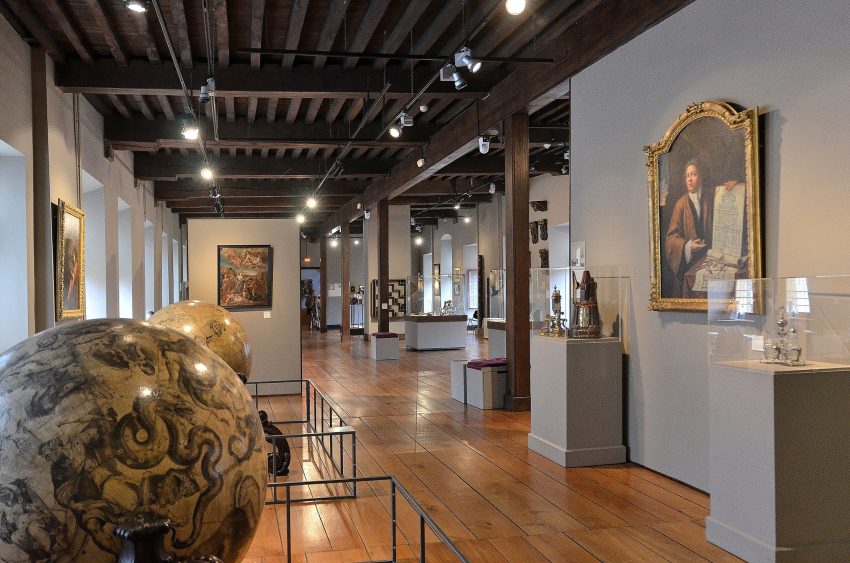
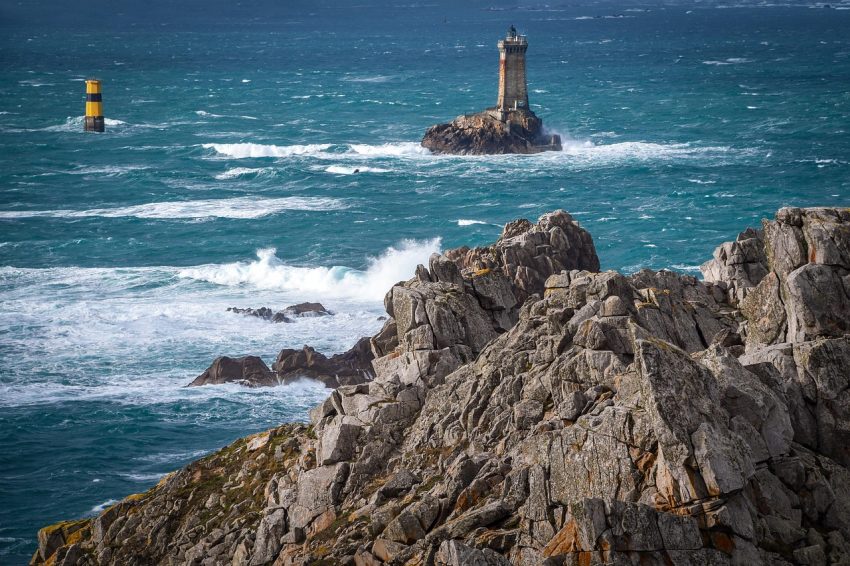
More from this area