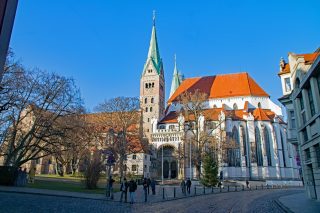
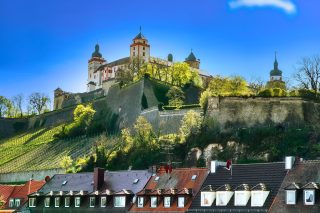
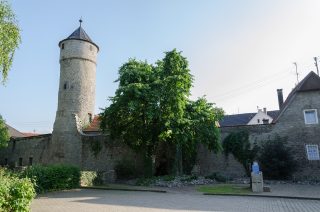
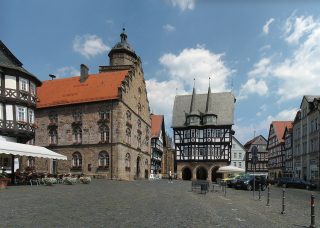
Thuringia Road Trip (2026): The Perfect 5-Day Itinerary
5 day Thuringia itinerary

This website uses affiliate links which earn a small commission at no additional cost to you.

Thuringia, located in the heart of Germany, is a region full of cultural treasures, medieval towns, enchanting forests, and historical landmarks. From the classical streets of Weimar to the dramatic hills surrounding Wartburg Castle, Thuringia is ideal for a well-rounded and relaxing getaway. Here's a curated five-day itinerary to help you make the most of your visit.

Flying to Thuringia

Flying to Thuringia is straightforward thanks to nearby regional airports like Erfurt-Weimar (ERF), Leipzig/Halle (LEJ), and Nuremberg (NUE), all of which are well connected to major European cities and offer rental car services on-site. While direct flights from the UK and US may require connections through larger hubs like Frankfurt or Munich, the final leg into Thuringia is quick and scenic. Renting a car upon arrival gives you the freedom to explore the region's charming towns, forested landscapes, and cultural landmarks at your own pace, making it the ideal choice for a flexible and rewarding road trip.

Day 1: Weimar – Culture and Classical Legacy
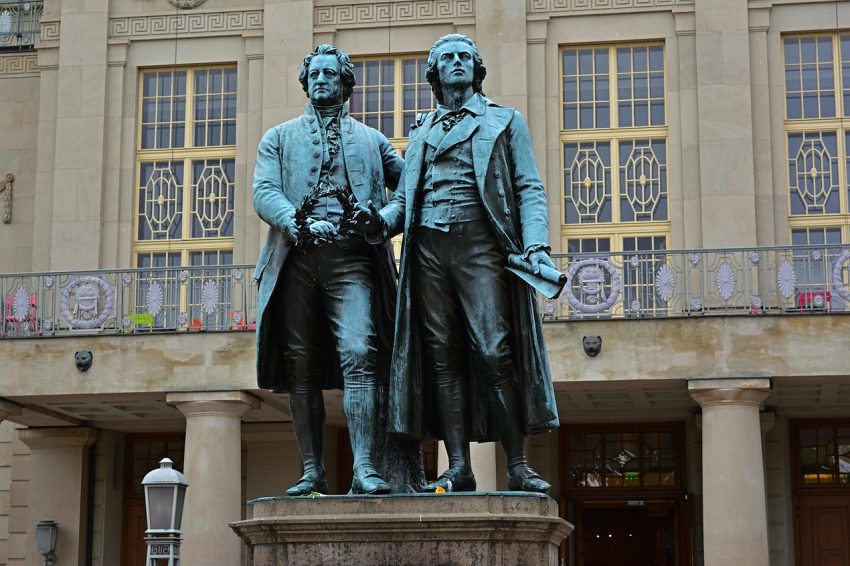
Weimar
Weimar

Begin your journey in Weimar. Spending a day in Weimar is like stepping into a living museum of German culture, philosophy, and creativity. Begin your morning by visiting the Goethe National Museum, housed in the residence where Johann Wolfgang von Goethe lived and worked. Just a short walk away, the Schiller Residence gives further insight into the minds behind the German literary canon. As you stroll between the two, you’ll pass elegant streets, quiet gardens, and statues commemorating the intellectual giants who once called this city home.

In the afternoon, shift into modernism at the Bauhaus Museum Weimar, which explores the influential design movement founded here in 1919. The museum’s minimalist aesthetic contrasts beautifully with the baroque and neoclassical architecture seen elsewhere in the city. Afterward, enjoy a relaxing walk through Park an der Ilm, a beautifully landscaped green space that runs alongside the Ilm River. Here you’ll find Goethe’s Garden House nestled among trees, as well as picturesque bridges and scenic benches perfect for a break.

As evening approaches, the energy of Weimar softens, and its historic center glows under warm light. Grab a table in one of the many restaurants near Marktplatz, where you can enjoy regional cuisine in view of the city’s ornate Town Hall. If you have time, consider catching a concert at the Weimarhalle or a performance at the Deutsches Nationaltheater, both venues deeply connected to the city’s cultural legacy. Weimar doesn’t rush you—it invites reflection, appreciation, and quiet immersion in the arts and ideas that shaped modern Europe.

Stay Overnight in Weimar

For visitors to Weimar, staying in the Altstadt (Old Town) is highly recommended due to its central location and proximity to major attractions such as the Goethe National Museum, Schiller’s House, and the Bauhaus Museum. This area offers a charming atmosphere with its historic architecture, cobblestone streets, and a variety of dining and shopping options.

One excellent accommodation option in the Altstadt is Hotel Elephant Weimar, Autograph Collection. This historic hotel has been a cultural landmark since 1696, offering luxurious rooms and a rich history intertwined with the city’s artistic heritage. Its location on the market square places guests in the heart of Weimar’s cultural scene.

Another notable choice is Dorint Am Goethepark Weimar. Situated adjacent to the serene Park an der Ilm and close to Goethe’s House, this hotel combines modern comfort with classic elegance. Guests can enjoy spacious rooms and easy access to both the park’s tranquility and the city’s vibrant center.

For those seeking boutique accommodations, Grande Albergo Giancarlo offers uniquely designed rooms with a blend of historic charm and contemporary style. Located near Schiller’s House, it provides an intimate setting within walking distance of major attractions.

We recommend to rent a car in Germany through Discover Cars, they compare prices and review multiple car rental agencies. Book your rental car here.

Powered by GetYourGuide

Day 2: Erfurt – Capital Charm and Medieval Streets
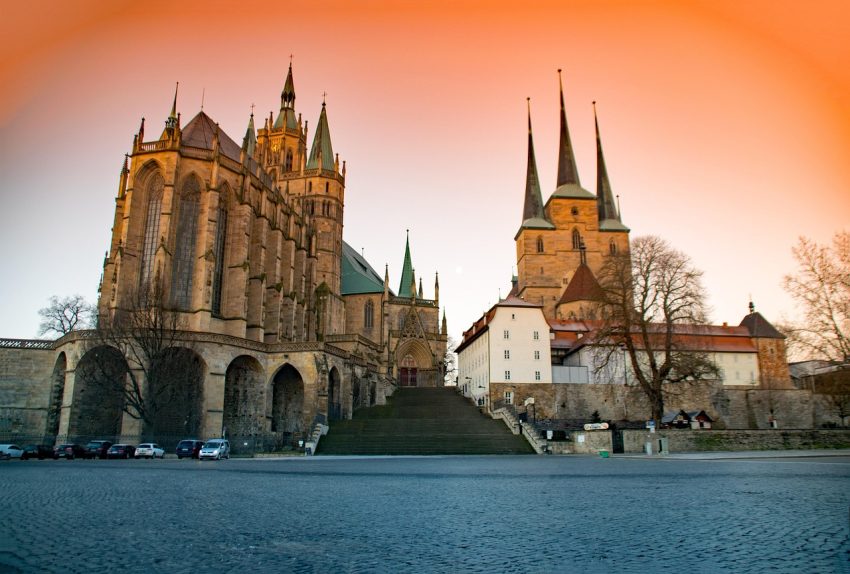
erfurt
erfurt

On your second day travel to Erfurt, the capital of Thuringia.

Its beautifully preserved Altstadt (Old Town) is one of the largest in Germany, filled with cobbled lanes, colorful timber-framed buildings, and striking Gothic churches. The twin spires of the Erfurt Cathedral and neighboring St. Severus Church dominate the skyline, creating one of the most iconic silhouettes in central Germany. These landmarks sit high above Domplatz, a bustling square that hosts weekly markets, seasonal festivals, and one of the most atmospheric Christmas markets in the country.

One of Erfurt’s most distinctive features is the Krämerbrücke, a medieval stone bridge lined with inhabited half-timbered buildings. It’s a lively stretch filled with small artisan shops, galleries, and cafés—perfect for browsing handmade goods or enjoying a slow coffee with a view of the Gera River. Nearby, visitors can find peaceful green spaces such as the egapark botanical gardens or wander into the quiet courtyards and cloisters of the Augustinian Monastery, where Martin Luther once lived as a monk.

Erfurt also thrives as a cultural and academic hub, thanks to its historic university and vibrant arts scene. The city offers a variety of museums, theaters, and concert venues that highlight its rich heritage and contemporary creativity. In the evening, the old town comes alive with cozy restaurants, wine bars, and local taverns serving Thuringian specialties like bratwurst and potato dumplings. Whether you’re exploring on foot or simply soaking in the atmosphere from a sunny café terrace, Erfurt invites you to slow down and enjoy a city that balances history and hospitality with effortless charm.

Stop for a traditional Thuringian lunch at a local tavern, then head to the egapark botanical gardens for a dose of greenery. End your day with dinner in the Fischmarkt square. Consider carrying on your exploring with a Nightwatchman’s Tour!

Overnight in Erfurt

Staying in the Altstadt (Old Town) is highly recommended due to its central location and proximity to major attractions such as the Erfurt Cathedral, Krämerbrücke, and various museums. This area offers a charming atmosphere with its medieval architecture, cobblestone streets, and a variety of dining and shopping options.

One excellent accommodation option in the Altstadt is Hotel Am Kaisersaal. This hotel is situated just steps away from the historic Krämerbrücke, offering modern amenities within a historic setting. Guests appreciate its comfortable rooms and the convenience of being within walking distance of Erfurt’s main attractions.

Another notable choice is Mercure Hotel Erfurt Altstadt. This 4-star hotel combines contemporary comfort with a prime location, only a short stroll from landmarks like the Krämerbrücke and the Erfurt Cathedral. Guests can enjoy amenities such as an in-house restaurant serving regional cuisine and easy access to public transportation.

Here is a complete selection of hotel options in Thuringia. Feel free to review each one and choose the stay that best suits your needs.

Powered by GetYourGuide

Day 3: Gotha – Castles and Quiet Streets
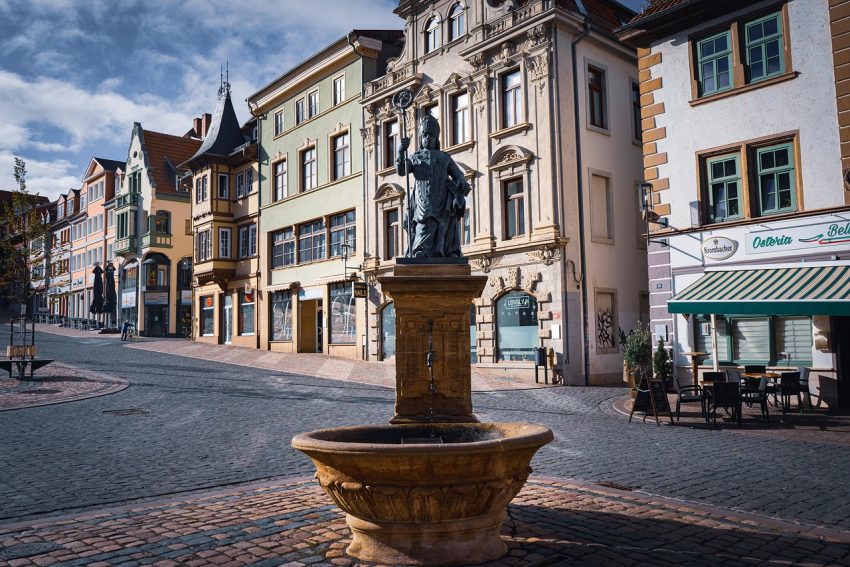
Gotha
Gotha

Spending a day in Gotha offers a delightful blend of historical exploration and leisurely strolls through charming streets. Begin your morning at Schloss Friedenstein, one of Germany’s largest early Baroque palaces. This impressive structure houses several museums, including the Schlossmuseum, which showcases the opulent state apartments and the ducal art collection. Don’t miss the Ekhof Theatre, located within the palace; it’s one of the oldest preserved Baroque theaters still hosting performances. The palace complex provides a deep dive into the region’s aristocratic history and architectural grandeur.

After exploring the palace, take a leisurely walk through the adjacent Schlosspark, a beautifully landscaped English-style garden. The park’s serene paths lead you to the Orangery, a striking example of Baroque garden architecture. This area is perfect for a midday break, offering picturesque spots to relax and perhaps enjoy a picnic. ​

In the afternoon, immerse yourself in Gotha’s old town. Wander through the Hauptmarkt, the main market square, where you’ll find the historic Town Hall and colorful Renaissance-era buildings. Nearby, the Buttermarkt and the Augustinian Monastery offer further glimpses into the city’s rich past. As evening approaches, consider dining at a local restaurant to savor regional Thuringian specialties, rounding off your day with a taste of the area’s culinary delights.

Stay the night in Gotha

Again, staying near the city center is ideal, as it provides convenient access to the town’s rich historical sites, including the renowned Friedenstein Castle and the charming old town. One excellent accommodation option in this area is Hotel am Schlosspark, a 4-star superior hotel located adjacent to the English Garden of Friedenstein Castle. This hotel offers elegantly furnished rooms and suites, an on-site restaurant, and a wellness area, all within a short walk from the historic old town.

For those seeking a more tranquil setting, the outskirts of Gotha offer picturesque accommodations such as Landhaus & Burg Hotel Romantik. This hotel combines rustic charm with modern amenities and is set in a serene environment, providing a peaceful retreat while still being accessible to the city’s attractions.

Traveling to a country with a different currency? Avoid ATM transaction fees and pay in local currency with a Wise Card. Having used it for over 5 years, we've saved loads on fees!

Powered by GetYourGuide

Day 4: Eisenach – Castles and Composers

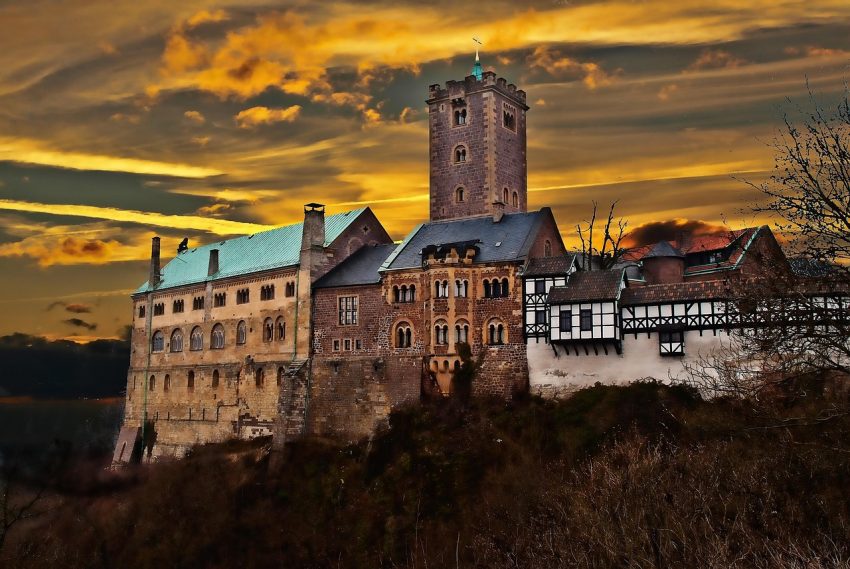
wartburg castle Eisenach

Head west to Eisenach, a town famous for its musical and religious history.

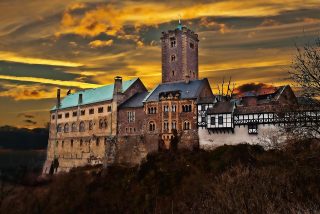
Spending a day in Eisenach offers a rich blend of history, culture, and natural beauty. Begin your morning with a visit to Wartburg Castle, a UNESCO World Heritage site perched atop a hill overlooking the town. This historic fortress is renowned for its association with Martin Luther, who translated the New Testament here. Explore the castle’s impressive halls and enjoy panoramic views of the surrounding Thuringian landscape.

After descending from the castle, head to the Bach House, the birthplace of composer Johann Sebastian Bach. This museum offers insights into his early life and musical legacy, featuring original instruments and interactive exhibits. For lunch, consider dining at a local restaurant to sample traditional Thuringian dishes, such as bratwurst or potato dumplings.

In the afternoon, take a leisurely stroll through the Drachenschlucht (Dragon’s Gorge), a scenic trail that winds through narrow sandstone cliffs and lush greenery. The walk provides a refreshing natural contrast to the morning’s historical sites. Conclude your day in Eisenach’s charming old town, where you can relax at a café in the market square, reflecting on a day well spent exploring the cultural and natural treasures of this remarkable city.

Overnight in Eisenach

The city center offers convenient access to the town’s rich cultural heritage, including landmarks like the Bach House, Luther House, and the bustling market square. An excellent accommodation in this area is Vienna House by Wyndham Thüringer Hof Eisenach, known for its central location and proximity to public transportation, making it ideal for exploring the city and surrounding areas.

Alternatively, for those seeking a stay immersed in history, Romantik Hotel auf der Wartburg provides a unique experience. Situated adjacent to the iconic Wartburg Castle, this hotel offers luxurious accommodations with stunning views of the Thuringian Forest, allowing guests to fully embrace the historical ambiance of the region.

Powered by GetYourGuide

Day 5: Nature Day – Thuringian Forest Escape
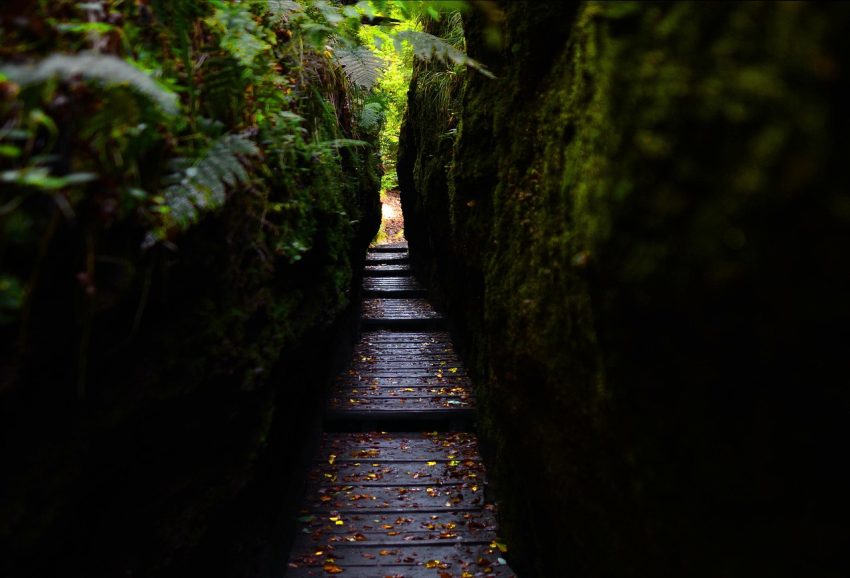
hiking Drachenschlucht

Spend your last day surrounded by the natural beauty of the Thuringian Forest.

The Thuringian Forest is one of Germany’s most scenic and beloved natural regions, offering a peaceful escape into dense woodland, winding trails, and panoramic viewpoints. Start your adventure with a hike through the Drachenschlucht (Dragon Gorge)—a narrow, fairytale-like path that winds between high moss-covered cliffs and bubbling streams. Wooden walkways guide you through the tightest parts of the gorge, and the cool air and deep green surroundings provide a magical atmosphere perfect for nature lovers and photographers alike.

After the gorge, continue your journey along the Rennsteig, Germany’s most famous ridge trail. This centuries-old path stretches for over 170 kilometers, but even a short segment gives a satisfying taste of the region’s natural beauty and peaceful rhythm. You’ll pass through shady forests, open meadows, and occasional lookout points with wide views over the Thuringian countryside. It’s the perfect setting for a forest picnic—or stop at one of the cozy Waldgasthäuser (forest guesthouses) for a hearty Thuringian meal.

If you’re looking for a more relaxed day, consider visiting the Mariental Valley, where gently flowing streams, open clearings, and forest cafés create a tranquil environment for walking or cycling. Families and casual visitors might enjoy Mini-a-thür Park, a charming open-air park with miniature replicas of regional landmarks and castles. Whether you come for the hiking, the fresh air, or simply the stillness among the trees, the Thuringian Forest offers a perfect blend of activity and calm, making it an essential part of any Thuringia itinerary.

Overnight in Eisenach or a spa hotel near the forest

You could stay in last nights hotel or for those desiring a retreat into nature with spa amenities, the Thuringian Forest region boasts several options. BERG & SPA HOTEL GABELBACH is a historic 4-star wellness hotel nestled within a 7-hectare park in the heart of the Thuringian Forest. Surrounded by lush greenery, this hotel offers extensive spa facilities, including a swimming pool, fitness area, and various wellness treatments, making it an ideal choice for relaxation amidst nature.

With its perfect blend of nature, history, music, and literature, Thuringia offers a deeply rewarding travel experience. Whether you're wandering forest trails or standing where great minds once lived, this five-day itinerary helps you uncover the heart of Germany at your own pace.

Moira & Andy
Moira & Andy

Hey! We're Moira & Andy. From hiking the Camino to trips around Europe in Bert our campervan — we've been traveling together since retirement in 2020!

Read our full story here

This website uses affiliate links which earn a small commission at no additional cost to you.

Walking Tour Map
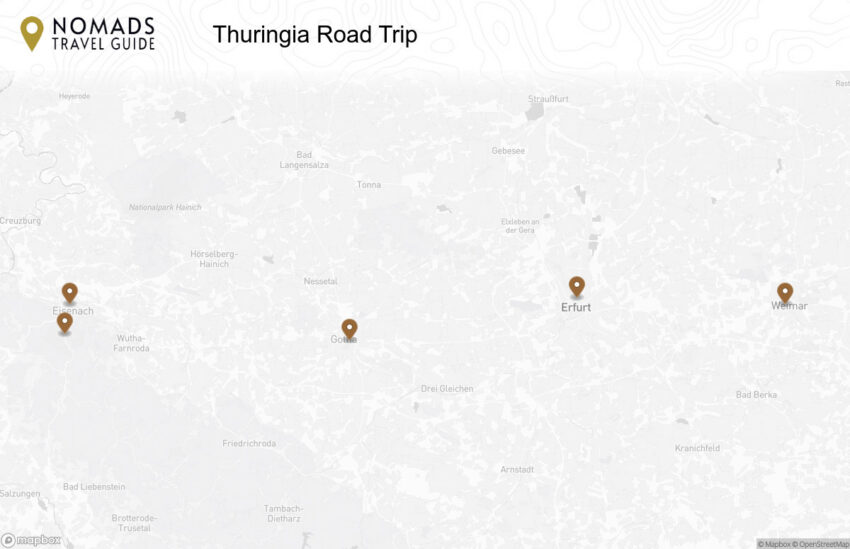
Map of the Thuringia Road Trip: The Perfect 5-Day Itinerary walking route with 5 stops in Thuringia.
Preview map of the Thuringia Road Trip: The Perfect 5-Day Itinerary route in Thuringia, showing 5 stops. Use the interactive map to zoom and tap markers.

More from this area

Best Things to Do in Nouvelle-Aquitaine 2026: Top Attractions & Hidden Gems

Explre Nouvelle Aquitaine

This website uses affiliate links which earn a small commission at no additional cost to you.

Nouvelle-Aquitaine, a region in southwestern France, offers a diverse blend of stunning natural landscapes, rich history, and vibrant culture. Whether you're drawn to its breathtaking beaches, ancient vineyards, or charming villages, this region has something to offer every kind of traveler. From the iconic Dune du Pilat to the tranquil Dordogne River, each experience is a chance to discover the beauty and unique character of the area. Here are the 10 best things to do in Nouvelle-Aquitaine, filled with unforgettable activities that will leave you enchanted by this remarkable part of France.

1. Climb the Majestic Dune du Pilat

Dune du Pilat
Dune du Pilat
CC BY-SA 4.0 / W. Bulach

The Dune du Pilat, standing at 110 meters, is Europe’s tallest sand dune, located just outside Arcachon. Climbing to the top offers spectacular, panoramic views of the Atlantic Ocean to the west, and the lush pine forests of the Landes region to the east. The shifting sand and wind create a dynamic landscape, making it a unique experience for nature lovers and adventure seekers.

Reaching the summit of the Dune du Pilat isn’t easy, as it requires a climb up the steep, shifting sand, but the reward is well worth the effort. From the top, you can enjoy sweeping views that stretch for miles, offering a breathtaking perspective of the coastline. Whether you’re taking in the sunset or enjoying a peaceful moment at the summit, this stunning natural wonder is a must-see for anyone visiting the area.

Read our Arcachon Travel Guide

We recommend to rent a car in France through Discover Cars, they compare prices and review multiple car rental agencies. Book your rental car here.

2. Explore Bordeaux’s Historic Center

Bordeaux France
Bordeaux France

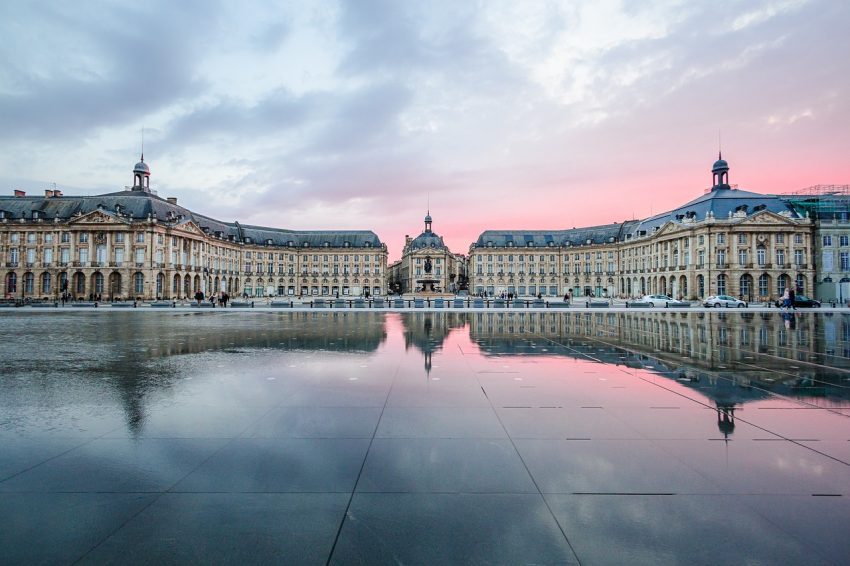
Bordeaux’s historic center is a UNESCO World Heritage site, known for its elegant 18th-century architecture and vibrant cultural scene. The Place de la Bourse, with its neoclassical buildings and reflective waters of the Miroir d’eau, is one of the city’s most iconic landmarks. Walking through the historic streets, you’ll encounter charming squares, beautiful fountains, and hidden courtyards that invite you to discover the city’s rich past.

As you wander, make sure to visit La Cité du Vin, a wine museum that celebrates the region’s world-renowned wine heritage, and take a stroll along the Garonne River to see the city from a different perspective. Bordeaux’s blend of history, culture, and contemporary flair makes it a vibrant destination where every corner holds a story waiting to be discovered.

Read our Bordeaux Travel Guide

Here is a complete selection of hotel options in Nouvelle-Aquitaine. Feel free to review each one and choose the stay that best suits your needs.

Powered by GetYourGuide

3. Discover the Fascinating Cave of Lascaux

Lascaux
Lascaux
CC BY-SA 4.0 / JoJan

The Cave of Lascaux is one of the most famous prehistoric sites in the world, known for its stunning cave paintings that date back over 17,000 years. Located near Montignac, this UNESCO World Heritage site features intricate depictions of animals, including horses, deer, and bison, offering a glimpse into the lives of early humans. Visiting the cave is like stepping back in time, providing a unique experience for history enthusiasts and anyone fascinated by prehistoric art.

While the original cave is closed to the public to preserve its delicate artwork, visitors can explore Lascaux IV, a replica of the cave that offers an immersive experience with guided tours and interactive exhibits. The artistry, vivid colors, and remarkable preservation of the paintings make it an awe-inspiring destination, allowing you to appreciate the skill and creativity of our distant ancestors.

Traveling to a country with a different currency? Avoid ATM transaction fees and pay in local currency with a Wise Card. Having used it for over 5 years, we've saved loads on fees!

Powered by GetYourGuide

4. Tour the Picturesque Saint-Emilion Vineyards

Saint Émilion Wine
Saint Émilion Wine
CC BY-SA 4.0 / FrDr

Saint-Emilion, a picturesque medieval village surrounded by some of the best vineyards in the world, is a must-visit for wine lovers. The Saint-Emilion wine region is famous for its Merlot and Cabernet Franc wines, and the village itself is dotted with quaint streets, historic churches, and charming wine cellars. As you wander through the village, you’ll be captivated by its beauty and the rich history that surrounds the vineyards.

Sampling wine is an essential part of visiting Saint-Emilion, where many wineries offer tours and tastings. Whether you’re strolling through the vine-covered hills or enjoying a glass of local wine at a café, the atmosphere of Saint-Emilion is peaceful and inviting. This town, with its blend of history, wine culture, and stunning landscapes, offers an unforgettable experience for any visitor.

Read our Saint-Émilion Travel Guide
Powered by GetYourGuide

5. Stroll Through La Rochelle’s Old Port

La Rochelle, France
La Rochelle, France

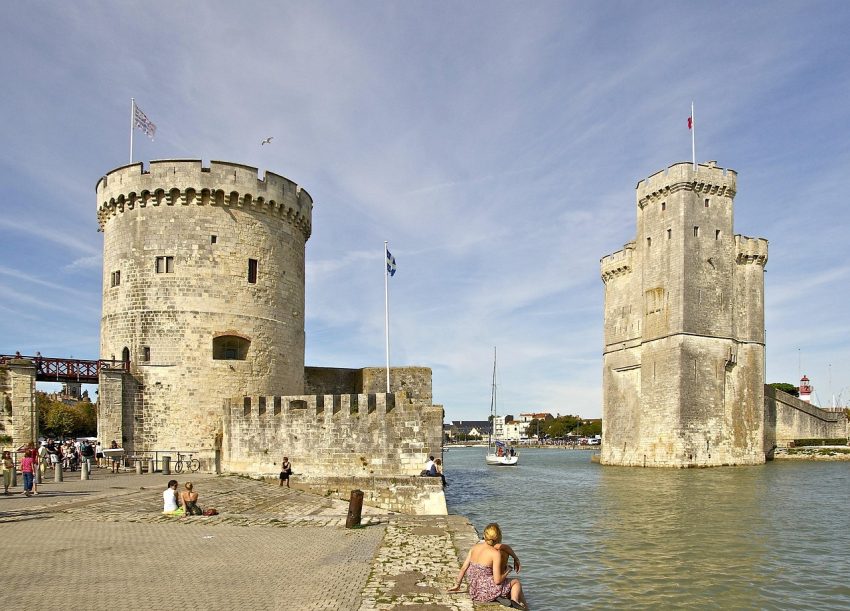
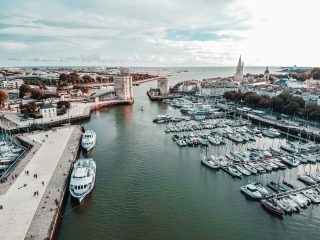
The Old Port of La Rochelle is one of the most charming spots in this historic coastal city. The port is surrounded by iconic towers, including the Tour Saint-Nicolas and the Tour de la Lanterne, offering a glimpse into La Rochelle’s maritime past. Walking along the harbor, you’ll find a mix of quaint cafés, restaurants, and shops, making it a great place to enjoy fresh seafood while watching the boats go by.

From the Old Port, you can also take a boat trip to Île de Ré, a beautiful island known for its beaches and charming villages. Whether you’re exploring the city’s medieval streets or relaxing by the harbor, La Rochelle offers a delightful mix of history, culture, and natural beauty that’s perfect for a relaxing getaway.

Read our La Rochelle Travel Guide
Powered by GetYourGuide

6. Ride the Waves at Biarritz Beaches

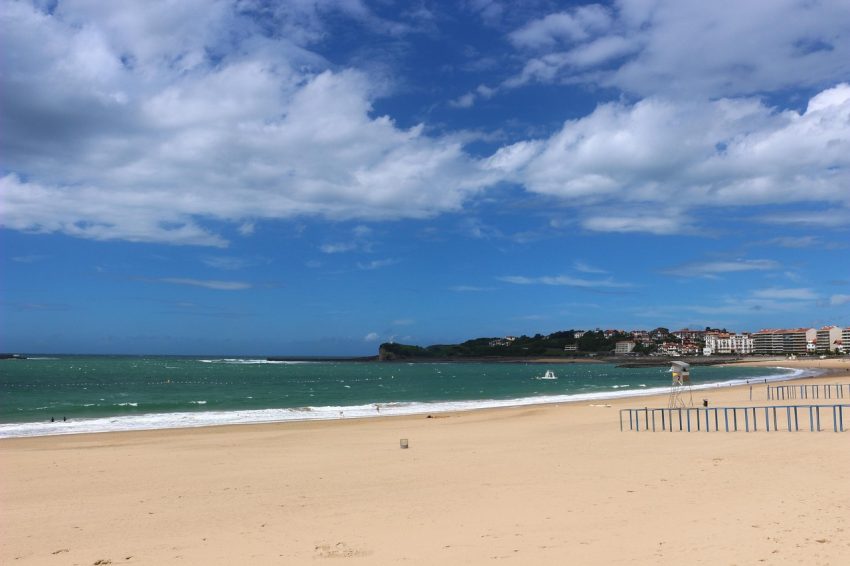
Beach Scene, Biarritz, France

Biarritz, located on the Basque Coast, is famous for its surfing culture and stunning beaches. The wide sandy shores, combined with powerful waves, make it a top destination for surfers from around the world. Even if you’re not a surfer, the beaches are perfect for sunbathing, walking, or enjoying the view of the Atlantic Ocean stretching endlessly before you.

Beyond the surf, Biarritz also offers a vibrant seafront promenade, historic landmarks like the Rocher de la Vierge, and a charming town center filled with boutiques and seafood restaurants. Whether you’re riding the waves, exploring the town, or simply relaxing by the beach, Biarritz provides the perfect coastal retreat with a lively, energetic atmosphere.

Read our Biarritz Travel Guide
Powered by GetYourGuide

7. Visit the Majestic Pau Castle

Pau Castle
Pau Castle

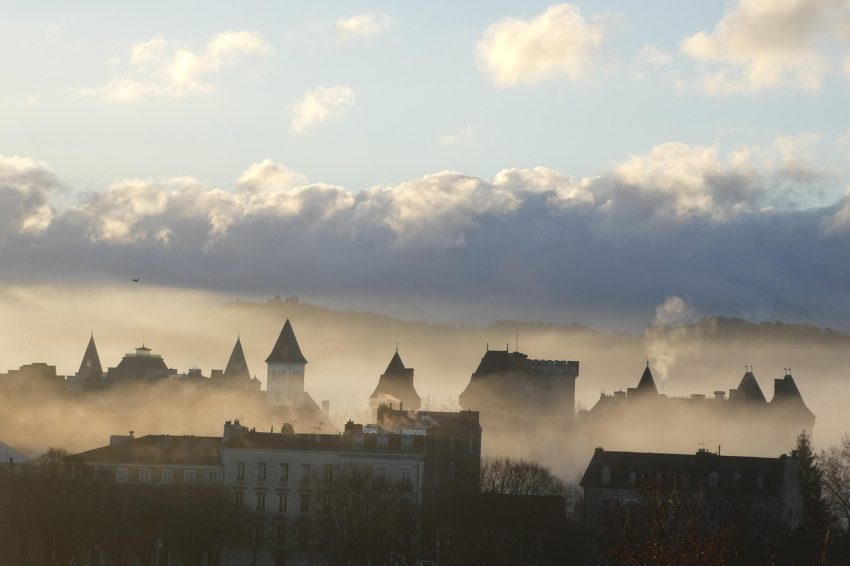
Pau Castle is an impressive historic site perched on a hill, offering sweeping views of the Pyrenees mountains and the surrounding valley. The castle is the birthplace of King Henry IV and is filled with rich history, from its medieval origins to its 19th-century restoration. Visitors can explore the well-preserved rooms, including royal apartments and chambers, while learning about the history of the monarchy and the region.

The castle grounds are equally beautiful, with lush gardens and paths that offer stunning views of the surrounding landscape. Whether you’re a history lover or simply want to enjoy the majestic views, Pau Castle provides a captivating experience and a glimpse into France’s royal past.

Read our Pau Travel Guide
Powered by GetYourGuide

8. Cruise Along the Dordogne River

Sarlat la caneda France
CC BY-SA 4.0 / Chensiyuan

The Dordogne River offers a serene and scenic cruise experience, winding through the picturesque countryside and passing by historic castles and charming villages. Taking a boat trip along the river allows you to see the landscape from a unique perspective, with lush vineyards, steep cliffs, and medieval fortifications dotting the shoreline. It’s a tranquil experience that’s perfect for those looking to explore the natural beauty and history of the region.

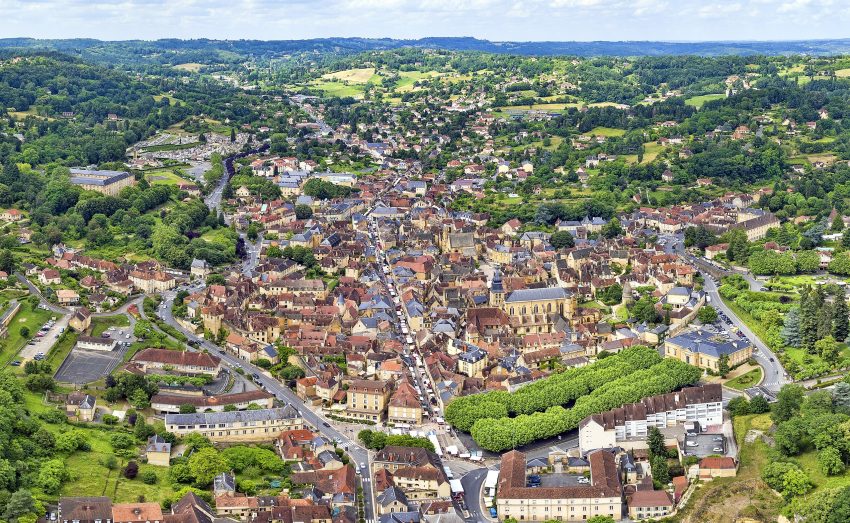
Along the river, you’ll encounter towns like Sarlat-la-Canéda, known for its well-preserved medieval architecture, and Beynac-et-Cazenac, home to one of the most iconic castles in France. Cruising down the Dordogne offers an unforgettable journey through some of the most beautiful and historic parts of Nouvelle-Aquitaine.

Read our Sarlat-la-Caneda Travel Guide
Powered by GetYourGuide

9. Explore the Basque Coast’s Coastal Villages

Beach of Saint-Jean-de-Luz

The Basque Coast is home to some of the most charming coastal villages in France, each with its own unique character. Saint-Jean-de-Luz is a favorite, with its picturesque harbor, beautiful beaches, and Basque architecture. As you stroll through the narrow streets, you’ll find boutiques, cafés, and restaurants serving traditional Basque dishes like tapas and seafood.

The Basque Coast is also known for its outdoor activities, such as surfing and hiking along the rugged coastline. Whether you’re exploring the colorful streets, enjoying local cuisine, or soaking up the natural beauty of the coast, these charming villages provide a relaxed yet vibrant atmosphere that captures the essence of the Basque region.

Read our Saint-Jean-de-Luz Travel Guide
Powered by GetYourGuide

10. Enjoy the Pyrénées all Year-round

pyrenees GR10
pyrenees GR10

The French Pyrénées offer an unparalleled experience for outdoor enthusiasts, making them a year-round destination for adventure. In the winter, the region transforms into a winter sports paradise, with several ski resorts such as Cauterets, Gourette, and Saint-Lary-Soulan providing excellent skiing and snowboarding opportunities. Whether you’re a beginner or an experienced skier, the slopes here cater to all levels, while the picturesque mountain villages offer cozy spots to relax after a day in the snow. Snowshoeing, cross-country skiing, and even dog sledding are also popular activities for those looking to explore the winter wonderland in a more tranquil way.

Gavarnie is a stunning village nestled in the heart of the French Pyrénées, known for its spectacular Cirque de Gavarnie, a UNESCO World Heritage site featuring towering cliffs and the highest waterfall in France. This natural amphitheater offers breathtaking views and is a popular spot for hiking and photography. Pont d’Espagne, located near Cauterets, is a picturesque area famous for its cascading waterfalls, crystal-clear lakes, and rugged mountain landscapes. It’s a favorite destination for outdoor activities like hiking, cross-country skiing, and snowshoeing, offering stunning views of the Vignemale Glacier. The region is also great for cycling, mountain biking, and rock climbing, attracting adventurers looking to challenge themselves in a breathtaking natural setting. Whether you’re seeking thrills in the snow or a peaceful escape in nature, the French Pyrénées offer something special all year long.

Read our Lourdes Travel Guide
Powered by GetYourGuide
Moira & Andy
Moira & Andy

Hey! We're Moira & Andy. From hiking the Camino to trips around Europe in Bert our campervan — we've been traveling together since retirement in 2020!

Read our full story here

This website uses affiliate links which earn a small commission at no additional cost to you.

Walking Tour Map
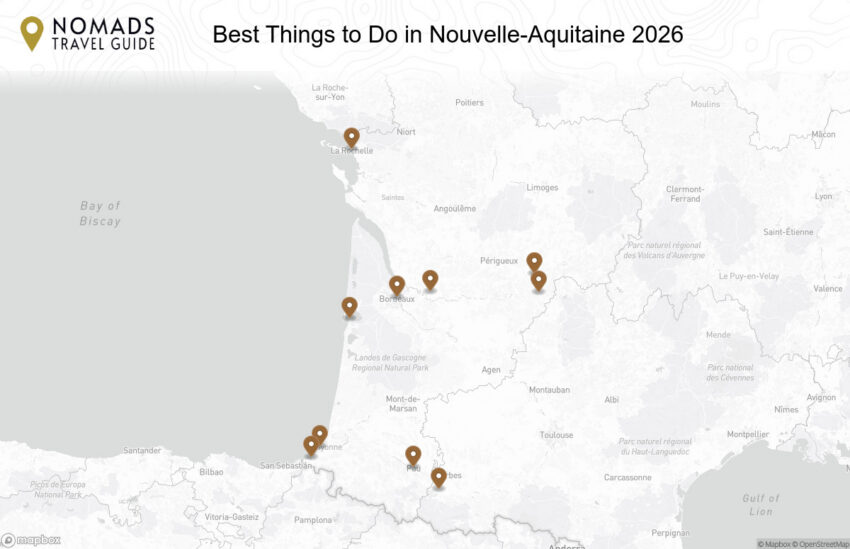
Map of the Best Things to Do in Nouvelle-Aquitaine: Top Attractions & Hidden Gems walking route with 10 stops in Nouvelle-Aquitaine.
Preview map of the Best Things to Do in Nouvelle-Aquitaine: Top Attractions & Hidden Gems route in Nouvelle-Aquitaine, showing 10 stops. Use the interactive map to zoom and tap markers.

More from this area

11 Most Underrated Cities in France to Visit 2026: Hidden Gems Beyond Paris

Most Underated French Cities

This website uses affiliate links which earn a small commission at no additional cost to you.

While the iconic destinations like Paris, Lyon, Bordeaux, and Marseille are hard to resist, there's a wealth of lesser-known French cities waiting to be explored. These hidden gems offer the same rich culture, breathtaking architecture, delicious cuisine, and stunning countryside, all without the overwhelming crowds of the usual tourist hotspots.

Imagine strolling through historic market squares lined with café terraces, where the prices are a fraction of those in Paris. You can explore provincial museums filled with unique treasures, all without the hassle of long lines or exorbitant ticket fees. Dive into local markets to taste regional specialties and discover wines you've never encountered before. If you're looking for a city break with a twist, these under-the-radar French cities are calling your name.

1. Dijon For Food Lovers: Choose over Bordeaux

dijon
dijon

If you’re a food lover, Dijon should be your go-to destination over Bordeaux. While Bordeaux is famous for its wine, Dijon is a paradise for those passionate about food, particularly mustard, a true hallmark of the region. The Maison de la Moutarde offers a fascinating insight into the art of mustard making, and the city’s markets, such as Les Halles de Dijon, are brimming with fresh, local ingredients. Dijon is also renowned for its Boeuf Bourguignon and Coq au Vin, as well as a host of regional delicacies that celebrate the rich culinary heritage of Burgundy.

In addition to its distinctive mustard, Dijon is a city where food and wine truly go hand in hand, making it a haven for gourmets. As the capital of Burgundy, the region’s wine culture is equally as celebrated as its food, offering visitors the chance to sample world-class wines in the famous Côte de Nuits and Côte de Beaune vineyards. Whether you’re indulging in a hearty meal at a traditional bistro or exploring the city’s elegant patisseries, Dijon offers a more intimate, refined food experience that perfectly pairs with its rich culinary traditions.

Read our Dijon Travel Guide

We recommend to rent a car in France through Discover Cars, they compare prices and review multiple car rental agencies. Book your rental car here.

Powered by GetYourGuide

2. Béziers for Authentic Languedoc: Choose over Nîmes

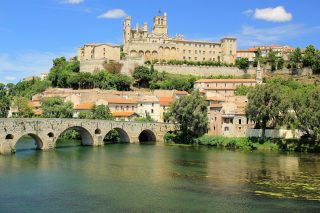
beziers france
beziers france

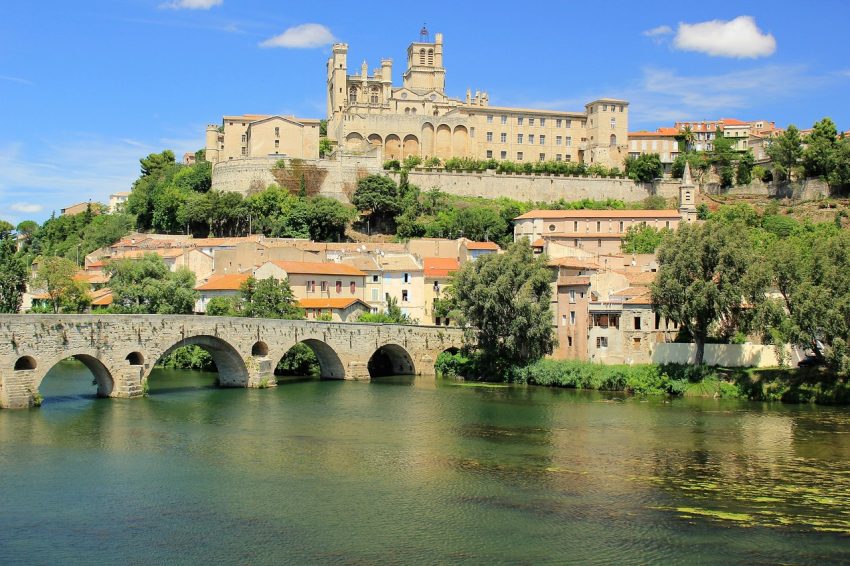
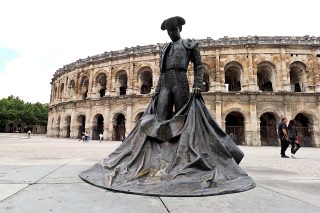
For an authentic Languedoc experience, Béziers is a fantastic choice over Nîmes. While Nîmes offers impressive Roman ruins, Béziers retains a more traditional, local atmosphere that truly reflects the region’s rich history and culture. The city is known for its vibrant markets, charming narrow streets, and the stunning Cathedrale Saint-Nazaire, offering a more intimate experience of southern France. Béziers’ Feria (annual bullfighting festival) also provides a lively, authentic taste of regional traditions.

In addition to its historic sites, Béziers is surrounded by the famous Languedoc vineyards, making it a perfect destination for wine enthusiasts. The city’s slower pace allows visitors to connect more deeply with local life, from savoring regional delicacies at local bistros to exploring hidden gems like the Canal du Midi. For those seeking a genuine Languedoc experience away from the larger tourist crowds, Béziers offers the perfect combination of history, culture, and local charm.

Read our Béziers Travel Guide

Here is a complete selection of hotel options in France. Feel free to review each one and choose the stay that best suits your needs.

Powered by GetYourGuide

3. Rennes for Exploring Historic Britany: Choose over Nantes

Rennes France
Rennes France

For exploring historic Brittany, Nantes offers a unique mix of rich heritage and modern creativity. While not officially part of Brittany since the mid-20th century, Nantes retains a strong connection to its Breton roots. The Château des Ducs de Bretagne and the Cathédrale Saint-Pierre-et-Saint-Paul stand as testaments to the city’s medieval and Renaissance past. Wandering through the old town, you’ll discover a blend of cobbled streets, half-timbered houses, and vibrant public squares, all imbued with the essence of Brittany’s historical charm.

Beyond its historical landmarks, Nantes is home to fascinating cultural attractions, such as the Machines de l’île, a steampunk-inspired attraction featuring mechanical animals and a giant carousel. The city is also a hub of Breton culture, offering visitors a taste of traditional food, including seafood and crêpes. As the birthplace of Jules Verne, Nantes also boasts a museum dedicated to the writer’s life and works, making it an ideal destination for those seeking both history and creative innovation in one dynamic city.

Read our Rennes Travel Guide

Traveling to a country with a different currency? Avoid ATM transaction fees and pay in local currency with a Wise Card. Having used it for over 5 years, we've saved loads on fees!

Powered by GetYourGuide

4. Montauban for Medieval Charm: Choose over Toulouse

Montauban France
Montauban France

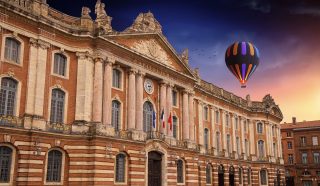
For medieval charm, Montauban is a perfect alternative to Toulouse. Nestled along the Tarn River, this picturesque town is full of history and stunning medieval architecture, offering a quieter, more intimate experience than its larger neighbor. The Place Nationale is a central hub, surrounded by beautiful 17th-century arcades and the striking Montauban Cathedral with its impressive façade. The town’s well-preserved medieval streets, combined with the serene riverside setting, create a captivating atmosphere for exploring.

Montauban’s compact size makes it easy to explore on foot, and visitors can immerse themselves in the town’s medieval heritage by visiting the Musée Ingres—dedicated to the famous artist Jean-Auguste-Dominique Ingres, who was born here. With its mix of Romanesque and Renaissance architecture, beautiful squares, and vibrant local life, Montauban offers a charming step back in time. It’s the ideal destination for anyone looking to experience authentic medieval charm in a peaceful, historically rich setting.

Read our Montauban Travel Guide

5. Arles for Roman History: Choose over Nîmes

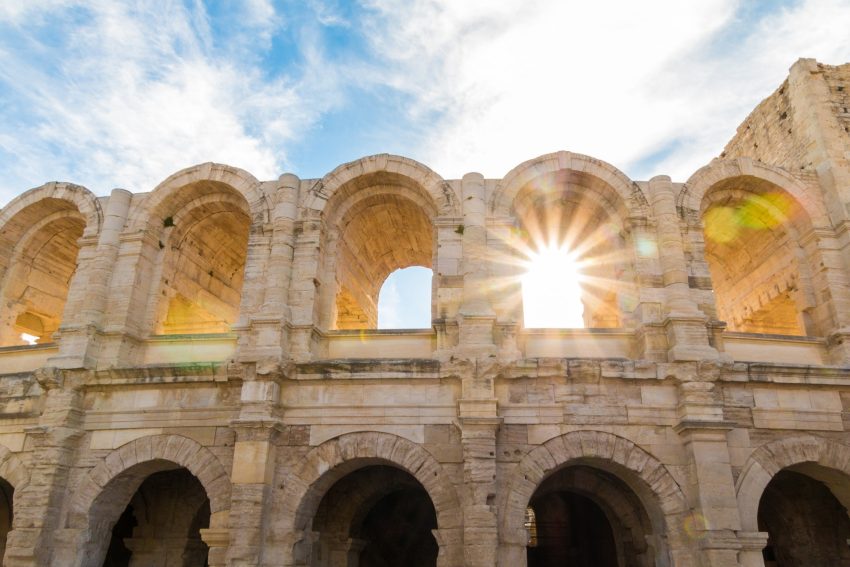
the amphitheatre of arles

For Roman history, Nîmes is the better choice over Arles. While Arles is certainly rich in Roman ruins, Nîmes is often considered one of the best-preserved Roman cities in France, with its spectacular and nearly intact monuments. The Maison Carrée, a Roman temple dating back to the 1st century AD, and the Nîmes Arena, a Roman amphitheater that still hosts events today, are just two of the incredible sights that make Nîmes stand out. The city’s rich Roman heritage is also evident in its Tour Magne, a tower that once formed part of the Roman fortifications and provides panoramic views of the city.

Nîmes offers a more immersive Roman experience, with a blend of historic sites and modern living. The city is often referred to as the “French Rome” due to the abundance and quality of its Roman architectural structures, which rival those found in Italy. Unlike Arles, which has a more fragmented set of ruins, Nîmes maintains a cohesive and intact Roman city center that allows visitors to step back in time and experience Roman civilization in a more complete form. For history enthusiasts looking to explore Roman architecture and culture in its purest form, Nîmes is the ideal destination.

Read our Arles Travel Guide
Powered by GetYourGuide

6. Lille for Art: Choose over Paris

Lille France
Lille France

For accessible art, Lille is a fantastic alternative to Paris. While Paris is undeniably a global art capital, Lille offers a more relaxed, less overwhelming art scene with a rich mix of cultural experiences. The Palais des Beaux-Arts de Lille is one of France’s largest fine arts museums, housing an impressive collection of European art, from classical to modern. Lille’s art scene is also deeply influenced by its Flemish heritage, and its vibrant street art culture adds a contemporary flair, making it a perfect destination for those who want to explore diverse artistic expressions without the crowds of Paris.

Lille’s compact size makes it easier to access its art venues, with several galleries and museums located within walking distance of each other in the city center. The LaM (Lille Métropole Musée d’Art Moderne), located just outside the city, is another standout, offering an exceptional collection of modern and contemporary art, as well as African and Oceanic art. The city’s charming architecture, combined with its thriving cultural scene, provides an inviting and accessible art experience, making it an ideal choice for art lovers who want to explore without the hustle and bustle of larger cities.

Read our Lille Travel Guide
Powered by GetYourGuide

7. Grenoble for Stunning City Views: Choose over Lyon

Grenoble France
Grenoble France

For dramatic city views, Grenoble is a stunning alternative to Lyon. Nestled in the heart of the French Alps, Grenoble offers breathtaking panoramic views from various vantage points, most notably from the Bastille. Visitors can take a scenic ride on the famous Bastille cable car (Les Bulles), which provides spectacular views of the city surrounded by the towering mountains. From the summit, you can enjoy 360-degree views that encompass the entire city, the Isère River, and the snow-capped peaks of the Alps.

In addition to the Bastille, Grenoble is a city of natural beauty, with its location at the confluence of three mountain ranges. Whether you’re exploring the city’s parks, walking along the riverside, or hiking in the nearby mountains, the city offers stunning vistas at every turn. The views of the Chartreuse, Vercors, and Belledonne mountain ranges provide a dramatic backdrop to the urban landscape, making Grenoble the ideal destination for those seeking awe-inspiring city views combined with an alpine charm.

Read our Grenoble Travel Guide
Powered by GetYourGuide

8. Limoges for History Lovers: Choose over Poitiers

Limoges France
Limoges France

For history, Limoges is an excellent choice over Poitiers. While Poitiers is known for its medieval and Renaissance heritage, Limoges offers a deeper dive into both ancient and medieval history, with well-preserved sites that highlight its rich past. The Musée de la Résistance offers a poignant look at the city’s role in the French resistance during World War II, while the Musée des Beaux-Arts houses collections that span centuries, providing insight into the city’s cultural evolution.

Limoges is also famed for its historical connection to the porcelain industry, with museums like the Musée Adrien Dubouché showcasing the city’s significant contribution to the art of porcelain making. Visitors can explore the city’s Romanesque churches such as Saint-Étienne Cathedral, with its striking architecture and historical significance. With its blend of ancient Roman influences, medieval heritage, and industrial legacy, Limoges offers a comprehensive historical experience that rivals larger French cities.

Read our Limoges Travel Guide
Powered by GetYourGuide

9. Menton for Riviera Sunshine: Choose over Nice

Menton France
Menton France

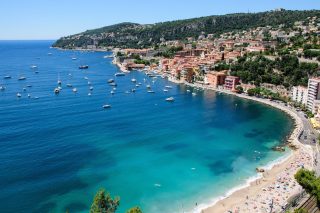
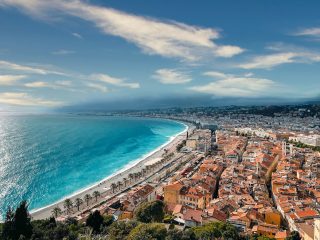
For Riviera sunshine, Menton is a fantastic alternative to Nice. While Nice is the more well-known destination, Menton offers a quieter, more relaxed atmosphere with the same stunning Mediterranean views and year-round sunny climate. Known as the “Pearl of the French Riviera,” Menton boasts beautiful beaches, picturesque old town streets, and colorful gardens, making it an idyllic spot to soak in the sun without the large crowds.

Menton’s charm lies in its peaceful surroundings and charming blend of Italian and French influences. The Jardin Serre de la Madone and Jardin Botanique du Mont Gros are just two examples of the city’s stunning botanical gardens, offering a perfect place to relax in the sunshine. Menton’s small size means you can easily explore its quaint squares, coastal promenades, and vibrant markets, offering a more intimate experience compared to the hustle and bustle of larger Riviera cities.

Read our Menton Travel Guide
Powered by GetYourGuide

10. Caen for Norman History: Choose over Rouen

Caen France
Caen France

If you’re seeking a deeper dive into Norman history, Caen is a much richer choice than Rouen. While Rouen is famous for its role in the medieval period, particularly with the trial and execution of Joan of Arc, Caen offers a more direct connection to the founding of Normandy. The Abbaye aux Hommes, founded by William the Conqueror, is one of the most significant historical sites in Caen, as it was built to commemorate his victory at the Battle of Hastings and his subsequent reign. The city also houses the Musée de Normandie, which explores the region’s past in a way that emphasizes Norman heritage, from its Viking roots to its role in medieval France and beyond.

Caen also offers a more intact and accessible exploration of the Norman conquest and the legacy of William the Conqueror. While Rouen boasts impressive Gothic cathedrals and a rich medieval past, it is more influenced by later periods, particularly the Renaissance and beyond. In contrast, Caen retains a strong Norman feel with historical landmarks like the Château de Caen and Abbaye aux Dames, which were both central to the establishment of Normandy as a powerful duchy in the 11th century. For those specifically interested in the Norman era and its architectural and cultural legacies, Caen provides a more direct connection to that pivotal time in history.

Read our Caen Travel Guide
Powered by GetYourGuide

11. Clermont-Ferrand for Rugby: Choose over Montpellier

Clermont Ferrand France

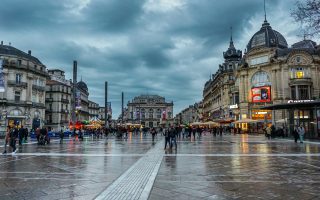
For rugby fans, Clermont-Ferrand is a top destination over Montpellier. Known for its passionate rugby culture, Clermont-Ferrand is home to one of France’s most successful and beloved teams, ASM Clermont Auvergne. The city has a long-standing tradition in rugby, and the iconic Stade Marcel-Michelin is the heart of the action, where fans can enjoy an electric atmosphere during the team’s home matches. The fierce rivalries and dedicated fan base make watching a match here an unforgettable experience for any rugby enthusiast.

In addition to the thrilling games, Clermont-Ferrand offers an immersive experience for rugby fans, with bars, cafés, and sports-themed establishments celebrating the sport year-round. The city’s deep-rooted rugby culture is reflected in its public spaces, where memorabilia and references to the sport are common. Whether attending a match or simply soaking in the city’s rugby spirit, Clermont-Ferrand is a must-visit for those who love the game.

Read our Clermont-Ferrand Travel Guide
Powered by GetYourGuide
Moira & Andy
Moira & Andy

Hey! We're Moira & Andy. From hiking the Camino to trips around Europe in Bert our campervan — we've been traveling together since retirement in 2020!

Read our full story here

This website uses affiliate links which earn a small commission at no additional cost to you.

Walking Tour Map
Map of the 11 Most Underrated Cities in France to Visit: Hidden Gems Beyond Paris walking route with 11 stops.
Preview map of the 11 Most Underrated Cities in France to Visit: Hidden Gems Beyond Paris route, showing 11 stops. Use the interactive map to zoom and tap markers.

More from this area

Renting a Car in Germany 2026: A Complete Guide for Travelers

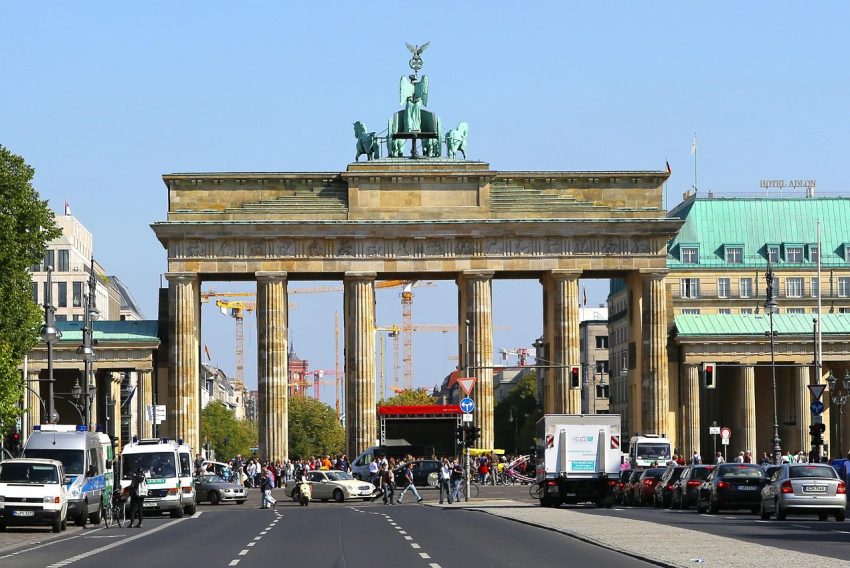
Driving by the Brandenburg Gate

This website uses affiliate links which earn a small commission at no additional cost to you.

Germany is a country made for road trips. With its legendary Autobahn, charming medieval towns, and winding countryside roads through vineyards and forests, driving here is not just convenient-it's part of the experience. If you're planning a visit in 2026, this full guide will help you rent a car with confidence and ease.

Why Rent a Car in Germany in 2026?

While trains and buses are efficient in Germany, they don't always reach smaller towns or the scenic byways that make the country special. Renting a car gives you the freedom to explore the Romantic Road, drive through the Black Forest, or even take a spontaneous detour to a hidden lakeside village.

Is It Worth Renting a Car in Germany?

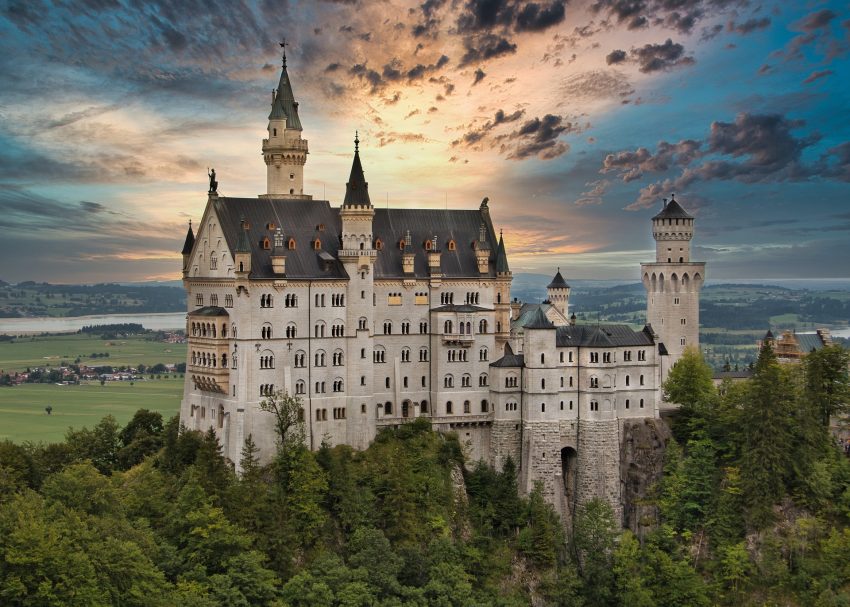
The Romantic Road and Neuschwanstein Castle

Definitely. Renting a car is especially worth it if you plan to explore rural areas, go on a multi-city trip, or travel with family or friends. Germany’s roads are well-maintained, fuel stations are plentiful, and road signage is clear (mostly in German, but intuitive).

Where to Book Your Rental

For peace of mind and the best rates, book your car rental online before your trip. Look for platforms that compare offers from different rental companies, show user reviews, and provide clear insurance options. Booking early gives you more choice, especially for automatic vehicles.

What You Need to Rent a Car in Germany

To rent a car in Germany in 2026, make sure you have:

  • A valid driver’s license (an International Driving Permit is recommended if your license isn’t in German or English)
  • A passport or official ID
  • A credit card in the name of the main driver
  • You must usually be at least 21 years old (some rental companies require you to be 25 for certain car classes)

Types of Cars Available

You’ll find everything from compact city cars and luxury sedans to SUVs and vans. Choose a vehicle based on your itinerary: a small car for city travel, or a larger one for long-distance drives or traveling with luggage. Many German cars are manual, so if you need an automatic, reserve it early.

Manual vs. Automatic: Book Early If You Need Automatic

Manual transmissions are standard in Germany. Automatics are available, but they cost more and sell out quickly, especially during the busy travel months. Be sure to reserve an automatic when booking to avoid last-minute surprises.

Cost of Renting a Car in Germany

Expect to pay between €35-80 per day depending on the car type, rental location, and time of year. For better prices:

  • Book online in advance
  • Choose non-airport pickup locations if possible

Top Tip: You can use a company like Discover Cars to compare discounts across providers

German Driving Rules and Tips for 2026

©

Here are key things to know:

  • No general speed limit on parts of the Autobahn, but 130 km/h is the recommended speed
  • In cities, the speed limit is 50 km/h
  • Country roads usually have an 100 km/h limit
  • Watch out for environmental zones (Umweltzones) in major cities-you’ll need a green emissions sticker

Always carry your license, passport, and rental documents. Driving under the influence has strict limits: the blood alcohol limit is 0.05%, and for drivers under 21 or with less than 2 years’ experience, it’s 0.00%.

Parking in Germany: What to Expect

Street parking can be tight in cities. Blue lines indicate paid parking; use local machines or apps. Some areas are resident-only, so watch for signs that say “Bewohner.” Multi-story car parks (Parkhaus) are available in most towns. Parking violations are enforced and tickets are common.

Fueling Up: What You Need to Know

Gas stations are easy to find, and most are self-service. Unleaded fuel is called “Super” or “Super E10,” while diesel is labeled “Diesel.” Prices average around €1.80-€2.00 per liter in 2026. Pay with card or cash. EV charging stations are also increasingly available.

Insurance: What’s Required and What’s Optional

Rental cars in Germany typically include basic insurance like third-party liability coverage. However, this may not cover damage to the rental car itself. Adding extra coverage is highly recommended:

A Collision Damage Waiver (CDW) helps protect you from high repair costs if the car is damaged, while Theft Protection covers loss from vehicle theft. These are not mandatory, but they offer valuable peace of mind.

It's best to include any additional insurance when you first book your rental, as the prices tend to be better. Before purchasing, check whether your credit card offers rental insurance in Germany-some do, but policies vary. Read the fine print to avoid surprises.

One-Way Rentals and Driving to Other Countries

You can rent a car in one city and drop it off in another, though a one-way fee may apply. Many rental companies also allow cross-border travel to countries like Austria, Switzerland, France, or the Netherlands. Be sure to notify the rental company if you plan to leave Germany.

Top Scenic Drives to Try

These routes highlight the best of Germany’s natural beauty and historical charm.

Avoiding Common Mistakes

  • Don’t assume all rentals include unlimited mileage
  • Always check the fuel policy (full-to-full is most common)
  • Inspect the car and photograph any damage before driving off
  • Know the road signs, especially the difference between advisory and mandatory speed limits

Final Tips for Renting a Car in Germany

  • Bring a navigation app or offline GPS
  • Make sure your phone has EU roaming or a local SIM
  • Always return the car on time to avoid extra charges
  • Ask about winter tires if you’re visiting between November and April

With the right planning, renting a car in Germany is a smooth and rewarding experience. From historic towns to alpine passes, the open road is waiting.

Moira & Andy
Moira & Andy

Hey! We're Moira & Andy. From hiking the Camino to trips around Europe in Bert our campervan — we've been traveling together since retirement in 2020!

Read our full story here

This website uses affiliate links which earn a small commission at no additional cost to you.

More from this area

Renting a Car in France in 2026: A Complete Guide

Renting a Car in France

This website uses affiliate links which earn a small commission at no additional cost to you.

Thinking about renting a car in France in 2026? You're not alone. France is one of the best countries in Europe to explore by road, offering charming countryside routes, scenic coastal drives, and picturesque mountain passes. Whether you're heading to Provence, the Loire Valley, or the French Riviera, renting a car gives you the freedom to explore at your own pace.

More than just a mode of transport, a rental car in France becomes your gateway to places rarely reached by train or bus. From sleepy villages with bustling morning markets to lavender fields that stretch for miles, the open road invites spontaneous detours and slow travel. In 2026, with modern GPS apps, better rental choices, and smoother highway networks, driving across France is easier and more rewarding than ever. With a little planning and a sense of adventure, you'll discover how much more the French landscape has to offer when you explore it on four wheels.

Renting a car also opens up a different cultural experience-one where you can pause in roadside cafés, shop in rural brocantes, and navigate ancient cobbled streets that have remained untouched by mass tourism. It allows you to travel beyond fixed schedules and crowded transit hubs, creating a journey that's uniquely yours. As travel trends in 2026lean toward flexibility, sustainability, and slow travel, renting a car fits perfectly into the modern traveler's approach to exploring France. Whether you're tracing Napoleon's footsteps, following vineyard trails, or driving up to cliffside viewpoints, the freedom of the road is a priceless companion.

Of course, driving in a foreign country comes with its own set of rules and challenges, but it's nothing that can't be managed with some basic preparation. France has well-maintained roads, clear signage (especially on major routes), and a network of service stations that make longer drives more convenient. Fuel stations, toll roads, and rest stops are well-marked, and with tools like translation apps and real-time navigation, even first-time visitors will find it manageable. Plus, the joy of turning off onto a quiet D-road and discovering an unexpected medieval hamlet or a family-run vineyard makes every kilometer worth it.

Why Rent a Car in France in 2026?

Public transport in France is excellent, but it doesn't reach every idyllic village or rural vineyard. In 2026, with travel infrastructure improving post-pandemic and tourism booming again, renting a car gives you access to hidden gems and flexibility with your itinerary. Road conditions are generally good, and France's varied landscapes make driving a pleasure.

Top Scenic Drives in France to Add to Your Itinerary

France offers some of Europe's most scenic and diverse road trips, each showcasing a different facet of the country's natural beauty, cultural heritage, and regional charm. Whether you're craving alpine adventure, vineyard-hopping, coastal elegance, or storybook castles, hitting the road in a rental car allows you to experience France beyond the cities and at your own pace. From winding through the towering passes of the French Alps to meandering along sun-drenched Riviera cliffs, these five iconic routes each promise unforgettable landscapes, picturesque stops, and the freedom to explore as you please.

Route des Grandes Alpes (French Alps)

The Route des Grandes Alpes is one of France's most legendary road trips, winding through the dramatic peaks and alpine passes of the French Alps from Lake Geneva to the Mediterranean. Covering over 700 km, the route takes you through awe-inspiring mountain landscapes, including iconic passes like Col du Galibier and Col d'Izoard. Along the way, charming alpine villages such as Annecy, Chamonix, and Briançon offer a mix of traditional architecture, hearty cuisine, and outdoor adventure. Best tackled in summer or early autumn, this drive is ideal for those seeking panoramic views, fresh air, and a taste of high-altitude France.

The Alsace Wine Route

Stretching over 170 km from Marlenheim to Thann, the Alsace Wine Route (Route des Vins d’Alsace) leads travelers through a patchwork of vineyard-covered hills and storybook villages. This scenic drive is perfect for food and wine lovers, with countless opportunities to taste crisp Rieslings and aromatic Gewürztraminers directly from the source. Half-timbered towns like Riquewihr, Eguisheim, and Kaysersberg charm visitors with their flower-bedecked streets, cobbled lanes, and traditional winstubs (wine taverns). The route is especially magical in autumn during the grape harvest or in December when the villages glow with festive Christmas markets.

Gorges du Verdon

Often called the “Grand Canyon of Europe,” the Gorges du Verdon offers a thrilling drive through one of France’s most spectacular natural wonders. The route loops around the turquoise Verdon River, cutting through sheer limestone cliffs up to 700 meters deep. Driving along the Rim Roads (Routes des Crêtes), expect tight switchbacks, jaw-dropping viewpoints, and a few nerve-testing ledges. Towns like Moustiers-Sainte-Marie and Castellane make great stops for hiking, kayaking, or simply taking in the views. Ideal in spring or early autumn, this road trip combines natural beauty with a dose of adrenaline.

The Loire Valley Castles Route

A road trip through the Loire Valley offers a regal journey through France's historic heartland, dotted with more than 300 châteaux and elegant estates. From the Renaissance splendor of Château de Chambord to the riverside grace of Château de Chenonceau, each castle brings its own charm and story. The route follows the Loire River through rolling countryside and quaint towns like Amboise and Saumur, with opportunities to stop for wine tastings, gardens, and regional delicacies. Best enjoyed over several days, this relaxed and cultural itinerary captures the grandeur and romance of the French Renaissance.

Coastal Drive from Nice to Menton

The drive from Nice to Menton along the French Riviera is a short but stunning stretch of coastline that dazzles with Mediterranean beauty. This route follows the Corniches-three cliffside roads that offer varying perspectives of the sea, from the low-lying Basse Corniche to the panoramic Grande Corniche. Along the way, you can stop in glamorous coastal towns like Villefranche-sur-Mer, Èze, and Monaco, each offering a unique blend of old-world charm and Riviera elegance. With sparkling sea views, fragrant gardens, and cliff-hugging roads, this drive is best savored slowly, especially in spring or early autumn when the crowds thin out.

Is It Worth Renting a Car in France?

Absolutely-especially if you plan to explore beyond the big cities. Places like Dordogne, Alsace, or the lavender fields of Provence are best experienced by car. You’ll save time, discover local eateries, and even stumble upon charming chateaux not listed in the guidebooks.

Driving in Paris
Driving in Paris

Where to Book your Rent a Car

When it comes to renting a car, we recommend using Discover Cars. It’s a trusted comparison platform that searches multiple rental agencies to help you find the best prices and vehicle options. Discover Cars makes it easy to filter by car type, transmission, fuel policy, and rental company reputation. Plus, they offer excellent customer support and transparent insurance options.

What You Need to Rent a Car in France

Renting a car in France is a straightforward process, but there are a few key requirements to keep in mind. Being prepared with the right documents and understanding local regulations will ensure a smooth rental experience.

Essential Requirements for Renting a Car in France

To rent a car in France in 2026, you will typically need:

  • A valid driver’s license from your home country. If your license is not in the Roman alphabet (e.g., Arabic, Japanese, Cyrillic), an International Driving Permit (IDP) is required alongside your original license.
  • A credit card in the name of the primary driver-most car rental companies require a credit card for security deposits. Some may accept debit cards, but it’s best to check in advance.
  • Proof of identity (passport)-you’ll need your passport to verify your identity when picking up the car.
  • Age requirements: The legal driving age in France is 18, but most rental companies require drivers to be at least 21 years old. Certain categories of vehicles, such as luxury cars or vans, may require drivers to be 25 or older.
  • Young driver fees: Many rental companies charge an additional fee for drivers under 25, so be sure to factor this into your budget when booking your rental.

Additional Considerations Before Booking

  • Payment methods: While most rental companies accept credit cards, always check whether your specific card provider is accepted-American Express may not be accepted at smaller agencies.
  • Driving restrictions: If you plan to take your rental car across borders (e.g., to Spain, Italy, or Germany), make sure your rental agreement allows international travel.
  • Fuel policy: Some rental companies operate on a full-to-empty fuel policy, meaning you pay upfront for fuel and return the car empty. Others require you to return the car with the same amount of fuel it had at pickup.

Types of Cars Available (And What to Choose for Your Trip)

©

France offers a wide selection of rental vehicles tailored to different travel styles. Choosing the right type of car will depend on your itinerary, group size, and budget.

Common Rental Car Categories

  • Electric vehicles (EVs)-Many rental companies now offer hybrid or electric options. Charging stations are widely available in France, especially near major cities and highways.
  • Compact cars-Ideal for city driving, fuel-efficient, and easy to park in tight spaces. Best for solo travelers or couples exploring Paris or other urban areas.
  • Mid-size sedans-A great option for couples or small families traveling between cities, offering comfort and reasonable fuel efficiency.
  • SUVs & crossovers-Perfect for countryside road trips, mountainous areas, or travelers needing more luggage space. Recommended for exploring rural France or the Alps.
  • Luxury cars-If you're traveling for a special occasion or seeking a premium experience, France offers a variety of luxury vehicles, including BMWs, Mercedes, and Audis.

Manual vs. Automatic: What to Know Before You Book

France primarily operates with manual transmission cars, and automatic rentals tend to be more expensive and less available. If you only drive automatic, book well in advance to secure an automatic transmission vehicle.

Rental platforms like Discover Cars allow you to filter for automatic cars, ensuring you get the right vehicle for your needs. Expect a surcharge of around €10-€20 per day for an automatic rental.

Understanding Insurance: What’s Required and What’s Optional

Car rental insurance can be confusing, but understanding your options will help protect you financially in case of an accident.

Standard Insurance Coverage in France

Most car rentals in France include basic liability insurance or civil liability insurance, which covers damage to third parties but not damage to the rental vehicle itself. This means if you damage the rental car, you may be responsible for repair costs unless additional coverage is purchased.

  • Collision Damage Waiver (CDW): Reduces or eliminates the amount you have to pay for damages to the rental vehicle.
  • Theft protection: Covers the cost if your rental car is stolen.
  • Personal accident insurance: Covers medical expenses for the driver and passengers in case of an accident.

Buying Insurance for your Rent a Car

You are not required to purchase any additional insurance beyond the mandatory coverage included with your rental. However, keep in mind that if an incident occurs, you could be held responsible for the full deposit amount.

  • Option 1: Use your existing insurance: Some credit cards and personal car insurance policies include rental car coverage. Be sure to carefully read the terms and conditions, as coverage is often limited. Many travel credit cards also offer rental car insurance benefits, so check if your card provides this before buying extra insurance.
  • Option 2: Purchase insurance when booking: Most rental platforms allow you to add insurance during the reservation process, often at a better rate than at the rental counter-sometimes significantly cheaper. These platform-specific policies, like the “Full Coverage Waiver” offered by Discovercars.com, can be a convenient and cost-effective choice.
  • Option 3: Buy insurance at the rental counter: This is generally the most expensive option and usually not recommended unless necessary.
  • Option 4: Use travel insurance: You can also purchase travel insurance that includes comprehensive rental car coverage from a traditional insurer, which might provide broader protection during your trip.

Cross-Border Travel

Be aware that if you plan to take a ferry or cross an international border with your rental car, there are important rules to follow. From France, you can take a ferry to Corsica, England, or smaller islands, and you can also cross borders into neighboring countries such as Monaco, Belgium, Luxembourg, Germany, Switzerland, Italy, and Spain. However, it's essential to check whether your rental agreement allows these trips and to find out if any extra fees apply.

When using the Discovercars.com platform, after selecting a rental offer, look under “Rental Conditions” or “Additional Conditions” to find details about “Geographical Restrictions.” If this information isn’t clearly provided, don’t hesitate to contact customer support to get clarification before you travel.

Cost of Renting a Car in France (and How to Save)

Prices vary based on season, location, and vehicle type, but on average, expect to pay:

  • €30-70 per day for an economy car
  • €70-150 per day for an SUV or mid-range sedan
  • €150+ per day for luxury vehicles

Ways to Save Money on Car Rentals

  • Book early, especially in peak summer travel season.
  • Rent from airport locations-often cheaper than downtown rental offices.
  • Avoid unnecessary add-ons like GPS if you can use your smartphone instead.
  • Check for discounts via comparison platforms

What to Check When You Pick Up Your Rental

Before driving in France, make sure your rental car is equipped with the mandatory safety items. This includes a warning triangle and at least one reflective vest or jacket, which must be worn if you need to step out of the vehicle on the roadside. While not legally required, it's also recommended to have a spare tire on hand in case of a flat. Checking these items before you set off will help you comply with French road safety regulations and be better prepared for emergencies.

What to Check When You Pick Up Your RentalWhen you pick up your rental car, it’s important to conduct a thorough inspection before driving away. Check the entire exterior carefully, paying special attention to areas that are often overlooked such as the roof, bumpers, side mirrors, and tires. Don’t forget to look inside the vehicle as well, including the seats and dashboard, to spot any existing damage or wear. Make sure to note any scratches, dents, or other issues on the rental agreement or inspection form, whether with the agent or on your own if no one is available.

To protect yourself from potential disputes when returning the car, take clear photos or videos of the vehicle from multiple angles, capturing any marks or damages. Also, verify that the fuel level and mileage match what's recorded in the contract to avoid unexpected charges. Lastly, confirm that the car is equipped with mandatory safety items required in France: a warning triangle and at least one reflective vest. While a spare tire is not legally required, it is highly recommended to have one in case of emergencies.

Driving your Rent a Car in France

Driving a rental car in France can be a refreshing and scenic way to see the country, but it's important to understand how the rules of the road may differ from those in your home country. For example, French drivers drive on the right-hand side, and priority is often given to vehicles entering from the right unless otherwise indicated-something that can catch visitors off guard. Roundabouts are common, and unlike in some countries, vehicles already in the roundabout usually have the right of way. Strict speed enforcement, mandatory safety equipment in the car, and urban environmental zones are also key differences to note. Taking time to understand these rules before setting off can help you avoid fines and stay safe while enjoying the freedom of the open road.

Speed Limits in France

In France, the road system is divided into several categories, each with specific speed limits you should know.

Autoroutes (motorways)

The autoroutes (motorways), identified by an “A” followed by a number, are high-speed toll roads called péages. The speed limit on these motorways is 130 km/h under normal conditions, but it drops to 110 km/h when it rains. France is one of the few countries that adjusts speed limits based on weather, so it's important to stay aware of changing conditions while driving.

Routes nationales

Then there are the routes nationales (marked with N or RN), usually dual carriageways without tolls. On these roads, the speed limit is 110 km/h, reduced to 100 km/h in wet weather. For the smaller routes départementales (D), which are mostly single carriageways outside towns, the speed limit is 80 km/h and 70 km/h in rainy conditions. Inside urban areas, called routes communales (C or V), the speed limit is generally 50 km/h.

Towns and Villages

It’s important to note that when entering urban areas or smaller villages, speed signs may not always be posted; instead, the village name sign automatically signals the 50 km/h limit. Speed cameras are common on all types of roads, so stay vigilant and drive within the limits, even in rural locations.

Parking in France: What Tourists Should Know

Look for color-coded curb markings:

  • White = free or pay parking
  • Blue = free with a disc (time-limited)
  • Yellow = no parking

Use local parking apps or machines. Avoid parking near intersections, bike lanes, or driveways-towing is swift and expensive.

How to Navigate French Tolls (Péages)

Driving in France can be a rewarding experience, especially when exploring scenic countryside routes, but it's important to be prepared for the country's extensive toll road system, known as péages. Most major highways (autoroutes) are toll roads and are typically faster and better maintained than national or departmental roads. Toll booths are located at entrances, exits, or at regular intervals on the motorway. Some use tickets-collected at the entry point and paid for at your exit-while others charge flat fees. Payment can be made by card (Visa and Mastercard are widely accepted), cash (euros only), or with a Liber-t electronic toll tag, though the latter is more commonly used by residents. Signs clearly indicate whether a lane is for cash (pièces), card (CB), or telepeage (for tag holders).

If you're renting a car in France, navigating tolls is relatively straightforward but requires a bit of planning. Rental vehicles typically don't come with an electronic toll tag unless specifically requested, so be prepared to stop and pay at each booth. It's wise to keep a payment card handy and to avoid the far-left lanes, which are reserved for automatic tag holders. You might also consider asking your rental company if they offer a vehicle equipped with a badge télépéage, especially if you’re planning a long road trip. To save on toll costs or avoid them entirely, you can take the slower but toll-free national or departmental roads-though these can add significant time to your journey.

On our recent journey from the UK to Brittany and Loire valley, we set out google maps to avoid tolls. It was great seeing a little more of the France we were driving though, although at times you do wonder why your phone is taking you up this narrow lane!

Fueling Up: Gas Stations, Fuel Types, and Costs

Fuel is widely available, but not all stations are staffed. Use credit/debit cards or prepaid fuel cards. “Essence” means unleaded gas, while “Gazole” is diesel. In 2026, fuel costs around €1.75 to €2.00 per liter. Electric charging points are expanding rapidly too.

What to Do in Case of an Accident

If you find yourself involved in a car accident in France, it's important to stay calm and follow the proper steps to ensure everyone's safety and comply with local regulations.

  • Check for Injuries: First, assess if anyone is injured. If there are injuries or if the situation is serious, immediately call the emergency number 112. This is the European-wide emergency number and will connect you to medical, fire, or police services.
  • Contact the Police: If there are injuries or if the accident leads to a dispute or conflict between drivers, contact the police to file a report. In minor accidents without injuries or disputes, the police are usually not involved, but exchanging details with the other party is essential.
  • Exchange Information: If possible, calmly exchange names, contact information, insurance details, and vehicle registration numbers with the other driver(s). Avoid admitting fault or making accusations.
  • Fill Out the European Accident Statement (Constat Amiable): In case of a minor collision, you and the other driver should complete this standard form, which helps simplify insurance claims. You can usually get a copy from your rental car or rental company.
  • Notify Your Rental Company: Contact your car rental provider as soon as possible to inform them about the accident. They will guide you through the next steps, including how to handle repairs and insurance claims.

What to Do If You Receive a Fine or Ticket (Speeding / Parking)

You are responsible for any traffic fines or tickets issued during your rental period. If you are informed of a fine right away, you may be able to pay it directly at the police station or online, following the instructions provided.

However, keep in mind that it can take up to three months for a fine to be officially recorded against the vehicle owner-the rental company. When this happens, the rental company will notify you, provide proof of the fine, and charge you for the amount. They may also add an administrative fee for processing the penalty.

Moira & Andy
Moira & Andy

Hey! We're Moira & Andy. From hiking the Camino to trips around Europe in Bert our campervan — we've been traveling together since retirement in 2020!

Read our full story here

This website uses affiliate links which earn a small commission at no additional cost to you.

More from this area

Self-Guided Walking Tour of Lyon’s Hill of Fourvière (2026)

Explore the Hill of Fourvière self guided walking tour Lyon

This website uses affiliate links which earn a small commission at no additional cost to you.

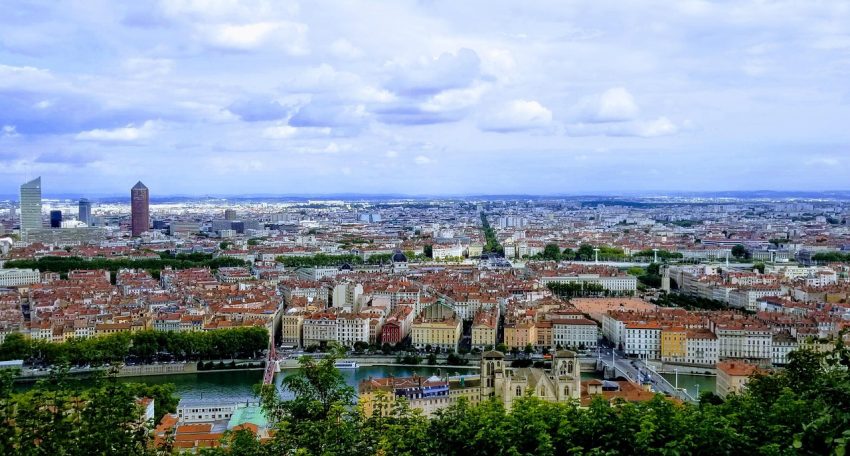
Rising above the Saône River, Lyon's Hill of Fourvière has been a spiritual and cultural heart of the city since Roman times. Known as the “praying hill,” it was once the site of the ancient Roman forum of Lugdunum, the city that would become Lyon. Today, the hill remains one of the most visited areas, where traces of the Roman past sit alongside grand basilicas, quiet chapels, and leafy gardens. A self-guided walking tour here allows you to uncover nearly two thousand years of history while enjoying some of the most breathtaking panoramas of Lyon.

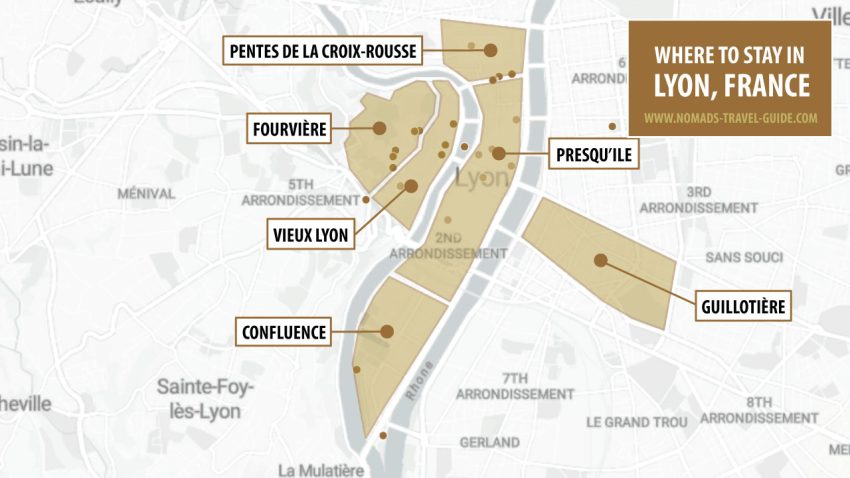
Where to Stay in Lyon to Explore its Historic Fourvière District

For a walking tour of Lyon’s historic Fourvière district, staying on the hill offers proximity to landmarks like the Basilica of Notre-Dame de Fourvière and the Roman amphitheatres. A luxurious option is Fourvière Hôtel, a 4-star hotel set in a former 19th-century convent, featuring 75 rooms, a wellness center with a heated lap pool, and the Les Téléphones restaurant offering seasonal bistronomic cuisine. Another refined choice is Villa Florentine, a 5-star Relais & Châteaux property housed in a former convent, boasting panoramic views over Lyon, a Michelin-starred restaurant, and elegant rooms blending Renaissance charm with modern comfort. These accommodations provide a serene retreat with easy access to Fourvière's historic sites and the vibrant Vieux Lyon district below.

How to get up the Hill of Fourvière

Getting up to Fourvière Hill is part of the experience, and there are a few different ways to make the ascent depending on your pace and mood. The easiest and most popular option is to take the Funiculaire de Lyon from the Vieux Lyon - Cathédrale Saint-Jean metro station. This short but steep ride on Line F2 whisks you up the hill in just a few minutes and drops you off right next to the Basilica of Notre-Dame de Fourvière. It's quick, affordable (included in a standard TCL metro ticket), and ideal if you want to save your energy for exploring the top.

For the more energetic you can walk up to Fourvière Hill through the Jardin du Rosaire and into the Parc des Hauteurs.

A Short History of Lyon’s Hill of Fourvière

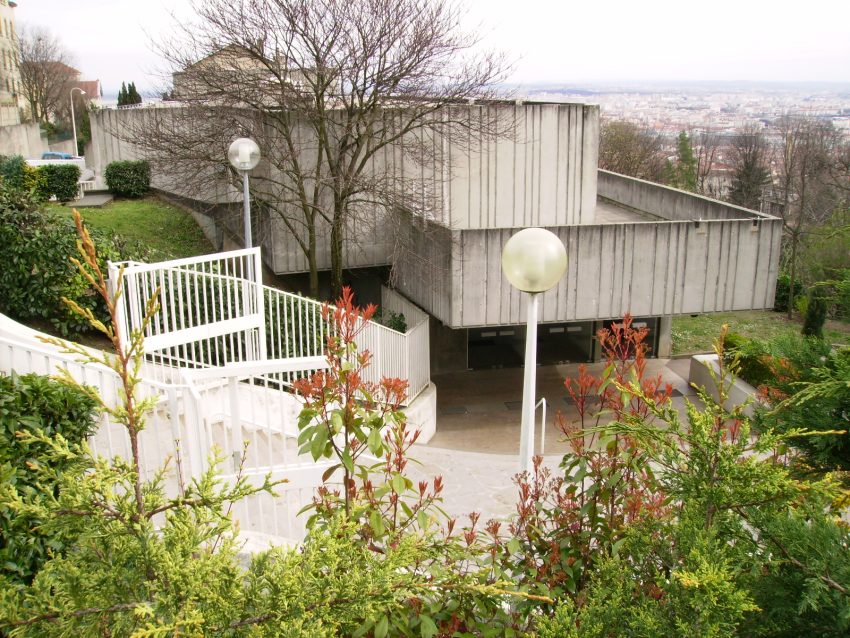
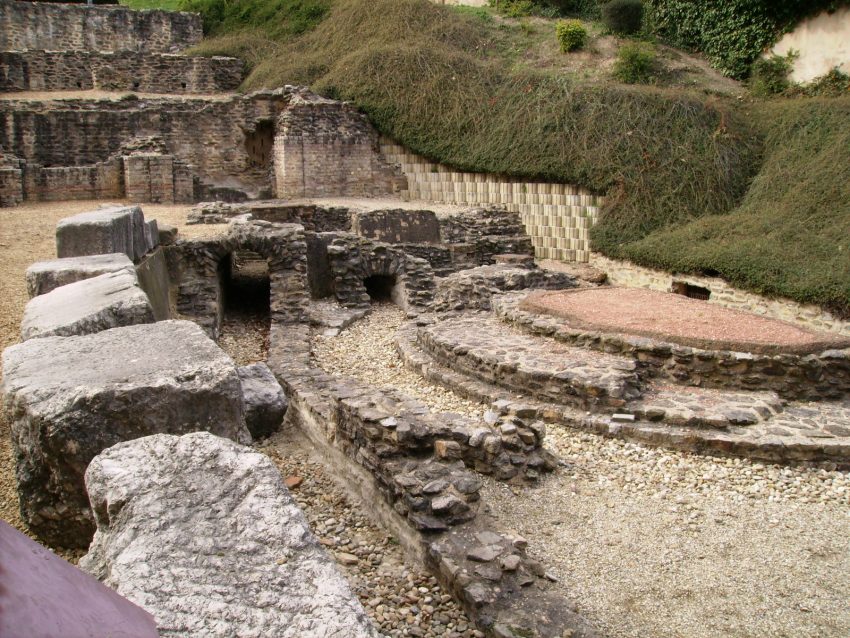
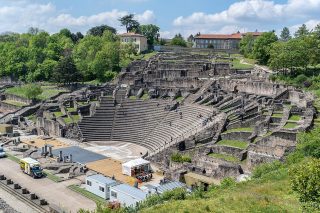
The Hill of Fourvière, long known as the “praying hill,” is the birthplace of Lyon and the site of the ancient Roman city of Lugdunum, founded in 43 BCE. It quickly became the capital of Roman Gaul, leaving behind monuments that still shape the landscape today. The Ancient Theatre of Fourvière, built around 15 BCE under Emperor Augustus, is the oldest Roman theatre in France and could hold over 10,000 spectators. Nearby, the Odeon of Lyon, added in the 2nd century CE, hosted music and poetry, while the remains of the Ancient Baths of Lyon on Rue des Farges recall the role of public life in the Roman city. Archaeological finds, including the Tomb of Turpio, a Roman merchant's funerary monument, are preserved and displayed in the Gallo-Roman Museum of Lyon-Fourvière, designed by Bernard Zehrfuss and opened in 1975, which integrates seamlessly into the hillside.

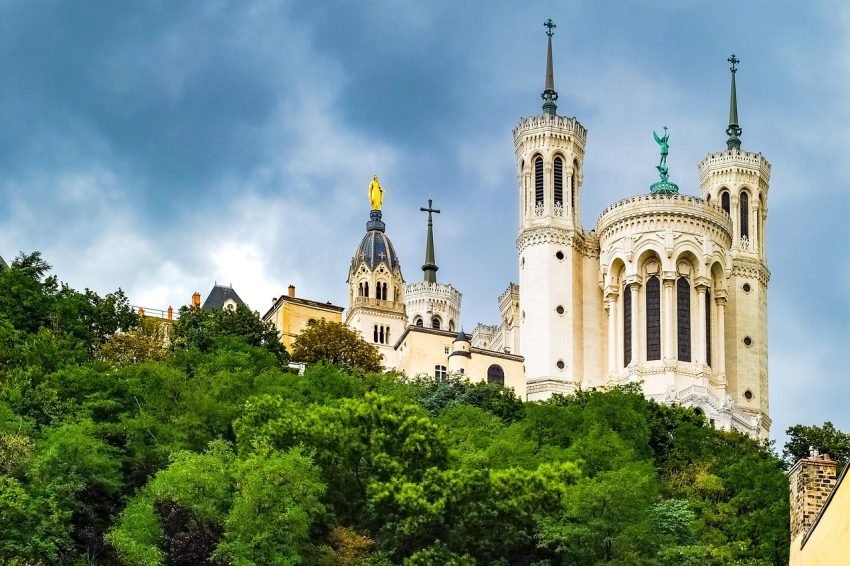
By the Middle Ages, Fourvière had become a deeply spiritual site, dotted with chapels and pilgrimage routes. This tradition culminated in the construction of the Basilica of Notre-Dame de Fourvière, built between 1872 and 1884 by architect Pierre Bossan. Dedicated to the Virgin Mary, who was credited with saving Lyon from plague and war, the basilica's striking mix of Romanesque and Byzantine styles dominates the city's skyline. Its four towers and richly decorated interiors symbolize Lyon's religious devotion, while the basilica square became a gathering place for processions and celebrations.

The late 19th century also brought new symbols of modernity to the hill. The Metallic Tower of Fourvière, completed in 1894 for the Lyon World's Fair, was modeled on the Eiffel Tower and remains the city's highest point at 372 meters above sea level. Around the same time, scenic pathways such as the Parc des Hauteurs were laid out, linking gardens, bridges, and viewpoints across the hillside. Together, these layers of Roman ruins, medieval faith, and modern landmarks make Fourvière a living chronicle of Lyon's two-thousand-year history.

Your Self-Guided Walking Tour of Lyon’s Hill of Fourvière

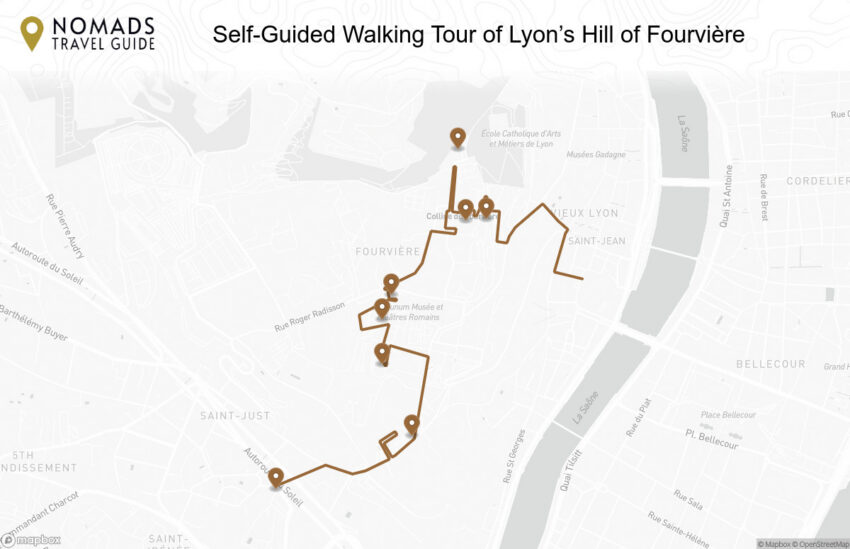
This self-guided walking tour will lead you through the highlights of Fourvière Hill, including the awe-inspiring Basilica of Notre-Dame de Fourvière, the Roman theatres, the Tour Métallique, and tucked-away spots like the Parc des Hauteurs, and you can use our interactive walking tour map to track your current location and your next site as you go. Whether you are here for the history, the views, or the quiet charm of Lyon’s most legendary hillside, Fourvière is a place where the city’s past and present meet in a genuinely memorable way.

1. Parc des Hauteurs

Parc des Hauteurs Lyon
CC BY-SA 2.0 / Guilhem Vellut

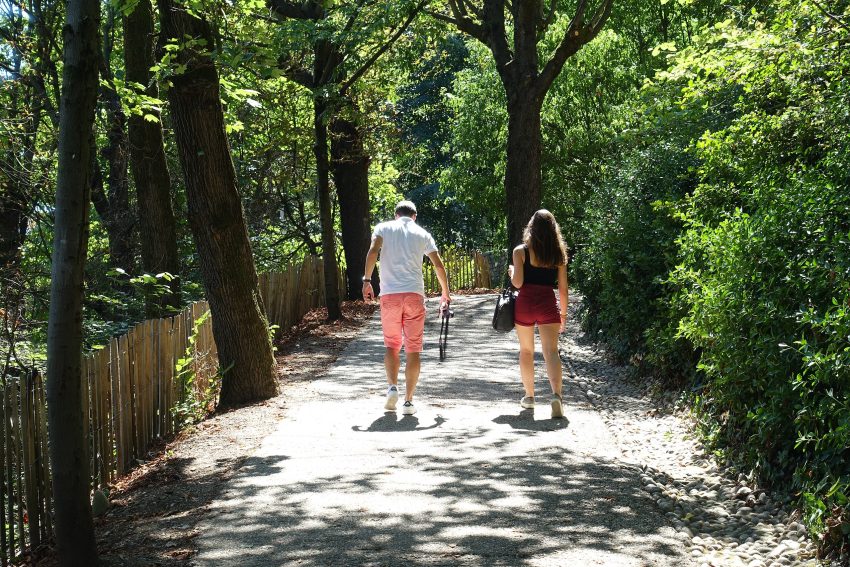
Walking up to Fourvière Hill through the Jardin du Rosaire and into the Parc des Hauteurs is one of the most scenic and peaceful ways to reach the top, offering a quiet escape from the busy streets of Vieux Lyon. The path begins near the Cathédrale Saint-Jean, where you’ll find the entrance to the Jardin du Rosaire tucked behind old stone walls and stairways. As you climb through this terraced garden, you’ll pass through layers of greenery, fruit trees, and rose bushes, with occasional glimpses of the red rooftops of Lyon below.

Along the way, there are resting points, benches, and scenic overlooks—perfect for catching your breath and enjoying the view. Higher up, you’ll transition into the Parc des Hauteurs, a shaded park that winds behind the Basilica of Notre-Dame de Fourvière. Here, you can cross the striking Passerelle des Quatre Vents, a metal footbridge with panoramic views over the city and the Saône valley. You’ll also pass near the Loyasse Cemetery, home to grand 19th-century tombs, and follow peaceful wooded paths that loop around the hilltop. This route offers not just a beautiful approach to Fourvière, but a full sensory experience—quiet paths, nature, history, and some of the most breathtaking views in Lyon.


Location: Parc des Hauteurs, Place de Fourvière, Lyon, France | Hours: Generally accessible year-round, though some sections or paths may be temporarily closed for maintenance or in bad weather. | Price: Free — Parc des Hauteurs is an open public space with no admission charge. | Website

We recommend to rent a car in France through Discover Cars, they compare prices and review multiple car rental agencies. Book your rental car here.

2. Basilica of Notre Dame of Fourvière

Basilica of Notre Dame de Fourvière

The Basilica of Notre-Dame de Fourvière is one of Lyon’s most iconic landmarks, perched dramatically atop Fourvière Hill and visible from nearly every corner of the city. Built between 1872 and 1884, the basilica combines Romanesque and Byzantine styles, giving it a distinctive, ornate appearance both inside and out. It was constructed as a symbol of gratitude to the Virgin Mary, who was believed to have protected Lyon during times of plague and war. The white stone façade, soaring towers, and richly decorated interiors—filled with mosaics, stained glass, and gilded details—make it as much a work of art as a place of worship.

Inside, the basilica offers a sense of grandeur and reverence, with its soaring nave, intricate ceilings, and vibrant chapels. Just below, visitors can also explore the crypt, which is often quieter and equally impressive in design. Outside, the esplanade in front of the basilica provides one of the best panoramic views of Lyon, stretching from the old town and rivers all the way to the Alps on a clear day. Whether you come for the architecture, the history, the view, or a moment of quiet, the Basilica of Fourvière is a must-visit stop on any walk through Lyon’s historic hill.


Location: Basilica of Notre-Dame de Fourvière, Place de Fourvière, Lyon, France | Hours: Basilica Opening Hours: Monday to Saturday: 7:00 AM to 8:00 PM Sunday: 7:00 AM to 12:30 PM (afternoons reserved for services) ​ Sanctuary Gates: Open daily from 7:00 AM to 11:00 PM ​ | Price: Free | Website

Here is a complete selection of hotel options in Lyon. Feel free to review each one and choose the stay that best suits your needs.

Powered by GetYourGuide

3. Metallic Tower of Fourvière

Tour Métallique de Fourvière
CC BY-SA 2.0 / Otourly

From the Basilica you can see the Metallic Tower of Fourvière to your north.

The Metallic Tower of Fourvière (Tour Métallique de Fourvière) stands just behind the Basilica and is one of Lyon’s most recognizable silhouettes. Built between 1892 and 1894, the tower was inspired by the Eiffel Tower and originally served as an observation deck during the 1914 Universal Exposition. Standing at 85.9 meters tall, and later extended with an antenna to reach 101 meters, it marks the highest point in Lyon at 372 meters above sea level. Although it’s no longer open to the public, the tower remains an impressive example of 19th-century engineering and offers a striking contrast to the historic basilica nearby.

Today, the Metallic Tower functions as a television and radio transmission tower, and while you can’t go inside, it’s easy to admire up close from the Parc des Hauteurs or the area around the Basilica. Its sleek iron lattice structure catches the light beautifully, especially at sunset, and provides a unique photo opportunity. It also stands as a symbol of Lyon’s embrace of both tradition and modernity—rising beside centuries-old religious and Roman sites, yet firmly rooted in the spirit of industrial progress.


Location: Tour Métallique de Fourvière, Montée Nicolas de Lange, Lyon, France | Hours: The paths and viewpoints around the tower are generally accessible throughout the day; funicular and site opening times may vary by season. The tower is not open for public visits | Price: Free — the tower exterior and surrounding viewpoints can be enjoyed without charge, though you cannot go inside the structure.

Traveling to a country with a different currency? Avoid ATM transaction fees and pay in local currency with a Wise Card. Having used it for over 5 years, we've saved loads on fees!

4. Gallo-Roman Museum of Lyon-Fourvière

Musee galloromain Lyon
Public Domain / Alorange

The Gallo-Roman Museum of Lyon-Fourvière is built into the hillside just behind the Ancient Theatre, blending almost invisibly into its surroundings. Opened in 1975 and designed by architect Bernard Zehrfuss, the museum is known for its clever, understated architecture that lets the exhibits take center stage. Inside, you’ll find an impressive collection of artifacts from Lugdunum, the Roman city that once stood here. Highlights include beautifully preserved mosaics, sculptures, coins, inscriptions, and everyday objects that paint a vivid picture of Roman life in Lyon.

The museum offers not only a rich historical journey but also stunning views through its large windows overlooking the ruins. A spiral ramp connects the different exhibition levels, allowing visitors to flow gradually through centuries of Roman history. Temporary exhibitions, educational programs, and models of the Roman city bring extra depth to the experience. It’s a must-visit for anyone curious about the Roman roots of Lyon, and a perfect pairing with a walk through the neighboring archaeological park.


Location: Gallo-Roman Museum of Lyon-Fourvière, Rue Cleberg, Lyon, France | Hours: Tuesday to Friday: 11:00 AM – 6:00 PM; Saturday and Sunday: 10:00 AM – 6:00 PM; Closed on Mondays and public holidays | Price: €7 | Website

Explore Lyon at your own pace with our self-guided walking tour! Follow our curated route to discover must-see sights and local secrets that makes Lyon one of the best places to visit in France.

Powered by GetYourGuide

5. Odeon of Lyon

Odéon antique romain de Lyon
CC BY-SA 4.0 / Anthony Morel

The Odeon of Lyon sits right beside the larger Ancient Theatre of Fourvière and is one of only a few Roman odeons still visible in France. Smaller and more intimate than the main theatre, it was built in the 2nd century and used for musical performances, poetry readings, and lectures—offering a quieter, more refined cultural experience compared to dramatic performances in the amphitheater. Its semi-circular rows of stone seating and detailed marble decoration reflect the elegance of Roman urban design.

Although partially ruined, the layout of the Odeon is still easy to follow, and restoration work has helped preserve its structure for visitors to admire. From the stepped seating to the tiled orchestra floor, you get a sense of how Roman elites enjoyed their artistic and intellectual events. Together with the theatre, the Odeon forms part of Lyon’s Roman heritage site, and walking between the two gives visitors a tangible sense of the ancient city’s scale and sophistication.


Location: Odeon of Lyon, Rue Cleberg, Lyon, France | Hours: May 2 to September 30: 7:00 AM – 9:00 PM October 1 to April 30: 7:00 AM – 7:00 PM Open daily and accessible as an outdoor public site | Price: Access to the outdoor Odeon and theatre area is generally free; the adjoining Gallo-Roman Museum has a separate ticket. | Website

Where to Stay in Lyon: An Area by Area Guide!

6. Ancient Theatre of Fourvière

Lyon Lugdunum Théatre Romain
CC BY-SA 4.0 / Jean-Christophe BENOIST

The Ancient Theatre of Fourvière is one of Lyon’s most iconic Roman landmarks, dating back to 15 BCE and considered one of the oldest Roman theatres in France. Originally built to seat around 10,000 spectators, it was a major cultural venue in Lugdunum, used for plays, festivals, and public events. Its semi-circular shape, tiered stone seating, and the remnants of the stage structure create a powerful visual connection to the Roman world.

Today, the theatre is still in use—hosting the famous Nuits de Fourvière arts festival every summer. As you walk through the site, you can sit where ancient audiences once did and enjoy sweeping views over Lyon. The combination of dramatic ruins, peaceful surroundings, and the sense of living history makes the theatre a highlight of any visit to Fourvière Hill.


Location: Ancient Theatre of Fourvière, Rue de l'Antiquaille, Lyon, France | Hours: May 2 to September 30: 7:00 AM to 9:00 PM​ October 1 to April 30: 7:00 AM to 7:00 PM | Price: Free | Website

Click here to read our blog about Explore the Roman Ruins of Lyon 2026: History, Highlights & Map

Powered by GetYourGuide

7. Ancient Baths of Lyon (Rue des Farges)

Thermes Romains, Lyon
CC BY-SA 2.0 / Alorange

The Baths are behind the residential building, to access them you need to go up the steps and through the building.

The Ancient Baths of Lyon are among the city’s most important but lesser-known Roman archaeological sites. These Roman thermal baths, also referred to as the Thermes de la rue des Farges, were built during the 1st century, likely under the reign of Emperor Claudius or Nero, and were in use through the 2nd century. Although much of the site now lies beneath modern buildings, excavations between 1974 and 1980 revealed a large public bath complex with remnants of retaining walls, hypocaust systems (for heating), and underground vaulted rooms. These baths were likely financed by the local Roman colony itself, as evidenced by bricks marked CCCAL (Colonia Copia Claudia Augusta Lugdunum), an unusual civic effort for such constructions, which were often funded by emperors or wealthy individuals.

The site gives a rare glimpse into daily life in Roman Lugdunum, highlighting the importance of bathing culture not only for hygiene but also for social interaction and public life. Today, what remains visible is integrated into a modern residential courtyard at 6 Rue des Farges, where two vaulted rooms—classified as historic monuments in 1975—can still be seen. Though partially buried and often overlooked by casual passersby, these ruins are a powerful reminder of the city’s deep Roman roots and the impressive urban infrastructure that once shaped ancient Lyon. For those interested in archaeology and off-the-beaten-path history, the Ancient Baths of Rue des Farges offer a quiet but fascinating stop.


Location: Rue des Farges, Lyon, France | Hours: Visible at any time from the street, though daylight hours are obviously best for appreciating the details. | Price: Free — the visible remains are outdoors and integrated into a residential building’s ground level. | Website

8. Tomb of Turpio

Roman mausoleum of Turpio, Lyon
CC BY-SA 4.0 / Balandras

The Tomb of Turpio is one of the few remaining Roman funerary monuments preserved in Lyon, located in the Saint-Just district, not far from the Roman theatres. Discovered in the 19th century and dating to the 1st century, the tomb once stood among a group of ten funerary structures that lined the Aquitaine Way, an important Roman road. The monument is constructed from local limestone and features a large square base, fluted pilasters, and fragments of decorative stonework—typical of Roman mausoleum architecture.

Though much of the original funerary complex has been lost, the Tomb of Turpio remains in remarkably good condition and serves as a rare example of private Roman architecture in the region. Its survival offers insight into how the Romans commemorated the dead and built elaborate monuments to display status and identity. Today, the tomb stands in a quiet public space, offering a lesser-known but deeply atmospheric stop for visitors interested in Lyon’s ancient past.


Location: Tombeau de Turpio, Montée de Choulans, Lyon, France
Powered by GetYourGuide
Moira & Andy
Moira & Andy

Hey! We're Moira & Andy. From hiking the Camino to trips around Europe in Bert our campervan — we've been traveling together since retirement in 2020!

Read our full story here

This website uses affiliate links which earn a small commission at no additional cost to you.

Walking Tour Summary

Distance: 3 km
Sites: 8

Walking Tour Map
Map of the Self-Guided Walking Tour of Lyon’s Hill of Fourvière walking route with 8 stops in Lyon.
Preview map of the Self-Guided Walking Tour of Lyon’s Hill of Fourvière route in Lyon, showing 8 stops. Use the interactive map to zoom and tap markers.

More from this area

Self-Guided Walking Tour of Vieux Lyon, France (2026)

Self guided Walking Tour of Vieux Lyon

This website uses affiliate links which earn a small commission at no additional cost to you.

Take a walk through Lyon's storied past with this self-guided tour through Vieux Lyon, a district where time seems to have slowed just enough to let the Renaissance linger. As one of the best-preserved historic quarters in Europe, this UNESCO World Heritage site invites you to wander cobblestone streets, admire pastel-colored façades, and explore the city's unique architectural gems at your own pace.

Vieux Lyon is made up of three charming sections-St. Paul, St. Jean, and St. Georges-each with its own personality but all bound by winding lanes, hidden courtyards, and the city's famous traboules (covered passageways). Along the way, you'll encounter stunning examples of Gothic and Renaissance architecture, visit grand churches, peek into quiet courtyards, and perhaps even stumble upon a secret staircase or two. This route is designed to help you uncover the district's highlights while giving you space to pause, linger, and soak in the rich atmosphere of one of Lyon's most enchanting neighborhoods.

Traboules & Vieux Lyon

This tour shows you one of the city’s most unique features-its traboules. These hidden passageways, tucked behind doors and archways, wind through buildings and courtyards to connect parallel streets. Originally used by merchants and silk workers, they’re now a fascinating glimpse into Lyon’s layered past.

This walking tour will take you through several traboules still open to the public, offering a chance to explore the secret heart of the old town. Please note that not all traboules are accessible at all times-some may be closed to respect the privacy of residents. When entering, keep voices low, avoid lingering in courtyards, and leave gates or doors as you found them. Quiet curiosity is key to enjoying this special part of Lyon’s heritage. If you would prefer escorted with a guide I recomend the Private Walking Tour of “Traboules” in the Old Town.

Where to Saty in Vieux Lyon

For a walking tour of Vieux Lyon, staying within the historic district immerses you in its Renaissance charm, with cobblestone streets, traboules, and proximity to landmarks like the Basilica of Notre-Dame de Fourvière. A luxurious option is Villa Florentine, a 5-star Relais & Châteaux hotel offering panoramic views and a Michelin-starred restaurant. For a unique boutique experience, Collège Hôtel features a school-themed decor in the heart of Old Lyon. Travelers seeking a romantic retreat might consider Le Gourguillon, known for its private spa suites and intimate ambiance. These accommodations place you within walking distance of Vieux Lyon’s vibrant streets, historic landmarks, and delightful cafés.

Your Self-Guided Walking Tour of Vieux Lyon

Discover Vieux Lyon on foot as you wander its cobbled Renaissance lanes, riverside quays, hidden traboules, and lively bouchons, and you can use our interactive walking tour map to track your current location and your next site as you go. This walking tour leads you through the heart of Lyon's historic district, linking the Gothic grandeur of Cathédrale Saint-Jean-Baptiste with the pastel façades and courtyards around rue Saint-Jean, small museums, and viewpoints that reveal how the Saône has shaped the neighbourhood's trade and daily life. There is a lot packed into a compact area, so feel free to linger in a passageway or pause for a long lunch, then continue at your own pace through the prettiest streets and squares.

1. Saint-Jean Cathedral

Cathédrale Saint Jean Baptiste
CC BY-SA 4.0 / Jean Housen

Starting your visit from Place Saint-Jean, you’ll find yourself at the heart of Vieux Lyon, standing before the city’s grand cathedral.


Step inside to discover its fascinating astronomical clock, one of the oldest in Europe, dating back to 1383. This remarkable timepiece chimed faithfully until 2019 and still delights visitors with its animated procession several times a day. The cathedral once held the title of a primatial church, as Lyon’s archbishop was long considered the Primate of the Gauls, making it a powerful religious center. Excavations beneath the site have revealed remnants of three earlier churches, some dating back to the 4th century. Just next door, the Manécanterie, partly from the 11th century, now houses the cathedral’s treasury and is likely the oldest building in the neighborhood.

At sunset, the massive West Rose window, over 12 meters in diameter, filters golden light into the interior. The newly pedestrianized Place Saint-Jean is now a pleasant gathering spot, centered around a graceful fountain—perfect for photos and a peaceful alternative to the busier Place Bellecour. This part of Lyon has over a thousand years of history, and narrowly escaped being replaced by riverside marinas after WWII. Thanks to community efforts and support from André Malraux, it was preserved and later recognized as a UNESCO World Heritage Site. Today, as you stroll through its lanes, you’ll feel the echoes of medieval fairs, markets, and the everyday life of a neighborhood that truly brings Lyon’s past to life.


Location: Cathédrale Saint-Jean-Baptiste, Place Saint-Jean, Lyon, France | Hours: Monday to Friday: 8:15 AM to 7:45 PM​ Saturday: 8:15 AM to 7:00 PM​ Sunday: 8:00 AM to 7:00 PM | Price: Free; donations for the upkeep of the cathedral are appreciated. | Website

We recommend to rent a car in France through Discover Cars, they compare prices and review multiple car rental agencies. Book your rental car here.

Powered by GetYourGuide

2. Maison du Chamarier

Maison Chamarier, Lyon
CC BY-SA 4.0 / Chabe01

Walk clockwise around the cathedral from its entrance, and walk north alongside the Jardin Archéologique where the remnants of a 5th-century cathedral & its baptismal font are preserved in the small park. Turn down the small alley Rue Sainte-Croix. Maison du Chamarier is on your right.


The Maison du Chamarier gets its name from the chamarier, an official who once managed the finances of the cathedral chapter. Originally serving as the chamarier’s residence, the house played an important role in the religious and civic life of medieval Lyon.

Built in the 15th century and later updated in the 16th century, the building is a stunning example of the transition between Gothic and early Renaissance styles. Its standout feature is a beautifully detailed spiral staircase tower, believed to be one of the oldest in the city. With its finely carved stonework and elegant façade, the house reflects the status of its former occupants.


Location: Maison Du Chamarier, Rue Sainte-Croix, Lyon, France | Hours: There are no set visiting hours for the exterior; occasional interior access may be offered during Heritage Days or special city events. | Price: Free to admire from the street; any occasional interior visits during special events may have their own conditions.

Here is a complete selection of hotel options in Lyon. Feel free to review each one and choose the stay that best suits your needs.

3. Maison des Avocats (Lawyers house)

Place de la Basoche
Place de la Basoche
CC BY-SA 2.0 / Guilhem Vellut

At the end of Rue Sainte-Croix turn right onto Rue Saint-Jean. At the Rue de la Bombarde turn left. Place de la Basoche is on your right.


As you enter the square, you’re greeted by the beautiful Maison des Avocats, one of Vieux Lyon’s most iconic Renaissance buildings. Its ochre-colored Tuscan galleries, stretching across three levels, create an elegant frame around the courtyard. The building was restored in 1979 by the Lyon Bar Association, who used it as a training center for young lawyers until 2002. The structure itself is part of a historic complex that once served as an annex of the Palais de Justice as early as 1406.

This site has long been linked to the legal world. It once housed the Basoche, a medieval guild of aspiring jurists and court clerks. They operated like a mock court, complete with their own “king” and “chancellor,” and were responsible for settling minor disputes and even putting on theatrical performances. But their mischief often got out of hand—the Basoche became infamous for their pranks and rowdy behavior, which eventually led to their banishment in 1540. The Maison des Avocats now also houses the Musée Cinéma et Miniature, adding a cultural twist to a space once dedicated to law and learning. Look for the old carriage entrance nearby, the last remnant of the 14th-century Auberge de la Croix d’Or, a reminder of how layered Lyon’s history is—even in a single square.


Location: Place de la Basoche, Rue de la Bombarde, Lyon, France | Hours: The square is accessible at all times; museum hours vary by day and season, so check ahead if you plan to visit. | Price: Free to access the square; separate admission applies for the Musée Cinéma et Miniature. | Website

Traveling to a country with a different currency? Avoid ATM transaction fees and pay in local currency with a Wise Card. Having used it for over 5 years, we've saved loads on fees!

4. Palais de Justice

Cour d'Appel de Lyon
Cour d’Appel de Lyon

Return to Rue Saint-Jean and head North. You are behind the Palais de Justice here, there is a better view from the front.


The Palais de Justice Historique de Lyon, also known as the “Palais des 24 Colonnes”, is one of Lyon’s most iconic neoclassical landmarks. Located along the Saône River in Vieux Lyon, this grand courthouse was built between 1835 and 1845 by architect Louis-Pierre Baltard. Its façade, marked by 24 towering Corinthian columns, gives the building its nickname and an unmistakable presence. The site has housed Lyon’s legal institutions since the 15th century, making it one of the oldest centers of justice in France. Though it’s still an active courthouse—home to the Court of Appeal and Assize Court—its architecture and history continue to attract visitors and photographers.

While the interior is generally closed to the public, the Palais de Justice occasionally opens its doors for cultural events or European Heritage Days, offering a rare glimpse inside its grand halls and ceremonial staircases. The exterior, especially when illuminated at night, is a favorite photo stop, offering stunning views from the Passerelle du Palais de Justice, the pedestrian bridge just opposite. Its location between Vieux Lyon and the Presqu’île makes it a natural point of interest during any walking tour of the city, and a powerful symbol of Lyon’s civic and judicial history.


Location: Cour d'Appel de Lyon, Rue du Palais de Justice, Lyon, France | Hours: The exterior can be viewed at any time; interior access is not permitted. | Price: Free to admire from the outside; access to the interior is generally restricted to official business. | Website

Explore Lyon at your own pace with our self-guided walking tour! Follow our curated route to discover must-see sights and local secrets that makes Lyon one of the best places to visit in France.

5. The Miniature and Cinema Museum

Musée Cinéma et Miniature Lyon
CC BY-SA 4.0 / Arnaud 25

The Musée Cinéma et Miniature os on your left.


A visit to the Miniature and Cinema Museum in Lyon is a must for anyone curious about movie magic or fascinated by incredible craftsmanship. Housed in a beautiful Renaissance building in Vieux Lyon, the museum features over 1,000 original props and costumes from famous films like Alien, Batman, The Fifth Element, and Gremlins, along with detailed explanations of how practical effects and makeup transformed cinema before the digital age. The upper floors showcase an extraordinary collection of miniature scenes, each one a hyper-realistic world built to scale, complete with tiny furniture, lighting, and atmosphere—so detailed they look like real-life rooms frozen in time. Whether you’re a movie buff, an art lover, or just looking for something unexpected, this museum blends creativity, nostalgia, and technical genius in a way that appeals to all ages.


Location: Musée Cinéma et Miniature, Rue Saint-Jean, Lyon, France | Hours: Weekdays: 10:00 AM – 6:30 PM Weekend: 10:00 AM – 7:00 PM | Price: Adults: €9.00​ | Website

Where to Stay in Lyon: An Area by Area Guide!

6. The Long Traboule

Longue traboule, Lyon
CC BY-SA 4.0 / Chabe01

Enter the passageway at 54 Rue Saint-Jean, to help you find it look for the bronze plaque (Memoire de Lyon).


Number 54 Rue Saint-Jean is home to what many consider “THE” traboule of Vieux Lyon—the Longue Traboule, and it’s well worth the hype. Frequently featured on guided walking tours and travel blogs, this passageway is the longest in the old town, stretching impressively through four buildings and four interior courtyards. This particular traboule connects Rue Saint-Jean and Rue du Bœuf. As you make your way through it, you’ll encounter classic features of Renaissance-era Lyonnais architecture, including elegant inner courtyards, winding spiral staircases, and arched covered galleries.

That said, this traboule isn’t a hidden secret anymore. During peak hours, especially in the warmer months or on weekends, it can become crowded, and the narrow passageways might feel a bit tight—yes, even claustrophobic at times. Still, if you time your visit well, the Longue Traboule offers several stunning photo opportunities, with light filtering through old windows, ivy-covered walls, and unique architectural features. After completing the walk, the passage opens out onto Rue du Bœuf, another lovely street filled with history, restaurants, and the soft buzz of local life. It’s a perfect continuation of your exploration through the timeless charm of Vieux Lyon.


Location: La Longue Traboule, Rue Saint-Jean, Lyon, France | Hours: Some public traboules are open during daytime hours only; specific times can vary, and certain doors may be locked outside core hours, usually from 7:00 AM to 7:00 PM is ok. | Price: Free for publicly accessible traboules; paid guided tours are available for deeper insight and access to selected passages.

Click here to read our blog about Explore the Roman Ruins of Lyon 2026: History, Highlights & Map

7. La Tour Rose (The Pink Tower)

Lyon Traboule de la Rue du Boeuf
CC BY-SA 2.0 / Fred Romero

Head north on Rue du Bœuf. The street takes its name from a statue of an ox (“bœuf” in French) perched on a building corner near Place Neuve Saint-Jean, a quirky detail that many visitors enjoy spotting.

La Tour Rose is located at No. 16 and is accessible to the public via a small traboule (passageway) that runs through the building. Look for the arched passageway at street level—there’s usually a small plaque or subtle sign marking the entrance.


As you step through the quiet passage off Rue du Bœuf, you’ll enter a small Renaissance courtyard where La Tour Rose reveals itself in full charm. The tower rises from the corner of the building in a soft ochre-pink hue, its color giving it the nickname “The Pink Tower.” It’s an elegant, cylindrical structure, capped with a tiled roof, and features a gently spiraling stone staircase visible through narrow windows and delicate archways.

The courtyard is paved with cobblestones and enclosed by arched galleries and sculpted façades, creating a secluded and peaceful atmosphere that feels far removed from the busy streets outside. Architectural details like carved stone doorways, wrought-iron balconies, and Renaissance-style windows surround the tower, all perfectly weathered by time. It’s a quiet, cinematic corner of Vieux Lyon—one of those hidden gems where the city’s history and beauty truly come to life.


Location: Traboule “Maison du Crible – Tour Rose”, Rue du Bœuf, Lyon, France | Hours: There are no strict visitor hours; courtyard access can vary, so aim for daytime visits and be respectful of any religious activities. | Price: Free to enter the courtyard when open; access beyond may be restricted due to its role as a parish building.

8. Musée Gadagne

Musée Gadagne
Musée Gadagne
CC BY-SA 2.0 / Gonedelyon

Return walking north along Rue du Bœuf and turn right at Pl. Neuve Saint-Jean. Turn right to walk up Rue Saint-Jean.

Stop at 27 Rue Saint-Jean, looking for the bronze plaque. Past the entrance is a first small colorful yard. The spiral staircases and galleries are highlighted by different colors. The surrounding buildings all come from the middle of the 16th century. The second yard, even smaller, contains three other Italian-inspired galleries.

You exit onto Rue des Trois-Maries and head north. Turn left onto Place de la Baleine and then a dogleg to continue along Pt Rue Tramassac and then north on Rue du Bœuf.


Visiting the Musée Gadagne is not only a cultural experience but also a journey into the opulent world of Lyon’s Renaissance elite. The building once belonged to the Gadagne family, immensely wealthy merchant-bankers originally from Florence. After fleeing political upheaval in Italy, Simon Gadagne settled in Lyon, where his son Thomas I rose in both business and local politics. His nephew, Thomas II, inherited the family fortune and further elevated their status, eventually renting the mansion—originally built by the Pierrevive brothers, merchants from Piedmont—in 1538. Ownership passed to Guillaume and Thomas III, two rival brothers who split the property yet still hosted extravagant gatherings within its grand halls. Over time, the mansion transformed into a residential complex, before being purchased by the city in 1902 and classified as a historic monument in 1920. After a decade-long renovation completed in 2008, the restored building is a highlight of Vieux Lyon—its vast inner courtyard, two fascinating museums, and rooftop gardens make it a rewarding stop for anyone interested in history, architecture, or simply soaking up the elegance of Lyon’s past.


Location: Musée des arts de la marionnette - Gadagne, Place du Petit Collège, Lyon, France | Hours: Wednesday to Sunday: 10:30 AM to 6:00 PM | Price: Adults: €8 | Website

9. Place du Change

temple du Change, Place du Change Lyon
CC BY-SA 4.0 / Jean Housen

Continue north on Rue du Bœuf until you reach Place du Change.


Place du Change is one of the most atmospheric squares in Vieux Lyon, rich in both architectural beauty and historical importance. Once the financial center of the city during the Renaissance, it was the place where money changers, merchants, and bankers gathered—hence the name, which translates to “Exchange Square.” Located near the Saône River, it served as a natural meeting point for traders and travelers entering the city. The square is compact but lively, surrounded by Renaissance façades, narrow streets, and the soft murmur of everyday life. It remains a popular stop for visitors strolling through Old Lyon, offering space to pause and take in the historical charm.

Dominating the square is the elegant Loge du Change, a neoclassical building originally constructed in the 17th century and redesigned by architect Jacques-Germain Soufflot in the 18th century. It once functioned as Lyon’s stock exchange and now serves as a concert and exhibition space. Just beside it stands the Maison Thomassin, a striking Gothic residence dating back to the 13th century, which once belonged to a prominent merchant family. Together, these buildings frame the square with centuries of history and make Place du Change a vivid example of how commerce, architecture, and daily life once intertwined in Lyon’s golden age.


Location: Place du Change, Lyon, France | Hours: Accessible at all times; cultural events at the Loge du Change follow their own schedules. | Price: Free — the square and building exteriors can be enjoyed without any charge.
Powered by GetYourGuide
Moira & Andy
Moira & Andy

Hey! We're Moira & Andy. From hiking the Camino to trips around Europe in Bert our campervan — we've been traveling together since retirement in 2020!

Read our full story here

This website uses affiliate links which earn a small commission at no additional cost to you.

Walking Tour Summary

Distance: 1 km
Sites: 9

Walking Tour Map
Map of the Self-Guided Walking Tour of Vieux Lyon, France walking route with 9 stops in Lyon.
Preview map of the Self-Guided Walking Tour of Vieux Lyon, France route in Lyon, showing 9 stops. Use the interactive map to zoom and tap markers.

More from this area

Where to Stay in Lyon 2026: 6 Best Areas & Neighborhood Guide

Where to Stay in Lyon

This website uses affiliate links which earn a small commission at no additional cost to you.

Choosing where to stay in Lyon can shape your entire experience in the city-whether you’re here for the food, the history, or simply to wander its scenic streets. With neighborhoods ranging from the historic charm of Vieux Lyon to the urban edge of Confluence, the city offers something for every type of traveler. From hilltop views in Fourvière to riverside strolls in Presqu’île, Lyon’s compact layout makes it easy to find a home base that suits your travel style.

In this guide, we'll break down the best areas to stay in Lyon, along with hotel suggestions for every budget-from luxury boutique hotels to affordable, well-located options. Whether you're visiting for a romantic weekend, a solo adventure, or a family getaway, this will help you find the perfect neighborhood and hotel to make the most of your time in France's culinary and cultural capital.

The 6 Best Areas to Stay in Lyon

In this article, I break down the different areas in Lyon and provide a curated selection of the best accommodation options. This will help you find the perfect place to stay during your visit to Lyon, regardless of your budget or travel style.

This guide to accommodation in Lyon will walk you through:

  • A geographical breakdown of the best areas to stay in Lyon
  • All the info you need to make an informed decision on the best area for you
  • A selection of the best accommodation options for each area, budget, and type of accommodation

Overview of the Areas

Here is a quick breakdown of the best areas to stay in Lyon:

Map of Best Areas to Stay in Lyon
©
  • Vieux Lyon: Perfect for those who want charm, character, and cobblestones.
  • Fourvière: Great for families who want peaceful stays with historic views.
  • Presqu’Ile: Great for first-time visitors who want to be in the heart of it all.
  • Pentes de la Croix-Rousse: Ideal for curious travelers who love food, local markets, and cafés.
  • Confluence: Best for modern travelers who like architecture and trendy spaces.
  • Guillotière: Ideal for budget-conscious travelers and students.

Map of Avaialable Hotels and Accommodation in Lyon

Using the map below, you can compare hotels and accommodations in Lyon. Simply insert your travel dates and group size, and you’ll see the best deals for your stay.

Detailed Guide to the Area’s of Lyon

Vieux Lyon

Where to stay in Vieux Lyon

Staying in Vieux Lyon means immersing yourself in the Renaissance soul of the city. This area is full of atmospheric alleys, colorful façades, and hidden passageways known as traboules. It’s incredibly romantic and ideal for wandering, with plenty of museums, small boutiques, and traditional bouchons all around.

Things to See & Do in Vieux Lyon

  • Explore the traboules and Renaissance courtyards
  • Visit the Cathédrale Saint-Jean
  • Dine in a classic Lyonnais bouchon
  • Browse artisan shops and chocolatiers

What’s the Catch?
The charm of the old town comes with narrow streets and lots of stairs. Accessibility can be tricky for those with mobility issues, and cars are largely restricted. It’s also quite touristy, so some restaurants and shops may be more expensive or geared toward visitors.


Luxury Hotels in Vieux Lyon ($$$)

Villa Florentine - Romantic stays with panoramic views
This former convent turned 5-star hotel offers elegant rooms, a Michelin-starred restaurant, and stunning views over Lyon from its hillside terrace. The setting is peaceful yet just steps from Vieux Lyon. It's a luxurious retreat with a touch of old-world charm.

Cour des Loges Lyon, A Radisson Collection Hotel - Immersive stays in a Renaissance palace
Set within several restored Renaissance buildings, this hotel features dramatic interiors, fine dining, and a serene courtyard. It’s one of Lyon’s most iconic luxury stays, perfect for history lovers seeking upscale comfort. Spa and pool facilities add to the indulgence.


Mid-range Hotels in Vieux Lyon ($$)

Collège Hôtel - Stylish design with a playful twist
This school-themed boutique hotel is both clever and comfortable, with bright, minimal rooms and creative touches throughout. Located near Saint-Paul station, it's ideal for exploring the old town on foot. A rooftop terrace adds extra appeal in warmer months.

Académie Hôtel Lyon - Quiet charm in the heart of Vieux Lyon
Tucked into a historic building, this small hotel offers a calm and classic stay just minutes from the main sights. Rooms are traditional and cozy, with a warm, unpretentious atmosphere. Great for couples or solo travelers wanting a central but peaceful base.

MiHotel La Tour Rose - Chic, private suites with modern flair
Blending 16th-century character with sleek, high-tech suites, this self-service hotel is ideal for independent travelers. Its location in Vieux Lyon couldn’t be better, with everything just outside your door. Suites are spacious, stylish, and thoughtfully designe


Budget Hotels in Vieux Lyon ($)

Bienvenue Chez Sylvie - Budget-conscious travelers who love a personal touch
This affordable guesthouse offers simple, homey accommodation with friendly, local vibes. It's located on a quiet hill above Vieux Lyon, offering peaceful surroundings and great views. While not fancy, it feels warm and welcoming—perfect for relaxed stays.

We recommend to rent a car in France through Discover Cars, they compare prices and review multiple car rental agencies. Book your rental car here.

Fourvière

Basilica of Notre Dame de Fourvière

Why stay in Fourvière
Fourvière sits high above the city and offers a peaceful, scenic setting with space to breathe. It’s home to Roman ruins, green parks, and the stunning basilica, with incredible views across Lyon. It’s quieter than the city center and well suited for those traveling with kids or seeking a restful atmosphere.

Things to See & Do in Fourvière

What’s the Catch?
It’s perched on a hill, so getting around involves steep climbs or relying on the funicular. Dining and shopping options are more limited compared to lower districts, and the area winds down earlier in the evening. It’s better for relaxed exploration than nightlife or convenience.


Luxury Hotels in Fourvière ($$$)

Fourvière Hôtel Lyon - Unique stays in a historic setting with modern comfort
Housed in a former 19th-century convent, this 4-star hotel blends minimalist design with dramatic architecture. It features a spa, outdoor pool, and a peaceful garden area. Ideal for travelers seeking luxury in a serene and heritage-rich location near the Roman ruins.


Mid-range Hotels in Fourvière ($$)

Hotel Saphir - Comfortable stays near public transport in a quieter area
Located in the 9th arrondissement, this hotel offers clean, practical rooms with easy access to the metro. It's a solid mid-range option for business or leisure, with onsite parking and breakfast service. The area is calm, making it great for a restful stay.


Budget Hotels in Fourvière ($)

Little Italy - Studio fourvière - quais de saône - Solo travelers or couples on a budget
This compact studio is located along the Saône with easy access to both Fourvière and the riverside. It offers a kitchenette, modern furnishings, and a cozy atmosphere perfect for short stays. A good pick for those who prefer self-catering and independence.

Le Trion - Authentic Lyon flat close to Vieux Lyon - Longer stays or independent travelers seeking value
A fully equipped apartment with traditional charm and a convenient location near Vieux Lyon. Ideal for travelers wanting space and flexibility on a budget. It has everything needed for a short or extended stay, including a kitchen and laundry facilities.

Here is a complete selection of hotel options in Lyon. Feel free to review each one and choose the stay that best suits your needs.

Presqu’Ile

View of Guillotière from Fourviere

Guillotière is one of the most diverse and energetic areas of Lyon, with a mix of cultures, cuisines, and local life. It’s a hub for students, artists, and those who want to experience the more everyday side of the city. Accommodation tends to be more affordable, and you’ll find great eats from around the world.

Things to See & Do in Guillotière

  • Browse multicultural food markets
  • Relax at Parc de la Tête d’or
  • Explore street art and indie bookshops
  • Grab budget-friendly international meals

What’s the Catch?
It’s a bit rough around the edges compared to other neighborhoods. While lively, it can feel less polished and more chaotic, especially around the main square. Not ideal if you’re after peace and quiet or a picture-perfect setting, but great for those open to a raw, local experience.


Luxury Hotels in Presqu’Ile ($$$)

Sofitel Lyon Bellecour - High-end stays with river views and top-tier service
This 5-star hotel offers elegant rooms, a panoramic restaurant overlooking the Rhône, and a full-service spa. Its prime location near Place Bellecour puts you close to shopping, dining, and the old town. Ideal for travelers who want comfort, convenience, and a touch of luxury.

MiHotel - Design-savvy travelers looking for high-tech independence
MiHotel offers sleek, stylish suites in the heart of the city with a fully contactless check-in experience. Each suite is individually designed, combining boutique flair with privacy and convenience. Perfect for couples or solo travelers who prefer a modern, self-service stay.


Mid-range Hotels in Presqu’Ile ($$)

Globe et Cecil Hôtel - Travelers who appreciate classic style in a central location
This charming 4-star hotel blends traditional French décor with a warm, welcoming atmosphere. Located just steps from Place Bellecour, it's perfect for exploring both Presqu'île and Vieux Lyon. Rooms are well-appointed with a mix of elegance and comfort.

Hotel de l'Abbaye - Quiet boutique charm in a historical neighborhood
Tucked away in the Ainay district, this small boutique hotel offers beautifully styled rooms and personalized service. It’s a peaceful retreat while still being walkable to major sights and restaurants. A great pick for couples or solo travelers wanting style without fuss.

Best Western Hotel Saint Antoine - Practical travelers looking for comfort and location
This dependable mid-range option sits close to both the Saône River and Bellecour. Rooms are modern and compact, with helpful staff and easy access to shops and public transport. Good value for the area, especially for short stays.


Budget Hotels in Presqu’Ile ($)

Hotel du Théâtre - Budget-minded travelers who want central access
This simple, no-frills hotel offers clean rooms just steps from Place Bellecour. It's ideal for those who plan to spend most of their time exploring the city and need a central, affordable place to sleep. The building is old but well maintained, with a local, authentic feel.

Traveling to a country with a different currency? Avoid ATM transaction fees and pay in local currency with a Wise Card. Having used it for over 5 years, we've saved loads on fees!

Pentes de la Croix-Rousse

Pentes de la Croix Rousse Amphithéâtre des Trois Gaules Lyon
CC BY-SA 4.0 / Cqui

The slopes of Croix-Rousse are known for their creative, bohemian feel and amazing food scene. You’ll find artisan bakeries, wine bars, cozy brunch spots, and some of the city’s best markets. The vibe is local and lively, and the hilly streets are filled with charm and character.

Things to See & Do in Pentes de la Croix-Rousse

  • Shop at the Croix-Rousse Market
  • Try Lyonnais street food and pastries
  • Discover hidden traboules and murals
  • Enjoy views over the city from the slopes
  • Explor the Amphitheater of the Three Gauls

What’s the Catch?
The hilly terrain can be tiring if you’re walking a lot, and public transport isn’t as direct here. Accommodations are more boutique-style than full-service hotels, which might not suit everyone. Still, the charm and food scene easily make up for the extra steps.


Luxury Hotels in Pentes de la Croix-Rousse ($$$)

Maison Nô - Chic, modern stays with a rooftop vie
A stylish boutique hotel housed in a former bank, Maison Nô offers sleek rooms and a rooftop bar with panoramic city views. It’s close to both Presqu'île shopping streets and historic sights. Ideal for design lovers who enjoy comfort and convenience in equal measure.

Hotel Fort St Laurent Lyon - Handwritten Collection - Quiet upscale stays with a romantic setting
This elegant hotel sits on a quiet hilltop with sweeping views over Lyon. The interiors are thoughtfully designed, offering a boutique feel with peaceful surroundings. A hidden gem for couples or anyone wanting to unwind in style above the city.


Mid-range Hotels in Pentes de la Croix-Rousse ($$)

Grand Hotel Des Terreaux - Classic charm in the heart of the Presqu'île
This historic hotel offers stylish rooms with a traditional French atmosphere and a small indoor pool. It's perfectly located between the Saône River and the city’s main shopping streets. Great for travelers who want location and character in one.

Hotel Saint Vincent - Art lovers and quiet city breaks
Set in a calm corner of the 1st arrondissement, this hotel is a short walk from both Croix-Rousse and the Saône. The rooms are simple but tastefully decorated, and the atmosphere is peaceful. Perfect for a relaxing stay just outside the busiest zones.


Budget Hotels in Pentes de la Croix-Rousse ($)

Hotel de la Croix Rousse - Simple stays in a local, village-like neighborhood
This no-frills hotel offers clean, basic accommodation in the heart of the Croix-Rousse district. It’s surrounded by local markets and cafés, making it a great spot for travelers looking to explore everyday Lyon. The style is dated, but the location is authentic.

Pilo Lyon – Hostel - Solo travelers and social stays on a budget
Pilo offers modern hostel accommodation with a cool, community-focused vibe. There’s a bar, shared kitchen, and both dorms and private rooms. Great for younger travelers or anyone looking for affordability and interaction in a lively part of town.

Explore Lyon at your own pace with our self-guided walking tour! Follow our curated route to discover must-see sights and local secrets that makes Lyon one of the best places to visit in France.

Confluence

Le Cube Orange from across the river, Lyon

Confluence is Lyon’s modern face, with bold architecture, green design, and waterfront views. It’s quieter than the city center but filled with cool places to eat, shop, and unwind. Great for those who enjoy stylish hotels, open spaces, and a contemporary vibe, all while being just a tram ride from the action.

Things to See & Do in Confluence

What’s the Catch?
It lacks the historical feel of other parts of Lyon, so if you’re looking for cobblestones and charm, this isn’t it. Nightlife is quieter here, and some parts of the district still feel like they’re in transition. It’s best suited to those who prefer modern design and a more laid-back pace.


Luxury Hotels in Confluence ($$$)

Keystone Hôtel & Spa - Couples or travelers seeking modern comfort with spa perks
This boutique hotel offers sleek rooms and an in-house spa, making it a great choice for relaxation in the city. Located in the southern Presqu'île, it’s close to shops, restaurants, and the Saône river. A stylish, comfortable base with a peaceful vibe.

Novotel Lyon Centre Confluence Bord de Saône - Families or business travelers wanting comfort and convenience
Set in the heart of the modern Confluence district, this 4-star hotel offers spacious rooms, a riverside terrace, and easy access to shopping and transport. It’s ideal for those wanting a balance of leisure and functionality. The decor is bright, and the atmosphere is laid-back.


Mid-range Hotels in Confluence ($$)

Aparthotel Adagio Lyon Patio Confluence - Longer stays or self-catering travelers
This aparthotel offers modern studio-style accommodations with kitchenettes, perfect for travelers wanting more flexibility. It's located near Confluence shopping center and tram connections. Quiet, functional, and a good value for extended visits.

Chromatics Hotel & Restaurant The Hill Club by HappyCult - Travelers seeking trendy style on a mid-range budget
Chromatics offers bright, design-forward rooms with bold decor and an on-site restaurant and bar. It's close to Perrache station, making it convenient for getting around. A fun and modern choice with a relaxed feel.


Budget Hotels in Confluence ($)

ibis Styles Lyon Confluence - Travelers who want basic comfort with a splash of style
This budget-friendly hotel offers colorful, functional rooms with breakfast included. It’s within walking distance of Perrache station and the Confluence district. A good balance of affordability and design.

ibis budget Lyon Confluence - Simple stays with essential amenities
This no-frills hotel is ideal for short stays or travelers watching their budget. Rooms are compact but clean, and it’s conveniently located near transport links. A solid choice for anyone needing a low-cost, central base.

Explore Lyon at your own pace with our self-guided walking tour! Follow our curated route to discover must-see sights and local secrets that makes Lyon one of the best places to visit in France.

Guillotière

View of Guillotière from Fourviere

Guillotière is one of the most diverse and energetic areas of Lyon, with a mix of cultures, cuisines, and local life. It’s a hub for students, artists, and those who want to experience the more everyday side of the city. Accommodation tends to be more affordable, and you’ll find great eats from around the world.

Things to See & Do in Guillotière

  • Browse multicultural food markets
  • Relax at Parc de la Tête d’Or (nearby)
  • Explore street art and indie bookshops
  • Grab budget-friendly international meals

What’s the Catch?
It’s a bit rough around the edges compared to other neighborhoods. While lively, it can feel less polished and more chaotic, especially around the main square. Not ideal if you’re after peace and quiet or a picture-perfect setting, but great for those open to a raw, local experience.


Luxury Hotels in Guillotière ($$$)

Mama Shelter Lyon - Creative travelers who love bold design and social vibes
Mama Shelter offers funky, design-forward rooms, a rooftop terrace, and a lively restaurant-bar. It’s a fun and energetic stay in the heart of the 7th arrondissement, close to transport and nightlife. Great for couples or groups looking for style and atmosphere.

Hôtel Mercure Lyon Centre Lumière - Business or leisure travelers wanting modern comfort
This 4-star hotel offers contemporary rooms with a cinema-themed twist, paying homage to the nearby Lumière Institute. It’s ideal for travelers who want comfort, convenience, and easy metro access. A polished option in a quieter, well-connected neighborhood.


Mid-range Hotels in Guillotière ($$)

Best Western Hotel Du Pont Wilson - Reliable comfort with views near the Rhône
Located near the river and walking distance from Presqu’île, this hotel offers modern rooms with some city or river views. It’s a practical and comfortable choice for both business and tourist stays. Service is friendly, and rooms are quiet and clean

Adagio Access Lyon Centre Université - Travelers seeking longer stays with a kitchen
This aparthotel offers simple studios with kitchenettes, ideal for independent travelers or extended visits. It’s a short walk from the Rhône and public transport. A good mid-range choice for flexibility and functionality.


Budget Hotels in Guillotière ($)

B&B HOTEL Lyon Centre Gambetta - Budget-conscious visitors who want central access
This clean, efficient hotel offers affordable rooms with basic comforts. It's located near the Gambetta metro, giving you quick access to both old and new parts of the city. Good value for money with everything you need for a short stay.

Ho36 Hostels - Backpackers and social travelers
Ho36 combines hostel-style dorms with private rooms in a laid-back, creative space. There’s a café-bar, common areas, and regular events, making it easy to meet people. Perfect for solo travelers or anyone on a tight budget.

Click here to read our blog about Explore the Roman Ruins of Lyon 2026: History, Highlights & Map

Powered by GetYourGuide
Moira & Andy
Moira & Andy

Hey! We're Moira & Andy. From hiking the Camino to trips around Europe in Bert our campervan — we've been traveling together since retirement in 2020!

Read our full story here

where to stay in lyon intagram

This website uses affiliate links which earn a small commission at no additional cost to you.

This website uses affiliate links which earn a small commission at no additional cost to you.

where to stay in lyon intagram

More from this area

Explore the Roman Ruins of Lyon 2026: History, Highlights & Map

Théâtre Antique de Lugdunum
CC BY-SA 4.0 / Jean-Christophe BENOIST

This website uses affiliate links which earn a small commission at no additional cost to you.

Lyon might be best known for its rich gastronomy and Renaissance charm, but beneath the surface lies a fascinating layer of ancient history waiting to be uncovered. Long before medieval cathedrals and silk weavers, Lyon was Lugdunum-a major Roman city and capital of Gaul.

Today, remnants of Lugdunum are still visible throughout Lyon, especially on Fourvière Hill, where you can visit the Ancient Theatre of Fourvière, the Odeon, and the excellent Lugdunum Museum (formerly the Gallo-Roman Museum). These sites preserve and showcase the city’s Roman roots, offering a tangible and fascinating connection to a time when Lyon was not just a regional center-but a key player in the Roman Empire.

Overview of Lugdunum

Lugdunum, the ancient name for modern-day Lyon, was one of the most important cities in the Roman Empire, especially in Gaul (modern France and surrounding regions). Founded in 43 BCE by Lucius Munatius Plancus, a Roman governor, it was strategically located at the confluence of the Rhône and Saône rivers-a natural crossroads for trade, travel, and military routes. Because of its location and political loyalty to Rome, Lugdunum quickly grew in power and became the capital of the Roman province of Gallia Lugdunensis.

At its height, Lugdunum was a bustling metropolis with a population that may have reached 50,000 to 100,000 people. The city had all the hallmarks of a major Roman hub: aqueducts (like the Gier Aqueduct), baths, forums, temples, amphitheaters, and a well-organized street grid. One of the most significant events in its history was the meeting of the Council of the Three Gauls, held at the Sanctuary of the Three Gauls, symbolizing unity among the Romanized provinces. The city also played a role in early Christian history, most notably during the persecution of Christians in 177 AD, which included the martyrdom of Saint Blandine.

1. Théâtre Antique de Lyon

Lyon Lugdunum Théatre Romain
CC BY-SA 4.0 / Jean-Christophe BENOIST

Visiting the Théâtre Antique de Lyon is like walking into the past, with its grand stone seating and open-air stage set into the slopes of Fourvière Hill. Built around 15 BCE, this Roman theatre once hosted thousands of spectators for plays, music, and public events. Even today, it retains much of its structure and presence, offering an awe-inspiring space to sit and imagine ancient performances coming to life. It’s a striking spot, especially when quiet, with the city stretched out below and the sound of your footsteps echoing off the ancient stone.

The theatre is also still alive with culture—each summer, it hosts performances during Les Nuits de Fourvière, a renowned festival that brings music, dance, and theatre back to this ancient venue. It’s a surreal experience to watch a modern show in a setting that has hosted audiences for over 2,000 years. Whether you’re catching a performance or simply walking through during the day, the Théâtre Antique is a powerful reminder of Lyon’s Roman past and its ongoing creative spirit.


Location: Ancient Theatre of Fourvière, Rue de l'Antiquaille, Lyon, France | Hours: May 2 to September 30: 7:00 AM to 9:00 PM​ October 1 to April 30: 7:00 AM to 7:00 PM | Price: Free | Website

We recommend to rent a car in France through Discover Cars, they compare prices and review multiple car rental agencies. Book your rental car here.

Powered by GetYourGuide

2. Odeon of Lyon

Odéon antique romain de Lyon
CC BY-SA 4.0 / Anthony Morel

Just beside the ancient theatre lies the Odeon of Lyon, a smaller but equally significant Roman structure. Built in the 2nd century CE, the Odeon was used for more refined performances—music, poetry readings, and speeches—rather than the large-scale spectacles of its neighboring theatre. With its semi-circular design and decorative touches still visible in parts of the stonework, it offers a more intimate glimpse into Roman cultural life and education.

The Odeon is part of the same archaeological park as the theatre and the Gallo-Roman Museum, so it’s easy to explore both in one visit. It’s less restored than the theatre, which gives it a quieter, more meditative atmosphere. Sit on the stone steps, picture Roman scholars and artists sharing their work, and enjoy how seamlessly Lyon’s modern and ancient sides meet in this remarkable corner of the city.


Location: Odeon of Lyon, Rue Cleberg, Lyon, France | Hours: May 2 to September 30: 7:00 AM – 9:00 PM October 1 to April 30: 7:00 AM – 7:00 PM Open daily and accessible as an outdoor public site | Price: Access to the outdoor Odeon and theatre area is generally free; the adjoining Gallo-Roman Museum has a separate ticket. | Website

Here is a complete selection of hotel options in Lyon. Feel free to review each one and choose the stay that best suits your needs.

3. Lyon Gallo-Roman Museum

Lyon Gallo Roman Museum Various steles and amphoras
CC BY-SA 4.0 / NearEMPTiness

Tucked into the hillside next to the Roman theatres, the Lyon Gallo-Roman Museum is one of the best places to dive deep into the city’s ancient past. Designed to blend into the landscape, the museum houses a vast and beautifully curated collection of Roman artifacts discovered in and around Lyon—once known as Lugdunum. Mosaics, sculptures, coins, tools, and inscriptions fill the space, telling the story of daily life, trade, religion, and art in ancient Gaul.

One of the standout pieces is the Claudius Tablet, which records a speech by Emperor Claudius advocating for Gallic representation in the Roman Senate—delivered in the very city you’re standing in. The museum’s layout leads you naturally through the centuries, connecting what you saw outside at the ruins to the lives of the people who once filled those spaces. It’s immersive, educational, and surprisingly calming—definitely a must-see if you’re exploring Roman Lyon.


Location: Gallo-Roman Museum of Lyon-Fourvière, Rue Cleberg, Lyon, France | Hours: Tuesday to Friday: 11:00 AM – 6:00 PM; Saturday and Sunday: 10:00 AM – 6:00 PM; Closed on Mondays and public holidays | Price: €7 | Website

Traveling to a country with a different currency? Avoid ATM transaction fees and pay in local currency with a Wise Card. Having used it for over 5 years, we've saved loads on fees!

Powered by GetYourGuide

4. Amphitheater of the Three Gauls

Amphitheater of the Three Gauls
CC BY-SA 2.0 / Otourly

The Amphitheater of the Three Gauls is often overshadowed by its larger cousin on Fourvière Hill, but it holds deep historical importance. Built in the early 1st century AD, it was part of the federal sanctuary of the Three Gauls—a political and religious center symbolizing the unity of Roman provinces in Gaul. It’s also remembered as the site of Christian persecution, including the martyrdom of Saint Blandine in 177 AD, which gives it a weighty spiritual significance.

Today, the amphitheater sits quietly in the Croix-Rousse district, surrounded by residential buildings, almost blending into the modern landscape. It’s a peaceful and somewhat hidden site, perfect for reflection and for imagining the dramatic events it once witnessed. There’s a memorial on-site to honor the early Christian martyrs, and though the ruins are modest, their history is anything but.


Location: Amphitheater of the Three Gauls, Lyon, France | Hours: Generally accessible during daylight hours; access may occasionally be restricted for maintenance or local events. | Price: Free — the amphitheatre is an open archaeological site with no admission charge. | Website

Explore Lyon at your own pace with our self-guided walking tour! Follow our curated route to discover must-see sights and local secrets that makes Lyon one of the best places to visit in France.

5. Thermes Antiques de Lyon

Thermes Romains, Lyon
CC BY-SA 2.0 / Alorange

The Thermes Antiques de Lyon are the remains of ancient Roman public baths, tucked away in the Ainay district. Though not as large or well-preserved as some Roman baths in other cities, these ruins still offer a fascinating glimpse into daily life in Lugdunum. You can see parts of the hypocaust system (underfloor heating) and stone walls that once enclosed hot and cold rooms used for bathing, socializing, and relaxation.

They’re a lesser-known stop, so you might find yourself alone among the stones, imagining the sounds of water and conversation that once filled the space. Interpretive signs help explain the layout, and the site is free and easy to visit while exploring central Lyon. It’s a quiet, atmospheric place that offers a moment to pause and picture ancient life unfolding in a very familiar, very human way.


Location: Rue des Farges, Lyon, France | Hours: Visible at any time from the street, though daylight hours are obviously best for appreciating the details. | Price: Free — the visible remains are outdoors and integrated into a residential building’s ground level. | Website

Explore Lyon at your own pace with our self-guided walking tour! Follow our curated route to discover must-see sights and local secrets that makes Lyon one of the best places to visit in France.

6. Tombeau de Turpio

Roman mausoleum of Turpio, Lyon
CC BY-SA 4.0 / Balandras

The Tombeau de Turpio is one of the most mysterious Roman relics in Lyon, thought to be the remains of a funerary monument dating from the 2nd or 3rd century AD. Located in the Gerland area, it’s named after an inscription mentioning “Turpio,” though little else is known about the figure. What remains is a single, weathered structure—partially reconstructed—that stands as a solitary witness to a forgotten story.

Though small and easily overlooked, the Tombeau de Turpio offers a poignant reminder of how much of Roman Lyon is still hidden or lost to time. It’s not a major tourist attraction, but for those who enjoy seeking out the city’s lesser-known corners, it adds another layer to Lyon’s ancient identity. If you’re nearby or interested in the city’s funerary past, it’s worth a quiet detour.


Location: Tombeau de Turpio, Montée de Choulans, Lyon, France

Where to Stay in Lyon: An Area by Area Guide!

7. Gier Aqueduct

Aqueduct of the Gier, France
CC BY-SA 2.0 / Carole Raddato

The Gier Aqueduct is one of the most impressive remnants of Roman engineering near Lyon, built to carry water from the Pilat mountains into the heart of Lugdunum. Though parts of it are scattered across the region, a few key sections remain visible today, including bridges, tunnels, and the striking arched structures that once stretched across the countryside. Seeing the precision of the masonry and imagining the logistics behind it all gives a new appreciation for Roman innovation.

Visiting the aqueduct involves a bit more exploration—some sections are located in the nearby towns and hills south of Lyon, such as Chaponost and Mornant. But if you enjoy walking or cycling, it’s a great way to spend a half-day immersed in nature and history. Some parts, like the arches of the “Le Plat de l’Air”, are remarkably well-preserved and incredibly photogenic, especially in the golden light of late afternoon.


Location: Gier Roman Aqueduct, Route des Pins, Chaponost, France | Hours: Accessible in daylight hours; specific paths or viewpoints may follow local park or path regulations. | Price: Free — most remains are outdoors and accessible from public paths or roads. | Website

8. Vienne

Roman temple Vienne
Roman temple Vienne

Visiting Vienne to explore its Roman ruins is like stepping into an open-air museum. The town is compact and walkable, which makes it easy to go from one site to another while enjoying the scenic streets along the way. The Roman Theatre is the most striking of all—massive in scale and still used for performances today. Just a short walk away, you’ll find the Temple of Augustus and Livia, standing in the town square, beautifully preserved and totally integrated into modern life. These ruins aren’t roped off or tucked away—they’re part of the everyday landscape, which makes the experience feel authentic and accessible.

As you explore deeper, you’ll come across the Garden of Cybèle, where fragments of forums, columns, and Roman paving stones lie beneath open sky. Climb up to Mont Pipet for a view over the whole ancient city layout, or visit the Musée Gallo-Romain for mosaics and artifacts that add context to what you’ve seen outside. What’s special about Vienne is how naturally its Roman past blends with its present—you’re not just looking at ruins, you’re walking through what used to be a thriving Roman city.

Read our Vienne Travel Guide
Powered by GetYourGuide
Moira & Andy
Moira & Andy

Hey! We're Moira & Andy. From hiking the Camino to trips around Europe in Bert our campervan — we've been traveling together since retirement in 2020!

Read our full story here

This website uses affiliate links which earn a small commission at no additional cost to you.

Walking Tour Map
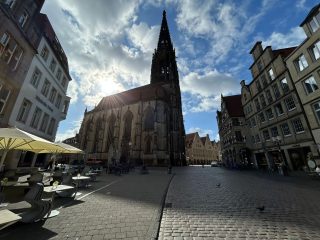
Map of the Explore the Roman Ruins of Lyon: History, Highlights & Map walking route with 8 stops in Lyon.
Preview map of the Explore the Roman Ruins of Lyon: History, Highlights & Map route in Lyon, showing 8 stops. Use the interactive map to zoom and tap markers.

More from this area

10 Best Museums to Visit in Wrocław 2026: Art, History & Hidden Gems

Museums of Wroclaw
Museums of Wroclaw
CC BY-SA 3.0 / Neo[EZN]

This website uses affiliate links which earn a small commission at no additional cost to you.

Wrocław is a city where centuries of history, vibrant art, and cultural diversity come together in every corner-and its museums are a perfect gateway into that rich story. From panoramic masterpieces and Gothic town halls to contemporary galleries and quirky local exhibits, Wrocław offers something for every type of museum lover. Whether you're drawn to Poland's fight for independence, fascinated by Silesian art and architecture, or simply curious about the city's unique identity, Wrocław's museums provide a captivating journey through time, memory, and creativity.

Many of the museums are covered by two museum networks.

National Museum in Wrocław (Muzeum Narodowe we Wrocławiu): This is part of the national network of museums in Poland and has a broader focus on Polish and European art, history, and culture.
Main branches include:

  • National Museum Main Building - fine arts, Silesian art, Polish painting
  • Ethnographic Museum - folk culture, traditions, and rural life
  • Four Domes Pavilion - 20th-21st century contemporary Polish art
  • Panorama of the Battle of Racławice - large-scale historical painting

Wrocław City Museum (Muzeum Miejskie Wrocławia): This museum network focuses on the history and heritage of Wrocław itself, including local art, urban life, archaeology, and military history.
Main branches include:

  • Royal Palace - History Museum of Wrocław
  • Royal Palace - Art Gallery
  • Royal Palace - Museum of Medallic Art
  • City Arsenal - Military Museum
  • City Arsenal - Archaeological Museum
  • Old Town Hall - Museum of Burgher Art
  • Museum of Theatre

1. National Museum Main Building

Wroclaw Muzeum Narodowe
CC BY-SA 3.0 / Wrocław

The National Museum in Wrocław is one of Poland’s premier cultural institutions, known for its impressive collection of Polish, Silesian, and European art. Housed in a grand Neo-Renaissance building along the Oder River, the museum blends historical elegance with artistic richness. Founded in 1947, the museum became a vital repository for artworks relocated from former Polish territories, particularly Lviv, following World War II and the redrawing of national borders. Its most celebrated displays include medieval Silesian religious art, Gothic sculptures, and paintings from the 17th to 20th centuries, offering a comprehensive journey through the region’s cultural development.

Beyond its permanent exhibitions, the museum also hosts temporary shows, educational programs, and cultural events throughout the year, keeping its collections relevant and engaging for all ages. It is part of a broader museum network in the city, which includes the Panorama of the Battle of Racławice, the Ethnographic Museum, and the Four Domes Pavilion of Contemporary Art.


Location: National Museum in Wrocław, plac Powstańców Warszawy, Wrocław, Poland | Hours: Winter Season (October 1 – March 31):** - Monday: Closed - Tuesday–Friday: 10:00 AM – 4:00 PM - Saturday–Sunday: 10:00 AM – 5:00 PM Summer Season (April 1 – September 30): - Monday: Closed - Tuesday–Friday: 10:00 AM – 5:00 PM - Saturday–Sunday: 10:30 AM – 6:00 PM | Price: 20 PLN (adult), 15 PLN (concession) for permanent exhibitions; permanent exhibitions are free on Saturdays (special exhibitions may be ticketed separately). | Website

We recommend to rent a car in Poland through Discover Cars, they compare prices and review multiple car rental agencies. Book your rental car here.

2. Ethnographic Museum

Ethnographic Museum in Wrocław
CC BY-SA 3.0 / Ethnographic Museum in Wrocław

The Ethnographic Museum in Wrocław offers a fascinating insight into the folk traditions, everyday life, and cultural diversity of the Lower Silesia region and beyond. Located in a former palace complex once belonging to the Prussian royal family, the museum showcases a rich collection of artifacts, clothing, tools, religious objects, and folk art that tell the story of rural communities across centuries. The exhibitions highlight the traditions of Poles, Germans, Czechs, Jews, Ukrainians, and other ethnic groups who have inhabited the region, reflecting Wrocław’s layered cultural history.

Visitors can explore reconstructed interiors of traditional Silesian homes, as well as seasonal exhibits that focus on festivals, customs, and rituals such as Christmas, Easter, weddings, and harvest celebrations. The museum also offers interactive displays and family-friendly programs that bring folk culture to life. As one of the branches of the National Museum in Wrocław, it provides a meaningful look at the human stories behind regional identity, making it a unique and enriching stop for anyone interested in the cultural roots of southwestern Poland.


Location: Muzeum Etnograficzne - Oddział Muzeum Narodowego Generała Romualda Traugutta 111/113 50-419 Wrocław Poland | Hours: Tuesday – Saturday: 10:00–16:00. Sunday: 10:00–18:00. Closed on Monday. | Price: 10 zł (permanent exhibition); 15 zł (permanent + temporary exhibitions). | Website

Here is a complete selection of hotel options in Wrocław. Feel free to review each one and choose the stay that best suits your needs.

3. Museum of Contemporary Art: Four Dome Pavilion

Four Domes Pavilion Wrocław
CC BY-SA 4.0 / Four Domes Pavilion

The Four Domes Pavilion (Pawilon Czterech Kopuł) in Wrocław is a striking modernist building housing the Museum of Contemporary Art, as mentioned above is a branch of the National Museum. Designed by Hans Poelzig in the early 20th century and located next to Centennial Hall, the pavilion combines bold architecture with an impressive collection of 20th- and 21st-century Polish art, featuring works by artists such as Magdalena Abakanowicz and Tadeusz Kantor. Reopened in 2016 after extensive renovation, it now hosts permanent and temporary exhibitions, as well as educational events and cultural programs. With its spacious galleries and dynamic displays, it’s a must-visit for anyone interested in modern creativity and Poland’s vibrant art scene.


Location: Four Domes Pavilion, Wystawowa, Wrocław, Poland | Hours: (Summer) 1 April – 30 September; Tuesday – Thursday: 10:00–17:00; Friday: 10:00–19:00; Saturday: 10:00–20:00; Sunday: 10:00–18:00. (Winter) 1 October – 31 March; Tuesday – Thursday: 10:00–16:00; Friday: 10:00–18:00; Saturday: 10:00–20:00; Sunday: 10:00–18:00. Closed on Monday. | Price: Permanent exhibition: 20 zł (regular), 15 zł (discount); permanent and temporary exhibitions: 45 zł (regular), 30 zł (discount). Tuesdays: free admission to the permanent exhibition. | Website

Traveling to a country with a different currency? Avoid ATM transaction fees and pay in local currency with a Wise Card. Having used it for over 5 years, we've saved loads on fees!

4. Racławice Panorama Museum

Raclawice Panorama
Raclawice Panorama
CC BY-SA 4.0 / Daniel.zolopa

The Racławice Panorama Museum in Wrocław is home to one of Poland’s most iconic and monumental artworks: the Panorama of the Battle of Racławice, a 114-meter-long, 15-meter-high panoramic painting that immerses viewers in the historic 1794 battle led by Tadeusz Kościuszko against Russian forces. Created in the late 19th century by painters Jan Styka and Wojciech Kossak, the panorama was originally displayed in Lviv but was moved to Wrocław after World War II. Housed in a specially designed rotunda building, the artwork uses lighting, perspective, and physical elements like soil and props to create a powerful 3D illusion, making visitors feel as though they are standing on the battlefield itself.

A visit to the Racławice Panorama offers not just a visual spectacle, but a deep connection to Polish national identity and pride. The museum provides audio-guides in multiple languages, explaining the significance of the Kościuszko Uprising and the broader context of Poland’s fight for independence. Presentations run every 30 minutes and last about half an hour. Admission to the Panorama also includes free access to other branches of the National Museum in Wrocław within three months, making it a meaningful and rewarding cultural experience for both history lovers and casual visitors alike.


Location: Racławice Panorama, Jana Ewangelisty Purkyniego, Wrocław, Poland | Hours: (Summer) 1 April – 31 October; Daily: 08:30–19:00. (Winter) 1 November – 31 March; Tuesday – Friday: 09:30–16:00. Saturday: 09:30–17:00. Sunday: 09:30–16:00. Closed on Monday. | Price: 50 zł. Discount: 35 zł. Family: 35 zł/person. Children up to 7: Free. | Website

Click here to read our blog about Wrocław 2026: A Journey Through Time – History, Highlights & Landmarks

5. History Museum and Museum of Medallic Art, Royal Palace

Prussian royal castle in Wroclaw
CC BY-SA 3.0 / Robert Niedźwiedzki

The Royal Palace in Wrocław, now home to both the Historical Museum, Art Gallery and the Museum of Medallic Art, invites visitors to explore the city’s rich and layered past within the grand setting of an 18th-century Baroque residence. Originally constructed for the Prussian monarchy, the palace served as the residence of Frederick the Great during Wrocław’s time under Prussian rule. Today, its restored interiors and elegant halls provide the backdrop for exhibitions that trace the development of Wrocław from its medieval foundations to modern times, through displays of artifacts, maps, documents, and personal objects that reflect the city’s diverse cultural heritage.

The Historical Museum features permanent exhibitions such as “1000 Years of Wrocław”, which follows the city’s transformation across major historical eras—from the Piast dynasty through Bohemian and Habsburg rule, into the Prussian period, and on to its post-1945 rebirth as a Polish city. Alongside it, the Museum of Medallic Art presents an exceptional collection of medals, coins, and commemorative objects, showcasing the artistry and symbolism of this often-overlooked form of expression. With temporary exhibitions, educational programs, and its location just steps from the Market Square, the Royal Palace complex is an essential stop for anyone interested in the political, artistic, and civic history of Wrocław.The Art Gallery presents a selection of Silesian art from the 17th to 19th centuries, including paintings, sculptures, and decorative arts. It complements the historical exhibitions by showcasing the artistic tastes of Wrocław’s citizens and rulers, and it reflects the city’s place in the broader European artistic tradition.


Location: The City Museum of Wroclaw, Kazimierza Wielkiego, Wrocław, Poland | Hours: Wednesday – Saturday: 11:00–17:00. Sunday: 10:00–18:00. Closed on Monday & Tuesday. | Price: 15 PLN (adult), 10 PLN (reduced), 30 PLN (family); permanent exhibitions are free on Thursdays. | Website

Explore Wrocław at your own pace with our self-guided walking tour! Follow our curated route to discover must-see sights and local secrets that makes Wrocław one of the best places to visit in Poland.

6. Museum of Burgher Art, Wrocław Town Hall

Wroclaw Old Town Hall

Visiting the Old Town Hall in Wrocław, home to the Museum of Burgher Art, offers a remarkable blend of architectural grandeur and cultural heritage. Located at the heart of the Market Square (Rynek), the Gothic-Renaissance building is one of the best-preserved historic town halls in Central Europe. Inside, the museum highlights the artistic and civic life of Wrocław’s burghers (townspeople) through centuries. Visitors can explore ornate halls, vaulted ceilings, stained glass, paintings, sculpture, and finely crafted furniture that reflect the tastes and traditions of Wrocław’s urban elite.

Beyond its permanent exhibitions, the museum also hosts temporary displays, cultural events, and guided tours that shed light on the city’s political, social, and artistic development from medieval times to the 20th century. Walking through the building, you’re not just seeing art—you’re stepping into the very rooms where Wrocław’s civic leaders once governed. A visit to the Town Hall and Museum of Burgher Art is a chance to appreciate the city’s rich past from both an artistic and historical perspective, all in the very center of Wrocław’s vibrant Old Town.


Location: Museum of Bourgeois Art, Wroclaw Old Town Hall, Ratusz we Wrocławiu, Sukiennice, Wrocław, Poland | Hours: Wednesday – Saturday: 11:00–17:00. Sunday: 10:00–18:00. Closed on Monday & Tuesday. | Price: Regular: 20 zł. Reduced: 15 zł. Family: 40 zł. Group: 15 zł. Thursdays: free entry to permanent exhibitions. | Website

Explore Wrocław at your own pace with our self-guided walking tour! Follow our curated route to discover must-see sights and local secrets that makes Wrocław one of the best places to visit in Poland.

7. Military & Archaeological Museum, City Arsenal

Military Museum, Wrocław
CC BY-SA 3.0 / Garzena

Housed in the historic City Arsenal (Arsenał Miejski), just a short walk from Wrocław’s Market Square, the Military Museum offers a compelling look at the evolution of Polish and European weaponry. This branch of the Wrocław City Museum focuses on military artifacts from the 19th and 20th centuries, including firearms, melee weapons, uniforms, and over 500 helmets. Highlights include a 1953 curve-barrelled machine gun, a powerful UR anti-tank rifle, and ornately crafted Turkish sabres. The museum’s impressive collection not only showcases military innovation but also tells the stories of individual soldiers and battles, offering visitors a rich and detailed experience of Poland’s martial history.

In the same complex, the Archaeological Museum explores the much deeper past of Wrocław and the surrounding Silesian region. Its exhibitions trace human settlement from the Stone Age through the early medieval Piast dynasty, featuring prehistoric tools, pottery, burial goods, and early urban artifacts. With a special focus on Silesian archaeology, the museum offers valuable insight into the cultures and communities that shaped the area long before modern borders existed. The displays are well-curated and accessible, making it an engaging stop for both history enthusiasts and casual visitors.

Together, the Military and Archaeological Museums housed in the City Arsenal form a unique cultural destination that brings together two very different yet complementary timelines—the ancient roots of Silesia and the modern military conflicts that defined more recent centuries. Whether you’re fascinated by archaeology, warfare, or regional history, a visit to this shared museum space provides a deep and varied perspective on Wrocław’s role in the broader story of Central Europe.


Location: Muzeum Militariów Antoniego Cieszyńskiego 50-127 Wrocław Poland | Hours: Wednesday – Saturday: 11:00–17:00. Sunday: 10:00–18:00. Closed on Monday – Tuesday. | Price: Normal 15 PLN; Reduced 10 PLN; Family 30 PLN; Group 10 PLN. Free admission to permanent exhibitions on Thursday. | Website

8. Wrocław Contemporary Museum

Wrocław Contemporary Museum
CC BY-SA 4.0 / Jacek Halicki

Visiting the Wrocław Contemporary Museum is a unique cultural experience, not only for its thought-provoking art but also for its unusual setting. The museum is located in a repurposed WWII air raid shelter near Plac Strzegomski, adding a layer of historical resonance to its modern mission. Inside, several floors of gallery space showcase a vibrant mix of Polish and international contemporary art, including video installations, photography, sculpture, and conceptual pieces. The exhibitions often explore themes such as urban life, identity, memory, and social justice, encouraging visitors to reflect on the world around them. After exploring the exhibits, visitors can relax at the rooftop café, which offers a panoramic view of the evolving Wrocław skyline—perfect for conversation and reflection.


Location: Wroclaw Contemporary Museum, plac Strzegomski, Wrocław, Poland | Hours: Monday: 10:00–18:00. Wednesday – Sunday: 12:00–20:00. Closed on Tuesday. | Price: Regular: 20 zł. Reduced: 10 zł. Family: 25 zł. Free admission on Thursday (collect a free ticket at the box office). | Website

9. Museum of Natural History, Wrocław University

Museum of Natural History, Wrocław University
CC BY-SA 4.0 / Agnieszka Kwiecień, Nova

Visiting the Museum of Natural History at the University of Wrocław is a fascinating experience for anyone interested in the natural world. Tucked away in a historic university building near Ostrów Tumski, the museum offers beautifully arranged exhibitions covering zoology, paleontology, mineralogy, and botany. Highlights include impressive fossils, skeletons of extinct species, and intricate animal displays, along with glittering crystals and minerals from around the world. The museum’s quiet, scholarly atmosphere makes it an ideal place to explore at your own pace, especially if you’re visiting nearby attractions like the Botanical Garden.

Open Tuesday to Sunday, the museum is both affordable and family-friendly, with discounted and family tickets available. Whether you’re a student, a curious traveler, or a family with children, it’s a great spot to learn and explore. The educational value is matched by the charm of its setting—part of Wrocław’s historic university district—making it a peaceful and enriching stop during your time in the city.


Location: Museum of Natural History, Henryka Sienkiewicza, Wrocław, Poland | Hours: Tuesday – Friday: 09:00–16:30. Saturday – Sunday: 10:00–17:30. Closed on Monday. | Price: 14 PLN (adult); 10 PLN (concession). | Website

10. Wrocław Depot History Centre

Wroclaw Depot History Centre
CC BY-SA 4.0 / Fallaner

The Wrocław Depot History Centre (Centrum Historii Zajezdnia) is a modern museum dedicated to the postwar history of Wrocław and Lower Silesia, focusing especially on the years 1945–1989. Located in a former tram depot—an actual site of worker protests during the Solidarity movement—the building itself is steeped in historical symbolism. The museum’s permanent exhibition, “Wrocław 1945–2016,” guides visitors through the city’s dramatic transformation after World War II, from a ruined German city to a Polish metropolis shaped by migration, reconstruction, and resistance. Through immersive multimedia, photographs, and personal stories, the centre offers a deeply human look at how the people of Wrocław rebuilt their lives and identity.

Open from Tuesday to Sunday, with affordable ticket options and free Mondays, the Depot History Centre is an excellent place to engage with the city’s social and political history. Interactive exhibits cover everyday life under communism, the power of cultural resistance movements like the Orange Alternative, and the birth of a democratic Poland. Whether you’re a history enthusiast or just curious about Wrocław’s complex past, this museum provides a compelling and accessible experience, connecting personal memory with national history in a meaningful and impactful way.


Location: History Centre Zajezdnia, Grabiszyńska, Wrocław, Poland | Hours: Tuesday – Wednesday: 09:00–17:00 Thursday: 10:00–17:00 Friday – Sunday: 10:00–18:00. Closed on Monday. | Price: Standard: 20 zł Reduced: 10 zł Family: 55 zł (2 adults and two or more children). | Website
Powered by GetYourGuide
Moira & Andy
Moira & Andy

Hey! We're Moira & Andy. From hiking the Camino to trips around Europe in Bert our campervan — we've been traveling together since retirement in 2020!

Read our full story here

This website uses affiliate links which earn a small commission at no additional cost to you.

Walking Tour Map
Map of the 10 Best Museums to Visit in Wrocław: Art, History & Hidden Gems walking route with 10 stops in Wrocław.
Preview map of the 10 Best Museums to Visit in Wrocław: Art, History & Hidden Gems route in Wrocław, showing 10 stops. Use the interactive map to zoom and tap markers.
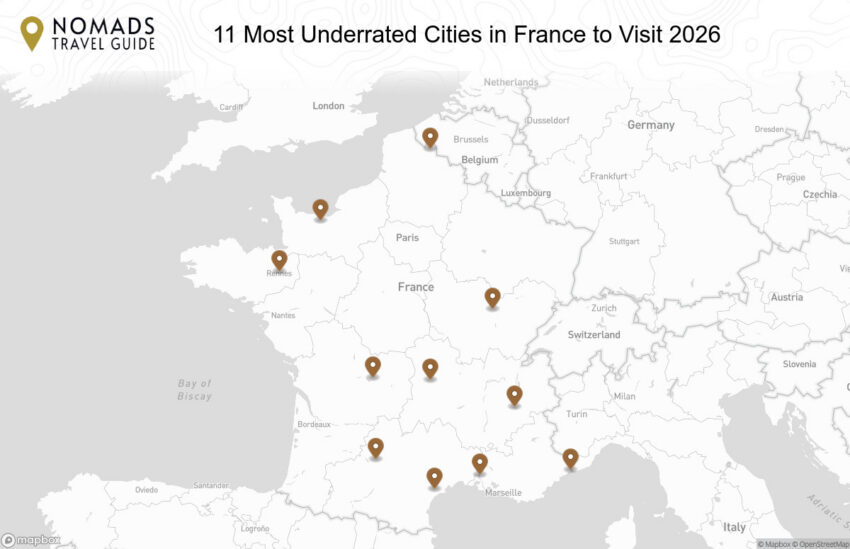
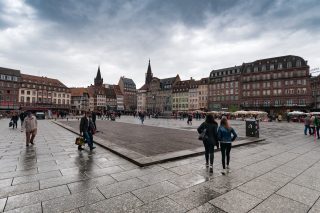
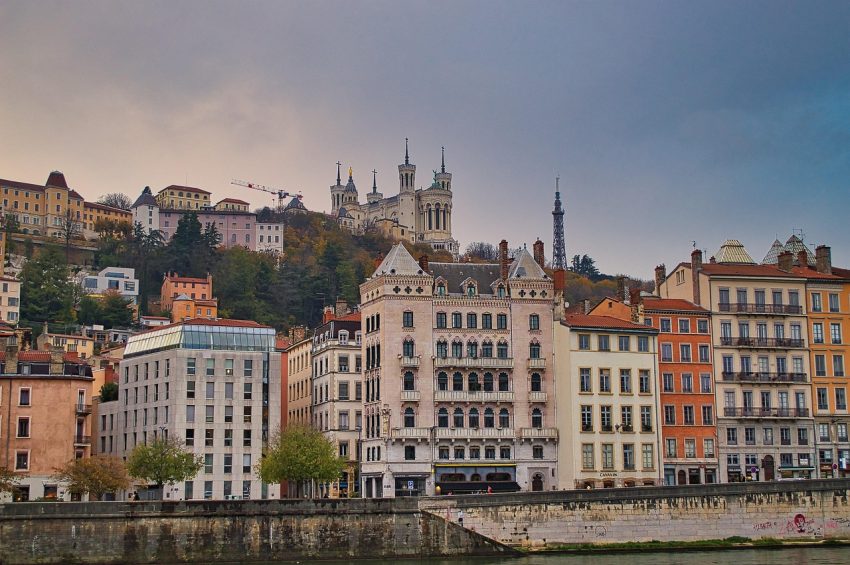
More from this area