Lyon, France: The Ultimate Travel Guide 2026
lyon
lyon

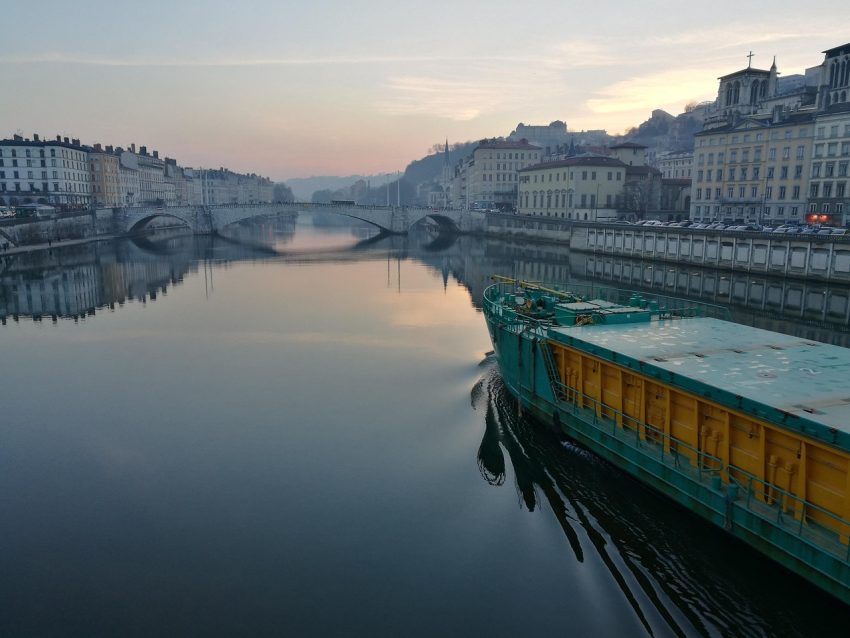
Lyon is a vibrant and culturally rich city in the Auvergne-Rhône-Alpes region of eastern France-not in Germany, despite occasional confusion due to its name. It is renowned for its architecture, gastronomy, and dynamic urban atmosphere. The city sits at the confluence of the Rhône and Saône rivers and offers a blend of Renaissance charm in the old town, sleek modernity in districts like La Confluence, and classical beauty in the Presqu’île. Strolling through its narrow traboules (covered passageways) or along the riverbanks is a highlight of any visit.

One of the main draws of Lyon is its reputation as the gastronomic capital of France. Visitors can enjoy traditional Lyonnais cuisine in local bouchons or explore more contemporary dining at award-winning restaurants. The city also boasts numerous food markets, such as Les Halles de Lyon Paul Bocuse, and a vibrant café culture. Beyond food, Lyon's many museums, parks, and shopping streets offer plenty to see and do, whether you're travelling solo, as a couple, or with family.

Lyon is also a great city for festivals and events. The Fête des Lumières, held in December, transforms the city into a glowing canvas of light installations and art, attracting crowds from across Europe. During the warmer months, the riverside paths and hilltop parks like Fourvière and Croix-Rousse offer scenic views and relaxing green spaces. With a well-developed public transport system and a compact city centre, Lyon is easy to explore and offers a quintessential French urban experience.

History of Lyon

Early History of Lyon

Lyon has ancient origins, dating back to its founding by the Romans in 43 BCE. It was established as a Roman colony and quickly grew into an important administrative and commercial center. Known as Lugdunum in Roman times, it played a key role in the expansion and governance of the region. Its early urban planning, including aqueducts and amphitheaters, laid the groundwork for the city’s long-term development.

Lyon During the Middle Ages

Throughout the medieval period, Lyon became a thriving hub for commerce and religion. It gained recognition for its fairs, which attracted merchants from across Europe, and it became the seat of an archbishopric. The city’s structure and layout evolved during this time, with the development of religious buildings, narrow streets, and residential areas that still define parts of the city today.

Renaissance and Cultural Growth in Lyon

Lyon experienced significant cultural and economic growth during the Renaissance. It became a center for banking, printing, and silk production, drawing in artists, intellectuals, and entrepreneurs. The influence of this era can still be seen in its Renaissance architecture and artistic heritage. This period firmly established Lyon as a key city in the broader cultural and commercial networks of the time.

Lyon in Modern Times

In more recent centuries, Lyon continued to evolve while retaining its historical character. It played a role in various political and industrial movements, including the French Resistance during World War II. Today, Lyon is known for its dynamic blend of heritage and innovation, with preserved historic quarters, modern infrastructure, and a strong cultural identity that reflects its long and layered past.

Moira & Andy
Moira & Andy

Hey! We're Moira & Andy. From hiking the Camino to trips around Europe in Bert our campervan — we've been traveling together since retirement in 2020!

Read our full story here

Visiting Lyon for the first time and wondering what are the top places to see in the city? In this complete guide, I share the best things to do in Lyon on the first visit. To help you plan your trip, I have also included an interactive map and practical tips for visiting!

This website uses affiliate links which earn a small commission at no additional cost to you.

Powered by GetYourGuide

39 Best places to See in Lyon

This complete guide to Lyon not only tells you about the very best sights and tourist attractions for first-time visitors to the city but also provide insights into a few of our personal favorite things to do.

This is a practical guide to visiting the best places to see in Lyon and is filled with tips and info that should answer all your questions!

1. Basilique Saint-Bonaventure

saint bonaventure basilica lyon
Tucked just off Place des Cordeliers, Basilique Saint-Bonaventure is a 14th-century Gothic church founded by Franciscan “Cordeliers,” still feeling like a quiet pocket amid shops and tramlines. Step inside and the street noise drops away under ribbed vaults, where filtered stained-glass light washes the long nave toward the choir. Its mendicant roots show in an overall sober, functional layout, but lingering centuries have added side chapels with sculptures, paintings, and small carved details worth a slow circuit. Visitors often remember the hush—broken only by footsteps or prayer—and, if you’re lucky, the way voices and organ music bloom in the acoustics during rehearsals or services.
Location: Basilique Saint-Bonaventure de Lyon, Place des Cordeliers, Lyon, France | Hours: Typically open daily from 7:30 AM to 7:00 PM, with variations around services and special events—check locally for posted times. | Price: Free, though donations for the upkeep of the basilica are appreciated. | Website | Distance: 0.1km


We recommend to rent a car in France through Discover Cars, they compare prices and review multiple car rental agencies. Book your rental car here.

2. Place des Jacobins

Place des Jacobins, Lyon
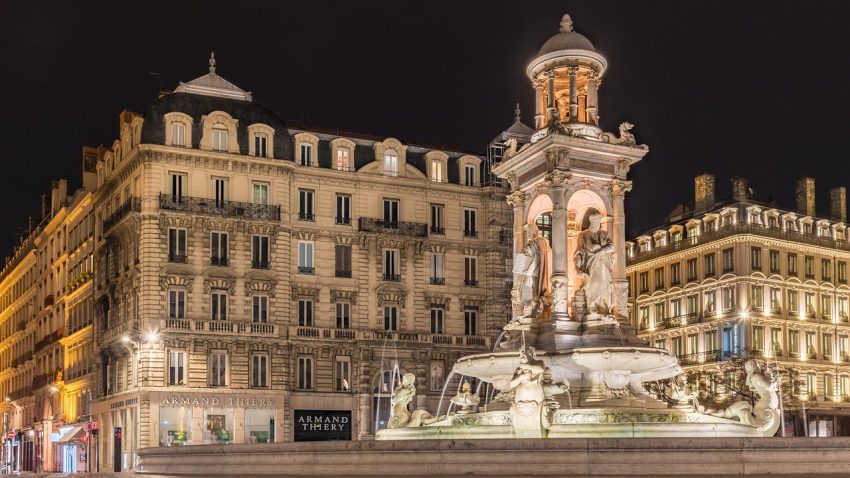
Place des Jacobins is a refined, human-scale square on the Presqu’île, where people naturally gravitate to meet “under the fountain” before drifting to cafés and shops. At its center, the Fontaine des Jacobins—completed in 1885—rises in luminous white marble, with tiered basins and four statues honoring local creative figures such as architect Philibert Delorme and engraver Gérard Audran. The surrounding 19th-century façades form a harmonious ring of tall windows and wrought-iron balconies, giving the space a quietly theatrical feel. By day the stonework reads crisp against pale buildings; after dark, soft lighting makes the fountain glow and the square feel calm and intimate.
Location: Place des Jacobins, Lyon, France | Hours: Accessible 24/7, though cafés and nearby shops follow their own business hours. | Price: Free — it’s a public square, open to everyone. | Website | Distance: 0.4km

Here is a complete selection of hotel options in Lyon. Feel free to review each one and choose the stay that best suits your needs.

3. Opéra National de Lyon

lyon opera house
lyon opera house
Opéra National de Lyon is Lyon’s main opera house, where 19th-century stonework meets late-20th-century reinvention by architect Jean Nouvel. From the square by the Hôtel de Ville, you notice the classical base topped by a curved glass-and-metal dome that reads like a lantern after dark. Inside, the mood shifts to a pared-back black-and-red interior with modern stagecraft and acoustics built for opera, ballet, and orchestral concerts. Programming ranges from Mozart and Puccini to contemporary productions, and the building’s backstage scale—rehearsal rooms and technical spaces stacked above—explains its unusual height. Visitors often remark on how surprisingly modern and well-organized it feels, with a warm, welcoming front-of-house.
Location: Opéra National de Lyon, Place de la Comédie, Lyon, France | Hours: Opening Hours (Box Office): Monday to Saturday: 12:00 PM – 7:00 PM Closed on Sundays and holidays (except on performance days) | Price: €10–15 and go up depending on the seat and show | Website | Distance: 0.4km

Traveling to a country with a different currency? Avoid ATM transaction fees and pay in local currency with a Wise Card. Having used it for over 5 years, we've saved loads on fees!

4. Musée des Beaux-Arts de Lyon

Painting in Musée des Beaux-Arts de Lyon
CC BY-SA 1.0 / Romainbehar
Housed in a 17th-century Benedictine abbey on Place des Terreaux, the Musée des Beaux-Arts de Lyon pairs grand stone arcades with a quiet cloister garden that feels removed from the square outside. The galleries move from antiquities—Egyptian and Near Eastern pieces included—through Old Masters to modern painting, with works by Rubens, Rembrandt, Delacroix, Monet, and Picasso along the way. Sculpture and decorative-arts rooms add texture with marble, bronzes, ceramics, furniture, and jewellery rather than wall-to-wall canvases. Temporary exhibitions can shift the mood, and many visitors linger for a coffee in the courtyard café between rooms.
Location: Musée des Beaux-Arts de Lyon, Place des Terreaux, Lyon, France | Hours: Wednesday to Monday: 10:00 AM – 6:00 PM Closed on Tuesdays and certain holidays | Price: Adults €8 | Website | Distance: 0.4km

Explore Lyon at your own pace with our self-guided walking tour! Follow our curated route to discover must-see sights and local secrets that makes Lyon one of the best places to visit in France.

5. Hôtel de Ville de Lyon

Sunset behind Hôtel de Ville de Lyon
The Hôtel de Ville de Lyon is a monumental 17th-century city hall that still serves as the seat of local government, giving the Place des Terreaux a sense of ceremony and power. Built from 1646 to 1672 and rebuilt after a 1674 fire, its façade layers arcades, pilasters, and tall arched windows into a disciplined classical structure with baroque flourish. Look up to the central bell tower and clock, then move back across the square to take in the sculpted reliefs and figures climbing the stonework. At dusk, when the façade is lit and the Fontaine Bartholdi’s spray catches the light in front, the whole scene reads like a staged civic tableau.
Location: Hôtel de Ville de Lyon, Place de la Comédie, Lyon, France | Hours: The square is accessible at all times; the Hôtel de Ville itself follows administrative hours and is not generally open to casual visitors. | Price: Free to admire from the square; occasional special events or guided visits may have separate charges. | Website | Distance: 0.4km

Explore Lyon at your own pace with our self-guided walking tour! Follow our curated route to discover must-see sights and local secrets that makes Lyon one of the best places to visit in France.

6. Place des Terreaux

Hourse Fountain, Place des Terreaux, Lyon
Place des Terreaux is a grand civic square where daily life plays out between the baroque Hôtel de Ville and the former abbey that now houses the Musée des Beaux-Arts. At its center, the Fontaine Bartholdi—by Frédéric Auguste Bartholdi of Statue of Liberty fame—surges with rearing horses and a chariot, a magnet for photos and lingering looks. Tram lines slice across the paving stones as pedestrians stream through, then slow at café terraces to watch students, locals, and street performers. The square shifts character through the day: brisk and practical in the morning, lively by afternoon, and cinematic at night when façades and fountain lighting sharpen every detail.
Location: Place des Terreaux, Lyon, France | Hours: The square is open 24/7, though the museum, City Hall and nearby cafés have their own operating hours. | Price: Free to enjoy the square and fountain; museum entry and event tickets are extra. | Website | Distance: 0.4km

Where to Stay in Lyon: An Area by Area Guide!

7. Place du Change

temple du Change, Place du Change Lyon
CC BY-SA 4.0 / Jean Housen
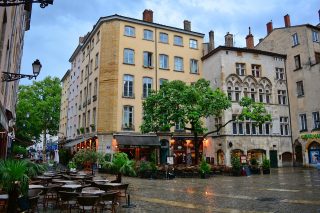
Place du Change is a compact square in Vieux Lyon that still reads like the old commercial nerve centre it once was, when money changers and merchants dealt here during the Renaissance. The scene today is café terraces, street performers, and a steady hum of people, all framed by tightly packed Gothic and Renaissance façades. Two buildings give it its punch: the Loge du Change, built as a stock exchange in 1631 and later reshaped in 1748 by Jacques-Germain Soufflot, and the Maison Thomassin, a rare late-13th-century Gothic merchant house with pointed windows and a steep roofline. Pause in the middle and the mix of styles feels like centuries compressed into a single glance.
Location: Place du Change, Lyon, France | Hours: Accessible at all times; cultural events at the Loge du Change follow their own schedules. | Price: Free — the square and building exteriors can be enjoyed without any charge. | Distance: 0.6km

Click here to read our blog about Explore the Roman Ruins of Lyon 2026: History, Highlights & Map

8. Musée Gadagne

Musée Gadagne
Musée Gadagne
CC BY-SA 2.0 / Gonedelyon
Musée Gadagne occupies the Renaissance Hôtel Gadagne, a pale-stone mansion of courtyards, galleries, and staircases tucked into the Saint-Jean lanes of Vieux Lyon. Inside are two museums: the Musée d’Histoire de Lyon, which uses maps, models, signs, and everyday objects to trace the city from medieval life through printing, silk, and 19th-century industry, and the Musée des Marionnettes du Monde, where puppets from many traditions share space with Guignol and his satirical cast. The building itself is part of the experience—step into the inner courtyard, then climb to the rooftop garden for a quiet pause above the old roofs. Visitors often mention the playful, childlike feel of the puppet rooms and the charmingly maze-like layout.
Location: Musée des arts de la marionnette - Gadagne, Place du Petit Collège, Lyon, France | Hours: Wednesday to Sunday: 10:30 AM to 6:00 PM | Price: Adults: €8 | Website | Distance: 0.6km

9. Cour d’Appel

Cour d'Appel de Lyon
Cour d’Appel de Lyon
The Cour d’Appel de Lyon is a working courthouse set along the Saône, best known for its long neoclassical front nicknamed “Les 24 Colonnes.” Built between 1835 and 1845 by Louis‑Pierre Baltard, its 24 Corinthian columns and temple-like symmetry read as a deliberate statement of authority. The building is most memorable from across the river, where the full façade lines up cleanly between the bridges, and again at dusk when lighting turns the colonnade into a bright ribbon with reflections on the water. Up close, the broad steps and carved details reward slow looking, even if the interiors are usually closed.
Location: Cour d'Appel de Lyon, Rue du Palais de Justice, Lyon, France | Hours: The exterior can be viewed at any time; interior access is not permitted. | Price: Free to admire from the outside; access to the interior is generally restricted to official business. | Website | Distance: 0.6km

10. Théâtre des Célestins

Célestins, Théâtre de Lyon
Théâtre des Célestins is Lyon’s late-19th-century playhouse tucked just off Place des Célestins on the Presqu’île, designed by architect Gaspard André and opened in 1881. On performance nights, the ornate façade and warmly lit windows pull you across the quiet square into a welcoming, human-scale hall. Inside, the horseshoe auditorium layers balconies above deep red seats, gilded detailing, and a chandelier—opulent without feeling vast, with clear sightlines that make even upper levels feel close to the stage. The programming keeps the building lively, mixing contemporary theatre with inventive reworkings of classics by French and international artists. Visitors often remember the acoustics and the sense of being in a beautifully preserved, working theatre.
Location: Célestins, Théâtre de Lyon, Rue Charles Dullin, Lyon, France | Hours: Tuesday to Saturday: 12:00 PM – 7:00 PM (and 1 hour before each performance) Closed on Sunday & Monday (except for show nights) | Price: Varies by performance, usually from €10 to €35 | Website | Distance: 0.6km

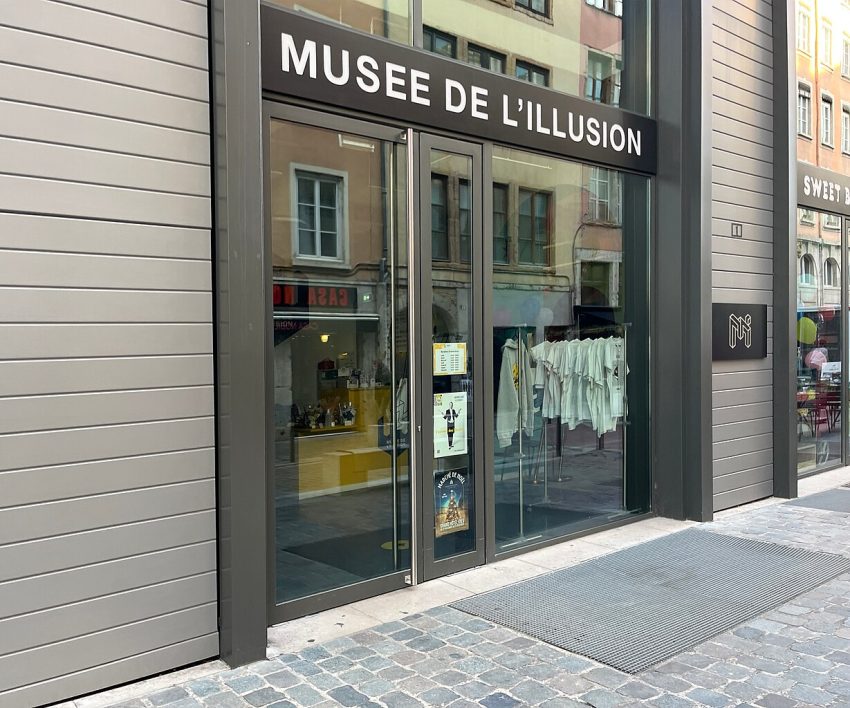
11. Musée de l'Illusion
Musée de l'Illusion Lyon
Musée de l’Illusion Lyon
CC BY-SA 1.0 / Benoît Prieur
Set within the Grand Hôtel-Dieu’s historic arcades by the Rhône, the Musée de l’Illusion is an interactive museum devoted to optical tricks and the science of perception. Across roughly 700 square metres, more than 70 exhibits invite you to step inside the effect rather than just look at it. The Vortex Tunnel is the signature jolt—your walkway is steady, but the spinning cylinder around you makes balance feel optional. In the Hall of Mirrors, reflections stretch and compress into cartoonish versions of yourself, while the Infinity Room uses light and reflections to suggest endless space. Clear, bite-sized explanations connect each photo-worthy setup to psychology and physics.
Location: Musée de l'illusion LYON, Rue Bellecordière, Lyon, France | Hours: Daily from 10:00 AM to 8:00 PM | Price: Adults: €18 | Website | Buy Entrance Ticket Now | Distance: 0.6km
Powered by GetYourGuide

12. Saône River

Bridge over the Saône River
The Saône is the calmer of the city’s two rivers, curling past Vieux Lyon and turning Renaissance façades into mirror-like reflections. Stroll, jog, or cycle the quays—Quai Romain Rolland, Quai Saint-Antoine, and around Place Saint-Paul—where benches face the water and cafés spill out near moored boats. Bridges such as Pont Bonaparte and the Passerelle Saint-Georges frame postcard views up to Fourvière, especially when evening light makes the surface shimmer. For a different perspective, sightseeing cruises drift by the Presqu’île’s townhouses and the colourful slopes of Croix-Rousse. On weekend mornings, the produce market along Quai Saint-Antoine adds bustle and bright colour to the riverwalk.
Location: Saône River, Lyon, France | Hours: The quays and paths are accessible at all hours, though specific parks, markets and cruise operators follow their own daily schedules. | Price: Free — walking, sitting and enjoying the riverbanks costs nothing; boat cruises and rentals charge their own fares. | Website | Distance: 0.6km
Powered by GetYourGuide

13. Vieux Lyon

Vieux Lyon
Vieux Lyon
CC BY-SA 2.0 / Jorge Franganillo
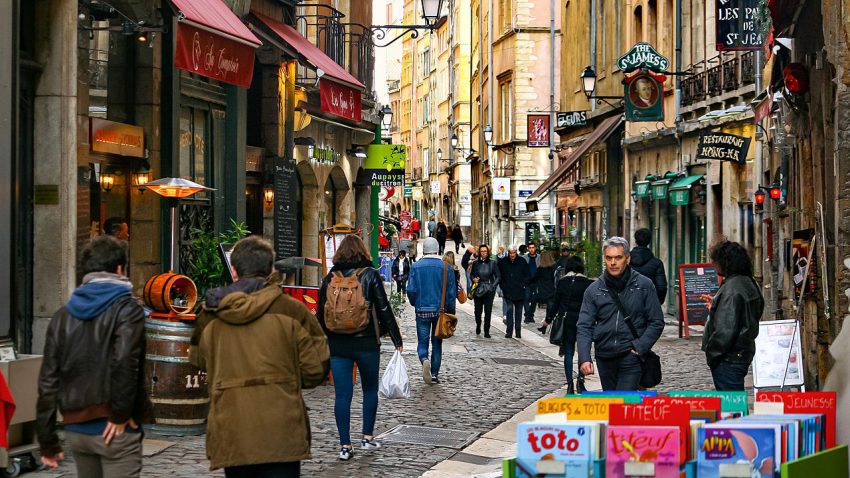
Vieux Lyon is the old quarter on the Saône’s right bank beneath Fourvière, where Renaissance streetscapes still feel lived-in rather than staged. Cobblestones wind past tall, narrow houses in warm colours, with wrought-iron shop signs and stone arcades framing cafés and small artisan boutiques. The district is defined by its traboules—covered passageways that slip through buildings and courtyards—once used by silk workers to move fabric out of the rain and later linked to Resistance-era secrecy. Around Cathédrale Saint-Jean, visitors linger over stained glass and the astronomical clock before ducking through discreet doorways into quiet inner courtyards. Its protected status since the 1960s helped preserve a rare, coherent slice of Renaissance urban life.
Location: Vieux Lyon, Lyon, France | Hours: The neighbourhood is always accessible, but shops, museums and traboules follow varying daily schedules. | Price: Free to wander the streets and traboules; individual museums and attractions charge their own entry fees. | Website | Distance: 0.6km
Powered by GetYourGuide

14. Longue Traboule

Longue traboule, Lyon
CC BY-SA 4.0 / Chabe01
The Longue Traboule is a hidden pedestrian passage that threads through four buildings and five courtyards, linking 54 Rue Saint-Jean to 27 Rue du Bœuf. Step through an ordinary doorway and you’re suddenly moving through a sequence of stone arches, stairwells, and quiet inner courtyards that feel like the backstage of the old town. Built as practical shortcuts—especially for silk workers hauling heavy bolts of fabric—it also kept people sheltered from rain and wind in narrow streets. The changing light from courtyard to corridor is part of the experience, along with details like spiral staircases and worn stone. Expect a lived-in atmosphere rather than a museum display.
Location: La Longue Traboule, Rue Saint-Jean, Lyon, France | Hours: Some public traboules are open during daytime hours only; specific times can vary, and certain doors may be locked outside core hours, usually from 7:00 AM to 7:00 PM is ok. | Price: Free for publicly accessible traboules; paid guided tours are available for deeper insight and access to selected passages. | Distance: 0.7km

15. Miniature and Cinema Museum

Musée Cinéma et Miniature Lyon
CC BY-SA 4.0 / Arnaud 25
Set inside the 16th-century Maison des Avocats in Vieux Lyon, the Miniature and Cinema Museum pairs old timbered floors and Renaissance arcades with the tactile craft of practical filmmaking. Room by room, you come face-to-face with original props, costumes, animatronics, and scale models—think creatures and details recognizable from films such as Alien, Gremlins, Batman, or Gladiator—explained in a way that makes pre-CGI illusion feel surprisingly physical. Then the mood shifts to hyper-real miniature interiors: tiny workshops, kitchens, and streetscapes lit and staged so convincingly you’ll catch yourself expecting a door to open. Visitors often linger, scanning for scuffed floorboards, half-open drawers, and other small stories hidden in each scene.
Location: Musée Cinéma et Miniature, Rue Saint-Jean, Lyon, France | Hours: Weekdays: 10:00 AM – 6:30 PM Weekend: 10:00 AM – 7:00 PM | Price: Adults: €9.00​ | Website | Distance: 0.7km

16. Maison du Chamarier

Maison Chamarier, Lyon
CC BY-SA 4.0 / Chabe01
Tucked along Rue Saint-Jean, the Maison du Chamarier is a late-medieval townhouse once tied to the cathedral chapter’s financial officer, the “chamarier,” where money, records, and authority once flowed. Built in the 15th century and reshaped in the 16th, its facade shows a layered mix of Gothic and early Renaissance cues in finely carved stone window surrounds. The feature most people remember is the slender spiral staircase tower—often cited as among the oldest in the city—rising like a vertical punctuation mark above the street. It’s usually admired from outside, though occasional openings reveal a rear courtyard and fountain; recent restoration work has kept it looking crisp.
Location: Maison Du Chamarier, Rue Sainte-Croix, Lyon, France | Hours: There are no set visiting hours for the exterior; occasional interior access may be offered during Heritage Days or special city events. | Price: Free to admire from the street; any occasional interior visits during special events may have their own conditions. | Distance: 0.7km

17. Place de la Basoche

Place de la Basoche
Place de la Basoche
CC BY-SA 2.0 / Guilhem Vellut
Tucked off Rue Saint-Jean at the corner of Rue de la Bombarde, Place de la Basoche is a pocket-size square that feels like a Renaissance stage set. Its defining backdrop is the Maison des Avocats (c. 1516), a 16th-century façade of warm ochre stone with three stacked Tuscan-style gallery levels—arches and slim colonnades that catch the light beautifully. The square’s name recalls the Confrérie de la Basoche, a guild of legal clerks based here from 1406 who mixed court work with satirical theatre before being suppressed in 1540. Today the building houses the Musée Cinéma et Miniature, adding film props and intricate miniatures to the atmosphere, and visitors often pause to admire the old masonry and a small lion statue.
Location: Place de la Basoche, Rue de la Bombarde, Lyon, France | Hours: The square is accessible at all times; museum hours vary by day and season, so check ahead if you plan to visit. | Price: Free to access the square; separate admission applies for the Musée Cinéma et Miniature. | Website | Distance: 0.7km

18. La Tour Rose (The Pink Tower)

Lyon Traboule de la Rue du Boeuf
CC BY-SA 2.0 / Fred Romero
La Tour Rose (the Pink Tower) is the courtyard centerpiece of the 16th‑century Crible House at 16 rue du Bœuf in Vieux Lyon, a protected historic monument. From the street you pass a modest doorway, then enter a hushed stone-paved courtyard where an ochre‑pink spiral staircase tower rises between Renaissance wings. A sculpted pediment framing the inner portal stands out as a surprising flourish in such a tight space. The building’s story includes a brief royal stay by King Henry IV in 1600 during his marriage to Marie de Medici nearby, and today it serves as a French Orthodox parish, so the courtyard is often the main view. What lingers is the sudden shift from busy lanes to enclosed color, stonework, and vertical geometry.
Location: Traboule “Maison du Crible – Tour Rose”, Rue du Bœuf, Lyon, France | Hours: There are no strict visitor hours; courtyard access can vary, so aim for daytime visits and be respectful of any religious activities. | Price: Free to enter the courtyard when open; access beyond may be restricted due to its role as a parish building. | Distance: 0.7km

19. Funiculaire de Lyon
Funiculaire de Lyon
Funiculaire de Lyon
CC BY-SA 3.0 / Tusco
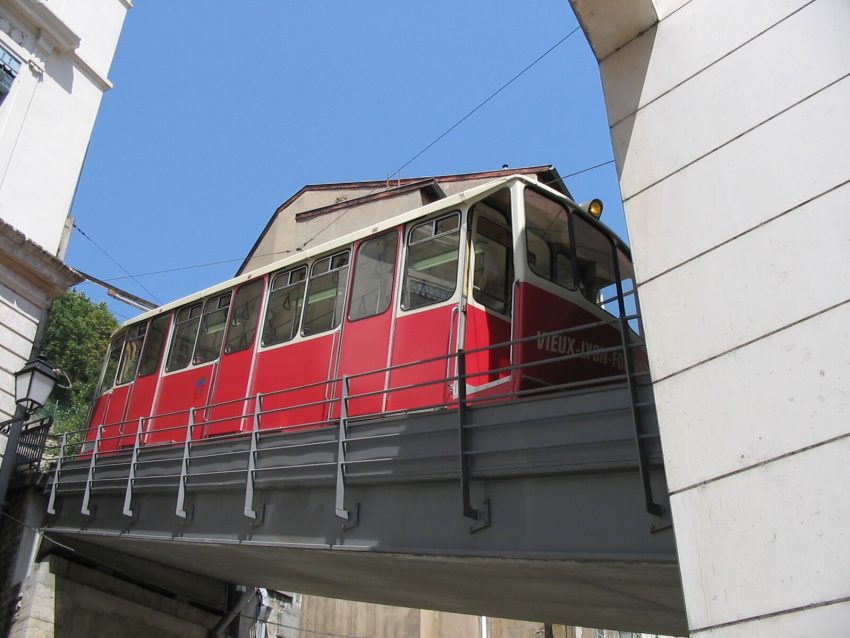
The Funiculaire de Lyon is a pair of cable-hauled hillside railways that whisk you up Fourvière Hill from the Vieux Lyon–Cathédrale Saint-Jean station in about three minutes. Opened in 1862 and still part of the TCL network, it feels like everyday transit that happens to be a living piece of engineering heritage, ridden with the same ticket as the metro. Inside the compact cars, the floor is stepped so passengers stay level as the line climbs steeply through a rock tunnel—atmospheric, though not a scenic ride. Today’s two routes split: F1 rises straight to Fourvière, while F2 heads to Saint-Just. Expect peak-time crowds, and a quick, practical glide that locals use as readily as visitors.
Location: Funiculaire de Lyon, Cathédrale Saint-Jean-Baptiste, Lyon, France | Hours: Daily, from around 5:00 AM to midnight (same as Lyon’s metro system); Trains run every 5–10 minutes | Price: Standard TCL public transport ticket: €2.10 (valid for 1 hour on all modes of transport, including metro, tram, and bus) | Website | Distance: 0.8km

20. Amphitheater of the Three Gauls
Amphitheater of the Three Gauls
CC BY-SA 2.0 / Otourly
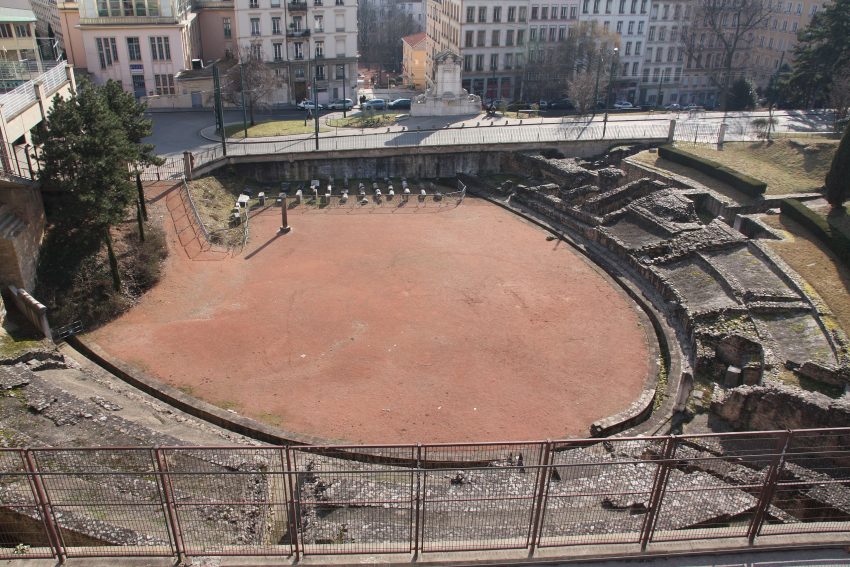
Hidden in a residential pocket of Croix-Rousse, the Amphitheater of the Three Gauls is a 1st‑century Roman arena tied to the federal sanctuary of the “Three Gauls,” where provincial delegates gathered for ceremonies, assemblies, and spectacles. What visitors notice today is its modest, intimate scale: curved tiers cut into the slope, fragments of stone seating, and a grassy oval that still reads clearly as an amphitheatre. You can often walk around—and sometimes on—the ruins, though access may be limited behind fencing or during closures, making the views from the surrounding park paths part of the experience. A small on-site memorial recalls the tradition that Saint Blandine and other Christians were martyred here in 177 AD.
Location: Amphitheater of the Three Gauls, Lyon, France | Hours: Generally accessible during daylight hours; access may occasionally be restricted for maintenance or local events. | Price: Free — the amphitheatre is an open archaeological site with no admission charge. | Website | Distance: 0.8km

21. Cathédrale Saint-Jean

Cathédrale Saint Jean Baptiste
CC BY-SA 4.0 / Jean Housen
Cathédrale Saint-Jean anchors the square in Vieux Lyon with a layered Romanesque–Gothic façade you can read like a timeline: weighty lower stonework rising into finer tracery and a large rose window between uneven twin towers. Step inside and the mood shifts from monumental to quietly intimate, as tall columns pull your eyes toward the vaults and stained glass throws late-day color across the nave. Along a side aisle, a 14th-century astronomical clock still performs several times daily, its painted figures and moving parts drawing a small hush of attention. Built over nearly three centuries on earlier church foundations, it remains an active place of worship and music.
Location: Cathédrale Saint-Jean-Baptiste, Place Saint-Jean, Lyon, France | Hours: Monday to Friday: 8:15 AM to 7:45 PM​ Saturday: 8:15 AM to 7:00 PM​ Sunday: 8:00 AM to 7:00 PM | Price: Free; donations for the upkeep of the cathedral are appreciated. | Website | Distance: 0.8km
Powered by GetYourGuide

22. Place Bellecour

Place Bellecour, Lyon
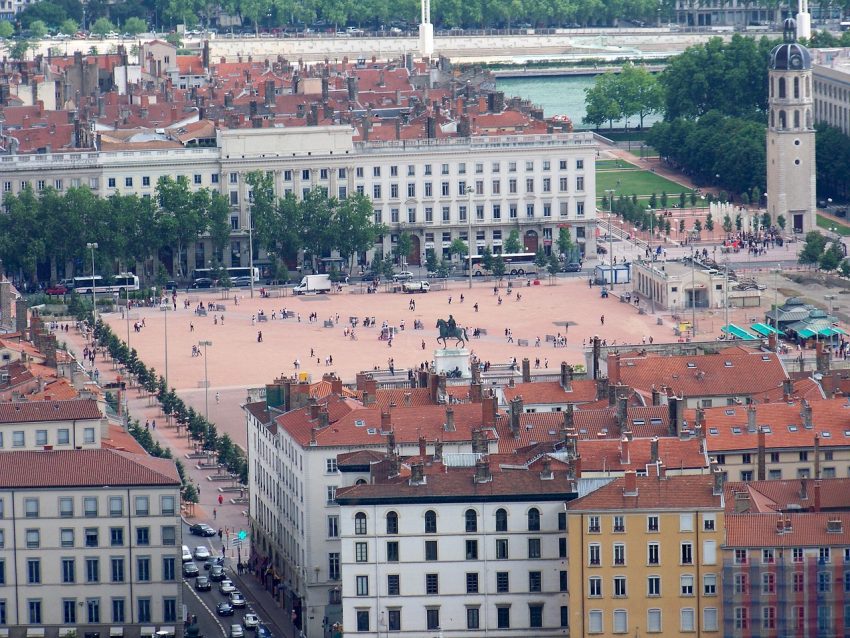
A vast pedestrian square of ochre gravel on the Presqu’île between the Rhône and Saône, Place Bellecour feels like an urban beach—open, bright, and surprisingly exposed in summer heat. Its centrepiece is the equestrian statue of Louis XIV, a natural meeting point with Fourvière rising in the distance, especially striking at sunset. The square also marks “kilometre zero” for the city’s roads and sits within the UNESCO-listed historic fabric. Along the edges, orderly façades, cafés, and the Onlylyon Tourist Office keep the perimeter busy while the middle stays wide and airy. Depending on the season, you may catch pop-up events, street performers, or even cooling shade-and-mist installations mentioned by travelers.
Location: Place Bellecour, Place Bellecour, Lyon, France | Hours: Accessible 24 hours a day, though shops and services around the square follow their own schedules. | Price: Free — Place Bellecour is an open public square. | Website | Distance: 0.8km

23. Metallic Tower of Fourvière

Tour Métallique de Fourvière
CC BY-SA 2.0 / Otourly
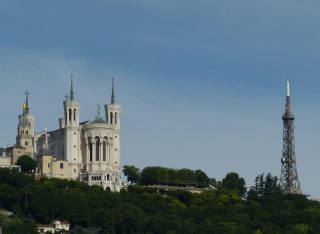
The Metallic Tower of Fourvière is a delicate lattice-steel tower perched on Fourvière Hill, often seen like a metallic crown rising behind the Basilica of Notre-Dame de Fourvière. Built from 1892 to 1894 and weighing about 210 tons, it was conceived as a local answer to the Eiffel Tower and later grew to 101 metres with the addition of a TV antenna. During the 1914 Exposition Universelle it even had a restaurant and an elevator carrying visitors to a viewing platform, but public access ended in 1953 when it became a transmission mast. Today you can walk up to the fenced base and look up through the steelwork—many travelers note it’s smaller than expected, and you can’t go inside.
Location: Tour Métallique de Fourvière, Montée Nicolas de Lange, Lyon, France | Hours: The paths and viewpoints around the tower are generally accessible throughout the day; funicular and site opening times may vary by season. The tower is not open for public visits | Price: Free — the tower exterior and surrounding viewpoints can be enjoyed without charge, though you cannot go inside the structure. | Distance: 1km

24. Parc des Hauteurs
Parc des Hauteurs Lyon
CC BY-SA 2.0 / Guilhem Vellut
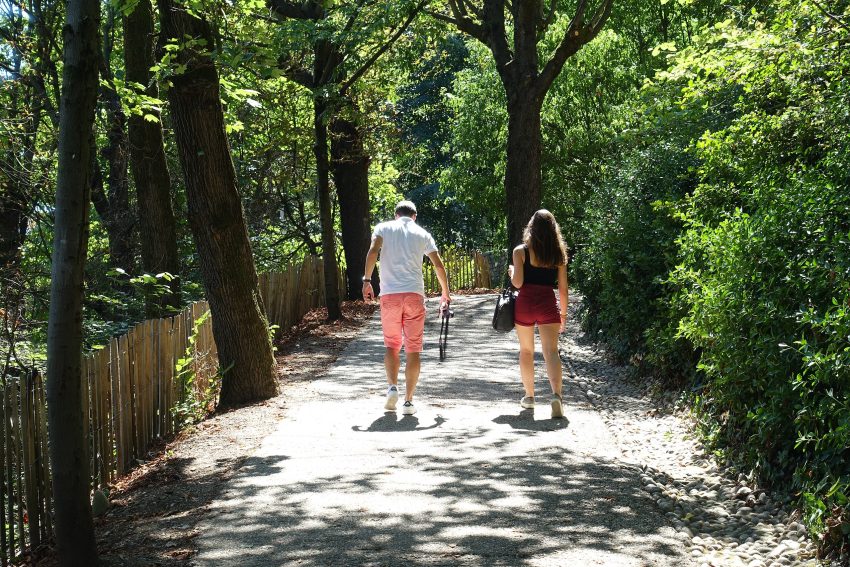
Parc des Hauteurs is a chain of elevated paths and terraces wrapped around Fourvière Hill, more like a green balcony than a lawn-and-playground park. It stitches together the Basilica of Notre-Dame de Fourvière, the Roman theatres, and the quiet lanes of the Cimetière de Loyasse, so your walk keeps slipping between trees, stone walls, and sudden openings over the Saône and the rooftops below. The showpiece is the Passerelle des Quatre Vents, a modern footbridge that feels suspended above the slope, with long views that can reach the Alps on clear days. Expect benches, scattered sculptures, and a calm, almost hidden atmosphere that many visitors describe as surprisingly peaceful.
Location: Parc des Hauteurs, Place de Fourvière, Lyon, France | Hours: Generally accessible year-round, though some sections or paths may be temporarily closed for maintenance or in bad weather. | Price: Free — Parc des Hauteurs is an open public space with no admission charge. | Website | Distance: 1km

25. Basilica of Notre-Dame de Fourvière
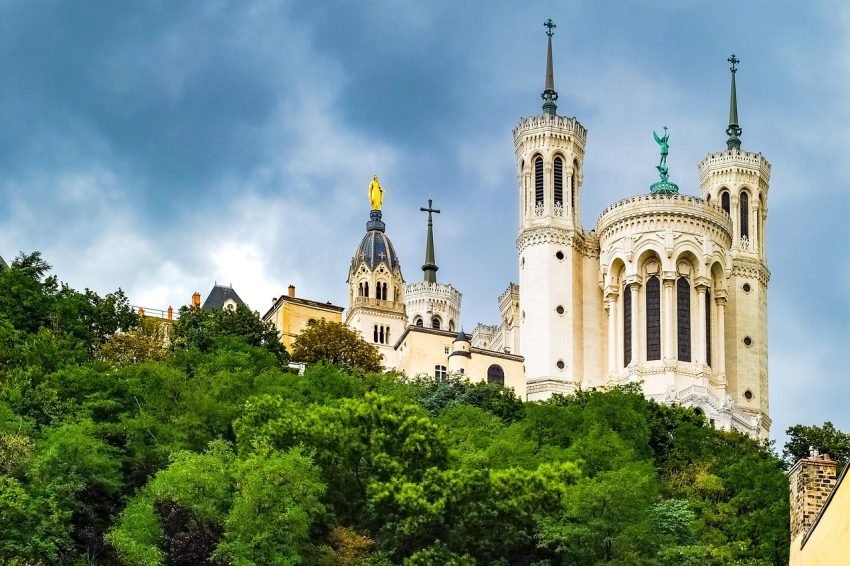
Basilica of Notre Dame de Fourvière
Crowning Fourvière hill, the Basilica of Notre-Dame de Fourvière is a late-19th-century shrine built (1872–1884) as a monumental act of devotion to the Virgin Mary, its fortress-like silhouette visible across the rooftops. Up close, Romanesque-Byzantine details emerge in squat towers and ornate stonework, while inside the mood flips to shimmering gilded ceilings, jewel-toned mosaics, and luminous stained glass. The upper church feels surprisingly hushed for such a lavish space, and the lower basilica (crypt) turns more subdued and contemplative. Step onto the wraparound terrace to read the city from above—rivers, the Presqu’île grid, and, on clear days, the Alps.
Location: Basilica of Notre-Dame de Fourvière, Place de Fourvière, Lyon, France | Hours: Basilica Opening Hours: Monday to Saturday: 7:00 AM to 8:00 PM Sunday: 7:00 AM to 12:30 PM (afternoons reserved for services) ​ Sanctuary Gates: Open daily from 7:00 AM to 11:00 PM ​ | Price: Free | Website | Distance: 1km
Powered by GetYourGuide

26. Les Halles de Lyon Paul Bocuse

Halles de Lyon Paul Bocuse
CC BY-SA 4.0 / Arnaud 25
Les Halles de Lyon Paul Bocuse is a polished covered food market in Lyon, a working showcase of the city’s culinary identity and the producers behind it. Inside, rows of stalls create a sensory crush of gleaming seafood counters (oysters shucked to order), charcuterie like rosette or Jésus de Lyon, and cheese towers stacked with Saint-Marcellin and Comté. Pâtissiers and chocolatiers add praline-rose pastries and delicate tartlets to the mix, tempting you into “just one more” purchase. Many vendors also serve food at small counters, so you can eat a seafood platter or a simple plate made from ingredients pulled from the neighboring displays, in a lively, often busy atmosphere.
Location: Les Halles de Lyon Paul Bocuse, Cours Lafayette, Lyon, France | Hours: Tuesday to Saturday: 7:00 AM – 7:00 PM Sunday: 7:00 AM – 1:00 PM Closed on Monday | Price: Free | Website | Distance: 1.1km
Powered by GetYourGuide

27. Abbaye Saint-Martin d’Ainay

Basilique Saint Martin d'Ainay I
Basilique Saint Martin d’Ainay I
CC BY-SA 3.0 / Phinou
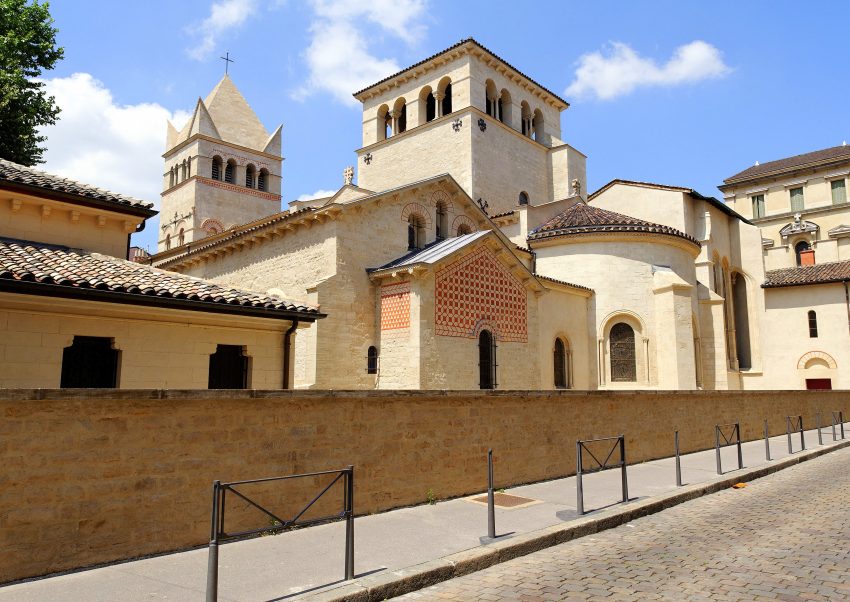
Abbaye Saint-Martin d’Ainay is a compact Romanesque basilica that preserves the sober, grounded feel of an 11th–12th-century Benedictine church. Inside, thick stone pillars and low semicircular arches create a dim, hushed interior that feels almost fortress-like, with carved capitals and a sculpted choir rewarding slow looking. Seek out the early Christian mosaics—among its most distinctive survivals—set against plain stone that makes their patterns stand out. Behind the church, a small cloister garden adds a quiet pause and a glimpse of its monastic past. Visitors often remark on how peaceful it feels, even during services.
Location: Basilique - Abbaye Saint Martin d'Ainay, Rue Bourgelat, Lyon, France | Hours: Monday to Saturday: 8:00 AM – 12:00 PM and 2:30 PM – 6:00 PM Sunday: 8:30 AM – 12:00 PM and 5:00 PM – 7:00 PM | Price: Free, though small donations for maintenance and restoration are always appreciated. | Website | Distance: 1.3km

28. Gallo-Roman Museum of Lyon-Fourvière
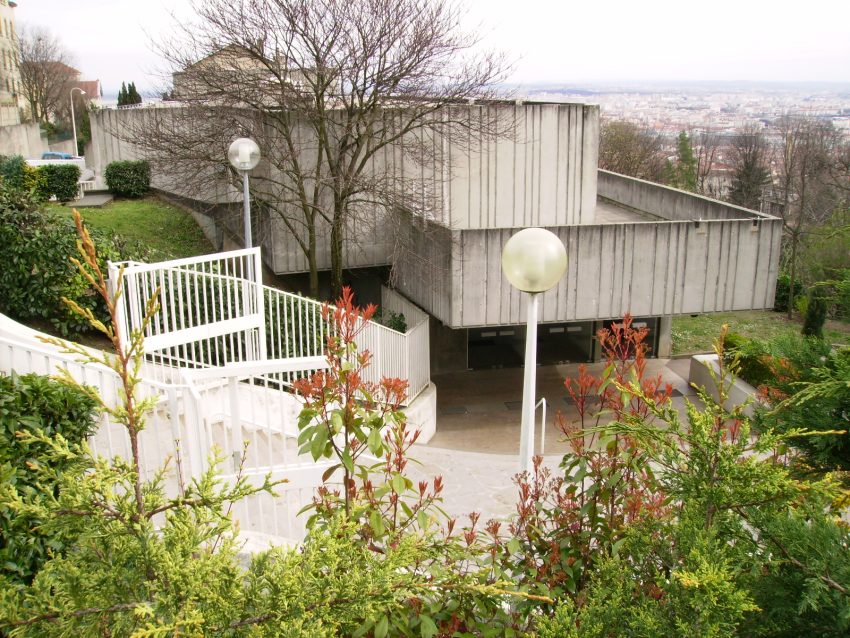
Musee galloromain Lyon
Public Domain / Alorange
Set into the Fourvière hillside beside the Ancient Theatre, the Gallo-Roman Museum keeps a low concrete profile outside, then opens into a dramatic interior of spiralling ramps that lead you downward through Roman Lugdunum. The design keeps sightlines to the ruins through carefully placed windows, so the objects and the site stay in conversation. Galleries move from public life to homes and burials, with mosaics, inscriptions, statues, coins, glassware, and everyday tools shown in focused lighting. Standouts include the enormous Circus Mosaic with its chariot-race scenes and the bronze Claudius Tablet preserving an imperial speech about extending rights to Gallic elites. Visitors often remember the building’s architecture as much as the collection.
Location: Gallo-Roman Museum of Lyon-Fourvière, Rue Cleberg, Lyon, France | Hours: Tuesday to Friday: 11:00 AM – 6:00 PM; Saturday and Sunday: 10:00 AM – 6:00 PM; Closed on Mondays and public holidays | Price: €7 | Website | Distance: 1.3km
Powered by GetYourGuide

29. Ancient Theatre of Fourvière

Lyon Lugdunum Théatre Romain
CC BY-SA 4.0 / Jean-Christophe BENOIST
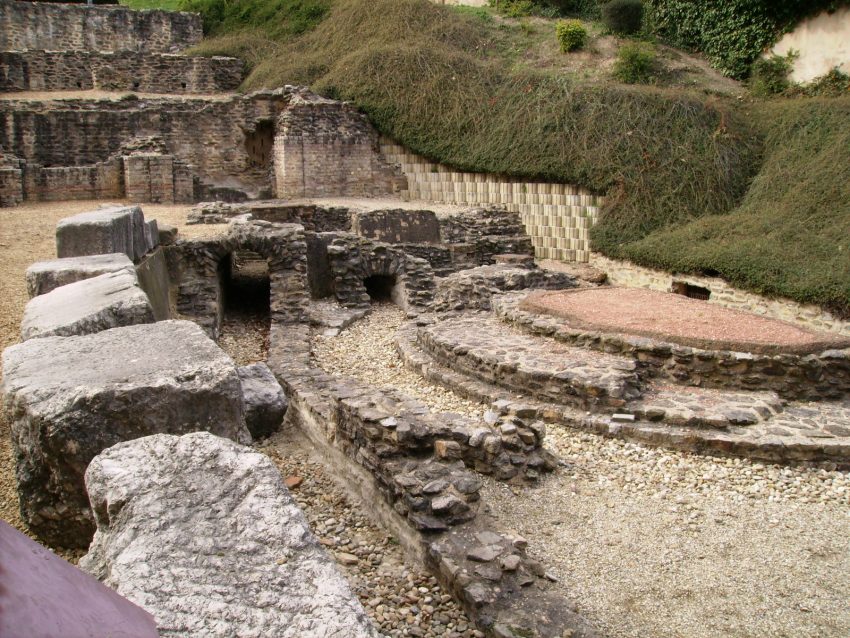
Carved into the slope of Fourvière Hill around 15 BCE under Emperor Augustus, the Ancient Theatre of Fourvière is the oldest Roman theatre in France and a vivid remnant of Lugdunum. Its stone seating fans out in a semi-circle above the orchestra and stage, once holding roughly 10,000 spectators for dramas, poetry and civic assemblies. Walking the tiers, you notice the stairways, drainage channels and the way the hillside itself shapes the structure; from the upper rows, modern rooftops spread out in the distance. In summer, the ancient stones return to their original purpose during Les Nuits de Fourvière, when performances play under the open sky.
Location: Ancient Theatre of Fourvière, Rue de l'Antiquaille, Lyon, France | Hours: May 2 to September 30: 7:00 AM to 9:00 PM​ October 1 to April 30: 7:00 AM to 7:00 PM | Price: Free | Website | Distance: 1.3km
Powered by GetYourGuide

30. Ancient Baths of Lyon

Thermes Romains, Lyon
CC BY-SA 2.0 / Alorange
Hidden on the slope of Fourvière Hill, the Roman Baths on Rue des Farges are fragmentary remains of a large public thermal complex, sometimes linked to the ancient “Baths of Apollo.” Discovered during 1970s roadworks, the site revealed an early Roman district with terraced houses and shops above and an exercise court once supported by vaulted galleries below. Today you mostly see arches, stonework, and underground vaults tucked beneath a residential block at 6, rue des Farges—an arresting glimpse of Lugdunum layered under everyday streets. Much of it is reburied for protection, so the experience is quiet and a little elusive, with a few signs and fleeting views.
Location: Rue des Farges, Lyon, France | Hours: Visible at any time from the street, though daylight hours are obviously best for appreciating the details. | Price: Free — the visible remains are outdoors and integrated into a residential building’s ground level. | Website | Distance: 1.4km

31. Odeon of Lyon

Odéon antique romain de Lyon
CC BY-SA 4.0 / Anthony Morel
Tucked beside the larger Ancient Theatre on Fourvière Hill, the Odeon is a compact Roman performance hall built in the 2nd century AD for music, poetry, and public readings where acoustics mattered more than capacity. Its semi-circular stone tiers and radial stairways are easy to read, and the outline of the stage and orchestra still feels like a working room. Look closely for surviving hints of refinement—small traces of red and black marble—set against bare limestone seating. Because it draws fewer crowds than its neighbor, the space can feel almost private, especially early or near sunset, when the hillside quiet makes it easier to imagine a roofed hall filled with attentive listeners.
Location: Odeon of Lyon, Rue Cleberg, Lyon, France | Hours: May 2 to September 30: 7:00 AM – 9:00 PM October 1 to April 30: 7:00 AM – 7:00 PM Open daily and accessible as an outdoor public site | Price: Access to the outdoor Odeon and theatre area is generally free; the adjoining Gallo-Roman Museum has a separate ticket. | Website | Distance: 1.4km

32. Parc de la Tête d'or

Parc de la Tête d'Or, Lyon, France
Parc de la Tête d’Or, Lyon, France
Parc de la Tête d’Or is a vast 19th-century “green lung” that feels like countryside dropped into the city, with broad lawns, wooded paths, and a large artificial lake at its center. The lakeside loop is made for slow strolls and jogs, and on warm days you’ll see rowing and pedal boats gliding between little islands. A free zoo adds an unexpected twist—giraffes and zebras alongside everyday park life—while the botanical garden’s glasshouses shift from orderly beds outside to steamy, exotic interiors. Late spring brings the rosarium into full color, and the miniature train and pony rides keep families lingering. With benches everywhere, it’s also a place to do nothing well.
Location: Parc de la Tête d'Or, Boulevard des Belges, Lyon, France | Hours: Open daily, generally from 6:30 AM to 10:30 PM (hours may vary slightly by season) | Price: Free entry to the park, botanical garden and zoo; small fees apply for boats, miniature train and some children’s activities. | Distance: 1.7km
Powered by GetYourGuide

33. Mur des Canuts

Mur des Canuts, Lyon
CC BY-SA 2.0 / µµ
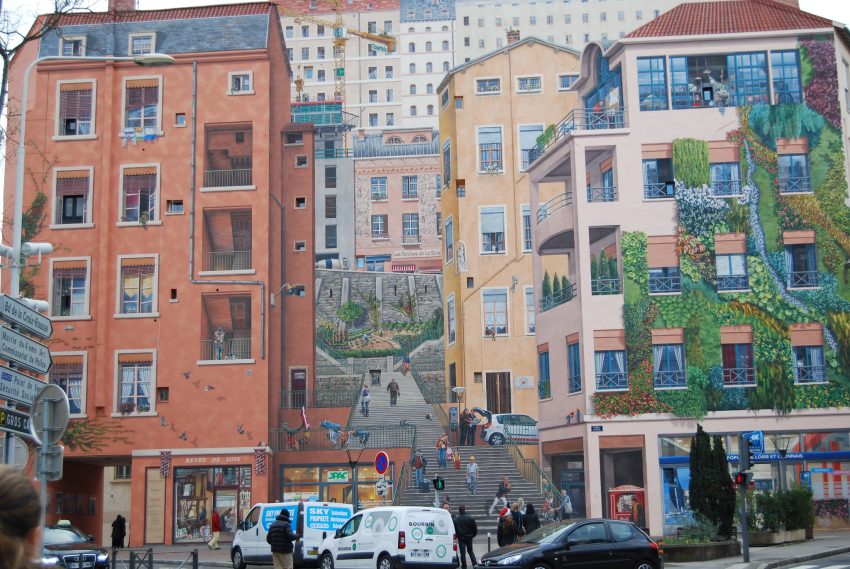
Mur des Canuts is a vast trompe-l’œil mural covering the entire side of an apartment block in Croix-Rousse, painted to read like a real slice of neighbourhood life. From a distance, the 1,200-square-metre scene tricks the eye with zig-zagging staircases, stacked balconies overflowing with plants, neighbours mid-conversation, and even a bus nosing into a tiny square. Step closer and the illusion breaks into brushwork, shadows, and small narrative details—laundry lines, children, window ledges—that reward slow looking and careful photos. Created by the CitéCréation collective in the 1980s and revised over time, it quietly “ages” its characters and updates details, turning the wall into a living chronicle.
Location: Mur des Canuts, Boulevard des Canuts, Lyon, France | Hours: Visible 24/7 from the street; surrounding cafés and shops keep typical daytime opening hours. | Price: Free — Mur des Canuts is a public mural you can enjoy from the street at any time. | Website | Distance: 1.7km

34. Tomb of Turpio
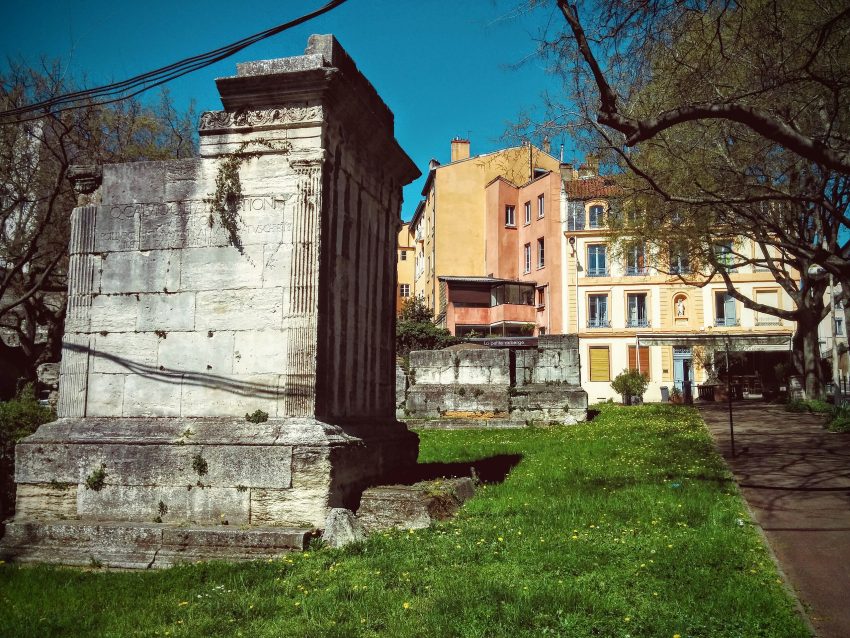
Roman mausoleum of Turpio, Lyon
CC BY-SA 4.0 / Balandras
The Tomb of Turpio is a well-preserved Roman funerary monument rising from the quiet Place Eugène-Wernert in Saint-Just, a reminder that the slopes of Fourvière once held necropolises along the Aquitaine Way. Unearthed during clearance work in 1885, it was among a cluster of ten tombs from the Trion necropolis, with several larger mausoleums dismantled and reassembled here to save them. The square base (nearly four metres across) still shows fluted corner pilasters topped with Ionic capitals, plus worn fragments of frieze and cornice that hint at a more elaborate upper structure. It’s a small stop, but the scale of the stonework and its survival amid the modern streetscape linger in memory.
Location: Tombeau de Turpio, Montée de Choulans, Lyon, France | Distance: 1.8km

35. Le Cube Orange
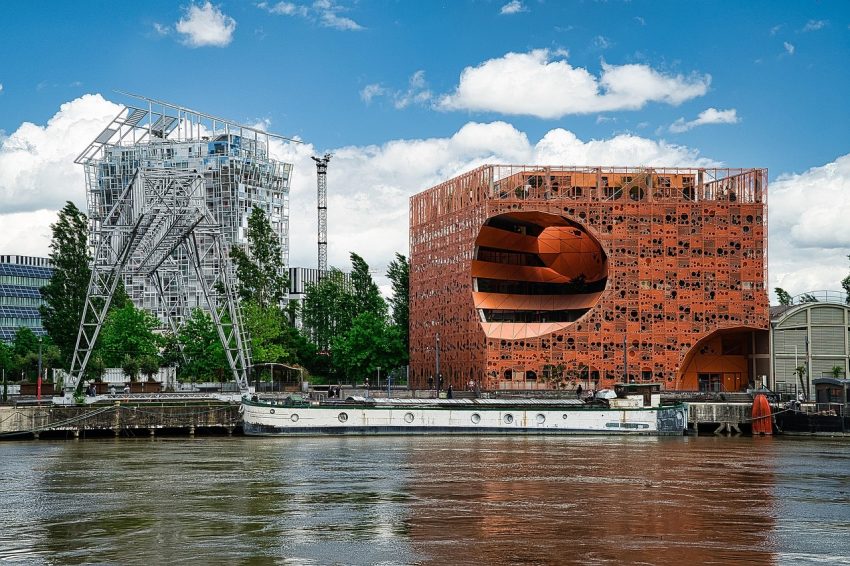
Le Cube Orange from across the river, Lyon
Le Cube Orange is a bold piece of contemporary architecture on Quai Rambaud in the Confluence district, built as part of the area’s shift from working docks to a creative waterfront. Its vivid orange, perforated metal skin changes with light and weather, and a huge circular void—like a giant bite—cuts through the cube to frame the Saône and cast dramatic shadows. Designed by Jakob + MacFarlane, the “hole” creates terraces and blurs inside and outside while filtering sun and views. Many visitors come mainly for photos and the striking angles up close, though the building also contains design-focused showrooms and workspaces.
Location: Cube Orange, Quai Rambaud, Lyon, France | Hours: Not open to the public | Distance: 3.2km

36. Institut Lumière
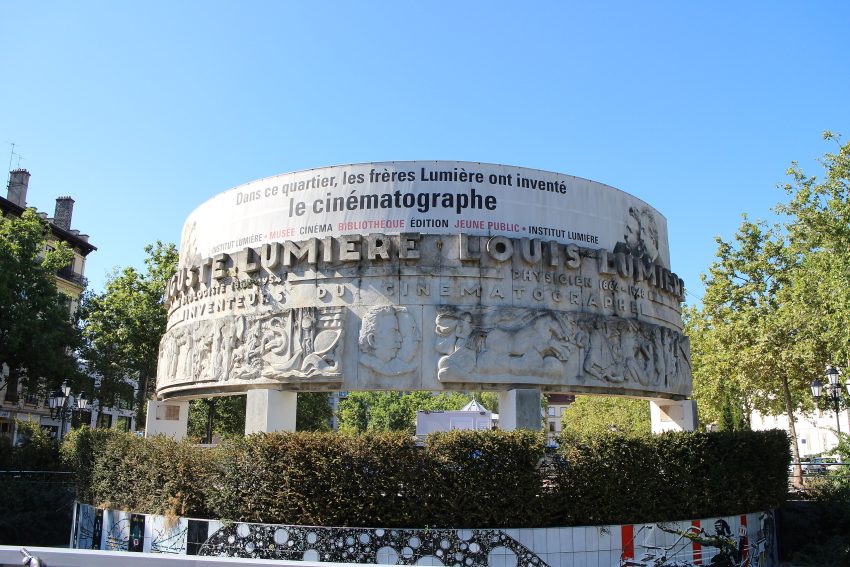
Institut Lumière
Institut Lumière
CC BY-SA 4.0 / Suicasmo
Set in the Lumière family’s former villa and factory site in Monplaisir, the Institut Lumière is a museum, archive, and working cinema devoted to the birth of motion pictures. The rooms still feel like a 19th‑century home—high ceilings, period touches, and windows onto the garden—yet the displays stay focused on invention, with original cameras, early projectors, vintage reels, and hands-on elements explaining the cinématographe. Short film extracts and archival images trace how everyday “views” and early experiments became public cinema, including films made on or near this site. Next door, the screening rooms keep the story alive with curated programmes—classics, retrospectives, and art-house titles—sometimes projected on 35mm.
Location: Institut Lumière, Rue du Premier Film, Lyon, France | Hours: Tuesday to Sunday: 10:00 AM – 6:30 PM; Closed on Mondays and some holidays | Price: Adults: €7 | Website | Distance: 3.3km

37. L’Île Barbe
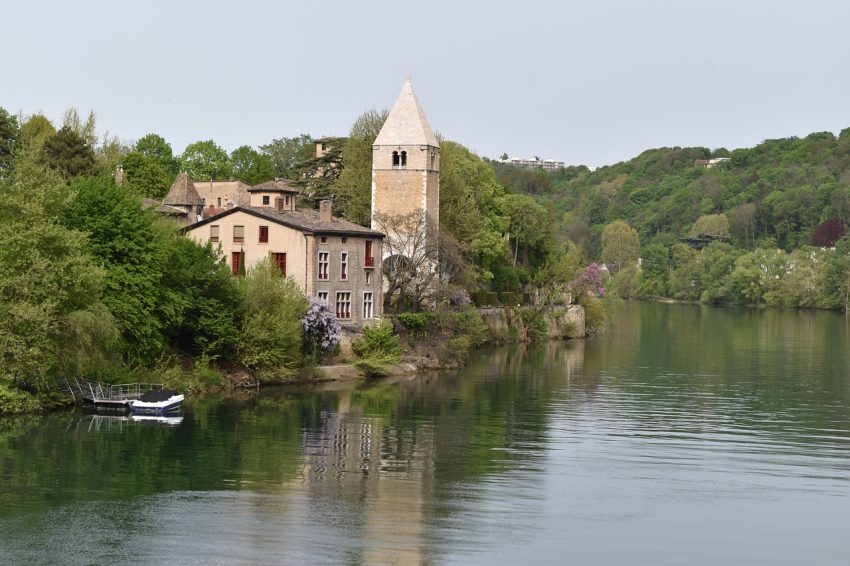
Historic Building on Llle Barbe, Lyon
L’Île Barbe is a small, mostly residential island in Lyon, set midstream in the Saône in the 9th arrondissement, reached by a pedestrian bridge. It matters for the way a quiet, village-like landscape overlaps with early Christian Lyon: a monastery was founded here around the 5th century, and a compact 12th‑century Romanesque church still marks the island’s spiritual core. Visitors remember shady paths, stone houses, and benches with river views on both sides, where the city noise drops away. Several travelers note that parts of the island and some historic areas can be closed off, leaving a modest green space—peaceful, but with little to “do” beyond lingering and looking.
Location: Pont Île Barbe 69009 Lyon France | Hours: Accessible year-round; as a lived-in neighbourhood rather than a formal park, there are no fixed “closing times,” but it’s best enjoyed during daylight hours. | Price: Free — the island itself and its paths are public to walk around, though some areas remain private residential property. | Distance: 3.7km

38. Musée des Confluences
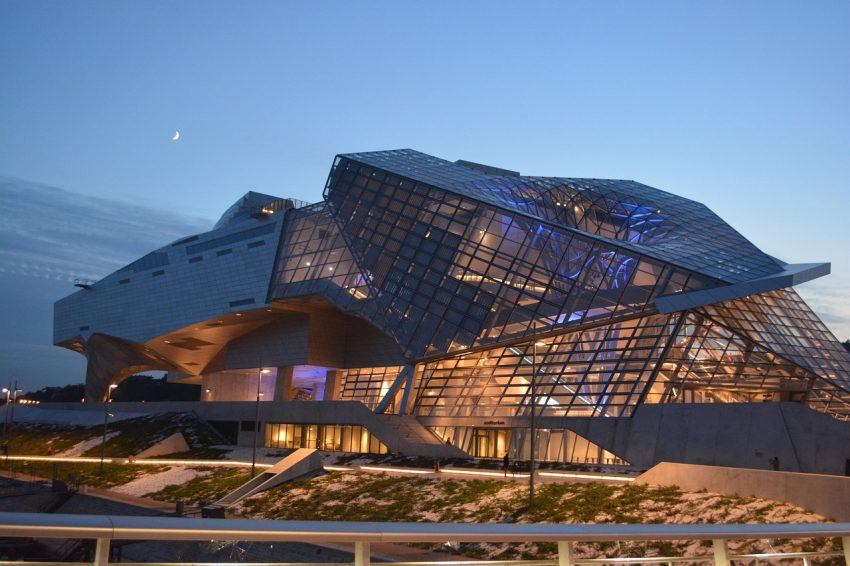
Musée des Confluences, Lyon
Set at the literal meeting point of the Rhône and Saône, the Musée des Confluences is a bold, contemporary museum where science, natural history, and world cultures collide. Its angular glass-and-metal form—often likened to a crystal and a cloud—feels like a spacecraft paused on a riverside forecourt, with terraces and windows framing the two rivers merging below. Inside, permanent galleries are organized by big themes rather than timelines, moving from dinosaur skeletons and meteorites to ceremonial masks, rare animals, and objects tied to space exploration. Immersive scenography, sound, and hands-on stations make the experience feel closer to storytelling than a row of display cases.
Location: Musée des Confluences, Quai Perrache, Lyon, France | Hours: Tuesday to Sunday: 10:30 AM – 6:30 PM Closed on Mondays and January 1, May 1, and December 25 | Price: Adults: €12.00; reduced tickets from €7.00; free for visitors under 18 and several concession categories. | Website | Distance: 3.7km

39. Aquarium
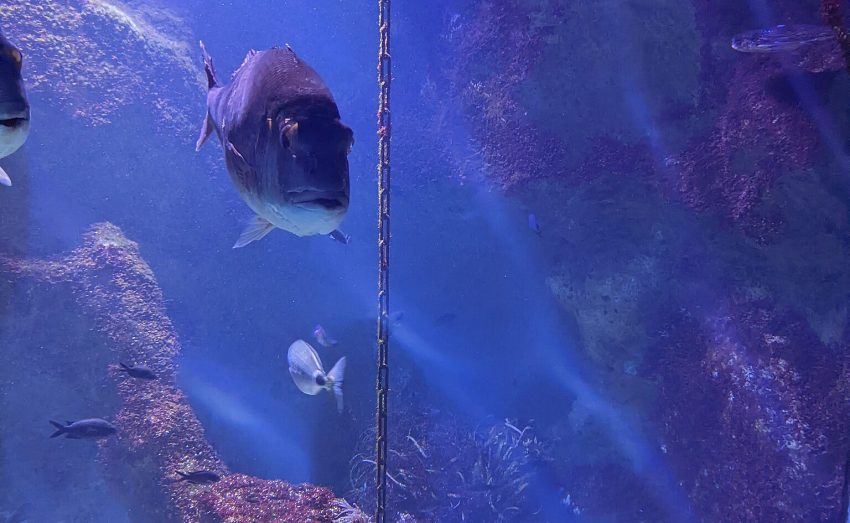
Aquarium Lyon
Aquarium Lyon
CC BY-SA 4.0 / CrlNvl
The Aquarium of Lyon is a mid-sized, family-friendly aquarium in La Mulatière, just south of the Confluence where the Rhône and Saône meet. It houses over 5,000 animals across 300+ species, arranged in themed zones that move from tropical freshwater to marine habitats and local French river life. Visitors linger at the large viewing windows for sharks and rays, the softly lit jellyfish displays, and the Amazonian tanks with giant, almost prehistoric-looking river fish. A supervised touch pool lets children gently handle hardy creatures like starfish, adding a hands-on break from simply watching tanks. Reviews often note it feels smaller than expected, but clean, well organized, and easy to enjoy in about 1–2 hours.
Location: Aquarium of Lyon, Rue Stéphane Dechant, La Mulatière, France | Hours: Wednesday to Friday: 10:30 AM – 6:00 PM Weekends, holidays & school breaks: 10:30 AM – 6:30 PM Closed on Monday and Tuesday (except during school holidays) | Price: Adults: €16.50 | Website | Distance: 4.3km

Best Day Trips from Lyon

A day trip from Lyon offers the perfect opportunity to escape the urban rhythm and discover the surrounding region's charm. Whether you're drawn to scenic countryside, historic villages, or cultural landmarks, the area around Lyon provides a variety of easy-to-reach destinations ideal for a one-day itinerary. If you are looking to rent a car in France I recommend having a look at Discover Cars, first, as they compare prices and review multiple car rental agencies for you.

1. Aqueduct of the Gier
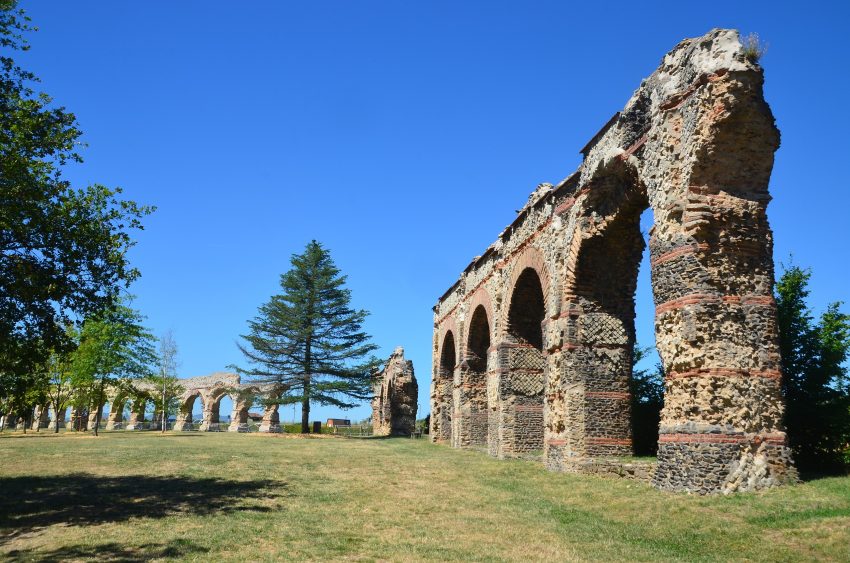
Aqueduct of the Gier, France
CC BY-SA 2.0 / Carole Raddato
The Aqueduct of the Gier is one of the things to do in Lyon if you love Roman history, engineering, or off-the-beaten-path discoveries. Built in the 1st century AD to supply water from the Gier River to Lugdunum, it once stretched around 85 km, threading its way across hills, valleys, tunnels, and buried channels to reach the capital of Gallia…
Location: Gier Roman Aqueduct, Route des Pins, Chaponost, France | Hours: Accessible in daylight hours; specific paths or viewpoints may follow local park or path regulations. | Price: Free — most remains are outdoors and accessible from public paths or roads. | Website | Distance: 7.6km
Visiting Aqueduct of the Gier

2. Vienne
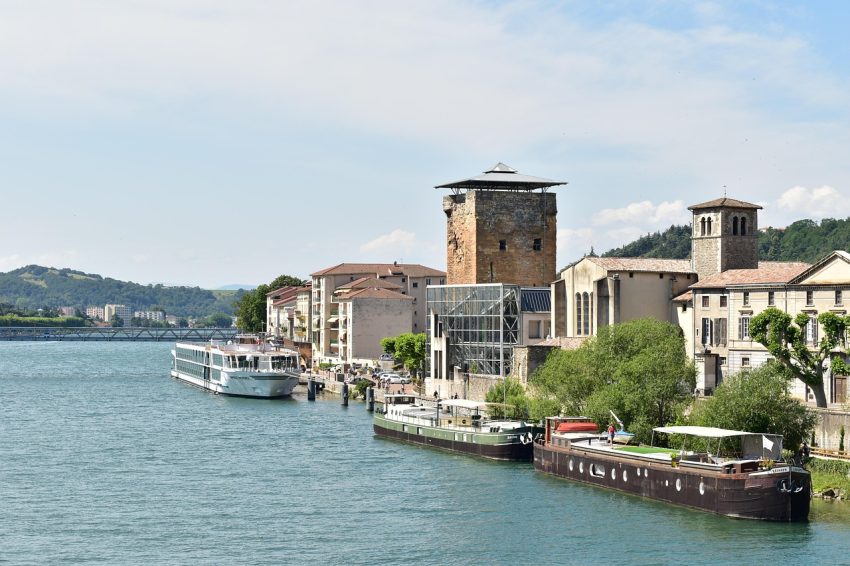
vienne
vienne
I spent a day in Vienne recently, and it completely surprised me with how much there was to see in such a compact, walkable town. The first thing that struck me was the mix of quiet charm and dramatic architecture—especially the Temple of Augustus and Livia, which sits right in the middle of town like a Roman postcard. I wandered…
Visiting Vienne
Powered by GetYourGuide

3. Saint-Étienne

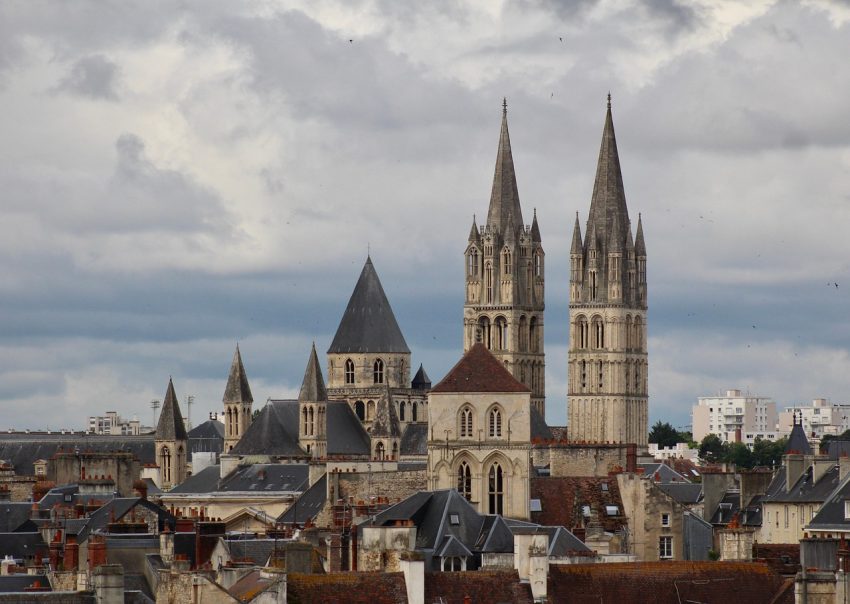
abbey of saint etienne
Saint-Étienne is a dynamic city in the Auvergne-Rhône-Alpes region, offering a mix of industrial heritage and contemporary culture. Known for its unique blend of art, design, and history, visitors can explore a variety of museums such as the Musée d'Art Moderne and the Cité du Design, both showcasing the city’s rich industrial past and its forward-thinking design culture. Saint-Étienne also…
Visiting Saint-Étienne

4. Grenoble

Grenoble France
Grenoble France
Grenoble is a vibrant city nestled in the French Alps, offering a perfect blend of urban energy and outdoor adventure. Surrounded by mountains, it’s an ideal destination for outdoor enthusiasts, with opportunities for hiking, skiing, and mountain biking and is one of the most underrated cities in France. The city is also known for its rich cultural scene, with museums,…
Visiting Grenoble
Powered by GetYourGuide

5. Annecy

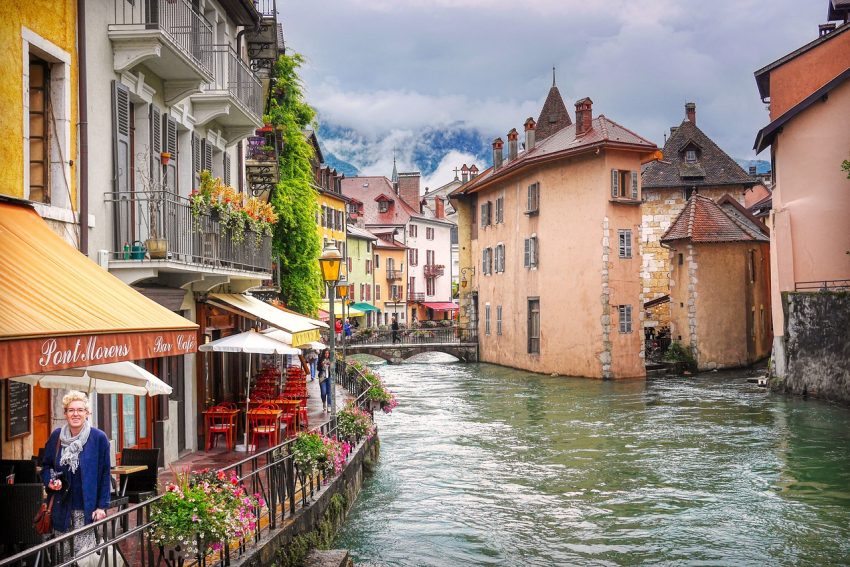
Annecy: Venice of the Alps
Visiting Annecy feels like stepping into a postcard. The pastel-colored buildings, canals weaving through the old town, and flower-decked bridges create a fairy-tale vibe that’s impossible to resist. Walking along the cobbled streets of Vieille Ville (Old Town), grabbing a coffee by the canals, and wandering through local markets is the kind of slow travel that makes you want to…
Visiting Annecy
Powered by GetYourGuide

6. Clermont-Ferrand

Clermont Ferrand France
Clermont-Ferrand, located in the Auvergne-Rhône-Alpes region, is a vibrant city that offers a mix of natural beauty, culture, and modernity. Surrounded by volcanic hills, the city is an excellent base for outdoor activities, with hiking, cycling, and exploring the nearby Chaîne des Puys volcanic range. Clermont-Ferrand one of the most underrated cities in France. Visitors can enjoy the city's lively…
Visiting Clermont-Ferrand
Powered by GetYourGuide

7. Beaune

complete guide to beaune
Nestled amidst the picturesque landscapes of the Côte d'Or department in eastern France, Beaune stands as the quintessential wine capital of Burgundy. Positioned strategically between Lyon and Dijon, this enchanting town is steeped in centuries of winemaking tradition and is celebrated as the epicenter of Burgundy's wine production and commerce. For wine aficionados, Beaune is a veritable paradise. The town…
Visiting Beaune
Powered by GetYourGuide

8. Chamonix

chamonix
chamonix
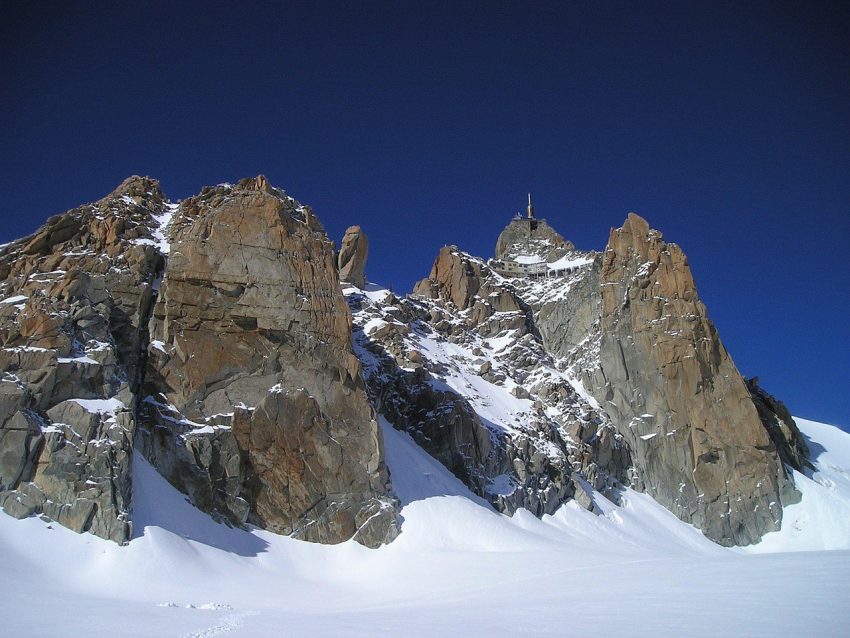
Visiting Chamonix is an unforgettable experience for nature lovers and adventure seekers alike. Nestled in the French Alps, this picturesque town offers stunning views of snow-capped peaks and lush valleys, making it a paradise for outdoor enthusiasts. Whether you enjoy skiing, hiking, or mountaineering, Chamonix is known for its excellent range of activities, with opportunities to explore the Aiguille du…
Visiting Chamonix
Powered by GetYourGuide

Where to Stay in Lyon

In the heart of the city, the Presqu’île district stands out for its central location and vibrant atmosphere. Here, you’ll find Hotel Carlton Lyon - MGallery Collection, a blend of classic elegance and modern comfort. Another excellent choice is Hotel des Artistes, known for its proximity to cultural landmarks and the Saône River.

For those seeking a historical ambiance, Vieux Lyon offers cobblestone streets and Renaissance architecture. Cour des Loges provides a luxurious stay within a cluster of restored medieval buildings. Alternatively, Villa Florentine offers panoramic views of the city from its hillside location.

Travelers interested in contemporary design might consider the Confluence district. Mob Hotel Lyon Confluence offers a trendy atmosphere with modern amenities. In the nearby La Part-Dieu area, Okko Hotels Lyon Pont Lafayette provides sleek accommodations near the city’s business hub.

For a more bohemian experience, the Croix-Rousse district is known for its artistic vibe. Hotel de la Croix-Rousse offers a cozy stay amidst local markets and artisan shops. Alternatively, Hotel Silky by HappyCulture combines vintage charm with modern comforts in a lively neighborhood.

Budget-conscious travelers might explore the Guillotière area, known for its multicultural flair. Hotel de Noailles offers affordable accommodations with easy access to public transportation. Another option is Ibis Lyon Centre, providing reliable comfort without breaking the bank.

Using the our Hotel and Accomodation map, you can compare hotels and short-term rental accommodations in Lyon. Simply insert your travel dates and group size, and you’ll see the best deals for your stay.

Lyon Accommodation Map

Best Time to Visit Lyon

Visiting Lyon in Spring

Spring is a wonderful time to visit Lyon. From March to May, the city begins to bloom with fresh greenery and mild temperatures. The outdoor markets come to life, café terraces fill with locals, and the parks are especially beautiful during this time. It’s ideal for walking around and enjoying sights like the old town and the riverside without the summer crowds.

Visiting Lyon in Summer

Summer in Lyon, from June to August, is warm and lively. While it can get hot, especially in July, it’s also when the city hosts several cultural events and festivals, like the famous Nuits de Fourvière. Outdoor dining, evening strolls, and river cruises are all popular activities. Keep in mind that it’s a busier season, so booking ahead is a good idea.

Visiting Lyon in Autumn

Autumn, from September to November, is arguably one of the best times to visit Lyon. The weather is still pleasant, the summer crowds have thinned out, and the fall colors add a lovely atmosphere to the city’s already picturesque streets. It’s also a great time for food lovers, as local markets and restaurants showcase seasonal dishes and regional wines.

Visiting Lyon in Winter

Winter in Lyon, from December to February, is quiet and cozy. Temperatures can be chilly, but the city takes on a magical feel, especially during December’s Festival of Lights (Fête des Lumières). If you enjoy a slower pace and fewer tourists, winter offers a more intimate experience of Lyon, perfect for exploring museums, indoor markets, and warm local cuisine.

Annual Weather Overview

  • January 8°C
  • February 10°C
  • March 13°C
  • April 18°C
  • May 23°C
  • June 28°C
  • July 30°C
  • August 30°C
  • September 26°C
  • October 20°C
  • November 11°C
  • December 9°C

How to get to Lyon

How to Visit Lyon

Planning a trip to Lyon is fairly straightforward, with multiple travel options depending on where you’re coming from and how you prefer to travel. Here’s a breakdown of how to get there and how to move around once you arrive.

Getting to Lyon by Air

Lyon is served by its own airport, Lyon-Saint Exupéry Airport, which receives both domestic and international flights. From the airport, you can reach the city center in about 30 minutes via the Rhônexpress tram, taxi, or rental car.

Getting to Lyon by Train

Lyon is well-connected by train, especially from major cities in France and neighboring countries. High-speed TGV trains run regularly from Paris, Marseille, Geneva, and other cities, arriving at either Lyon Part-Dieu or Lyon Perrache stations, both centrally located and linked to public transport.

Getting to Lyon by Car

If you prefer driving, Lyon is accessible via major highways and offers several entry points depending on your direction of travel. There are public parking lots in and around the city, though traffic in the historic center can be tight—so it’s often better to park and explore on foot or by public transit.

Getting to Lyon by Bus

Budget travelers can also reach Lyon by long-distance buses. Several companies, like FlixBus and BlaBlaCar Bus, operate routes from across Europe and within France. Buses typically arrive at Perrache station or nearby hubs, making it easy to connect to local transport.

Getting Around Lyon

Once in Lyon, getting around is simple thanks to the city’s efficient public transportation system, which includes metro lines, trams, and buses. Walking is a great way to see the historic districts, and bike rentals are widely available for those who want to explore at a slower pace. Taxis and ride-sharing services are also easy to find throughout the city.
Powered by GetYourGuide

More from this area