Toulouse, France: The Ultimate Travel Guide 2026
Toulouse France
Toulouse France

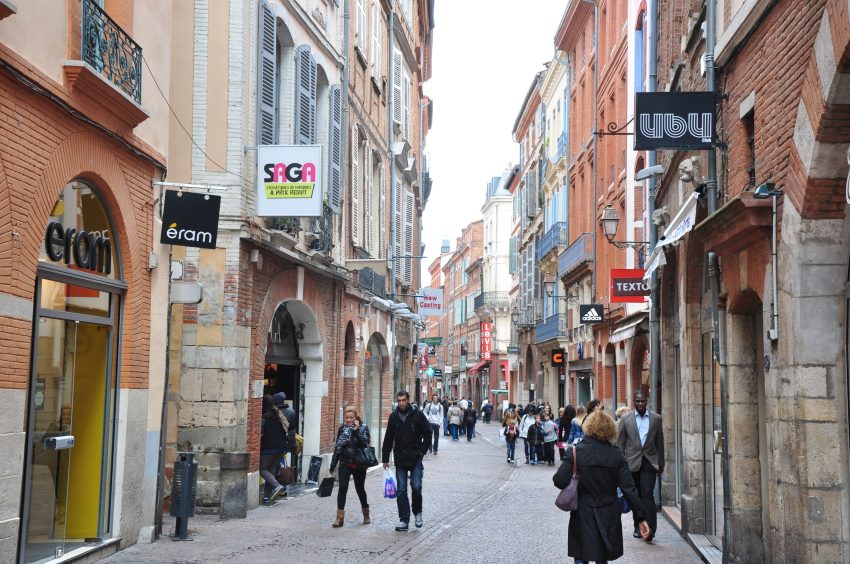
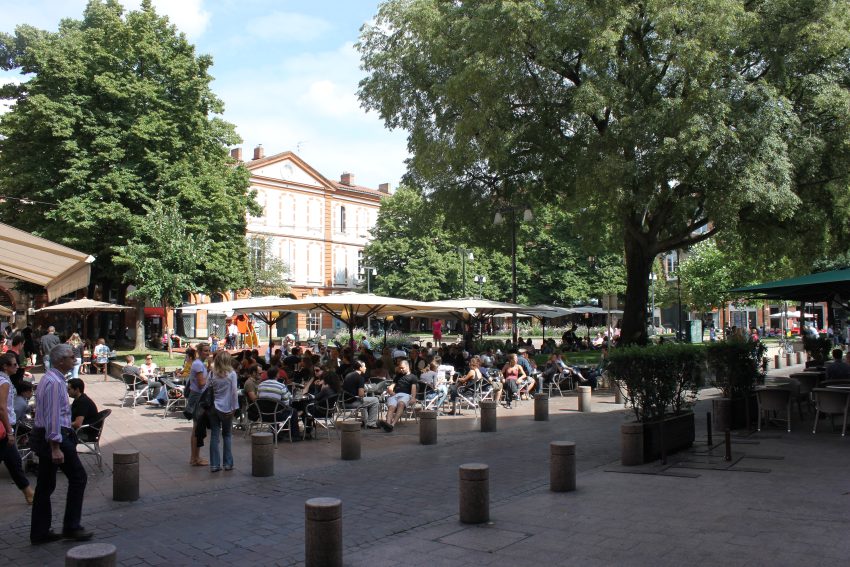
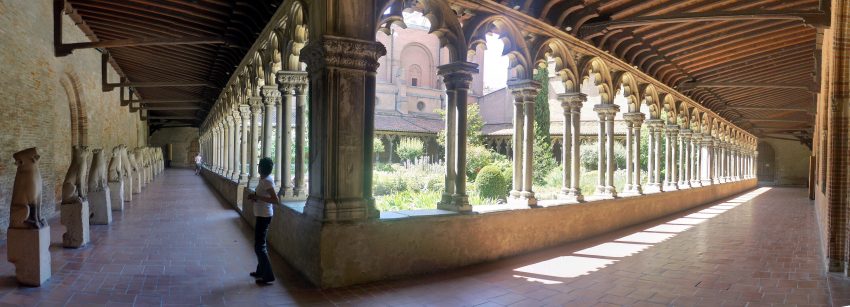
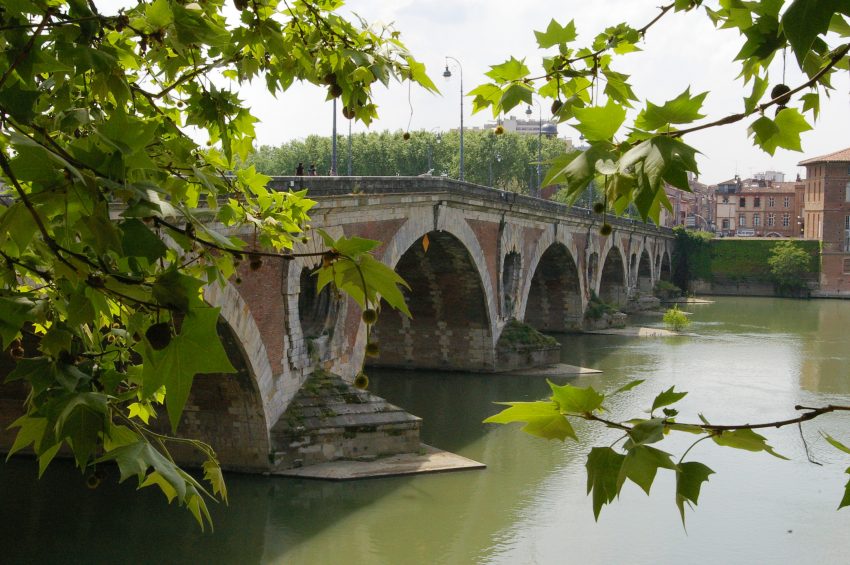
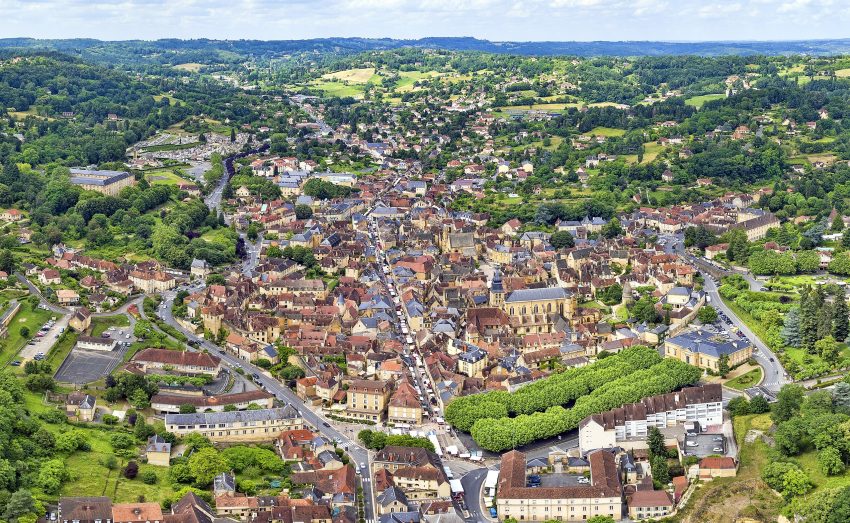
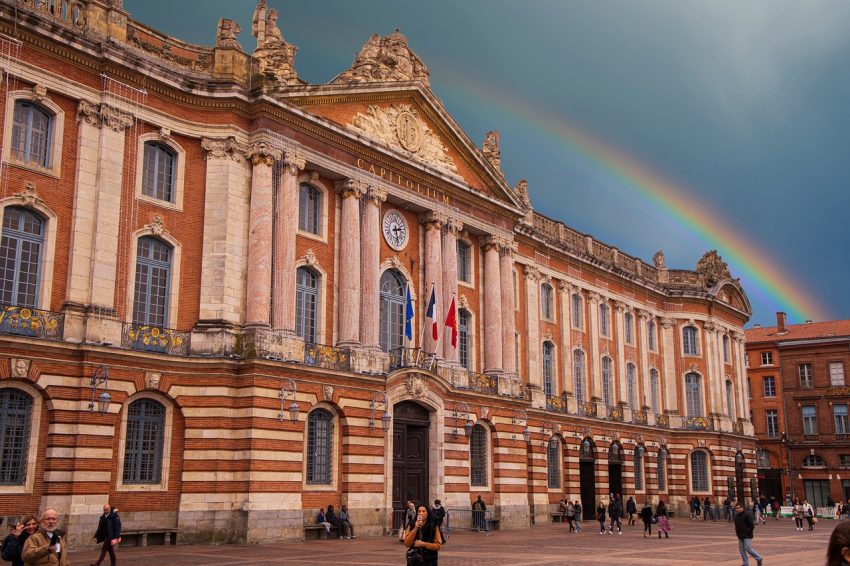
Toulouse, known as the “Pink City” due to its terracotta buildings, offers visitors a captivating blend of vibrant culture, beautiful architecture, and relaxed southern French charm. The city is perfect for exploring on foot, with its charming squares, scenic canals, and tree-lined streets. With an excellent selection of cafés, restaurants, and shops, Toulouse provides a welcoming atmosphere to relax and enjoy a leisurely day out.

For those looking to combine city exploration with nature, Toulouse has easy access to outdoor activities like boat rides on the Garonne River or strolls through the extensive parks surrounding the city. The city is also home to several museums, art galleries, and historical landmarks that add to its cultural appeal. Whether enjoying local cuisine, visiting historic sites, or relaxing by the river, Toulouse offers something for every traveler.

History of Toulouse

Early History of Toulouse

Toulouse’s origins date back to ancient times, initially established as a settlement by the Celts and later becoming an important Roman city. During Roman rule, it was known as Tolosa and flourished as a trade hub due to its strategic location. The city was an administrative center and grew into a thriving metropolis with impressive buildings and infrastructure, including baths and aqueducts.

Toulouse in the Middle Ages

In the Middle Ages, Toulouse became a key center of the Count of Toulouse and a powerful political and religious hub. The city grew in wealth, partially due to its role as a major center for the wool trade. Toulouse was also a significant stronghold during the Crusades, with the Cathar heresy playing an important role in the region’s religious and social history.

Toulouse in the Renaissance and Early Modern Period

During the Renaissance, Toulouse continued to prosper, with significant cultural and intellectual growth, especially in art, literature, and science. The city’s influence expanded, particularly in the development of the Toulouse-Languedoc region. The establishment of universities and the production of scholarly works during this period helped Toulouse maintain its cultural importance.

Toulouse in the 19th and 20th Centuries

In the 19th century, Toulouse underwent industrialization, particularly in textiles and aviation, which played a significant role in its modern development. During World War II, the city was occupied by German forces, and later, in the post-war period, it became a key center for the aerospace industry. The establishment of Aérospatiale and Airbus positioned Toulouse as a global hub for aviation and aerospace technology.

Toulouse in the 21st Century

Today, Toulouse is known for its strong aerospace industry, vibrant cultural scene, and status as a major academic and research center. It continues to blend its rich historical heritage with a modern outlook, providing a dynamic atmosphere for both residents and visitors. With its renowned universities, museums, and thriving technology sector, Toulouse remains an influential and forward-looking city in southern France.

Moira & Andy
Moira & Andy

Hey! We're Moira & Andy. From hiking the Camino to trips around Europe in Bert our campervan — we've been traveling together since retirement in 2020!

Read our full story here

Visiting Toulouse for the first time and wondering what are the top places to see in the city? In this complete guide, I share the best things to do in Toulouse on the first visit. To help you plan your trip, I have also included an interactive map and practical tips for visiting!

This website uses affiliate links which earn a small commission at no additional cost to you.
Powered by GetYourGuide

20 Best places to See in Toulouse

This complete guide to Toulouse not only tells you about the very best sights and tourist attractions for first-time visitors to the city but also provide insights into a few of our personal favorite things to do.

This is a practical guide to visiting the best places to see in Toulouse and is filled with tips and info that should answer all your questions!

1. Capitole de Toulouse
Capitole de Toulouse
CC BY-SA 4.0 / Mike Peel
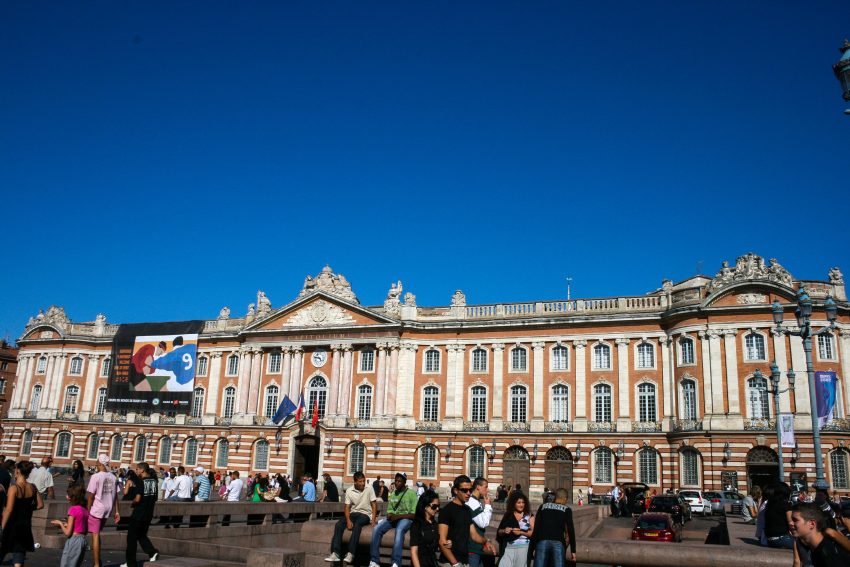
The Capitole de Toulouse is the city’s working Hôtel de Ville, fronting Place du Capitole with a long neoclassical façade of pink brick. Built to house the medieval council of “capitouls,” its 1750 frontage stretches about 135 meters, with eight columns symbolizing the original eight magistrates, and a bell-topped donjon added in 1873. Visitors notice the contrast between the grand square and older corners that still feel medieval, including the Henri IV courtyard where the Duke de Montmorency was executed in 1632. Inside, the Salle des Illustres is the showpiece: a 60-meter hall packed with 19th-century paintings, sculptures, and murals celebrating Toulouse’s past and traditions like the Floral Games.
Location: Capitole de Toulouse, Toulouse, France | Hours: Monday – Saturday: 09:00–19:00. Sunday: 10:00–19:00. | Price: Free. | Website | Distance: 0.1km

We recommend to rent a car in France through Discover Cars, they compare prices and review multiple car rental agencies. Book your rental car here.

2. Rue d'Alsace-Lorraine

Rue d’Alsace-Lorraine
CC BY-SA 4.0 / Poudou99
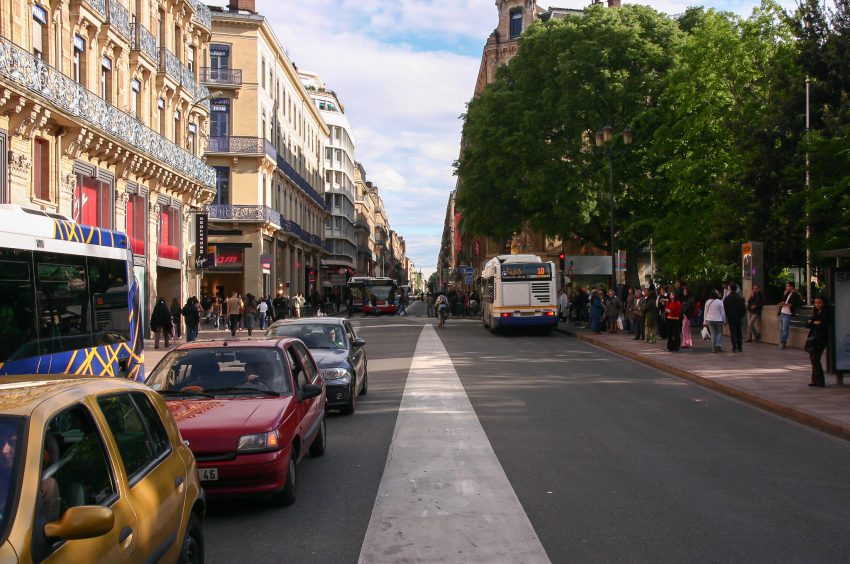
Rue d’Alsace-Lorraine is Toulouse’s straight, central shopping boulevard, created during 19th-century redevelopment and opened in 1873 after nearly a decade of reconstruction. It took its current name on 26 November 1872, commemorating Alsace and Lorraine after the Franco-Prussian War, which gives this everyday thoroughfare a political undertone. Walking it, you notice a mix of eras: the Consular Palace shows a Neo-classical frontage in alternating stone and brick, while department-store architecture jumps forward to the Monoprix building (1963) with its modern red-brick skin. Look too for Art Nouveau touches at Au Capitole and the Art Deco Hall Dispatch, marked by a vivid blue mosaic façade.
Location: Rue d'Alsace Lorraine, 31000 Toulouse, France | Hours: 24 Hours. | Price: Free. | Distance: 0.2km

Here is a complete selection of hotel options in Toulouse. Feel free to review each one and choose the stay that best suits your needs.

3. Church of the Jacobins

Church of the Jacobins
CC BY-SA 2.0 / ignis
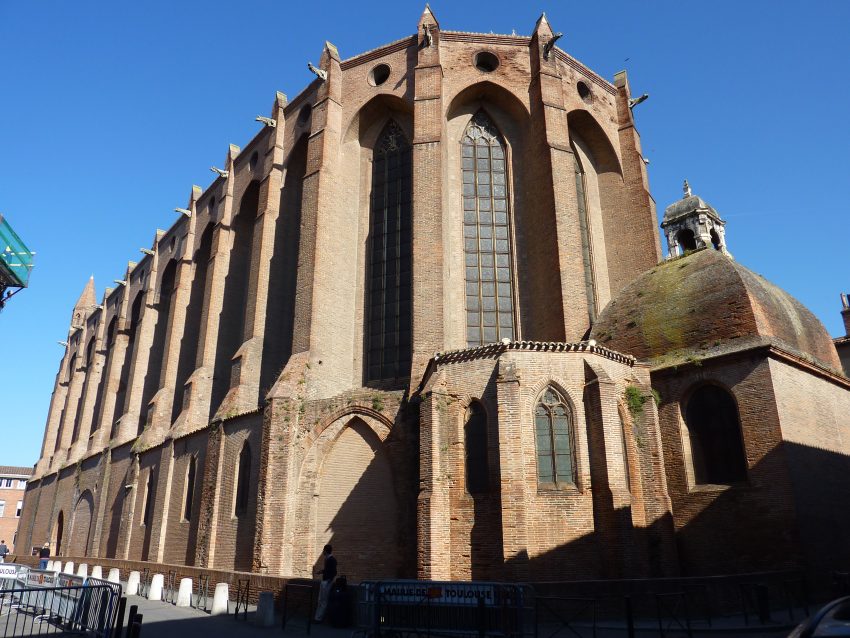
The Church of the Jacobins in Toulouse is a 13th-century Dominican church whose name comes from the order’s early Paris base on Saint-Jacques Street (“Jacobus”). Begun around 1230 as a preaching church, it later gained a choir, side chapels, and a vaulted roof, and it became closely linked to Saint Thomas Aquinas—his remains were placed here in 1368, moved during the Revolution, and returned in 1974. Inside, visitors remember the vast brick Gothic space and the palm-like central column that splays into branching vaults, plus the calmer cloister and garden. The building was gutted into a barracks under Napoleon in 1810, then restored after the army left in 1861, with clear interpretive signage today.
Location: Couvent des Jacobins, 10 Pl. des Jacobins, 31000 Toulouse, France | Hours: Tuesday – Sunday: 10:00–18:00. Closed on Monday. | Price: Church: Free. Convent areas (cloister and additional rooms): Adults: €5; Reduced: €3; Temporary exhibition: €9 (full) / €5 (reduced). | Website | Distance: 0.3km

Traveling to a country with a different currency? Avoid ATM transaction fees and pay in local currency with a Wise Card. Having used it for over 5 years, we've saved loads on fees!

4. Musée du Vieux Toulouse

Musée du Vieux Toulouse
CC BY-SA 3.0 / Pistolero
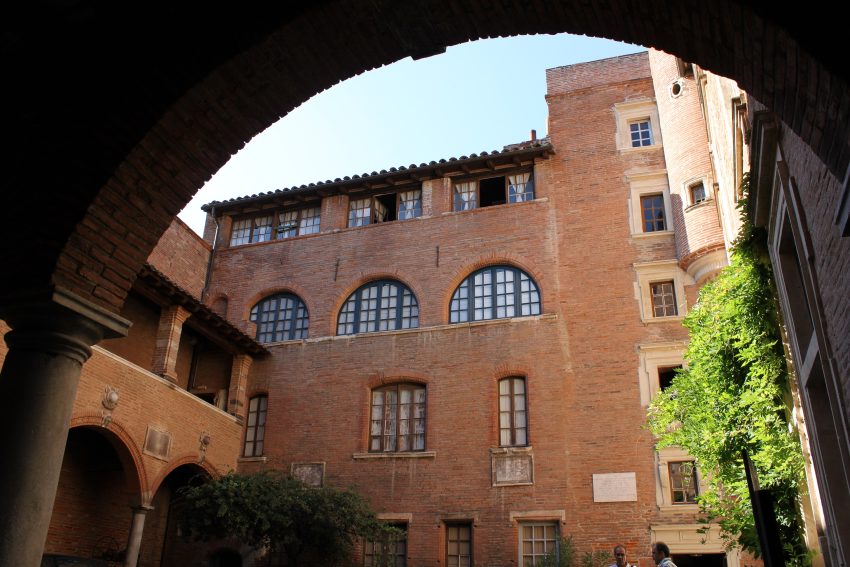
Musée du Vieux Toulouse is a local-history museum in central Toulouse, set inside the Hôtel Dumay, a 16th-century townhouse on Rue du May. Founded after Doctor Siméon Durand and his wife donated the building in 1948, it grew from the collecting work of a residents’ association created in 1907 and opened to the public in 1955. The rooms feel like a sequence of intimate salons, where documents, objects, and artworks trace city life from antiquity to the 20th century. Look for the wooden replica of the damask used by the Capitouls, a tangible nod to Toulouse’s civic administration. Visitors often remember the compact, one-hour scale and the staff’s willingness to help.
Location: 7 Rue du May, 31000 Toulouse, France | Hours: Monday – Saturday: 14:00–18:00. Closed on Sunday. | Price: Adults: €5; Reduced: €3; Ages 10–18: €3; Under 10: free. | Website | Distance: 0.3km

Explore Toulouse at your own pace with our self-guided walking tour! Follow our curated route to discover must-see sights and local secrets that makes Toulouse one of the best places to visit in France.

5. Rue Saint-Rome

Rue Saint-Rome
Rue Saint-Rome
CC BY-SA 3.0 / Mr. Strīķis
Rue Saint-Rome is a lively, mostly pedestrian shopping street in Toulouse’s Capitole quarter, running between the Capitol area and Rue Esquirol. What makes it memorable is the mix of everyday bustle with grand merchant architecture from the 15th to 19th centuries, including private mansions and former trading houses. Look for specific flourishes like the towers of the Serta and Roguier buildings (No. 2 and No. 30) and the Hôtel Comère and Hôtel Comynihan (No. 3 and No. 21). The street’s commercial roots go back to medieval guilds—first butchers, then briefly fishmongers—before it became closely tied to the city’s merchant elite. Rebuilt in brick after repeated fires, it still feels like a working corridor of the Old Town.
Location: Rue Saint-Rome, 31000 Toulouse, France | Hours: 24 Hours. | Price: Free. | Distance: 0.4km

6. Basilica of Saint Sernin
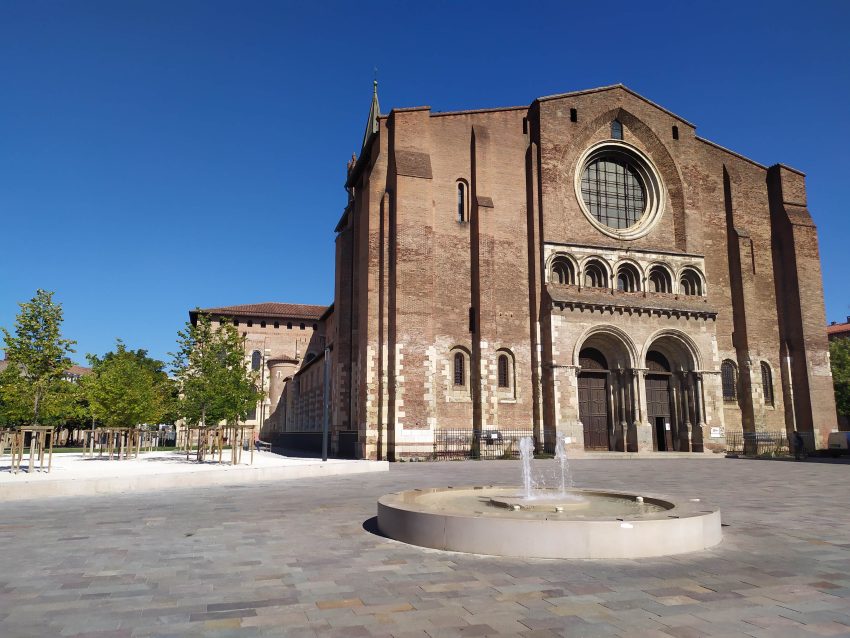
Basilica of Saint Sernin
CC BY-SA 4.0 / Firupe
The Basilica of Saint Sernin is Toulouse’s great Romanesque pilgrimage church, built over an earlier 4th‑century shrine linked to Saint Sernin, the city’s first bishop, and recognized by UNESCO as part of the Routes of Saint James. Stretching about 104 meters and largely constructed in warm brick, it departs from early basilica layouts with a “pilgrimage plan” that keeps visitors moving via an ambulatory and radiating chapels displaying relics without interrupting worship. Outside, the tiered bell tower mixes 12th‑century Romanesque arcades with a 15th‑century spire, and sculpted portals such as the Miegeville Gate reward close looking. Inside, the long barrel‑vaulted nave and rib‑vaulted aisles feel vast, and you may catch music during services.
Location: Basilique Saint-Sernin de Toulouse, 7 Pl. Saint-Sernin, 31000 Toulouse, France | Hours: (Summer) June 1 – September 30; Daily: 08:30–19:00. (Sunday: 08:30–19:45.). (Winter) October 1 – May 31; Daily: 08:30–18:00. | Price: Free. | Website | Distance: 0.4km

7. Hotel d'Assezat and Bemberg Foundation
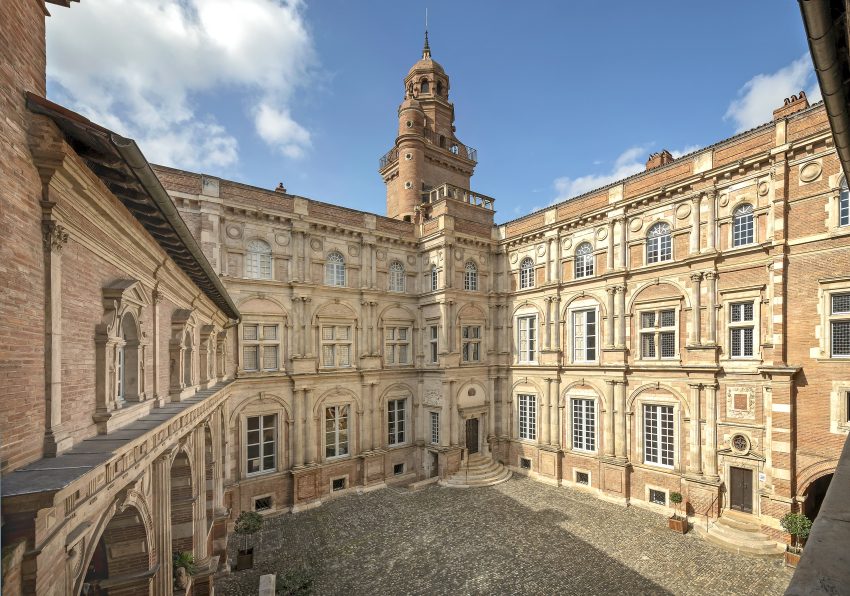
Hotel d’Assezat and Bemberg Foundation
CC BY-SA 4.0 / Didier Descouens
Hôtel d’Assezat and the Bemberg Foundation is a 16th-century Renaissance townhouse in central Toulouse that now presents Georges Bemberg’s private art collection in an intimate, room-by-room museum. Visitors remember the serene inner courtyard and loggias, where classical orders stack across three levels—Doric, Ionic, then Corinthian—alongside playful Mannerist masks and cabochon ornaments. Built around 1562 for merchant Pierre Assézat, the mansion’s architecture nods to Italian influences while staying distinctly Toulousain in tone and stone. Inside, the collection ranges from Titian and Tintoretto to Monet, Degas, Gauguin, and Matisse, with many reviewers noting how easy it is to linger for hours among the paintings.
Location: Place d'Assezat, 31000 Toulouse, France | Hours: (August – April) Tuesday – Sunday: 10:00–18:00; Closed on Monday. (May – July) Monday – Sunday: 10:00–18:00. | Price: Adults: €12; Reduced: €10; Children (10–18): €8; Under 10: free. | Website | Distance: 0.5km

8. Musée des Augustins

Musée des Augustins
Musée des Augustins
CC BY-SA 2.0 / Esby
Musée des Augustins is Toulouse’s fine-arts museum, set inside a Gothic convent founded in 1309 and secularized during the French Revolution before opening as a public museum in 1795—among France’s earliest. The experience is as much about the building as the art: stone cloisters, vaulted galleries, and a quiet courtyard with a reconstructed medieval garden create a monastic calm between rooms. Its collections (built largely from Revolutionary confiscations) span the Middle Ages to the early 20th century, with standout Romanesque sculpture and paintings by artists such as Rubens, Perugino, Guercino, and Philippe de Champaigne. Visitors often remember the cool light on the cloister stone and the close-up encounter with carved medieval figures.
Location: 21 Rue de Metz, 31000 Toulouse, France | Hours: Monday: 12:00–18:00. Tuesday: Closed. Wednesday: Closed. Thursday: 12:00–18:00. Friday: 12:00–18:00. Saturday: 10:00–18:00. Sunday: 10:00–18:00. | Price: Adults: €5; Reduced: €3; First Sunday of the month: free. | Website | Distance: 0.5km

9. Place Saint-Georges

Place Saint-Georges
Place Saint-Georges
CC BY-SA 3.0 / Pistolero
Place Saint-Georges is a compact, irregular square in central Toulouse where café terraces and restaurant tables set the daily rhythm. It takes its name from a small chapel that once stood in the middle of the plaza, later relocated to a corner and ultimately demolished in 1808. The square’s past is darker too: it was used during the Inquisition for burning heretics, and it was the site of Jean Calas’s execution—an episode that later fed France’s arguments about justice and religious intolerance. Today, what visitors remember is the calm, local feel and the easy people-watching from an outdoor seat. Most mornings except Sunday, a farmers’ market adds produce, chatter, and a lived-in Toulouse atmosphere.
Location: Pl. Saint-Georges, 31000 Toulouse, France | Hours: 24 Hours. | Price: Free. | Distance: 0.5km

10. Pont Neuf

Pont Neuf
Pont Neuf
CC BY-SA 2.0 / Delphine Ménard
Pont Neuf is Toulouse’s oldest surviving bridge across the Garonne, built between 1544 and 1632 to create a reliable all-season crossing. It stretches about 220 meters in warm brick and stone, with seven arches—one spanning roughly 56 meters—and a slightly uneven profile because the riverbanks sit at different heights. Up close, you’ll notice flood-smart engineering: pointed cutwaters ahead of the piers and round “eye” openings that let water through when the arches are overwhelmed. The best memories come from lingering mid-span for wide river views, then dropping to the quays to see the basket-handle arches and their reflections.
Location: Pont Neuf, Toulouse, France | Hours: 24 Hours. | Price: Free. | Distance: 0.6km

11. Pont Saint-Pierre
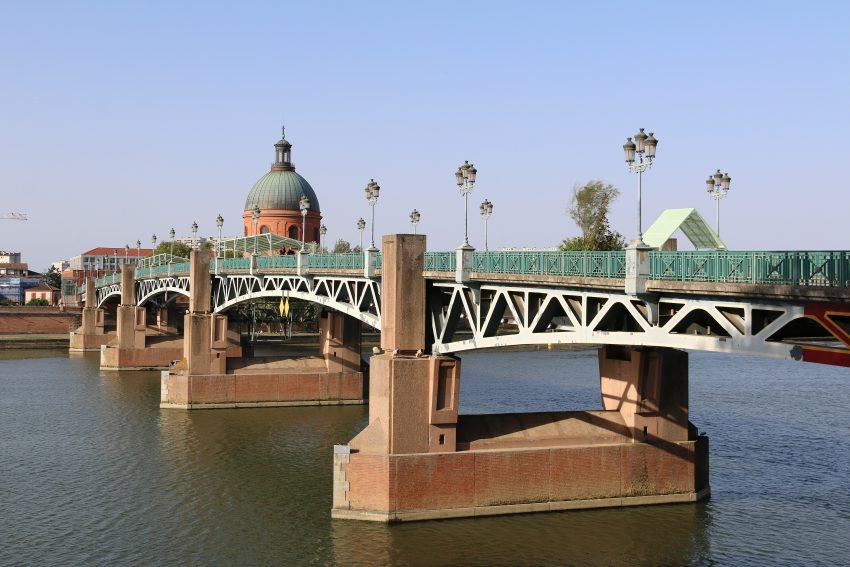
Bridge Sant-Pierre
Bridge Sant-Pierre
CC BY-SA 4.0 / FrDr
Pont Saint-Pierre is a Garonne River crossing in central Toulouse, linking Place Saint-Pierre to the Saint-Cyprien side and framing wide, open-sky views of the city’s riverfront. The bridge has been rebuilt more than once: first erected in 1849–1852 with a wooden deck on brick bases and cable supports, it was badly hit by the 1875 flood, replaced in metal, and rebuilt again in 1987 with a steel deck. At around 240 meters long, it’s a memorable place to pause mid-span and watch the quays and skyline stretch upstream and down. After dark, its lighting and the sunset-hour social buzz make the river feel like an outdoor living room.
Location: Rue du Pont Saint-Pierre, 31400 Toulouse, France | Hours: 24 Hours. | Price: Free. | Distance: 0.6km

12. Quai de la Daurade
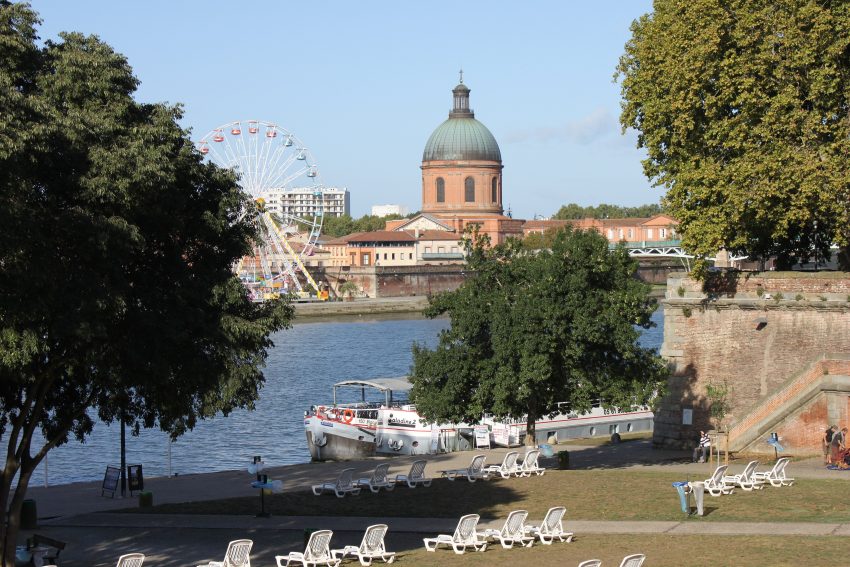
Quai de la Daurade
Quai de la Daurade
CC BY-SA 3.0 / Pistolero
Quai de la Daurade is a Garonne riverfront promenade in central Toulouse, shaped by centuries of city life meeting the water. It grew out of the lands of a Benedictine priory established in the 9th century, then was laid out as a formal quay from 1766, despite resistance from the monks, with late-18th-century additions like relocated statues and royal emblems. The Revolution briefly rechristened it “Quai Rousseau” and saw the nearby church desecrated, before it returned as the Basilica of Notre-Dame de la Daurade, home to the Black Madonna. Today visitors remember the broad steps down to the river, lingering café terraces, and the slow drift of boats on the Garonne.
Location: Quai de la Daurade, 31000 Toulouse, France | Hours: 24 Hours. | Price: Free. | Distance: 0.6km

13. Cathédrale Saint-Étienne de Toulouse
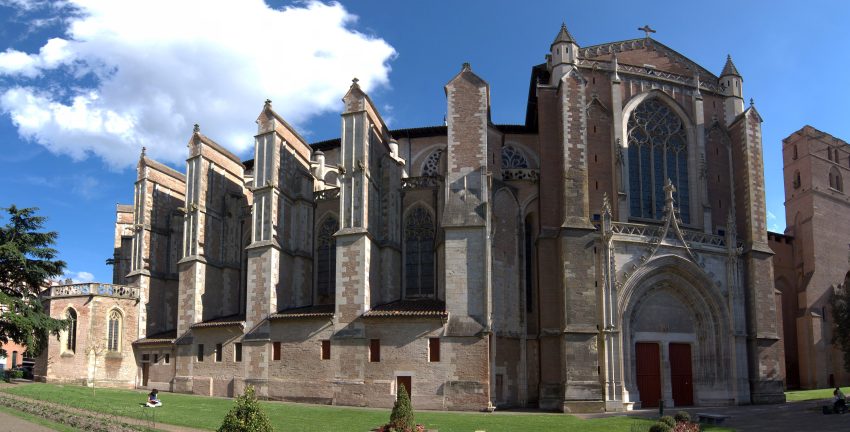
Cathédrale Saint-Étienne de Toulouse
CC BY-SA 3.0 / Pom²
Cathédrale Saint-Étienne de Toulouse is the city’s Roman Catholic cathedral and a national monument, shaped by centuries of rebuilding and abrupt change. What visitors remember is its deliberate-looking imbalance: two unfinished churches from different eras were fused together, leaving a quirky façade and an interior where the Romanesque-rooted nave and the 1272 Gothic choir don’t quite line up, divided by a massive pillar. Built largely in brick because good stone was scarce, it pairs warm “Ville Rose” tones with soaring Gothic height and oversized buttresses planned for a choir that was never realized. Look for the fortress-like 16th-century bell tower, stained glass and carved choir stalls, and the 1612 tribune organ; renovations can temporarily close sections.
Location: Pl. Saint-Étienne, 31000 Toulouse, France | Hours: Monday – Saturday: 08:00–19:00. Sunday: 09:00–19:00. | Price: Free; donations appreciated. | Website | Distance: 0.8km

14. Halle aux Grains
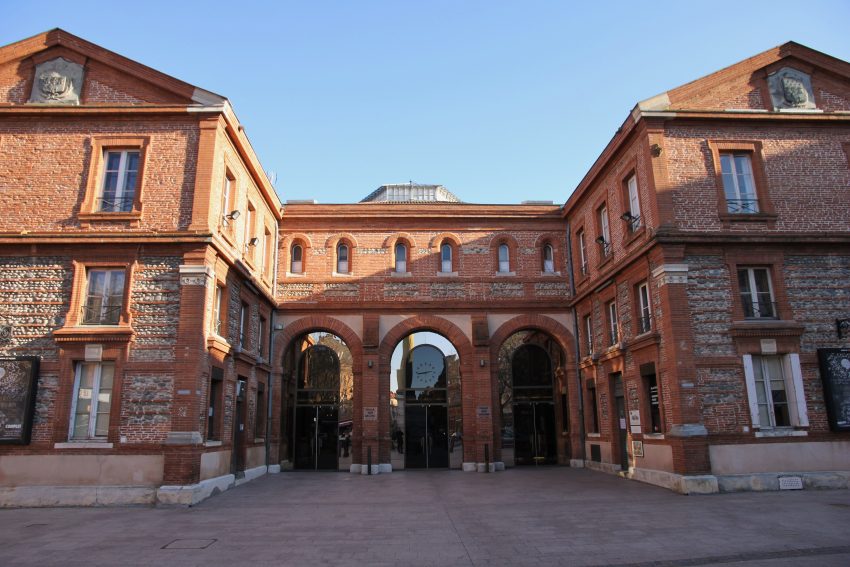
Halle aux Grains
Halle aux Grains
CC BY-SA 4.0 / Frédéric Neupont
Halle aux Grains is Toulouse’s main symphony hall on Place Dupuy, a former 1864 grain market that was later converted into a concert venue in 1974. Its unusual arena-style room—built in red brick and pebbles and shaped around a central stage—puts the audience close to the musicians, with some seats even set behind the orchestra. The hall holds about 2,200 people, yet the steep, enveloping layout keeps performances feeling immediate and social. It’s the home of the Orchestre national du Capitole de Toulouse, and the program ranges from core classical repertoire to 20th-century works and occasional comedy or festival events. Visitors often note that even cheaper seats can still deliver strong sightlines and an immersive night.
Location: 1 Pl. Dupuy, 31000 Toulouse, France | Hours: Tuesday – Saturday: 11:00–18:00. Sunday – Monday: Closed. Halle aux Grains ticket desk: Only on performance days, 1 hour before the start. Closed on Sunday, Monday. | Price: Prices vary by show. | Website | Distance: 1km

15. Saint Aubin Church
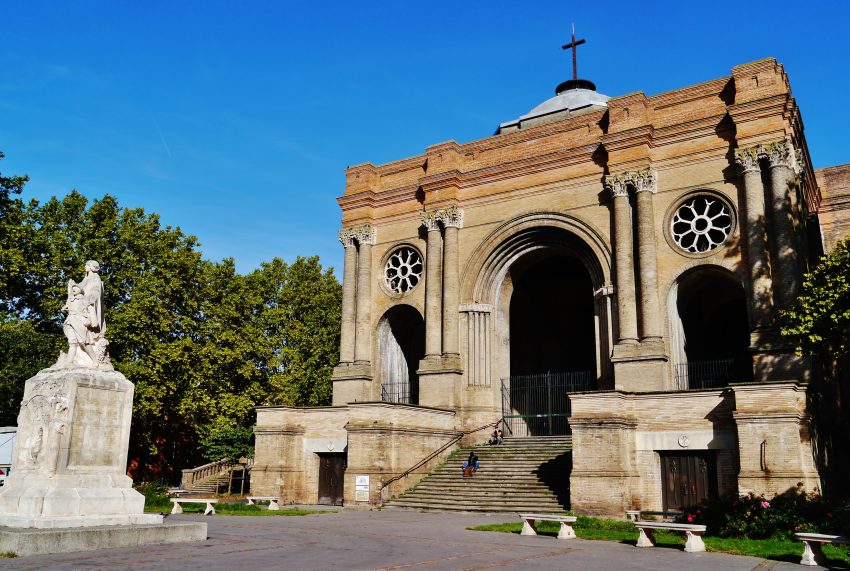
Saint Aubin Church
Saint Aubin Church
CC BY-SA 4.0 / Zairon
Saint Aubin Church is a large 19th-century parish church in Toulouse’s Saint-Aubin-Dupuy district, just east of the historic center, built on the site of an old cemetery. Designed by Jean-Marie-Thérèse-Auguste Delort and opened in 1853, it mixes Gothic, Romanesque, and Byzantine touches in a project that never fully reached its original ambition. Visitors often notice what’s missing as much as what’s there: the church was left without a bell tower and parts of the nave and decoration remained unfinished after repeated funding shortfalls. Its calm interior contrasts with the neighborhood life outside, especially on Sunday mornings when Place Saint-Aubin fills with a lively market.
Location: 45 Rue Pierre-Paul Riquet, 31000 Toulouse, France | Hours: Tuesday: 08:30–10:00. Thursday: 08:30–10:00. Sunday: 08:30–12:00. Closed on Monday, Wednesday, Friday, Saturday. | Price: Free; donations appreciated. | Website | Distance: 1km

16. Jardin Royal
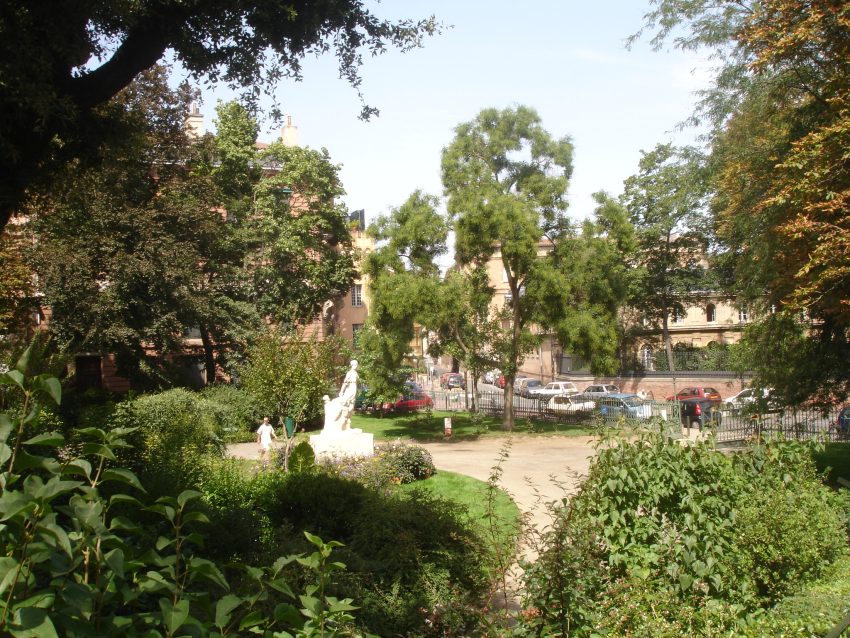
Jardin Royal, Toulouse
CC BY-SA 3.0 / Pinpin
Jardin Royal is a small public garden in central Toulouse, valued as a quiet, protected green refuge with roots in the mid-18th century. Its curving paths and mature trees create an intimate, English-style feel, with ironwork benches tucked into shade and viewpoints that make the space seem larger than it is. A modest pond and little bridge set an unhurried pace—expect ducks and geese, plus a few statues and memorials that add local texture without demanding attention. Visitors often remember how calm it feels even close to the city, and how the planting stays lush through the seasons, making it an easy place to read, picnic, or simply sit and reset.
Location: Jardin Royal, Angle Rue Ozenne et Allées Jules Guesde, Toulouse, France | Hours: (Winter) 01 November – 28 February: Daily: 08:00–18:00. (Spring) 01 March – 31 May: Daily: 08:00–20:00. (Summer) 01 June – 31 August: Daily: 08:00–21:00. (Autumn) 01 September – 31 October: Daily: 08:00–20:00. | Price: Free. | Website | Distance: 1.2km

17. Les Abattoirs
Les Abattoirs
Les Abattoirs
CC BY-SA 3.0 / Pistolero
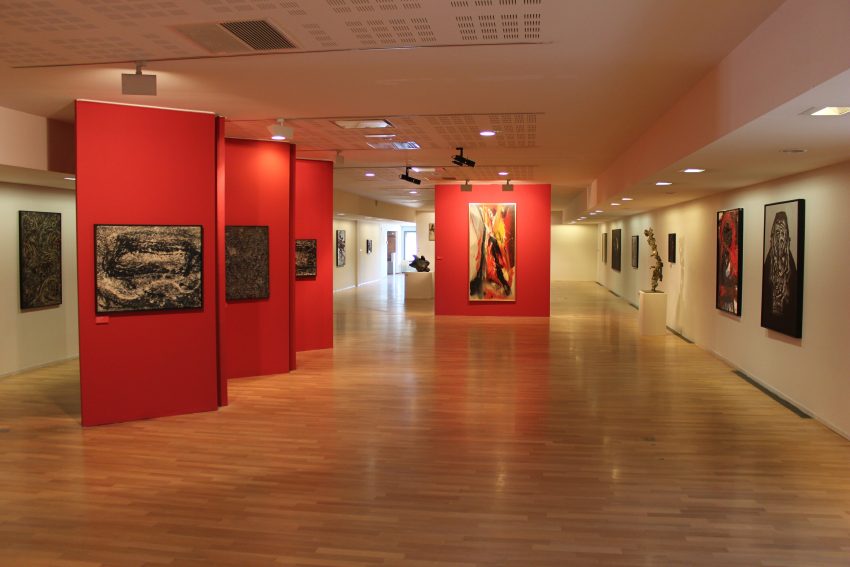
Les Abattoirs is Toulouse’s museum for modern and contemporary art, installed in a hefty 19th-century municipal slaughterhouse on the left bank of the Garonne. Built to plans by Urbain Vitry and used from 1823 to 1988, the complex was later protected as a historic monument and reopened as a museum in 2000 after a careful conversion. Inside, the industrial scale translates into generous galleries alongside a library, auditorium, workshops, and a bookstore. The collection numbers around 3,880 works, spanning from a 1934 Alberto Magnelli piece to works acquired as recently as 2020, with notable donations shaping what you see. It also functions as a regional contemporary-art hub, with rotating exhibitions that keep the spaces changing.
Location: 76 All. Charles de Fitte, 31300 Toulouse, France | Hours: Wednesday – Friday: 12:00–18:00. Saturday – Sunday: 10:00–18:00. Closed on Monday, Tuesday. | Price: Adults: €12; Reduced: €10 or €6; Free on the 1st Sunday of the month. | Website | Distance: 1.2km

18. Musée Départemental de la Résistance et de la Déportation
Musée Départemental de la Résistance et de la Déportation
CC BY-SA 4.0 / FHd
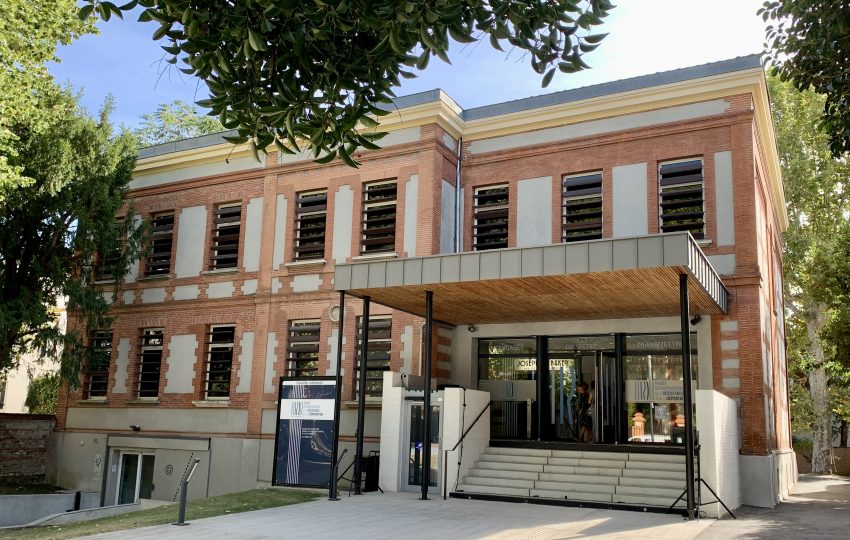
The Musée Départemental de la Résistance et de la Déportation in Toulouse traces the Vichy years, the Occupation, and the road to Liberation, grounding national history in lives from Haute-Garonne. Opened in 1994 for the 50th anniversary of Toulouse’s liberation and building on collections begun in 1974, it pairs photographs, documents, and everyday objects with clear, sober interpretation. The permanent galleries on the second floor follow the rise of fascism through wartime struggle, with a dedicated section confronting Deportation and its human cost. Downstairs, temporary exhibitions add fresh angles, while a documentary center and auditorium support deeper research and education. One memorable object is the damaged 1848 “Black Marianne” bust, hidden during the war and later donated in 1977.
Location: 52 All. des Demoiselles, 31400 Toulouse, France | Hours: Tuesday – Saturday: 10:00–12:30 & 13:30–18:00. Closed on Sunday, Monday. Closed on public holidays and December 24. Exceptionally open on May 8. | Price: Free. | Website | Distance: 2.1km

19. Cité de l'espace
Cité de l’espace
Cité de l’espace
CC BY-SA 3.0 / Rama
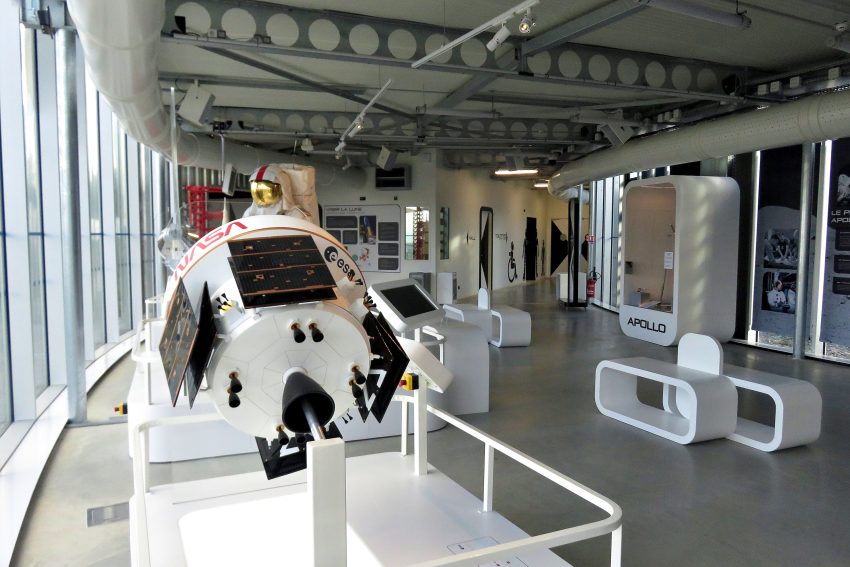
Cité de l’espace is Toulouse’s hands-on space science park on the city’s eastern edge, reflecting the region’s role in Europe’s aerospace industry. Opened in 1997, it combines about nine acres of outdoor displays with roughly 22,000 square feet of galleries, where visitors can walk past full-scale models of Ariane 5 and the Mir and Soyuz modules. Inside, interactive stations let you run a mission-control-style sequence—prepping a launch, tracking flight, and placing a satellite into orbit. The Terr@dome’s half-sphere environment traces space history from the Big Bang to the solar system, and the Astralia complex adds a large planetarium and an IMAX theater for immersive films.
Location: Av. Jean Gonord, 31500 Toulouse, France | Hours: Daily: 10:00–18:00. | Price: Adults: €24.50; Children (5–18): €18; Under 5: free. | Website | Distance: 4.5km

20. Halle de la Machine
Halle de la Machine
Halle de la Machine
CC BY-SA 4.0 / VIP donation
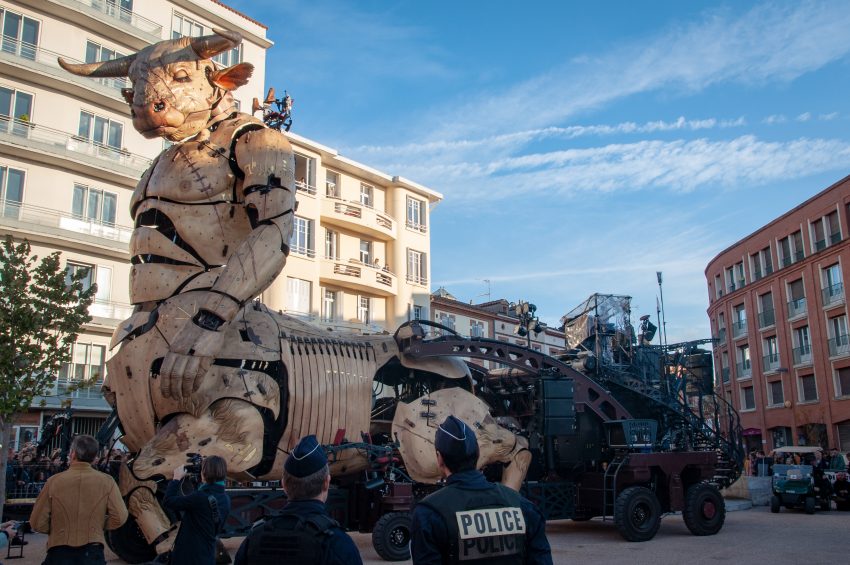
Halle de la Machine is an interactive museum-workshop in Toulouse’s Montaudran district, built on the former Toulouse-Montaudran Airport runway as part of the La Piste des Géants project. Inside the 4,000-square-meter hall, roughly 200 “show machines” range from hand-held mechanisms to multi-ton creatures, and staff activate them in short demonstrations so you hear gears, see joints flex, and watch stories play out in motion. The best-known resident is Astérion, a 14-meter-tall Minotaur that can carry visitors on rides through the neighborhood. The site also recalls La Machine’s large-scale street theater, including the 2018 “Le Gardien du Temple” event that drew huge crowds with Ariane the Spider.
Location: 3 Av. de l'Aérodrome de Montaudran, 31400 Toulouse, France | Hours: Tuesday – Sunday: 10:00–19:00. Closed on Monday. | Price: Halle visit: Adults €12; Reduced €9; Super reduced €6; Under 6: free. | Website | Distance: 4.6km

Best Day Trips from Toulouse

A day trip from Toulouse offers the perfect opportunity to escape the urban rhythm and discover the surrounding region's charm. Whether you're drawn to scenic countryside, historic villages, or cultural landmarks, the area around Toulouse provides a variety of easy-to-reach destinations ideal for a one-day itinerary. If you are looking to rent a car in France I recommend having a look at Discover Cars, first, as they compare prices and review multiple car rental agencies for you.

1. Montauban

Montauban France
Montauban France
Montauban is a charming town in the Occitanie and Languedoc region, offering a peaceful escape with its beautiful streets, historic buildings, and scenic riverfront. Visitors can stroll around the Place Nationale, a lively square lined with elegant arcades and cafes, perfect for enjoying local pastries or a coffee. The town is compact, making it easy to explore on foot, and…
Visiting Montauban

2. Albi

albi
albi
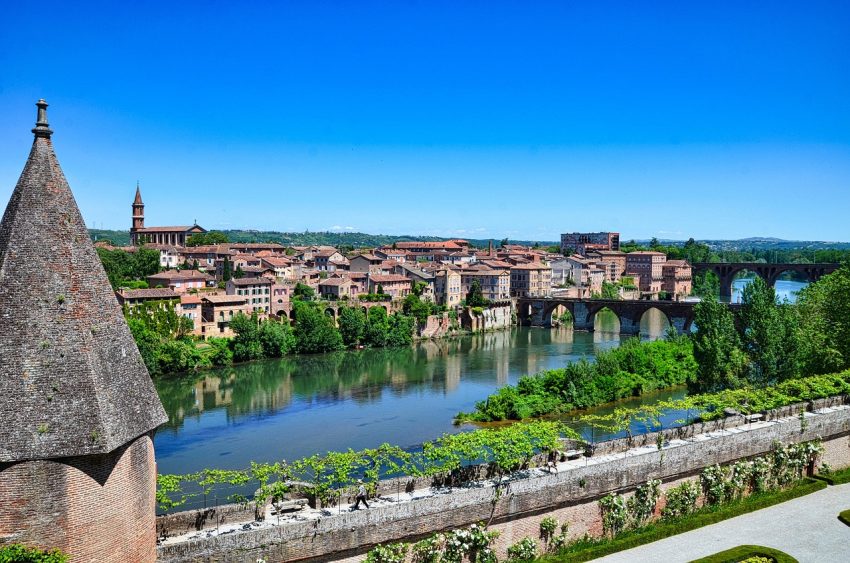
Visiting Albi feels like stepping into a sun-warmed painting, with its distinctive red-brick architecture and gentle Tarn River winding through town. The moment you arrive, the color of the buildings strikes you—terracotta hues glowing in the southern light. Wandering through the cobbled streets, I spent a slow morning exploring the Sainte-Cécile Cathedral. Even from the outside, it’s breathtaking—immense, fortress-like, and…
Visiting Albi
Powered by GetYourGuide

3. Saint-Girons

Pont vieux et eglise de Saint Girons au coucher du soleil
CC BY-SA 4.0 / HasnaouiOmar
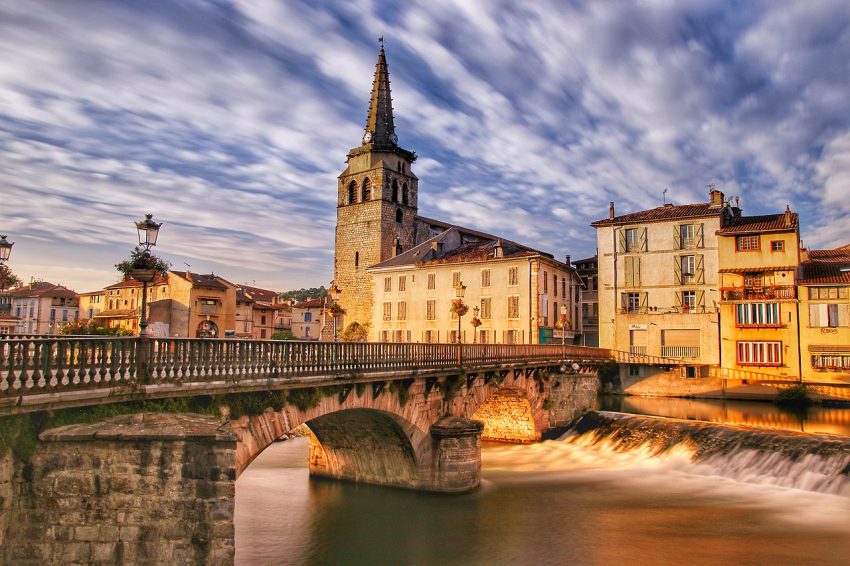
Saint-Girons is a quiet Ariege town situated west of Foix and south of Cazeres in a region known as the Couserans. The town is nestled at the foot of the mountains in an attractive region of wood covered hills where the plains of Gascony meet the mountains s and close to the ruins of the ancient city of Saint Lizier.…
Visiting Saint-Girons

4. Carcassonne

Carcassonne
Carcassonne
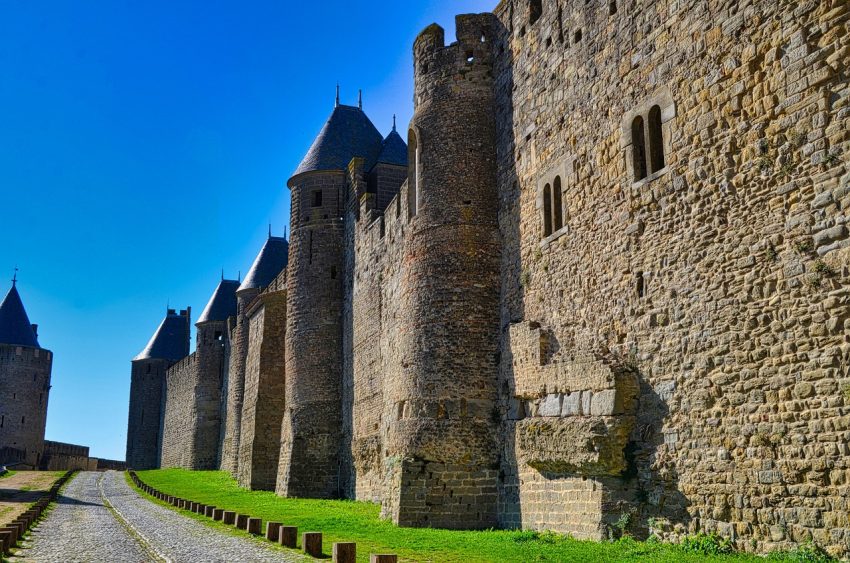
Visiting Carcassonne is like stepping into a fairy tale, with its impressive medieval fortress that dominates the skyline. The city is known for its well-preserved citadel, which provides a glimpse into the past with its stone walls, turrets, and narrow cobblestone streets. Walking through the streets of La Cité, the historic walled area, feels like wandering through a living museum,…
Visiting Carcassonne
Powered by GetYourGuide

5. Cahors

arches cahors
arches cahors
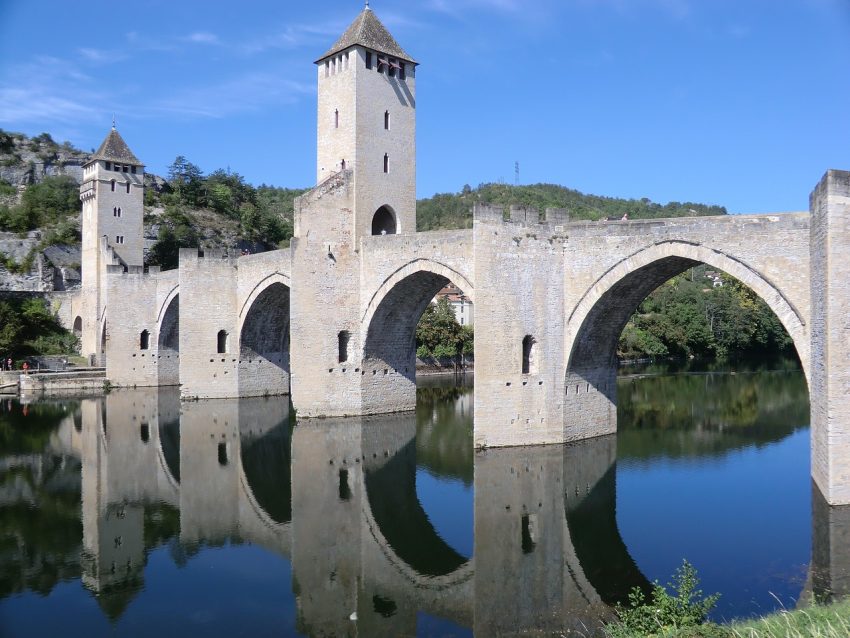
Nestled in the rolling limestone hills of the Occitanie and Languedoc, Cahors makes an enchanting base for exploring the southwest of France. Begin your visit by wandering the medieval heart of town, where the graceful arches of the Pont Valentré soar above the lazy loops of the Lot River. Stroll along the riverbanks at sunrise to watch fishing canoes glide under the…
Visiting Cahors

6. Lourdes

Lourdes, France
Lourdes, France
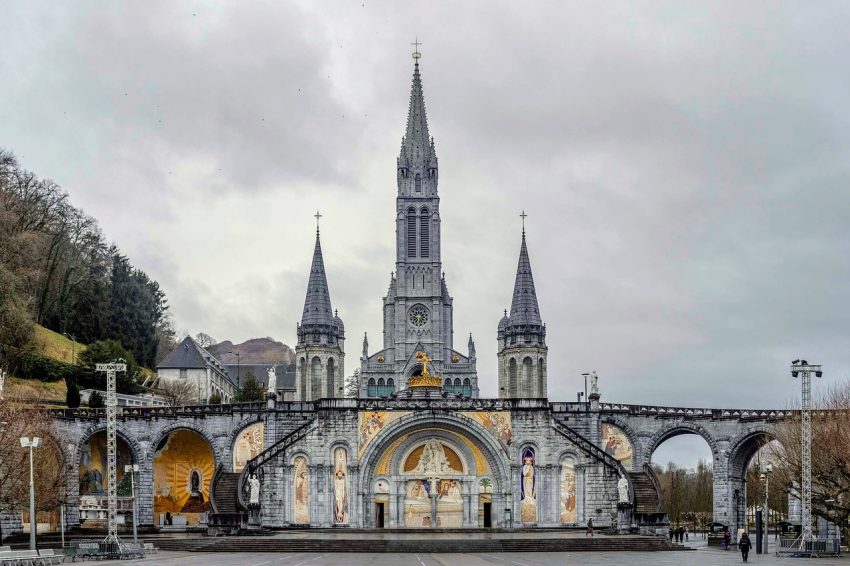
Lourdes is a renowned pilgrimage destination located in the Pyrénées mountains, attracting visitors from around the world. The town is most famous for the Sanctuary of Our Lady of Lourdes, where millions of pilgrims visit each year to pray, seek healing, and experience the peaceful atmosphere. The sanctuary, along with its beautiful basilicas and chapels, offers visitors a serene environment…
Visiting Lourdes
Powered by GetYourGuide

7. Rocamadour

Rocamadour France
Rocamadour France
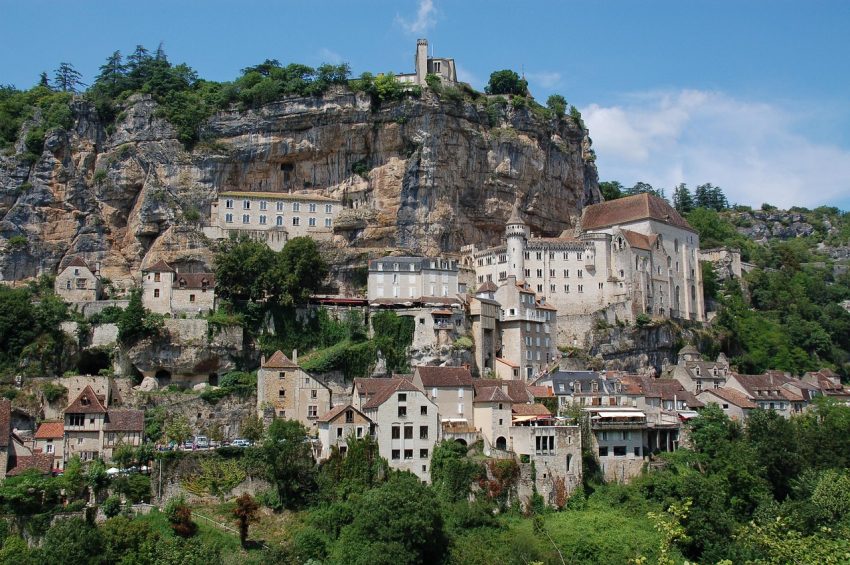
Rocamadour, in the Occitanie region, is a dramatic village built into the side of a limestone cliff, offering one of the most breathtaking settings in France. The vertical layout of the town, with its winding paths, stone buildings, and religious monuments stacked against the rock, creates a unique atmosphere that draws visitors from near and far. Walking through its narrow…
Visiting Rocamadour
Powered by GetYourGuide

8. Domme

Domme
Domme
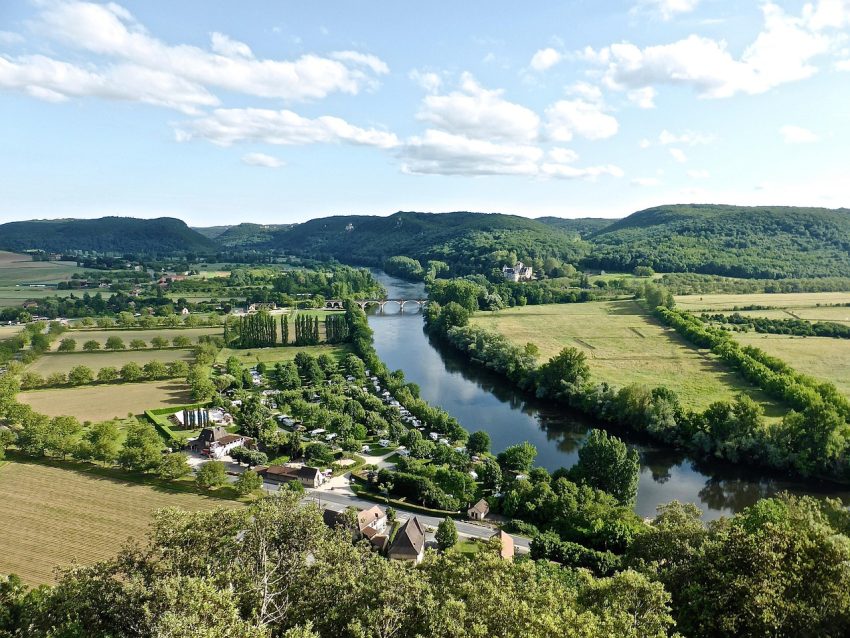
Domme, located in the Dordogne region, is a picturesque medieval village that offers visitors a charming and peaceful atmosphere. The village is perched on a hill, providing stunning panoramic views of the surrounding countryside, including the Dordogne River. Its narrow, winding streets are lined with quaint shops, cafes, and historic buildings, making it a lovely spot to explore on foot.…
Visiting Domme
Powered by GetYourGuide

9. Narbonne

Nancy France
Nancy France
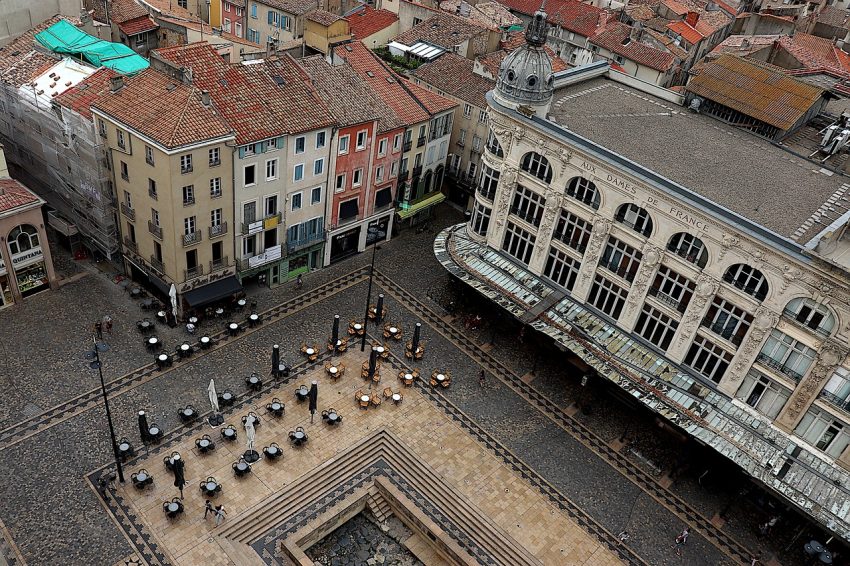
Narbonne, located in the Occitanie region of southern France, is a laid-back city with a sunny Mediterranean feel and a strong connection to the nearby coast. It blends a relaxed pace with cultural richness, making it a great stop for travelers interested in architecture, food, and local charm. The city’s canal, lively markets, and palm-lined squares give it an inviting…
Visiting Narbonne
Powered by GetYourGuide

10. Sarlat-la-Caneda

Sarlat la caneda France
CC BY-SA 4.0 / Chensiyuan
Sarlat-la-Canéda, located in the Nouvelle-Aquitaine region, is a beautifully preserved medieval town known for its honey-colored stone buildings and lively markets. The old town is a maze of cobbled lanes, hidden courtyards, and grand Gothic and Renaissance facades, all begging to be explored on foot. Whether you're wandering through early morning stillness or during a bustling market day, the atmosphere…
Visiting Sarlat-la-Caneda
Powered by GetYourGuide

Where to Stay in Toulouse

In the heart of Toulouse’s historic Capitole district, pastel-painted façades and wrought-iron balconies set the scene for elegant city-centre stays. Hôtel Le Clocher de Rodez occupies a restored 18th-century townhouse just steps from Place du Capitole, its rooms blending exposed beams with plush velvet accents, while Hôtel Albert 1er offers refined décor and a sun-lit inner courtyard. Nearby, Hôtel des Arts charms with minimalist design, local artwork on the walls, and a cozy lounge perfect for evening apéritifs before exploring the winding lanes.

Along the banks of the Garonne in the vibrant Saint-Cyprien quarter, waterside properties capture sweeping river views and easy access to the “Prairie des Filtres” park. Hôtel La Cour des Consuls perches beside the river with floor-to-ceiling windows framing passing péniches, and its rooftop terrace offers panoramic vistas of the skyline. Just a short stroll away, Mama Shelter Toulouse brings playful interiors, a buzzing ground-floor restaurant, and balconies overlooking both the canal and the historic bridge.

In the modern business district around Toulouse-Matabiau station and the Canal du Midi, convenient yet stylish options suit travellers arriving by train. Pullman Toulouse Centre Ramblas offers sleek, sound-proofed rooms with high-tech amenities and an on-site fitness center, while Ibis Styles Toulouse Centre Gare delivers bright, graphic interiors and complimentary breakfast just a five-minute walk from the platforms. For a boutique feel, Le Grand Balcon Hôtel—though technically back toward the Capitole—places you in a former Art Déco ballroom turned hotel, with ornate balconies overlooking the square.

Venturing toward the outskirts and the airport corridor, suburban retreats and eco-friendly lodges await amid green belts and vineyards. Novotel Toulouse Aéroport provides spacious family rooms, an indoor pool, and a free shuttle to Toulouse-Blagnac Airport, while Domaine de Montjoie Hotel & Spa—set within historic grounds—welcomes guests with a spa, heated outdoor pool, and guided vineyard tours just a short drive from the city centre.

Using the our Hotel and Accomodation map, you can compare hotels and short-term rental accommodations in Toulouse. Simply insert your travel dates and group size, and you’ll see the best deals for your stay.

Toulouse Accommodation Map

Best Time to Visit Toulouse

Visiting Toulouse in Spring

Spring (March to May) is one of the best times to visit Toulouse, with mild temperatures and blooming flowers creating a vibrant atmosphere. It’s an ideal season for walking through the city’s parks, exploring historic sites, and enjoying outdoor cafés. The fewer crowds compared to summer months make spring a more relaxed time to explore.

Visiting Toulouse in Summer

Summer (June to August) brings warm weather and an energetic vibe to Toulouse. The city hosts various festivals, outdoor events, and lively markets, offering plenty of activities for visitors. While it’s the peak tourist season, the long days and warm evenings provide an enjoyable experience for those looking to embrace the lively atmosphere.

Visiting Toulouse in Autumn

Autumn (September to November) is a wonderful time to visit Toulouse, with mild temperatures and the stunning fall foliage adding to the city’s charm. It’s also less crowded, allowing for a more peaceful experience while visiting museums, gardens, and cultural events. This season is perfect for exploring the city at a leisurely pace and savoring seasonal dishes.

Visiting Toulouse in Winter

Winter (December to February) is a quieter time to visit Toulouse, with cooler temperatures but still relatively mild compared to other regions of France. The city transforms with festive lights and Christmas markets during the holiday season. It’s a great time for those seeking a more tranquil, cozy visit with fewer tourists.

Annual Weather Overview

  • January 10°C
  • February 12°C
  • March 15°C
  • April 19°C
  • May 23°C
  • June 28°C
  • July 29°C
  • August 29°C
  • September 27°C
  • October 23°C
  • November 14°C
  • December 12°C

How to get to Toulouse

Getting to Toulouse By Air

Toulouse-Blagnac Airport (TLS) serves as the city’s primary international gateway. Located approximately 8 kilometers west of the city center, the airport offers flights to numerous European destinations and beyond. Upon arrival, visitors can reach the city center via taxis, shuttle buses, or car rentals.

Getting to Toulouse By Train

Gare de Toulouse-Matabiau is the city’s main railway station, providing high-speed TGV connections to major French cities such as Paris, Marseille, and Bordeaux. The station is situated near the city center, making it convenient for travelers to access accommodations and attractions upon arrival. You can use SNCF Connect to check schedules, compare routes, and purchase tickets for National (SNCF ) and regional trains (TER). For a more streamlined experience, we recommend using Omio, which allows you to easily compare prices, schedules, and book tickets for both National and Regional travel across all of Europe, all in one place.

Getting to Toulouse By Car

Traveling by car offers flexibility, especially for exploring the surrounding regions. Toulouse is accessible via major highways, including the A61, A62, and A64, connecting it to cities like Montpellier, Bordeaux, and Bayonne. Within Toulouse, driving is manageable, but it's advisable to check for parking availability at your accommodation or use public parking facilities.

Renting a Car in Toulouse

Renting a car can enhance your Toulouse experience, allowing you to explore the city and its picturesque surroundings at your own pace. Whether you’re interested in visiting nearby vineyards, historic towns, or natural landscapes, having a car provides the freedom to design your own itinerary. If you are looking to rent a car in France I recommend having a look at Discover Cars, first, as they compare prices and review multiple car rental agencies for you.

By combining various transportation methods and considering car rental, you can tailor your travel experience to your preferences, making the most of your visit to Toulouse and its beautiful surroundings.
More from this area