Bordeaux, France: The Ultimate Travel Guide 2026
Bordeaux France
Bordeaux France

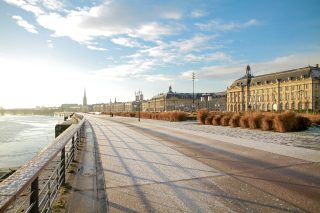
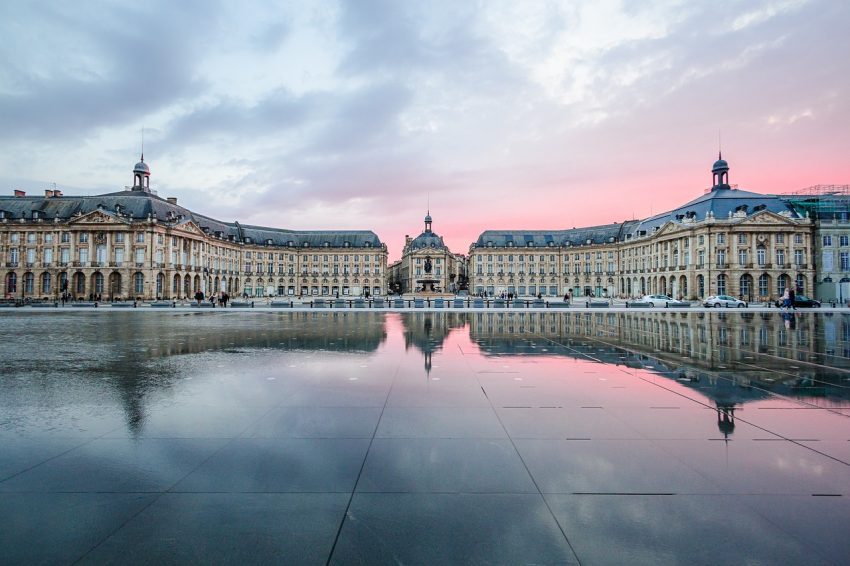
Bordeaux is a captivating destination, offering a blend of historic architecture, scenic riverfronts, and world-renowned vineyards. Strolling through the city, visitors can enjoy the grand squares, like Place des Quinconces, and wander along the Garonne River, with its picturesque bridges and quays. The city's dynamic cultural scene includes modern art galleries, charming cafes, and vibrant markets, making it an exciting place to explore at any pace. Whether you're admiring the neoclassical facades or simply soaking in the lively ambiance, Bordeaux has a unique charm that feels both refined and relaxed.

For wine lovers, Bordeaux is a must-visit, as it's home to some of the most prestigious vineyards in the world. Many nearby wine estates offer tours and tastings, providing a chance to experience the region's famous wine culture first-hand. Beyond the vineyards, the surrounding countryside is dotted with beautiful villages and rolling hills, perfect for those who enjoy scenic drives or bike rides. Bordeaux offers something for everyone, from those seeking a cosmopolitan city experience to those looking to indulge in wine and nature.

History of Bordeaux

Bordeaux’s history dates back to ancient times, with the city originally founded by the Romans as a trading hub. It flourished as a major port during the Roman Empire, known as Burdigala, which facilitated trade throughout the Mediterranean. Over the centuries, Bordeaux evolved under the influence of various rulers, including the Franks and the English, during the 12th and 13th centuries, when it became part of the English Crown for several decades, helping to shape its distinct cultural identity.

In the 18th century, Bordeaux experienced a period of great prosperity, becoming one of France’s most important commercial centers, particularly in wine production. This era saw the construction of some of the city’s most iconic buildings and monuments, which still stand today, including the Place de la Bourse. In the 20th century, Bordeaux modernized while maintaining its rich heritage. It is now recognized for its exceptional wine, architectural beauty, and a growing reputation as a cultural and gastronomic hub, drawing visitors from all over the world.

Moira & Andy
Moira & Andy

Hey! We're Moira & Andy. From hiking the Camino to trips around Europe in Bert our campervan — we've been traveling together since retirement in 2020!

Read our full story here

Visiting Bordeaux for the first time and wondering what are the top places to see in the city? In this complete guide, I share the best things to do in Bordeaux on the first visit. To help you plan your trip, I have also included an interactive map and practical tips for visiting!

This website uses affiliate links which earn a small commission at no additional cost to you.

Powered by GetYourGuide

24 Best places to See in Bordeaux

This complete guide to Bordeaux not only tells you about the very best sights and tourist attractions for first-time visitors to the city but also provide insights into a few of our personal favorite things to do.

This is a practical guide to visiting the best places to see in Bordeaux and is filled with tips and info that should answer all your questions!

1. Porte Dijeaux
Porte Dijeaux Bordeaux
CC BY-SA 3.0 / Patrick Despoix
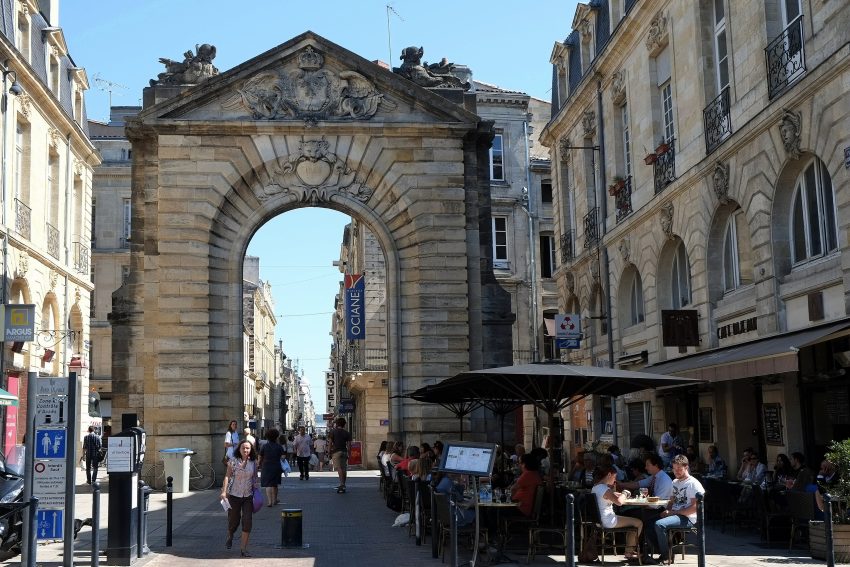
Porte Dijeaux is an 18th-century neoclassical city gate that still serves as a ceremonial threshold between Place Gambetta and the shopping bustle of Rue des Dijeaux. Built in 1748–1753 by architect Michel Voisin (originally named Porte Dauphine), it replaced earlier fortifications on a gateway site used since Roman Burdigala. Up close, visitors notice the clean classical symmetry, carved stone details, and the coat of arms set into the pediment. Step back into the square to photograph the arch neatly framing the pedestrian street, then walk through into a web of cafés, boutiques, and side lanes. It’s more welcoming monument than defensive wall, quietly marking the city’s Enlightenment-era confidence.
Location: Porte Dijeaux, Rue de la Porte Dijeaux, Bordeaux, France | Distance: 0.1km

We recommend to rent a car in France through Discover Cars, they compare prices and review multiple car rental agencies. Book your rental car here.

2. Musée des Arts Décoratifs et du Design de Bordeaux
Musée des arts décoratifs de Bordeaux
CC BY-SA 3.0 / Dark Attsios
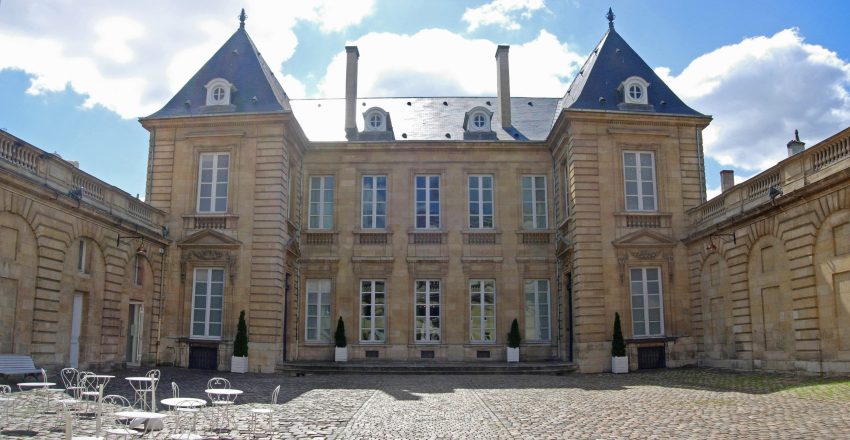
Set inside the Hôtel de Lalande, an 18th-century townhouse built between 1775 and 1779, the Musée des Arts Décoratifs et du Design (MADD) traces how everyday objects and taste have changed from medieval craftsmanship to contemporary design. The mansion’s own layered past—private residence, police headquarters, and even a municipal prison added to the former garden in 1885—adds atmosphere before you even get to the displays. The collection spans more than 33,000 pieces, with standouts such as 18th-century Bordeaux faience, Art Nouveau and Art Deco works, and experimental modern design. The museum is currently closed for renovation until early 2026, but its façade remains a rewarding stop and it continues to stage off-site exhibitions and events.
Location: Musée des Arts décoratifs et du Design, Rue Bouffard, Bordeaux, France | Website | Distance: 0.3km

Here is a complete selection of hotel options in Bordeaux. Feel free to review each one and choose the stay that best suits your needs.

3. Palais Rohan

Hôtel de ville de Bordeaux (Palais Rohan)
CC BY-SA 4.0 / W. Bulach
Palais Rohan, the current Hôtel de Ville, is a late-18th-century neoclassical palace built (1771–1784) as the archbishop’s residence, its symmetry and monumental façades still reading as civic authority. Set just behind Cathédrale Saint-André, visitors tend to remember the broad forecourt and sweeping courtyard—an easy place to frame a perfectly balanced photo. Its rooms have carried successive regimes: revolutionary tribunal in 1791, prefecture from 1800, an imperial stop for Napoleon in 1808, and a brief royal residence in 1815 before becoming city hall in 1837. Inside access is occasional, but when open, ornate salons with gilded details and period décor make the political timeline feel tangible.
Location: Palais Rohan Hôtel de ville de Bordeaux, Place Pey Berland, Bordeaux, France | Distance: 0.4km

Traveling to a country with a different currency? Avoid ATM transaction fees and pay in local currency with a Wise Card. Having used it for over 5 years, we've saved loads on fees!

4. Basilique Saint-Seurin

Bordeaux Saint Seurin
CC BY-SA 3.0 / Reinhardhauke
Basilique Saint-Seurin is a working church built over an early Christian necropolis, and it feels like layers of worship turned into stone. Inside, the Romanesque nave and arches meet later Gothic additions, including a sculpted portal lined with figures of the Twelve Apostles. The most memorable stop is the dim crypt, where Merovingian sarcophagi (5th–7th centuries) sit close enough to study their carved symbols. Look too for delicate 15th-century alabaster altarpieces that glow against the darker interior. It’s quieter than the big cathedral sites, and pilgrims still note its place on the Camino de Santiago.
Location: Basilique Saint-Seurin, Place des Martyrs de la Résistance, Bordeaux, France | Distance: 0.4km

Click here to read our blog about Médoc Wine & Heritage Road Trip (2026)

5. Maison Gobineau

Maison Gobineau, Bordeaux
CC BY-SA 4.0 / Jefunky
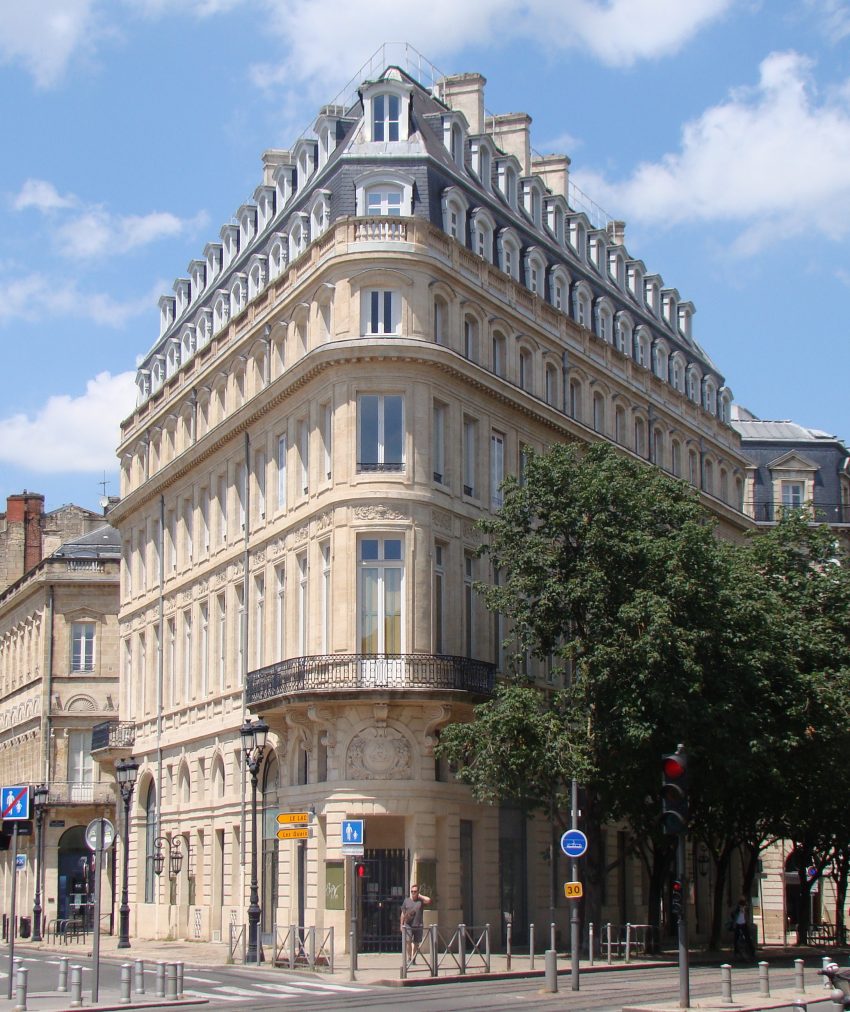
Maison Gobineau is a striking late-18th-century mansion just off Bordeaux’s Esplanade des Quinconces, set at the junction of Allées de Tourny and Cours du 30-Juillet. Designed by Victor Louis in 1789, its wedge-shaped plan and pointed façade were conceived like a ship’s prow—an architectural nod to the port city’s Atlantic-facing trade—and it can recall New York’s Flatiron at first glance. The building’s past is unusually varied: it later served as a neighborhood cinema and even Bordeaux’s first Citroën dealership. Since 1948 it has housed the Bordeaux Wine Council, with events and exhibitions inside and a refined wine bar on the third floor for tastings across the region’s appellations.
Location: Allée de Tourny, 33000 Bordeaux, France | Distance: 0.5km

Explore Bordeaux at your own pace with our self-guided walking tour! Follow our curated route to discover must-see sights and local secrets that makes Bordeaux one of the best places to visit in France.

6. Musée des Beaux-Arts de Bordeaux

Musée des Beaux Arts de Bordeaux
Public Domain / Théodore Gudin (1802–1880)
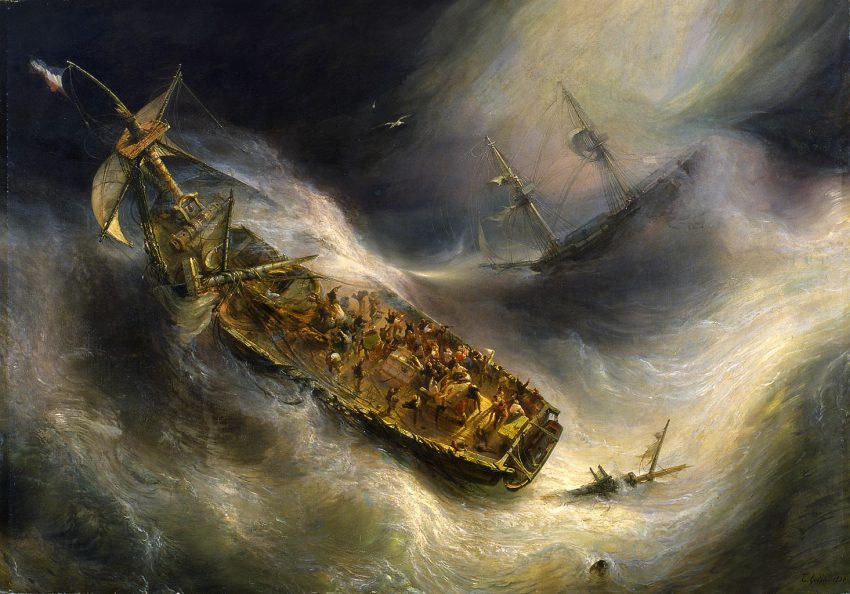
Musée des Beaux-Arts de Bordeaux is a fine-arts museum founded in 1801, with collections spanning European painting from the Renaissance through modernism. It’s set in two purpose-built 19th-century neoclassical wings (1881) flanking the Palais Rohan gardens, giving the visit a calm, pavilion-to-pavilion rhythm. Inside, expect big names—Titian, Veronese, Rubens, Delacroix, and Matisse—alongside rooms that spotlight local figures like Odilon Redon and Albert Marquet. Temporary shows continue across the street at the Galerie des Beaux-Arts, adding a contemporary counterpoint. Visitors often note it feels substantial without being overwhelming, with strong curation across multiple buildings.
Location: Musée des Beaux-Arts de Bordeaux, Cours d'Albret, Bordeaux, France | Hours: Wednesday to Monday from 11 a.m. to 6 p.m. Closed Tuesdays and certain public holidays. | Price: Adults: €6 | Website | Distance: 0.5km

7. Cathédrale Saint-André

Bordeaux Cathédrale Saint André Extérieure
CC BY-SA 4.0 / Zairon
Cathédrale Saint-André is a monumental Gothic cathedral whose long nave, soaring vaults, and carved stone portals dominate Place Pey-Berland. First consecrated in 1096 on a Romanesque predecessor, most of what you see today took shape from the 13th to 15th centuries, with flying buttresses framing the exterior. A defining quirk is the separate 15th-century bell tower, Tour Pey-Berland, built apart so heavy bells wouldn’t strain the cathedral’s delicate vaulting; climbing it brings wide views over rooftops and the river. Inside, restored stained glass and resonant acoustics create a hushed, luminous atmosphere, and occasional evening projection shows animate the vast façade.
Location: Cathédrale Saint-André de Bordeaux, Place Pey Berland, Bordeaux, France | Distance: 0.5km

8. Rue Sainte-Catherine
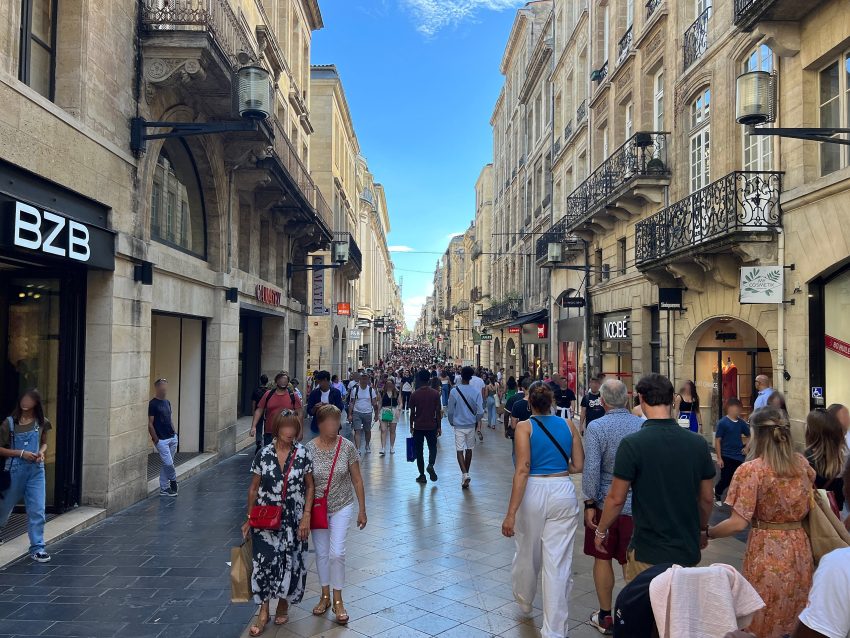
Rue Sainte Catherine Bordeaux
CC BY-SA 4.0 / Chabe01
Rue Sainte-Catherine is Bordeaux’s long, pedestrian shopping spine cutting through the historic centre, running for over a kilometre between Place de la Comédie and Place de la Victoire. What matters here is the street-level pulse: polished storefronts and fashion crowds near the Grand Théâtre and the Golden Triangle, then a looser, student-leaning stretch further south with street performers and independent spots. You’ll notice the constant flow of people, café terraces, bakeries, and a dense mix of international chains and local boutiques. It’s busy—reviews often mention the crowds—but that bustle is part of the experience, especially on weekends.
Location: Rue Sainte-Catherine, Bordeaux, France | Hours: Shops generally open from 10 a.m. to 7 p.m., with variations on Sundays and holidays. | Price: Free entry. | Distance: 0.6km

9. Tour Pey-Berland

Bordeaux Cathédrale Saint André Tour Pey Berland
CC BY-SA 4.0 / Zairon
Tour Pey-Berland is the freestanding Gothic bell tower beside Cathédrale Saint-André, built between 1440 and 1500 so the cathedral’s marshy foundations wouldn’t be shaken by heavy bells. A tight spiral climb of 233 steps leads to terraces around 40–50 metres high, where rooftops, spires, and the Garonne’s bends spread out in a full sweep. Up close, the stonework shows off pinnacles, gargoyles, and other late-medieval carving details that are easy to miss from the square. Above, the gilded Notre-Dame d’Aquitaine statue catches the light, and visitors often mention the tough stairways—and how the view makes the effort worthwhile.
Location: Tour Pey Berland, Place Pey Berland, Bordeaux, France | Distance: 0.6km

10. Le Grand-Théâtre
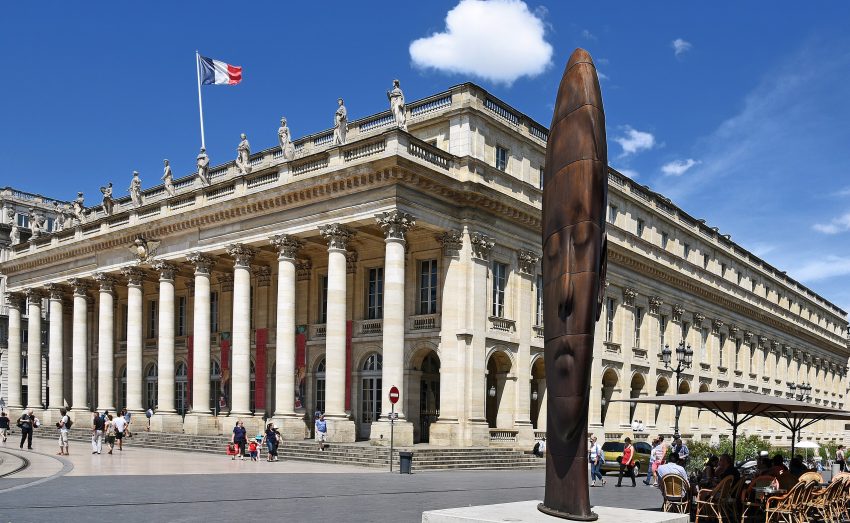
Bordeaux, Grand Théâtre
CC BY-SA 2.0 / Hervé Simon
Le Grand-Théâtre is an 18th‑century neoclassical opera house on Place de la Comédie, conceived by architect Victor Louis and inaugurated in 1780 as a statement of Enlightenment-era civic confidence. The exterior reads like a stone stage set: a portico of twelve Corinthian columns topped by statues of the nine Muses, with Juno, Minerva, and Venus crowning the composition. Inside, visitors remember the cool white‑blue‑gold palette and the sweeping double staircase—so influential it later inspired the Paris Opéra. The horseshoe-shaped auditorium glitters with gilded detail and a painted ceiling celebrating the arts, and even from the square the building’s temple-like façade feels especially dramatic after dark when it’s lit.
Location: Grand Théâtre de Bordeaux, Place de la Comédie, Bordeaux, France | Distance: 0.6km

11. Place du Parlement

Place du Parlement, Bordeaux
CC BY-SA 3.0 / BRENAC
Place du Parlement is a compact 18th-century square in the old town, designed as a harmonious ensemble of pale limestone façades, wrought-iron balconies, and crisp symmetry. At its centre, a stone fountain added in 1865 brings a steady hush of water to a space that began life as a medieval marketplace. The square’s human scale makes it easy to linger—pedestrian streets spill out from the corners, and café terraces ring the open middle for coffee, wine, or a slow people-watch. Come in early evening when lamplight and golden stone soften the scene, and the surrounding restaurant rows feel especially lively.
Location: Place du Parlement, Bordeaux, France | Distance: 0.7km

12. Palais Gallien
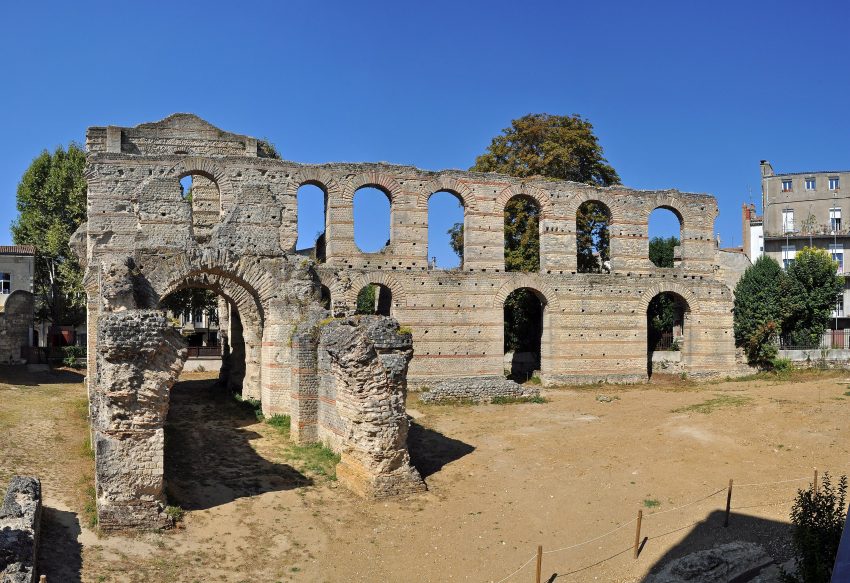
Bordeaux Palais Gallien
CC BY-SA 3.0 / Marc Ryckaert (MJJR)
Palais Gallien is the surviving shell of a Roman amphitheatre, a rare trace of Burdigala’s 2nd-century past tucked into a quiet residential grid near Rue Fondaudège. A few towering limestone-and-brick arches and vaulted passages hint at the original oval arena, once roughly 130 by 114 metres and said to have held up to 25,000 spectators for games and public spectacles. You experience it mostly from the street, viewing the ruins from two sides and tracing the arena’s footprint in the surrounding streets. The site is small and often uncrowded, but the scale reads clearly—especially after dark, when lighting picks out the texture of the ancient masonry.
Location: Palais Gallien, Rue du Docteur Albert Barraud, Bordeaux, France | Distance: 0.7km

13. Esplanade des Quinconces
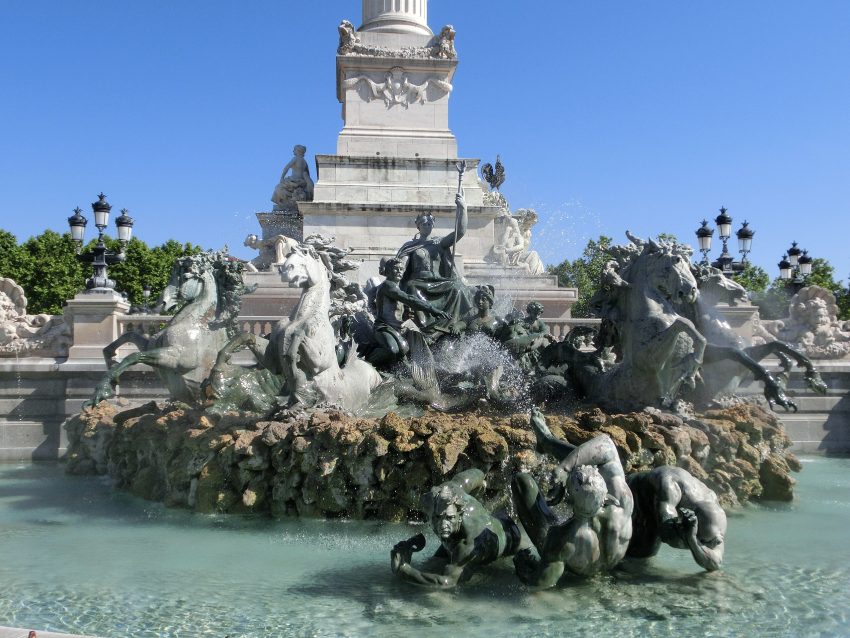
Esplanade des Quinconces
CC BY-SA 3.0 / Orikrin1998
A vast 12-hectare esplanade laid out between 1810 and 1828 on the cleared site of the former Château Trompette, it feels like a deliberate breath of space amid tighter streets. The name comes from the quincunx pattern of trees, whose geometric rows frame long, easy strolls and open sightlines to the river. At its centre rises the Monument aux Girondins (1894–1902): a 43-metre column topped by Liberty, with dramatic bronze fountain sculptures churning below. Nearby, two rostral columns from 1829—crowned with figures for Commerce and Navigation—nod to the port’s seafaring past, while fairs and circuses periodically transform the square into a bustling temporary city.
Location: Place des Quinconces, Bordeaux, France | Distance: 0.7km

14. Musée d'Aquitaine

Musée d'Aquitaine
Musée d’Aquitaine
CC BY-SA 4.0 / FrDr
Musée d’Aquitaine is a chronological museum of regional history, tracing Aquitaine from prehistory to the modern era and grounding the city’s identity in archaeology, trade, and empire. The galleries move from Paleolithic art—most memorably the 25,000-year-old Venus of Laussel bas-relief—into Gallo-Roman Burdigala with mosaics, sculpture, and everyday objects. Later rooms cover medieval and early modern Aquitaine, including an elegant cenotaph honoring Michel de Montaigne, whose burial site once lay beneath the building. A dedicated section confronts the transatlantic slave trade with documents and personal narratives, adding weight to the maritime and colonial collections. Labels are widely translated into English, and many visitors linger around two hours.
Location: Musée d'Aquitaine, Cours Pasteur, Bordeaux, France | Hours: The museum is open Tuesday to Sunday, 11 a.m. to 6 p.m. Closed Mondays and public holidays | Price: Adults: €8 | Website | Distance: 0.8km

15. Église Saint-Pierre
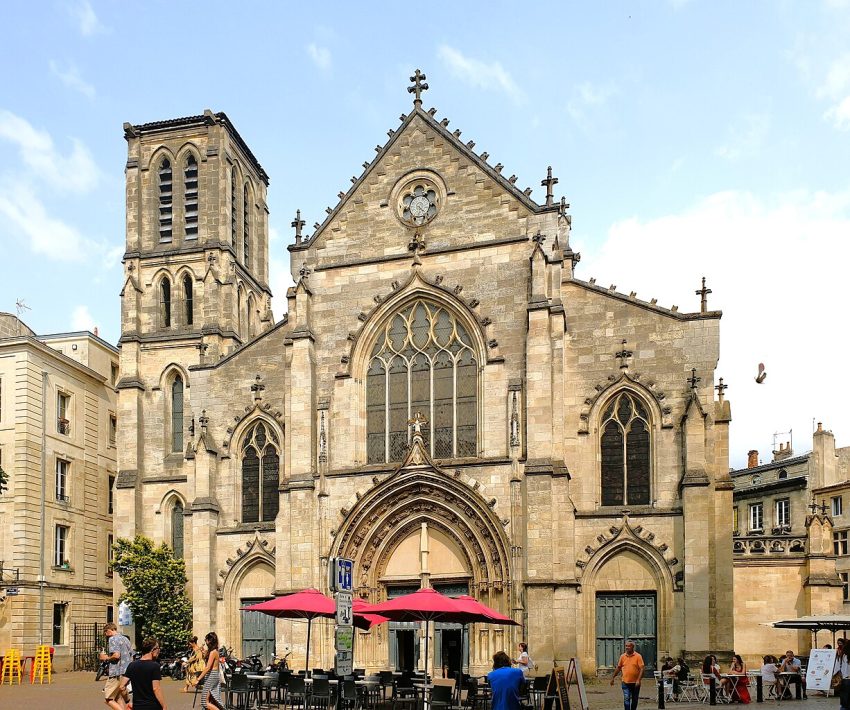
Eglise Saint Pierre de Bordeaux
CC BY-SA 4.0 / Chris06
Tucked into the tight lanes off Place Saint-Pierre, Église Saint-Pierre is a medieval parish church built mainly in the 14th–15th centuries on the edge of the former Gallo-Roman port, long tied to the lives of merchants and sailors. Its plain stone exterior can feel almost hidden among old-town façades, but stepping inside reveals soaring Gothic vaults, slender pillars, and side chapels that draw you into a hushed, intimate space. The nave is often quite dim, making the stained-glass windows and the brighter sanctuary glow with soft color. Look for carved stone details and artworks from the 17th and 18th centuries, and listen for the warm acoustics that suit occasional concerts.
Location: Église Saint-Pierre, Place Saint-Pierre, Bordeaux, France | Distance: 0.9km

16. Place de la Bourse
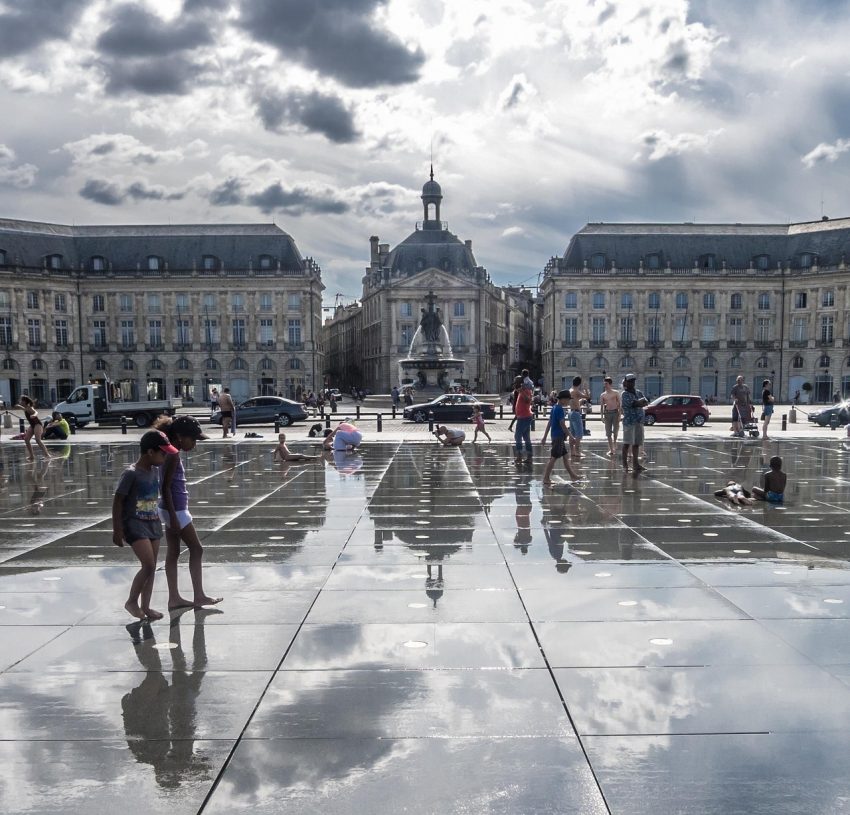
bordeaux Place de la Bourse Bordeaux
Place de la Bourse is an 18th-century riverside square shaped by a sweeping arc of neoclassical façades, designed by Ange-Jacques Gabriel and completed in 1749 as a royal showpiece. The centerpiece Fountain of the Three Graces (added in 1869) anchors the space, while the Miroir d’eau opposite lays a thin sheet of water that turns the buildings into a near-perfect reflection. Several times an hour, the surface shifts into a low mist, and the plaza briefly feels like it’s floating—kids run through it, photographers wait for still moments. After dark, the lit stonework and water create a quieter, almost theatrical scene.
Location: Place de la Bourse, Place de la Bourse, Bordeaux, France | Distance: 0.9km

17. Porte Cailhau

Porte Cailhau Bordeaux France
CC BY-SA 4.0 / PLBechly
Porte Cailhau is a 15th-century stone gate that once controlled and ceremonially marked entry from the Garonne riverfront into the medieval city. Built between 1493 and 1496, its pointed turrets and finely carved façade blend late Gothic with early Renaissance touches, including an effigy of King Charles VIII celebrating his 1495 victory at Fornovo. Step inside to see small exhibition rooms on its defensive role, then climb the narrow spiral stair to a balcony with sweeping views over the river, Pont de Pierre, and old-town rooftops. After dark, the illuminated arch and surrounding square feel especially atmospheric, and the gate photographs well from both sides.
Location: Porte Cailhau, Place du Palais, Bordeaux, France | Distance: 1km

18. Grosse Cloche
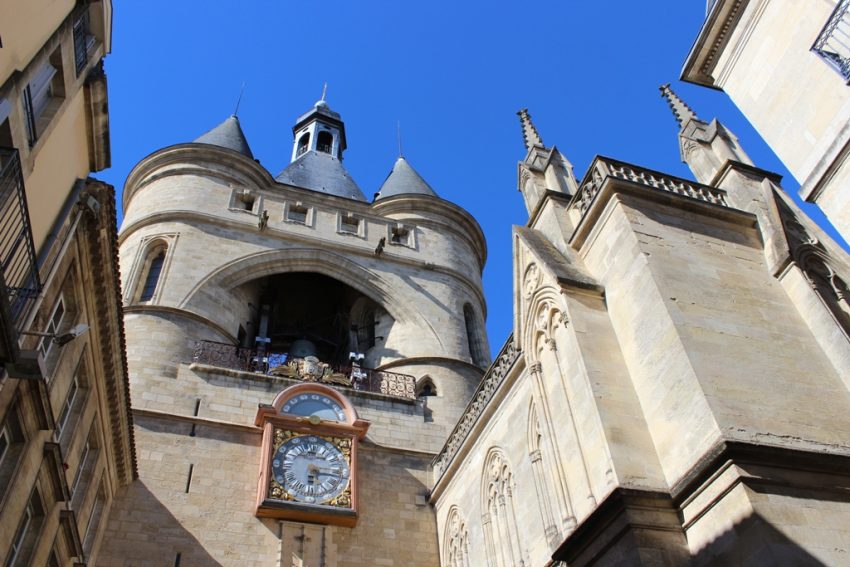
GrosseCloche
GrosseCloche
CC BY-SA 3.0 / Fabien.lotte
The Grosse Cloche is a medieval city gate on Rue Saint-James, built from the old Porte Saint-Éloi and later turned into a civic belfry. Its two round towers frame a central bell chamber, topped by a gleaming golden lion weather vane that nods to centuries of English ties. Look for the ornate clock on the façade, then step under the arch where stonework and shadow make the passage feel like a time capsule. The huge bell, Armande-Louise (cast in 1775 and weighing about 7,750 kg), still sounds on special days—locals note the first Sunday of the month at noon. A small prison cell once held young offenders behind a famously thick wooden door.
Location: Grosse Cloche, Rue Saint-James, Bordeaux, France | Distance: 1km

19. Pont de Pierre
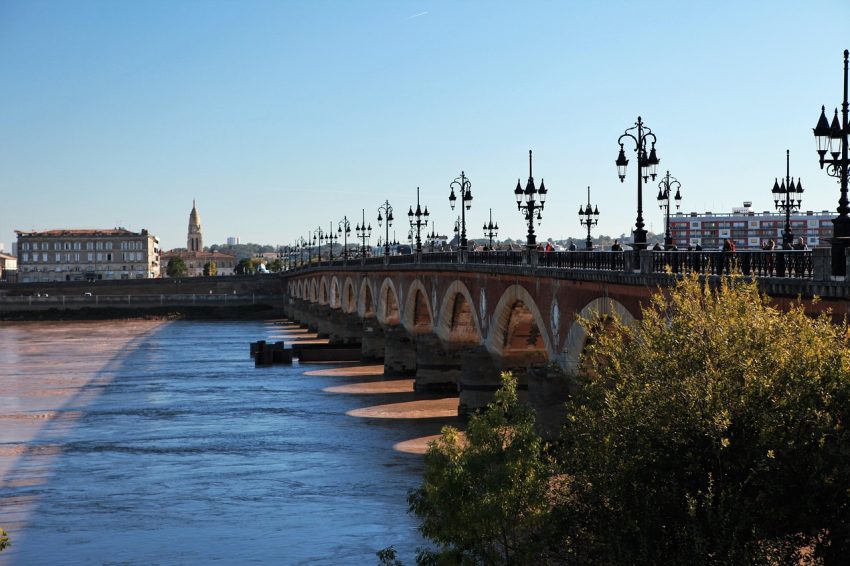
bordeaux Pont de Pierre
Commissioned by Napoleon and completed in 1822, the Pont de Pierre was the first permanent crossing of the Garonne, linking the historic left bank with La Bastide. It runs 487 meters on 17 brick arches—often said to match the letters in “Napoléon Bonaparte”—and the repeating curves make striking reflections when the water is calm. Walking or cycling across feels serene despite the river’s powerful currents and tidal surges, the same forces that once made construction so difficult. Today it’s closed to private cars, so you mainly share the span with pedestrians, bikes, and trams, with wide-open views of the skyline and riverbanks.
Location: Pont de Pierre, Pont de Pierre, Bordeaux, France | Distance: 1.5km

20. Basilique Saint-Michel
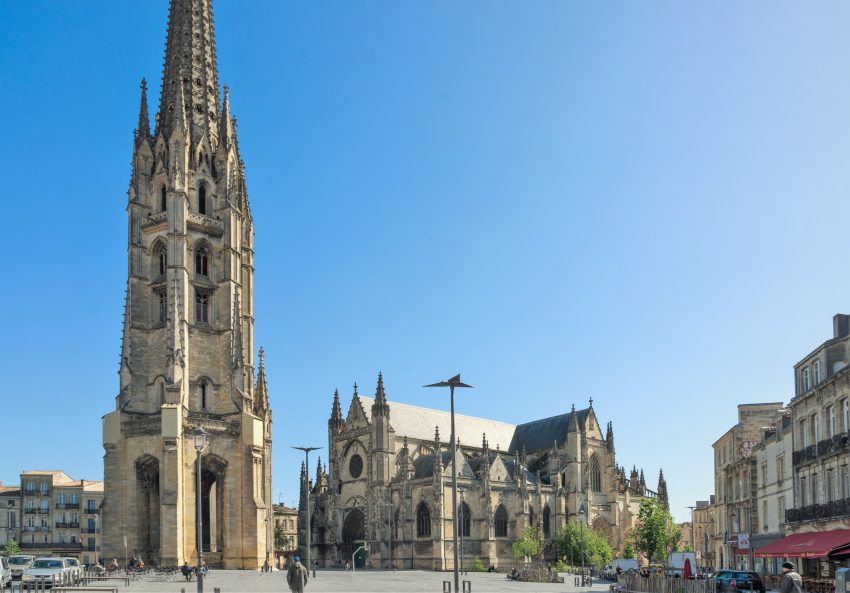
Bordeaux Basilique Saint Michel
CC BY-SA 4.0 / Jean-Christophe BENOIST
Basilique Saint-Michel is a vast Flamboyant Gothic church that anchors the Saint-Michel district, with soaring vaults, carved chapels, and stained glass that washes the nave in warm colour. Its most striking feature is the 114-metre freestanding bell tower, the Flèche Saint-Michel, built separately to avoid structural problems and still dominating the skyline. Climbing the tower rewards you with rooftop and river views as the Garonne bends through the city. The building’s stories are unusually layered: it’s a Camino de Santiago landmark (UNESCO-listed in 1998) and was once linked to the “mummies of Saint-Michel,” later reburied. Visitors sometimes find parts under restoration, adding a sense of a monument still being repaired and cared for.
Location: Basilique Saint-Michel, Place Meynard, Bordeaux, France | Distance: 1.5km

21. Musée du Vin et du Négoce
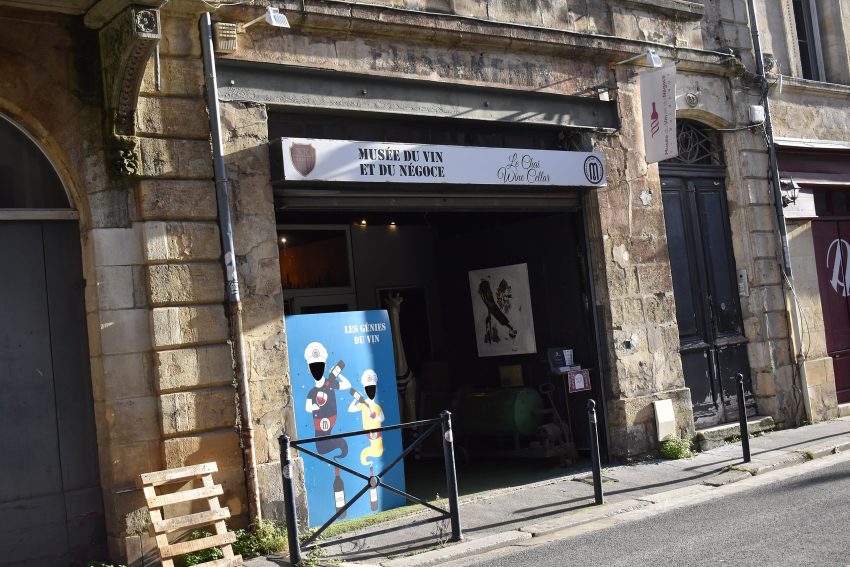
Bordeaux Musée du vin et du négoce
CC BY-SA 40 / Tylwyth Eldar
Hidden behind the Chartrons streets, the Musée du Vin et du Négoce explores how wine merchants shaped the region’s reputation, inside vaulted stone cellars beneath an 18th‑century trader’s house built in 1720 for a royal broker. The visit moves through cool, semi-subterranean rooms where barrels once aged, with cooperage tools, antique bottles, old labels, and merchant records that make the business of buying, branding, and shipping wine feel tangible. Audio-visual displays (including a barrel-making film many visitors linger over) add texture to the trade story. Entry typically ends with a tasting, a memorable contrast to the museum’s dim, atmospheric cellars.
Location: Musée du Vin et du Négoce de Bordeaux, Rue Borie, Bordeaux, France | Website | Distance: 1.7km

22. Église Notre-Dame
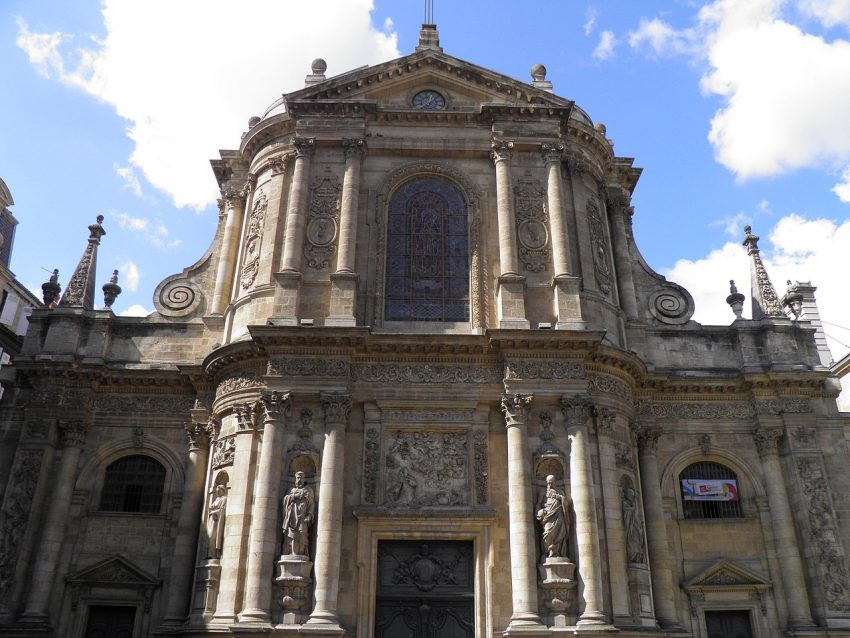
Église Notre-Dame
Église Notre-Dame
CC BY-SA 4.0 / Gzen92
Église Notre-Dame is a Dominican Baroque church tucked near Place du Chapelet, a calm stop away from the busier streets. Built between 1684 and 1707 during the Counter-Reformation, it surprises with an ornate façade of pilasters, sculpted pediments, and warm stonework more theatrical than the city’s usual Gothic silhouettes. Inside, the proportions feel balanced and intimate, with soft light playing across carved altarpieces and decorative stonework. Don’t miss the exceptional 18th-century organ casing, protected as a historic object since 1971. The acoustics suit the classical concerts sometimes held here, adding to the contemplative atmosphere.
Location: Église Notre-Dame-des-Anges de Bordeaux, Rue de Pessac, Bordeaux, France | Distance: 1.8km

23. Les Halles de Bacalan

Les Halles de Bacalan
CC BY-SA 2.0 / Kilian ALL
Les Halles de Bacalan is a covered gourmet market in Bordeaux’s redeveloped Bacalan district, facing La Cité du Vin, where locals and visitors gather to eat, drink, and browse regional produce. Opened in 2017, it helped shift this former industrial riverfront into a food-and-culture hub with a contemporary take on the traditional French halles. Inside, around 20 stalls create a lively circuit of tastes—oysters from the Bassin d’Arcachon, charcuterie and cheeses, pâtisserie, and glasses of Bordeaux wine. The experience is as much about the communal tables and hum of conversation as it is about shopping, especially as the hall warms up toward evening.
Location: Les Halles de Bacalan - Biltoki, Quai du Maroc, Bordeaux, France | Hours: Typically open daily from morning until late evening; hours vary slightly by vendor. | Price: Free entry. | Distance: 3.3km

24. Cité du Vin
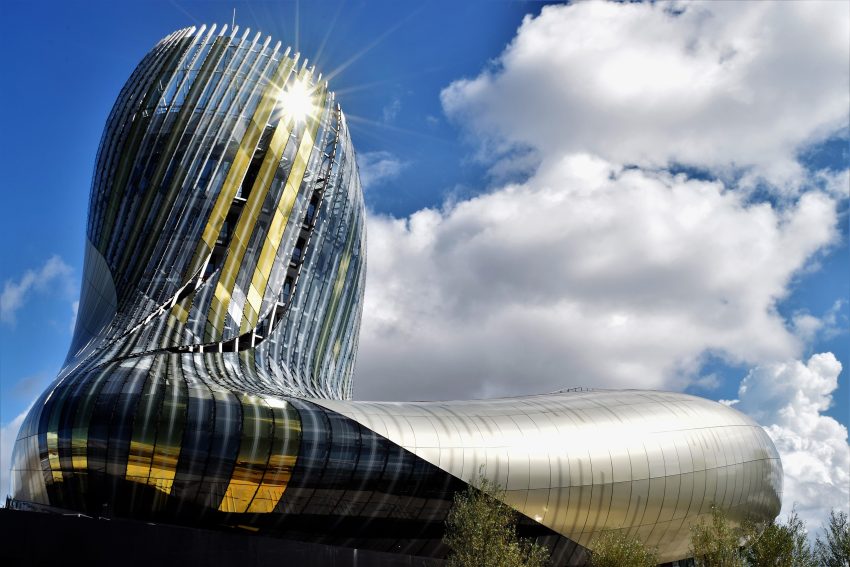
Cite du vin Bordeaux
Public Domain / Oli Lynch
La Cité du Vin in Bordeaux is a contemporary museum and cultural centre devoted to the world’s wine traditions, opened in 2016 in a swirling, sculptural building meant to evoke wine moving in a glass. Inside, more than 20 themed spaces use multimedia, interactive displays, and sensory stations—some visitors single out the aroma technology—to explore grape varieties, terroirs, and winemaking across continents and centuries. The experience leans heavily on touchscreens, films, and 3D maps rather than static cases, so you move through stories as much as objects. Your ticket typically ends at the top-floor Belvedere, where a tasting is paired with broad views over Bordeaux and the Garonne.
Location: Cité du Vin, Quai de Bacalan, Bordeaux, France | Distance: 3.3km
Powered by GetYourGuide

Best Day Trips from Bordeaux

A day trip from Bordeaux offers the perfect opportunity to escape the urban rhythm and discover the surrounding region's charm. Whether you're drawn to scenic countryside, historic villages, or cultural landmarks, the area around Bordeaux provides a variety of easy-to-reach destinations ideal for a one-day itinerary. If you are looking to rent a car in France I recommend having a look at Discover Cars, first, as they compare prices and review multiple car rental agencies for you.

1. Château de La Brède

Château de La Brède en Gironde
CC BY-SA 3.0 / Hervé Devred
Surrounded by broad, water-filled moats and set within a tranquil English-style park, the Château de La Brède is one of the top attractions in La Brède for travellers seeking a blend of medieval architecture and Enlightenment history. Just 20 kilometres south of Bordeaux, the castle offers a serene escape into the rural countryside, where Gothic stone walls and leafy gardens…
Location: Château de la Brède - domaine de Montesquieu, Avenue du Château, La Brède, France | Price: Adults: €11.00 | Website | Distance: 18.6km
Visiting Château de La Brède

2. Abbaye de La Sauve-Majeure

South view of the ruins of Sauve Majeure Abbey Church
CC BY-SA 4.0 / Trauenbaum
Set in the quiet village of La Sauve, about 25 kilometres east of Bordeaux, the Abbaye de La Sauve-Majeure is one of the must-see places in La Sauve for travellers seeking history, architecture, and a touch of medieval mystery. Its soaring pillars, sculpted capitals, and open-sky cloisters evoke the grandeur of an abbey that once dominated the spiritual life of…
Location: Abbaye de La Sauve-Majeure, Rue de l'Abbaye, La Sauve, France | Distance: 22.7km
Visiting Abbaye de La Sauve-Majeure

3. Château Margaux
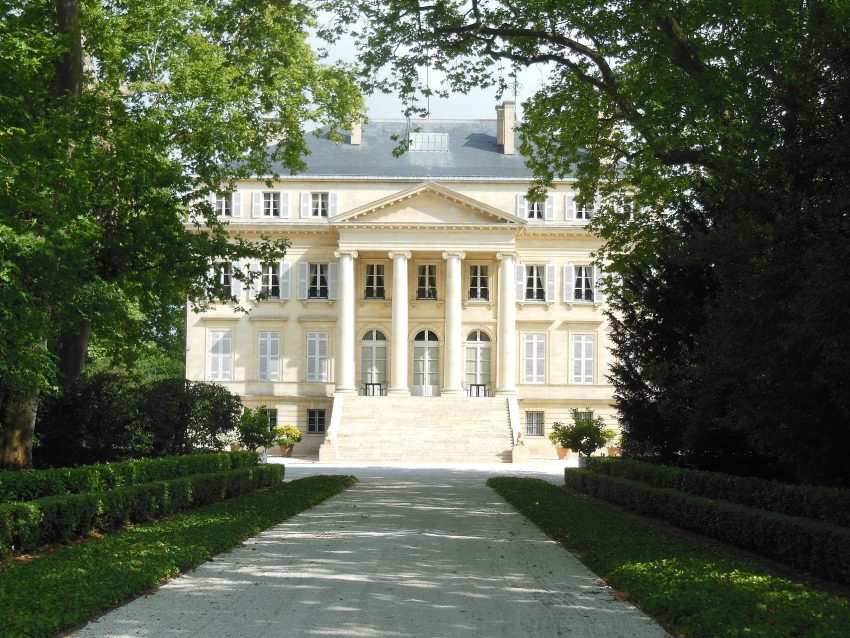
Château Margaux
Château Margaux
CC BY-SA 4.0 / Jibi44
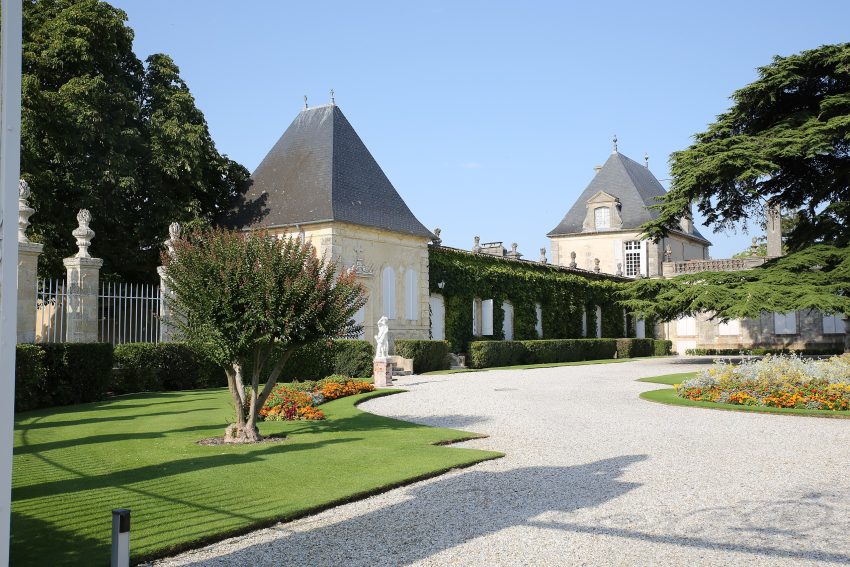
Château Margaux is one of the must-see places in Margaux for anyone passionate about wine, history, or architecture. With roots reaching back to the 12th century, this legendary estate has shaped the identity of the Médoc and continues to set global standards for excellence. Often called the “Versailles of the Médoc,” the château blends refined neo-Palladian elegance with one of…
Location: Château Margaux, Margaux-Cantenac, France | Website | Distance: 23.6km
Visiting Château Margaux
Powered by GetYourGuide

4. Château Maucaillou

Château Maucaillou
Château Maucaillou
CC BY-SA 4.0 / PA
Château Maucaillou is one of the top sights in Moulis-en-Médoc for wine travellers seeking a balance of heritage, craftsmanship, and charm. Founded in the late 19th century, the estate sits on rocky soils once deemed unsuitable for crops—yet perfect for cultivating the premium grape varieties that thrive in the Médoc. With its eclectic château, beautifully maintained grounds, and a wine…
Location: Château Maucaillou, Moulis-en-Médoc, France | Hours: From May 1st to September 30th: every hour from 10am to 5pm. From October 1st to April 30th: 10am, 11am, 2pm, 3pm, 4pm. | Price: Full Tour & Tasting: From €12 (includes cellar visit & tasting). | Website | Distance: 30km
Visiting Château Maucaillou

5. Fort Médoc
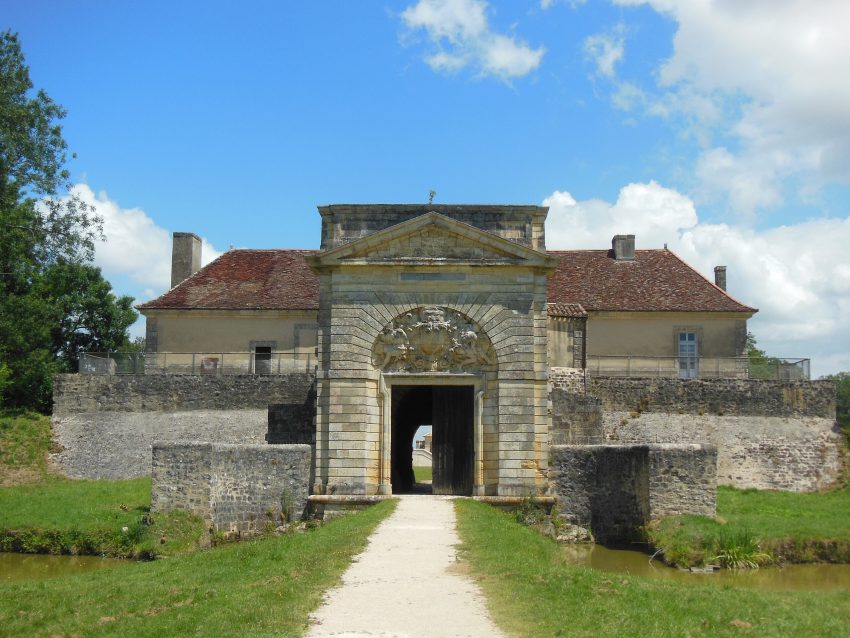
Fort Médoc Porte Royale
CC BY-SA 4.0 / Jibi44
Fort Médoc is one of the top sights in Cussac-Fort-Médoc for travellers interested in military history, engineering, and scenic riverside landscapes. Built in the late 17th century by Vauban, the brilliant military engineer of Louis XIV, this imposing fortress once formed part of the famous “Bolt of the Estuary,” a trio of defensive works designed to protect Bordeaux from naval…
Location: Fort Médoc, Avenue du Haut Médoc, Cussac-Fort-Médoc, France | Hours: In March & November : Weekends and public holidays from 1 pm to 5 pm In March and November: weekends and public holidays from 1 pm – 5 pm In April & October: Every day from 10 am to 6 pm In April and October: every day 10 am – 6 pm From May to September : Every day from 10 am to 7 pm From May to September: every day 10 am – 7 pm Annual closure in December , | Price: €4 | Website | Distance: 32.5km
Visiting Fort Médoc

6. Saint-Émilion
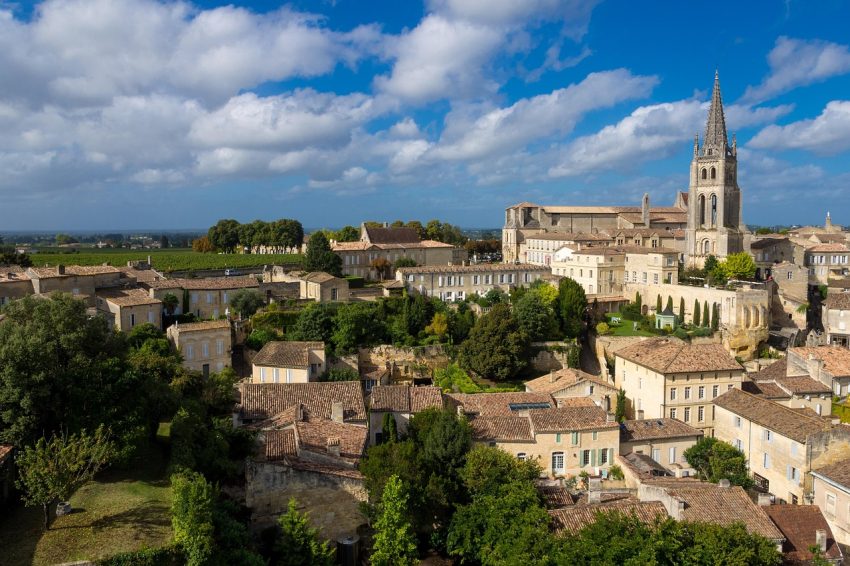
Saint Emilion France
Saint-Émilion, located in the Nouvelle-Aquitaine region, is a charming, medieval village renowned for its beautiful vineyards and world-class wine. Surrounded by rolling hills covered in vines, the town offers a picturesque setting perfect for wine lovers. Visitors can wander through the narrow cobblestone streets, visit quaint wine cellars, and enjoy guided wine tours that showcase the region's rich viticulture. The…
Visiting Saint-Émilion
Powered by GetYourGuide

7. Château Beychevelle

Château Beychevelle
Château Beychevelle
CC BY-SA 4.0 / PA
Château Beychevelle is one of the must-see places in Saint-Julien, blending centuries of history with the refined artistry of Bordeaux winemaking. Nicknamed the “Versailles of the Médoc,” this grand estate is famed for both its architectural beauty and the legendary quality of its wines. Its name, inspired by the command “Baisse Voile” (lower the sails), reflects a time when ships…
Location: Château Beychevelle, Château Beychevelle, Saint-Julien-Beychevelle, France | Distance: 35.9km
Visiting Château Beychevelle

8. Chateau Latour
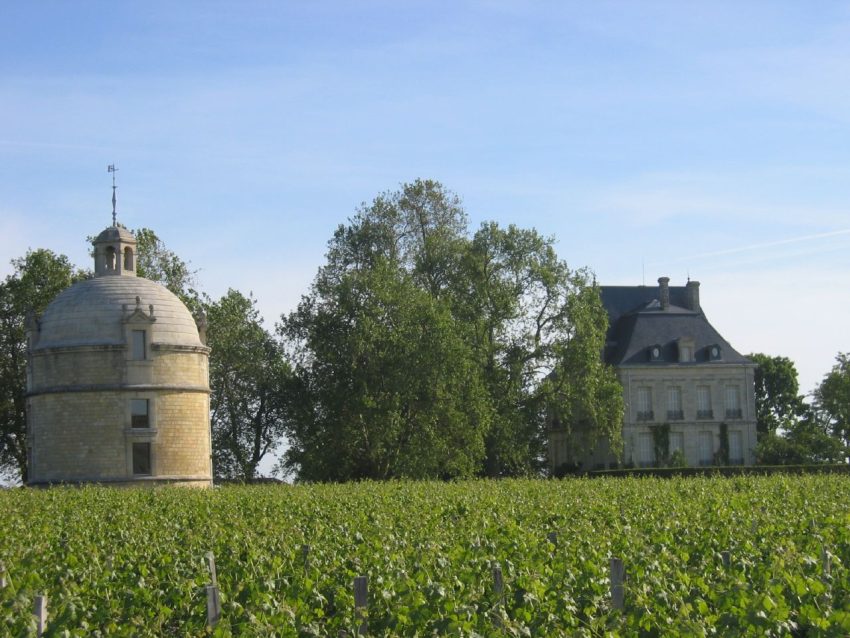
Chateau Latour
Chateau Latour
CC BY-SA 2.0 / BillBl
Château Latour is one of the top attractions in Pauillac for wine lovers seeking depth, history, and world-class craftsmanship. With origins stretching back to the Middle Ages, the estate is synonymous with strength and longevity, producing some of the most age-worthy wines in the world. Set near the Gironde estuary, the château’s vineyards benefit from exceptional terroir that shapes the…
Location: Château Latour, Pauillac, France | Website | Distance: 39.4km
Visiting Chateau Latour

9. Château Pichon
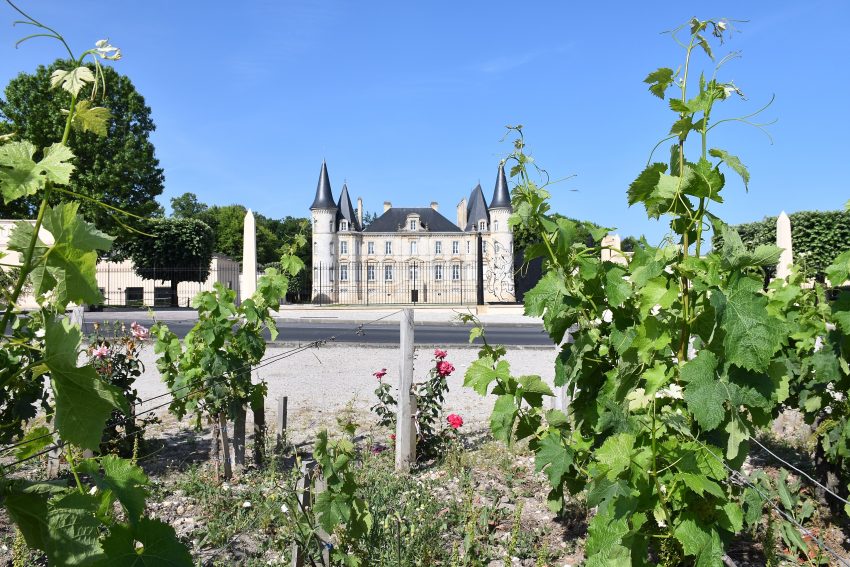
Château Pichon Baron
CC BY-SA 1.0 / Renhour48
Château Pichon refers to two neighbouring estates—Pichon Baron and Pichon Comtesse—that together form one of the must-see places in Pauillac. Once part of a single family property, the estate was divided in 1850, creating two distinct yet equally celebrated châteaux. Each developed its own personality: Château Pichon Baron with deep, powerful, structured wines, and Château Pichon Comtesse de Lalande with…
Location: Château Pichon Longueville Comtesse de Lalande, Route des Châteaux, Pauillac, France | Website | Distance: 39.5km
Visiting Château Pichon

10. Arcachon Bay

Arcachon Bay
Arcachon Bay
Arcachon Bay spreads out like a shimmering tidal lagoon framed by dunes, maritime pines, and calm blue waters. From the lively port of Arcachon, ferries and private boats glide across to Cap Ferret, passing oyster farms where generations of ostréiculteurs have tended their craft. The crossing offers a tranquil introduction to one of the best places to visit in La…
Location: Arcachon Bay, France | Distance: 43.7km
Visiting Arcachon Bay

11. Château Mounton Rothschild
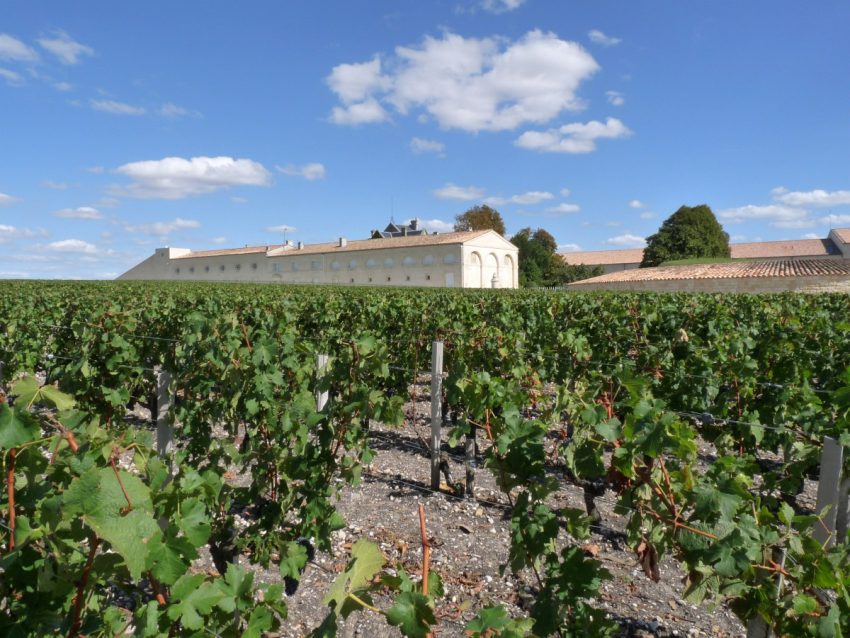
Château Mouton Rothschild
CC BY-SA 2.0 / Jack ma
Château Mouton Rothschild is one of the must-see places in Pauillac, a wine estate that blends centuries-old tradition with bold artistic creativity. Originally known as Château Brane-Mouton, it was transformed after its purchase by Nathaniel de Rothschild in 1853, ultimately becoming one of the world’s most celebrated wineries. Its rise from Second Growth to First Growth in 1973—an unprecedented promotion—reflects…
Location: Château Mouton Rothschild, Château Mouton Rothschild, Pauillac, France | Website | Distance: 43.9km
Visiting Château Mounton Rothschild

12. Château Lafite Rothschild
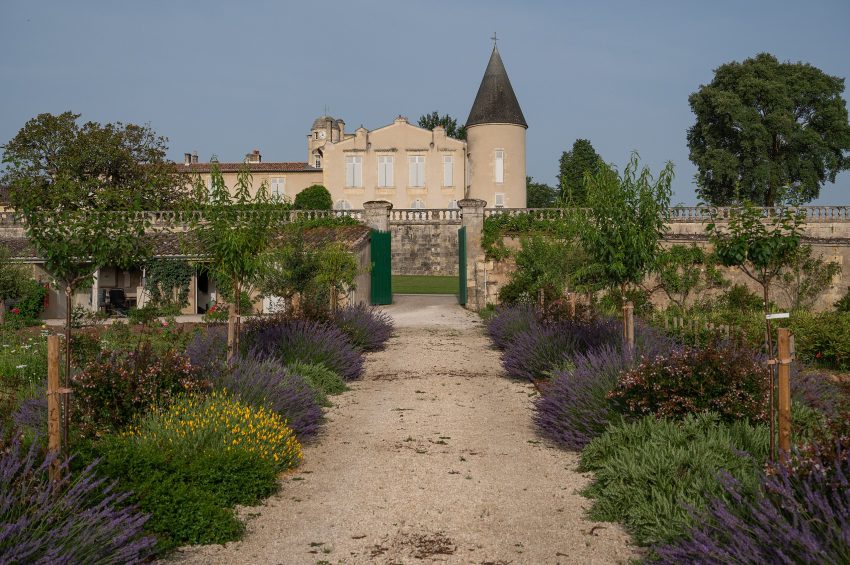
Château Lafite Rothschild
CC BY-SA 4.0 / MaT-WiKi1
Château Lafite Rothschild is one of the must-see places in Pauillac for travellers drawn to world-class wines and deep-rooted history. With origins stretching back to the 13th century, the estate has long been admired for its finesse, structure, and remarkable aging potential. Set amid the gravelly soils of the Médoc and framed by sweeping vineyard landscapes, Lafite offers a serene…
Location: Château Lafite Rothschild, Pauillac, France | Distance: 45.2km
Visiting Château Lafite Rothschild

13. Château de Roquetaillade
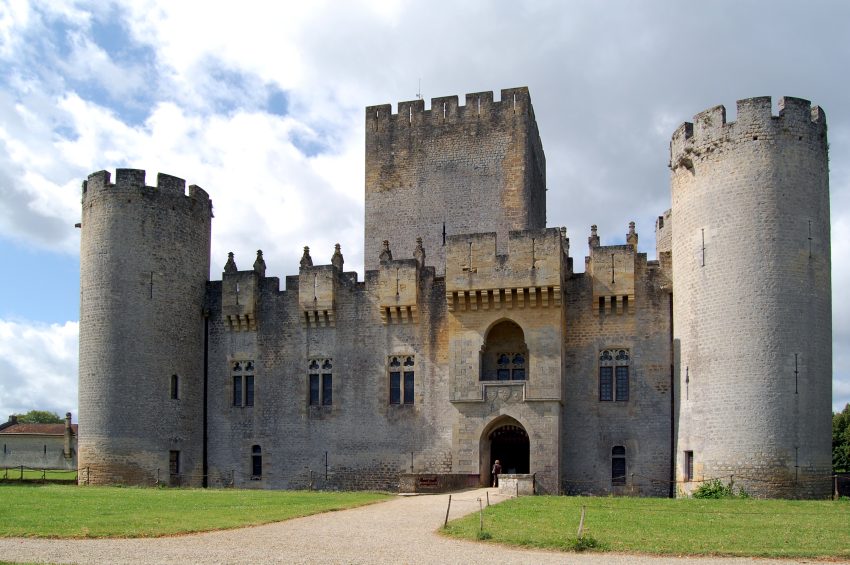
Chateau de Roquetaillade
CC BY-SA 3.0 / Pline
Château de Roquetaillade is one of the top attractions in Mazères, combining the drama of medieval fortification with the artistic brilliance of 19th-century restoration. Set amid peaceful countryside just south of Bordeaux, this extraordinary castle showcases more than 1,200 years of history, from Charlemagne’s early fortifications to the Gothic Revival interiors designed by Eugène Viollet-le-Duc. For travellers exploring the region,…
Location: Chateau Fort de Roquetaillade, Roquetaillade, Mazères, France | Hours: July & August: Open daily from 10:30 AM to 6:00 PM, with the last tour at 5:00 PM. Easter to November 1st: Tours are available every afternoon at 3:00 PM and 4:00 PM. November to Easter: Tours are held on Sundays, bank holidays, and Bordeaux school holidays at 3:00 PM and 4:00 PM. Christmas holidays: Daily tours at 3:00 PM, except on December 25th. | Price: €10.50 | Website | Distance: 45.9km
Visiting Château de Roquetaillade

14. Château Cos d'Estournel
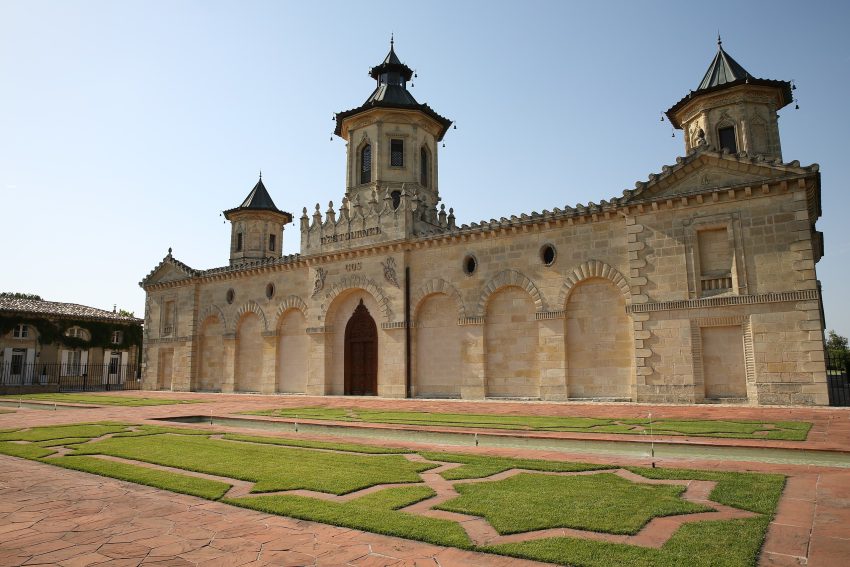
Château Cos d'Estournel
Château Cos d’Estournel
CC BY-SA 4.0 / PA
Château Cos d’Estournel is one of the top attractions in Saint-Estèphe for travellers drawn to Bordeaux’s grand wine estates and their unique personalities. Founded in 1811 by Louis-Gaspard d’Estournel and instantly recognisable for its pagoda-style architecture, this remarkable estate blends exotic flair with classic Médoc winemaking. Its rich history, coupled with a trailblazing approach to wine production, has earned it…
Location: Château Cos d'Estournel, Cos Sud, Saint-Estèphe, France | Website | Distance: 45.9km
Visiting Château Cos d'Estournel

15. Abbaye Saint-Pierre de Vertheuil

Abbaye de Vertheuil
Abbaye de Vertheuil
CC BY-SA 4.0 / PA
Tucked away in the quiet village of Vertheuil, the Abbaye Saint-Pierre de Vertheuil is one of the must-see places in Vertheuil for travellers exploring the Médoc. Founded in the 11th century and shaped by both Benedictine and Augustinian traditions, the abbey blends Romanesque foundations with classical elements, reflecting the many eras it has survived. Despite damage during the Hundred Years’…
Location: Abbatiale de Saint-Pierre de Vertheuil, Place Saint-Pierre, Vertheuil, France | Hours: From July to August 2 p.m. – 7 p.m. Open 7 days a week except Monday | Price: Free entry to the church; small fee for guided tours and the automata museum. | Website | Distance: 49.6km
Visiting Abbaye Saint-Pierre de Vertheuil

16. Arcachon
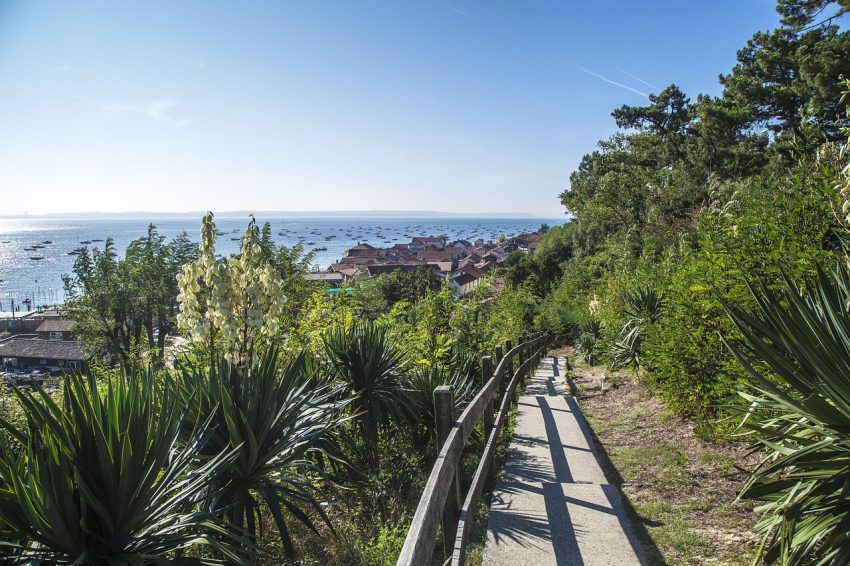
Arcachon France
Arcachon France
Arcachon, located in the Nouvelle-Aquitaine region, is a stunning seaside resort town known for its beautiful beaches and the iconic Dune du Pilat, Europe's tallest sand dune. Visitors can enjoy a variety of outdoor activities, from surfing and swimming to hiking and cycling along the coastline. The town is surrounded by lush pine forests and offers serene views of the…
Visiting Arcachon

17. Dune du Pilat

Dune du Pilat, France
The Dune du Pilat rises dramatically between the vast Landes forest and the Atlantic Ocean, creating one of France’s most unforgettable natural panoramas. At around 109 meters high and 2.7 kilometers long, this constantly shifting “sand mountain” offers breathtaking views of the Banc d’Arguin, Cap Ferret, and the endless treetops of the Landes de Gascogne. Its scale, beauty, and ever-changing…
Location: Dune du Pilat, France | Price: €7 (Parking High Season) /€1 (Parking LowSeason) | Website | Distance: 57.3km
Visiting Dune du Pilat

18. Bergerac
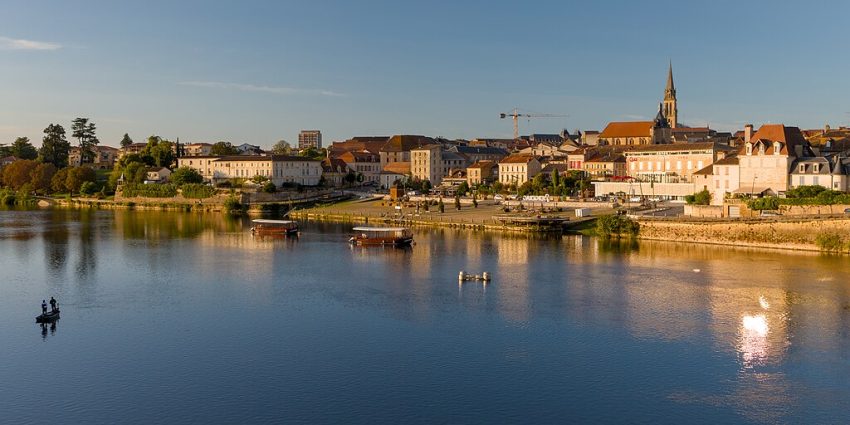
Bergerac View in late afternoon
CC BY-SA 2.0 / Benjamin Smith
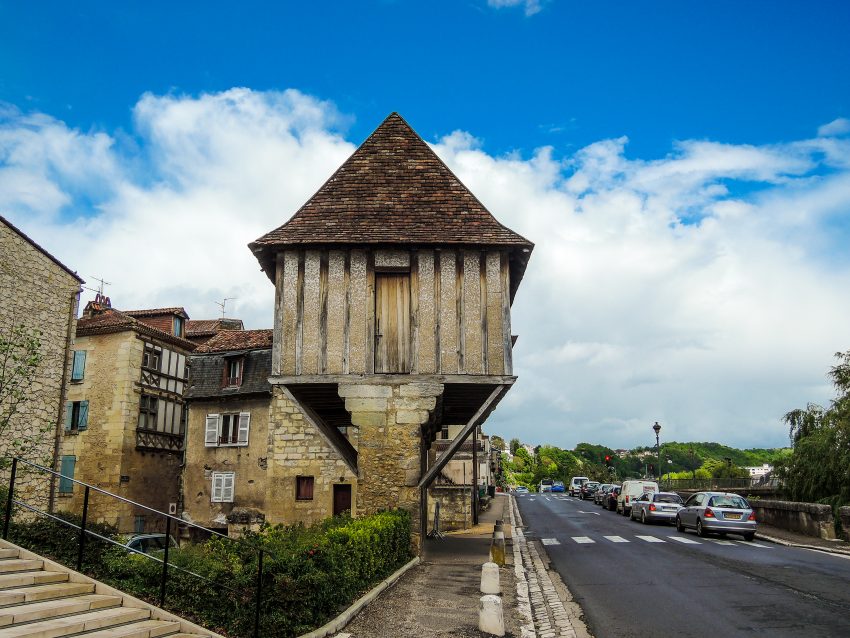
Bergerac, set along the gentle curves of the Dordogne River in the heart of the Dordogne department of Nouvelle-Aquitaine, makes a relaxed yet vibrant base for exploring southwestern France. Begin your day wandering the lively Old Town, where half-timbered houses and pastel façades line cobblestone streets. Pop into boutiques selling local wines and duck-fat-cooked delicacies, then pause at a riverside…
Visiting Bergerac

19. Phare de Cordouan
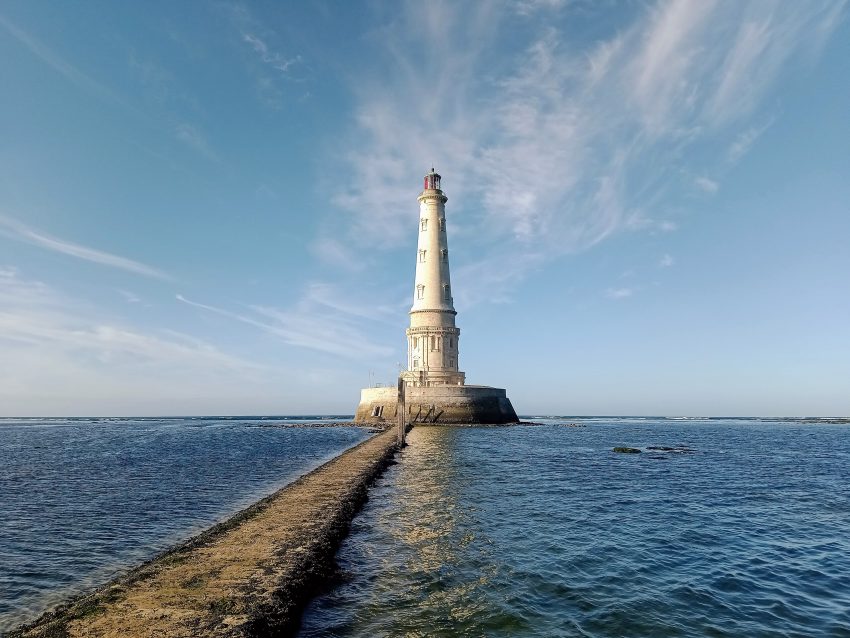
Phare de Cordouan
Phare de Cordouan
CC BY-SA 4.0 / Rémih
The Phare de Cordouan is one of the must-see places in the Gironde region, a striking fusion of engineering brilliance and Renaissance artistry standing alone in the vast Atlantic. Known as the “king of lighthouses” and the “lighthouse of kings,” it has watched over the entrance to the Gironde estuary since the early seventeenth century. Its dramatic isolated setting and…
Location: Phare de Cordouan, Le Verdon-sur-Mer, France | Website | Distance: 94.9km
Visiting Phare de Cordouan
Powered by GetYourGuide

20. Cognac

Le château des Valois à Cognac
CC BY-SA 3.0 / Cobber17
Cognac sits on the banks of the Charente River in the Charente department of the Nouvelle-Aquitaine region, offering a picturesque blend of rolling vineyards and classic French town life. Arriving by train or car, you’ll immediately notice the elegant stone buildings and the gentle curves of the river as it winds through town. Stroll along the quai for riverside views,…
Visiting Cognac
Powered by GetYourGuide

21. Périgueux

Périgueux, France
Périgueux, France
CC BY-SA 4.0 / Yiannis Vacondios
Périgueux, nestled in the rolling hills of the Dordogne department in Nouvelle-Aquitaine, offers a delightful blend of urban charm and verdant countryside. Start your day with a stroll through its bustling market halls on Place de l’Ancien Marché aux Grains, where local producers display vibrant arrays of walnuts, foie gras, wild mushrooms and regional wines. Quaint cafés spill onto the…
Visiting Périgueux

22. Rochefort

Place Colbert Rochefort
CC BY-SA 3.0 / Patrick Despoix
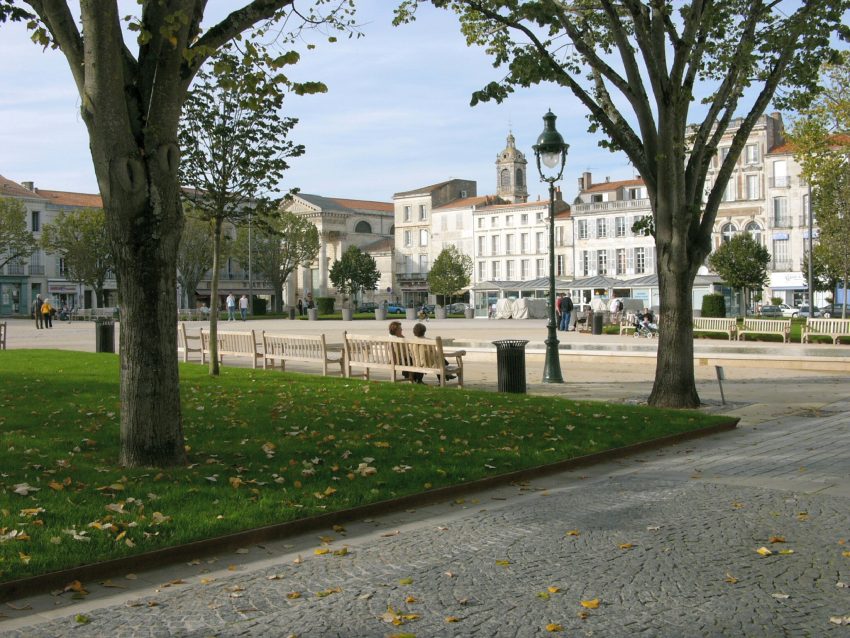
Rochefort, located in the Charente-Maritime department of the Nouvelle-Aquitaine region, welcomes visitors with its riverside charm and maritime heritage. Stroll along the Charente River quays to admire the elegant façades of 18th-century hôtels particuliers and watch traditional bateaux-mouches glide by. The atmospheric Place Colbert, lined with cafés and terraces, makes for an ideal spot to sip a coffee while soaking…
Visiting Rochefort

23. Sarlat-la-Caneda
Sarlat la caneda France
CC BY-SA 4.0 / Chensiyuan
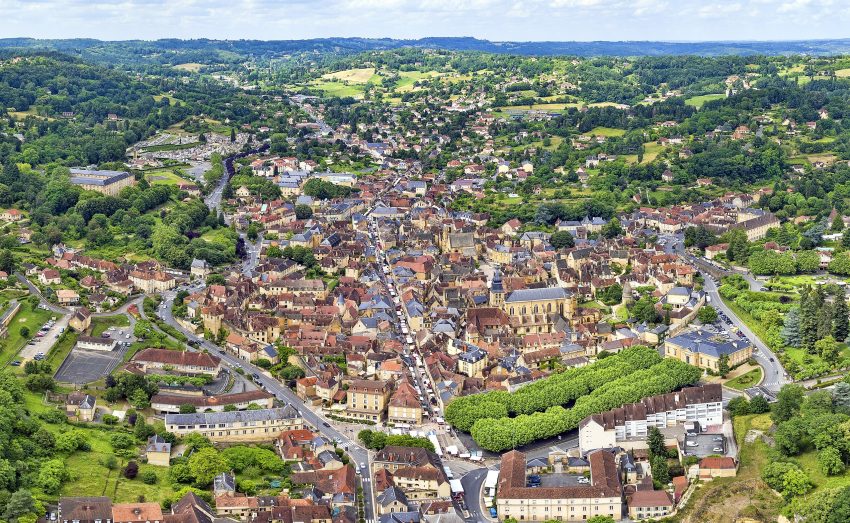
Sarlat-la-Canéda, located in the Nouvelle-Aquitaine region, is a beautifully preserved medieval town known for its honey-colored stone buildings and lively markets. The old town is a maze of cobbled lanes, hidden courtyards, and grand Gothic and Renaissance facades, all begging to be explored on foot. Whether you're wandering through early morning stillness or during a bustling market day, the atmosphere…
Visiting Sarlat-la-Caneda
Powered by GetYourGuide

24. Domme

Domme
Domme
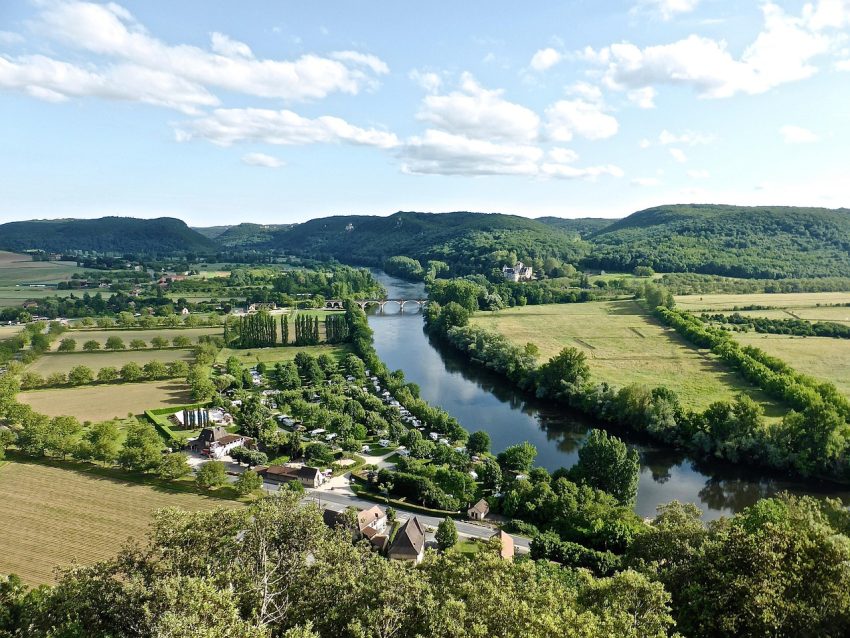
Domme, located in the Dordogne region, is a picturesque medieval village that offers visitors a charming and peaceful atmosphere. The village is perched on a hill, providing stunning panoramic views of the surrounding countryside, including the Dordogne River. Its narrow, winding streets are lined with quaint shops, cafes, and historic buildings, making it a lovely spot to explore on foot.…
Visiting Domme
Powered by GetYourGuide

25. La Rochelle

La Rochelle, France
La Rochelle, France
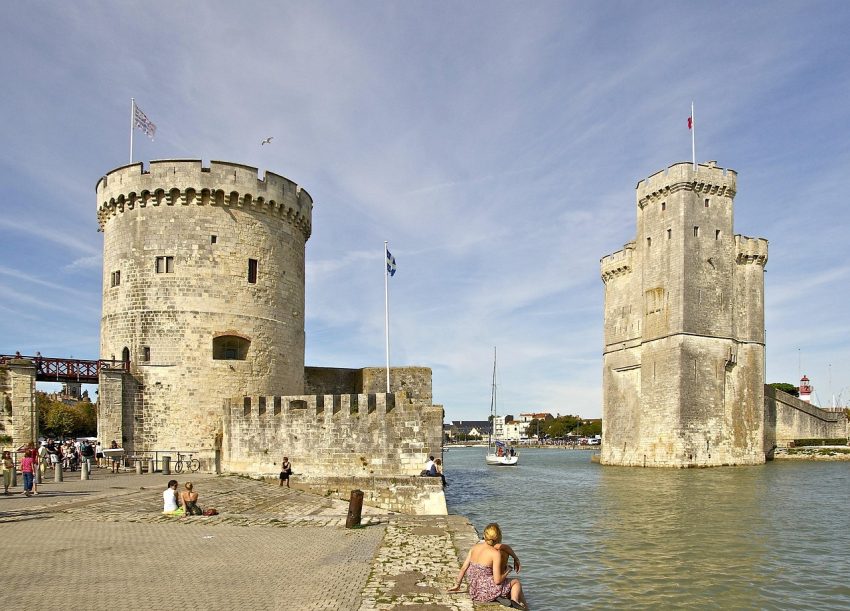
La Rochelle is a beautiful coastal city on the west coast of France, known for its picturesque harbor and vibrant atmosphere. Visitors can enjoy wandering through the charming old town with its narrow streets, colorful buildings, and bustling markets. The city is a great destination for those interested in seafood, as many restaurants line the waterfront offering fresh, local dishes.…
Visiting La Rochelle
Powered by GetYourGuide

Where to Stay in Bordeaux

In the heart of Bordeaux’s historic centre, a handful of refined hotels place you steps from the Grand Théâtre and the Place de la Bourse. InterContinental Bordeaux – Le Grand Hôtel occupies a 19th-century mansion with opulent décor and a Michelin-starred restaurant, while Hôtel de Sèze blends classic elegance with contemporary comforts and a spa tucked behind Haussmannian façades. Just around the corner, La Cour Carrée Hôtel offers intimate rooms within a restored mansion, where antique furnishings and a leafy courtyard create a serene city-centre retreat.

Across the river in the trendy Chartrons district, converted wine merchants’ warehouses now house stylish lodgings amid art galleries and riverside cafés. Mama Shelter Bordeaux brings playful design and a buzzing rooftop bar to the banks of the Garonne, while Hôtel La Maison Bord’eaux offers sleek, Scandi-inspired interiors just a short stroll from antique markets. Nearby, Les Sources de Caudalie lies a bit farther afield in the vineyards of Pessac-Léognan, where spa treatments use local grape-based products and gourmet meals overlook manicured parkland.

For those seeking the château-life experience, the rolling hills and wine estates of Bordeaux’s outskirts beckon. Château Pape Clément welcomes guests into its historic cellars and offers vineyard tours alongside refined chambres d’hôtes, while Les Sources de Caudalie (also ideal for spa lovers) immerses you in vine-studded tranquility just 20 minutes from the city. Back in town, if you prefer water views, Cité du Vin Hotel perches beside the iconic Cité du Vin museum, with panoramic terraces that overlook both the river and the city skyline.

Using the our Hotel and Accomodation map, you can compare hotels and short-term rental accommodations in Bordeaux. Simply insert your travel dates and group size, and you’ll see the best deals for your stay.

Bordeaux Accommodation Map

Best Time to Visit Bordeaux

Bordeaux: Best Time to Visit – Spring

Spring in Bordeaux, from March to May, is an excellent time to visit the city. The weather is mild, and the vineyards start to bloom, making it perfect for those looking to explore the surrounding wine regions. The city also hosts various festivals during this time, adding to the vibrant atmosphere.

Bordeaux: Best Time to Visit – Summer

The summer months, from June to August, are the peak tourist season in Bordeaux. The weather is warm, and the city comes alive with outdoor events, festivals, and cultural activities. While this is an ideal time to enjoy Bordeaux’s lively ambiance, it can be crowded, especially around wine regions, so it’s best to book accommodations in advance.

Bordeaux: Best Time to Visit – Autumn

Autumn, from September to November, is another fantastic time to visit Bordeaux. The grape harvest season is in full swing, and you can witness the excitement around wine production. The weather remains pleasant, and the region’s vineyards are particularly beautiful with fall colors, creating a scenic backdrop for visitors.

Bordeaux: Best Time to Visit – Winter

Winter in Bordeaux, from December to February, is the off-season. The city is less crowded, and while temperatures can be cooler, they are still relatively mild compared to other parts of France. It’s an ideal time for those seeking a quieter experience, with fewer tourists, allowing for more personal exploration of Bordeaux’s attractions and its renowned wine cellars.

Annual Weather Overview

  • January 10°C
  • February 13°C
  • March 16°C
  • April 20°C
  • May 24°C
  • June 26°C
  • July 30°C
  • August 30°C
  • September 26°C
  • October 23°C
  • November 15°C
  • December 12°C

How to get to Bordeaux

Bordeaux: How to Visit – Getting to Bordeaux by Air

Bordeaux is easily accessible by air, with the Bordeaux-Mérignac Airport serving both domestic and international flights. The airport is about 12 kilometers from the city center, and visitors can easily reach the city by shuttle bus, taxi, or rental car. Flights from major European cities, as well as some transatlantic routes, make Bordeaux a convenient destination for travelers.

Bordeaux: How to Visit – Getting to Bordeaux by Train

The city is well-connected by train, with Bordeaux's main railway station, Gare Saint-Jean, offering high-speed connections to and from Paris and other major French cities. The train journey from Paris to Bordeaux takes approximately two hours, making it a convenient and scenic way to travel. The station is located about 10 minutes from the city center, easily reachable by tram, bus, or taxi. You can use SNCF Connect to check schedules, compare routes, and purchase tickets for National (SNCF ) and regional trains (TER). For a more streamlined experience, we recommend using Omio, which allows you to easily compare prices, schedules, and book tickets for both National and Regional travel across all of Europe, all in one place.

Bordeaux: How to Visit – Getting to Bordeaux by Car

Bordeaux is located in a region well-served by major highways, making it easy to reach by car from other parts of France. The A10 and A62 highways connect Bordeaux to Paris, Toulouse, and other cities in the southwest. Renting a car is a great option if you want to explore the surrounding vineyards and charming towns in the Nouvelle-Aquitaine region. If you are looking to rent a car in France I recommend having a look at Discover Cars, first, as they compare prices and review multiple car rental agencies for you.

Bordeaux: How to Visit – Getting Around Bordeaux

Once in Bordeaux, visitors can use the efficient public transport system, which includes trams, buses, and ferries. The city center is compact and walkable, so many tourists prefer to explore on foot. For those who want to explore the wine region and surrounding areas, renting a bike or taking a guided wine tour is a popular option.
More from this area