Self-Guided Walking Tour of Bangkok’s Chinatown (2026)
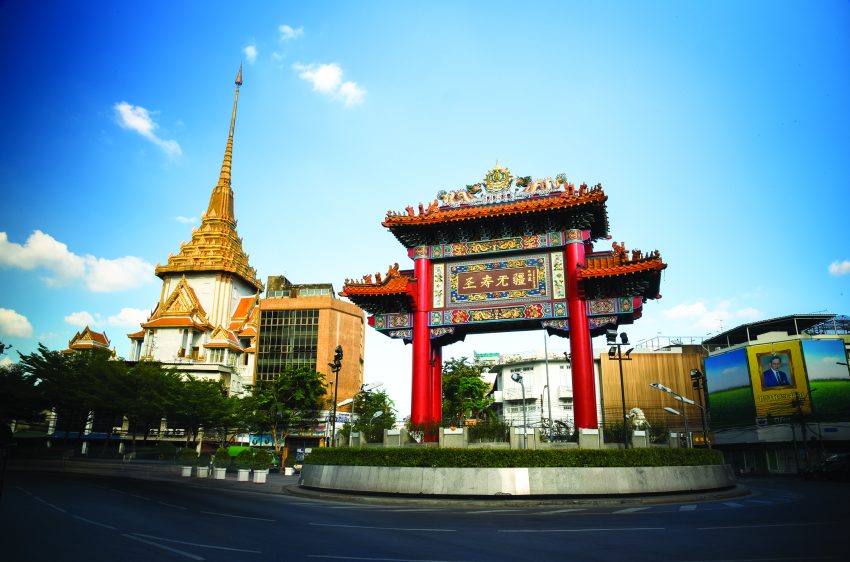
Walking Tour of Bangkok Chinatown
CC BY-SA 4.0 / Mr.Sayompoo Setabhrahmana

This website uses affiliate links which earn a small commission at no additional cost to you.

Bangkok's Chinatown is one of the largest and most vibrant in the world. Established in 1782, its heart lies along Yaowarat Road, which serves as the main thoroughfare and is often synonymous with the entire district.

For nearly two centuries, this area has been the hub of commerce for the Thai-Chinese community, transforming from an untamed expanse outside the city’s walls into a bustling cultural and trade center during the late 19th and early 20th centuries. While the Chinese population has gradually integrated into Thai society, Chinatown remains a stronghold of Chinese cuisine, crafts, and traditions.

By night, Yaowarat Road becomes a lively 1.5-kilometer-long “food street,” starting at Odeon Circle near Wat Traimit, the Temple of the Golden Buddha. Known as one of Bangkok’s best culinary destinations, it offers an irresistible array of street food and market delights, all framed by glowing neon signs and the vibrant energy of a district that never sleeps.

Venturing off the main road leads to quieter, less crowded streets where daily life unfolds in its purest form. Hidden gems like the Leng Buai Ia Shrine and Wat Mangkon Kamalawat (Dragon Lotus Temple) provide a peaceful contrast to the bustling main drag.

To fully experience this dynamic district, complete with its iconic landmarks, stunning temples, and charming colonial-style architecture, exploring on foot is highly recommended. Be sure to bring small bills for shopping and an umbrella to navigate Bangkok’s ever-changing weather!

How to Get to Bangkok’s Chinatown

Chinatown is easily accessible, no matter where you’re starting from! The most straightforward option is to take the MRT Blue Line to Wat Mangkon Station and follow the signs into Chinatown. This line conveniently stops at key areas like Silom, Sukhumvit, and Hua Lamphong Railway Station. Alternatively, you can reach Chinatown via the BTS by traveling to Saphan Taksin Station. From there, you can either hop on a motorbike or tuk-tuk to head up Charoen Krung Road, or take a Chao Phraya Express ferry to Ratchawong Pier.

If you’re sightseeing in the historic Rattanakosin area, the quickest and most direct way is to simply take a tuk-tuk straight to Chinatown.

Where to Stay in Bangkok’s Chinatown

To make the most of visiting Bangkok's Chinatown and this walking tour, consider staying overnight at the centre, close to Yaowarat Road and the bustling markets. In the heart of Chinatown, you'll find convenient options like Shanghai Mansion Bangkok, a stylish boutique hotel with an art-deco feel, and Lai Po Long Hotel, offering simple comfort steps from the main streets. A little further along, near the river and close to Wat Traimit, Hotel Royal Bangkok @ Chinatown provides modern amenities and easy access to Chinatown’s temples and markets, while Novotel Bangkok Fenix Silom combines central location with contemporary facilities just a short tuk-tuk ride away. For a more boutique experience, Riva Surya Bangkok offers riverside views and a quiet retreat, still within walking distance of Chinatown. These choices make it easy to explore landmarks like Wat Mangkon Kamalawat, the Bangkok Flower Market, and Sampheng Lane, both day and night.

A Short History of Bangkok’s Chinatown

Bangkok's Chinatown, centered along Yaowarat Road, was established in 1782 shortly after the founding of the Rattanakosin Kingdom by King Rama I. Chinese immigrants, drawn to trade and commerce, settled in the area, transforming it into a bustling hub of markets, shops, and temples. Talat Kao (Old Market) became the commercial heart, while Sampheng Lane emerged as a key trading street linking merchants to the wider city.

Religious and cultural life flourished alongside commerce. The Wat Traimit (Temple of the Golden Buddha), housing a 5.5-tonne gold Buddha, was originally built in the 13th century in Ayutthaya before being relocated to Chinatown in the 1950s. Other important shrines and temples include the Kuan Yim Shrine, dedicated to the Goddess of Mercy, the Leng Buai Ia Shrine, the oldest Chinese shrine in Bangkok, and Wat Mangkon Kamalawat, a major center for Chinese Buddhist worship, built in the early 19th century. Wat Chakrawat (Crocodile Temple) also adds to the area's spiritual diversity, blending Thai and Chinese traditions.

Chinatown's vibrant street life is complemented by the Bangkok Flower Market, known locally as Pak Khlong Talad, which has operated for decades and supplies flowers to the city. The iconic Chinatown Gate, erected in 1999 at the entrance to Yaowarat Road, symbolizes the district's enduring Chinese heritage. Today, Bangkok's Chinatown remains a lively mix of history, commerce, and culture, where temples, markets, and narrow streets reflect centuries of Chinese influence in the Thai capital.

Guided or Self-Guided Tour of Bangkok’s Chinatown

If you're spending a day in Bangkok and want to capture its vibrant streets and historic charm, consider joining this Song Wat Street and Chinatown Bangkok tour. This guided experience takes you through the bustling alleys of Song Wat Street and Chinatown, where you can photograph colorful markets, traditional shophouses, and cultural landmarks while learning about the area’s history and daily life.

However if you a foodie then I would highly recomend taking this guided street food tour. This guided evening tour takes you through Yaowarat Road and Sampheng Lane, where you can sample iconic Thai-Chinese dishes, discover hidden local eateries, and hear stories about the history, traditions, and bustling life of Bangkok's Chinatown.

Your Self-Guided Walking Tour of Bangkok’s Chinatown

This walkig tour will allow you to discover Bangkok's Chinatown on foot as you wander through its bustling streets, historic temples, colorful markets, and vibrant alleys. It has been designed to highlight the district's rich cultural heritage, religious traditions, and culinary charm all within a neighborhood shaped by centuries of Chinese influence in the heart of the Thai capital.

1. Chinatown Gate
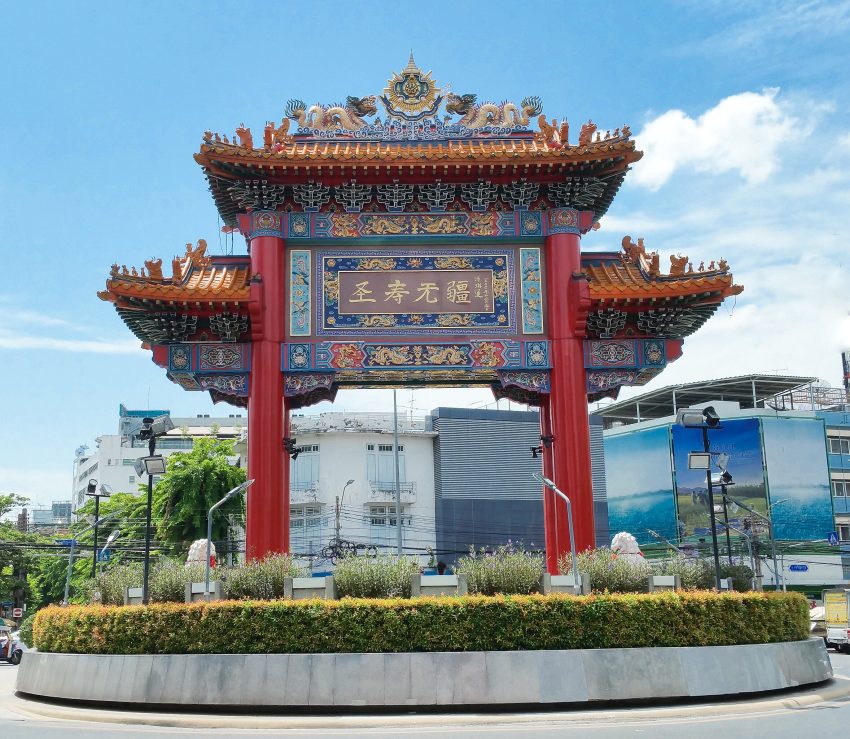
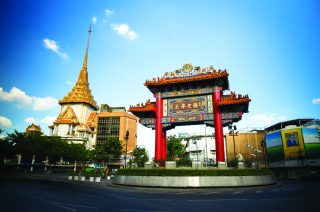
Chinatown Gate Bangkok
CC BY-SA 4.0 / Photogoddle

The Chinatown Gate, also known as the “Odeon Gate,” stands proudly at the entrance to Bangkok’s Chinatown, near the bustling Odeon Circle. Built in 1999 to celebrate King Bhumibol Adulyadej’s 72nd birthday, this symbolic structure blends Chinese and Thai cultures. The gate’s vibrant red and gold hues signify good fortune and prosperity, while the inscription “Sheng Shou Wu Jiang” translates to “Long Live the King.” Its grand design and intricate details make it a striking landmark that marks the transition into Chinatown’s colorful and lively streets.

During Chinese New Year, the Chinatown Gate becomes a focal point for festivities, where locals and visitors gather to make offerings and celebrate. Surrounding the gate are several notable attractions, including Wat Traimit, home to the Golden Buddha, and Sampaeng Lane, Chinatown’s historic trading alley. Whether visiting for cultural exploration, a taste of Chinese heritage, or to experience the vibrancy of Bangkok’s Chinatown, the gate serves as an excellent starting point for an unforgettable journey.


Location: The Chinatown Gate, Tri Mit Road, Talat Noi, Samphanthawong, Bangkok, Thailand

Here is a complete selection of hotel options in Bangkok. Feel free to review each one and choose the stay that best suits your needs.

2. Wat Traimit (Temple of the Golden Buddha)
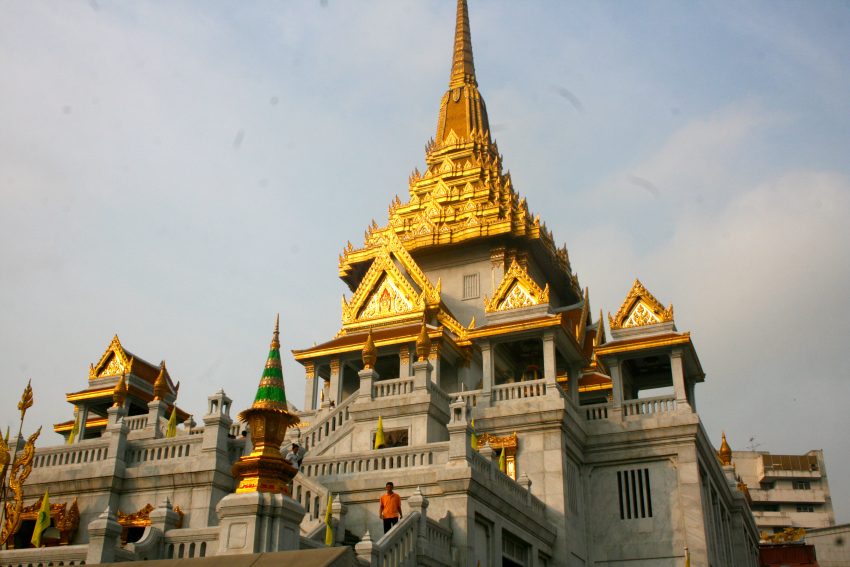
Wat Traimitt Temple which houses The Golden Buddha
CC BY-SA 2.0 / Ian Gratton

Wat Traimit, also known as the Temple of the Golden Buddha, is a must-visit landmark on the eastern edge of Bangkok’s Chinatown. This revered temple is home to the world’s largest solid gold Buddha, standing 3 meters tall and weighing a remarkable 5.5 tonnes. Cast in the Sukhothai style in the 13th century, the statue’s brilliance and intricate details make it a captivating sight. Its incredible value and beauty were hidden for centuries under a layer of plaster, likely to protect it from looters during the Ayutthaya period. The true nature of the statue was only discovered in 1955 when an accident during its relocation revealed the gold beneath.

The temple complex also houses two fascinating museums. The second floor features exhibits on the history of Bangkok’s Chinese community, offering insight into their cultural and economic contributions. On the third floor, visitors can learn about the Golden Buddha’s story, including how it survived wars and remained hidden for so long. With its rich history, stunning artistry, and cultural significance, Wat Traimit is not only a religious site but also a gateway to understanding Bangkok’s heritage.


Location: Wat Trai Mit Witthayaram Worawihan, Talat Noi, Samphanthawong, Bangkok, Thailand | Hours: Daily 8am until 5pm The museum is open Tues-Sun from 8am until 5pm (Only the museum is closed on Mondays) | Price: 100 Baht per person for museum entrance + 40 Baht per person to view buddha image.

Traveling to a country with a different currency? Avoid ATM transaction fees and pay in local currency with a Wise Card. Having used it for over 5 years, we've saved loads on fees!

3. Kuan Yim Shrine

Guanyin Shrine Bangkok
CC BY-SA 4.0 / Supanut Arunoprayote.

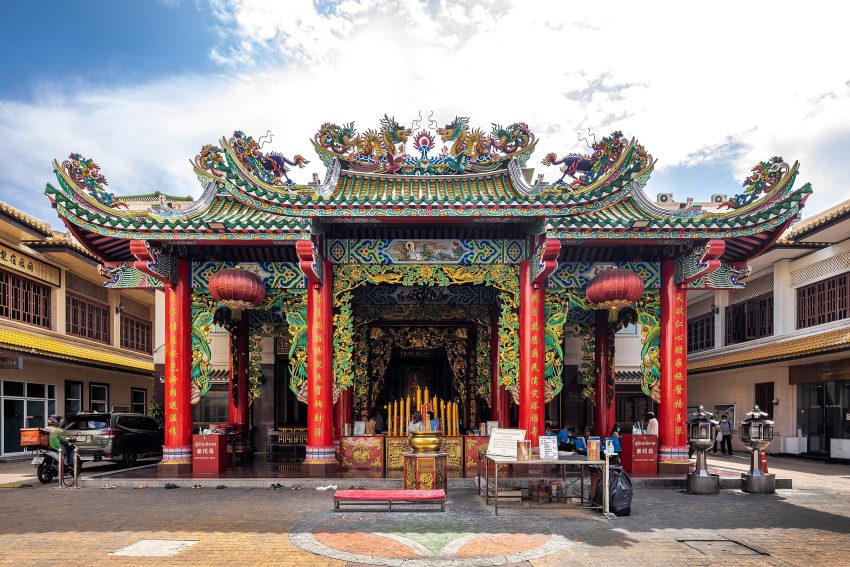
The Kuan Yim Shrine, located within Bangkok’s Chinatown, is a serene and colorful temple dedicated to Kuan Yim, the Chinese goddess of mercy and compassion. Established in 1903 as part of the Thian Fa Foundation, this shrine plays a dual role, addressing both spiritual and physical needs. The foundation originally offered free traditional Chinese medical care to the underprivileged, a mission that continues today with a modern hospital adjacent to the shrine. The goddess Kuan Yim, also known as Bodhisattva Avalokitesvara, symbolizes love, kindness, and forgiveness, drawing worshippers seeking blessings for health, success, and happiness.

The shrine itself is a visual delight, with its traditional Chinese-style roof adorned with ceramic dragons and vibrant murals depicting deities. At its heart is a stunning, gold-painted teak statue of Kuan Yim, carved during the Tang dynasty and estimated to be 900 years old. The tranquil atmosphere is complemented by the scent of incense and the sight of worshippers lighting candles and making offerings. Particularly lively during Chinese festivals, the Kuan Yim Shrine serves as a spiritual haven amid the bustling streets of Chinatown, offering a quiet space for reflection and prayer.


Location: Kuan Yim Shrine, Thian Fah Foundation, Yaowarat Road, Samphanthawong, Bangkok, Thailand | Hours: Daily 7am-7pm.

Click here to read our blog about The Perfect Bangkok Itinerary 2026: 3–4 Days in Thailand’s Vibrant Capital

4. Yaowarat Road

Yaowarat at night
Yaowarat at night
CC BY-SA 2.0 / Ninara

Yaowarat Road, the vibrant heart of Bangkok’s Chinatown, is a bustling street renowned for its rich cultural heritage and unparalleled culinary scene. Stretching 1.5 kilometers, this iconic road is lined with an eclectic mix of gold shops, street vendors, traditional Chinese medicine shops, and historic landmarks. During the day, it buzzes with shoppers hunting for treasures and trinkets, while at night, it transforms into a dazzling food paradise illuminated by a sea of neon signs. The street is a feast for the senses, offering everything from sizzling seafood dishes to delectable desserts, making it a must-visit destination for food enthusiasts.

Beyond its gastronomic delights, Yaowarat Road is steeped in history and tradition. Founded in 1782, it has long been the commercial and cultural hub for Bangkok’s Chinese community. The area offers a glimpse into local life, with hidden temples like Leng Buai Ia and Wat Mangkon Kamalawat, along with traditional apothecaries and markets selling herbs and spices. Whether you’re exploring its lively street markets, savoring world-class street food, or delving into its rich heritage, Yaowarat Road is a vibrant embodiment of Bangkok’s multicultural charm.


Location: Yaowarat Road, Samphanthawong, Bangkok, Thailand

Click here to read our blog about Best Things to Do in Bangkok, Thailand (2026)

5. Talat Kao (Old Market)

Talat Kao Chinatown Bangkok
CC BY-SA 2.0 / Jorge Láscar

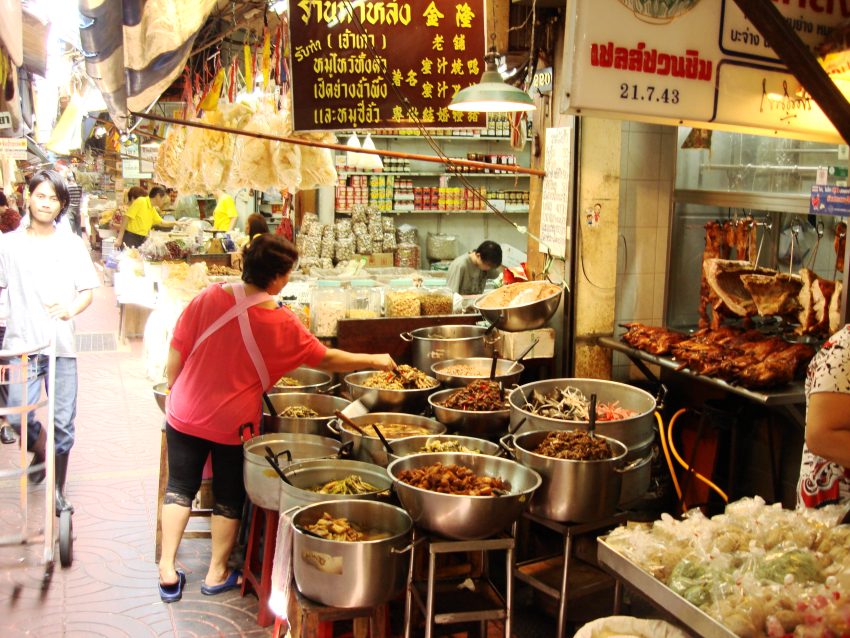
Talat Kao (Old Market) is one of Bangkok’s oldest markets, located in the heart of Chinatown. Established over 200 years ago, it was the original trading hub for Chinese settlers in the area and remains a vibrant reflection of their culinary and cultural heritage. The market is famed for its array of traditional Chinese delicacies, including shark fins, dried abalone, steamed bird’s nests, and puffed fish stomachs, alongside more familiar options like dumplings, noodles, and fresh juices. Wandering through its narrow alleys, visitors can find stalls selling seasonal fruits at bargain prices, unique snacks like pak mor (steamed coconut desserts), and an array of dried goods. Despite its historical charm, Talat Kao buzzes with modern energy, blending the atmosphere of a walking street with the lively chaos of motorbikes and tuk-tuks weaving through the crowds.


Location: Yaowarat Rd, Wang Burapha Phirom, Phra Nakhon, Bangkok 10200, Thailand

Where to Stay in Bangkok: An Area by Area Guide!

6. Leng Buai Ia Shrine

Leng Buai Ia Shrine
Leng Buai Ia Shrine
CC BY-SA 4.0 / Bangkok

Leng Buai Ia Shrine, located in the heart of Bangkok’s Chinatown, is one of the oldest and most revered Chinese temples in Thailand. Originally built in 1658 during the Ayutthaya period, the shrine is dedicated to Leng Buai Ia, a figure believed to be a protector of Chinese immigrants and their businesses. Over the centuries, it has become a focal point for the Chinese community in Bangkok, offering both spiritual support and a place to connect with others. The shrine’s colorful design features a traditional Chinese architectural style, with ornate carvings, decorative tiles, and statues of various deities, creating a serene yet vibrant atmosphere for worshipers.

The shrine is particularly famous for its intricate offerings and rituals, which include burning incense and presenting gifts in the hope of securing blessings for prosperity, health, and success. Inside, visitors can see a statue of Leng Buai Ia, along with altars dedicated to other figures such as the Queen of Heaven, Tianhou, and the Taoist deity Gong Wu (Guan Yu). The shrine is a hub of activity during Chinese holidays, particularly Chinese New Year, when locals gather to pray for good fortune. Despite its modest size, Leng Buai Ia Shrine is an important cultural landmark, reflecting the deep roots of the Chinese community in Bangkok.


Location: Leng Buai Ia Shrine, Soi Yaowarat 6, Samphanthawong, Bangkok, Thailand

Click here to read our blog about Best Day Trips from Bangkok 2026

7. Wat Mangkon Kamalawat

Dragon Lotus Temple
Dragon Lotus Temple
CC BY-SA 4.0 / Chainwit.

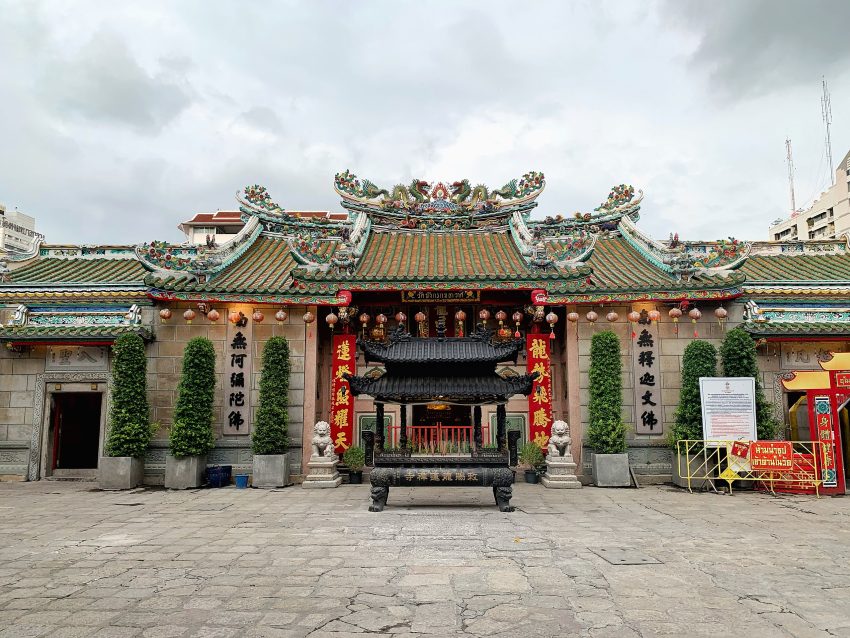
Wat Mangkon Kamalawat, also known as the Dragon Lotus Temple, is one of the most significant and vibrant Chinese Buddhist temples in Bangkok. Located in the heart of Chinatown, the temple was founded in the early 19th century, around 1871, and is dedicated to the teachings of Mahayana Buddhism. It is one of the oldest and largest temples in the area, and its architectural style combines traditional Chinese elements with Thai influences, creating a stunning visual harmony. The temple is particularly famous for its ornate, multi-tiered roofs adorned with intricate dragon motifs, which symbolize power and protection. Inside, the main hall houses a large golden Buddha, blending Thai and Chinese artistic styles.

The temple is not only a religious site but also a cultural hub for the Chinese community in Bangkok. It houses shrines dedicated to a variety of Buddhist, Taoist, and Confucian deities, reflecting the diverse spiritual practices of the local community. Among the notable shrines are those dedicated to Guan Yin (the goddess of mercy), the temple’s founder, and other figures of significance. The temple grounds also feature a large courtyard with several smaller shrines, including one for ancestor worship. During major Chinese festivals such as Chinese New Year and the Vegetarian Festival, Wat Mangkon Kamalawat becomes a focal point for celebrations, drawing crowds of worshipers and tourists alike. It is an essential stop for anyone looking to experience the spiritual and cultural richness of Bangkok’s Chinatown.


Location: Wat Mangkon Kamalawat (Wat Leng Noei Yi), ถนน เจริญกรุง Pom Prap, Pom Prap Sattru Phai, Bangkok, Thailand

Explore Bangkok at your own pace with our self-guided walking tour! Follow our curated route to discover must-see sights and local secrets that makes Bangkok one of the best places to visit in Thailand.

8. Sampheng Lane

Sampeng Lane in Bangkoks Chinatown Bangkok Thailand
CC BY-SA 4.0 / Vyacheslav Argenberg

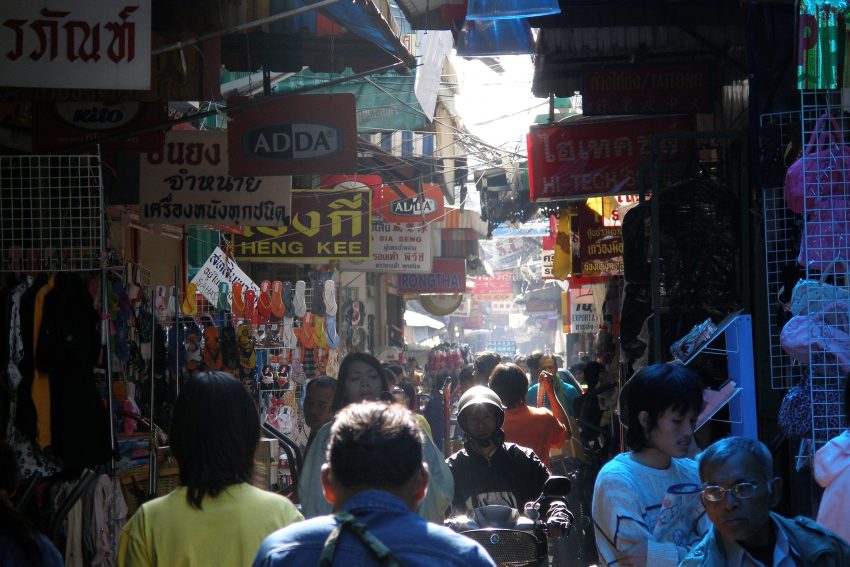
Sampeng Lane, known locally as Soi Wanit 1, is a historic and bustling market located in the heart of Bangkok’s Chinatown. This narrow, lively lane has been a hub of trade and commerce for centuries, dating back to the early days of Chinese immigration to Thailand. Originally a dirt path lined with wooden shophouses and floating bamboo structures, Sampeng Lane became the backbone of trade with China, Thailand’s primary trading partner at the time. Today, the market remains a chaotic and colorful destination, offering a dizzying array of goods, from textiles and jewelry to toys, kitchenware, and dried foods. Its vibrant atmosphere is characterized by the hum of vendors, the shuffle of pushcarts, and the occasional scooter navigating through the crowded lanes.

The market’s enduring appeal lies in its authenticity and affordability. Shoppers can find wholesale bargains and unique items, while the lane’s proximity to Yaowarat Road means a seamless blend of retail and culinary delights. Food enthusiasts will be drawn to the array of Thai-Chinese street food options, from crispy spring rolls and mango sticky rice to savory pork skewers and refreshing coconut ice cream. Beyond shopping and dining, Sampeng Lane offers a glimpse into the rich history of Chinatown, from its early role in Thailand’s trading network to its evolution into a cultural and commercial landmark. Whether you’re hunting for souvenirs or savoring street food, Sampeng Lane is a must-visit for anyone exploring Bangkok’s dynamic Chinatown.


Location: Sampheng Market, Chakkrawat, Khet Samphanthawong Bangkok 10100 Thailand

9. Wat Chakrawat (Crocodile Temple)
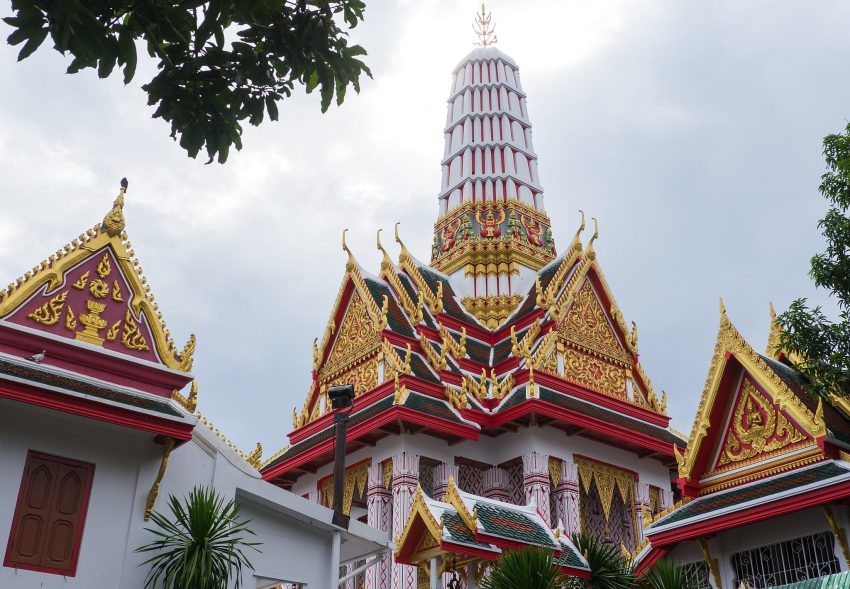
The Crocodile Temple
CC BY-SA 3.0 / CKasa

Visiting Wat Chakrawat, also known as the Crocodile Temple, in Bangkok is a unique and intriguing experience. Located in the Thonburi district, this lesser-known temple offers a fascinating blend of spirituality and unusual attractions. The temple is famous for housing live crocodiles in a small pond, a feature that sets it apart from other temples in the city. Visitors can marvel at the serene beauty of the temple’s architecture, with its traditional Thai structures and peaceful surroundings. In addition to the crocodiles, Wat Chakrawat is also known for its murals, serene ambiance, and the sense of history it holds within the heart of Bangkok’s older neighborhoods. It’s an off-the-beaten-path destination that offers a quiet escape with a dash of curiosity and local charm.


Location: Wat Chakrawatrachawat Woramahawihan (Wat Sam Pluem), ถนน จักรวรรดิ Chakkrawat, Samphanthawong, Bangkok, Thailand

10. Bangkok Flower Market
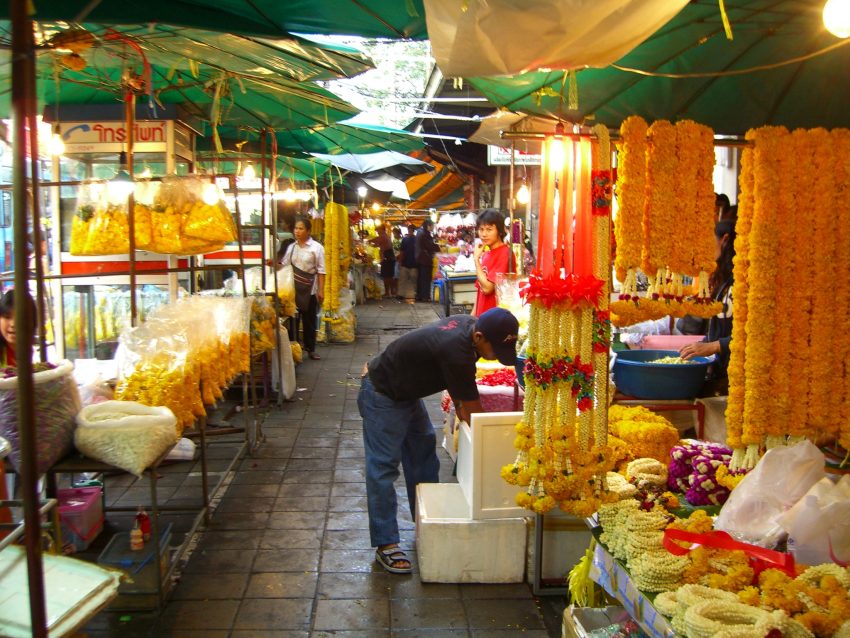
Pak Khlong Talat Flower market
CC BY-SA 2.0 / eric molina

Pak Khlong Talat, or Bangkok Flower Market, is the city’s largest wholesale and retail fresh flower market, brimming with vibrant blooms and fragrant offerings. Located in the Old City along Chak Phet Road near Saphan Phut (Memorial Bridge), this 24-hour market is a sensory delight, especially at night when fresh flowers like orchids, roses, marigolds, and lotus blooms arrive from the countryside. Vendors skillfully craft sacred temple garlands, wedding arrangements, and funeral displays with breathtaking speed, showcasing the artistry of traditional Thai floral culture. While the market buzzes with activity at night, during the day it shifts gears, offering fruits and vegetables at wholesale prices. Accessible from nearby landmarks like Wat Pho, Pak Khlong Talat is a must-visit destination for its vibrant atmosphere and captivating insight into Bangkok’s floral and cultural traditions.


Location: Pak Khlong Talat (Flower Market) - Wat Kanlayanamit Khwaeng Wang Burapha Phirom, Phra Nakhon Bangkok 10200, Thailand | Hours: 24 Hours
Powered by GetYourGuide
Moira & Andy
Moira & Andy

Hey! We're Moira & Andy. From hiking the Camino to trips around Europe in Bert our campervan — we've been traveling together since retirement in 2020!

Read our full story here

This website uses affiliate links which earn a small commission at no additional cost to you.

Walking Tour Summary

Distance: 3.5 km
Sites: 10

Walking Tour Map
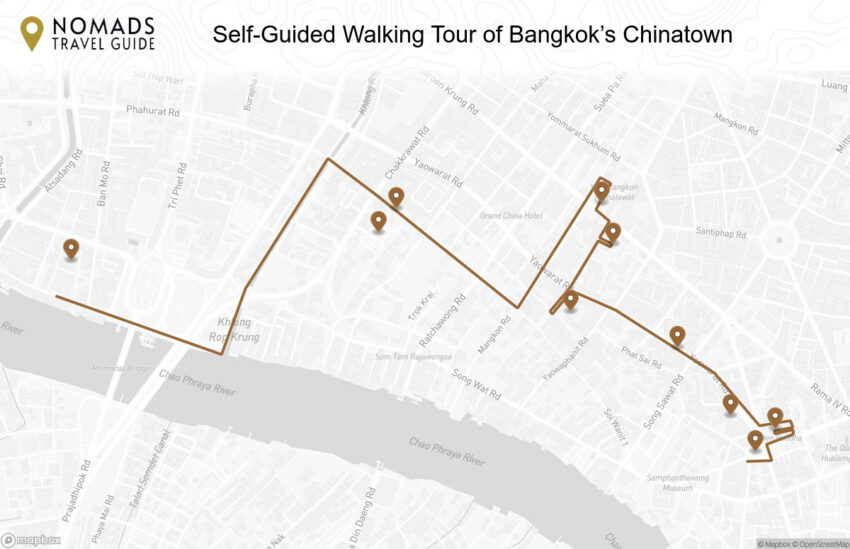
Map of the Self-Guided Walking Tour of Bangkok’s Chinatown walking route with 10 stops in Bangkok.
Preview map of the Self-Guided Walking Tour of Bangkok’s Chinatown route in Bangkok, showing 10 stops. Use the interactive map to zoom and tap markers.

More from this area

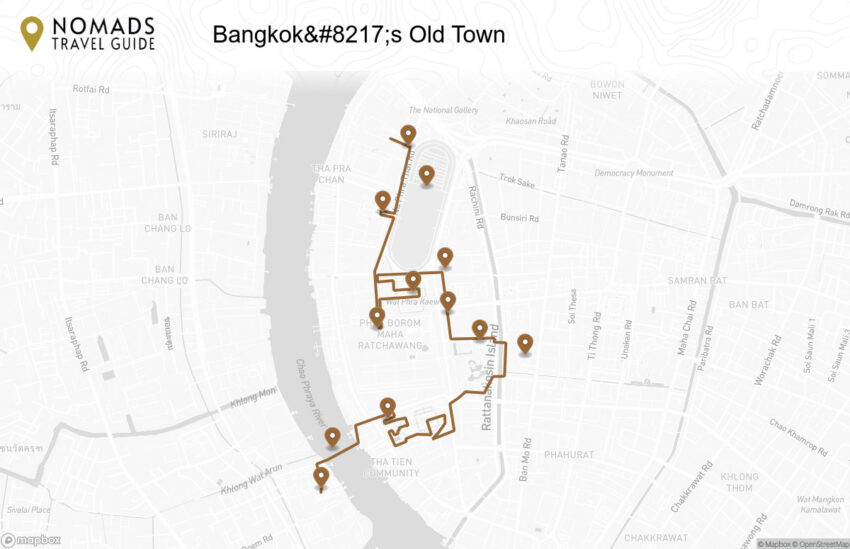
Bangkok's Old Town: A Self-Guided Walking Tour (2026)

Bangkok Old Town Self Guided Tour

This website uses affiliate links which earn a small commission at no additional cost to you.

Bangkok's Old Town, or Rattanakosin Island, is the historic and cultural heart of the city, where grand palaces, ornate temples, and bustling streets converge. A walking tour here allows you to explore centuries of Thai history on foot, from the majestic Grand Palace and the sacred Wat Pho to smaller hidden gems tucked down narrow alleyways. The mix of golden spires, traditional markets, and riverside views makes this district an ideal starting point for anyone wanting to experience the soul of Bangkok.

As you wander through the Old Town, you’ll discover both architectural grandeur and everyday life. Stroll past the colorful Chao Phraya River embankments, cross busy intersections lined with street food stalls, and admire intricate temple murals and statues. Along the way, you’ll encounter local markets, historic streets such as Phra Arthit Road, and cultural centers that reveal the evolution of the city from a small riverside settlement into Thailand’s thriving capital.

Where to stay when visitng Bangkok’s Old Town

To make the most of visiting Bangkok’s Old Town and this walking tour, consider staying overnight at the centre, close to the historic temples, canals, and bustling streets. In the heart of the Old Town, you can choose Riva Surya Bangkok, offering riverside views and easy access to the area’s landmarks, or Chillax Resort, a boutique option near Khao San Road and the Grand Palace. For a more contemporary stay, Nouvo City Hotel provides modern amenities within walking distance of temples and local markets, while ibis Styles Bangkok Khaosan Viengtai combines convenience and comfort near the vibrant Old Town streets. Additional choices include Sala Rattanakosin Bangkok, which offers stunning views of Wat Arun across the river, and Riva Arun Bangkok, a stylish boutique hotel ideal for exploring temples, markets, and riverside attractions. Staying in these areas makes it easy to explore the historic heart of Bangkok on foot, from Wat Pho and the Grand Palace to the bustling street life along Phra Athit Road.

A Short History of Bangkok’s Old Town

Bangkok’s Old Town, also known as Rattanakosin Island, was established in 1782 by King Rama I as the new capital of the Rattanakosin Kingdom. Situated along the Chao Phraya River, the area was chosen for its strategic location and fertile riverbanks, allowing the city to flourish as a political, religious, and commercial center. King Rama I laid out the district with fortified walls and canals, while constructing the Grand Palace, which became the royal residence, and the adjacent Wat Phra Kaew (Temple of the Emerald Buddha), completed in 1784, serving as the spiritual heart of the kingdom. The City Pillar Shrine (Lak Mueang), also established by Rama I, symbolized the city’s foundation and spiritual protection.

During the 19th century, successive monarchs added grand temples and palaces that reflected both Thai tradition and modern influences. Wat Pho, dating back to the 16th century but expanded under Rama I, became a center for religious education and is famous for its giant reclining Buddha. Wat Ratchabophit, commissioned by King Rama V in 1869, and Wat Ratchapradit, built under King Rama IV in the mid-19th century, illustrate the evolving architectural styles of the era. Royal residences like Saranrom Palace and public spaces such as Sanam Luang Square further defined the civic and ceremonial heart of the city.

Cultural institutions and museums emerged in the 20th century to preserve the Old Town's heritage. The National Museum Bangkok, housed in former royal palaces, showcases artifacts spanning Thai history, religion, and art. The riverside Temple of the Dawn (Wat Arun), rebuilt in the early 19th century under King Rama II and completed by Rama III, remains an iconic landmark visible across the Chao Phraya. Together, these sites demonstrate how Bangkok's Old Town has grown from a fortified royal settlement into a vibrant historic district, blending religion, monarchy, and urban life over more than two centuries.

Guided or Self-Guided Tour of Bangkok’s Old Town

If you're spending a day in Bangkok and want to make the most of your time in the historic centre, consider joining a guided walking tour with a local expert. This 6-8-hour Bangkok Grand Palace, Wat Pho, and Wat Arun Guided Tour offers a fantastic introduction to the city’s cultural heart, with visits to iconic landmarks such as the Grand Palace, Wat Pho, and Wat Arun. Alternatively, for a more leisurely pace, you might explore the area on your own, taking in the sights and sounds of this vibrant district at your own speed.

Your Self-Guided Walking Tour of Bangkok’s Old Town

This walking tour also offers opportunities to immerse yourself in Bangkok’s living traditions. From observing monks on their daily rounds to sampling snacks at bustling food stalls, the Old Town is full of sensory experiences. By taking your time and exploring both well-known landmarks and quieter corners, you can fully appreciate the vibrant history, religious heritage, and dynamic street life that make Bangkok’s Old Town a must-visit destination.

1. Temple of the Dawn (Wat Arun)

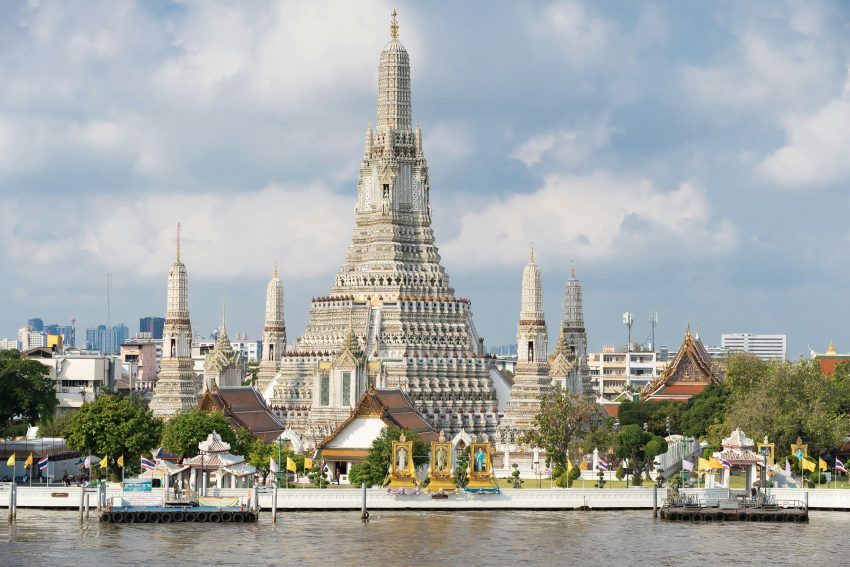
Wat Arun Temple of Dawn

The origins of Wat Arun remain shrouded in mystery, though it is known that a Khmer-style prang (tower) stood at this site long before the Siamese (Thai) settled in the area during the 1500s. At that time, the Chao Phraya River formed a massive horseshoe bend around the temple and nearby olive groves. These groves inspired the village’s name, Bang Makok (“Olive Town”), and the temple became known as Wat Makok. The village remained small, overshadowed by Siam’s capital, Ayutthaya, located 50 miles to the north. However, during the reign of King Narai (1656–1688), the French were permitted to build a fort near the temple. This sparked controversy, with critics accusing the king of being overly foreign-friendly. In 1688, a 40,000-strong uprising destroyed the fort, preserving Siam’s independence and averting colonization.

Nearly a century later, Ayutthaya fell to Burmese forces in 1767, leaving the once-great city in ruins. General Taksin rallied Siamese forces, expelled the Burmese, and became king. Legend has it that during the war, General Taksin glimpsed Wat Makok at dawn, which inspired him to relocate the capital to Bang Makok, renaming it Thonburi. The temple was renamed Wat Arun, after Aruna, the Hindu god of dawn. King Taksin built his Royal Palace (now the site of the Royal Thai Naval Academy) next to Wat Arun and temporarily housed the Emerald Buddha there from 1778 until his death four years later.

Following Taksin’s death, the Chakri dynasty assumed the throne with King Rama I (1782–1809). The new king moved the capital across the river to Rattanakosin, built the Grand Palace, and transferred the Emerald Buddha to its new home. Wat Arun was largely neglected during this period but was revived under King Rama II (1809–1824) and King Rama III (1824–1851), who undertook extensive restorations. During these upgrades, the central prang was significantly heightened, crowned with a seven-pronged trident symbolizing Shiva, and adorned with intricate patterns made from colorful Chinese porcelain and rows of detailed statues. Representing the mythical Mount Meru—the center of the universe in Hindu cosmology—the main tower grew to an impressive 262 feet. Four smaller towers at the corners were also added, dedicated to Phra Phai, the Hindu god of wind, as protectors of the temple.

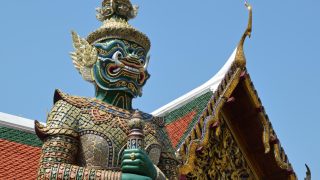
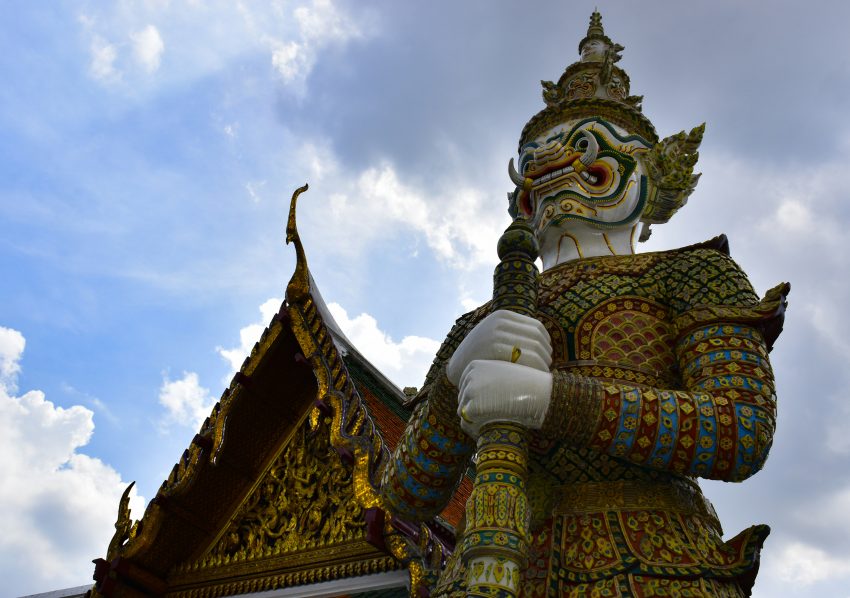
Wat Arun’s exterior is a treasure trove of artistry, with intricate statues and decorations covering nearly every surface. Upon entering the temple grounds, visitors are greeted by two towering yaksha (demon) statues from the Hindu epic Ramayana. The white guardian, Sahassateja, and the green guardian, Tasakanth, stand vigilant at the ordination hall, warding off evil spirits. Around the base of the central prang, sculptures of animals and Chinese soldiers act as both guards and structural supports. Climbing the steep steps to the upper levels brings visitors close to four statues of the Hindu god Indra riding the three-headed elephant, Erawan.

The views from the upper terraces are breathtaking, offering panoramas of the Chao Phraya River and surrounding cityscape. For the most striking views of Wat Arun itself, visit at dawn, when the porcelain decorations shimmer in the sunlight, or at dusk, when the temple is bathed in a stunning combination of sunset hues and soft accent lighting.


Location: Wat Arun, Bangkok, Thailand | Hours: 8:00 AM to 5:30 PM | Price: 50 Baht to enter the temple grounds.

Here is a complete selection of hotel options in Bangkok. Feel free to review each one and choose the stay that best suits your needs.

Powered by GetYourGuide

2. Chao Phraya River

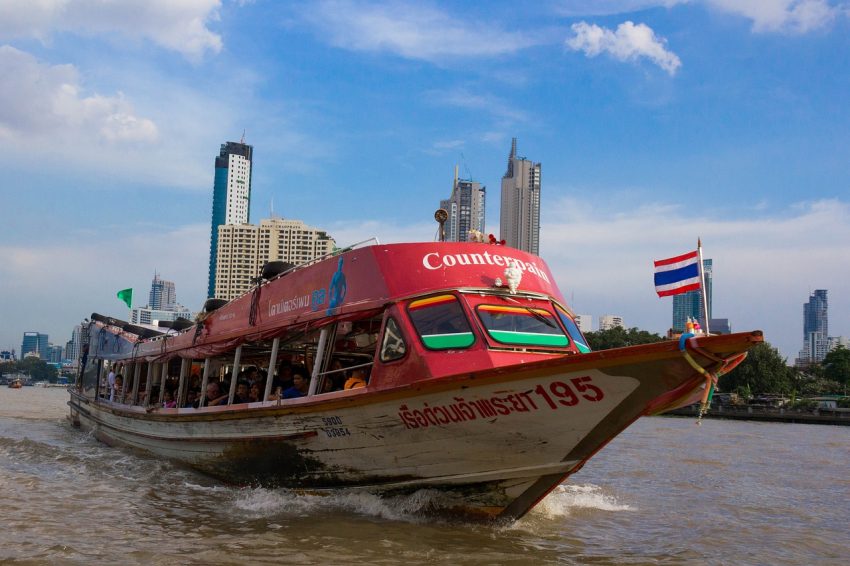
boat on the Chao Phraya River

You haven’t truly arrived in Bangkok until you’ve cruised the Chao Phraya River on a traditional Long Tail Boat. Stretching almost the entire length of Thailand, the Chao Phraya serves as Bangkok’s main artery, cutting through the city of canals. While the river may be noisy, congested, and not the cleanest, it offers an unforgettable way to experience Bangkok’s vibrant culture.

Though passenger ferries are available at most major piers, we recommend hiring a traditional Long Tail Boat (Ruea Hang Yao in Thai). These sleek, low-profile boats are built for speed, even in shallow waters, and can carry both people and cargo. A unique feature of modern Long Tail Boats is their use of car or truck engines instead of standard boat motors. The engine’s long drive shaft doubles as a rudder, giving the driver a full 180-degree range of steering—a vital feature on the bustling river. The sight of drivers standing near the motor’s exposed, high-speed fan blades adds a thrilling edge to the experience.


Traveling to a country with a different currency? Avoid ATM transaction fees and pay in local currency with a Wise Card. Having used it for over 5 years, we've saved loads on fees!

Powered by GetYourGuide

3. Wat Pho

Wat Pho Bangkok Thailand
CC BY-SA 4.0 / KOSIN SUKHUM

Wat Pho, also known as the Temple of the Reclining Buddha, is Bangkok’s oldest Buddhist temple and one of its largest, located just behind the majestic Temple of the Emerald Buddha. Constructed approximately 200 years before Bangkok became Thailand’s capital, the temple is renowned for its massive Reclining Buddha statue and its unparalleled collection of Buddha images. Wat Pho underwent a near-total reconstruction during the reign of King Rama I when the capital shifted to Bangkok.

The highlight is the gold-plated Reclining Buddha, an awe-inspiring statue that measures 46 meters in length and 15 meters in height. The statue symbolizes the Buddha’s transition into nirvana. Its feet and eyes are delicately inlaid with mother-of-pearl, while the soles display 108 auspicious scenes, blending Chinese and Indian artistic influences.

Exploring Wat Pho’s Rich Complex

Wat Pho is divided into two main walled compounds, separated by Sanamchai Road. The northern section houses the Reclining Buddha, a traditional Thai massage school, and a hall featuring 394 bronze Buddha images. Around the complex, you’ll also find 91 chedis (stupas) of various sizes, along with a beautifully decorated library adorned with porcelain figures and pagodas. In total, Wat Pho’s grounds host over 1,000 Buddha images, many of which were brought from the ancient capitals of Ayutthaya and Sukhothai.

Wat Pho is more than just a temple—it is considered Thailand’s first university and a center for learning traditional Thai massage. Unlike most therapeutic massages, this practice is invigorating and incorporates yoga-inspired movements to alleviate stress and improve blood circulation. Visitors can enjoy an authentic massage here, a draw for locals and international celebrities alike.

Additional offerings include traditional Thai dance and music lessons on Sundays, as well as consultations with astrologers and palm readers. Visitors can also receive blessings from monks for a small donation, contributing to the temple’s upkeep.

Visitor Tips

  • Bring the exact cash amount for tickets, as no change is provided.
  • Budget around 2-5 hours to explore the vast complex fully.
  • Admission includes a bottle of water, and refill stations with cool water are available on-site.
  • Dress modestly—long pants and sleeved shirts are required for both men and women.
  • Shoes must be removed to enter sacred areas.

Location: The Reclining Buddha Wat Pho Phra Borom Maha Ratchawang, Phra Nakhon Bangkok 10200, Thailand | Hours: 8:00 AM to 6:30 PM | Price: Adults: 200 Thai Baht | Website

Click here to read our blog about The Perfect Bangkok Itinerary 2026: 3–4 Days in Thailand’s Vibrant Capital

Powered by GetYourGuide

4. Saranrom Palace

Saranrom Palace
Saranrom Palace
CC BY-SA 4.0 / Krzysztof Golik

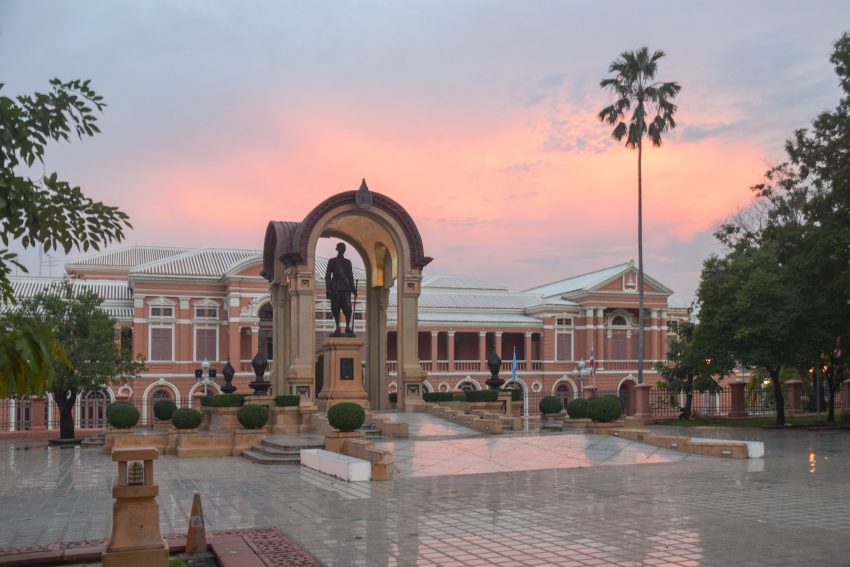
This charming palace, with its salmon-pink façade and unique architecture that blends European and Thai influences, was completed in 1866. Originally intended as the retirement residence for King Rama IV, he passed away before its completion. His successor, King Rama V, repurposed the palace, using it as a temporary residence for his sons. Later, King Rama VI transformed the palace into the Ministry of Foreign Affairs in 1926 after it ceased to serve as a royal residence. Today, Saranrom Palace stands as a reminder of Bangkok’s dynamic history and is home to the Museum of the Ministry of Foreign Affairs.

Adjacent to the palace, you’ll find the peaceful Saranrom Royal Park, originally constructed by King Rama IV. Under King Rama V, the park briefly became an exotic zoo until the animals were relocated to Dusit Zoo. Though no longer a zoo, the park retains much of its original charm, including a striking red fountain, manicured greenery, and tranquil walking paths. It’s a delightful spot to relax after exploring the palace and offers a serene escape in the heart of Bangkok.


Location: Saranrom Palace, Sanam Chai Road, Phra Borom Maha Ratchawang, Phra Nakhon, Bangkok, Thailand | Hours: 7:30 am-4:30 pm | Price: Free. | Website

Click here to read our blog about Best Things to Do in Bangkok, Thailand (2026)

5. Wat Ratchapradi

Wat Ratchapradit
Wat Ratchapradit
CC BY-SA 4.0 / Supanut Arunoprayote.

Wat Ratchapradit, also known as Wat Ratchapradit Sathit Maha Simaram, is a small but historically significant royal temple located near the Grand Palace in Bangkok. It was commissioned by King Rama IV in 1864 as a place of worship for the Thammayut Nikaya monastic order, which he founded. Built on a modest plot of land previously used for coffee plantations, the temple reflects a unique blend of Thai and Khmer architectural styles. Its central feature is the ordination hall, or ubosot, which boasts intricate murals depicting royal ceremonies, lunar calendars, and the solar eclipse—a nod to King Rama IV’s deep interest in astronomy.

Despite its small size, Wat Ratchapradit holds immense spiritual and cultural importance. The temple’s serene atmosphere provides a contrast to the bustling surroundings, making it a peaceful retreat for visitors exploring Bangkok’s historic district. The temple’s grounds include a striking prang (Khmer-style tower), symbolizing Mount Meru, the center of the Buddhist cosmos. Wat Ratchapradit is often overlooked compared to its larger neighbors, but its exquisite artistry and royal connections make it a hidden gem for those seeking a deeper understanding of Thailand’s rich history and traditions.


Location: Wat Ratchapradit Sathit Maha Simaram Ratchaworawihan, Saranrom Road, Phra Borom Maha Ratchawang, Phra Nakhon, Bangkok, Thailand | Hours: 8am until 5pm | Price: Free entry

Where to Stay in Bangkok: An Area by Area Guide!

6. Wat Ratchabophit

Wat ratchabopit
Wat ratchabopit
CC BY-SA 4.0 / Athichitra

Wat Ratchabophit, located near the Grand Palace in Bangkok, is a stunning royal temple known for its blend of Thai and Western architectural influences. Built during the reign of King Chulalongkorn (Rama V) in 1869, the temple features a large central prang, or tower, inspired by the Khmer style, and an ornate ordination hall with elements of Gothic architecture. The temple’s most striking feature is its unique circular-shaped bot (ordination hall), which sets it apart from other temples in the city. This harmonious mix of styles represents the modernization efforts of the era while preserving traditional Thai elements, making Wat Ratchabophit a testament to the evolving nature of Thai art and culture.

The temple grounds are beautifully landscaped, with well-maintained gardens and serene walkways that invite visitors to pause and reflect. Inside the ordination hall, visitors can admire the intricate murals depicting the life of the Buddha, along with the magnificent golden Buddha statue seated within the hall. Surrounding the temple is a serene cloistered courtyard lined with small chedis, which house the remains of important figures. Wat Ratchabophit, though not as well-known as some of Bangkok’s more famous temples, offers a peaceful escape with its elegant architecture and rich historical significance, making it a worthwhile stop for those interested in the city’s royal and religious heritage.


Location: 3 Ratchabophit Rd, Khwaeng Wat Ratchabophit, Khet Phra Nakhon, Krung Thep Maha Nakhon 10200,Bangkok, Thailand

Click here to read our blog about Best Day Trips from Bangkok 2026

7. City Pillar Shrine (Lak Mueang)

The City Pillar Shrine Lak Mueang
CC BY-SA 4.0 / PEAK99

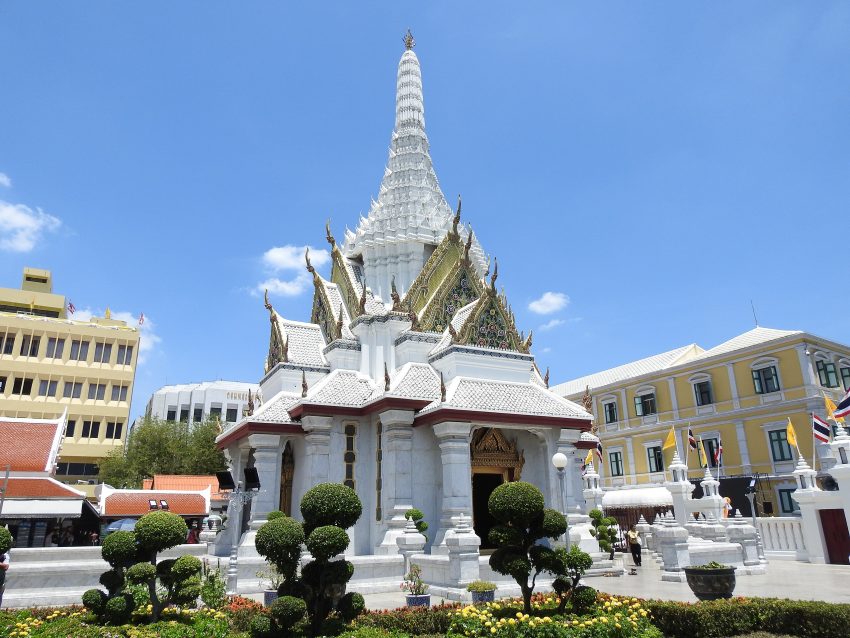
In keeping with Thailand’s deep-rooted superstitions, every Thai city has a City Pillar to bring good fortune. Bangkok’s pillar was erected by King Rama I at precisely 6:45 a.m. on Sunday, April 21, 1782, marking the founding of the Chakri Dynasty and the city’s official establishment. Unlike in some cities like Chiang Rai, where the pillars stand in open spaces, Bangkok’s City Pillar was soon enclosed within a shrine. These shrines became increasingly elaborate over time, with King Rama IV adding a second pillar in the 1850s for extra good luck. During the Rattanakosin Bicentennial Celebration in 1982, the shrine was rebuilt into the impressive structure you see today, topped by a towering white prang.


Location: Bangkok City Pillar Shrine Lak Muang Rd Khwaeng Phra Borom Maha Ratchawang, Phra Nakhon Bangkok 10200 Thailand

Explore Bangkok at your own pace with our self-guided walking tour! Follow our curated route to discover must-see sights and local secrets that makes Bangkok one of the best places to visit in Thailand.

Powered by GetYourGuide

8. Wat Phra Kaew (Temple of the Emerald Buddha)

Wat Phra Kaew
Wat Phra Kaew

Enter the Grand Palace Complex through the main gate on the north side of the complex and proceed to the courtyard to purchase your ticket. Once you have your ticket, the ideal starting point is Wat Phra Kaew, followed by exploring the central area of the Grand Palace.

The crown jewel of the Grand Palace complex is undoubtedly Wat Phra Kaew, the Temple of the Emerald Buddha. Enter through the main gate at the temple’s southwest corner, where you’ll immediately notice a dark stone hermit statue. This figure, the Patron of Medicine, is revered by locals who make offerings in hopes of good health for their loved ones. You can join in the tradition by offering incense and lightly touching a dampened lotus flower to your head for good luck. Nearby, look out for the temple’s elephant statues—circling one three times and rubbing its head is said to bring additional fortune.

Once you’ve received your blessings, head to the Upper Terrace to explore its three iconic towers. From left to right, the first is the golden Sri Lankan-style chedi known as Phra Sri Rattana, a dazzling structure believed to house a relic of the Buddha—his breastbone and ashes. The chedi’s gleaming presence is mesmerizing and serves as a focal point of the temple grounds. Nearby, you’ll find a model of Cambodia’s Angkor Wat, a reminder of the historic power and reach of the Siamese Empire.

In the center of the Upper Terrace stands the green Phra Mondop, the temple library adorned with mother-of-pearl doors, statues of Chakri kings, and naga guardians with both human and dragon heads. To the right is the Royal Pantheon, a vibrant orange and green structure that is only open to the public once a year in October to honor the founding of the Chakri dynasty. Near the Pantheon, you’ll see smaller golden pyramids guarded by vividly colored figures—an ideal spot for memorable photos.

On the northern side of the temple, beyond the Upper Terrace, you’ll discover another trio of buildings: the Auxiliary Library (Ho Phra Monthien Tham), Wihan Yot, and the Royal Mausoleum (Ho Phra Nak). Take time to admire their intricately designed roofs before exploring the temple’s hidden gem: a series of 178 mural panels lining the inside of the surrounding wall. These murals, which encircle the temple clockwise starting at the north gate, depict the epic tale of the Ramakien. Look closely at the vivid battle scenes featuring colorful demons—the same protective figures you’ll find in the towering statues throughout Wat Phra Kaew and other Bangkok temples.

The centerpiece of Wat Phra Kaew, located just behind the hermit statue, is the building that enshrines the historic Emerald Buddha. Despite its name, the statue is not made of emerald but of solid jade. This 2-foot-tall dark green Buddha is said to have been carved in India in 43 BC before being hidden in a Sri Lankan cave for safekeeping 500 years later. Over the next millennium, the statue traveled extensively, eventually arriving at Chiang Mai’s Great Stupa in 1468. In 1552, it was relocated to Laos to evade Burmese invasions, though the city fell four years later. The Emerald Buddha remained in Laos until it was reclaimed by the Thais in 1784 and brought to Bangkok.

The statue is adorned with seasonal costumes, which are changed three times a year to mark the summer, winter, and rainy seasons. These ceremonial outfits—featuring a crown and jewelry for summer, a golden shawl for winter, and a gilt robe and headdress for the rainy months—are changed exclusively by the King of Thailand, the only person permitted to approach the statue closely.

Inside the building, murals cover the walls, illustrating the life of Buddha, his journey to enlightenment, and Buddhist cosmology, including the realms of Desire, Being, and Illusion. The narrative begins on the left side with Buddha’s birth in Nepal. While photography is not permitted inside, visitors can capture images from a distance near the entrance. Be sure to admire the ornate golden doors and the intricately detailed guardians that surround the building before continuing your exploration.


Location: Wat Phra Kaew, Na Phra Lan Road, Phra Borom Maha Ratchawang, Phra Nakhon, Bangkok, Thailand
Powered by GetYourGuide

9. Grand Palace

Bangkoks Royal Grand Palace

Now wander around the rest of the Palace and look out for:

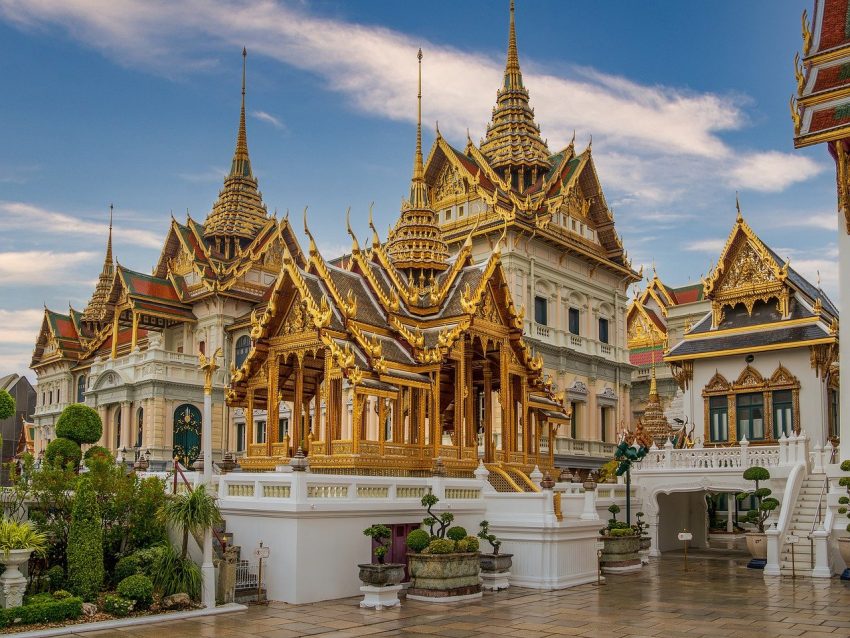
Outer Court (Phra Ratcha Khruang): This area is home to several important buildings, including the Chakri Maha Prasat Hall, a striking blend of Thai and European architectural styles, originally built as a royal residence and now used for ceremonial purposes. The Amarinda Hall and the Throne Hall are also located in this area, where the king used to meet with dignitaries.

The Borom Phiman Mansion: This was once the royal residence of King Rama V and has beautiful European-style architecture. It’s often used for royal ceremonies and receptions.

The Museum of the Emerald Buddha Temple: This museum houses important artifacts related to the temple, including royal regalia and historical items associated with the Emerald Buddha and the Thai monarchy.

The Inner Court (Phra Maha Phimuk): This is the most sacred part of the palace, where the king and his family lived. It includes several smaller buildings and royal halls that are not always open to the public but offer a glimpse of the regal life of the past.

The Grand Palace Gardens: The gardens are beautifully landscaped with lush greenery, fountains, and ornamental ponds, offering a peaceful atmosphere amidst the grandeur of the palace.

The Emerald Buddha’s Cloister (Phra Ubosot): Located adjacent to Wat Phra Kaew, this area is dedicated to the royal family and sacred rituals. It is beautifully decorated and contains many important royal artifacts.

Phra Ratchawang (Royal Buildings): These buildings are significant for their historical and architectural value. The inner complex contains various buildings and halls, some of which are still used for ceremonial purposes by the royal family.


Location: The Grand Palace, Phra Borom Maha Ratchawang, Phra Nakhon, Bangkok, Thailand | Hours: Daily 8:30 AM - 4:30 PM | Price: Adults 500 baht | Website | Skip the Line
Powered by GetYourGuide

10. Sanam Luang Square

Sanam Luang Garden Palace
CC BY-SA 3.0 / Uthen Smantai

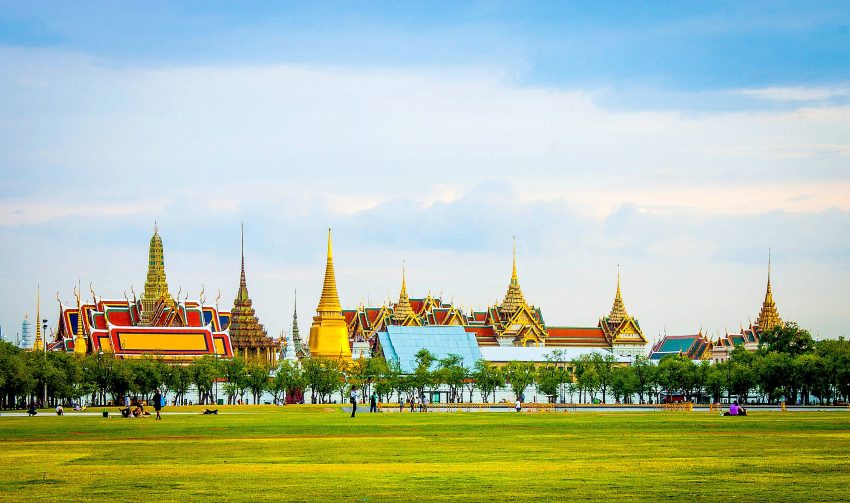
Sanam Luang, a prominent public space in Bangkok, lies in front of the Temple of the Emerald Buddha and the Grand Palace. Initially named Thung Phra Men, it served as the royal cremation ground for kings, queens, and princes starting during the reign of King Rama I. Over time, this area evolved into a cultural and ceremonial hub for the city.

During King Rama III’s reign (1824–1851), Sanam Luang briefly became a rice plantation, symbolizing Thailand’s fertility amid a conflict with Vietnam over the Cambodian border. Later, in 1855, King Rama IV renamed the field Thong Sanam Luang and enhanced its role as a ceremonial space, introducing the Royal Ploughing Ceremony, constructing a hall for a Buddha image, and adding pavilions and a stage for religious rituals.

King Rama V significantly expanded Sanam Luang in 1897 as part of Bangkok’s centennial celebrations. Inspired by his visit to Java and its beautiful palace gardens, he ordered the removal of older structures and planted two rows of tamarind trees around the field, giving it the aesthetic we see today.

Over the years, Sanam Luang has hosted various events, including kite flying, horse racing, and even golf. It remains a key site for annual traditions such as the Ploughing Ceremony in May. Additionally, it has witnessed grand celebrations like the Bi-Centennial of Bangkok (1982) and the Golden Jubilee Royal Ceremony (1996).

Despite its diverse uses, Sanam Luang retains its traditional role as a royal cremation ground. Prominent figures cremated here include King Ananda Mahidol (1950), Queen Savang Vadhana (1956), Queen Rambhai Barni (1986), Princess Mother Srinagarindra (1996), Princess Galyani Vadhana (2008), and Princess Bejaratana Rajasuda (2012). This blend of history, culture, and royal significance cements Sanam Luang’s place as a treasured landmark in Bangkok.


Location: Sanam Luang, Ratchadamnoen Klang Road, Phra Borom Maha Ratchawang, Phra Nakhon, Bangkok, Thailand | Hours: 24 Hours
Powered by GetYourGuide

11. Wat Mahathat (Temple of the Great Relic)

Wat Mahathat Bangkok

Wat Mahathat is a prominent Buddhist temple located in Bangkok, Thailand. It holds the distinction of being one of the ten royal temples of the highest class, reflecting its importance in Thai religious and cultural life.The temple’s origins date back to the Ayutthaya period (1351–1767), where it was originally known as Wat Salak. When Bangkok became the capital of Siam, the temple was strategically positioned between the Grand Palace and the Front Palace, the residence of the vice-king. This prime location made it a key site for royal ceremonies and funerals. Over the centuries, the temple has undergone various renovations and upgrades, with successive Thai kings raising its status. In 1803, the temple was officially named Wat Mahathat of Bangkok, and in 1996, it was given its current name. Today, it is also home to the Vipassana Meditation Center, where visitors can practice insight meditation.

The temple grounds also house Mahachulalongkornrajavidyalaya University, Thailand’s oldest institution of higher learning for Buddhist monks. Established in 1889, the university is a leading center for Buddhist education and offers a range of faculties, including human sciences, social sciences, an international program, and graduate studies. By 1997, the university became a public institution, further cementing its status as an integral part of Thailand’s academic landscape.


Location: Tha Suphan Alley, Khwaeng Phra Borom Maha Ratchawang, Khet Phra Nakhon, Krung Thep Maha Nakhon 10200, Thailand

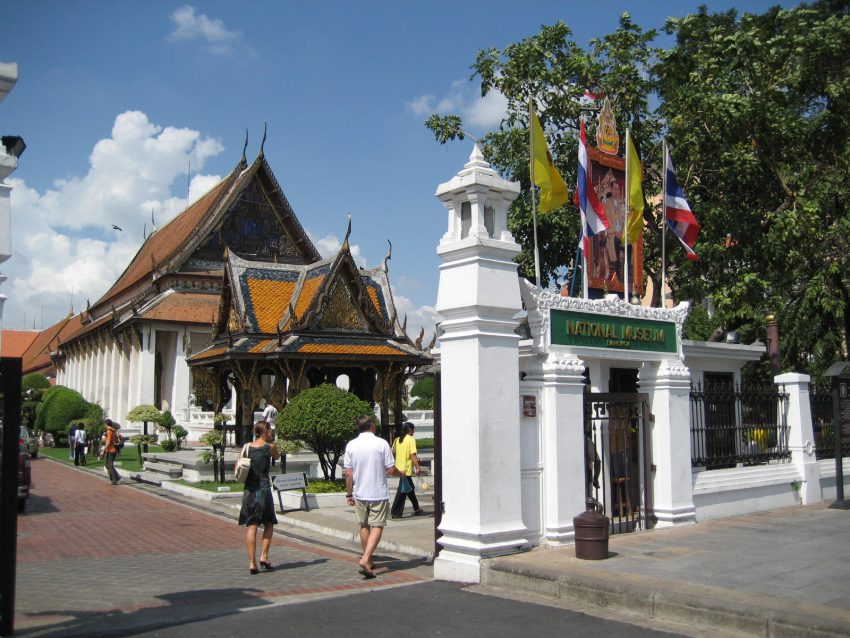
12. National Museum Bangkok

National Museum Bangkok
CC BY-SA 3.0 / Masgatotkaca

The National Museum Bangkok showcases an extensive collection of Thai art and history, spanning from the Neolithic era to the present. Established in 1874 by King Rama V, it was the first public venue to display the royal collection of King Rama IV along with other culturally significant artifacts. The museum is housed in the Wang Na Palace, an 18th-century structure that once served as the residence of the Prince Successor. Initially, its purpose was to exhibit antiques and gifts that King Rama V inherited from his father.

Originally named the Bangkok Museum, it was formally opened by King Rama VII in 1926. By 1934, it had evolved under the guidance of the Department of Fine Arts into the National Museum Bangkok, transforming from a dusty collection of relics into a well-organized institution. Free guided tours in English, French (Wed, Thu), Japanese (Wed), and German (Thu) are available at 9:30 AM, offering valuable insights into the exhibits. Today, exhibits are divided into three sections that chronologically follow Thai history, with comprehensive English-language descriptions provided for all artifacts.

The museum features several notable collections:

  • The Thai History Gallery explores periods from Sukhothai to Rattanakosin, located in the Sivamokhaphiman Hall.
  • The Archaeological and Art History Collection includes artifacts ranging from prehistoric times to the modern era, with an impressive display of ancient sculptures.
  • The Decorative Arts and Ethnological Collection features Chinese weaponry, gold treasures, precious stones, ceremonial masks, and significant artifacts from across Southeast Asia.
  • Additional highlights include a Funeral Chariot Hall, which displays ornate carriages used in royal cremations, and many remarkable examples of Thai architecture.

Location: National Museum, Soi Na Phra That, Phra Borom Maha Ratchawang, Phra Nakhon, Bangkok, Thailand
Powered by GetYourGuide
Moira & Andy
Moira & Andy

Hey! We're Moira & Andy. From hiking the Camino to trips around Europe in Bert our campervan — we've been traveling together since retirement in 2020!

Read our full story here

This website uses affiliate links which earn a small commission at no additional cost to you.

Walking Tour Summary

Distance: 4.5 km
Sites: 12

Walking Tour Map
Map of the Bangkok’s Old Town: A Self-Guided Walking Tour walking route with 12 stops in Bangkok.
Preview map of the Bangkok’s Old Town: A Self-Guided Walking Tour route in Bangkok, showing 12 stops. Use the interactive map to zoom and tap markers.

More from this area

Riding the Ha Giang Loop in Vietnam 2026: 4-Day Motorbike Itinerary & Tips

Riding the Ha Giang Loop

This website uses affiliate links which earn a small commission at no additional cost to you.

Hà Giang, Vietnam’s northernmost province, was once regarded as the ultimate frontier for adventurous travelers. Today, it holds legendary status among independent explorers, thanks to the Hà Giang Loop-a renowned motorbiking route through surreal landscapes. Winding main roads navigate undulating rice terraces, mountain passes carve through cliffs above turquoise rivers, and rural paths weave through limestone pinnacles. The province is also home to over a dozen ethnolinguistic groups, each with distinct languages, traditional clothing, architecture, and customs. In recent years, the Hà Giang Loop has seen a rise in visitors, improved road conditions, and a growth in tourism services. While certain stretches can be busy with motorbike groups, mass tourism has yet to fully take hold. Now is the perfect moment to experience the Hà Giang Extreme North Loop.

What is the Ha Giang Loop?

The Ha Giang Loop is a winding mountain road in northern Vietnam, offering breathtaking views at every turn. Some sections of the loop are part of the Dong Van UNESCO Global Geopark, one of only 195 such parks in 48 countries worldwide. The loop typically begins and ends in the town of Ha Giang.

As you travel along the loop, you'll be captivated by the stunning natural landscapes, with small villages nestled in the mountains, waterfalls, rivers, and canyons. Along the way, you'll also see children playing in the streets. The Ha Giang Province is home to over 55,000 people, representing 22 different ethnic groups, with the majority being Kinh and Tày people, making up 55% of the population.

Where is the Ha Giang Loop?

Ha Giang is a province in the far north of Vietnam, covering an area of 7,930 km². Located east of Sapa, it shares a border with China and is famous for its striking limestone and granite mountain ranges. The capital city of the province, also called Ha Giang, is a central point for travelers, and when people mention “Ha Giang,” they may be referring to either the province or the city. Most visitors to Ha Giang typically start and conclude their journey in the city itself.

Highlights of the Ha Giang Loop

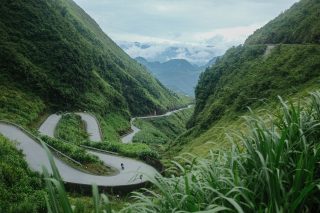
Mã Pí Lèng Pass

Ma Pi Leng Pass
Ma Pi Leng Pass

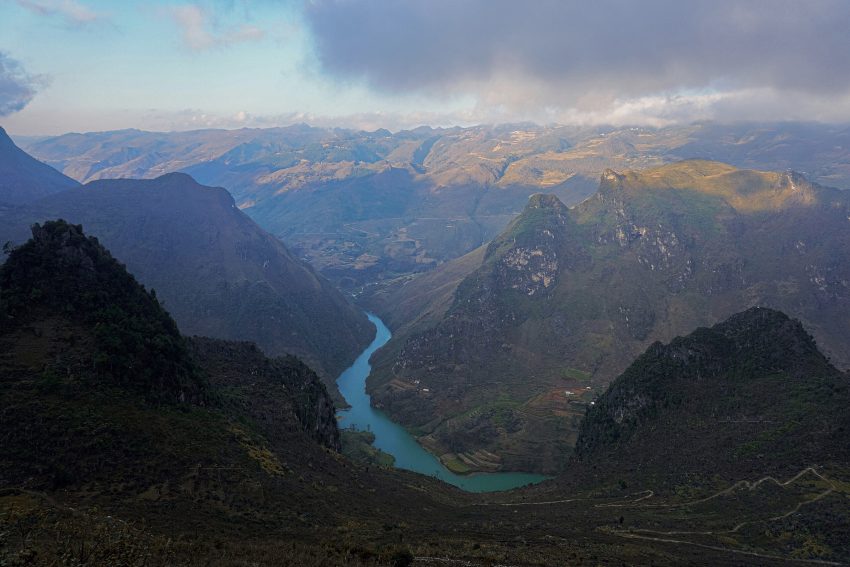
Mã Pí Lèng Pass, one of the most iconic and breathtaking routes in Vietnam, stretches across the rugged landscape of Ha Giang Province. Known as the “king of all passes,” Mã Pí Lèng connects the towns of Meo Vac and Dong Van, offering travelers a mesmerizing journey through the majestic highlands. The pass, which reaches altitudes of up to 2,000 meters, offers panoramic views of deep valleys, winding rivers, and towering mountain peaks. The winding road carved into the steep cliffs makes for a thrilling and unforgettable ride, often described as a challenging yet awe-inspiring experience for those brave enough to traverse it.

The Mã Pí Lèng Pass is not just a marvel of engineering, but also a testament to the resilience of the local people. Built by the H’mong ethnic group in the 1960s, this road was initially constructed by hand, making it an impressive feat of determination and craftsmanship. Travelers who venture along Mã Pí Lèng are rewarded with stunning vistas of the Nho Quế River below, its turquoise waters winding through the valley. With its dramatic scenery and cultural significance, Mã Pí Lèng Pass is a must-see destination for adventure seekers and nature lovers alike.

Here is a complete selection of hotel options in Ha Giang. Feel free to review each one and choose the stay that best suits your needs.

Powered by GetYourGuide

Quan Ba Heaven Gate

Happy Road View From Quan Ba Heaven Gate

Quan Ba Heaven Gate is a renowned landmark located about 1,500 meters above sea level, 43 kilometers from Ha Giang City. This iconic gate serves as the entryway to the Dong Van Karst Plateau, a UNESCO Global Geopark. Historically, it was a vital checkpoint protecting the region, and remnants of the old wooden gate once used to secure this passage can still be found. Today, Quan Ba Heaven Gate is celebrated for its breathtaking scenery and panoramic views of the surrounding mountains, valleys, and the picturesque Quan Ba Twin Mountains below.

The journey to Quan Ba Heaven Gate is an adventure in itself, with winding roads that weave through verdant hills and rugged terrain. Upon reaching the summit, visitors are rewarded with sweeping vistas of terraced rice fields, mist-covered peaks, and the lush greenery that defines the region. The gate is also a popular spot to witness sunrises and sunsets, as the changing light bathes the landscape in warm hues, creating an unforgettable experience for travelers seeking the raw beauty of Ha Giang.

Traveling to a country with a different currency? Avoid ATM transaction fees and pay in local currency with a Wise Card. Having used it for over 5 years, we've saved loads on fees!

Lung Cu Flag Tower

Lung Cu Flag Point Vietnam
CC BY-SA 4.0 / Khoitran1957

Lung Cu Flag Tower, often referred to as the “Northernmost Point of Vietnam,” is an iconic monument located on Dragon Mountain (Long Son) in Ha Giang province. Towering 33 meters tall, the structure is crowned with a giant Vietnamese flag measuring 54 square meters, symbolizing the unity of the country’s 54 ethnic groups. This flag tower is not just a geographical marker but also a symbol of patriotism, reminding visitors of Vietnam’s sovereignty and the spirit of its people. Climbing the 839 stone steps to reach the tower offers a rewarding journey through scenic views and a sense of connection to the nation’s rich history.

From the top of Lung Cu Flag Tower, visitors can enjoy a panoramic view of the surrounding landscape, including terraced rice fields, serene villages, and lush valleys stretching into the horizon. The area is steeped in cultural significance, home to ethnic minority communities such as the Lo Lo and H’Mong, whose traditions enrich the experience of visiting Lung Cu. For many, standing beneath the waving flag at this northernmost point is a moment of pride and awe, making Lung Cu Flag Tower a must-visit destination in Ha Giang.

Hoang Su Phi Rice Terraces

Hoang Su Phi Rice Terraces

The Hoang Su Phi Rice Terraces, located in the western region of Ha Giang province, are a breathtaking testament to the harmonious relationship between humans and nature. Carved into the steep hillsides by ethnic groups such as the Dao, Nung, and H’mong, these terraces stretch across the communes of Ban Luoc, Ban Phung, Ho Thau, Nam Ty, and Thong Nguyen, creating a mesmerizing landscape that changes with the seasons. Recognized as a National Heritage Site in 2012, the terraces cover approximately 3,000 hectares, symbolizing centuries of agricultural ingenuity and cultural tradition.

Every year, the rice terraces transform into a golden sea during the harvest season, drawing photographers, adventurers, and nature lovers from across the globe. The design of the terraces, created to manage limited water resources effectively, is both functional and artistic, with layers cascading down the mountains like emerald staircases during the planting season and golden waves at harvest. Beyond their visual allure, the terraces are a living museum, reflecting the resilience and resourcefulness of the local communities who have sustained this agricultural wonder for generations. A visit to Hoang Su Phi is not just a journey into nature’s beauty but also a deep dive into Vietnam’s cultural richness.

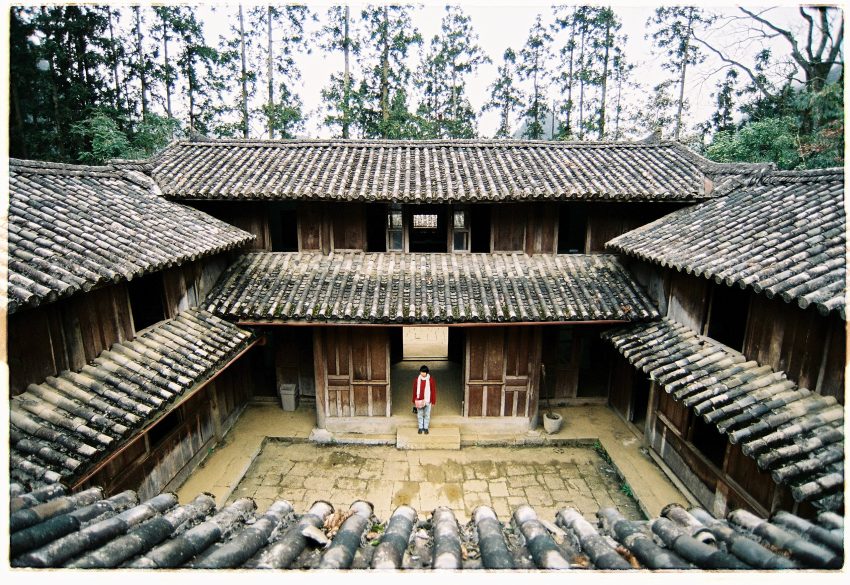
H’Mong King’s Palace

Vuongs Palace Dong Van
CC BY-SA 2.0 / Khánh Hmoong

Nestled in the Sa Phin Valley of Dong Van district, the H’Mong King’s Palace, also known as the Vuong Mansion, is a significant cultural and historical site in Ha Giang. Built over eight years in the early 20th century, the mansion was the residence of Vuong Chinh Duc, a powerful H’Mong leader who was once recognized as the “King of the Meo” (former name for the H’Mong ethnic group) by the Nguyen dynasty. Spanning 1,200 square meters, this architectural masterpiece combines influences from the Chinese Qing dynasty with traditional H’Mong aesthetics. Its design is based on the Chinese character “王” (wang), meaning “king,” symbolizing wealth and authority.

Surrounded by a protective wall and shaded by ancient pine trees, the palace exudes an air of majesty. Inside, visitors can explore 64 rooms, including the living quarters, working spaces, storage areas, and even a large stone tank used for rainwater collection—a testament to the ingenuity required to survive in the arid highlands. The intricate carvings of dragons, phoenixes, and bats throughout the palace reflect both its cultural richness and the affluence of its time. Today, the H’Mong King’s Palace serves not only as a historical relic but also as a symbol of the H’Mong people’s heritage and their role in shaping the history of northern Vietnam.

Nho Quế River

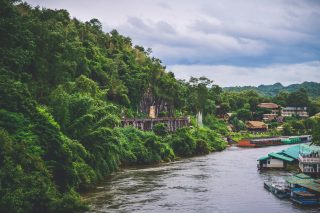
Song Nho Que
Song Nho Que
CC BY-SA 4.0 / NKSTTSSHNVN

The Nho Quế River, flowing through the rugged landscapes of Ha Giang, is one of the most captivating natural attractions in northern Vietnam. Known for its crystal-clear turquoise waters and dramatic, steep-sided gorges, the river cuts through the karst mountains, creating a breathtakingly beautiful sight. The river stretches for more than 100 kilometers, originating from the Chinese border and winding its way through remote valleys, offering visitors a chance to experience the serene beauty of the region’s untouched wilderness. The Nho Quế River is best admired from the iconic Nho Quế Bridge, which provides a panoramic view of the river as it meanders through the valley below.

The Nho Quế River is not only a stunning visual spectacle but also a vital water source for the local ethnic communities, such as the H’mong and Tay people, who have lived along its banks for centuries. For adventurous travelers, a boat ride along the river is a must-do activity, offering an intimate view of the landscape and an opportunity to see the local villages that dot the river’s edge. Whether you’re drawn to its natural beauty, its cultural significance, or the thrilling adventure of exploring it, the Nho Quế River is undoubtedly one of Ha Giang’s most remarkable gems.

When is the best time to Ride the Ha Giang Loop?

The ideal time to visit Ha Giang is between September and November when the temperatures are cooler. From April to June, temperatures begin to rise, and July and August can be quite hot with heavy rainfall.

I visited Ha Giang in September and had an amazing experience. While it did rain occasionally, the showers were never intense enough to disrupt our plans. The weather was comfortably warm, without being too hot, and it got cooler as we ascended higher into the mountains.

How to Get to Ha Giang

One of the most common ways to reach Ha Giang province is by taking a bus from Hanoi, which takes about six hours. There are both day bus and night buses available. (If you’re flying into Hanoi and prefer a direct, private transfer to Ha Giang, you can book one here.)

Before booking your bus ticket, be sure to check with your motorbike rental company to see if the cost of a bus ticket is included in the rental price. This is often the case with group tours.

How long does it take to Ride the Ha Giang Loop?

Riding the Ha Giang Loop typically takes between 3 to 4 days, depending on how much time you want to spend exploring the area. While it is possible to complete the loop with a 2 day tour, it can feel rushed, especially if you want to fully experience the sights. The most common itinerary is 3 days and 2 nights, which allows for a more relaxed pace, while 4 days and 3 nights offer plenty of time to stop and enjoy the scenery, villages, and attractions along the way.

Ha Giang Loop: Easy Rider or Ride Yourself?

You have two main options for exploring the Hà Giang Loop: hiring an easy rider (someone who drives the motorbike while you ride as a passenger) or riding the bike yourself. The roads on the Hà Giang Loop are not well-maintained and can be quite challenging, so carefully consider which option suits you best.

If you’re inexperienced with motorbikes, it’s strongly recommended to hire an easy rider. While some people attempt to ride on their own despite lacking experience, this often leads to accidents and injuries-something we’ve witnessed far too often. Opting for an easy rider also allows you to fully enjoy the breathtaking scenery without the stress of navigating the roads yourself.

However, if you're confident in your riding skills and have an International Driving Permit (required in Vietnam), tackling the loop on your own can be one of the most spectacular and rewarding motorbike journeys of your life.


Powered by GetYourGuide
Moira & Andy
Moira & Andy

Hey! We're Moira & Andy. From hiking the Camino to trips around Europe in Bert our campervan — we've been traveling together since retirement in 2020!

Read our full story here

This website uses affiliate links which earn a small commission at no additional cost to you.

Walking Tour Map
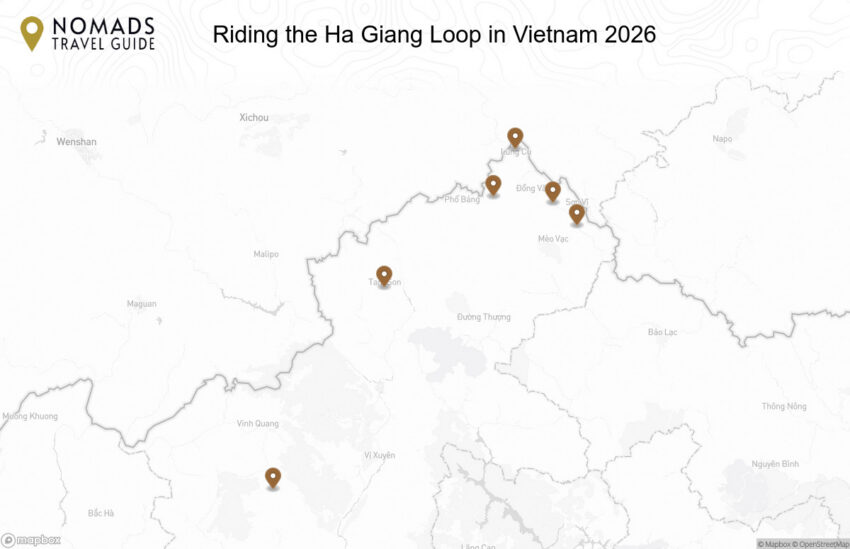
Map of the Riding the Ha Giang Loop in Vietnam: 4-Day Motorbike Itinerary & Tips walking route with 6 stops in Ha Giang.
Preview map of the Riding the Ha Giang Loop in Vietnam: 4-Day Motorbike Itinerary & Tips route in Ha Giang, showing 6 stops. Use the interactive map to zoom and tap markers.

More from this area

Self-Guided Tour of Angkor Wat Grand Circuit (2026)

Angkor Wat Grand Circuit

This website uses affiliate links which earn a small commission at no additional cost to you.

The Grand Circuit is a circular route that takes you through some of the lesser-known temples of Angkor, located just outside Siem Reap. It's an excellent option for those looking to explore beyond the more crowded, well-known sites and experience the quieter, more remote parts of the Angkor Archaeological Park. Here's a guide to making the most of the Grand Circuit, with tips on the best times to visit and which temples to prioritize during your journey.

There are two main circuits for exploring the central Angkor temples. The Angkor Wat Small Circuit covers the most famous and historically significant temples, while the Grand Circuit takes you to other, less-visited temples that are still awe-inspiring in their own right.

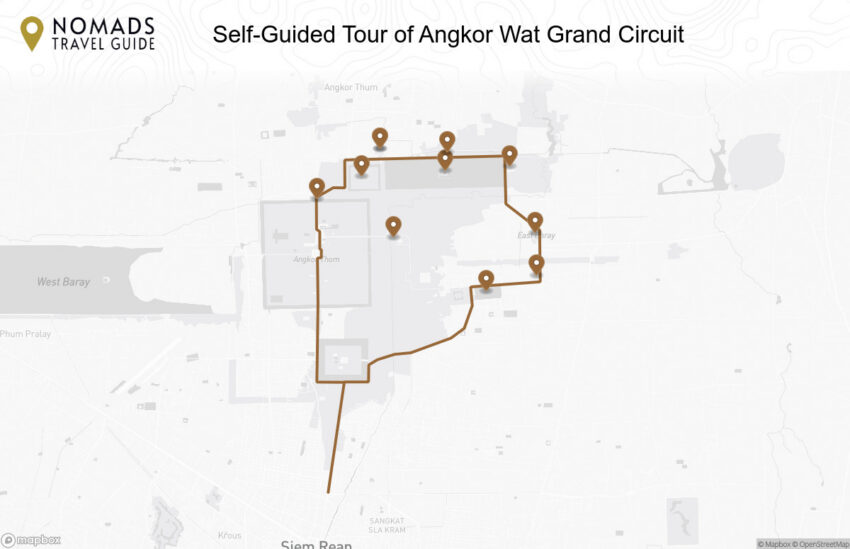
The Grand Circuit, spans 26 kilometers, and is highlighted on our map, along with all the key sites.

History of Angkor Wat and the Grand Circuit

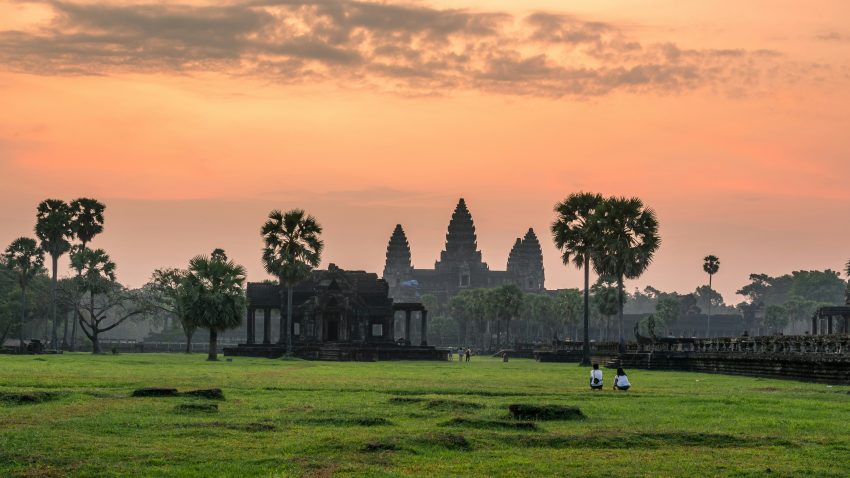
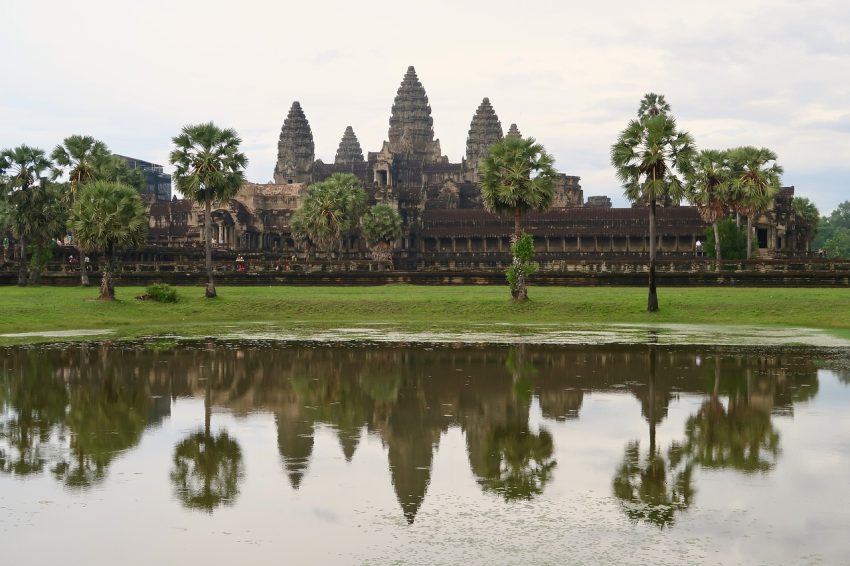
Angkor Wat, built in the early 12th century by King Suryavarman II, is the centerpiece of the Angkor Archaeological Park and one of the most important and recognizable religious monuments in the world. Originally constructed as a Hindu temple dedicated to the god Vishnu, it gradually transformed into a Buddhist temple following the decline of the Khmer Empire. The temple’s architectural grandeur, including its five central towers symbolizing Mount Meru, intricate bas-reliefs, and expansive galleries, reflects the Khmer Empire’s peak in both artistic and engineering achievements. The Grand Circuit is a broader route that takes visitors beyond the central area to explore the less-visited but equally impressive temples of Angkor. This 26-kilometer loop of the Grand Circuit includes significant sites such as Preah Khan, Neak Pean, Ta Som, and East Mebon, offering a more tranquil, off-the-beaten-path experience compared to the more crowded Small Circuit. The Grand Circuit provides insight into the diversity of temple architecture and the far-reaching influence of the Khmer Empire, showcasing both the grandeur and intricacy of Angkor’s lesser-known gems.

How to explore Angkor Wat’s Grand Circuit

Options for exploring Angkor Park on the Grand Cricuit:

English-Speaking Guide

A tour with an English-speaking guide who will walk you through the temples, explaining their history and layout is definately something to consider. The cost for a guide is typically £40. Alternatively, you may also find guides offering their services at the entrances of each temple.

Hiring a Tuk-Tuk driver

Hiring a Tuk-Tuk driver is a great way to explore the Small Circuit, as it offers a shaded ride and allows you to cool off between temple visits. The cost is typically around $15 for the day, with water provided by the driver. Expect a small additional fee for sunrise or sunset trips.

You can easily arrange a tuk-tuk through your guesthouse or local tour providers. Once you’ve met your first tuk-tuk driver, they may suggest exchanging WhatsApp numbers to coordinate future outings.

Rent a Scooter

Another option for exploring the Small Circuit is to rent a scooter and drive yourself, following the provided map and walking route. Scooter rentals typically cost $5-8 per day and often include unlimited mileage.

While the roads around the temples are generally quiet, expect heavier traffic on the route from Siem Reap to the start of the Grand Circuit.

Rent a Bicycle or a Guided Bike Tour

Biking is a fun way to see the temple area. For a single day of cycling, the Big Circuit is actually more rewarding than the Small Circuit despite being longer.

Often people will hire the bikes at Siem Reap, or be provided by thier hotel. This is great although it takes about 45 minutes to ride from central Siem Reap to the start of the circuit and another 45 minutes to return at the end of the day. Plus, if you're planning to catch sunrise or sunset, biking means traveling in the dark.

This Angkor Sunrise Guided Bike Tour with Breakfast and Lunch is definately worth considering. You are provided transport to Ankor Wat, and recieve your bike there.

If you are worried about the cycling in the heat you should consider renting an E-Bike such as this Angkor Electric Bicycle Tour with a Guide.

Private Tour by Car or Jeep

A private tour or taxi tour, costing around £99, is similar to a tuk-tuk tour but offers air conditioning and is slightly faster. However, it’s pricier and lacks the open-air experience that makes tuk-tuk travel so enjoyable. A exciting option is a Guided Jeep Tour, some such as this one includes Inclusive lunch at local house.

What to Visit on the Angkor Wat Grand Circuit

1. North Gate of Angkor Thom

Angkor Thom North Gate
CC BY-SA 4.0 / Marcin Konsek

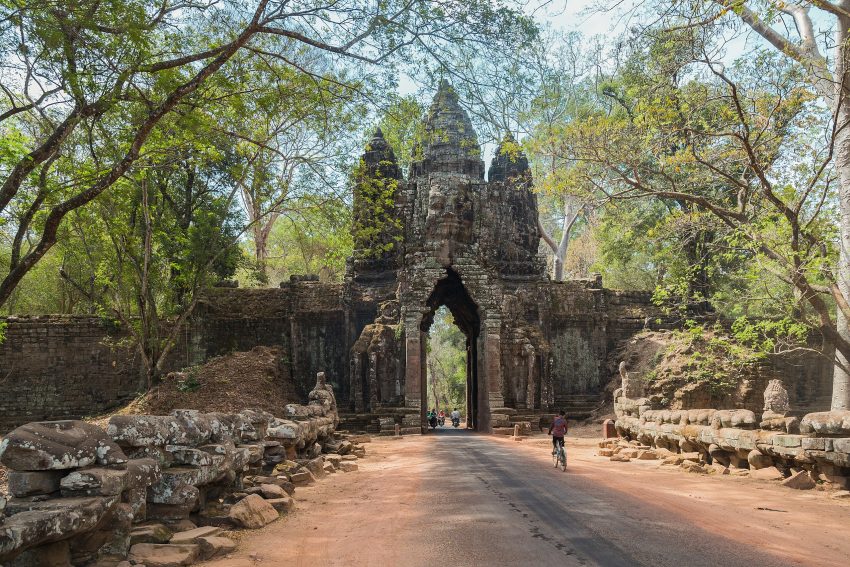
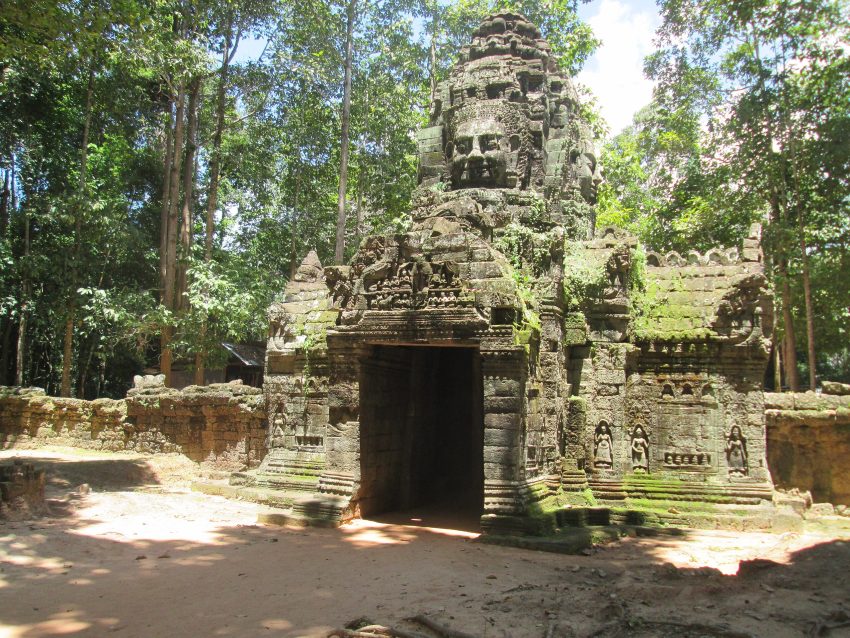
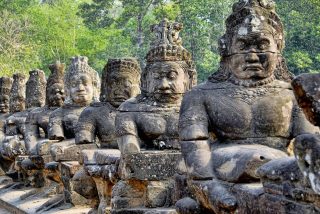
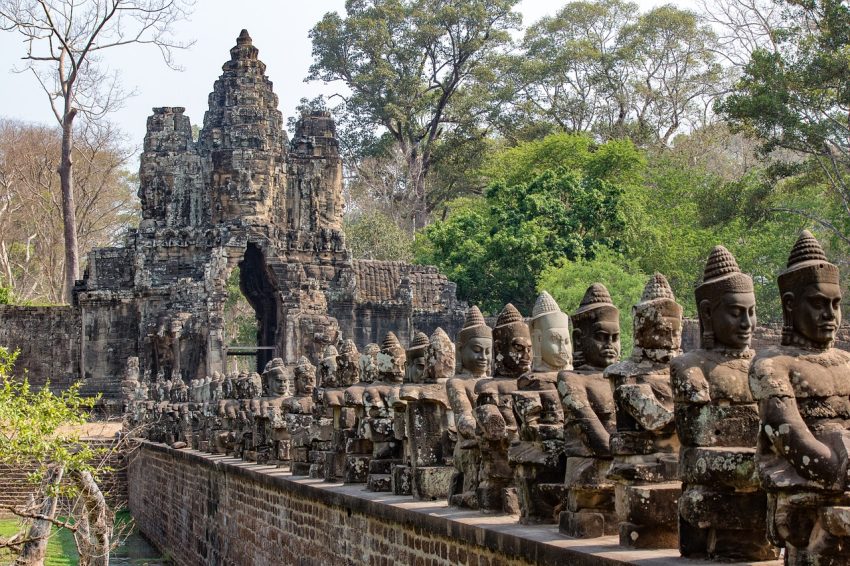
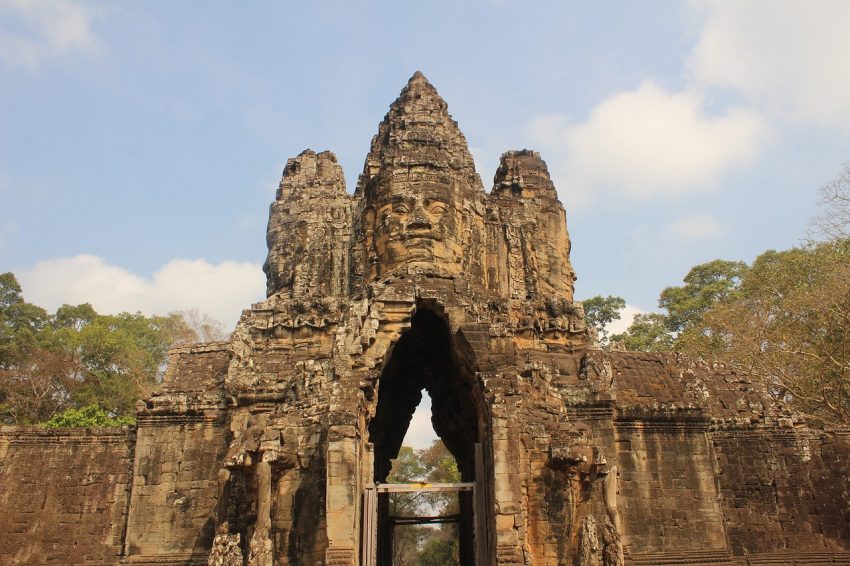
The North Gate of Angkor Thom is a grand and well-preserved entrance to the ancient city, characterized by its iconic face towers and intricate carvings. Built in the late 12th century during the reign of King Jayavarman VII, the gate features a central tower adorned with serene faces, symbolizing the compassion and wisdom of the bodhisattva Avalokiteshvara. The approach to the gate includes a causeway lined with statues of devas and asuras, each holding a massive naga (serpent), representing the Hindu legend of the Churning of the Ocean of Milk. This dramatic entrance offers visitors an impressive introduction to the architectural and symbolic depth of Khmer art and religion.


Location: Tonle Om Gate (Southern Gate), Krong Siem Reap, Cambodia

Here is a complete selection of hotel options in Siem Reap. Feel free to review each one and choose the stay that best suits your needs.

2. Preah Khan

Preah Khan Temple
Preah Khan Temple
CC BY-SA 4.0 / Jakub Hałun

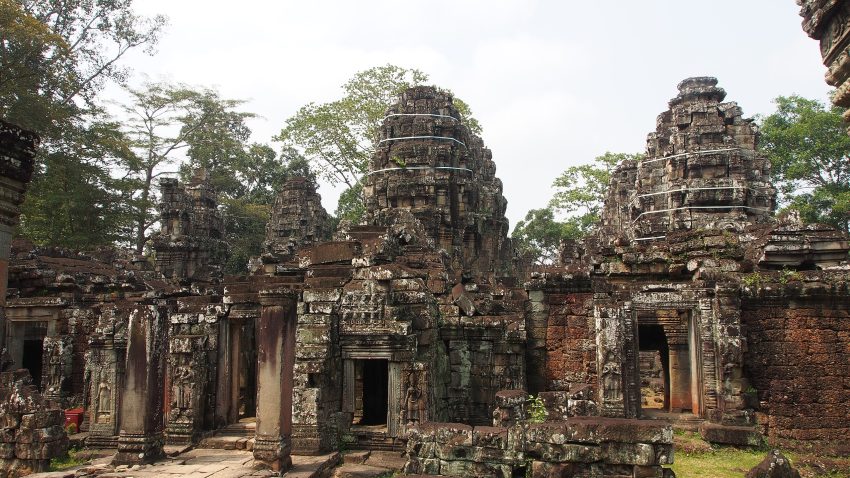
The Preah Khan Temple is a large and intricately designed temple built by King Jayavarman VII in the late 12th century. Located near the center of Angkor, it is one of the major temples of the Angkor complex. Preah Khan was initially dedicated to the king’s father and was intended to serve as a Buddhist university, housing numerous monks, teachers, and students. Its architectural style is marked by vast galleries, courtyards, and impressive carvings, with the central sanctuary aligned along an east-west axis. The temple complex is large, featuring a combination of Buddhist and Hindu imagery, reflecting the transitional religious period of the Khmer Empire.


Location: Preah Khan Temple, Krong Siem Reap, Cambodia

Traveling to a country with a different currency? Avoid ATM transaction fees and pay in local currency with a Wise Card. Having used it for over 5 years, we've saved loads on fees!

3. Prei Temple (Prey E Tbong Temple)

Prasat Banteay Prei
Prasat Banteay Prei
CC BY-SA 2.0 / Stefan Fussan

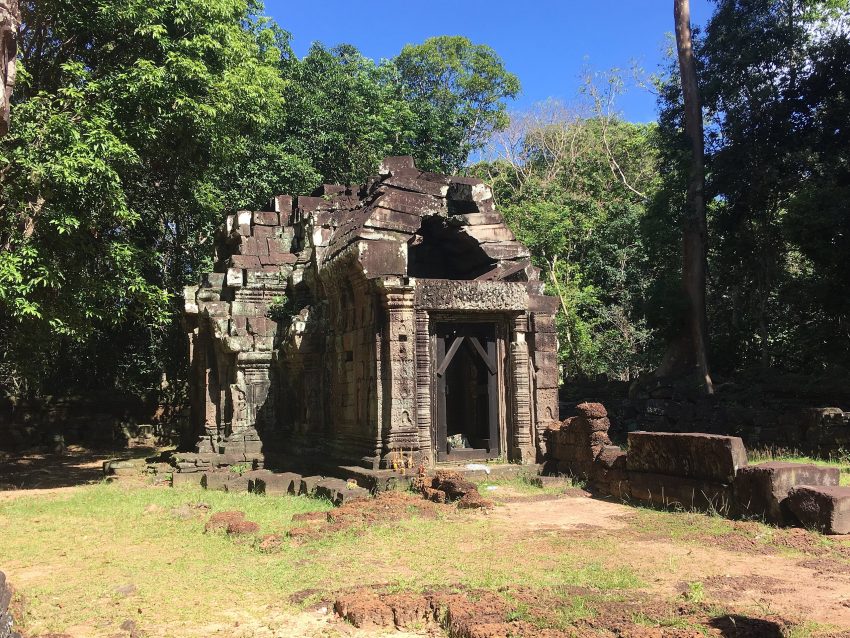
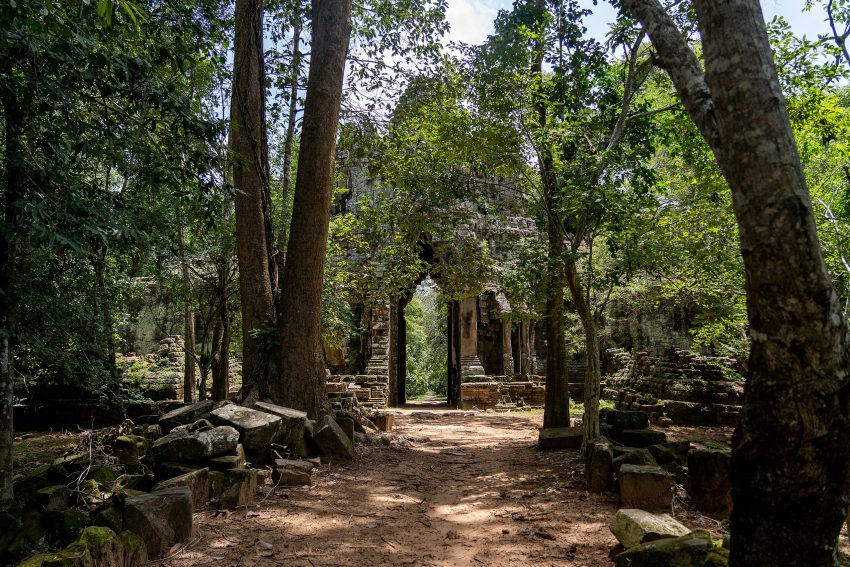
Prei Temple, also known as Prey E Tbong, is a modest but captivating temple situated in the Angkor Archaeological Park near Banteay Prei. Dating back to the 12th century and attributed to the reign of King Jayavarman VII, Prei Temple embodies the simplicity and charm of smaller Angkorian shrines. Though modest in scale, it includes a central sanctuary and a “library” building, both framed by a surrounding laterite wall and entrance gopura. The temple’s decorative carvings, including apsara figures and delicate floral motifs, showcase the Khmer artistry of the period. Nestled within the forest, Prei Temple offers a tranquil atmosphere, a contrast to the grandeur of Angkor’s larger monuments, making it an ideal spot for visitors seeking a peaceful experience amidst Angkor’s ancient history.


Location: Prasat Banteay Prei, Krong Siem Reap, Cambodia

Click here to read our blog about 10 Hidden Temples in Siem Reap (2026)

4. Banteay Prei Temple

Prasat Banteay Prei
Prasat Banteay Prei
CC BY-SA 2.0 / Stefan Fussan

Banteay Prei Temple: Banteay Prei is a lesser-known temple located within the Angkor Archaeological Park, surrounded by dense jungle. This small temple dates back to the 12th century and is believed to have been built by King Jayavarman VII. The temple is set within a rectangular enclosure and is a prime example of the Bayon style, with numerous bas-reliefs depicting scenes of daily life, including soldiers and mythical creatures. Banteay Prei is not as frequently visited as other temples in Angkor, making it a peaceful site for exploration.


Location: Prasat Banteay Prei, Krong Siem Reap, Cambodia

Click here to read our blog about 10 Best Places to Visit in Cambodia (2026)

5. Neak Poan – The Mystical Island Temple

Neak Poan Temple Prasat Neak Poan
CC BY-SA 3.0 / Kiensvay

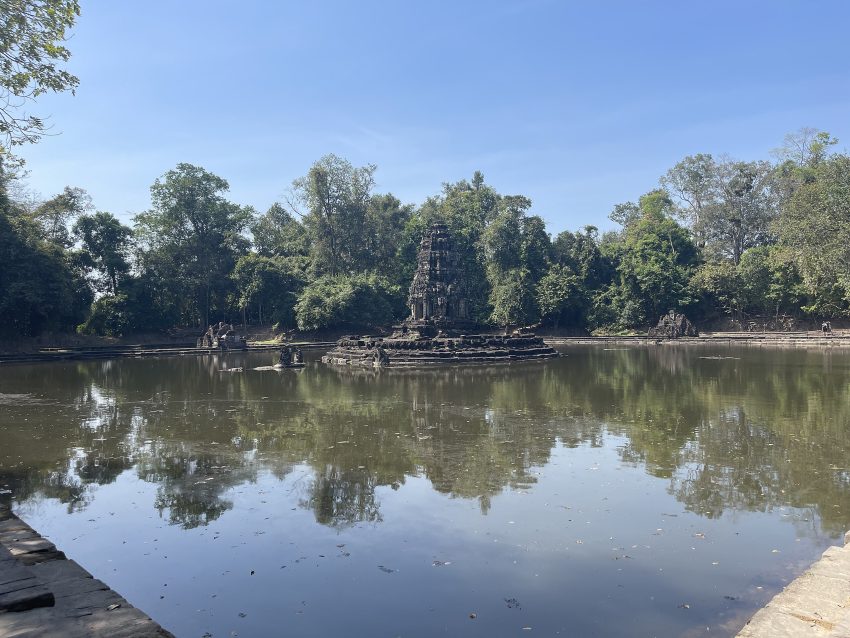
Neak Poan, also known as Neak Pean or “The Coiled Serpents,” is a unique and tranquil temple complex located on an artificial island in the Jayatataka Baray (reservoir) within Angkor Archaeological Park. Built during the late 12th century by King Jayavarman VII, this Buddhist temple is one of the most distinctive in the Angkor region. Designed as a healing temple, Neak Poan was inspired by the sacred Himalayan lake Anavatapta, believed in ancient mythology to possess healing powers. The temple features a central pool with a small shrine rising from a lotus-shaped pedestal at its center, surrounded by four smaller pools symbolizing water, earth, fire, and wind—elements thought to bring balance and health. The name “Neak Poan” originates from the stone naga (serpent) sculptures that wrap protectively around the base of the central shrine. The serene setting, surrounded by lush vegetation and water, creates an ethereal ambiance, making Neak Poan a peaceful retreat and a place for contemplation amid the ruins.


Location: Neak Poan Temple, Krong Siem Reap, Cambodia

Click here to read our blog about Self-Guided Tour of Angkor Wat Small Circuit (2026)

6. Krol Ko Temple

Krol Ko Temple
Krol Ko Temple
CC BY-SA 4.0 / Christophe95

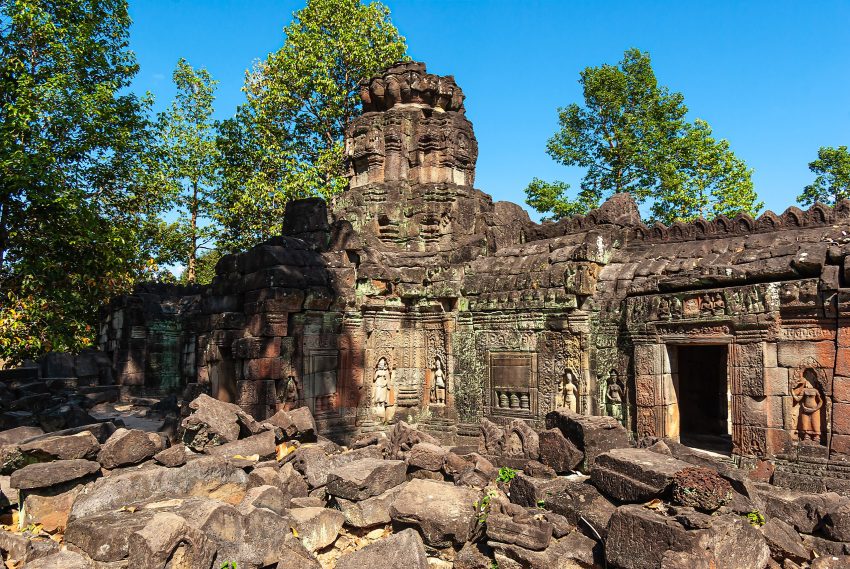
Krol Ko Temple is a small yet captivating Buddhist sanctuary built during the reign of King Jayavarman VII in the late 12th century. Tucked away within the Angkor Archaeological Park, it features a compact, enclosed layout and follows the distinctive architectural style of other Jayavarman VII temples, such as Ta Prohm and Preah Khan. The temple is known for its unique gopuras, or entrance towers, that display intricate carvings of deities and floral motifs symbolizing prosperity and spiritual harmony. Krol Ko is thought to have been a place of meditation, with its peaceful ambiance accentuated by the surrounding lush forest. Although modest in scale, the temple showcases Khmer artistry in its delicate lintels, pediments, and serene bas-reliefs, capturing a quiet, spiritual beauty amid the grand monuments of Angkor.


Location: Krol Ko, Angkor Archaeological Park, Krong Siem Reap, Cambodia

7. Ta Som Temple

Ta Som Temple
Ta Som Temple
CC BY-SA 4.0 / Ussfa344

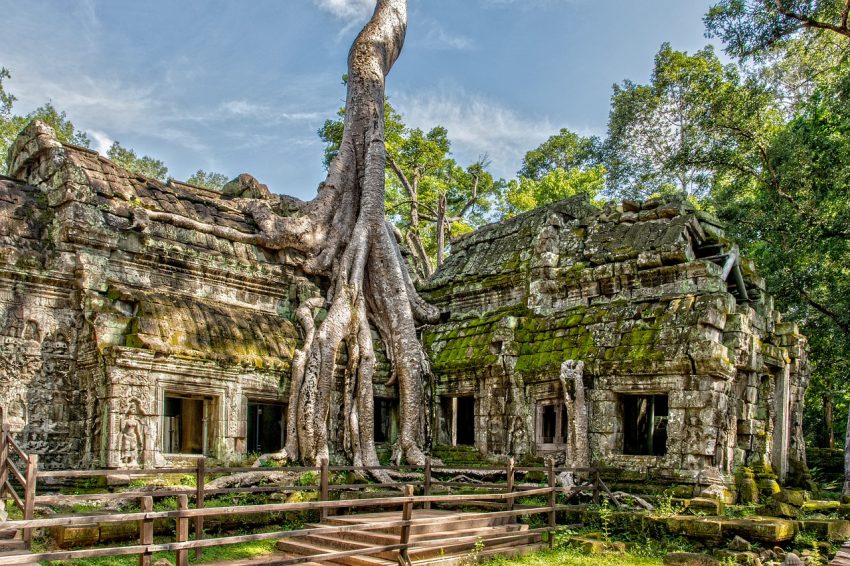
Ta Som is a small yet charming temple located on the Grand Circuit of Angkor, built in the late 12th century during the reign of King Jayavarman VII. The temple is dedicated to the king’s father and, like many temples from this era, features impressive carvings of deities, apsaras, and devatas. One of its most distinctive features is the large tree growing out of the eastern gate, where the roots have entwined around the stone structure, adding to the temple’s “lost temple” charm. Ta Som offers a quieter, more peaceful visit compared to other larger temples in Angkor, with beautiful bas-reliefs and intricate carvings.


Location: Ta Som, Krong Siem Reap, Cambodia

8. East Mebon Temple

East Mebon
East Mebon
CC BY-SA 1.0 / Gary Todd

East Mebon Temple, a magnificent 10th-century structure, was built under King Rajendravarman II and served as a Hindu temple dedicated to the god Shiva. It originally stood on an island in the center of the now-dry Eastern Baray, a massive reservoir that once provided water to the surrounding region. East Mebon is known for its striking multi-tiered structure and intricate carvings that illustrate scenes from Hindu mythology. The temple is adorned with remarkable sandstone and brick towers and features stone carvings of elephants at each corner, symbolizing strength and protection. Its intricate lintels and pediments showcase exquisite Khmer artistry, while its high position offers views over the ancient baray, capturing the temple’s harmonious blend of nature, water, and sacred space.


Location: Eastern Mebon Temple, Krong Siem Reap, Cambodia

9. Leak Neang Temple

Prasat Leak Neang
Prasat Leak Neang
CC BY-SA 3.0 / Arabsalam

Leak Neang Temple, also known as Prasat Leak Neang, is a small yet elegant sanctuary located within the Angkor Archaeological Park, close to the larger Ta Prohm temple. Built during the reign of King Jayavarman VII in the late 12th century, this temple follows the architectural and artistic style characteristic of his reign. The temple’s structure is simple, featuring a single shrine with finely carved lintels and pediments depicting scenes from Buddhist mythology. Although compact, Leak Neang Temple offers a glimpse into the refined craftsmanship of Khmer artisans, with delicate devata (goddess) carvings and intricate floral motifs that symbolize grace and spiritual purity. Tucked amid lush greenery, the temple exudes a tranquil, intimate charm, inviting visitors to appreciate its intricate details and serene atmosphere.


Location: Prasat Leak Neang, Krong Siem Reap, Cambodia

10. Pre Rup Temple

Angkor Pre Rup
Angkor Pre Rup
CC BY-SA 4.0 / Christophe95

Pre Rup is a stunning temple located at the eastern edge of the Angkor Archaeological Park, constructed during the reign of King Rajendravarman II in the 10th century. It served as a state temple dedicated to the Hindu gods, with a strong focus on the god Shiva. The temple’s architecture is characterized by pyramid-like towers and large stairways, giving it a monumental and imposing presence. Pre Rup is also notable for its spectacular views, especially at sunset, when the warm tones of the stone temple contrast beautifully with the surrounding landscape.


Location: Pre Rup temple, Angkor Archaeological Park, Krong Siem Reap, Cambodia

11. Srah Srang Temple

Srah Srang Angkor
Srah Srang Angkor
CC BY-SA 3.0 / Diego Delso

Srah Srang Temple, located near the Angkor Archaeological Park, is a large water reservoir, originally built during the reign of King Rajendravarman II in the 10th century. Though modest in structure, the site offers a beautiful view, especially at sunrise, casting a serene reflection over the water. Visitors can often enjoy this spot in relative quiet, as it tends to be less crowded than other temples.  The temple features a stone platform that once served as a royal bathing area and is framed by a large, rectangular reservoir. Today, it offers a peaceful spot for visitors, especially at sunrise, when the water reflects the light and the temple is often quiet and less crowded. The site is ideal for those seeking a tranquil experience amidst the grandeur of Angkor’s other monuments.


Location: Srah Srang, Krong Siem Reap, Cambodia
Powered by GetYourGuide
Moira & Andy
Moira & Andy

Hey! We're Moira & Andy. From hiking the Camino to trips around Europe in Bert our campervan — we've been traveling together since retirement in 2020!

Read our full story here

This website uses affiliate links which earn a small commission at no additional cost to you.

Walking Tour Summary

Distance: 28.5 km
Sites: 11

Walking Tour Map

Map of the Self-Guided Tour of Angkor Wat Grand Circuit walking route with 11 stops in Siem Reap.
Preview map of the Self-Guided Tour of Angkor Wat Grand Circuit route in Siem Reap, showing 11 stops. Use the interactive map to zoom and tap markers.

More from this area

Self-Guided Tour of Angkor Wat Small Circuit (2026)

Angkor Wat and the Small Circuit

This website uses affiliate links which earn a small commission at no additional cost to you.

The Small Circuit is a popular loop near Siem Reap that takes you to some of the most iconic temples of the Angkor complex, including Angkor Wat, Bayon, and Ta Prohm. This route offers an ideal way to experience the grandeur of Angkor's architecture and history. The Grand Circuit takes you to other, less-visited temples that are still awe-inspiring in their own right. To make the most of the Small Circuit, plan to start early in the morning to avoid crowds and catch the soft morning light on the temples. While Angkor Wat and Bayon are must-sees, consider skipping lesser-known temples if time is tight.

History of Angkor Wat and the Small Circuit

The majority of temples within the Angkor Wat complex were constructed between 802 and 1431 AD, a period known as the Angkor Era, when Cambodian power dominated Southeast Asia. The rulers during this era were either Buddhist or Hindu, and over time, some statues were modified to change depictions from Buddha to Vishnu and vice versa.

In 1860, French archaeologists “rediscovered” Angkor Wat, sparking efforts to both study its history and develop it as a tourist attraction. Recently, LiDAR technology has provided high-resolution mapping of the area, revealing patterns beneath the jungle canopy. These maps uncovered boundaries of fields, roads, and dwellings, which has transformed our understanding of Angkor Wat by offering new insights into the population density and lifestyles within the ancient temple cities.

A perfect way to explore the most famous temples near Siem Reap is by following the route known as the Small Circuit. The Small Circuit provides a focused tour of Angkor's most iconic sites, including the grand Angkor Wat, the mysterious stone faces of Bayon, and the jungle-wrapped ruins of Ta Prohm. This route is a must for any Siem Reap itinerary, showcasing temples with unique features and atmospheres. With so much to experience, this guide offers a route map, top temple picks, and walking paths to help you navigate and find hidden highlights, allowing for flexible options on what to see and skip.

How to explore Angkor Wat’s Small Circuit

Options for exploring Angkor Park:

  • Rent a bicycle: Choose from a mountain bike (recommended for its durability), a street bike, or an e-bike. Note that in Siem Reap, e-bikes function like electric scooters, so you'll need to recharge them within the park.
  • Join a guided cycling tour: Ideal if you’re looking to enjoy the exercise and scenery without the hassle of planning a route or arranging rentals. Have a look at this Angkor Wat Sunrise and Temples E-Bike Tour.
  • Hire a tuk-tuk with a driver: A popular and convenient option that your hotel can likely arrange. Be sure to agree on the price, duration, and specific sites you’d like to visit in advance or book on a pre arranged Tuk-Tuk Tour.
  • Rent a car with a driver: Similar to a tuk-tuk rental but typically more expensive and less immersive since you’ll be indoors with air conditioning rather than out in the open air, try this Small Circuit Tour by Car.
  • Book a guided tour: For those who prefer not to cycle or organize transport themselves, several well-reviewed Small Circuit Angkor Tours can be booked online in advance.
  • No motorbikes allowed: Note that tourists are not permitted to enter the site with traditional scooters or motorbikes.

How to Hire a Bike in Siem Reap

Renting a bike in Siem Reap is easy, as many hotels offer this service. Booking directly through your hotel is the most convenient option. When selecting accommodations on sites like Booking.com, look for “bike rental” in the hotel description. It's also a good idea to email the hotel in advance to confirm availability and reserve your bikes, so you're set to start exploring right away upon arrival.

Cycling Tour of Angkor Wat’s Big and Small Circuits

For those who want to explore the majority of Angkor Wat’s temples within a limited time, a two-day cycling tour is ideal. Angkor’s cycling routes are traditionally divided into the Small (Petit) Circuit and Big (Grand) Circuit, set up by the French when they first opened Angkor to tourism. Both circuits offer unique sights, covering nearly all the main temples and notable features.

The Small Circuit Cycle Tour takes you through the most famous temples, centering around Angkor Thom and including iconic stops like Angkor Wat, Ta Prohm (the “Tomb Raider” temple), and Bayon, known for its many enigmatic faces. The Big Circuit Cycle Tour goes beyond the main attractions to quieter, less-visited temples. Though not as monumental as Angkor Wat, these temples are set in scenic countryside and offer serene photo spots, plus views of a large lake and some hidden gems along the route.

Choosing the Small Circuit or Big Circuit First

Starting with the Small Circuit is a great idea for your first day. This circuit includes Angkor Wat’s most famous temples, so it tends to be busier, and you’ll likely want to cover as much as possible without missing key spots. On the second day, exploring the Big Circuit will allow you to unwind as you cycle through the scenic countryside, taking in quieter temples and peaceful landscapes at a more relaxed pace.

Worried About Two Days of Cycling?

If two days of cycling seems overwhelming, consider cycling one day and hiring a tuk-tuk for the other. For a single day of cycling, the Big Circuit is actually more rewarding despite being longer. Its paths wind through serene countryside, lesser-known jungle trails, and even along the Angkor Thom Wall. With fewer crowds, it feels like a real adventure. The Small Circuit, though still enjoyable by bike, is more temple-focused, so using a tuk-tuk for this route can be just as satisfying if you’re trying to avoid the intense heat.

How to Buy an Angkor Wat Ticket

For visiting Angkor Wat, you can choose between 1-day, 3-day, or 7-day passes. The 3-day pass is a better value than buying two 1-day tickets, so we opted for this one. Considering the journey, one day isn’t quite enough to experience the temples fully. We purchased our tickets online through the official ticket provider-be wary of buying from any other sources. The online process is simple: upload a passport-style photo, enter your details, complete the payment, and print your tickets. You’ll receive an email confirmation with the tickets to print immediately after payment, so there’s no need to wait in line when you arrive.

You can also buy tickets in Siem Reap at a designated ticket booth. However, purchasing online saves time and the tickets are the same price.

Opening Hours of the Angkor Wat Temples

Most temples at Angkor Wat open from 7:30 am to 5:30 pm. However, Angkor Wat, Srah Srang, Pre Rup, and Phnom Bakheng open earlier at 5 am to allow visitors to experience sunrise. Pre Rup and Phnom Bakheng also stay open later, until 7 pm, as they offer beautiful views for sunset. On the cycling routes, the Small Circuit includes Angkor Wat at sunrise and Phnom Bakheng at sunset, while the Big Circuit includes Srah Srang and Pre Rup for sunrise.

What to Visit on the Angkor Wat Small Circuit

1. Angkor Wat

Angkor Wat
Angkor Wat

Angkor Wat is one of the most iconic and grandiose temples ever built, renowned for its architectural brilliance and intricate bas-reliefs. Constructed in the early 12th century during the reign of King Suryavarman II, it was originally dedicated to the Hindu god Vishnu but later became a Buddhist temple. The temple’s design represents Mount Meru, the center of the universe in Hindu mythology, with its five central towers symbolizing the mountain’s peaks. The complex is surrounded by a vast moat, representing the cosmic ocean, and features three galleries that lead visitors through the temple, offering a detailed narrative through its stunning carvings depicting scenes from Hindu mythology, including stories from the Mahabharata and Ramayana. The precision of its construction and the grandeur of its scale make it one of the largest religious structures in the world.

Over time, the temple has evolved, particularly after the Cham people sacked the region in 1177, leading King Jayavarman VII to convert the site to a Buddhist shrine. Despite the changes, the temple has preserved its profound spiritual and architectural legacy. It continued to be a site of pilgrimage and reverence even after the region’s abandonment in the 15th century. Rediscovered in the 19th century by French explorer Henri Mouhot, Angkor Wat has since become one of the most significant cultural and religious landmarks in Southeast Asia, attracting millions of visitors each year. Its recognition as a UNESCO World Heritage site highlights its global significance, and it remains a powerful symbol of national pride and spiritual importance.


Location: Angkor Wat, Krong Siem Reap, Cambodia

Here is a complete selection of hotel options in Siem Reap. Feel free to review each one and choose the stay that best suits your needs.

2. Phnom Bakheng

Angkor Phnom Bakheng
CC BY-SA 3.0 / 松岡明芳

Phnom Bakheng is a prominent temple mountain that stands as a testament to the ingenuity of ancient Khmer architecture. Constructed during the reign of King Yasovarman I in the late 9th century, the temple is dedicated to the Hindu god Shiva. It is strategically located atop a hill, offering expansive views of the surrounding area, including the famous Angkor Wat. The structure follows a traditional pyramid-style design, consisting of several terraces leading up to a central tower. This arrangement not only showcases the temple’s architectural sophistication but also its symbolic representation of Mount Meru, the center of the universe in Hindu cosmology. The temple complex was originally a large religious center that included surrounding structures, some of which have since been lost to time.

Today, Phnom Bakheng is a popular site for visitors, particularly for watching the sunset over the ancient city. The temple’s location atop a hill, combined with its relatively smaller size compared to other temples in the region, offers a unique perspective of the landscape. Despite some deterioration over the centuries, efforts have been made to preserve its integrity. The temple’s historical significance, both as a religious site and as a key part of the development of Khmer temple architecture, ensures its place as one of the most important landmarks in the region.


Location: Phnom Bakheng, Angkor Archaeological Park, Krong Siem Reap, Cambodia | Hours: Daily: 05:00–19:00. | Price: Included with the Angkor Archaeological Park Pass (1-day US$37; 3-day US$62; 7-day US$72). | Website

Traveling to a country with a different currency? Avoid ATM transaction fees and pay in local currency with a Wise Card. Having used it for over 5 years, we've saved loads on fees!

3. Angkor Thom South Gate

South Gate of Angkor Thom

The South Gate of Angkor Thom is one of the most iconic entrances to the ancient city, renowned for its imposing structure and intricate symbolism. Built during the reign of King Jayavarman VII in the late 12th century, the gate serves as both a ceremonial and functional entry point into the city, showcasing the grandeur of the Khmer Empire. The gate is flanked by a series of 54 statues—on one side, gods, and on the other, demons—each holding a serpent, symbolizing the cosmic tug-of-war between good and evil, which is a common motif in Hindu and Buddhist iconography. These statues are arranged in a dramatic display, reinforcing the spiritual significance of the city and its rulers.

Architecturally, the South Gate features a massive stone archway crowned with four large faces of Avalokiteshvara, a bodhisattva embodying compassion. The faces, thought to represent the king’s divine authority, look out in all directions, symbolizing his protective and all-seeing power over his realm. The gate is approached via a wide causeway that crosses a moat, enhancing its grandiosity and creating a sense of awe for anyone entering the city. Over the centuries, the gate has endured the ravages of time, yet it remains a testament to the skill and vision of the Khmer builders and a major highlight for those visiting the ancient city.


Location: Tonle Om Gate (Southern Gate), Krong Siem Reap, Cambodia | Hours: Daily: 07:30–17:30. | Price: Included with the Angkor Pass (1-day: US$37; 3-day: US$62; 7-day: US$72).

Click here to read our blog about 10 Hidden Temples in Siem Reap (2026)

4. Bayon Temple

Bayon Temple
Bayon Temple
CC BY-SA 4.0 / Marcin Konsek

Bayon Temple, located at the heart of Angkor Thom in Siem Reap, Cambodia, is one of the most iconic and fascinating temples of the Angkor Archaeological Park. Built in the late 12th or early 13th century by the Buddhist king Jayavarman VII, Bayon is renowned for its distinctive architecture, particularly the towers adorned with smiling faces. The temple’s design combines elements of Khmer baroque style, featuring intricate bas-reliefs and a labyrinthine layout that invites exploration. With 54 towers, each crowned with stone faces that gaze in all directions, Bayon represents a blend of Buddhism and Hinduism, reflecting Jayavarman VII’s efforts to unite these two religious traditions under his rule. Its faces are often thought to represent the king himself, though they are also interpreted as symbols of Avalokiteshvara, the Buddhist deity of compassion, or the Four Faces of Brahma. Regardless of the exact interpretation, the faces of Bayon have become a symbol of Khmer spirituality and the grandeur of the ancient empire. The temple’s bas-reliefs, which depict scenes from everyday life, military campaigns, and religious mythology, are as captivating as the faces themselves. These detailed carvings offer a rare glimpse into the culture, politics, and daily life of the ancient Khmer civilization.


Location: Bayon Temple, Krong Siem Reap, Cambodia

Click here to read our blog about 10 Best Places to Visit in Cambodia (2026)

5. Baphuon

Baphuon Angkor Thom
Baphuon Angkor Thom
CC BY-SA 3.0 / Diego Delso
Baphuon is a grand temple mountain constructed during the reign of King Udayadityavarman II in the mid-11th century, though later modified by King Suryavarman I. This temple was originally dedicated to the Hindu god Shiva but was later transformed into a Buddhist temple. Built on an artificial hill, the Baphuon temple is an architectural marvel with a large, three-tiered structure designed in the shape of a pyramid. The temple’s central tower once stood at an impressive height of around 50 meters, and it symbolized the mythical Mount Meru, the center of the universe in Hindu cosmology. The temple’s intricate carvings, especially its bas-reliefs, showcase scenes from Hindu mythology and provide insight into the artistic and religious significance of the era.

The temple’s restoration, which began in the 20th century, became one of the most complex and challenging projects in archaeological history due to its size and the massive structural collapse that occurred over the centuries. The temple was dismantled and carefully reassembled piece by piece, with much of the restoration completed in 2011. One of the key features of Baphuon is the 9-meter-long reclining Buddha, which was added in the 15th century, reflecting the temple’s conversion to Buddhism. Despite the difficulties faced during its restoration, Baphuon remains a stunning representation of Khmer architecture, symbolizing the transition of the Khmer Empire from Hinduism to Buddhism and showcasing the empire’s cultural and religious shifts.


Location: Baphuon Temple, Angkor Archaelogical Park, Krong Siem Reap, Cambodia

Click here to read our blog about Self-Guided Tour of Angkor Wat Grand Circuit (2026)

6. Phimeanakas

Phimeanakas Angkor Thom Camboya
CC BY-SA 3.0 / Diego Delso
Phimeanakas is a temple built during the late 10th century, likely under the reign of King Rajendravarman, and later completed by King Suryavarman I in the early 11th century. This temple is unique in its design, featuring a three-tiered pyramid structure with a tower at its summit, resembling the architecture of the Khleang style. Located within the Royal Palace precincts, Phimeanakas was originally dedicated to the Hindu god Shiva but later became associated with Buddhism. The temple was believed to have been used for royal ceremonies, and its name, “Phimeanakas,” translates to “celestial temple,” reflecting its elevated and sacred status within the royal complex. A distinctive feature of Phimeanakas is its golden pinnacle, which, according to historical records, was visible for miles and symbolized the divine nature of the temple.

The temple is also surrounded by a rich layer of legend and history, notably involving the king’s mystical connection with a Nāga, a serpent-like deity. The most enduring myth suggests that the king spent the first watch of every night with a female figure representing the Nāga, believed to be the protector of the kingdom. The fate of the kingdom was thought to be closely tied to the king’s nightly ritual, as any absence of the Nāga was said to bring disaster. Over the centuries, Phimeanakas has undergone several transformations, particularly with the introduction of Buddhist elements, as Angkor shifted its religious focus. Despite its historical significance and royal connections, much of the temple remains in ruins, with only remnants of its once grand structure still standing today.


Location: Phimeanakas, Angkor, Cambodia

7. Terrace of the Leper King

Terrace of the Leper King
CC BY-SA 2.0 / Jasoneppink
The Terrace of the Leper King is an enigmatic and striking structure located in the Royal Square of Angkor Thom. This terrace is renowned for its detailed bas-reliefs, which depict a range of divine and mythological figures, including gods, animals, and scenes from the afterlife. The name “Leper King” is derived from the moss and discoloration on a statue that once adorned the site, which was thought to resemble the skin of a person suffering from leprosy. According to local legend, the statue was linked to a king of Angkor, Yasovarman I, who is said to have had leprosy. However, historical records suggest that the statue represents Dharmaraja, a manifestation of Yama, the god of death in Hindu mythology. The terrace’s name is thus both a local interpretation and a reference to the mysterious past of the site.

The structure itself is an elevated platform with intricate carvings, which some researchers believe may have been a royal audience hall or a ceremonial space for the king’s administration, where matters of state and disputes were settled. The terrace’s bas-reliefs depict a combination of Hindu and Khmer imagery, including scenes from the underworld, offering a glimpse into the spiritual and judicial practices of the Khmer Empire. While its exact function remains uncertain, it is commonly assumed to have had significant cultural and religious importance. Over the centuries, the site has remained a fascinating part of Angkor Thom’s complex, preserving its mysterious aura and captivating visitors with its historical and artistic grandeur.


Location: Terrace of the Leper King, Krong Siem Reap, Cambodia

8. Terrace of the Elephants

Terrace of the Elephants
CC BY-SA 3.0 / Diego Delso

The Terrace of the Elephants is an impressive structure that served as a grand viewing platform for royal ceremonies and processions. It was constructed during the reign of King Jayavarman VII in the late 12th century, as part of the royal enclosure in Angkor Thom. The terrace, which is over 300 meters long, is renowned for its detailed and expressive bas-reliefs that feature elephants, horses, and scenes depicting the king’s military victories and courtly life. The prominent elephant sculptures that line the terrace’s base are especially striking, and the terrace’s name derives from these massive, intricately carved images. These sculptures likely symbolized power and royal authority, reinforcing the king’s divine right to rule.

The structure’s elevated platform was likely used for royal gatherings, where the king could oversee public events, such as military parades or religious ceremonies, offering a commanding view of the surrounding area. The Terrace of the Elephants is also known for its detailed carvings that depict scenes from Hindu mythology, as well as images of the king in procession and on his elephant, reinforcing his role as a divine ruler. It is considered one of the most remarkable architectural achievements of the Khmer Empire, showcasing not only the artistic skill of the period but also the symbolic relationship between the king, his people, and the divine. The terrace remains an iconic part of the Angkor Thom complex, drawing visitors who are fascinated by its historical and cultural significance.


Location: Terrace of the Elephants, Krong Siem Reap, Cambodia | Hours: Daily: 07:30–17:30. | Price: Included with the Angkor Archaeological Park pass (1-day: US$37; 3-day: US$62; 7-day: US$72). | Website

9. Victory Gate

Victory Gate of Angkor Thom

The Victory Gate is one of the five entrances to the ancient city of Angkor Thom and is situated on the eastern side of the city. This monumental gate, built during the reign of King Jayavarman VII in the late 12th century, is a stunning example of Khmer architecture and serves as a symbol of the king’s military successes. The gate is adorned with a massive sculpture of a face, believed to represent the king, with four heads, symbolizing his omnipresence and divine power. This is a distinctive feature of many gateways in Angkor Thom, which often depict the faces of the king in a representation of both strength and divine rule.

The Victory Gate is a key element of the city’s defensive architecture and was strategically placed to serve as a grand entrance for royal processions and military triumphs. It stands as a reminder of the grandeur of Angkor Thom during its peak. The structure is flanked by two rows of stone figures representing gods and demons, which are part of the famous “Churning of the Ocean of Milk” motif, symbolizing the eternal struggle between good and evil. Today, the Victory Gate remains a striking and evocative monument, offering a glimpse into the artistic and symbolic complexity of the Khmer Empire’s architectural heritage.


Location: Victory Gate, Angkor, Cambodia

10. Kmoch Gate (Gate of the Dead)

Angkor Thom east gate eastern approach
CC BY-SA 2.0 / Stephen Bain

The Kmoch Gate, also known as the Gate of the Dead, is one of the lesser-known entrances to the ancient city of Angkor Thom. Unlike the more frequently visited gates, the Kmoch Gate remains relatively quiet and isolated, giving it a haunting and mysterious charm. Situated on the eastern side of Angkor Thom, it can be accessed via a dirt trail leading from the iconic Bayon Temple. This gate, like the others, features the monumental stone faces of Avalokitesvara, a defining characteristic of the Bayon style. These faces, each gazing out toward a cardinal direction, contribute to the gate’s powerful, almost otherworldly presence. The Kmoch Gate’s remote location and lack of direct connection to modern roadways allow it to retain an air of solitude, in stark contrast to the bustling crowds near the Bayon.

Architecturally, the Kmoch Gate is notable for its unique features, including the presence of laterite chambers extending from the walls on either side of the entrance. These chambers, similar to those found at the north and west gates, remain enigmatic, with their purpose still subject to speculation by archaeologists. The gate also retains its original sandstone paving, worn with the grooves of ancient chariot wheels, adding an extra layer of historical intrigue. Nearby, the remnants of the inner moat and canalization further reveal the sophisticated infrastructure of Angkor Thom. The discovery of important statues in the vicinity, including a head of Prajnaparamita and statues of Avalokitesvara, underscores the gate’s significance within the broader archaeological context of Angkor. Though often overlooked, the Kmoch Gate offers a fascinating glimpse into the grandeur and mystery of the ancient Khmer empire.


Location: Khmoch Gate (Gate of the Dead) CVRF+H7P Unnamed Rd Krong Siem Reap Cambodia

11. Ta Keo

ta keo
ta keo
Ta Keo is a majestic temple pyramid that stands as a testament to the grandeur of Khmer architecture. Built during the reign of King Jayavarman V in the late 10th century, it was initially intended as a Hindu temple dedicated to the god Shiva. However, the temple was never completed, which adds an air of mystery and intrigue to its present form. Unlike many other temples in the Angkor complex, Ta Keo is constructed entirely from sandstone, and its towering five-tiered pyramid design reaches a height of around 22 meters. The temple’s large central tower, symbolizing Mount Meru, is surrounded by four smaller towers, representing the surrounding mountain ranges in Hindu cosmology.

Despite its unfinished state, Ta Keo remains a striking example of the early development of the Khmer pyramid style, offering impressive views from its summit. The temple’s steep stairs and large, broad terraces give it a sense of imposing strength and are reflective of the ambition behind its construction. The fact that it was abandoned midway through construction, with much of the planned decoration left incomplete, lends Ta Keo a certain rawness and beauty. Its simplicity and grandeur make it a significant landmark in the history of Khmer architecture, embodying both the aspirations and limitations of the empire during its time.


Location: Ta Keo, Krong Siem Reap, Cambodia

12. Ta Prohm

Ta Prohm Tomb Raider Temple

Ta Prohm is a captivating temple known for its unique integration with the surrounding jungle, creating an otherworldly atmosphere that has captured the imagination of visitors. Built in the late 12th century during the reign of King Jayavarman VII, the temple was initially dedicated to the Buddha and was intended as a Buddhist monastery and university. Unlike many other temples in the region, Ta Prohm has been left largely unrestored, with massive trees and roots intertwining with its stone structures, which have earned it the nickname “the Jungle Temple.” This blend of nature and architecture creates an awe-inspiring sight, where towering trees grow through and around the temple’s ruins, symbolizing the passage of time.

The design of Ta Prohm is characteristic of the Bayon style, featuring intricate bas-reliefs and carvings of devatas (goddesses) and religious scenes. Its layout consists of a central sanctuary surrounded by galleries and courtyards, and it was once a vibrant center of religious and educational activity. However, much of the temple’s original grandeur has been lost to time, as the structure has weathered centuries of neglect and natural encroachment. Despite this, Ta Prohm’s impressive size and the dramatic way it has been overtaken by nature make it one of the most iconic and photogenic temples in the region.


Location: Ta Prohm, Krong Siem Reap, Cambodia | Hours: Daily: 07:30–17:30. | Price: Entrance fee Included with the Angkor Pass: 1 day US$37; 3 days US$62; 7 days US$72. Children under 12 are free with passport proof of age. | Website

13. Banteay Kdei

Banteay Kdei
Banteay Kdei
CC BY-SA 2.0 / Clay Gilliland
Banteay Kdei is a sprawling Buddhist temple complex built in the late 12th century during the reign of King Jayavarman VII. Located near the eastern entrance of the Angkor Thom complex, it is often considered one of the less crowded but equally impressive temples in the area. The temple is characterized by its maze-like layout, which includes multiple enclosures, long corridors, and a series of galleries. It was originally intended as a Buddhist monastery and served as a place of worship, featuring both Buddhist and Hindu influences in its architecture and carvings.

The temple’s architecture follows the typical Bayon style with intricate bas-reliefs depicting scenes from Buddhist mythology, but many of its carvings have been worn down over time. The temple is also notable for its large, open courtyards, which are framed by towering walls adorned with small, detailed carvings of deities and religious symbols. Despite being partially overgrown with vegetation, Banteay Kdei retains a sense of serenity and mystique, with its partially restored structures providing a glimpse into the grandeur of the Khmer Empire. Its relative seclusion makes it a peaceful and atmospheric location to explore.


Location: Banteay Kdei, Krong Siem Reap, Cambodia | Hours: Daily: 07:30–17:30. | Price: Angkor Archaeological Park Pass required: 1-day US$37; 3-day US$62; 7-day US$72. | Website

14. Prasat Kravan

Prasat Kravan AngkoR Wat
CC BY-SA 3.0 / Diego Delso

15. Srah Srang

Srah Srang Angkor
Srah Srang Angkor
CC BY-SA 3.0 / Diego Delso
Srah Srang is a large royal reservoir located to the east of the Banteay Kdei temple and north of the Angkor Thom complex. Originally constructed during the reign of King Jayavarman VII in the 12th century, it was designed as a bathing pool or “royal lake” for ceremonial and recreational purposes. The reservoir spans over 700 meters in length and 350 meters in width, with a central platform known as the “pavilion” or “prasat,” which sits at the western edge of the water. This platform, built with sandstone, was likely used for royal rituals or as a vantage point for viewing the reservoir’s grandeur.

The water in Srah Srang is historically significant, as it was used for both religious ceremonies and as a symbolic feature in the layout of the Angkorian city. Its waters were seen as a symbol of purity and renewal, and the reservoir’s layout reflects the classical Khmer ideals of integrating nature and architecture in sacred spaces. Though much of the site is now dry, the grandeur and symmetrical design of Srah Srang remain striking. The reservoir continues to be a tranquil and picturesque location, with its reflective waters providing a stunning view of the surrounding temples, especially at sunrise or sunset.


Location: Srah Srang, Krong Siem Reap, Cambodia

16. Prasat Kravan

Prasat Kravan AngkoR Wat
CC BY-SA 3.0 / Diego Delso
Prasat Kravan is a unique and intimate temple complex composed of five brick towers arranged in a single row, all set on a single terrace. Built in the early 10th century, it is dedicated to Vishnu, and its compact layout and decorative details make it a quiet marvel among grander sites. The brickwork of Prasat Kravan is especially impressive, with each tower showcasing intricate carvings directly etched into the bricks. The central and northern towers are adorned with captivating bas-reliefs depicting Vishnu and Lakshmi, rare finds in Angkorian temples where sandstone is typically the medium for such artwork.

Inside the central tower, visitors are treated to a beautifully preserved image of Vishnu with four arms holding symbolic items, along with other depictions of the deity in various poses, conveying both power and serenity. The interior of the southern tower displays images of Lakshmi, Vishnu’s consort, surrounded by lotus blossoms—a symbol of purity. The artistry and preservation of these reliefs reflect the spiritual and aesthetic intentions of the early Khmer artisans who constructed Prasat Kravan. The temple’s orientation and layout, combined with its remarkable brick carvings, provide a peaceful yet impressive experience, revealing the versatility and skill of ancient Khmer architecture.


Location: Prasat Kravan, Angkor Archaeological Park, Krong Siem Reap, Cambodia
Powered by GetYourGuide
Moira & Andy
Moira & Andy

Hey! We're Moira & Andy. From hiking the Camino to trips around Europe in Bert our campervan — we've been traveling together since retirement in 2020!

Read our full story here

This website uses affiliate links which earn a small commission at no additional cost to you.

Walking Tour Summary

Distance: 24 km
Sites: 16

Walking Tour Map
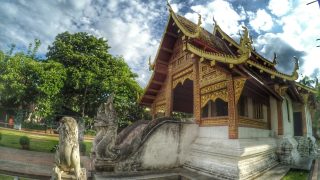
Map of the Self-Guided Tour of Angkor Wat Small Circuit walking route with 16 stops in Siem Reap.
Preview map of the Self-Guided Tour of Angkor Wat Small Circuit route in Siem Reap, showing 16 stops. Use the interactive map to zoom and tap markers.

Highlights of Ninh Binh by Bicycle: A Self-Guided Cycling Tour (2026)

Highlights Ninh Binh by Bicycle

This website uses affiliate links which earn a small commission at no additional cost to you.

Ninh Binh is a small city located about two hours south of Hanoi in northern Vietnam. When travelers mention “Ninh Binh,” they are often referring to the province rather than the city itself. Known as the “Halong Bay on land,” Ninh Binh province is renowned for its stunning natural landscapes and is a must-visit destination in Vietnam. That's why I've created this complete guide to help you explore Ninh Binh, including what to do, how to get there, and where to stay.

The main hubs for visitors in Ninh Binh province are Trang An and Tam Coc. These areas offer breathtaking scenery with dramatic karst mountains, lush green valleys, and meandering rivers. Ninh Binh gained further fame as a filming location for Kong: Skull Island, adding to its appeal among tourists.

Ninh Binh Highlights Cycling Route

This is a self-guided cycling route that can also be explored by scooter or motorbike. Most of the path is paved, with only a small section on a well-maintained dirt road that can easily be bypassed if needed. If you’d prefer a guided bike tour of the area, there are several options available that include cycling.


1. Bich Dong Pagoda

Bich Dong Pagoda
Bich Dong Pagoda
CC BY-SA 2.0 / Vinnie Cartabiano

Bich Dong Pagoda offers a charming entrance across a bridge set against a stunning natural backdrop. Inside, you’ll find a few temples and caves, where religious statues are placed, often with incense burning beside them. The area is tranquil and mountainous, and from the top, you can enjoy sweeping views of the surrounding countryside. To reach the highest point, you’ll navigate around the temples and through some of the caves, adding to the sense of adventure in this serene setting.


Location: Bich Dong Pagoda, Ninh Hải, Hoa Lư District, Ninh Bình, Vietnam | Price: To visit Bich Dong Pagoda, you need to buy a ticket to the Tam Coc - Bich Dong tourism complex, which costs VND 250,000 per adult and VND 120,000 per child.

Here is a complete selection of hotel options in Ninh Binh (Tam Coc). Feel free to review each one and choose the stay that best suits your needs.

2. Tam Coc

Ninh Binh Tam Coc
Ninh Binh Tam Coc
CC BY-SA 2.0 / Franzfoto

Tam Coc, meaning “three caves,” is the name given to this scenic area. A large parking lot is located at the start of the boat rides, where you can purchase tickets. Nearby, there are several affordable restaurants where you can relax with food or drinks before or after your trip.

Once on the boat, you’ll notice that the rowers use their feet instead of their arms to propel the boat—a technique that looks especially challenging. The journey takes you along the river and through several low caves, each opening up to a new valley with picturesque rice paddies and mountains. At the farthest point, there’s a chance to step out and stretch before heading back along the same route. Although Tam Coc can get crowded, visiting in the early morning or late afternoon provides a quieter experience.


Location: Tam Cốc – Bích Động - Ninh Bình, Việt Nam, Ninh Hải, Hoa Lư District, Ninh Bình, Vietnam | Hours: Boats generally operate from 8:30 to 18:30, with the last departures in the late afternoon. | Price: Entrance: 120,000 VND for adults, 60,000 VND for children under 1.4 m, free for children under 3; boat ticket: 150,000 VND per boat (up to 4 Vietnamese or 2 foreign visitors).

Traveling to a country with a different currency? Avoid ATM transaction fees and pay in local currency with a Wise Card. Having used it for over 5 years, we've saved loads on fees!

Powered by GetYourGuide

3. Thai Vi Temple

Thai Vi Temple Ninh Binh
Public Domain / Kien1980v (thảo luận)

Thai Vi Temple, located in the serene countryside of Ninh Binh, is a historical and spiritual treasure that dates back to the 13th century. Built by King Tran Thai Tong, the temple was constructed as a place for the king’s spiritual retreat after his victory over the Mongol Yuan Dynasty. The temple’s architecture is a blend of traditional Vietnamese and Chinese elements, with intricate carvings and symbolic motifs. Notably, the temple’s triple-arched entrance gate and large stone statues of elephants and horses reflect the historical importance of warfare and transportation during the Tran Dynasty. These elements also symbolize the resilience and strength of the Vietnamese people, particularly during the Mongol invasions.

Inside Thai Vi Temple, visitors can find a peaceful atmosphere that invites contemplation and reverence. The temple is home to several altars dedicated to the Tran Dynasty’s kings and military generals, including a prominent altar for King Tran Nhân Tông, known for his significant influence on Vietnamese Buddhism. The grounds of the temple are equally beautiful, with koi ponds, bell towers, and a Mahayana-style tower where visitors can rest and reflect. As one of the region’s most cherished historical sites, Thai Vi Temple not only offers a glimpse into Vietnam’s rich past but also serves as a serene place for worship and spiritual practice, making it a must-visit for anyone exploring Ninh Binh.


Location: Thai Vi Temple, Ninh Hải, Hoa Lư District, Ninh Bình, Vietnam | Hours: Typically open daily during daylight hours; visiting in the early morning or late afternoon is especially atmospheric and less hot. | Price: Free

4. Hang Mua Viewpoint

Han Mua
Han Mua
CC BY-SA 2.0 / Rod Waddington

Hang Mua, which translates to “Mua Cave,” is known less for the cave itself and more for the stunning viewpoint atop Hang Mua Peak. In front of the cave and the staircase leading up, there’s a small amusement area filled with artificial statues and stalls selling basic snacks. To access the path to the viewpoint, located at the far end, there is an entry fee for the amusement area. Once you reach the stone steps, be prepared for nearly 500 on the way up, but the climb is well worth it. Be sure to bring water, wear a sunhat, and choose sturdy shoes, as the steps can be slippery when wet. At the summit, there are two main viewpoints: one overlooks Tam Coc, with its picturesque rice paddies and mountains that you see from the boat ride; the other, at the rocky shrine and highest point, offers sweeping views of the surrounding countryside. Sunset is a popular time to visit for a beautiful view, though the lakes near Hoa Lư Ancient Capital also provide a stunning sunset backdrop.


Location: Viewpoint Đầm sen Hang múa, Ninh Xuân, Hoa Lư District, Ninh Bình, Vietnam | Hours: Daily 6:00 AM -7:00 PM | Price: 100,000 VND per person ($4.2 USD)
Powered by GetYourGuide

5. Trang An

Trang An
Trang An
CC BY-SA 2.0 / Richard Mortel

Trang An is a renowned destination in Ninh Binh, celebrated for its breathtaking karst landscape of limestone mountains, caves, and rivers. Its remarkable natural beauty has earned it a UNESCO World Heritage designation and made it a filming site for Kong: Skull Island. To experience Trang An, you can take a boat tour along the winding rivers, passing through various caves and enjoying the area’s stunning scenery. Alternatively, you can hike up one of the mountains for panoramic views; the trail is well-maintained and suitable for most visitors.

Whether by boat or on foot, exploring Trang An promises an unforgettable experience. Admission is 250,000 VND for adults and 100,000 VND for children under 1.4 meters. A tour guide is available for an additional 300,000 VND.

These caves are very popular with local tourists, so they tend to be especially busy on weekends. If you book a guided tour of Ninh Binh that includes a visit to the caves, your spot on the Trang An Grottoes boat ride will be reserved, allowing you to bypass the queues. Each boat requires a minimum of three passengers, so if you’re traveling as a couple, you may need to wait for others to join. This boat trip is more commercialized and busier than other options in the area, with some caves artificially widened to accommodate more boats. Instead of this trip, we chose the Tam Coc Boat Ride later on our cycling tour.


Location: Tràng An, Đông Thành, Ninh Bình, Vietnam | Hours: 7:00 am - 6:00 pm | Price: 250,000 VND/person | Website
Powered by GetYourGuide

6. Hoa Lư Ancient Capital

Temple Dinh Tien Hoang Hoa Lu
CC BY-SA 2.0 / Jean-Pierre Dalbéra

Hoa Lu Ancient Capital is a must-visit in Ninh Binh for both history buffs and nature lovers. This site served as Vietnam’s capital during the Dinh and early Le dynasties from the 10th to 11th centuries.

Hoa Lu boasts a wealth of well-preserved relics and monuments, including the temples of Dinh Tien Hoang and Le Dai Hanh, two former Vietnamese kings. Visitors can explore numerous exhibits and artifacts, immersing themselves in the vibrant history and traditions of Vietnam’s feudal dynasties.

In addition to its historical importance, Hoa Lu is set amid stunning natural landscapes, surrounded by towering limestone mountains and scenic rice paddies. Entrance tickets to the ancient capital are available for 20,000 VND.


Location: Hoa Lư Ancient Capital, Trường Yên, Hoa Lư District, Ninh Bình, Vietnam | Hours: Generally open daily from morning until late afternoon; exact hours can vary slightly, so check locally if you plan a very early or late visit. | Price: 20,000 VND for each person
Powered by GetYourGuide

7. Am Tien Pagoda Cave

Am Tien Pagoda Cave
Am Tien Pagoda Cave

Am Tien Pagoda Cave, also known as Tuyet Tinh Coc or “Fairy’s Place,” is a hidden gem nestled on Ma Yen Mountain in Ninh Binh, Vietnam. This tranquil site, surrounded by towering cliffs and a crystal-clear lake, offers a serene escape into nature and history. The cave, shaped like a dragon’s mouth, is home to unique stalactites resembling trees, fruits, and flowers, adding to its mystical allure. Visitors must climb 205 stone steps to reach the pagoda, where they are rewarded with panoramic views of the lake and mountains. Steeped in legend, Am Tien Pagoda Cave is a place of spiritual significance, historically linked to King Dinh’s tiger sanctuary and the final years of Empress Dowager Duong Van Nga. With its peaceful ambiance and stunning natural beauty, it’s often described as a “fairyland,” embodying a timeless connection between nature and Vietnam’s rich cultural heritage.


| Hours: Generally open during daylight hours; check locally if you plan to visit very early or near sunset. | Price: Expect a small local entrance fee (usually the equivalent of just a few euros), plus possible parking costs if you arrive by motorbike or car. | Website

8. Bai Dinh Pagoda

Temple Bai Dinh
Temple Bai Dinh
CC BY-SA 4.0 / Guerinf

Bai Dinh Pagoda, located in the stunning Ninh Binh province, is one of the largest and most significant Buddhist complexes in Vietnam. The pagoda is known for its impressive scale, featuring a series of temples, statues, and bell towers spread across a vast area at the foot of the Dinh Mountain. The site is home to the largest bronze Buddha statue in Southeast Asia, standing at 10 meters tall, and numerous other intricate statues of Buddhist figures, each representing various aspects of Buddhist teachings. The grand architecture of Bai Dinh Pagoda blends traditional Vietnamese and Buddhist influences, creating a serene and majestic atmosphere. Visitors can explore the pagoda’s many halls, each dedicated to different Buddhist deities, offering a sense of peace and spiritual reflection.

Apart from its architectural grandeur, Bai Dinh Pagoda is also known for its natural beauty. The pagoda is nestled in the foothills of limestone mountains, surrounded by lush greenery, making it a picturesque destination for both spiritual seekers and nature lovers. A popular activity for visitors is hiking or taking a cable car up to the pagoda’s higher levels, where breathtaking views of the surrounding countryside, rice fields, and mountains unfold. The complex also includes a large pond with lotus flowers, adding to the tranquil ambiance of the area. Bai Dinh Pagoda is a cultural and religious landmark that offers visitors not only a deep connection to Buddhism but also a chance to experience the peaceful landscapes of Ninh Binh.


Location: Bai Dinh Pagoda, Gia Sinh, Gia Viễn District, Ninh Bình, Vietnam | Hours: 7:00 AM to 6:00 PM. | Price: Free | Website
Powered by GetYourGuide
Moira & Andy
Moira & Andy

Hey! We're Moira & Andy. From hiking the Camino to trips around Europe in Bert our campervan — we've been traveling together since retirement in 2020!

Read our full story here

This website uses affiliate links which earn a small commission at no additional cost to you.

Walking Tour Summary

Distance: 19 km
Sites: 8

Walking Tour Map
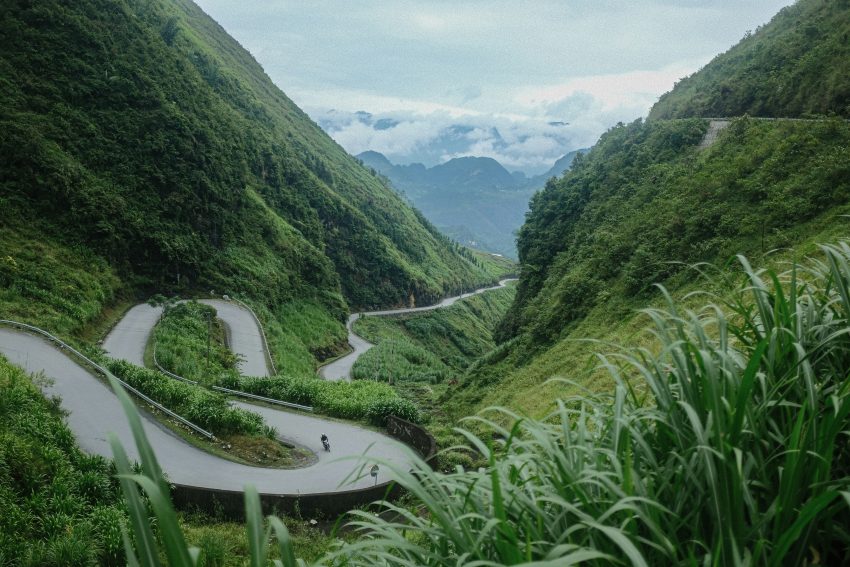
Map of the Highlights of Ninh Binh by Bicycle: A Self-Guided Cycling Tour walking route with 8 stops in Ninh Binh (Tam Coc).
Preview map of the Highlights of Ninh Binh by Bicycle: A Self-Guided Cycling Tour route in Ninh Binh (Tam Coc), showing 8 stops. Use the interactive map to zoom and tap markers.

More from this area

Self-Guided Walking Tour of Ho Chi Minh City’s Chinatown (2026)

Hao Si Phuong Alley
Hao Si Phuong Alley

This website uses affiliate links which earn a small commission at no additional cost to you.

Cholon, or Chợ Lớn, is a historic and culturally rich district in Ho Chi Minh City, renowned for its vibrant Chinese heritage. Ideal for a walking tour, this atmospheric neighborhood offers an exciting mix of bustling streets, peaceful temples, and a lively market scene. In Vietnamese, “Chợ Lớn” means “big market,” a fitting name as it houses the city's largest market, Binh Tay. Spread across Districts 5 and 6, Cholon was originally established as an independent city by the Hoa people in 1778 and later merged with Saigon as the city expanded.

I'm genuinely fond of Ho Chi Minh City's Chinatown, and I hope you take the time to explore it. This walking tour aims to help you appreciate the distinct charm and cultural significance of this unique part of Saigon.

How to get to Ho Chi Minh City’s Chinatown?

Chinatown, or Cho Lon, is located in District 5 of Ho Chi Minh City, specifically in the western part of the district. It is bordered by Tran Hung Dao Street to the north and the Saigon River to the south.

To reach Chinatown from District 1, you can easily take a taxi. The fare typically ranges from 50,000 to 100,000 Vietnamese Dong (VND), or about 2 to 4 US dollars, depending on your starting point in District 1 and current traffic conditions.

Taking the bus is an excellent option for budget travelers. Buses depart from the District 1 area, near the spiritual landmarks, and run every 15 minutes, from 5 a.m. to 8:30 p.m. daily. The journey to Cho Lon station takes about 35 minutes, and the bus fare is just $0.22.

Should I Stay in Ho Chi Minh City’s Chinatown?

To make the most of visiting Ho Chi Minh City's Chinatown and this walking tour, consider staying overnight at the centre, close to the historic temples, markets, and vibrant streets. In the heart of Chinatown, you can choose Dong Khanh Hotel, a 3-star hotel offering modern amenities and easy access to the area’s landmarks, or Truong Giang Hotel, a budget-friendly option near local markets and eateries. For a more boutique experience, Luxurious Chinatown Hideaway provides a stylish retreat with contemporary design and close proximity to Chinatown’s attractions. Additional choices include Happy Chubby Homestay, offering a homely atmosphere and personalized service, and Luas Cosy Home - The Cosy Chinatown Hideaway, a comfortable stay with easy access to local sights. Staying in these areas makes it easy to explore the historic heart of Ho Chi Minh City on foot, from the bustling Binh Tay Market and the ornate Ba Thien Hau Temple to the vibrant streets of Cholon.

A Short History of Ho Chi Minh City’s Chinatown

Ho Chi Minh City's Chinatown, known as Cholon, was established in the late 18th century as Chinese immigrants settled in what is now District 5. The area quickly grew into a bustling commercial hub, earning its reputation as the city's trading heart. Binh Tay Market, constructed in 1880 under the supervision of Chinese merchants, became the central marketplace, showcasing Cholon's role in regional commerce. Religious and cultural life flourished alongside trade, with temples and pagodas such as Thien Hau Temple (Tue Thanh Hoi Quan), dedicated to the sea goddess Mazu and built in 1760, serving as spiritual centers for the community. Other notable temples include Ong Bon Pagoda (Nhi Phu Temple), Tam Son Hoi Quan Pagoda, and Phuoc An Hoi Quan Pagoda, each reflecting the architectural styles and traditions brought by Chinese settlers.

Cholon’s streets were laid out to accommodate both residential and commercial life, with vibrant alleys like Hao Si Phuong Alley and Lantern Street becoming famous for shops, street markets, and festivals. Minh Huong Gia Thanh Hoi Quan and Nghia An Hoi Quan Temple (Quan Cong Temple) were established by various Chinese associations to serve the social, cultural, and religious needs of the community. The district also includes landmarks like Quan Am Pagoda, dedicated to the Bodhisattva of Compassion, and Cholon Mosque, reflecting the diversity of faiths among residents.

Over the centuries, Cholon has maintained its unique character, blending Chinese heritage with Vietnamese culture. Its ornate temples, crowded markets, and narrow streets offer a vivid glimpse into the lives of generations of Chinese immigrants. Today, visitors can experience this rich history firsthand, from the bustling Binh Tay Market and lantern-filled streets to the beautifully preserved pagodas and churches that continue to anchor the community’s spiritual and cultural life.

Your Self-Guided Walking Tour of Ho Chi Minh City’s Chinatown

This walking tour of Ho Chi Minh City's Chinatown allows you to explore its bustling markets, ornate temples, historic churches, and vibrant alleys. This walking tour traces the district's rich commercial heritage, Chinese cultural traditions, and religious life all within a neighborhood shaped by centuries of Chinese immigration and trade.


1. Binh Tay Market

Binh Tay Market
Binh Tay Market
CC BY-SA 2.0 / Ken Marshall

Situated in the heart of Ho Chi Minh City’s Chinatown (Chợ Lớn), Binh Tay Market is a lively and historic landmark. With origins tracing back to the late 19th century, this bustling market has long served as a dynamic center for trade and cultural interaction. Inside, visitors can browse a diverse assortment of goods, from fresh produce and spices to textiles, handicrafts, and more. The market’s energetic atmosphere offers a fully immersive experience, where the sounds, scents, and sights come together to give a genuine glimpse into local culture and daily life in this iconic part of the city.


Location: Binh Tay Market, Tháp Mười, Phường 2, District 6, Ho Chi Minh City, Vietnam | Hours: 5:30AM – 7PM (Mon – Sun)

Here is a complete selection of hotel options in Ho Chi Minh City (Saigon). Feel free to review each one and choose the stay that best suits your needs.

2. Cha Tam Church

St Francis Xavier Church
CC BY-SA 1.0 / Bùi Thụy Đào Nguyên

Leave Binh Tay Market through the north door and turn right along Tháp Mười. When you get to the end of the Công viên Cửu Long, with the dragon in the pond, head north up Đ. Trang Tử. The church is on your left.


Cha Tam Church, also known as St. Francis Xavier Church, is a tranquil and charming Catholic church located in Ho Chi Minh City’s Chinatown. The church’s exterior is lovely, set within a peaceful courtyard that offers a serene escape from the lively streets surrounding it. Inside, the church features several Chinese design elements, blending architectural styles and cultural influences. Today, Vietnam is home to approximately 7 million Catholics, and Cha Tam Church remains a significant place of worship and cultural heritage for the local community.


Location: St Francis Xavier Church, Đường Học Lạc, Phường 14, District 5, Ho Chi Minh City, Vietnam

Traveling to a country with a different currency? Avoid ATM transaction fees and pay in local currency with a Wise Card. Having used it for over 5 years, we've saved loads on fees!

3. Ong Bon Pagoda (Nhi Phu Temple)

Ong Bon Pagoda
Ong Bon Pagoda
CC BY-SA 1.0 / Gary Todd

Head back to the Công viên Cửu Long park and turn left along Đ. Hải Thượng Lãn Ông. Ong Bon Pagoda (Nhi Phu Temple) will be on your left.


Ong Bon Temple (Nhi Phu Temple) is a historic and culturally significant Chinese temple dedicated to the deity Ong Bon, known for bringing prosperity and protection to the community. Built in the late 19th century, the temple’s architecture is a striking blend of traditional Chinese design, featuring intricate carvings, vibrant colors, and ornate details. Inside, visitors can admire numerous statues and offerings, while the smell of incense fills the air, adding to the temple’s peaceful and spiritual atmosphere. Ong Bon Temple remains an important place of worship for the local Chinese-Vietnamese community and is a must-visit for those wanting to explore the cultural and religious heritage of Ho Chi Minh City’s Chinatown.


Location: 264 Hai Thuong Lan Ong Blvd., at Phung Hung St., Ho Chi Minh City, Ho Chi Minh City Vietnam

Explore Ho Chi Minh City (Saigon) at your own pace with our self-guided walking tour! Follow our curated route to discover must-see sights and local secrets that makes Ho Chi Minh City (Saigon) one of the best places to visit in Vietnam.

4. Minh Huong Gia Thanh Hoi Quan

Minh Huong Gia Thanh Hoi Quan
CC BY-SA 2.0 / Bùi Thụy Đào Nguyên

Continue along Đ. Hải Thượng Lãn Ông and cross the roundabout, turn third left up Đ. Triệu Quang Phục. Minh Huong Gia Thanh Hoi Quan is on your left down Trần Hưng Đạo B.


Minh Huong Gia Thanh Hoi Quan, or the Assembly Hall of the Minh Huong Congregation, is a historic temple established by Chinese immigrants from Fujian in the early 18th century. Dedicated to the goddess Thien Hau, the protector of seafarers, this beautifully preserved temple showcases intricate southern Chinese architecture, with its sculpted roof featuring dragons, phoenixes, and other mythical figures. Inside, visitors can admire detailed ceramic reliefs, wooden carvings, and altars illuminated by red lanterns and incense coils. Minh Huong Gia Thanh Hoi Quan serves not only as a place of worship but also as a cultural gathering space, especially during traditional Chinese festivals, offering insight into the vibrant heritage of the city’s Chinese-Vietnamese community.


Location: 明鄉嘉盛會館- Minh Hương Gia Thạnh Hội Quán, Đường Trần Hưng Đạo, phường 11, District 5, Ho Chi Minh City, Vietnam

5. Tam Son Hoi Quan Pagoda

Tam Son Hoi Quan Pagoda
CC BY-SA 1.0 / Gary Todd

Continue along Minh Huong Gia Thanh Hoi Quan, Tam Son Hoi Quan Pagoda will be on your left.


Tam Son Hoi Quan Pagoda, is a beautifully ornate temple dedicated to the goddess of fertility. With its intricate decorations and peaceful ambiance, the pagoda is a significant place of worship for many, especially women who come to pray for blessings related to childbirth and family. The temple’s vibrant design, featuring traditional Chinese architectural elements, creates a serene space for both spiritual devotion and cultural reflection within the bustling Chinatown area.


Location: Tam Son Hoi Quan Pagoda, Đường Triệu Quang Phục, phường 11, District 5, Ho Chi Minh City, Vietnam

6. Thien Hau Temple (Tue Thanh Hoi Quan)

Thien Hau Temple Ho Chi Minh City
CC BY-SA3.0 / 兵庫胡志明倶楽部

Continue and turn next left along Đ. Nguyễn Trãi. Thien Hau Temple (Tue Thanh Hoi Quan) is on your right.


Ba Thien Hau Temple, dating back to around 1760, is a historic and significant temple situated in the heart of Chinatown, making it the most important temple in the Cholon district. The temple is known for its stunning architecture and ornate interior, filled with numerous statues and the pervasive scent of incense. Dedicated to Mazu, the Chinese sea goddess, the temple holds deep significance for the local community, particularly for migrants who arrived by sea.


Location: Tue Thanh Assembly Hall 710 Đ. Nguyễn Trãi Phường 11 Quận 5 Hồ Chí Minh, Vietnam

7. Lantern Street

vietnam lanterns
vietnam lanterns

Continue along along Đ. Nguyễn Trãi and turn right into Lantern Street or Luong Nhu Hoc Street.


Lantern Street, located along Luong Nhu Hoc Street in Ho Chi Minh City, is a vibrant and colorful destination renowned for its abundance of traditional lanterns and festive items. The street comes alive, especially during the Mid-Autumn Festival, when the area is filled with beautifully crafted lanterns in various shapes and vibrant colors, creating a magical atmosphere. It is a popular spot for both locals and tourists, offering not just lanterns, but also other traditional festival items like drums, toys, and mooncakes. The lively energy of the street, combined with the rich cultural heritage of the Mid-Autumn Festival, makes Lantern Street a must-visit place to experience the festive spirit and the craftsmanship of local artisans in Ho Chi Minh City.


Location: Đường Lương Nhữ Học, phường 11, District 5, Ho Chi Minh City, Vietnam

8. Quan Am Pagoda

Quan Am Pagoda
Quan Am Pagoda
CC BY-SA 3.0 / Lerdsuwa

Half way up Luong Nhu Hoc Street turn left onto Đ. Lão Tử, Quan Am Pagoda is on your right.


Quan Am Pagoda, a beautiful and historically rich temple, is dedicated to the Buddhist Goddess of Mercy, Quan Am. Established in the early 1800s, it holds significant cultural and spiritual importance within Ho Chi Minh City’s Cholon district. The temple is known for its serene atmosphere, offering visitors a peaceful escape from the bustling streets of Chinatown. Its architecture reflects traditional Chinese and Vietnamese design elements, with intricate carvings, bright colors, and elaborate statues of Quan Am and other deities. The pagoda is a place of worship, where locals come to seek guidance, comfort, and blessings from the goddess.


Location: Quan Am Pagoda, Đường Lão Tử, phường 11, District 5, Ho Chi Minh City, Vietnam

9. Phuoc An Hoi Quan Pagoda

Phuoc An Hoi Quan Pagoda
CC BY-SA 1.0 / Gary Todd

Continue along Đ. Lão Tử and turn right Phuoc An Hoi Quan Pagoda is across the next road.


Phuoc An Hoi Quan Pagoda is a vibrant and intricately decorated Confucian temple located in the heart of Ho Chi Minh City’s Cholon district. Dedicated to a Chinese General, this historic pagoda pays homage to his military prowess and wisdom. As you explore the colorful interior, you’ll find a fascinating mix of symbolism and cultural elements, including traditional Chinese military artifacts such as weapons, which provide a glimpse into the temple’s martial heritage. The pagoda’s design is a beautiful fusion of Confucianism and Taoism, with vibrant hues, intricate carvings, and detailed statues that bring the space to life.


Location: Phước An Hội Quán, Đường Hồng Bàng, Phường 12, District 5, Ho Chi Minh City, Vietnam

10. Nghia An Hoi Quan Temple (Quan Cong Temple)

Nghia An Temple
Nghia An Temple
CC BY-SA 2.0 / Darren On The Road

Walk east along Đ. Hồng Bàng and turn third right down Đ. Phù Đổng Thiên Vương. Nghia An Hoi Quan Temple will be on your right along Đ. Nguyễn Trãi.


Nghĩa An Hội Quán is a historically significant Chinese temple, dedicated to the Chinese deity, the God of Earth. Built in the 19th century, the temple showcases traditional Chinese architectural elements, with vibrant decorations, intricate carvings, and a serene atmosphere that reflects its cultural and spiritual importance. The temple’s main altar is devoted to the God of Earth, and it is a place where locals come to offer prayers and seek blessings for prosperity and protection. Nghĩa An Hội Quán also serves as a cultural hub for the Chinese-Vietnamese community, hosting festivals, ceremonies, and gatherings, making it a key stop for anyone exploring the deep-rooted heritage of Chinatown.


Location: Hội Quán Nghĩa An 678 Đ. Nguyễn Trãi Phường 11 Quận 5 Hồ Chí Minh 70000, Vietnam

11. Cholon Mosque

Cholon Jamail Mosque
CC BY-SA 2.0 / Christopher

Walk east along Đ. Nguyễn Trãi, Cholon Mosque will be on your right.


Cholon Mosque, built in 1932 by the Vietnamese Tamil Muslim community, stands as a peaceful retreat within Cholon. This mosque is modestly designed, adorned with calming blue and green tones that give it a serene ambiance, contrasting with the vibrant surroundings of Cholon. Primarily serving Malaysian and Indonesian Muslims in the city, the mosque is a welcoming space for prayer, community gatherings, and cultural exchange. Visitors are invited to experience its tranquil atmosphere, providing a unique glimpse into the lives and practices of Ho Chi Minh City’s diverse Muslim community.


Location: Cho Lon Masjid, Vietnam, Đường Nguyễn Trãi, phường 11, District 5, Ho Chi Minh City, Vietnam

12. Hao Si Phuong Alley

Hao Si Phuong Alley
Hao Si Phuong Alley

Continue along Đ. Nguyễn Trãi and right when you reach the KFC turn right. Hao Si Phuong Alley is running parralel to this road on your right.


Hao Si Phuong Alley is a quiet, charming spot that offers a unique insight into local life away from the city’s main tourist attractions. The narrow alleyway is lined with traditional houses, small shops, and local eateries, creating an authentic atmosphere. It’s a peaceful place to explore on foot, offering a glimpse of everyday Vietnamese life in a less commercialized part of the city. The alley’s calm and nostalgic vibe stands in stark contrast to the busy streets of central Ho Chi Minh City, making it a hidden gem for those looking for a more intimate experience.


Location: Hào Sĩ Phương, Đường Trần Hưng Đạo, phường 11, District 5, Ho Chi Minh City, Vietnam
Powered by GetYourGuide
Moira & Andy
Moira & Andy

Hey! We're Moira & Andy. From hiking the Camino to trips around Europe in Bert our campervan — we've been traveling together since retirement in 2020!

Read our full story here

This website uses affiliate links which earn a small commission at no additional cost to you.

Walking Tour Summary

Distance: 3.5 km
Sites: 12

Walking Tour Map
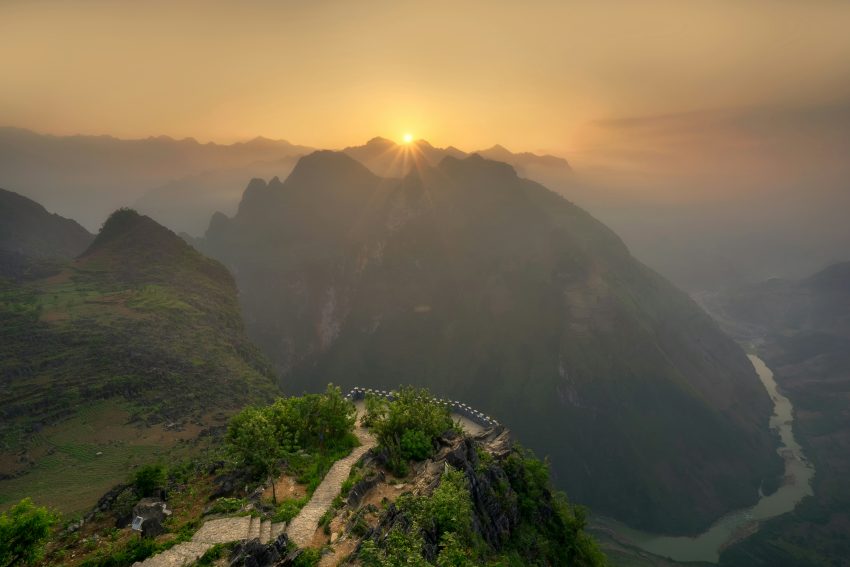
Map of the Self-Guided Walking Tour of Ho Chi Minh City’s Chinatown walking route with 12 stops in Ho Chi Minh City (Saigon).
Preview map of the Self-Guided Walking Tour of Ho Chi Minh City’s Chinatown route in Ho Chi Minh City (Saigon), showing 12 stops. Use the interactive map to zoom and tap markers.

More from this area

Self-Guided Walking Tour of Ho Chi Minh City (2026)

Ho Chi Minh City Free Self Guided Walking Tour

This website uses affiliate links which earn a small commission at no additional cost to you.

Immerse yourself in the vibrant energy and rich history of Ho Chi Minh City, a place where life, culture, and tradition seamlessly blend. This self-guided walking tour invites you to explore the heart of the city at your own pace, making it ideal for first-time visitors, especially if you're short on time.

This tour will guide you through Ho Chi Minh’s most iconic landmarks and hidden cultural treasures, offering a fascinating mix of the old and the new. Discover the unique character of this dynamic city, with glimpses into its past and present. You don’t need a tour guide unless you plan to venture beyond District 1.

Get ready for an unforgettable journey through one of Southeast Asia’s most energetic cities! Whether you have a full day or just a few hours, this walking tour will take you to the must-see sights.

How to Get to Ho Chi Minh City

By Air: Ho Chi Minh City is served by Tan Son Nhat International Airport (SGN), located about 6 km from the city center. It is the busiest airport in Vietnam, with flights connecting to major cities across Asia, Europe, and the Middle East. From the airport, you can reach downtown by taxi, shuttle bus, or rideshare in 20-30 minutes, depending on traffic. For the best deals and a seamless booking experience, check out these flights to Ho Chi Minh City (Saigon) on Booking.com.

By train: The city’s main railway station, Ga Sài Gòn, connects Ho Chi Minh City to other major destinations in Vietnam, including Hanoi, Da Nang, and Nha Trang, via the famous Reunification Express. Trains are a comfortable option for travelers wishing to see the countryside and enjoy overnight journeys with sleeper cabins. Local taxis and ride-hailing apps make it easy to get from the station to hotels and key attractions in the city center. Train schedules and bookings can be found on Omio.

By car: Driving to Ho Chi Minh City is possible from nearby provinces and neighboring countries like Cambodia, though traffic can be challenging. Major highways such as National Route 1A link the city with other parts of southern Vietnam, while car rentals or private hire vehicles provide flexibility for exploring the city and surrounding areas at your own pace.

Where to Stay in Ho Chi Minh City

To make the most of visiting Ho Chi Minh City and this walking tour, consider staying overnight at the centre, close to the city's main attractions, markets, and cultural landmarks. In District 1, the bustling heart of the city, you can choose Hotel Nikko Saigon, offering modern luxury and easy access to Ben Thanh Market and the Saigon Opera House, or Liberty Central Saigon Citypoint, a stylish option with rooftop views and central convenience. For boutique charm, The Myst Dong Khoi provides contemporary design and a quiet retreat amidst the city buzz, while Silverland Jolie Hotel & Spa combines comfort with a central location near the Notre-Dame Cathedral. In District 5, closer to Chinatown, Dong Khanh Hotel and Truong Giang Hotel offer convenient access to Binh Tay Market, Thien Hau Temple, and other historic sites. Staying in these areas makes it easy to explore the vibrant streets, markets, and temples of Ho Chi Minh City on foot.

A Short History of Ho Chi Minh City

Ho Chi Minh City, formerly known as Saigon, has a rich history that reflects its transformation from a small Khmer settlement into Vietnam's largest metropolis. The city rose to prominence in the 17th century as a trading hub, and its commercial heart developed along Dong Khoi Street, which remains lined with historic shops and colonial-era architecture. By the late 19th century, under French colonial rule, Saigon's skyline began to take shape with landmarks such as the Notre-Dame Cathedral Basilica of Saigon (completed in 1880) and the Central Post Office (completed in 1891), both designed by French architects to symbolize European influence and civic pride. Public spaces such as Tao Dan Park and cultural institutions like the Ho Chi Minh City Museum of Fine Arts emerged during this period, reflecting the city's growing urban sophistication.

The 20th century brought political and cultural milestones that defined modern Ho Chi Minh City. The Reunification Palace, completed in 1966 on the site of the former Norodom Palace, became the center of governance and a symbol of national reunification after 1975. Institutions such as the War Remnants Museum, the History Museum of Ho Chi Minh City, and the Ho Chi Minh City Museum preserve the city's complex past, including the Vietnam War era, while the Jade Emperor Pagoda and Mariamman Hindu Temple highlight the spiritual diversity of its population. Markets like Ben Thanh Market and the Ben Nghe Street Food Market reflect centuries of commerce and culinary tradition, connecting the city's past with its vibrant present.

Today, Ho Chi Minh City blends history with rapid modernization. Iconic cultural venues such as the Saigon Opera House, the Golden Dragon Water Puppet Theater, and the Saigon Zoo & Botanical Garden coexist with modern landmarks like the Bitexco Tower, symbolizing economic growth and innovation. City Hall, elegant boulevards, and historic neighborhoods alongside contemporary high-rises illustrate a metropolis that honors its colonial and local heritage while embracing the 21st century, making it a dynamic and multifaceted urban center.

Guided or self-Guided Tour of Ho Chi Minh City?

In my opinion, the best way to explore Ho Chi Minh City is through a walking tour. You can either follow a suggested itinerary to discover the city at your own pace or join an escorted tour. An escorted tour is ideal if you're not entirely comfortable navigating Ho Chi Minh City solo or if you'd like in-depth insights into the city's history, culture, and daily life. I recommend this three-hour guided tour that covers landmarks like the Saigon Notre Dame Cathedral and the Independence Palace, providing a great introduction to the historical center, which you can explore further on your own afterward.

Your Self-Guided Walking Tour of Ho Chi Minh City

This Self-Guided Walking Tour Ho Chi Minh City allows you to explore its bustling markets, historic streets, colonial landmarks, and vibrant cultural sites. This walking tour traces the city's rich commercial heritage, religious traditions, and architectural charm all within a city shaped by centuries of trade, culture, and modernization.


1. Ben Thanh Market

Ben Thanh market
Ben Thanh market
CC BY-SA 2.0 / Riza

To start, I recommend taking a taxi to Ben Thanh Market and then walking from there. It’s the most efficient way to explore Ho Chi Minh City on foot.


Start your adventure through Ho Chi Minh City by diving into the lively atmosphere of Ben Thanh Market, a bustling hub that perfectly captures the city’s energy and vibrancy. As you approach the market, the burst of colors, enticing aromas, and the lively hustle of activity create an immersive sensory experience.

Step inside Ben Thanh Market, and you’ll immediately feel the vibrancy of the place. The stalls are overflowing with local goods, handmade crafts, and delicious street food. As a commercial center for decades, the market serves as a focal point for both locals and visitors, making it an ideal spot for picking up souvenirs.

Wander through the narrow aisles, where you’ll discover a wide range of items on display. Ben Thanh Market offers a rich showcase of Vietnamese handicrafts, from intricately embroidered fabrics and lacquerware to traditional conical hats and unique local souvenirs. It is worth noting that the quoted prices will often be 3 times the amount the item is worth, so be prepared to barter.

Take a moment to chat with the artisans who run many of the stalls. Many are happy to share the stories behind their handmade creations, passed down through generations. The market offers an authentic glimpse into the artistic talents and cultural traditions that are at the heart of Vietnamese craftsmanship.

Beyond the shops, the food section of Ben Thanh Market is a feast for the senses. The air is filled with the savory scent of grilled meats, the steam rising from bowls of pho, and the sweet fragrance of exotic tropical fruits. Find a spot to sit and enjoy a steaming bowl of pho or a crispy banh mi sandwich while watching the market’s lively flow. Don’t miss the chance to try local specialties like fresh spring rolls, crispy Vietnamese pancakes, or a cup of strong Vietnamese coffee with sweetened condensed milk.


Location: Ben Thanh Market, Bến Thành, District 1, Ho Chi Minh City, Vietnam | Hours: 7:30 a.m. - 12 p.m., 1:30 - 5 p.m. every day including holidays | Price: Free

Here is a complete selection of hotel options in Ho Chi Minh City (Saigon). Feel free to review each one and choose the stay that best suits your needs.

Powered by GetYourGuide

2. Ho Chi Minh City Museum

Ho Chi Minh City Museum
CC BY-SA 3.0 / Bùi Thụy Đào Nguyên

Leave the market at the north exit and turn right onto Lê Thánh Tôn and after a couple of blocks left onto Pasteur Street, named after Louis Pasteur. This is one of the few streets in Saigon that has kept it’s French name. The museum is the large neoclassical building on your left.


Ho Chi Minh City Museum or Bảo tàng Thành phố Hồ Chí Minh , is an essential stop for those wishing to explore the rich history and cultural evolution of the city. Housed in a striking French colonial building that was once the residence of a wealthy French merchant, the museum offers a fascinating glimpse into Ho Chi Minh City’s transformation from a small Khmer settlement to the bustling metropolis it is today. The museum’s exhibits cover a broad spectrum of topics, from prehistoric artifacts and ancient ceramics to military relics from the Vietnam War. Notably, the museum also showcases the city’s colonial past, including its time under French rule and the rise of Saigon as the capital of South Vietnam before reunification.

Beyond the exhibits, the museum’s architecture itself is a highlight. The building, which dates back to the late 19th century, blends European influences with traditional Vietnamese elements, creating an elegant setting for the museum’s diverse collections. Visitors can wander through galleries that highlight the natural beauty, historical milestones, and cultural diversity of Ho Chi Minh City, all while admiring the museum’s neoclassical design and lush gardens. The Ho Chi Minh City Museum serves as a unique cultural landmark, making it a must-visit for those wanting to understand the city’s past and its pivotal role in Vietnam’s history.


Location: 65 Lý Tự Trọng, District 1, Ho Chi Minh City | Hours: 8:00 AM to 5:00 PM daily | Price: 30,000 VND for adults | Website

Traveling to a country with a different currency? Avoid ATM transaction fees and pay in local currency with a Wise Card. Having used it for over 5 years, we've saved loads on fees!

3. Ben Nghe Street Food Market

Ben Nghe Street Food Market
© Andrew Ashton

Turn left out of the Ho Chi Minh City Museum and then first right. Bến Thành Street Food Market will be on your right.


Ben Nghe Street Food Market offers a vibrant and authentic culinary experience that captures the essence of Vietnam’s diverse food culture. The market is a bustling haven for food lovers, with an array of food stalls serving both traditional Vietnamese dishes and regional specialties. As you stroll through the market, you’ll encounter vendors offering everything from the famous pho (noodle soup) and banh mi (Vietnamese sandwich) to more unique local treats like goi cuon (spring rolls) and hu tieu (noodle soup with pork and shrimp). The fragrant aromas and colorful displays make it a sensory delight, inviting visitors to indulge in the tastes and textures of Vietnamese street food.

The market is relatively small, but it offers a wide range of options. While it may not be the most authentic and can be a bit pricier, the food is delicious, the space is clean, and there are refreshing ceiling fans to keep you comfortable.


Location: Bến Thành Street Food Market, Đường Nam Kỳ Khởi Nghĩa, Bến Nghé, District 1, Ho Chi Minh City, Vietnam | Hours: 9:00 AM to 12:00 AM (midnight)

Explore Ho Chi Minh City (Saigon) at your own pace with our self-guided walking tour! Follow our curated route to discover must-see sights and local secrets that makes Ho Chi Minh City (Saigon) one of the best places to visit in Vietnam.

Powered by GetYourGuide

4. Reunification Palace

Independence Palace Saigon
CC BY-SA 4.0 / 源義信

Head north out of Ben Thanh Market along Thủ Khoa Huân, cross diagonally over to Huyền Trân Công Chúa. The Reunification Palace will be on your right.


Continue your exploration of Ho Chi Minh City at the iconic Reunification Palace, a powerful symbol of the city’s turbulent history. Stepping inside this architectural gem, you are transported to a pivotal moment in time: the closing chapter of the Vietnam War.

Wander through the palace’s historic rooms, each one telling a story of Vietnam’s political and cultural shifts. The opulent Reception Hall, the tactical War Command Room, and the President’s Office offer fascinating glimpses into the nation’s past.

Outside, the palace’s tranquil gardens provide a peaceful escape from the city’s bustle. Stroll along the pathways, admire the fountains, and take in the preserved military relics, including tanks and helicopters, which serve as poignant reminders of history. For a richer experience, you may want to use an audio guide or join a guided tour to gain a deeper understanding of the significance of each space.

The gardens are especially enchanting in the late afternoon, when the setting sun casts a golden glow across the grounds. This time offers a serene ambiance, ideal for snapping photos or simply reflecting in the quiet. As you explore, you’ll inevitably be reminded of the palace’s role in history – it was here that a North Vietnamese tank crashed through the gates in 1975, signaling the fall of Saigon.

Finish your visit with a trip to the rooftop, where you’ll be rewarded with panoramic views of Ho Chi Minh City. From this vantage point, you can appreciate the blend of modern skyscrapers and colonial-era buildings that define the cityscape.


Location: 135 Nam Ky Khoi Nghia, Ben Thanh, District 1,Ho Chi Minh City, Vietnam | Hours: 7:30 a.m. - 12 p.m., 1:30 - 5 p.m. every day including holidays | Price: 15,000 VND
Powered by GetYourGuide

5. Tao Dan Park

Tao Dan Park
Tao Dan Park
CC BY-SA 4.0 / 源義信

Head southwest from the Reunification Palace to reach Tao Dan Park.


Walking through Tao Dan Park offers a refreshing escape from the hustle and bustle of Ho Chi Minh City. As you step into the park, you’re greeted by a lush landscape of tall trees, manicured gardens, and shaded pathways that invite you to explore at your own pace. The serene ambiance is perfect for a morning jog, a leisurely walk, or simply sitting on one of the many benches to relax. The park’s wide, tree-lined paths are dotted with local residents practicing tai chi, yoga, or enjoying a quiet moment, creating a peaceful yet vibrant atmosphere. The well-kept grounds, filled with tropical flowers and towering palms, offer an unexpected oasis in the midst of the city’s urban sprawl.

As you continue your walk, you’ll come across various attractions within the park, including statues and monuments that add a touch of history and culture to the surroundings. One of the highlights is the Hùng Kings Temple, nestled amidst the greenery, which provides a quiet space for reflection and reverence. The park’s bird garden, home to a variety of exotic birds, adds an extra layer of charm with the sounds of chirping birds filling the air. Tao Dan Park is a place where nature, culture, and local life seamlessly come together, making it an ideal spot to unwind, enjoy the outdoors, and experience a slower pace of life in the heart of the city.


Location: Tao Dan Park, Bến Thành, District 1, Ho Chi Minh City, Vietnam

6. Golden Dragon Water Puppet Theater

The Golden Dragon Water Puppet Theater
All Rights Reserved / The Golden Dragon Water Puppet Theater,

Head northwest out of the park along Trương Định. When you reach Đ. Nguyễn Thị Minh Khai the Golden Dragon Water Puppet Theater will be on your right.


The Golden Dragon Water Puppet Theater in Ho Chi Minh City offers a captivating introduction to the traditional Vietnamese art of water puppetry, an ancient performance style that dates back over a thousand years. Located in District 1, the theater hosts daily shows that showcase this unique cultural heritage, where expertly crafted wooden puppets appear to float and dance on a water-filled stage. The performances are accompanied by live traditional music, creating an immersive atmosphere as the puppets bring to life stories of rural life, folklore, and legends. The artistry and coordination required to make the puppets move gracefully on water is nothing short of mesmerizing, providing a magical experience for visitors of all ages.

What makes the Golden Dragon Water Puppet Theater stand out is not just the puppetry itself, but the way it combines music, drama, and cultural storytelling in a setting that feels both intimate and vibrant. The performances feature intricate puppets representing animals, people, and mythical creatures, all controlled by hidden puppeteers, while the orchestra plays traditional Vietnamese instruments like the đàn bầu (a one-stringed instrument) and drums. For many tourists, a visit to the Golden Dragon Water Puppet Theater is a highlight of their trip, offering a unique opportunity to experience one of Vietnam’s most beloved art forms in the heart of Ho Chi Minh City.


Location: The Golden Dragon Water Puppet Theater, Đường Nguyễn Thị Minh Khai, Bến Thành, District 1, Ho Chi Minh City, Vietnam | Hours: 9 AM - 11:30 AM & 1:30 PM - 6 PM Showtime duration: 50 minutes | Price: Around VND 300,000 | Website
Powered by GetYourGuide

7. War Remnants Museum

War Remnants Museum
War Remnants Museum
CC BY-SA 4.0 / Chinhthangbtctct2020

Walk back to Trương Định and contiue walking to the northwest. Turn northeast onto Võ Văn Tần and left onto Lê Quý Đôn. The War Remnants Museum is on your left.


Your journey through Ho Chi Minh City takes a reflective turn as you step into the War Remnants Museum, a poignant reminder of Vietnam’s tumultuous history. Located in the city center, this museum stands as a solemn tribute to the nation’s struggles, offering an honest and powerful account of its wartime past and its remarkable resilience.

As you approach the museum, you’ll immediately notice the exterior, adorned with military vehicles and aircraft, setting the tone for the exhibits inside. The War Remnants Museum is a repository of memories, preserving the stories of those who lived through some of the darkest chapters in Vietnam’s history.

Inside, you’ll encounter a series of exhibitions that tell the heartbreaking story of the Vietnam War. Through photographs, artifacts, and interactive displays, the museum offers a window into the wartime experiences of soldiers, civilians, and families, giving you a profound understanding of the lives affected by the conflict.

As you explore, you’ll come across striking images and relics that capture the human toll of the war, showcasing both suffering and resilience. The museum does not shy away from the brutal realities of the battle, offering a balanced view of the war’s devastating impact on both sides.

Take a moment to reflect on the stories of courage and perseverance, highlighting the indomitable spirit of the Vietnamese people who endured so much. The museum also offers insight into the post-war era, emphasizing Vietnam’s journey of healing, reconstruction, and renewal.


Location: War Remnants Museum, Võ Thị Sáu, District 3, Ho Chi Minh City, Vietnam | Hours: 7:30am to 5:30pm | Price: VND30,000 | Website
Powered by GetYourGuide

8. Jade Emperor Pagoda

Jade Emperor Pagoda
Jade Emperor Pagoda
CC BY-SA 1.0 / Gary Todd

Continue to walk northeast up Võ Văn Tần until you reach the roundabout / rotary with a lake in the middle (Turtle Lake). Some believe that the massive structure in the center of the roundabout is meant to represent the handle of a giant sword. According to legend, a colossal dragon lies buried beneath the ground, and the sword is said to be keeping it restrained.

The next three locations are optional as they are a little further away. If you with to skip them then walk anti-clockwise around Turtle Lake and head down Phạm Ngọc Thạch, you should soon see the Notre-Dame Cathedral Basilica of Saigon in front of you.

Head directly across the roundabout, along Trần Cao Vân and turn left onto Hai Bà Trưng. Turn right when you reach Le Van Tam Park onto Điện Biên Phủ. The park is named after and has a statue of Le Van Tam, a Vietnamese hero from the Indochina War.

Continue until you reach Đ. Mai Thị Lựu and turn left to reach the Jade Emperor Pagoda.


The Jade Emperor Pagoda, also known as Chùa Ngọc Hoàng, is one of Ho Chi Minh City’s most intriguing spiritual landmarks. Built in 1909 by the Cantonese community, this pagoda is dedicated to the Jade Emperor, or Ngọc Hoàng, a central figure in Taoist mythology who presides over heaven. Stepping inside, visitors are welcomed into an incense-filled sanctuary adorned with elaborate carvings, statues, and lanterns. The pagoda’s pink-bricked exterior, framed by lush greenery, stands out against the cityscape and offers a serene refuge from the bustling streets outside. Its unique blend of Taoist and Buddhist elements makes it an important cultural site for both religious practitioners and curious visitors alike.

Inside, various chambers are dedicated to different deities and aspects of spirituality, each area offering its own architectural beauty and symbolism. The central chamber houses the Jade Emperor, who is depicted surrounded by an entourage of deities and warriors, reflecting his role as a protector and enforcer of divine justice. Other sections of the pagoda feature intricate woodwork and statues representing deities like Quan Âm (the goddess of mercy) and Thần Tài (the god of wealth). Visitors often come to offer prayers for good fortune, protection, and family blessings, lighting incense sticks and leaving offerings as part of traditional customs. The Jade Emperor Pagoda remains an active place of worship and is a fascinating stop for those wanting to experience the spiritual richness of Vietnam.


Location: Jade Emperor Pagoda, Đường Mai Thị Lựu, Da Kao, District 1, Ho Chi Minh City, Vietnam | Hours: Daily: 07:00–18:00. Open later on the first & fifteenth days of the lunar month. | Price: Free (donations welcome).
Powered by GetYourGuide

9. History Museum of Ho Chi Minh City

Ho Chi Minh City Museum of History
Public Domain / Anne and David

Continue along Điện Biên Phủ and take the first right turn at the roundabout / rotary. Walk down Đ. Nguyễn Bỉnh Khiêm and the History Museum of Ho Chi Minh City is on your left.


The History Museum of Ho Chi Minh City, located in District 1 near the Saigon Zoo and Botanical Gardens, is a treasure trove of Vietnam’s cultural and historical heritage. Established in 1929 during the French colonial period, it was initially called the “Musée Blanchard de La Brosse” and was later renamed. The museum’s architecture combines French colonial styles with traditional Vietnamese design elements, creating a distinctive and grand appearance. Inside, visitors can explore an extensive collection of artifacts that illustrate Vietnam’s history, from prehistoric times through the various dynasties, the French colonial era, and the struggle for independence.

The museum’s exhibitions are thoughtfully curated, covering a wide array of topics that shed light on the country’s unique cultural evolution. Highlights include artifacts from the Champa Kingdom, historical sculptures, ancient ceramics, and clothing from different ethnic minorities. A popular section showcases items from the Nguyen dynasty, including relics that reveal insights into royal life. Visitors can also find displays that detail the resilience and tenacity of the Vietnamese people during wartime, creating a narrative that bridges history with modern identity. Besides its permanent exhibits, the museum hosts cultural events and lectures, serving as an educational hub for both locals and tourists interested in understanding Vietnam’s layered history.


Location: HCMC History Museum, Đường Nguyễn Bỉnh Khiêm, Bến Nghé, District 1, Ho Chi Minh City, Vietnam | Hours: Tuesday to Sunday Morning: 8:00 - 11:30, Afternoon: 13:00 - 17:00 Closed on Mondays | Price: 30,000 VND | Website

10. Saigon Zoo & Botanical Garden

Saigon Zoo and Botanical Gardens
CC BY-SA 3.0 / Jean-Marie Hullot

Further down Nguyễn Bỉnh Khiêm is the History Museum of Ho Chi Minh City.


The Saigon Zoo & Botanical Garden, established in 1865, is one of the oldest zoos and botanical gardens in the world and a beloved destination in Ho Chi Minh City. This lush, 20-hectare site in District 1 features a diverse collection of over a hundred animal species, including rare and endangered ones like the Indochinese tiger and Asian elephant, as well as vibrant plant collections with tropical trees, orchids, and a peaceful lotus pond. The garden’s shaded pathways and tranquil atmosphere offer a relaxing escape from the city’s hustle, while educational programs and cultural attractions, like the Hung Kings Temple, enhance the experience. Popular with both locals and visitors, the Saigon Zoo & Botanical Garden is a wonderful blend of natural beauty, conservation, and cultural history.


Location: Saigon Zoo & Botanical Garden, Đường Nguyễn Bỉnh Khiêm, Bến Nghé, District 1, Ho Chi Minh City, Vietnam | Hours: Mon - Sun/ 7AM - 5.30PM | Price: 50,000 VND | Website

11. Notre-Dame Cathedral Basilica of Saigon

Ho Chi Minh City Notre Dame Basilica
CC BY-SA 2.0 / Steffen Schmitz

Cross the road directly in front of the Zoo’s main entrance, and head down Đ. Lê Duẩn until you reach the Cathedral.


Your journey through Ho Chi Minh City takes on a spiritual dimension as you arrive at the Notre Dame Cathedral, a stunning example of French Gothic architecture and a serene escape from the city’s hustle. Step inside and experience the peaceful atmosphere that surrounds this iconic landmark.

As sunlight filters through the cathedral’s stained glass windows, it casts vibrant colors across the space, enhancing the sense of calm. The soft murmur of prayers and quiet conversations adds to the contemplative ambiance. Take a moment to admire the sacred relics, statues, and the magnificent altar at the heart of the cathedral.

As you explore the Notre Dame Cathedral, reflect on its historical significance. Built in the late 19th century, it has stood as a place of both celebration and solemnity, welcoming both locals and visitors. Today, the cathedral remains a powerful symbol of faith and cultural heritage in the heart of Ho Chi Minh City.


Location: 1 Công xã Paris, Bến Nghé, District 1, Ho Chi Minh City, Vietnam | Hours: 7:30 a.m. - 12 p.m., 1:30 - 5 p.m. every day including holidays | Price: 15,000 VND
Powered by GetYourGuide

12. Central Post Office

Saigon Central Post Office
CC BY-SA 1.0 / Balon Greyjoy

The Central Post Office is opposite the northeast side of the cathedral.


As you continue your walking tour of Ho Chi Minh City, make your way to the Central Post Office, an architectural masterpiece designed by Gustave Eiffel—the same engineer behind the Eiffel Tower. This iconic building is a perfect blend of French colonial elegance and practical design, offering a glimpse into the city’s rich history.

Approaching the Central Post Office, you’ll be struck by its distinctive façade, featuring arched windows, a green dome, and intricate wrought-iron details. The exterior is a visual delight, reflecting a time when architecture and communication were closely intertwined.

Step inside, and you’ll be transported back in time. The interior of the Saigon Central Post Office combines neoclassical design with functional beauty. High ceilings, graceful arches, and a polished tile floor create a timeless atmosphere, exuding sophistication and charm.

Don’t miss the large map of Vietnam that decorates one of the walls—more than just a decorative element, it’s a historical piece that adds a layer of significance to the building’s character.

As you explore the space, you’ll find rows of vintage telephone booths and desks where postal workers continue their tasks. At the heart of the hall stands a grand clock, overseeing the daily rhythm of life. Nearby, you’ll find a section dedicated to sending postcards and letters.

Take a moment to send a piece of Ho Chi Minh City to loved ones back home. Purchase a postcard from one of the local vendors, or bring your own, and sit at one of the wooden writing desks. Write to your loved ones and once you’ve addressed and stamped your postcard, hand it over to the same reliable postal service that has been operating here for over a century.


Location: Saigon Central Post Office, Công xã Paris, Bến Nghé, District 1, Ho Chi Minh City, Vietnam | Hours: 7:30 a.m. - 12 p.m., 1:30 - 5 p.m. every day including holidays | Price: Free

13. Dong Khoi Street

Dong Khoi Street
Dong Khoi Street
CC BY-SA 32.0 / trungydang

Located just to the left of the Post Office (and McDonald’s), the recently established Book Street offers a glimpse into the evolving vibe of Saigon. Take a walk along this pedestrian-friendly street, where you’ll find a variety of trendy cafes and a great atmosphere for people-watching. It’s a perfect spot to experience the city’s modern transformation while enjoying a relaxed, urban environment.

Continue the direction you were going, to the south east of the cathedral and you come to Dong Khoi Street.


Dong Khoi Street, located in District 1, stretches across several city blocks and offers a fascinating contrast between the old and the new. As you walk along the street, you’ll encounter traditional French colonial architecture alongside sleek modern skyscrapers, creating a unique blend of historical charm and contemporary vibrancy. The street is lined with international stores offering popular global brands, as well as cozy cafés and upscale restaurants where you can unwind and people-watch.

Though renowned for its rich history, Dong Khoi Street has evolved significantly over the years. Once known as Rue Catinat during the French colonial era, it was the hub of political and social power in Saigon. Today, it serves as the heart of Ho Chi Minh City’s commercial scene, buzzing with activity from locals and tourists alike. Whether you’re admiring its architectural landmarks, shopping for high-end goods, or simply soaking in the dynamic atmosphere, Dong Khoi Street remains a must-see destination for anyone visiting the city.

Dong Khoi Street plays a prominent role in Graham Greene’s novel *The Quiet American*, where it serves as a symbolic backdrop for the story’s exploration of political tension and personal conflict during the Vietnam War. In the book, the street’s colonial charm and bustling activity contrast sharply with the deeper undercurrents of war and espionage unfolding in the city. The Hotel Continental is actually the oldest hotel in Vietnam, from 1880, and named after the one in Paris. In both the First Indochina War during the Colonial Period and the later Vietnam War, this hotel was a meeting place for journalists and politicians.


Location: Đ. Đồng Khởi, Bến Nghé, Quận 1, Hồ Chí Minh, Vietnam

14. Saigon Opera House

Saigon Opera House
Saigon Opera House
CC BY-SA 2.0 / Dennis G. Jarvis

The Saigon Opera House is on the left hand side of Dong Khoi Street.


As you wander through the captivating streets of Ho Chi Minh City, your next stop brings you to another gem of French architecture—the Opera House. This magnificent building reveals itself as you continue your exploration, offering a glimpse into the city’s rich cultural heritage.

Allow the charm of the Opera House to draw you closer as you approach this grand structure. Officially known as the Municipal Theatre of Ho Chi Minh City, it stands as a testament to the city’s enduring love for the arts, with its neoclassical design and exquisite details. The Opera House is not just a building; it is a cultural landmark that exudes timeless sophistication.

If you have time, consider checking out upcoming performances or events at the Saigon Opera House. Whether it’s opera, ballet, or a traditional Vietnamese performance, attending a show here offers a truly immersive cultural experience.

As you stand before the Opera House, take a moment to soak in the atmosphere of the surrounding square. This bustling area, popular with both locals and tourists, provides the perfect mix of cultural appreciation and lively urban energy.

If possible, step inside the Opera House. With its elegant furnishings and opulent design, the interior transports you to a golden era of refinement and grandeur. Even if you’re not attending a performance, a brief stroll through the lobby is an enriching experience for lovers of art and architecture.


Location: Ho Chi Minh City Opera House, Công trường Lam Sơn, Bến Nghé, District 1, Ho Chi Minh City, Vietnam
Powered by GetYourGuide

15. Ho Chi Minh City Hall

Head southwest away from the Saigon Opera House to reach Nguyễn Huệ. The city hall is to your right, head towards it for a better view before coming back down the street.


The next stop on your self-guided walking tour of Ho Chi Minh City is the Town Hall, an architectural gem that stands as a proud testament to the city’s colonial heritage. This striking building reflects the French elegance that once defined Vietnam’s capital.

As you approach the Town Hall, take in the grandeur of the structure. Officially known as the Ho Chi Minh City People’s Committee Building, it is a stately example of neoclassical design, adorned with intricate details and symmetrical beauty. The ornate features of this French colonial masterpiece are sure to capture your attention.

Upon arriving at the Town Hall, you’ll find yourself in a lively square, brimming with energy. The area often hosts events and gatherings, adding a vibrant touch to the historic surroundings. The contrast between the Town Hall’s architectural grandeur and the dynamic atmosphere of the square creates a fascinating blend of old and new.

Take some time to explore the area around the square, where charming cafes and boutiques line the streets, particularly along Nguyen Hue Street. A leisurely stroll here offers a perfect opportunity to appreciate the juxtaposition of the Town Hall’s classic beauty with the modern energy of Ho Chi Minh City.

As you stand before the Town Hall, don’t forget to snap a few photos of its impressive facade. Each shot captures a city that honors its past while embracing the fast-paced vibrancy of contemporary life. Just a short walk from the Town Hall, you’ll also find the statue of Ho Chi Minh, a great spot for another memorable photo.

16. Bitexco Tower

Bitexco Financial Tower

Towards the bottom of Nguyễn Huệ turn left onto Đ. Hải Triều to reach the Bitexco Tower.


Your journey through Ho Chi Minh City takes a modern twist as you arrive at the Bitexco Financial Tower, a towering symbol of the city’s contemporary skyline. This architectural masterpiece offers a unique opportunity to take in sweeping views of Ho Chi Minh City from its renowned Saigon Sky Deck.

Approach the Bitexco Financial Tower and let its sleek, futuristic design draw you in. The building’s distinctive helipad, shaped like a lotus bud, stands out against the city’s vibrant backdrop, making it an unmistakable landmark in the skyline.

Once inside, head to the Saigon Sky Deck, where an elevator ride will whisk you up to new heights. As you reach the top, step out onto the Sky Deck, where expansive floor-to-ceiling windows offer a panoramic 360-degree view of the city.

Take your time to soak in the breathtaking cityscape, spotting iconic landmarks such as the Notre Dame Cathedral, the Reunification Palace, and the lush green spaces that contrast with the urban sprawl. The Saigon Sky Deck provides a tranquil escape from the hustle and bustle below, offering an entirely new perspective of Ho Chi Minh City.


Location: Bitexco Financial Tower, 36 Ho Tung Mau street, District 1, Ho Chi Minh City, Viet Nam | Hours: 9.30 am - 9.30 pm | Price: 240,000 VND | Website
Powered by GetYourGuide

17. Ho Chi Minh City Museum of Fine Arts

Ho Chi Minh City Museum of Fine Arts
CC BY-SA 4.0 / Phương Huy

Walk west along Hàm Nghi. Towards the end turn left along P. Đức Chính to reach the Ho Chi Minh City Museum of Fine Arts.


The Ho Chi Minh City Museum of Fine Arts is a captivating blend of architectural grandeur and artistic heritage, located in the heart of the city. Housed in a beautifully restored colonial-era building, it combines French colonial design with Chinese influences, creating a striking and elegant space. Visitors are welcomed by a grand facade adorned with intricate ironwork and towering columns. Inside, the museum’s galleries display a vast collection of over 20,000 works of art, including traditional Vietnamese paintings, sculptures, and antiquities, as well as contemporary art pieces. The diverse range of exhibits provides insight into the evolution of Vietnam’s artistic traditions and cultural history, with a focus on both regional and national artists.

For art lovers and history enthusiasts, the museum offers a deeper understanding of Vietnamese culture through its art collections. Highlights include exquisite sculptures from the Champa civilization, ancient artifacts, and modern works by renowned artists such as Trinh Cung, Nguyen Gia Tri, and Diep Minh Chau. The museum is also an excellent place for reflection and artistic inspiration, with its peaceful atmosphere and beautiful architecture providing the perfect backdrop for admiring the art on display. Whether you’re exploring Vietnam’s rich past or engaging with its contemporary creative scene, the Ho Chi Minh City Museum of Fine Arts offers an enriching experience for all visitors.


Location: Ho Chi Minh City Museum of Fine Arts, Phó Đức Chính, Nguyen Thai Binh, District 1, Ho Chi Minh City, Vietnam | Hours: Daily 8 am–5 pm | Price: VND 30,000 | Website

18. Mariamman Hindu Temple

Mariamman Temple Ho Chi Minh City
CC BY-SA 4.0 / 源義信

Head back to Hàm Nghi and walk towards the Ben Thanh Market, turn left along Đ. Lê Lai and first right onto Đ. Trương Định. Mariamman Hindu Temple will be on your left.


The Mariamman Hindu Temple in Ho Chi Minh City is a unique and colorful spiritual landmark located in the heart of District 1. Dedicated to the goddess Mariamman, the deity of rain and fertility, the temple was built in the late 19th century by Tamil traders from southern India and remains one of the few Hindu temples in Vietnam. Its facade is adorned with vibrant sculptures of Hindu gods and goddesses, immediately drawing visitors’ attention with its intricate artistry. Inside, the temple’s peaceful ambiance is enhanced by the scent of incense, and offerings of flowers, fruits, and candles add to the visual beauty of the sacred space.

The temple’s central shrine honors Mariamman, who is depicted in South Indian style and surrounded by colorful garlands and flickering candles. Other shrines are dedicated to well-known deities like Ganesha and Murugan, reflecting the Tamil Hindu heritage. The Mariamman Hindu Temple is not only a place of worship but also a cultural hub, attracting visitors interested in its architecture and the customs of the local Hindu community. Tourists and locals alike come to appreciate its serene atmosphere and explore the history that ties India and Vietnam, as this temple serves as a testament to the shared cultural heritage between the two countries.


Location: Mariamman Hindu temple, Trương Định, Bến Thành, District 1, Ho Chi Minh City, Vietnam | Hours: 6:00 AM to 8:00 PM | Price: Free
Powered by GetYourGuide
Moira & Andy
Moira & Andy

Hey! We're Moira & Andy. From hiking the Camino to trips around Europe in Bert our campervan — we've been traveling together since retirement in 2020!

Read our full story here

This website uses affiliate links which earn a small commission at no additional cost to you.

Walking Tour Map
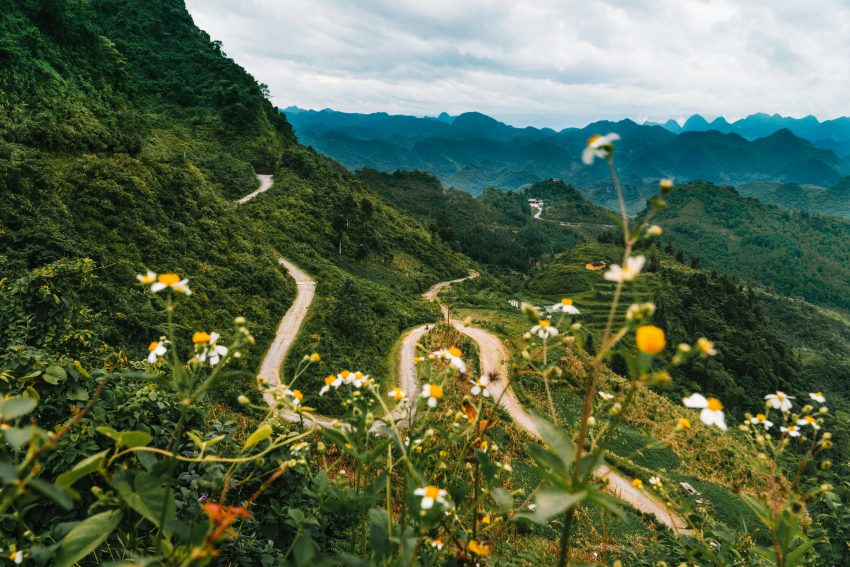
Map of the Self-Guided Walking Tour of Ho Chi Minh City walking route with 17 stops in Ho Chi Minh City (Saigon).
Preview map of the Self-Guided Walking Tour of Ho Chi Minh City route in Ho Chi Minh City (Saigon), showing 17 stops. Use the interactive map to zoom and tap markers.

More from this area

Must-Do Da Nang 2026: An Insider’s Guide to Top Things to See & Do

Must do Da Nang
Must do Da Nang

This website uses affiliate links which earn a small commission at no additional cost to you.

Whatever you expect from Da Nang, prepare to be surprised. Nestled between mountains, the Han River, and the East Sea, this vibrant city is rapidly becoming a regional highlight. There's plenty to discover.

The long stretch of My Khe Beach-lined with modern hotels, bustling seafood restaurants, and fishing boats-leads your gaze to the tranquil Linh Ung statue, standing tall and watching over the waves. In the historic city center, lively markets and quiet pagodas coexist just a few streets away from trendy cafes and chic boutiques. Amid the city’s fast-paced development, you’ll catch glimpses of Da Nang’s relaxed, easygoing lifestyle. Here’s how to make the most of your first visit.

1. Wake up to My Khe Beach

My Khe Beach
My Khe Beach

Begin your day by catching the first light at My Khe Beach, just 1.5 kilometers from the city center. The scene transforms into a vibrant canvas as the sun rises over the golden horizon, with fishermen returning with nets brimming with fish, gentle waves lapping at the shore, and the fluttering wings of doves filling the air. This fresh, serene moment will invigorate you, setting an energizing tone for a full day of exploration. Nicknamed “China Beach” by American and Australian soldiers during the Vietnam War, My Khe spans miles along the coast. With its natural beauty and lively atmosphere, it’s a must-visit in Da Nang.

TIP: For a lively experience, visit on a Friday night or weekend when thousands of locals flock to the shore—it’s quite a spectacle! The beach transforms completely on weekdays, offering a peaceful, nearly empty experience.


Location: My Khe Beach, Da Nang, Vietnam

Here is a complete selection of hotel options in Da Nang. Feel free to review each one and choose the stay that best suits your needs.

2. Discover Cham Museum of Sculpture

Museum of Clam Scuplture Da Nang
CC BY-SA 4.0 / RG72

Museum of Cham Sculpture, located at the intersection of Bach Dang and Trung Nu Vuong streets. Built by the French, the museum preserves and displays relics of the Cham Kingdom. The Cham people, an indigenous group, inhabited coastal regions primarily in central Vietnam dating back to 192 BC. After the discovery of the ancient My Son tower complex near Hoi An by M.C. Paris in 1898, numerous artifacts from the site were collected and showcased in this museum.


Location: Da Nang Museum of Cham Sculpture, Đường 2 Tháng 9, Bình Hiên, Hải Châu District, Da Nang, Vietnam | Hours: Daily from 7:30 AM to 5:00 PM | Price: 60,000 VND per person

Traveling to a country with a different currency? Avoid ATM transaction fees and pay in local currency with a Wise Card. Having used it for over 5 years, we've saved loads on fees!

3. Explore the Da Nang Cathedral (Chicken Church)

Da Nang Pink Cathedral
CC BY-SA 4.0 / ndoduc

The Da Nang Cathedral, affectionately known as the “Rooster Church,” gets its nickname from the iconic weathercock perched atop its steeple, symbolizing vigilance and spiritual awakening. Located on Tran Phu Street, this distinctive candy-pink cathedral rises to nearly 70 meters and stands out with its charming Gothic architecture, complete with pointed arches, tall spires, and stained glass windows that cast vibrant colors across the interior.

Built in 1923 during the French colonial period, the Rooster Church has served as a central place of worship for nearly a century and continues to play an active role in the local Catholic community, which has grown to over 4,000 members. The building’s design merges European Gothic elements with Vietnamese aesthetics, creating a unique architectural landmark in Da Nang. Inside, visitors can explore the solemn yet inviting ambiance, with religious icons, intricate carvings, and visual storytelling that reflect both Christian traditions and the history of the Catholic Church in Vietnam. This historic church is more than just a place of worship; it is a cherished landmark that symbolizes the resilience and enduring faith of the community it serves.


Location: 156 Trần Phú, Hải Châu I, Hải Châu District, Đà Nẵng, Vietnam | Hours: Weekdays: 5:00 AM and 5:00 PM Sundays: 5:15 AM, 8:00 AM, 10:00 AM, 3:00 PM, 5:00 PM, and 6:30 PM Dress Code: Modest attire is recommended

4. Take a Stroll across Dragon Bridge

Dragon Bridge Da Nang

The Dragon Bridge is one of Da Nang’s most iconic landmarks, celebrated for its remarkable architecture and vibrant displays. Spanning the Han River, this 666-meter bridge was designed in the shape of a golden dragon, symbolizing power, good fortune, and nobility in Vietnamese culture. The bridge’s dragon shape isn’t just for aesthetics; it represents Da Nang’s aspirations for prosperity and success, and its presence lights up the city skyline in a uniquely dazzling fashion.

On weekends, the Dragon Bridge transforms into a spectacle as thousands gather to watch the “fire-breathing” show, which takes place at 9 PM on Fridays, Saturdays, and Sundays. During the performance, the dragon’s head shoots out bursts of flames, followed by a spray of water, accompanied by a dynamic light show illuminating the bridge in vivid colors. The synchronized choreography of fire, water, and lights makes this a must-see event, and the display is especially popular with both locals and visitors.


Location: Dragon Bridge, Cầu Rồng, An Hải, An Hải Tây, Sơn Trà, Da Nang, Vietnam

5. Explore the Marble Mountains

The Marble Mountains
CC BY-SA 2.0 / Raita Futo

The Marble Mountains, located about 8 kilometers from downtown Da Nang along the route to Hoi An, are a captivating cluster of five peaks, each named after one of the five elements: metal, wood, water, fire, and earth. This stunning geographical formation is not only a visual feast but also a significant cultural and spiritual site. The mountains are home to a variety of temples, pagodas, and grottoes, showcasing intricate Buddhist statues and altars that reflect the deep spiritual heritage of the area. Visitors can explore the winding paths and caves, with Thuy Son, or Water Mountain, being the largest and most visited. The ascent to the summit rewards adventurers with breathtaking 360-degree views of Da Nang, the shimmering East Sea, and the lush surrounding countryside, making it a perfect spot for photography, especially during sunrise or sunset.

In addition to their spiritual significance, the Marble Mountains are famous for their stone sculpture craftsmanship, with local villages that have been honing their skills for over 400 years. Here, artisans create a wide range of stone products, from delicate carvings to larger decorative pieces, using traditional techniques passed down through generations. Visitors can engage with these craftsmen, observing their meticulous work and gaining insight into the artistic process. This not only provides an opportunity to acquire unique souvenirs, such as beautifully carved figurines or ornaments but also supports the preservation of this rich cultural heritage. A trip to the Marble Mountains offers an enriching experience, combining natural beauty, spiritual exploration, and the chance to appreciate exceptional artistry.


Location: Marble Mountains, Huyền Trân Công Chúa, Hoa Hai, Ngũ Hành Sơn, Da Nang, Vietnam
Powered by GetYourGuide

6. Visit Linh Ung Pagoda on Son Tra Peninsula

Son Tra Peninsula
Son Tra Peninsula
CC BY-SA 4.0 / Christophe95

Linh Ung Pagoda, perched on the scenic Son Tra Peninsula, is one of the most revered Buddhist sites in Da Nang and a must-visit for anyone exploring the region. This tranquil sanctuary is renowned for its stunning architecture and breathtaking views of the surrounding coastline and city. The pagoda is home to a magnificent statue of the Lady Buddha (Goddess of Mercy), which stands at an impressive 67 meters tall, making it the tallest of its kind in Vietnam. As you approach the pagoda, the serene atmosphere and the sound of gentle waves crashing against the rocks create a peaceful environment, perfect for reflection and meditation.

Visitors to Linh Ung Pagoda can explore its beautiful gardens, intricate sculptures, and serene courtyards, all of which contribute to the spiritual ambiance of the site. The pagoda complex also includes several smaller shrines, each adorned with beautiful carvings and offerings. From the observation deck, you can enjoy panoramic views of Da Nang Bay, the bustling city below, and the iconic Marble Mountains in the distance. This picturesque setting, combined with the cultural and religious significance of Linh Ung Pagoda, makes it a highlight of any visit to Da Nang, providing a unique opportunity to connect with Vietnam’s rich spiritual heritage while soaking in the natural beauty of the peninsula.


Location: Lady Buddha Vườn Lâm Tỳ Ni, Hoàng Sa Thọ Quang Sơn Trà Đà Nẵng, Vietnam
Powered by GetYourGuide

7. Marvel at the Golden Bridge (Cầu Vàng)

Ba Na Hills
Ba Na Hills

The Golden Bridge, or Cầu Vàng, nestled in the Ba Na Hills, is a stunning architectural marvel that captivates visitors with its breathtaking beauty and unique design. Opened in 2018, this pedestrian bridge stretches 150 meters and is supported by a pair of gigantic stone hands that seem to emerge from the mountainside, creating a surreal effect against the backdrop of lush greenery and panoramic views. The bridge’s golden hue glistens under the sun, adding a touch of opulence to the natural surroundings and making it a prime spot for photography and leisurely strolls. As you walk across, you’ll be treated to sweeping vistas of the Da Nang landscape and the distant mountains, providing a truly immersive experience in nature’s embrace.

Beyond its aesthetic appeal, the Golden Bridge is part of a larger resort complex that includes the famous Ba Na Hills theme park and the Linh Ung Pagoda, which adds to the allure of the area. Visitors can reach the bridge via a scenic cable car ride, which itself holds the record for the longest non-stop single-track cable car at over 5,800 meters, offering stunning views of the mountains and valleys below. Once at Ba Na Hills, guests can also enjoy various attractions, including gardens, amusement rides, and cultural performances. The combination of the Golden Bridge’s striking design, the surrounding natural beauty, and the array of activities make this destination a must-visit when in Da Nang.


Location: Ba Na Hills, Thôn An Sơn, Hòa Ninh, Hòa Vang, Da Nang, Vietnam
Powered by GetYourGuide

8. Day Trip to Hoi An

hoi an night lanterns

A day trip to Hoi An from Da Nang is a delightful escape into a world where history and culture intertwine beautifully. Just a short 30-kilometer drive from Da Nang, Hoi An is famed for its well-preserved Ancient Town, a UNESCO World Heritage site. Upon arrival, visitors are greeted by charming narrow streets lined with vibrant lanterns, historic wooden buildings, and a variety of shops offering local handicrafts and traditional silk garments. Strolling through the Ancient Town, you can explore iconic landmarks such as the Japanese Covered Bridge, which showcases a unique blend of architectural styles, and the Phuc Kien Assembly Hall, adorned with intricate carvings and vibrant decorations. As you wander, don’t miss the chance to sample Hoi An’s culinary delights, including its renowned Cao Lau noodles and delicious banh mi from local street vendors.

Beyond the historic architecture, Hoi An also offers a rich cultural experience that can be enjoyed through various activities. Join a cooking class to learn the secrets of Vietnamese cuisine, or take a leisurely bike ride through the surrounding countryside, where you’ll pass rice paddies, traditional villages, and lush landscapes. The nearby beaches, such as An Bang and Cua Dai, provide a relaxing spot to unwind after a day of exploration. As the sun sets, Hoi An transforms into a magical scene filled with glowing lanterns illuminating the streets and rivers, creating a romantic atmosphere perfect for a peaceful evening stroll. A day trip to Hoi An is not just a journey through time; it’s an immersion into the heart and soul of Vietnamese culture.

Read our Hoi An Travel Guide
Powered by GetYourGuide

9. Conquer Hai Van Pass

Hai Van Pass
Hai Van Pass
CC BY-SA 2.0 / rhjpage

Conquering the Hai Van Pass is an exhilarating experience that offers breathtaking views and a taste of Vietnam’s stunning natural beauty. Stretching approximately 21 kilometers along National Route 1A, this coastal mountain pass is renowned for its winding roads and steep inclines, making it a favorite among motorbike enthusiasts and adventurous travelers. As you ascend, the landscape transforms dramatically, revealing panoramic vistas of lush green mountains, serene beaches, and the sparkling waters of the South China Sea. The iconic Hai Van Pass not only presents a thrilling ride but also serves as a historical site, with remnants of ancient fortifications and a sense of the region’s rich cultural heritage.

The journey along Hai Van Pass is as much about the adventure as it is about the sights. Along the way, travelers can stop at various viewpoints and attractions, including the historic Hai Van Gate, which dates back to the French colonial period, and offers a glimpse into Vietnam’s past. The cooler climate at the top of the pass is a welcome contrast to the heat of the coast, providing a perfect opportunity to pause, take in the scenery, and capture unforgettable photographs. Additionally, the vibrant local culture is evident in the small villages that dot the landscape, where visitors can interact with friendly locals and sample delicious regional cuisine. Whether you’re on a motorbike or in a car, conquering the Hai Van Pass is an unforgettable adventure that showcases the stunning beauty and rich history of Vietnam.


Location: Hải Vân Pass, Lăng Cô, Phú Lộc, Thua Thien Hue, Vietnam
Powered by GetYourGuide

10. See the Nearby Mỹ Sơn Ruins

My Son Sanctuary
My Son Sanctuary
CC BY-SA 4.0 / Sznyr

The Mỹ Sơn Ruins, a UNESCO World Heritage Site, are a remarkable testament to the architectural and cultural achievements of the ancient Cham civilization. Located about an hour’s drive from Da Nang, this sprawling complex features a series of red brick Hindu temples that date back to the 4th to 14th centuries. Nestled in a lush green valley and surrounded by hills, the ruins offer a serene backdrop for exploration, allowing visitors to wander among the intricately carved structures that once served as religious sanctuaries. The site is significant not only for its stunning architecture but also for its historical importance as a center of Hindu worship dedicated to the god Shiva.

As you stroll through the site, you’ll encounter various temple groups, each showcasing unique design elements and decorative motifs that reflect the rich spiritual and artistic heritage of the Cham people. Notable structures include the temple of Mỹ Sơn E1, which features exquisite sculptures and carvings that depict Hindu deities and mythological scenes. The ruins also house several artifacts and remnants that provide insight into the daily life and customs of the Cham civilization. A visit to the Mỹ Sơn Ruins is not just an opportunity to appreciate ancient architecture; it is also a chance to immerse yourself in the history of Vietnam’s cultural diversity and the enduring legacy of the Cham people.


Location: My Son Sanctuary, Duy Phú, Duy Xuyên District, Quảng Nam, Vietnam | Hours: 6am – 5pm | Price: 150 000 VND ($ 6.7 USD)
Powered by GetYourGuide
Moira & Andy
Moira & Andy

Hey! We're Moira & Andy. From hiking the Camino to trips around Europe in Bert our campervan — we've been traveling together since retirement in 2020!

Read our full story here

This website uses affiliate links which earn a small commission at no additional cost to you.

Walking Tour Map
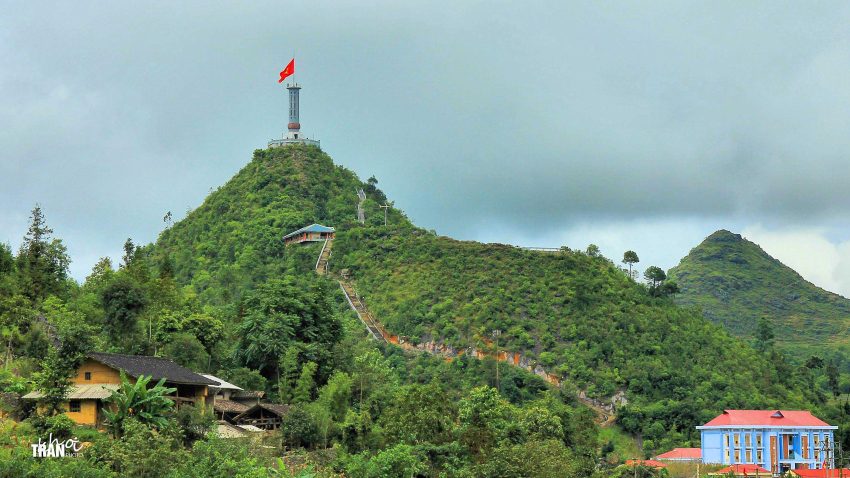
Map of the Must-Do Da Nang: An Insider’s Guide to Top Things to See & Do walking route with 10 stops in Da Nang.
Preview map of the Must-Do Da Nang: An Insider’s Guide to Top Things to See & Do route in Da Nang, showing 10 stops. Use the interactive map to zoom and tap markers.

More from this area

24 Hours in Hue 2026: The Ultimate One-Day Itinerary

Best Things to do and see in Hue Vietnam

This website uses affiliate links which earn a small commission at no additional cost to you.

If you’re traveling through Vietnam, a stop in Hue (pronounced like hu-way), the country's ancient capital, is a must. In Hue, you'll gain a deeper understanding of Vietnam's history as you explore the imperial citadel, visit royal tombs, admire stunning pagodas, cruise along the Perfume River, and savour the local cuisine.

Located in central Vietnam, just north of Da Nang and Hoi An - two other must-visit destinations - Hue is accessible by a day trip from either city (details here). However, an overnight stay is recommended to fully experience Hue’s historical and cultural treasures.

Overview of Hue

Hue, located in central Vietnam, is celebrated as the country's ancient capital and a hub of historical and cultural heritage. Known for its role as the seat of the Nguyen Dynasty from 1802 to 1945, Hue is home to a remarkable collection of royal architecture, ancient monuments, and religious sites. The imperial citadel, a sprawling complex of palaces, temples, and gates, is the centerpiece of the city, offering a glimpse into Vietnam's royal past. In addition to its historical sites, Hue's serene riverside location along the Perfume River enhances its charm, making it a tranquil but rich destination for those interested in the country's history.

Beyond its grand architectural heritage, Hue is renowned for its unique cultural identity and culinary traditions. The city is often referred to as the culinary capital of Vietnam, with iconic dishes such as bun bo Hue (spicy beef noodle soup), banh khoai (savory pancakes), and intricate royal-style cuisine, a legacy of the Nguyen court. Hue is also known for its vibrant festivals, including the biennial Hue Festival, which showcases traditional music, dance, and art performances. With its blend of history, culture, and scenic beauty, Hue offers visitors a deeply immersive experience into Vietnam’s past and its enduring cultural vibrancy.

How to get around Hue

After seeing the Imperial City many of Hue’s other tourist sites are quite spread out, making it tricky to explore on foot. For more convenient travel, you can take a tour, use the Grab Taxi app, hire a private driver, or rent a car, scooter, or motorbike.

Grab, Southeast Asia’s popular ride-sharing app, is budget-friendly and easy to use if you have a local SIM card. For those relying on WiFi or international data, note that cell reception can be spotty, so plan rides accordingly.

Hiring a private driver offers a stress-free way to see the city and is especially handy for visitors unfamiliar with local cell service or traffic patterns. This option includes door-to-door service in an air-conditioned vehicle, along with the flexibility to customize your itinerary. Many private drivers also offer insightful recommendations for nearby attractions and dining options.

Some cruise tours will take you to Thien Mu Pagoda, the Minh Mang Tomb and the Khai Dinh Tomb, both UNESCO World Heritage Sites.

Where to Stay in Huế

For a walking tour of Huế’s historic centre, staying near the Perfume River or close to the Imperial City offers the most convenient access to the city’s key landmarks. A luxurious option is Azerai La Residence, Huế, an elegant colonial-era property with river views, a serene pool, and Art Deco charm just minutes from the Citadel. For a boutique experience, The Scarlett Boutique Hotel offers warm service and stylish comfort in a peaceful location within walking distance of major sites. Budget-conscious travellers might consider Hue Serene Palace Hotel, which provides great value, friendly staff, and easy access to local restaurants and the riverside promenade. These hotels make excellent bases for exploring Huế’s imperial past, vibrant street life, and tranquil charm on foot.

Your Walking Tour of Huế

This tour shows you all the main attractions in Huế, you probably wont have time to enter all of them, choose what suits you based on your time, budget and interests.

Hue Imperial Citadel

Imperial Citadel in Hue

The Imperial Citadel is the crown jewel of Hue and one of Vietnam’s must-see landmarks! Listed as a UNESCO World Heritage site in 1993, this grand monument is the most famous attraction in Hue. Despite the fact that around 80% of the Citadel was damaged during the Vietnam War, restoration efforts are bringing it back to life, and it remains a vast and impressive site to explore.

Within the Citadel, several beautifully preserved buildings still stand, including a room showcasing old photos that capture the Citadel’s original grandeur. The Imperial City, located within the Citadel, served as the residence for emperors and their families. It’s a smaller area in the southern section, once reserved for the royal family and select visitors. Entering through the meticulously restored Noon Gate is an experience in itself, with its impressive design and rich history. At the very heart of the Imperial City lies the Purple Forbidden City, where the emperor’s consorts lived. Only the emperor and his eunuchs were permitted entry here, making it the most secure place in the country. Though much of this inner area was damaged during the Battle of Hue, restoration work continues to revive its historic splendor.

Here is a complete selection of hotel options in Hue. Feel free to review each one and choose the stay that best suits your needs.

Powered by GetYourGuide

Thien Mu Pagoda

Chua Thien Mu
Chua Thien Mu
CC BY-SA 3.0 / LÊ TẤN LỘC

Thien Mu Pagoda, also known as The Pagoda of the Celestial Lady, is one of the most iconic landmarks in Hue, Vietnam. Located on the banks of the Perfume River, approximately 5 kilometers from the city center, this historic pagoda is a prominent symbol of Buddhism in Vietnam and a key cultural site within the region.

Originally built in 1601 by Lord Nguyen Hoang, Thien Mu Pagoda has undergone various renovations and expansions over the centuries, contributing to its architectural and cultural richness. The legend surrounding its name tells of a celestial lady who prophesied the construction of a pagoda on the hill. The pagoda is associated with various historical events and figures, including the Buddhist monk Thich Quang Duc, who famously self-immolated in 1963 to protest the government’s treatment of Buddhists.

Thien Mu Pagoda is renowned for its seven-story tower, known as the Phuoc Duyen Tower, which stands at 21 meters tall. Each level of the tower represents a significant aspect of Buddhist belief and practice. The pagoda complex also features a beautifully landscaped garden, various altars, and traditional wooden structures adorned with intricate carvings and decorative elements. Visitors can explore the main hall, which houses a statue of the Buddha and various religious artifacts.

Traveling to a country with a different currency? Avoid ATM transaction fees and pay in local currency with a Wise Card. Having used it for over 5 years, we've saved loads on fees!

Powered by GetYourGuide

Take a Cruise Along the Perfume River

Perfume River
Perfume River
CC BY-SA 3.0 / BluesyPete

A cruise along the Perfume River is a captivating way to experience the enchanting beauty of Huế and its rich history. As you glide through the serene waters, you’ll be surrounded by lush greenery, charming villages, and stunning landscapes that reflect the unique character of this ancient city. The river is named for the fragrant flowers that drift down from the surrounding hills, creating a picturesque atmosphere that feels almost magical. Travelers can choose from a variety of boat options, from traditional wooden dragon boats to more modern vessels, each offering a unique perspective of the tranquil waters and the vibrant life along the banks.

Powered by GetYourGuide

Mausoleum Of Emperor Khai Dinh

Khai Dinh Mausoleum Hue
CC BY-SA 2.0 / dronepicr

Visiting the Mausoleum of Emperor Khai Dinh is a captivating experience that transports you back to Vietnam’s imperial past. Located in a serene setting on a hillside just outside Hue, this grand structure blends traditional Vietnamese architectural styles with French influences. As you approach the mausoleum, the intricate details of the façade, adorned with colorful mosaics and sculptures, immediately draw you in, showcasing the craftsmanship that went into its creation.

Once inside, you’ll find a striking interior that reflects the emperor’s unique tastes and artistic vision. The main hall is dominated by a large statue of Khai Dinh seated on a throne, surrounded by ornate decorations and symbolic elements. Each aspect of the mausoleum tells a story, from the elaborate stone carvings to the vibrant glass mosaics that depict various scenes from Vietnamese folklore and history. Exploring these details gives visitors a deeper understanding of the emperor’s life and the cultural significance of the site.

The surrounding grounds also offer a tranquil escape, with lush gardens and scenic views that enhance the experience. Take a moment to stroll through the beautifully landscaped pathways, allowing the peaceful ambiance to envelop you. Whether you are an avid history buff or simply seeking a glimpse into Vietnam’s rich heritage, the Mausoleum of Emperor Khai Dinh is a must-visit destination that leaves a lasting impression on all who come to explore its magnificence.

Powered by GetYourGuide

Mausoleum of Minh Mang

Hue Vietnam Tomb of Emperor Minh Mang
CC BY-SA 3.0 / CEphoto, Uwe Aranas

Visiting the Mausoleum of Minh Mang is a remarkable journey into the heart of Vietnam’s royal history. Nestled amidst lush greenery and serene landscapes, this mausoleum stands as a tribute to Emperor Minh Mang, who ruled during the early 19th century. As you enter the complex, you are greeted by a harmonious blend of natural beauty and architectural elegance, with ponds, bridges, and meticulously manicured gardens that create a tranquil atmosphere, perfect for reflection.

The mausoleum itself is an impressive architectural feat, characterized by its symmetrical layout and intricate design. The main entrance features a grand gate that leads you to a series of courtyards adorned with statues and ornate decorations. Each structure within the complex holds historical significance, showcasing traditional Vietnamese motifs and intricate craftsmanship. The highlight is the central tomb area, where the emperor’s resting place is flanked by stone carvings and symbolic figures that reflect his beliefs and values. Exploring these elements provides a deeper appreciation for the emperor’s vision and the cultural heritage of the era.

As you wander through the grounds, the peaceful ambiance invites you to pause and take in the beauty around you. The combination of natural elements and architectural splendor creates a harmonious environment that encourages introspection. Whether you are captivated by the rich history or simply seeking a serene escape, the Mausoleum of Minh Mang offers a memorable experience that connects you to Vietnam’s imperial legacy.

Tomb of Tu Duc

Tomb of Tu Duc
Tomb of Tu Duc
CC BY-SA 4.0 / Bùi Thụy Đào Nguyên

Visiting the Tomb of Tu Duc is a journey into the heart of Vietnam’s imperial history and the artistic legacy of one of its most poetic emperors. Located a short distance from Hue, this elaborate mausoleum is set within a tranquil landscape of pine trees and lotus ponds, creating a serene environment that reflects Tu Duc’s appreciation for nature. As you arrive, the peaceful surroundings invite you to explore the grounds at a leisurely pace, allowing you to fully absorb the beauty of the site.

The architectural design of the tomb is truly captivating, featuring a harmonious blend of traditional Vietnamese styles with subtle Western influences. The complex includes various structures, such as the ornate entrance gate, the emperor’s resting place, and beautifully landscaped gardens. Each building is rich with symbolism, reflecting Tu Duc’s love for poetry and philosophy. The central tomb area is particularly striking, adorned with intricate carvings and a statue of the emperor that conveys his spirit and artistry. As you walk through the grounds, you’ll find numerous pavilions and halls that tell stories of his life and reign.

One of the highlights of visiting Tu Duc’s tomb is the opportunity to learn about the emperor’s unique personality and interests. Unlike many of his predecessors, Tu Duc was known for his literary talents and deep reflections on life, which is evident in the thoughtful layout of the complex. Taking time to sit by the tranquil lakes or under the shade of the trees, you can almost feel the presence of the emperor himself. This mausoleum is not just a final resting place; it is a beautiful testament to a ruler who embraced the arts and nature, making it a must-visit destination for anyone exploring the rich history of Hue.

Thanh Toan Bridge

Thanh Toan Bridge
Thanh Toan Bridge
CC BY-SA 4.0 / Contributeur2019

A charming, traditional Japanese-style footbridge nestled in the scenic countryside offers a delightful side trip from Hue. Located in the tranquil village of Thuy Thanh, about 7 km east of Hue, you can reach it by heading a few hundred meters north on Ð Ba Trieu until you see a sign for the Citadel Hotel. Turn right there and follow a rustic dirt road for another 6 km, passing by villages, rice paddies, and several pagodas along the way.

If you’ve been to Hoi An, you’ve probably come across a similar Japanese Covered Bridge) in the heart of the ancient town.

Powered by GetYourGuide

Ancient Tiger Arena

Hue Ancient Tiger Arena
CC BY-SA 2.0 / Public Domain

Visiting the Ancient Tiger Arena (Hổ Quyền) in Huế is a fascinating journey into Vietnam’s imperial past. Nestled near the Perfume River, this historic site once served as a grand arena for spectacular and often brutal spectacles where elephants fought tigers. As you approach the arena, you’ll be struck by its imposing structure, surrounded by high stone walls that evoke a sense of awe and history. The site, which dates back to the early 19th century during the reign of Emperor Minh Mạng, reflects the grandeur of the Nguyễn dynasty and offers a glimpse into the unique traditions that shaped the region. The arena is not only an architectural marvel but also a poignant reminder of the complex relationship between humans and animals in royal entertainment.

Exploring the Tiger Arena allows visitors to appreciate both its historical significance and the cultural narratives surrounding it. As you walk through the arena, you can almost hear the echoes of past battles and imagine the grandeur of royal festivities that took place here. Informative displays and local guides enrich the experience, providing insights into the arena’s purpose and the rituals that accompanied the animal combats. This unique attraction serves as a reminder of the rich tapestry of history in Huế, making it a must-visit destination for anyone interested in the heritage of Vietnam. Whether you’re a history buff or simply seeking a unique cultural experience, Hổ Quyền offers an unforgettable glimpse into a captivating era.

4o mini
Powered by GetYourGuide
Moira & Andy
Moira & Andy

Hey! We're Moira & Andy. From hiking the Camino to trips around Europe in Bert our campervan — we've been traveling together since retirement in 2020!

Read our full story here

This website uses affiliate links which earn a small commission at no additional cost to you.

Walking Tour Map
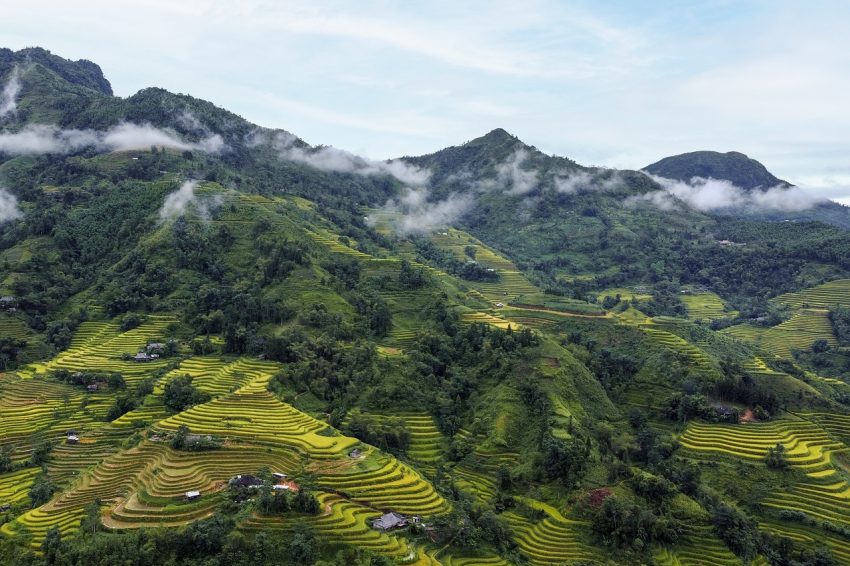
Map of the 24 Hours in Hue: The Ultimate One-Day Itinerary walking route with 8 stops in Hue.
Preview map of the 24 Hours in Hue: The Ultimate One-Day Itinerary route in Hue, showing 8 stops. Use the interactive map to zoom and tap markers.
More from this area