Krol Ko Temple, Siem Reap
Buddhist Temple near Siem Reap
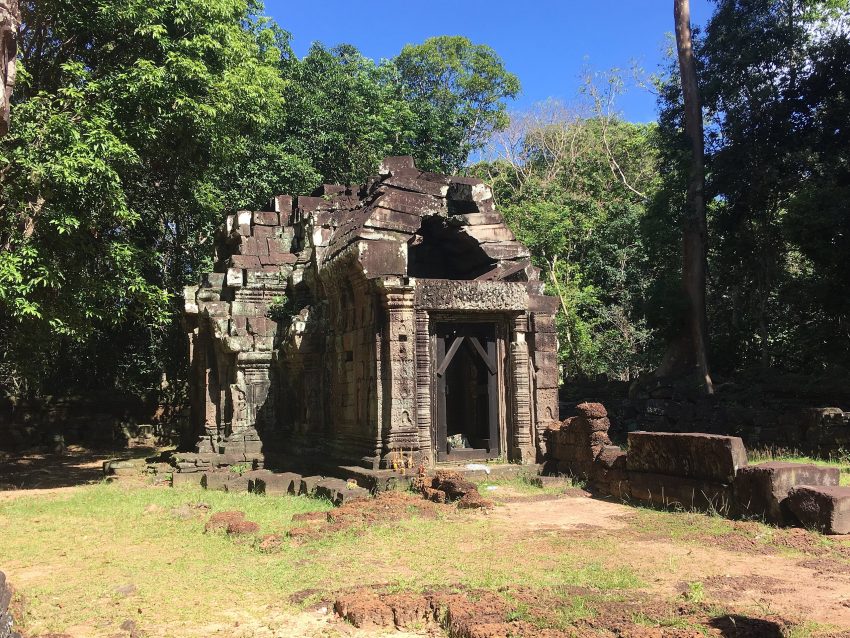
Krol Ko Temple is a small ancient Buddhist temple ruin in Angkor Archaeological Park near Siem Reap, Cambodia. Built in the late 12th century in the Bayon style during the reign of King Jayavarman VII, it sits just south of Neak Pean on the Jayatataka Baray, making it an easy addition if you're already on the Grand Circuit route.
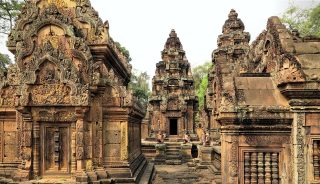
What stands out here is the layout still legible in the ruins: traces of an outer wall, an eastern entrance, and laterite cruciform terraces leading toward the central shrine. I find Krol Ko most rewarding for close-up looking rather than big vistas-pediments lying on the ground, devata bas-reliefs, and small roundels/medallions with figurines. It’s best for travelers who enjoy quieter corners of Angkor and want a short, detail-focused visit between larger temples.
History and Significance of the Krol Ko Temple
Late 12th century foundations
Krol Ko is generally dated to the end of the 12th century based on its Bayon-style architecture. It is associated with the building program of King Jayavarman VII (1181-1218 AD), a period that saw many Buddhist monuments added across Angkor. The temple's position near Neak Pean and the Jayatataka Baray links it to a wider sacred landscape of water, enclosures, and causeways.
Architecture as the main evidence
No foundation inscription survives at Krol Ko, so its chronology relies on architectural features and decoration. Visitors can still trace the temple’s planned sequence: an eastern entry, a cruciform terrace, a gopura, and further enclosure elements leading inward. The presence of a moat on three sides and a permanent basin to the northeast also suggests a carefully organized setting rather than an isolated shrine.
Later religious change and survival of images
Like other Angkor sites, Krol Ko reflects later periods of religious transition, when images were sometimes removed or defaced. A notable detail here is that several niches reportedly retain original idols-an uncommon survival in a landscape where many figures were displaced. This mix of loss and survival is part of what makes the temple feel archaeologically “in progress,” with fragments and intact details side by side.
Things to See and Do in the Krol Ko Temple
I start at the eastern entrance and follow the line of the terraces to understand how you were meant to move through the complex, then slow down near the gopura and central shrine remains. The laterite cruciform terrace connecting toward the shrine is a good place to pause and look back at the approach. Because the site is compact, it’s easy to do a full circuit without feeling rushed.
I also spend time scanning the carvings at ground level: pediments lying on the ground include scenes such as Bodhisattva Avalokitesvara standing on a lotus with devotees, and Krishna lifting Mount Govardhana. The devata bas-reliefs and the roundels/medallions enclosing small figurines are worth a careful look, especially if you've noticed similar motifs at late 12th-century temples like Preah Khan. If you enjoy spotting survivals, check niches for remaining idols before you move on.
How to Get to the Krol Ko Temple
The nearest airport is Siem Reap-Angkor International Airport (SAI), from which you continue into Siem Reap and onward to Angkor Archaeological Park. For the best deals and a seamless booking experience, check out these flights to Siem Reap on Booking.com.
Siem Reap does not have a central passenger rail station in common tourist use, so train travel is not typically a practical way to reach the city for most visitors. Train schedules and bookings can be found on Omio.
By car (or tuk-tuk) it's a straightforward stop within Angkor Archaeological Park, and drivers commonly pair it with nearby Neak Pean; expect to be dropped close to the entrance area.
Is the Krol Ko Temple Worth Visiting?
Krol Ko Temple is worth a short stop if you're already visiting Neak Pean or exploring the Grand Circuit and you like quieter ruins with carvings you can study up close. It's best for travelers who enjoy architectural “reading” (walls, terraces, gopuras) and fragmentary sculpture rather than fully restored structures. It's less essential if you're tight on time, prioritizing the biggest headline temples, or prefer sites with extensive standing architecture-treat it as optional and keep it brief if your schedule is packed.
What Other Travellers Say...
Krol Ko Temple, located in the Angkor Archaeological Park near Neak Pean, is a small, quiet 12th-century Buddhist site whose modest buildings — a central tower and a so-called “library” within double walls — invite calm reflection away from the larger circuits; visitors note its peaceful, leafy setting, restored ground pediments depicting figures like Avalokitesvara and Krishna, a relaxed atmosphere with few tourists but sometimes local visitors, and that it can feel a bit neglected or only partially restored, making it a worthwhile short stop if you have extra time and seek solitude.


Practical Tips on Visiting the Krol Ko Temple
- Best time to visit: Go earlier in the day if you want a calmer feel and softer light on carvings and reliefs.
- How long to spend: 15-30 minutes is usually enough to walk the layout and look closely at key carvings and pediments.
- Accessibility: Expect uneven ground and rubble; some areas may be difficult for anyone with limited mobility.
- Facilities: Facilities are not a defining feature of this small site, so plan to rely on services elsewhere within your Angkor day.
Where to Stay Close to the Krol Ko Temple
Base yourself in central Siem Reap around the Old Market/Pub Street and Wat Bo areas for the easiest access to Angkor Archaeological Park plus restaurants and transport.
These hotels are practical bases in central Siem Reap for day trips into Angkor Archaeological Park, including Krol Ko Temple. FCC Angkor by Avani works well for good choice if you want a central, walkable base near the river and town amenities while keeping tuk-tuk access straightforward for early temple starts. Viroth's Hotel works well for works well for travellers who want a quieter neighborhood feel while staying close to Old Town dining and having easy pick-ups for Angkor touring. Borei Angkor Resort & Spa works well for suitable if you prefer a slightly more set-back base with simpler vehicle access and parking convenience for drivers or arranged transport to the temples.
FAQs for Visiting the Krol Ko Temple
Getting There
Tickets & Entry
Visiting Experience
Tours, Context & Itineraries
Photography
Accessibility & Facilities
Food & Breaks Nearby
Safety & Timing
The Krol Ko Temple appears in our Complete Guide to Visiting Siem Reap!

Moira & Andy
Hey! We're Moira & Andy. From hiking the Camino to trips around Europe in Bert our campervan — we've been traveling together since retirement in 2020!
This website uses affiliate links which may earn a commission at no additional cost to you!
Planning Your Visit
Nearby Attractions
- Neak Pean (0.6) km
Buddhist Temple - Neak Poan – The Mystical Island Temple (0.6) km
Buddhist Temple - Ta Som (1.9) km
Buddhist Temple - Banteay Prey Temple (2) km
Buddhist Temple - Ta Nei Temple (2.1) km
Buddhist Temple - Preah Khan (2.7) km
Buddhist Temple - Ta Keo (3) km
Buddhist Temple - Prasat Leak Neang (3) km
Buddhist Temple - Thommanon Temple (3) km
Buddhist Temple - Victory Gate of Angkor Thom (3.5) km
City Gate