Yaowarat Road, Bangkok
Street in Bangkok

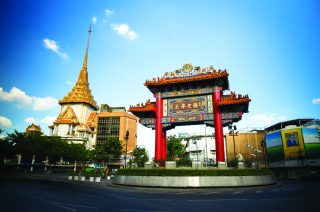
Once a modest poultry farm, Yaowarat Road has transformed into one of the top attractions in Bangkok and the beating heart of Chinatown. The street gleams with over 100 gold shops, their façades painted in auspicious shades of red and gold. Inside, glass cases overflow with glittering bracelets, necklaces, and ornaments sold by the bàht (about 15 grams or half an ounce), with prices changing daily and scribbled in chalk on shop windows. It's a dazzling display of wealth, tradition, and craftsmanship that reflects the deep-rooted prosperity of the Chinese-Thai community.
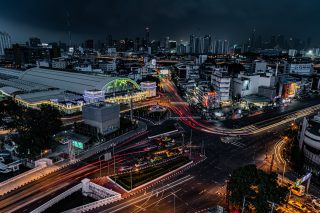
By day, Yaowarat is a hub of trade and tradition; by night, it turns into one of the best places to visit in Bangkok for street food. As neon signs flicker to life and vendors fill every inch of pavement, the air becomes thick with the aroma of sizzling noodles, grilled seafood, and sweet desserts. The transformation is breathtaking, making this street a highlight of any walking tour of Bangkok's Chinatown.
History and Significance of Yaowarat Road
Yaowarat Road was established during the reign of King Rama V in the late 19th century, following the relocation of Bangkok's Chinese community from the old city area to what is now Chinatown. Originally a quiet neighborhood lined with small workshops and poultry farms, Yaowarat gradually evolved into the epicenter of Bangkok's gold trade and Chinese-Thai culture.
The street's characteristic one-way layout follows a curving path shaped like a dragon's body, symbolizing good fortune and vitality according to Chinese geomancy. This symbolic design helped establish Yaowarat as a prosperous commercial hub, and its success only grew as Bangkok modernized. Over time, it became home to goldsmiths, herbal medicine shops, textile traders, and eventually a world-renowned food scene.
Today, Yaowarat remains an enduring symbol of Chinese influence in Thailand-a living blend of tradition, faith, and commerce. During major festivals like Chinese New Year or the Vegetarian Festival, the street bursts into color with lanterns, music, and parades, attracting locals and tourists alike.
Things to See and Do in Yaowarat Road
A stroll along Yaowarat offers an immersive experience of Bangkok's Chinatown. During the day, visit the gold shops that line the street-each a blend of old-world charm and bustling trade. Watch as jewelers weigh and polish pieces behind glass counters, or browse the market stalls nearby selling everything from dried fruits to lucky talismans.
For those seeking spiritual encounters, nearby temples like Wat Traimit (home of the Golden Buddha) and Wat Mangkon Kamalawat are just a short walk away. Between them lies a maze of alleys filled with herbal medicine shops, traditional bakeries, and time-worn Chinese pharmacies.
When evening arrives, the street transforms. Food stalls emerge with impressive efficiency, offering everything from oyster omelets and roasted duck to dim sum and mango sticky rice. This nocturnal feast has earned Yaowarat international acclaim as one of the world's best street food destinations. Exploring this sensory paradise at night is truly one of the things to do in Bangkok you'll never forget.
How to Get There
Yaowarat Road is located in the Samphanthawong district of central Bangkok. The easiest way to reach it is by taking the MRT Blue Line to Wat Mangkon Station, which exits directly into Chinatown. From there, the main stretch of Yaowarat Road begins just a few steps away. Tuk-tuks and taxis are plentiful around the area but may move slowly during peak hours.
Practical Tips on Visiting Yaowarat Road
- Best time to visit Yaowarat Road: Early evening when street vendors begin setting up, or during festivals like Chinese New Year for an extra dose of excitement.
- Entrance fee: Free.
- Opening hours: Shops open from around 9:00 AM to 6:00 PM; street food vendors from 5:00 PM until midnight.
- Official website: tourismthailand.org.
- How long to spend: 2 to 3 hours, or longer if dining and exploring nearby temples.
- Accessibility: Wide sidewalks but crowded; may be challenging for wheelchairs during peak hours.
- Facilities: Restrooms available in nearby malls and temples.
- Photography tip: Capture the neon glow after sunset or reflections of gold in the shop windows.
- Guided tours: Numerous Chinatown food tours start along Yaowarat Road.
- Nearby food options: Endless-try T&K Seafood, Nai Ek Roll Noodles, or street-side mango sticky rice vendors.
Is Yaowarat Road Worth Visiting?
Absolutely. Yaowarat Road is one of the must-see places in Bangkok, offering a unique fusion of commerce, cuisine, and culture. Whether you're drawn by its gleaming gold shops, its buzzing night markets, or its irresistible street food, Yaowarat promises an experience that embodies the true spirit of Bangkok-vibrant, flavorful, and endlessly fascinating.
What Other Travellers Say...
Chinatown Bangkok (Yaowarat Road) is a bustling, neon-lit stretch in the heart of the city that comes alive at night with food stalls, cafés, gold shops and old shophouses; it's renowned for affordable, fresh street eats—from mango sticky rice and fresh juices to grilled seafood and pastries—and offers an energetic, slightly chaotic atmosphere best experienced in the evening or on weekends, though it can be crowded, some vendors may charge higher tourist prices, a few areas may have standing water and trash, and it's helpful to carry small bills for stalls that don't give change.





FAQs for Visiting Yaowarat Road
The Yaowarat Road appears in our Complete Guide to Visiting Bangkok!

Moira & Andy
Hey! We're Moira & Andy. From hiking the Camino to trips around Europe in Bert our campervan — we've been traveling together since retirement in 2020!
This website uses affiliate links which may earn a commission at no additional cost to you!
Nearby Attractions
- Kuan Yim Shrine (0.2) km
Chinese Shrine - Talat Kao (Old Market) (0.3) km
Market - Leng Buai Ia Shrine (0.3) km
Chinese Shrine - Wat Traimit (Temple of the Golden Buddha) (0.3) km
Buddhist Temple - Chinatown Gate (0.3) km
Historic Site - Wat Mangkon Kamalawat (Dragon Lotus Temple) (0.4) km
Buddhist Temple - Bangkok (Hua Lamphong) Railway Station (0.5) km
Railway - So Heng Tai Mansion (0.7) km
Historic Building - Sampeng Lane (0.8) km
Street - Wat Chakrawat (The Crocodile Temple) (0.8) km
Buddhist Temple