Kuan Yim Shrine, Bangkok
Chinese Shrine in Bangkok
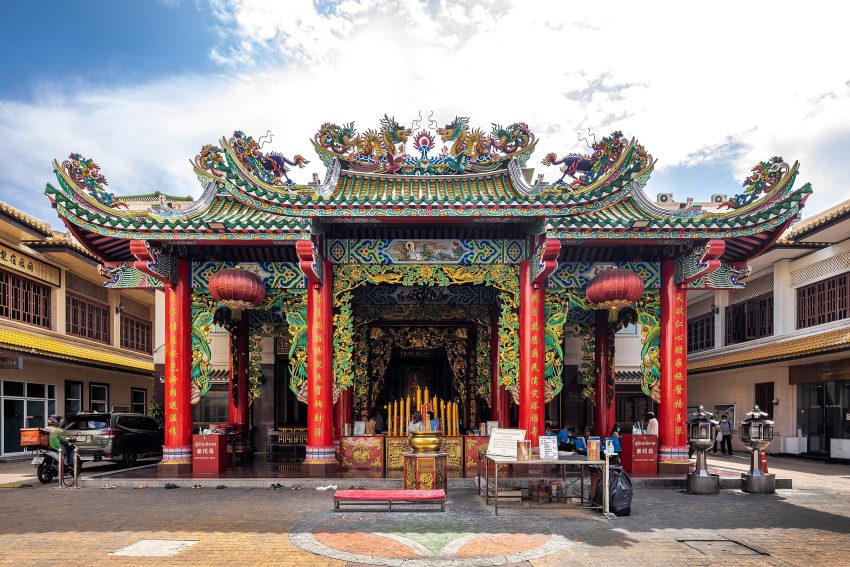
Nestled within the lively Chinatown district, the Kuan Yim Shrine is one of the must-see places in Bangkok for travelers seeking a glimpse of the city's spiritual and cultural diversity. Built in the early 1900s during the reign of King Rama V, this serene shrine is part of the Thian Fa Foundation, an organization long known for providing free medical care to the community. Today, it continues to offer both traditional Chinese medicine and modern treatments, serving as a living symbol of compassion and healing.
The shrine's tranquil energy makes it a great place to visit on a walking tour of Bangkok, especially after exploring the bustling streets of Yaowarat. The scent of incense, the flicker of candles, and the rhythmic sound of prayers create a soothing contrast to the city's chaos just outside its gates.
History and Significance of Kuan Yim Shrine
The Kuan Yim Shrine, also known as the Guan Yin Shrine, was constructed between 1903 and 1905 by Chinese immigrants as part of the Thian Fa Foundation, established in 1902. The foundation aimed to provide medical care for the underprivileged and spiritual guidance for those seeking divine comfort. The shrine was built during the reign of King Chulalongkorn (Rama V), a period when Thailand embraced modernization while maintaining deep respect for its multicultural roots.
Dedicated to Kuan Yim (or Guan Yin), the Chinese goddess of mercy and compassion, the shrine serves as a spiritual refuge for those seeking blessings of health, happiness, and success. Kuan Yim, known in Thai as Phra Avalokitesuan, is one of the most beloved deities in both Mahayana Buddhism and Chinese folk belief. The shrine’s main statue, a 900-year-old golden teakwood sculpture imported from China in 1958, is said to date back to the Tang Dynasty. Carved with serene precision, it depicts the goddess in the Varada mudra, symbolizing generosity and divine compassion.
Over the years, the Kuan Yim Shrine has become a cornerstone of Bangkok's Chinese-Thai community. It's a place where faith, healing, and heritage coexist harmoniously-reflecting both the foundation's charitable mission and the timeless appeal of the goddess's message of mercy.
Things to See and Do in Kuan Yim Shrine
Visitors to the shrine are immediately greeted by the warm glow of lanterns and the fragrant aroma of incense that fills the air. Inside, the golden teak statue of Kuan Yim takes center stage, surrounded by intricately painted murals and traditional Chinese motifs. Devotees approach the statue with offerings of flowers, fruits, or incense sticks, each symbolizing gratitude or a wish for blessings.
The shrine’s courtyard is often busy, especially during Chinese New Year, when locals come to pray for health, prosperity, and academic success. Students, in particular, visit to seek Kuan Yim’s blessing for good fortune in their studies and exams. The surrounding Thian Fa Hospital, still in operation today, adds another layer of meaning to the site-bridging physical and spiritual healing in one place.
Visitors can also explore the murals and carvings that adorn the shrine’s walls, depicting celestial beings, dragons, and symbolic motifs that represent harmony and renewal. Though modest in size, the shrine’s atmosphere exudes serenity and reverence, offering a rare pocket of peace in one of Bangkok’s busiest neighborhoods.
How to Get There
Kuan Yim Shrine is located along Yaowarat Road, in the heart of Chinatown. The most convenient way to reach it is via the MRT Blue Line to Wat Mangkon Station, followed by a short 5-minute walk. Tuk-tuks and taxis are also readily available throughout Chinatown, though traffic can be heavy during peak hours.
Practical Tips on Visiting Kuan Yim Shrine
- Best time to visit Kuan Yim Shrine: Early morning or late evening for a peaceful experience, or during Chinese New Year for vibrant celebrations.
- Entrance fee: Free, though donations are welcome.
- Opening hours: Daily from 8:00 AM to 6:00 PM.
- Official website: thianfah.com.
- How long to spend: 30 minutes to 1 hour.
- Accessibility: Easily accessible from main roads; some steps at the entrance.
- Facilities: Restrooms available within Thian Fa Hospital.
- Photography tip: Capture the shrine’s golden statue framed by incense smoke and red lanterns for a striking composition.
- Guided tours: Chinatown walking tours often include the shrine as part of the itinerary.
- Nearby food options: Try vegetarian noodles and herbal teas at nearby street stalls, especially during the Vegetarian Festival.
Is Kuan Yim Shrine Worth Visiting?
Yes, Kuan Yim Shrine is one of the top sights in Bangkok for those interested in spiritual and cultural experiences. It beautifully combines devotion, history, and community service within a single space. Whether you visit to pray, observe, or simply enjoy the peaceful ambiance, the shrine offers a meaningful glimpse into the soul of Bangkok's Chinatown.
What Other Travellers Say...
San Chao Mae Guan Yin (Mulanithi Thian Fah) is an ornate Chinese devotional shrine in Bangkok's Chinatown at 10100, 606 Yaowarat Rd, noted for bright, lavish decorations and intricate Chinese architecture; visitors praise its peaceful, spiritual atmosphere, eye-catching frescos, and a revered teak statue of Guan Yin, and many mention the shrine's close ties to the Thian Fah Foundation Hospital and its charitable role in providing medical care, including hemodialysis services.





FAQs for Visiting Kuan Yim Shrine
The Kuan Yim Shrine appears in our Complete Guide to Visiting Bangkok!

Moira & Andy
Hey! We're Moira & Andy. From hiking the Camino to trips around Europe in Bert our campervan — we've been traveling together since retirement in 2020!
This website uses affiliate links which may earn a commission at no additional cost to you!
Planning Your Visit
Daily 7am-7pm.
Nearby Attractions
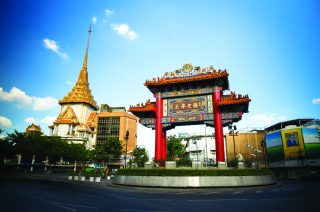
- Chinatown Gate (0.1) km
Historic Site - Wat Traimit (Temple of the Golden Buddha) (0.1) km
Buddhist Temple - Yaowarat Road (0.2) km
Street - Bangkok (Hua Lamphong) Railway Station (0.4) km
Railway - So Heng Tai Mansion (0.5) km
Historic Building - Talat Kao (Old Market) (0.5) km
Market - Leng Buai Ia Shrine (0.5) km
Chinese Shrine - Wat Mangkon Kamalawat (Dragon Lotus Temple) (0.7) km
Buddhist Temple - Sampeng Lane (1) km
Street - Wat Chakrawat (The Crocodile Temple) (1) km
Buddhist Temple