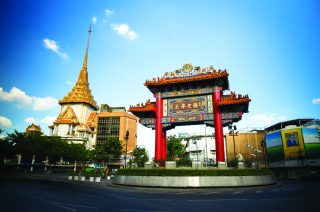
Talat Kao (Old Market), Bangkok
Market in Bangkok
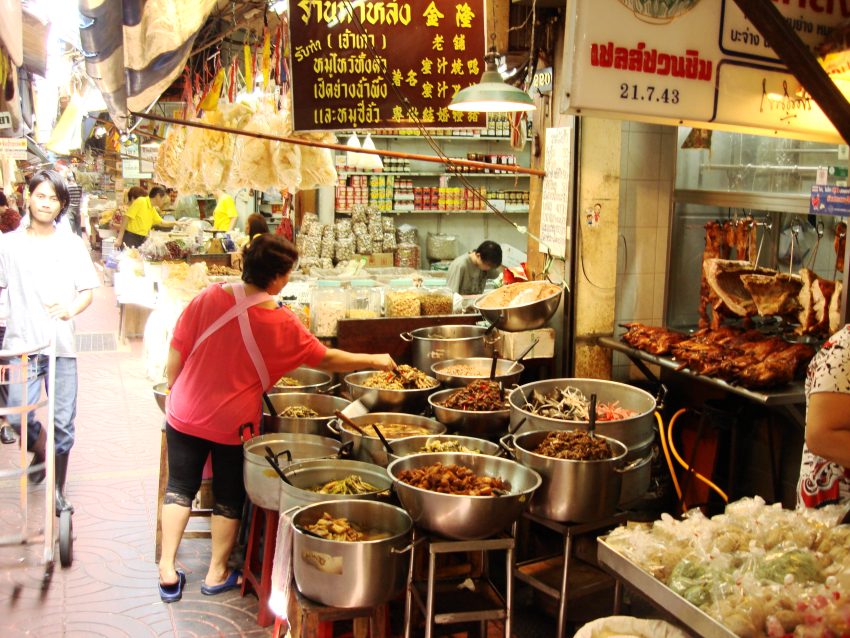
Hidden within the maze of Bangkok's Chinatown, Talat Kao is one of the must-see places in Bangkok for anyone eager to experience authentic street life and culinary heritage. Translating to “Old Market” in Thai, Talat Kao has thrived for over two centuries, its narrow lanes overflowing with the sights, sounds, and aromas of traditional Chinese trading culture. Once a simple fresh market for early settlers, it has evolved into a vibrant mix of old-world charm and modern urban energy, where scooters hum past stalls piled with dried fruits, spices, and exotic foods.
For visitors exploring Chinatown's historic core, Talat Kao is often visited on walking tours of Bangkok, offering a sensory journey through its bustling atmosphere. The market perfectly captures the essence of Yaowarat, the district that has long served as the city's Chinese heart. It's a place where family recipes, age-old crafts, and daily rituals continue to thrive amid neon signs and steaming food carts.
History and Significance of Talat Kao
Talat Kao traces its roots back more than 200 years to the early Chinese settlers who established Bangkok's Chinatown after the founding of Rattanakosin in the late 18th century. At the time, the area functioned as a key trade hub for imported Chinese goods, herbal medicines, and regional produce transported along the Chao Phraya River. Its strategic position near Yaowarat Road made it central to both commerce and community life.
Over generations, Talat Kao became synonymous with the daily rhythms of Chinatown-merchants calling out prices, the scent of roasted chestnuts in the air, and locals haggling over dried seafood or medicinal herbs. Even as Bangkok modernized, the market retained its traditional layout and focus on specialty goods. Today, it remains a vital reminder of how the city's Chinese community helped shape the metropolis, blending ancient customs with contemporary commerce.
Things to See and Do in Talat Kao
A stroll through Talat Kao reveals a living museum of Chinese-Thai culture. At the market entrance, fruit vendors showcase seasonal treasures-pomelos, rambutans, mangosteens, and piles of oranges sold at some of Bangkok's best prices. Deeper inside, narrow aisles lead past shopfronts stacked with rare dried ingredients such as abalone, shark fin, bird's nest, and squid. The market is also famous for its dried herbal teas, snacks, and incense used in local rituals.
For adventurous food lovers, Talat Kao is one of the top attractions in Bangkok's Chinatown. Try the freshly steamed pak mor, a soft coconut dumpling wrapped in thin rice flour, or sample handmade dim sum from generations-old vendors. Small eateries tucked between the stalls serve steaming bowls of noodles, roast duck, and pork rice. The evenings are especially lively as the market glows under hanging lanterns and food carts begin to sizzle, filling the air with the irresistible aroma of wok-fried dishes.
How to Get There
Talat Kao is located off Yaowarat Road in Bangkok's Chinatown district. The most convenient way to reach it is by taking the MRT Blue Line to Wat Mangkon Station, from where it's a short walk through Song Wat or Yaowarat Road. Visitors coming by boat can alight at Ratchawong Pier and walk around ten minutes into the market's network of lanes. While it's accessible on foot, navigating its narrow alleys is best done early in the morning before crowds and delivery motorbikes fill the streets.
Practical Tips on Visiting Talat Kao
- Best time to visit Talat Kao: Early morning or late afternoon when temperatures are cooler and stalls are most active.
- Entrance fee: Free.
- Opening hours: Daily, generally from 6:00 AM to 6:00 PM, though some stalls open earlier.
- Official website: tourismthailand.org.
- How long to spend: Around 1 to 2 hours.
- Accessibility: Narrow walkways can be crowded; not ideal for wheelchairs.
- Facilities: Public restrooms available at nearby temples and cafés.
- Photography tip: Capture the colorful contrast of fruit stalls and traditional signage bathed in morning light.
- Guided tours: A highlight of any walking tour of Bangkok's Chinatown.
- Nearby food options: Endless-street food vendors and old teahouses line Yaowarat Road and its side alleys.
Is Talat Kao Worth Visiting?
Absolutely. Talat Kao is one of the things to do in Bangkok for anyone wanting to experience the city's authentic local culture. Beyond its culinary allure, it's a window into Chinatown's enduring traditions, where generations of families continue to trade and cook as they have for centuries. The market's energy, color, and history make it an unmissable stop for both food lovers and cultural explorers.
What Other Travellers Say...
Yaowarat Old Market on Yaowarat Road in Chinatown is a lively, traditional market known for a wide selection of dried goods, fresh seafood, processed pork products, Chinese roasts and ready-made specialties, plus street food, stationery and souvenirs; vendors are described as friendly and knowledgeable, many trading for decades, and the market offers an authentic, community feel that highlights everyday Thai‑Chinese life.


FAQs for Visiting Talat Kao
The Talat Kao (Old Market) appears in our Complete Guide to Visiting Bangkok!

Moira & Andy
Hey! We're Moira & Andy. From hiking the Camino to trips around Europe in Bert our campervan — we've been traveling together since retirement in 2020!
This website uses affiliate links which may earn a commission at no additional cost to you!
Planning Your Visit
Nearby Attractions
- Leng Buai Ia Shrine (0.2) km
Chinese Shrine - Wat Mangkon Kamalawat (Dragon Lotus Temple) (0.3) km
Buddhist Temple - Yaowarat Road (0.3) km
Street - Kuan Yim Shrine (0.5) km
Chinese Shrine - Sampeng Lane (0.5) km
Street - Wat Chakrawat (The Crocodile Temple) (0.5) km
Buddhist Temple - Chinatown Gate (0.6) km
Historic Site - Wat Traimit (Temple of the Golden Buddha) (0.6) km
Buddhist Temple - Bangkok (Hua Lamphong) Railway Station (0.8) km
Railway - So Heng Tai Mansion (0.9) km
Historic Building