Ronda, Spain: The Ultimate Travel Guide 2026

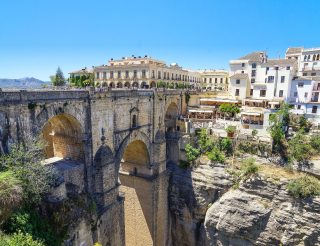
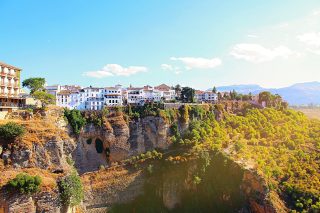
Ronda sits high in the hills of Spain's Andalusia region, in the province of Málaga, and feels a world away from the busy Costa del Sol. Perched dramatically above the El Tajo gorge, it offers sweeping views of rugged countryside, distant mountains, and the whitewashed villages scattered across the Serranía de Ronda. It's an easy city to navigate on foot, with compact streets, plazas, and viewpoints all clustered within a short walking distance.
The main pleasure of visiting Ronda is simply wandering: pausing at miradores to look down into the gorge, strolling along leafy promenades, and dipping into cafés and bars for tapas or a cold drink. The old streets on either side of the gorge are full of character, with balconies, shuttered windows, and hidden courtyards that feel unmistakably Andalusian. Stay at least one night if you can, so you can enjoy the quieter mornings and evenings once the day-trippers have left.
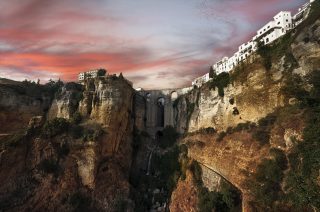
Thanks to its dramatic setting and easy access from cities like Málaga and Seville, Ronda is one of the best places to visit in Spain. Whether you're on a wider Andalusia road trip or taking a break from the coast, it makes a brilliant base for exploring nearby white villages and hiking routes, as well as a destination in its own right. Sunset over the gorge, followed by a leisurely tapas crawl through the old town, is often a highlight of any southern Spain itinerary.
Table of Contents
- History of Ronda
- 37 Best places to See in Ronda
- Plaza del Socorro
- Alameda del Tajo
- Monumento al Toro
- Jardines de Cuenca
- Paseo de Kazunori Yamauchi
- Paseo de Orson Welles
- Puente Viejo
- Mirador de Aldehuela
- Plaza de Toros de Ronda
- Arco de Felipe V
- Puente Árabe
- Palacio del Marqués de Salvatierra
- Paseo de Ernest Hemingway
- Paseo De Los Ingleses
- Museo Lara
- Baños Árabes
- Mirador de Ronda
- Casa del Rey Moro
- Puente Nuevo
- Paseo de Blas Infante
- Puerte de la Cijara
- Casa de San Juan Bosco
- Plaza de María Auxiliadora
- Murallas de Ronda
- Casa del Gigante
- Museo del Bandolero
- San Sebastian Minaret
- Puerta de los Molinos
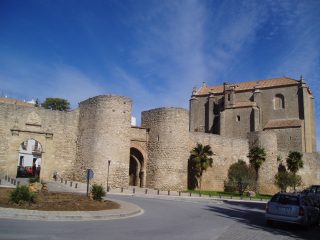
- Albacara Walls
- Puerta Del Viento
- Town Hall of Ronda
- Plaza Duquesa de Parcent
- Palacio de Mondragon
- Church of Santa María la Mayor
- Castillo del Laurel
- Iglesia del Espíritu Santo
- Puerta de Almocabar
- 13 Best Day Trips from Ronda
- Where to Stay in Ronda
- Best Time to Visit Ronda
- How to get to Ronda
History of Ronda
From Prehistory to Rome
Human presence around Ronda goes back to prehistoric times, with nearby caves such as Cueva de la Pileta preserving remarkable Neolithic rock art. Long before today’s clifftop town took shape, the wider area was dotted with hilltop settlements that took advantage of the natural defensibility of the surrounding sierras. One of the most important ancient sites is Acinipo, a Roman town a short distance from modern Ronda, where a theatre and other remains hint at the region’s early urban life under Rome.
During the Roman period, Ronda’s predecessor settlements formed part of a strategic network controlling routes between the interior of Hispania and the Mediterranean. The so-called Puente Romano in today’s town, spanning the Guadalevín River at the bottom of the gorge, recalls this era, even though the visible structure was heavily rebuilt in later Islamic times. Paths and gateways such as the Puerta de los Molinos and the Albacara Walls reflect how access to the river, mills and farmland was tightly controlled from early on, using the natural trench of the Tajo as both a barrier and a lifeline.
Islamic Ronda and the Medieval City
Ronda really came into its own under Islamic rule. Conquered in 713 and known as Hisn al-Rundah, it became the capital of the Takurunna province and later the seat of a small taifa kingdom. The town’s clifftop position was extensively fortified with walls and gates, sections of which you can still trace today at the Murallas de Levante and the Albacara Walls, and at defensive gateways such as Puerta de Almocábar and Puerta Del Viento. Within these walls, palaces and baths were built, including the Baños Árabes, now considered among the best-preserved Arab baths in Spain, and the site of today’s Palacio de Mondragón, which preserves elements of Moorish architecture.
Steep stairways cut into the rock gave access to the river for water and irrigation; the Water Mine beneath the later Casa del Rey Moro is a surviving example of this type of infrastructure, even though the house above it is 18th-century. The Islamic city’s layout followed the contours of the gorge, clustering houses and small mosques along narrow lanes that looked inward to shaded courtyards rather than outward onto broad streets. Defensive control of the bridge crossings, including the forerunners of today’s Puente Viejo and Puente Romano, was crucial: whoever commanded these points effectively controlled movement between the medina, outlying districts and the surrounding countryside.
Christian Conquest, Bridges and Bullfighting
Ronda was seized by the Catholic Monarchs in 1485 during the final phase of the Reconquista, bringing major social and architectural change. Mosques were converted into churches, giving rise to buildings such as the Church of Santa María la Mayor on Plaza Duquesa de Parcent, and new parish structures helped define the post-medieval city. Higher taxes on goods entering through the gates encouraged traders to remain outside the walls, and districts such as El Mercadillo and the San Francisco quarter grew up beyond the old fortifications, reshaping Ronda’s urban geography on both sides of the Tajo.
The 17th and 18th centuries were a period of intense building activity. The Puente Viejo was constructed in the early 17th century, followed in the 18th century by the monumental Puente Nuevo, whose 98-metre-high stone arches finally linked the old town (La Ciudad) with the burgeoning Mercadillo quarter above the gorge. This bridge not only transformed movement across the canyon but also underpinned Ronda’s expansion and later fame, with viewpoints like Mirador de Aldehuela and Paseo de Blas Infante framing its dramatic profile. Around the same time, the Plaza de Toros de Ronda was built, and the Romero family of bullfighters helped shape modern corrida traditions, making Ronda a symbolic heartland of Spanish bullfighting.
Bandoleros, Writers and Modern Ronda
In the early 19th century, the Napoleonic invasion and subsequent conflicts devastated Ronda, reducing its population and leaving ruined walls and castles in their wake. The rugged terrain of the Serranía de Ronda and the relative isolation of the town turned the area into a haven for bandoleros (bandits), whose exploits were later romanticised in literature and legend. Today’s Museo del Bandolero taps into that period, telling stories of real and mythologised outlaws who stalked the mountain passes and gorges around the city.
From the late 19th century onward, Ronda began to attract foreign travellers captivated by its landscape and traditions. Writers and artists such as Ernest Hemingway and Orson Welles spent time here; the Paseo de Ernest Hemingway and Paseo de Orson Welles near the gorge commemorate their connection to the town and its bullfighting culture. Their accounts of Ronda’s drama and beauty, alongside other visitors’ writings, played a key role in turning the city into a romantic symbol of Andalusia in the international imagination.
In the 20th century, Ronda evolved into a modern Andalusian town while carefully integrating new squares and promenades with its historic core. Plaza del Socorro emerged as a political and civic centre, associated with the early 20th-century movement for Andalusian identity, while green spaces such as Alameda del Tajo and the Paseo De Los Ingleses became classic spots for evening strolls along the cliff edge. Today, viewpoints like Mirador de Ronda and Jardines de Cuenca, together with historic buildings such as the Town Hall of Ronda, Palacio del Marqués de Salvatierra and Casa del Gigante, weave layers of prehistoric, Islamic, Christian, romantic and contemporary history into a compact city that still feels defined by its gorge and its extraordinary setting.

Moira & Andy
Hey! We're Moira & Andy. From hiking the Camino to trips around Europe in Bert our campervan — we've been traveling together since retirement in 2020!
Visiting Ronda for the first time and wondering what are the top places to see in the city? In this complete guide, I share the best things to do in Ronda on the first visit. To help you plan your trip, I have also included an interactive map and practical tips for visiting!
This website uses affiliate links which earn a small commission at no additional cost to you.
37 Best places to See in Ronda
This complete guide to Ronda not only tells you about the very best sights and tourist attractions for first-time visitors to the city but also provide insights into a few of our personal favorite things to do.
This is a practical guide to visiting the best places to see in Ronda and is filled with tips and info that should answer all your questions!
1. Plaza del Socorro
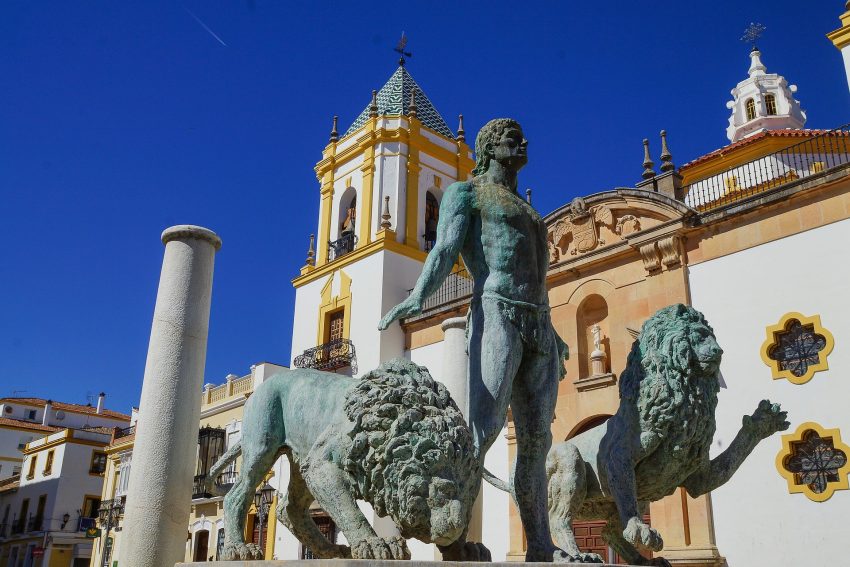
Location: Plaza del Socorro, 7, 29400 Ronda, Málaga, Spain | Hours: 24 Hours | Price: Free | Distance: 0.5km
2. Alameda del Tajo

Location: Alameda del Tajo, Paseo Blas Infante, 1, 29400 Ronda, Málaga, Spain | Hours: 24 Hours | Price: Free. | Distance: 0.6km

3. Monumento al Toro
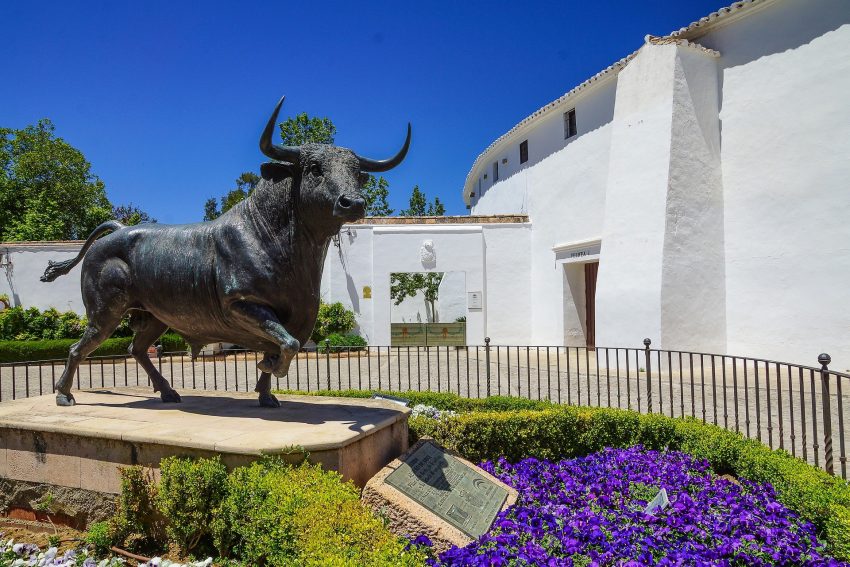
Location: Monumento al Toro Paseo Blas Infante, 2 29400 Ronda Málaga Spain | Hours: 24 hours | Price: Free | Distance: 0.7km
4. Jardines de Cuenca
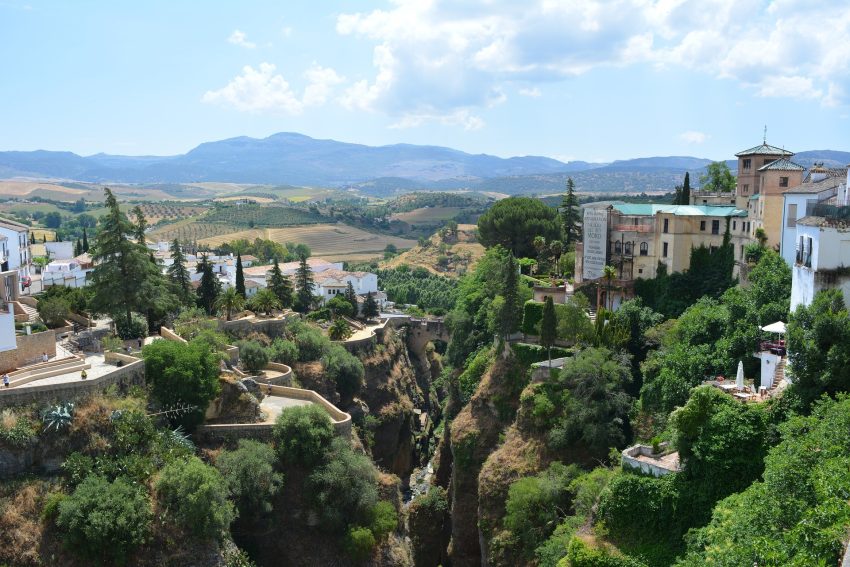
Location: Jardines De Cuenca, Calle Escolleras, 1 29400 Ronda Málaga Spain | Hours: Daily: 8am-7pm | Price: Free | Distance: 0.7km
5. Paseo de Kazunori Yamauchi

Location: Paseo de Kazunori Yamahuchi Calle Armiñán, 3 29400 Ronda Málaga Spain | Hours: 24 Hours | Price: Free | Distance: 0.7km
6. Paseo de Orson Welles

Location: Paseo Blas Infante, 75, 29400 Ronda, Málaga, Spain | Hours: 24 Hours | Price: Free. | Distance: 0.7km
7. Puente Viejo
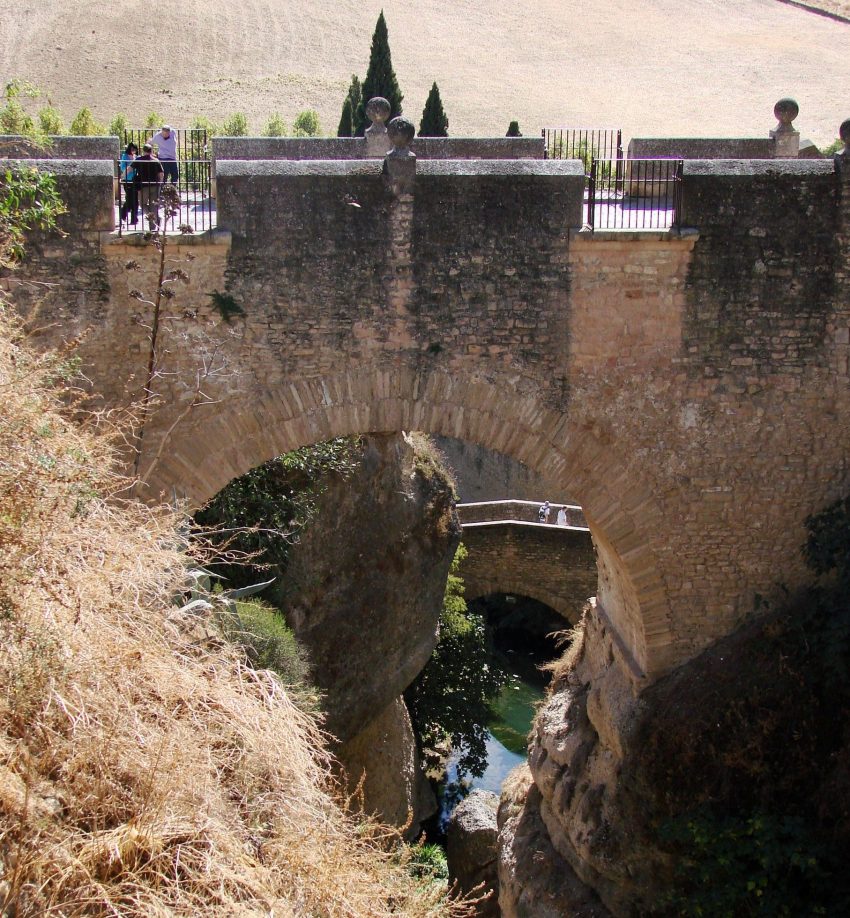
Location: Puente Viejo Calle Real, 2 29400 Ronda Málaga Spain | Hours: 24 Hours | Price: Free | Distance: 0.7km
8. Mirador de Aldehuela

Location: Mirador de Aldehuela Calle Armiñán, 1 29400 Ronda Málaga Spain | Hours: 24 Hours | Price: Free | Distance: 0.7km
9. Plaza de Toros de Ronda
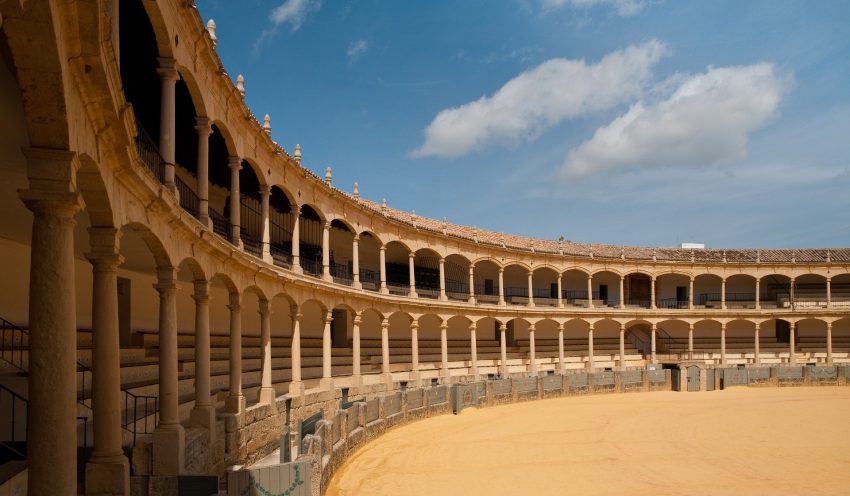
Location: Plaza de Toros de Ronda, 15 Calle Virgen de la Paz, Ronda, Spain, | Hours: Monday-Sunday: 10:00 – 20:00. | Price: €8 (€9.50 with audioguide) | Website | Distance: 0.7km
10. Arco de Felipe V
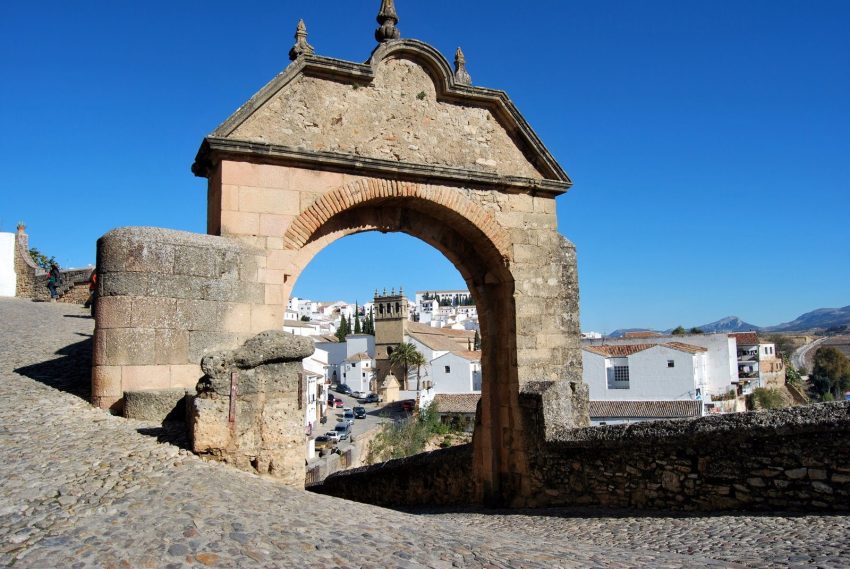
Location: Calle Marqués de Salvatierra, 30, 29400 Ronda, Málaga, Spain | Hours: 24 Hours | Price: Free | Distance: 0.8km
11. Puente Árabe
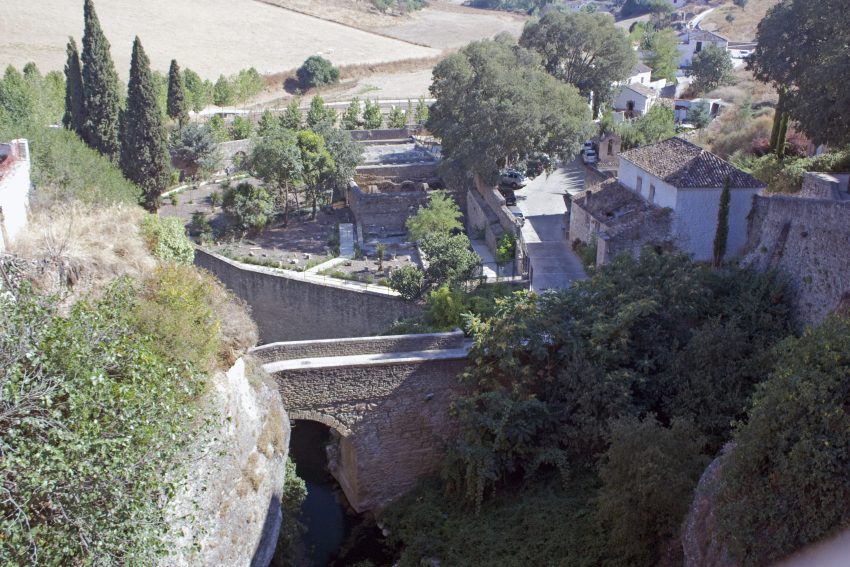
Location: Puente Romanom, Calle Molino de Alarcón, 29400 Ronda, Málaga, Spain | Hours: 24 hours | Price: Free | Distance: 0.8km
12. Palacio del Marqués de Salvatierra
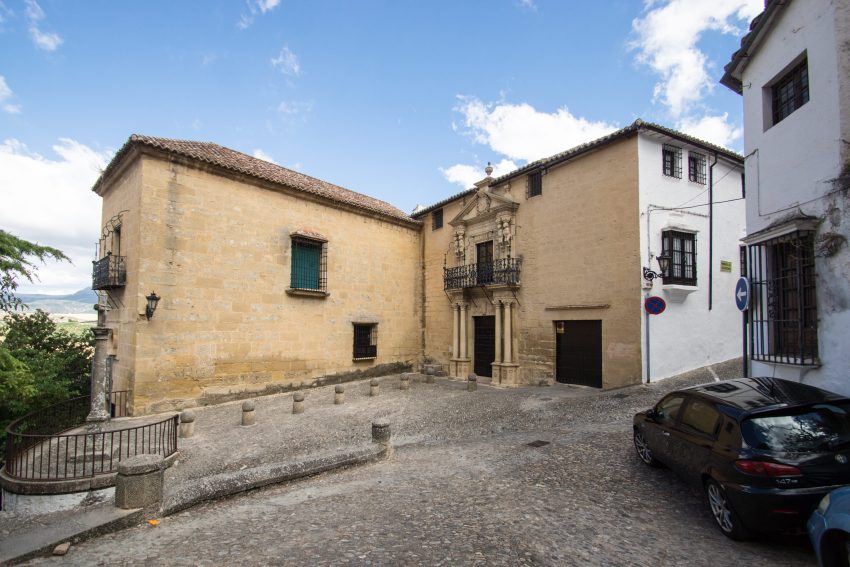
Location: Palacio de Salvatierra Calle Real, 2 29400 Ronda Málaga Spain | Hours: 24 Hours | Price: Free to view from the street, no interior access allowed. | Distance: 0.8km
13. Paseo de Ernest Hemingway
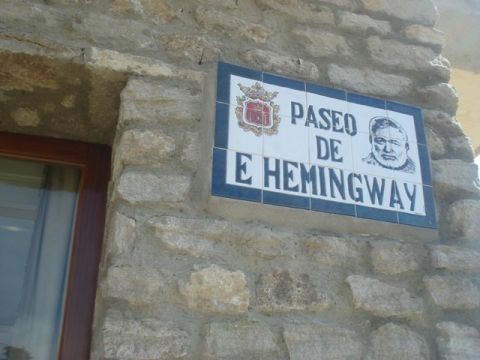
Location: Mirador de Aves, C. Armiñán, 3 29400 Ronda, Málaga, Spain | Hours: 24 Hours | Price: Free | Distance: 0.8km
14. Paseo De Los Ingleses

Location: Paseo de los Ingleses, 29400 Ronda, Málaga, Spain | Hours: 24 Hours | Price: Free | Distance: 0.8km
15. Museo Lara
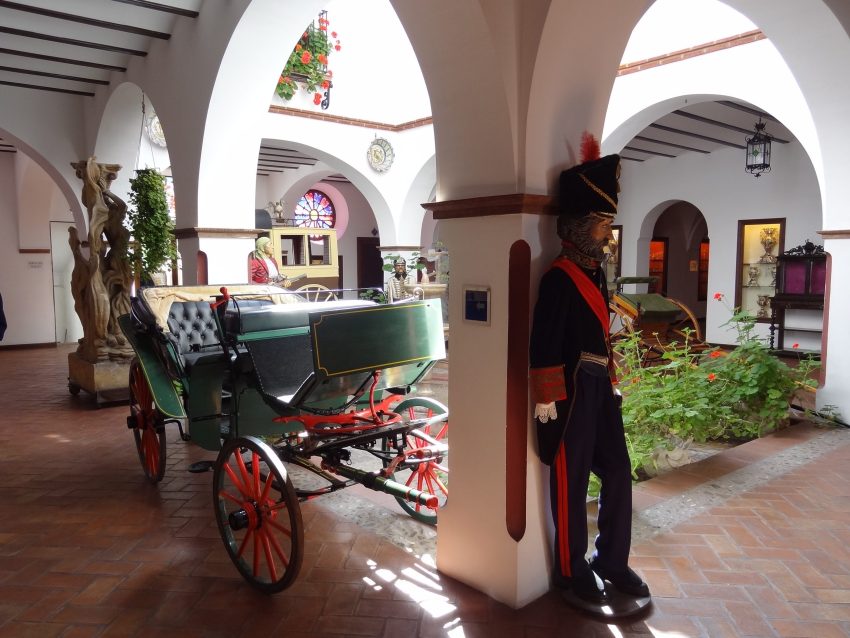
Location: Museo Lara Calle Armiñán, 29 29400 Ronda Málaga Spain | Hours: June to October: 11:00 - 20:00; November to May:11:00 -18:30 | Price: Adults: €4.00 | Website | Distance: 0.8km
16. Baños Árabes
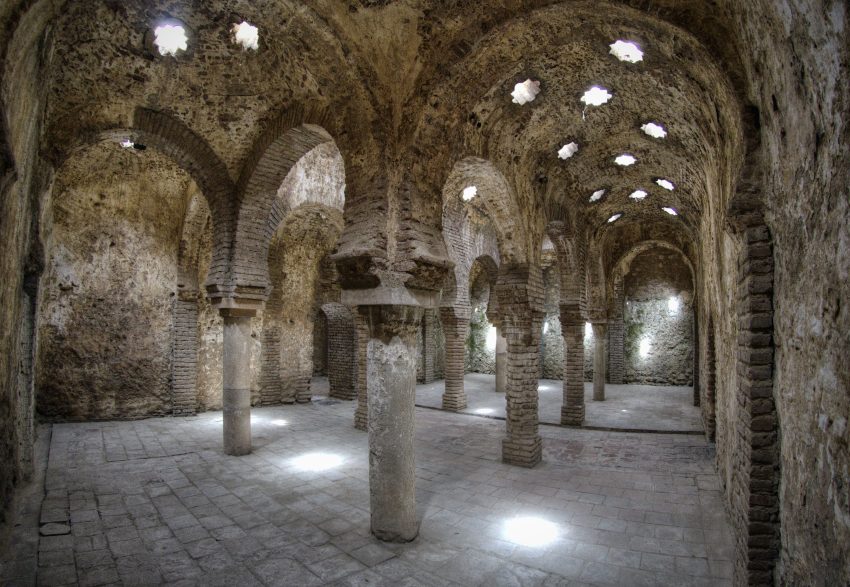
Location: Baños Arabes, Yacimiento Arqueológico, Calle Molino de Alarcón, s/n 29400 Ronda Málaga Spain | Hours: Monday: 10:00 - 14:00, 15:00 - 18:00; Tuesday - Friday 09:30 - 20:00; Saturday 10:00 - 14:00, 15:00 - 18:00; Sunday & Bank Holiday10:00 - 15:00. | Price: Adults: €4.50; Free Tuesday After 15:00 | Website | Distance: 0.8km
17. Mirador de Ronda
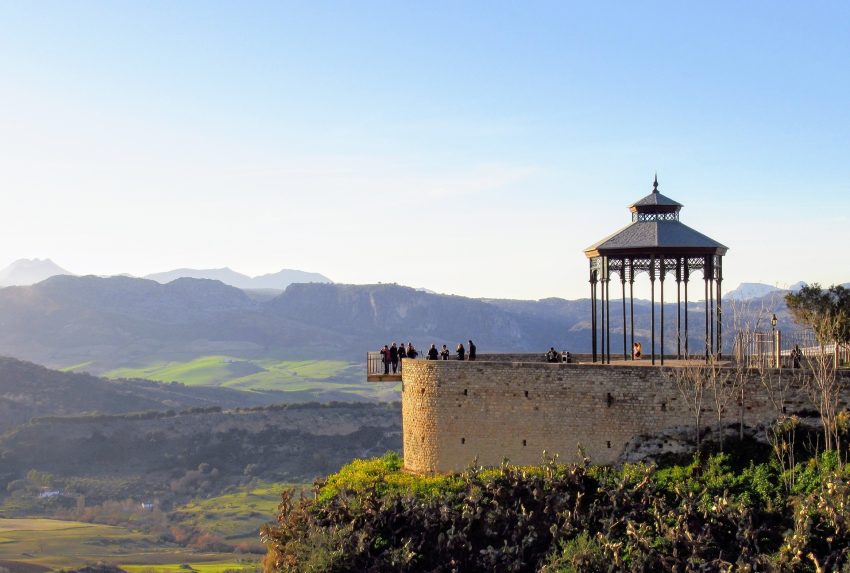
Location: Mirador de Ronda Ctra. de los Molinos, 1955 29400 Ronda Málaga Spain | Hours: 24 Hours | Price: Free | Distance: 0.8km
18. Casa del Rey Moro
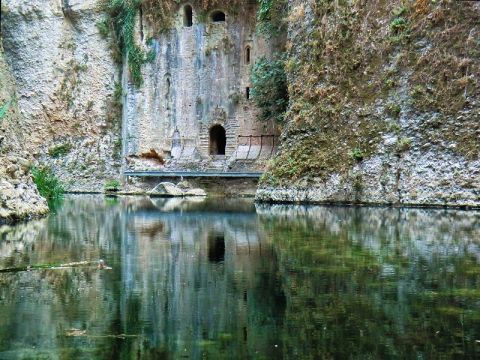
Location: La Casa del Rey Moro, Calle Cuesta de Santo Domingo, 9 29400 Ronda Málaga Spain | Hours: Daily; Winter (October-April): 10:00 - 20:00; Summer (May-September): 10:00 - 21:30 | Price: Adults: €10.00 | Website | Distance: 0.8km
19. Puente Nuevo
Location: Puente Nuevo Calle Armiñán, s/n 29400 Ronda Málaga Spain | Hours: Monday to Friday: 10:00-18:00 Saturday: 10:00-14:00 & 16:00-18:00 Sunday: 10:00-15:00 | Price: Adults: €2.5 | Website | Distance: 0.8km
20. Paseo de Blas Infante
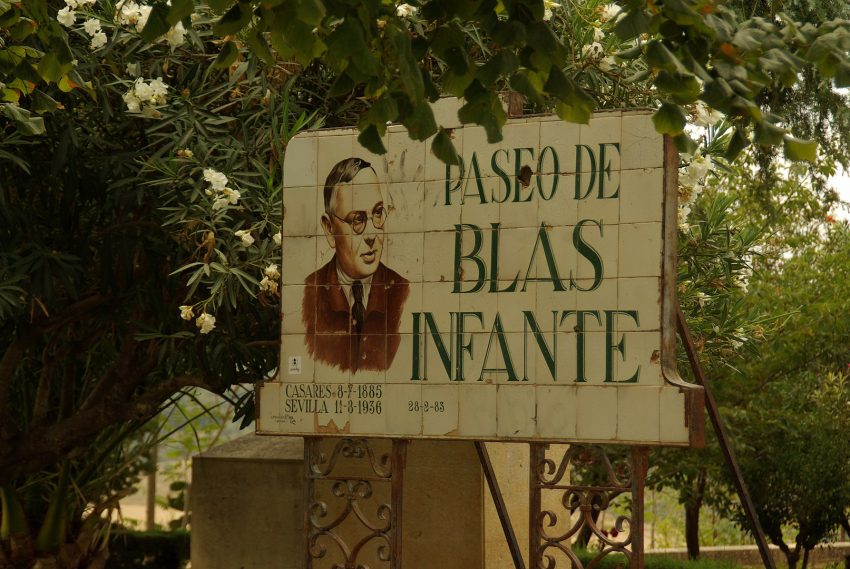
Location: Paseo Blas Infante, 1, 29400 Ronda, Málaga, Spain | Hours: June - September 8.00am - 00.00 September - May: 9.00am - 22.00 | Price: Free | Website | Distance: 0.8km
21. Puerte de la Cijara

| Hours: 24 Hours | Price: Free | Distance: 0.9km
22. Casa de San Juan Bosco

Location: Casa don Bosco Calle Tenorio, Nº21 29400 Ronda Málaga Spain | Hours: Daily: 10:00 - 18:00 | Price: Adults: €3.00 | Website | Distance: 0.9km
23. Plaza de María Auxiliadora
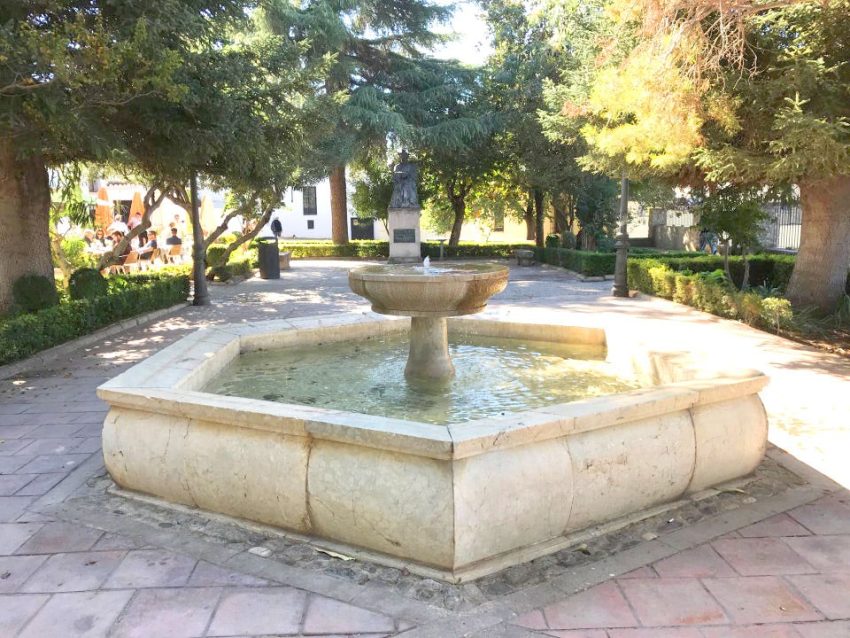
Location: Plaza de María Auxiliadora, Calle Sor Angela de la Cruz, 2, 29400 Ronda, Málaga, Spain | Hours: 24 Hours | Price: Free | Distance: 1.0km
24. Murallas de Ronda
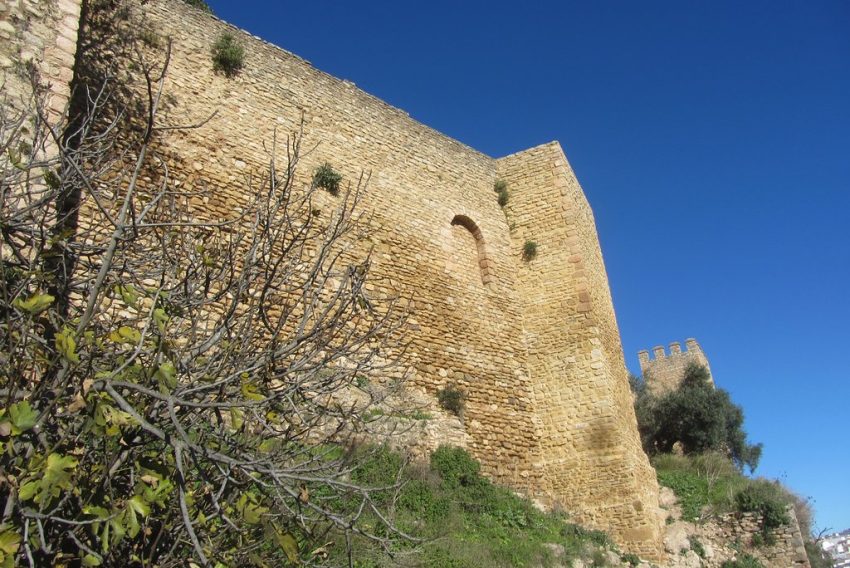
Location: Calle Armiñán, 14 29400 Ronda Málaga Spain | Hours: 24 Hours | Price: Free to view externally | Distance: 1.0km
25. Casa del Gigante

Location: Casa del Gigante Plaza del Gigante, 1 29400 Ronda Málaga Spain View on | Hours: Monday to Friday: 10:00–18:00; Saturdays 10:00–14:00 &16:00–18:00; Sundays: 10:00–15:00 | Price: Adults: €2.50 | Website | Distance: 1.0km
26. Museo del Bandolero

Location: Museo del Bandolero Calle Armiñán, 65 29400 Ronda Málaga Spain | Hours: Daily: 11:00 - 19:30 | Price: Adults: €3.75 | Website | Distance: 1.0km
27. San Sebastian Minaret

Location: Minaret of San Sebastian Plaza Abul Beka, s/n 29400 Ronda Málaga Spain | Hours: 24 Hours, viewed externally. | Price: Free | Distance: 1.0km
28. Puerta de los Molinos
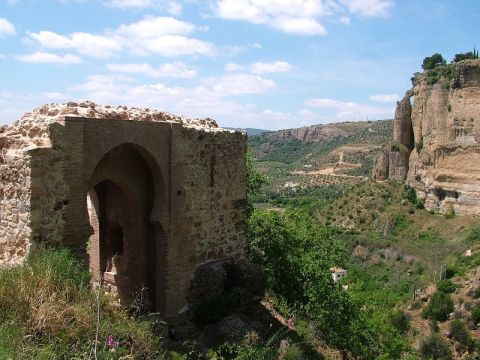
Location: Arco del Cristo. Murallas de Albacara y Molinos del Tajo, Ronda (Rincón Singular) 6 Plaza de María Auxiliadora 29400 Ronda Málaga, Spain | Hours: 24 Hour | Price: Free | Distance: 1.0km
29. Albacara Walls
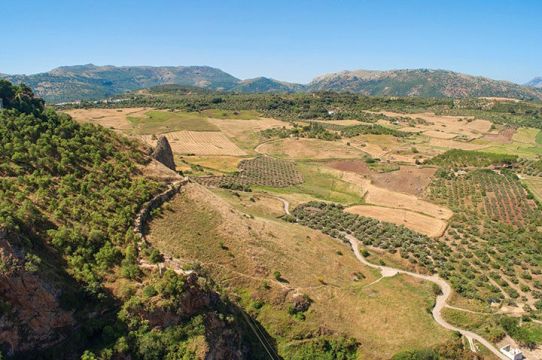
Location: 29400 Ronda Málaga Spain | Hours: 24 Hours | Price: Free | Distance: 1.1km
30. Puerta Del Viento
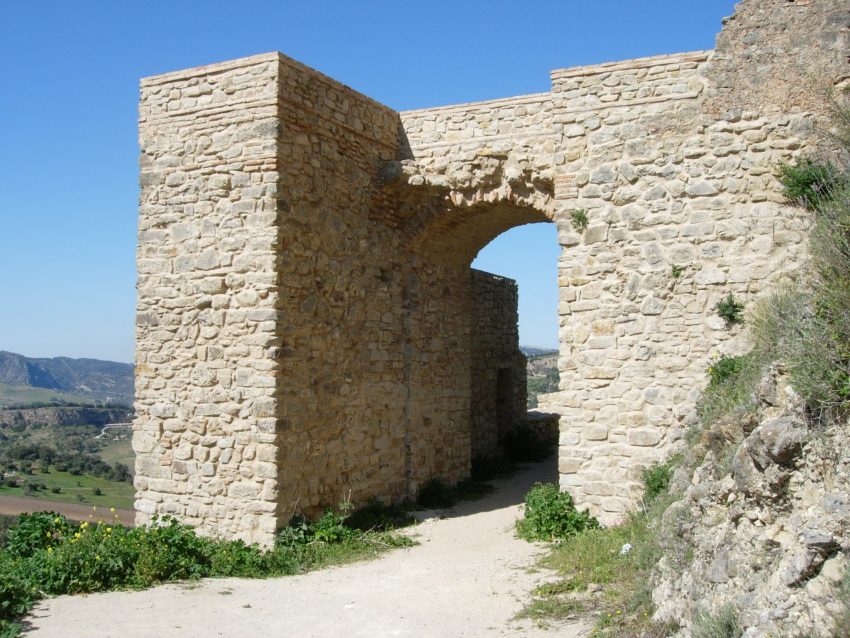
Location: 29400 Ronda, Málaga, Spain | Hours: 24 Hour | Price: Free. | Distance: 1.1km
31. Town Hall of Ronda
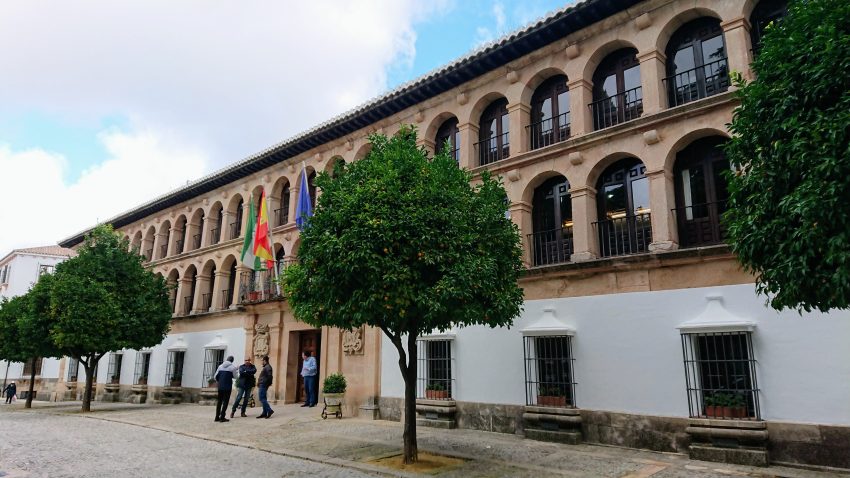
Location: Ronda Town Hall, Plaza Duquesa de Parcent, 3 29400 Ronda Málaga Spain | Hours: 24 Hours | Price: Free, view from outside only. | Website | Distance: 1.1km
32. Plaza Duquesa de Parcent
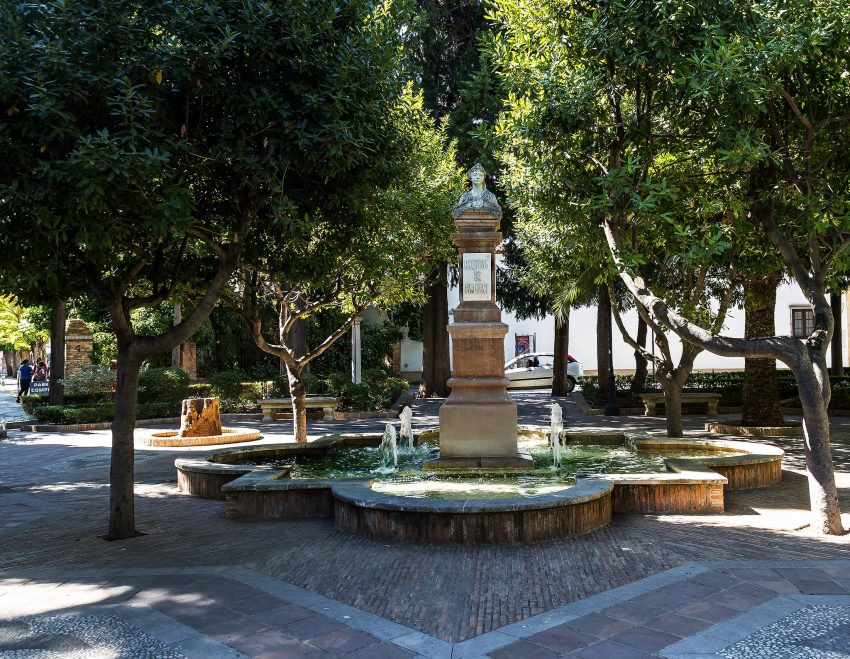
Location: Plaza Duquesa de Parcent, 11, 29400 Ronda, Málaga, Spain | Hours: 24 Hours | Price: Free | Distance: 1.1km
33. Palacio de Mondragon
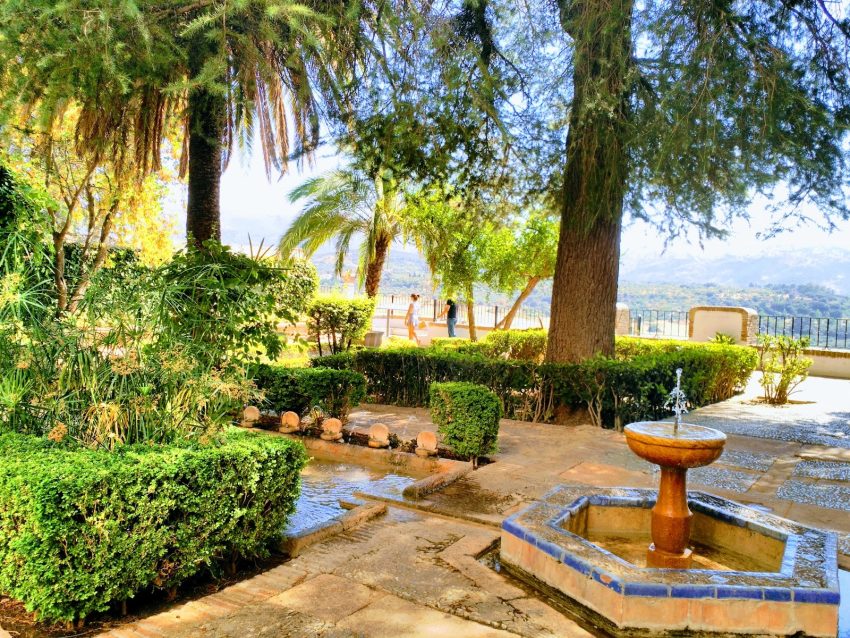
Location: Plaza Mondragón, s/n, 29400 Ronda, Málaga, Spain | Hours: Mon: 10:00-14:00 & 15:00-18:00; Tue-Fri: 09:30-19:00; Sat: 10:00-14:00 & 15:00-18:00; Sun: 10:00-15:00. | Price: Adults: €4.00 | Website | Distance: 1.1km
34. Church of Santa María la Mayor
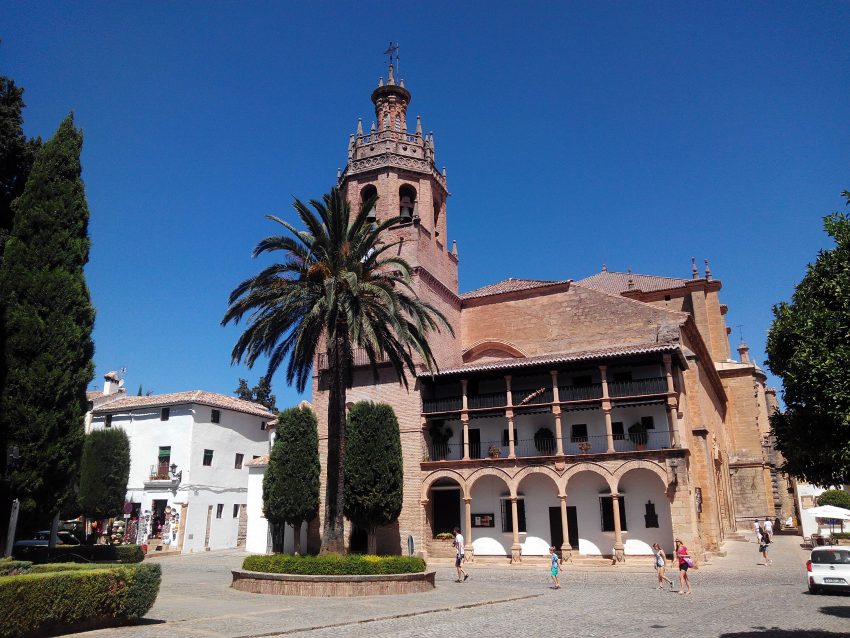
Location: Iglesia de Santa María la Mayor Calle Sor Angela de la Cruz, 5 29400 Ronda Málaga | Hours: November to February10:00 a 18:00; March and October 10:00 a 19:00; April to September 10:00 a 20:00. | Price: Adult: €4.50 with audioguide | Website | Distance: 1.1km
35. Castillo del Laurel
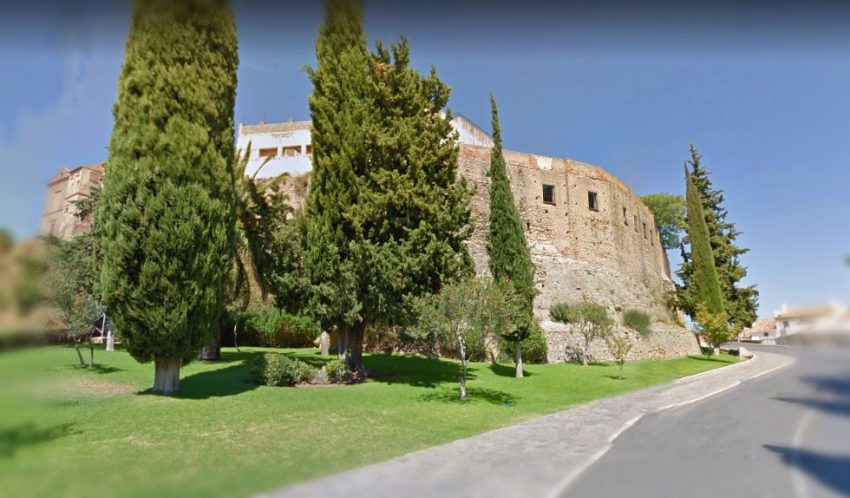
Location: Castillo del Laurel Calle Cuesta de las Imágenes 29400 Ronda Málaga Spain | Hours: 24 Hours | Price: Free to view the exterior. | Distance: 1.2km
36. Iglesia del Espíritu Santo
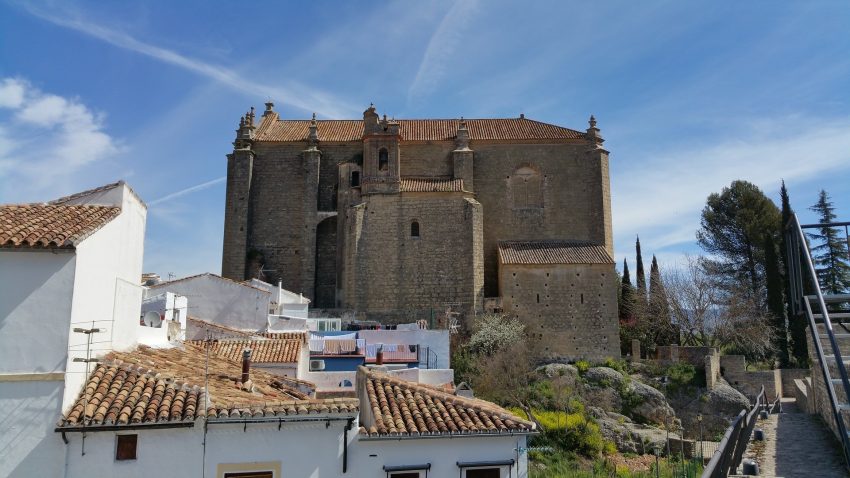
Location: Calle Espíritu Santo, 15, 29400 Ronda, Málaga, Spain | Hours: Monday - Saturday: 10:00-14:00 & 16:00 - 19:00 | Price: Adults: €1.00 | Distance: 1.3km
37. Puerta de Almocabar

Location: Puerta de Almocábar Plazuela Arquitecto Francisco Pons Sorolla, s/n 29400 Ronda Málaga Spain | Hours: 24 Hours | Price: Free | Website | Distance: 1.3km
Best Day Trips from Ronda
A day trip from Ronda offers the perfect opportunity to escape the urban rhythm and discover the surrounding region's charm. Whether you're drawn to scenic countryside, historic villages, or cultural landmarks, the area around Ronda provides a variety of easy-to-reach destinations ideal for a one-day itinerary. If you are looking to rent a car in Spain I recommend having a look at Discover Cars, first, as they compare prices and review multiple car rental agencies for you.
1. Cueva del Gato
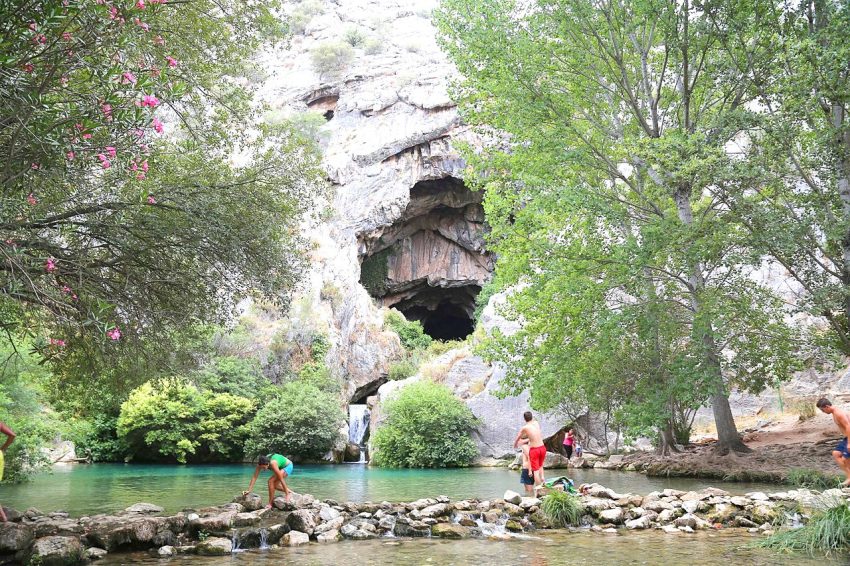
Location: Cueva del Gato, MA-7401 Km 3 Carretera de Benaoján a 29370 Ronda Málaga Spain | Hours: 24 Hour | Price: Free | Distance: 7.2km
Visiting Cueva del Gato
2. Cueva de la Pileta

Location: Cueva de la Pileta 29370 Benaoján Málaga Spain | Hours: Tours: 10:00-13:00 & 16:00-18:00 | Price: Adults: €10.00 | Website | Distance: 11.5km
Visiting Cueva de la Pileta
3. Ruins of Acinipo
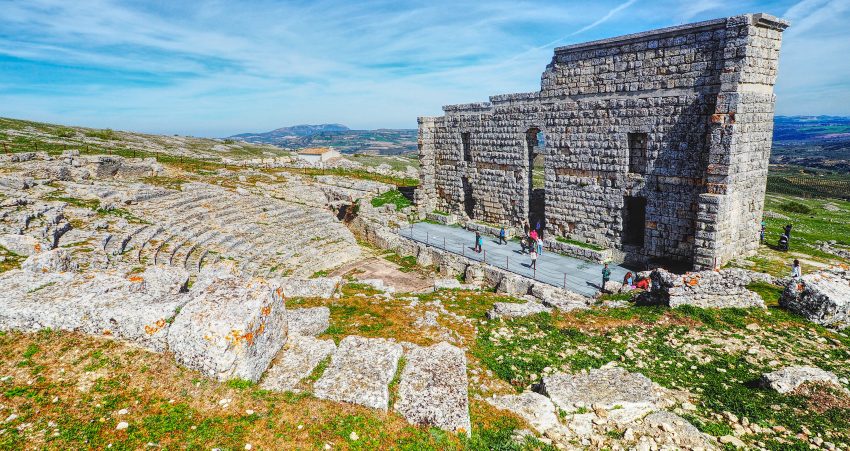
Location: Ruins of Acinipo, 801, 29400 Ronda, Málaga, Spain | Hours: Monday: Closed; Tuesday to Saturday: 10.00 to 17.00; Sunday: 09.00 to 14.00 Guided tours: Two tours every Saturday and Sunday at 10:30 a.m. and 12:00 p.m., | Price: Free | Website | Distance: 11.8km
Visiting Ruins of Acinipo
4. Marbella
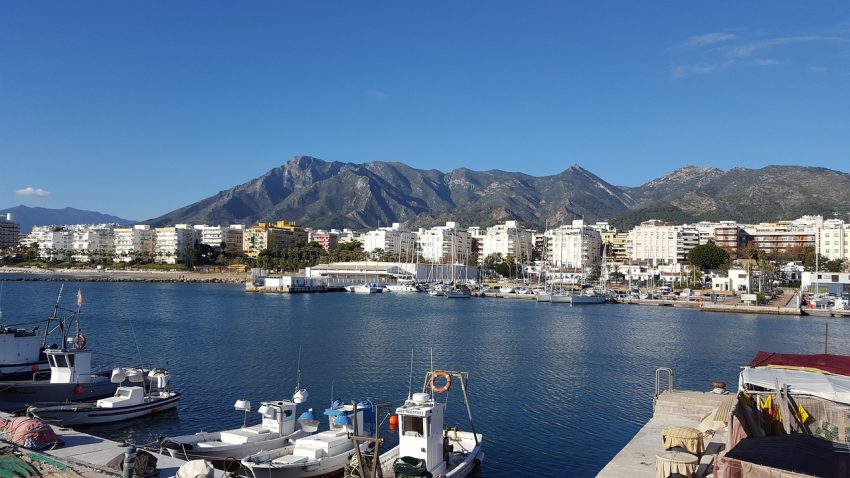
Visiting Marbella
5. Arcos de la Frontera
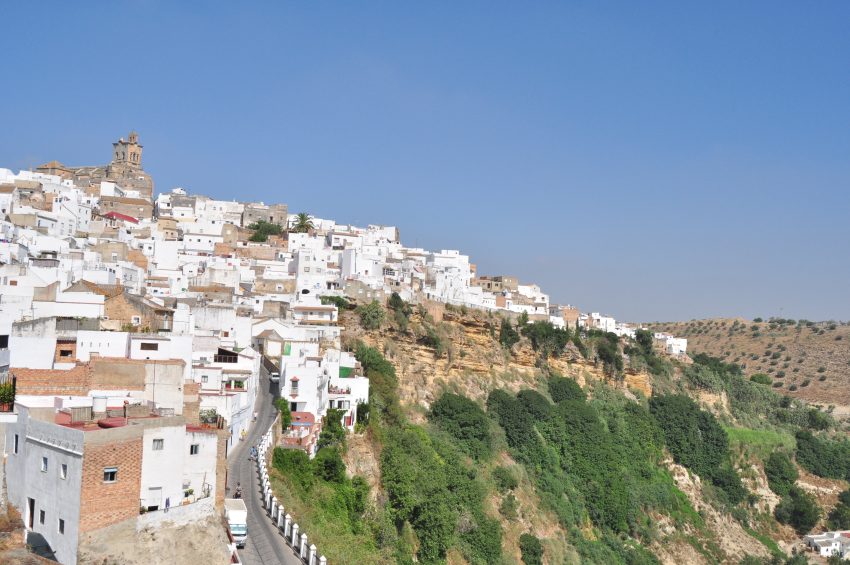
Visiting Arcos de la Frontera
6. Málaga
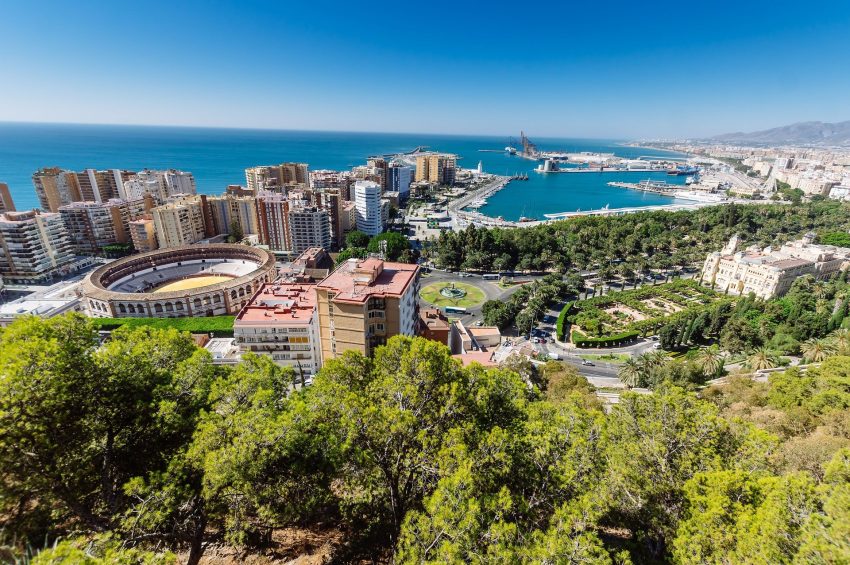
Visiting Málaga
7. Algeciras
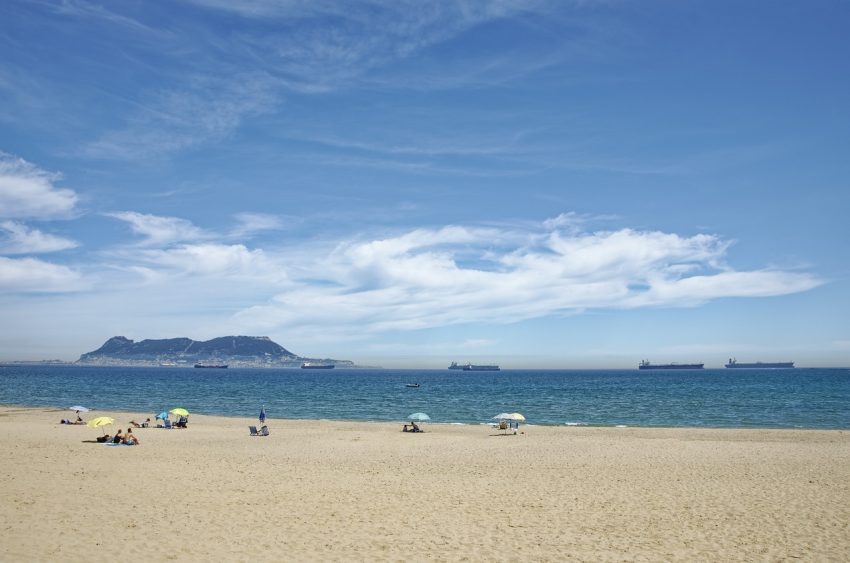
Visiting Algeciras
8. Ciudad de Ceuta
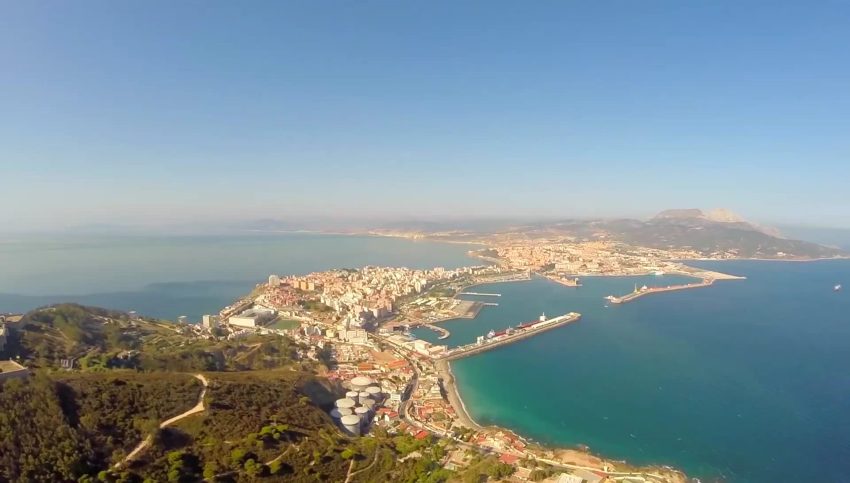
Visiting Ciudad de Ceuta
9. Seville
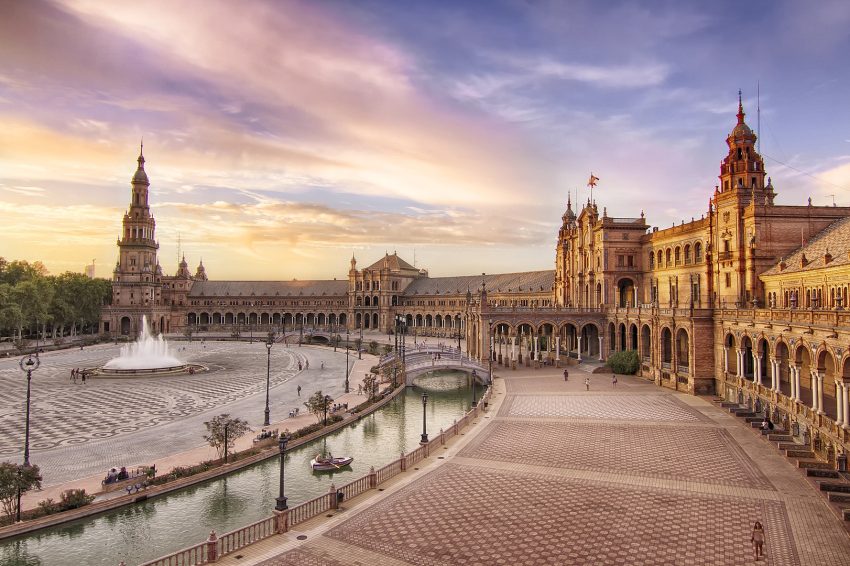
Visiting Seville
10. Cádiz
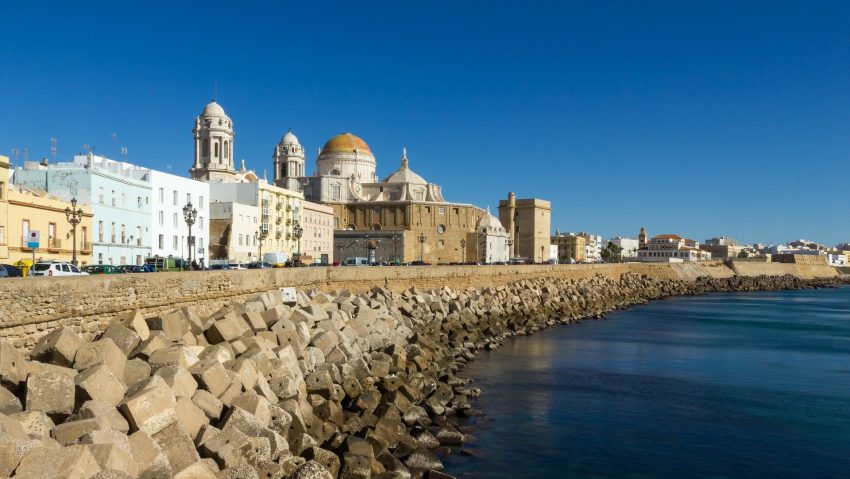
Visiting Cádiz
11. Chipiona
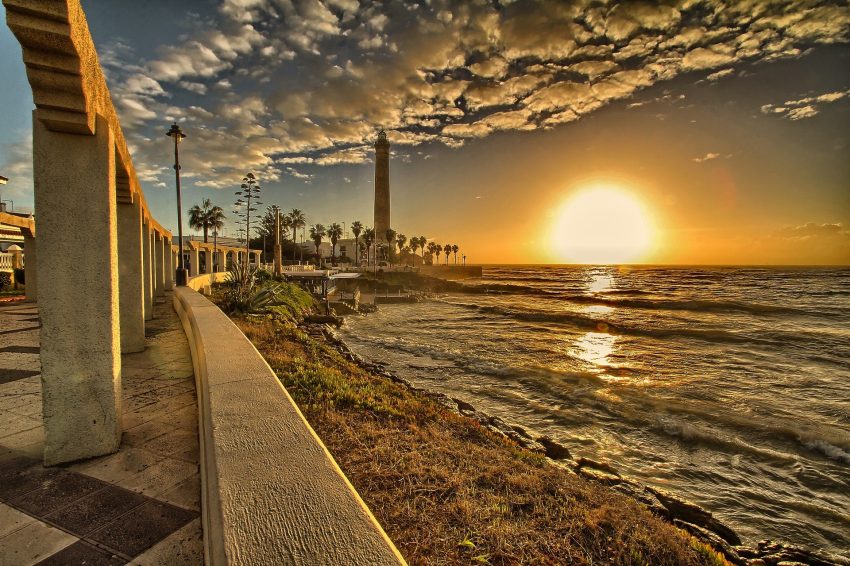
Visiting Chipiona
12. Córdoba
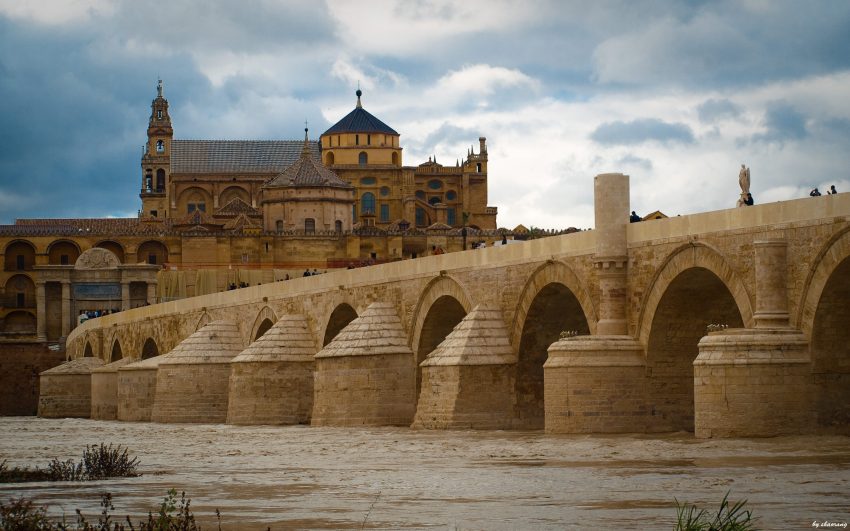
Visiting Córdoba
13. Granada

Visiting Granada
Where to Stay in Ronda
Ronda, one of Andalusia’s most picturesque towns, offers a variety of accommodations that cater to visitors seeking historical immersion, stunning natural landscapes, or luxurious retreats. The Old Town (La Ciudad) is the best choice for travelers who want to be surrounded by Ronda’s medieval charm, with cobbled streets, traditional whitewashed houses, and close proximity to Puente Nuevo, the town’s most iconic landmark. Staying in this district allows easy access to historic palaces, quaint plazas, and charming local restaurants, making it the ideal option for those looking to experience Ronda’s rich heritage. A recommended hotel here is Parador de Ronda, offering breathtaking views of the El Tajo Gorge and elegant accommodations in a historic setting.
For visitors seeking tranquility and panoramic beauty, the Countryside and Vineyard Estates around Ronda provide an unforgettable retreat surrounded by rolling hills and vineyards. These boutique accommodations often feature olive groves, garden terraces, and infinity pools overlooking Andalusia’s stunning landscapes. This option is perfect for travelers who prefer a more secluded getaway with an authentic rural touch while still being a short drive from the town’s main attractions. A fantastic stay in this area is Hotel La Fuente de la Higuera, where guests can enjoy rustic elegance, fine dining, and peaceful nature trails.
If modern comforts and convenience are a priority, El Mercadillo (New Town) offers a more contemporary setting with lively markets, stylish cafés, and easy access to Ronda’s train station. This area is ideal for visitors who want a mix of local culture and urban vibrancy, with a wide range of shopping, entertainment, and dining options available. A great hotel in this district is Catalonia Ronda, featuring sophisticated rooms, a rooftop pool, and excellent amenities just steps from the historic town center. Whether you’re drawn to Ronda’s medieval beauty, countryside serenity, or modern elegance, the town offers accommodations suited to every traveler’s preference.
Using the our Hotel and Accomodation map, you can compare hotels and short-term rental accommodations in Ronda. Simply insert your travel dates and group size, and you’ll see the best deals for your stay.
Ronda Accommodation Map
Best Time to Visit Ronda
Visiting Ronda in Spring
Spring, from March to May, is an ideal time to visit Ronda. The weather is mild and pleasant, with temperatures ranging from 15°C to 25°C (59°F to 77°F). This season is perfect for exploring Ronda’s historical sites and enjoying the lush landscapes. The blooming flowers and vibrant greenery add to the town’s picturesque charm.
Visiting Ronda in Summer
Summer, from June to August, is the peak tourist season in Ronda. The weather is warm, with temperatures often exceeding 30°C (86°F). Despite the heat, summer is a great time to experience Ronda’s lively atmosphere and cultural events, such as the Feria de Pedro Romero in September, which includes traditional bullfighting and other festivities.
Visiting Ronda in Autumn
Autumn, from September to November, is another excellent time to visit Ronda. The temperatures are cooler, ranging from 15°C to 25°C (59°F to 77°F), making it comfortable for sightseeing and outdoor activities. The autumn colors enhance the natural beauty of the area, and the tourist crowds from summer have diminished, providing a more relaxed experience.
Visiting Ronda in Winter
Winter, from December to February, is mild in Ronda, with temperatures averaging between 10°C and 15°C (50°F to 59°F). This is the off-peak tourist season, offering a quieter and more relaxed atmosphere. Winter is a good time to explore Ronda’s indoor attractions, such as museums and historic buildings, without the crowds. The town’s festive decorations and events during the holiday season add a charming touch to the visit.
Annual Weather Overview
- January 16°C 64°F
- February 17°C 67°F
- March 20°C 72°F
- April 22°C 75°F
- May 23°C 78°F
- June 28°C 86°F
- July 31°C 92°F
- August 30°C 90°F
- September 27°C 84°F
- October 23°C 78°F
- November 20°C 72°F
- December 17°C 66°F
How to get to Ronda
By Air to Ronda
The nearest major airports to Ronda are Málaga-Costa del Sol Airport (AGP), located about 100 kilometers away, and Gibraltar International Airport (GIB), approximately 120 kilometers away. From these airports, you can reach Ronda by rental car, taxi, or public transportation.
By Train to Ronda
Ronda has a well-connected train station with regular services from major cities such as Málaga and Seville. The train journey from Málaga to Ronda takes around 2 hours, while from Seville, it takes about 2.5 hours. The train station is conveniently located near the town center, providing easy access to local attractions.
By Bus to Ronda
Several bus companies operate routes to Ronda from various cities in Andalusia. Buses from Málaga take about 2 hours, and from Seville, the journey is around 2.5 to 3 hours. The main bus station in Ronda is centrally located, making it easy to reach your accommodation and explore the town.
By Car to Ronda
Driving to Ronda is a convenient option, especially if you plan to explore the surrounding region. From Málaga, the drive takes approximately 1.5 to 2 hours via the A-357 and A-367 highways. From Seville, it takes around 2 to 2.5 hours via the A-375 and A-374 highways. The scenic drive through the Andalusian countryside adds to the experience.
By Local Transportation in Ronda
Once in Ronda, you can explore the town by walking or using the local bus network. Taxis are also readily available for getting around. Walking is particularly enjoyable in Ronda due to its compact size and the close proximity of major attractions.