Castillo del Laurel, Ronda
Castle in Ronda
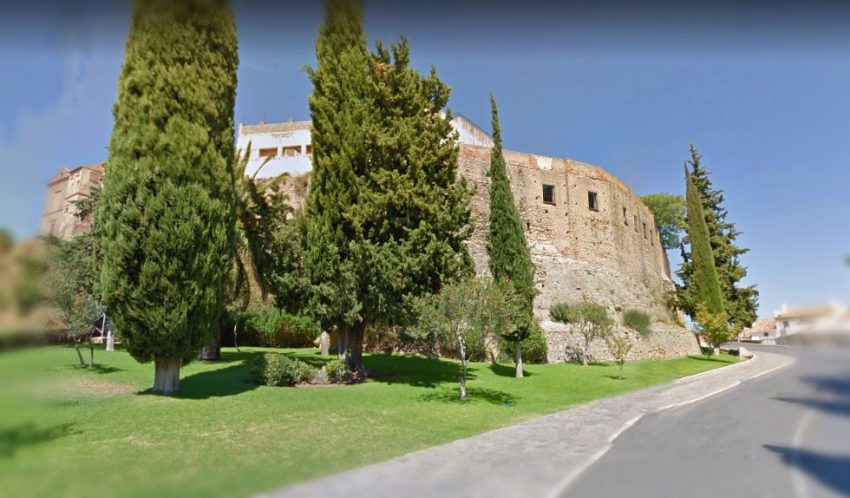
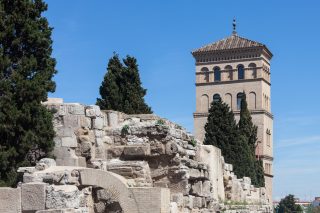
Castillo del Laurel in Ronda, Spain, is a small historic attraction made up of surviving sections of an old defensive castle wall. It sits near the southern side of the old town, where the remains can be seen from the street rather than explored as a full ruin.
What visitors notice here is not a complete castle but a fragment of Ronda’s fortified edge, with masonry that helps explain how the city was once protected. It is best for travellers who like understated historic places, quick stops between bigger sights, and sites that reward a closer look at the layout of the town.
Table of Contents
- History and Significance of the Castillo del Laurel
- Things to See and Do in the Castillo del Laurel
- How to Get to the Castillo del Laurel
- Practical Tips on Visiting the Castillo del Laurel
- Where to Stay Close to the Castillo del Laurel
- Is the Castillo del Laurel Worth Visiting?
- For Different Travelers
- FAQs for Visiting the Castillo del Laurel
History and Significance of the Castillo del Laurel
Accounts of Castillo del Laurel often trace its earliest origins back to the Roman era, linking it to Ronda's identity as Arunda and to military activity tied to Roman commanders and outposts. Much of that early structure is said to have been lost during the broader collapse of Roman control, leaving later builders to reuse the strategic location rather than preserve a single continuous building.
After the Moorish conquest in the early 8th century, the site is described as being rebuilt on the same footprint, reflecting how Ronda’s defensive priorities shifted toward protecting the town against Christian advances over the centuries. In that sense, the castle’s significance is less about one moment in time and more about repeated reinvention: the same high-value ground adapted to different threats, rulers, and technologies.
The 19th and 20th centuries were particularly hard on Ronda's older defences. In 1812, during the Napoleonic period, the castle and other fortifications were reportedly blown up as troops departed, and later upheavals further reduced what survived. Today, what remains is limited and not especially accessible as an “interior” ruin, but the fragments still matter because they anchor the story of Ronda as a fortified hill town where walls and gates once structured daily life.
Things to See and Do in the Castillo del Laurel
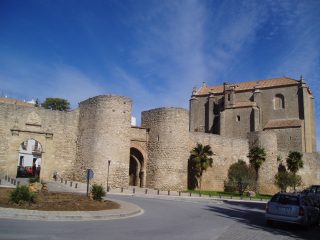
The main experience is to spot and follow the surviving curtain wall, best viewed along Calle Cuesta de las Imágenes, where you can see how the masonry still outlines the old defensive edge. Even if you only spend a few minutes here, it adds a tangible “city walls” layer to your understanding of Ronda-particularly if you've already visited the nearby gates and ramparts.
Because the remains are fragmentary, this is a place where context makes the visit. It works best when you treat it as part of a short defensive-history loop, linking it with the nearby Puerta de Almocábar and the Church of Espíritu Santo, so you can mentally reconstruct how the southern approach to the town would have been controlled.
Photographically, think details and angles rather than sweeping panoramas. The wall is most interesting when you frame it against the slope of the streets and the way the old town sits on the terrain, reinforcing that Ronda’s fortifications were designed for a landscape that does half the defensive work on its own.
How to Get to the Castillo del Laurel
Most visitors reach Ronda via Málaga Airport, then continue inland by road or rail to the town. For the best deals and a seamless booking experience, check out these flights to Ronda on Booking.com. Seville Airport can also work well if Ronda is part of a wider Andalusia itinerary. For the best deals and a seamless booking experience, check out these flights to Ronda on Booking.com.
Ronda is easy to reach by train, and once you arrive you can explore the old town on foot without needing transport between major sights. Train schedules and bookings can be found on Omio. From central Ronda, walk toward the southern edge of the historic quarter and follow routes that lead toward Puerta de Almocábar and the surrounding wall areas.
Local buses and taxis are useful if you want to save time getting from the station to the historic centre, especially if you’re arriving with luggage. If you’re driving, park once centrally and approach the remains on foot, since narrow old-town streets are better experienced as walking territory. If you are looking to rent a car in Spain I recommend having a look at Discover Cars, first, as they compare prices and review multiple car rental agencies for you.
Practical Tips on Visiting the Castillo del Laurel
- Entrance fee: Free to view the exterior.
- Opening hours: 24 Hours
- Best time to visit: Go in the late morning or early afternoon for clearer light on the wall sections, especially if you want to photograph stonework detail. If you prefer a quieter feel, earlier in the day is best because this area can be calmer before peak sightseeing flows.
- How long to spend: Allow 15-30 minutes for a slow walk-by and a few stops for viewing and photos, then continue to nearby gates and walls. It’s most rewarding as a supporting stop within a broader old-town loop rather than a stand-alone destination.
- Accessibility: Expect sloped streets and uneven historic paving, with viewing that happens from public streets rather than a curated site path. If mobility is limited, it can still be worthwhile as a quick look from the easiest nearby street vantage points.
- Facilities: There are no dedicated facilities at the remains, so plan cafés and restrooms around central old town streets and nearby plazas. Treat this as a “see it while you’re passing” stop rather than a full-service attraction.
Where to Stay Close to the Castillo del Laurel
For a culture-heavy itinerary, the best area to base yourself is central Ronda near the old town and main sights so you can walk everywhere and catch viewpoints early and late; if your priority is quick arrivals and departures for day trips, staying nearer the station can be more practical while still keeping the historic quarter reachable.
If you want classic gorge-edge atmosphere within easy reach of the old town, Parador de Ronda is an iconic choice. For comfort and walkability with a traditional Ronda feel, Catalonia Reina Victoria is a strong base. For a smaller, characterful stay that suits old-town wandering, Soho Boutique Palacio San Gabriel fits well.
Is the Castillo del Laurel Worth Visiting?
Yes-if you like reading a city through its edges, not just its postcard viewpoints. Castillo del Laurel won't give you a dramatic “ruins visit” with extensive access, but it adds depth to Ronda by showing how much of the town's history was shaped by walls, gates, and vulnerable approaches that needed defending.
If your time is very limited, prioritise the main bridges and viewpoints. But if you're already exploring Puerta de Almocábar and the southern old town, this is a smart extra layer that costs little time and gives you a richer sense of how Ronda functioned as a fortified place.
What Other Travellers Say...
Walls of Ronda, located at C. Goleta 10 in Ronda, Málaga, offers sweeping, exceptional views over nearby fields and whitewashed houses; visitors praise the historic city walls and nearby smaller bridge, note it can be slightly crowded and that parking is sometimes tricky, and recommend exploring the town's windy streets and strolling the less busy southern section near the Iglesia del Espíritu Santo.





For Different Travelers
Families with Kids
This stop works best for families who like short, story-driven moments rather than long visits. You can treat it as a quick “find the castle wall” challenge and then move on to more visually obvious landmarks nearby.
Because it’s viewed from public streets, keep a close eye on kids on sloped lanes and near traffic, and plan to pair it with a nearby plaza or viewpoint where they can reset and move more freely.
Couples & Romantic Getaways
For couples, Castillo del Laurel is less about romance and more about a quieter, shared discovery that feels away from the busiest viewpoints. It's a good moment for a slow walk, linking small fragments of history together as you move through the older streets.
It pairs nicely with a broader old-town stroll where you’re not rushing from landmark to landmark. Think of it as a subtle “texture stop” that makes the city feel more layered.
Budget Travelers
This is an ideal budget-friendly addition because it’s essentially an open-air historic trace you can see while walking a free route through the old town. If you’re building a day around street wandering and viewpoints, it’s a simple way to add depth without adding cost.
To make it feel more worthwhile, connect it with other nearby defensive sites in one loop so the story builds as you walk, rather than treating it as a single isolated wall fragment.
History Buffs
History lovers will appreciate the site as a palimpsest: Roman-era origin stories, Moorish rebuilding, and later destruction tied to 19th-century conflict and modern upheavals. Even limited remains can be meaningful when they sit in the right context, close to gates and wall lines that still define the old town’s structure.
The best approach is to visit with the mental map of how a fortified town works: controlled access, layered defences, and strategic placement. Once you see it that way, the “smallness” of what survives becomes part of the point.
FAQs for Visiting the Castillo del Laurel
Getting There
Tickets & Entry
Visiting Experience
Tours, Context & Itineraries
Photography
Accessibility & Facilities
Food & Breaks Nearby
Safety & Timing
The Castillo del Laurel appears in our Complete Guide to Visiting Ronda!

Moira & Andy
Hey! We're Moira & Andy. From hiking the Camino to trips around Europe in Bert our campervan — we've been traveling together since retirement in 2020!
This website uses affiliate links which may earn a commission at no additional cost to you!
Planning Your Visit
24 Hours
Free to view the exterior.
Nearby Attractions
- Iglesia del Espíritu Santo (0.1) km
Church - Puerta de Almocabar (0.1) km
City Gate and City Walls - Town Hall of Ronda (0.2) km
Historic Building - Murallas de Ronda (0.2) km
City Walls - Plaza Duquesa de Parcent (0.2) km
Square - Museo del Bandolero (0.2) km
Museum - Church of Santa María la Mayor (0.2) km
Church and Historic Building - San Sebastian Minaret (0.3) km
Minaret - Palacio de Mondragon (0.3) km
Gardens, Museum and Palace - Casa del Gigante (0.3) km
Museum and Palace