Málaga, Spain: The Ultimate Travel Guide 2026
malaga
malaga

Málaga, set on the sun-drenched Costa del Sol in Andalusia, is a vibrant city that effortlessly blends coastal relaxation with cultural richness. With its golden beaches and scenic promenades, Málaga is an ideal destination for those looking to enjoy the Mediterranean lifestyle. The city's energetic atmosphere is evident in its bustling plazas, stylish boutiques, and thriving nightlife, making it a perfect place for both leisurely strolls and lively evenings.

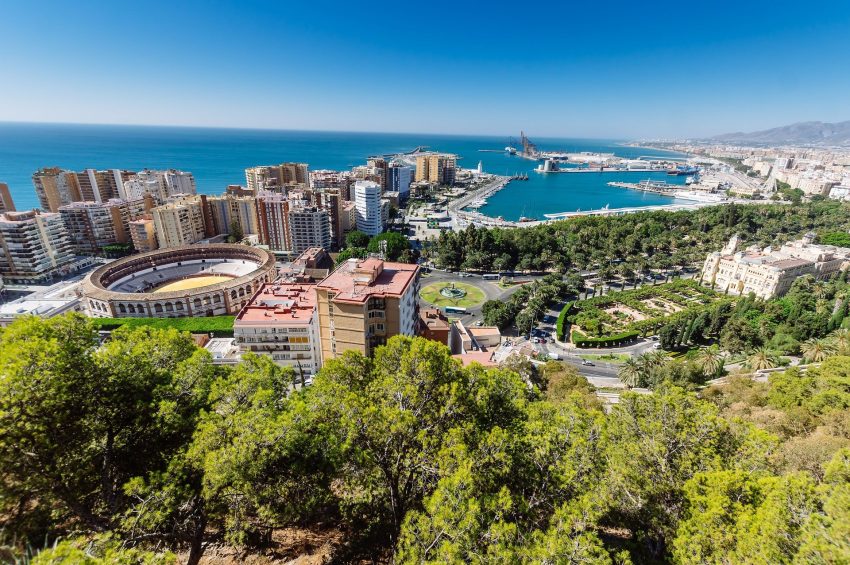
A highlight of visiting Málaga is its strong artistic identity, shaped by being the birthplace of Pablo Picasso. The Picasso Museum offers a fascinating glimpse into the artist's works, while the city itself boasts a dynamic arts scene with galleries and street art adding to its charm. Overlooking Málaga is the Gibralfaro Castle, where visitors can admire breathtaking panoramic views of the city and the coastline, ideal for capturing memorable moments.

Beyond culture, Málaga’s gastronomy is a delight for food lovers. Tapas bars serve fresh seafood, traditional Andalusian specialties, and innovative fusion dishes, all accompanied by excellent local wines. The city’s relaxed yet sophisticated atmosphere makes dining an experience in itself, whether it’s enjoying espetos (grilled sardines) on the beach or discovering hidden culinary gems in the historic center. Málaga’s combination of coastal beauty, artistic heritage, and lively ambiance makes it an irresistible destination for any traveler.

History of Málaga

Málaga in Antiquity

Málaga boasts a history that stretches back thousands of years, with its origins rooted in Phoenician settlements around 770 BCE. The city served as an essential trading hub, strategically positioned for commerce with other Mediterranean civilizations. Later, the Carthaginians took control, strengthening Málaga’s role as a key maritime center before the Romans arrived, integrating it into the broader Roman Empire.

Málaga During Roman Rule

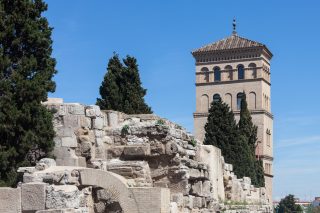
Under Roman governance, Málaga flourished as a prosperous port city, benefiting from infrastructure advancements such as roads, aqueducts, and amphitheaters. The Teatro Romano, still visible today, stands as a testament to this era of cultural development. The city thrived as part of the province of Hispania, with trade and agriculture forming the backbone of its economy.

Málaga During Al-Andalus

With the arrival of the Moors in the early 8th century, Málaga became a vital stronghold within the Emirate of Córdoba. The city’s fortifications were strengthened, leading to the construction of Alcazaba, a stunning palace-fortress that still dominates the skyline. Málaga became a bustling center of commerce and culture, with its port facilitating trade across the Islamic world. During this period, advances in science, architecture, and agriculture shaped the city’s identity.

Málaga in the Christian Reconquest

The year 1487 marked a turning point when Catholic monarchs Ferdinand and Isabella seized Málaga after a grueling siege. The city underwent a transformation, with churches replacing mosques and Christian institutions asserting dominance. Málaga’s Cathedral of the Incarnation stands as a legacy of this era, embodying Renaissance and Baroque architectural styles.

Málaga in the Modern Era

Throughout later centuries, Málaga adapted to industrialization and economic shifts, evolving into a thriving commercial hub. The city played a role in key historical movements, including Spain’s turbulent 19th-century political struggles and the Spanish Civil War. In the modern era, Málaga has emerged as a lively cultural destination, blending historical heritage with contemporary vibrancy, making it one of Spain’s most dynamic cities today.

Moira & Andy
Moira & Andy

Hey! We're Moira & Andy. From hiking the Camino to trips around Europe in Bert our campervan — we've been traveling together since retirement in 2020!

Read our full story here

Visiting Málaga for the first time and wondering what are the top places to see in the city? In this complete guide, I share the best things to do in Málaga on the first visit. To help you plan your trip, I have also included an interactive map and practical tips for visiting!

This website uses affiliate links which earn a small commission at no additional cost to you.

Powered by GetYourGuide

21 Best places to See in Málaga

This complete guide to Málaga not only tells you about the very best sights and tourist attractions for first-time visitors to the city but also provide insights into a few of our personal favorite things to do.

This is a practical guide to visiting the best places to see in Málaga and is filled with tips and info that should answer all your questions!

1. Málaga Cathedral
Catedral de malaga
Catedral de malaga
CC BY-SA 3.0 / Danielmlg86
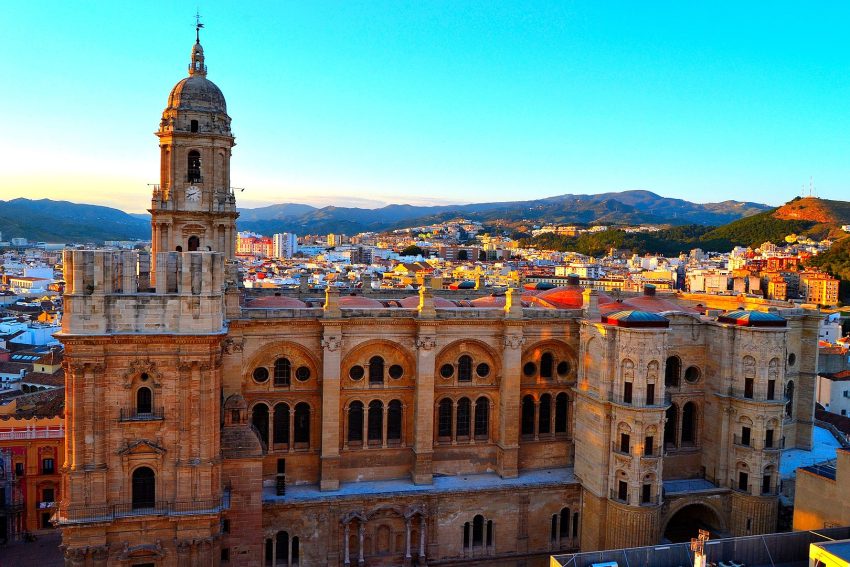
Rising over the old town, Málaga Cathedral is a vast Renaissance church with a richly sculpted Baroque façade, built on the site of the former Great Mosque. Its nickname, “La Manquita” (“the one-armed lady”), comes from the unfinished south tower after construction stalled in 1782. Inside, visitors notice the soaring dome (about 40 metres high), a forest of tall columns, and a luminous marble floor that softens the monumental scale. The carved cedar-wood choir—packed with expressive figures, many by Pedro de Mena—is a standout, and 15 side chapels reward slow looking. The Patio de los Naranjos, shaded by orange trees, preserves a quiet echo of the building’s Islamic past.
Location: Catedral de la Encarnación de Málaga Calle Molina Lario, 9 29015 Málaga Spain | Hours: Monday to Friday: 10:00 – 20:00. Saturday: 10:00 – 18:00. Sunday: 14:00 – 18:00. | Price: Adults: €10.00 | Website | Distance: 0.1km


We recommend to rent a car in Spain through Discover Cars, they compare prices and review multiple car rental agencies. Book your rental car here.

Powered by GetYourGuide

2. Athenaeum of Malaga

Picasso and the Old School of San Telmo
CC BY-SA 2.0 / Miwipedia
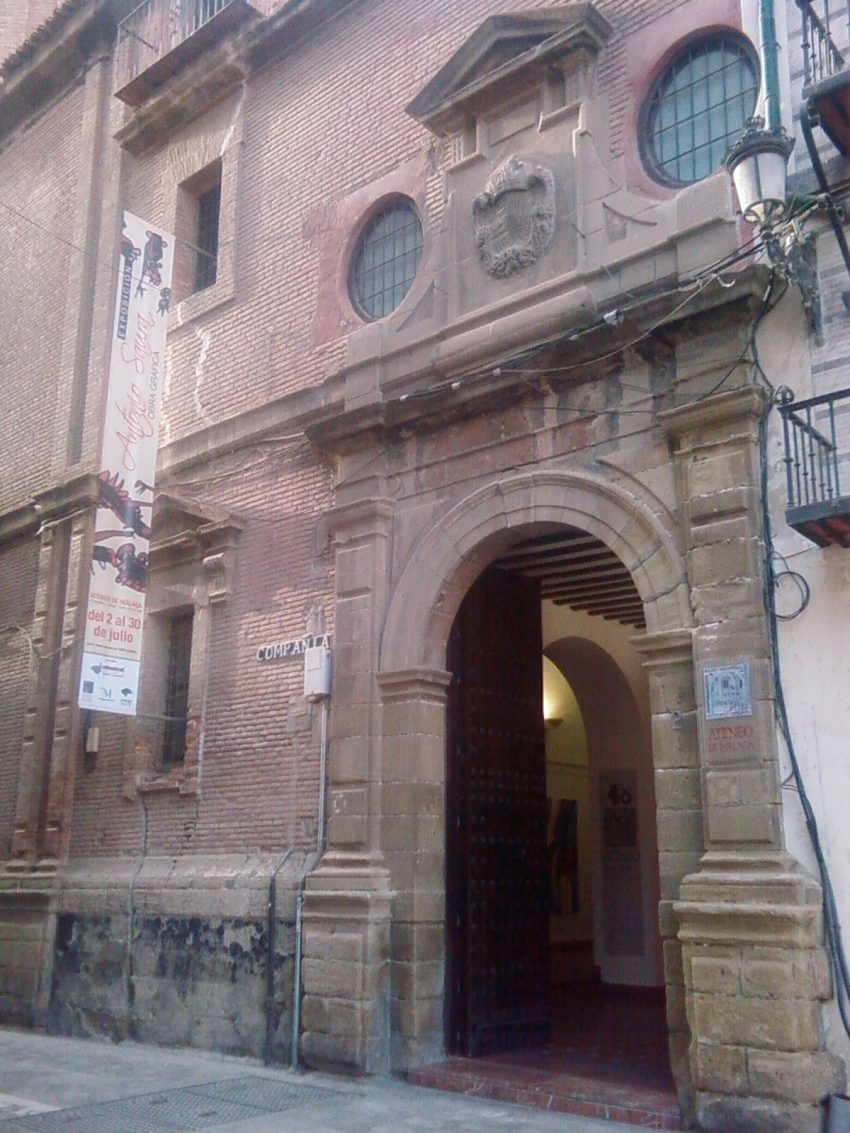
The Athenaeum of Malaga (Ateneo de Málaga) is a civic arts and literary association in central Málaga where locals drop in for small exhibitions, talks, and readings rather than a fixed museum collection. It occupies the San Telmo complex on Calle Compañía, a 17th-century building near Plaza de la Constitución whose rooms still feel like a former place of learning, with layered uses tied to education and the arts. Programming changes often, so what you see depends on the current show, but the setting—arched spaces, period architecture, and a hushed atmosphere—tends to be the lasting memory. There’s also an “Aula Picasso” link: Picasso’s father, José Ruiz Blasco, taught drawing here as a substitute teacher in the late 19th century.
| Hours: Monday – Friday: 12:00–14:00 & 17:30–21:00. Closed on Saturday & Sunday. Closed during August. | Price: Free. | Website | Distance: 0.2km

Here is a complete selection of hotel options in Málaga. Feel free to review each one and choose the stay that best suits your needs.

3. Church of San Agustin

Church of San Agustin Malaga
CC BY-SA 3.0 / Gab416
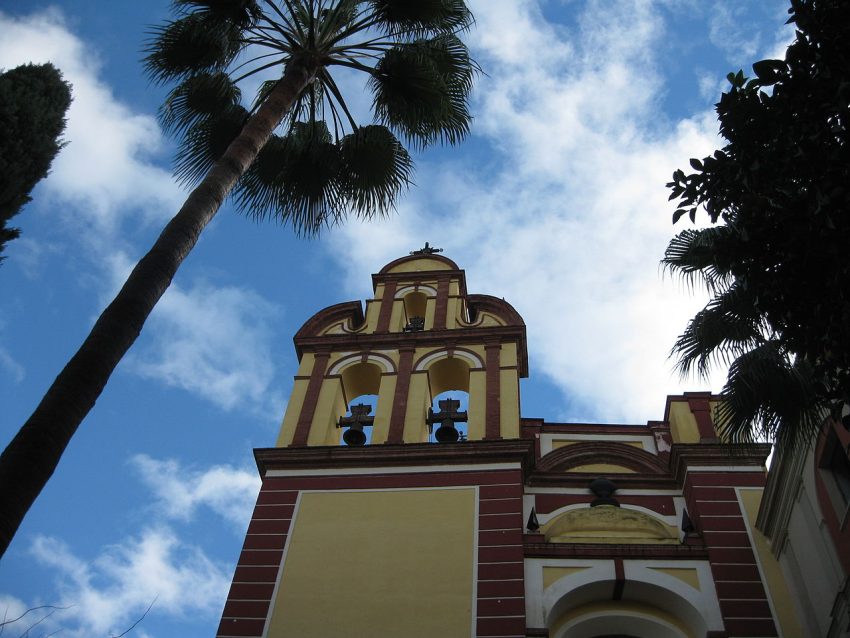
The Church of San Agustín is a small, active Augustinian church on Calle San Agustín in Málaga’s historic centre, valued for its calm interior amid the Old Town bustle. Founded with roots traced to 1575, it later closed in the 19th century and was revived in the early 20th, leaving it feeling like a lived-in monument rather than a museum. Step inside to a compact Baroque space where the eye is pulled toward the main altar and its 1798 retablo linked to José Martín de Aldehuela. Visitors tend to remember the warm stone, side chapels, and devotional artworks—plus the unexpectedly green-toned altar noted in reviews. From the street, the exterior’s colours and threshold pause are part of the appeal.
Location: Church of St. Augustine (Augustinian Fathers) C. San Agustín Distrito Centro 29015 Málaga Spain | Hours: (Summer) 31 May – 30 September; Sunday: 09:30–13:00; Tuesday & Thursday: 18:00–20:00. (Winter) 01 October – 30 May; Sunday: 09:30–13:00; Monday – Wednesday & Friday: 17:30–19:30; Thursday: 17:30–21:00. Closed in August. | Price: Free. | Website | Distance: 0.2km

Traveling to a country with a different currency? Avoid ATM transaction fees and pay in local currency with a Wise Card. Having used it for over 5 years, we've saved loads on fees!

4. Calle Larios

Calle Marques de Larios Malaga
CC BY-SA 3.0 / Mstyslav Chernov
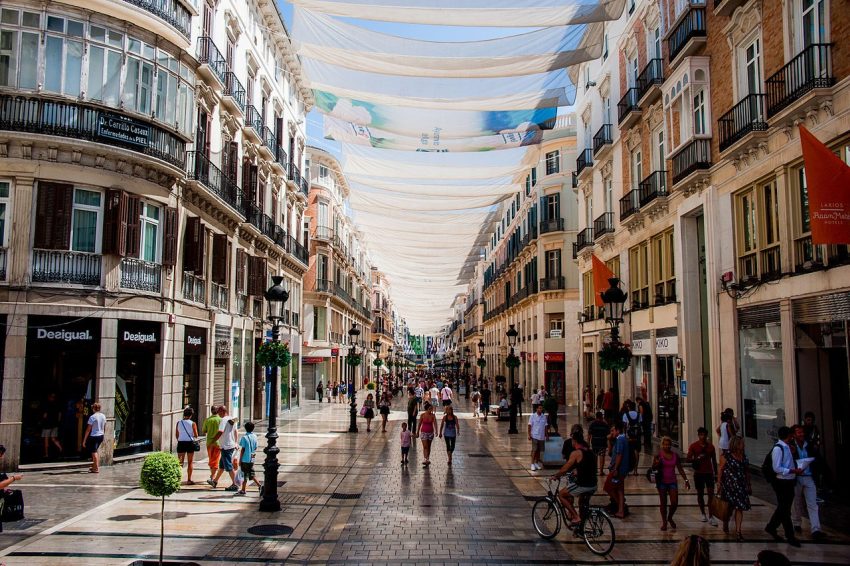
Calle Marqués de Larios is a broad pedestrian boulevard that cuts a straight, elegant line through the historic centre, where the city’s daily strolls, shopping and meet-ups play out from morning to late. Laid with polished stone and framed by harmonised 19th-century façades and balconies, it feels almost like a stage set—especially when summer awnings stretch overhead to cast shade. Opened in 1891 and financed by businessman Manuel Domingo Larios, it still bears his name and his statue stands at the southern end near the port. Come at Christmas for the theatrical light displays, or during Semana Santa and the Feria when processions and celebrations take over the street.
Location: Calle Marqués de Larios 29005 Málaga | Hours: 24 Hours | Price: Free | Distance: 0.2km

Explore Málaga at your own pace with our self-guided walking tour! Follow our curated route to discover must-see sights and local secrets that makes Málaga one of the best places to visit in Spain.

5. Picasso Museum

Museo Picasso Malaga
CC BY-SA 3.0 / Llecco
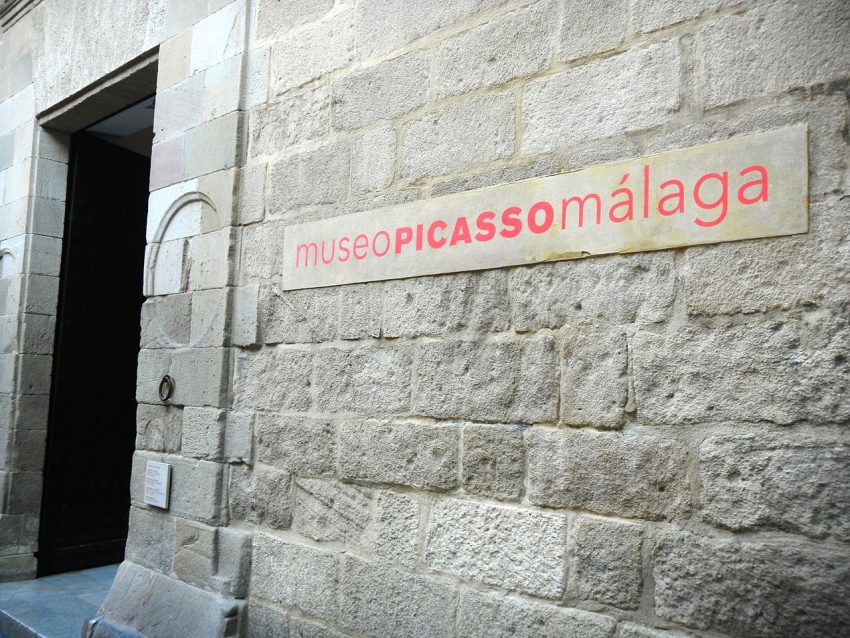
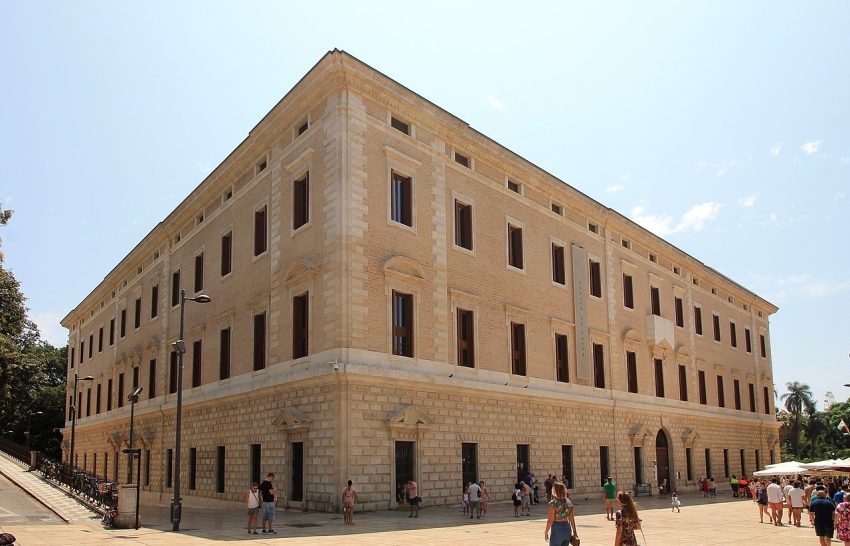
Museo Picasso Málaga is a focused look at Pablo Picasso’s work, set inside the 16th‑century Palacio de Buenavista, where Renaissance architecture frames modern art. The permanent galleries unfold through calm, light-filled rooms with more than 400 works spanning roughly 1920–1970, moving from portraits to Cubist ruptures and later, playful canvases, alongside ceramics, sculptures, drawings, and prints. One memorable counterpoint sits downstairs: glass walkways reveal archaeological layers uncovered during renovation, including Phoenician remains and fragments of old city walls. Temporary exhibitions regularly shift the emphasis, so the experience can feel different on repeat visits. Expect a lively atmosphere—reviews often mention crowds, especially during the free Sunday hours.
Location: Picasso Museum Málaga Palacio de Buenavista Calle San Agustín, 8 29015 Málaga Spain | Hours: Daily 10:00am-18:00 | Price: Adults: €13.00 | Website | Distance: 0.2km

Click here to read our blog about 10 Best Things to Do in Málaga, Spain 2026

Powered by GetYourGuide

6. Museo de Málaga

Palacio de la Aduana Malaga
CC BY-SA 4.0 / Luis García
Museo de Málaga is a combined fine-arts and archaeology museum housed in the neoclassical Palacio de la Aduana, a former customs building whose grand symmetry and airy interior courtyard are part of the visit. The galleries are split across two levels—art upstairs, archaeology below—so you can move from 19th-century Andalusian paintings to objects tracing life in the area from prehistory through the medieval period. Many visitors linger in the tranquil patio for a quiet pause, and the building’s scale, views, and cool, air-conditioned rooms make it feel like a calm reset in the middle of the city. It matters because it gathers Málaga’s artistic identity and its deeper material past under one roof.
Location: Malaga Museum Plaza de la Aduana 29015 Málaga Spain | Hours: (Summer) 16 June – 15 September; Tuesday – Saturday: 09:00–21:00. Sunday & Public Holidays: 09:00–15:00. (Winter) 16 September – 15 June; Tuesday – Saturday: 09:00–20:00. Sunday & Public Holidays: 09:00–15:00. Closed on Monday. Closed on 1 January; 6 January; 1 May; 24 December; 25 December; 31 December. | Price: Free for EU citizens; €1.50 for other visitors. | Website | Distance: 0.3km

7. Iglesia de Santiago
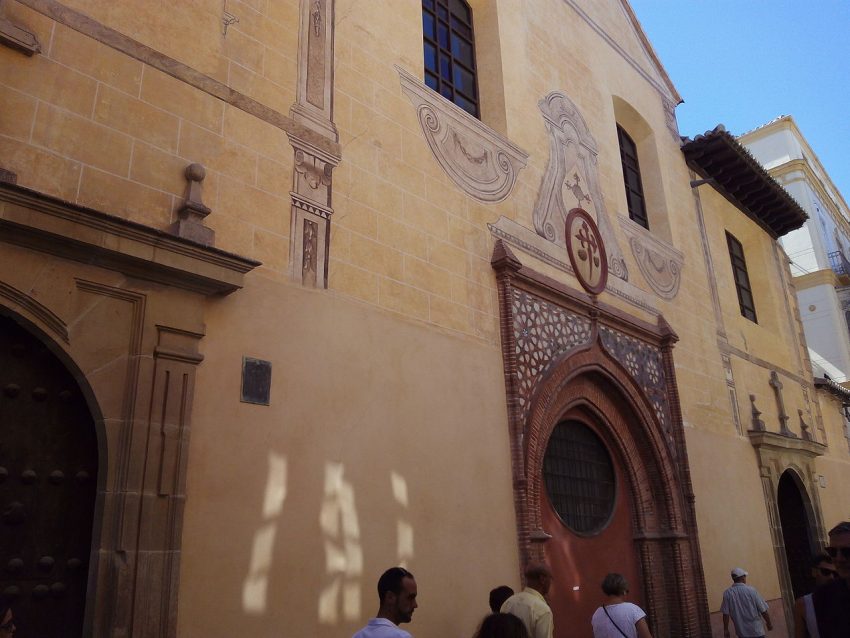
Church of Santiago in Malaga
CC BY-SA 4.0 / Morancio
Iglesia de Santiago is a late-15th-century parish church where the city’s religious layers are still visible in stone. Founded in 1490 and expanded in 1545 over part of an earlier mosque, it blends Gothic and Mudejar elements, with a square tower that retains the feel of a former minaret. Inside, the light drops to a cool hush across three naves, with Baroque works attributed to Alonso Cano and Niño de Guevara, plus carved altarpieces and side chapels. Look for the modest exterior plaque marking Pablo Picasso’s baptism here on 10 November 1881, and the refined 16th-century plateresque chalice with its star-shaped foot and hexagonal body.
Location: Parroquia Santiago Apóstol Málaga Calle Granada, 78 29015 Málaga Spain | Hours: Daily: 9.00 – 13.30 and 18.00 – 20.00 | Price: Free | Website | Distance: 0.3km

8. Roman Theatre
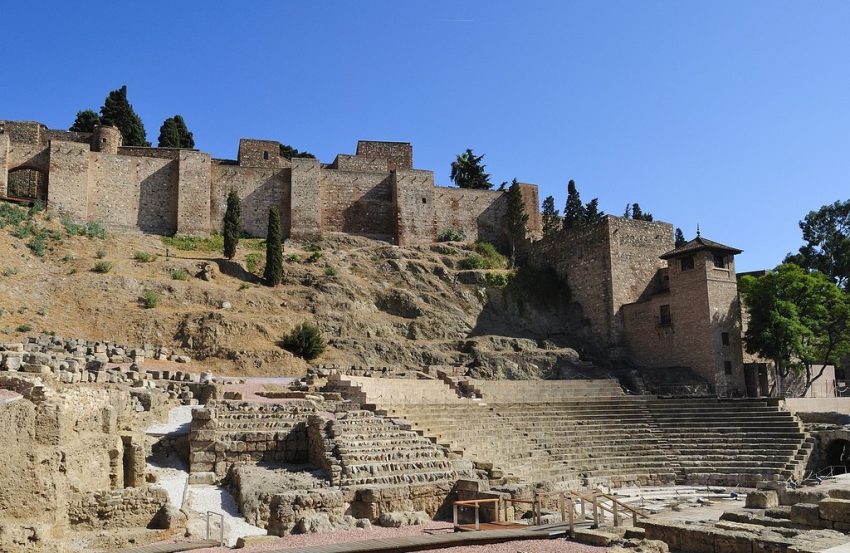
Alcazaba de Malaga with Roman Theater in Foreground
CC BY-SA 2.0 / Maksym Abramov
The Roman Theatre (Teatro Romano) in Málaga, Spain is a 1st-century AD performance space built under Augustus, fanned into the hillside at the foot of the Alcazaba. Its semi-circular cavea still reads clearly in stone, with surviving stage elements and hints of Roman engineering such as drainage and structural supports noted during excavation. After centuries of abandonment and stone reuse, it vanished beneath later buildings until mid-20th-century works uncovered it and triggered full-scale digs. Visitors linger on the stepped seating to picture a crowded audience, then duck into the small interpretation centre for a short audiovisual show and displays, including fragments linked to the Lex Flavia Malacitana.
Location: Teatro Romano de Málaga Calle Alcazabilla, s/n 29015 Málaga Spain | Hours: Summer: From 09.30 to 13.30 and from 17.00 to 20.00. Winter: From 09.30 to 13.30 and from 16.00 to 19.00. | Price: Free | Website | Distance: 0.3km
Powered by GetYourGuide

9. Carmen Thyssen Museum

Outlaws Ambushed in the Cueva del Gato 1869
Public Domain / Manuel Barrón y Carrillo
Set inside the 16th-century Palacio de Villalón, the Museo Carmen Thyssen pairs a serene arcaded courtyard and warm stone staircases with a focused survey of Spanish painting from the 1800s into the early 20th century. The permanent display (around 230 works from the Carmen Thyssen-Bornemisza collection) leans into Andalusian themes—romantic landscapes, costumbrista scenes, bullfights, portraits, and bright seaside light. A former chapel gallery shifts the mood for “Old Masters,” including works linked to Zurbarán and a striking “Santa Marina” by Ezquerra. Beneath the palace, glimpses of Roman remains—garum-making pools and fragments of decorated rooms—add an unexpected archaeological layer to the visit.
Location: Carmen Thyssen Museum Calle Compañía, 10 29008 Málaga Spain | Hours: 10am-8pm Tue-Sun | Price: €10, afternoons 2.30-4pm €6 | Website | Distance: 0.3km

10. Plaza de la Merced
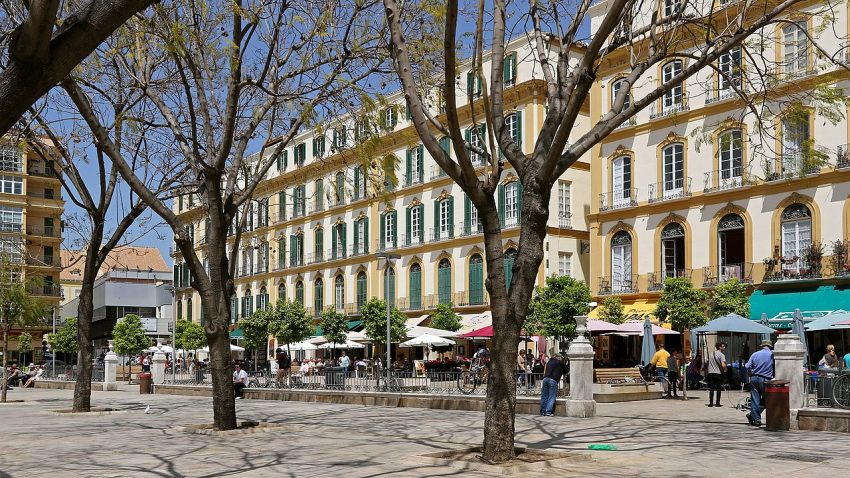
Plaza de la Merced, Malaga, Spain
CC BY-SA 3.0 / Banja-Frans Mulder
Plaza de la Merced is a broad, tree-shaded square at the top of Calle Granada where café terraces, benches, and evening meet-ups keep the atmosphere gently lively. Its center is anchored by the 19th-century Torrijos obelisk, a memorial whose base holds the remains of General José María Torrijos and his executed companions. A more playful landmark is the bronze statue of Pablo Picasso seated with sketchbook in hand, leaving space beside him for a photo or a quiet pause. Just off the square, his birthplace (Casa Natal) adds a personal layer to the setting, while the lost footprint of the former Mercedarian convent hints at the plaza’s long, changeable past.
Location: Plaza de la Merced, 25, 29012 Málaga, Spain | Hours: 24 Hours | Price: Free | Distance: 0.4km

11. Mercado de Atarazanas

Stained Glass Window at Mercado de Atarazanas, Malaga
CC BY-SA 2.0 / Maksym Abramov
Mercado de Atarazanas is a covered food market set inside a 19th-century wrought-iron and glass hall built around a preserved Moorish horseshoe arch—an echo of the shipyard gateway that once stood here. Step in and you’ll notice the cathedral-like glow from the huge neo-Arabic stained-glass window, throwing color across the aisles. The market is divided into seafood, meat, and produce sections, with counters of anchovies, prawns and octopus, hanging jamón and charcuterie, and pyramids of citrus and other sun-ripe fruit. Along the edges, small bars sizzle out tapas and crisp fried pescaíto while vendors call out the day’s best deals.
Location: Mercado Central de Atarazanas Calle Atarazanas, 10 29005 Málaga Spain | Hours: Monday to Saturday from 8 am. to 3 pm. | Price: Free | Website | Distance: 0.4km

12. Alcazaba
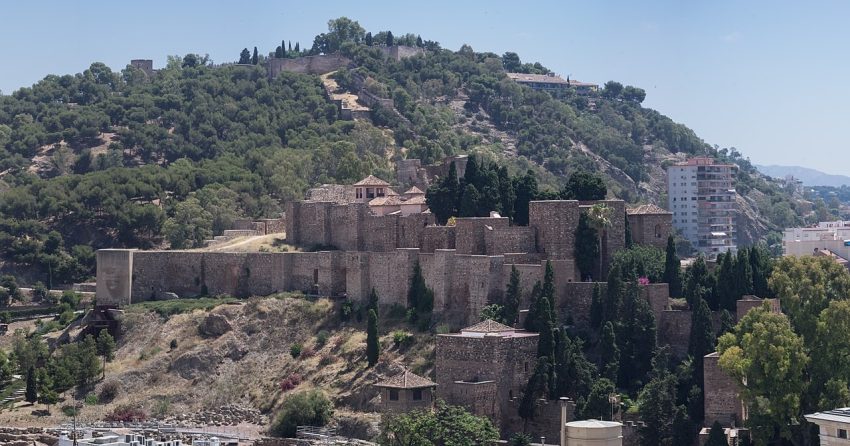
Alcazaba de Malaga from the Catedral
CC BY-SA 4.0 / Pedro J Pacheco
Perched on a rocky hill above the old centre, the Alcazaba is an 11th-century Moorish fortress-palace layered over earlier Phoenician and Roman remains, with the Roman Theatre tucked against the slope below. Entry winds through zig-zagging gates and ramps designed to slow attackers, then opens into a calmer world of patios, fountains, and gardens where water channels and reflective pools cool the stone. The inner palaces show Nasrid-style arches and arcades, giving the complex an intimate, Alhambra-like feel. From the walls and towers, views sweep over the port and rooftops, and on clear days the bay beyond. Visitors often remember the quiet courtyards after the climb and the sense of moving through stacked centuries.
Location: Alcazaba Calle Alcazabilla, 2 29012 Málaga Spain | Hours: Summer: 9am to 8pm. Winter: 9am to 6pm. | Price: Overall: 3,50 € Visit Alcazaba-Gibralfaro: 5,50 € Free tour every Sunday at 2 pm. | Website | Distance: 0.4km
Powered by GetYourGuide

13. Teatro Cervantes

Teatro Cervantes Malaga
CC BY-SA 2.0 / rey perezoso
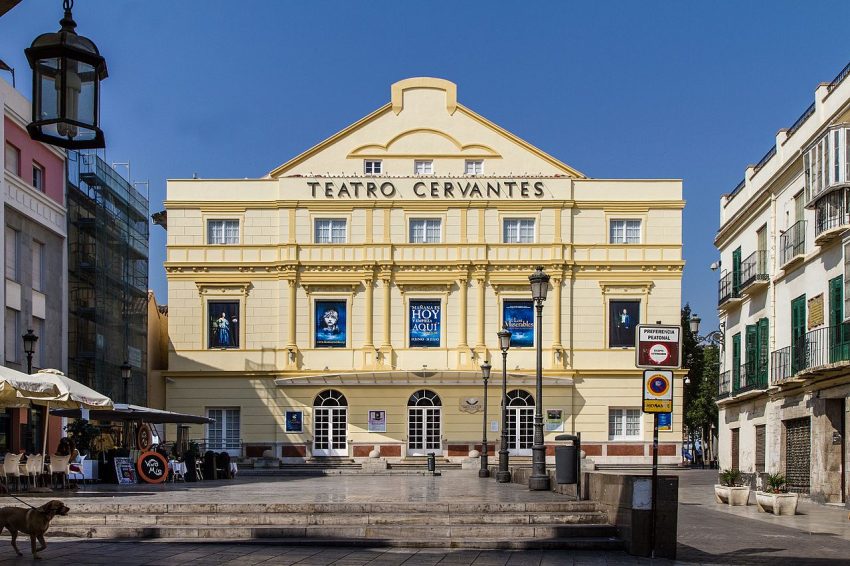
Teatro Cervantes is Málaga’s oldest working theater, opened in 1870 after a fire destroyed the earlier Teatro Príncipe Alfonso, and it still anchors the city’s performing-arts calendar. Inside, visitors notice the polygonal layout and horseshoe-shaped stalls, with four levels rising from the main floor to box tiers and an upper gallery. Look up for the oil-painted ceiling by Bernardo Ferrándiz and collaborators, depicting 19th-century Málaga—its port, trade, and industry—like a mural overhead. With around 1,200 seats, it hosts everything from opera and Shakespeare to concerts and the Málaga Film Festival, and many travelers remark on how beautifully preserved the hall feels.
Location: Teatro Cervantes Calle Ramos Marín, 1 29012 Málaga Spain | Website | Distance: 0.5km

14. Museo Casa Natal
Casa Natal de Pablo Picasso
CC BY-SA 2.0 / Maksym Abramov
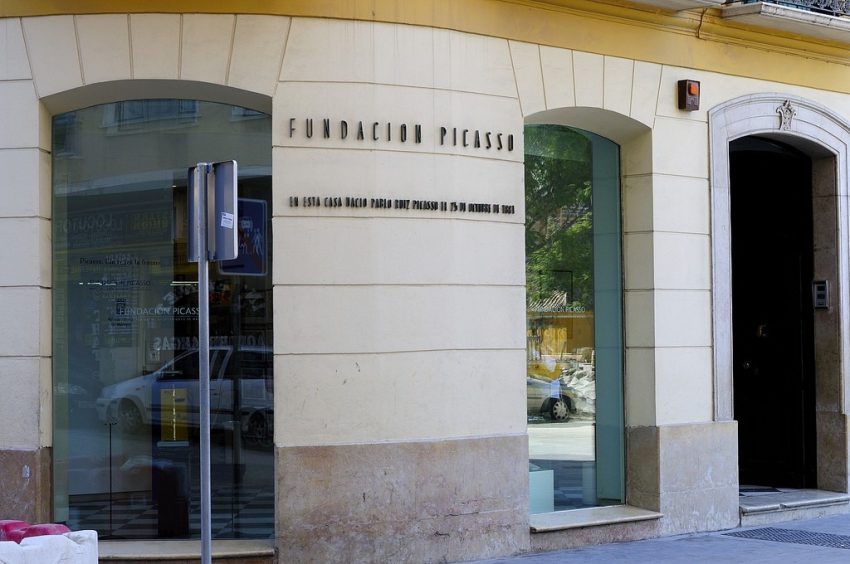
Museo Casa Natal is the modest corner townhouse on Plaza de la Merced where Pablo Picasso was born in 1881 and spent his earliest years, giving the visit an intimate, domestic scale rather than a grand-gallery feel. Rooms are stocked with family photographs, letters, and personal objects that anchor the story in everyday life, alongside early works that hint at what was coming. The ground floor often hosts temporary exhibitions mixed with childhood-era artifacts, while the first floor pairs pieces by Picasso with paintings by his father, José Ruiz Blasco, tracing a formative artistic dialogue. Upper levels include a specialist library and research centre, and visitors often note how small the museum is—easy to absorb in a short stop.
Location: Museo Casa Natal de Picasso Plaza de la Merced, 15 29012 Málaga Spain | Hours: 9:30 a.m. to 8:00 p.m | Price: Birthplace Museum (Plaza de la Merced, 15): €3. Temporary exhibition (Exhibition hall at Plaza de la Merced, 13): €3. Combined ticket: €4 | Website | Distance: 0.5km

15. Museo del Vidrio y Cristal

Museo del Vidrio y Cristal view
CC BY-SA 3.0 / Tyk
Housed in a restored three-story 18th-century mansion, the Museo del Vidrio y Cristal feels like stepping into a private home arranged around a traditional Andalusian courtyard. Sixteen rooms are staged as lived-in salons, dining spaces, and bedrooms where gleaming glass and crystal share the scene with portraits, antique furniture, tapestries, and carved mirrors. The collection spans well over a thousand objects, from Phoenician and Roman fragments to Venetian-influenced pieces and refined 19th- and 20th-century tableware. Pre-Raphaelite stained-glass windows cast colored light that makes the displays feel especially intimate. Many visitors remember the personal, story-filled atmosphere noted in reviews, more than a conventional gallery rhythm.
Location: Plazuela Santísimo Cristo de la Sangre 2 | Hours: Tuesday to Sunday, from 11:00 to 19:00h. | Price: Adults: €8 | Website | Distance: 0.6km

16. Port of Málaga

malaga
malaga
Set on a sheltered bay below the Gibralfaro hill, the Port of Málaga is Spain’s oldest continuously operating harbor, founded by Phoenicians around 1000 BC when “Malaka” was tied to salt and fish-curing on early quays. Today it’s both working waterfront and social promenade, where ferries and cruise ships share the water with marina strolls and outdoor terraces. Muelle Uno curves past yachts, restaurants, and the colorful glass cube of Centre Pompidou Málaga. Next door, Muelle Dos becomes the Palmeral de las Sorpresas, a palm-lined walk with fountains, sculptures, and shaded benches. Around sunset, the bay glows as ship lights and the city reflect on the water.
Location: Paseo del Muelle Uno, 1, 29016 Málaga, Spain | Hours: 24 Hours | Price: Free | Distance: 0.6km

17. Museo del Patrimonio Municipal
Old Municipal Museum Malga
CC BY-SA 2.0 / Miwipedia
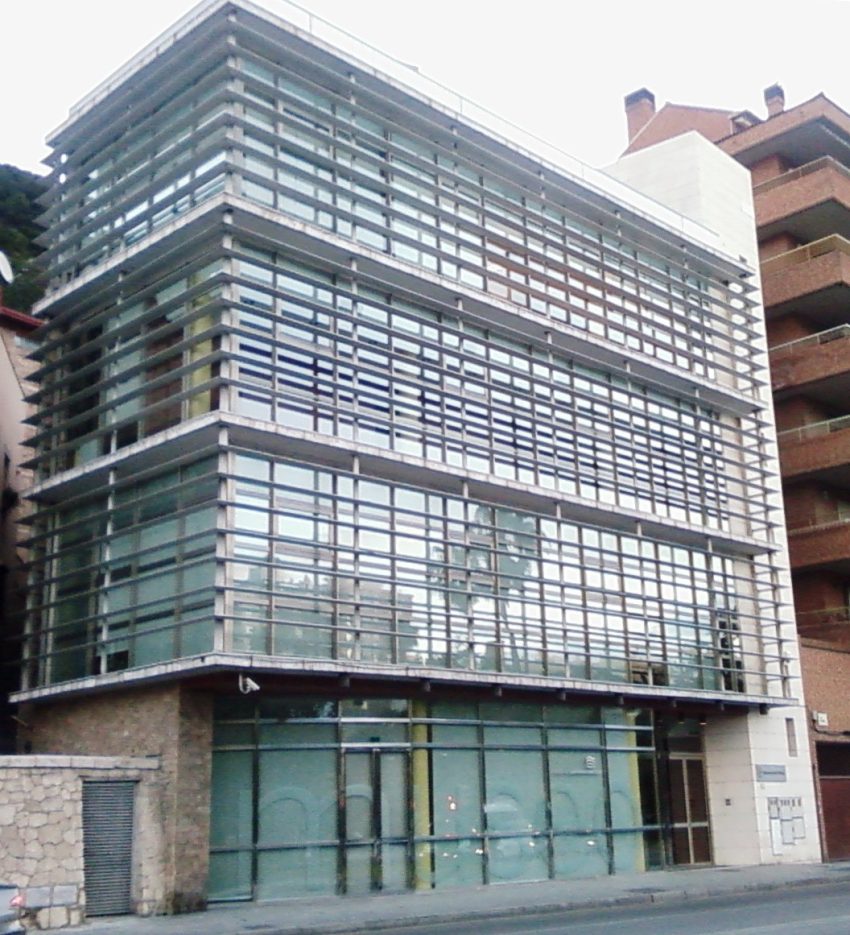
Museo del Patrimonio Municipal (MUPAM) is a municipal museum that traces the city’s identity through art and objects gathered from the City Council’s own collections. Set in a clean, glass-fronted, five-floor building that once served as a Guardia Civil headquarters, it pairs a contemporary feel with a tightly curated story spanning centuries. The permanent display is organized into three rooms: 15th–18th century works shaped by religious and political change, a 19th-century section evoking the first municipal museum (including Carlos Haes), and 20th-century-to-now pieces tied to local scholarships and initiatives, with a surprise group of Picasso-painted ceramics. Temporary exhibitions in the newer wing add fresh angles on local culture.
Location: Museo del Patrimonio Municipal Paseo Reding, 1 29016 Málaga Spain | Hours: Tuesday to Sunday from 10 am. to 2 pm. and from 5 pm. to 8 pm. Summer (from June 1): Tuesday to Sunday, from 10 am. to 2 pm. and 6 pm. to 9 pm. On Mondays is closed. | Price: Free for EU citizens, 1.50 euro for others | Website | Distance: 0.7km

18. Malagueta Bullring
View of Malaga from Castillo Gibralfaro. Spain
CC BY-SA 3.0 / Ввласенко
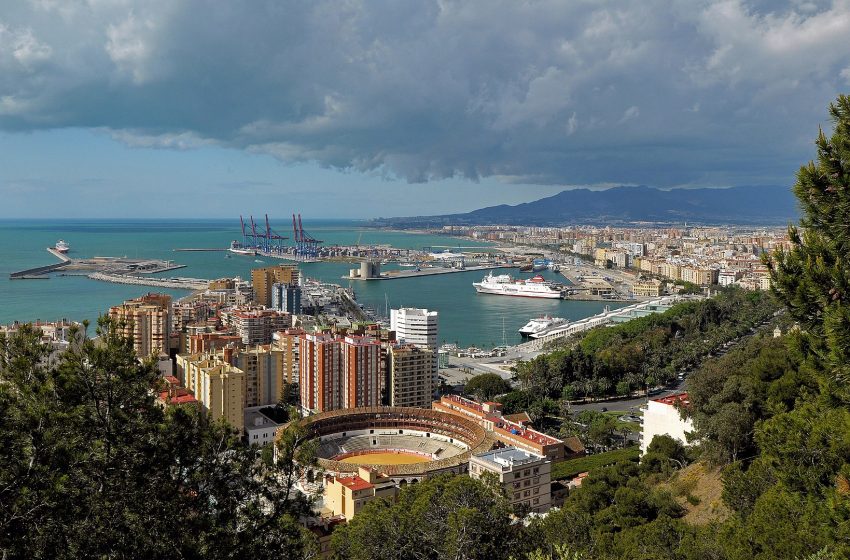
La Malagueta Bullring is Málaga’s 19th-century neo‑Mudéjar plaza de toros, a honey-toned brick arena set just behind the city beach. Opened in 1876 and designed by Joaquín Rucoba, it’s built as a 16-sided ring, with horseshoe-like arches and patterned façades that stand out even from the street. When the venue is open to visitors, you can look down into the sanded arena and follow the small bullfighting museum route, with suits, posters, and memorabilia linked to matador Antonio Ordóñez. In season (roughly April–September), the calendar includes Semana Santa events and the Corrida Picassiana, where costumes reference Málaga-born Pablo Picasso. Reviewers often mention clear signage, an audio guide, and an uncrowded feel.
Location: Paseo de Reding, 8 29016 Málaga | Hours: Daily: 10:00 AM – 6:00 PM | Price: Adult Bullring Tour: €14 | Website | Distance: 0.8km

19. Castillo de Gibralfaro
Entrance of Castillo de Gibralfaro, Malaga
CC BY-SA 3.0 / Danielmlg86
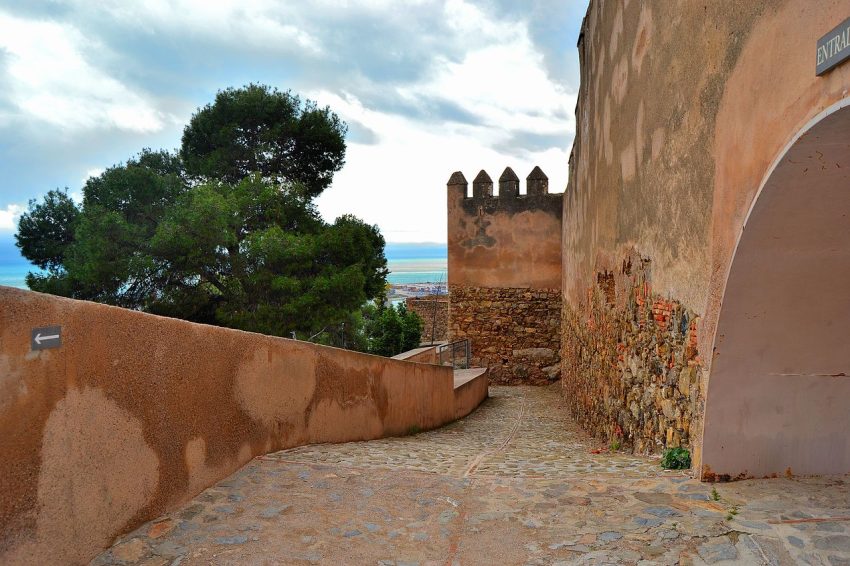
Castillo de Gibralfaro crowns a pine-scented hilltop fortress above the old town, built to defend the Alcazaba and the harbour approaches. A full circuit of ramparts and towers lets you roam freely, with shifting panoramas over the bullring, cathedral, port, beaches, and—on clear days—the Straits of Gibraltar. Inside, the shell of courtyards and parade-ground spaces is punctuated by the Torre Mayor and deep cisterns, including the Airón well cut some 40 metres into rock. The name “mountain of light” recalls its earlier role as a beacon site, later strengthened under Abd-al-Rahman III and expanded by Yusef I. Visitors remember the steep climb, breezy viewpoints, and swifts skimming the walls.
Location: Castillo Gibralfaro Camino Gibralfaro, 11 29016 Málaga Spain | Hours: Winter: From November 1st to March 31st, 9:00 AM to 6:00 PM (last entry at 5:00 PM) Summer: From April 1st to October 31st, 9:00 AM to 8:00 PM (last entry at 7:00 PM) | Price: Adults: €7.00, incl Alcazaba €10.00 | Website | Distance: 0.9km

20. Aqueduct of San Telmo
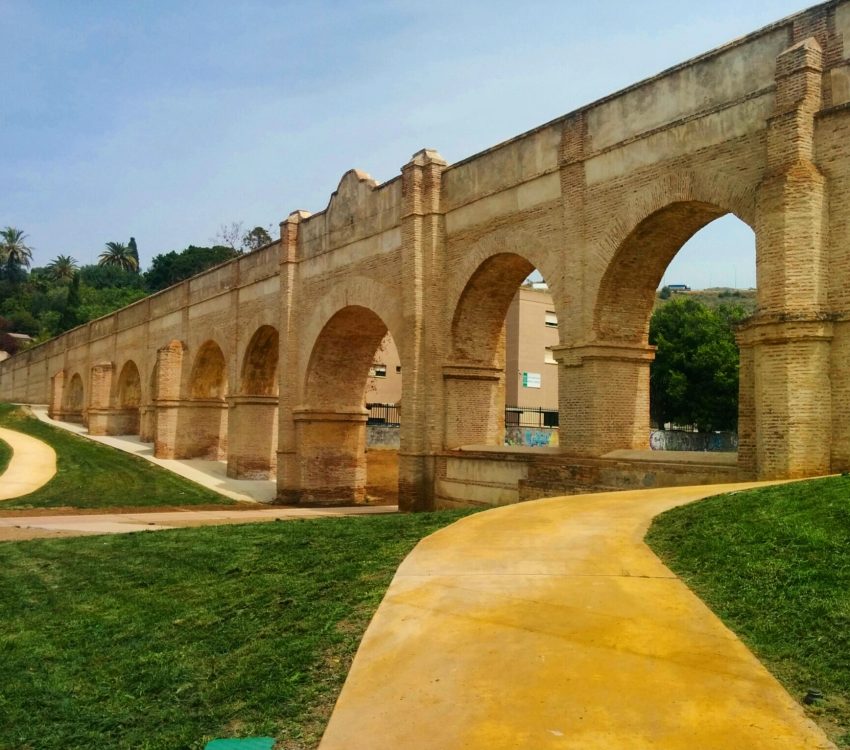
Acueducto de San Telmo
CC BY-SA 4.0 / JamesNarmer
The Aqueduct of San Telmo is an 18th-century waterworks threaded through the hills above Ciudad Jardín, built to carry fresh water from the Guadalmedina River into the growing port. At its peak it ran for over 10 km, spanning ravines on 33 bridges and 30 aqueduct sections—an engineering chain of stone arches and covered channels that still appears in scattered, photogenic fragments. Commissioned by Bishop Molina Lario, it also helped supply what is now the La Concepción Historical-Botanical Garden. Visiting today feels like tracking a half-hidden monument: arches beside modern roads, short stretches of masonry on slopes, and occasional viewpoints over green gullies. Reviews often mention it’s free to see, with nearby parking and a small park.
Location: Acueducto San Telmo Ciudad Jardín Calle Llobregat, 14 29014 Málaga Spain | Hours: 24 Hours | Price: Free; surviving sections are viewed from public roads, paths, and open spaces. | Website | Distance: 3km

21. Jardin Botanico Malaga
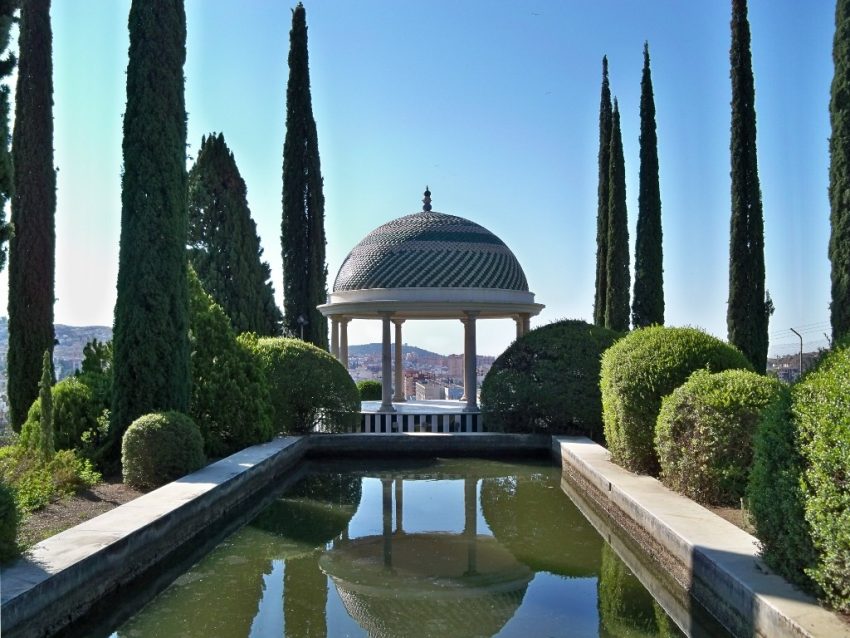
Mirador Historico La Concepcion
CC BY-SA 4.0 / Daniel Capilla
Jardín Botánico Histórico La Concepción is a 23-hectare, English-style landscape garden created in the 1850s as a private estate, now protected as a historic-artistic garden. Just north of the centre, it feels noticeably cooler, with winding terraces, shady groves, and the constant presence of birdsong and running water. Visitors remember the exotic plant scenes: towering palms, a dark bamboo corridor, and a pergola smothered in wisteria that blooms dramatically in spring. The “Around the World in 80 Trees” route turns a stroll into a quiet geography lesson, with specimens grouped by continent and labelled for easy browsing. From the upper mirador, the city and Mediterranean reappear in the distance.
Location: Histórico La Concepción Botanical Garden Camino del Jardín Botánico, 3 29014 Málaga Spain | Hours: From April 1st to September 30th: From 09:30 to 20:30 h From October 1st to March 31st: From 09:30 to 17:30 h | Price: Adults: €5.20 | Website | Distance: 4.5km

Best Day Trips from Málaga

A day trip from Málaga offers the perfect opportunity to escape the urban rhythm and discover the surrounding region's charm. Whether you're drawn to scenic countryside, historic villages, or cultural landmarks, the area around Málaga provides a variety of easy-to-reach destinations ideal for a one-day itinerary. If you are looking to rent a car in Spain I recommend having a look at Discover Cars, first, as they compare prices and review multiple car rental agencies for you.

1. El Caminito del Rey
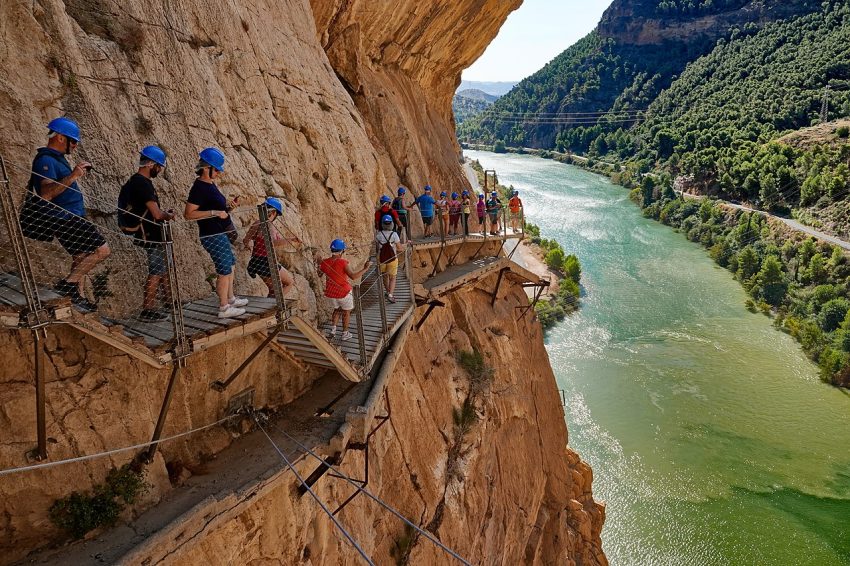
Walking along Caminito del Rey
CC BY-SA 4.0 / Eliza Saroma-Stepniewska
El Caminito del Rey, near Málaga in southern Spain, is a cliffside walking route through the Desfiladero de los Gaitanes gorge. The trail follows a restored boardwalk fixed to the rock above the Guadalhorce River, with sections that run high over the canyon floor and narrow passages between limestone walls.It is known for its mix of exposed scenery and industrial…
Location: Caminito del Rey El Caminito del Rey 29550 Málaga Spain | Hours: Tue-Sun: From 9.00am-17:20pm (Apr-Oct, to 14:5) | Price: Adults: €10; Guided visit: €18; shuttle bus is approximately €1.55 extra per person. | Website | Distance: 41.4km
Visiting El Caminito del Rey
Powered by GetYourGuide

2. Marbella

Marbella
Marbella
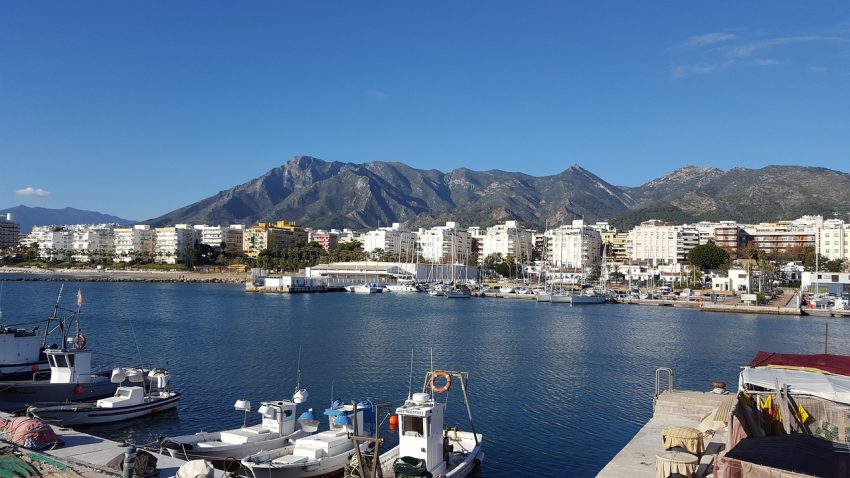
Marbella is a city and municipality in southern Spain, located in the province of Málaga within the autonomous community of Andalusia. Situated on the Costa del Sol, Marbella serves as the headquarters of the Association of Municipalities of the region and is the head of its judicial district. Visiting Marbella offers a mix of laid-back beach life, upscale glamour, and…
Visiting Marbella
Powered by GetYourGuide

3. Río Chillar

RioChillar3
RioChillar3
CC BY-SA 3.0 / Er Komandante
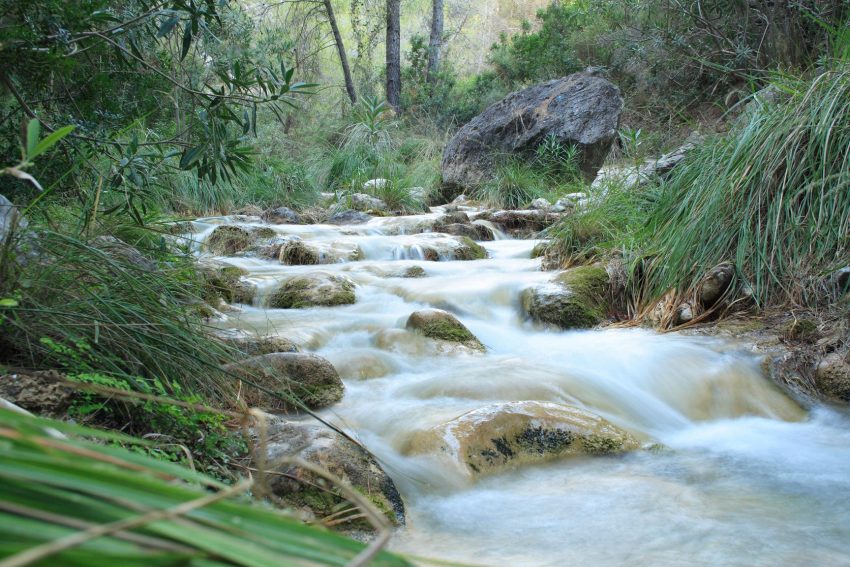
Río Chillar is a river walk near Málaga, in the Nerja area of the Costa del Sol, where the route runs directly through the water instead of along a normal path. The river cuts through narrow gorges, smooth rock walls and pebbly sections, so the walk feels part hike, part wade. In summer, the shade and cold water make it…
Location: Rio Chillar 29780 Nerja Málaga Spain | Hours: There are no formal opening hours, but it’s best to start early in the morning to avoid the heat and allow plenty of time to walk back in daylight. | Price: Free | Distance: 48.6km
Visiting Río Chillar

4. Caves of Nerja

Nerjas cave
Nerjas cave
CC BY-SA 2.0 / Mark Nakasone
The Caves of Nerja in Málaga, Spain, are a large limestone cave complex near the village of Maro, a short distance from Nerja. The visitor route runs through the public gallery, where carefully lit paths lead past high chambers, thick columns, hanging stalactites, and broad rock halls shaped by water over a very long period.They matter as much for archaeology…
Location: Fundación Cueva de Nerja Carr. de Bajada a Playa de Maro 29787 Málaga Spain | Hours: Summer: 9:30 a.m. – 7:00 p.m. Winter: 9:30 a.m. – 4:30 p.m. | Price: Adults: €16.50; with train ride: €20.50 | Website | Distance: 51.4km
Visiting Caves of Nerja

5. Ronda

View of Ronda, Spain
Flickr / Jose Ramirez
Ronda sits high in the hills of Spain’s Andalusia region, in the province of Málaga, and feels a world away from the busy Costa del Sol. Perched dramatically above the El Tajo gorge, it offers sweeping views of rugged countryside, distant mountains, and the whitewashed villages scattered across the Serranía de Ronda. It’s an easy city to navigate on foot,…
Visiting Ronda
Powered by GetYourGuide

6. Granada

View of Alhambra
View of Alhambra
CC BY-SA 1.0 / Jebulon
Visiting Granada is an unforgettable experience that combines breathtaking scenery, rich cultural traditions, and an atmosphere that’s both vibrant and relaxed. The city is compact and walkable, making it easy to explore its distinct neighborhoods—from the winding alleys of the Albaicín to the elegant boulevards near the city center. Granada's setting at the foot of the Sierra Nevada mountains adds…
Visiting Granada
Powered by GetYourGuide

7. Algeciras

spain Algeciras
spain Algeciras
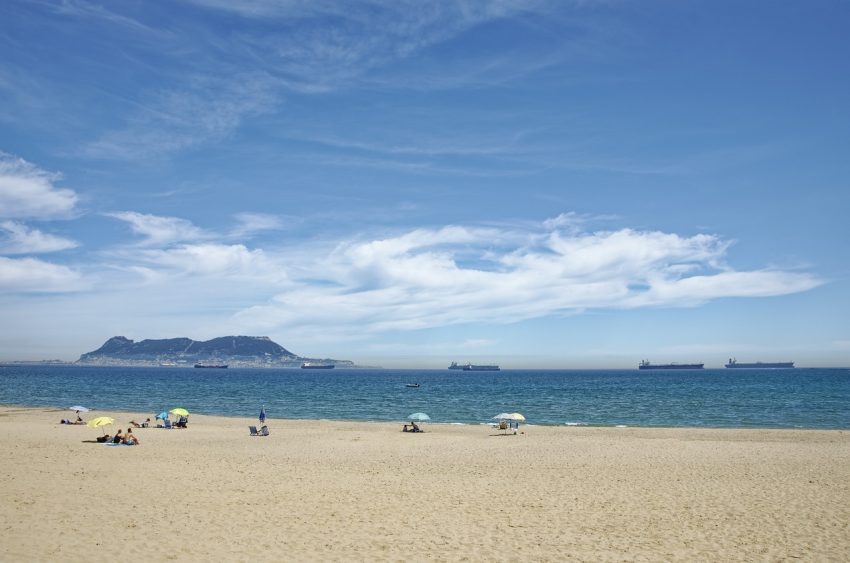
Algeciras, located on the southern coast of Andalusia, is a dynamic port city offering a blend of maritime charm and local culture. As one of Spain's busiest harbors, it serves as a gateway to North Africa, yet beneath its industrial façade, visitors can uncover vibrant markets, scenic seaside promenades, and authentic Andalusian hospitality. The city's coastal setting provides opportunities to…
Visiting Algeciras
Powered by GetYourGuide

8. Ciudad de Ceuta

Ciudad de Ceuta
Ciudad de Ceuta
CC BY-SA 3.0 / JJ Producciones
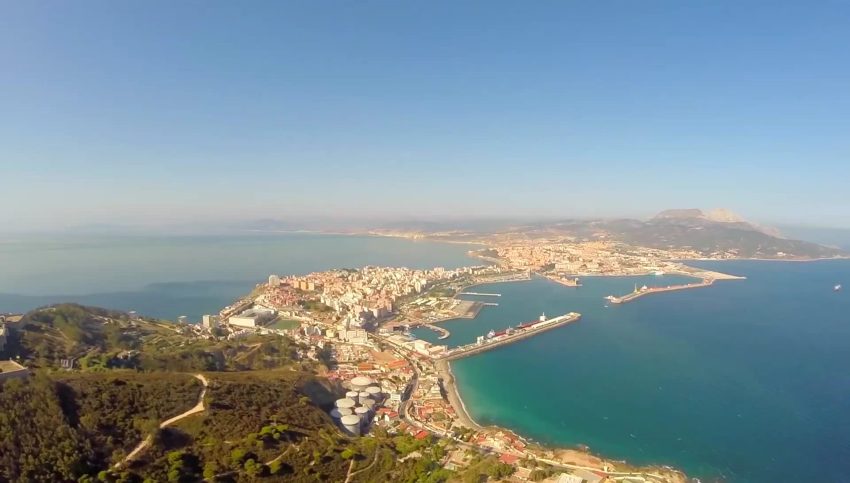
Ceuta, a Spanish autonomous city spanning 18.5 km², is situated on the northern coast of Africa. It is separated from the Cadiz province on the Spanish mainland by the 14 km-wide Strait of Gibraltar and shares a 6.4 km land border with Morocco's M'diq-Fnideq Prefecture. Positioned at the meeting point of the Mediterranean Sea and the Atlantic Ocean, Ceuta is…
Visiting Ciudad de Ceuta
Powered by GetYourGuide

9. Arcos de la Frontera

Arcos de la Frontera
CC BY-SA 2.0 / Luis Rogelio HM
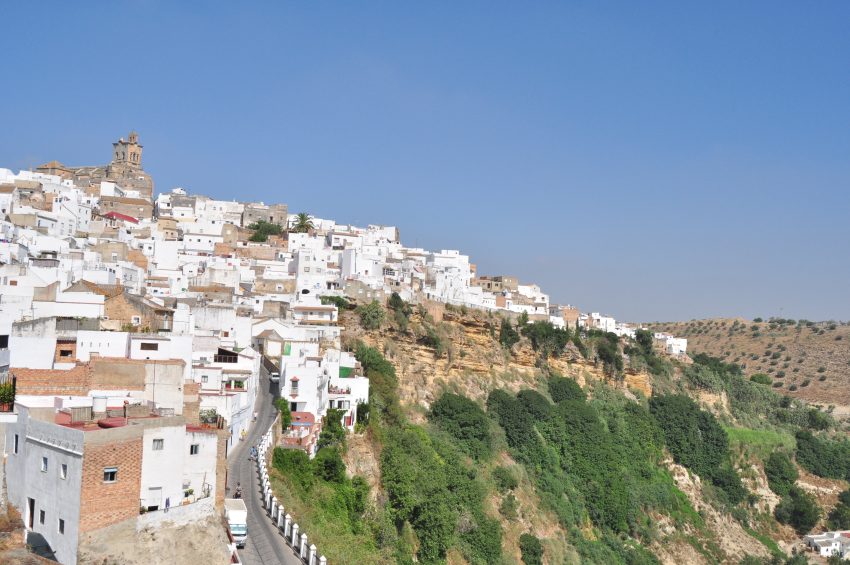
Nestled between countryside and mountains, this town showcases a blend of both landscapes and is intersected by two rivers, the Guadalete and the Majaceite. The Guadalete River feeds into the Bornos and Arcos Reservoirs, both declared Natural Beauty Spots due to their exemplary wetland environments. A portion of the town lies within the boundaries of Los Alcornocales Natural Park. Perched…
Visiting Arcos de la Frontera
Powered by GetYourGuide

10. Jaén

Jaen Andalucia Spain
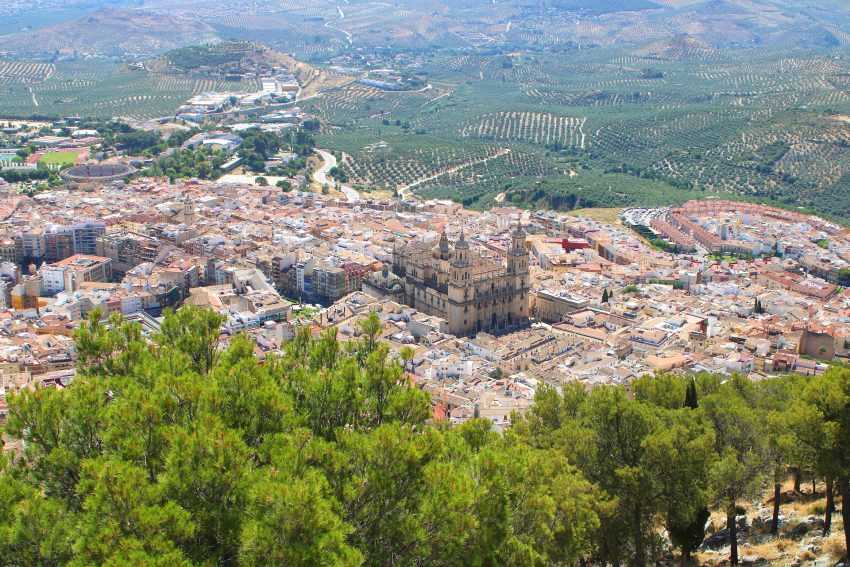
Jaén, located in the heart of Andalusia, is an underrated gem surrounded by vast olive groves, earning its reputation as the world's olive oil capital. Set against the backdrop of the Santa Catalina mountains, the city's steep, narrow streets create a distinctive layout that invites exploration. Wandering through its historic center, visitors can discover quiet plazas, whitewashed buildings, and hidden…
Visiting Jaén
Powered by GetYourGuide

11. Córdoba

Roman Bridge and Mezquita, Cordoba
CC BY-SA 2.0 / shaorang
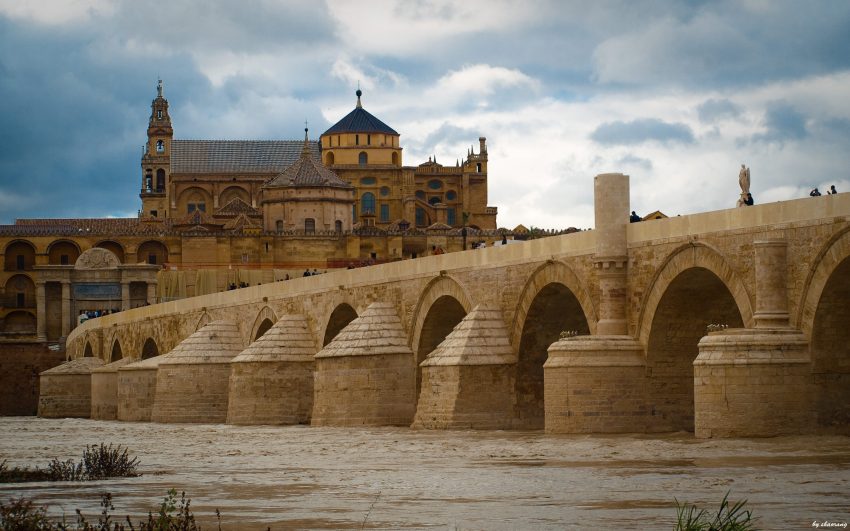
Córdoba, located in the Andalusia region of southern Spain, is a city that effortlessly blends rich culture, stunning architecture, and a vibrant atmosphere. As you walk through its charming streets, you’ll find yourself surrounded by picturesque courtyards adorned with colorful flowers, bustling markets, and an unmistakable Andalusian charm. The city is a wonderful place to explore on foot, allowing you…
Visiting Córdoba
Powered by GetYourGuide

12. Seville

Monumental Plaza de Espana de Sevilla
CC BY-SA 3.0 / Francisco Colinet
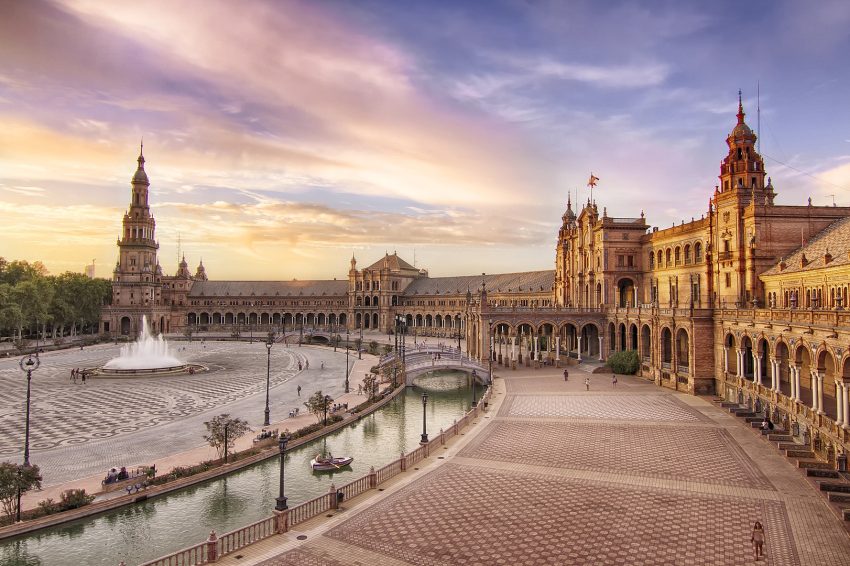
Seville is a city that captivates visitors with its vibrant atmosphere, stunning architecture, and rich cultural experiences. Whether you're wandering through the narrow streets of Barrio Santa Cruz, admiring the colorful tiles of Plaza de España, or indulging in authentic tapas, every corner of Seville offers something special. The city’s warm climate and lively energy make it an ideal destination…
Visiting Seville
Powered by GetYourGuide

Where to Stay in Málaga

Málaga offers a variety of neighborhoods that cater to different travel styles, whether you prefer the lively city atmosphere, beachfront relaxation, or a quieter retreat. The Historic Center is perfect for those who want to be at the heart of the action, with its charming streets, cultural landmarks, and bustling tapas bars. Staying here means being within walking distance of key sights like the Picasso Museum and the Cathedral of Málaga. A great accommodation option in this area is Hotel Molina Lario, known for its rooftop terrace and stylish design.

For beach lovers, La Malagueta is the ideal place to stay. This coastal neighborhood is home to Málaga’s main urban beach, offering a mix of seaside dining, promenade walks, and easy access to the city center. It’s a fantastic choice for those looking to combine beach relaxation with city exploration. A comfortable stay in this area can be found at Gran Hotel Miramar, a luxurious five-star hotel with stunning sea views and elegant interiors.

If you’re after a more local and tranquil experience, Pedregalejo is an excellent option. This former fishing village boasts a laid-back vibe, cozy cafés, and smaller beaches that are less crowded than La Malagueta. It’s a great spot for travelers who enjoy authentic Andalusian charm while still being close to the city center. A recommended stay here is La Moraga de Poniente, a boutique guesthouse offering a warm and relaxed atmosphere.

Using the our Hotel and Accomodation map, you can compare hotels and short-term rental accommodations in Málaga. Simply insert your travel dates and group size, and you’ll see the best deals for your stay.

Málaga Accommodation Map

Best Time to Visit Málaga

The best time to visit Málaga, Spain, depends on your preferences for weather, activities, and crowd levels. Here’s a breakdown of the seasons:

  1. Spring (March to May): Spring is a fantastic time to visit Málaga, with mild temperatures and blooming flowers adding to the city’s charm. The weather is comfortably warm, making it ideal for exploring outdoor attractions such as the Alcazaba fortress, Gibralfaro Castle, and the stunning beaches along the Costa del Sol. Additionally, spring sees fewer tourists compared to the peak summer months, allowing you to enjoy the city’s attractions without the crowds.
  2. Summer (June to August): Summer is the peak tourist season in Málaga, with hot temperatures and bustling beaches. This is the best time to visit if you’re looking to soak up the sun, swim in the Mediterranean Sea, and experience the vibrant atmosphere of the city’s nightlife. However, be prepared for higher temperatures, crowded beaches, and higher prices for accommodation and activities during this time.
  3. Autumn (September to November): Autumn is another excellent time to visit Málaga, with warm temperatures and fewer crowds compared to the summer months. The weather remains pleasant, allowing you to continue enjoying outdoor activities such as sightseeing, hiking, and exploring the city’s parks and gardens. Additionally, autumn sees cultural events and festivals taking place, providing opportunities to experience the local culture and traditions.
  4. Winter (December to February): Winter is the quietest time to visit Málaga, with cooler temperatures and fewer tourists. While the weather may not be ideal for beach activities, you can still explore the city’s cultural attractions, museums, and historic sites without the crowds. Plus, winter offers opportunities to enjoy seasonal events such as Christmas markets and festive celebrations.

Ultimately, the best time to visit Málaga depends on your preferences and what you hope to experience during your trip. Whether you prefer the vibrant atmosphere of summer, the mild temperatures of spring and autumn, or the quieter ambiance of winter, Málaga offers something for every traveler throughout the year.

Annual Weather Overview

  • January 15°C
  • February 17°C
  • March 19°C
  • April 23°C
  • May 24°C
  • June 29°C
  • July 29°C
  • August 31°C
  • September 28°C
  • October 24°C
  • November 20°C
  • December 16°C

How to get to Málaga

Getting to Málaga, a vibrant city located on the southern coast of Spain in the Costa del Sol region, can be done in several convenient ways depending on where you are starting from and your preferences:

By Air

Málaga-Costa del Sol Airport (AGP) is one of the busiest airports in Spain and serves as the main international gateway to the Costa del Sol. It’s well-connected with flights from major cities in Europe and also offers some intercontinental connections. The airport is located about 8 km southwest of Málaga city center.

By Train

Málaga is well-connected by train, including high-speed AVE services from major Spanish cities like Madrid, Barcelona, and Seville. The main train station, Málaga María Zambrano, is centrally located and offers services to a variety of national destinations.

By Car

Driving to Málaga is another option, particularly if you're already in Spain or if you enjoy road trips. Málaga is well-connected by major highways. From Madrid, you can take the A-4 and A-44, a journey that typically takes around 5 to 6 hours.

By Bus

Buses to Málaga run frequently from cities across Spain. The main bus station in Málaga is located near the city center, providing easy access to other parts of the city and nearby towns.

By Boat

Málaga is also accessible by sea. The Port of Málaga welcomes numerous cruise ships throughout the year, and it’s also possible to arrive by ferry, particularly from Melilla and other ports in northern Africa.

Each of these options offers a different balance of cost, speed, and scenic value, depending on your travel preferences and starting point.
Powered by GetYourGuide

More from this area