Seville, Spain: The Ultimate Travel Guide 2026
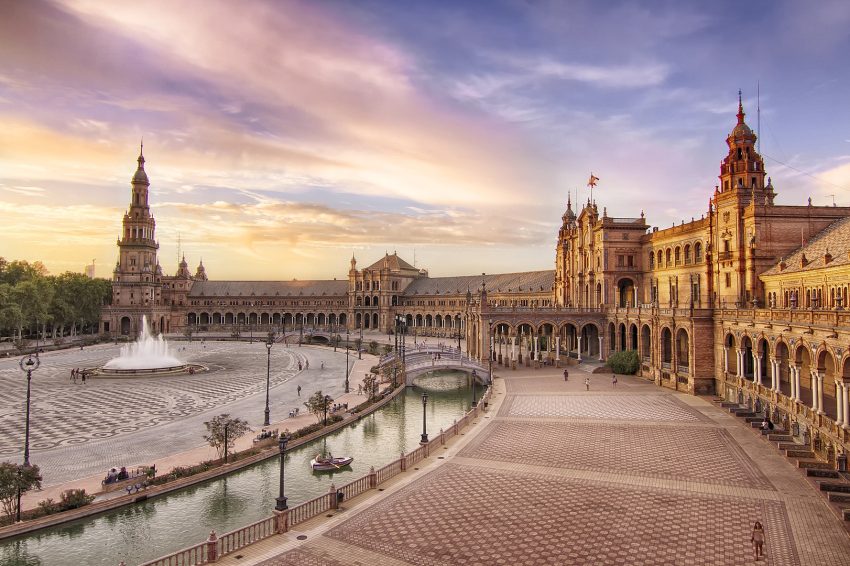
Monumental Plaza de Espana de Sevilla
CC BY-SA 3.0 / Francisco Colinet

Seville is a city that captivates visitors with its vibrant atmosphere, stunning architecture, and rich cultural experiences. Whether you're wandering through the narrow streets of Barrio Santa Cruz, admiring the colorful tiles of Plaza de España, or indulging in authentic tapas, every corner of Seville offers something special. The city's warm climate and lively energy make it an ideal destination for exploring on foot, with charming cafés and hidden courtyards waiting to be discovered.

One of the highlights of visiting Seville is experiencing its flamenco scene. The passionate dance and music are deeply rooted in the city's identity, and there are plenty of tablaos where you can watch mesmerizing performances. Whether you choose a small, intimate venue or a grand stage, the raw emotion and artistry of flamenco will leave a lasting impression. Beyond the performances, Seville's nightlife is equally exciting, with rooftop bars offering panoramic views and cozy taverns serving local wines and cocktails.

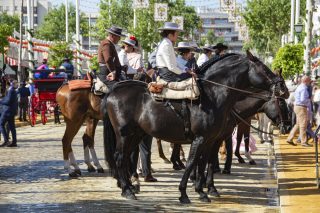
For those who love outdoor adventures, Seville's parks and riverfront provide the perfect escape. A stroll along the Guadalquivir River offers picturesque views, while Maria Luisa Park is a peaceful retreat filled with lush gardens and elegant fountains. Renting a bike or taking a horse-drawn carriage ride adds a unique touch to exploring the city. Whether you're here for the food, the music, or simply the beauty of its streets, Seville promises an unforgettable experience.

Table of Contents

History of Seville

Seville in Antiquity: Roman and Visigothic Influence

Seville traces its origins back to ancient times, when it was a thriving settlement under Roman rule. The city, known as Hispalis, flourished as a vital trading hub in the Roman Empire, boasting impressive public buildings, aqueducts, and paved streets. It was a center for commerce, agriculture, and military activity, linking distant provinces through the Guadalquivir River. After the fall of Rome, Seville became part of the Visigothic Kingdom, continuing its role as an important urban center, though much of its Roman infrastructure began to decline.

Seville Under Muslim Rule: The Golden Age

In 711, the Moors arrived, marking a transformative era in Seville’s history. Under Al-Andalus, the city, renamed Ishbiliya, blossomed into a vibrant hub of art, science, and commerce. It was home to ornate palaces, bustling markets, and grand mosques, establishing itself as one of the most prosperous cities in Islamic Spain. The Alcázar, originally built during this time, became a royal residence, showcasing intricate Moorish architecture that still stands today. Seville’s multicultural society thrived, with Muslims, Jews, and Christians coexisting and contributing to its intellectual and cultural advancements.

Seville in the Christian Era: Reconquest and Expansion

In 1248, Seville was reclaimed by the Christian Kingdom of Castile during the Reconquista. King Ferdinand III led the charge, marking a new chapter in the city’s history. Many Islamic structures were repurposed, and the Giralda, originally a minaret, was transformed into part of the Seville Cathedral, now one of the largest Gothic churches in the world. The Christian rulers expanded Seville’s economic power, benefiting from its river access and growing trade networks. The city’s role became even more significant with Spain’s emergence as a global empire.

Seville in the Age of Exploration: The Gateway to the Americas

During the 15th and 16th centuries, Seville became the epicenter of Spanish exploration and colonial expansion. The Casa de Contratación, established in 1503, controlled Spain’s maritime trade, making Seville the wealthiest city in Spain. It was the primary gateway for expeditions to the New World, with treasures, goods, and knowledge flowing back from the Americas. This era brought immense prosperity, with iconic landmarks such as the Archivo General de Indias preserving historical records of Spain’s colonial ventures.

Seville in the 18th and 19th Centuries: Industrial Shifts and Modernization

As Spain’s empire declined, Seville’s prominence waned, and trade routes shifted to other ports. However, the city adapted to new industrial developments, constructing railways and modernizing infrastructure. Cultural movements such as Romanticism celebrated Seville’s traditions, reinforcing its identity as a center of Spanish heritage and folklore. By the 19th century, the city preserved its artistic and architectural legacy while integrating new European influences.

Seville Today: A Cultural Jewel

Seville has evolved into one of Spain’s most cherished cities, blending its historical grandeur with modern vibrancy. With world-famous festivals, stunning historical landmarks, and a thriving culinary scene, it remains a cultural powerhouse. From the charming streets of Santa Cruz to the spectacular Feria de Abril, Seville’s legacy continues to inspire visitors and residents alike.

Moira & Andy
Moira & Andy

Hey! We're Moira & Andy. From hiking the Camino to trips around Europe in Bert our campervan — we've been traveling together since retirement in 2020!

Read our full story here

Visiting Seville for the first time and wondering what are the top places to see in the city? In this complete guide, I share the best things to do in Seville on the first visit. To help you plan your trip, I have also included an interactive map and practical tips for visiting!

This website uses affiliate links which earn a small commission at no additional cost to you.
Powered by GetYourGuide

45 Best places to See in Seville

This complete guide to Seville not only tells you about the very best sights and tourist attractions for first-time visitors to the city but also provide insights into a few of our personal favorite things to do.

This is a practical guide to visiting the best places to see in Seville and is filled with tips and info that should answer all your questions!

1. Tomb of Christopher Columbus
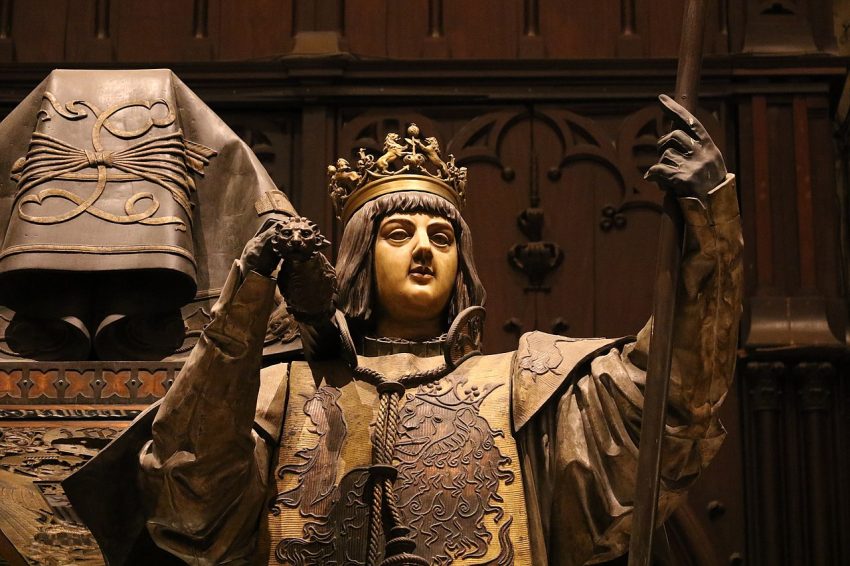
Tomb of Christopher Columbus in Seville Spain 5
CC BY-SA 4.0 / Raffaele pagani
Inside Seville Cathedral near the entrance, the Tomb of Christopher Columbus is a dramatic catafalque: a coffin lifted on the shoulders of four towering figures representing Castile, Aragon, Navarre, and León. Visitors tend to circle it slowly, spotting heraldic clues—lion imagery for León, linked chains for Navarre, castle motifs for Castile, and striped elements tied to Aragon. Sculptor Arturo Mélida designed the monument in the late 1800s, and it was installed in Seville in 1899 after being intended for Havana. The inscription and staging make it feel like a public statement as much as a burial, especially given the long, disputed journey of Columbus’ remains across the Atlantic and back.
Location: Tumba de Cristobal Colon, 41004 Sevilla Spain | Hours: Monday – Saturday: 11:00–18:00. Sunday: 14:30–19:00. | Price: Included with Seville Cathedral ticket (general admission: €13 online / €14 at the ticket office). | Website | Distance: 0km

We recommend to rent a car in Spain through Discover Cars, they compare prices and review multiple car rental agencies. Book your rental car here.

Powered by GetYourGuide

2. Seville Cathedral

Seville Cathedral Spain
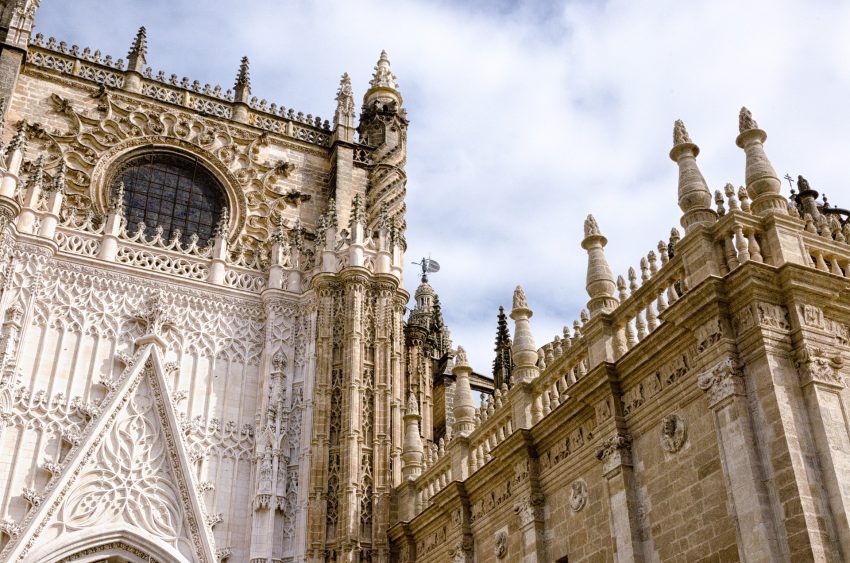
Seville Cathedral is the vast Gothic cathedral at the centre of Seville’s old town, built over the footprint of an Almohad mosque and still carrying traces of that earlier life. Visitors feel the scale immediately—an interior that reads like a small city of chapels, tombs, and carved stone, with the theatrical tomb of Christopher Columbus drawing steady attention. The Giralda bell tower began as a minaret, and you ascend by ramps rather than stairs before stepping out to sweeping rooftop-and-city views beneath the bronze Giraldillo. Inside, the Capilla Mayor’s enormous gilded Retablo Mayor can hold you in place, and the orange trees of the Patio de los Naranjos provide a quiet reset on the way out.
Location: Av. de la Constitución, s/n 41004 Sevilla Spain | Hours: Monday – Saturday: 11:00–18:00. Sunday: 14:30–19:00. | Price: €13 online / €14 ticket office (general admission; includes the Cathedral, Giralda, and Church of El Salvador). | Website | Distance: 0km

Here is a complete selection of hotel options in Seville. Feel free to review each one and choose the stay that best suits your needs.

Powered by GetYourGuide

3. La Giralda

giralda sevilla catherdral
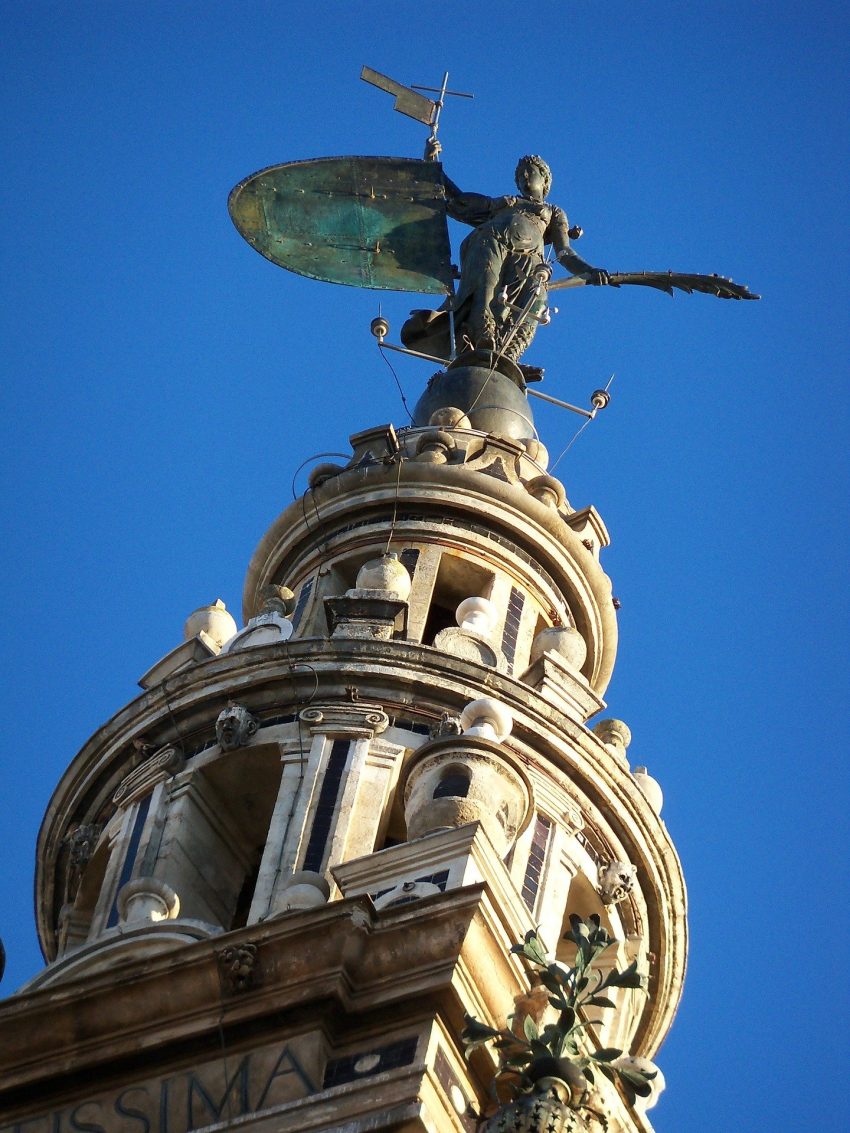
La Giralda is the bell tower of Seville Cathedral, built on the core of a 12th-century Almohad minaret and later capped with a Renaissance belfry, making the city’s skyline a single stack of Islamic geometry and Christian additions. The climb is memorable because it rises by a long sequence of gently sloped ramps—around 35—rather than tight staircases, with window openings that frame shifting glimpses of the streets below. Near the bells, the city suddenly feels close: you can trace the cathedral’s buttresses and the dense roofline of the old town. Look up for the Giraldillo, the rotating figure that gives the tower its name and completes its silhouette.
Location: La Giralda Av. de la Constitución, s/n 41004 Sevilla Spain | Hours: Monday – Saturday: 11:00–18:00. Sunday: 14:30–19:00. | Price: €13 online / €14 at the ticket office (Cathedral + La Giralda cultural visit). | Website | Distance: 0.1km

Traveling to a country with a different currency? Avoid ATM transaction fees and pay in local currency with a Wise Card. Having used it for over 5 years, we've saved loads on fees!

4. Archivo General de Indias

Archive of the Indias, Seville
CC BY-SA 4.0 / D.Rovchak
In Seville’s Plaza del Triunfo, the Archivo General de Indias is Spain’s central archive for governing records from its overseas empire, housed in the Renaissance Lonja de Mercaderes (a former merchants’ exchange). Inside, the experience is quiet and architectural: cool, high-ceilinged halls, a measured sequence of galleries and staircases, and a calm central patio that feels removed from the street. Temporary exhibitions often bring the collection to life with selected manuscripts, navigation-era paperwork, and especially maps—where routes, ports, and borders make the scale of administration instantly graspable. The holdings are vast (around 80 million pages plus thousands of maps and drawings), but the visit usually focuses on a small, carefully curated window into that paper world.
Location: Edificio de la Lonja Avenida de la Constitución, 3 41071 Seville | Hours: Tuesday – Saturday: 09:30–17:00; Sunday & Public Holidays: 10:00–14:00. Closed on Monday. | Price: Free | Website | Distance: 0.1km

Explore Seville at your own pace with our self-guided walking tour! Follow our curated route to discover must-see sights and local secrets that makes Seville one of the best places to visit in Spain.

Powered by GetYourGuide

5. Royal Shipyards of Seville

Royal Shipyards of Seville 3
CC BY-SA 3.0 / Daniel Villafruela.
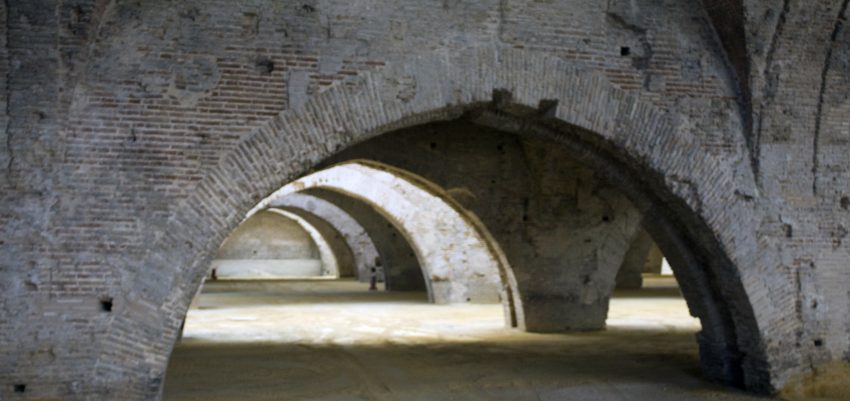
The Royal Shipyards of Seville (Reales Atarazanas) are a vast medieval shipbuilding complex in El Arenal, created after the Castilian conquest to build galleys for the crown on the Guadalquivir’s working edge. Step inside and the scale lands immediately: brick vaults and repeating arches read like a cathedral repurposed for industry, the remains of a structure that once stretched across 17 long naves. The architecture blends Mudéjar-Andalusian brickwork with Gothic-like rhythm, making the space feel both austere and strangely cinematic. Later centuries layered new uses over the shipyard—warehouses, market functions, and institutional additions—leaving a palimpsest of floors, walls, and altered sightlines. When access is possible, the lingering sense is of a colossal machine built in the 13th century.
Location: Reales Atarazanas Calle Temprado, 1 41001 Sevilla Spain | Hours: The Reales Atarazanas de Sevilla are Seville’s vast medieval shipyards, built for royal galleys and later reused as warehouses and military workshops. This %%currentyear%% guide explains what you can still see today, how to find them, and how to plan around their limited public access. | Price: Free (during special open days; regular ticketing to be confirmed). | Website | Distance: 0.2km

Click here to read our blog about Best Palaces to Explore in Seville, Spain (2026)

6. Casa Salinas de Seville

Casa Salinas Seville
© Casa de Salinas
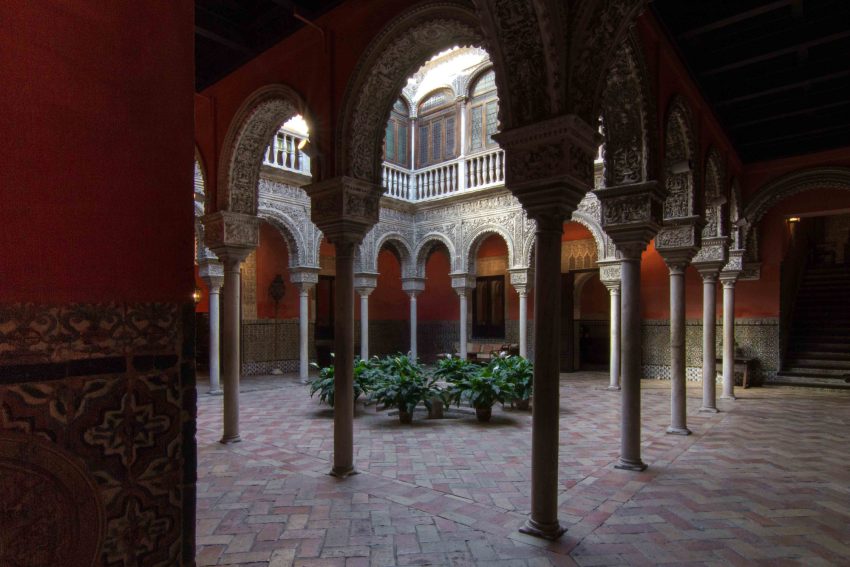
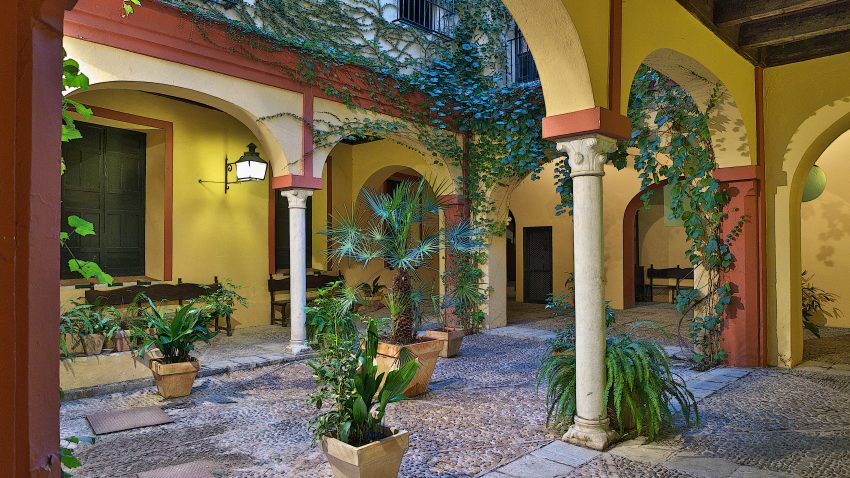
Casa Salinas de Seville is a 16th-century house-palace in Seville’s old town, still maintained as a private home, so it feels like a real residence rather than a staged monument. From an understated street entrance, you step into a double-height courtyard where Carrara marble columns and arches frame cool shade and echoing footsteps. Visitors linger over the Sevillian azulejo tilework and finely worked plaster ornament, which blend Renaissance structure with Mudéjar-inflected detail. A second patio surprises with a Roman mosaic brought from Itálica, adding an older layer of time to the house’s interior world.
Location: Palacio de los marqueses de Salinas, Calle Mateos Gago, 39 41004 Sevilla Spain | Hours: (Winter) Daily: 10:00–19:00; 1 October – 14 June. (Summer) Daily: 10:00–14:00; 15 June – 30 September. Closed during private events. | Price: €12 general; €10 groups (10+); €10 Seville city residents; €6 children under 11; free under 6; €6 visitors with disabilities. | Website | Distance: 0.3km

Click here to read our blog about Must-Visit Museums In Seville, Spain 2026

Powered by GetYourGuide

7. Casa de los Pinelo

Casa de los PinelosSeville
CC BY-SA 3.0 / José Luis Filpo Cabana
Casa de los Pinelo is a quietly elegant Renaissance palace-house hidden in Seville’s Santa Cruz lanes, plain from the street but luminous once you step into its inward-facing patios. Built on a medieval base and reshaped in the 1500s, it shows how the city’s style evolved by layering Renaissance balance with enduring Mudéjar craft, especially in decorative plasterwork and ceramic tile. Visitors tend to remember the hush of the courtyards, the cool shaded galleries, and the way soft Andalusian light slides across carved arches and stone details. It still feels lived-in rather than museum-like, in part because it houses academies devoted to literature and the visual arts.
Location: Casa de los Pinelo, Calle Abades, Seville, Spain | Hours: Tuesday & Thursday: 11:00–13:00. Closed on Saturday & Sunday. | Price: €7 (standard); €6 (seniors). | Website | Distance: 0.3km

Click here to read our blog about Discover Roman Seville 2026: Ancient Ruins, History & Highlights

8. Barrio Santa Cruz

Plaze in Barrio de Santa Cruz
CC BY-SA 3.0 / Itto Ogami
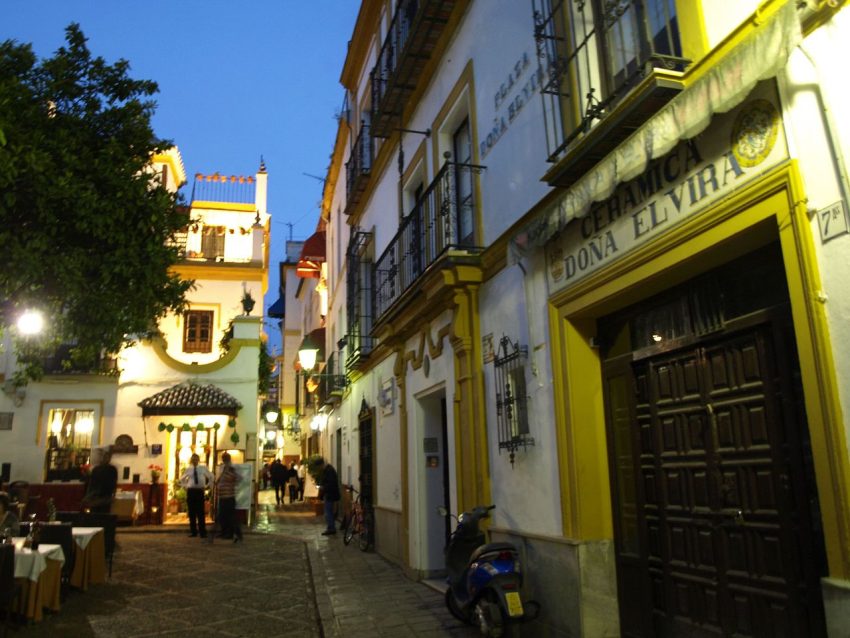
Barrio Santa Cruz is Seville’s old quarter of tight, whitewashed lanes that twist into pocket plazas where orange trees scent the shade. Often associated with the city’s former Jewish quarter, its enclosed, labyrinthine street plan still shapes how you move—slowly, by instinct, and with frequent stops. You’ll notice wrought-iron gates opening onto glimpses of tiled patios, then turn a corner into small squares like Plaza Doña Elvira. Follow the line of Callejón del Agua along the old walls, pause at Plaza Alfaro’s storybook calm, and spot Don Juan Tenorio in Plaza Refinadores. Between the quiet corners, tiny tapas bars and café chatter keep pulling you onward.
Location: Barrio Santa Cruz, Seville | Hours: 24 Hours | Price: Free. | Distance: 0.3km

Click here to read our blog about 16 Best Things to Do in Seville, Spain (2026)

9. Hospital de los Venerables Sacerdotes
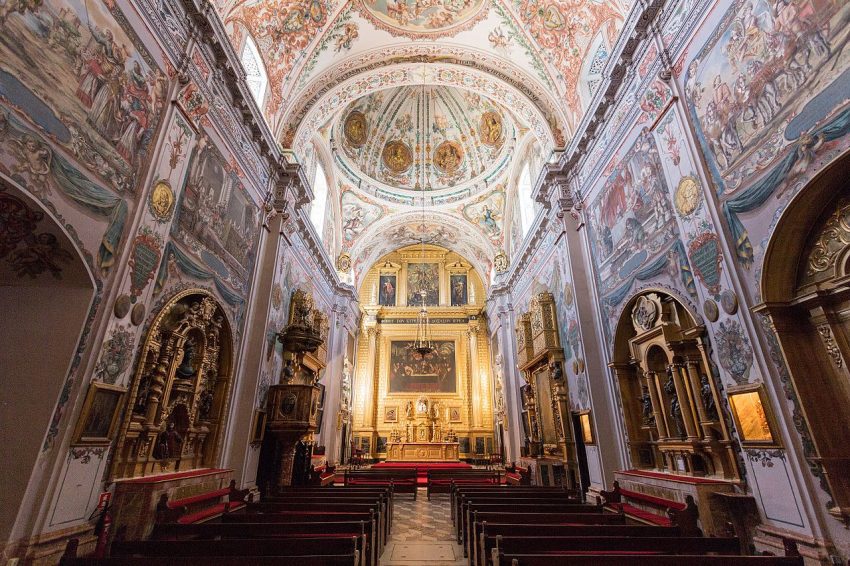
Hospital de los Venerables Sacerdotes Seville 2
CC BY-SA 2.0 / Bobo Boom
Hospital de los Venerables Sacerdotes is a late-17th-century Baroque complex in Seville’s Barrio Santa Cruz, built as a dignified residence for elderly and infirm priests. From an understated exterior on a quiet, orange-tree-lined square, it opens into a serene cloister patio with arcaded galleries, marble columns, azulejo tilework, and a central fountain set on stepped stonework. Inside, the former hospice now houses the Centro Velázquez and a compact, carefully chosen group of 17th-century paintings that situate Velázquez within Seville’s artistic circle, with echoes of Murillo’s world. Don’t miss the single-nave church, where a barrel vault and ornate decoration turn a charitable institution into something ceremonially beautiful.
Location: Hospital los Venerables, Plaza Venerables, 8 41004 Sevilla Spain | Hours: Monday – Saturday: 10:00–19:00. Sunday: 10:00–15:00. | Price: €12 general; €10 reduced; free for children under 12. | Website | Distance: 0.3km

Click here to read our blog about 12 Hours in Seville: Top Sights and Things to Do (2026)

Powered by GetYourGuide

10. Torre de la Plata

Torre de plata Seville 3
Public Domain / Pirado
Torre de la Plata is a small, easily missed medieval defensive tower in Seville, an octagonal Almohad structure dating to the 13th century. Set on Calle Santander near the Arenal, it doesn’t come with crowds or ticket queues—you notice it almost by accident, then step in close to read its weathered stone. Its position makes sense once you know it formed part of the river-facing fortifications, once linked by a stretch of wall to the Torre del Oro. Look around for surviving fragments that hint at where the wall line ran before later streets swallowed it. It’s also known from medieval sources as the Torre de los Azacanes, a reminder of the city’s layered past.
Location: Torre de la Plata, Calle Santander, Seville, Spain | Hours: Open 24 hours. | Price: Free. | Website | Distance: 0.4km

11. Museo del Baile Flamenco

Museo del Baile Flamenco 1
CC BY-SA 4.0 / Schnobby
Museo del Baile Flamenco is an intimate museum-and-venue in Seville’s Santa Cruz quarter that introduces flamenco as a living performance tradition, not just a subject to read about. Set in an 18th‑century house with older layers beneath it, the visit moves through interactive rooms with short audiovisual pieces, portraits, and costume displays that make rhythm, posture, and stagecraft easy to grasp. The museum opened in 2006 and is closely tied to dancer Cristina Hoyos, shaping it as both exhibition space and working stage. Many visitors pair the galleries with the on-site show—often 40–60 minutes—in a courtyard or a vaulted underground room where the singing, guitar, and footwork feel close and immediate.
Location: Museo del Baile Flamenco, Calle Manuel Rojas Marcos, 3 41004 Sevilla, Spain | Hours: Daily: 11:00–18:45. First Monday of the month: 14:30–18:45. | Price: Museum Only: €6 Museum + Show: €29 (Combo ticket) Show Only: €25 | Website | Distance: 0.4km

12. Royal Alcázars of Seville

Real Alcazar of Seville
The Royal Alcázars of Seville are a still-working royal palace complex where Islamic-era foundations and later Christian rule are layered into courtyards, gilded chambers, and tile-lined passages. Much of what visitors remember comes from the 14th-century Mudéjar work commissioned by Pedro I: stucco filigree, Arabic calligraphy, cedar ceilings, and shimmering azulejos that reward slow looking. The Patio de las Doncellas draws you into a world of symmetry and reflection, while the Salón de Embajadores lifts your gaze to a patterned dome built for ceremony. Outside, the gardens shift the mood—citrus scent, fountains, shaded paths, and the cool, vaulted Baños de María Padilla underground.
Location: Patio de Banderas, s/n 41004 Sevilla Spain | Hours: (Summer) Monday – Sunday: 09:30–19:00. (Winter) Monday – Sunday: 09:30–17:00. Closed on 1 January, 6 January, Good Friday, 25 December. | Price: €15.50 (general); €8.00 (reduced); optional Upper Royal Quarters add-on €5.50. | Website | Distance: 0.4km
Powered by GetYourGuide

13. Plaza de Toros de Sevilla

bull fight in seville
Plaza de Toros de la Maestranza is Seville’s 18th-century bullring on the Guadalquivir in El Arenal, a key piece of the city’s ceremonial identity whether or not you care about corridas. Stepping inside, visitors remember the slightly oval, sun-washed arena, the sharp white-and-ochre color scheme, and the baroque flourishes that make it feel staged before anyone enters. The seating’s clear split between sun and shade hints at how seriously Seville takes heat and ritual. Museum rooms, corridors, and the small chapel add context, and names like the Puerta del Príncipe surface as you trace the choreography of entrances and acclaim. Many travelers praise the architecture, though occasional closures can shorten the circuit.
Location: Plaza de toros de la Real Maestranza de Caballería de Sevilla Paseo de Cristóbal Colón, 12 41001 Sevilla Spain | Hours: Daily: 09:30–19:30. Bullfighting days: 09:30–15:00. | Price: €10 (general); €6 (seniors 65+ and pensioners, students 17–25, youth 12–16); €3.50 (children 7–11); free (children 0–6 accompanied). | Website | Distance: 0.5km
Powered by GetYourGuide

14. Torre del Oro

Torre del Oro, Seville
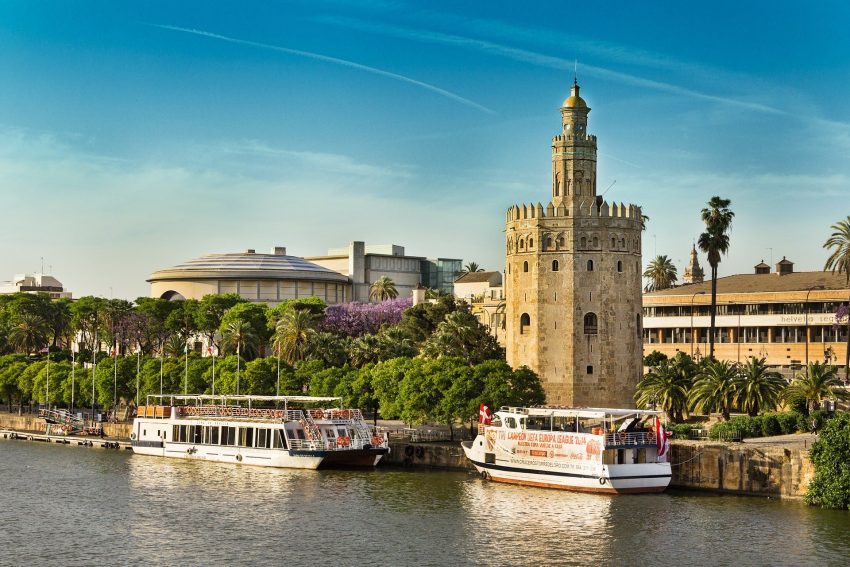
Torre del Oro is a compact 13th-century Moorish watchtower standing right on the Guadalquivir in Seville, built to control river traffic and defend the waterfront. Its name, “Tower of Gold,” recalls the warm sheen the stone can take on in late light, and the structure’s surprising dodecagonal (12-sided) base becomes obvious as you circle it. Inside, a small naval museum threads together maps, ship models, and instruments that explain Seville’s maritime life and Atlantic routes. The climb is tight and stair-heavy, but each landing frames shifting views of the river and the city, ending on a rooftop terrace above the bend toward Triana.
Location: Paseo Cristobal Colón, s/n 41001 Sevilla. | Hours: Monday – Friday: 09:30–19:00. Saturday – Sunday & public holidays: 10:30–19:00. Closed on 1 January, 6 January, Good Friday, 1 May, 25 December. | Price: Free entry (voluntary contribution requested). | Website | Distance: 0.5km

15. Palacio de Mañara

Palacio Manara Seville
CC BY-SA 3.0 / Anual
Palacio de Mañara is a discreet 16th-century Renaissance house-palace tucked on Calle Levíes in Seville’s San Bartolomé/Santa Cruz area, easy to miss until you step inside. Its calm inner courtyard—built around the Andalusian play of light, shade, and cooler edges—gives a sense of how elite homes functioned as lived spaces, not just façades. The building is tied to Miguel de Mañara, the Sevillian nobleman later remembered for turning from privilege toward faith and charity, lending the place an unusually personal storyline. Visitors also notice small, odd traces of the city’s past, including a cannonball set into the exterior near the doorway. Today, access is limited, and you may only see the patio and entrance hall.
Location: Palacio de Mañara, Calle Levíes, Seville, Spain | Hours: Tuesday & Thursday: 11:00–12:30. Closed in July & August; no visits on public holidays. | Price: Free (guided visit; reservation required). | Website | Distance: 0.6km

16. Palacio de San Telmo

Palacio de San Telmo Seville 2
CC BY-SA 4.0 / CarlosVdeHabsburgo
Palacio de San Telmo in Seville, Spain is a monumental Baroque palace whose warm red-and-gold façade and theatrical sculpted portal can stop you mid-walk, especially in late-afternoon light. Begun in 1682 as the Universidad de Mareantes, it was created to train navigators and sailors, with Saint Telmo (patron of seafarers) woven into its symbolism and allegorical decoration. In the 19th century it became a royal residence for the Dukes of Montpensier, and after a major restoration completed in 2010 it now serves as the seat of Andalusia’s presidency. Even from outside, the dense carvings, columns, and statues reward a slow circuit around the building.
Location: San Telmo Palace, Calle Palos de la Frontera, 41004 Sevilla, Spain | Hours: Thursday: 10:00, 12:00, 16:00 & 18:00. Saturday: 11:00, 13:00, 16:00 & 18:00. Closed on Monday, Tuesday, Wednesday, Friday & Sunday. | Price: Free | Website | Distance: 0.6km

17. Real Fabrica de Tabacos

Royal Tobacco Factory, Seville
CC BY-SA 3.0 / Pauline Corbaux
Seville’s Real Fábrica de Tabacos is an 18th‑century tobacco factory so vast it fills a city block, reading from the street like a fortified palace. Begun in 1728 and producing by 1758, it was built with a defensive mindset—long stone walls and a perimeter that once included moat works—showing how central tobacco was to Spain’s imperial economy. Today it functions as the University of Seville’s rectorate, so you pass through a working campus where classrooms and corridors sit inside an industrial monument. The monumental baroque portal on Calle San Fernando sets the tone, and when open, cool interior patios and heritage rooms reveal the disciplined world of the cigarreras linked to Carmen.
Location: Royal Tobacco Factory, Calle San Fernando, 4 41004 Sevilla Spain | Hours: Monday – Friday: 08:00–21:00. Saturday: 08:00–14:00. Closed on Sunday. | Price: Free (Part of the interior of the university is free to visit) | Website | Distance: 0.6km

18. Calle Sierpes

Calle Sierpes
Calle Sierpes
CC BY-SA 2.0 / Dmitry Dzhus
Calle Sierpes is Seville’s pedestrian shopping artery, a long, gently winding corridor of storefronts and cafés threaded through the old-town street pattern. With no cars, it’s all foot traffic and people-watching, and on hot days you’ll notice the awnings stretched overhead to shade shoppers. The street has been a center of small trades since the late Middle Ages—once frequented by blacksmiths, cobblers, and other artisans—and it still feels like a working commercial spine rather than a sealed museum piece. Locals trade stories about its “snakes” name, from a buried serpent to the street’s serpentine layout. In the evening, performers and artists often animate the crowd.
Location: C. Sierpes, Casco Antiguo, 41004 Sevilla, Spain | Hours: 24 Hours. | Price: Free. | Distance: 0.7km

19. Palacio de Lebrija
Palacio Lebrija Sevilla 11
CC BY-SA 3.0 / Michel wal
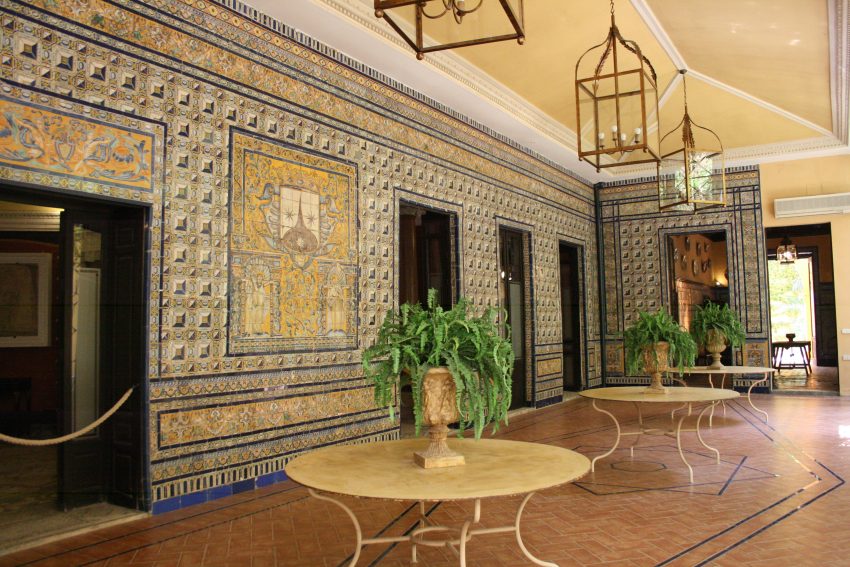
Palacio de Lebrija is a 16th-century Sevillian townhouse on Calle Cuna, transformed in the early 1900s by the Countess of Lebrija into a lived-in collection where the building itself becomes the display. Visitors step from a quiet courtyard into ground-floor rooms lined with azulejos, then realize the floors are Roman mosaics brought from nearby Itálica, set underfoot rather than behind glass. The experience is all about close looking: mythic figures in the Pan mosaic, stone inlay patterns, and sculptural fragments embedded into walls and doorways. Upstairs, the mood shifts to preserved domestic rooms with Moorish and baroque touches, giving a sense of how an aristocratic home could coexist with archaeology.
Location: Palacio de Lebrija, Calle Cuna, 8, 41004 Sevilla, Spain | Hours: (Winter) September – June: Daily: 10:00–18:00. (Summer) July – August: Daily: 10:00–15:00. | Price: €15; Children (6–12): €6; Groups (15+): €10. | Website | Distance: 0.7km

20. Casa de Pilatos
Casa de Pilatos Seville 8
CC BY-SA 4.0 / Mario Fernández
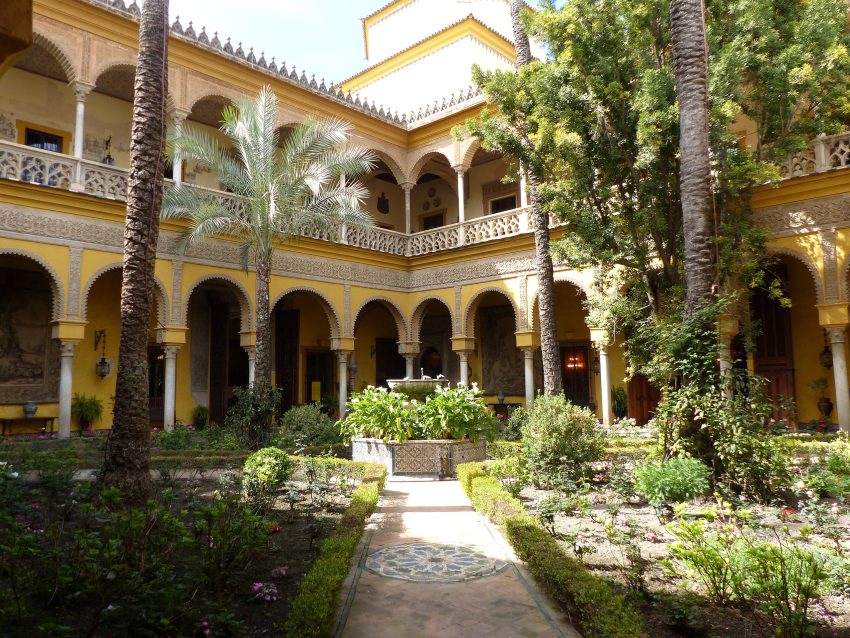
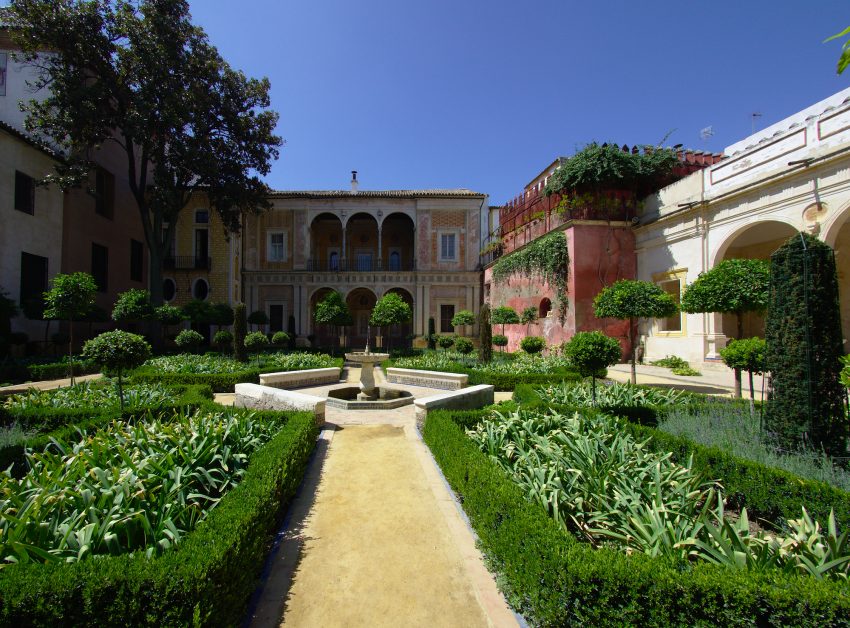
Casa de Pilatos is a privately owned Seville house-palace from the late 15th and 16th centuries, prized for showing how the city’s aristocracy blended imported Renaissance ideas with Andalusian craft. Behind an unassuming exterior, you step through a marble Renaissance portal into a cool, hushed world of patios, fountains, and gardens. The main courtyard is what lingers: Mudéjar arches and marble columns set a steady rhythm of shade and sun, with azulejo tilework so saturated it feels newly fired. Inside, rooms such as the Praetorian Hall add coffered ceilings and a lived-in, collection-like atmosphere rather than a sterile museum. Visitors often linger in the quieter garden spaces, where classical statues and niches turn the greenery into an outdoor gallery.
Location: Plaza de Pilatos,1, 41003 Sevilla, Spain | Hours: Daily: 09:00–18:00. 25 December: 09:00–14:00; 1 January: 10:00–18:00; 6 January: 09:00–14:00. | Price: €12 (ground floor); €18 (ground floor + upper floor guided visit). | Website | Distance: 0.7km
Powered by GetYourGuide

21. Museo Arqueologico Antiquarium

Antiquarium Seville
Antiquarium Seville
CC BY-SA 3.0 / Takashi kurita
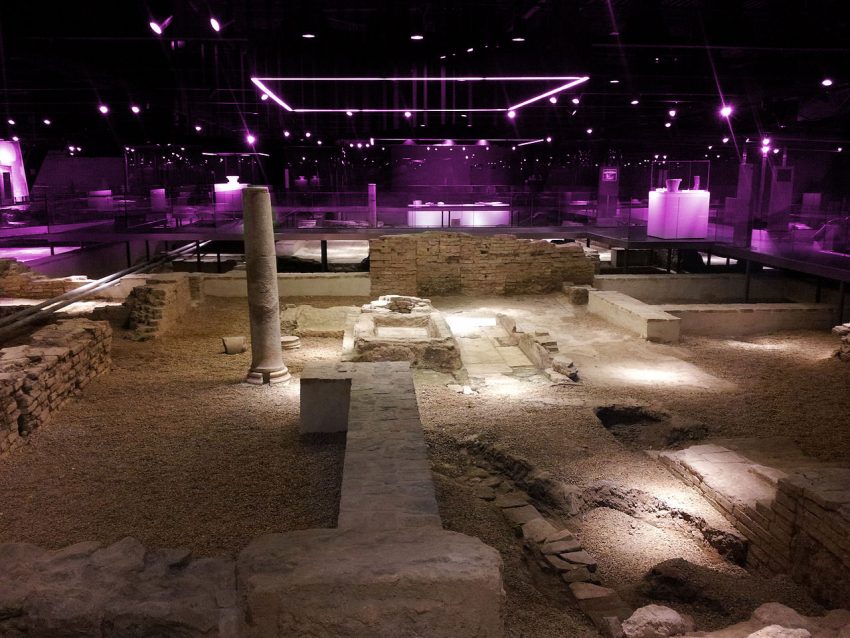
Museo Arqueologico Antiquarium is an underground archaeological museum beneath Las Setas in Plaza de la Encarnación, preserving a large slice of Seville’s past exactly where it was uncovered during redevelopment. In a dim hall, glass-floored walkways hover over Roman-era street grids and domestic footprints—courtyards, wells, and room outlines—so you read the neighborhood at full scale. Several mosaic floors steal attention, including the reconstructed “kissing birds” motif, plus mythic scenes such as Medusa and Bacchus. Industrial fish-salting tanks and vats underline that this was a working district as well as a residential one. The visit is compact and cool underground, with screens and labels that help the ruins snap into focus.
Location: Antiquarium Pl. de la Encarnación, 37 41003 Sevilla, Spain | Hours: Tuesday – Saturday: 10:00–20:00. Sunday & Public Holidays: 10:00–14:00. Closed on Monday, 25 December, 1 January & 6 January. | Price: €2. Free for under-16s, Seville residents/born in Seville with ID, and people with disabilities (plus one companion). | Website | Distance: 0.8km

22. Metropol Parasol

Espacio Parasol, Sevilla
CC BY-SA 3.0 / Rubendene
Metropol Parasol (the Setas de Sevilla) is a contemporary wooden canopy of six giant mushroom-like forms rising over Plaza de la Encarnación in Seville, reshaping a once-forgotten square into a shaded public living room. Up close, the honeycomb underside feels sculptural, and the plaza below stays busy with the Encarnación Market’s produce and seafood stalls. Beneath the square, the Antiquarium preserves Roman-era mosaics and foundations discovered during redevelopment, making the site a literal stack of old and new. Ride the elevator to the rooftop walkways for wide views over terracotta roofs and church domes, especially in late-afternoon light; after dark, shifting colored illumination changes the mood.
Location: Plaza de la Encarnación, 41003 Seville, Andalucía, Spain | Hours: Daily: 09:30–00:30 (last entry 23:45). | Price: €15 (general ticket for the rooftop viewing platform; concessions may be available). | Website | Distance: 0.8km
Powered by GetYourGuide

23. Palacio de Villapanés

Main patio Palacio de Villapanes 3
© Palacio de Villapanés Hotel
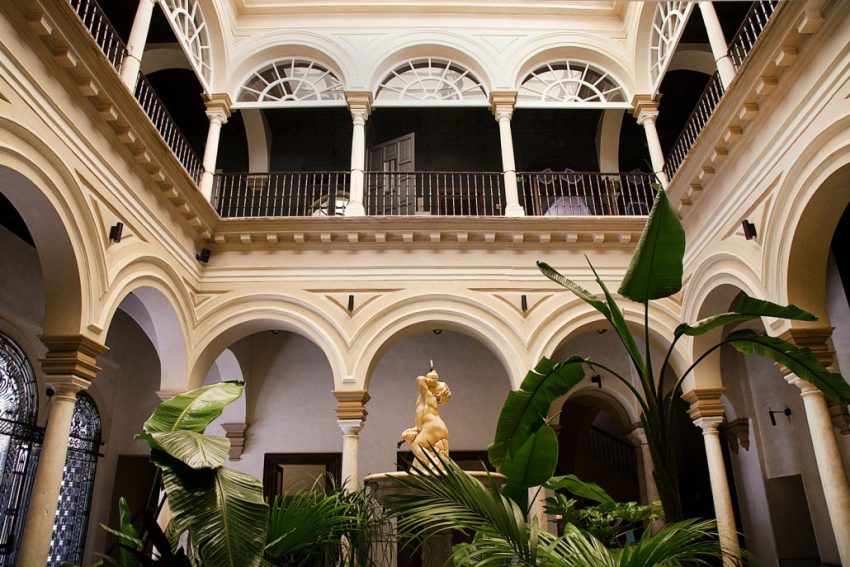
Palacio de Villapanés in Seville, Spain is an 18th-century Sevillian baroque urban palace, now a luxury hotel, that shows how the city’s grand houses were built to feel both ceremonial and livable. Behind a restrained, symmetrical façade, you step into bright courtyards with white marble columns, arcaded galleries, wrought-iron grilles, and tiled details, cooled by the sound of a central fountain. A slow look at the stairwell pays off, where light and shadow pick out arches, plasterwork, and heraldic motifs. Even a short stop for a coffee, meal, or rooftop drink lets you inhabit the architecture; guests often mention unusually attentive staff and a calm, polished atmosphere.
Location: Hotel Palacio de Villapanes Calle Santiago, 31 41003 Sevilla Spain | Hours: Bar and restaurant open until midnight. | Price: Free to enter public areas (services such as dining, spa, and accommodation are paid). | Website | Distance: 0.9km

24. La Casa de la Ciencia

Whale in entrance of Science Museum Seville
CC BY-SA 3.0 / Valoneti
La Casa de la Ciencia is a compact science museum in Seville housed in the Peru Pavilion, a striking 1929 exposition building whose decorative façade makes the setting feel as memorable as the exhibits. Inside, the mood is relaxed and browseable, with permanent galleries that range from local marine life in “A Sea of Cetaceans in Andalucía” to the region’s deep-time story in “GeoSevilla,” plus a quirky focus on Andalusian invertebrates. A small planetarium adds a dose of sky-scale perspective, and temporary shows can shift the emphasis—recent visitors mention a brain-themed exhibition. Expect interactive touches like VR and screen-based games, and note that some labels may be Spanish-only.
Location: Casa de la Ciencia Av. de María Luisa, s/n, 41013 Sevilla | Hours: Tuesday – Sunday: 10:00–20:00. Closed on Monday (except public holidays). On 24 December, 31 December & 5 January: 10:00–15:00. Closed on 25 December, 01 January & 06 January. | Price: €3 (museum); €3 (planetarium); €5 (combined ticket). | Website | Distance: 0.9km

25. Triana Market

Triana Market, Seville
© Visita Sevilla
Triana Market (Mercado de Triana) is Seville’s working food market on the Triana side of the Isabel II Bridge, where locals still shop for fish, olives by weight, bread, and produce while visitors graze at small bars. Do a slow loop past seafood counters, butchers, charcuterie, spices, and bakeries, then switch to tasting—jamón, tortilla, fried fish, or a quick paella at a casual stand. What sets it apart is the site beneath your feet: the market was built over the remains of the Castle of San Jorge, once linked to the Inquisition, with archaeological traces and interpretation spaces around the complex. Expect a relaxed morning feel that gets busier toward late morning.
Location: Triana Market Calle San Jorge, 6 41010 Sevilla Spain | Hours: Monday – Saturday: 09:00–14:30 (market stalls); 09:00–17:00 & 18:00–00:00 (bars & restaurants). Sunday & public holidays: 10:00–17:00 (bars & restaurants). Market stalls closed on Sunday & public holidays. | Price: Free | Website | Distance: 0.9km
Powered by GetYourGuide

26. Castillo de San Jorge

Castillo de San Jorge, Seville
Flickr / Sevilla Ciudad
Beneath Seville’s Mercado de Triana, the Castillo de San Jorge is an archaeological site and interpretation centre built over the remains of a fortress that once controlled this key river crossing beside Puente de Isabel II. Rather than towers and battlements, the visit unfolds in a muted, partly underground circuit of exposed foundations and reconstructed rooms that make the past feel close. Its weight comes from its later role as the headquarters of the Spanish Inquisition in Seville, where detainees were held and processed for centuries. Panels, documents, and audiovisual elements give context without theatrics, while the simple recreated cell areas tend to linger in your mind long after you step back into the noise of the market above.
Location: Museo Del Castillo De San Jorge Plaza del Altozano, s/n 41001 Sevilla Spain | Hours: Tuesday – Sunday: 10:00–14:30. Closed on Monday. | Price: Free | Website | Distance: 0.9km

27. Triana

Triana Neighborhood Guide, Seville
Flickr / José Luis Murillo
Triana is Seville’s riverside neighborhood on the west bank of the Guadalquivir, with a strong local identity shaped by working crafts and late-night performance. Start on Calle Betis for broad views back to Seville’s skyline, then return after dark when terrace chatter and river reflections turn the waterfront into an easy evening promenade. Cross the Triana Bridge (Puente de Isabel II) and pause mid-span to watch rowers and boats before slipping into the tight streets around Plaza del Altozano. Inside the barrio, ceramic workshops and tile-fronted shops keep its pottery tradition visible, while smaller flamenco rooms tend to feel close and unvarnished. In late July, the Velá de Santa Ana brings a neighborhood-scale summer festival to its squares and riverfront streets.
| Hours: 24 Hours | Price: Free. | Website | Distance: 0.9km
Powered by GetYourGuide

28. Museo Histórico Militar

Military Historical Museum of Seville
CC BY-SA 3.0 / CarlosVdeHabsburgo
Museo Histórico Militar is a small military museum hidden in plain sight inside Seville’s Plaza de España, set within the former Spanish Pavilion built for the 1929 Ibero-American Exposition. Slipping into the inner gallery feels like stepping behind the monument’s scenes, trading crowds for dense cases of real objects. Exhibits range from historic uniforms and insignia to small firearms, machine-gun displays, and larger pieces staged with diorama-style defenses. Models, documents, and technical communications items help explain how tactics and equipment evolved, with plenty of design details to linger over—helmets, materials, and personal gear that bring daily military life down to human scale.
Location: Military Historical Museum of Seville Plaza España, s/n 41013 Sevilla Spain | Hours: Tuesday – Friday: 09:30–14:00. Saturday: 10:00–14:00. Closed on Monday, Sunday, public holidays & August. | Price: Free | Website | Distance: 1km

29. Museo de la Cerámica de Triana

Museo de la Ceramica de Triana 8
CC BY-SA 2.0 / Luca Nebuloni
Museo de la Cerámica de Triana (Centro Cerámica Triana) is a small museum in Seville dedicated to the neighborhood’s centuries-old tile and pottery trade, housed inside the former Cerámica Santa Ana factory. What makes it matter is that the building is the collection: you weave through restored late-19th- and early-20th-century kilns and the original workshop footprint, so the craft feels physical rather than abstract. Displays break down the azulejo process with tools, pigments, and short audiovisual sections that track clay preparation, painting, and firing. Upstairs, finished pieces and large 20th-century tile panels help you recognize patterns you’ll later spot across the city. It’s calm, naturally cool, and surprisingly absorbing for its modest scale.
Location: Centro Cerámica Triana ,Calle Callao, 16, Sevilla | Hours: Tuesday – Sunday: 10:00–20:00. Reduced hours (24 & 31 December; 5 January; Holy Week & Feria): 10:00–15:00. Closed on Monday; 25 December; 1 & 6 January; Maundy Thursday & Good Friday. | Price: €2.10 general; €1.60 reduced; free for under 16 and Seville residents (with ID), plus a few other eligible categories. | Website | Distance: 1km

30. Museo de Bellas Artes, Seville

Sagrada Cena by Alonso Vazquez
Public Domain /
Museo de Bellas Artes, Seville is the city’s main fine-arts museum, set inside the former Convento de la Merced, where cloisters, tiled patios, and thick stone corridors keep the pace calm even in summer heat. It matters because it gathers Seville’s Siglo de Oro painting into one place, shaped by 19th-century dispersals of art from closed religious houses. Visitors tend to linger with Murillo’s soft, luminous canvases, then feel the shift to Zurbarán’s austere shadows and Valdés Leal’s sharper drama. The courtyards become natural pauses between galleries, and early in the day the high ground-floor rooms can feel almost empty, making the quiet, devotional imagery land more strongly.
Location: Seville Museum of Fine Arts, Pl. del Museo, 9 41001 Sevilla Spain | Hours: (Summer) 1 August – 31 August: Tuesday – Sunday & public holidays: 09:00–15:00. (Winter) 1 September – 31 July: Tuesday – Saturday: 09:00–21:00; Sunday & public holidays: 09:00–15:00. Closed on Monday (except Mondays before a public holiday). Closed on 01 January, 06 January, 01 May, 24 December, 25 December & 31 December. | Price: €1.50; free for EU citizens with valid ID and ICOM members. | Website | Distance: 1km
Powered by GetYourGuide

31. Palacio de Las Dueñas

Courtyard Palacio de las Dueaas Sevilla
CC BY-SA 4.0 / Benjamín Núñez González
Palacio de las Dueñas is a 15th-century Sevillian palace owned by the House of Alba, opened to the public in 2016, and it still feels like a lived-in residence rather than a staged museum. Visitors move through flowered patios and cool, tiled corridors into salons arranged with portraits, antiques, and personal photographs that make the family story tangible. Its architecture layers Gothic-Mudéjar and Renaissance elements, with arcaded courtyards, delicate plasterwork, and careful control of light and shade. The gardens and secondary courtyards—orange trees, greenery, and fountain sounds—often become the most lingering memory. It’s also known as the birthplace of poet Antonio Machado, adding a quiet cultural resonance to the domestic spaces.
Location: Palacio de las Dueñas en sevilla, Calle Dueñas, 5, Seville, Spain | Hours: (Summer) April – September: Daily: 10:00–19:00. (Winter) October – March: Daily: 10:00–18:00. Closed on 01 January, 06 January, 25 December, 30 December & 31 December. On 05 January & 24 December: 10:00–15:00. | Price: €14 (general); €10 (reduced); €0 (children under 6). | Website | Distance: 1.1km
Powered by GetYourGuide

32. Plaza de España

Plaza Espana, Seville
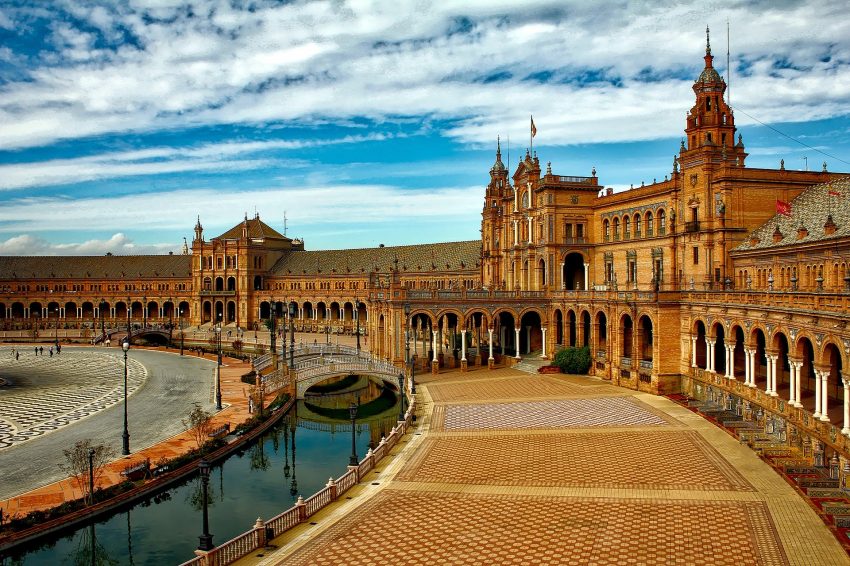
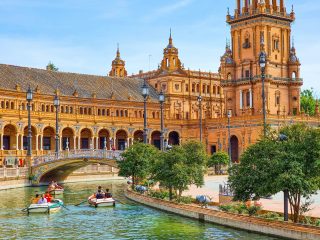
Plaza de España is a monumental, semi-circular square in Seville’s Parque de María Luisa, built as the showpiece for the 1929 Ibero-American Exposition and designed by Aníbal González. A vast brick-and-ceramic façade wraps around an open plaza, with two tall towers and an upper level of balconies where the sweeping geometry makes sense at a glance. Along the canal wall, 48 tiled alcoves depict Spain’s provinces with painted scenes and maps, turning a stroll into a slow, photo-friendly scavenger hunt. A 500-metre canal traces the curve, crossed by four symbolic bridges, and you can even take a small rowboat while musicians and evening light animate the space.
Location: Plaza de España, s/n. 41013 Seville | Hours: 24 Hour | Price: Free | Website | Distance: 1.1km

33. Los Remedios

Bloques Los Remedios
CC BY-SA 4.0 / CarlosVdeHabsburgo
Los Remedios is a residential district on the west bank of the Guadalquivir, just south of Triana, where Seville shifts from medieval lanes to wide, straight avenues and modern apartment blocks. On ordinary days it feels lived-in and orderly, with neighbourhood cafés, bakeries, and errands setting the pace rather than sightseeing crowds. Its name recalls a former Carmelite convent, a quiet trace beneath the 20th-century city planning that shaped the area. Parque de los Príncipes provides a shady pause with playgrounds and dog walkers, while Calle Asunción concentrates local shopping and street life. In spring, the Feria de Abril fairground turns the barrio into a lantern-lit grid of casetas, horses, sevillanas, and late-night dancing.
Location: Los Remedios, Seville | Hours: 24 Hours | Price: Free | Distance: 1.3km

34. Parque de María Luisa
Parque de Maria Luisa Seville
CC BY-SA 4.0 / Gzzz
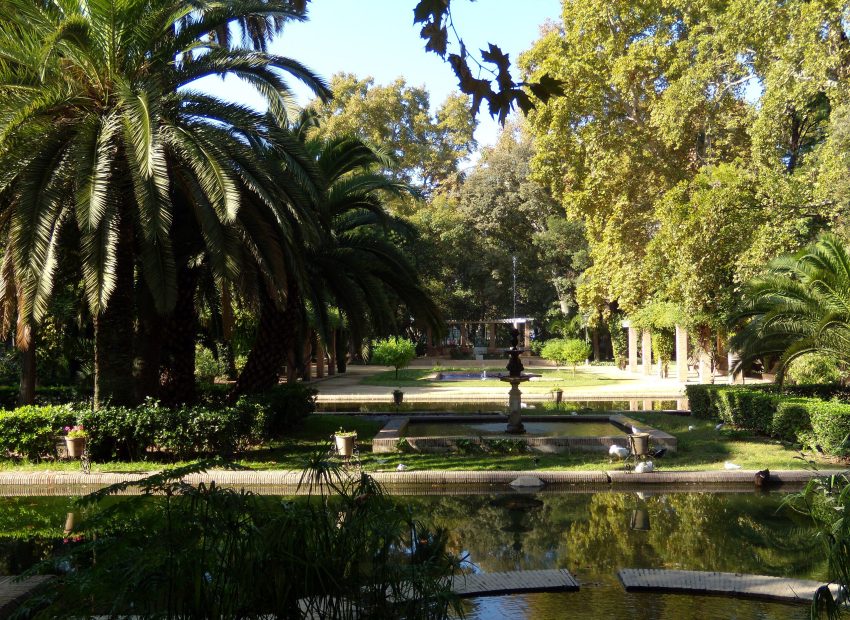
Parque de María Luisa is Seville’s great public garden, a long, shady green belt south of the historic centre where the city’s heat gives way to fountains, birdsong, and slow wandering. Once part of the Palace of San Telmo grounds, it became civic space after Infanta María Luisa Fernanda donated it in 1893, later shaped by Forestier’s early-20th-century design of broad avenues and tucked-away garden rooms. Expect tiled benches, Moorish-leaning pools, and small pavilions that feel discovered rather than announced. Between statues and little squares, you’ll pass playful fountains like the Fuente de las Ranas and Fuente de los Leones, with doves, parakeets, ducks, and swans adding movement under the trees.
Location: Paseo de las Delicias, s/n 41013 Sevilla Spain | Hours: (Summer) Daily: 08:00–00:00. (Winter) Daily: 08:00–22:00. | Price: Free | Website | Distance: 1.3km

35. Alameda de Hércules

Alameda de Hercules Sevilla 3
CC BY-SA 3.0 / Gzzz
Alameda de Hércules is a long, pedestrian promenade in Seville’s Casco Antiguo, built as a public paseo in the late 1500s and still used as a neighborhood living room. Its defining features are the broad, tree-shaded walkway and monumental columns at the ends, topped with figures that nod to Roman legacy and local myth. By day it’s a calm place for a slow stroll, benches, and people-watching across a wide paved rectangle; you’ll also notice street art and small cultural spots in the surrounding streets. As evening arrives, terraces fill, streetlights warm the scene, and the area turns bohemian and youthful, with bars and live entertainment spilling outward.
Location: Alameda de Hercules, Alameda de Hércules, Seville, Spain | Hours: 24 Hours | Price: Free | Distance: 1.4km

36. Iglesia de San Luis de los Franceses
Iglesia de San Luis de los Franceses
CC BY-SA 4.0 / T meltzer
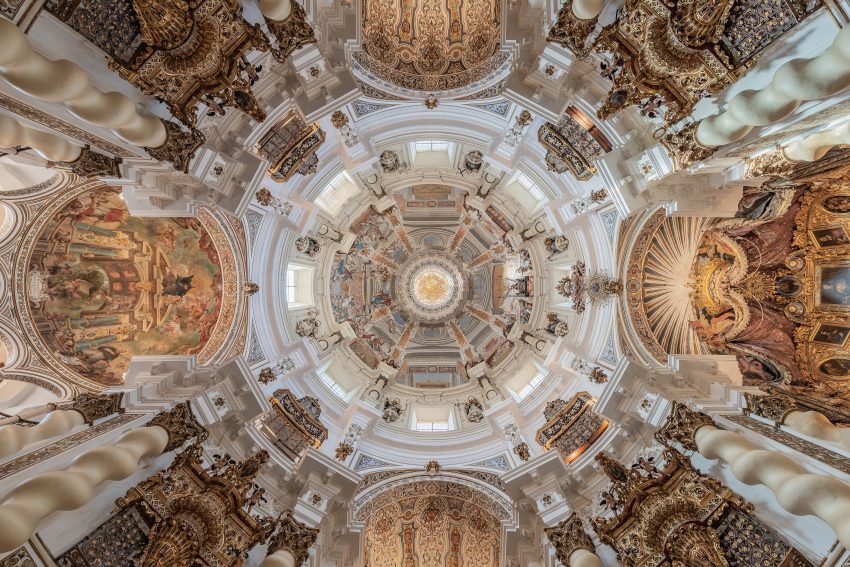
Iglesia de San Luis de los Franceses is an 18th-century Baroque church in Seville, built from 1699 to 1730 for the Jesuits and closely linked to architect Leonardo de Figueroa. Step inside for an immersive, theatrical interior—gilded surfaces, frescoed ceilings, and sculptural altarpieces—plus additional rooms that function like a small museum of paintings, statues, and a treasury-style display. An unusual detail is its alignment with the sun’s path: the main entrance faces sunrise, and the western altar catches dramatic light, especially in spring. After the Jesuits’ expulsion the site was repurposed, then restored from 1984, with renovations completed in 2016 that reopened it to the public.
Location: San Luis, 37, Casco Antiguo, 41003 Sevilla, Spain | Hours: Tuesday – Sunday: 10:00–14:00 & 16:00–20:00. Closed on Monday. | Price: General: €4; Reduced: €2; Residents: €1; Partial entry (when spaces are closed): €2; Groups: €2 per person (10–20 people); Sunday afternoons: free. | Distance: 1.5km

37. Palacio de los Marqueses de la Algaba
Palacio de los Marqueses de la Algaba Sevilla. Patio
CC BY-SA 3.0 / José Luis Filpo Cabana
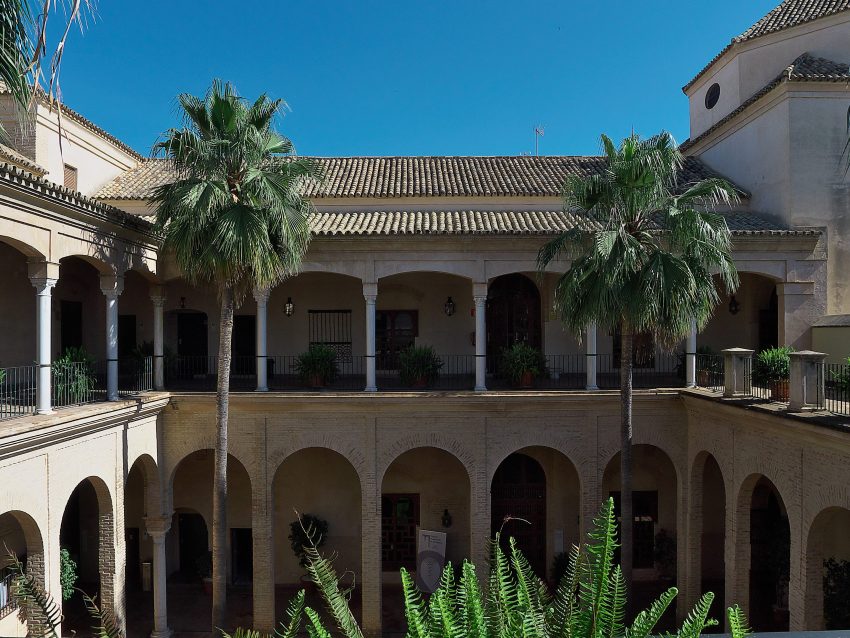
Palacio de los Marqueses de la Algaba is a late-medieval palace in Seville, tucked just behind the Feria Market, and it’s one of the city’s clearest lessons in Mudéjar design in its original setting. The first thing you notice is the monumental Mudéjar-Gothic doorway, densely carved and best appreciated up close for its shifting patterns and fine stonework. Inside, a quiet central courtyard and restored rooms house the Centro Mudéjar, where ceramics, carved wood, and plasterwork connect palace decoration to everyday life. Visitors often remark on the calm atmosphere and how quickly you can take it in, with the building’s tilework, ceilings, and doorframes rewarding slow looking.
Location: Palacio Marqueses de la Algaba Plaza Calderón de la Barca, s/n 41003 Sevilla Spain View o | Hours: (Winter) 1 October – 30 April: Monday – Friday: 10:00–14:00 & 17:00–20:00; Saturday: 10:00–14:00. (Summer) 1 May – 30 September: Monday – Friday: 10:00–14:00 & 18:00–21:00; Saturday: 10:00–14:00. Closed on Sundays & public holidays. | Price: Free | Website | Distance: 1.5km

38. Pabellón de la Navegación

Pabellon de la Navegacion
CC BY-SA 3.0 / 888pablo888
Pabellón de la Navegación is a contemporary museum on Seville’s Isla de la Cartuja, created for Expo ’92 and set right on the Guadalquivir River—an apt location for a place about Atlantic seafaring. Inside, the permanent galleries keep things hands-on and audiovisual, moving through navigation techniques, sailors’ lives, and how the river shaped Seville as an inland port tied to empire and trade. Standout moments include an atmospheric “sea of lights” room, a sweeping blue mural charting key maritime milestones, and a steering platform with a projected horizon that feels like a simulator. Many tickets also include the adjacent Torre Schindler, reached in minutes, with elevator access to a clean-lined viewpoint across the river.
Location: Pabellón de la Navegación, Camino de los Descubrimientos, 2 41092 Sevilla Spain | Hours: (Winter 2 January – 29 June; 2 September – 30 December): Tuesday – Saturday: 10:00–19:30. Sunday: 10:00–15:00. (Summer 1 July – 15 August): Tuesday – Sunday: 10:00–15:00. Torre Schindler times (Winter): Tuesday – Saturday: 10:30–13:00 & 16:30–18:30. Sunday: 10:30–14:00. Torre Schindler times (Summer): Tuesday – Sunday: 11:00 & 13:00. Closed on Monday. Also closed on 1 January, 6 January, 1 May, 24 December, 25 December, 31 December, and Maundy Thursday – Easter Sunday; closed 16 August – 31 August. | Price: €6.00 general; €4.00 reduced; free for children under 5 (with an accompanying adult); €2.00 promotional on selected days. The standard ticket includes the permanent exhibition and the Torre Mirador (Torre Schindler). | Website | Distance: 1.6km

39. Museo de Artes y Costumbres Populares
Museum of Arts and Popular Customs of Seville 4
© Jose Luis Garcia Tenorio
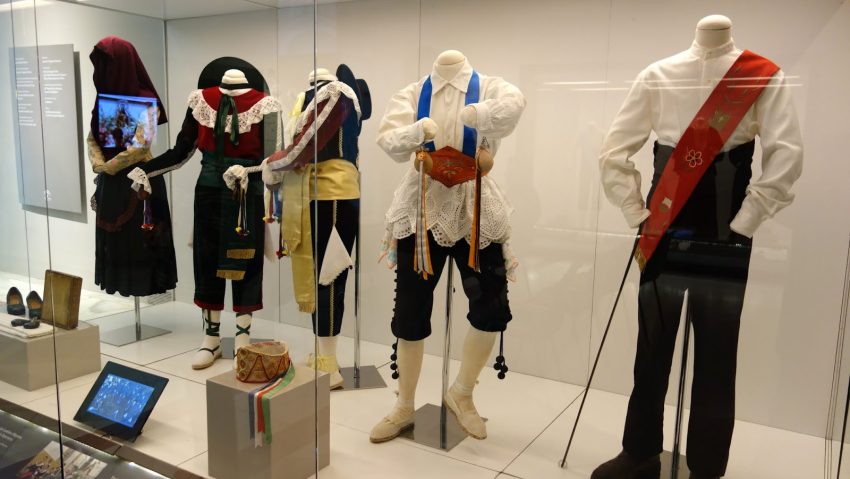
Museo de Artes y Costumbres Populares is Seville’s ethnology museum, set in Aníbal González’s 1914 Pabellón Mudéjar, where brickwork and glazed ceramics echo the crafts inside. Founded in 1972, it focuses on how Andalusians actually lived, worked, and celebrated, grounding the city’s flamenco-and-fair imagery in tools, clothing, and domestic objects. Downstairs, workshop-style displays recreate trades such as ceramics, leatherwork, cooperage, and other craft processes rather than just finished pieces. Upstairs, you’ll find 19th-century costumes, musical instruments, furniture, rural machinery, and small-scale items like lacework, embroidery, toys, posters, and postcards, plus costumbrist paintings from the Aguiar collection. Visitors often remember the building as much as the collections.
Location: Museum of Popular Arts and Traditions, Sevilla Plaza América, 3 41013 Sevilla Spain | Hours: (Summer) 16 June – 15 September: Tuesday – Sunday & public holidays: 09:00–15:00. (Winter) 16 September – 15 June: Tuesday – Saturday: 09:00–21:00. Sunday & public holidays: 09:00–15:00. Closed on Monday (except the day before a public holiday). | Price: €1.50 (free for EU citizens with valid ID; concessions may apply to eligible visitors). | Website | Distance: 1.6km

40. Archeological Museum

Museo Arqueologico de Sevilla 4 1
CC BY-SA 2.0 / Museo Arqueológico de Sevilla
Seville’s Archaeological Museum (Museo Arqueológico de Sevilla) is the city’s main collection of ancient material, set inside the Pabellón del Renacimiento, a grand 1929 exposition building in the greenery by Plaza de España. Its galleries trace Andalusia from prehistory and the Bronze Age through Phoenician and Tartessian cultures, then into a strong Roman section largely sourced from nearby Italica, with later Visigothic, Islamic, and medieval pieces. A standout is the El Carambolo treasure, found near Seville in 1958, which hints at Mediterranean trade and ritual. Visitor reports are mixed about whether it’s currently open or a renovation site, so what you may notice most is either quiet rooms of sculpture and prehistoric finds, or the closed pavilion behind fencing.
Location: Archeological Museum of Seville Plaza América, 51 41013 Sevilla Spain | Hours: Daily: Closed (temporarily closed for renovation). | Price: Free for EU visitors with valid ID; €1.50 for other visitors (when open). | Website | Distance: 1.7km

41. Plaza de America

Plaza de America Seville 3
CC BY-SA 3.0 / Grez
Plaza de América is a leafy square inside Seville’s Parque de María Luisa, laid out for the 1929 Ibero-American Exhibition as a kind of open-air showcase of architecture. Three pavilions ring the space in contrasting revival styles—neo-Gothic, neo-Mudéjar, and neo-Renaissance—so a slow circuit reveals shifting arches, patterned brickwork, and bright ceramic tile details. Locals often nickname it “Parque de las Palomas” because white doves gather in the open gardens and around the water features, giving the plaza a gentle, playful feel. It’s the sort of place people remember for shade, symmetry, and the calm of sitting on a bench while the park moves around you.
Location: Plaza de América 41013 Seville Seville, Andalusia | Hours: (Winter) Daily: 08:00–22:00. (Summer) Daily: 08:00–24:00. | Price: Free | Website | Distance: 1.7km

42. CaixaForum Seville

Caixaforumsevilla 2
Caixaforumsevilla 2
CC BY-SA 4.0 / Rubrum19
CaixaForum Seville is a modern cultural center inside the Torre Sevilla complex on Isla de la Cartuja, known for ambitious temporary exhibitions and a building that feels like part of the show. Much of the venue sits below street level, and you descend by escalator into crisp, concrete-lined galleries designed for large-scale contemporary installations. Opened in 2017 and designed by Seville architect Guillermo Vázquez Consuegra, it’s run by Fundación “la Caixa,” so the programming often pairs art with talks and education-driven activities. Visitors tend to remember the clean, futuristic architecture as much as the rotating exhibitions—ranging from photography and design to big-name shows like Dalí—and the occasional interactive or VR elements.
Location: CaixaForum Sevilla C.C. Torre Sevilla Calle López Pintado 41092 Sevilla Spain | Hours: Monday – Friday: 09:00–20:00. Saturday – Sunday: 10:00–20:00. Public holidays: 10:00–20:00. Closed on 25 December; 1 January; 6 January. | Price: Exhibition €4 | Website | Distance: 1.7km

43. Basílica de la Macarena
Basílica de la Macarena
CC BY-SA 4.0 / Chabe01
Basílica de la Macarena is a Neo-Baroque church in Seville’s Macarena district, home to the Hermandad de la Esperanza Macarena and deeply intertwined with the city’s Holy Week devotion. Inside, visitors encounter an intensely ornate space and the 17th-century wooden image of the Virgen de la Esperanza Macarena—often called the “Weeping Virgin”—treated by many Spaniards as a national treasure. Next door, the Museum and Treasure displays the brotherhood’s embroidered textiles, silverwork, and other processional objects, plus unexpected bullfighting pieces reflecting the Virgin’s role as patron of bullfighters. The atmosphere can shift from hushed prayer to long queues when services or events draw locals.
Location: Pl. de la Esperanza Macarena, 1, Casco Antiguo, 41002 Sevilla, Spain | Hours: Daily: 09:00–14:00 & 17:00–21:00. | Price: Free; donations appreciated. | Website | Distance: 1.9km

44. City Walls of Seville

Seville Old City Wall
CC BY-SA 2.5 / Asterion
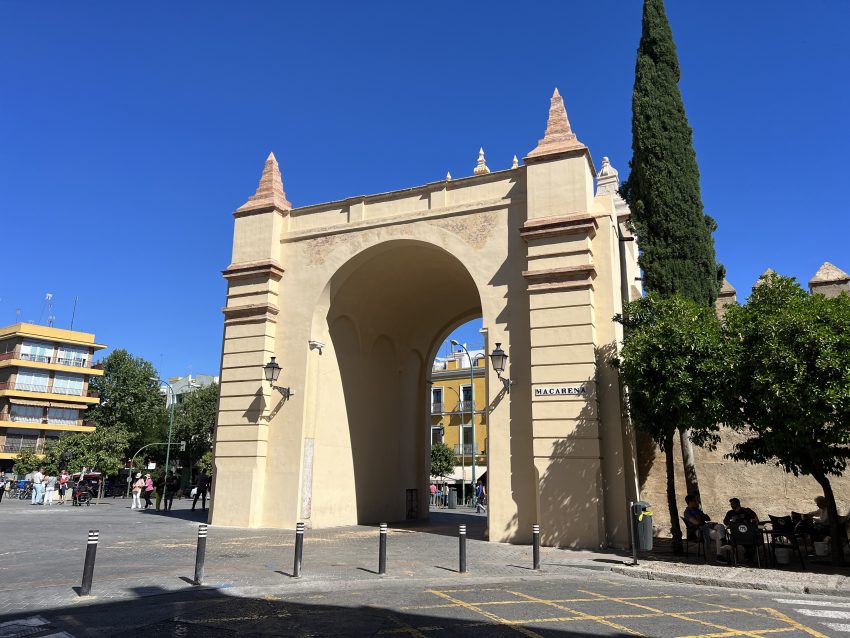
The City Walls of Seville (Murallas de Sevilla) are surviving stretches of the medieval fortifications that once enclosed the historic city, still embedded in everyday neighborhood life in the Macarena. Walk the long, legible section between the Puerta de Córdoba and the Puerta (Arco) de la Macarena, where crenellations and stout towers keep their defensive silhouette even as traffic flows beside them. The rhythm of wall segments and watchtowers—often singled out near the Torre Blanca—makes it easy to imagine controlled entry points for merchants and pilgrims. Many sections were demolished in the 19th century, so this fragment feels like a rare, continuous trace of the old perimeter, especially when the stone glows at golden hour.
Location: Arco de la Macarena Calle Bécquer, 1 41003 Sevilla Spain | Hours: 24 Hours | Price: Free | Website | Distance: 1.9km

45. Monasterio de la Cartuja (Charterhouse)

Charterhouse Seville 4
Monasterio de la Cartuja on Seville’s Isla de la Cartuja is a rare double act: a former Carthusian monastery whose cloisters, chapels, and quiet courtyards now house the Centro Andaluz de Arte Contemporáneo (CAAC). The experience is built on contrast—moving from honey-colored stone arcades and a church with monastic light into contemporary galleries, then back out to walled patios and fruit trees. The site carries layered traces of the city’s past, from Almohad-era clay pits and kilns to the years when Columbus stayed here and his remains were kept on the grounds. Later, Charles Pickman turned parts of the complex into a ceramics factory, and chimneys and industrial remnants still punctuate the calm.
Location: Monastery of Santa Maria de las Cuevas, Calle Américo Vespucio, 2 41092 Sevilla Spain | Hours: Tuesday – Saturday: 11:00–21:00. Sunday & public holidays: 10:00–15:30. Closed on Monday. | Price: €3.01 (complete visit); €1.80 (monument or temporary exhibitions). Free entry: Tuesday – Friday 19:00–21:00; Saturday 11:00–21:00. | Website | Distance: 2km

Best Day Trips from Seville

A day trip from Seville offers the perfect opportunity to escape the urban rhythm and discover the surrounding region's charm. Whether you're drawn to scenic countryside, historic villages, or cultural landmarks, the area around Seville provides a variety of easy-to-reach destinations ideal for a one-day itinerary. If you are looking to rent a car in Spain I recommend having a look at Discover Cars, first, as they compare prices and review multiple car rental agencies for you.

1. Roman Ruins of Italica

Ancient Roman Amphitheatre in Italica 7
CC BY-SA 2.0 / Ángel M. Felicísimo
The Roman Ruins of Italica in Santiponce, just northwest of Seville, are an extensive archaeological site where the outline of a Roman city is still easy to follow. Rather than a few isolated remains, you move through streets, open courtyards, house foundations, and an amphitheatre that gives the site its main visual focus. The setting is open-air and largely unshaded,…
Location: Conjunto Arqueológico de Itálica, Av. Extremadura, 2 41970 Santiponce Sevilla Spain | Hours: 1 April – 20 June: Tuesday – Thursday: 09:00–18:00. Friday – Saturday: 09:00–21:00. Sunday, public holidays & Monday (day before public holiday): 09:00–15:00. 21 June – 20 September: Tuesday – Saturday: 09:00–15:00. Sunday, public holidays & Monday (day before public holiday): 09:00–15:00. 21 September – 31 March: Tuesday – Saturday: 09:00–18:00. Sunday, public holidays & Monday (day before public holiday): 09:00–15:00. Closed on Mondays (except the day before a public holiday). Closed on 1 January, 6 January, 1 May, 24 December, 25 December, and 31 December. | Price: Free for EU citizens; €1.50 for non-EU visitors. | Website | Distance: 8km
Visiting Roman Ruins of Italica
Powered by GetYourGuide

2. Arcos de la Frontera

Arcos de la Frontera
CC BY-SA 2.0 / Luis Rogelio HM
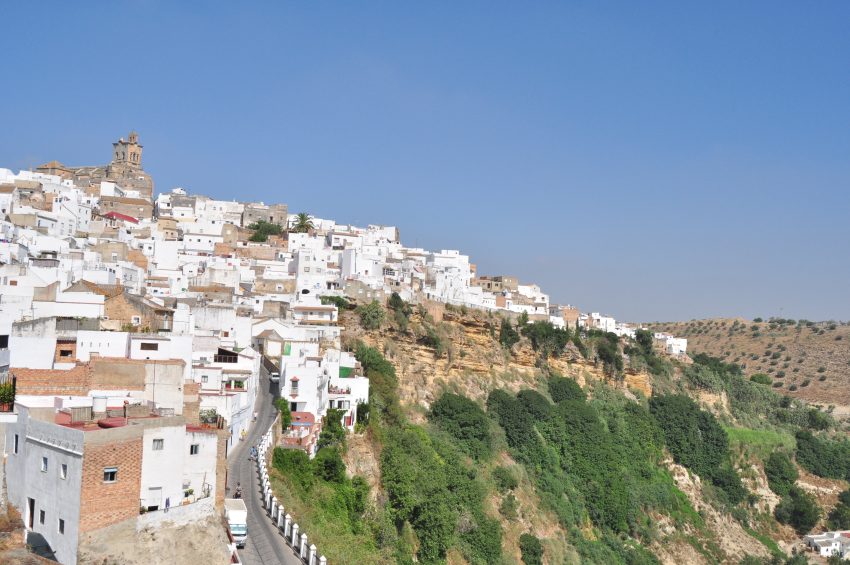
Nestled between countryside and mountains, this town showcases a blend of both landscapes and is intersected by two rivers, the Guadalete and the Majaceite. The Guadalete River feeds into the Bornos and Arcos Reservoirs, both declared Natural Beauty Spots due to their exemplary wetland environments. A portion of the town lies within the boundaries of Los Alcornocales Natural Park. Perched…
Visiting Arcos de la Frontera
Powered by GetYourGuide

3. Chipiona

Chipiona at sunset, Spain
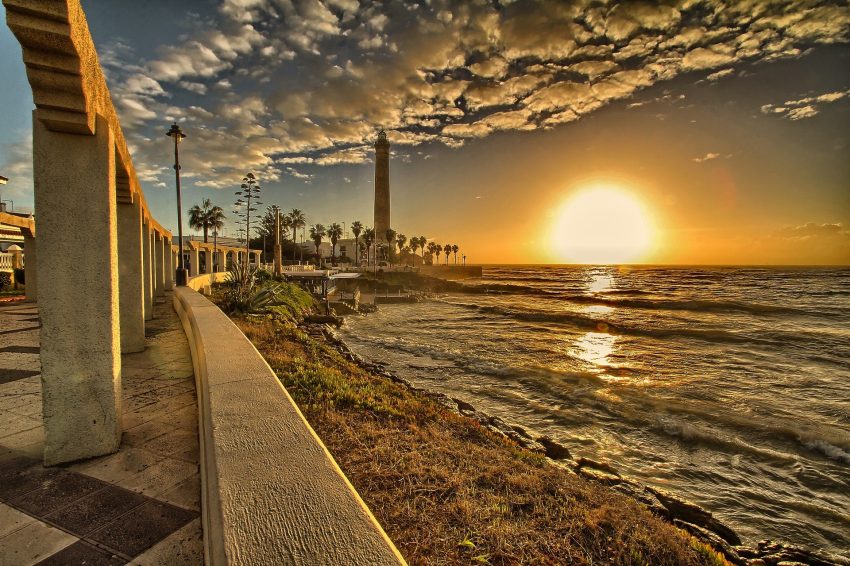
Chipiona, a charming coastal town along the Atlantic in Andalusia. It offers visitors a mix of stunning beaches, maritime culture, and relaxed Andalusian charm. The town’s Playa de Regla is its most famous beach, known for golden sands and calm waters, making it perfect for sunbathing and swimming. Its beachfront promenade, lined with cozy cafés and traditional seafood restaurants, provides…
Visiting Chipiona

4. Huelva

Huelva
Huelva
CC BY-SA 4.0 / FJavier GómezL
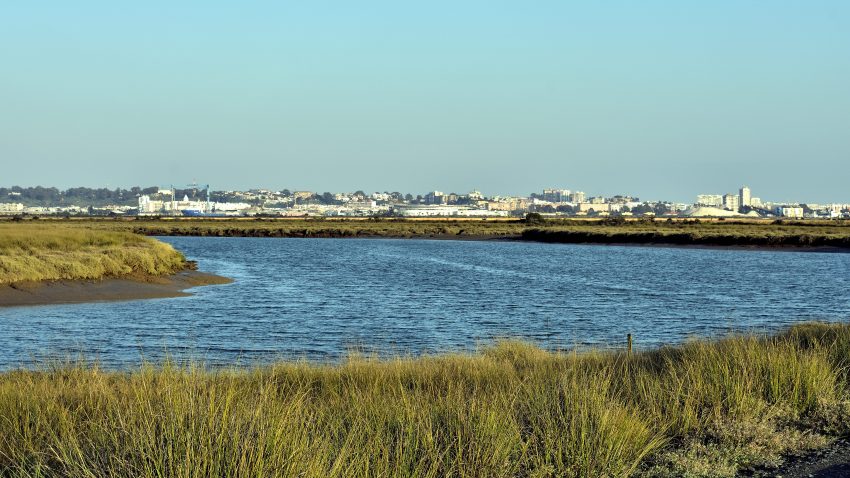
Visiting Huelva offers a relaxed and authentic Andalusian experience, perfect for travelers looking to escape the crowds while still enjoying rich culture, great food, and beautiful surroundings. Located in western Andalusia, near the Portuguese border and the Atlantic coast, Huelva blends urban charm with natural beauty. The city is compact and easy to explore on foot, with shaded plazas, inviting…
Visiting Huelva
Powered by GetYourGuide

5. Cádiz

Cadiz, Spain
Cadiz, Spain
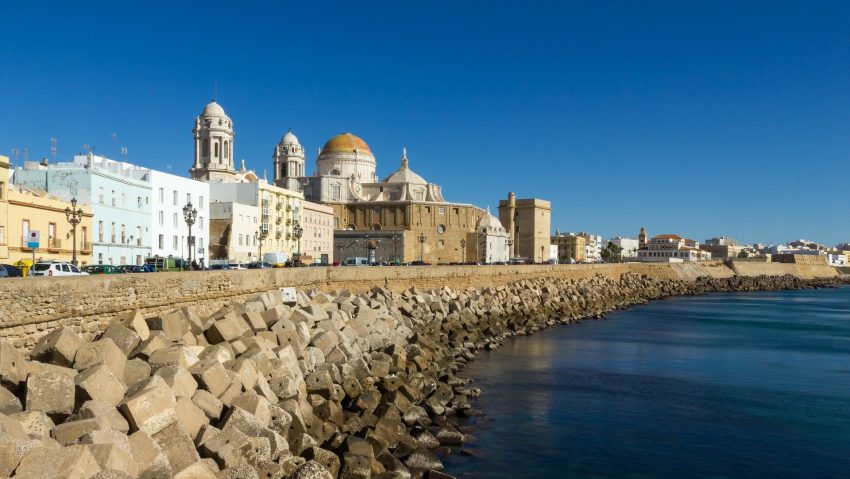
Visiting Cádiz offers a captivating glimpse into the soul of Andalusia, blending centuries of history with a vibrant, sun-soaked coastal lifestyle. As one of Europe’s oldest continuously inhabited cities, Cádiz sits proudly on a narrow spit of land in southwestern Andalusia, surrounded by the Atlantic. The city's cobbled streets, historic fortifications, and elegant Baroque architecture are a testament to its…
Visiting Cádiz
Powered by GetYourGuide

6. Ronda

View of Ronda, Spain
Flickr / Jose Ramirez
Ronda sits high in the hills of Spain’s Andalusia region, in the province of Málaga, and feels a world away from the busy Costa del Sol. Perched dramatically above the El Tajo gorge, it offers sweeping views of rugged countryside, distant mountains, and the whitewashed villages scattered across the Serranía de Ronda. It’s an easy city to navigate on foot,…
Visiting Ronda
Powered by GetYourGuide

7. Córdoba

Roman Bridge and Mezquita, Cordoba
CC BY-SA 2.0 / shaorang
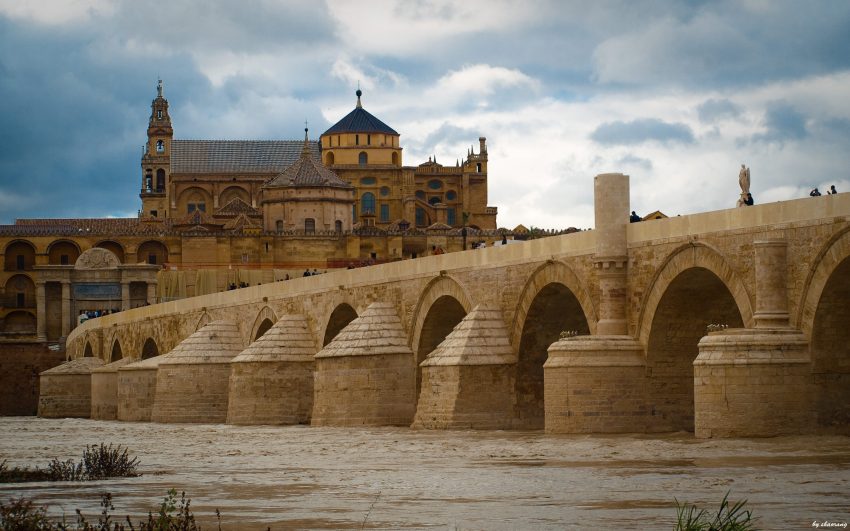
Córdoba, located in the Andalusia region of southern Spain, is a city that effortlessly blends rich culture, stunning architecture, and a vibrant atmosphere. As you walk through its charming streets, you’ll find yourself surrounded by picturesque courtyards adorned with colorful flowers, bustling markets, and an unmistakable Andalusian charm. The city is a wonderful place to explore on foot, allowing you…
Visiting Córdoba
Powered by GetYourGuide

8. Marbella

Marbella
Marbella
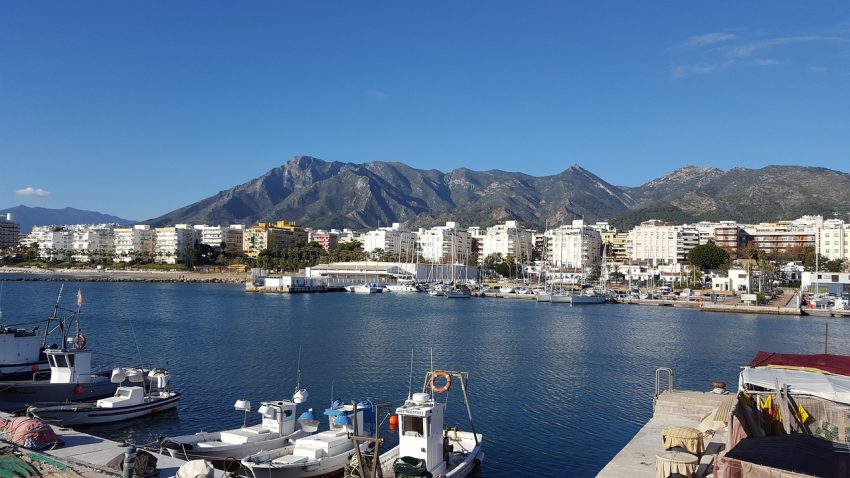
Marbella is a city and municipality in southern Spain, located in the province of Málaga within the autonomous community of Andalusia. Situated on the Costa del Sol, Marbella serves as the headquarters of the Association of Municipalities of the region and is the head of its judicial district. Visiting Marbella offers a mix of laid-back beach life, upscale glamour, and…
Visiting Marbella
Powered by GetYourGuide

9. Algeciras

spain Algeciras
spain Algeciras
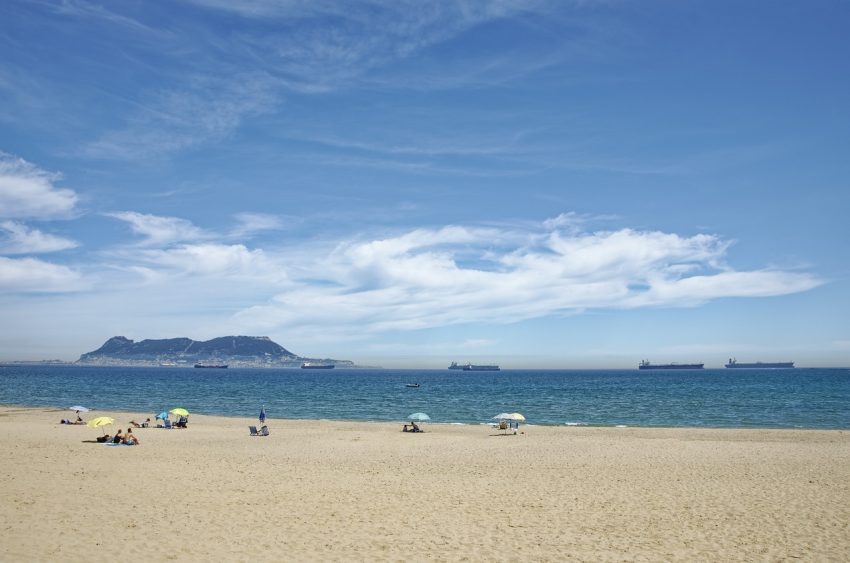
Algeciras, located on the southern coast of Andalusia, is a dynamic port city offering a blend of maritime charm and local culture. As one of Spain's busiest harbors, it serves as a gateway to North Africa, yet beneath its industrial façade, visitors can uncover vibrant markets, scenic seaside promenades, and authentic Andalusian hospitality. The city's coastal setting provides opportunities to…
Visiting Algeciras
Powered by GetYourGuide

10. Málaga

malaga
malaga
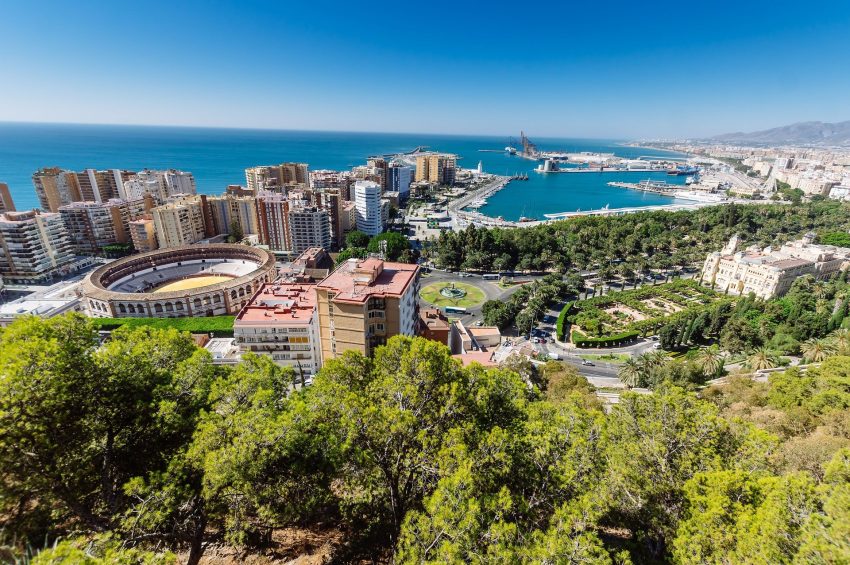
Málaga, set on the sun-drenched Costa del Sol in Andalusia, is a vibrant city that effortlessly blends coastal relaxation with cultural richness. With its golden beaches and scenic promenades, Málaga is an ideal destination for those looking to enjoy the Mediterranean lifestyle. The city’s energetic atmosphere is evident in its bustling plazas, stylish boutiques, and thriving nightlife, making it a…
Visiting Málaga
Powered by GetYourGuide

Where to Stay in Seville

For first-time visitors, Santa Cruz is one of the most enchanting areas to stay. Once the city’s Jewish quarter, its narrow, winding alleys, picturesque courtyards, and proximity to the Alcázar and Seville Cathedral make it a perfect base for exploring the city’s highlights on foot. Hotel Casa 1800 Sevilla offers elegant, Andalusian-style charm just steps from the main sights.

For those who prefer a quieter, more residential vibe while still staying central, El Arenal is a fantastic choice. This riverside district is known for its traditional taverns, the Maestranza bullring, and easy access to both the old city and the Guadalquivir River. Vincci La Rábida provides refined comfort in a converted mansion, complete with rooftop views of the cathedral.

If you’re seeking a youthful, artsy scene, head to Alameda de Hércules, a bohemian neighborhood brimming with cafes, indie boutiques, and nightlife. It’s a great place to stay if you enjoy a lively local atmosphere without being too far from the monuments. Patio de la Alameda is a stylish, laid-back option in the heart of the district.

Travelers who want modern comfort and convenient access to both the historic center and the train station might consider Nervión, a well-connected neighborhood popular with business travelers and families. Melia Lebreros is a sleek and spacious hotel that offers upscale amenities and a quieter night’s sleep compared to the bustling center.

For a local, lived-in feel with authentic tapas bars and traditional architecture, Triana—just across the river from the center—is a favorite among seasoned visitors. Known for its pottery studios and flamenco roots, it’s a soulful part of Seville with a strong identity. Zenit Sevilla gives you the comfort of a modern hotel while placing you right in the heart of this charismatic barrio.

Using the our Hotel and Accomodation map, you can compare hotels and short-term rental accommodations in Seville. Simply insert your travel dates and group size, and you’ll see the best deals for your stay.

Seville Accommodation Map

Best Time to Visit Seville

High Season: April to June, September to October Optimal time for outdoor activities Enjoy Seville in pleasant temperatures during these months. Days are hot with ample sunshine, warm nights, and minimal rainfall, especially in June. Explore the city by riding bikes along the river, discovering parks (where the shade of trees provides relief), and partake in cultural activities during the balmy evenings.

Shoulder Season: November, February, and March Ideal time for agreeable temperatures For those seeking milder weather, these months offer sunny and warm days but cooler nights, requiring a coat. Prices decrease, and crowds thin out as the rainy season begins. If you prefer avoiding humidity and crowds, this period is perfect for a visit.

Low Season: July, August, December, and January Best time for budget travelers In peak summer (July and August), consider booking accommodations with a swimming pool to cope with temperatures often reaching 40°C (104°F). December and January bring cool temperatures and occasional rain showers, making it the most affordable season with enticingly low rates. Seville in winter is charming, adorned with festive lights and seasonal markets.

Visit Seville for the Festival Season

The optimal time to visit Seville for vibrant festivals is during Semana Santa (Holy Week) and the Feria de Abril (Spring Fair), which occur three weeks apart. However, it’s important to note that hotel prices tend to surge during these festivals. Semana Santa involves hooded penitents parading through the streets alongside religious statues, while Feria de Abril is a week-long celebration marked by lively Andalusian festivities—characterized by dancing, feasting, drinking, and socializing into the late hours.

Keep in mind that Seville’s weather can be capriciously unpredictable. While warm and sunny conditions are possible, Holy Week processions may be affected by rain (as the precious statues are safeguarded from potential damage). It’s advisable to carry a shawl or jacket, especially for the cooler evenings.

Annual Weather Overview

  • January 16°C
  • February 19°C
  • March 22°C
  • April 28°C
  • May 30°C
  • June 31°C
  • July 36°C
  • August 34°C
  • September 29°C
  • October 28°C
  • November 20°C
  • December 18°C

How to get to Seville

Travelling to Seville by Plane

Situated 10 km north-east of the city center, Seville's San Pablo airport (SVQ) is a key transportation hub for the region. The airport offers convenient access to various destinations with direct flights to 20 locations within Spain and to over 50 destinations across Europe and Northern Africa. Direct flights from the UK are provided by airlines like easyJet and Ryanair. For budget-friendly flights, it's advisable to book early, especially during peak times such as Christmas and New Year. If you're coming from the USA, there are no direct flights to Seville. The most efficient route is typically through Madrid with Iberia.

Travelling to Seville by Car

Situated in southern Spain, Seville is excellently linked by a comprehensive network of highways, facilitating easy travel to destinations within Spain and Portugal. Traffic drives on the right, and the minimum driving age is 18 years. Speed limits are 120kph (74mph) on motorways and 50kph (31mph) within towns. A valid driving license and third-party insurance are necessary, and it’s advisable to obtain an International Driving Permit. The use of mobile phones, unless completely hands-free, is prohibited while driving in Spain.

Seville boasts well-connected motorways, with tolls only on the A4. Coaches operated by ALSA offer domestic and international services from Estación Plaza de Armas in Seville’s city centre. If you are looking to rent a car in Spain I recommend having a look at Discover Cars, first, as they compare prices and review multiple car rental agencies for you.

Traveling to Seville by Train

Train travel in Spain is known for its comfort and efficiency. Seville's main train station, Estación de Santa Justa, connects to major Spanish cities. Renfe operates the Spanish rail network, facilitating travel to cities such as Madrid, Barcelona, and Valencia. Upon arrival at Estación de Santa Justa, taxis are readily available for a quick transfer to the city centre. Alternatively, buses (Routes C1, C2, and 32) provide a more budget-friendly option, departing from outside the terminal.

Powered by GetYourGuide

More from this area