Self-Guided Walking Tour of Durrës, Albania (2026)
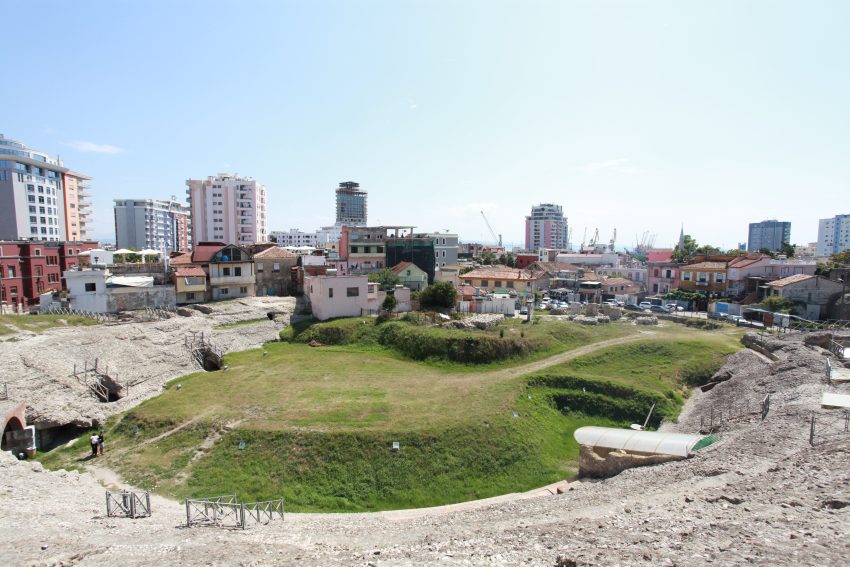
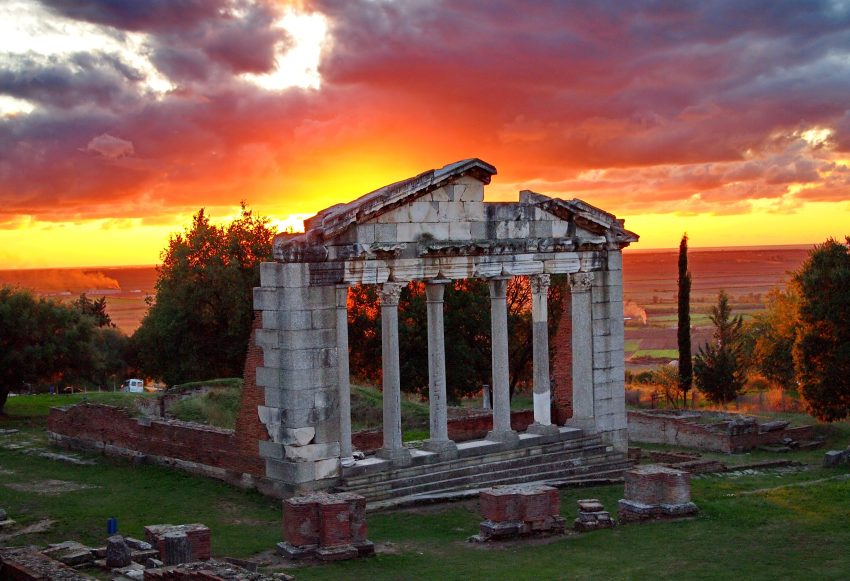
Amphitheatre of Durres, Albania
CC BY-SA 2.0 / Jed Horne

This website uses affiliate links which earn a small commission at no additional cost to you.

Durrës, Albania's oldest city and one of its most vibrant coastal destinations, is a place where history and modern life intertwine seamlessly. Founded by the Greeks in the 7th century BC and later flourishing under the Romans and Byzantines, the city has stood at the crossroads of empires for more than two millennia. Its strategic position on the Adriatic has made it both a gateway for trade and a target for conquest, leaving behind an extraordinary concentration of archaeological treasures. Walking through Durrës, you'll quickly sense how its past shapes its present, from the grandeur of ancient ruins to the energy of its bustling boulevards.

This tour will lead you through a city that offers layers of history at every turn. You’ll discover one of the largest Roman amphitheaters in the Balkans, explore remnants of Byzantine walls and Venetian towers, and trace the legacy of Ottoman and Italian influences in the architecture. Alongside these historic landmarks, Durrës’ lively waterfront and modern urban spaces remind visitors that the city has always been a meeting point between cultures, ideas, and eras. The contrasts are striking-ancient stones stand only steps away from busy cafés, markets, and seaside promenades.

As you explore, Durrës reveals itself as more than a museum of the past; it is a living city where tradition and modernity are woven together. Its mix of archaeological heritage, cultural vibrancy, and Mediterranean charm makes it a captivating place to discover on foot. A walking tour here not only allows you to step into history but also to experience the rhythm of daily life in Albania's second-largest city, from its old neighborhoods to its bustling port and sun-drenched coastline.ia.

How to Get to Durrës

By Air: The nearest international gateway to Durrës is Tirana International Airport Nënë Tereza (TIA), located about 35 kilometers away. The airport is well connected with major European cities, offering frequent flights from destinations such as Rome, Vienna, Istanbul, and London. From the airport, you can reach Durrës in under an hour by taxi, private transfer, or shuttle bus, making it a straightforward entry point for visitors arriving from abroad. For the best deals and a seamless booking experience, check out these flights to Durrës on Booking.com.

By train: Although Albania's rail network is limited and not widely used for long-distance travel, there is a rail link between Tirana and Durrës. However, services are infrequent, slow, and often not the most practical option for visitors. Most travelers prefer road transport, but if you enjoy a more leisurely and local way to travel, checking the current train schedules can be an interesting experience and a glimpse into Albania's evolving transport system.

By car: Driving to Durrës is one of the most convenient options, particularly if you're planning to explore more of Albania's coastline or countryside. The city is well connected by modern highways, with the SH2 linking it directly to Tirana in around 40 minutes. Car rental is widely available at the airport and in major cities, allowing you the flexibility to create your own itinerary and travel at your own pace. Parking in Durrës can be busy near the seafront in summer, but plenty of spaces are available throughout the city. If you are looking to rent a car in Albania I recommend having a look at Discover Cars, first, as they compare prices and review multiple car rental agencies for you.

Where to Stay in Durrës

To make the most of visiting Durrës and this walking tour, you should consider staying overnight in the center. The heart of the city is where history, culture, and modern life come together, and being based here allows you to step straight into the old streets, archaeological landmarks, and lively waterfront without relying on transport. Staying central also gives you easy access to restaurants, cafés, and the vibrant evening atmosphere that Durrës is known for.

In the historic core near the amphitheater and Venetian Tower, you’ll find boutique-style accommodation that places you right in the middle of the city’s ancient past. Options like Hotel Lido and Hotel Nais are within walking distance of many major sights, offering convenience as well as a glimpse into the more traditional side of the city. From here, you can stroll easily to the main highlights of the walking tour while enjoying the charm of Durrës’ old town atmosphere.

If you prefer to combine the walking tour with time by the sea, the beachfront area along the promenade is another excellent choice. Here, hotels like Adriatik Hotel provide resort-style facilities while still being close enough to walk into the historic center. Similarly, Hotel Arvi offers rooms with sea views just steps from the main boulevard, striking a balance between relaxation and exploration. These coastal stays are perfect if you want to enjoy Durrës’ beaches after a day of discovering its layered history.

A Brief History of Durrës

Durrës, founded by Greek settlers from Corinth and Corfu in 627 BC, has always been defined by its strategic position on the Adriatic coast. Known to the Romans as Dyrrachium, it became one of the most important cities in the Balkans and the starting point of the famous Via Egnatia, the great road linking the Adriatic with Byzantium. Under Roman rule, the city flourished, and its most striking monument, the Durrës Amphitheatre, was built in the 2nd century AD under Emperor Trajan. Capable of hosting tens of thousands of spectators, this vast structure still dominates the old town and remains one of the most significant archaeological sites in Albania.

In the Byzantine and later medieval periods, Durrës was frequently contested, leading to the construction of impressive defensive works. Parts of the Byzantine Forum from the 5th-6th century can still be seen today, along with the powerful walls of Durrës Castle, reinforced by Emperor Anastasius I and later adapted by Venetian and Ottoman rulers. The Durrës Great Mosque, originally built by the Ottomans in the 16th century and reconstructed in the 20th century, reflects the city's enduring role as a center of faith and culture. These landmarks, together with Venetian towers and Ottoman structures, reveal the city's resilience and its importance as both a commercial and military stronghold.

In more recent centuries, Durrës became a royal and cultural center for modern Albania. King Zog Royal Villa built in the 1930s overlooking the Adriatic, highlights the city's status in the interwar period, while the Durrës Archaeological Museum preserves artifacts spanning millennia, from Illyrian jewelry to Roman mosaics. Cultural figures are also remembered here, including the celebrated actor Aleksandër Moisiu, whose house has been turned into a museum honoring his life and career. Together, these sites tell the layered story of Durrës-from ancient Rome to the Ottomans, Venetians, and modern Albanian statehood-making it a city where history is never far from view.

Guided or Self-Guided Tour of Durrës?

To experience the city’s most important landmarks and hidden treasures, consider joining the Durrës: 2-Hour Walking Tour. This guided experience takes you through the city’s heart, revealing key monuments like the Roman Amphitheatre, the Byzantine Forum, and the Venetian Tower. Along the way, a knowledgeable guide will share stories that connect these sites to Durrës’s ancient and modern identity. It’s an ideal introduction for anyone curious about Albania’s Adriatic jewel.

Your Walking Tour of Durrës

This blog covers the major highlights of Durrës, but depending on your pace and interests, you may want to spend more time in museums or relaxing by the sea.

1. Venetian Tower
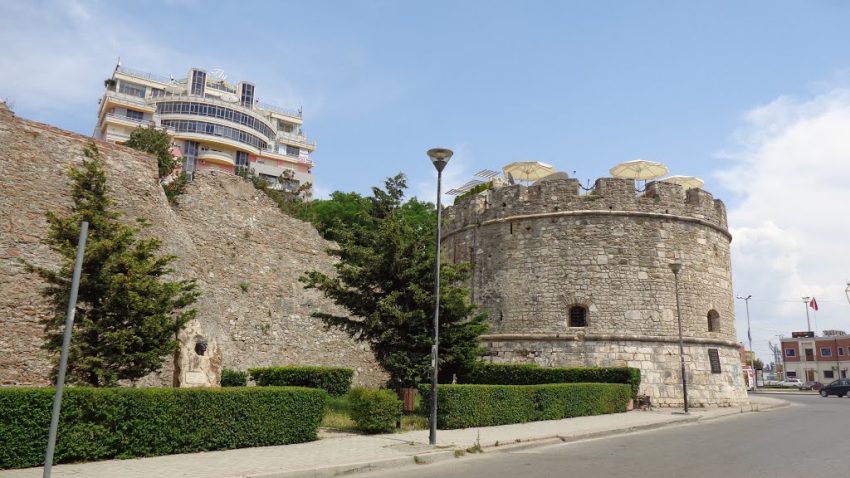
Durres Castle Ventian tower Albania Profile
CC BY-SA 4.0 / FloKrass

Start the day with a coffee at the top of the Venetian Tower.

The Venetian Tower in Durrës is one of the city’s most distinctive medieval landmarks, standing guard near the entrance to the old port. In the 15th century, Durrës was one of the possessions of the Republic of Venice, and at the time the city was under constant threat from the expanding Ottoman Empire. To strengthen their defenses, the Venetians extended the city’s fortifications by building this tower, and since then it has been known as the Venetian Tower. Its round base, thick stone walls, and strategic location by the waterfront reflect the military architecture of the period and the importance of Durrës as a maritime stronghold on the Adriatic.

The tower became an integral part of the wider defensive network, linking with older Byzantine walls that dated back to Emperor Anastasius I in the 6th century. The Venetians adapted these earlier fortifications to withstand new forms of warfare, creating a resilient stronghold that has endured earthquakes, sieges, and foreign invasions. In more recent history, the tower also played a role during the Italian invasion of 1939, when it served as a base for Albanian patriots who attempted to delay the advance of Mussolini’s army. This layered history gives the tower a special place in the city’s story, embodying centuries of resilience against external threats.

Today, the Venetian Tower has taken on a new life as both a historic monument and a welcoming social spot. Inside, a café allows visitors to enjoy a drink in an atmospheric medieval setting, while those who climb its steep and narrow steps are rewarded with panoramic views across Durrës and the Adriatic Sea. This blend of past and present makes the tower more than just a relic—it is a living part of the city, linking its Venetian origins and wartime struggles with the everyday life of modern Durrës. For anyone walking through the city, it is both a cultural highlight and a pleasant stop to pause, reflect, and take in the scenery.


Location: Venetian Tower of Durrës, Durrës, Albania

We recommend to rent a car in Albania through Discover Cars, they compare prices and review multiple car rental agencies. Book your rental car here.

2. Aleksandër Moisiu Museum

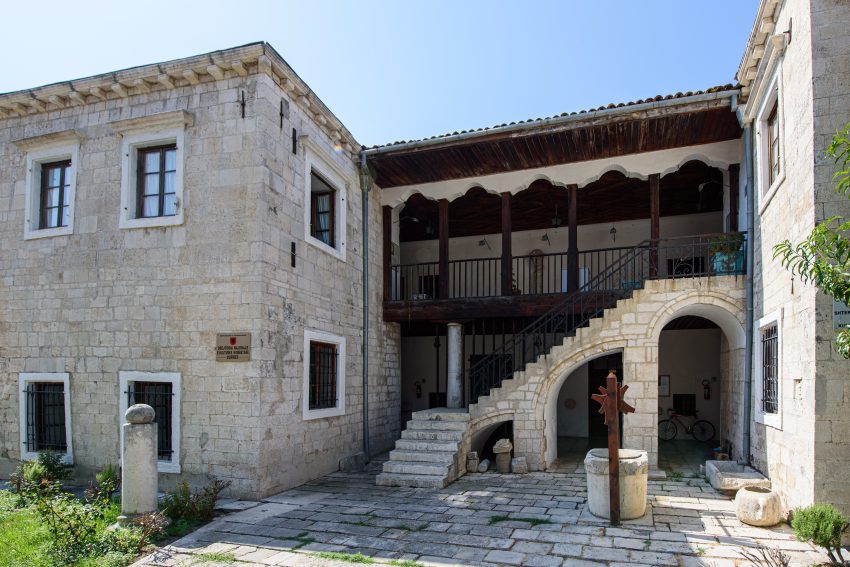
Ethnographic Museum of Durres
CC BY-SA 4.0 / Andis Rado

Walk along the outside of the city walls, until you find the first break in the walls. Turn left through the walls and left again to enter Rruga Kolonel Tomson. On your left you should see the Aleksandër Moisiu Museum.

In 1914 Kolonel Tomson was the Dutch military commander of the newly created International Gendarmerie peacekeeping force in the Principality of Albania. He was killed during fighting in Durrës on 15 June 1914.


The Aleksandër Moisiu House-Museum in Durrës celebrates one of Albania’s most famous cultural figures, the actor Aleksandër Moisiu. Born in 1879 in Durrës to a family of mixed Albanian and Austrian heritage, Moisiu became an internationally acclaimed stage actor, performing across Europe in German and Italian theaters. The museum is housed in the building where he spent part of his early life, preserving the memory of his upbringing and artistic achievements. Its location in the historic center of Durrës makes it easily accessible for visitors exploring the city on foot.

Inside the museum, visitors can explore a carefully curated collection of personal items, photographs, and stage memorabilia that document Moisiu’s career and international influence. The exhibits highlight his journey from a young talent in Albania to a celebrated figure on the European stage, including letters, playbills, and costumes that illustrate his versatility as an actor. The museum also provides insights into the cultural life of Durrës during Moisiu’s time, giving context to the artistic environment that shaped his early years.

Visiting the Aleksandër Moisiu Museum offers more than a glimpse into one man’s life; it also connects visitors to the broader cultural heritage of Durrës. The museum frequently hosts temporary exhibitions and educational programs that celebrate Albanian arts and theater, making it a lively cultural hub in the city. For anyone walking through the streets of Durrës, stopping at the Moisiu Museum is a chance to appreciate both the historical significance of the city and the enduring legacy of one of its most celebrated sons.


Location: Rruga Kolonel Tomson Durrës Albania

Here is a complete selection of hotel options in Durrës. Feel free to review each one and choose the stay that best suits your needs.

3. Durrës Amphitheatre

Amphitheatre of Durres, Albania
CC BY-SA 2.0 / Jed Horne

After leaving the Aleksandër Moisiu Museum you continue along the inside of the wall to get to the Amphitheater of Durrës.


The Amphitheatre of Durrës is one of the largest and most impressive ancient Roman structures in the Balkans, reflecting the city’s importance during the Roman Empire. Built in the 2nd century AD, likely during the reign of Emperor Trajan, the amphitheater could hold up to 20,000 spectators, making it a central hub for public entertainment. Its elliptical shape, with an arena in the center and tiered seating all around, was designed to host gladiatorial contests, theatrical performances, and other public spectacles, demonstrating the Roman influence on Durrës’ urban and cultural life.

Excavations over the years have revealed intricate details of the amphitheater’s construction, including underground passages that were used to manage animals and performers during shows. The structure sits close to the city center, which emphasizes how Roman urban planning integrated entertainment venues with daily life. Nearby, remnants of mosaics, marble seats, and sections of the original stone walls provide a tangible link to the city’s past, while the site itself has become a focal point for both historians and tourists seeking to explore Durrës’ rich archaeological heritage.

Today, the Amphitheatre of Durrës is a key attraction for visitors exploring the city on foot. Its open-air design allows for easy access and immersive views of the entire structure, letting you imagine the spectacle and energy of ancient Roman crowds. Guided tours often include the history of Roman Durrës, highlighting the city’s role as a major Adriatic port and cultural center. The amphitheater remains not just a historical monument but also a symbol of the city’s enduring legacy, bridging over 1,800 years of history with the modern life that surrounds it.

Just above Amphitheater, the one of the towers of the city walls. This is a great viewing point to look over the city.


Location: Rr e Kalasë | Hours: 9am-7pm Apr–mid-Oct, to 6pm mid-Oct–Mar | Price: 200 lekë

Traveling to a country with a different currency? Avoid ATM transaction fees and pay in local currency with a Wise Card. Having used it for over 5 years, we've saved loads on fees!

4. Durrës Great Mosque

Mosque in Durres
Mosque in Durres
CC BY-SA 4.0 / GentiBehramaj

From the Amphitheater walk to the north east to the large square, Qendra e Durrësit (Literally Center of Durrës), it is also called Sheshi Liria(Freedom Square).


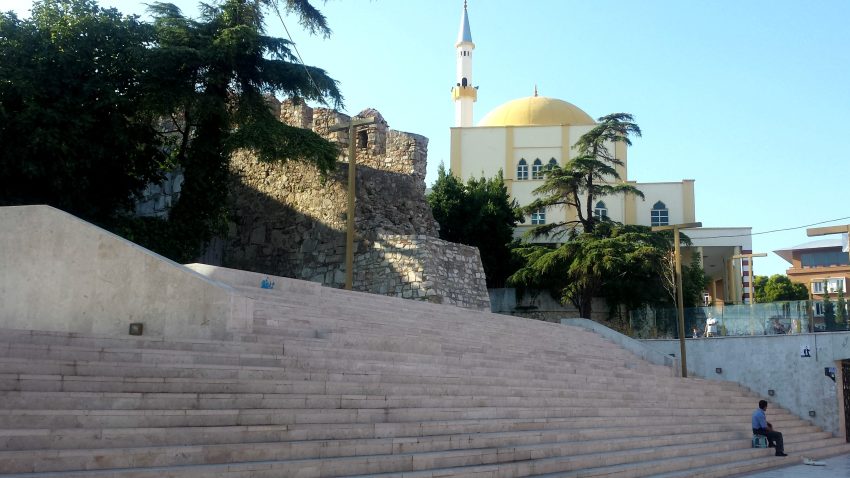
The Xhamia e Madhe, or Durrës Great Mosque, is one of the city’s most important religious and historical landmarks. Overlooking the central square of Durrës, it occupies a prominent place where locals often sit and congregate, making it a social as well as spiritual focal point. The current mosque was built in 1931 on the site of an older Ottoman mosque and was designed by Italian architects, making it the largest mosque in the Balkans at the time. Its architecture features a large prayer hall, a central dome, and a minaret, blending traditional Islamic design with early 20th-century European influences.

During Albania’s communist period, the mosque was closed and repurposed as a youth center, reflecting the state’s secular policies. Following the fall of the regime, the mosque was reopened in 1993, restoring its original function and significance for the local Muslim community. Inside, the mosque’s interior combines traditional motifs with more modern design elements, offering a serene space for worship and reflection. Its spacious prayer hall accommodates large gatherings, particularly during Friday prayers and religious holidays, emphasizing its ongoing role in community life.

Today, the Great Mosque is an accessible and striking landmark in the heart of Durrës. Visitors walking through the historic center can appreciate both its architectural beauty and its cultural importance, as well as enjoy the vibrant activity of the surrounding square. The mosque’s history—from Ottoman origins to Italian redesign, closure under communism, and eventual reopening—reflects the broader narrative of Durrës itself, a city shaped by layers of religious, political, and social change.


Location: Rruga Aleksander Goga Durrës Albania

5. Sheshi Liria
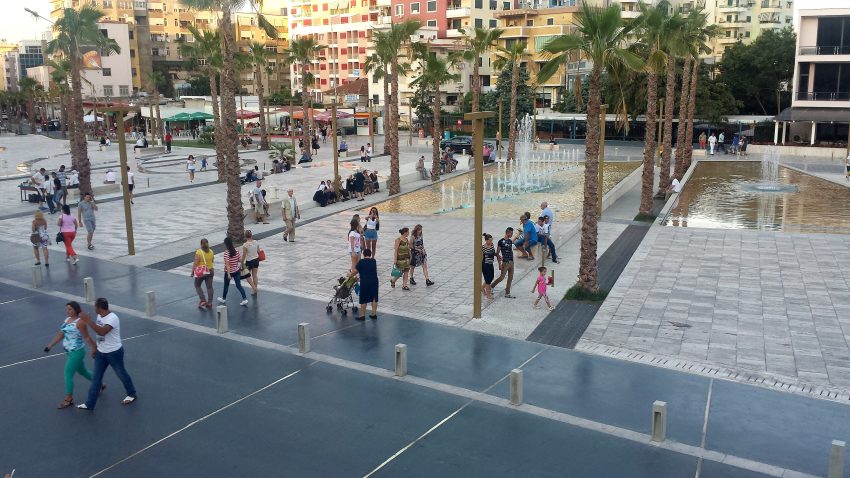
Sheshi Liria, Durrës, Shqipëri
CC BY-SA 4.0 / GentiBehramaj

Opposite the The Great Mosque of Durrësis Freedom Square.


Visiting Sheshi Liria, or Freedom Square, on a walking tour of Durrës provides an ideal introduction to the city’s vibrant urban life. As one of the largest and most central squares in the city, it is a natural gathering place where locals meet, relax, and socialize. Walking into the square, visitors are immediately struck by its open layout and the sense of space, which contrasts nicely with the narrower streets of the historic center. Cafés and benches line the square, inviting travelers to pause, soak up the atmosphere, and watch the flow of daily life around them.

The square is also rich in historical and cultural significance, offering plenty for those interested in Durrës’ past. Monuments and memorials within and around the square commemorate key moments in Albanian history, from the struggle for independence to modern civic achievements. As part of a walking tour, Sheshi Liria provides a tangible connection between the city’s present and its past, allowing visitors to reflect on how public spaces have been used to celebrate identity, community, and national pride. The layout encourages leisurely exploration, making it easy to take in the architecture and public art that surrounds the square.

From Sheshi Liria, walking tours can easily continue to nearby landmarks, linking the square to other historical and cultural sites. The Venetian Tower, Roman Amphitheatre, and central promenade are all within easy reach, making it a convenient hub for exploring the city on foot. The combination of social activity, historical context, and accessibility makes Freedom Square a memorable stop, offering both a moment of rest and a deeper understanding of Durrës’ urban and cultural landscape.


Location: Sheshi Liria, Durrës, Albania

6. Byzantine Forum
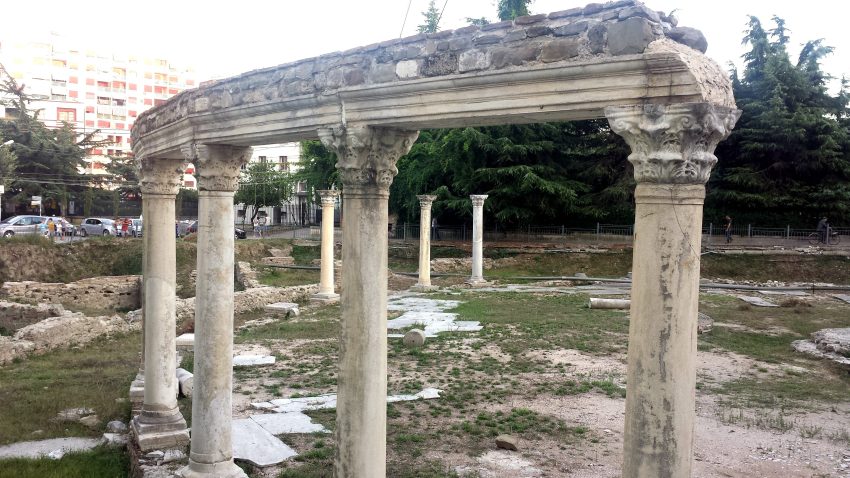
Byzantine Market Square in Durres
CC BY-SA 4.0 / GentiBehramaj

Just to the north of Qendra e Durrësit along Rruga Aleksander Goga lies the Roman baths and Forum of Durres.


The Forum and Roman Baths of Durrës mark the site of the ancient Byzantine and Roman center of the city, once known as Dyrrhachium. This area was the heart of public life in antiquity, hosting markets, civic events, and social gatherings. Visitors today can still see the foundations and layout of the forum, which offer a glimpse into how the city was organized during its Roman and Byzantine periods. Walking through the site, it is easy to imagine the bustle of merchants, officials, and citizens moving through this civic hub over a millennium ago.

One of the most striking features of the forum is a semi-circle of Corinthian columns, which hint at the grandeur of the structures that once stood here. Although time and the elements have left the columns and surrounding buildings in a fragmentary state, they retain a sense of classical elegance and architectural sophistication. These remnants provide insight into the Roman and Byzantine styles that influenced Durrës’ development and the city’s role as a key Adriatic port.

The site is open to the public and free to explore, making it an accessible stop for those walking through the historic center. While the ruins are modest compared with other Roman sites, they offer an authentic encounter with the city’s ancient past. Visitors can appreciate the layers of history embedded in the stones, imagining the forum as a lively center of commerce, administration, and social life in Dyrrhachium.


Location: Rruga Aleksander Goga, Durrës, Albania

7. Well of Tophane
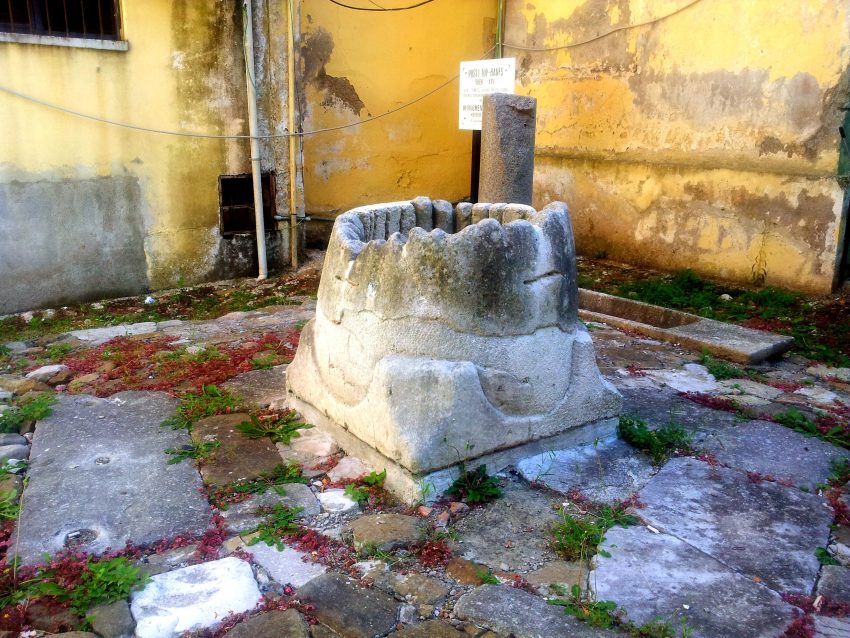
Well Tophanes Durres
CC BY-SA 4.0 / Ardit Ajdini

The Well of Tophane in Durrës is a fascinating historical site that provides insight into the daily life and infrastructure of the city in past centuries. Believed to date back to the Ottoman period, this well was an essential source of water for the surrounding community and played a crucial role in sustaining both local residents and travelers passing through the port. Its location in the heart of the city made it a central gathering point, reflecting the social as well as practical importance of water supply in urban life.

The structure itself is simple but historically significant. Visitors can see the stone-lined shaft and the remnants of the mechanisms used to draw water, offering a tangible connection to the engineering and craftsmanship of the period. Although modest compared with Durrës’ grander monuments, the Well of Tophane provides an authentic glimpse into how essential infrastructure shaped daily routines and supported urban development in the city.

Today, the well is freely accessible to visitors exploring the historic center of Durrës. It serves as a quiet and evocative reminder of the city’s Ottoman past, standing in contrast to nearby landmarks like the Venetian Tower or the Roman Amphitheatre. Walking through the area, visitors can reflect on the continuity of city life over centuries, where something as simple as a communal well was vital to the health, economy, and social fabric of Durrës.


8. Museum of Martyrs and Hall of War Relics
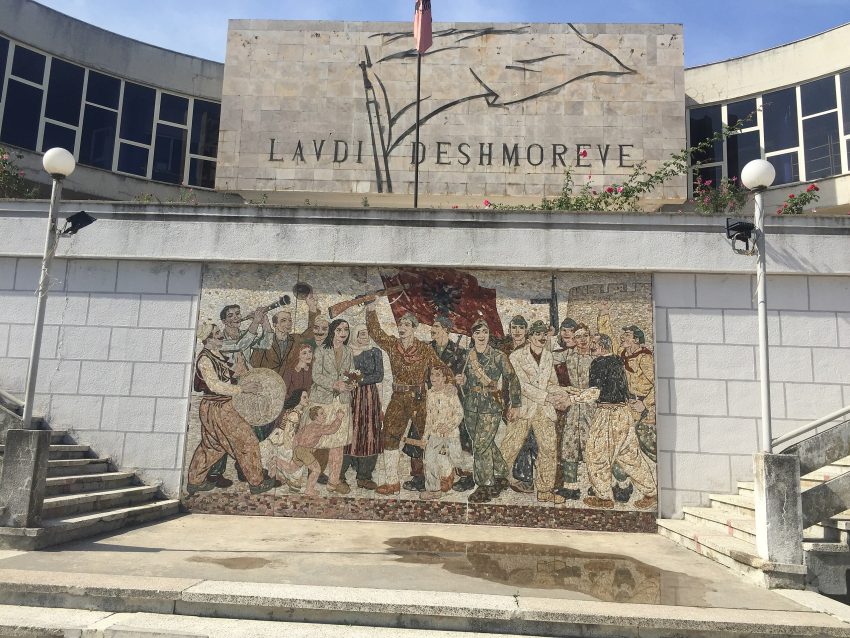
Museum of Martyrs and Hall of War Relics
CC BY-SA 4.0 / OdettMelody

The Museum of Martyrs and Hall of War Relics in Durrës offers a moving glimpse into Albania’s 20th-century history, particularly the struggles faced during the Second World War. On a walking tour, this site provides a chance to explore the personal stories of Albanian partisans through displays of uniforms, medals, photographs, and weaponry. A memorial on the second floor honors the martyrs who gave their lives for the country’s freedom, offering a solemn space for reflection. This stop allows visitors to appreciate the sacrifices made by the people of Durrës and to connect with a more recent, yet significant, chapter of the city’s past.

The top floor of the museum houses a library, giving those interested in deeper research access to books, documents, and historical materials related to the war and the city’s role in Albania’s resistance efforts. The Hall of War Relics complements the museum with exhibits detailing specific battles and strategies, highlighting Durrës’ strategic importance during the conflict. Together, the museum and hall provide a compact but meaningful stop on a walking tour, balancing historical education with the opportunity to reflect on courage, resilience, and the enduring legacy of the city’s people.


Location: Museum of Martyrs and Hall of War Relics, Rruga Aleksander Goga, Durrës, Albania

9. King Zog Royal Villa
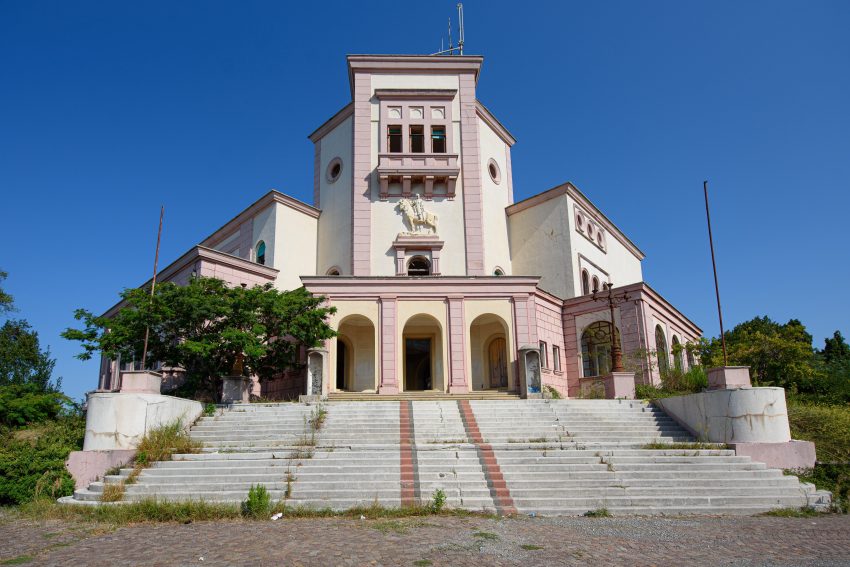
Royal Villa of Durres
CC BY-SA 4.0 / Andis Rado

This is an optional detour to see the summer residence of King Zog. It is about 1.5 km uphill walk! To the north of the Mosque you will find Rruga Karl Topia, head up the road which turns into Rruga Gjergj Komnino and Rruga Kont Urani. Basically when you come to a junction choose the road that goes uphill!


The Royal Villa of Durrës was built in 1926 and served as the summer palace of King Zog I and the Albanian royal family. Situated on a slight elevation above the city, the villa was designed as a private retreat, combining elegance with the security needed for a royal residence. Its architecture reflects the period’s refined style, with a focus on symmetry, proportion, and harmonious integration into the surrounding landscape. Although it was primarily a private residence, the villa’s construction highlighted Durrës’ importance as both a coastal city and a location of prestige for the Albanian monarchy.

Although the villa is secluded and surrounded by thick walls that make it almost impossible to access, visitors can still admire its external beauty and architectural details from the outside. From these vantage points, it is also possible to enjoy sweeping views of the city below, taking in the contrast between the villa’s formal elegance and the bustling port and historic center of Durrës. The combination of the villa’s commanding position and its serene gardens emphasizes the sense of exclusivity and royal presence that the site was intended to convey.

Slightly further up the road from the Royal Villa is the Faro de Durrës, a lighthouse that provides an excellent viewing platform of both the bay and the palace. From this spot, visitors can gain a broader perspective on the villa’s location and the surrounding coastline, appreciating the strategic and scenic significance that likely influenced King Zog’s choice of site. Together, the villa and its surroundings offer a glimpse into the royal era of Albania, blending historical intrigue with panoramic views of the Adriatic and the city of Durrës.


Location: Vila e Zogut Albania Rruga Kont Urani 34 2000, Albania

10. Durrës Castle
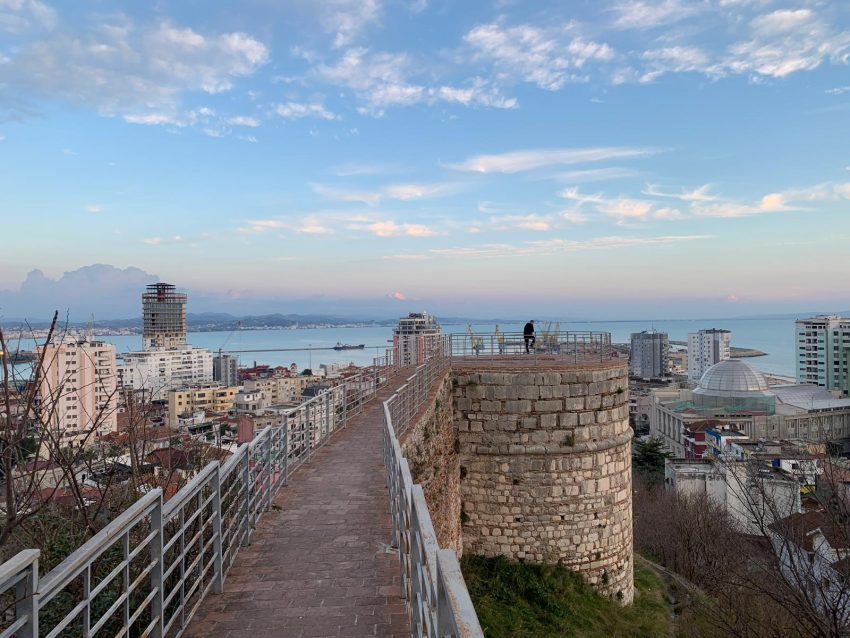
Durres Castle
Durres Castle
© Andrew Ashton

Durrës Castle, including the Angevin Watchtower, is a key highlight for anyone exploring the city on foot. The castle itself dates back to the 6th century when it was first built by the Byzantines under Emperor Anastasius I to defend the city against invasions from the Adriatic. Over the centuries, the fortifications were expanded and reinforced by Venetians, Ottomans, and Angevins, creating a complex of walls, towers, and gates that reflect the city’s layered history. Walking through the castle, visitors can admire the sturdy stone walls and imagine the strategic importance of this stronghold in protecting Durrës from both land and sea attacks.

The Angevin Watchtower, a prominent feature of the castle, was added during the late 13th and early 14th centuries when the Angevins controlled parts of Albania. Positioned along the castle walls, the tower served as a lookout point to monitor the Adriatic coastline for incoming ships or potential threats. Its thick stone construction and narrow observation slits illustrate the defensive techniques of the period, designed to provide both visibility and protection for the city’s defenders. The watchtower is an excellent example of medieval military architecture and gives insight into the strategic planning that went into safeguarding Durrës.

During a walking tour, visitors can climb the Angevin Watchtower and enjoy panoramic views of the city, the harbor, and the surrounding coastline. The vantage point helps bring the castle’s history to life, allowing you to see why this location was so vital for defense over the centuries. Exploring the castle and its towers offers a tangible connection to Durrës’ medieval past, highlighting the city’s role as a fortified Adriatic hub and providing a memorable stop for history enthusiasts and casual visitors alike.


11. Durrës Archaeological Museum
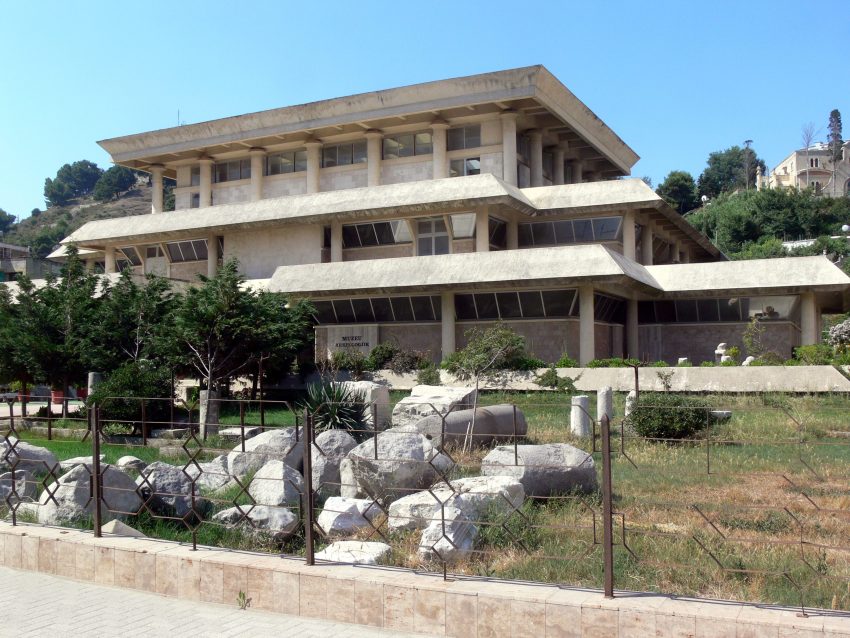
Durres Archaeological Museum
CC BY-SA 2.0 / Fingalo

The Durrës Archaeological Museum is one of the city’s most important cultural institutions, offering a comprehensive overview of Albania’s rich historical and archaeological heritage. Located in the heart of Durrës, the museum houses artifacts that span thousands of years, from the prehistoric and Illyrian periods to Roman, Byzantine, and Ottoman times. Its collection provides a detailed look at the city’s evolution as a key Adriatic port and cultural hub, highlighting the layers of history that make Durrës such a fascinating destination.

Visitors to the museum can explore a variety of exhibits, including ancient sculptures, mosaics, pottery, coins, and jewelry. Among the highlights are pieces recovered from the nearby Roman Amphitheatre and the Byzantine Forum, which illustrate the artistic and daily life of past civilizations. The museum also emphasizes the city’s role as a crossroads of different cultures, showing influences from Greek, Roman, Byzantine, and later periods, allowing guests to trace the complex tapestry of Durrës’ past.

The museum is easily accessible for those walking through the historic center, making it a natural stop on any walking tour of the city. Its displays are carefully curated to educate and engage visitors, offering context for the ruins and historic buildings seen elsewhere in Durrës. For anyone interested in archaeology, history, or the development of urban centers on the Adriatic coast, the Durrës Archaeological Museum provides an invaluable and immersive experience.


Location: Rr Taulantia 32, Durrës, | Hours: 9am-7pm | Price: 300 lekë
Powered by GetYourGuide
Moira & Andy
Moira & Andy

Hey! We're Moira & Andy. From hiking the Camino to trips around Europe in Bert our campervan — we've been traveling together since retirement in 2020!

Read our full story here

This website uses affiliate links which earn a small commission at no additional cost to you.

Walking Tour Summary

Distance: 9 km
Sites: 11

Walking Tour Map
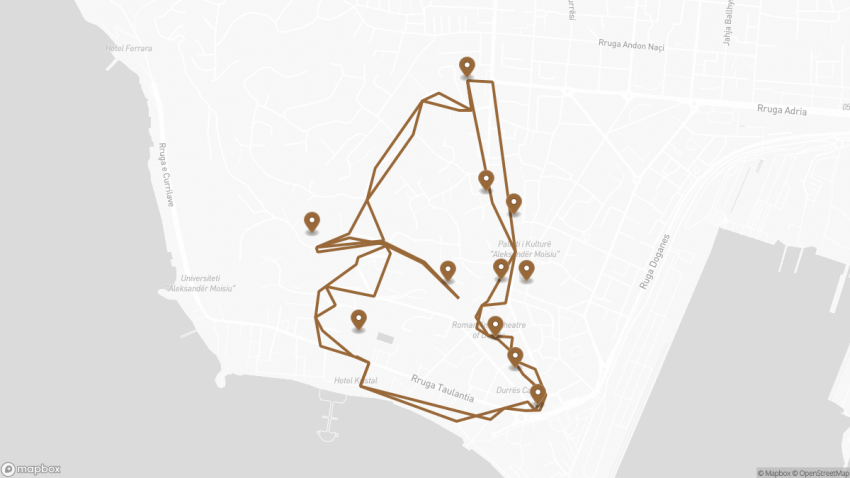
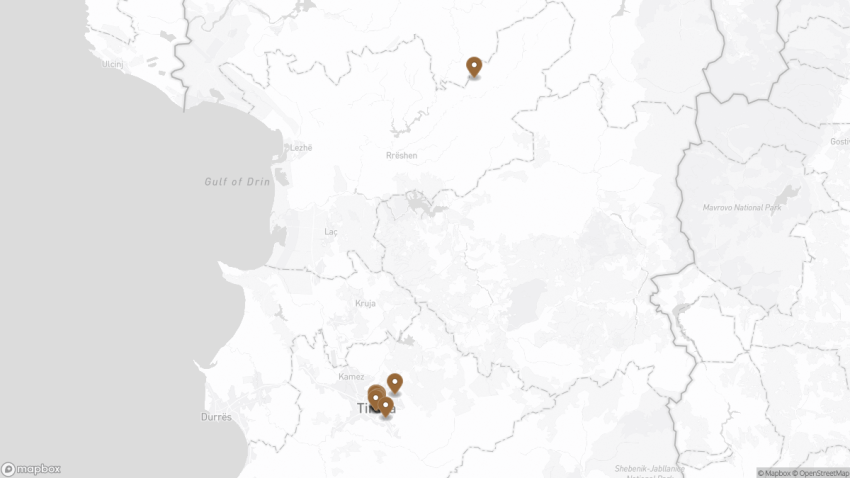
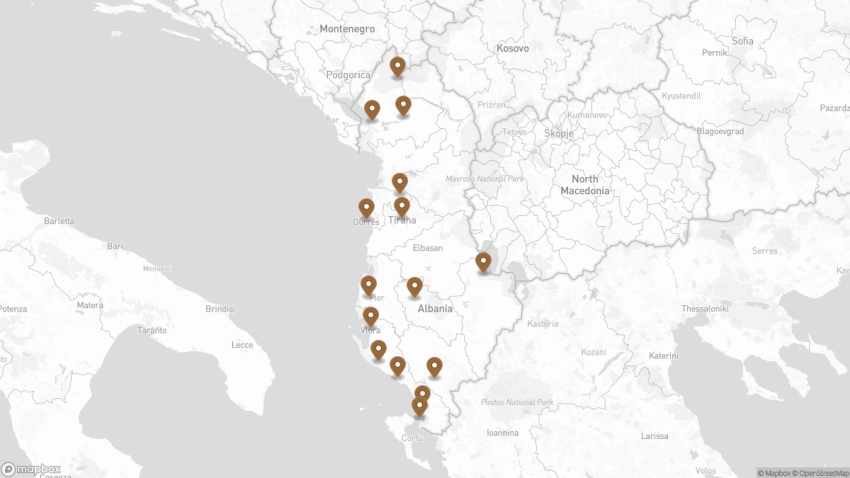
Map of the Self-Guided Walking Tour of Durrës, Albania walking route with 11 stops in Durrës.
Preview map of the Self-Guided Walking Tour of Durrës, Albania route in Durrës, showing 11 stops. Use the interactive map to zoom and tap markers.

Travelling Back to Tirana’s Communist Past 2026: History & Hidden Sites

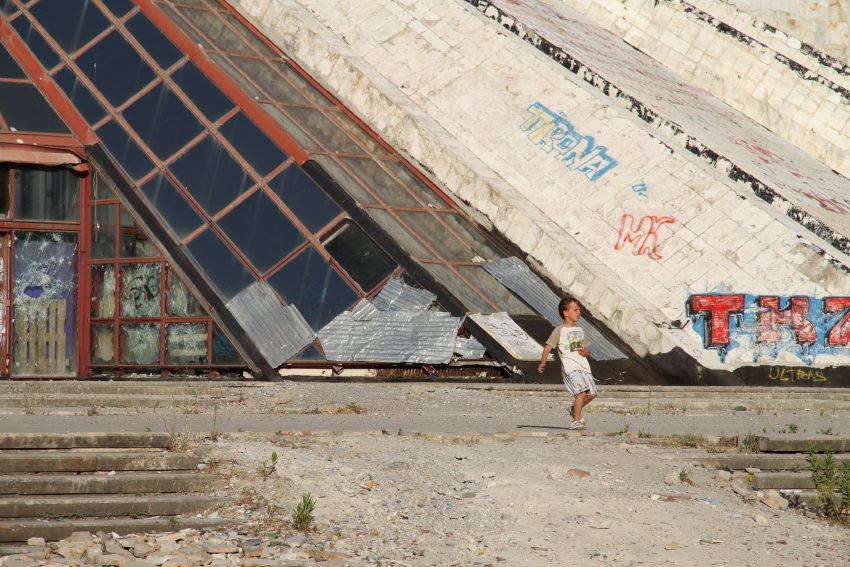
The famous pyramid which was built after Enver Hoxhas death in his memory
CC BY-SA 2.0 / Andreas Lehner

This website uses affiliate links which earn a small commission at no additional cost to you.

Tirana has a fascinating history and each stage of it has left its marks on the city. From 1944 to 1990, Albania suffered a period of isolation during the Communist regime. While many of the communist landmarks were destroyed following the transition to democracy

These communist landmarks that survive will let you experience a little of the frightening communist regime that existed. From looking at the lifestyle of the old dictator to the surveillance systems that kept control over the country and the ever present bunkers that protected Albania from invasion.

1. National Museum of History

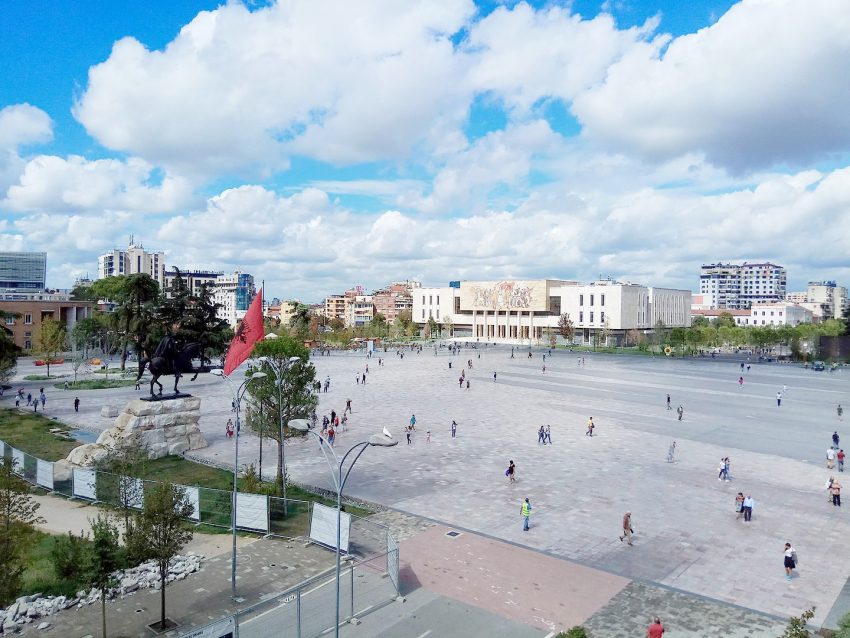
National History Museum Tirana Albania
CC BY-SA 4.0 / OdettMelody

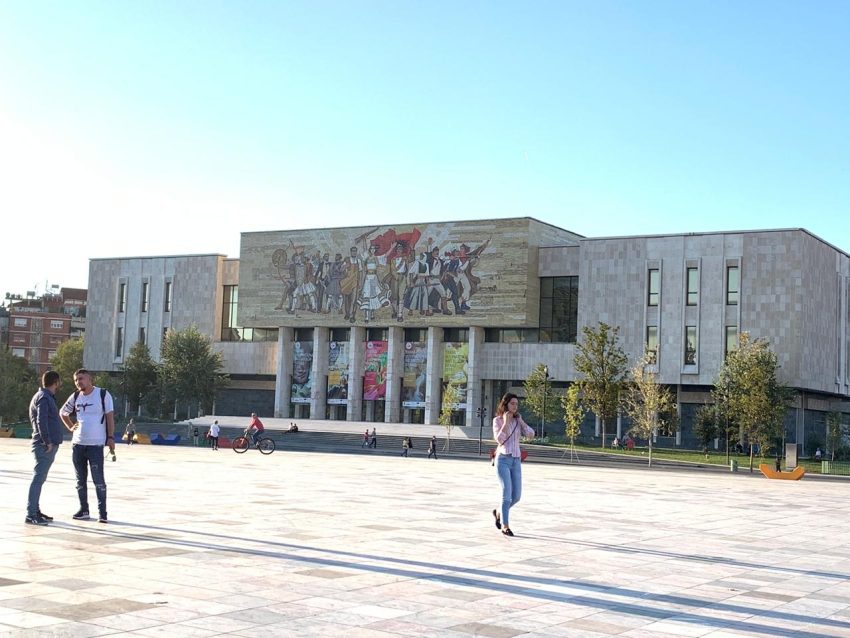
Skanderbeg Square is a good starting point for the tour. Above the entrance to the National History Museum is a good example of Socialist Realism art. In the days of the regime there was also a red star in the middle of the partisans flag.

Inside the museum there is a pavilion which is dedicated to the communist crimes during the regime. With photos, documents and objects belonging to the period, from 1944 to 1990. There is also a section dedicated victims of religious persecution at the times. In 1967 Albania was declared the first atheist country in the world, and in the following years many religious sites, churches, monasteries and mosques were destroyed.


Location: Skënderbej Square, Boulevard Zogu I, Tirana , Albania | Hours: 9am-7pm | Price: 200 lekë | Website

We recommend to rent a car in Albania through Discover Cars, they compare prices and review multiple car rental agencies. Book your rental car here.

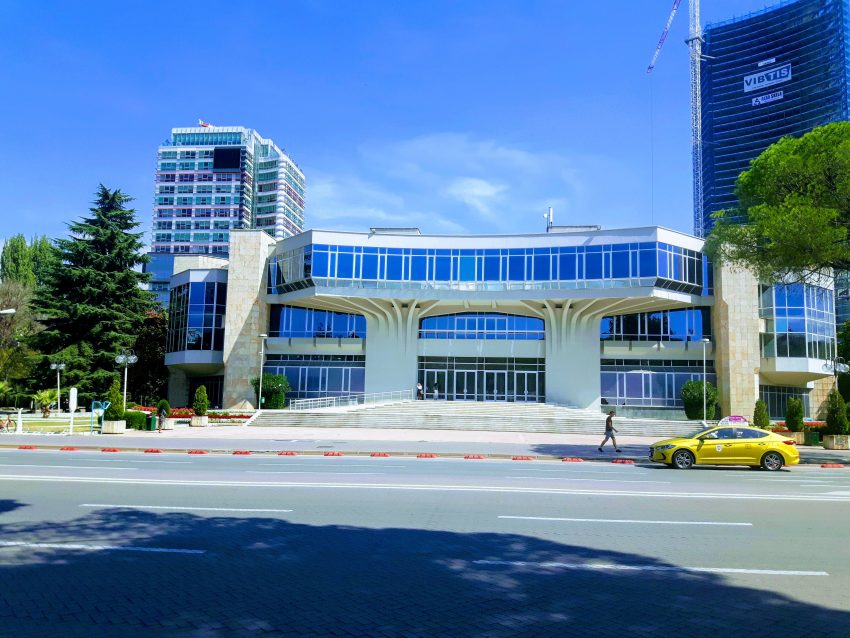
2. The Palace of Culture of Tirana

Palace of Culture Tirana Albania
CC BY-SA 4.0 / ShkelzenRexha

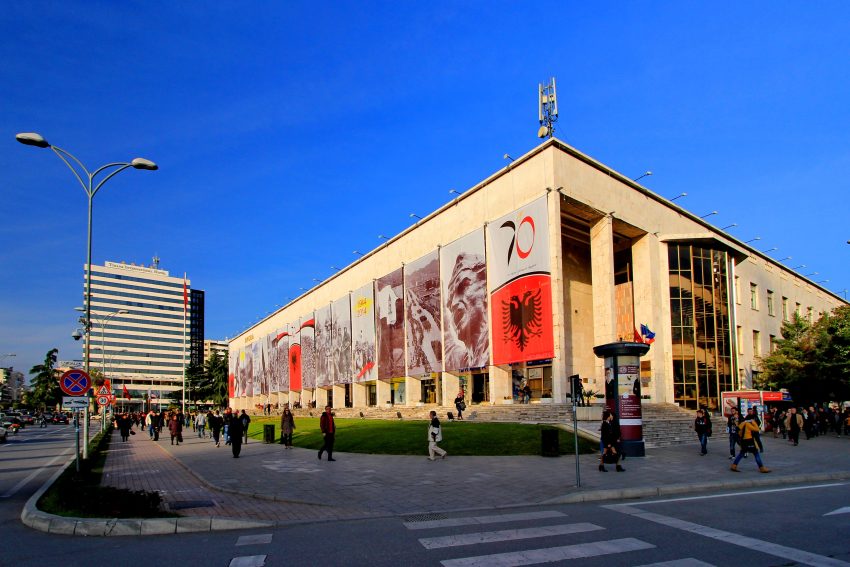
Both the Palace of Culture and the Tirana International Hotel are good examples of communist architecture.

Palace of Culture of Tirana was was also built during the communist era with Nikita Khrushchev laying the first stone during a visit in Albania in 1959. The architecture is typical of those years and reminds to many communist-era buildings spread throughout Eastern Europe. Unfortunately only the exterior of these buildings reminds one of those times as the both the hotel and opera house have recently been renovated.

The Tirana International Hotel was built in 1979 and was designed by Valentina Pistoli, who was an Albanian architect born in Korce, Albania.


Location: Sheshi Skenderbej 1000 Tirana, Albania | Website

Here is a complete selection of hotel options in Tirana. Feel free to review each one and choose the stay that best suits your needs.

3. Monument to the Unknown Partisan

Unknown Soldier Tirana, Albania
CC BY-SA 3.0 / MirkoS18

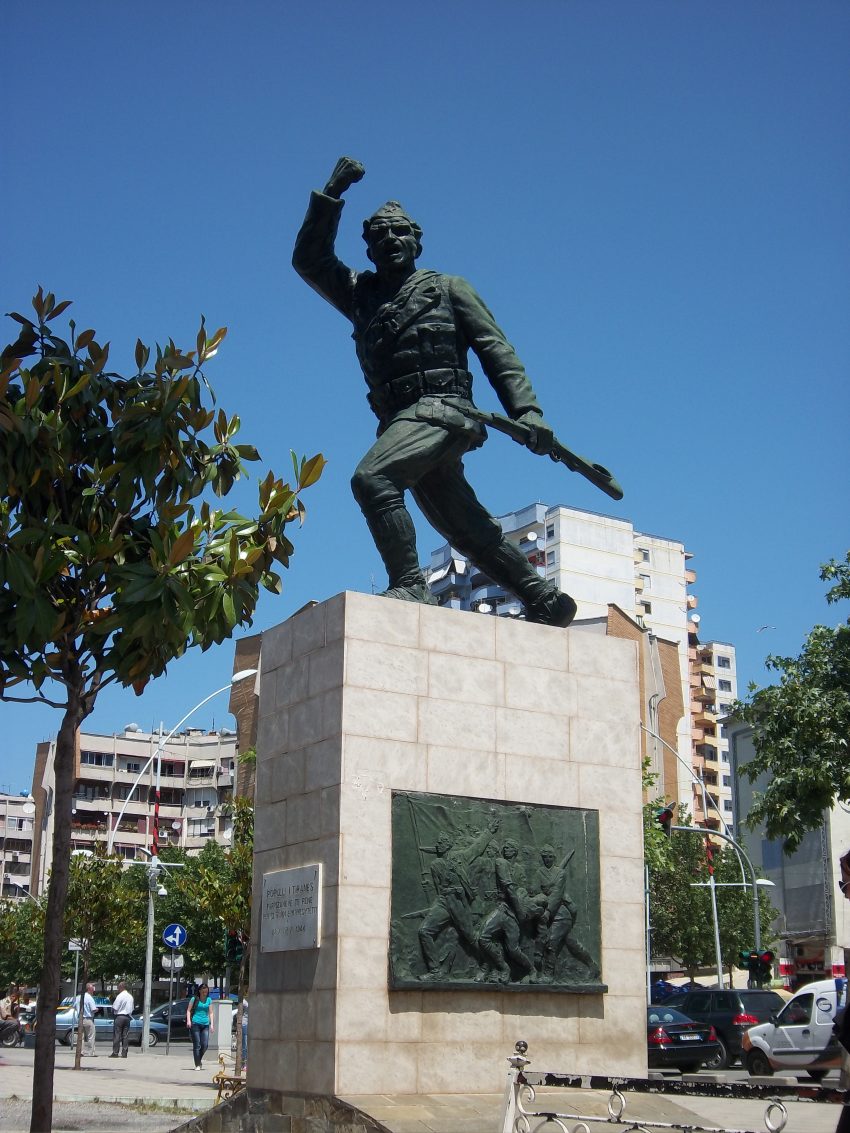
The Unknown Soldier Statue is a war memorial dedicated to the partisans that fell in the struggle against the Italians during their occupation in Second World War. The statue is a great example of socialist realism, and depicts a soldier raising his right hand waving troops forward while holding a rifle in his left.


Traveling to a country with a different currency? Avoid ATM transaction fees and pay in local currency with a Wise Card. Having used it for over 5 years, we've saved loads on fees!

4. Bunk’art 2

Exterior Bunk Art 2, Tirane, Albania
CC BY-SA 4.0 / Albinfo

This museum of located in a communist-era bunker and underground tunnel system below the Ministry of Internal Affairs.

Each of its 24 rooms of the bunker detail stories of the political persecutions of approximately 100,000 Albanians from 1945-1991. it also shows the creation of the state security or Sigurimi during Communism, and exhibitions showing the state’s means of persecution during this dark period of history.


Location: Rruga Sermedin Said Toptani, Tirana | Hours: Sun - Sat 09:00 - 18:00 | Price: 500 Lek | Website

Explore Tirana at your own pace with our self-guided walking tour! Follow our curated route to discover must-see sights and local secrets that makes Tirana one of the best places to visit in Albania.

5. The House of Leaves

Museum of Leaves, Tirana, Albania
CC BY-SA 4.0 / Jcornelius

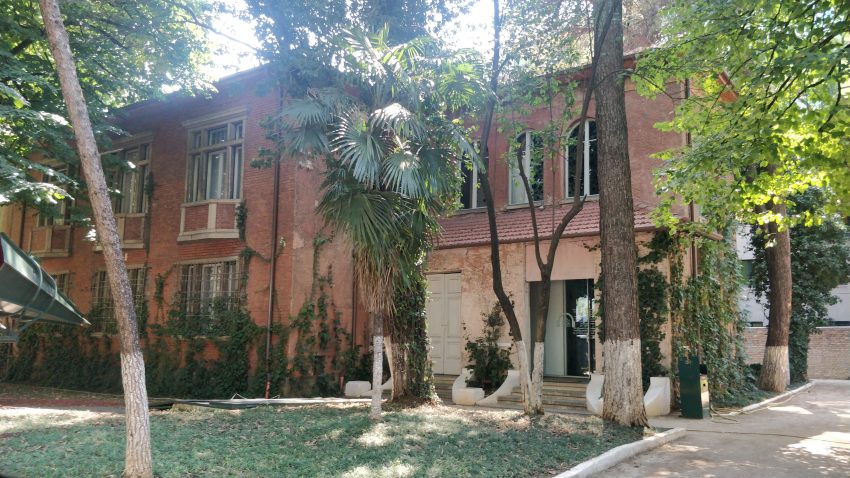
The House of Leaves is the newest museum opened in Tirana and one of the most interesting. Built in 1931, originally the buildings purpose was rather benign medical clinic. However it was used by the Gestapo during the war and during the post war period the building became the headquarters of the infamous Sigurimi, the Albanian secret service. It is considered to be the equivalent of the Stasi headquarters of the former East Germany.

The name House of leaves came about as the building had dense foliage growing on the front of it.

The proximity of the building to the Central Post Office was no coincidence as this facilitated the interception of the people’s correspondence.


Location: Rruga Dëshmorët e 4 Shkurtit, Tiranë. | Hours: Monday-Sunday 09:00 - 19:00 | Price: 700 lekë | Website

6. National Art Gallery

National Art Gallery, Tirana, Albania
CC BY-SA 4.0 / Pasztilla

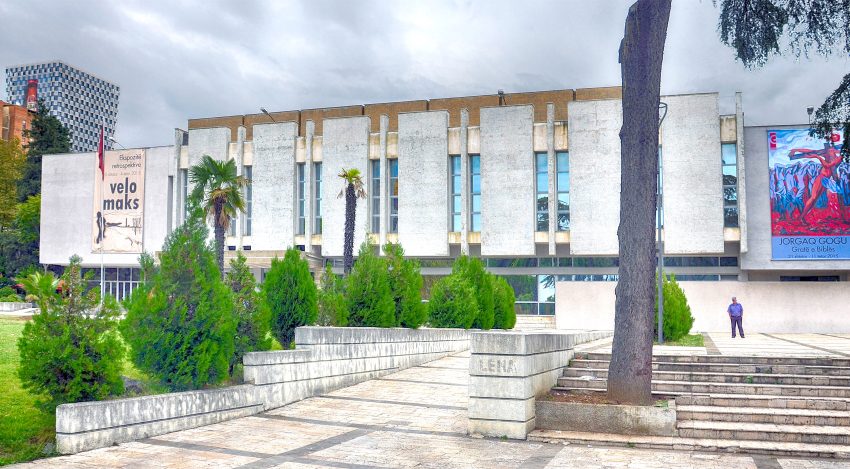
The National Art Gallery of Albania is the largest art gallery in Albania and the collections include both 19th-century paintings depicting scenes from daily Albanian life and others with a far more political dimension with some truly fabulous examples of Albanian socialist realism. The building itself shows similar communist architectural style to the National Museum of History and the Palace of Culture.

Don’t miss the small collection of communist statues in storage behind the building, including statues of Lenin and Stalin.


Location: Blvd Dëshmorët e Kombit | Hours: 10am- 6pm Mon-Sat | Price: 200 lek | Website

7. Hotel Dajti

Hotel Dajti
Hotel Dajti
CC BY-SA 3.0 / Belgian man

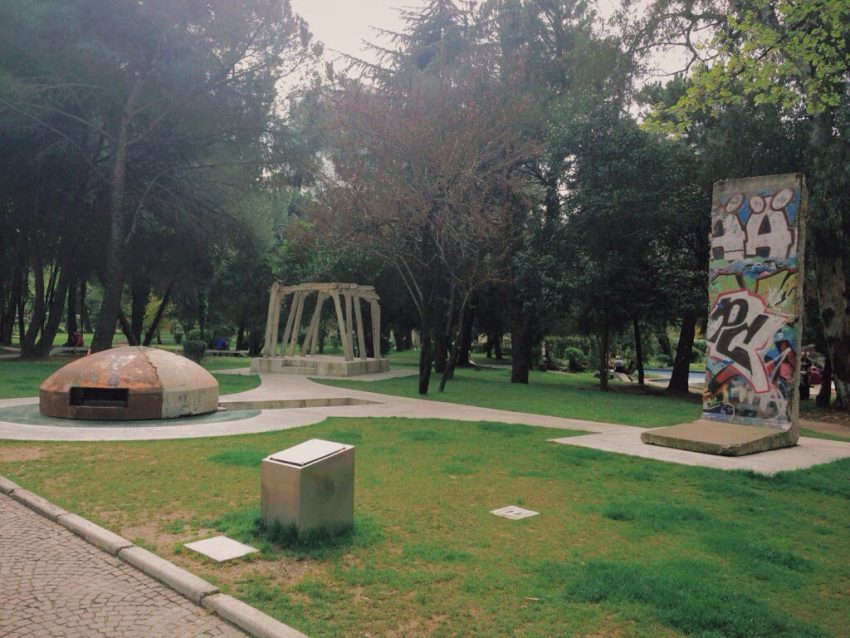
Postbllok, or Checkpoint, is a memorial to communist isolations created by the former dissident Fatos Lubonja and artist Ardian Isufi, which commemorates the country’s political prisoners of Hoxha’s regime located in front of the Government building, in Bulevardi Mother Theresa. The installation, surrounded by green and trees, includes a bunker, remaining supports of a mining gallery from the labour camp of Spaç and an original piece from the Berlin Wall. We suggest you descend the stairs down the bunker and watch people passing near it.

No more than 120 meters from Enver Hoxha’s villa toward the Boulevard “Zogu I”, on the right side of the street you will find a monument called the Post-Block Memorial, a testimony to human resistance during the dictatorship in Albania. It could not be otherwise as one of the co-authors of the memorial is Fatos Lubonja, a publicist who was put in the most infamous communist prison, that of Spaç. The installation is built in three connected parts: a fragment of the Berlin Wall, an original Communist bunker, which guarded the main entrance to the former Block, and several iron columns taken from the notorious Spaç mine, where many opponents of the communist regime were imprisoned. Read our detailed article here.


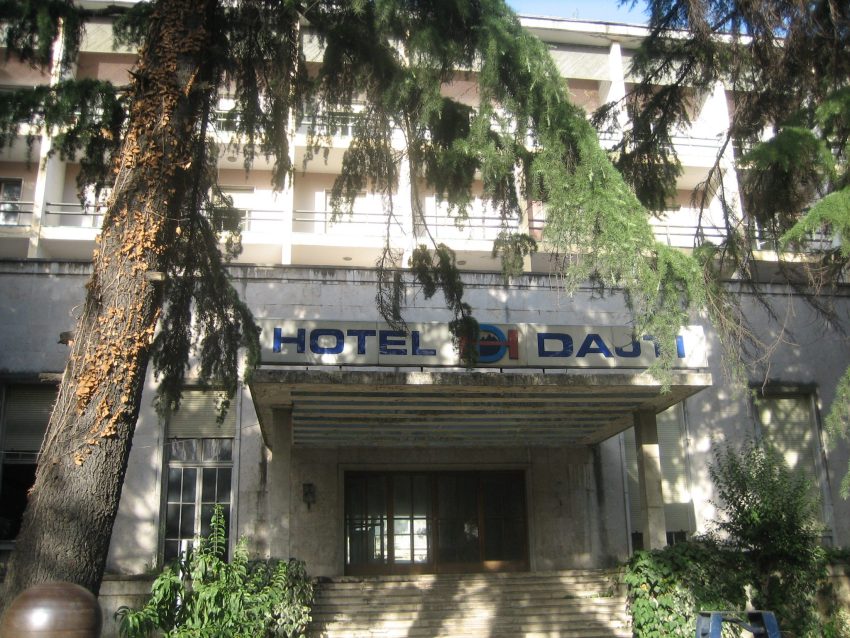
Hotel Dajti was a hotel that was situated near Rinia Park on Dëshmorët e Kombit Boulevard (Martyrs of the Nation Boulevard).
During the communist regimes heyday international diplomats and visitors would be required to stay here. The hotel rooms were all equipped with state of the art listening microphones, and the was a listening room in the downstairs basement manned 24 hours a day by members of the Sigurimi.


Location: Banka e Shqipërisë, Bulevardi Dëshmorët e Kombit, Tirana, Albania.

8. The Pyramid

Pyramid of Tirana
Pyramid of Tirana
CC BY-SA 4.0 / BBB2021

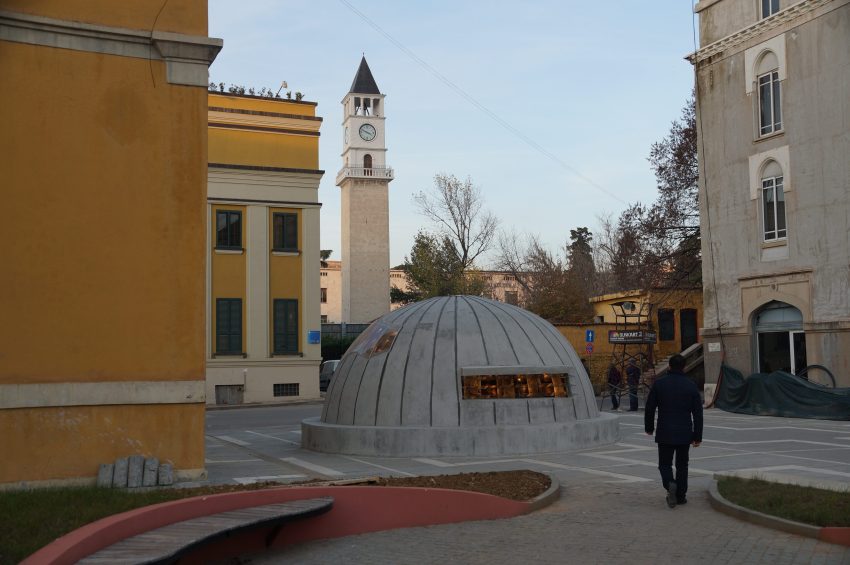
The most iconic piece of communist architecture in Tirana is Hoxha’s pyramid.

It is situated just across the little Lana River from the Dajti. It has sloping walls at the front and vertical at the back. Originally, the Pyramid was topped by a red star, which has also now been removed. With a little imagination the pyramid from the air has the shape of a two-headed eagle, which also a symbol of Albanian and exists on the national flag.

The architects were Hoxha’s own daughter, and son-in-law – they were tasked with building a mausoleum for the dictator after his death. Until 1991, its main function was as Hoxha’s memorial while, although after 1991, it was converted into a cultural center, a refugee crisis center and nightclub. For many years it has fallen into disuse, although there are plans to renovate and redesign it.


Location: Pyramid of Tirana, Bulevardi Dëshmorët e Kombit, Tiranë, Albania | Hours: Publicly accessible area; construction zones may restrict entry. | Price: Free (for exterior viewing); future entry fees for the new center are TBD.

9. Café-Museum Komiteti

Komiteti Bar Museum Tirana
© Andrew Ashton

Just behind the pyramid is Komiteti a self-styled ‘café museum’. The place’s interior design is inspired by the communism era in Albania with exhibits and memorabilia all over the walls.


Location: Rruga Fatmir Haxhiu Tirana Albania | Hours: Daily: 07:00–00:00. | Price: Free (just pay for drinks) | Website

10. Postbllok Monument

Postblloku Tirana Albania
CC BY-SA 3.0 / Kj1595

The so-called prefabricated residential buildings are dispersed around the entire capital. Homes to a majority of the Albanian population during communism, these buildings are a symbol of the mostly unattractive communist-era architecture. While they are strikingly similar to other Eastern European communist-era constructions, they still retain a recognizable Albanian style. Many of these facades were painted in bright colors and varying patterns at different periods in time, transforming something grey and mass-produced into something bright and unique and giving the city a much-needed makeover.


Postbllok, or Checkpoint, is a memorial to communist isolations.

It was conceived as an artistic installation and co-created by former dissident Fatos Lubonja and artist Ardian Isufi. Lubonja had suffered thirteen years in hard labour and another four in solitary confinement, for being critical of Hoxha’s regime.

The monument consists of three main elements: one of the small concrete defensive bunkers that litter the country; several concrete supports from the mine at the notorious Spaç labour camp where thousands of political prisoners suffered between 1968 and 1990; and a brightly painted section of the Berlin Wall from Postdamer Platz.

Spaç labour camp (pronounced spach), was a high-security labor camp located in an isolated canyon in the Mirdita region in north-central part of the Alania. The location of the camp was so remote and its climate so harsh that, although there was barbed-wire fencing, there were no actual perimeter walls were built. The other reason for its location was its proximity to a copper mine, where prisoners could be used as slave labor.


Location: Bulevardi Deshmoret e Kombit, Tirana | Hours: 24 hours daily | Price: Free

11. Blloku

Enver Hoxha House: The former residence of dictator Albania
CC BY-SA 4.0 / Sailko

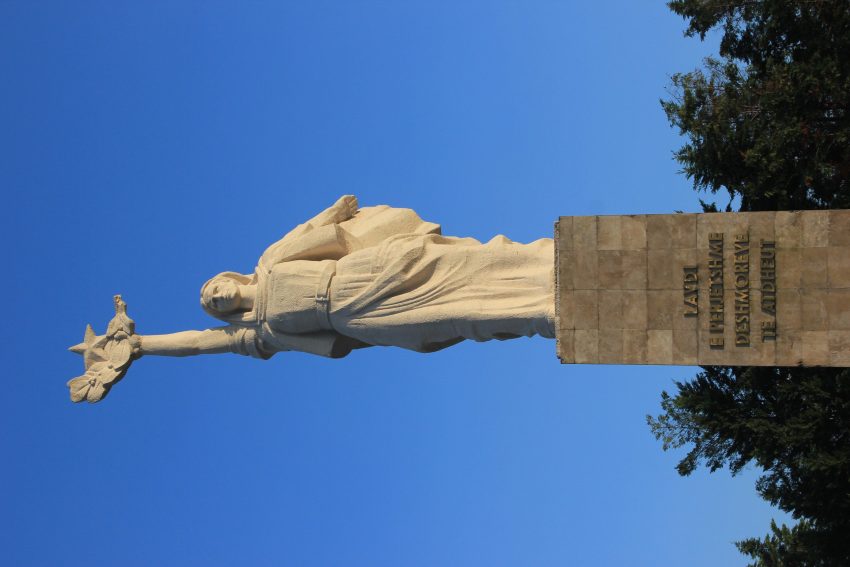
The eastern entrance to the capital is marked by one of the most significant objects of national memory: The Cemetery of the Fallen Heroes of War and the “Mother Albania” Monument. Built on a hilltop, this monumental complex holds the remains of 900 partisans and is visible to any traveler entering or exiting Tirana. The iconic monument made of concrete and 12 meters in height, portrays Albania as a woman holding a laurel wreath and a star on each hand. On the 3 meter high pedestal, the words “Everlasting glory to the martyrs of the nation” are carved. This cemetery once held the body of former dictator Enver Hoxha, later moved to one of the city’s public cemeteries after the fall of the regime in 1992.


Today, Blloku is a lively district of the capital of Albania, with a plethora of cafe, bars and boutique shops. However during the days of the regime the area was off limits to normal Albanians, only the communist elite were allowed in. The party elite were then called ‘Bllok-men’.

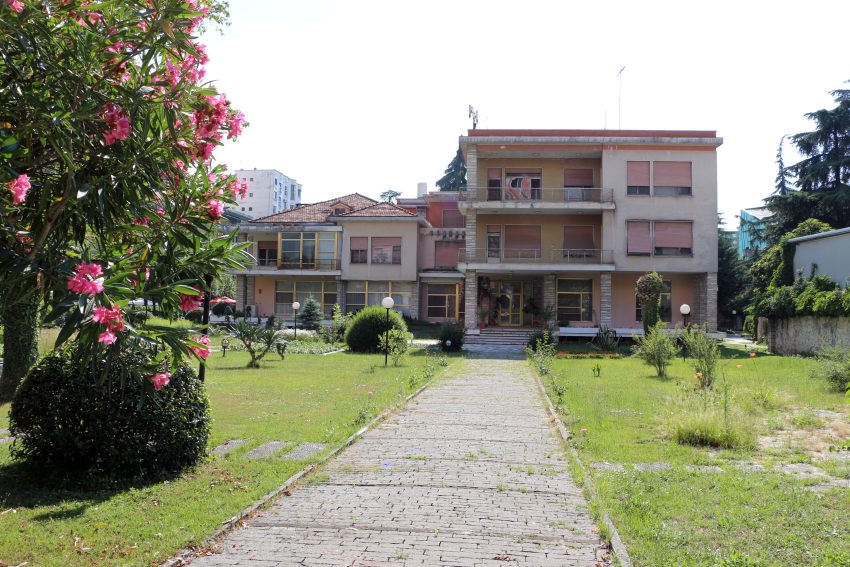
The main communist attraction in the area is the house of the dictator Enver Hoxha. This a a relatively simple villa compared to dictators of other eastern block countries. The villa is in the center of this area on a large piece of land surrounded by a light iron fence. The building was built after the 1960s, with the older part of the building mimicing 1930s architecture. The house has not changed since Hoxha died.


Location: Rruga Ismail Qemali

12. The Cemetery of the Fallen Heroes of War and the “Mother Albania” Monument

Tirana Mother Albania
CC BY-SA 4.0 / Julian Nyča

The statue to Mother Albania is the largest example of Socialist Realist sculpture in the country. The 12 meter high statue stands, with a cloak blowing in the wind and her right arm is raised high above her head clutching a laurel wreath with a star, as she looking out over Tirana spread below her. She represents the country as a mother, who is guarding the eternal slumber of the 28,000 graves of Albanian partisans. On the 3 meter high plinth, the words “Everlasting glory to the martyrs of the nation” are carved.

Enver Hoxha, the communist dictator of Albania was buried here in 1985, but his body was moved during the counter-revolution of 1990 and he was reburied in the main public cemetery of the city.


Location: Rr Elbasanit

13. Bunk’art 1

Bunk art entrance Tirane Albania
CC BY-SA 4.0 / DenisaRucaj

BunkArt is located in the outskirts of Tirana and is situated inside a large converted nuclear bunker built for the Communist-era politicians and military in the event of a war.

The construction of this anti-nuclear bunker, in 1978 was a close guarded secret. It consists of a 5-story underground palace, and includes 106 rooms with large conference hall. A number of the rooms show aspects of Hoxha’s life with photos while others display the original furnishing belonging to the period of dictatorship.

The entrance is a dark tunnel on the hillside near a still-active Albanian military base.


Location: Street Fadil Deliu, Tirana, Albania | Hours: 9:00 am to 4:00 pm | Website

14. Spaç Prison

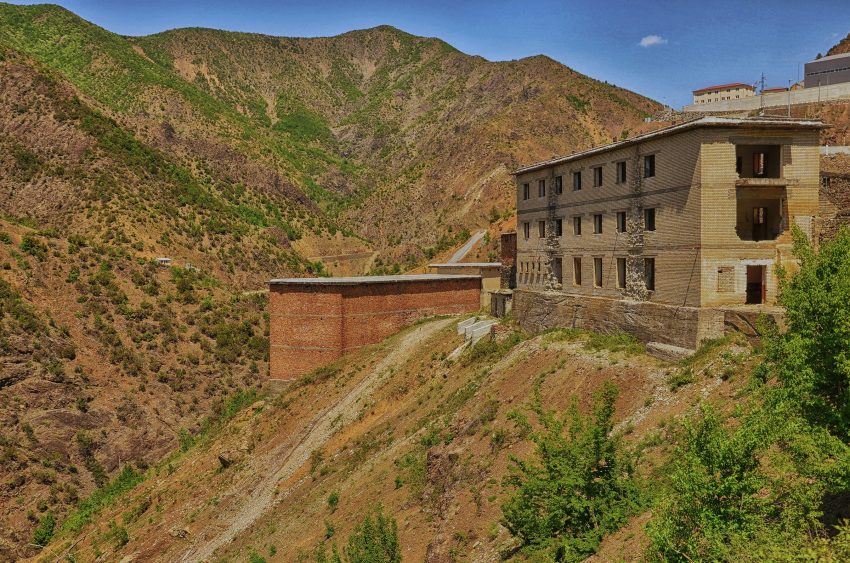
Spac Prison Mirdite Albania
CC BY-SA 4.0 / Pasztilla aka Attila Terbócs

A visit to the Spaç Prison, for those convicted of political crimes, makes a strong impression of the realities of the regime in Albania. The camp was styled along the lines of a Stalinist Gulag with forced hard labor in the nearby copper mines.

Ironically the 2 hour drive from Tirana takes you through some of Albania’s most stunning landscapes.


Location: Spaç Prison, Kodër-Spaç, Albania | Hours: 24 Hours (better in daylight). | Price: Free. | Website
Moira & Andy
Moira & Andy

Hey! We're Moira & Andy. From hiking the Camino to trips around Europe in Bert our campervan — we've been traveling together since retirement in 2020!

Read our full story here

This website uses affiliate links which earn a small commission at no additional cost to you.

Walking Tour Map
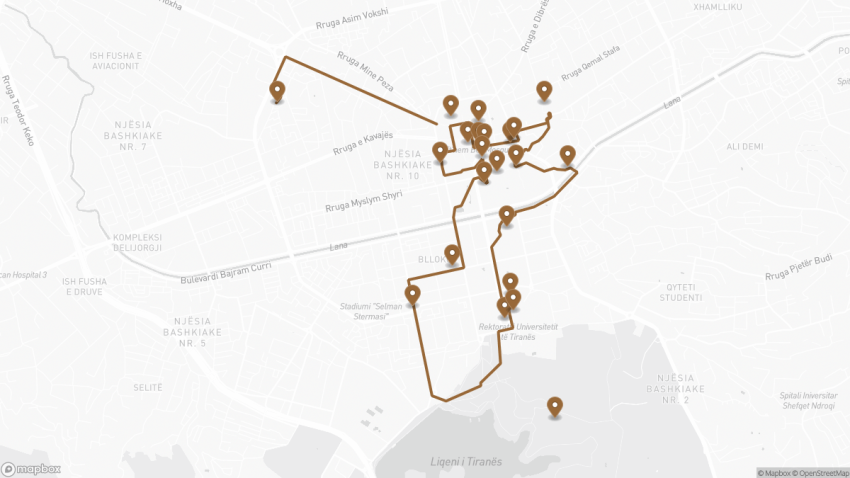
Map of the Travelling Back to Tirana’s Communist Past: History & Hidden Sites walking route with 14 stops in Tirana.
Preview map of the Travelling Back to Tirana’s Communist Past: History & Hidden Sites route in Tirana, showing 14 stops. Use the interactive map to zoom and tap markers.

Self-Guided Walking Tour of Tirana, Albania (2026)

Skenderbej Square Tirana
CC BY-SA 3.0 / AltynAsyr

This website uses affiliate links which earn a small commission at no additional cost to you.

Tirana, the vibrant capital of Albania, is a city where history and modernity intertwine. From Ottoman-era mosques to communist-era bunkers and contemporary art installations, Tirana offers a rich tapestry of experiences for every traveler. The city is compact and easy to explore on foot, making it perfect for those who want to uncover its hidden layers. Each district has its own character, and as you move through them, you'll find how Tirana's past and present sit side by side, often in surprising harmony.

A walking tour here is not only about seeing monuments but about experiencing the atmosphere of a city in transformation. You might begin in Skanderbeg Square, the beating heart of Tirana, surrounded by landmarks that reflect the country's layered history. From there, wander through lively boulevards to discover Ottoman architecture like the Et'hem Bey Mosque, before contrasting it with stark reminders of the communist era such as the Pyramid of Tirana or repurposed bunkers that now serve as cultural spaces. Each step reveals a different period of Albania's story, told through its buildings, streets, and public art.

The city also rewards curiosity with its vibrant café culture and creative energy. Strolling through the trendy Blloku district, once reserved exclusively for communist officials, you'll now find chic bars, modern restaurants, and colorful street art that reflect Tirana's youthful spirit. Markets, small galleries, and hidden courtyards add further layers of discovery for those who like to venture off the main path. A walking tour allows you to connect with Tirana at a personal pace, immersing yourself in its rhythm and appreciating how tradition and innovation blend seamlessly in Albania's capital.

How to Get to Tirana

By Air: Tirana International Airport Nënë Tereza (TIA) is the main gateway to Albania, located about 17 kilometers northwest of the city center. Regular flights connect Tirana with major European cities. For the best deals and a seamless booking experience, check out these flights to Tirana on Booking.com.

By Bus: International and domestic buses arrive at the Regional Bus Terminal – North and South Albania, situated on the outskirts of the city. From there, local buses or taxis can take you to the city center.

By Car: Tirana is accessible via well-maintained roads from neighboring countries. Car rental services are available at the airport and in the city. If you are looking to rent a car in Albania I recommend having a look at Discover Cars, first, as they compare prices and review multiple car rental agencies for you.

Where to Stay in Tirana

To make the most of visiting Tirana and this walking tour then you should consider staying overnight in the centre, where the main sights are just a short stroll away. Around Skanderbeg Square you'll find some of the city's best located hotels, placing you steps from landmarks like the Et'hem Bey Mosque and the National History Museum. For those who want a comfortable base with modern amenities, Maritim Hotel Plaza Tirana is a top choice, while Hotel Opera offers stylish accommodation with excellent access to the square and surrounding attractions. Staying here means you can easily enjoy both the daytime bustle of the capital and its lively nightlife without needing transport.

The Blloku district is another fantastic area to consider, especially for travelers who enjoy vibrant café culture, shopping, and nightlife. Once a closed-off neighborhood for party elites during the communist era, it’s now one of the city’s trendiest quarters. Here you’ll find boutique-style places like Monarch Hotel, which combines comfort with contemporary design, as well as Xheko Imperial Hotel, a more luxurious option with a rooftop terrace that offers sweeping views over the city. Staying in Blloku allows you to experience Tirana’s modern, youthful side while still being within walking distance of the main sights.

If you prefer something a little quieter but still close to the action, areas near the Grand Park of Tirana or along the Lana River offer a calmer atmosphere while keeping you connected to the centre. This setting provides a balance between relaxation and accessibility, making it ideal for longer stays. Rogner Hotel Tirana is a popular choice with its leafy gardens and resort-style amenities, while Mak Albania Hotel offers spacious rooms and easy access to the park. For a more intimate stay, La Bohème Hotel provides boutique comfort in a quieter neighborhood setting. These options allow you to enjoy a more relaxed atmosphere while still being only a short walk away from the city’s main attractions.

A Brief History of Tirana

Tirana's origins can be traced back to the early 17th century when the Ottoman general Sylejman Pasha founded the city in 1614, building a mosque, a hammam, and a bakery to anchor the new settlement. Although the original Sylejman Pasha Mosque was destroyed during World War II, its site is now marked by the Statue of the Unknown Partisan, a reminder of Tirana's layered history. From these beginnings, the town grew steadily under Ottoman influence, with landmarks such as the Et'hem Bey Mosque, completed in 1821, and the adjacent Clock Tower of Tirana, begun in 1822 by Et'hem Bey and later expanded, becoming central symbols of the city. Other Ottoman-era monuments include the Kapllan Pasha Tomb, dating to the early 19th century, the Tanners' Bridge, once part of the city's trade routes, and the Fortress of Justinian, whose Byzantine walls reveal Tirana's much older strategic importance.

The 20th century brought dramatic transformation as Tirana was declared Albania's capital in 1920. Under King Zog I and later Italian occupation, new civic and cultural projects reshaped the city. The grand Skanderbeg Square emerged as the capital's centerpiece, around which the Palace of Culture was later built in the 1950s with Soviet support, housing the National Library and Opera. The National History Museum of Albania, with its striking Mosaic of Tirana adorning the façade, opened in 1981 to present the nation's story from antiquity to modern times. During the communist era, monumental architecture continued, with landmarks such as the Pyramid of Tirana, built in 1988 originally as a museum to honor Enver Hoxha, and the Palace of Congress, used for political and cultural gatherings. At the same time, districts like the New Bazaar thrived as commercial and social hubs, showcasing everyday life in the city.

Since the fall of communism in the early 1990s, Tirana has reinvented itself as a colorful and dynamic European capital. Iconic cultural institutions like the National Art Gallery of Albania and National Archaeological Museum highlight the country's artistic and historic achievements, while contemporary projects such as the Cloud, a public art installation by Sou Fujimoto, embody Tirana's creative future. The city's visual identity was transformed when former mayor Edi Rama spearheaded the painting of once-drab apartment blocks into the Colorful Buildings of Tirana, giving the capital a fresh and vibrant character. Landmarks such as Bunk'Art 2, a former Cold War bunker now converted into a museum, offer immersive insight into Albania's communist past. Meanwhile, green spaces like the Grand Park of Tirana and civic squares such as Mother Teresa Square provide places of leisure and gathering, balancing history with modern life. Today, even sites like Enver Hoxha's Former Residence serve as symbols of reflection, reminding visitors of the city's turbulent past while looking confidently toward the future.

Guided or Self-Guided Tour of Tirana?

To delve deeper into Tirana’s layers of history, culture, and transformation, consider joining a local walking tour. The Tirana: 2 Hour Guided Hidden Treasures Sightseeing Tour is an ideal option for visitors looking to go beyond the obvious. This small-group experience offers insight into both well-known and lesser-explored corners of the capital. You’ll explore key landmarks such as Skanderbeg Square, hear stories from Albania’s Ottoman and communist past, and visit hidden local sites that many travelers overlook. With a knowledgeable guide and a convenient meeting point at the Clock Tower, this 2-hour experience is perfect for getting oriented while appreciating the city’s complex identity.

Your Walking Tour of Tirana

This blog highlights the major sites of Tirana, but depending on your interests and time, you might choose to delve deeper into specific attractions or neighborhoods.

1. Skanderbeg Square

Skanderbeg square Tirana Albania
CC BY-SA 3.0 / Leeturtle

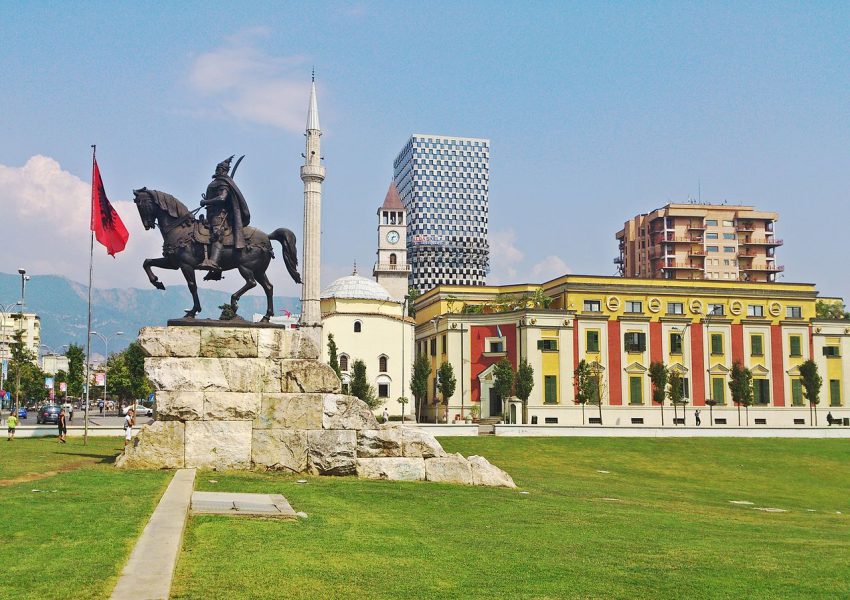
Start the walk in Skanderbeg Square, the main plaza of Tirana, at the Equestrian statue of Skanderbeg.


Skanderbeg Square is the beating heart of Tirana and the symbolic center of Albania. Named after the national hero Gjergj Kastrioti Skanderbeg, who led the resistance against the Ottomans in the 15th century, the square is the focal point from which the city radiates. Its wide open space, pedestrian-friendly design, and imposing statue of Skanderbeg on horseback give it a sense of grandeur that reflects Albania’s pride and history.

Around the square, you’ll find some of Tirana’s most important landmarks: the National History Museum, the Et’hem Bey Mosque, the Clock Tower, and the Palace of Culture. Each building adds a layer of history, spanning from Ottoman times to the communist period. The square itself has undergone many transformations, from its initial development under King Zog I to its enlargement during the Italian occupation and later remodeling under communism.

Today, Skanderbeg Square is not only a historical site but also a lively gathering place for locals and visitors alike. Concerts, national celebrations, and cultural festivals often take place here, making it the perfect starting point for your exploration of Tirana. Its central location means you are never far from the next highlight of your walking tour.


| Hours: 24 Hour

We recommend to rent a car in Albania through Discover Cars, they compare prices and review multiple car rental agencies. Book your rental car here.

2. National History Museum of Albania

National History Museum Tirana Albania
CC BY-SA 4.0 / OdettMelody

Walk around the square in an anti clockwise direction. 

You will pass the Bank of Albania and it’s Museum. The museum talks about the monetary systems that have existed in Albania, since fifth Century B.C. The second floor of the Museum holds temporary exhibitions. This is mainly aimed at school children and university students so feel free to ignore this!

Before anything else you will see the large mural above the entrance of the History Museum as you approach which dominates the square.


The National History Museum, located on the western side of Skanderbeg Square, is the largest museum in the country and a key stop for anyone seeking to understand Albania’s past. Opened in 1981, the museum presents a sweeping journey from prehistory to the communist era. Its distinctive modernist façade is dominated by the Mosaic of Tirana, which sets the tone for the exhibits inside.

Within its halls, the museum holds archaeological treasures from the Illyrian, Greek, and Roman periods, alongside displays on medieval history, the Ottoman era, and Albania’s independence movement. One particularly poignant section is the Pavilion of Martyrs, which commemorates those who fought and died during World War II.

For visitors on foot, the museum offers not only a deep dive into Albanian history but also a cooling indoor pause on the tour. It’s a place to reflect on how Tirana, and Albania as a whole, has been shaped by centuries of conquest, resistance, and cultural evolution.


Location: Skënderbej Square, Boulevard Zogu I, Tirana , Albania | Hours: 9am-7pm | Price: 200 lekë | Website

Here is a complete selection of hotel options in Tirana. Feel free to review each one and choose the stay that best suits your needs.

3. Mosaic of Tirana

Tirana Mosaic Tirana Albania
CC BY-SA 4.0 / Pasztilla aka Attila Terbócs

There is an optional detour at this point to see the Tirana’s only visible Roman remains.

The route would take you along Rruga e Durrësit, a busy road but does have some trees to provide shade. Turn left at the large roundabout. The walk there should only take you 20 minutes.


The Mosaic of Tirana is impossible to miss: it covers the entire façade of the National History Museum. Created by a team of Albanian artists in 1981, the massive artwork depicts pivotal figures from the nation’s past, from Illyrian warriors and medieval knights to partisans and workers of the 20th century. The central figure, a female holding a flag, symbolizes freedom and resistance.

As a piece of socialist realist art, the mosaic reflects the ideology of the communist regime that commissioned it. While it celebrates Albania’s history, it also projects the vision of a strong, unified people marching into a brighter future. It is both a piece of propaganda and a work of art, making it a fascinating window into the country’s recent past.

Today, the mosaic has become one of Tirana’s most iconic images. Visitors often pause here to take photos and consider the juxtaposition of ancient heritage and modern reinterpretation that defines so much of the Albanian capital.

Afterwards, you could head south until you get to Kavja Street then back to head back to Skanderbeg Square.


Location: Rr. Naim Frashëri | Hours: Tuesday – Sunday: 08:00–16:00. Closed on Monday. | Price: Free | Website

Traveling to a country with a different currency? Avoid ATM transaction fees and pay in local currency with a Wise Card. Having used it for over 5 years, we've saved loads on fees!

4. Palace of Culture

Palace of Culture Tirana Albania
CC BY-SA 4.0 / ShkelzenRexha

Walk to the east of Skanderbeg Square to see the Palace of Culture. If you are not sure where you are heading look for the gigantic white stone building, with large columns, and the words ‘OPERA’ at the top of in gold letters.


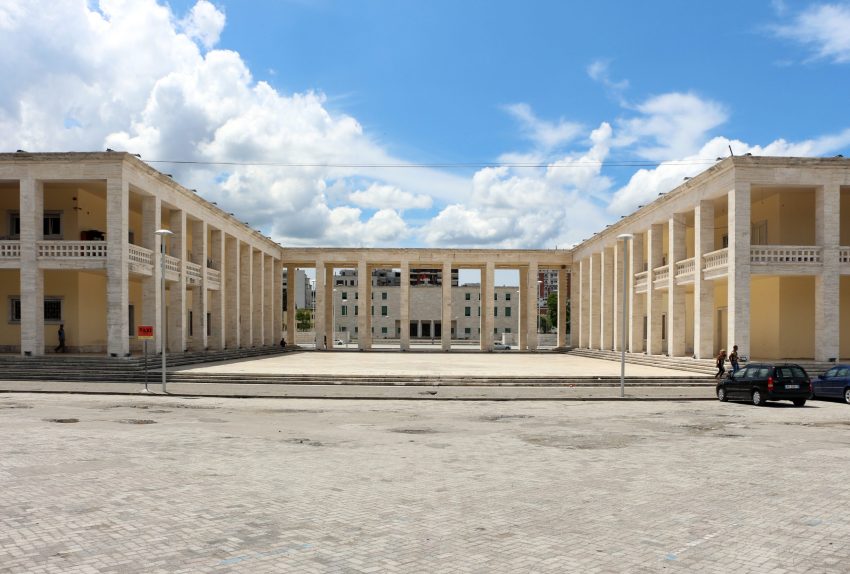
On the southern edge of Skanderbeg Square stands the Palace of Culture, a striking building constructed in the 1950s with the help of Soviet architects and planners. Its style is unmistakably socialist realist, blending monumental scale with classical elements. Inside, it houses the National Library of Albania and the Opera and Ballet Theatre.

The palace was part of the regime’s efforts to modernize Tirana and establish it as a cultural capital. For decades, Albanians gathered here for performances, readings, and official events, making it a key venue for the city’s cultural life. Its design deliberately contrasts with the older Ottoman-era buildings nearby, reflecting the push toward a “new Albania.”

Walking by today, you may find a performance or exhibition taking place. Even if you don’t step inside, the palace’s colonnaded façade and open square provide a sense of how Tirana transitioned from its Ottoman roots to a modern, planned capital under communist rule.

The Bar Opera Cafe is a great place to sit and look out over the square and watch the world go by. The external tables are situated beneath the imposing colonnade of the opera building. Considering that you are in one of the major tourist areas in the city the drinks are reasonably priced and served by very friendly and English-speaking waiters.


Location: Sheshi Skenderbej 1000 Tirana, Albania | Website

Click here to read our blog about Travelling Back to Tirana’s Communist Past 2026: History & Hidden Sites

5. Et’hem Bey Mosque

Ethem Bey Mosque, Tirana, Albania
CC BY-SA 4.0 / Ravi Dwivedi

To the south of the Palace of Culture is the Et’hem Bey Mosque. TheEt’hem Bey mosque is one of the oldest and beautiful mosques in Albania. The mosque is somewhat unusual for its rich frescos both inside and outside of the building.

If it is covered in scaffolding (possible until late 2020) then head straight behind it to the Clock Tower.


The Et’hem Bey Mosque, just off Skanderbeg Square, is one of the city’s most cherished landmarks. Construction began in 1794 under Molla Bey and was completed in 1821 by his son, Et’hem Bey. Despite its relatively modest size, the mosque is admired for its exquisite decoration and its survival through Albania’s turbulent history.

Its walls are adorned with delicate frescoes depicting landscapes, bridges, and trees—an unusual feature in Islamic art, which often avoids figurative imagery. These details highlight the blending of Ottoman traditions with local artistic expression. The mosque’s slender minaret and elegant portico make it stand out amid the surrounding modern buildings.

During the communist era, when religious practice was banned, the mosque was closed. However, in 1991 it reopened when thousands of people entered it in defiance of the regime. Today, it remains both a functioning place of worship and a symbol of Albania’s resilience and cultural heritage.


| Hours: 08:00-11:00

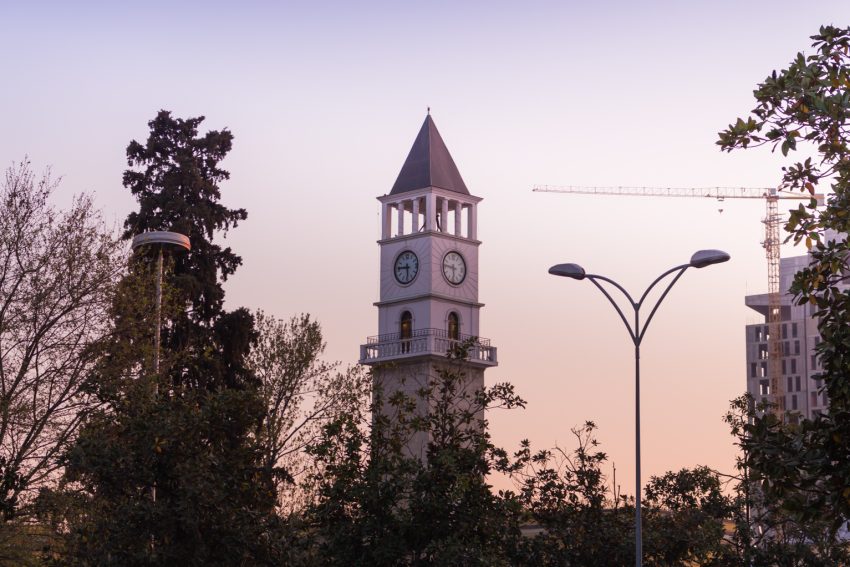
6. Clock Tower of Tirana

Clock Tower Tirana Albania
Flickr / aXeLuS

Behind the et’hem Bej Mosque lies the Clock Tower of Tirana. It is easily visible from Skanderbeg Square.


Next to the Et’hem Bey Mosque rises the Clock Tower, another emblem of Tirana’s Ottoman past. Built in 1822 by Et’hem Bey, it was originally the tallest structure in the city and a point of civic pride. The tower’s bell, imported from Venice, once rang out to mark the hours for the townspeople.

Over the years, the tower has been repaired and restored multiple times, with new clock mechanisms installed from different parts of Europe. Its current version reflects both Ottoman foundations and later interventions, a perfect metaphor for Tirana’s layered history.

Climbing to the top rewards visitors with sweeping views of Skanderbeg Square and the surrounding landmarks. It only costs 200 Lek to climb the stairs and you can pay in a small office at the bottom of the tower. The stairs are new and easy to climb and what a view from the top. It is probably one of the best things to do in Tirana.


Location: Rr Luigj Gurakuqi, Tirana, Albania | Hours: 9am-4pm Mon-Fri, to 2pm Sat | Price: 200 Lek

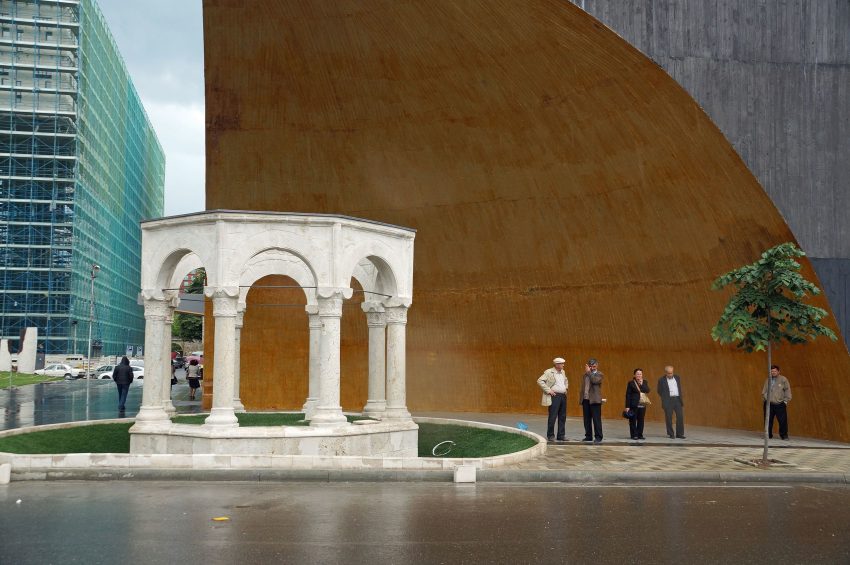
7. Kapllan Pasha Tomb

Tirana Kapllan Pasha Tomb
CC BY-SA 4.0 / Albinfo

Head east alongside Rruga 28 Nëntori, avoid the road and walk through the park.

Towards the end you should see the Friendship Monument, which symbolizes the 50 years of friendship between Albania and Kuwait. The monument is a great place the sit under, red, white, black and green pebbles or circles give shade – they are also the colors of the Kuwait flag.


The Kapllan Pasha Tomb is one of the few surviving Ottoman monuments in central Tirana. Built in the early 19th century, it once formed part of a larger mosque complex commissioned by Kapllan Pasha, an important Ottoman governor. While the mosque itself was demolished in the 1940s, the tomb remains as a striking reminder of Tirana’s Islamic architectural heritage.

This octagonal structure is capped with a small dome and was originally surrounded by a garden. Its location, near Skanderbeg Square, highlights how the heart of Tirana has long been a place of both spiritual and civic significance. Though modest in scale, the tomb’s decorative stonework reflects the craftsmanship of Ottoman builders in Albania.

The tomb is attractively nestled under one corner of the Plaza Hotel. It is also a good point to reflect on the layers of history in Tirana, where entire complexes have disappeared but single monuments survive to tell their story.


Location: Rruga 28 Nëntori, Tirana 1000

8. Statue of the Unknown Partisan & site of Sylejman Pasha Mosque

Unknown Soldier Tirana, Albania
CC BY-SA 3.0 / MirkoS18

Just across the road from the Kapllan Pasha Tomb is the Statue of the Unknown Partisan.

This is also the original site of the Sylejman Pasha Mosque which was built in 1614. Damaged during World War II, and its remnants of minaret were destroyed in 1967 to make room for the statue.


On the southern side of Skanderbeg Square stands the Statue of the Unknown Partisan, a memorial erected during the communist era to honor Albania’s fighters of World War II. The statue represents the sacrifice of ordinary men and women in the resistance movement, and it was once a key site for official ceremonies.

Interestingly, this very location was originally the site of the Sylejman Pasha Mosque, built in the early 17th century when Tirana was still a small Ottoman settlement. The mosque was demolished in the 1940s as part of urban redevelopment, leaving little trace behind except for its role in historical records.

For visitors, the juxtaposition of the partisan statue with the memory of the lost mosque illustrates how political changes have repeatedly reshaped Tirana’s cityscape. Standing here, you get a sense of how different eras have left their marks—some preserved, others erased.

Take a quick photo and move on…


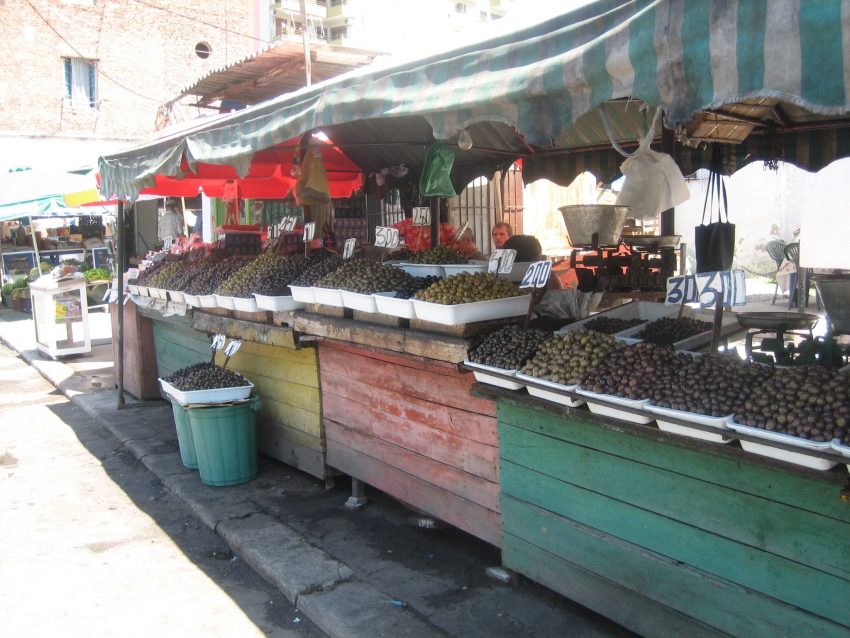
9. The New Bazaar

Olive stall at Sheshi Avni Rustemi 2
CC BY-SA 3.0 / Gertjan R.

Head across Rruga George W. Bush and down Rruga Luigj Gurakuqi, when you get to the roundabout then turn north to walk around the New Bazaar.

When George Bush visited Tirana in 2007, the capital, was festooned with giant American flags and the president was greeted by Albanians wearing red-white-and-blue and waving American flags. He traveled down this road, which had been named after him for his visit!

If you wish to skip the New Bazaar, at this point head south until you pass the Toptani Shopping Center and then turn left into Shëtitorja Murat Toptani to reach the Fortress of Justinian.


The New Bazaar, or Pazari i Ri, is one of Tirana’s liveliest districts, located just east of Skanderbeg Square. The area was recently renovated, with brightly painted buildings and a large central market hall that has become a hub for both locals and tourists. It’s a place where tradition and modernity meet in the form of fresh produce, artisan goods, and trendy cafés.

Historically, this was one of Tirana’s oldest trading quarters, where merchants sold everything from spices to livestock. The renovation in 2017 preserved its market character while giving it a colorful facelift, making it a model of urban regeneration in Albania’s capital.

For those on a walking tour, the New Bazaar offers a break from historical monuments and an opportunity to experience everyday life. Stopping for a glass of raki or browsing through the stalls connects you directly to Tirana’s rhythms, both past and present.


Location: Rruga Shenasi Dishnica Tirana Albania

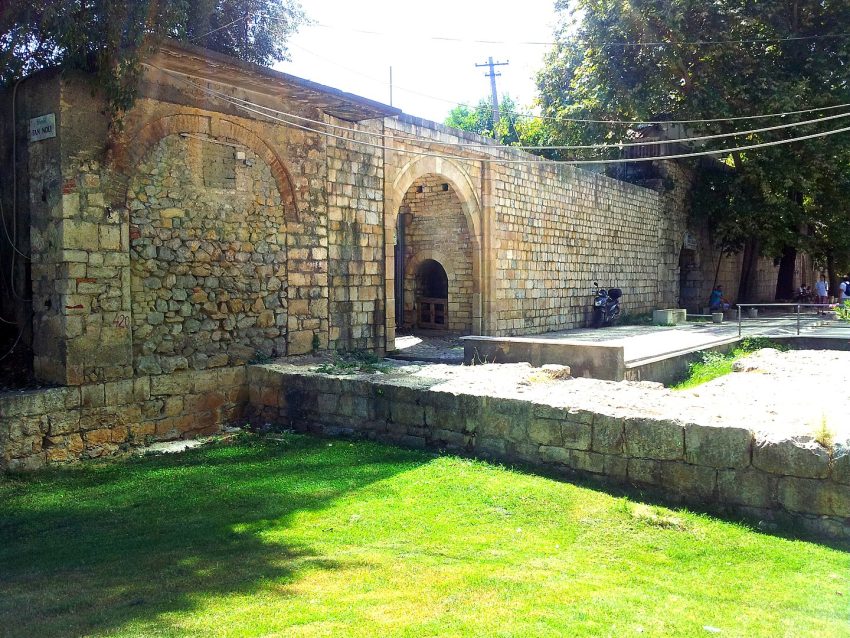
10. Fortress of Justinian

Fortress of Justinian Tirana Albania Side View
CC BY-SA 4.0 / Ardit Ajdini

head back to the roundabout and head down Rruga Xhorxhi Martini 4. At the and of the road cross over Rruga George W. Bush again and go clockwise around the new Toptani Shopping Center. The Toptani Shopping Center is new, opened in 2017, Western style shopping Center. Head down the pedestrianized Murat Toptani and you will see the Justinian Fortress Wall on your left.


The Fortress of Justinian, or Tirana Castle, dates back to the 6th century during the reign of the Byzantine emperor Justinian I. Once part of the city’s defensive walls, the remaining section gives visitors a rare glimpse into Tirana’s earliest days. Though much of the original structure has been lost, the surviving walls still stand proudly in the city center.

During Ottoman times, the fortress was adapted and expanded, serving as both a military and administrative base. Its strategic position near the Lana River made it an important point of control for centuries. Unfortunately there was not much of the castle left so the interior of the castle’s was converted into the “Old Bazaar” – more shops!


Location: Shëtitorja Murat Toptani, Tiranë, Albania | Hours: 07:00 - 02:00 | Website

11. Tanners' Bridge

Stonework Tanners Bridge Tirana Albania
CC BY-SA 4.0 / Pasztilla aka Attila Terbócs

Leaving the Fortress of Justinian head back up pedestrianized Murat Toptani. Walk through Fan Stilian Noli park. Theofan Stilian Noli was one of Albania’s most revered historical figures. He was educated at Harvard, was a writer, scholar, politician and founder of the Orthodox Church of Albania. He served as Prime Minister and regent of Albania in 1924 during the June Revolution.
There is a statue of him in the park. At the bottom of the park head straight across Rruga George W. Bush onto the pedestrianized road with no name before getting to Tanners’ Bridge.


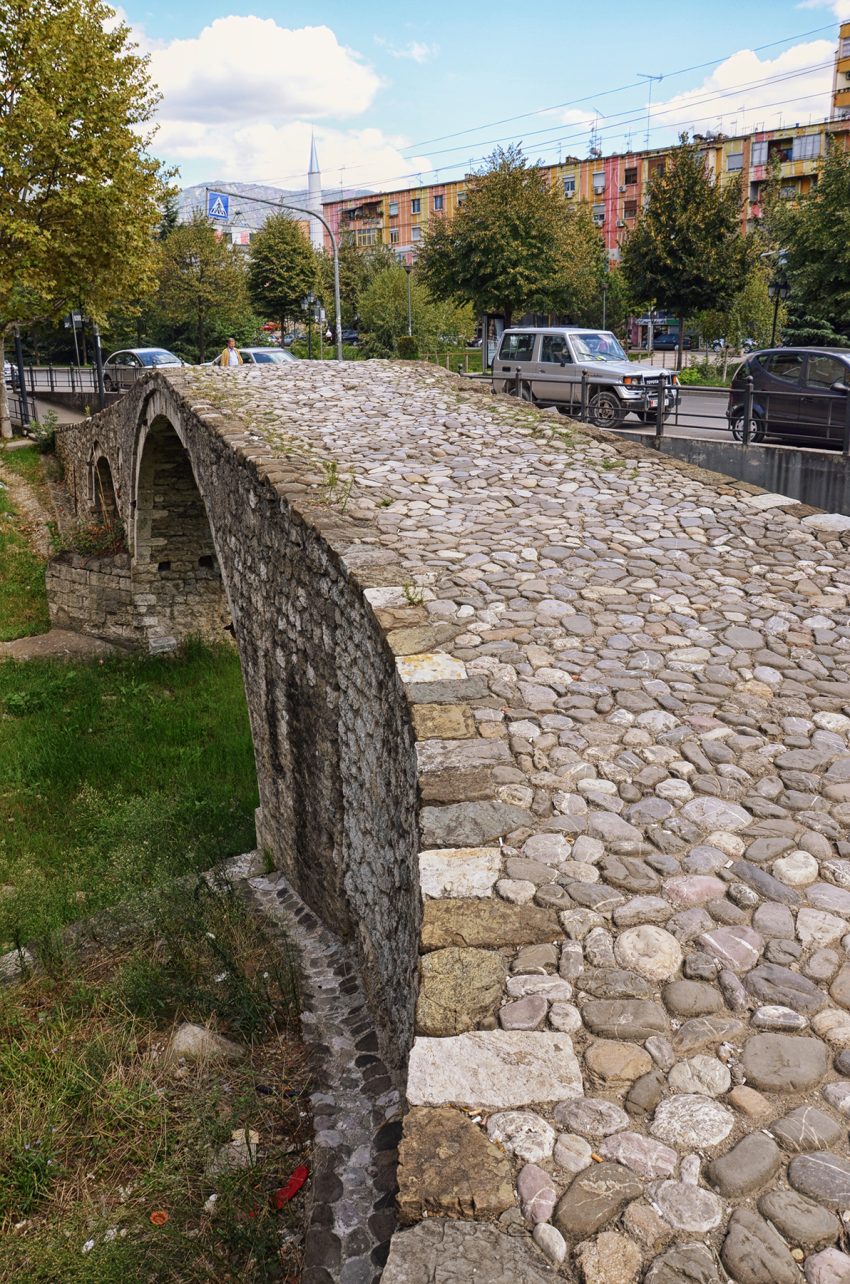
The Tanners’ Bridge, or Ura e Tabakëve, is a graceful Ottoman stone bridge built in the 18th century. Once part of the main route into Tirana, it was used by farmers and traders to bring goods—especially leather, hence its name—into the city. The bridge originally crossed the Lana River, which has since been redirected, leaving the bridge standing dry.

The bridge’s three elegant arches and cobbled pathway are remarkably well preserved, making it a tangible link to Tirana’s past as a small trading post. It also highlights the importance of crafts like tanning in the city’s early economy.

Today, the bridge is a pedestrian monument, carefully restored in the 1990s and incorporated into the modern cityscape. Passing across it on foot connects you with the rhythms of Tirana’s early days and offers a quiet moment away from the bustle of traffic.


Location: Bulevardi "Jean D'Arc" Tirana Albania | Hours: Open 24 hours | Price: Free | Website

12. Pyramid of Tirana

Pyramid of Tirana
Pyramid of Tirana
CC BY-SA 4.0 / BBB2021

Leaving Tanners’ Bridge cross the river and turn right. Walk along the river until you see the large park square on your left (hopefully with the giant pyramid in it!).


The Pyramid of Tirana is one of the city’s most controversial landmarks. Opened in 1988, it was originally built as a museum dedicated to Enver Hoxha, Albania’s communist leader. Designed by his daughter and son-in-law, the pyramid symbolized both the power and the cult of personality surrounding Hoxha. After the regime’s collapse in the 1990s, it quickly lost its purpose and became a subject of debate over whether it should be demolished or preserved.

Over the years, the pyramid has taken on many roles, from a conference center to a NATO base during the Kosovo conflict. Despite its state of partial ruin, it became popular among locals, especially children and teenagers, who would climb its sloping walls for a view of the city. Its decayed, graffiti-covered form turned it into a symbol of Albania’s turbulent transition from communism.

Today, the Pyramid is undergoing a major renovation to transform it into a cultural and technology hub, ensuring its place in Tirana’s future. For visitors, it remains one of the most thought-provoking stops on a walking tour—an architectural monument that reflects both the country’s past struggles and its reinvention.

Near to the entrance of the Pyramid is the ‘Peace Bell’ which was created in 1999 as a memorial to peace. It was made from spent bullet casings, collected by Albanian children after the 1997 uprising.


Location: Pyramid of Tirana, Bulevardi Dëshmorët e Kombit, Tiranë, Albania | Hours: Publicly accessible area; construction zones may restrict entry. | Price: Free (for exterior viewing); future entry fees for the new center are TBD.

13. Palace of Congress

Palace of Congresses, Tirane
CC BY-SA 4.0 / ErtonKashta

Go to the southwest of the square you are in and continue to walk down the Dëshmorët e Kombit Boulevard.

As you pass over Rruga Ismail Qemali on the other side of the road is a small park. There is a small memorial here Postbllok (Checkpoint), to the political prisoners who suffered under the Hoxha regime. It is made up of three elements: a brightly painted section of the Berlin Wall from Postdamer Platz, one of the small concrete defensive bunkers, that litter the country, and several concrete supports from the mine at the Spaç labour camp where thousands of political prisoners suffered between 1968 and 1990.

Carrying on down the road you pass the ‘Palace of Congress’ on the left hand side of the street.


Built during the communist era in the 1980s, the Palace of Congress was designed to host Albania’s most important political events, including party congresses and state ceremonies. The imposing modernist structure is typical of socialist architecture, with clean lines, large halls, and monumental scale.

Since the fall of communism, the Palace has been repurposed into one of Tirana’s leading cultural venues. It now stages concerts, exhibitions, and international conferences, drawing artists and performers from around the world. Its multifunctional halls make it one of the few buildings in Tirana capable of hosting large-scale events.

For those exploring on foot, the Palace of Congress illustrates how Tirana has adapted its communist-era architecture to new uses. Once a symbol of political power, it now embodies the city’s openness to cultural exchange and modern creativity.


Location: Bulevardi Dëshmorët e Kombit Tirana Albania

14. Mother Terasa Square

Mother Terasa Square Tirana Albania
CC BY-SA 4.0 / Anila amataj

Continue down Dëshmorët e Kombit Boulevard to reach Mother Terasa Square.

On the right side if the street you will pass the Presidential Office Building, originally commissioned by King Zog 1, and in 1941, post war it became the Embassy of the Soviet Union and now is a government building.


Mother Teresa Square is the second largest square in Tirana, designed during the Italian occupation in the 1930s as part of an ambitious urban planning scheme. The neoclassical buildings surrounding the square—including government ministries and university buildings—reflect the Italian architectural style of the period. As you look clockwise around the square you will see in the north east the National Archaeological Museum,  in the east the Academy of ‘Albanological’ Studies, in the south the Polytechnic University of Tirana, and in the west the University of Arts.

The square was renamed in 1991 after Mother Teresa, the Albanian-born missionary who became a global symbol of compassion. Her name reflects the city’s shift away from its communist legacy, when religious figures were suppressed, towards a renewed celebration of national and spiritual identity.

For visitors, Mother Teresa Square offers a sense of Tirana’s modern civic life. It often hosts parades, concerts, and open-air festivals, while its proximity to the Grand Park makes it a natural point of transition between the city’s cultural institutions and its green spaces.


Location: Bulevardi Dëshmorët e Kombit Tirana, Albania | Hours: 24 Hours | Price: Free

15. National Archaeological Museum

Archeological Museum Tirana
CC BY-SA 4.0 / Sailko

This building is located in the north west of Mother Terasa Square.


The National Archaeological Museum, opened in 1948, is Albania’s first museum dedicated to archaeology. It presents a sweeping overview of the country’s ancient past, with artifacts from the prehistoric, Illyrian, Greek, Roman, and Byzantine periods. Statues, mosaics, ceramics, and coins provide an invaluable look at the civilizations that once thrived on Albanian soil.

The museum’s collection is particularly strong in Roman and Greek antiquities, reflecting Albania’s position at the crossroads of Mediterranean history. Many of the items on display were unearthed in archaeological sites such as Apollonia, Durrës, and Butrint, tying Tirana’s museum directly to Albania’s most important ancient settlements.

Located near Mother Teresa Square, the museum is easy to incorporate into a walking tour. A visit here deepens the context of Tirana’s monuments by showing how the city’s history is part of a much longer story of cultural exchange and empire.


Location: Sheshi Nënë Tereza, Tiranë, Albania | Hours: Daily: 09:00–14:00. | Price: 300 lek. | Website

16. Grand Park of Tirana

Entrance Grand Park of Tirana Albania
Flickr / Chris Walts

Behind the Polytechnic in the Square is the Grand Park of Tirana. Head to the south west corner and enter the park.


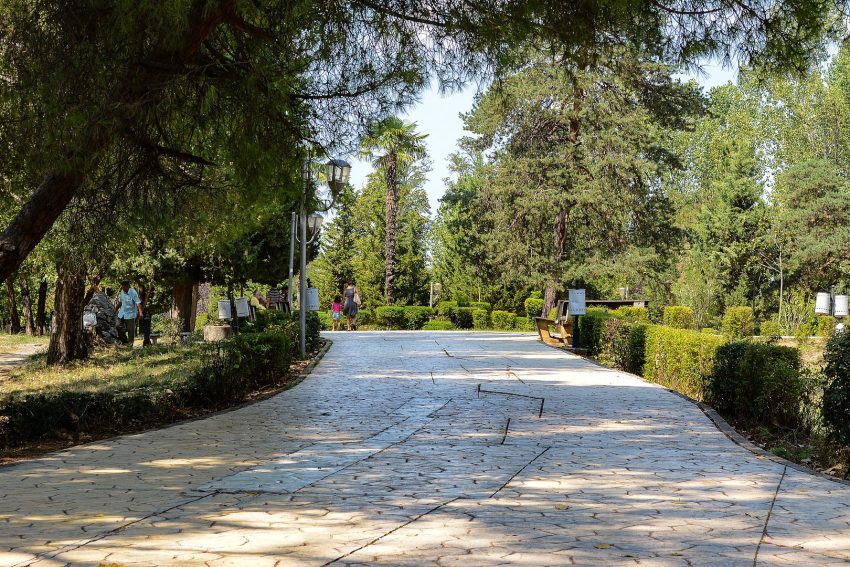
The Grand Park, or Parku i Madh, is Tirana’s green heart and a popular place for both locals and visitors to relax. Established in the 1950s, it covers more than 200 hectares, with tree-lined paths, lakes, and open spaces. Its sheer size and tranquility provide a refreshing break from the bustle of the city center.

Inside the park lies the Artificial Lake of Tirana, a man-made reservoir surrounded by promenades and cafés. The park also contains monuments and memorials, including the Presidential Palace and various war cemeteries, which make it more than just a recreational space.

For walkers, the Grand Park is the perfect way to conclude a tour of Tirana. It offers not only rest and natural beauty but also a sense of how public space has been reclaimed and revitalized since the communist period.


Location: Rruga Herman Gmeiner, Tirana 1000, Albania | Hours: Open 24 hours | Website

17. Colorful Buildings of Tirana

Rainbow Building Tirane
CC BY-SA 4.0 / Sailko

Head to the Artificial Lake and turn right to walk along its shores. When you get to the promenade along the top of the dam then head north up Rruga Sami Frashëri until you get to a roundabout.


The Colorful Buildings of Tirana are one of the most striking examples of the city’s transformation in the 21st century. Beginning in the early 2000s, then-mayor (and later prime minister) Edi Rama, himself a painter, launched a campaign to repaint drab communist-era apartment blocks in bright, bold colors and patterns.

The initiative was more than cosmetic—it was intended to inspire civic pride, reduce urban gloom, and spark a new cultural energy in the capital. Geometric designs, stripes, and vivid hues soon spread across many districts, changing the feel of entire neighborhoods.

At this roundabout you will see and example of this with the famous rainbow building. The statue in the center of the roundabout is to Woodrow Wilson, who after the end of the first world war in 1919, when breaking up the Ottoman Empire argued that ‘Albania ought to be independent’.


Location: Rainbow Buildings, Tiranë, Albania | Hours: 24Hours | Price: Free.

18. Enver Hoxha's Former Residence

Enver Hoxha House: The former residence of dictator Albania
CC BY-SA 4.0 / Sailko

Walk north another 2 blocks and turn left onto Rruga Ismail Qemali. Just before you get to the park

When you left the roundabout you entered the upmarket area in Tirana called ‘Blloku’. Today it is a trendy area with boutique shops, bars and cafes. During the communist period it was a restricted area, only for the members of the Albanian politburo.


Hidden among the leafy streets of the Blloku district, Enver Hoxha’s Former Residence is one of Tirana’s most curious sites. During his long dictatorship from 1944 to 1985, this villa was heavily guarded, and ordinary Albanians were forbidden to enter the entire neighborhood.

The residence itself is a modest yet imposing example of mid-20th-century architecture, reflecting the leader’s preference for privacy over extravagance. While the building is not open to the public, standing outside it offers a glimpse into the world of Albania’s most powerful man.

For visitors, the house and its surroundings symbolize how far Tirana has come. Blloku, once restricted to the communist elite, is now a buzzing nightlife and café district, and seeing the former dictator’s residence at its center highlights the city’s dramatic change.


Location: Rruga Ismail Qemali

19. Cloud

Reja Tirane Albania
Reja Tirane Albania
CC BY-SA 4.0 / Anila amataj

Turn left onto Rruga Ibrahim Rugova and walk up the street. When you cross the river, enter Park Rinia or Youth Park and head to the north east corner.

The park was built in 1950 during the communist era. As it was situated directly opposite the communist ‘Blloku’ the park was ironically called Taiwan.
In the south corner of the park is the Taiwan center which is a fairly modern restaurant complex, with a bowling alley , casinos and a water fountain.

Cross the road to see the ‘Cloud’.


The Cloud, or “Reja,” is a striking public art installation by Japanese architect Sou Fujimoto, located near the National Art Gallery. Made of white metal bars arranged in a lattice-like form, it resembles a floating cloud, both airy and futuristic.

Installed in 2016, the structure quickly became a popular gathering place for locals and tourists alike. It often hosts small cultural events, film screenings, and performances, blending art with public life in the heart of the city.

As part of a walking tour, the Cloud represents Tirana’s embrace of contemporary creativity. Standing beneath it offers both shade and inspiration, as it contrasts with the heavy architecture of the communist period surrounding it.


20. National Art Gallery of Albania

National Art Gallery, Tirana, Albania
CC BY-SA 4.0 / Pasztilla

Behind the Reja is the National Art Gallery of Albania.


The National Art Gallery of Albania holds the country’s most important collection of visual art. Founded in 1946, it spans works from medieval religious icons to 19th-century portraits and a large collection of socialist realism from the communist era.

The socialist realism pieces are particularly significant, as they reveal how art was used as propaganda, depicting idealized workers, soldiers, and peasants. At the same time, the gallery’s more recent acquisitions highlight the freedom and experimentation of Albania’s contemporary artists.

For those walking through Tirana, the gallery offers a cultural counterpoint to the city’s monuments. It is not only a museum but also a place where Albania’s past and present artistic identities are preserved and reinterpreted.


Location: Blvd Dëshmorët e Kombit | Hours: 10am- 6pm Mon-Sat | Price: 200 lek | Website

21. Bunk'Art 2

Exterior Bunk Art 2, Tirane, Albania
CC BY-SA 4.0 / Albinfo

Head north from the National art Gallery to Bunk’Art 2. The Bunk’Art 2 museum is housed in a communist era bunker so make sure you do not miss it.


Bunk’Art 2 is one of Tirana’s most immersive historical attractions. Located in the city center, it was originally built as a vast Cold War bunker designed to protect the Ministry of Internal Affairs from nuclear attack. The underground complex has since been transformed into a museum.

Inside, visitors walk through dimly lit tunnels and rooms where exhibits detail the brutal realities of the communist dictatorship, including the secret police, surveillance, and prison camps. The stark setting enhances the emotional weight of the stories told.

As part of a walking tour, Bunk’Art 2 is an unmissable stop for understanding Albania’s recent history. Emerging from its subterranean chambers back into Tirana’s vibrant streets creates a powerful contrast between the country’s dark past and its energetic present.


Location: Rruga Sermedin Said Toptani, Tirana | Hours: Sun - Sat 09:00 - 18:00 | Price: 500 Lek | Website

22. House of Leaves

Museum of Leaves, Tirana, Albania
CC BY-SA 4.0 / Jcornelius

From Bunk’art 2 you can return to Skanderbeg Square or continue to see the final Museum, the House of Leaves.
Return to cross Park Rinia and turn north up Rruga Ibrahim Rugova. On your left is the House Of Leaves or Museum of Secret Surveillance.


The House of Leaves, or “Shtëpia me Gjethe,” is one of Tirana’s most thought-provoking museums. Located in a former medical clinic turned secret police headquarters, the building was used by the Sigurimi, Albania’s feared communist-era security service, as a surveillance and interrogation center. The house gained its poetic name from the climbing plants that once covered its façade, masking the sinister activities within.

Today, it serves as the Museum of Secret Surveillance, shedding light on one of the darkest chapters of Albania’s recent history. Inside, you’ll find original equipment used for wiretapping, recordings of intercepted conversations, and personal stories of those who were monitored, imprisoned, or persecuted. The exhibits are chilling yet essential for understanding the climate of fear in which Albanians lived during the dictatorship.

For visitors, the House of Leaves is both unsettling and fascinating. Walking through its rooms reveals how deeply surveillance and control penetrated everyday life. Including it in a walking tour of Tirana ensures a balanced experience of the city—one that acknowledges not only its cultural and architectural highlights but also the human cost of its authoritarian past.


Location: Rruga Dëshmorët e 4 Shkurtit, Tiranë. | Hours: Monday-Sunday 09:00 - 19:00 | Price: 700 lekë | Website
Moira & Andy
Moira & Andy

Hey! We're Moira & Andy. From hiking the Camino to trips around Europe in Bert our campervan — we've been traveling together since retirement in 2020!

Read our full story here

This website uses affiliate links which earn a small commission at no additional cost to you.

Walking Tour Summary

Distance: 6.5 km
Sites: 22

Walking Tour Map
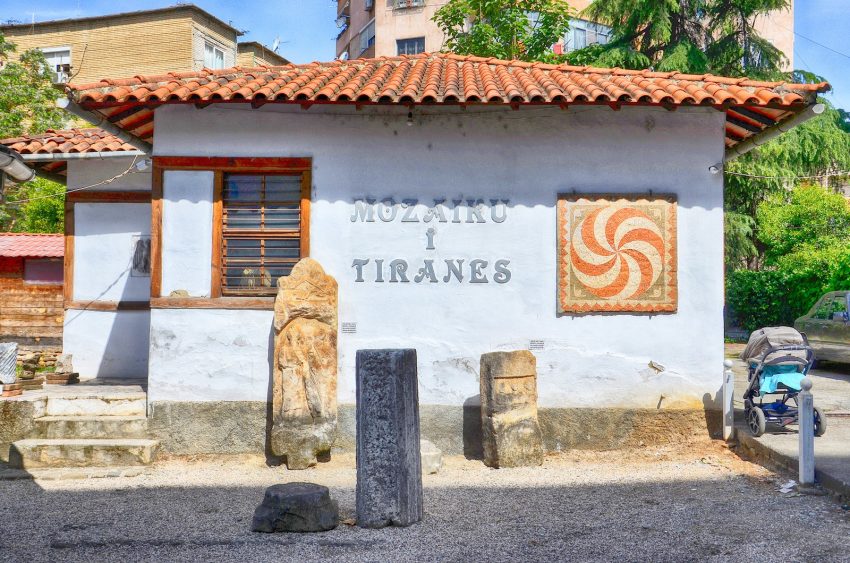
Map of the Self-Guided Walking Tour of Tirana, Albania walking route with 22 stops in Tirana.
Preview map of the Self-Guided Walking Tour of Tirana, Albania route in Tirana, showing 22 stops. Use the interactive map to zoom and tap markers.

Must-Visit Places in Albania 2026

Church in Theth National Park

This website uses affiliate links which earn a small commission at no additional cost to you.

Albania is one of Europe's most exciting hidden gems, a country where ancient history, breathtaking landscapes, and welcoming culture meet. Over the last decade, it has slowly emerged from the shadows to become a must-visit destination for travelers who crave authenticity. From the Adriatic coastlines and mountain peaks to historic towns and glittering lakes, Albania offers an incredible variety of places to explore, each with its own character and charm. Whether you're a history lover, a beach enthusiast, or an adventure seeker, Albania's diversity will surprise and delight you.

Among the best places to visit in Albania, the Albanian Riviera stands out for its stunning beaches and laid-back coastal villages, while Tirana, the colorful and dynamic capital, provides a vibrant city experience packed with art, culture, and nightlife. Adventure lovers should not miss driving along the scenic Llogara Pass or exploring the dramatic peaks and alpine villages of Theth National Park. History buffs will be enchanted by the UNESCO-protected towns of Gjirokastër, where Ottoman architecture and cobbled streets tell centuries-old stories.

For a taste of the coast and ancient ruins, Sarandë offers beautiful seaside views close to the Greek border, while the nearby Ksamil Islands boast some of the clearest waters in the Ionian Sea. Further north, Shkodër charms with its lake views and medieval Rozafa Castle, while Vlorë blends a beautiful coastline with a deep sense of Albanian identity. Apollonia and Durrës offer glimpses into the Roman era, with impressive archaeological sites and historic streets.

Nature lovers are equally spoiled in Albania. Lake Koman's ferry ride through steep mountain gorges is often called one of Europe's most beautiful boat journeys, and the shores of Pogradec on Lake Ohrid provide a peaceful lakeside escape. From its soaring mountains to its glittering seas, Albania is still an undiscovered treasure for many - but once you visit, you'll wonder why it took so long to find it.

1. Albanian Riviera

Generals Beach Albania
CC BY-SA 4.0 / Kukushiedi

Perhaps the most popular tourist spot in the country is the Albanian Riviera. The riviera has a growing reputation as an important location for music, with numerous international music festivals taking place here, including Turtle Fest and Soundwave Albania.

Nightclubs like Jale beach Folie Marine and Havana Beach Club near Dhermi attract young people from all over Europe to the Albanian Riviera.

Himara’s seaside town is one of the best places to visit on the riviera, while Porto Palermo Beach, Llamani Beach and Filikuri Beach are some of the finest sandy beaches in the region, while Drymades Beach is one of the most vibrant places to visit.


Location: Plazhi i Gjeneralit, Albania | Hours: 24 Hours | Price: Free

We recommend to rent a car in Albania through Discover Cars, they compare prices and review multiple car rental agencies. Book your rental car here.

2. Tirana

Statue Skanderbeg Square Tirana Albania
CC BY-SA 4.0 / Pudelek

Tirana, Albania’s capital city, will be the starting point for most people to start to explore Albania.

There are quite a few must-see tourist sites in the city, and the Et’hem Bey mosque of the 18th century is one of them.

Tirana’s people are exceptionally friendly, like the vast majority of Albanian locals, and the city is supremely affordable, both with surprisingly great food and very cheap drinks.

Skanderbeg Square is one of the most important places in Tirana, and this is where you can also find the National Historical Museum.

A statue of the legendary Albanian national hero Skanderbeg is located in the centre of Skanderbeg Square–and thus the heart of Tirana.

Read our Tirana Travel Guide

Here is a complete selection of hotel options in Albania. Feel free to review each one and choose the stay that best suits your needs.

3. Llogara Pass

High peak Llogara Vlore Albania
CC BY-SA 3.0 / Martin Brož

The Llogara Pass is a high mountain pass in the Ceraunian Mountains in the Albanian Riviera and offers one of the world’s most spectacular drives.

The road travels to over 1,000 metres above sea level in the middle of the Llogara National Park, whose scenery will take your breath away.

There is a good range of restaurants at the top of the pass, which is an ideal place to stop and enjoy some of Albania’s most beautiful views.

Llogara National Park is home to amazing wildlife, like the golden eagle, European wildcat, and fallow deer.

The drive from Tirana to Saranda should take a few hours through the Llogara Pass, but it is worth allowing plenty of extra time to be able to stop and take a lot of photographs.


Location: Llogara National Park, Vlorë Albania | Hours: 24 Hours | Price: Free

Traveling to a country with a different currency? Avoid ATM transaction fees and pay in local currency with a Wise Card. Having used it for over 5 years, we've saved loads on fees!

4. Berat

Berat Mangalem Qquarter, Albania
CC BY-SA 4.0 / Avi1111

Berat is located in the middle of Albania and is considered to be one of the oldest towns in the country. Because of its distinctive Ottoman and Albanian architecture, Berat has the name ‘City of a Thousand Windows’. If you are unsure why cross the river to Gorica and look back over the the town climbing the hill and the rows of symmetrical windows looking back on you.

The main tourist destination of Berat is its 13th century castle and its castle quarter called Kalaja, which is still home to many of the cities inhabitants. In 2008, Berat was added to the list of Unesco World Heritage sites as one of the Ottoman Empire’s most important Albanian towns.

The Mangalem Quarter is the area below the castle and holds a number of interesting mosques to see and the Ethnographic Museum.

Read our Berat Travel Guide
Powered by GetYourGuide

5. Saranda

view of saranda from lekuresi castle
CC BY-SA 2.0 / Jarosław Lichoń

Nestled along Albania’s dazzling Ionian coast, Saranda is the perfect stop on any southern Balkan road trip — a sun-soaked seaside town where turquoise waters meet winding coastal roads. The drive to Saranda, whether from Tirana via the Llogara Pass or from Gjirokastër through the Drino Valley, is a scenic adventure of dramatic mountain curves and sweeping sea views. Once there, travelers can stroll the palm-lined promenade, savor fresh seafood overlooking the bay, or take short drives to nearby wonders like the Blue Eye Spring, Butrint National Park, and the beaches of Ksamil. With its laid-back vibe, stunning sunsets, and proximity to both cultural treasures and natural beauty, Saranda makes an unforgettable highlight on any Albanian road trip itinerary.

Read our Sarandë Travel Guide
Powered by GetYourGuide

6. Kruja

Kruja Albania
Kruja Albania
CC BY-SA 2.0 / Chris Walts

Located a short distance from the capital, Tirana, Kruja is on the itinerary of most first-time travellers to Albania.

Kruja is home to the national ethnographic museum and the Skanderbeg museum. The Skanderbeg museum is located in the Castle of Kruja, and is one of the most popular tourist attractions in Albania.

It was from this fortress that the hero of Albania, George Kastrioti Skanderbeg, defended the country over a period spanning three decades from the invasion by the Ottomans.

The fortress also provides stunning views of the Adriatic Sea. Located close Kruja are the Qafe Shtama National Park and the Sari Saltik Tomb.

Read our Kruja Travel Guide
Powered by GetYourGuide

7. Gjirokastra

Gjirokastra Albania
Gjirokastra Albania
CC BY-SA 4.0 / ShkelzenRexha

A Unesco city, Gjirokastra is undeniably one of Albania’s best places to visit. Ottoman architecture can be seen throughout Gjirokastra, with houses shaped like tiny castles. Dominating the skyline of the city is its impressive castle. the castle contains both a military museum and art gallery.

There is also a folklore festival usually every five years in the castle of Gjirokastra–the last one was in 2015 however there a currently no details regarding the next one. The old Ottoman bazaar in Gjirokastra should also firmly be placed on a visitors agenda.

Gjirokastra is famous for being the birthplace of the world-renowned author Ismail Kadare and the former dictator of Albania, Enver Hoxha. Their homes have been turned into museums.

Read our Gjirokastër Travel Guide
Powered by GetYourGuide

8. Theth National Park

Theth Church Accursed mountains Albania
CC BY-SA 1.0 / peter_h

Away from the largest cities in Albania, in the country’s north, is Theth National Park. Theth is an area of exceptional natural beauty located high in the Albanian Alps. The park, with its Grunas Waterfall and the Lock-in Tower both extremely popular with tourists, and is perhaps the most beautiful place in all of Albania.

The beauty of the Thethi, Boga, Razma and Vermoshi mountain peaks are unforgettable.

Theth will be one of the best places to visit during a trip to Albania if you are a walker or a nature lovers.


Location: Theth, Shkodër County, Albania | Hours: 24 Hours | Price: Free (no official park gate fee)
Powered by GetYourGuide

9. Ksamil Islands

Ksamil albanian riviera
CC BY-SA 2.0 / Artur Malinowski

The Ksamil Islands are an isolated group of four small rocky  islands clustered just off the shore, accessible only by boat from the small town of Ksamil.

The Ksamil Islands are a fantastic example of Albania at its most natural and unspoiled, they are part of the larger Butrint National Park.

For anyone who wants to experience what Ksamil has to give during their exciting Albanian vacation, visiting the Blue Eye Spring is also a must. July and August are the Ksamil Islands’ busiest time of year, but even then they are still quite quiet.


Location: Ksamil beach, Rruga Vaçe zela, Ksamil, Albania | Hours: 24 Hours | Price: Free | Website

10. Shkodra

Shetitorja Shkoder
Shetitorja Shkoder
CC BY-SA 4.0 / Sali Jonuzi

Shkodra, the largest city in northern Albania, is also often considered the country’s cultural capital.

This is because it holds festivals such as Children’s Festival, Carnival, Lake Day and the Shkodra Jazz Fest, while it also houses a prominent mediaeval castle, Rozafa Castle, known for its important role during the First Balkan War.

Shkodra lies on the shores of a magnificent lake, and the mediaeval citadel of Drisht’s is just a few kilometres away.

Read our Shkodër Travel Guide
Powered by GetYourGuide

11. Vlore

View Vlore Albania
View Vlore Albania
CC BY-SA 4.0 / Neo Oens

Located in the south-west of Albania, Vlore’s popular coastal resort, long best known for its olive growing is estimated to house some 300,000 olive trees.

Vlore has many important historical locations, but perhaps the Albanian Independence Proclamation Building is the most famous of them, this is where Albania declared independence just over 100 years ago.

Read our Vlorë Travel Guide
Powered by GetYourGuide

12. Apollonia

Apollonise Albania
Apollonise Albania
CC BY-SA 4.0 / ShkelzenRexha

Apollonia was once one of the world’s most important towns, and as such it on most visitors itineraries.

Located in the middle of Albania, within easy reach of the town of Fier, the ruins of Apollonia are impressive and the views from this part of the country are also spectacular.

The town was included among the dominions of Pyrrhus of Epirus -who after suffering heavy losses in his victorious battles, the term Pyrrhic victory was coined. Those days are long gone, but for anyone who wants to learn more about the rich history of Albania up close, Apollonia should still be on the itinerary.


| Hours: 09:00-20:00 | Price: 300 lek | Website

13. Durres

Amphitheatre of Durrës
CC BY-SA 4.0 / Pudelek

Durres, the main port in Albania, is also one of the oldest cities in the country. Durres is best known for being host to the Balkan’s biggest amphitheatre, while Lalzit Bay’s unspoiled northern coastal strip is one of the most scenic places to visit in Albania.

Throughout their stay in Albania’s second largest city, visitors will consider taking time out of their schedules to visit the Durres Archeological Museum, Aleksander Moisiu Theater and the Royal Villa of Durres.

Throughout the year, several cultural events and festivities take place in Durres, while the region is also the birthplace of Bujar Nishani, Albania’s current president.

Read our Durrës Travel Guide
Powered by GetYourGuide

14. Lake Koman

Lake Koman Albania
Lake Koman Albania
CC BY-SA 4.0 / Colin Skidmore

Visiting Lake Koman in Albania should be on the everyone’s ‘Balkans bucket list’. It is described as one of the best boat trips in the country, the journey takes tourists to the port of Fierza from the hydroelectric dam at Koman.

While the locals who regularly use the boat take for granted the rugged beauty of the Albanian mountains, any first-time visitor will find the Lake Koman Ferry sights to be truly jaw-dropping. The ferry trip is also a good opportunity to see what life is like in remote areas for many Albanians.


Location: Koman, Shkodër, Albania Koman 4001 Albania | Hours: Daily: 07:45–08:45 & 12:00–12:45. | Price: Free to visit (ferry tickets and boat trips are paid; passenger tickets are typically around 1000 ALL (€8) one-way, depending on operator and whether you book ahead). | Website
Powered by GetYourGuide

15. Pogradec

View Pogradec, Albania
CC BY-SA 4.0 / Pasztilla aka Attila Terbócs

One of the most up-and-coming places to visit in Albania is Pogradec, which can be found on the shores of Lake Ohrid in the east of the country.

Lake Ohrid is the deepest lake in the Balkan area, and while the Macedonia side of the lake is more popular the shore of Albania is becoming more so.

Pogradec is famous for its rich folklore, while one of the most interesting events on Albania’s tourism calendar is the Puppet Theater Festival.

The beautiful Shebenik-Jabllanice National Park is also about 30-45 minutes away from Pogradec, while Drilon’s springs are also nearby.

Read our Pogradec Travel Guide
Powered by GetYourGuide
Moira & Andy
Moira & Andy

Hey! We're Moira & Andy. From hiking the Camino to trips around Europe in Bert our campervan — we've been traveling together since retirement in 2020!

Read our full story here

This website uses affiliate links which earn a small commission at no additional cost to you.

Walking Tour Map
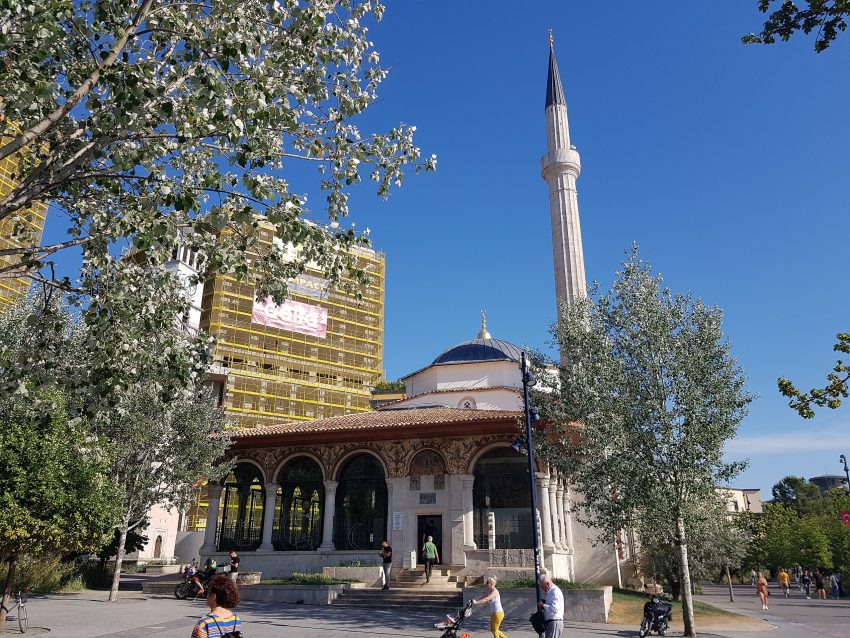
Map of the Must-Visit Places in Albania walking route with 15 stops.
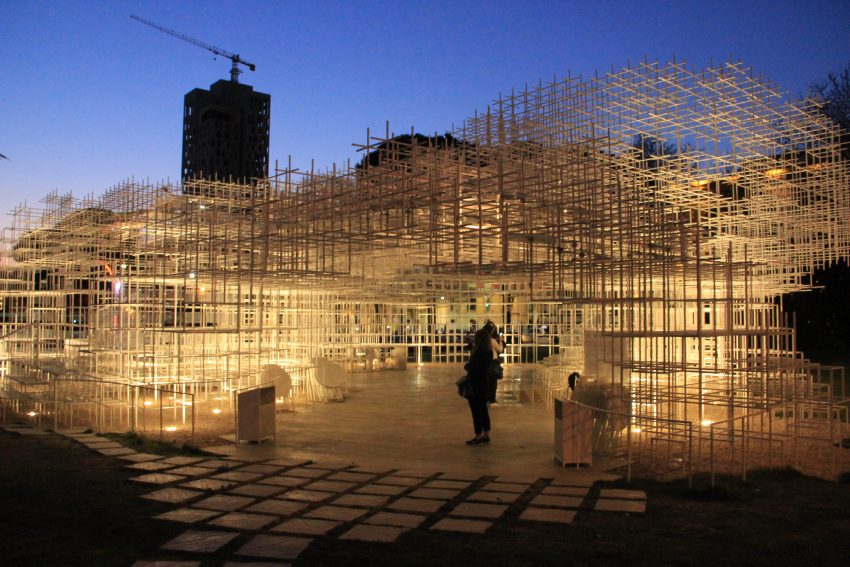
Preview map of the Must-Visit Places in Albania route, showing 15 stops. Use the interactive map to zoom and tap markers.