Durrës Archaeological Museum
Museum in Durrës
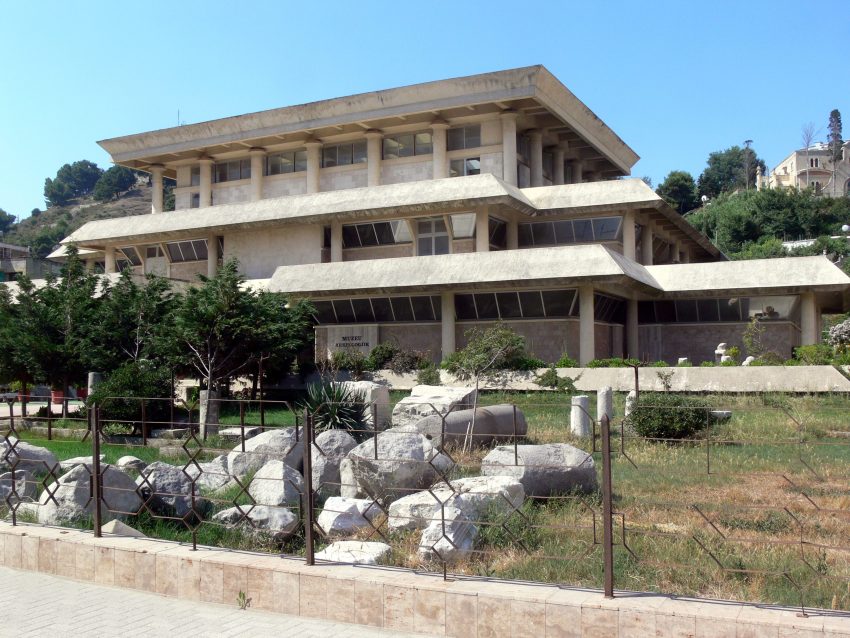
The Durrës Archaeological Museum in Durrës, Albania, is a city museum focused on the area's ancient past. Set close to the waterfront, it traces the story of Dyrrhachium through artifacts from the Illyrian, Hellenistic, Roman, and Byzantine periods. The collection is arranged in a way that makes the city's long timeline easy to follow, with objects displayed in a modern, well-lit setting.
Visitors come here for marble statues, funerary stelae, amphorae, mosaics, ceramics, and smaller pieces that show everyday life in the old port city. The museum suits history-focused travelers, but it also works as a short, low-effort stop for anyone exploring central Durrës. Its calm galleries offer a break from the busy promenade outside while giving useful context for the city's archaeological sites and ancient identity.
History and Significance of Durrës Archaeological Museum
Founded in 1951, the Durrës Archaeological Museum has grown into the largest archaeological institution in Albania. Its extensive collection originates primarily from excavations within the ancient city of Dyrrhachium - a key Roman and Byzantine settlement that once connected the Adriatic world with the interior of the Balkans. The site's position along the Via Egnatia trade route made it one of the most prosperous cities of antiquity, and the artifacts on display reflect this rich cultural exchange.
The museum endured a turbulent history of its own. During the 1997 Albanian unrest, it was heavily damaged and looted, with many artifacts stolen or destroyed. Fortunately, a major restoration effort in recent years has returned it to its former prestige, transforming it into a bright, modern space that celebrates the city’s archaeological treasures. Today, it serves as a bridge between Durrës’ ancient legacy and its modern identity as a thriving seaside destination.
Things to See and Do in Durrës Archaeological Museum
Inside, visitors will find an impressive collection spanning the Illyrian, Hellenistic, Roman, and Byzantine periods. Among the most remarkable exhibits are Roman marble statues, funerary stelae, amphorae, and mosaics. The Venus miniature bust is a particular highlight, admired for its elegance and fine craftsmanship. Another key exhibit is the stone sarcophagus, which offers insight into Roman burial practices in this coastal region.
The museum also houses intricate mosaics from nearby archaeological sites, colorful ceramics, and everyday items that reveal how ancient residents of Dyrrhachium lived. Each gallery flows chronologically, helping visitors trace the transformation of Durrës through successive civilizations. Even the museum's location adds to its charm - just minutes from the beach, it's easy to combine a cultural visit with a stroll along the seafront. This spot is one of the best places to visit in Durrës for understanding the city's deep and diverse history.
How to Get There
The Durrës Archaeological Museum is conveniently located near the waterfront, about a 10-minute walk from the main square and the Venetian Tower. It's easy to reach on foot if you're exploring the central area. Durrës is around 35 km from Tirana, with regular bus connections between the two cities throughout the day.
If you’re driving, there are several small parking areas near the beachfront and museum entrance, though spaces can fill up in summer. If you are looking to rent a car in Albania I recommend having a look at Discover Cars, first, as they compare prices and review multiple car rental agencies for you. The museum is clearly signposted from the promenade, and taxis are readily available across the city.
Practical Tips on Visiting Durrës Archaeological Museum
- Best time to visit Durrës Archaeological Museum: Morning or early afternoon to enjoy the exhibits in quieter hours.
- Entrance fee in Euros: Around €3 for adults.
- Opening hours: Typically open daily from 9 am to 4 pm.
- Official website: Information available via Durrës Municipality or Albania's National Museum network.
- How long to spend: Around 1 to 1.5 hours.
- Accessibility: Mostly accessible, with ramps and wide gallery spaces.
- Facilities: Restrooms, gift shop, and air-conditioned galleries.
- Photography tip: Natural light from large windows enhances photos of marble sculptures.
- Guided tours: Available upon request; some guides speak English and Italian.
- Nearby food options: Numerous cafés and seafood restaurants along the beachfront just a few minutes away.
Is Durrës Archaeological Museum Worth Visiting?
Absolutely. The Durrës Archaeological Museum is a must for anyone wanting to understand the depth of Albanian history and the importance of Durrës in the ancient world. Its accessible location, thoughtful displays, and serene setting near the sea make it both educational and enjoyable. Whether you're a history enthusiast or a casual visitor, it's one of the most rewarding cultural experiences in the city.
What Other Travellers Say...
The largest archaeological museum in Albania, featuring a vast collection of Hellenistic, Roman, and Byzantine artifacts found in the region.





FAQs for Visiting Durrës Archaeological Museum
The Durrës Archaeological Museum appears in our Complete Guide to Visiting Durrës!

Moira & Andy
Hey! We're Moira & Andy. From hiking the Camino to trips around Europe in Bert our campervan — we've been traveling together since retirement in 2020!
This website uses affiliate links which may earn a commission at no additional cost to you!
Nearby Attractions
- Durrës Castle (0.3) km
Castle - Royal Villa of Durrës (0.3) km
Historic Building - Durrës Amphitheatre (0.4) km
Ruins - Durrës Beach Promenade (0.5) km
Promenade - Durrës Great Mosque (0.5) km
Mosque - Aleksandër Moisiu’s House-Museum (0.5) km
Historic Building and Museum - Sheshi Liria (0.5) km
Square - Well of Tophane (0.6) km
Historic Site - Byzantine Forum (0.6) km
Ruins - Venetian Tower (0.6) km
Tower