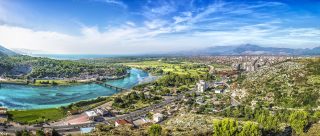
Kruja, Albania: The Ultimate Travel Guide 2026

Kruja, also known as Krujë, is a charming hillside town in northeastern Albania, nestled in the foothills of Mount Kruja, where history, culture, and mountain scenery intertwine. Once the stronghold of Albania's national hero, Gjergj Kastrioti Skanderbeg, Kruja played a central role in resisting the Ottoman Empire during the 15th century - and that proud legacy still echoes through its cobbled streets today. Visitors are greeted by panoramic views over the Adriatic plain, the soft hum of local craftsmen in the bazaar, and the scent of mountain air that drifts through winding alleys lined with traditional Ottoman houses. It's a place where Albania's past and present meet in perfect harmony, offering travelers a glimpse of the nation's enduring spirit.
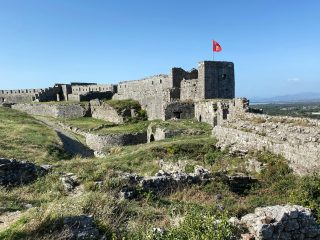
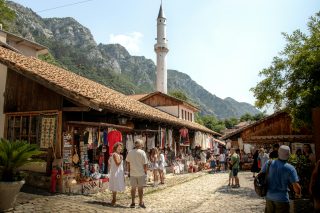
At the heart of the town lies the Kruja Castle, a magnificent fortress perched high above the valley, guarding stories of heroism and independence. Within its walls are two of Albania's most fascinating museums - the Skanderbeg Museum, which chronicles the hero's battles and legacy, and the Ethnographic Museum, housed in a beautifully preserved Ottoman home. From the castle's ramparts, the views stretch across the rolling hills to the Adriatic Sea, especially magical at sunset when the stone walls glow in warm golden light. Just below the castle, the Old Bazaar of Kruja invites visitors to wander among wooden stalls selling handwoven rugs, filigree jewelry, copper crafts, and traditional Albanian textiles. It's one of the most atmospheric bazaars in the Balkans - a living link to the town's centuries-old trading tradition.
For those seeking a quieter side of Kruja, there are plenty of serene spots to unwind. Take a stroll through the castle gardens, pause at a local café to enjoy strong Albanian coffee, or simply sit and watch the world go by against a backdrop of mountain peaks and terracotta rooftops. The surrounding area offers excellent hiking trails through Mount Kruja National Park, where wildflowers bloom in spring and panoramic viewpoints reward every climb. Whether you come for history, nature, or a touch of tranquility, Kruja captures the essence of Albania's timeless character - proud, welcoming, and deeply rooted in its heritage.
If you're exploring the country on a longer journey, Kruja is an essential stop on any 2 Week Albania Road Trip Itinerary - ideally placed just north of Tirana, making it a perfect first or last stop on your route. It's also a great introduction to some of the best places to visit in Albania, from the cultural heart of Berat and the mountain majesty of Theth, to the sun-drenched Albanian Riviera and the ancient ruins of Butrint. Kruja may be small, but it tells a story that spans centuries - and for travelers, it's where the journey through Albania's rich history truly begins.
History of Kruja
Kruja in Prehistoric and Ancient Times
The area around Kruja has been inhabited since prehistoric times, with evidence of early settlements found in the surrounding hills and caves. The region was part of the Illyrian territories, where the Illyrian tribes thrived in the Bronze and Iron Ages. These tribes were known for their warrior culture and their resistance against foreign invasions. Archaeological findings in the area, including pottery, tools, and weapons, suggest that Kruja played an important role in the trade routes of the time, connecting different cultures in the region.
Kruja Under Roman and Byzantine Influence
During the Roman period, Kruja became an integral part of the Roman Empire as part of the province of Illyricum. The Romans established infrastructure, including roads and fortifications, to facilitate the movement of their armies and trade goods. After the fall of the Western Roman Empire, the region fell under Byzantine control, and Kruja continued to be a strategic location due to its natural defenses. The town was fortified, and a strong Byzantine influence is reflected in the architecture and religious sites from that time, including the spread of Christianity in the region.
Kruja Under Ottoman Rule
The Ottomans took control of Kruja in the late 14th century, integrating it into their vast empire. During the Ottoman period, Kruja was a key administrative and military center. The town was heavily fortified, and the iconic Kruja Castle was expanded during this time to strengthen its defenses. It was also an important commercial hub for the Ottoman Empire, with the town’s bazaar becoming a center of trade. The Ottomans introduced Islamic culture to the area, and many of the religious buildings and structures from this period remain today, showcasing the blend of Ottoman and Albanian heritage.
Kruja in the 19th and Early 20th Century
In the 19th century, Kruja became a focal point for the Albanian national movement. It was here that Skanderbeg, Albania’s national hero, led a rebellion against the Ottomans in the 15th century, and his legacy continued to inspire the Albanian people in their quest for independence. During the 19th and early 20th centuries, Kruja was a symbol of Albanian resistance. As the Ottoman Empire weakened, the region became a center for political and cultural activism, eventually playing a significant role in Albania’s declaration of independence in 1912.
Kruja in the Communist Era
Under communist rule, Kruja, like much of Albania, underwent significant changes. The regime focused on industrialization and the collectivization of agriculture, which led to the development of infrastructure and urbanization. However, the strict control over the population also meant that religious practices were suppressed, and many of the town’s churches and mosques were closed or repurposed. Despite this, Kruja remained a key town in the broader cultural landscape of Albania, with its historical sites preserved as symbols of national pride.
Kruja in the Post-Communist Era
Following the fall of communism in the early 1990s, Kruja underwent a period of transformation as Albania opened up to the outside world. The town’s historical and cultural significance was rediscovered, and tourism began to grow as more visitors came to explore its ancient castle, bazaar, and rich heritage. Kruja’s role as a symbol of Albanian resistance and identity has made it a focal point for those interested in Albania’s national history. Today, the town is a popular tourist destination, attracting visitors with its blend of history, culture, and scenic beauty.

Moira & Andy
Hey! We're Moira & Andy. From hiking the Camino to trips around Europe in Bert our campervan — we've been traveling together since retirement in 2020!
Visiting Kruja for the first time and wondering what are the top places to see in the city? In this complete guide, I share the best things to do in Kruja on the first visit. To help you plan your trip, I have also included an interactive map and practical tips for visiting!
This website uses affiliate links which earn a small commission at no additional cost to you.


10 Best places to See in Kruja
This complete guide to Kruja not only tells you about the very best sights and tourist attractions for first-time visitors to the city but also provide insights into a few of our personal favorite things to do.
This is a practical guide to visiting the best places to see in Kruja and is filled with tips and info that should answer all your questions!
1. Skanderbeg Monument

Location: Skanderbeg Monument, Krujë, Albania | Distance: 0.4km

2. Kruja Bazaar

Location: Bazar of Kruja, Rruga Albanopolis, Kruja, Albania | Distance: 0.6km

3. Skanderbeg Museum

Location: Rruga Kala Kruja District Albania | Hours: 9am-2pm & 4-7pm Mon-Sat, 9am-7pm Sun May-Sep, 9am-1pm & 3-6pm Tue-Sun Oct-Apr | Price: 200 lekë | Distance: 0.7km
4. Watch Tower
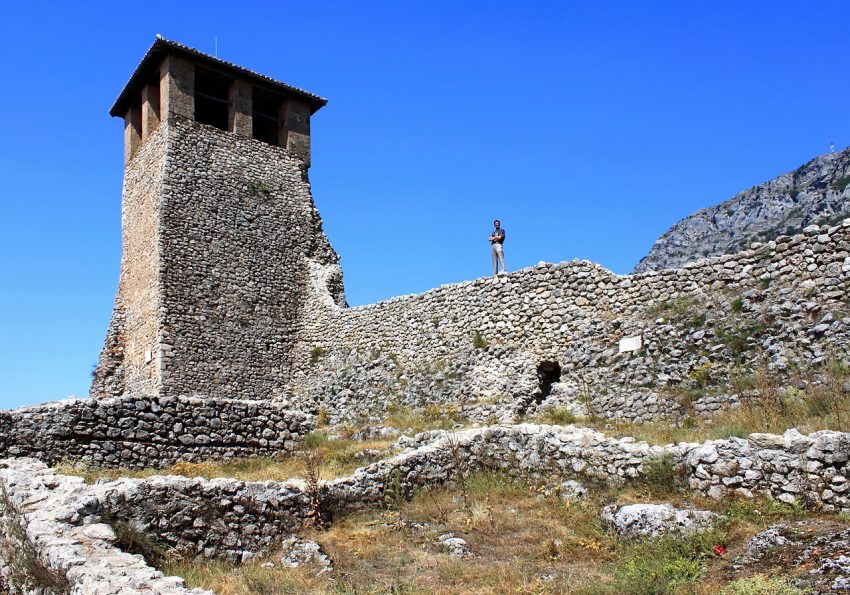
Location: Watch Tower of Kruja, Krujë, Albania | Distance: 0.8km
5. Kruja’s Medieval Hammam

6. The Tekke of Dollma

7. Kruja Ethnographic Museum

Location: Rruga Kala, Kruja, Albania | Hours: 9am-7pm daily May-Sep, to 4pm Tue-Sun Oct-Apr | Price: 300 lekë | Distance: 0.8km
8. Kruja Castle
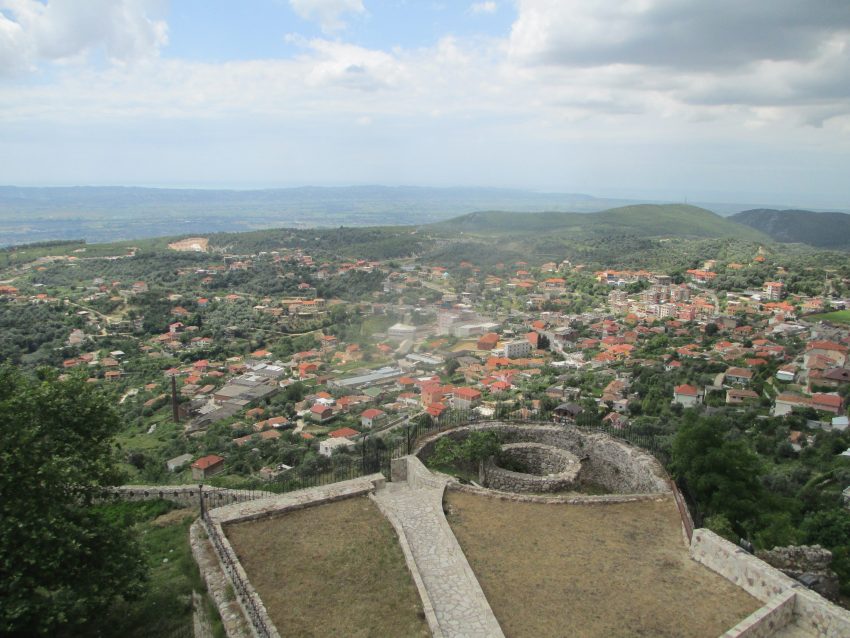
Location: Rruga Kala Kruja District Albania | Hours: 9am-6pm | Price: 300 lekë | Distance: 0.8km
9. Sari Salltik Cave

Location: Sari Salltik, Krujë, Albania | Distance: 1.2km
10. Zgërdhesh Archaeological Site

Location: Zgerdhesh, Fushe Kruje Albania | Distance: 4.3km
Best Day Trips from Kruja
A day trip from Kruja offers the perfect opportunity to escape the urban rhythm and discover the surrounding region's charm. Whether you're drawn to scenic countryside, historic villages, or cultural landmarks, the area around Kruja provides a variety of easy-to-reach destinations ideal for a one-day itinerary. If you are looking to rent a car in Albania I recommend having a look at Discover Cars, first, as they compare prices and review multiple car rental agencies for you.
1. Qafshtame National Park
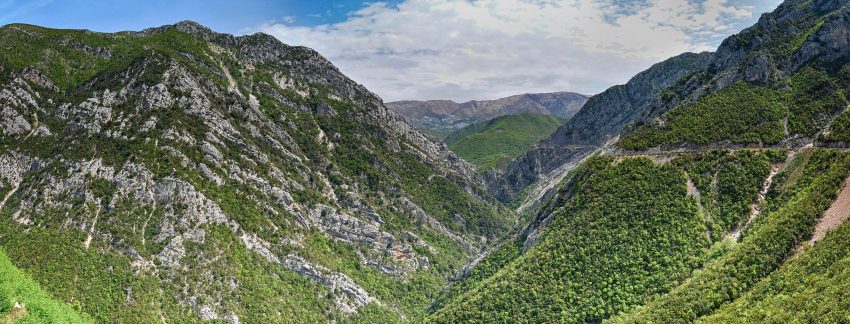
| Hours: 24 Hours | Price: Free | Website | Distance: 8.6km
Visiting Qafshtame National Park
2. Preza Castle

Location: Preza Castle, Prezë, Albania | Distance: 13.3km
Visiting Preza Castle
3. Tirana

Visiting Tirana
4. Burrel

Visiting Burrel
5. Petrela Castle

Location: Rruga Petreles, Petrelë, Albania | Hours: 10am-8pm | Website | Distance: 29.2km
Visiting Petrela Castle
6. Rrëshen (Mirditë)

Visiting Rrëshen (Mirditë)
7. Lezhë

Visiting Lezhë
8. Durrës

Visiting Durrës
9. Elbasan

Visiting Elbasan
10. Peshkopi

Visiting Peshkopi
11. Librazhd

Visiting Librazhd
12. Pukë

Visiting Pukë
13. Lushnjë

Visiting Lushnjë
Where to Stay in Kruja
Kruja offers a charming selection of places to stay, each reflecting the town’s historic character and mountain beauty. For those who want to immerse themselves in history, staying within the Kruja Castle area is an unforgettable experience. Inside the fortress walls, you’ll find small boutique accommodations that combine tradition with comfort. Hotel Panorama Krujë is a standout choice, offering rooms with panoramic views of the valley and the Adriatic Sea beyond. Guests can enjoy traditional Albanian cuisine at the hotel’s restaurant while watching the sunset over the plains. Another appealing option is Mervin Hotel, which offers a blend of modern design and local hospitality, just steps from the Skanderbeg Museum and the Old Bazaar.
If you prefer to stay closer to the Old Bazaar, this area provides a perfect mix of atmosphere and convenience. The bazaar’s cobbled streets and wooden shops make for a picturesque setting, and accommodations here place you right in the heart of local life. Hotel Emiliano is housed in a traditional Ottoman-style building and features beautiful wooden balconies overlooking the market below. The experience feels almost like stepping back in time, with its authentic décor and warm family-run service. Nearby, Bar Restorant & Guesthouse Merlika offers rustic rooms with stone walls and a restaurant serving home-cooked specialties, making it a cozy and character-filled stay for travelers exploring the historic quarter.
For visitors seeking a more peaceful mountain retreat, the outskirts of Kruja provide a serene escape surrounded by nature. Villa Kruja offers comfortable accommodation with stunning views of the hills, ideal for those who enjoy hiking or simply relaxing in quiet surroundings. Another excellent option slightly outside the center is Kruja Hotel & Spa, which combines scenic tranquility with modern amenities such as a wellness area and terrace restaurant. These hillside properties offer a different perspective on Kruja, where you can wake up to fresh mountain air and views that stretch all the way to the sea.
Using the our Hotel and Accomodation map, you can compare hotels and short-term rental accommodations in Kruja. Simply insert your travel dates and group size, and you’ll see the best deals for your stay.
Kruja Accommodation Map
Best Time to Visit Kruja
Visiting Kruja in Spring (Best)
Spring is the best time to visit Kruja, as the weather is mild, the hillsides are lush with wildflowers, and the town comes alive with energy after the winter months. From March to May, temperatures range between 15°C and 25°C, perfect for walking through the Old Bazaar, exploring Kruja Castle, and hiking to nearby landmarks like Sari Salltik Cave. The season also coincides with Albania’s Independence Day celebrations in late spring and various local cultural events that showcase traditional music, crafts, and cuisine. The clear skies and fresh air make this the ideal time to experience Kruja’s blend of history and nature at its most vibrant.
Visiting Kruja in Summer
Summer in Kruja, from June to August, is warm and lively, with average temperatures between 25°C and 30°C. Thanks to its elevation, Kruja enjoys cooler weather than the coastal cities, making it a pleasant mountain retreat during the hot Albanian summer. This is the peak tourist season, and the Old Bazaar is full of activity, with artisans displaying handmade rugs, copperware, and souvenirs. Outdoor cafés buzz with visitors, and many local festivals take place in nearby villages. The long days and golden sunsets over the plains below add a magical touch to evenings spent at the castle or dining on terraces overlooking the valley.
Visiting Kruja in Autumn
Autumn, from September to November, brings a peaceful charm to Kruja, with cooler temperatures, fewer tourists, and a golden glow over the surrounding hills. This is an excellent time for photography and exploring the cultural sites without the summer crowds. The nearby countryside takes on rich autumn colors, making walks to viewpoints and shrines particularly scenic. Early autumn is also a season of harvest celebrations, with local markets selling fresh produce, honey, and olive oil. Visiting in autumn allows for a calm, authentic experience of Kruja’s historic and rural life while still enjoying comfortable weather.
Visiting Kruja in Winter
Winter in Kruja, from December to February, is quiet, with crisp mountain air and occasional snowfall adding a romantic charm to the town’s stone streets and castle walls. Daytime temperatures range from 5°C to 10°C, making it suitable for sightseeing if you bundle up. The atmosphere is tranquil, and hotels often offer lower rates. It’s a great time to explore the museums or enjoy warm Albanian dishes in cozy local restaurants. Around the New Year, Kruja holds small festive events, and the castle illuminated against the winter sky creates a striking sight. While it’s the off-season, winter offers a peaceful and introspective way to experience this historic mountain town.
Annual Weather Overview
- January 11°C 55°F
- February 13°C 60°F
- March 15°C 63°F
- April 20°C 71°F
- May 23°C 77°F
- June 29°C 87°F
- July 29°C 94°F
- August 31°C 91°F
- September 29°C 88°F
- October 23°C 78°F
- November 17°C 65°F
- December 13°C 58°F
How to get to Kruja
Getting to Kruja by Air
Nearest Airport
The closest major airport to Kruja is Tirana International Airport (TIA), situated approximately 19 km from the town. This airport serves as the primary international gateway to Albania, offering flights from various European cities.
From the Airport to Kruja
Upon arrival at TIA, visitors can reach Kruja by taxi, rental car, or public transportation. Taxis are readily available at the airport and provide a convenient option for direct travel to Kruja. Alternatively, rental cars can be arranged at the airport for those preferring to drive. Public buses or shuttles may also operate routes connecting the airport to central Tirana, from where onward travel to Kruja can be arranged.
Getting to Kruja by Train
Train Services
Currently, there is no direct train service to Kruja. The Albanian rail network is limited, and Kruja is not connected by rail to other major cities. Travelers wishing to use the train for part of their journey can consider taking a train to nearby cities such as Durrës or Shkodër and then continue their journey to Kruja by bus or taxi.
Alternative Rail Options
For those interested in experiencing Albania's rail system, trains operate between certain cities, including routes from Tirana to Durrës. However, these services are infrequent and may not be the most efficient means of reaching Kruja. It's advisable to check current schedules and routes before planning travel by train.
Getting to Kruja by Car
Driving Directions
Traveling by car is one of the most convenient ways to reach Kruja. From Tirana, the journey takes approximately 45 minutes to an hour, depending on traffic. The most straightforward route is to take the SH2 highway towards Durrës, then exit at Vora onto the SH52 road, which leads directly to Kruja.
Car Rental Options
Rental cars are available at Tirana International Airport and in central Tirana. Several car rental agencies operate in these locations, offering a range of vehicles to suit different needs. It's recommended to book a car in advance, especially during peak travel seasons, to ensure availability and secure the best rates.
Travelling Around Kruja
Local Transportation
Kruja is a small town, and most of its attractions, such as the Kruja Castle and the Old Bazaar, are within walking distance of each other. Exploring on foot is a pleasant way to experience the town’s charm and historical sites.
Taxis and Private Transport
For destinations outside the town center or for those preferring not to walk, taxis are available. It’s advisable to agree on a fare before starting the journey. Additionally, private car services can be arranged for more personalized transportation needs.
Public Buses
Public buses may operate within Kruja and to nearby areas. Schedules and routes can vary, so it’s recommended to check locally for the most current information. Bus travel is an affordable option for getting around the region.