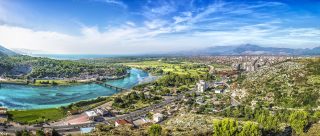
Gjirokastër, Albania: City of Stone
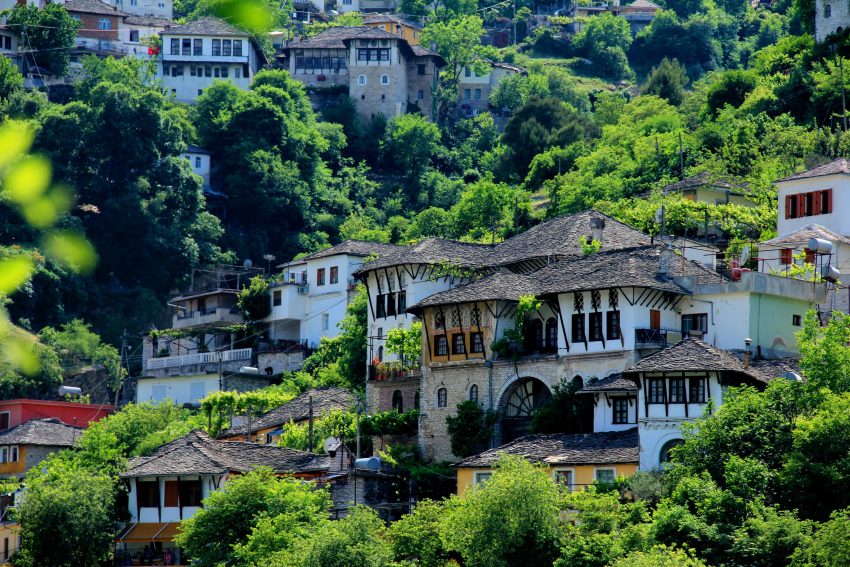
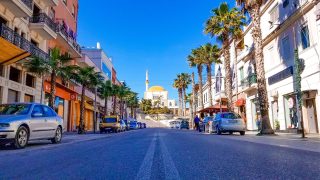
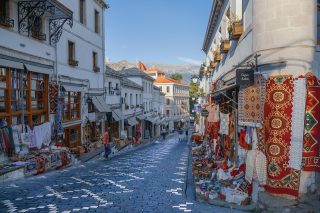
Gjirokastër is a captivating city located in Southwest Albania, offering visitors a unique blend of Ottoman-era architecture, cobblestone streets, and stunning mountain views. Often referred to as the “City of Stone” due to its well-preserved stone buildings, the town is a UNESCO World Heritage site that exudes charm and authenticity. Visitors can wander through its narrow streets, exploring traditional houses, boutique shops, and vibrant markets. The city is particularly popular with travelers who appreciate historical and cultural experiences, as it offers a glimpse into Albania’s past while retaining its local flair.
As part of a two-week road trip through Albania, Gjirokastër makes for a memorable stop - perfectly positioned between the Ionian coast and the country's mountainous interior. Its mix of culture, history, and scenery provides a refreshing contrast to the beaches of the south or the bustling capital, Tirana.
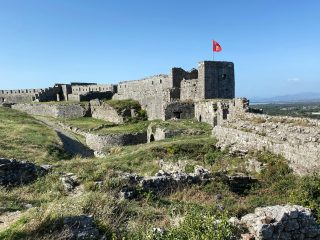
One of the key attractions in Gjirokastër is its impressive castle, which towers over the city and provides panoramic views of the surrounding landscape. The castle complex houses museums and historical exhibits, making it a perfect spot for visitors interested in learning more about the region's past. A walk through the castle allows visitors to enjoy both the architectural beauty and the spectacular vistas of the Drino Valley and the surrounding mountains. The town also offers charming local cafes and restaurants, where travelers can sample traditional Albanian dishes while soaking in the atmosphere.
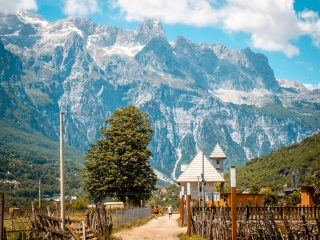
In addition to its architectural gems, Gjirokastër is known for its natural beauty, with the surrounding mountains offering excellent opportunities for hiking, photography, and exploring the outdoors. The town is an ideal base for nature enthusiasts, as nearby areas such as the Zagori region offer trekking paths and natural wonders like waterfalls and rivers. Whether you're visiting as part of a longer Albanian road trip or exploring southern Albania in depth, Gjirokastër is a peaceful and picturesque destination that promises a serene escape - an excellent choice for anyone looking to experience the country's history, culture, and natural landscape.
History of Gjirokastër
Gjirokastër in Prehistoric and Ancient Times
The area around Gjirokastër has been inhabited since prehistoric times, with evidence of early settlements found in the surrounding hills and caves. The region was part of the Illyrian territories, inhabited by the Illyrian tribes, who were known for their warrior culture and their strategic settlements. Archaeological findings, including pottery and tools, suggest that Gjirokastër and its surroundings were involved in trade and agricultural activities in ancient times. The fertile land and proximity to major trade routes made it an important location for these early communities.
Gjirokastër Under Roman and Byzantine Influence
During the Roman period, the region around Gjirokastër became part of the Roman Empire, integrated into the province of Epirus. The Romans recognized the strategic importance of the area, and the region became an important center for trade and agriculture. After the fall of the Western Roman Empire, Gjirokastër came under Byzantine control. The Byzantine Empire reinforced its influence in the area, building fortifications and churches, which contributed to the spread of Christianity. The town’s significance grew as a regional administrative and religious hub during this period.
Gjirokastër Under Ottoman Rule
The Ottomans took control of Gjirokastër in the late 14th century, marking the beginning of a significant transformation in the town’s architecture and culture. During the Ottoman period, Gjirokastër became an important administrative center in southern Albania. The Ottomans constructed many of the town’s iconic stone buildings, including mosques, baths, and the famous Gjirokastër Castle. The influence of Ottoman culture is still evident in the town’s architecture, with its narrow streets, traditional Ottoman houses, and the distinctive style of its bazaar. Gjirokastër was also an important hub for the exchange of goods, particularly agricultural products such as tobacco, olive oil, and grains.
Gjirokastër in the 19th and Early 20th Century
In the 19th century, Gjirokastër, like much of Albania, became involved in the nationalist movements that sought independence from the Ottoman Empire. The town was a center for Albanian intellectual and political activity, and many prominent figures emerged from Gjirokastër during this period. As Albania’s struggle for independence grew, Gjirokastër played a role in the uprising against Ottoman rule. When Albania declared its independence in 1912, Gjirokastër became part of the newly formed Albanian state. The early 20th century saw both political turmoil and modernization efforts, as the country began to establish its national identity.
Gjirokastër During the Communist Era
Under communist rule, Gjirokastër underwent significant social and economic changes. The regime focused on industrialization and collectivization, and the town saw the construction of factories and large agricultural projects. However, the communist government also imposed strict controls on religious practices, and many churches and mosques were closed or repurposed. Despite these changes, Gjirokastër retained much of its historical charm, and its traditional stone houses and cobblestone streets remained intact. The town also became an important symbol of Albanian culture and heritage, with efforts to preserve its unique architectural style.
Gjirokastër in the Post-Communist Era
After the fall of communism in the early 1990s, Gjirokastër, like much of Albania, underwent a period of transition. The town faced economic challenges as the country shifted from a centrally planned economy to a market-based system. However, Gjirokastër also saw the revival of tourism, with its UNESCO World Heritage status drawing visitors from around the world. In recent years, the town has experienced a revitalization, with efforts to restore and preserve its historic buildings and cultural heritage. Today, Gjirokastër remains one of Albania’s most important cultural and historical destinations, blending its rich past with modern developments.

Moira & Andy
Hey! We're Moira & Andy. From hiking the Camino to trips around Europe in Bert our campervan — we've been traveling together since retirement in 2020!
Visiting Gjirokastër for the first time and wondering what are the top places to see in the city? In this complete guide, I share the best things to do in Gjirokastër on the first visit. To help you plan your trip, I have also included an interactive map and practical tips for visiting!
This website uses affiliate links which earn a small commission at no additional cost to you.


12 Best places to See in Gjirokastër
This complete guide to Gjirokastër not only tells you about the very best sights and tourist attractions for first-time visitors to the city but also provide insights into a few of our personal favorite things to do.
This is a practical guide to visiting the best places to see in Gjirokastër and is filled with tips and info that should answer all your questions!
1. Cold War Tunnel
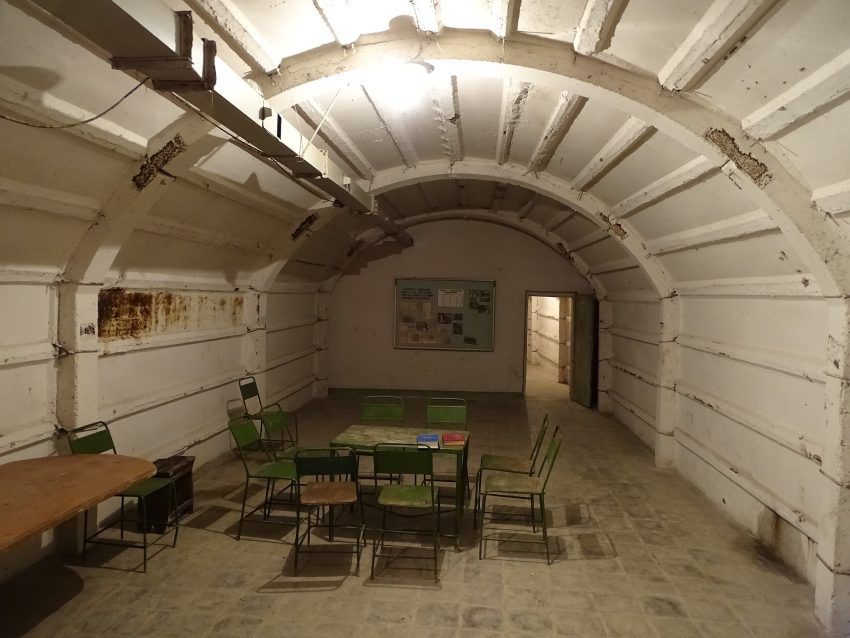
Location: Cold War Tunnel, Rruga Gjin Zenebisi, Gjirokastër, Albania | Distance: 0.8km

2. Gjirokastër Cold War Tunnel Museum
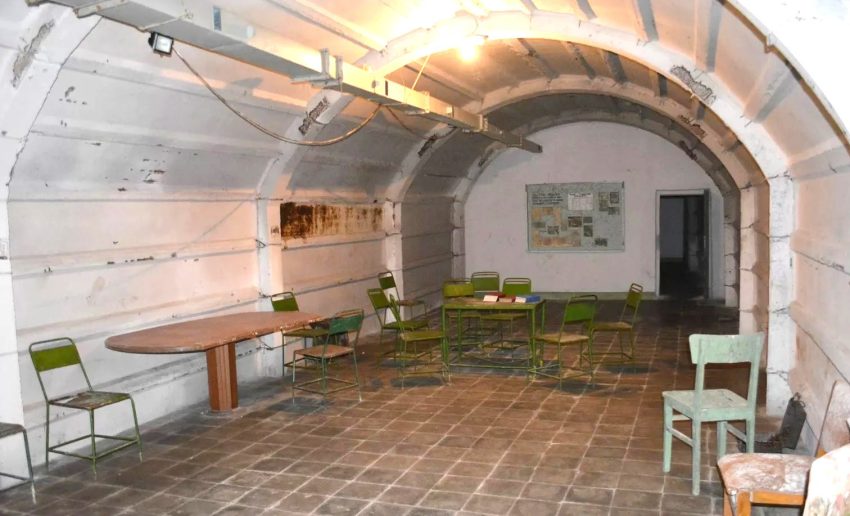
Location: Cold War Tunnel Rruga Gjin Zenebisi Gjirokastër Albania | Hours: (Summer) April – October: Daily: 09:00–18:00. (Winter) November – March: Daily: 08:00–14:00. | Price: 200 lek | Distance: 0.9km

3. Gjirokastër Castle

Location: Rruga Elvia Celebi Gjirokaster Albania | Hours: April - September, Every Day 9:00- 18:00 October-March 9:00-17:00 | Price: 400 lek | Distance: 0.9km
4. Old Bazaar

Location: Qafa e Pazarit, Rruga Alqi Kondi, Gjirokastër | Distance: 1km
5. National Museum of Armaments

Location: Castle of Gjirokastra, Rruga Elvia Celebi, Gjirokastër, Albania | Distance: 1.1km
6. Ismail Kadare’s House
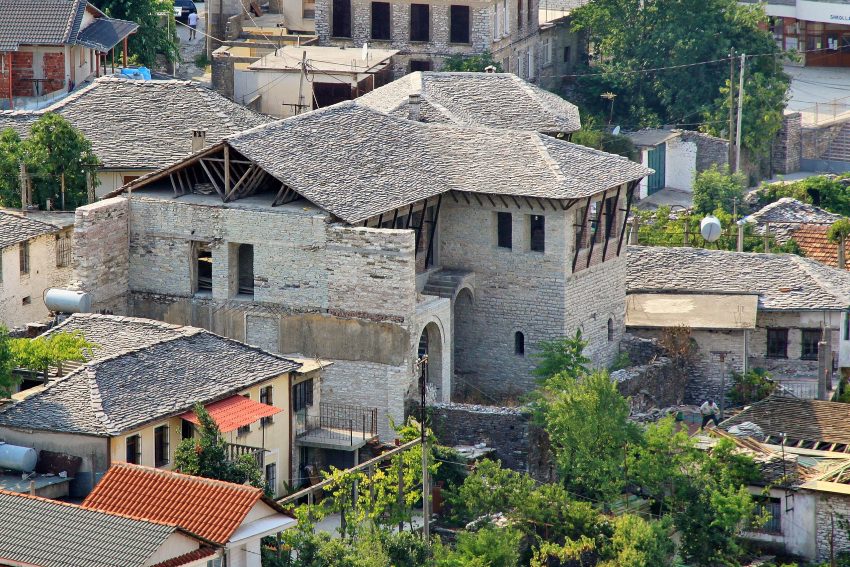
Location: Ismail Kadare's house, Rruga Fato Berberi, Gjirokastër, Albania | Distance: 1.1km
7. Gjirokastër Obelisk
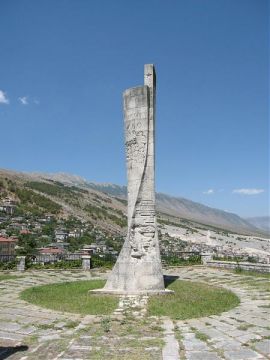
Location: The Obelisk of Education, Gjirokastër Albania | Hours: 24 Hours | Price: Free | Distance: 1.1km
8. Bazaar Mosque
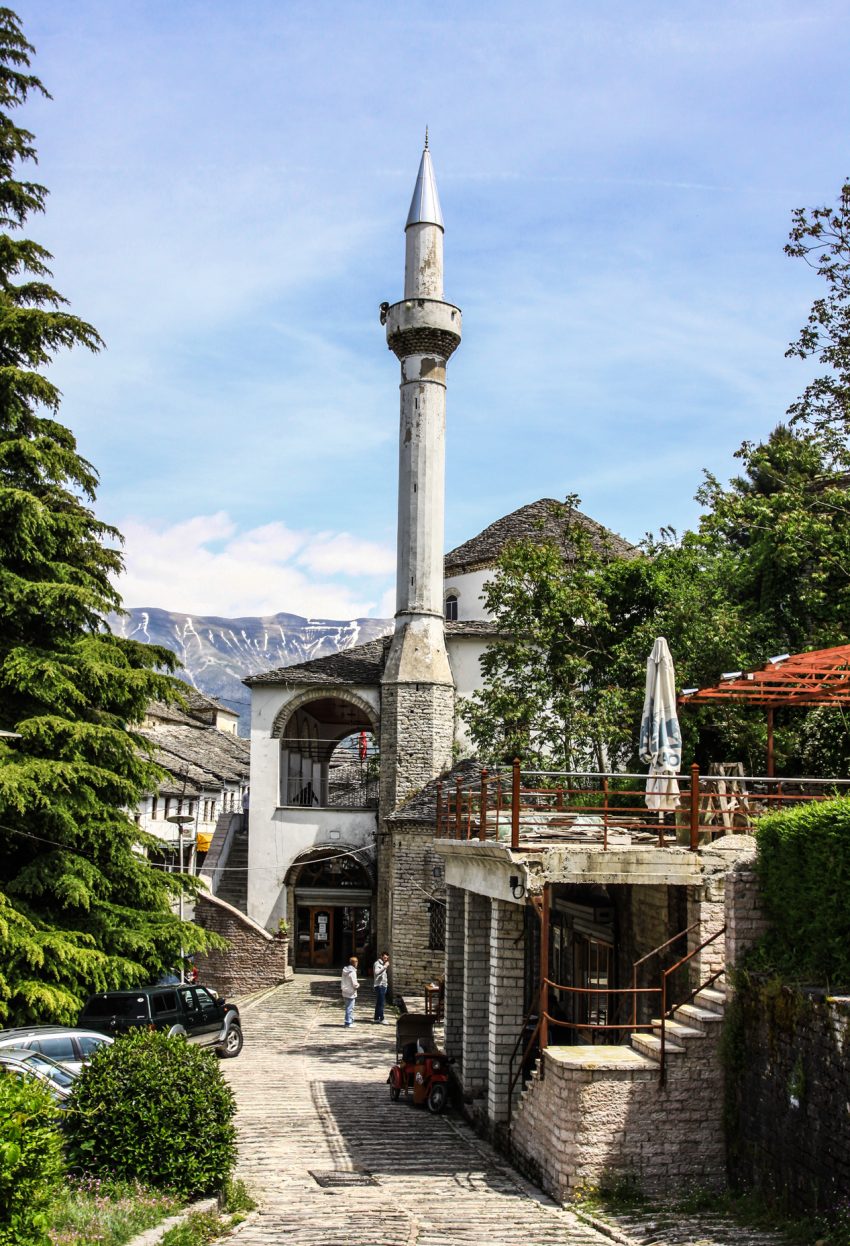
Location: Rruga Ismail Kadare Gjirokaster Albania | Hours: Daily: 09:00–16:30. | Price: Free. | Distance: 1.1km
9. Skenduli House

Location: Rruga Sokaku i te Mareve Gjirokaster Albania | Hours: 9am-7pm Apr-Oct | Price: 200 lek | Distance: 1.2km
10. Ethnographic Museum

Location: Rr Ismail Kadare, Gjirokaster, Albania | Hours: April to September 08:00 to 12:00 and 16:00 to 19:00 daily October to March 08:00 to 16:00 Wednesday to Sunday (closed Monday and Tuesday) | Price: 200 Lek | Distance: 1.3km
11. Zekate House

Location: Rruga Bashkim Kokona Gjirokaster Albania | Hours: The Zekate house is open for visitors. A family member will come out and unlock the door. | Price: 200 Lek | Distance: 1.5km
12. Ali Pasha Bridge

| Hours: 24 Hours | Price: Free | Distance: 2.2km
Best Day Trips from Gjirokastër
A day trip from Gjirokastër offers the perfect opportunity to escape the urban rhythm and discover the surrounding region's charm. Whether you're drawn to scenic countryside, historic villages, or cultural landmarks, the area around Gjirokastër provides a variety of easy-to-reach destinations ideal for a one-day itinerary. If you are looking to rent a car in Albania I recommend having a look at Discover Cars, first, as they compare prices and review multiple car rental agencies for you.
1. Ruins of Antigonea
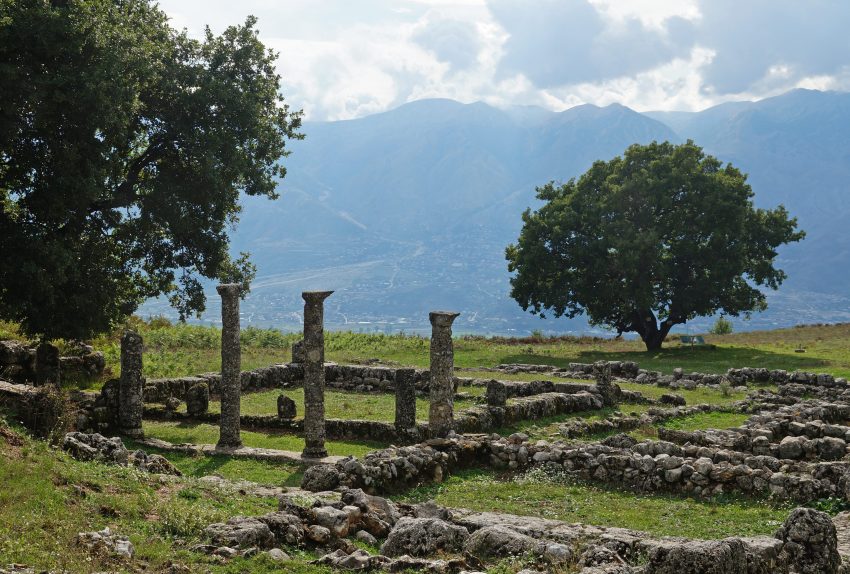
Location: Gjirokastër - Parku Arkeologjik i Antigonesë | Hours: Weekdays 8:00 - 16.00 Weekends 9:00 -15.00 | Price: 300 lek | Website | Distance: 6.3km
Visiting Ruins of Antigonea
2. Ruins of Hadrianopolis
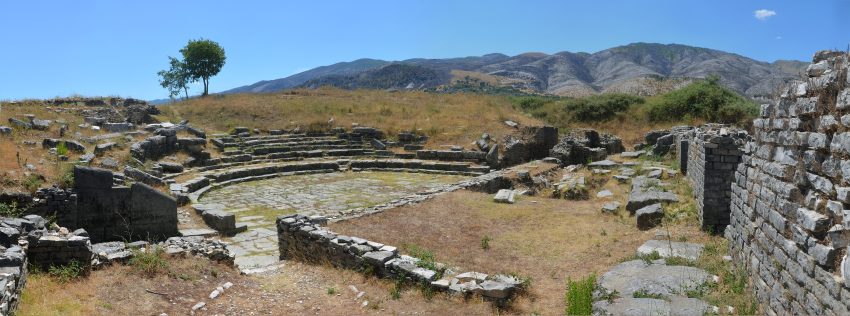
Location: Hadrianoplis Theatre and Ancient City, Sofratikë Albania | Hours: 24 Hours | Price: Free. | Distance: 11.2km
Visiting Ruins of Hadrianopolis
3. Syri Kalter - The Blue Eye
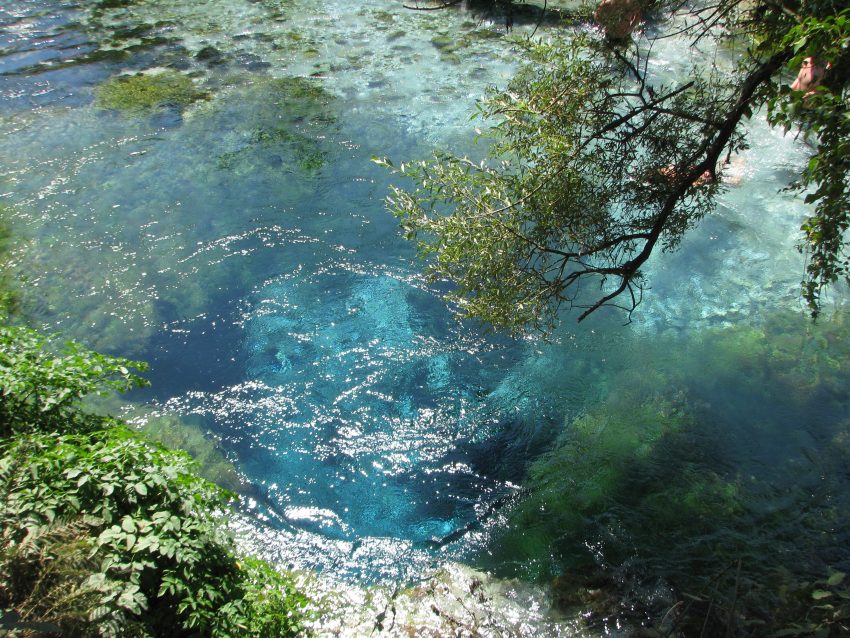
Location: SH99 Muzina, Vlora County, Albania | Hours: 24 Hours | Price: 50 lek per person (vehicle/parking fees are charged separately). | Distance: 17.7km
Visiting Syri Kalter - The Blue Eye
4. Përmet
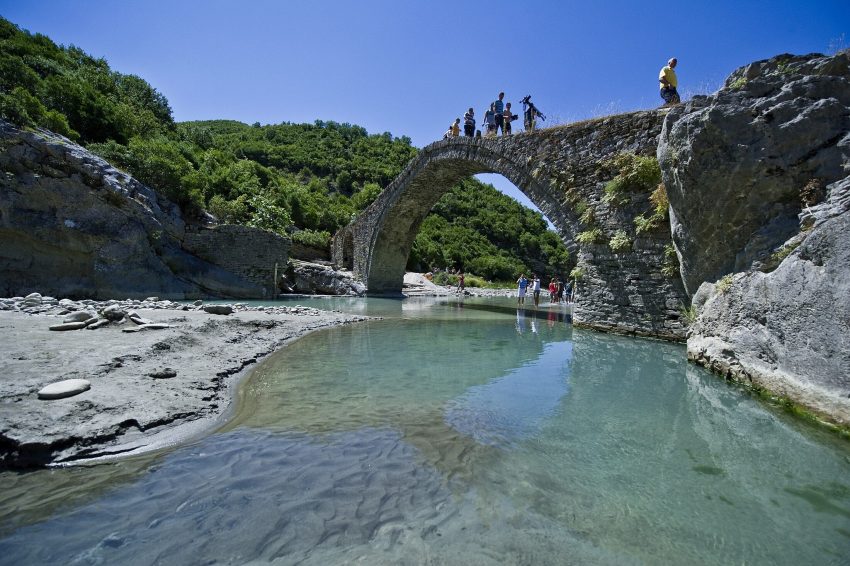
Visiting Përmet
5. Tepelenë
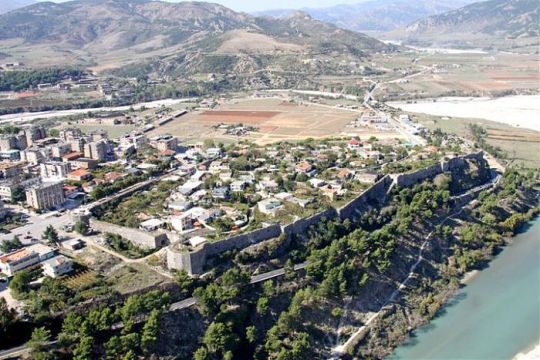
Visiting Tepelenë
6. Sarandë
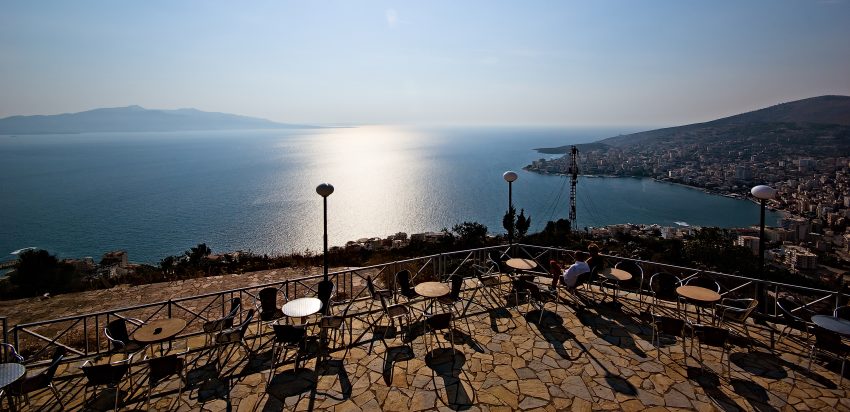
Visiting Sarandë
7. Himarë
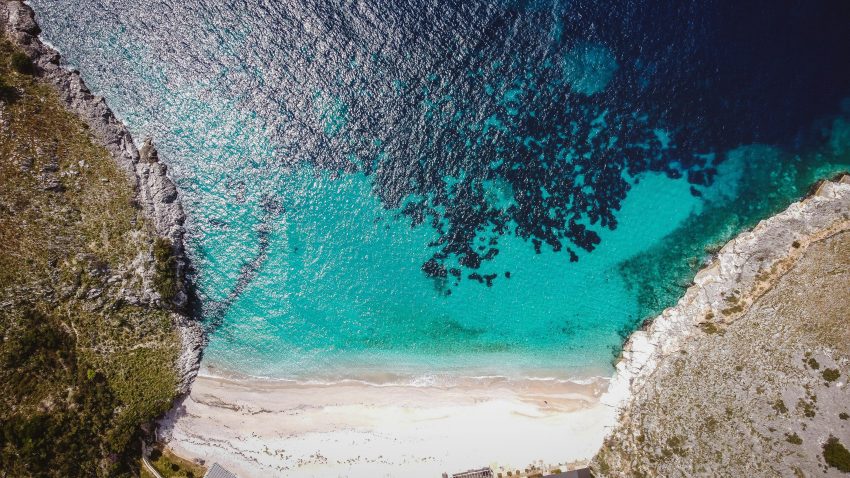
Visiting Himarë
8. Ksamil
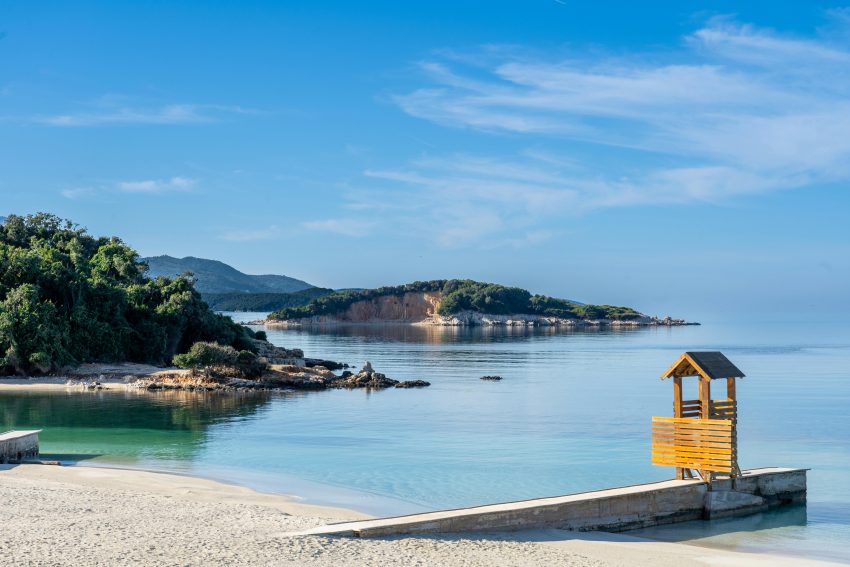
Visiting Ksamil
9. Çorovodë
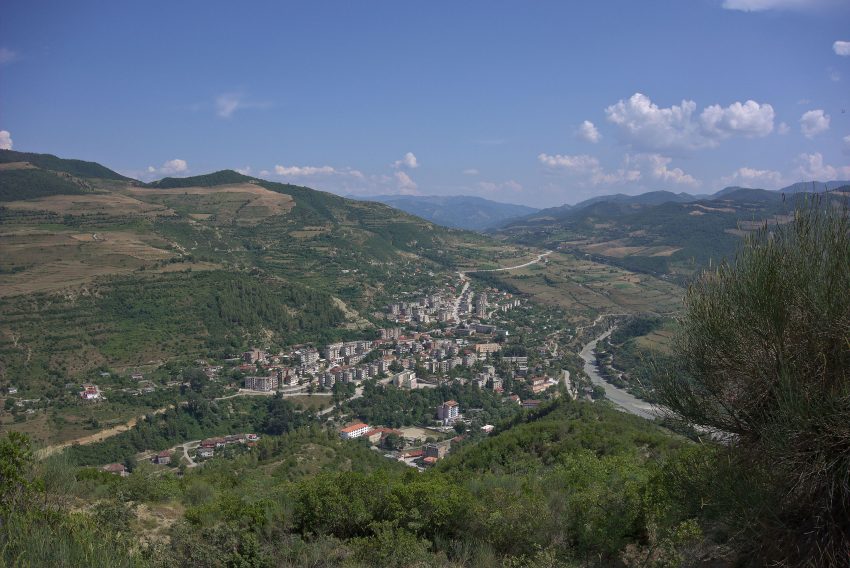
Visiting Çorovodë
10. Ersekë
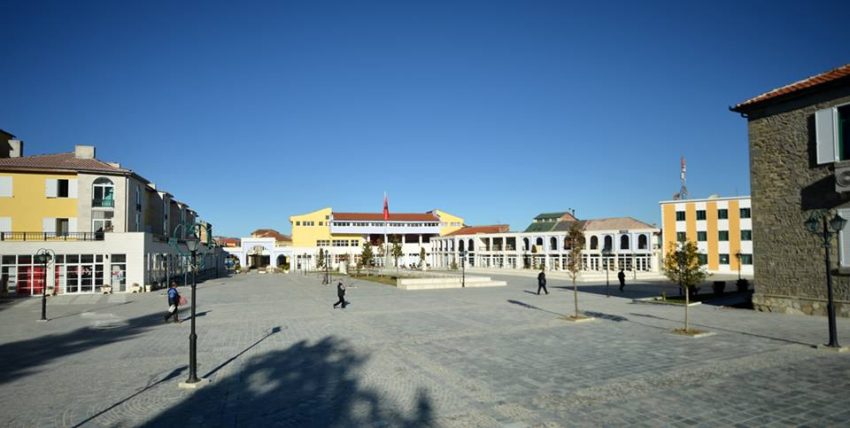
Visiting Ersekë
11. Vlorë
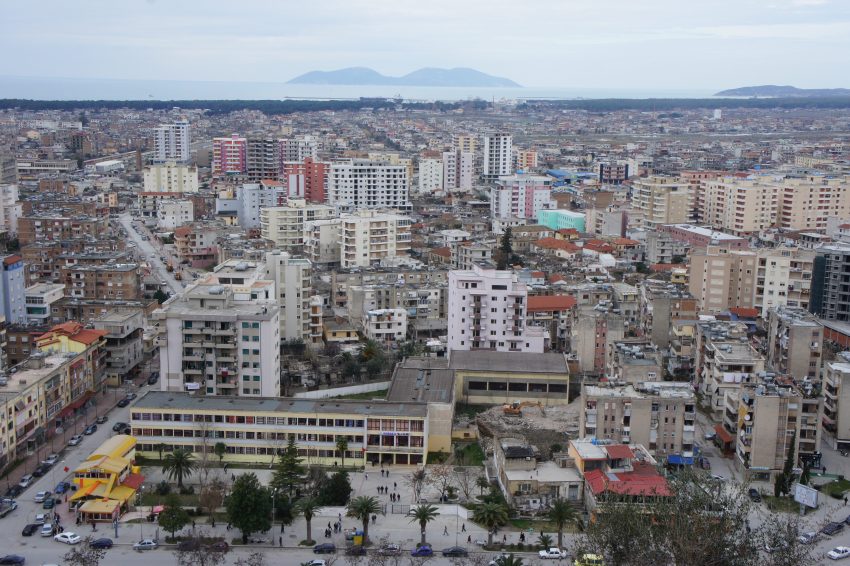
Visiting Vlorë
12. Berat
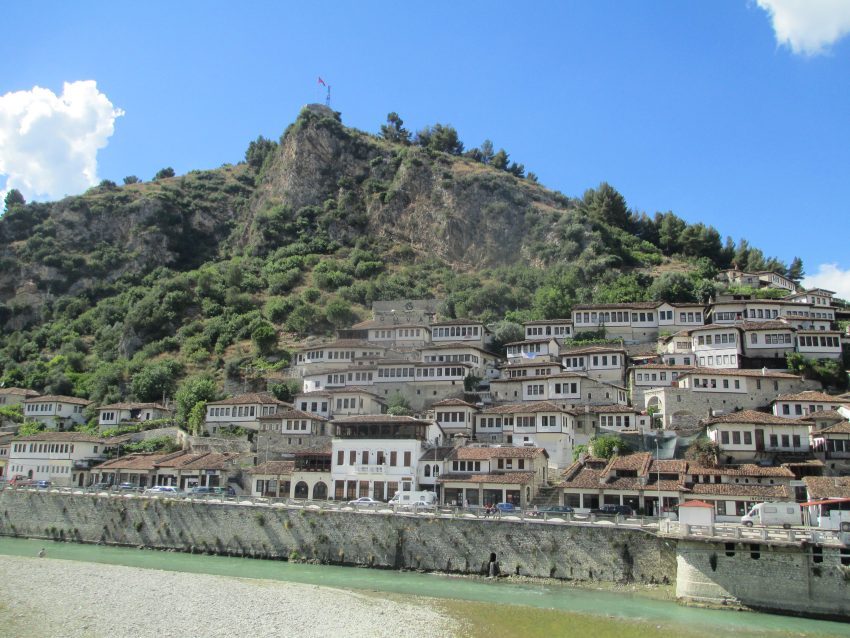
Visiting Berat
13. Korçë
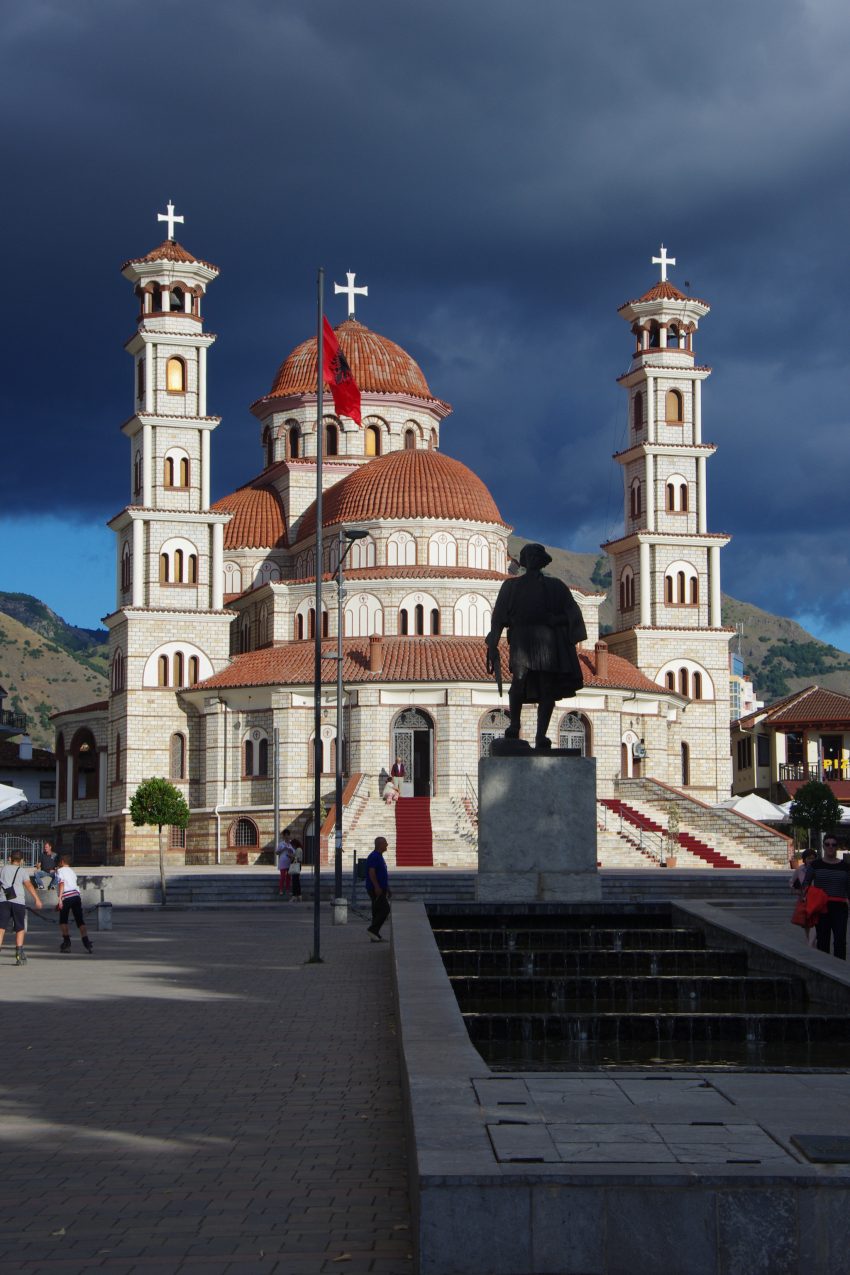
Visiting Korçë
Where to Stay in Gjirokastër
Gjirokastër offers a range of accommodation options that allow visitors to immerse themselves in the town’s rich history and unique architecture. Whether you’re seeking a luxurious stay, a traditional experience, or a budget-friendly option, Gjirokastër has something to suit every traveller’s needs.
For those looking to experience the charm of traditional Albanian architecture, Hotel Kalemi 2 is a standout choice. Situated in the heart of the historic center, this hotel is housed in a beautifully restored Ottoman-era building. Guests can enjoy panoramic views of the city and the castle from the hotel’s terrace, and the proximity to local attractions makes it an ideal base for exploring.
If you’re interested in a more intimate and authentic experience, Latifi Guesthouse offers a cozy atmosphere with personalized service. Located close to the old bazaar, this guesthouse provides easy access to local shops and restaurants. Guests often praise the warm hospitality and the delicious homemade breakfast served on the terrace, which offers views of the castle.
For those seeking modern amenities with a touch of luxury, Kerculla Resort is a top-tier option. Perched on a hilltop, the resort offers stunning views of the surrounding mountains and the city below. The resort features an infinity pool, spa services, and elegantly furnished rooms, making it perfect for travellers looking to relax and unwind in style.
Budget-conscious travellers can consider Hotel Brahimi, which provides comfortable accommodations at an affordable price point. Located near the city center, it offers easy access to major attractions. Guests appreciate the clean rooms and friendly staff, making it a great value for those looking to explore Gjirokastër without breaking the bank.
Each of these accommodations offers a unique experience, allowing visitors to choose the one that best fits their preferences and budget. Whether you’re looking for luxury, tradition, or affordability, Gjirokastër’s diverse lodging options ensure a memorable stay in this historic town.
Using the our Hotel and Accomodation map, you can compare hotels and short-term rental accommodations in Gjirokastër. Simply insert your travel dates and group size, and you’ll see the best deals for your stay.
Gjirokastër Accommodation Map
Best Time to Visit Gjirokastër
Spring (March to May)
Spring is a beautiful time to visit Gjirokastër, as the weather is mild, and the countryside bursts into bloom with wildflowers. Temperatures are comfortable for exploring the city’s historic streets and attractions, such as Gjirokastër Castle and the Ethnographic Museum. Spring also sees fewer tourists compared to the peak summer months, allowing for a more relaxed and authentic experience.
Summer (June to August)
Summer is the peak tourist season in Gjirokastër, with warm temperatures and plenty of sunshine. This is the best time to enjoy outdoor activities such as hiking in the nearby mountains, swimming in the rivers, and exploring the city’s UNESCO-listed old town. However, be prepared for higher temperatures and larger crowds, especially in July and August, which are the hottest months of the year.
Autumn (September to November)
Autumn is another great time to visit Gjirokastër, with mild temperatures and stunning fall foliage. The weather remains pleasant, making it ideal for outdoor activities like hiking, cycling, and sightseeing. Autumn is also harvest season, so you can sample local produce at the markets and enjoy traditional Albanian dishes at the city’s restaurants. Additionally, there are fewer tourists compared to the summer months, allowing for a more peaceful experience.
Winter (December to February)
Winter is the quietest time to visit Gjirokastër, with cooler temperatures and occasional rainfall. While the weather may not be suitable for outdoor activities, it’s an excellent time to explore the city’s museums, galleries, and historic sites without the crowds. Winter also offers opportunities to experience local festivals and cultural events, such as the Gjirokastër Winter Festival, which celebrates the city’s rich heritage and traditions.
Annual Weather Overview
- January 10°C 53°F
- February 12°C 57°F
- March 14°C 61°F
- April 19°C 70°F
- May 21°C 73°F
- June 26°C 83°F
- July 31°C 91°F
- August 30°C 89°F
- September 26°C 83°F
- October 22°C 75°F
- November 15°C 63°F
- December 12°C 57°F
How to get to Gjirokastër
Getting to Gjirokastër by Air
Gjirokastër does not have its own airport. The nearest major airport is Tirana International Airport Nënë Tereza (TIA), located approximately 230 km away. From the airport, you can take a taxi to the Tirana Bus Terminal (Terminali i Autobusave të Veriut dhe Jugut), which is about a 20-minute drive. From there, buses to Gjirokastër depart regularly throughout the day.
Getting to Gjirokastër by Train
There is no direct train service to Gjirokastër. However, you can take a train from Durrës Plazh to Lushnjë. From Lushnjë, you can catch a bus to Gjirokastër. The train journey takes about 55 minutes and operates twice a week. Tickets are affordable, typically ranging from $1 to $2. After arriving in Lushnjë, buses to Gjirokastër are available, with a journey time of approximately 2 hours.
Getting to Gjirokastër by Car
Driving to Gjirokastër is a convenient option. From Tirana, the journey takes about 3.5 to 4 hours, covering a distance of approximately 230 km. The route typically follows the SH4 highway south, passing through towns like Lushnjë, Fier, and Tepelenë. Car rental services are available in Tirana, with prices starting around €30 per day. It's advisable to book in advance, especially during peak tourist seasons. If you are looking to rent a car in Albania I recommend having a look at Discover Cars, first, as they compare prices and review multiple car rental agencies for you.
Travelling around Gjirokastër
Within Gjirokastër, the primary mode of public transportation is by minibus (known locally as “furgon”). These minibuses operate on fixed routes connecting the bus terminal to various parts of the city and surrounding areas. The Gjirokastër Bus Terminal (Stacioni i Autobusave Gjirokastër) is the central hub for departures. Taxis are also available for more direct routes or for reaching the higher parts of the city, such as the castle. It’s recommended to agree on a fare before starting your journey.
For the most up-to-date schedules and ticket information, it’s advisable to check with local transport providers or visit the Hekurudha Shqiptare website for train services and Gjirafa Travel for bus schedules.