Apollonia Archaeological Park, Fier
Historic Building, Museum and Ruins in Fier
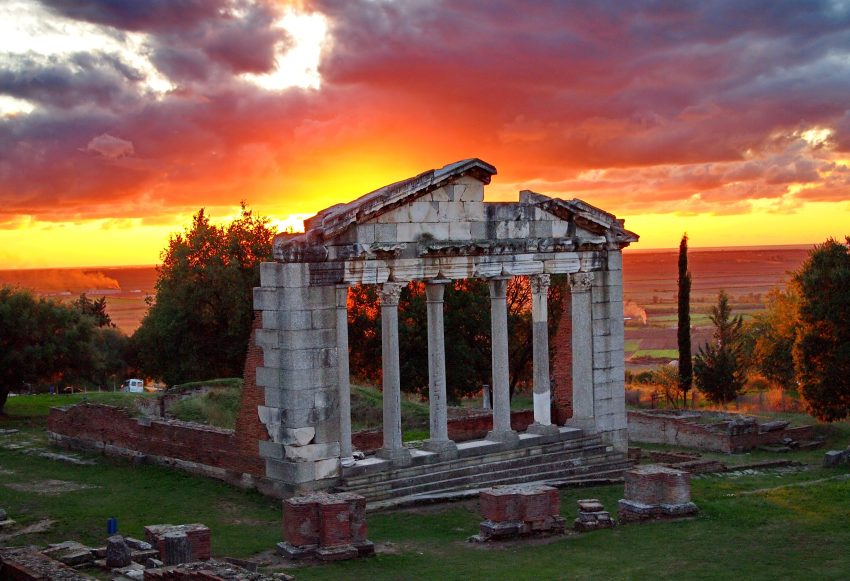
Apollonia Archaeological Park is an archaeological site west of Fier, Albania, set on a quiet hill above the surrounding plain. It combines the remains of an ancient Greek and Roman city with later Byzantine monastic buildings, so the visit covers several layers of the area's past in one place. The landscape is open and spacious, with ruins scattered across a plateau rather than gathered in one enclosed complex.
The park matters because it shows how Apollonia developed as a settlement, trade centre, and later religious site. Visitors notice temple foundations, columns, theatres, villas, and museum displays, along with the monastery buildings that add a later chapter to the story. It suits travellers who are interested in archaeology, ancient urban layouts, and places that reward unhurried walking more than a quick stop.
Table of Contents
- History and Significance of Apollonia Archaeological Park
- Things to See and Do in Apollonia Archaeological Park
- How to Get to Apollonia Archaeological Park
- Practical Tips on Visiting Apollonia Archaeological Park
- Where to Stay close to Apollonia Archaeological Park
- Is Apollonia Archaeological Park Worth Visiting?
- FAQs for Visiting Apollonia Archaeological Park
History and Significance of Apollonia Archaeological Park
Apollonia was founded in the 6th century BC by Greek settlers, though the land belonged to the Illyrian Taulantii tribe, giving the city a distinctive cultural blend from its earliest days. Its strategic harbour and natural asphalt deposits helped it grow quickly, becoming an important trade and naval centre named in honour of Apollo. Even in antiquity, Apollonia was admired; Cicero famously described it as a great and important city.
Under Roman rule, the city continued to thrive, aided by its proximity to the Via Egnatia, a major artery linking the Adriatic to the eastern provinces. Public buildings, villas, and cultural institutions flourished, including theatres, libraries, and elaborate fountains that reflected its wealth. However, in the 3rd century AD, the harbour began to silt up, slowly cutting the city off from maritime trade and triggering a long decline.
Today, Apollonia’s extensive ruins tell the story of its rise and fall. Temples, porticos, an Odeon theatre, city walls, villas with impluviums, and mosaic floors showcase its architectural diversity. The site also contains one of the region’s most atmospheric monastic complexes, providing a medieval layer that enriches its historical significance.
Things to See and Do in Apollonia Archaeological Park
A visit to Apollonia usually begins with the monumental ruins. The portico of the temple is one of the most iconic structures, its columns standing proudly against the skyline. Nearby, the Odeon theatre hints at the city’s cultural life, while the Library and monumental Nimfeu fountain offer insight into its civic infrastructure and artistic sensibilities.
Among the residential remains, the Roman villas are especially intriguing. Their courtyards, mosaics, and impluviums give a sense of domestic architecture in a prosperous Roman provincial city. Photographers will find the ruins particularly atmospheric in the morning or late afternoon light.
The Archaeological Museum, housed inside the former monastery, adds depth to the visit. Its six rooms display sculpture, ceramics, jewellery, and everyday artefacts unearthed from the site. The statuary portico and the frescoed refectory offer rare glimpses into both ancient craftsmanship and Byzantine monastic life.
How to Get to Apollonia Archaeological Park
The closest major airport is Tirana International Airport, offering international and domestic connections to Albania. For the best deals and a seamless booking experience, check out these flights to Fier on Booking.com.
Travelling by car is the most convenient option, with well-maintained roads linking Fier to the archaeological park about 8 km away. If you are looking to rent a car in Albania I recommend having a look at Discover Cars, first, as they compare prices and review multiple car rental agencies for you.
Practical Tips on Visiting Apollonia Archaeological Park
- Suggested tips: Wear comfortable shoes, as the site is large and involves uneven ground.
- Best time to visit: Spring and autumn for mild weather and lush scenery.
- Entrance fee in Euros: Approximately 5-7 EUR, depending on season.
- Opening hours: Typically 09:00-17:00, though hours may vary in winter.
- Official website: Information is available through Albania’s National Heritage Service.
- How long to spend: Allow 2-3 hours to explore the ruins, monastery, and museum.
- Accessibility: Some areas have rough terrain; limited wheelchair access.
- Facilities: Small café, toilets, and shaded rest areas.
- Photography tip: Capture the temple portico with the surrounding valley in soft golden light near sunset.
- Guided tours: Local guides are available at the entrance for deeper historical insight.
- Nearby food options: Restaurants and cafés can be found in the village of Pojan or in Fier.
Where to Stay close to Apollonia Archaeological Park
For visitors wanting to stay near the park, Fier offers comfortable and convenient accommodation options. Hotel Fieri is a reliable choice in the city centre with easy access to the main roads leading to Apollonia. For a more boutique feel, Chicago Hotel Fier offers modern rooms and friendly service. Another nearby option is Hotel Albes, ideal for travellers seeking a quiet stay not far from the archaeological area.
Is Apollonia Archaeological Park Worth Visiting?
Apollonia is absolutely worth visiting for anyone interested in ancient history, architecture, or peaceful archaeological landscapes. The combination of Greek foundations, Roman grandeur, and Byzantine monastic heritage makes it one of Albania’s most rewarding historical sites. Its quiet setting enhances the experience, allowing visitors to explore at their own pace and absorb the layers of history that define this remarkable place.
What Other Travellers Say...
Apollonia Archaeological Park in Pojan offers extensive Greek and Roman ruins to explore — from a nymphaeum and odeon to a Roman villa — plus a museum with well preserved statues, marble busts and bronze figures; visitors praise good road access and free parking, note two nearby restaurants (one on the hill and one at the entrance), mention ongoing improvements to paths and access, and describe pleasant walking opportunities and friendly on-site dogs that add charm to the visit.





FAQs for Visiting Apollonia Archaeological Park
The Apollonia Archaeological Park appears in our Complete Guide to Visiting Fier!

Moira & Andy
Hey! We're Moira & Andy. From hiking the Camino to trips around Europe in Bert our campervan — we've been traveling together since retirement in 2020!
This website uses affiliate links which may earn a commission at no additional cost to you!
Nearby Attractions
- Ardenica Monastery (14.8) km
Monastery - Divjakë-Karavasta National Park (23.1) km
National Park - Zvernec Monastery (23.5) km
Historic Building - Vlorë Museum of Historic Relics (27.8) km
Museum - Muzeu Historik, Vlorë (27.8) km
Museum - Vlorë Ethnographic Museum (27.8) km
Museum - Tomb of Ismail Qemali (27.9) km
Tomb - Sheshi i Flamurit (28) km
Monument - Muradie Mosque (Lead Mosque) (28.2) km
Mosque - Muradie Mosque (28.2) km
Mosque