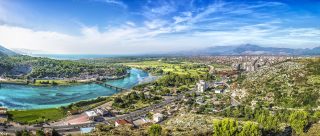
Berat, Albania: A City of Thousand Windows
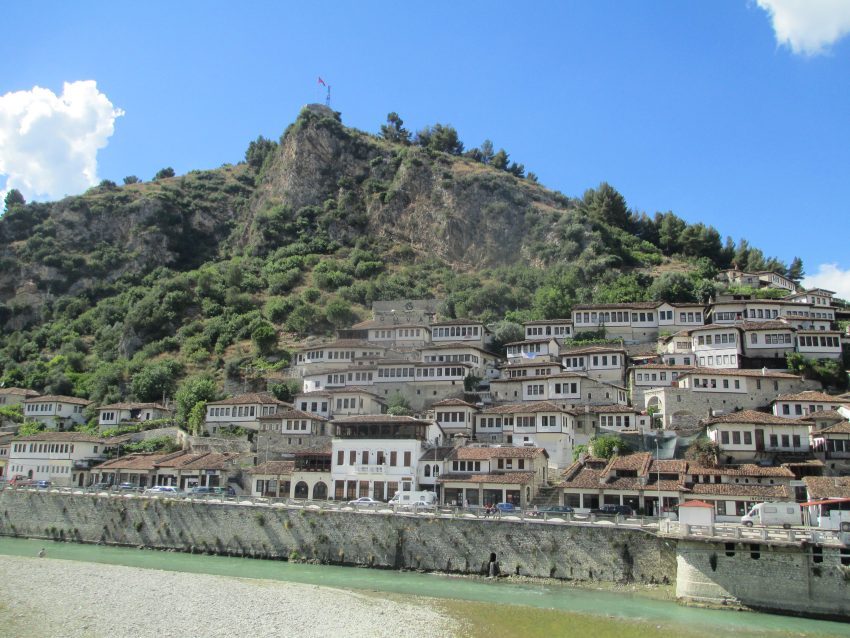
Berat Mangalem Qquarter, Albania
CC BY-SA 4.0 / Avi1111

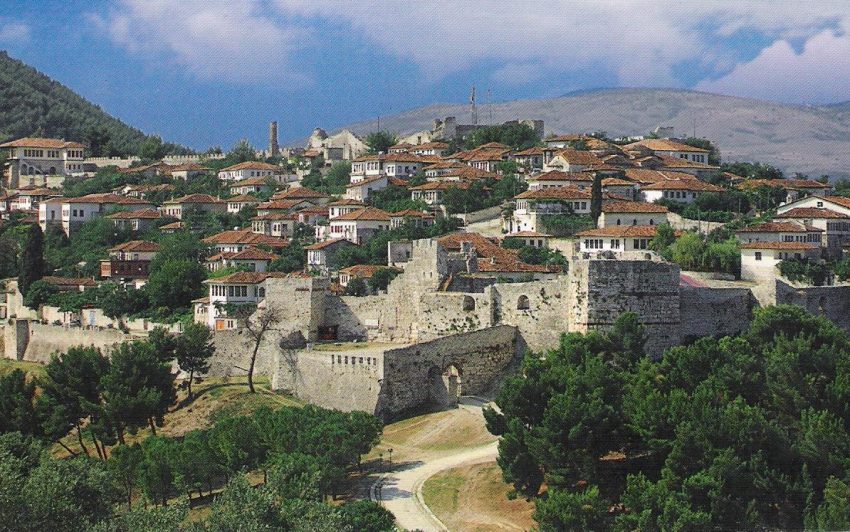
Berat is located in Southwest Albania. Visiting Berat feels like stepping into a living museum, where Ottoman-era houses tumble down the hillsides toward the Osum River. The city is famously known as the “City of a Thousand Windows” because of the many large windows that seem to layer the facades of its whitewashed homes. Strolling through the old quarters of Mangalem and Gorica, visitors can admire the charming architecture, narrow stone streets, and peaceful atmosphere. The Gorica Bridge, connecting the two sides of the town, offers beautiful views and a perfect introduction to Berat's unique charm.

Berat is also a city rich in religious heritage, with churches, mosques, and monasteries found throughout. The Berat Castle, still inhabited today, is one of the highlights of any visit. Within its ancient walls, there are Byzantine churches, ruins, and small homes where people continue to live. Walking through the castle grounds gives visitors a sense of timelessness, with breathtaking views over the city and the surrounding countryside. Several small museums and artisan shops are also found inside, adding depth to the experience.

Food and hospitality are another memorable part of visiting Berat. Local restaurants serve hearty Albanian dishes such as tave kosi (baked lamb with yogurt) and freshly caught river fish. Many guesthouses are family-run, offering visitors a warm and authentic glimpse into local life. Whether enjoying a leisurely meal on a terrace overlooking the river, exploring cobbled alleys, or simply taking in the serene beauty of the landscape, Berat leaves a lasting impression of grace and quiet strength.

History of Berat

Berat in Ancient Times

Berat’s origins date back to the 6th century BC when it was founded by the ancient Illyrians. It developed into an important settlement known as Antipatrea under the rule of King Cassander of Macedon in the 4th century BC. Positioned along important trade routes and surrounded by natural defenses, Berat became a significant stronghold. Its early prosperity came from trade, agriculture, and its strategic role in regional conflicts between Illyrian, Greek, and later Roman forces. When the Romans expanded into the Balkans, Berat was incorporated into their empire, maintaining its local importance as a fortified town.

Berat during the Byzantine and Medieval Periods

In the Byzantine era, Berat grew into a religious and administrative center. The Byzantines fortified the city further, constructing many of the walls and towers that are still visible today. Throughout the medieval period, Berat changed hands several times, caught between the ambitions of the Bulgarians, Normans, and local Albanian rulers. It became a vital part of the Despotate of Epirus during the 13th century. Religious life flourished, with the building of notable churches and monasteries, many decorated with rich frescoes that later cemented Berat’s reputation as a center of Orthodox art and culture.

Berat from Ottoman Rule to Modern Times

The Ottomans captured Berat in the 15th century, integrating it into their empire while allowing it to retain much of its distinct local character. Under Ottoman rule, Berat experienced a cultural blossoming, with the construction of mosques, theological schools, and the harmonious blending of Islamic and Christian architecture. The old quarters of Mangalem and Gorica, filled with tightly packed Ottoman houses, began to take their current form. In the 19th and 20th centuries, Berat played a role in the Albanian National Awakening, contributing to cultural and political movements that eventually led to Albania’s independence. Today, Berat is celebrated for its preservation, earning UNESCO World Heritage status as a symbol of Albania’s layered history and architectural harmony.

Moira & Andy
Moira & Andy

Hey! We're Moira & Andy. From hiking the Camino to trips around Europe in Bert our campervan — we've been traveling together since retirement in 2020!

Read our full story here

Visiting Berat for the first time and wondering what are the top places to see in the city? In this complete guide, I share the best things to do in Berat on the first visit. To help you plan your trip, I have also included an interactive map and practical tips for visiting!

This website uses affiliate links which earn a small commission at no additional cost to you.
Powered by GetYourGuide

17 Best places to See in Berat

This complete guide to Berat not only tells you about the very best sights and tourist attractions for first-time visitors to the city but also provide insights into a few of our personal favorite things to do.

This is a practical guide to visiting the best places to see in Berat and is filled with tips and info that should answer all your questions!

1. Monument of Constantine the Great
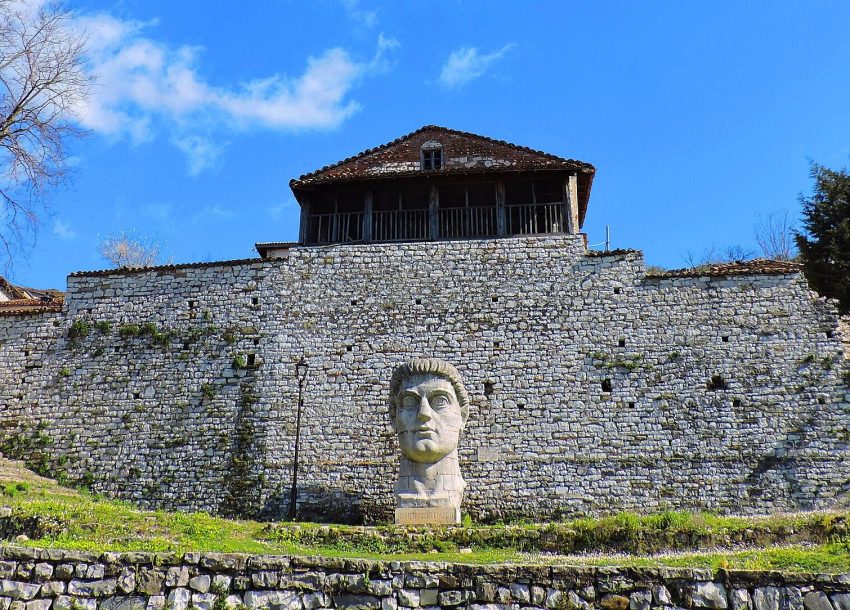
Colossal Head of Constantine
CC BY-SA 4.0 / InaMyrtollari
Tucked against the stone walls inside the castle, the Monument of Constantine the Great is an imposing, stylised bust—about 3 metres tall—that feels both ancient and distinctly 1970s. Installed during Albania’s communist era, it commemorates Constantine’s Illyrian ties and the emperor whose Edict of Milan (313 AD) helped legalise Christianity across the Roman Empire. Up close, visitors remember the sheer scale of the “giant head” and the stark contrast of sculpted features against rough fortress masonry. Nearby paths open to wide views over the Osum Valley and the stacked rooftops below, making the monument a natural pause for photos and reflection.
Location: Colossal Head of Constantine, Berat, Albania | Distance: 0.1km

We recommend to rent a car in Albania through Discover Cars, they compare prices and review multiple car rental agencies. Book your rental car here.

2. Berat Iconography Museum

Church of St Mary Berat Albania 2013 09 01
CC BY-SA 4.0 / Pasztilla aka Attila Terbócs
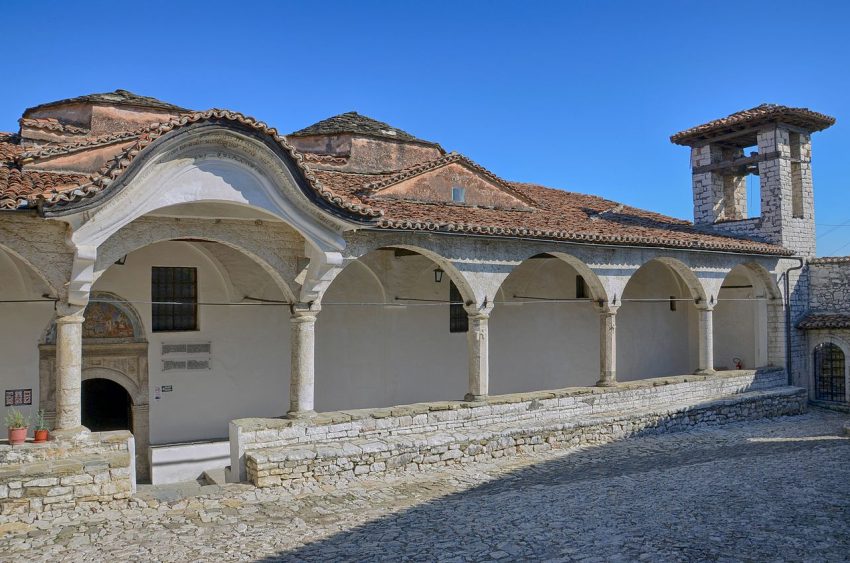
Set inside the 18th-century Cathedral of the Dormition of St. Mary at the top of the castle, the Berat Iconography Museum (Onufri Museum) pairs a hushed church interior with a concentrated collection of Orthodox sacred art. The carved wooden iconostasis by Master Joan Cetiri dominates the space, its gilded detail glowing in dim light. Around it are more than 170 icons and liturgical objects, including works by Onufri—known for saturated pigments such as the deep “Onufri red”—alongside painters like Nicola and David Selenica. Visitors often remember the ornate altar screen, the polished wood and gold tones, and the intimate scale; an audio guide is available, though the galleries can feel dark during outages.
Location: Berat, Albania | Hours: May - October, Every Day 9:00 - 18:00 November - April, Tuesday- Saturday, Sunday 9:00 - 16:00, 9:00 - 14:00 | Price: 200 ALL | Website | Distance: 0.1km

Here is a complete selection of hotel options in Berat. Feel free to review each one and choose the stay that best suits your needs.

3. The Ruins of the White Mosque

Ruins of the White Mosque Berat
CC BY-SA 3.0 / Martin Furtschegger
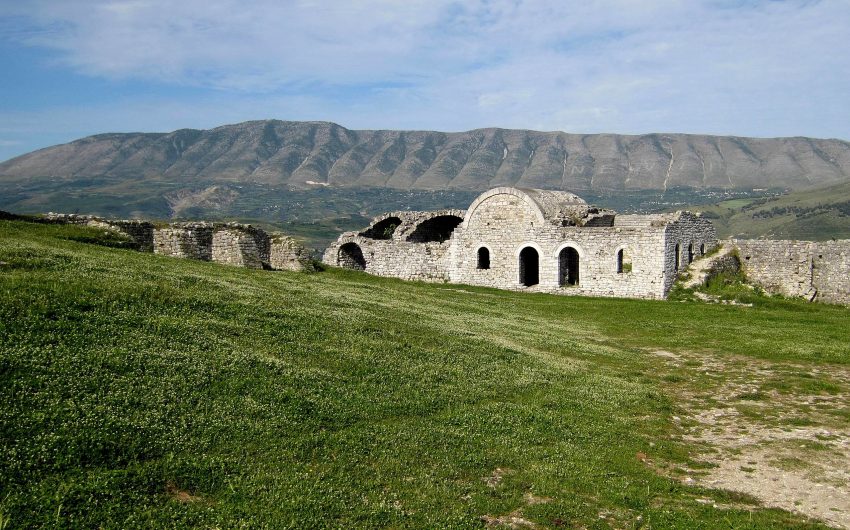
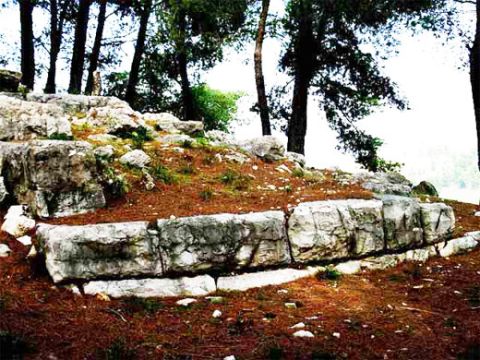
The Ruins of the White Mosque sit inside the castle precinct, a stripped-back reminder of the Ottoman-era Muslim community that once lived within the fortified hilltop. Built in the late 15th–16th century and known for pale limestone that would have looked bright in sun, it has weathered down to low outer walls, a few small arches, and the stump of the minaret with steps at its base. Grass and scattered stones fill the former courtyard, leaving an open, quiet space that feels more like a lookout than a building. Visitors tend to remember the wide valley views and the simple, contemplative atmosphere—“not much to see,” as some note, but striking in its setting.
Location: Ruins of the White Mosque, Berat, Albania | Distance: 0.2km

Traveling to a country with a different currency? Avoid ATM transaction fees and pay in local currency with a Wise Card. Having used it for over 5 years, we've saved loads on fees!

4. Holy Trinity Church

Holy Trinity Church Berat
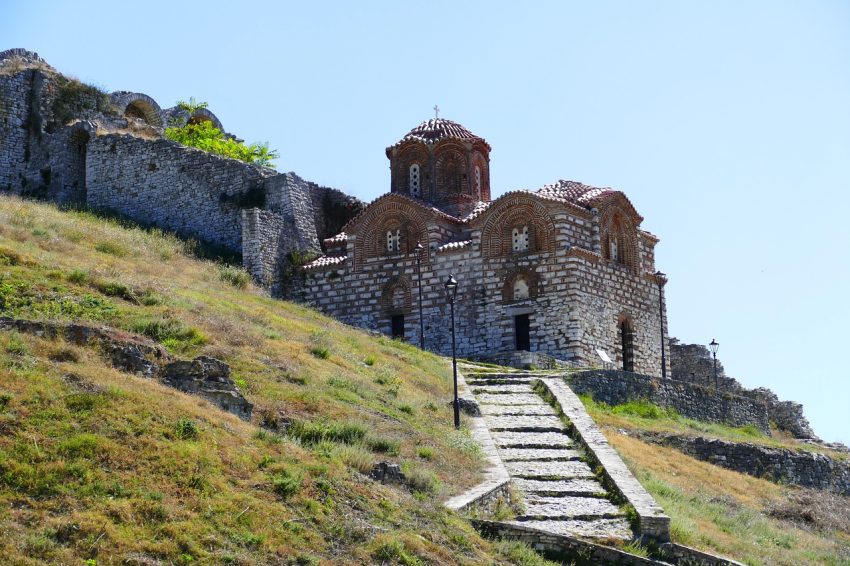
Holy Trinity Church is a late 13th–early 14th century Byzantine church tucked on the slope just below Berat Castle’s upper fortress in the Kalaja district. It’s the best-preserved medieval church within the castle, built in a cross-in-square plan with alternating bands of stone and brick and a compact central dome. An interior inscription mentions Andronicus Paleologus, the early-14th-century governor of Berat, hinting at high-status patronage. Inside, timeworn frescoes—once showing scenes like the Last Supper and Easter rites—still lend the dim space a hushed, devotional feel. Step outside and the hillside setting frames wide views over the Osum Valley and Berat’s white houses.

Click here to read our blog about 13 Best Things to Do in Berat, Albania 2026

5. Berat Castle

BeratCastle
BeratCastle
Public Domain / Gaius Claudius Nero
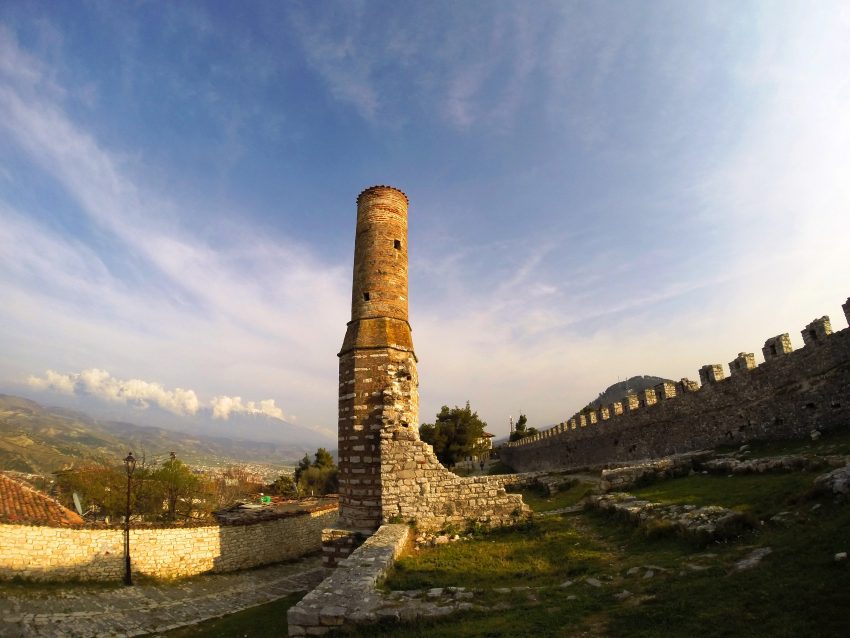
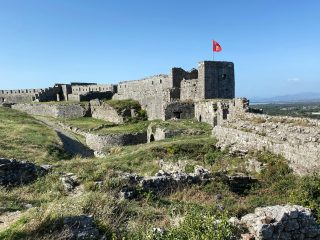
Berat Castle is a hilltop citadel that functions as a lived-in quarter, where stone houses still sit behind medieval walls above the Osum Valley. Its maze of cobbled lanes, archways, and small courtyards leads to lookout points that frame the stacked “thousand windows” houses and the Gorica side across the river. The fortress layers Illyrian origins (4th century BC) with major Byzantine rebuilding in the 5th–6th and 13th centuries, when it became a Christian centre dotted with churches. Several survive with frescoes and carved stonework, alongside the lone brick minaret of the former Red Mosque, a reminder of Ottoman rule.
Location: Rruga Mihal Komnena 5001 Berat Albania | Hours: 9am - 6pm. | Price: 100 lek | Distance: 0.2km

Explore Berat at your own pace with our self-guided walking tour! Follow our curated route to discover must-see sights and local secrets that makes Berat one of the best places to visit in Albania.

6. Ruins of the Red Mosque

Ruins of the Red Mosque
CC BY-SA 4.0 / Tori Oseku
Tucked inside the castle walls, the Ruins of the Red Mosque are the weathered remains of a 15th-century Ottoman-era place of worship, remembered for the red brick that still shows through the stone. What survives is fragmentary but evocative: a cylindrical minaret base with alternating bands of brick and stone, plus low wall outlines that trace the mosque’s small footprint. Standing here, you feel the shift from a once-lived-in fortress quarter to open sky and silence, with broad views over the Osum Valley. Reviews often note it’s a quick stop, but the textures—faded masonry, broken edges, and the distinctive brickwork—tend to linger in memory.
Location: Ruins of the Red Mosque, Berat, Albania | Distance: 0.3km

7. St. Michael’s Church
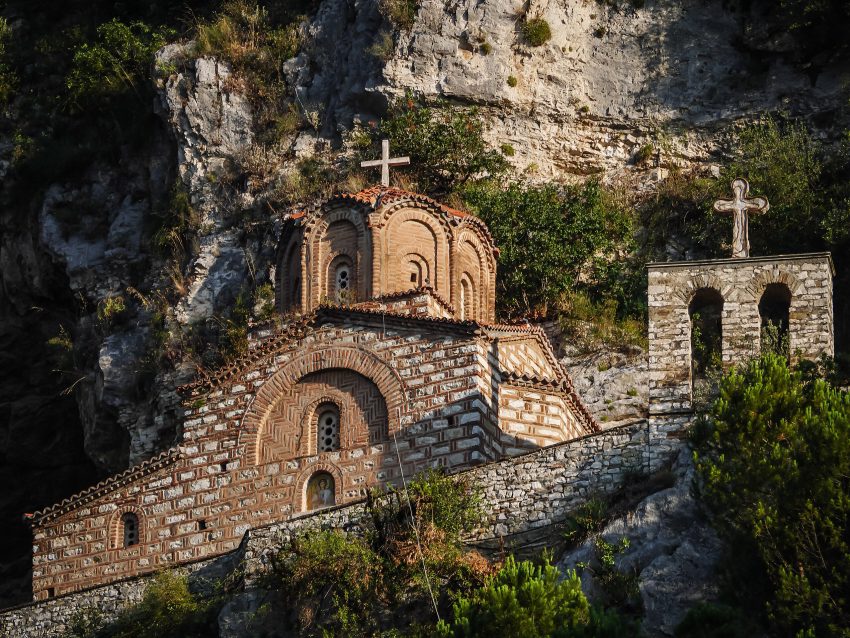
St Michaels Church Berat
CC BY-SA 2.0 / Foto: my_cottage
St. Michael’s Church (Kisha e Shën Mëhillit) is a small 14th-century Byzantine chapel clinging to a steep cliff below Berat’s Kalaja district, part of the UNESCO-listed historic centre. From the outside you notice its alternating brick-and-stone walls, cruciform footprint, and a compact dome rising on a drum—refined details for such a modest building. Inside, the space is spare and dim, with lingering fragments of frescoes and a simple iconostasis that hint at its original devotional program. Just beyond the doorway, tiny rock-cut grottoes hold icons and flickering votive candles left by locals. The real payoff is the panorama across the Osum River to Gorica’s white houses, especially in soft afternoon light.
Location: Kisha e Shën Mehillit, Berat, Albania | Hours: Officially open in the morning; grounds accessible throughout the day. | Price: Free; donations may be accepted. | Distance: 0.6km

8. National Ethnographic Museum
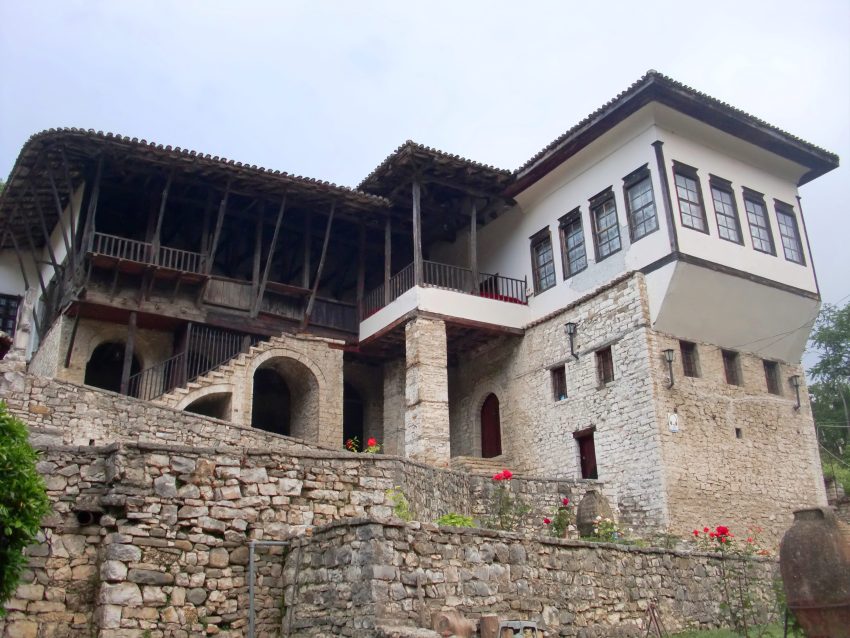
Etnografic Museum Berat
CC BY-SA 4.0 / Tori Oseku
Set inside an 18th-century Ottoman merchant’s stone house, the National Ethnographic Museum turns the building itself into part of the collection, from thick walls and carved wooden ceilings to airy balconies. The ground floor is staged like a medieval bazaar, with craft stalls showing embroidery, metalwork, and woodcarving alongside the tools that made them. Upstairs, reconstructed domestic rooms—loom space, sitting room, and kitchen—make daily routines feel tangible through textiles, furniture, and everyday objects. In the courtyard, a water well, olive press, wool press, and oversized ceramic dishes anchor the experience in the work of household and farm life.
Location: Lagja 13 Shtatori, Mangalem, Berat, Albania | Distance: 0.6km

9. Gorica Bridge
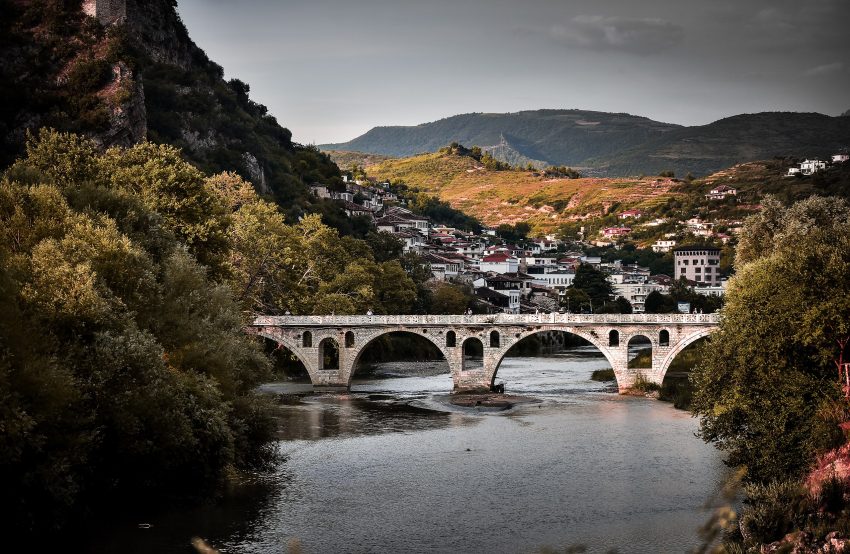
Gorica bridge
Gorica bridge
CC BY-SA 4.0 / Gashi Bujar
Gorica Bridge is an 18th-century Ottoman-era stone crossing over the Osum River, linking the quiet Gorica Quarter with the stacked hillside houses of Mangalem. Commissioned by Ahmet Kurt Pasha and built from local stone, it was designed as both a practical link and a symbol of connection between communities. The bridge’s seven arches—especially the taller central span—create a strong rhythm of stone and shadow that photographers love from the riverbank. At sunset, the arches catch warm light and throw shimmering reflections across the water, and the worn stones underfoot make the crossing feel tactile and timeworn.
Location: Gorica Bridge, Ura e Goricës, Berat, Albania | Distance: 0.7km

10. Mangalemi quarter

Berat Mangalem Qquarter, Albania
CC BY-SA 4.0 / Avi1111
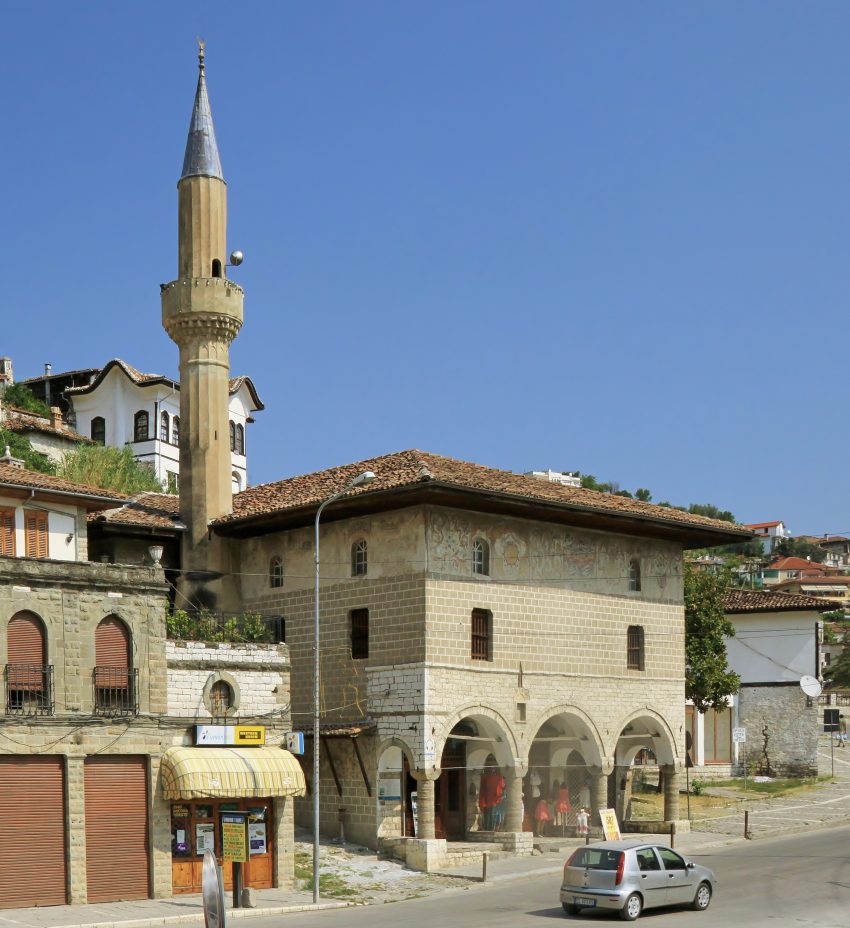
Mangalemi Quarter is the Ottoman-era hillside neighborhood that gives the “City of a Thousand Windows” its look, with white façades stacked in tight tiers above the Osum River. Steep cobbled lanes thread between multi-level homes built vertically to fit the rocky slope, so the streets feel like a small amphitheatre of terraces and terracotta roofs. The repeating rows of windows and wooden balconies create a striking rhythm, especially when the light hits the stone-and-timber textures. Tucked among the houses, the Bachelors’ Mosque recalls the quarter’s role as the historic Islamic district, with modest wooden details and painted decoration. Expect a maze-like, lived-in atmosphere rather than a museum set.

11. Saint Spiridon Church

Saint Spiridon Church
CC BY-SA 4.0 / Arianit
Saint Spiridon Church is a small Orthodox chapel tucked into the cobbled lanes of Berat’s Gorica Quarter, valued for its quiet, lived-in spirituality rather than grandeur. Its stone walls and red-tiled roof sit almost flush with the surrounding old houses, so you often notice it only when you’re close. Inside, the intimate nave centers on a finely carved iconostasis and a modest set of devotional icons that reflect enduring local worship traditions. The secluded setting invites a brief pause—more like stepping into a neighbor’s sanctuary than a monument. Visitors often remark on the calm atmosphere and the sense of time slowing down once you’re inside.
Location: Church of St. Spirido, Rruga Nikolla Buhuri Berat Albania | Hours: Vary; the church is often open during mornings or early afternoons. | Price: Free; small donations may be appreciated. | Distance: 0.8km

12. King's Mosque Berat
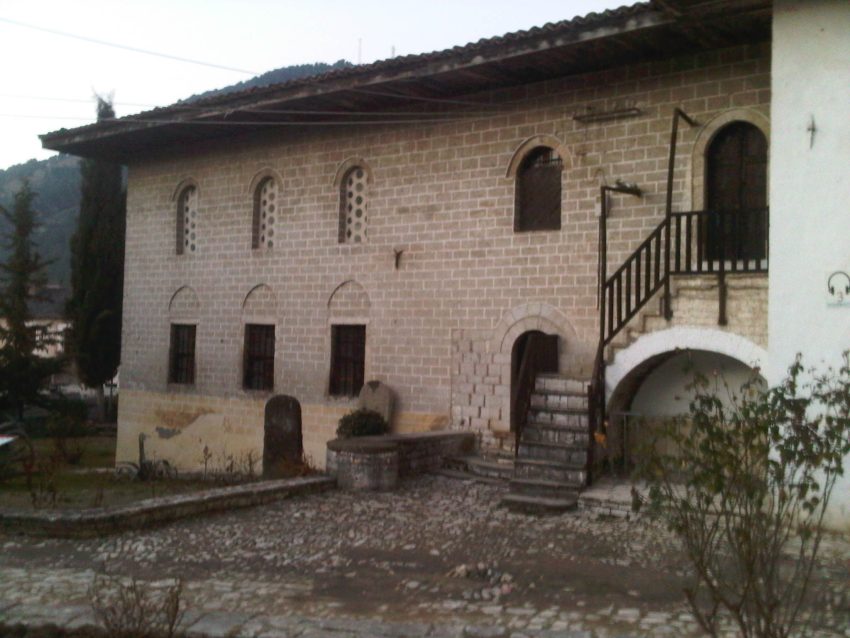
Xhamia Mbret e Beratit
CC BY-SA 4.0 / Augesti
King’s Mosque in Berat (also called the Sultan Bayezid Mosque) is a still-active Ottoman-era place of worship first built in the 15th century and later largely rebuilt in the 1800s. Inside, visitors linger under an intricately painted wooden ceiling of geometric motifs and soft colors, and notice the women’s gallery held up by wooden pillars. Just behind it, the Helveti Teqe adds a different atmosphere: a Sufi lodge rebuilt in 1782 with a gold-leaf ceiling and a musician’s balcony designed for chanting and ritual music. Nearby, the 19th-century Inn of the Dervishes recalls traveling mystics, with an open lower level and upper rooms arranged around a shared veranda.

13. Bachelors' Mosque Berat

berat meczet kawalerow
CC BY-SA 4.0 / Marcin Konsek
The Bachelors’ Mosque is a small late-Ottoman mosque built in 1826–27 as a dedicated prayer space for unmarried craftsmen’s guilds, including young men who guarded the market at night. What visitors remember first are the colourful exterior wall paintings—unusually vivid for mosques in Albania—mixing Islamic motifs with local decorative style. Inside, the prayer hall is modest and calm, with warm wooden elements and a quiet, intimate scale that fits its original purpose as a communal hub rather than a grand congregation space. Set near the Osum River at the edge of Mangalem, it can feel especially serene when the call to prayer carries across the water.
Location: Rruga Antipatrea, Berat, Albania | Distance: 0.8km

14. Gorica Quarter
Gorica Quarter Berat
CC BY-SA 4.0 / Arianit
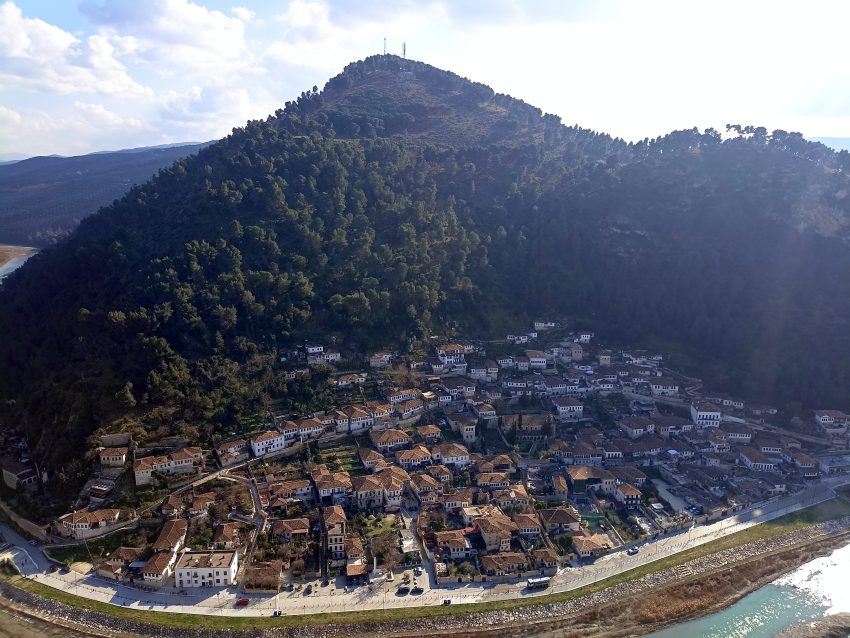
Gorica Quarter is one of Berat’s oldest neighbourhoods, set on the far bank of the Osum River opposite Mangalem, and long associated with the city’s Orthodox Christian community. Crossing the stone Gorica Bridge, you enter a calmer maze of cobbled lanes where whitewashed Ottoman-era houses cling to the hillside with stone bases, wooden upper floors, red-tiled roofs, and broad, symmetrical windows. Small courtyards, stone archways, and pocket gardens appear between homes, giving the area an intimate, lived-in feel. Tucked among the residences, churches such as St. Spiridon and St. Thomas add quiet stops with a sense of local spiritual continuity. From the bridge, the river valley view back toward Berat’s stacked houses is especially memorable.

15. Gorica Castle

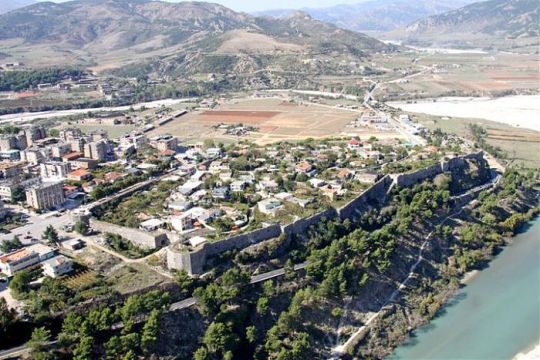
fortification of gorica
All Rights Reserved / Albanian Tourism
Gorica Castle is a set of ancient fortress remains on a quiet, grassy hilltop above the Gorica Quarter, with scattered stones and faint wall lines rather than rebuilt ruins. Founded in the 4th century BC by the Illyrian Parthini, it was positioned to face the larger citadel across the Osum valley and control the river corridor. The fortress was destroyed by Roman forces around 200 BC and never reoccupied, leaving an open plateau that feels more like an archaeological trace than a monument. What visitors remember most is the clear, wide view straight to the hilltop castle opposite—ideal for panoramic shots in soft morning or late-afternoon light.
Location: Gorica Castle Ruins, Walk track, Berat, Albania | Distance: 1km

16. Lead Mosque
Lead Mosque Berat
Lead Mosque Berat
CC BY-SA 4.0 / Planeti
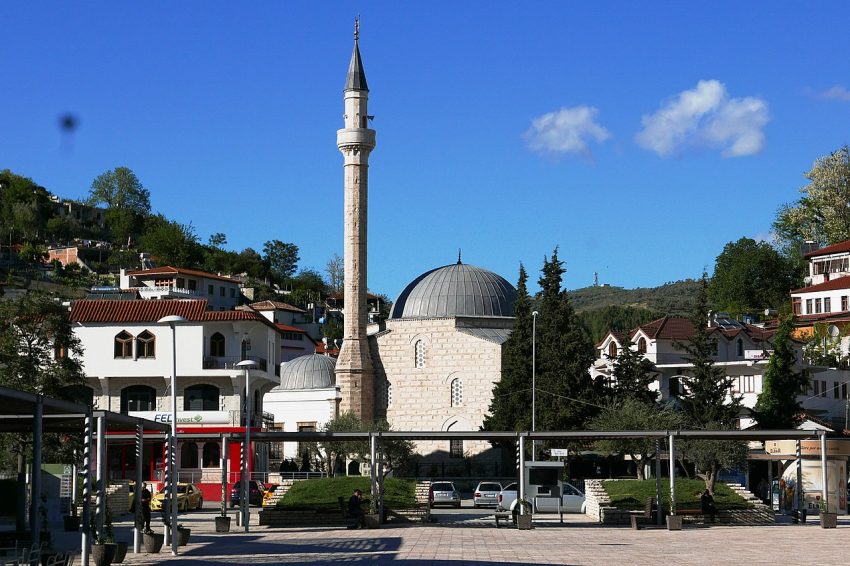
The Lead Mosque (Xhamia e Plumbit) is a 16th-century Ottoman mosque commissioned in 1553–1554 by Ahmet Bej Uzgurliu, still valued as an active place of worship and a protected Cultural Monument. Its dome once shimmered under lead sheeting—the detail that gave it its name—and the building’s calm, square prayer hall is brightened by many windows. Outside, a tall, slender minaret rises with rare cloisonné-style molding, an unusual flourish in Albania that rewards a close look. Evliya Çelebi described it as the heart of a larger complex with a madrasa, bath, bazaar, and soup kitchen, now vanished, leaving the mosque as the surviving anchor.
Location: Lead Mosque, Berat, Albania | Distance: 1.1km

17. Bulevardi Republika
Boulevard Republika Berat
CC BY-SA 1.0 / Shkelzen A. Rexha
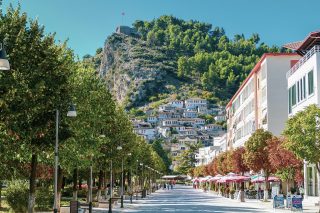
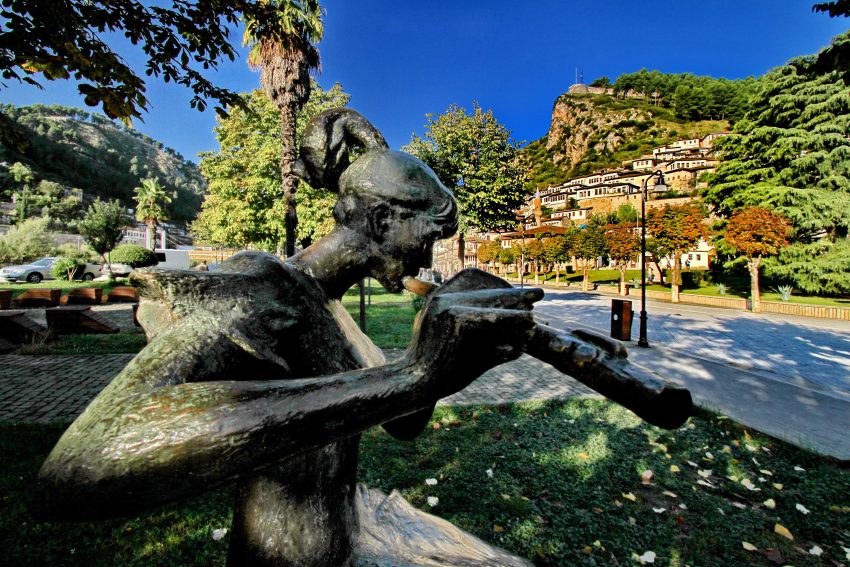
Bulevardi Republika is Berat’s main pedestrian boulevard in the lower town, a broad, tree-shaded promenade where the city’s everyday rhythm plays out. You’ll notice elegant 19th–20th century civic-era buildings mixed with newer facades, plus benches and wide paving that make lingering easy. Sidewalk cafés, bakeries, and restaurant terraces stay busy, and many visitors time their stroll for the warm light before sunset when views open toward the Osum River and Gorica Bridge. Locals treat it as a social stage—families and friends drifting under lampposts in the evening—while seasonal concerts, markets, and parades can turn the street into an open-air gathering place.
Location: Bulevardi Republika, Berat, Albania | Distance: 1.4km

Best Day Trips from Berat

A day trip from Berat offers the perfect opportunity to escape the urban rhythm and discover the surrounding region's charm. Whether you're drawn to scenic countryside, historic villages, or cultural landmarks, the area around Berat provides a variety of easy-to-reach destinations ideal for a one-day itinerary. If you are looking to rent a car in Albania I recommend having a look at Discover Cars, first, as they compare prices and review multiple car rental agencies for you.

1. Çobo Winery
cobo winery
cobo winery
© https://www.mircorp.com/
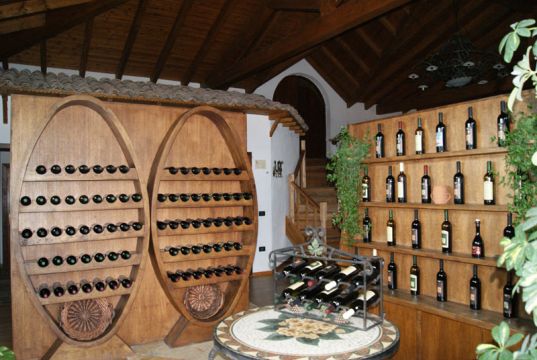
Çobo Winery, just outside Berat in rural Albania, is a family-run winery and tasting estate set among vineyards near the foot of Mt. Tomorri. The visit usually begins in a traditional kulla before moving through the grounds, production areas, and tasting rooms.The winery is known for its personal, family-led approach and for showing how local wine production has continued through…
Location: Ura Vajgurore Berat, Albania | Website | Distance: 10.5km
Visiting Çobo Winery

2. Ancient city of Dimali
csm dimal2010a1 517f109eb5
© University of Cologne
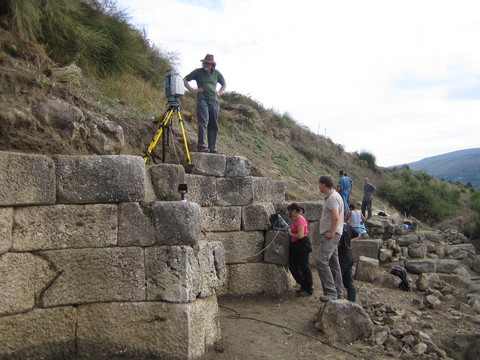
Ancient city of Dimali is an archaeological site in Berat, Albania, set above the village of Krotinë on the western side of Mount Shpirag. It is a ruined hilltop settlement rather than a formal park, with stone walls, rough ground, and open views shaping the visit more than signs or exhibits. The location makes it easy to combine with time…
| Hours: 24 Hours | Price: Free. | Distance: 11.4km
Visiting Ancient city of Dimali

3. Tomorr Mountain & National Park
Tomorr Berat Albania
CC BY-SA 4.0 / godo godaj
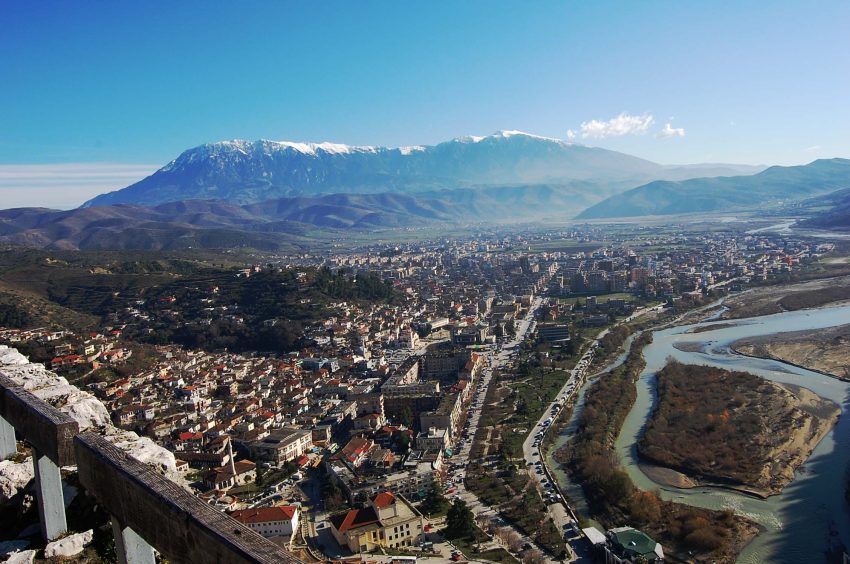
Tomorr Mountain & National Park in Berat, Albania is a mountain and protected area built around the 2,417-metre peak of Mount Tomorr. The park covers forested slopes, rough highland tracks, and open viewpoints that look across southern Albania. It is an easy place to add to a Berat itinerary if you want time in the hills rather than more time…
Visiting Tomorr Mountain & National Park

4. Bogove Waterfall
Bogroves Waterfalls
Bogroves Waterfalls
CC BY-SA 4.0 / malenki
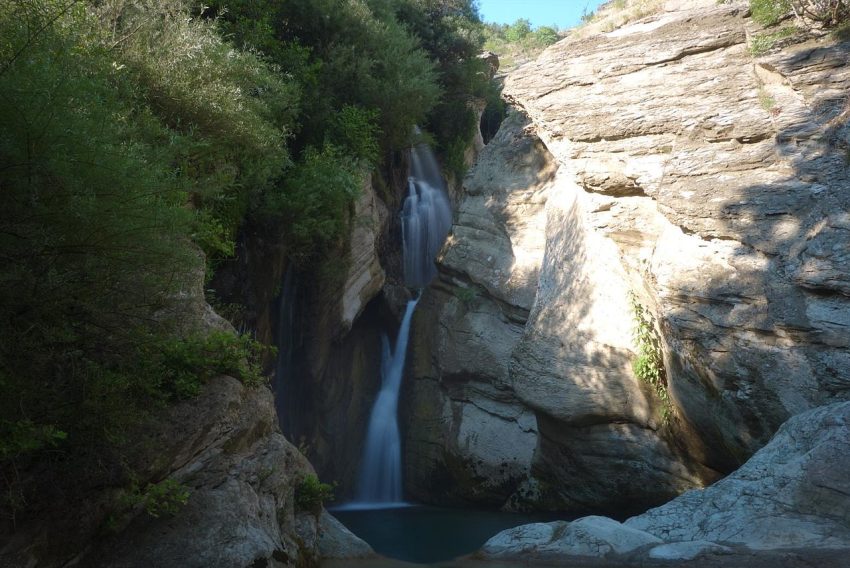
Bogove Waterfall is a natural attraction in Berat, Albania, set in the forested valleys of Skrapar. The waterfall drops about 20 metres into a deep green pool, with mossy stones, clear water, and thick vegetation around the base. Visitors reach it by a short walk along the river, so the visit feels more like a small countryside outing than a…
Visiting Bogove Waterfall
Powered by GetYourGuide

5. Gramsh

Gramsh, Albania
Gramsh, Albania
CC BY-SA 4.0 / Pasztilla aka Attila Terbócs
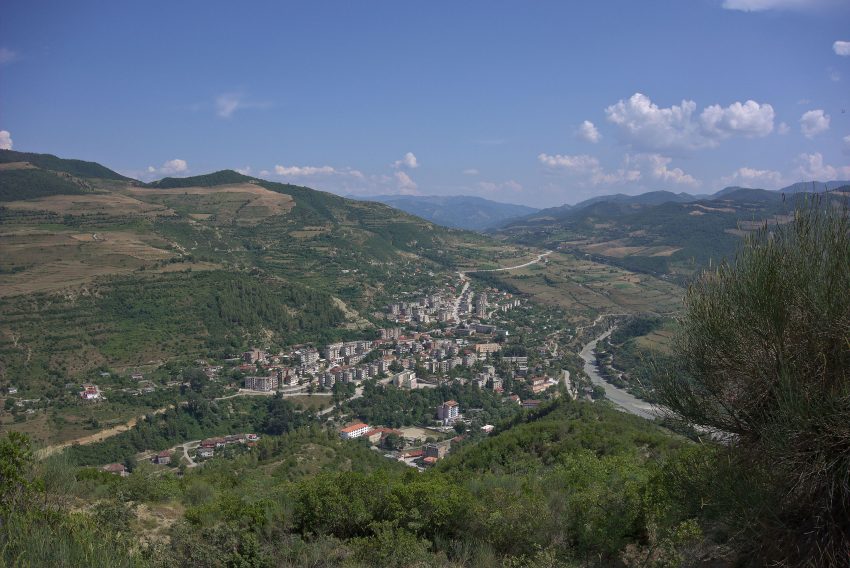
Gramsh is a charming town located in the heart of Albania, offering visitors a tranquil escape surrounded by the natural beauty of the surrounding mountains. Nestled near the Shkumbin River, the town provides plenty of opportunities for outdoor activities such as hiking, fishing, and exploring the stunning landscapes. Whether you’re venturing into the nearby forests or enjoying the peaceful atmosphere…
Visiting Gramsh
Powered by GetYourGuide

6. Fier

Centrum Fier Albania 2018 1
CC BY-SA 4.0 / Karelj
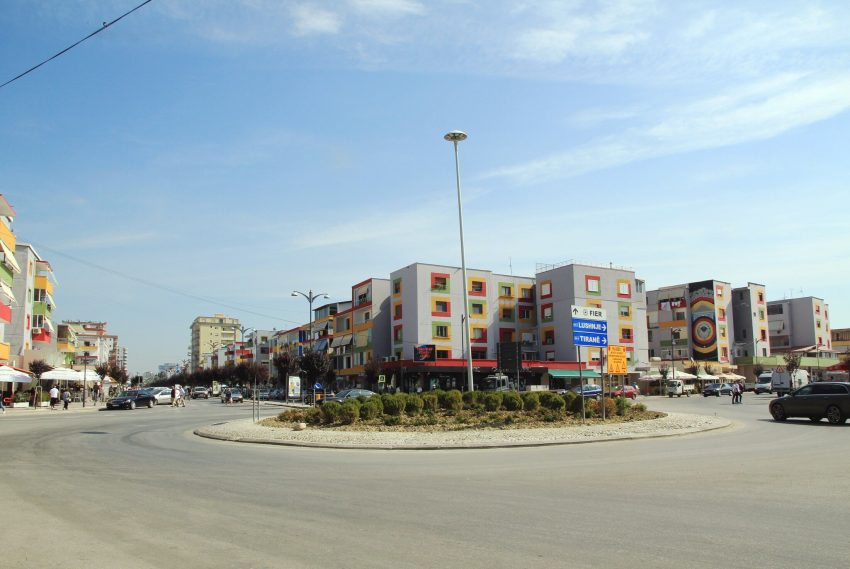
Fier, located in Southwest Albania, offers a unique blend of traditional charm and modern development. The city is known for its agricultural significance, surrounded by lush fields and farmland. Visitors to Fier can enjoy a peaceful atmosphere, with tree-lined streets and local cafes providing a relaxing spot to unwind. The city is not typically crowded with tourists, making it an…
Visiting Fier
Powered by GetYourGuide

7. Lushnjë

Lushnje Center Albania
CC BY-SA 4.0 / Genti78
Lushnjë is a charming town located in Central Albania, offering visitors a peaceful and authentic experience of rural Albanian life. Known for its lush agricultural landscapes, the town is surrounded by fields of vegetables, fruits, and vineyards, making it a great destination for those interested in rural tourism. The area's green surroundings and the mild Mediterranean climate make it a…
Visiting Lushnjë

8. Çorovodë

corovode 1
corovode 1
CC BY-SA 3.0 / malenki
Visiting Çorovodë offers an off-the-beaten-path experience in one of Albania’s most rugged and scenic landscapes. The town sits near the dramatic Osum Canyon in Southwest Albania, where towering cliffs and winding rivers create a natural playground for hikers, kayakers, and adventurers. The atmosphere is quiet and unhurried, making it ideal for those looking to escape the crowds and immerse themselves…
Visiting Çorovodë
Powered by GetYourGuide

9. Osum Canyon

Skrapar Osum Canyon
Skrapar Osum Canyon
CC BY-SA 2.0 / Fadion Dashi
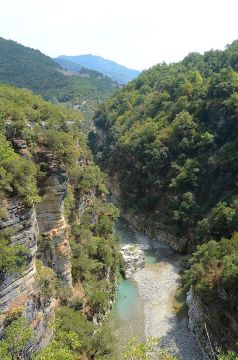
Osum Canyon is a natural attraction in the Berat region of Albania, near Çorovodë in Skrapar. The canyon runs for more than 26 kilometres along the Osum River, with steep limestone walls, narrow passages, caves, and seasonal waterfalls dropping from the rock face.Visitors come here for river views, spring rafting, summer swimming spots, and the sense of open, rugged landscape.…
Location: Rruga e Kanioneve 5402 Çorovoda Albania | Distance: 33.4km
Visiting Osum Canyon
Powered by GetYourGuide

10. Vlorë

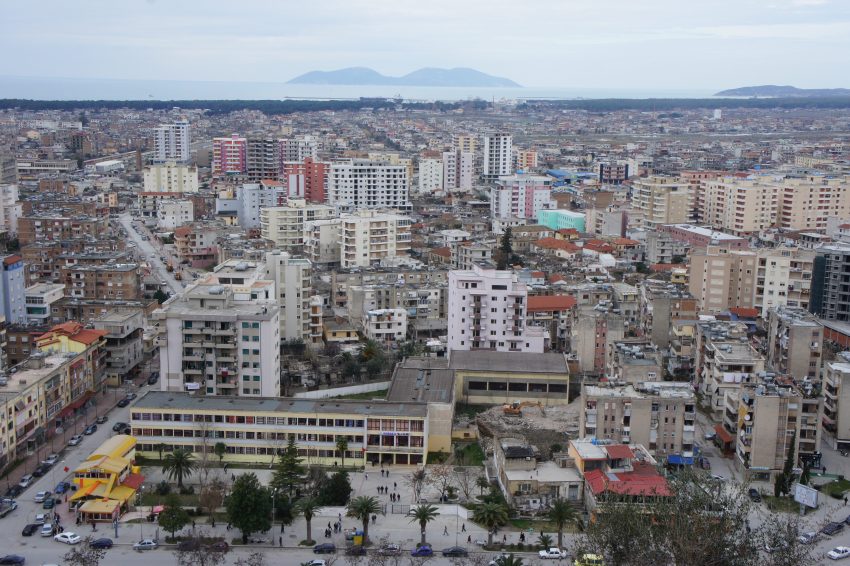
View Vlore Albania
View Vlore Albania
CC BY-SA 4.0 / Neo Oens
Visiting Vlorë (Vlora) is a delightful experience that offers a perfect blend of history, culture, and natural beauty. Located in Northeast Albania it is one of Albania's most significant coastal cities, Vlorë boasts stunning beaches with crystal-clear waters ideal for swimming, sunbathing, and water sports. The city's vibrant Lungomare promenade is a must-visit, offering picturesque sea views, a variety of…
Visiting Vlorë
Powered by GetYourGuide

11. Elbasan

Elbasan city wall
Elbasan city wall
CC BY-SA 2.0 / Monika Kostera
Elbasan is a vibrant city located in Central Albania, offering a mix of modern conveniences and a rich cultural atmosphere. The city is an ideal destination for those looking to explore local life while being close to nature. With its bustling streets, local markets, and a variety of cafes and restaurants, visitors can enjoy the lively energy of the town.…
Visiting Elbasan
Powered by GetYourGuide

12. Tepelenë

Tepelenës Castle Albania 6
CC BY-SA 4.0 / Timea
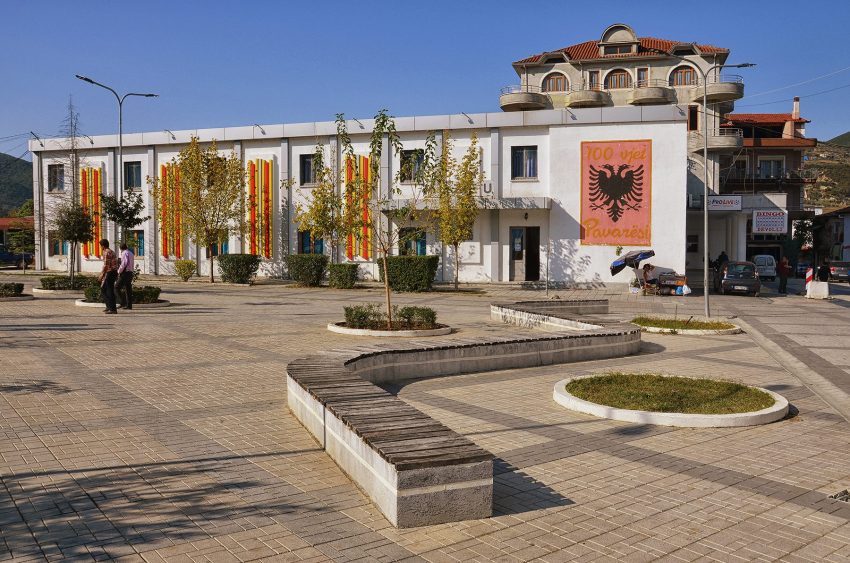
Tepelenë is a picturesque town in Southeast Albania, surrounded by stunning natural beauty. Nestled between mountains and rivers, it offers visitors a peaceful retreat with breathtaking views of the Drinos River and the surrounding hills. The town is a haven for nature lovers, with opportunities for hiking, photography, and outdoor activities. Visitors can explore the lush landscapes or simply relax…
Visiting Tepelenë
Powered by GetYourGuide

13. Librazhd

Librazhd Town
Librazhd Town
CC BY-SA 3.0 / James Frankcom
Librazhd is a picturesque town nestled in Southeast Albania, offering visitors a tranquil retreat amidst stunning natural landscapes. Surrounded by the majestic Shebenik Mountains and the Shebenik-Jabllanica National Park, the area is a haven for outdoor enthusiasts. Hiking trails, pristine lakes, and diverse flora and fauna make it an ideal destination for nature lovers seeking adventure and serenity. The town…
Visiting Librazhd

14. Përmet

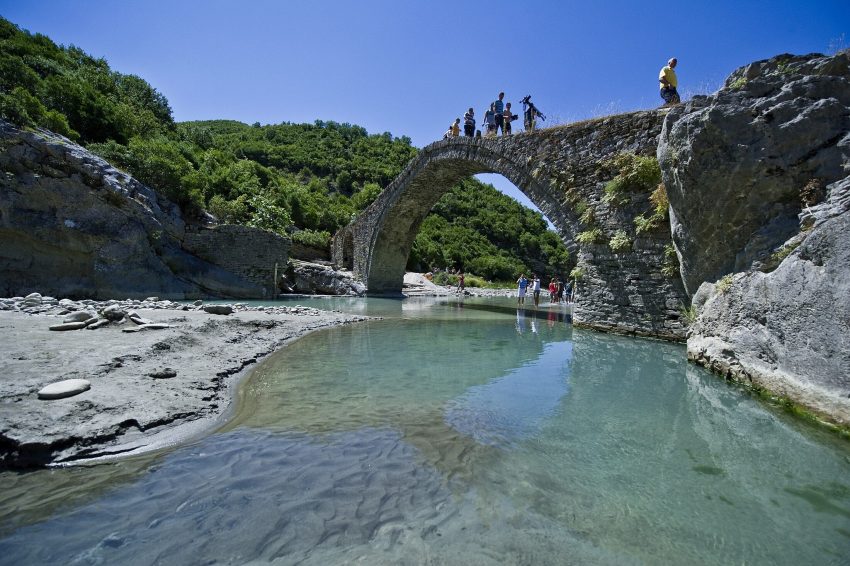
Bridge Permet
Bridge Permet
CC BY-SA 4.0 / Arbenllapashtica
Nestled in the heart of Southwest Albania, Përmet is a charming town that offers a perfect blend of natural beauty and cultural richness. Known for its pristine environment, the town is surrounded by the majestic Vjosa River and the lush landscapes of the Fir of Hotova National Park. Visitors can enjoy a leisurely stroll through the town's well-maintained streets, adorned…
Visiting Përmet
Powered by GetYourGuide

15. Pogradec

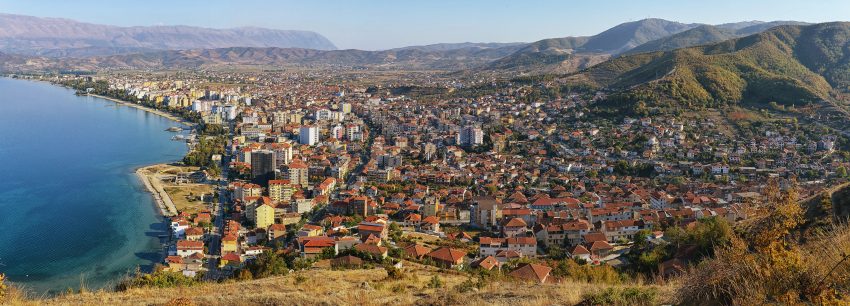
View Pogradec, Albania
CC BY-SA 4.0 / Pasztilla aka Attila Terbócs
Pogradec is a town on the shores of Lake Ohrid in Southeast Albania. The lake, which is one of the oldest and deepest in Europe at 300 meters, dominates the town’s landscape and atmosphere. On the south and west sides, Pogradec is surrounded by hills, while the northern and eastern sides are bordered by the shimmering lake. Across the water…
Visiting Pogradec
Powered by GetYourGuide

16. Lead Mosque

Berat Lead Mosque
Berat Lead Mosque
CC BY-SA 4.0 / Sebleouf
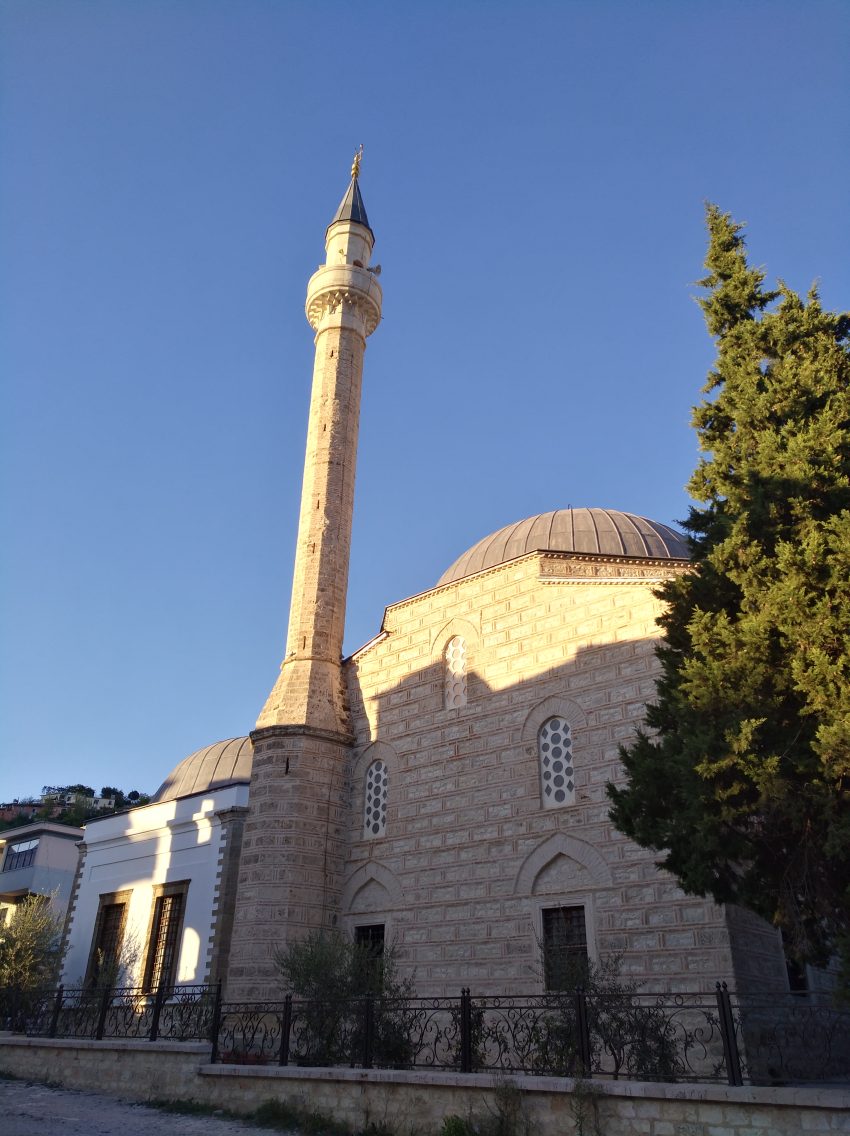
The Lead Mosque is a small historic mosque in Berat, Albania, set within the city’s central area and easy to reach on foot. Known locally as Xhamia e Plumbit, it is a modest landmark with a domed prayer hall and a slim minaret that stand out along the surrounding streets.It matters less for scale than for the way it fits…
Location: Xhamia e Plumbit, Rruga e Tabakëve, Shkodër, Albania | Hours: Daily: 07:00–20:00. | Price: Free | Distance: 153.2km
Visiting Lead Mosque

Where to Stay in Berat

Berat offers a variety of accommodations that cater to different preferences and budgets, each providing a unique experience of this historic city.

For those seeking to immerse themselves in Berat’s rich history, staying within the castle walls is a memorable option. Berati Castle Hotel provides guests with the opportunity to sleep in a centuries-old fortress, offering rooms that blend traditional architecture with modern comforts. Another option within the castle is Hotel Kalaja, which offers spacious rooms and renowned Albanian hospitality.

In the Mangalem Quarter, known for its Ottoman-era houses and narrow streets, Hotel Vila Aleksander stands out as a 19th-century townhouse that has been carefully restored, retaining original features and traditional furnishings. This hotel offers a cozy atmosphere and is just a short walk from the old fortress. Another notable option is Hotel Mangalemi, which provides charming accommodations with a private courtyard and balconies overlooking beautiful scenery.

Across the Osum River in the Gorica Quarter, Amalia Hotel offers stylish rooms that beautifully integrate modern amenities with historical design elements. Guests can enjoy complimentary local treats like tea, cookies, homemade wine, and raki. Another option in Gorica is Hotel Kapllani, which provides authentic details and historic architecture, along with a magical dining experience featuring views of the river and Berat’s historic sites.

For travelers seeking luxury accommodations, Hotel Colombo offers lavishly decorated interiors and spacious rooms with views of the Berat castle and fortress. Another upscale option is Hotel Plaza Berat, which boasts exceptional service, clean and comfortable rooms, and a central location within walking distance to major attractions.

Budget-conscious travelers can consider Olive B&B, which offers modern and minimalist rooms right by the waterfront at affordable rates. Another economical choice is Hotel Republika Berat, providing typical modern hotel rooms with all necessary amenities at competitive prices.

For those interested in agritourism, Alpeta Agritourism and Winery offers a rustic retreat in the scenic hills of Roshnik. Guests can enjoy estate-grown wine, farm-fresh Albanian cuisine, and explore breathtaking landscapes, making it an ideal choice for flavor, adventure, and relaxation.

No matter your preference, Berat’s range of accommodations ensures a comfortable and memorable stay in this UNESCO World Heritage city.

Using the our Hotel and Accomodation map, you can compare hotels and short-term rental accommodations in Berat. Simply insert your travel dates and group size, and you’ll see the best deals for your stay.

Berat Accommodation Map

Best Time to Visit Berat

Visiting Berat in Spring

Spring, from March to May, is one of the best times to visit Berat. The temperatures are mild, usually ranging between 17°C and 24°C, and the surrounding landscapes come alive with wildflowers and greenery. The cobbled streets of the Mangalem and Gorica quarters are particularly pleasant to explore in the soft spring light. This is also a wonderful time to visit Berat Castle without the heat of summer, and outdoor cafés start buzzing with life. Spring brings a calm and authentic feel to the city, ideal for sightseeing and relaxed walking tours.

Visiting Berat in Summer

Summer, from June to August, is the peak season in Berat, with temperatures often rising to between 30°C and 35°C. Despite the heat, this is when the city feels most alive, with lively evenings, open-air dining, and a full calendar of cultural events. One highlight is the Onufri Art Festival, which celebrates music and visual arts in historic venues around the city, including the castle. Visitors should plan activities early in the morning or late in the afternoon to avoid the hottest part of the day, and spend midday relaxing in shaded terraces or beside the Osum River.

Visiting Berat in Autumn

Autumn, from September to November, is another ideal time to visit Berat. The temperatures cool to a comfortable range of 18°C to 26°C, and the vineyards and olive groves surrounding the city take on beautiful autumn colors. Harvest season brings plenty of fresh local produce to markets and restaurants, enhancing the culinary experience. The streets are quieter compared to summer, providing a more peaceful atmosphere for exploring museums, churches, and the historic neighborhoods. The clear skies and crisp air also make it a great time for hiking in the nearby Tomorr National Park.

Visiting Berat in Winter

Winter, from December to February, is a quiet season in Berat, with daytime temperatures usually between 8°C and 14°C. Snow is rare in the city itself but can sometimes dust the surrounding mountains, adding a dramatic backdrop to the views from Berat Castle. While some outdoor cafés and seasonal activities slow down, winter is perfect for visitors seeking a peaceful and atmospheric experience. The festive season around New Year brings some local celebrations and a cozy feel to the historic quarters, ideal for those who appreciate cultural exploration without the crowds.

Annual Weather Overview

  • January 11°C
  • February 14°C
  • March 16°C
  • April 21°C
  • May 24°C
  • June 30°C
  • July 31°C
  • August 30°C
  • September 29°C
  • October 24°C
  • November 17°C
  • December 13°C

How to get to Berat

Getting to Berat by Air

The closest airport to Berat is Tirana International Airport (TIA), located about 120 kilometers north of the city. From the airport, travelers can reach Berat by car, private transfer, or bus. The drive from Tirana International Airport to Berat typically takes around 2 hours, depending on traffic. There are regular shuttle buses from the airport to Tirana city center, where you can find onward connections to Berat.

Getting to Berat by Train

Currently, there are no direct train services to Berat. Albania's railway network is limited, and Berat does not have an active passenger train station. The closest railway connection is in Durrës or Fier, but passenger services are infrequent and not reliable for tourist travel. For more information on Albania's rail network, you can check hekurudha.al.

Getting to Berat by Car

Driving to Berat is a convenient and scenic option. From Tirana, it takes about 2 hours via the SH4 highway, passing through lush valleys and small villages. The roads are generally in good condition, though some sections may be narrow and winding. Driving offers the flexibility to explore nearby sites such as Apollonia or Osum Canyon at your own pace. Car rental is easily available at Tirana Airport and major cities.

If you are looking to rent a car in Albania I recommend having a look at Discover Cars, first, as they compare prices and review multiple car rental agencies for you.

Travelling around Berat

Travelling around Berat is straightforward and enjoyable. The old town areas of Mangalem and Gorica are best explored on foot, with their narrow streets and historic architecture. Taxis are readily available for visiting attractions outside the city center, such as the wineries and Tomorr Mountain. Local minibuses (furgons) operate between Berat and nearby towns, although schedules can be irregular. For complete independence, renting a bicycle or a scooter can also be a fun way to explore Berat’s scenic surroundings.

More from this area