Wrocław, Poland: The Ultimate Travel Guide 2026
Wroclaw
Wroclaw

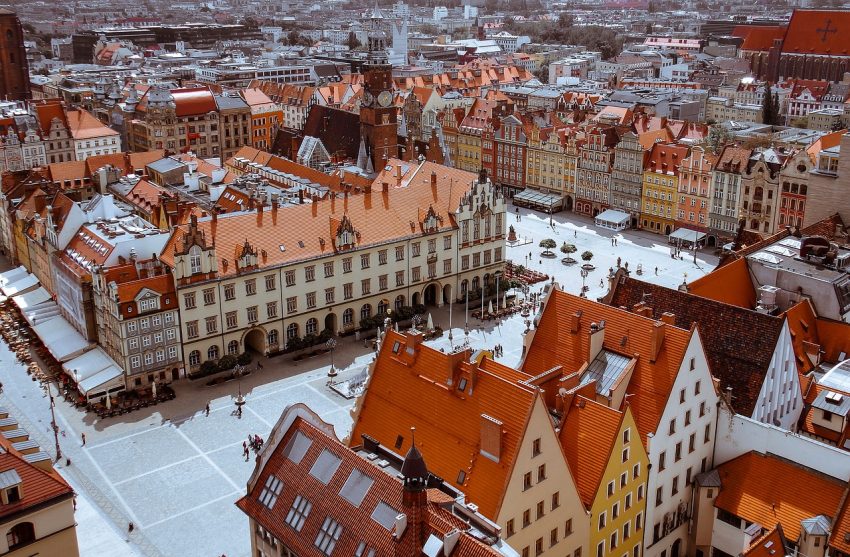
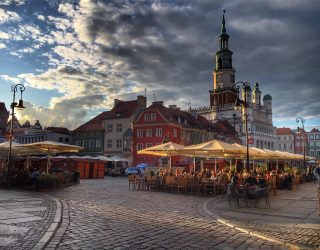
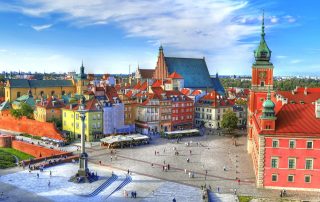
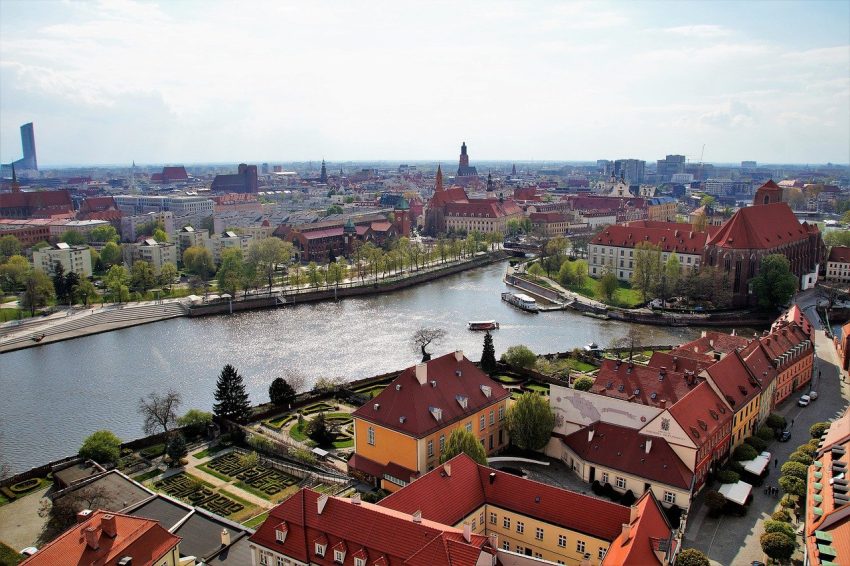
Wrocław, often called the “Venice of Poland,” is a city bursting with charm, vibrant culture, and stunning architecture. Spread across 12 islands connected by over 100 bridges, this unique city invites exploration on foot or by bike. Start your visit at the bustling Market Square (Rynek), a lively hub surrounded by colorful townhouses and the impressive Gothic Old Town Hall. The city's lively atmosphere is contagious, with countless cafés, restaurants, and street performers adding to its charm. Whether you're soaking in the riverside views or wandering through quaint cobblestone streets, Wrocław offers endless surprises at every turn.

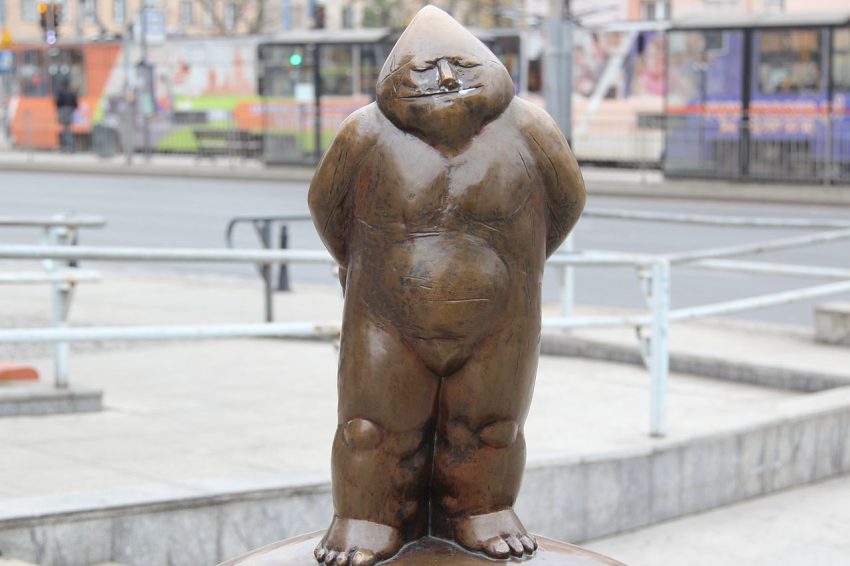
Beyond its picturesque squares and riverside paths, Wrocław is known for its quirky charm-most notably its collection of over 300 bronze dwarf statues scattered throughout the city. Locating these whimsical figurines becomes an interactive adventure for visitors of all ages. For those seeking tranquility, Ostrów Tumski, the city's oldest area, provides a peaceful retreat with its serene cathedrals and lamplighter tradition. With a perfect blend of history, modern culture, and fun surprises, Wrocław promises an unforgettable experience for every traveler.

History of Wrocław

Early Beginnings of Wrocław: A City of Strategic Importance

Wrocław’s history dates back to the 10th century when it emerged as a significant settlement along trade routes in Central Europe. Initially a small fortification on Ostrów Tumski, the city grew rapidly due to its strategic location along the Oder River. It became part of the Kingdom of Poland under Mieszko I in 992. The city’s name is believed to derive from Vratislav, a Czech duke, reflecting its early ties to neighboring Bohemia. By the 13th century, Wrocław had developed into a flourishing trade and cultural hub, earning a place within the medieval Hanseatic League.

Wrocław Through the Ages: Shifting Powers and Growth

Throughout its history, Wrocław has experienced dynamic changes in rule and identity. In the 14th century, it became part of the Bohemian Crown, later transitioning to Austrian Habsburg control in the 16th century. The city’s fortunes shifted again in 1741, when it was annexed by Prussia during the War of the Austrian Succession. Renamed Breslau, it thrived under Prussian and later German rule, becoming an industrial powerhouse.

Modern Wrocław: Recovery and Resilience

The 20th century brought significant upheaval for Wrocław. During World War II, the city endured heavy bombing and near-total destruction during the Battle of Breslau in 1945. Following the war, Wrocław was returned to Poland and underwent extensive rebuilding. The city’s population was also transformed as German residents were replaced by Poles from regions such as Lviv.

Today, Wrocław is celebrated for its vibrant blend of architecture, culture, and history, embodying resilience and renewal. It stands as a proud symbol of Poland’s complex history and its modern European identity.

Moira & Andy
Moira & Andy

Hey! We're Moira & Andy. From hiking the Camino to trips around Europe in Bert our campervan — we've been traveling together since retirement in 2020!

Read our full story here

Visiting Wrocław for the first time and wondering what are the top places to see in the city? In this complete guide, I share the best things to do in Wrocław on the first visit. To help you plan your trip, I have also included an interactive map and practical tips for visiting!

This website uses affiliate links which earn a small commission at no additional cost to you.
Powered by GetYourGuide

33 Best places to See in Wrocław

This complete guide to Wrocław not only tells you about the very best sights and tourist attractions for first-time visitors to the city but also provide insights into a few of our personal favorite things to do.

This is a practical guide to visiting the best places to see in Wrocław and is filled with tips and info that should answer all your questions!

1. Cathedral of St. Mary Magdalene

Cathedral of St. Mary Magdalene
CC BY-SA 3.0 / Barbara Maliszewska
The Cathedral of St. Mary Magdalene is a Gothic brick basilica just off Wrocław’s Rynek on Szewska Street, long rooted in the city’s religious and civic life. Built from an early-13th-century parish church, it later became tied to Wrocław’s first Lutheran services and remained Protestant for centuries, before wartime damage and careful restoration reshaped what you see today. Visitors remember the twin western towers and, above all, the Penitents’ Bridge (also called the Witches’ Bridge), a narrow walkway linking the towers high over the street. Inside, the mood is quieter and more intimate than the exterior suggests, with side chapels and shifting light across the brickwork. The climb’s tight stairs make the rooftop-level view feel close to the Old Town’s geometry.
Location: Cathedral of St. Mary Magdalene, Szewska, Wrocław, Poland | Hours: (Summer) April – October; Daily: 10:00–20:00. (Winter) November – March; Daily: 10:00–18:00. | Price: Cathedral entry is free; Penitents’ Bridge (Mostek Pokutnic) viewpoint tickets are typically 15 zł (regular) and 10 zł (reduced). | Website | Distance: 0.3km

We recommend to rent a car in Poland through Discover Cars, they compare prices and review multiple car rental agencies. Book your rental car here.

2. The Pillory

The Pillory Pręgierz
CC BY-SA 3.0 / Magda9505
The Pillory (Pręgierz) stands at the edge of Wrocław’s Market Square beside the Town Hall, a stone column that once made punishment a public spectacle. Look up to the carved executioner figure on top—hat, stance, and weaponry turn the monument into a small piece of street theatre. The version you see today is a faithful reconstruction of the 1492 pillory that stood in front of the City Hall’s court chamber windows, tying the city’s postcard-pretty Rynek to its working legal past. Circling it, the details shift with each angle, while the colourful townhouses and busy cafés around it make the contrast hard to miss.
Location: The Pillory Rynek 50-116 Wrocław Poland | Hours: 24 Hours | Price: Free. | Distance: 0.4km

Here is a complete selection of hotel options in Wrocław. Feel free to review each one and choose the stay that best suits your needs.

3. Wroclaw Market Hall

Wroclaw Daily Market
CC BY-SA 2.0 / Troy
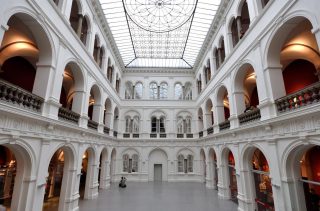
Wrocław Market Hall (Hala Targowa) is an early-20th-century brick market building on Piaskowa Street, still used for everyday shopping and valued as much for its airy, engineered interior as for what’s on the stalls. Inside, the space feels tall and cathedral-like, with long sightlines and daylight that make even a quick loop memorable. Expect seasonal fruit and vegetables, flowers, honey, cheeses, cured meats, and pantry goods that work well as edible souvenirs, plus easy bites like pastries and bread. Travelers often note that some vendors—especially upstairs—close earlier in the afternoon, so the hall feels most alive in the morning.
Location: Piaskowa 17, Stoisko 11, 50-158, 50-001 Wrocław, Poland | Hours: Monday – Saturday: 08:00–18:30. Closed on Sunday. | Price: Free. | Website | Distance: 0.4km

Traveling to a country with a different currency? Avoid ATM transaction fees and pay in local currency with a Wise Card. Having used it for over 5 years, we've saved loads on fees!

4. Wroclaw Dwarfs

Papa Krasnal Papa Dwarf Wroclaw
CC BY-SA 3.0 / Pnapora
Wrocław Dwarfs are hundreds of knee-high bronze figurines scattered across Wrocław, tucked beside doorways, on window ledges, by lampposts, outside cafés, and along river paths, turning a normal stroll into a playful scavenger hunt. They matter because the project grew from the Orange Alternative’s 1980s anti-communist street satire, later anchored by the “Papa Dwarf” monument on Świdnicka Street and expanded into a living set of characters marking jobs, institutions, and local jokes. The densest cluster is around the Old Town—Rynek, Plac Solny, and the lanes behind the Town Hall—where you can spot several within minutes. Many visitors end up grinning and searching like kids, following maps or simply freewheeling from one surprise find to the next.
Location: Świdnicka 11, 50-066 Wrocław, Poland | Hours: 24 Hours | Price: Free. | Website | Distance: 0.5km

Click here to read our blog about 10 Best Museums to Visit in Wrocław 2026: Art, History & Hidden Gems

5. Town Hall

Wroclaw Old Town Hall
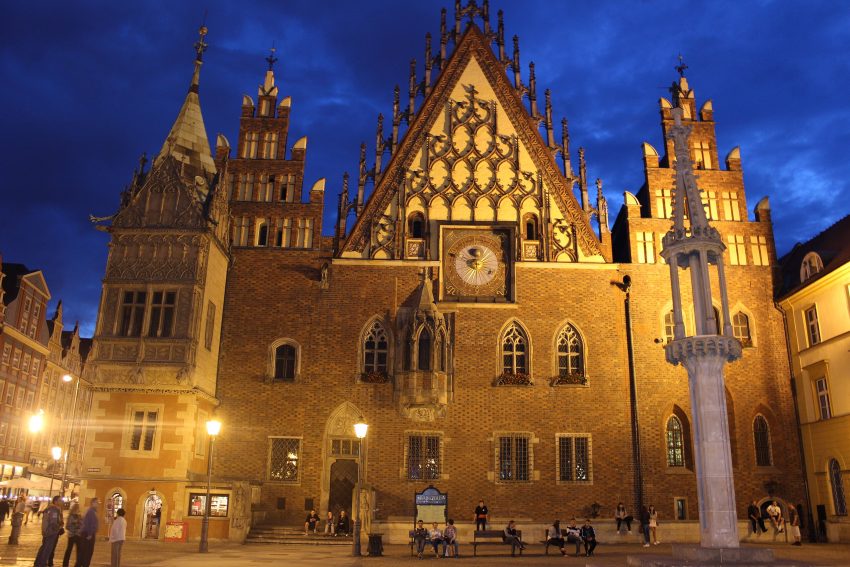
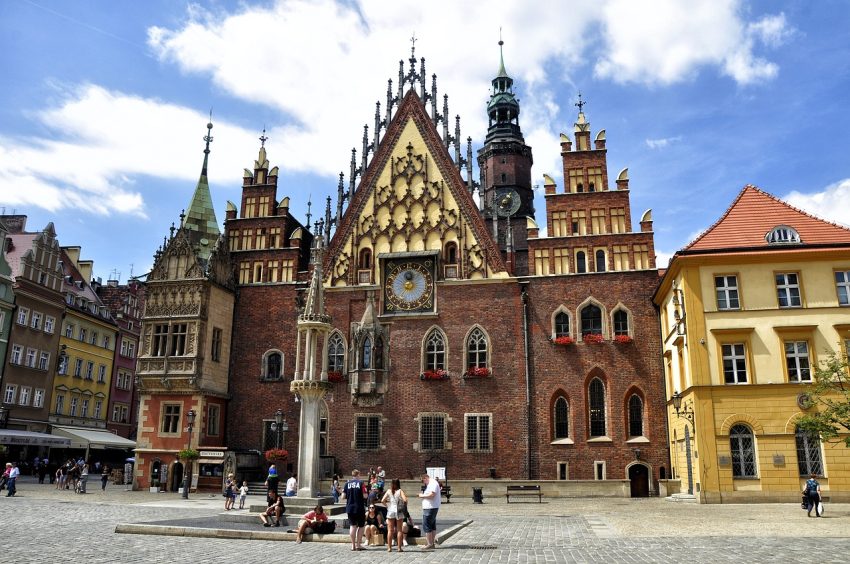
Wrocław’s Town Hall (Ratusz) stands at the center of Rynek, a civic building begun in the late 13th century and completed over centuries into a dense mix of Gothic structure with later Renaissance flourishes. What visitors remember first is the exterior: intricate stonework and shifting textures that make the building feel like a sculpture set in the square rather than a flat façade. Inside, museum rooms lead through historic council and ceremonial spaces, with vaulted ceilings and preserved chambers that once hosted the city’s administration and courts. The visit can feel quick—many spend around 30 minutes—and some travelers note the displays can be more object-and-label than narrative, with limited English in places.
Location: Museum of Bourgeois Art, Wroclaw Old Town Hall, Ratusz we Wrocławiu, Sukiennice, Wrocław, Poland | Hours: Wednesday – Saturday: 11:00–17:00. Sunday: 10:00–18:00. Closed on Monday & Tuesday. | Price: Regular: 20 zł. Reduced: 15 zł. Family: 40 zł. Group: 15 zł. Thursdays: free entry to permanent exhibitions. | Website | Distance: 0.5km

Click here to read our blog about Wrocław 2026: A Journey Through Time – History, Highlights & Landmarks

6. Raclawice Panorama

Raclawice Panorama
Raclawice Panorama
CC BY-SA 4.0 / Daniel.zolopa
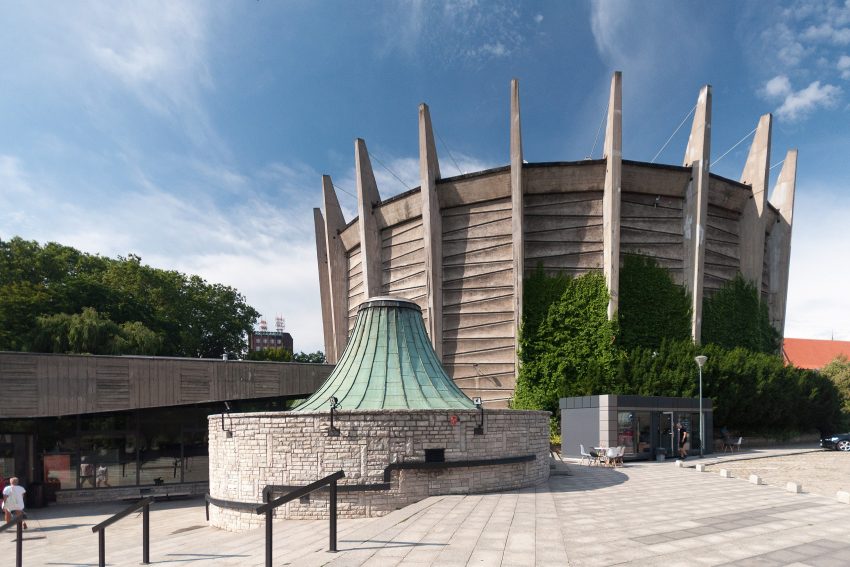
Racławice Panorama in Wrocław, Poland is a purpose-built rotunda housing a 19th-century cyclorama that surrounds you with the 1794 Battle of Racławice from the Kościuszko Uprising. The painting is immense—about 15 metres high and 114 metres long—and its 360° sweep, raised viewing platform, and real foreground props blur the edge between the room and the battlefield. The experience runs in a tightly timed session of roughly 30 minutes, encouraging you to circle and watch scenes and vignettes reveal themselves as your angle changes. It’s memorable for how convincingly it achieves immersion with paint, perspective, and stage lighting rather than screens, and visitors often remark on the crisp detail and clear storytelling.
Location: Racławice Panorama, Jana Ewangelisty Purkyniego, Wrocław, Poland | Hours: (Summer) 1 April – 31 October; Daily: 08:30–19:00. (Winter) 1 November – 31 March; Tuesday – Friday: 09:30–16:00. Saturday: 09:30–17:00. Sunday: 09:30–16:00. Closed on Monday. | Price: 50 zł. Discount: 35 zł. Family: 35 zł/person. Children up to 7: Free. | Website | Distance: 0.5km

Explore Wrocław at your own pace with our self-guided walking tour! Follow our curated route to discover must-see sights and local secrets that makes Wrocław one of the best places to visit in Poland.

7. Wroclaw’s Old Town

Wroclaws Old Town
Wroclaws Old Town
Wrocław’s Old Town (Stare Miasto) is the city’s social core, built around Rynek, a broad medieval market square where daily life still gathers. Brightly painted townhouses frame the cobbles, while the Gothic Old Town Hall—built between the 13th and 16th centuries—anchors the scene with its clock tower and dense stone detailing. The best moments come just off the square in narrow lanes with small courtyards, bookshops, and tiny galleries that make wandering feel purposeful. Keep an eye on the pavement corners for Wrocław’s krasnale (dwarfs), a playful scavenger hunt that pulls you into side streets. After dark, the façades glow and terraces stay busy without tipping into chaos.
Location: Ratusz, Sukiennice, 50-029 Wrocław, Polska | Hours: 24 hours | Price: Free. | Distance: 0.5km

Explore Wrocław at your own pace with our self-guided walking tour! Follow our curated route to discover must-see sights and local secrets that makes Wrocław one of the best places to visit in Poland.

8. Stare Jatki

Stare Jatki
Stare Jatki
CC BY-SA 3.0 / fot. Slawek Ilski
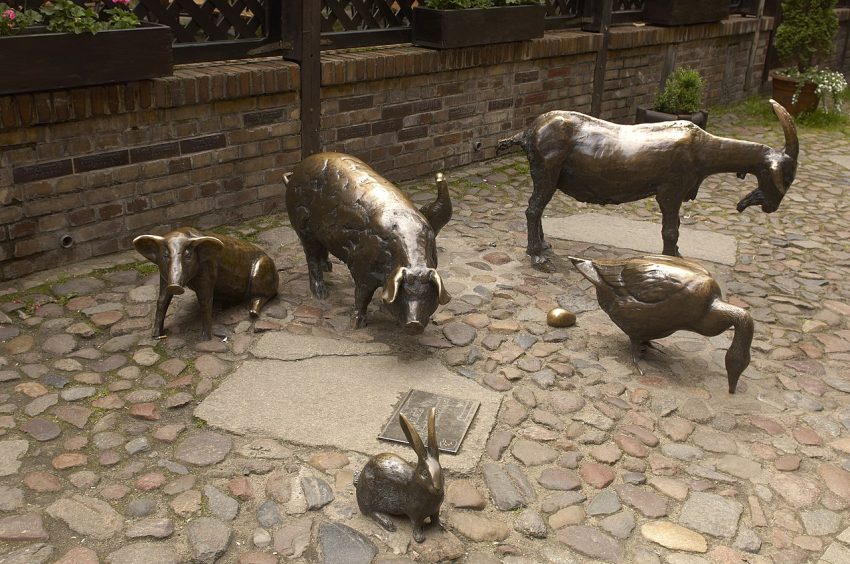
Stare Jatki is a short cobbled lane just north of Wrocław’s Market Square, lined with low, timber-fronted buildings that preserve the scale of the city’s former butchers’ stalls. Its name—“Old Butchers’ Stalls”—still fits the narrow, utilitarian footprint, even though the street now feels like a quiet pocket of galleries, small studios, and artisan gift shops. At the entrance, the bronze Monument to the Slaughtered Animals gathers farm animals in a scene that’s both playful and slightly poignant, and visitors linger to photograph the expressions and details. The lane is small enough to stroll in minutes, yet memorable for its calm atmosphere and tactile cobbles underfoot.
Location: Stare Jatki, Jatki, Wrocław, Poland | Hours: 24 Hours | Price: Free. | Distance: 0.6km

9. Solny Square (Plac Solny)
Plac Solny Wrocław
Plac Solny Wrocław
CC BY-SA 3.0 / Emil1234
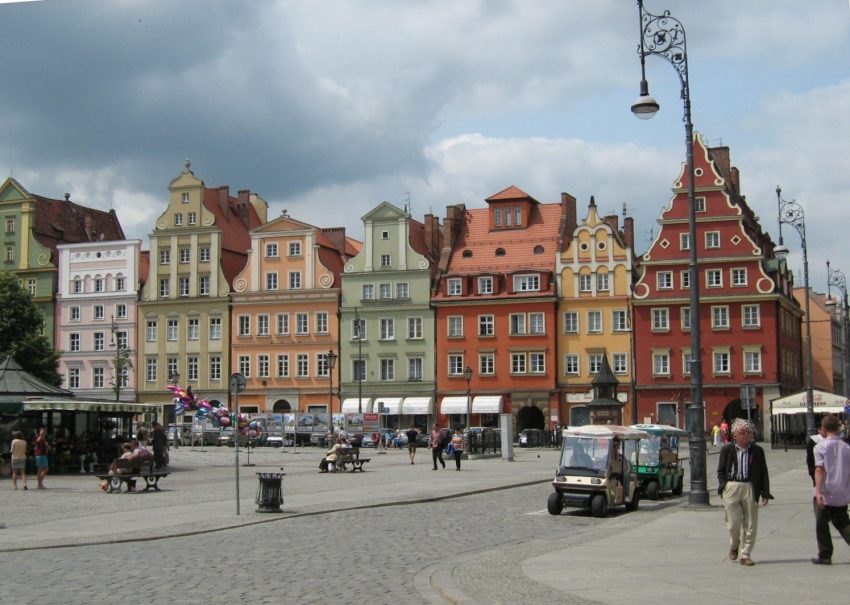
Solny Square (Plac Solny) is a compact Old Town square just west of Wrocław’s Market Square, known for feeling more like everyday city life than the Rynek crowds. Its medieval origins as a salt-trading space still echo in the steady flow of people cutting through, browsing, and lingering at café tables under colourful townhouse façades. The constant draw is the flower market, where stalls stay lively into the evening and bouquets glow under streetlights, making the square unexpectedly cinematic. Look for the Old Stock Exchange building, a reminder of the area’s long link to commerce and an easy landmark for finding your way back. Reviews often mention the warm atmosphere and the sheer colour of the buildings and flowers.
Location: Plac Solny, Plac Solny, Wrocław, Poland | Hours: 24 Hours | Price: Free. | Distance: 0.6km

10. Garrison Church of St. Elizabeth
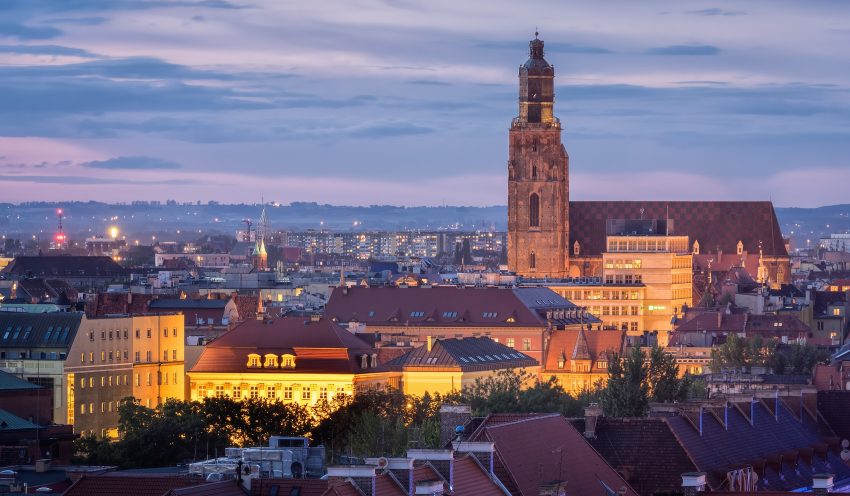
Garrison Church of St Elizabeth
CC BY-SA 3.0 / Jar.ciurus
The Garrison Church of St. Elizabeth stands right by Wrocław’s Rynek, its Gothic tower doubling as a working landmark and a city-centre viewpoint. A tight, winding staircase of 300+ steps leads to an open terrace above the Old Town roofs, where the city reads like a map: the Market Square’s neat geometry below, the spires of Ostrów Tumski in the distance, and modern high-rises edging the horizon. The tower’s silhouette also carries a story of ambition and loss—its spire was once far taller before a storm brought it down. Since 1946 it has served the Polish military chaplaincy, adding a post-war layer to the place’s identity.
Location: Bazylika Mniejsza pw. Św. Elżbiety we Wrocławiu, Świętej Elżbiety, Wrocław, Poland | Hours: (Summer, May – September) Monday – Saturday: 10:00–20:00; Sunday & public holidays: 11:00–20:00. (Winter, October – April) Monday – Saturday: 10:00–dusk; Sunday & public holidays: 11:00–dusk. Closed during storms and rain. | Price: 15 zł (adult); 10 zł (reduced, ages 7–18). | Website | Distance: 0.6km

11. Wroclaw Puppet Theater
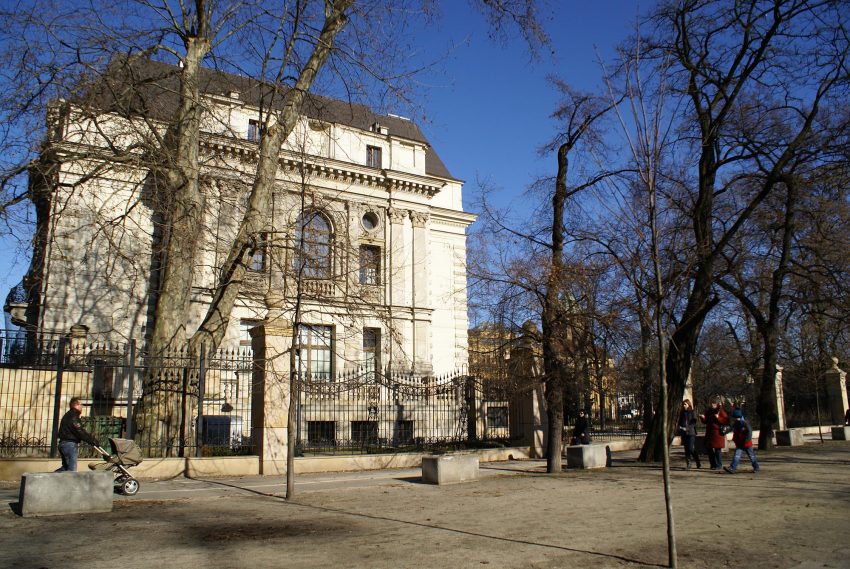
Teatr Lalek
Teatr Lalek
CC BY-SA 3.0 / Barbara Maliszewska
Wroclaw Puppet Theater (Wrocławski Teatr Lalek) is an intimate performance venue in Wrocław that treats puppetry as full-scale theatre, with lighting, movement, sound, and design doing as much storytelling as the script. It occupies a richly ornamented neo-baroque building from 1894, originally built for smaller productions, which keeps the audience close to the stage. Even from outside, the façade is part of the experience, set on Plac Teatralny beside the Old Town’s park-lined moat. Inside, productions range from fairy-tale adaptations to more experimental work, and visitors often remember the inventive staging and atmosphere. Reviews also note theatre posters and a striking grey hall that photographers gravitate toward.
Location: Wrocławski Teatr Lalek, plac Teatralny, Wrocław, Poland | Hours: Tuesday – Friday: 09:00–12:00 & 14:00–18:00. Saturday – Sunday: 1 hour before performance. Closed on Monday. | Price: Tickets typically start from 25 zł (access ticket) and range up to 40 zł for standard performances; prices can be higher for premieres or special shows. | Website | Distance: 0.6km

12. Monopol Hotel
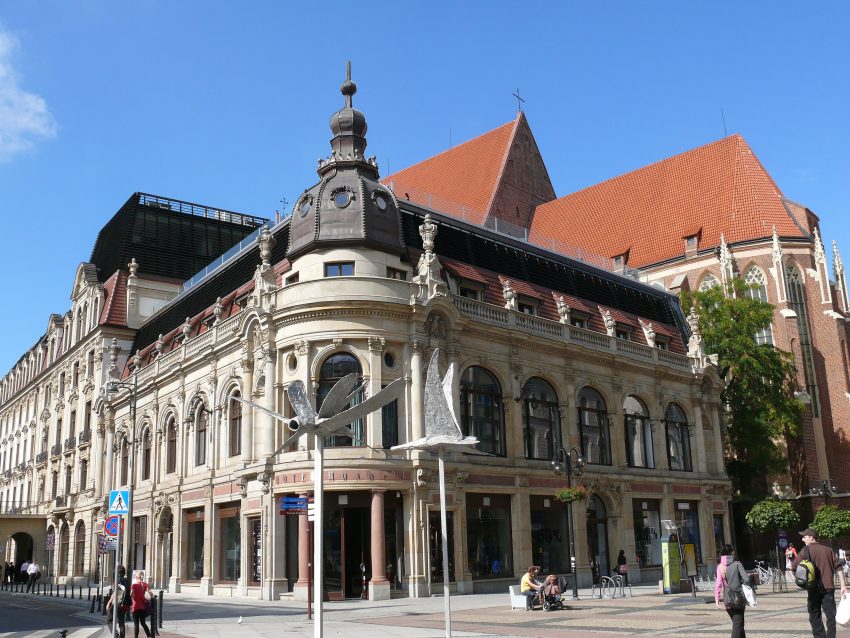
Monopol Hotel wrocław
CC BY-SA 3.0 / Basik07 - Barbara Wrzesińska
Monopol Hotel is a late-19th-century luxury hotel in central Wrocław, opened in 1892 when the city was still Breslau, and it remains a rare address where the city’s shifting identities feel tangible. Pause outside to study the elegant façade and the entrance balcony added in the late 1930s—an architectural detail later repurposed for public performances after the war. Step into the lobby for a dose of old-hotel atmosphere: polished surfaces, subdued lighting, and a sense of ceremony that contrasts with the street outside. Travelers often remember the spacious, spotless rooms with striking wooden floors and views toward the opera, and many mention the pool-and-spa complex as a reason to linger.
Location: Ulica Heleny Modrzejewskiej 2, 50-071 Wrocław, Poland | Hours: Hotel: Daily: 00:00–24:00. Wellness & Spa: Daily: 06:00–24:00. | Price: Free to enter the lobby and public areas; spa access and treatments are priced separately. | Website | Distance: 0.6km

13. Wroclaw University Museum

Wroclaw University
Wroclaw University
CC BY-SA 3.0 / Jar.ciurus
The Wroclaw University Museum sits inside the university’s main riverfront building at Plac Uniwersytecki, where the city’s academic past still feels active rather than staged. The core experience is the early-18th-century Aula Leopoldina, a late-Baroque ceremonial hall built to project the status of the institution founded in 1702 under Emperor Leopold I, with ceiling painting and theatrical ornament that reward slow looking. If it’s open, the Oratorium Marianum adds a quieter counterpoint before you climb to the Mathematical Tower. From the top, the view stretches over Old Town rooflines and the bends of the Oder, a satisfying “reset” after the grandeur indoors.
Location: University of Wrocław, plac Uniwersytecki, Wrocław, Poland | Hours: (Summer) May – September: Monday – Tuesday: 10:00–17:00. Thursday – Friday: 10:00–17:00. Saturday – Sunday: 10:00–18:00. (Winter) October – April: Monday – Tuesday: 10:00–16:00. Thursday – Sunday: 10:00–16:00. (visitWroclaw) Closed on Wednesday. Closed on public holidays, Holy Saturday & Christmas Eve. | Price: Adults 28 PLN (4 halls); Reduced 22 PLN; Family 60 PLN (4 halls). | Website | Distance: 0.6km

14. Market Square
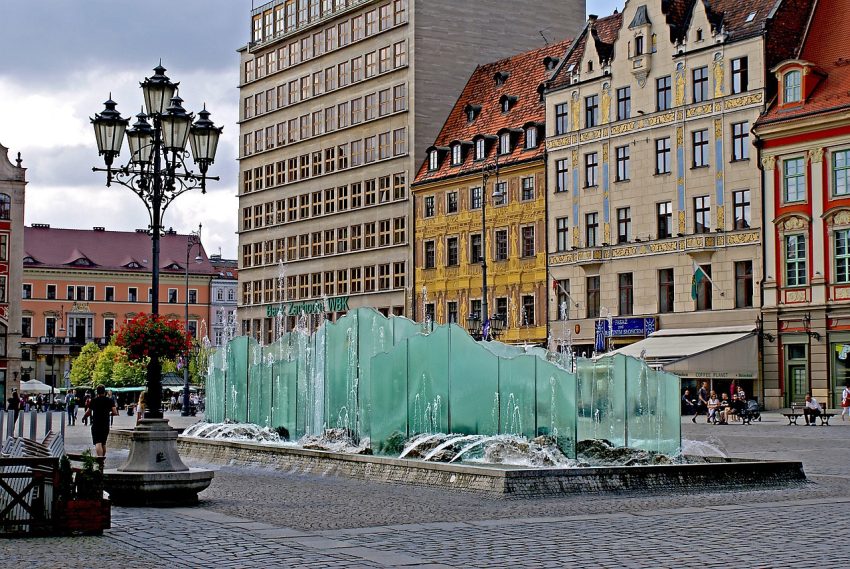
wroclaw market square
Market Square (Rynek) is Wrocław’s broad central plaza in the Old Town, still functioning as the city’s everyday meeting point and civic stage. A ring of brightly painted, storybook townhouses frames the space, while the Gothic Old Town Hall stands at the center like a set piece you can circle for changing angles and close-up stonework details. What visitors remember is how the square shifts by the hour: calm for early photos, then gradually filling with café chatter and street life toward dusk. It’s also perfect for small wander-and-return loops—duck into side streets, spot the city’s dwarf statues, and re-emerge into the open square. In winter, seasonal lights and stalls give it a different after-dark mood.
Location: Market Square, Wrocław, Poland | Hours: 24 Hours | Price: Free | Website | Distance: 0.6km

15. Tumski Bridge
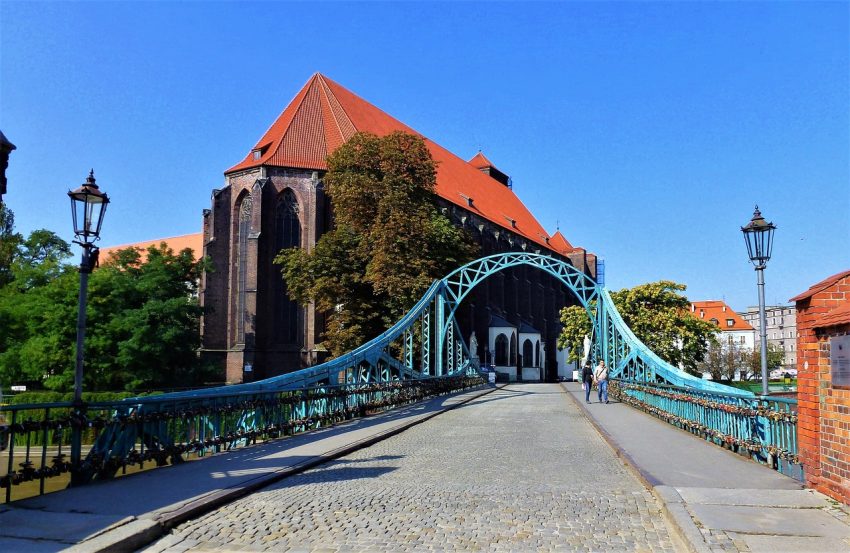
Most Tumski
Most Tumski
Tumski Bridge is a short pedestrian crossing over the Oder’s northern branch, linking Ostrów Tumski (Cathedral Island) with Wyspa Piasek (Sand Island) in Wrocław. Built in 1889 to replace earlier wooden bridges, its late-19th-century ironwork now frames two moods at once: cathedral spires one way, quiet riverbanks and willows the other. It’s the kind of place people pause mid-span for photos, listening to footsteps on the cobbles and watching the water slide past. The railings were once crowded with “love locks,” but during a 2019 renovation the city removed tons of them and discouraged new ones to protect the structure. In the evening, the nearby tradition of hand-lit gas lamps deepens the old-world calm.
Location: Most Tumski, Świętej Jadwigi, Wrocław, Poland | Hours: 24 Hours | Price: Free | Distance: 0.7km

16. National Museum of Wrocław
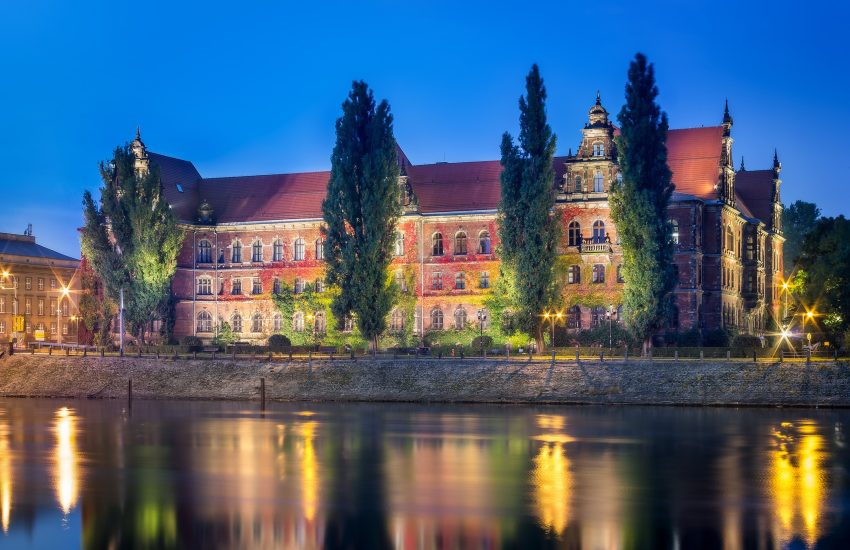
Wroclaw Muzeum Narodowe
CC BY-SA 3.0 / Wrocław
The National Museum of Wrocław is the city’s main art museum, set in a stately riverfront building whose ivy-clad exterior and ceremonial interiors suit collections shaped by Silesia’s layered past. Inside, galleries move from medieval sacred sculpture and painting into Silesian works that make local motifs and patronage feel specific rather than generic. Decorative-arts rooms add texture with period furniture, textiles, glassware, and small objects that show how taste and status were displayed. Visitors often linger over Polish and wider European pieces, and reviews note occasional temporary shows (including Rubens) alongside the permanent displays. A useful detail: admission is free on Saturdays, and a Panorama Racławicka ticket can also cover entry.
Location: National Museum in Wrocław, plac Powstańców Warszawy, Wrocław, Poland | Hours: Winter Season (October 1 – March 31):** - Monday: Closed - Tuesday–Friday: 10:00 AM – 4:00 PM - Saturday–Sunday: 10:00 AM – 5:00 PM Summer Season (April 1 – September 30): - Monday: Closed - Tuesday–Friday: 10:00 AM – 5:00 PM - Saturday–Sunday: 10:30 AM – 6:00 PM | Price: 20 PLN (adult), 15 PLN (concession) for permanent exhibitions; permanent exhibitions are free on Saturdays (special exhibitions may be ticketed separately). | Website | Distance: 0.7km

17. Wroclaw Opera House
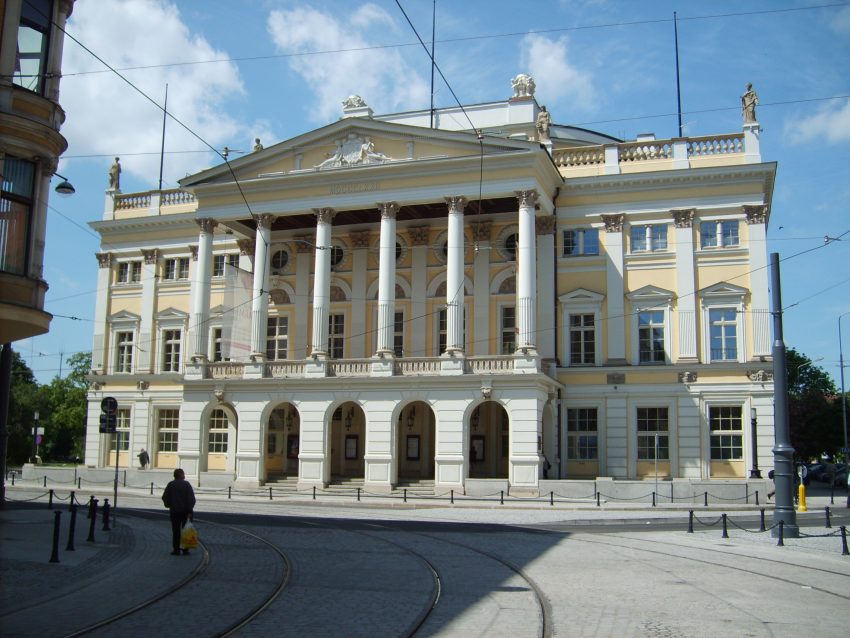
Opera house, Wrocław
CC BY-SA 3.0 / Jaroslaw Komar
The Wrocław Opera House (Opera Wrocławska) is a neoclassical theatre on Świdnicka Street in central Wrocław, built in 1872 and still run as a working opera and ballet venue. Visitors tend to remember the sense of occasion—plush interiors, a formal hush as the lights drop, and acoustics that carry even from the balcony. The façade feels made for an evening out, and the renovated interior keeps that old-world glamour without feeling museum-still. Performances can sell out quickly, so the house often has a busy, anticipatory foyer before curtain. Note that some upper levels may involve stairs, and sightlines can vary in restricted-view seats.
Location: Wrocław Opera, Świdnicka, Wrocław, Poland | Hours: Monday – Saturday: 12:00–19:00. Sunday: 09:30–16:30 (matinee performance days) & 11:00–18:00 (evening performance days). Closed 24–26 December. | Price: Performances: ticket prices vary by production, often in the 40–200 zł range (and sometimes more for premium events). Guided tour (Operowy Labirynt): 20 zł (standard) / 10 zł (reduced). | Distance: 0.7km

18. Royal Palace in Wrocław
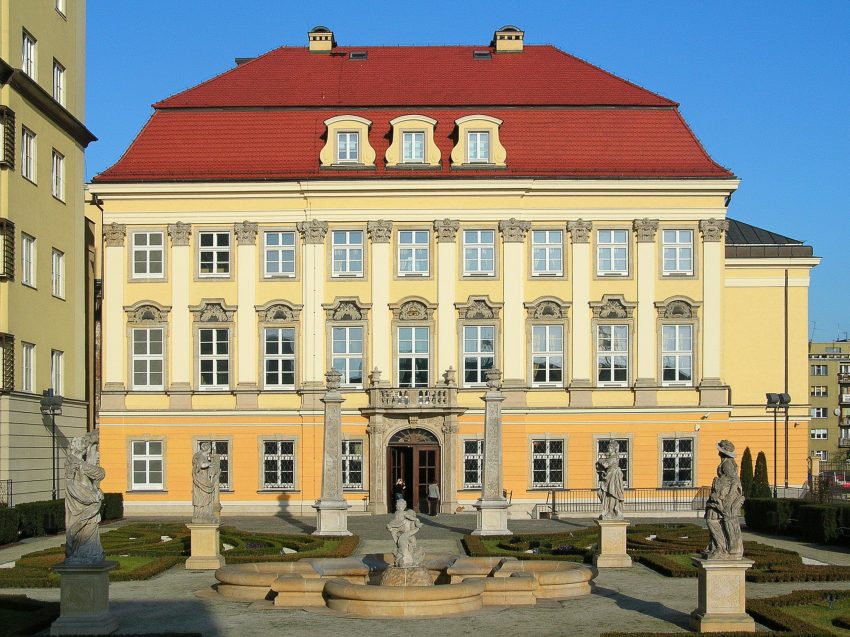
Prussian royal castle in Wroclaw
CC BY-SA 3.0 / Robert Niedźwiedzki
The Royal Palace in Wrocław is a former Prussian royal residence turned city museum, using its own rooms to frame the city’s shifting identity across centuries. Visitors move from restored royal apartments—ornate ceilings, decorative finishes, and a tight sequence of period interiors—into galleries that trace Wrocław from the Middle Ages to the present. The contrast between courtly spaces and timeline-style city exhibits is what sticks: you’re reading the city’s story, then stepping straight into the kind of rooms that once shaped it. People also remember smaller surprises, like prints by Picasso and a garden/courtyard pause that breaks up the museum pace. It sits centrally on ul. Kazimierza Wielkiego, so it feels woven into everyday Wrocław.
Location: The City Museum of Wroclaw, Kazimierza Wielkiego, Wrocław, Poland | Hours: Wednesday – Saturday: 11:00–17:00. Sunday: 10:00–18:00. Closed on Monday & Tuesday. | Price: 15 PLN (adult), 10 PLN (reduced), 30 PLN (family); permanent exhibitions are free on Thursdays. | Website | Distance: 0.7km

19. Wroclaw Cathedral
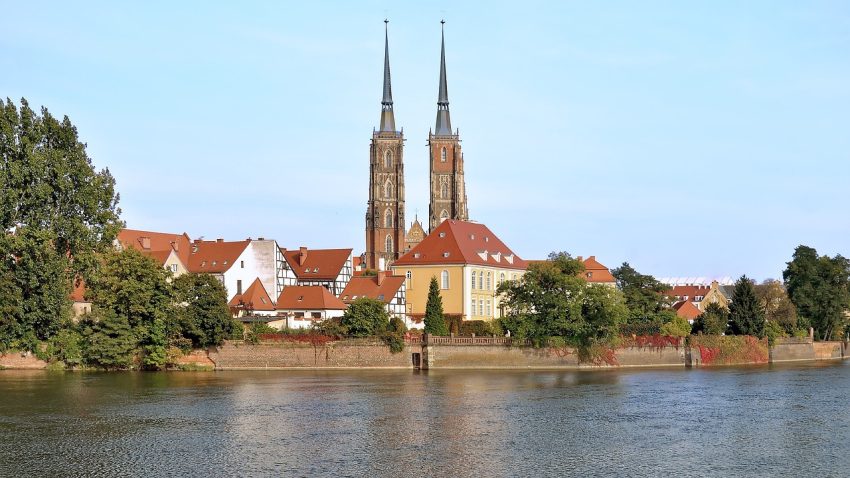
Wroclaw Cathedral
Wroclaw Cathedral
Wrocław Cathedral (Cathedral of St. John the Baptist) anchors Ostrów Tumski with a stark Gothic profile—twin brick towers and crisp detailing rising above the Oder. Step inside and the drama softens into a slow, chapel-by-chapel experience, where stained glass and carved altars pull your attention into pockets of quiet. The building’s layered construction and later restoration give the interior a slightly time-capsule feel, as if different eras are speaking at once. For many visitors, the lasting memory is the tower observation deck: a small lift takes you most of the way, but you still tackle a few flights of stairs before the panorama opens over the river, islands, and rooftops.
Location: Wrocław Cathedral Plac Katedralny 18 50-329 Wrocław Poland | Hours: Visiting hours of the chancellery and Baroque chapels: Monday – Saturday 10:00 – 17:00 Sunday 14:00 – 16:00 Opening hours of the observation terrace: Monday – Saturday 10:00 – 17:00 Sunday 14:00 – 16:00 | Price: Tower with observation terrace: PLN 25/PLN 20 Baroque chapels and altar of St. John the Baptist (presbytery): PLN 15/PLN 10 | Website | Distance: 0.8km

20. Cathedral Island
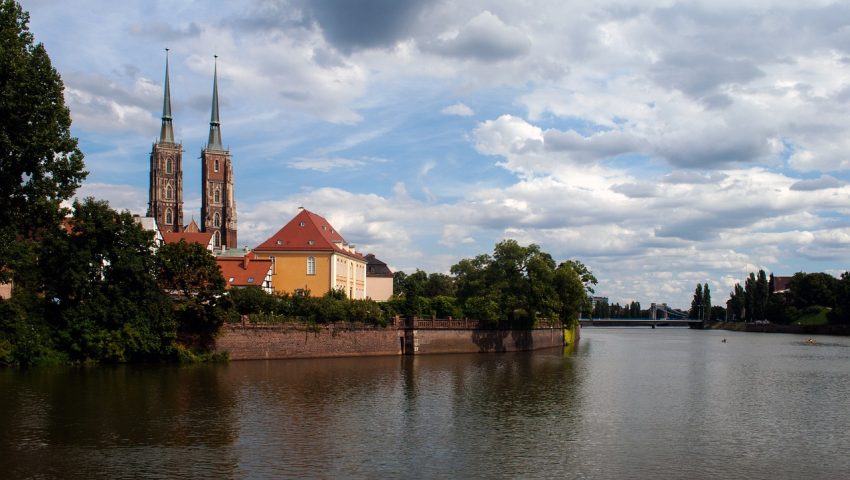
wroclaw cathedral island
Cathedral Island (Ostrów Tumski) is Wrocław, Poland’s oldest riverside district, where a short bridge crossing trades city bustle for cobblestones, church towers, and water on both sides. Its spiritual center is the Gothic Cathedral of St John the Baptist—built in the 13th–14th centuries as Poland’s first Gothic church and the fifth cathedral on this site—its twin spires fixing the skyline. Wander the narrow lanes and you’ll notice small bridges linking the islands and quiet courtyards that feel removed from the modern city. Come at dusk to see a lamplighter ignite around 90 gas lamps by hand, turning the streets into a warm, theatrical scene. For a wider sense of place, climb the cathedral tower for rooftop and Oder River views.
Location: Ostrów Tumski, Wrocław, Poland | Hours: 24 Hours | Price: Free (the island is public; individual attractions such as towers and museums may charge). | Website | Distance: 0.8km

21. Military Museum, Wrocław City Museum
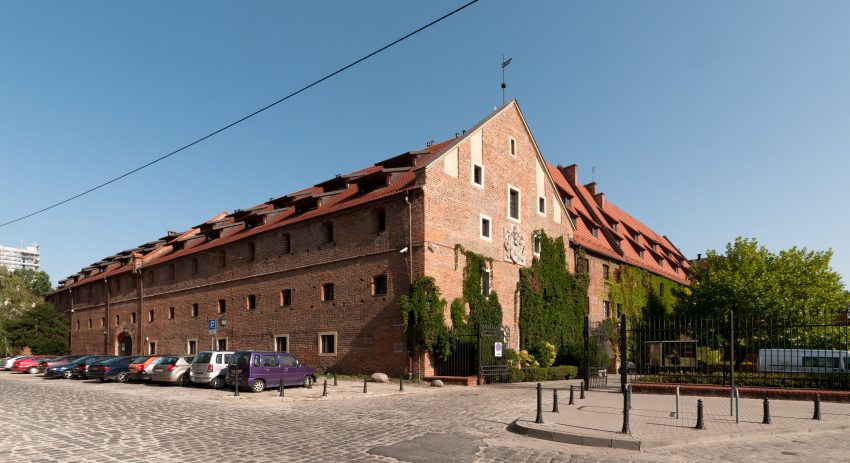
Military Museum, Wrocław
CC BY-SA 3.0 / Garzena
The Military Museum (Muzeum Militariów), part of the Wrocław City Museum, is a compact collection housed inside the City Arsenal, where the defensive architecture adds context to what you’re viewing. The focus is on the material life of soldiers in the 19th and 20th centuries, with displays that reward close looking rather than big-room spectacle. Visitors tend to remember the helmet cases first—small variations in shape, fittings, and insignia make the evolution of protection and identity easy to read. Uniforms and field equipment follow, with practical details like fastenings and materials showing how service life was engineered. Reviews often note the small footprint—essentially a hall plus a couple rooms—but also the clear multilingual labels and the atmosphere of the old arsenal.
Location: Muzeum Militariów Antoniego Cieszyńskiego 50-127 Wrocław Poland | Hours: Wednesday – Saturday: 11:00–17:00. Sunday: 10:00–18:00. Closed on Monday – Tuesday. | Price: Normal 15 PLN; Reduced 10 PLN; Family 30 PLN; Group 10 PLN. Free admission to permanent exhibitions on Thursday. | Website | Distance: 0.9km

22. Museum of Natural History, Wrocław University

Museum of Natural History, Wrocław University
CC BY-SA 4.0 / Agnieszka Kwiecień, Nova
The Museum of Natural History at the University of Wrocław is a traditional, specimen-driven museum where the university’s teaching collections are displayed with a serious, cabinet-of-curiosities feel. You move in one satisfying circuit from dramatic zoology halls— including 66 complete animal skeletons and a towering blue whale—down to meticulous drawers of insects and other preserved small-world specimens. Geology and palaeontology add deep-time context through fossils and minerals, grounding the story in the region’s landscapes and ecosystems. Visitors often notice the old-fashioned approach (little to no multimedia), the calm, study-like atmosphere, and that some labels are only in Polish.
Location: Museum of Natural History, Henryka Sienkiewicza, Wrocław, Poland | Hours: Tuesday – Friday: 09:00–16:30. Saturday – Sunday: 10:00–17:30. Closed on Monday. | Price: 14 PLN (adult); 10 PLN (concession). | Website | Distance: 1km

23. Monument to the Anonymous Passer-by

Wrocław, The Passage
CC BY-SA 4.0 / Palickap
The Monument to the Anonymous Passer-by (Przejście) is a street-level sculpture embedded in the pavement at the Świdnicka–Piłsudskiego crossing in Wrocław. Fourteen life-sized bronze pedestrians seem to descend into the ground on one side of the road and reappear on the other, turning an ordinary set of traffic lights into a small, unsettling theatre. Created by Jerzy Kalina and unveiled in December 2005, it’s widely read as a quiet memorial to the atmosphere of disappearance and fear associated with Poland’s martial-law era. Up close, the everyday details—bags, coats, mid-step postures, and bodies cut by the pavement line—make it feel eerily real as commuters stream past.
Location: The Passage, Marszałka Józefa Piłsudskiego, Wrocław, Poland | Hours: 24 Hours | Price: Free | Distance: 1.1km

24. Ethnographic Museum in Wrocław
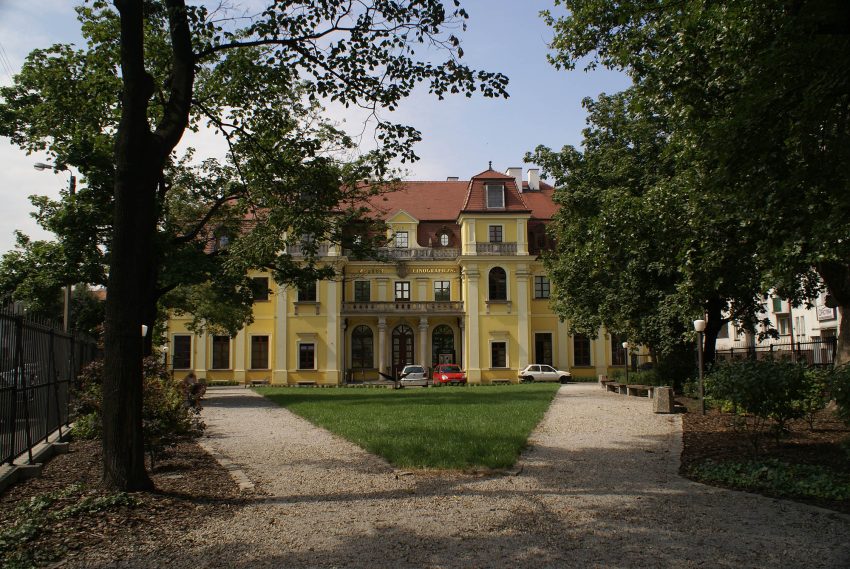
Ethnographic Museum in Wrocław
CC BY-SA 3.0 / Ethnographic Museum in Wrocław
The Ethnographic Museum in Wrocław (Muzeum Etnograficzne), a branch of the city’s museum network, focuses on folk culture and the practical texture of everyday life in Lower Silesia. Inside you’ll find reconstructed domestic interiors that show how rooms were arranged for work, guests, and devotion, alongside tools, household objects, and decorative crafts shaped by seasonal rituals and festival calendars. Textile and costume displays reward close looking, with materials and techniques that hint at how identity was worn and passed on. The collections also reflect the region’s layered past—shifting borders and post‑war population movements that brought different traditions into contact. Visitors often note it’s a compact, quiet museum with plenty of photos and artifacts.
Location: Muzeum Etnograficzne - Oddział Muzeum Narodowego Generała Romualda Traugutta 111/113 50-419 Wrocław Poland | Hours: Tuesday – Saturday: 10:00–16:00. Sunday: 10:00–18:00. Closed on Monday. | Price: 10 zł (permanent exhibition); 15 zł (permanent + temporary exhibitions). | Website | Distance: 1.5km

25. Sky Tower Wrocław
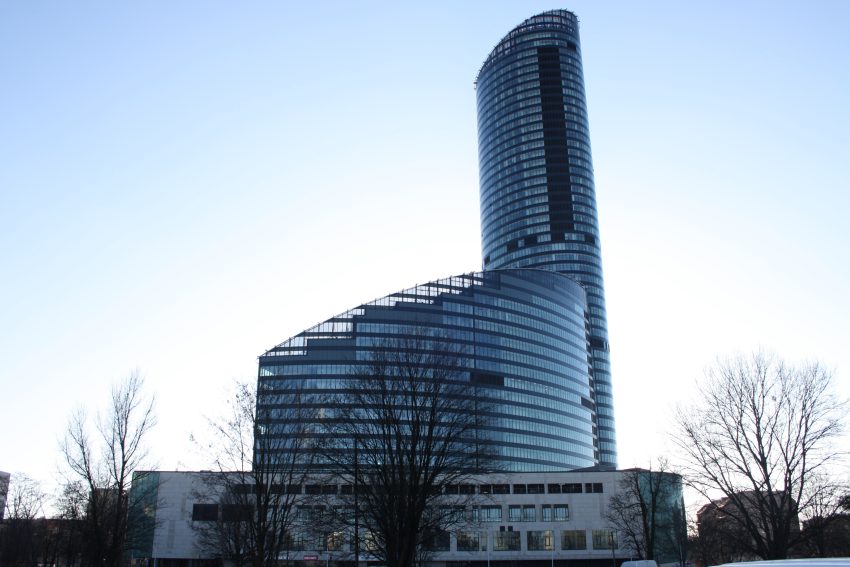
Sky Tower Wroclaw
Sky Tower Wroclaw
CC BY-SA 4.0 / Filori
Sky Tower Wrocław is a 212‑metre mixed‑use skyscraper in the Krzyki district, a clear marker of the city’s post‑2000s growth beyond its historic core. The main draw is the Taras Widokowy observation deck on the 49th floor, where you’re looking out from roughly 200 metres up and can trace the Oder’s bends, bridges, islands, and the city’s grid in one clean panorama. Built between 2007 and 2012, it feels like a deliberate contrast to Wrocław’s older skyline of spires and low roofs. At street level the complex includes a large shopping gallery, and visitors often mention the calm, romantic atmosphere up top, with a café/bar for lingering over the view.
Location: Sky Tower, Powstańców Śląskich, Wrocław, Poland | Hours: Monday – Saturday: 09:00–20:30. Sunday: 10:00–20:30. | Price: Observation deck: 53 zł (standard); 40 zł (reduced); free for children under 3. | Website | Distance: 2.1km

26. Wrocław Contemporary Museum
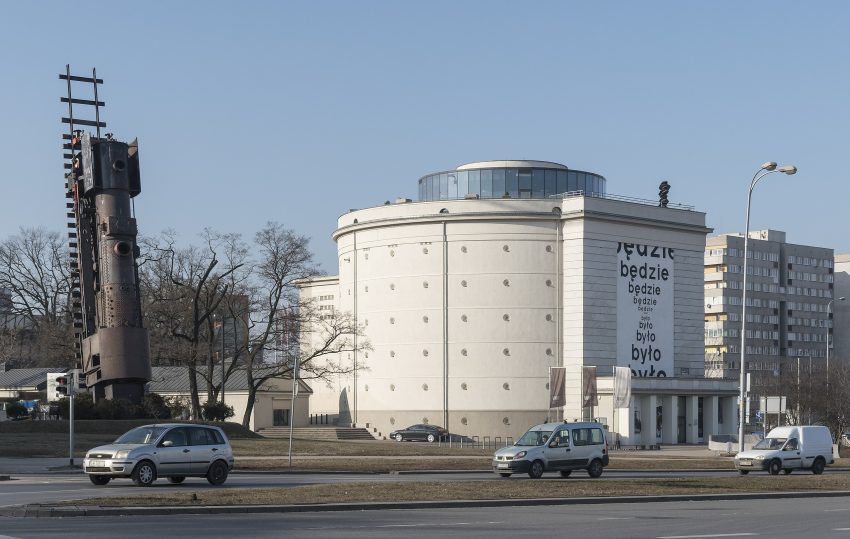
Wrocław Contemporary Museum
CC BY-SA 4.0 / Jacek Halicki
Wrocław Contemporary Museum (Muzeum Współczesne Wrocław) is a contemporary art gallery installed inside a massive above-ground WWII air-raid shelter near Plac Strzegomski, and the bunker’s heavy concrete geometry shapes everything you see. Built in 1942–43 to withstand bombing, the structure’s narrow transitions and thick walls turn video, photography, and installations into a more physical, echoing experience than a typical white-cube space. Exhibitions are spread across multiple floors, often feeling like separate worlds as you move upward. If it’s open, the rooftop café and terrace provide a sharp contrast to the interiors, with wide views over the changing skyline. Visitors often mention the building itself as the main reason to go, even when the temporary shows vary.
Location: Wroclaw Contemporary Museum, plac Strzegomski, Wrocław, Poland | Hours: Monday: 10:00–18:00. Wednesday – Sunday: 12:00–20:00. Closed on Tuesday. | Price: Regular: 20 zł. Reduced: 10 zł. Family: 25 zł. Free admission on Thursday (collect a free ticket at the box office). | Website | Distance: 2.4km

27. Four Domes Pavilion
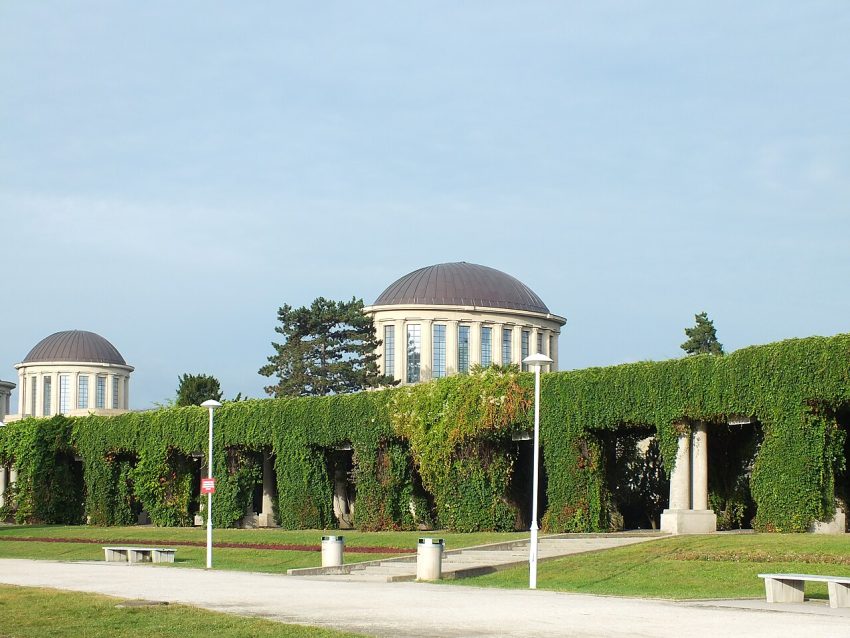
Four Domes Pavilion Wrocław
CC BY-SA 4.0 / Four Domes Pavilion
The Four Domes Pavilion (Pawilon Czterech Kopuł) is Wrocław’s dedicated contemporary-art museum, housed in a modernist exhibition building by Hans Poelzig whose four domes and central courtyard shape how you move and pause. Skylights and diffused daylight wash the large, clean-lined galleries, giving the collection a calm, spacious feel even on busier days. Inside, the permanent display focuses on Polish art after 1945 into the 21st century, with memorable works by figures such as Magdalena Abakanowicz, Tadeusz Kantor, Alina Szapocznikow, Jerzy Nowosielski, and Władysław Hasior. Travelers often mention the good value of combined museum tickets and the strong selection of modern paintings.
Location: Four Domes Pavilion, Wystawowa, Wrocław, Poland | Hours: (Summer) 1 April – 30 September; Tuesday – Thursday: 10:00–17:00; Friday: 10:00–19:00; Saturday: 10:00–20:00; Sunday: 10:00–18:00. (Winter) 1 October – 31 March; Tuesday – Thursday: 10:00–16:00; Friday: 10:00–18:00; Saturday: 10:00–20:00; Sunday: 10:00–18:00. Closed on Monday. | Price: Permanent exhibition: 20 zł (regular), 15 zł (discount); permanent and temporary exhibitions: 45 zł (regular), 30 zł (discount). Tuesdays: free admission to the permanent exhibition. | Website | Distance: 2.6km

28. Wrocław Zoo and Afrykarium
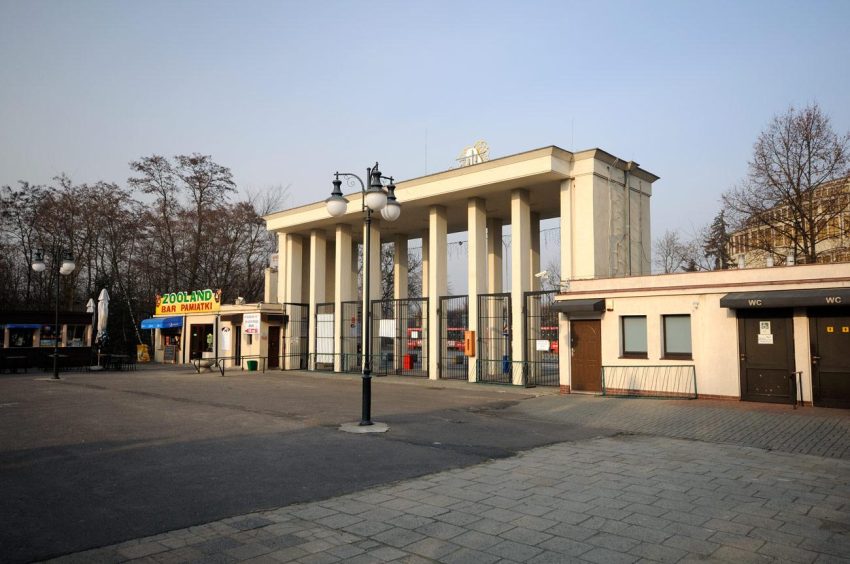
Wrocław Zoo and Afrykarium
CC BY-SA 3.0 / Neo[EZN]
Wrocław Zoo and its Afrykarium are a sprawling animal park and purpose-built oceanarium in the green Szczytnicki Park district, designed for an unhurried, full-day wander. The zoo’s outdoor paths move through varied habitats, while Afrykarium shifts the mood indoors with vast tanks and underwater tunnels where fish and rays drift overhead and you’re brought close to African aquatic ecosystems. The route is laid out to reveal scale gradually, so rooms feel immersive rather than like a series of displays. Visitors often comment on the clean, spacious enclosures and how well cared-for the animals appear, and even rainy weather still works thanks to indoor viewing areas.
Location: ZOO, Zygmunta Wróblewskiego, Wrocław, Poland | Hours: April – September: Monday – Thursday: 09:00–17:00. Friday – Sunday & public holidays: 09:00–18:00. March & October: Monday – Thursday: 09:00–16:00. Friday – Sunday & public holidays: 09:00–17:00. November – February: Daily: 09:00–15:00. 24 December & 31 December: 09:00–13:00. 1 January: 11:00–15:00. | Price: Regular 80 PLN; Concession 70 PLN; Student 75 PLN; Family 265 PLN (Afrykarium included). | Website | Distance: 2.7km

29. Centennial Hall
Wroclaw   Hala Stulecia
Wroclaw Hala Stulecia
CC BY-SA 3.0 / Jar.ciurus
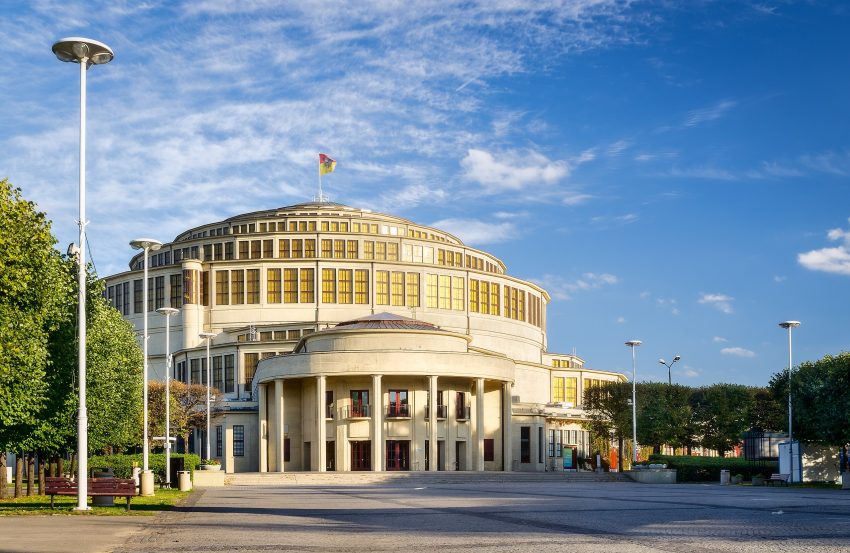
Centennial Hall (Hala Stulecia) in Wrocław is a UNESCO-listed early-Modernist landmark built in 1911–1913 by architect Max Berg, celebrated for its pioneering reinforced-concrete engineering. From the plaza, the building reads as a clean, symmetrical quatrefoil wrapped around a vast interior, crowned by a ribbed dome and lantern that feel larger in person than in photos. The approach is part of the experience: broad open squares, water features, and long sightlines that let you step back and take in the geometry. Inside, the Visitor Centre’s multimedia displays (including VR) help decode what you’re seeing, and the hall still functions as a working venue for large events.
Location: Hala Stulecia, Centennial Hall, Wystawowa, Wrocław, Poland | Hours: (Summer) April – October; Tuesday – Sunday: 10:00–18:00 (Winter) November – March; Tuesday – Sunday: 10:00–17:00. Closed on Monday. | Price: Visitor Centre exhibition 25 zł (regular), 20 zł (reduced), 45 zł (family); Exhibition + Centennial Hall sightseeing 30 zł (regular), 25 zł (reduced), 55 zł (family). | Website | Distance: 2.7km

30. Japanese Garden
Japanese Garden Wroclaw
CC BY-SA 3.0 / Hanc Tomasz
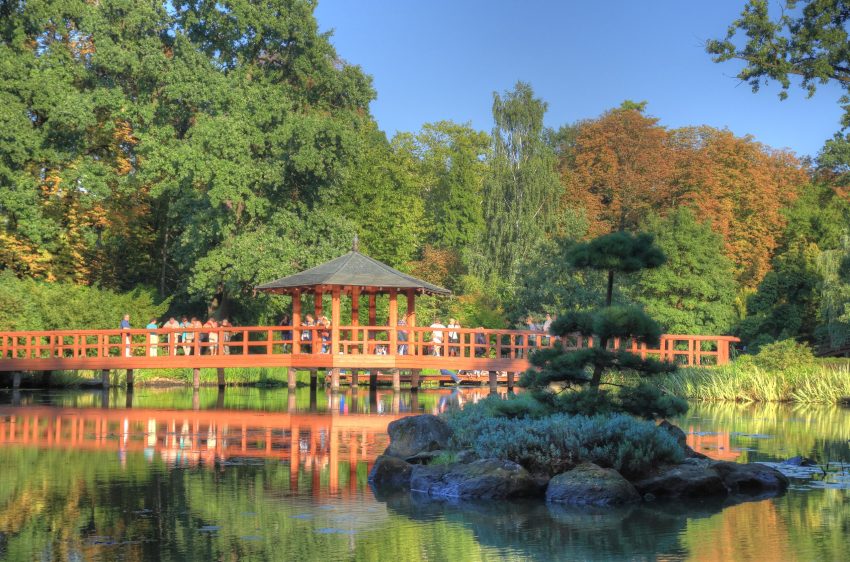
The Japanese Garden (Ogród Japoński) in Wrocław is a compact, carefully composed landscape tucked into Szczytnicki Park near Centennial Hall, designed for slow, attentive wandering. Arched bridges cross narrow streams and small cascades, leading to tranquil pond viewpoints where koi glide just below the surface. Stone lanterns, sculpted pines, and deliberately placed boulders create framed sightlines that reveal themselves gradually rather than all at once. Its roots reach back to the early-20th-century exhibition era, and a late-20th-century reconstruction reasserted the garden’s Japanese character through precise planting and water-and-stone composition. Visitors often remember the calm atmosphere, photogenic details, and how quickly the outside city noise drops away.
Location: Ogród Japoński, Adama Mickiewicza, Wrocław, Poland | Hours: (Summer) 1 April – 31 October: Daily: 09:00–19:00. (Winter) 1 November – 31 March: Closed. | Price: Normal 30 PLN; Reduced 20 PLN; Family 80 PLN. | Distance: 2.8km

31. Wroclaw Fountain
Wroclaw Fountain
Wroclaw Fountain
CC BY-SA 3.0 / Piotr Walczak & Konradr
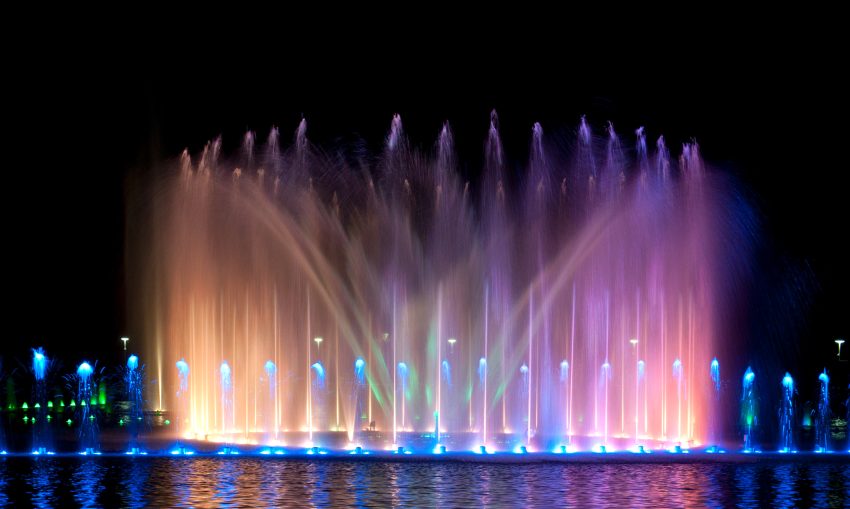
Wroclaw Fountain (Wrocław Multimedia Fountain) is a large open-air water, light, and music installation set in the Pergola beside Centennial Hall in Wrocław, Poland, designed for communal evening gatherings on the lawn. Opened in 2009, it spreads across roughly a hectare, using hundreds of jets and lighting points so the choreography plays out across the full curve rather than a single central spray. After dark, the illuminated arcs and reflections turn the space into a relaxed outdoor theatre, with people sitting on grass or bringing blankets and camping chairs. Shows run at regular intervals (often hourly), and while some visitors find the music quieter than expected, the scale and lighting make the performance feel immersive.
Location: Wrocław Fountain, Wystawowa, Wrocław, Poland | Hours: (Summer) May – October; Daily: 10:00–21:40. (Winter) November – April; Daily: Closed. | Price: Free. | Website | Distance: 2.8km

32. Szczytnicki Park
Szczytnicki Park
Szczytnicki Park
CC BY-SA 3.0 / Jaroslaw Komar
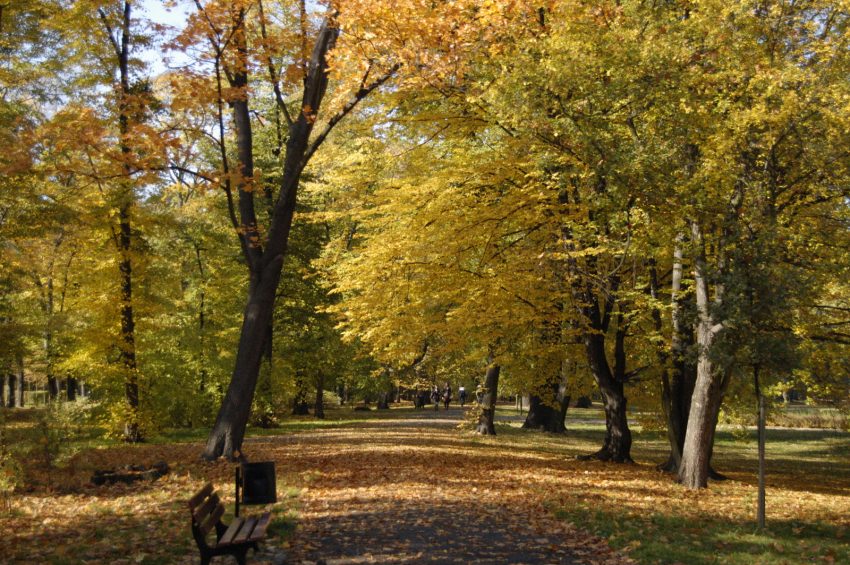
Szczytnicki Park is one of Wrocław’s largest, oldest green spaces—a sprawling landscape of broad avenues, deep shade from mature trees, and open lawns that locals use like an outdoor living room. It rewards unhurried wandering: paths slip from woodland-like pockets to ponds where you’ll often spot ducks, with plenty of benches and quiet corners to pause. In spring the planting feels especially fresh, and even when nearby areas get busy, the park’s scale makes it easy to find calmer stretches within minutes. The Japanese Garden is a carefully composed, ticketed add-on with bridges and water features, while squirrels and birdsong give the rest of the park its everyday, lived-in charm.
Location: Szczytnicki Park, Wrocław, Poland | Hours: 24 Hours | Price: Free. | Website | Distance: 3km

33. Wrocław Depot History Centre
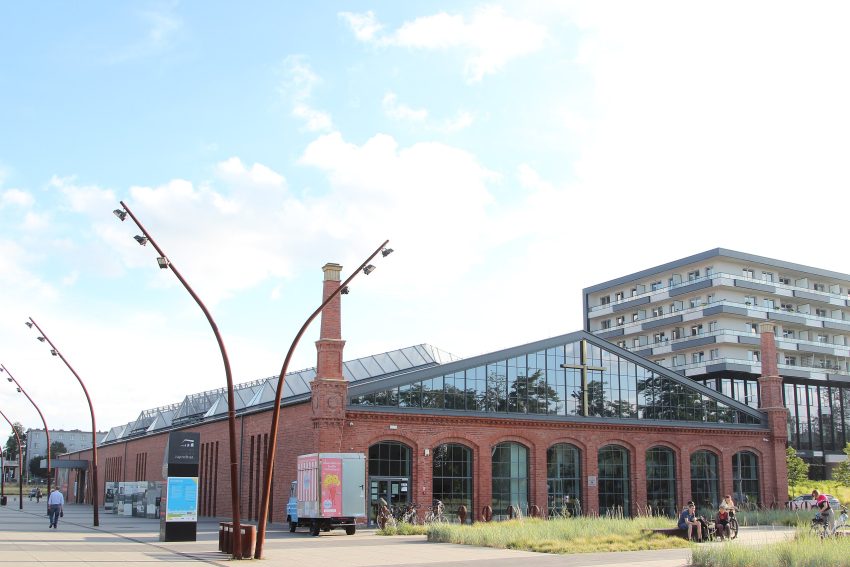
Wroclaw Depot History Centre
CC BY-SA 4.0 / Fallaner
Wrocław Depot History Centre (Centrum Historii Zajezdnia) is a contemporary museum set inside a former tram-and-bus depot on Grabiszyńska Street, where the building’s industrial scale becomes part of the story. Its core exhibition traces Wrocław’s post‑1945 transformation—war’s aftermath, population upheaval, rebuilding, and daily life under communism—through immersive, visual displays, personal objects, and recorded testimonies. The depot also carries Solidarity-era weight: in 1980 it was a local gathering point for workers supporting wider strikes, grounding the narrative in a specific place. Visitors often notice the interactive elements and the clear chronological route marked through the galleries, with enough material to absorb over a couple of hours.
Location: History Centre Zajezdnia, Grabiszyńska, Wrocław, Poland | Hours: Tuesday – Wednesday: 09:00–17:00 Thursday: 10:00–17:00 Friday – Sunday: 10:00–18:00. Closed on Monday. | Price: Standard: 20 zł Reduced: 10 zł Family: 55 zł (2 adults and two or more children). | Website | Distance: 3.6km

Best Day Trips from Wrocław

A day trip from Wrocław offers the perfect opportunity to escape the urban rhythm and discover the surrounding region's charm. Whether you're drawn to scenic countryside, historic villages, or cultural landmarks, the area around Wrocław provides a variety of easy-to-reach destinations ideal for a one-day itinerary. If you are looking to rent a car in Poland I recommend having a look at Discover Cars, first, as they compare prices and review multiple car rental agencies for you.

1. Adrspach Rock City
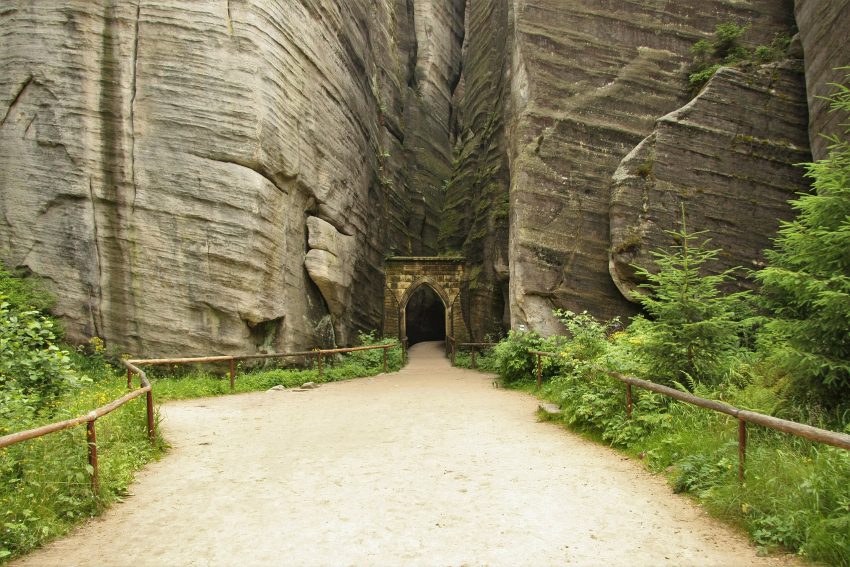
Gotická brána v Adršpašských skalách
CC BY-SA 4.0 / Vercaelsi
Adršpach Rock City is one of those places that immediately resets your expectations of what “nature” looks like in Central Europe. Set near the Polish border in northeastern Czechia, this reserve is a maze of towering sandstone pillars, tight rock corridors, and sudden clearings that feel like open-air rooms carved into stone. If you enjoy landscapes that feel dramatic and…
Location: Adršpach Rock Formation, Dolní Adršpach, Adršpach-Teplice nad Metují, Czechia | Hours: Winter: 8:00 - 16:00; Summer: 8:00 - 20:00 | Price: Adults: 200 czk (€8) | Website | Distance: 84.5km
Visiting Adrspach Rock City

2. Adrspach

Adrspach
Adrspach
Tucked away in the northeastern corner of the Czech Republic, near the Polish border in the Hradec Králové Region, Adršpach is one of Central Europe’s most surreal natural destinations. The village itself may seem unassuming, but just beyond it lies the Adršpach-Teplice Rocks—a labyrinth of towering sandstone pillars, narrow gorges, and moss-covered cliffs that seem straight out of a fantasy…
Visiting Adrspach

3. Leszno

Ratusz w Lesznie
Ratusz w Lesznie
CC BY-SA 3.0 / geo573
Leszno, located in the western part of Poland, is a charming city that offers a unique blend of modern amenities and historic charm. Situated in the Greater Poland region, it serves as an excellent base for exploring the nearby cities of Poznań and Wrocław. The city is known for its peaceful atmosphere, making it a great destination for those seeking…
Visiting Leszno

4. Kalisz

poland Kalisz
poland Kalisz
Kalisz, located in the heart of the Greater Poland region, offers visitors a blend of charming old-world atmosphere and vibrant modern attractions. Nestled along the Prosna River, this city is one of the oldest in Poland, with a strong sense of local pride and culture. The area surrounding Kalisz is rich in green spaces, and the city itself is known…
Visiting Kalisz
Powered by GetYourGuide

5. Poznań

Square in Poznan, Poland
Poznań, located in the Greater Poland region, is a dynamic city that perfectly balances rich culture with modern vibrancy. Visitors will find a lively atmosphere throughout the city’s squares, parks, and shopping streets, offering a wide range of experiences from trendy cafés and bustling markets to theaters and art galleries. The compact city center makes it easy to explore on…
Visiting Poznań
Powered by GetYourGuide

6. Gliwice

gliwice
gliwice
Visiting Gliwice offers a unique experience, especially for those looking to explore the charming blend of modernity and tradition. Located in the Silesian Voivodeship, in southern Poland, Gliwice is part of the larger Upper Silesian metropolitan area. The city is often seen as a more relaxed alternative to the hustle and bustle of nearby cities like Katowice, while still offering…
Visiting Gliwice

7. Konin

port Konin
port Konin
Konin is a charming city located in the Greater Poland region, surrounded by lush greenery and scenic countryside. Situated on the Warta River, the city offers a peaceful yet dynamic atmosphere, perfect for a relaxing getaway or a cultural exploration. Visitors can enjoy a stroll along the riverbanks or discover the city’s many parks, which are ideal for outdoor activities…
Visiting Konin
Powered by GetYourGuide

8. Częstochowa

Częstochowa
Częstochowa
CC BY-SA 3.0 / Jceel
Visiting Częstochowa, located in the southern part of Poland, offers a blend of spiritual significance and serene beauty. Nestled in the Silesian Voivodeship, this charming city is known for its peaceful atmosphere, making it an ideal destination for those seeking a moment of reflection. The landscape around Częstochowa is a mix of rolling hills and lush greenery, which creates a…
Visiting Częstochowa
Powered by GetYourGuide

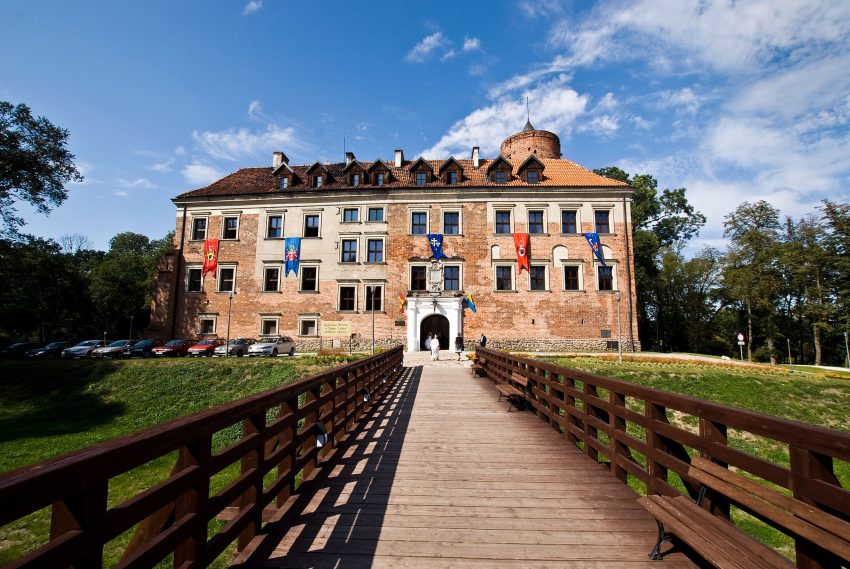
9. Uniejów

Uniejów Castle
Uniejów Castle
CC BY-SA 4.0 / Masandro
Uniejów is a popular destination in central Poland, best known for its thermal spa complex that attracts visitors looking for relaxation and wellness. The town’s thermal waters are naturally rich in minerals and have been developed into modern spa facilities offering a wide range of treatments, from healing baths and massages to therapeutic wellness programs. The spa’s pools, both indoor…
Visiting Uniejów

10. Czech Switzerland National Park
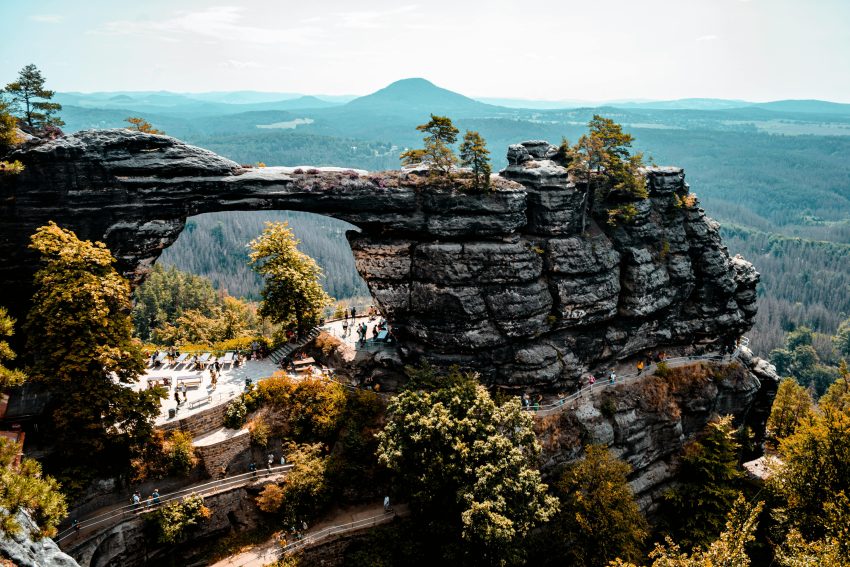
Pravčická Gate
Pravčická Gate
Bohemian Switzerland National Park is the kind of landscape that feels almost designed for explorers: towering sandstone cliffs, narrow gorges, deep forests, and viewpoints that suddenly open onto sweeping panoramas. Based around the gateway village of Hřensko, it’s one of the top sights in Hřensko for travelers who want an easy-to-access nature escape that still feels wild and atmospheric. What…
Location: Bohemian Switzerland National Park, Czechia | Hours: Park trails: always open Pravčická Gate site: opening times vary by season (commonly daytime hours). | Price: Free | Website | Distance: 188.4km
Visiting Czech Switzerland National Park

11. Auschwitz-Birkenau
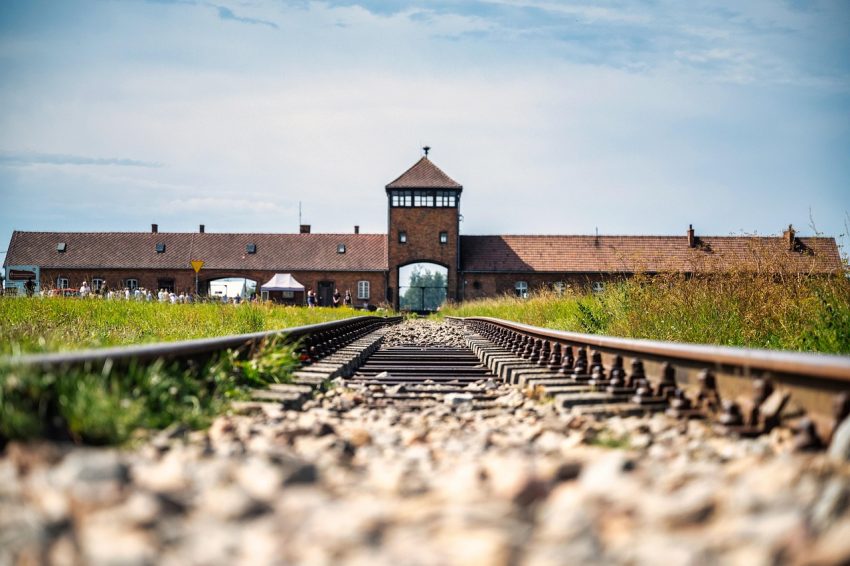
AUSCHWITZ BIRKENAU
AUSCHWITZ BIRKENAU
Auschwitz-Birkenau is one of the most significant and sobering places to visit in Oświęcim, a site that confronts visitors with the stark reality of the Holocaust. Established by Nazi Germany in 1940 and expanded into a vast extermination complex, Auschwitz became the principal site of the genocide where over 1.1 million people—mostly Jews—were murdered. A visit here is a time…
Location: Auschwitz-Birkenau, Ofiar Faszyzmu, Brzezinka, Poland | Hours: December – entry from 07:30, final admission 14:00–14:30 January, November – entry until 15:00 February – entry until 16:00 March, October – entry until 17:00 April, May, September – entry until 18:00 June, July, August – entry until 19:00, | Price: Free (you must get pass from website) | Website | Distance: 192.2km
Visiting Auschwitz-Birkenau
Powered by GetYourGuide

Where to Stay in Wrocław

Staying in the Old Town (Stare Miasto) provides easy access to Market Square, historic landmarks, and vibrant nightlife. For a quieter experience, accommodations along the Oder River offer scenic views and a relaxed atmosphere.

A 3 to 4-day stay is ideal for exploring Wrocław’s historic sites, island districts, and lively cultural scene. A 5-day stay allows for day trips to Książ Castle, Świdnica, or the Owl Mountains.

Using the our Hotel and Accomodation map, you can compare hotels and short-term rental accommodations in Wrocław. Simply insert your travel dates and group size, and you’ll see the best deals for your stay.

Wrocław Accommodation Map

Best Time to Visit Wrocław

Visiting Wrocław in Spring: March to May

Spring is a fantastic time to visit Wrocław, as the city awakens with blooming flowers and comfortable temperatures ranging from 10°C to 20°C (50°F to 68°F). The city’s parks and gardens, such as Szczytnicki Park and the Japanese Garden, are at their most picturesque. Outdoor cafes and markets start bustling again, and you can enjoy sightseeing without the peak summer crowds. Easter celebrations, complete with traditional markets in the Old Town, add a festive charm to the season.

Visiting Wrocław in Summer: June to August

Summer is the peak tourist season in Wrocław, offering long, sunny days with temperatures averaging 20°C to 30°C (68°F to 86°F). The city comes alive with outdoor events, festivals, and activities along the Oder River. Highlights include the Wrocław Good Beer Festival and evenings on the lively Wrocław Market Square. However, it’s the busiest time of year, so booking accommodations in advance is recommended.

Visiting Wrocław in Autumn: September to November

Autumn in Wrocław is perfect for those who love mild weather and fewer crowds. The city’s streets and parks are covered in golden leaves, creating a cozy, romantic atmosphere. Temperatures range from 10°C to 18°C (50°F to 64°F) in early autumn, gradually dropping as winter approaches. The autumn months are ideal for exploring Wrocław’s cultural sites and enjoying its hearty Polish cuisine in local restaurants.

Visiting Wrocław in Winter: December to February

Winter in Wrocław offers a magical experience, especially in December when the city hosts one of Poland’s most famous Christmas markets in the Old Town. Temperatures often dip below freezing, but the festive lights, mulled wine, and ice-skating rinks more than make up for it. January and February are quieter months, providing an opportunity to explore attractions like the Panorama of Racławice and Wrocław Cathedral without large crowds.

Annual Weather Overview

  • January 4°C
  • February 7°C
  • March 11°C
  • April 18°C
  • May 20°C
  • June 25°C
  • July 25°C
  • August 28°C
  • September 23°C
  • October 16°C
  • November 9°C
  • December 6°C

How to get to Wrocław

Getting to Wrocław

By Plane

Wrocław is served by Copernicus Airport (WRO), located just 10 km (6 miles) west of the city center. The airport connects to major European cities, making it a convenient entry point for international visitors. From the airport, you can reach the city center via taxi, rideshare services, or bus number 106, which operates frequently throughout the day.

By Train

Wrocław Główny, the city's main train station, is a hub for domestic and international rail services. Direct trains connect Wrocław to major cities in Poland, such as Warsaw, Kraków, and Gdańsk, as well as international destinations like Berlin, Prague, and Vienna. The station is centrally located, making onward travel simple. You can easily check schedules and book tickets through the PKP Intercity website. However, for a smoother experience, we recommend using Omio, which simplifies the booking process and lets you compare prices and schedules all in one place.

By Bus

Wrocław’s central bus station, adjacent to Wrocław Główny, offers numerous connections with other Polish cities and nearby European destinations. Budget travelers often opt for long-distance bus services provided by companies like FlixBus and PolskiBus.

By Car

Driving to Wrocław is a great option if you want flexibility in exploring the surrounding Lower Silesian countryside. The city is well-connected to Poland's highway system, with the A4 motorway linking Wrocław to Kraków and Dresden. Parking can be challenging in the Old Town, so consider accommodations with private parking or use public lots.

Getting Around Wrocław

Wrocław’s compact size and extensive public transportation network make it easy to navigate. You can explore much of the Old Town and nearby attractions on foot or rent a bike from one of the city’s bike-sharing stations.

The city also boasts a well-developed tram and bus network, with affordable single-ride or day tickets. If you prefer convenience, ridesharing apps like Bolt and Uber operate within Wrocław. For a scenic experience, consider taking a boat ride along the Oder River to view the city from a unique perspective.

Powered by GetYourGuide

More from this area