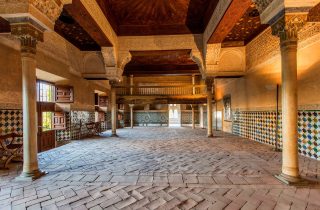
Torre de las Cabezas, Granada
Tower in Granada
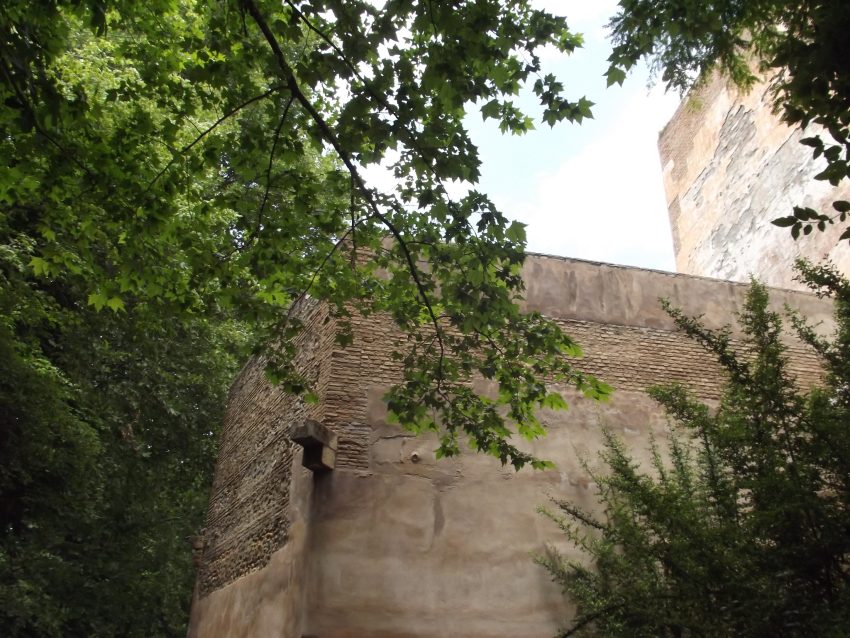
The Torre de las Cabezas is one of those intriguing corners of the Alhambra Complex that often escapes the casual visitor, yet its austere walls hold some of the site's most vivid and unsettling stories. With its elongated rectangular form jutting proudly from the ramparts, the tower once controlled a strategic point along the walls where guards patrolled the rampart walk. Today it remains one of the top sights in Granada for travelers fascinated by the darker chapters of medieval life.
Standing between the Torre de la Bruja and the Torre de las Abencerrajes, this tower is a great place to visit on a walking tour of Granada, especially for those who enjoy uncovering lesser-known spaces that combine architecture, folklore, and raw history. Its former role as a prison, and its even more chilling association with displaying the severed heads of the condemned, make it one of the must-see places in Granada for those who appreciate stories that go beyond the usual palace splendour.
Table of Contents
- History and Significance of Torre de las Cabezas
- Things to See and Do in Torre de las Cabezas
- How to Get to Torre de las Cabezas
- Practical Tips on Visiting Torre de las Cabezas
- Where to Stay close to Torre de las Cabezas
- Is Torre de las Cabezas Worth Visiting?
- FAQs for Visiting Torre de las Cabezas
- Nearby Attractions to Torre de las Cabezas
History and Significance of Torre de las Cabezas
The Torre de las Cabezas dates back to the Nasrid period, when the Alhambra's defensive system was strengthened with towers, gates, and fortified walls. Its rectangular layout made it especially useful for both surveillance and defensive manoeuvres, as soldiers could observe approaching threats and send alerts across the ramparts. The tower protrudes outward from the main wall, allowing a wider field of view over the surrounding terrain.
Its name, the Tower of the Heads, comes from its historical function as a prison. During both Muslim and Christian control, prisoners were held in its confined interior, and those condemned to death suffered a grim fate. Their severed heads were allegedly displayed on the tower’s exterior as a warning to others. This macabre detail gives the site a unique place in the Alhambra’s layered history, representing the military and judicial power that once governed life within these walls.
Over time, the tower’s defensive role faded, but its reputation endured. Even today, as you stand inside its narrow corridors or look out from its vantage points, it’s easy to imagine the weight of centuries of authority and fear that once defined this part of the fortress.
Things to See and Do in Torre de las Cabezas
Visitors can explore the tower’s interior spaces, stepping into the areas once used as prison cells. The tight, vaulted rooms still convey the oppressive atmosphere that gave rise to its darker legends. The walkway leading to the tower provides excellent views of the Alhambra’s defensive line, allowing you to appreciate how each tower played a part in guarding the palace-city.
As you make your way along the ramparts, notice how the tower's outward projection provided strategic coverage. From the exterior, its stark stone façade offers a striking contrast to the ornate palaces nearby. The location between the Torre de la Bruja and the Torre de las Abencerrajes makes it ideal for incorporating into a wider exploration of the Alhambra's fortifications.
For photography enthusiasts, the tower’s rugged geometry and surrounding views offer a refreshing alternative to the more polished palace interiors. Early morning or late afternoon light works particularly well for capturing the atmosphere.
How to Get to Torre de las Cabezas
It is reached most easily through Granada's main international access point, Federico García Lorca Granada-Jaén Airport. For the best deals and a seamless booking experience, check out these flights to Granada on Booking.com.
Granada also connects well to major Spanish cities by rail, with trains arriving at Granada Railway Station from Madrid, Málaga, and Seville. Train schedules and bookings can be found on Omio.
If travelling by car, you can reach the Alhambra Complex via the Ronda Sur and use one of the designated car parks before walking into the grounds. If you are looking to rent a car in Spain I recommend having a look at Discover Cars, first, as they compare prices and review multiple car rental agencies for you.
The Torre de las Cabezas is accessed from within the Alhambra Complex.
Practical Tips on Visiting Torre de las Cabezas
- Suggested tips: Wear comfortable shoes, as the Alhambra involves extensive walking and uneven medieval surfaces.
- Best time to visit: Early morning or late afternoon when the site is quieter and lighting is softer.
- Entrance fee: The Torre de las Cabezas is part of the Alhambra Complex and access it you need to purchase Alhambra Tickets or a Alhambra Guided Tour.
- Opening hours: For opening times of the Torre de las Cabezas see [link_post post_id="3786" anchor="opening" type="link"]Alhambra Opening Times[/link_post]. Access is normally restricted unless to building forms part of the Space of the Month program.
- Official website:
- How long to spend: Around 15-25 minutes at the tower itself, longer if exploring nearby ramparts.
- Accessibility: Due to steps and narrow passages, accessibility is limited.
- Facilities: Toilets and cafés are located elsewhere within the Alhambra complex.
- Photography tip: Capture the tower from the rampart walk for the best angle and context.
- Guided tours: Many Alhambra tours include this tower on extended routes focusing on lesser-known defensive structures.
- Nearby food options: Cafés within the Alhambra and additional dining choices in the Albaicín district below.
Where to Stay close to Torre de las Cabezas
Staying near the Alhambra allows you to enjoy the fortress in the quieter hours of the day and makes reaching the Torre de las Cabezas especially easy. Options nearby include Parador de Granada, which offers historic surroundings inside the complex itself. Another excellent choice is Hotel America, a charming boutique option steps from the main pathways. For those who prefer modern comfort close by, Eurostars Washington Irving provides stylish rooms and quick pedestrian access to the monument.
Is Torre de las Cabezas Worth Visiting?
Yes, the Torre de las Cabezas is absolutely worth visiting, especially for travelers who enjoy exploring the defensive and lesser-known structures of the Alhambra. Its chilling history, impressive positioning along the walls, and atmospheric interior make it a fascinating contrast to the palatial splendour nearby. It adds depth, understanding, and texture to any visit to Granada's iconic fortress.
FAQs for Visiting Torre de las Cabezas
Nearby Attractions to Torre de las Cabezas
- Torre de la Bruja: A neighbouring defensive tower with its own legends and commanding views.
- Torre de las Abencerrajes: Another historic tower tied to the story of the noble Abencerraje family.
- Alcazaba: The oldest military section of the Alhambra with panoramic viewpoints.
- Nasrid Palaces: The exquisite heart of the complex, showcasing Granada's most refined Islamic artistry.
- Generalife Gardens: Peaceful landscaped terraces and pavilions just a short walk away from the main fortifications.
The Torre de las Cabezas appears in our Complete Guide to Visiting Granada!

Moira & Andy
Hey! We're Moira & Andy. From hiking the Camino to trips around Europe in Bert our campervan — we've been traveling together since retirement in 2020!
This website uses affiliate links which may earn a commission at no additional cost to you!
Planning Your Visit
For opening times of the Torre de las Cabezas see Alhambra Opening Times.
Access is normally restricted unless to building forms part of the Space of the Month program.
The Torre de las Cabezas is part of the Alhambra Complex and access it you need to purchase Alhambra Tickets or a Alhambra Guided Tour.
Nearby Attractions
- Torre de las Abencerrajes (0.1) km
Tower - Torre de la Bruja (0.1) km
Tower - Torre del Capitán (0.1) km
Tower - Alhambra Complex (0.1) km
Castle, Gardens, Notable Building and Palace - Camino de Ronda (0.1) km
Street - Puerta de Birrambla (0.1) km
City Gate - Convento de San Francisco (0.1) km
Convent - Puerta de los Carros (0.1) km
City Gate - Angel Barrios Museum (0.1) km
Museum - Baño de la Mezquita (0.1) km
Baths