Convento de San Francisco, Granada
Convent in Granada
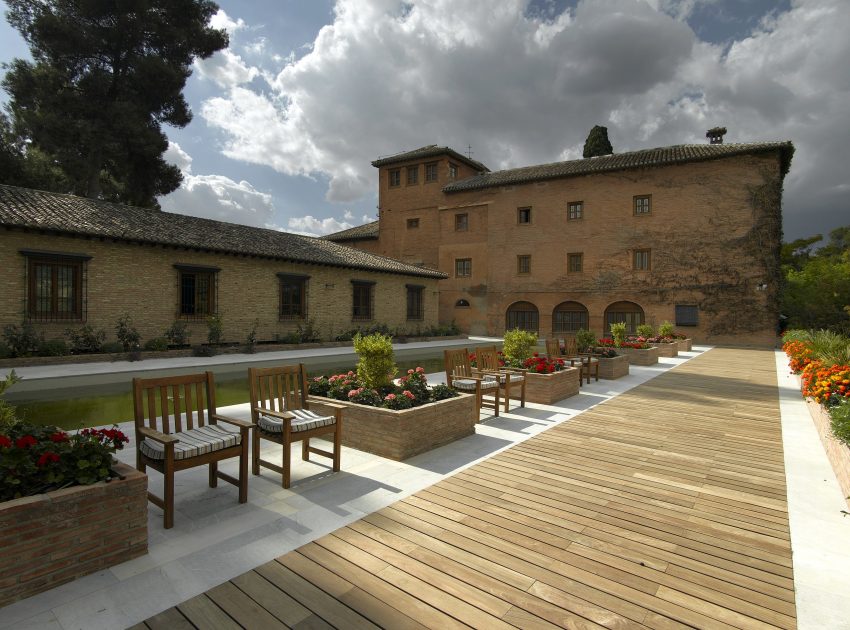
Convento de San Francisco in Granada, Spain, is a historic building inside the Alhambra complex, now operating as the Parador de Granada. It stands on one of the city's most layered sites, where a Nasrid palace was later converted into the first Christian convent in Granada.
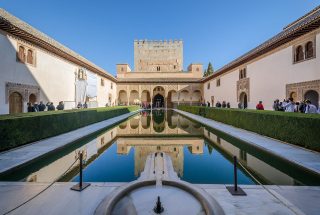
Visitors notice the blend of surviving Islamic layout, monastic alterations, and later restoration. The courtyard water channel and small pond still suggest the earlier palace design, while the current building reflects centuries of reuse. It suits visitors interested in the Alhambra’s changing history, and it is mainly a short, low-key stop rather than a long visit.
Table of Contents
- History and Significance of the Convento de San Francisco
- Things to See and Do at the Convento de San Francisco
- How to Get to the Convento de San Francisco
- Practical Tips on Visiting the Convento de San Francisco
- Where to Stay close to the Convento de San Francisco
- Is the Convento de San Francisco Worth Visiting?
- FAQs for Visiting Convento de San Francisco
History and Significance of the Convento de San Francisco
The story begins with the Nasrid Palacio de los Infantes, built under Muhammad III (1302-1309). This early 14th-century palace featured a long courtyard with water channels, porticoes, and a central viewpoint, typical of Nasrid domestic architecture. On 6 January 1492, just four days after the surrender of Muhammad XII (Boabdil), the first Christian mass in the Alhambra was celebrated here-a symbolic beginning of the site's transformation.
In 1494, Ferdinand and Isabella donated the palace to the Franciscan order to establish Granada’s first convent. The monks converted much of the palace to suit monastic life: gardens became vegetable plots, the courtyard became a cloister, and the main Nasrid qubba was transformed into a chapel. This chapel famously housed the temporary tombs of the Catholic Monarchs until 1521, when their remains were moved to the Royal Chapel of Granada Cathedral. Several architectural changes-including widening the church door and constructing a crypt-were made to accommodate their burials.
In the late 18th century, a new cloister and tower were added, though these works unfortunately required the demolition of large sections of the original Nasrid structure. During the Napoleonic occupation of 1810, the convent suffered catastrophic damage: its artworks were burned, its bells melted for ammunition, and its spaces used as military quarters.
After the monks were expelled in 1835, the convent fell into decline, serving as everything from a tenement to a donkey stable. It was nearly lost until early 20th-century intellectuals intervened. Between 1927 and 1936, under architect Leopoldo Torres Balbás, much of the ruin was rescued. Archaeologist Francisco Prieto-Moreno uncovered an Arab hammam and oversaw reconstruction that shaped the building into its modern form. This restoration laid the foundation for what is now the Parador de Granada.
Things to See and Do at the Convento de San Francisco
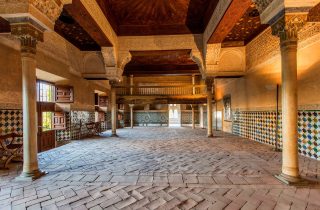
Visitors staying at or walking past the Parador will find that many layers of history remain visible. The Nasrid water channel still runs across the courtyard floor, feeding a quiet rectangular pond that hints at the original palace layout. The subtle blend of Arabic and Christian architectural elements inside the hotel-arched details, wooden ceilings, monastic rooms-reveals centuries of adaptation.
Inside the former chapel, you can appreciate the site’s role as the temporary resting place of Ferdinand and Isabella. Plaques and historic references throughout the building recount its evolution from Islamic palace to royal burial site to Franciscan convent.
The nearby gardens and viewpoints offer peaceful corners overlooking the Alhambra walls and the valley of the Darro.
How to Get to the Convento de San Francisco
Travellers arriving in Granada typically land at Granada Airport before continuing by taxi or bus into the city. For the best deals and a seamless booking experience, check out these flights to Granada on Booking.com.
For those travelling by rail, Granada's central train station offers good connections and easy access to buses leading up toward the Alhambra complex. Train schedules and bookings can be found on Omio.
If arriving by car, parking areas near the Alhambra allow convenient access before walking along the Calle Real de la Alhambra to reach the convent. If you are looking to rent a car in Spain I recommend having a look at Discover Cars, first, as they compare prices and review multiple car rental agencies for you.
The convent is located along the upper stretch of the Calle Real de la Alhambra, near the Church of Santa María and the route toward the Generalife.
Practical Tips on Visiting the Convento de San Francisco
- Suggested tips: Even if you are not staying at the Parador, you can admire the building’s exterior and understand its historical importance while exploring the Calle Real.
- Best time to visit: Early morning or late afternoon when the light softens the façades and the surrounding paths are quieter.
- Entrance fee:
- Opening hours:
- Official website:
- How long to spend: 10-20 minutes viewing the exterior; longer if staying at the Parador.
- Accessibility: The area is generally accessible, though some paths are cobbled.
- Facilities: Full hotel facilities available to guests; cafés and services nearby for general visitors.
- Photography tip: Capture the courtyard water channel at an angle that reveals its Nasrid design origins.
- Guided tours: Some extended Alhambra history tours discuss the convent's role and its link to the Catholic Monarchs.
- Nearby food options: The Parador restaurant for guests; otherwise, cafés near Cuesta de Gomérez and the Alhambra ticket office.
Where to Stay close to the Convento de San Francisco
For the most immersive experience, stay inside the historic walls at the Parador de Granada. Nearby, the elegant Eurostars Washington Irving offers refined comfort close to the Generalife. If you prefer a location near the Darro River with easy access to the Alhambra forest paths, choose Hotel Casa 1800 Granada.
Is the Convento de San Francisco Worth Visiting?
Yes. Whether viewed from the outside or experienced as a guest, the Convento de San Francisco offers a powerful sense of the Alhambra's historical evolution. Its survival-from Nasrid residence to convent, from ruin to Parador-makes it one of the most evocative places to see in Granada.
What Other Travellers Say...
Convento de San Francisco, located on C. Real de la Alhambra in Granada, is a former convent now a parador within the Alhambra complex; visitors praise its well-kept gardens and a beautiful central courtyard with fountains and benches that make a pleasant spot for a stroll or to relax, and note that parts of the site can be visited for free as you explore the Alhambra.


FAQs for Visiting Convento de San Francisco
The Convento de San Francisco appears in our Complete Guide to Visiting Granada!

Moira & Andy
Hey! We're Moira & Andy. From hiking the Camino to trips around Europe in Bert our campervan — we've been traveling together since retirement in 2020!
This website uses affiliate links which may earn a commission at no additional cost to you!
Planning Your Visit
Nearby Attractions
- Alhambra Complex (0.1) km
Castle, Gardens, Notable Building and Palace - Jardines del Partal (0.1) km
Gardens - Torre de la Bruja (0.1) km
Tower - Torre de la Cautiva (0.1) km
Palace and Tower - Torre del Capitán (0.1) km
Tower - Torre del Cadí (0.1) km
Tower - Torre de las Cabezas (0.1) km
Tower - Torre de las Abencerrajes (0.1) km
Tower - Palacio de Yusuf III (0.1) km
Gardens and Palace - Puerta de Hierro (0.1) km
City Gate