Sacromonte, Granada
Area in Granada
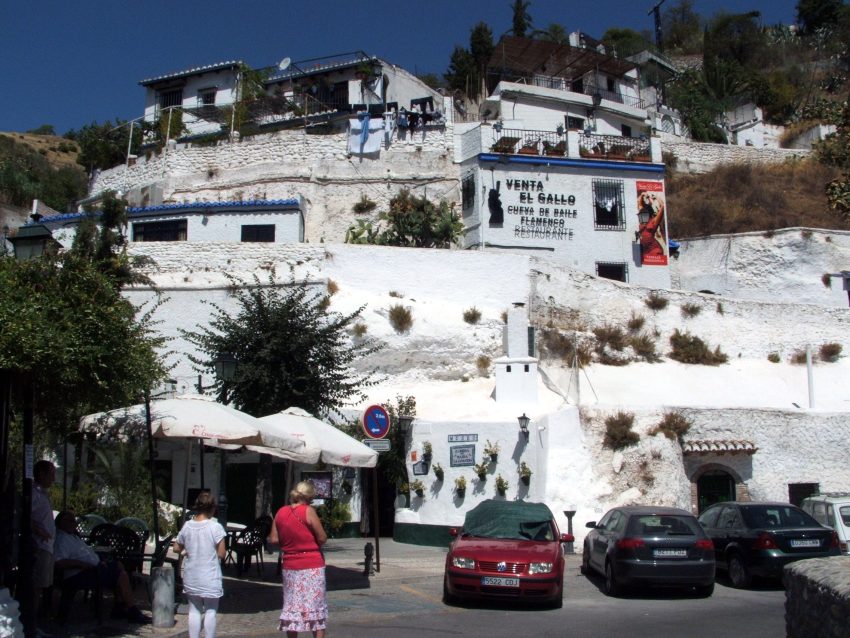
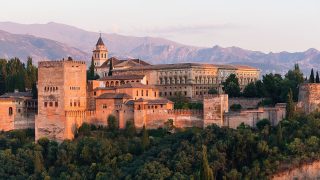
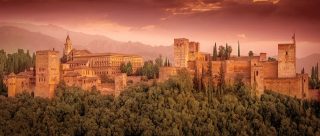
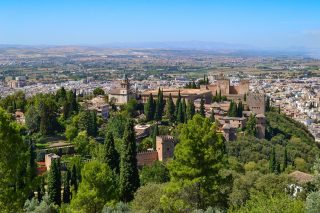
The Sacromonte district rises along the Valparaíso hill overlooking Granada, offering sweeping views of the Alhambra, the Albaicín, and the River Darro. As one of the six neighbourhoods of the Albayzín district, Sacromonte is renowned for its whitewashed cave dwellings, Romani heritage, and flamenco culture. Today it remains one of Granada's most atmospheric areas and a highlight of many walking tours of Granada.
Shaped by the convergence of expelled Jewish and Muslim families with the Romani population after the Christian reconquest, Sacromonte developed into a distinctive cultural enclave. Its caves, legends, and flamenco traditions continue to define its identity and draw visitors from around the world.
Table of Contents
- History of Sacromonte in 1 Minute
- Cuevas del Sacromonte
- Legend of the Ravine of the Blacks
- Sacromonte Quarter & Flamenco
- Which Flamenco Shows to See in Sacromonte
- El Fuente de la Amapola
- Where Does Sacromonte Get Its Name?
- How to Get to Sacromonte
- Practical Tips for Visiting Sacromonte
- Where to Stay Near Sacromonte
- Is Sacromonte Worth Visiting?
- FAQs for Visiting Sacromonte
- Nearby Attractions to Sacromonte
History of Sacromonte in 1 Minute
Following the Christian reconquest in the 15th century, displaced Jewish and Muslim communities settled on the slopes of Cerro de San Miguel, where they mingled with the nomadic Romani people. By the 16th century they began excavating homes directly into the rock, creating the cave dwellings that give Sacromonte its unique character.
Because the area lay outside Granada's walls, its residents lived beyond direct administrative and ecclesiastical control, creating a semi-independent enclave. Over time, the caves became a refuge for Romani communities, artisans, and flamenco performers, forming one of the most distinctive cultural districts in Andalusia.
Sacromonte also sits along the Camino del Sacromonte, the old Muslim route to Guadix, adding another layer of historical continuity.
Cuevas del Sacromonte
The Cuevas del Sacromonte, now a museum of 11 preserved caves, offers insight into the history, craftsmanship, and traditions of the district. These troglodyte houses-named for their construction inside rock shelters-vary greatly in size and layout depending on the terrain.
Zambra caves, located near the main road, are the most famous. These wide, whitewashed caves decorated with gleaming copper pots host flamenco performances that blend Romani, Arabic, and Andalusian influences.
In the upper Sacromonte, the caves are more residential in style, with kitchens, sleeping spaces, and small courtyards carved into the hillside.
Legend of the Ravine of the Blacks
The Barranco de los Negros is tied to one of Sacromonte's most enduring legends. When the Moors were expelled from Granada, they supposedly hid their treasures in the hills before leaving. Freed slaves attempted to unearth these riches, digging deep pits-but found nothing. With no treasure and nowhere to go, they turned these holes into homes. Over time, these pits evolved into the cave dwellings that characterize Sacromonte.
Sacromonte Quarter & Flamenco
Flamenco is inseparable from Sacromonte. The Romani community blended Spanish flamenco with elements of Arab dance to create the Zambra, a passionate, intimate style traditionally performed in caves. Although today many performances cater to tourists, the atmosphere remains unforgettable.
At night the district comes alive with music, lantern light, and the rhythms of guitar and dance. By day, the viewpoint trails offer some of the best panoramas in Granada.
Which Flamenco Shows to See in Sacromonte
Sacromonte's flamenco performances are now commercial but remain a memorable experience. Many travellers consider a flamenco night in a cave essential during their stay in Granada.
El Fuente de la Amapola
Hidden within Sacromonte’s winding paths, this small fountain is linked to a romantic legend. Its inscription reads: “How I would love to be the neighborhood fountain; for when you pass by and drink, I feel close to your lips.” It is said that those who drink here may find true love.
Where Does Sacromonte Get Its Name?
Between 1595 and 1599, relics and mysterious “lead books” were discovered on the hill of Valparaíso. These undecipherable texts in Arabic and Latin were once believed to contain sacred Christian writings. Although later proven fake, they inspired the construction of the Abbey of Sacromonte, home to relics of Saint Caecilius, one of Granada's patron saints.
Sacromonte means “holy mountain” - a reference to this ecclesiastical history.
How to Get to Sacromonte
Sacromonte is reachable on foot from central Granada, though the climb is steep.
You can also take bus 34 or C2 from Plaza Nueva to Sacromonte.
- Nearest airport: Federico García Lorca Granada-Jaén Airport For the best deals and a seamless booking experience, check out these flights to Granada on Booking.com.
- Train connections: Regular routes from Málaga, Madrid, and Seville make accessing Granada straightforward before continuing to the Sacromonte hills. Train schedules and bookings can be found on Omio.
- Parking: Limited in the old town; walking or bus transport is recommended. If you are looking to rent a car in Spain I recommend having a look at Discover Cars, first, as they compare prices and review multiple car rental agencies for you.
Practical Tips for Visiting Sacromonte
- Suggested tips: Bring comfortable shoes-the terrain is steep and uneven.
- Best time to visit: Sunset for spectacular Alhambra views and nighttime for flamenco.
- Entrance fee: Free
- Opening hours: 24 Hours
- Official website:
- How long to spend: 1-2 hours exploring caves and viewpoints; longer if staying for flamenco.
- Accessibility: Many paths are steep and not wheelchair-friendly.
- Facilities: Cafés and flamenco venues can be found along the Camino del Sacromonte.
- Photography tip: Capture the Alhambra at golden hour from hillside viewpoints.
- Guided tours: Cultural walking tours often include Sacromonte and the Albaicín.
- Nearby food options: Tapas bars in the Albaicín and along Paseo de los Tristes.
Where to Stay Near Sacromonte
For cave-style accommodation, look at Cuevas El Abanico. For panoramic views over the Alhambra, Mirador del Albaicín is a favourite. A boutique option closer to the city centre is Casa del Capitel Nazarí.
Is Sacromonte Worth Visiting?
Absolutely-Sacromonte offers a vivid blend of history, culture, scenery, and tradition. Its caves, flamenco heritage, and viewpoints make it one of Granada's most memorable districts.
What Other Travellers Say...

Abadía del Sacromonte sits on Mount Valparaíso above the Albaicín and offers underground holy caves, a small museum and artworks, an audio tour accessed via the abbey's free Wi‑Fi and helpful staff, plus panoramic views over Granada and the Alhambra; expect a steep walk up (or a local bus), modest but interesting rooms and low‑ceiling cave passages to watch your head, occasional midday closures to factor into timing, and nearby cave flamenco shows and a small town worth visiting.


FAQs for Visiting Sacromonte
Nearby Attractions to Sacromonte
- Abbey of Sacromonte: Built to house the “lead books” and relics.
- Paseo de los Tristes: A scenic riverside promenade below the Alhambra.
- Albayzín: Granada's historic Arab quarter with winding lanes and viewpoints.
- Mirador de San Nicolás: One of Granada's most famous viewpoints.
- Darro Valley trails: Ideal for scenic walks between Sacromonte and the Alhambra.
The Sacromonte appears in our Complete Guide to Visiting Granada!

Moira & Andy
Hey! We're Moira & Andy. From hiking the Camino to trips around Europe in Bert our campervan — we've been traveling together since retirement in 2020!
This website uses affiliate links which may earn a commission at no additional cost to you!
Planning Your Visit
24 Hours
Free
Nearby Attractions
- Escalera del Agua (0.4) km
Historic Site and Notable Building - Mirador Romántico (0.4) km
Viewing Point - Jardines Altos (0.4) km
Gardens - Pabellón Norte del Palacio del Generalife (0.4) km
Historic Building - Patio del Ciprés (0.4) km
Courtyard - Patio de la Acequia (0.4) km
Courtyard - Palacio del Generalife (0.4) km
Palace - Pabellón Sur de Generalife (0.4) km
Historic Building - Casa de los Amigos (0.4) km
Historic Building - Patio de la Guardia (0.5) km
Courtyard