Self-Guided Walking Tour of Bari, Italy (2026)

Free Self Guided Walking Tour of Bari

This website uses affiliate links which earn a small commission at no additional cost to you.

Discover the vibrant charm and rich history of Bari, Italy, on a free walking tour that takes you through the heart of this captivating coastal city. As the capital of the Apulia region, Bari is a treasure trove of cultural wonders, from its ancient streets lined with centuries-old churches to its bustling markets and picturesque seafront. Whether you're a history buff eager to explore its storied past or a curious traveler looking to experience authentic Southern Italian life, this walking tour offers a perfect introduction to Bari's unique blend of tradition and modernity. Join us as we stroll through the labyrinthine alleys of the Old Town, uncovering hidden gems, iconic landmarks, and the local flavor that makes Bari an unforgettable destination.

How to Get to Bari

By Plane: The main airport serving Bari is Bari Karol Wojtyła Airport (BRI), located about 8 km northwest of the city center and well-connected to international and domestic destinations. From the airport, you can reach Bari by train, bus, or taxi in around 15-20 minutes. For the best deals and a seamless booking experience, check out these flights to Bari on Booking.com.

By Train: Bari Centrale is the city's main railway station, offering frequent connections to major Italian cities like Rome, Naples, and Milan. From the station, it's a short walk or a quick bus ride to the Old Town, making it convenient for travelers arriving by train. Use Omnio to easily compare schedules, book train tickets, and find the best prices all in one place for a hassle-free journey across Italy.

By Car: Bari is accessible via the A14 and A16 motorways. While driving in the city center can be challenging due to narrow streets and limited parking, several parking facilities are available on the outskirts of the Old Town. From there, you can easily explore the city on foot. If you are looking to rent a car in Italy I recommend having a look at Discover Cars, first, as they compare prices and review multiple car rental agencies for you.

Where to Stay in Bari

For a walking tour of Bari's historic center, staying within or near Bari Vecchia offers the most convenience. A luxurious option is iH Hotels Bari Grande Albergo delle Nazioni, which boasts stunning sea views and is just a short stroll from the Old Town. For a boutique experience, Palazzo Calò offers modern amenities within a historic building in the heart of Bari Vecchia. Budget-conscious travelers might consider Hotel Boston, which provides comfortable accommodations close to the city’s main attractions. These options place you within easy reach of Bari’s rich history, vibrant street life, and culinary delights.

A Short History of Bari

Bari, a historic port city on Italy's Adriatic coast, has roots dating back to the Roman era but rose to prominence during the Middle Ages as a key trading and religious center. The city's medieval strength is embodied in the Castello Normanno-Svevo, originally built by the Normans in the 12th century and later fortified by Frederick II of Swabia. Bari's religious heritage is anchored by the Basilica San Nicola, completed in 1087 to house the relics of Saint Nicholas, and the Cattedrale di San Sabino, a Romanesque cathedral begun in the 11th century that showcases centuries of architectural evolution. Other notable churches, like Santa Maria del Buonconsiglio, and museums such as the Archaeological Museum of Santa Scolastica and Museo Nicolaiano, preserve Bari's rich cultural and religious history.

The city's civic life developed around squares like Piazza Mercantile and Piazza del Ferrarese, which have been centers of trade and social gathering since medieval times. Bari also became a hub for the arts, with landmarks such as the Petruzzelli Theatre, inaugurated in 1903, and the Margherita Theatre reflecting the city's growing cultural scene. Modern institutions like the Bari Civic Museum and Museo Diocesano continue to celebrate the city's artistic and historical legacy. Today, the scenic Lungomare Nazario Sauro promenade and the Sant'Antonio Abate Fortino, a coastal fortification, blend Bari's maritime character with its centuries-old heritage.

Should I take a Guided or Self-Guided Walking Tour of Bari?

If you're spending a day in Bari and want to immerse yourself in its rich history and vibrant culture, consider joining this Guided Walking Tour. This 2 hour tour engaging tour, led by passionate local guides, takes you through the heart of Bari Vecchia (Old Town), unveiling hidden gems, historic landmarks, and authentic experiences that define this southern Italian city.

Your Walking Tour of Bari

This tour shows you all the main attractions in Bari, you probably wont have time to enter all of them, choose what suits you based on your time, budget and interests.

1. Castello Normanno-Svevo
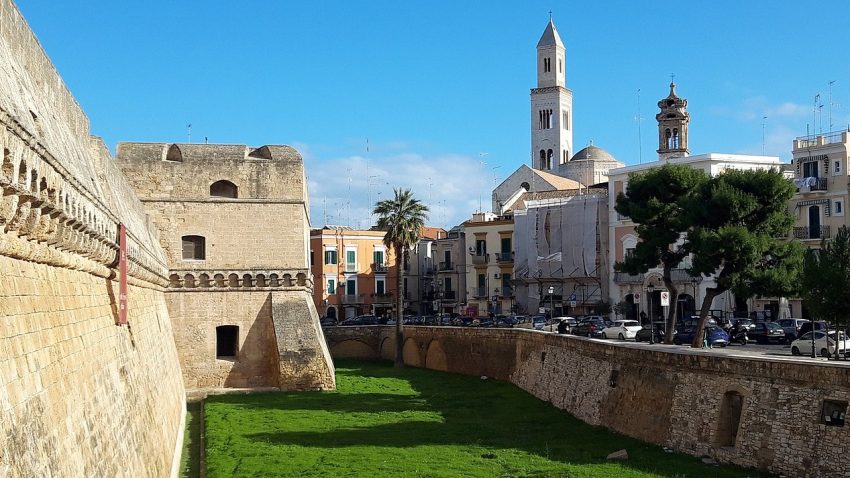
Bari   Castello Normanno Svevo
Bari Castello Normanno Svevo
CC BY-SA 4.0 / Ysogo

The Castello Normanno-Svevo, or Norman-Swabian Castle, is one of Bari’s most iconic landmarks, offering a glimpse into the city’s turbulent and fascinating medieval past. Originally built by the Norman King Roger II in the 12th century, the castle was later expanded and fortified by Emperor Frederick II of the Swabian dynasty in the 13th century, giving it the distinctive appearance that it has today. The castle’s massive stone walls, robust towers, and strategic moat underscore its historical role as a formidable defensive structure designed to protect the city from invasions. Over the centuries, it has served various purposes, including as a royal residence, a fortress, and even a prison.

Today, the Castello Normanno-Svevo is not only a symbol of Bari’s rich history but also a cultural hub, housing temporary exhibitions, cultural events, and a museum that showcases medieval artifacts and the history of the castle itself. Visitors can explore the castle’s interior, including its grand halls, courtyards, and the small museum, which offers insights into the architectural evolution and historical significance of the site. The castle also provides panoramic views of the old town and the Adriatic Sea, making it a must-visit for those interested in both history and photography. Walking through the Castello Normanno-Svevo, you can almost feel the echoes of the past, from the Norman conquerors to the Swabian emperors, who shaped the history of Bari and left an indelible mark on its landscape.


Location: Castello Normanno-Svevo di Sannicandro, Piazza Castello, Sannicandro di Bari, Metropolitan City of Bari, Italy | Hours: Daily 9:00 - 19:00 Closed Monday, Tciket office closes at 18:00 | Price: € 10 | Website

We recommend to rent a car in Italy through Discover Cars, they compare prices and review multiple car rental agencies. Book your rental car here.

Powered by GetYourGuide

2. Cattedrale di San Sabino

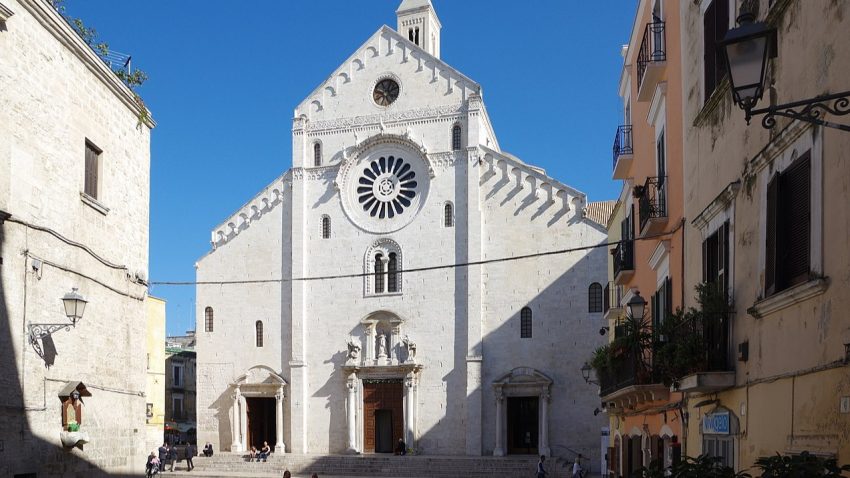
Cattedrale di San Sabino Bari
CC BY-SA 3.0 / Berthold Werner

Walk along Piazza Federico II di Svevia with the Norman-Swabian Castle on your left. When you reach the eastern bastion of the castle the you will see the Cattedrale di San Sabino up Piazza dell’Odegitria.


The Cattedrale di San Sabino, or Bari Cathedral, is a stunning example of Apulian Romanesque architecture and one of the most important religious sites in Bari. Dedicated to Saint Sabinus, the former bishop of Canosa, the cathedral was constructed between the 12th and 13th centuries on the site of an earlier Byzantine church. Its imposing façade, characterized by simple yet elegant lines and a prominent rose window, is a testament to the architectural style that flourished in the region during the medieval period. The cathedral’s exterior is adorned with intricate carvings and sculptures, reflecting the craftsmanship of the era.

Inside the Cattedrale di San Sabino, visitors are greeted by a serene and sacred atmosphere. The interior is equally impressive, with its high vaulted ceilings, richly decorated chapels, and an impressive crypt that houses the relics of Saint Sabinus. One of the most remarkable features of the cathedral is the mosaic floor from the original Byzantine church, which has been carefully preserved and can still be seen today. The cathedral also plays a central role in Bari’s religious life, particularly during the feast days of Saint Sabinus and Saint Nicholas, when the faithful gather to honor these important figures. A visit to Bari Cathedral offers not only a spiritual experience but also a glimpse into the rich history and artistic heritage of this ancient city.


Location: Cattedrale Metropolitana Primaziale San Sabino, Piazza dell'Odegitria, Bari, Metropolitan City of Bari, Italy

Here is a complete selection of hotel options in Bari. Feel free to review each one and choose the stay that best suits your needs.

3. Basilica San Nicola, Bari

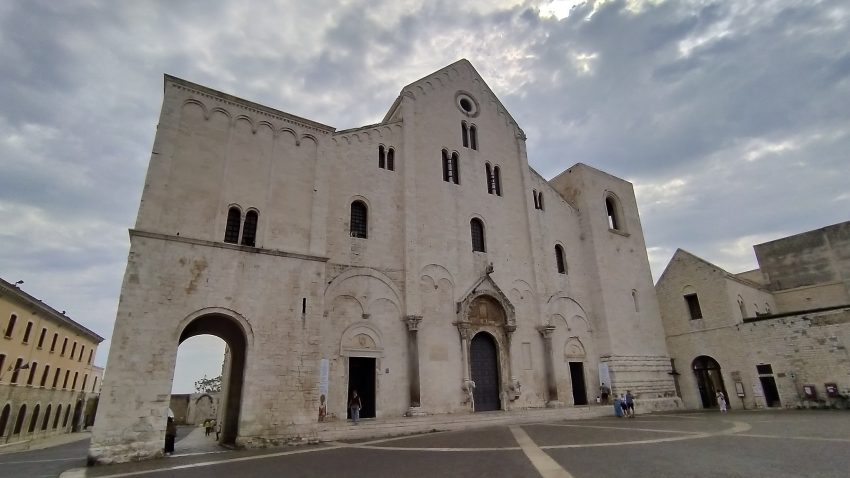
Basilica San Nicola Bari
CC BY-SA 4.0 / Claz82

Walk to the north of the Cathedral and walk up Str. del Carmine. The road changes into Str. delle Crociate and ends in a t-junction. Turn right and pass under the Angevin Arch, built by King Carlos d’Anjou, king of Sicily and Naples, and connects the narrow streets of the Old Town to the spacious Piaza San Nicola.


The Basilica San Nicola, or Basilica of Saint Nicholas, is one of Bari’s most revered landmarks and a significant site for Christian pilgrimage. Built between 1087 and 1197, the basilica was constructed to house the relics of Saint Nicholas, the patron saint of Bari, who is also famously known as Santa Claus in Western culture. The relics were brought from Myra (in present-day Turkey) by a group of Baresi sailors, and the church was specifically designed to honor and protect them. The basilica’s Romanesque architecture is striking, with its robust façade, intricately carved portals, and stunning rose window, reflecting the importance of this sacred site in medieval Christendom.

Inside the Basilica San Nicola, the atmosphere is both solemn and awe-inspiring. The crypt, where the relics of Saint Nicholas are enshrined, is a focal point for pilgrims from around the world, especially from Eastern Orthodox countries, as Saint Nicholas is revered across both Western and Eastern Christian traditions. The basilica’s interior features impressive vaulted ceilings, ancient mosaics, and beautiful artwork, all contributing to its spiritual and historical significance. The annual Feast of Saint Nicholas, celebrated in May, draws thousands of pilgrims and visitors to Bari, where the basilica becomes the center of a grand religious and cultural celebration, reflecting the deep connection between the city and its beloved patron saint.


Location: Basilica San Nicola, Largo Abate Elia, Bari, Metropolitan City of Bari, Italy

Traveling to a country with a different currency? Avoid ATM transaction fees and pay in local currency with a Wise Card. Having used it for over 5 years, we've saved loads on fees!

4. Church of Santa Maria del Buonconsiglio, Bari

Bari   Ruderi della Chiesa di Santa Maria del Buonconsiglio
Bari Ruderi della Chiesa di Santa Maria del Buonconsiglio
CC BY-SA 4.0 / Acquario51

Return through the Angevin Arch and walk north along P.za 62 Marinai. Turn left onto Via Martínez and at the end you will see square of Santa Maria del Buonconsiglio on your right.


The square of Santa Maria del Buonconsiglio, is one of the most picturesque spots in the city. This former Byzantine church, originally a three-naved apse structure, was unfortunately demolished in the 1930s as part of a misguided restoration effort aimed at highlighting Bari’s Romanesque heritage. Today, all that remains are the Roman columns with their partly Corinthian capitals and the mosaic floor with polychrome tiles. According to local legend, the church was built following a violent dispute between the people of Bari and the Byzantines in 946, sparked by the Byzantines’ attempt to claim the right to accompany brides to the altar. This conflict, which ended in murder, eventually led to a truce—the “good advice” that later gave the church its name. Archaeological surveys conducted in the 1980s revealed that the structure dates back to between the 10th and 12th centuries, with findings that span nearly every historical era, from the Bronze Age to the Middle Ages, offering a glimpse into the rich history of the city.


Location: Chiesa di Santa Maria del Buon Consiglio, Vico Forno San Scolastica, Bari, Metropolitan City of Bari, Italy

5. Archaeological Museum of Santa Scolastica
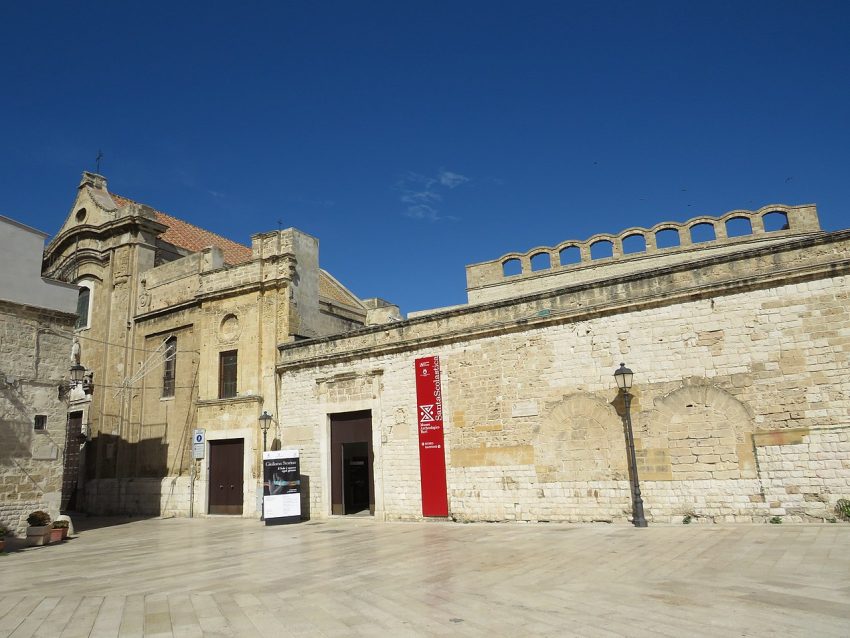
Convento di Santa Scolastica Via Venezia 73 Bari actual Museu Arqueologic
CC BY-SA 4.0 / Enric

Walk alongside the remains of Santa Maria del Buonconsiglio along Str. Santa Scolastica. At the end is the Chiesa rettoria di Santa Scolastica da Norcia walk to the right to reach the Archaeological Museum of Santa Scolastica.


The Archaeological Museum of Santa Scolastica in Bari is a treasure trove of the region’s ancient history, housed within the historic walls of the former Santa Scolastica Monastery. This museum offers visitors a fascinating journey through time, showcasing artifacts that span from prehistoric times to the late Middle Ages. The building itself is a piece of history, with parts dating back to the Norman period, and its adaptation as a museum seamlessly blends Bari’s rich archaeological heritage with its architectural legacy. The exhibits include an extensive collection of pottery, sculptures, and other relics that provide insight into the ancient civilizations that once thrived in the Apulian region, including the Greeks, Romans, and Byzantines.

A visit to the Archaeological Museum of Santa Scolastica not only offers a deep dive into the history of Bari and its surrounding areas but also provides a unique experience of exploring a site that has been an integral part of the city for centuries. The museum’s layout allows visitors to walk through the remains of the ancient city walls and the early Christian basilica, offering a tangible connection to the past. The museum also frequently hosts temporary exhibitions and cultural events, making it a dynamic space that continuously enriches the understanding of the region’s history. Whether you are a history enthusiast or simply curious about the ancient world, the Archaeological Museum of Santa Scolastica is a must-visit destination in Bari.


Location: Chiesa rettoria di Santa Scolastica da Norcia, Strada Annunziata, Bari, Metropolitan City of Bari, Italy | Hours: Tuesday to Saturday 09.00 - 19.00 Sunday and holidays 09.00 - 13.00 Monday closed | Price: €5.00 | Website

6. Museo Nicolaiano
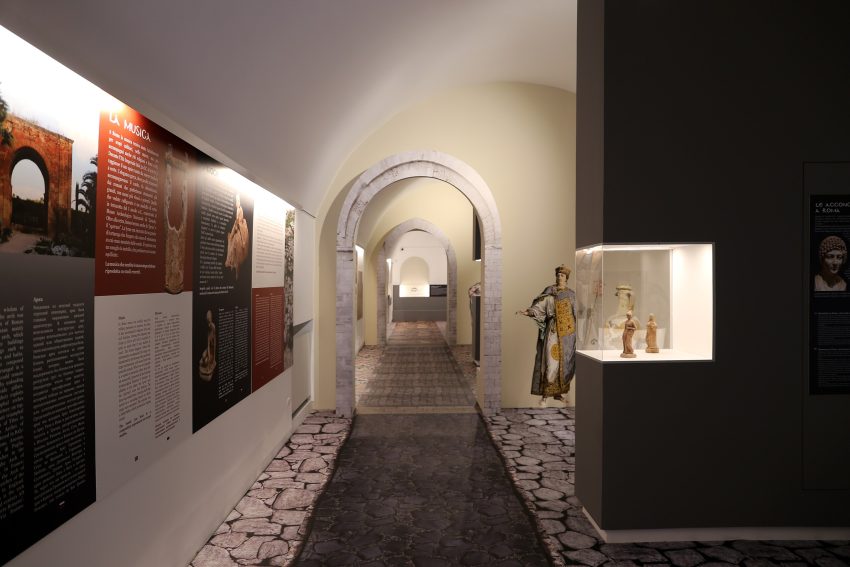
Bari museo nicolaiano
CC BY-SA 4.0 / Sailko

Walk along the Via Venezia Defensive Walls with the sea to your left. Museo Nicolaiano and the rear of the Basilica of Saint Nicholas will be on your right. As you are walking on the city walls you will need to walk a little bit further to reach steps down to the level of Museo Nicolaiano.


The Museo Nicolaiano in Bari is a captivating museum dedicated to preserving and showcasing the rich history and cultural heritage associated with Saint Nicholas and the Basilica of San Nicola. Opened in 2010 and renovated in 2019, the museum offers a thoughtfully curated experience across three levels, each highlighting different aspects of the city’s and the saint’s storied past. On the ground floor, visitors can explore interactive installations and exhibits that delve into the ancient, Byzantine, and Romanesque periods of Bari’s history. The lower level houses a collection of votive offerings, including those donated by the Orthodox community, reflecting the deep spiritual connection to Saint Nicholas. The upper floor is home to the museum’s treasury, where a diverse array of artifacts is displayed, evoking the wealth of offerings made to the basilica over centuries. The Museo Nicolaiano provides a unique and immersive journey into the heart of Bari’s religious and cultural identity.


Location: Museo Nicolaiano, Largo Papa Urbano II, Bari, Metropolitan City of Bari, Italy | Hours: Everyday 11.00-18.00; Closed Wednesday | Price: Free

7. Sant’Antonio Abate Fortino
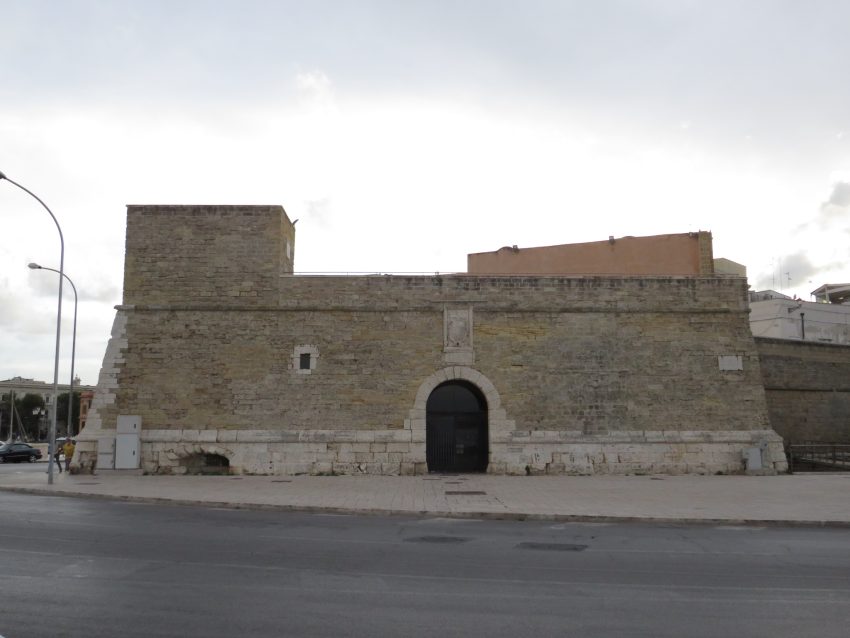
Fortino di SantAntonio Lungomare Imperatore Augusto
CC BY-SA 4.0 / Enric

Head back to the city walls and continue to the southeast. The Sant’Antonio Abate Fortino will be on your left.


Sant’Antonio Abate Fortino, located along Bari’s Imperatore Augusto seafront, is a historical fortress that has played a crucial role in the city’s defense since its origins in the 11th century. Built by Norman leader Robert Guiscard during the siege of Bari in 1071, the fort was originally a stone tower guarding the old port. Over the centuries, it was reconstructed and fortified, particularly under Isabella of Aragon in the 15th century, giving it the robust appearance it retains today. The fort is also steeped in religious significance, named after Saint Antonio Abate following the discovery of a chapel within its walls dedicated to the saint, who was venerated for his miraculous powers. After periods of neglect, the fort has been carefully restored and now serves as a cultural venue, hosting exhibitions, conferences, and public events, while offering visitors a glimpse into Bari’s medieval past and its strategic maritime history.


Location: Il Fortino di Sant'Antonio 70123 Bari BA Italy

8. Piazza Mercantile
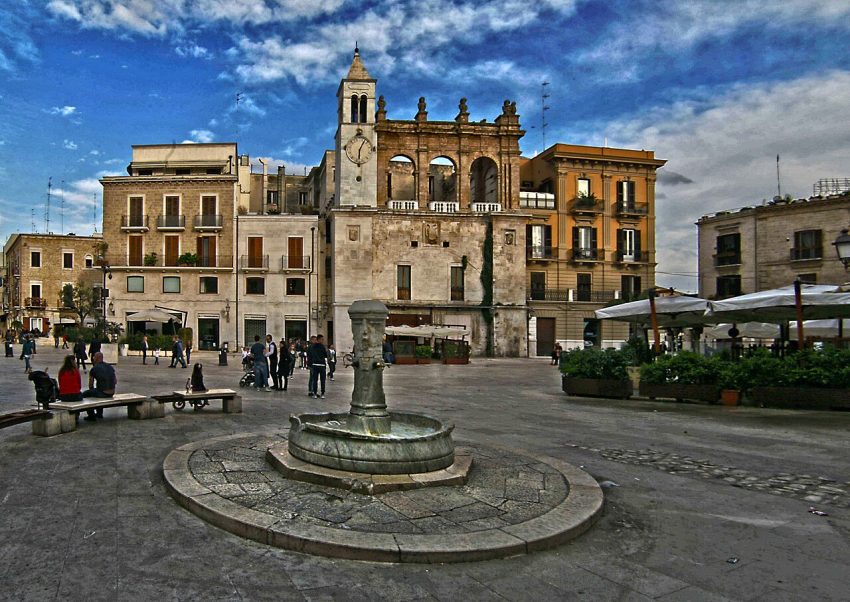
Bari   Fontana della Pigna
Bari Fontana della Pigna
CC BY-SA 4.0 / Acquario51

Continue a little to reach the steps which give you access to Via Re Manfredi. Walk west towards Piazza Mercantile.


Piazza Mercantile, or Merchant Square, is one of the oldest and most historically significant squares in Bari, Italy. Located at the edge of the Old Town (Bari Vecchia), this vibrant square has been a central hub of commerce and social life for centuries. In the medieval period, Piazza Mercantile served as the commercial heart of the city, where merchants gathered to trade goods brought in from the nearby port. The square’s importance is underscored by the presence of the Palazzo del Sedile, once the seat of the city’s government, and the Colonna della Giustizia, or Justice Column, where public punishments were carried out as a reminder of the city’s legal authority.

Today, Piazza Mercantile retains its lively atmosphere, blending its rich history with modern life. The square is surrounded by historic buildings, charming cafes, and restaurants, making it a popular meeting place for both locals and visitors. The ambiance of the square is particularly enchanting in the evening, when the area comes alive with the buzz of conversation and the aroma of Apulian cuisine. As you sit at a café, you can enjoy the view of the old architecture while soaking in the vibrant spirit of Bari. Whether you’re exploring the historical landmarks or simply relaxing in the square, Piazza Mercantile offers a glimpse into the dynamic and enduring culture of this coastal city.


Location: Piazza Mercantile, Bari Metropolitan City of Bari, Italy | Hours: 24 Hours | Price: Free

9. Piazza del Ferrarese
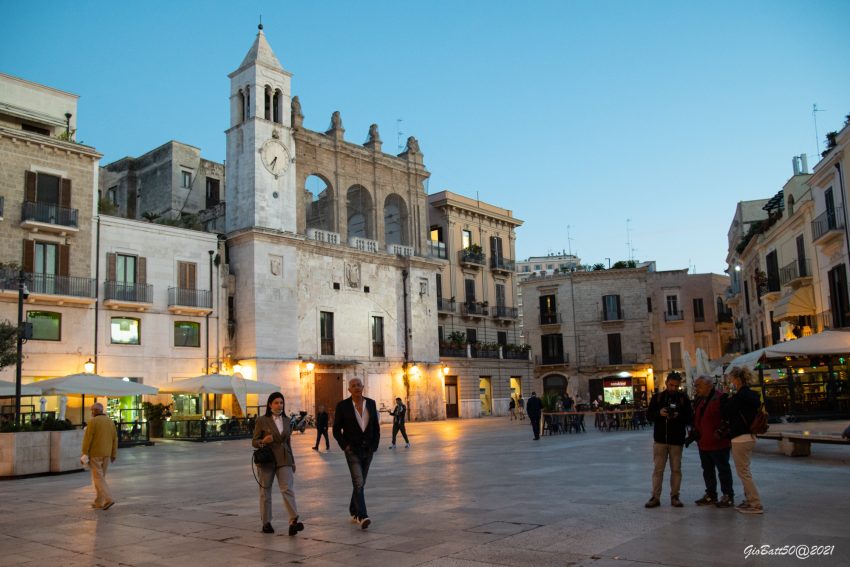
Piazza del ferrarese
CC BY-SA 4.0 / GioBatt50

Walk to the south of Piazza Mercantile to reach Piazza del Ferrarese.


Piazza del Ferrarese, or Ferrarese Square, is one of the most vibrant and historically rich areas in the heart of Bari, Italy. This lively square serves as a gateway between the modern part of the city and the historic old town, Bari Vecchia. Named after a merchant from Ferrara who lived there in the 17th century, Piazza del Ferrarese is steeped in history, with remnants of an ancient Roman road still visible beneath glass panels, offering a fascinating glimpse into the city’s past. The square is surrounded by charming cafes, restaurants, and shops, making it a popular spot for both locals and visitors to relax, enjoy a coffee, and take in the lively atmosphere. The presence of the contemporary art space Spazio Murat adds a modern cultural twist to the area, blending the old with the new.

As you explore Piazza del Ferrarese, you’ll find yourself drawn to its lively ambiance, especially in the evening when the square comes alive with people enjoying the nightlife. The proximity to Bari’s seafront adds to its appeal, allowing for a pleasant stroll along the Lungomare promenade after a visit to the square. Whether you’re interested in history, culture, or simply soaking in the local life, Piazza del Ferrarese offers a perfect snapshot of Bari’s vibrant and multifaceted character. From its historic significance to its role as a social hub, this square is a must-visit destination for anyone exploring the city.


Location: Piazza del Ferrarese, Bari, Metropolitan City of Bari, Italy

10. Margherita Theatre
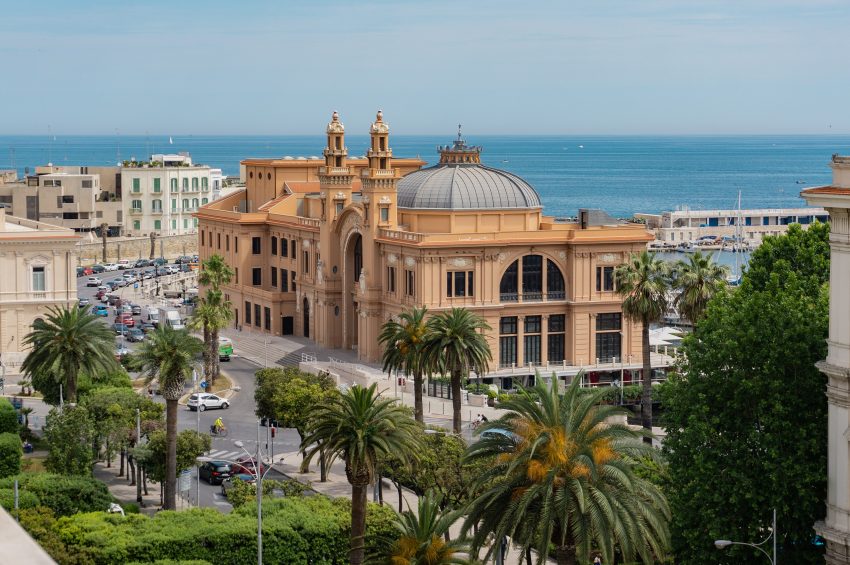
Teatro Margherita
Teatro Margherita
CC BY-SA 4.0 / Augusto Aulenta

The Margherita Theatre in Bari is a historic venue that reopened in December 2018 as a contemporary art museum after extensive restoration. Originally built between 1912 and 1914 on pillars in the sea, it replaced the Varietà Margherita, a wooden theatre destroyed by fire in 1911. Designed in the Liberty style and connected to the mainland by a pier, the theatre was a significant cultural site. Closed in 1980 for restoration, the theatre has long been associated with the Bari International Film Festival (Bif&st) and continues to play a key role in the city’s cultural life.


Location: Teatro Margherita Piazza IV Novembre 70122 Bari BA Italy | Website

11. Lungomare Nazario Sauro
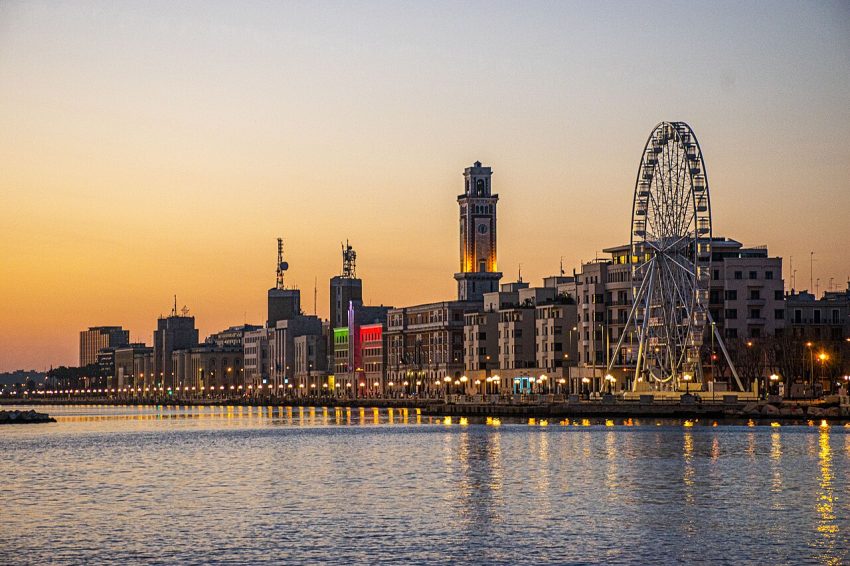
La ruota panoramica Bari
CC BY-SA 4.0 / Cinzia la fotografa

Lungomare Nazario Sauro is a picturesque seafront promenade in Bari, Italy, that beautifully captures the essence of the city’s coastal charm. Stretching along the Adriatic Sea, this scenic walkway is lined with palm trees, elegant lampposts, and historic buildings, offering stunning views of the azure waters and the vibrant life of Bari’s shoreline. Named after the Italian naval hero Nazario Sauro, the Lungomare is a popular spot for locals and visitors alike, who come to enjoy leisurely strolls, cycling, or simply to relax and watch the fishing boats and yachts bobbing in the harbor. The promenade is especially enchanting at sunset, when the sky paints a palette of warm colors over the sea, making it a perfect place to experience the tranquil beauty of Bari. Lungomare Nazario Sauro also serves as a gateway to some of the city’s key attractions, including the historic old town, the Petruzzelli Theatre, and various cafes and restaurants that showcase the rich culinary traditions of the region.


Location: Lungomare Nazario Sauro, Bari, Metropolitan City of Bari, Italy

12. Petruzzelli Theatre

Petruzzellibarioggi
Petruzzellibarioggi
CC BY-SA 2.0 / Fabio Cianciola (il sottoscritto)

The Petruzzelli Theatre in Bari is not only the largest theatre in the city but also one of the most significant cultural landmarks in Italy. As the fourth largest theatre in the country, it has a storied history that dates back to its opening in 1903. The theatre was conceived by the Petruzzelli family, specifically by Onofrio and Antonio Petruzzelli, who were prominent merchants and shipowners. They envisioned a grand venue that would bring world-class performances to Bari, and their dream was realized with the help of engineer Angelo Cicciomessere. The theatre’s interior was lavishly decorated, featuring frescoes by Raffaele Armenise, gilded accents, and modern amenities like electric lighting and heating, making it a marvel of its time.

Over the years, the Petruzzelli Theatre became a hub for the arts, hosting a wide range of performances from operas and ballets to concerts by international stars such as Frank Sinatra and Ray Charles. However, tragedy struck in 1991 when the theatre was devastated by a fire, leading to a lengthy and complicated restoration process. Despite the challenges, the theatre was painstakingly rebuilt and finally reopened in 2009, reclaiming its place as a cultural beacon in Bari. Today, the Petruzzelli Theatre continues to shine, offering a venue for prestigious performances and remaining a symbol of Bari’s rich artistic heritage.


Location: Petruzzelli, Corso Cavour, Bari, Metropolitan City of Bari, Italy

13. Bari Civic Museum
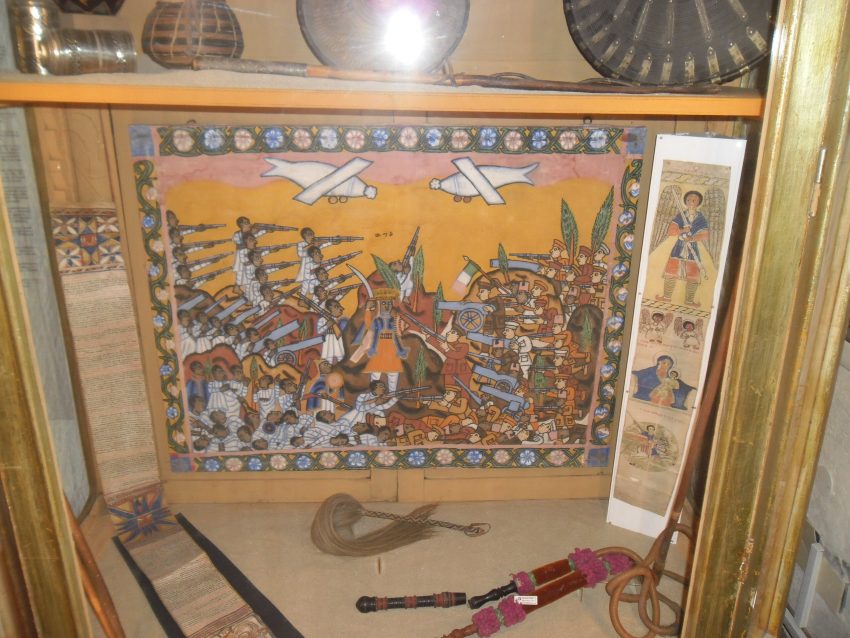
Museo Civico di Bari
CC BY-SA 4.0 / August Dominus

The Bari Civic Museum, nestled in the historic Bari Vecchia, is a fascinating repository of the city’s rich cultural heritage. Established in 1919 and housed in a medieval tower since 1977, the museum offers a deep dive into Bari’s past, from the Renaissance to the modern era. Its diverse collection includes war artifacts, historical weapons, and relics from Italy’s African campaigns, as well as rare books, caricatures by Frate Menotti, and an extensive photographic archive that documents the city’s evolution. The museum also features a civic library with over 13,000 volumes, making it a significant cultural center for both locals and visitors. After a major renovation, the museum reopened in 2015, continuing its mission to preserve and showcase Bari’s historical treasures.


Location: Museo Civico Bari Str. Sagges, 13 70122 Bari BA Italy | Hours: From Monday to Friday: : 9:30-18:00 (last entry 17:30) Saturday: 09:30-13:30 (last entry 13:00) Sunday: 17:00-20:00 (last entry 19:30) | Price: €5,00 | Website

14. Museo Diocesano

Bari museo diocesano
CC BY-SA 3.0 / Sailko

The Museo Diocesano in Bari is a significant cultural institution that showcases the rich religious and artistic heritage of the region. Located in the historic center of the city, the museum is housed within a former archbishop’s palace and features an impressive collection of ecclesiastical artifacts, including sacred art, ancient manuscripts, reliquaries, and liturgical objects. Each piece in the collection reflects the deep spiritual traditions and artistic craftsmanship that have shaped the Catholic Church in Bari over the centuries. The museum not only serves as a repository of religious history but also offers visitors a reflective space to appreciate the profound cultural and spiritual contributions of the church to the region.


Location: Museo Diocesano & Museo della Cattedrale, Strada Ronchi, Bari, Metropolitan City of Bari, Italy | Hours: (Summer) April – September: Daily: 09:00–21:00; (Winter) October – March: Daily: 09:00–19:00. | Price: €4 (standard); €3 (reduced). | Website
Moira & Andy
Moira & Andy

Hey! We're Moira & Andy. From hiking the Camino to trips around Europe in Bert our campervan — we've been traveling together since retirement in 2020!

Read our full story here

This website uses affiliate links which earn a small commission at no additional cost to you.

Walking Tour Summary

Distance: 3.5 km
Sites: 14

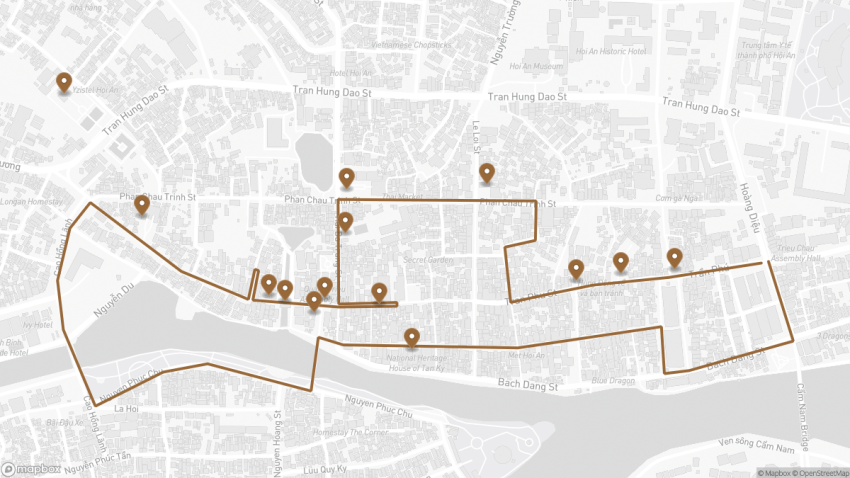
Walking Tour Map
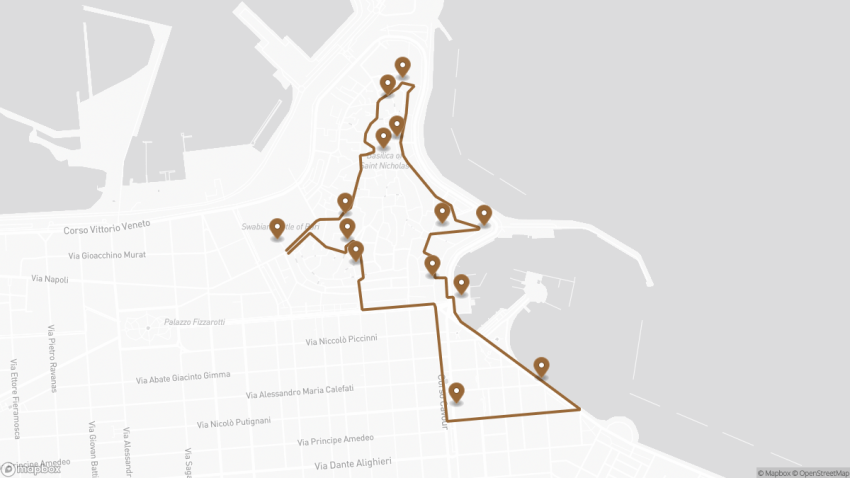
Map of the Self-Guided Walking Tour of Bari, Italy walking route with 14 stops in Bari.
Preview map of the Self-Guided Walking Tour of Bari, Italy route in Bari, showing 14 stops. Use the interactive map to zoom and tap markers.

Self-Guided Walking Tour of Alberobello, Italy (2026)

alberobello free walking tour

This website uses affiliate links which earn a small commission at no additional cost to you.

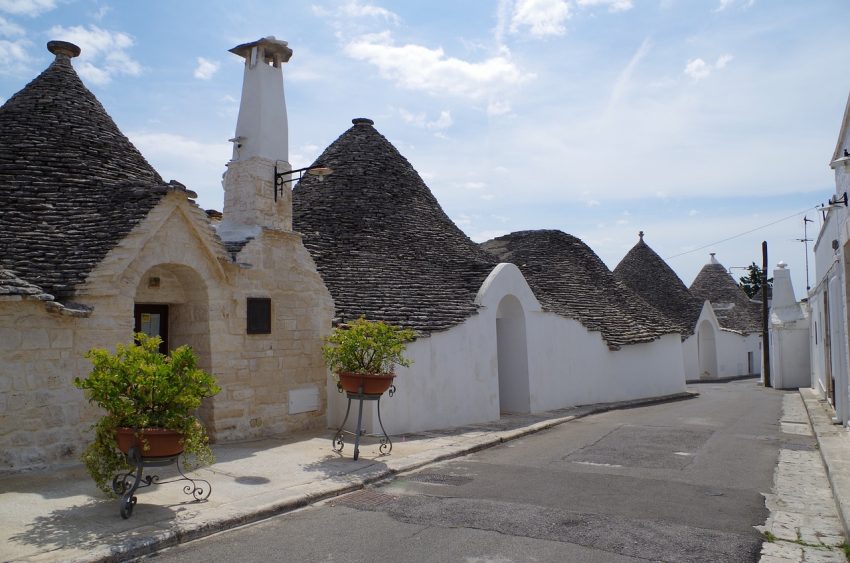
When you think of Apulia, the picturesque region in southern Italy also known as Puglia, the first place that might spring to mind is Alberobello. Nestled in the heart of this beautiful region, Alberobello is a town that seems almost frozen in time, with its name derived from the Latin words “alber” and “bellum,” meaning “beautiful tree,” reflecting the town's lush and scenic surroundings.

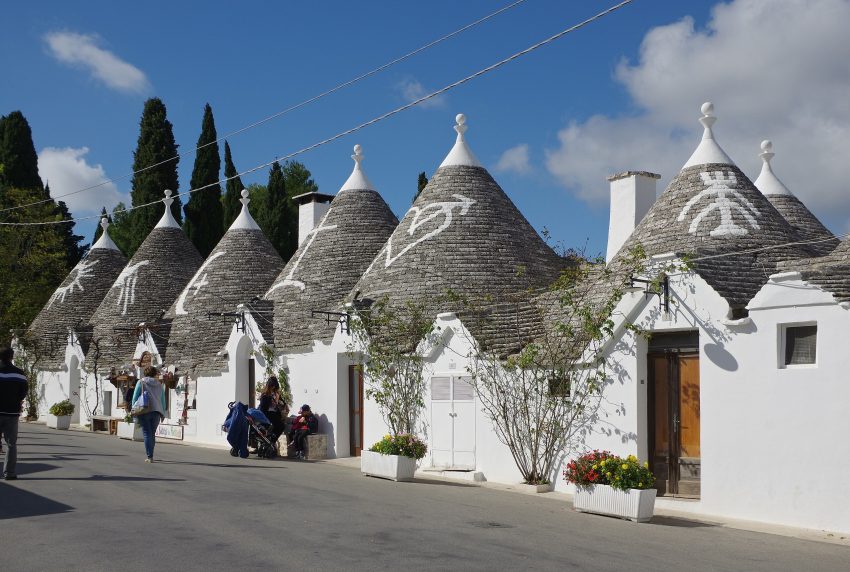
Alberobello's charm lies not only in its stunning natural beauty, surrounded by olive trees, vineyards, and valleys, but also in its rich history and unique architecture. Stepping into this enchanting town, you are immediately greeted by the sight of white-washed houses and peculiar, yet captivating, cone-shaped homes that transport you back to a bygone era. Founded by the Counts of Conversano in the Middle Ages, Alberobello is a town steeped in history, and its most iconic feature, the Trulli, are a testament to the ingenuity of its early inhabitants.

These traditional Apulian dry stone huts with conical roofs are not only a symbol of the region but have also earned Alberobello recognition as a UNESCO World Heritage Site. Built without mortar to avoid taxation, these distinctive structures tell a fascinating story of resourcefulness and resilience. Among the Trulli, the Trullo Sovrano stands out as the only two-story Trullo, offering a glimpse into the past with its well-preserved rooms and artifacts.

Top Tip: Casolare Panoramica -If you spot a sign outside one of the Trulli souvenir shops reading “casolare panoramica,” it indicates that with any purchase, no matter how small, you’ll be granted free access to a viewpoint at the top of the building! These shops are dotted throughout the village, providing a fantastic chance to take in panoramic views while picking up souvenirs.

How to Get to Alberobello

By Plane: The nearest major airport to Alberobello is Bari Karol Wojtyła Airport (BRI), about 60 km away, with flights from across Europe and domestic destinations. From Bari, you can reach Alberobello by train, bus, or car in roughly 1-1.5 hours. For the best deals and a seamless booking experience, check out these flights to Alberobello on Booking.com.

By Train: Alberobello is accessible via regional trains operated by Ferrovie del Sud Est (FSE), with connections from Bari, Martina Franca, and other towns in Puglia. The train station is about a 10-minute walk from the historic trulli districts.

By Car: Alberobello is well connected by road, especially from Bari (1h), Matera (1h), and Lecce (1.5h). If you're driving, you'll find designated parking areas available along Via Indipendenza. The historic centre is pedestrian-only, so park outside and explore the trulli on foot. If you are looking to rent a car in Italy I recommend having a look at Discover Cars, first, as they compare prices and review multiple car rental agencies for you.

Where to Stay in Alberobello

To fully enjoy Alberobello’s magical charm, stay in or near the trulli districts for easy access to the walking routes and major landmarks. A standout option is Le Alcove - Luxury Hotel nei Trulli, offering luxurious accommodations inside authentic trulli houses. For something stylish yet intimate, Trulli Holiday Albergo Diffuso spreads its rooms across several beautifully restored trulli in the town centre. Budget travellers might enjoy Romantic Trulli, which offers atmospheric stays with rustic charm just steps from the heart of Rione Monti. All options let you wake up surrounded by Alberobello’s fairytale-like landscape.

Guided or Self-Guided Tour of Alberobello?

If you're planning a day in Alberobello, a guided walking tour is a great way to discover the town's UNESCO-listed trulli-its unique, whitewashed stone dwellings with conical roofs. This 120-minute walking tour typically takes you through both the Rione Monti and Aia Piccola districts, revealing the origins of these unusual structures, their symbolism, and how they reflect the traditions of the Puglia region.

Your Self-Guided Walking Tour of Alberobello

Explore Alberobello on foot as you wander through its unique trulli houses, narrow cobblestone streets, and charming piazzas. This walking tour highlights the town's distinctive architecture, traditional craftsmanship, and cultural heritage immersing you in a town shaped by centuries of local tradition.

1. Rione Monti

Rione Monti
Rione Monti
CC BY-SA 3.0 / Berthold Werner

From your car park on Via Indipendenza walk north west into the town. On your left you will see Via Monte Nero, and a brown sign for Rione Monti. Head up Via Monte Nero.


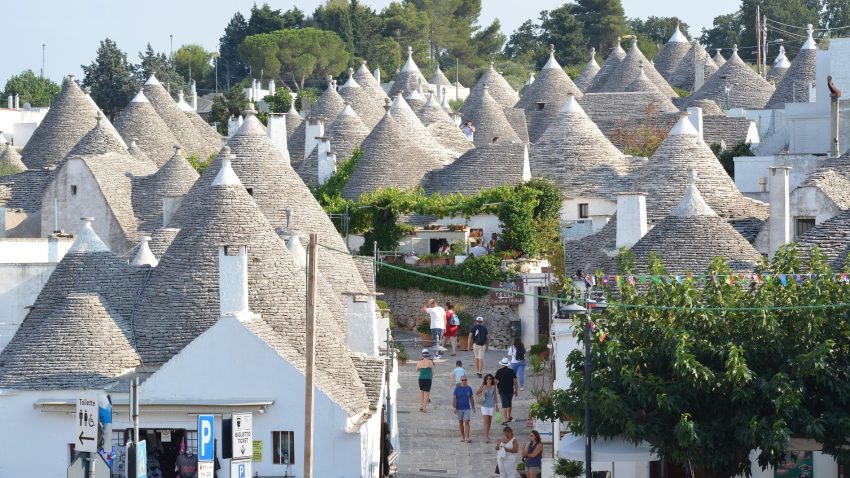
Rione Monti in Alberobello is a picturesque district within the town that encapsulates the unique charm of this UNESCO World Heritage site. Alberobello is famous for its “trulli,” the traditional limestone dwellings with conical roofs, and Rione Monti is home to the largest concentration of these iconic structures. Walking through the narrow, winding streets of this district feels like stepping back in time, as you are surrounded by hundreds of these whitewashed trulli, each adorned with decorative symbols and sometimes vibrant flowers. The district offers a delightful blend of history and culture, with small shops selling local crafts, traditional Puglian products, and cozy cafes where visitors can relax and enjoy the serene atmosphere.


Location: Alberobello - Rione Monti Via Giuseppe Verdi, 15 70011 Alberobello BA Italy

We recommend to rent a car in Italy through Discover Cars, they compare prices and review multiple car rental agencies. Book your rental car here.

2. Trullo Siamese

Alberobello Trullo Siamese
CC BY-SA 3.0 / Istvánka

Walk up Via Monte Nero, as the road bends to the right you will see Trullo Siamese.


Nestled in the heart of Alberobello, Trullo Siamese is a fascinating architectural gem that weaves together a tale of love, rivalry, and inventive design. This distinctive trullo, one of the oldest in the town, is immediately recognizable by its unique dual-domed structure, which sets it apart from the more common single-domed trulli scattered throughout the landscape.

What makes Trullo Siamese particularly intriguing is the captivating legend behind its creation. According to local lore, two brothers once shared this trullo, both falling deeply in love with the same woman. Tradition dictated that she be promised to the elder brother, but her heart favored the younger sibling, sparking a tense love triangle within the trullo’s walls. As tensions escalated, the elder brother, claiming his right as the firstborn, attempted to evict the two lovers. Unwilling to accept this, the younger brother stood his ground, leading to the trullo being divided in half, with each brother securing their own separate entrance.

Today, Trullo Siamese stands as a testament to this dramatic story, inviting visitors to admire its unusual architecture while pondering the emotional conflicts that once played out within its walls. The trullo’s interior reflects the simplicity and practicality characteristic of these structures, with a hearth near the entrance and no windows, showcasing the resourcefulness of the people who built these remarkable homes centuries ago.


Location: Trullo Siamese monumento (negozio souvenir), Via Monte Pasubio, Alberobello, Metropolitan City of Bari, Italy

Here is a complete selection of hotel options in Alberobello. Feel free to review each one and choose the stay that best suits your needs.

3. Alberobello in Miniature

Alberobello in Miniatura
CC BY-SA 2.0 / RosarioVanTulpe

At the end of Via Monte Nero head a short way down Via Monte S. Gabriele and then right onto Via Monte S. Michele. Alberobello in Miniature is on your left.


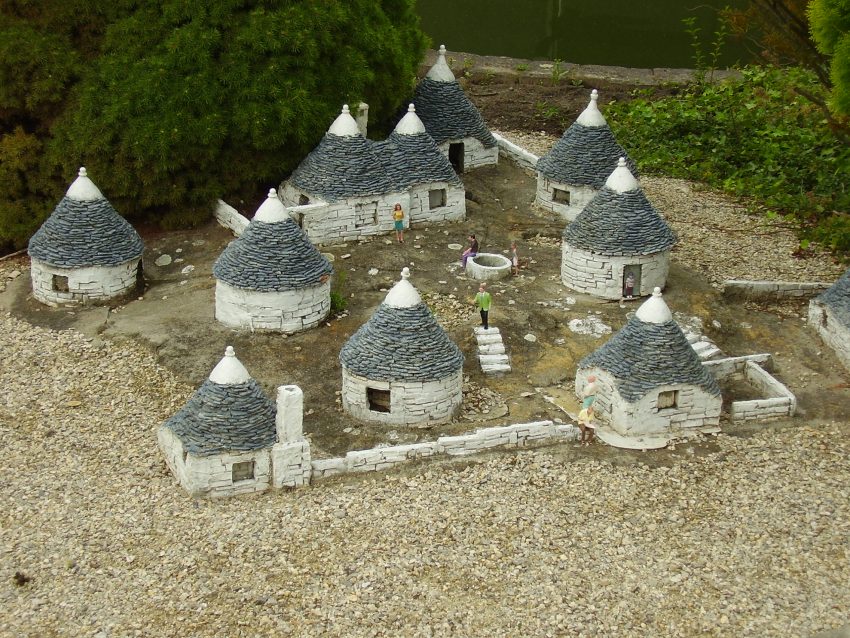
Alberobello in Miniature is a captivating attraction that allows visitors to experience the charm and architectural wonder of Alberobello on a smaller scale. This meticulously crafted model of the town offers a detailed bird’s-eye view of its iconic trulli houses, capturing the essence of Alberobello’s unique landscape with remarkable precision. Each miniature trullo, with its characteristic conical roof and whitewashed walls, is an exact replica of the real structures that define this UNESCO World Heritage site. The display offers a comprehensive perspective of the town’s layout, showcasing its narrow streets, central squares, and key landmarks, all rendered with incredible attention to detail.

This attraction is particularly popular with families and those interested in architecture and history, as it provides an engaging and accessible way to explore Alberobello’s rich heritage. Walking around the model, visitors can easily identify the Monti district, famous for its dense cluster of trulli, and other significant sites like the Church of Saint Anthony and Casa d’Amore. Alberobello in Miniature not only highlights the town’s architectural beauty but also serves as an educational tool, helping visitors understand the historical significance and cultural value of this unique Italian town. The display is a testament to the skill and creativity of the craftsmen who created it, making it a must-visit for anyone seeking a deeper appreciation of Alberobello’s timeless appeal.


Location: Alberobello in Miniatura, Via Monte San Michele, Alberobello, Metropolitan City of Bari, Italy

Traveling to a country with a different currency? Avoid ATM transaction fees and pay in local currency with a Wise Card. Having used it for over 5 years, we've saved loads on fees!

4. Chiesa di Sant'Antonio (Church of Saint Anthony of Padua)

Chiesa di Sant AntonioAlberobello

Continue up Via Monte S. Gabriele until you reach Chiesa di Sant’Antonio.


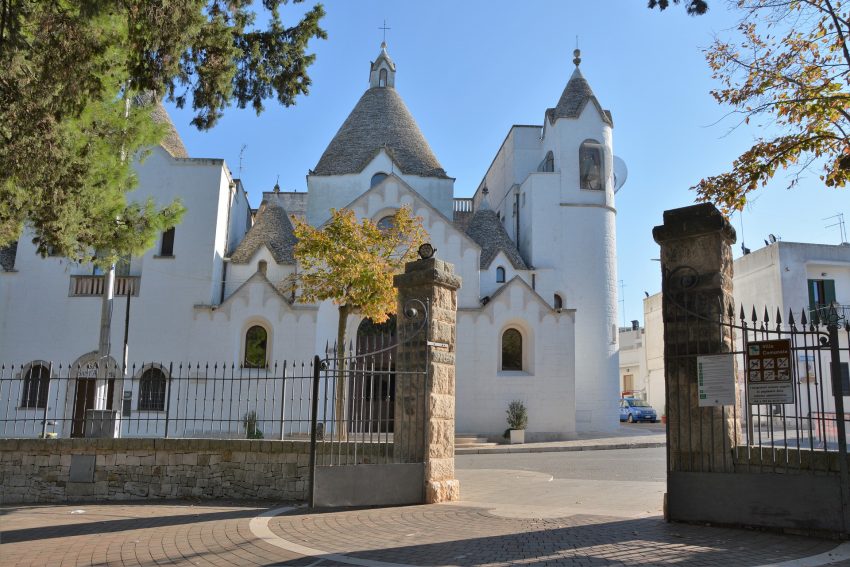
Perched atop the Monti district in Alberobello, the Church of Saint Anthony of Padua is a distinctive architectural treasure that embodies both tradition and progress. This remarkable church, built in 1927, is a testament to the town’s rich history and its unique trulli architecture, standing out as a rare example of a religious structure entirely constructed in the trulli style.

The Church of Sant’Antonio, designed in the shape of a Greek cross, is particularly notable for being a one-of-a-kind building entirely made of trulli. In the early 20th century, Alberobello was undergoing significant changes, with the northern side of Largo Martellotta adopting a more modern and “advanced” character, while the southern side preserved its traditional trulli architecture. The Monti district, designated as a national monument in 1910, was subject to strict building regulations that required all new constructions to adhere to the trulli style, further cementing the district’s role as a symbol of Alberobello’s cultural heritage.

In the years following World War II and continuing into the 1980s, trulli were often viewed as symbols of poverty and backwardness, leading to the demolition of many trulli outside the protected monumental areas. Modern buildings began to replace these historic structures, erasing entire neighborhoods like those surrounding the Church of Santi Medici from the town’s landscape. However, the Church of Sant’Antonio remains a powerful reminder of Alberobello’s commitment to preserving its unique architectural legacy.


Location: Parrocchia di Sant'Antonio da Padova – Chiesa a Trullo, Via Monte Pertica, Alberobello, Metropolitan City of Bari, Italy

5. Romantic Trulli

RomanticTrulli
RomanticTrulli
©

Return down Via Monte S. Gabriele and turn left down Via Monte Sabotino. Follow the road to the right and Romantic Trulli is on your left.


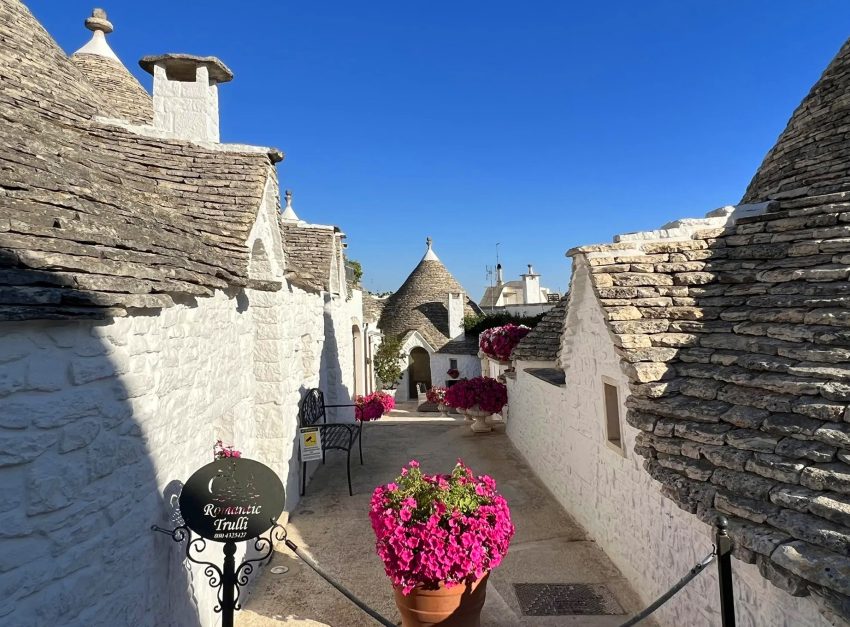
Romantic Trulli offers an enchanting escape in the heart of Alberobello, where guests can experience the magic of staying in beautifully restored trulli houses. These traditional limestone dwellings, with their distinctive conical roofs, have been thoughtfully renovated to blend rustic charm with modern comfort, creating a unique and intimate atmosphere. Each trullo is individually decorated, featuring cozy interiors, luxurious amenities, and private outdoor spaces, making it an ideal retreat for couples seeking a romantic and memorable getaway amidst the picturesque beauty of this UNESCO World Heritage site.


Location: Via Monte Sabotino, 43, 70011 Alberobello BA, Italy

6. Belvedere Santa Lucia

alberobello Belvedere Santa Lucia

Continue down Via Monte Sabotino, at the bottom bear right and cross over the square. Head up the steps and follow the brown sign to the Belvedere.


Belvedere Santa Lucia is a charming viewpoint that invites visitors to take in the breathtaking beauty of the Monti neighborhood in Alberobello. Situated on a hill, this scenic spot provides a captivating view of the iconic trulli homes that dot the landscape below, offering a perfect snapshot of the town’s unique charm.

Access to Belvedere Santa Lucia is easy, thanks to a staircase that winds its way down to the Monti district. Upon reaching the top, you’re rewarded with a stunning panorama of the traditional stone huts with their distinctive conical roofs, creating a picturesque scene that defines Alberobello. The expansive terrace at the belvedere is the ideal place to admire this remarkable architecture, whether by day or under the enchanting glow of night. Given its popularity, patience might be required to capture the perfect photo, but the view of the trulli-strewn hillside makes it well worth the wait.


Location: Trulli Panoramic View Piazza Plebiscito 70011 Alberobello BA Italy
Powered by GetYourGuide

7. Basilica dei Santi Medici Cosma e Damiano

Basilica dei Santi Medici
CC BY-SA 4.0 / Pintoff

From the Belvedere walk directly past the fountain, Fontana Santa Lucia and northwest through the Piazza del Popolo. You pass the WW2 ‘Monumento Dei Caduti in Guerre’. Walk along Corso Vittorio Emanuele and the Chiesa dei Santi Medici Cosma e Damiano is at the end.


The Basilica dei Santi Medici Cosma e Damiano in Alberobello is a stunning architectural gem, known for its twin bell towers and beautiful neo-Renaissance interior. Located on Corso Vittorio Emanuele, this majestic basilica is a prominent landmark visible from various points in the town. Inside, visitors are welcomed by intricate details that reflect the basilica’s architectural and artistic grandeur, offering a serene escape from the busier tourist areas. The basilica, designed by the renowned local architect Antonio Curri and completed in 1914, also houses significant religious artifacts, including statues and relics of Saints Cosma and Damian.

A deeply rooted tradition in Alberobello is the annual pilgrimage held in honor of Saint Cosma, dating back to 1782. This event, held every September, draws pilgrims from surrounding towns, many of whom make the journey on foot. The basilica’s connection to this tradition, coupled with its tranquil atmosphere and historical significance, makes it not just an architectural marvel but a vital part of the town’s spiritual and communal life.


Location: Chiesa dei Santi Medici Cosma e Damiano, Piazza Antonio Curri, Alberobello, Metropolitan City of Bari, Italy

8. Trullo Sovrano

Trullo Sovrano
Trullo Sovrano
CC BY-SA 4.0 / Mooonswimmer

Walk to the rear of the church and the Piazza Sacramento to the north, which holds Trullo Sovrano.


Trullo Sovrano, dating back to the early 17th century, is a unique architectural gem in Alberobello, standing as the town’s only two-story trullo. This remarkable structure marks a significant evolution in trullo construction, featuring an upper floor accessible by a masonry staircase and being among the first to incorporate mortar, a departure from traditional dry-stone building methods. The impressive conical dome, rising approximately 14 meters, is surrounded by twelve cones, showcasing advanced craftsmanship that reflects broader changes in the region’s architectural practices. Originally built in the 1600s and expanded in the 1700s by the affluent Perta family, Trullo Sovrano is a testament to both historical significance and innovative design.

Today, Trullo Sovrano functions as a “living” museum, offering visitors an immersive experience of life in a trullo, with meticulously recreated rooms like a bakery, bedroom, and kitchen. The structure not only provides insight into the daily life and traditions of the past but also serves as a cultural landmark, complete with a souvenir shop where visitors can explore literature on Alberobello and take home a piece of its rich history.


Location: Trullo Sovrano, Piazza Sacramento, Alberobello, Metropolitan City of Bari, Italy | Hours: 10 a.m. - 1.30 p.m. & 3.30 - 7 p.m. (closes at 6 p.m. November - March) | Price: €2

9. Casa d’Amore

Alberobello Casa Damore
CC BY-SA 3.0 / Istvánka

Head back to the front of the church and down Corso Vittorio Emanuele. Turn left into Via Imbriani and keep right. Just before you reach Piazza del Popolo Casa d’Amore is on your left.


Casa d’Amore is a historically significant building in Alberobello, known for being the first house in the town constructed with mortar, a material previously forbidden by the local feudal lords. Built in 1797, Casa d’Amore marks a pivotal moment in Alberobello’s history, symbolizing the town’s newfound freedom from feudal rule.

The story behind Casa d’Amore is closely tied to the town’s struggle for autonomy. Before its construction, the people of Alberobello were under the control of the Counts of Conversano, who imposed strict regulations, including the requirement that houses be built without mortar. This was done to ensure that homes could be quickly dismantled in case of a tax inspection. However, in 1797, King Ferdinand IV of Naples granted Alberobello the status of a royal town, freeing it from the feudal obligations and allowing residents to use mortar in their constructions.

Casa d’Amore, built by Francesco d’Amore, was the first house to be constructed using this new material, making it a symbol of the town’s liberation and progress. Architecturally, it features the traditional whitewashed walls and simple design typical of the region, but with the added permanence provided by mortar. The building is now a UNESCO World Heritage site and serves as an important cultural landmark in Alberobello, representing the town’s historical transition from feudal oppression to independence. Visitors to Casa d’Amore can appreciate not only its architectural significance but also the rich history and resilience of the community it represents.


Location: Casa D'Amore, Piazza Re Ferdinando IV di Borbone, Alberobello, Metropolitan City of Bari, Italy

10. Territory Museum 'House Pezzolla'

Territory Museum Alberobello Aia Piccola
CC BY-SA 3.0 / Istvánka

Head toward Piazza del Popolo and turn left before you reach the fountain. As you head towards Piazza XXVII Maggio Territory Museum “House Pezzolla” is in front of you.


The Territory Museum “House Pezzolla” in Alberobello is a captivating museum set within a complex of 15 interconnected trulli houses, offering a deep dive into the rich history and unique architecture of the region. This museum provides visitors with an immersive experience, showcasing the traditional construction methods of the trulli, along with exhibits that explore the daily life, customs, and crafts of the local people. Through a collection of artifacts, tools, and period furnishings, the museum vividly brings to life the cultural heritage of Alberobello, making it a must-visit for those interested in understanding the historical and architectural significance of this UNESCO World Heritage site.


Location: Territory Museum "House Pezzolla", Piazza XXVII Maggio, Alberobello, Metropolitan City of Bari, Italy | Price: €4

11. Rione Aia Piccola

alberobello Trulli Rione Aia Piccola

Leave the museum and turn left and head down Via Giuseppe Verdi, turn the second right and back along Via Duca degli Abruzzi. At the end head down Via Brigata Regina.


Rione Aia Piccola is one of the most authentic and well-preserved districts in Alberobello, known for its dense concentration of trulli houses that have remained largely untouched by modern development. Unlike the more commercialized areas of the town, Aia Piccola is a quiet, residential neighborhood where the traditional way of life continues much as it has for centuries. Walking through its narrow, winding streets, visitors can experience the true essence of Alberobello, with its whitewashed trulli, quaint courtyards, and serene atmosphere. The district is a living museum, offering a glimpse into the past, where the architectural beauty of the trulli is complemented by the simplicity and charm of rural life.

Aia Piccola is also notable for its lack of shops and tourist-oriented businesses, which sets it apart from the busier parts of Alberobello. This district is home to around 400 trulli, many of which are still inhabited by locals, giving it a more genuine, lived-in feel. Visitors are encouraged to explore the area at their own pace, discovering hidden corners and picturesque views that capture the timeless allure of Alberobello. Aia Piccola is a perfect destination for those seeking a more peaceful and authentic experience, offering an opportunity to connect with the historical and cultural roots of this remarkable town.


Location: Trulli - Rione Aia Piccola (UNESCO), Alberobello, Metropolitan City of Bari, Italy
Powered by GetYourGuide
Moira & Andy
Moira & Andy

Hey! We're Moira & Andy. From hiking the Camino to trips around Europe in Bert our campervan — we've been traveling together since retirement in 2020!

Read our full story here

This website uses affiliate links which earn a small commission at no additional cost to you.

Walking Tour Summary

Distance: 2.5 km
Sites: 11

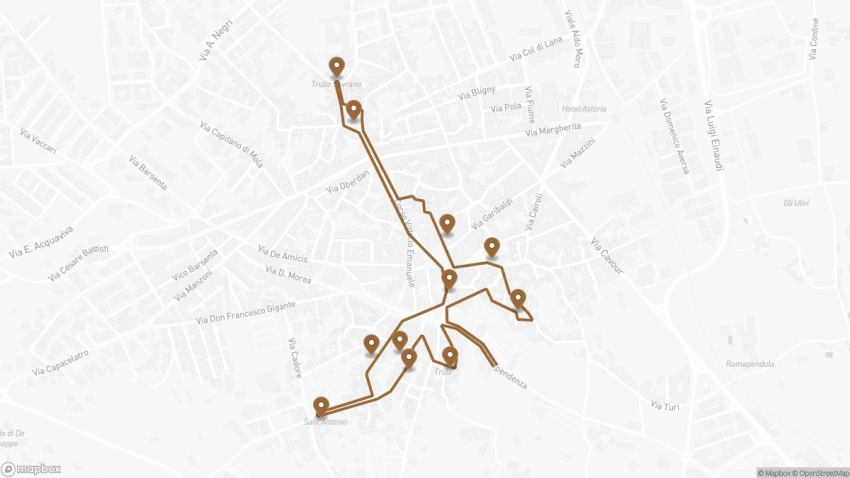
Walking Tour Map
Map of the Self-Guided Walking Tour of Alberobello, Italy walking route with 11 stops in Alberobello.
Preview map of the Self-Guided Walking Tour of Alberobello, Italy route in Alberobello, showing 11 stops. Use the interactive map to zoom and tap markers.

Self-Guided Walking Tour of Hoi An (2026)

Hoi An Self Guided Walking Tour Maps

This website uses affiliate links which earn a small commission at no additional cost to you.

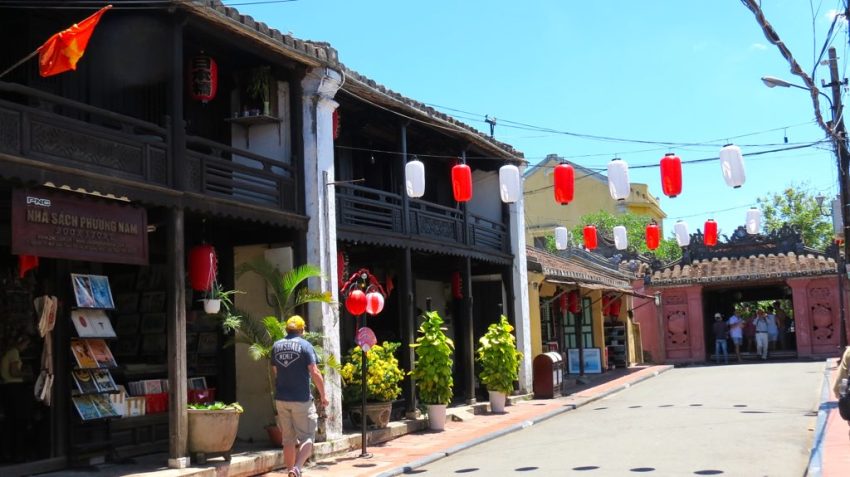
Hoi An Old Town is exceptionally pedestrian-friendly, especially during designated hours when motorized vehicles are barred from its heritage quarters. This ensures a safe and enjoyable experience for tourists who wish to soak in the charm and ambiance of this UNESCO World Heritage town.

During these “walking hours,” while bicycles are permitted, the most rewarding way to explore Hoi An is undoubtedly on foot. Strolling through the town allows visitors to closely observe its ancient buildings, vibrant trading quarters adorned with colorful lanterns, lively markets, street food stalls, and the daily life of locals. It also offers ample opportunities for capturing photographs and engaging in conversations with residents, enhancing the visitor experience.

How to Get to Hoi An

By Plane: The nearest airport to Hoi An is Da Nang International Airport (DAD), about 30 km away, which handles domestic flights and international connections from several Asian cities. From Da Nang, Hoi An can be reached by taxi, private car, or shuttle bus in roughly 40-45 minutes. For the best deals and a seamless booking experience, check out these flights to Hoi An on Booking.com.

By Train: Hoi An doesn't have its own train station, but the nearby Da Nang Railway Station is well-connected to major cities like Hanoi and Ho Chi Minh City. From Da Nang, it's approximately a 45-minute drive to Hoi An, and you can easily find taxis or shuttle services to take you directly to the Ancient Town.

By Car: Hoi An is accessible via National Route 1A and the Da Nang-Quang Ngai Expressway. If you're driving, be aware that the Ancient Town is a pedestrian zone, so you'll need to park outside the area. There are several parking lots available, and from there, it's a short walk to the town's main attractions.

Where to Stay in Hoi An

For a walking tour of Hoi An’s Ancient Town, staying within or near the Old Town area offers the most convenience. A luxurious option is La Siesta Hoi An Resort & Spa, known for its elegant rooms and top-notch amenities. For a boutique experience, Allegro Hoi An - A Little Luxury Hotel & Spa provides a blend of traditional architecture and modern comforts. Budget-conscious travelers might consider The View Homestay, which offers cozy accommodations just a short walk from the Ancient Town. These options place you within easy reach of Hoi An’s historic sites, vibrant markets, and charming lantern-lit streets.

A Short History of Hoi An

Hoi An, a UNESCO World Heritage town on Vietnam's central coast, has a history as a bustling trading port dating back over 2,000 years. Its prosperity peaked between the 15th and 19th centuries when it became a key hub for merchants from China, Japan, and Europe. This rich mercantile past is reflected in landmarks like the Japanese Covered Bridge, built in the early 17th century by the Japanese community, and the various assembly halls, including the Fujian Assembly Hall and Cantonese Assembly Hall, which served as social and religious centers for Chinese merchants. Religious and family heritage is preserved in sites like the Quan Cong Temple, Tran Family Chapel, Phac Hat Pagoda, Cam Pho Temple, and Ba Mu Temple.

Hoi An's architectural charm is also found in its well-preserved ancient houses. The Ancient House of Tan Ky and the Old House of Duc An, both dating back several centuries, showcase traditional wooden structures, intricate carvings, and a blend of local and foreign influences. The Phung Hung Ancient House, another notable residence, reflects the wealth and taste of Hoi An's merchant families. Cultural history is further celebrated at the Museum of Sa Huỳnh Culture, which displays artifacts from the region's earliest inhabitants, while the Confucius Temple and Trung Hoa Assembly Hall highlight the town's enduring spiritual and community life. Today, Hoi An remains a living testament to Vietnam's trading past, where centuries-old architecture and vibrant local culture coexist.

Purchasing Old Town Entrance Tickets

When you visit Hoi An old town, even just walking the streets you should purchase and old Town Ticket. The entrance fee is VND 120.000 /pax roughly £5/ person. This also gives you access to 5 of the paid for venues.  The fees go towards the maintenance and preservation of the city. The tickets can be bought in ticket stall, usually small yellow huts.

Old Houses: Hoi An is home to numerous old houses that are private family residences, meticulously maintained over the centuries. These houses have been opened to the public, allowing visitors to step into the past and experience the preserved heritage of local families.

  • Old House of Tấn Ký (Must See)
  • Old House of Đức An (Must See)
  • Old House of Phùng Hưng
  • Trần Family’s Chapel
  • Nguyễn Tường Family’s Chapel
  • Old House of Quân Thắng

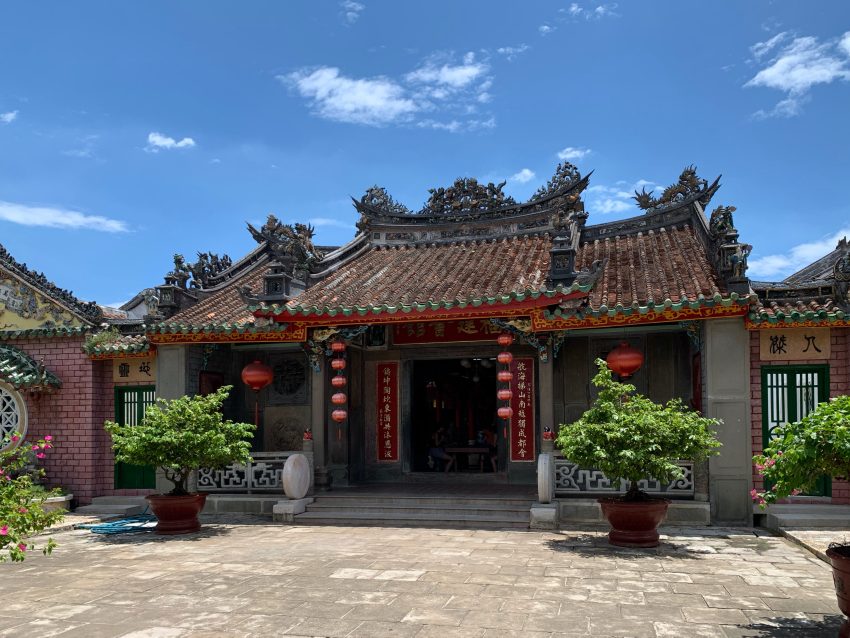
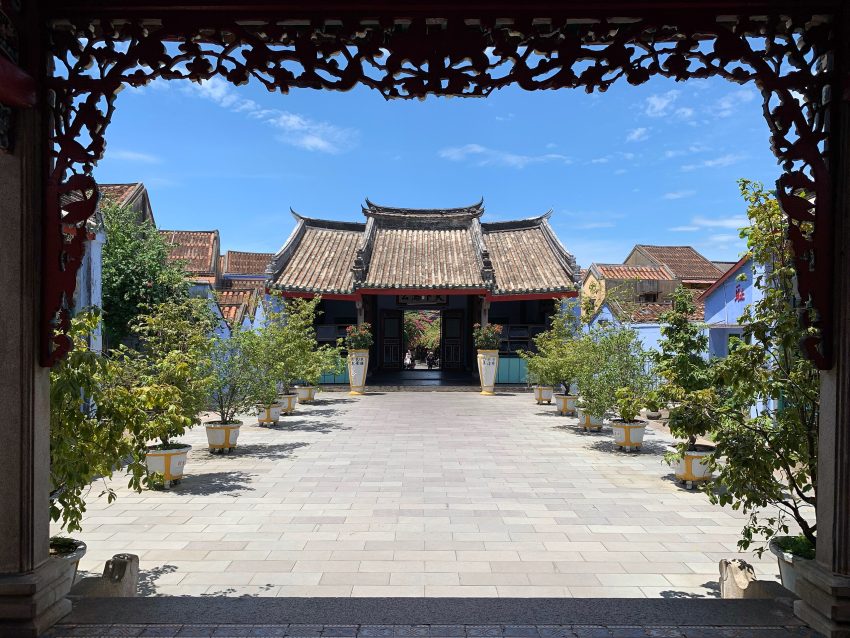
Chinese Assembly Halls: When Chinese settlers arrived in Hoi An and other parts of Vietnam, they established assembly halls as venues for conducting business, socializing, and preserving Chinese cultural traditions. These halls typically share a uniform architectural style, featuring grand gates, enchanting gardens with decorative plants, a spacious central hall, and an altar room dedicated to the specific deities revered by the community. Additionally, the buildings house numerous antique pieces and are lavishly adorned with murals, statues, and intricate artwork.

  • Cantonese Assembly Hall (Must See)
  • Fujian Assembly Hall (Must See)
  • Hainanese Assembly Hall
  • Chaozhou / Teochew Assembly Hall
  • Trung Hoa Assembly Hall / Chinese Assembly Hall

Museums: Operated by the Centre for Cultural Management and Preservation, Hoi An’s museums require an Old Town Entrance ticket for admission. The city boasts four museums, each showcasing a variety of artifacts that illuminate the rich history of the region.

  • Hoi An Museum
  • Museum of Trade Ceramics
  • Museum of Folklore
  • Museum of Sa Huỳnh Culture

Communal Houses: Historically, communal houses in Hoi An served as administrative centers, meeting places, and sites of worship. They were also venues for cultural activities that often included participants from nearby villages, establishing them as crucial communication hubs. Today, several of Hoi An's communal houses, two of which are designated sightseeing locations in the old town, offer insights into the area's history of cultural exchange and commercial trading through their architecture and artifacts.

  • Cẩm Phô Communal House / Cẩm Phô Temple
  • Minh Hương Communal House / House of Tụy Tiên Đường

Temples and Pagodas: Temples are primarily places of worship dedicated to Confucian and Taoist deities or notable historical figures, whereas pagodas are Buddhist structures that serve as both monastic residences and places for religious activities.

  • Quan Công Temple & Quan Am Pagoda (Must See)

Should I take a Guided or Self-Guided Walking Tour of Hoi An?

A walking tour, whether self-guided or led by a local guide, is essential for fully appreciating the rich cultural tapestry of Hoi An. In this guide, we outline the optimal route for self-guided explorers to ensure a comprehensive exploration of the ancient town. We also highlight key points of interest along each street, including historical sites, museums, theaters, workshops, and local shops, providing a well-rounded view of the town's diverse attractions and living heritage. If you were thinking of taking Guided walking tour then I recomend this Ancient Town Guided Walking Tour.

Your Self-Guided Walking Tour of Hoi An

This walking tour highlights the town’s rich trading history, religious heritage, and cultural charm, and the bustling riverside, all within a town shaped by centuries of international commerce.

1. Quan Cong Temple

Quan Cong Temple
Quan Cong Temple
CC BY-SA 4.0 / Christophe95

You start this tour at the tourist booth at the corner of Hoang Dieu St. and Tran Phu St.


The Japanese Covered Bridge, an iconic landmark from the 16th century, serves as a crucial link between the Japanese and Chinese quarters of Hoi An. This bridge, now a symbol of the town and a central feature of the Ancient Town area, showcases a unique blend of Japanese and Vietnamese architectural styles. Its most striking feature is the sheltered passageway that arches over a small waterway, connecting two parts of the town.

Notably, at each end of the bridge stand sculptures of a monkey and a dog, which commemorate the years construction began and ended, 1593 and 1595, respectively. Within the bridge is a quaint temple dedicated to Taoist gods, frequented by both locals and visitors who come to seek blessings for fortune and well-being.


Location: Quan Cong Temple, Trần Phú, Old Town, Minh An, Hội An, Quảng Nam, Vietnam | Hours: Typically 8:00–17:00 | Price: Hoi An Old Town Ticket Required (120,000 VND)

Here is a complete selection of hotel options in Hoi An. Feel free to review each one and choose the stay that best suits your needs.

2. Fujian Assembly Hall

Hoi An 2024   Fujian Assembly Hall
Hoi An 2024 Fujian Assembly Hall
CC BY-SA 4.0 / Chainwit

Phung Hung Ancient House stands as a well-preserved traditional Vietnamese merchant’s house, encapsulating the architectural and cultural heritage of the region. This house exemplifies a 19th-century Hoi An merchant’s residence, illustrating a fusion of Chinese, Japanese, and Vietnamese architectural influences.

During a visit, guests have the opportunity to wander through the different rooms of the house, discovering insights into the everyday life and operations of the merchant families who resided there. Presently, the house also functions as a hub for cultural events and activities, continuing its legacy as a vital cultural landmark.


Location: Assembly Hall Of Fujian Chinese, 46 Trần Phú, Old Town, Minh An, Hội An, Quảng Nam, Vietnam | Hours: Typically 8:00–17:00 | Price: Hoi An Ancient Town ticket required (120,000 VND)

Traveling to a country with a different currency? Avoid ATM transaction fees and pay in local currency with a Wise Card. Having used it for over 5 years, we've saved loads on fees!

3. Trung Hoa Assembly Hall

Trung Hoa Assembly Hall
CC BY-SA 4.0 / Chainwit.

Cam Pho Temple honors Thien Hau, the sea goddess who safeguards sailors and fishermen. Known as Mazu in Chinese traditions, she is deeply respected across many East Asian coastal communities. For generations, Hoi An has been a hub for fishermen and maritime traders. Today, individuals continue to converge at Cam Pho Temple to venerate Thien Hau, praying for her protection on their journeys, as well as for prosperity and good luck.


Location: Chinese Assembly Hall of Hoi An 64 Trần Phú Phường Minh An Hội An Quảng Nam, Vietnam | Hours: Typically 8:00–17:00 | Price: Hoi An Old Town Ticket Required (120,000 VND)

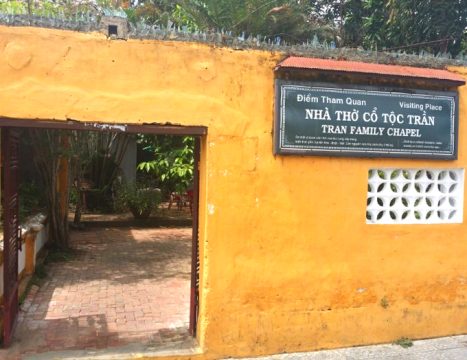
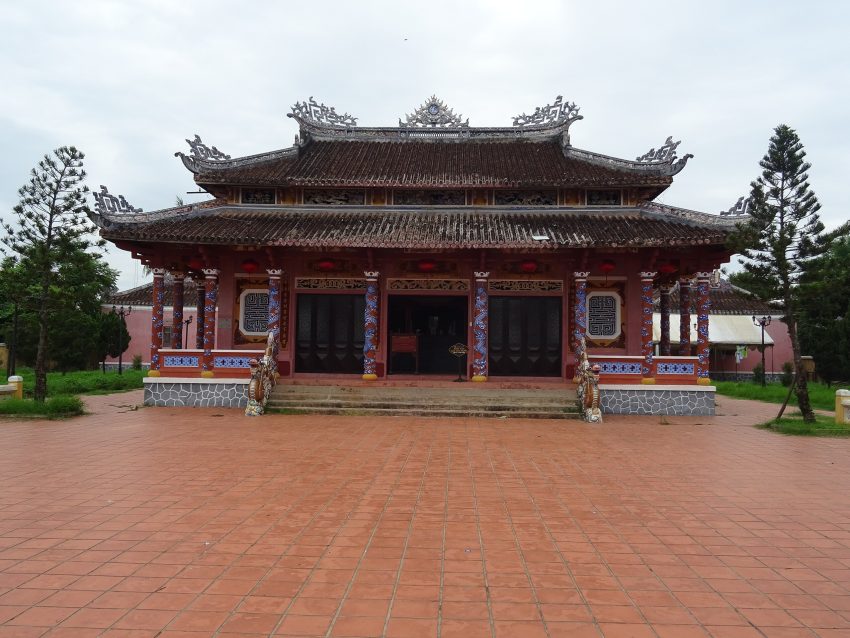
4. Tran Family Chapel

Trans Family Chapel
Trans Family Chapel
©

The Confucius Temple, also known locally as Miếu Thờ Khổng Tử, sits on the fringe of Hoi An Ancient Town. Although it is less frequented by visitors, it stands as one of the most remarkable attractions in Hoi An. If you find the main gate closed, a smaller, alternative gate is usually accessible nearby. A charming bridge over a moat leads to a spirit wall, guarded by a mythical creature, marking the entrance to the temple. Throughout the temple, numerous sculptures adorned with colorful ceramic tiles can be found, making it a captivating place to explore.

Directly across from the Confucius Temple is the Quang Nam Memorial, characterized by a striking tall pink column situated beside a pond brimming with lotus flowers.


Location: Tran Family Chapel, Le Loi, Minh An, Hội An, Quảng Nam, Vietnam | Hours: Typically 8:00–17:00 | Price: Hoi An Old Town Ticket Required (120,000 VND)

5. Phac Hat Pagoda

Phac Hat Pagoda
Phac Hat Pagoda
CC BY-SA 4.0 / Christophe95

Pháp Bảo Temple, also referred to as Phac Hat Pagoda, is a Buddhist temple renowned for its enchanting gardens that are frequently adorned with blooming flowers. Known as the ‘Treasure of the Law Temple’, Phap Bao Pagoda features a vibrant facade decorated with ceramics and murals, and an intricate roof crowned with serpentine dragons. The temple is centered around a vast courtyard, which is home to hundreds of potted plants and bonsai trees, creating a peaceful and verdant environment.


Location: Phac Hat Pagoda, Đường Hai Bà Trưng, Sơn Phong, Hội An, Quảng Nam, Vietnam

6. Ba Mu Temple

Ba Mu Temple Gate
Ba Mu Temple Gate
CC BY-SA 4.0 / Chainwit.

Ba Mu Temple, was originally constructed in the 17th century, the temple has undergone various transformations, retaining only a fraction of its initial structure, most notably the intricately decorated gate that welcomes visitors. Named after the legendary goddess of the sea, Thien Hau, to whom it was once dedicated, Ba Mu Temple serves as a serene sanctuary for both locals and tourists. The temple complex, with its richly adorned gate and remnants of traditional Vietnamese architecture, provides a peaceful retreat amidst the bustling ancient town. It continues to be a focal point for spiritual practices and a place where visitors can immerse themselves in the tranquil atmosphere and explore the historical depth of Hoi An.


Location: 675 Đường Hai Bà Trưng, Old Town, Minh An, Hội An, Quảng Nam, Vietnam

7. Cantonese Assembly Hall

Cantonese Assembly Hall
CC BY-SA 4.0 / Christophe95

The Tran Family Chapel is a historical and architectural gem that embodies over two centuries of cultural heritage. Constructed in the early 19th century by Tran Tu Nhac, a cultural mandarin under Emperor Gia Long, the chapel was designed to serve as a communal space for descendants to honor their ancestors. This serene sanctuary, nestled in the bustling environment of Hoi An’s old town, covers 1,500 square meters and is distinguished by its fusion of traditional Vietnamese, Chinese, and Japanese architectural elements. The chapel not only serves as a place of worship but also houses a family museum and displays a collection of antiquities, making it a profound testament to the Tran family’s enduring legacy and a focal point for understanding regional cultural history.


Location: Hội quán Quảng Đông (Cantonese Assembly Hall), 176 Trần Phú, Old Town, Minh An, Hội An, Quảng Nam, Vietnam | Hours: Typically 8:00–17:00 | Price: Hoi An Old Town Ticket Required (120,000 VND)

8. Japanese Covered Bridge

Japanese Covered Bridge
CC BY-SA 4.0 / Chainwit.

The Japanese Covered Bridge, an iconic landmark from the 16th century, serves as a crucial link between the Japanese and Chinese quarters of Hoi An. This bridge, now a symbol of the town and a central feature of the Ancient Town area, showcases a unique blend of Japanese and Vietnamese architectural styles. Its most striking feature is the sheltered passageway that arches over a small waterway, connecting two parts of the town.

Notably, at each end of the bridge stand sculptures of a monkey and a dog, which commemorate the years construction began and ended, 1593 and 1595, respectively. Within the bridge is a quaint temple dedicated to Taoist gods, frequented by both locals and visitors who come to seek blessings for fortune and well-being.


Location: Chùa Cầu, Trần Phú, Cẩm Phô, Hội An, Quảng Nam, Vietnam | Price: Hoi An Old Town Ticket Required (120,000 VND)

9. Museum of Sa Huỳnh Culture

Sa Huynh Museum Hoi An
CC BY-SA 3.0 / librarianidol

The Museum of Sa Huỳnh Culture, established in 1994, is a significant cultural institution dedicated to preserving and showcasing the artifacts of the prehistoric Sa Huỳnh culture, the earliest known settlers of Hoi An. The museum’s collection, the largest of its kind in Vietnam, includes terracotta works and other artifacts that provide deep insights into the burial customs, beliefs, and daily life of the Sa Huỳnh people. These early inhabitants were known for their extensive trade networks with Southeast Asia, South India, and China. Of particular importance is the collection from Bai Ong on Cham Island, which traces the Sa Huỳnh culture back 3,000 years, offering a rare glimpse into the rich and complex history of this ancient civilization.


Location: Museum of Sa Huynh Culture, Trần Phú, Old Town, Minh An, Hội An, Quảng Nam, Vietnam | Hours: Typically 8:00–17:00 | Price: Hoi An Old Town Ticket Required (120,000 VND)

10. Phung Hung Ancient House

Phung Hung Old House
CC BY-SA 2.0 / Tracey Hind

Phung Hung Ancient House stands as a well-preserved traditional Vietnamese merchant’s house, encapsulating the architectural and cultural heritage of the region. This house exemplifies a 19th-century Hoi An merchant’s residence, illustrating a fusion of Chinese, Japanese, and Vietnamese architectural influences.

During a visit, guests have the opportunity to wander through the different rooms of the house, discovering insights into the everyday life and operations of the merchant families who resided there. Presently, the house also functions as a hub for cultural events and activities, continuing its legacy as a vital cultural landmark.


Location: Phung Hung Old House, Nguyễn Thị Minh Khai, Cẩm Phô, Hội An, Quảng Nam, Vietnam | Hours: Typically 8:00–17:00 | Price: Hoi An Old Town Ticket Required (120,000 VND)

11. Cam Pho Temple

Cam Pho Temple
Cam Pho Temple
CC BY-SA 2.0 / Mig Gilbert

Cam Pho Temple honors Thien Hau, the sea goddess who safeguards sailors and fishermen. Known as Mazu in Chinese traditions, she is deeply respected across many East Asian coastal communities. For generations, Hoi An has been a hub for fishermen and maritime traders. Today, individuals continue to converge at Cam Pho Temple to venerate Thien Hau, praying for her protection on their journeys, as well as for prosperity and good luck.


Location: Cẩm Phô Communal House / Cẩm Phô Temple, Nguyễn Thị Minh Khai, Cẩm Phô, Hội An, Quảng Nam, Vietnam | Hours: Typically 8:00–17:00 | Price: Hoi An Old Town Ticket Required (120,000 VND)

12. Confucius Temple

Confucius Temple Hoi An
CC BY-SA 4.0 / Christophe95

The Confucius Temple, also known locally as Miếu Thờ Khổng Tử, sits on the fringe of Hoi An Ancient Town. Although it is less frequented by visitors, it stands as one of the most remarkable attractions in Hoi An. If you find the main gate closed, a smaller, alternative gate is usually accessible nearby. A charming bridge over a moat leads to a spirit wall, guarded by a mythical creature, marking the entrance to the temple. Throughout the temple, numerous sculptures adorned with colorful ceramic tiles can be found, making it a captivating place to explore.

Directly across from the Confucius Temple is the Quang Nam Memorial, characterized by a striking tall pink column situated beside a pond brimming with lotus flowers.


Location: Confucius Temple, Trần Hưng Đạo, Cẩm Phô, Hội An, Quảng Nam, Vietnam

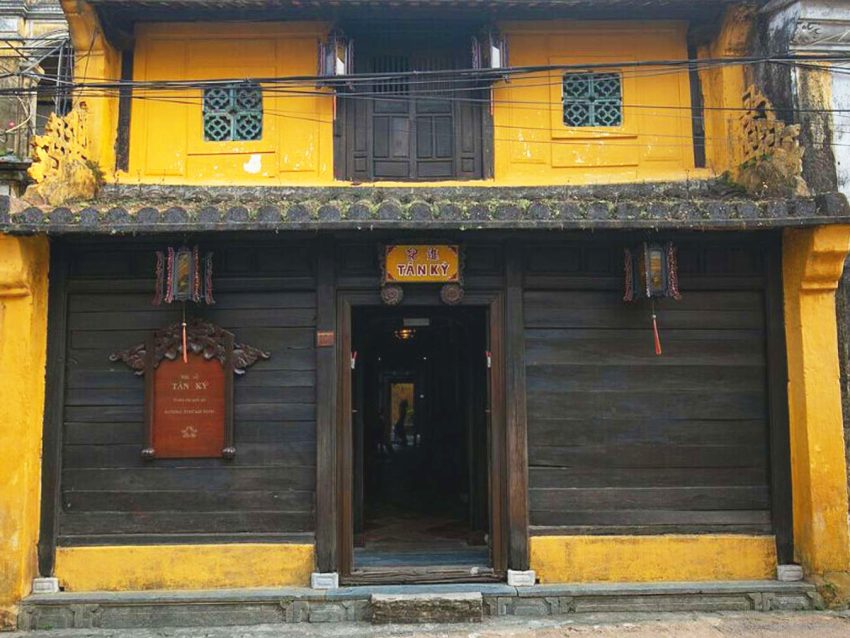
13. Ancient House of Tan Ky

Ancient House of Tan Ky
©

The Ancient House of Tan Ky, dating back to 1741, is a historic merchant’s home adorned with antiques and centered around a charming courtyard. Designed to endure the frequent floods of its era, the house has markers indicating the heights of past floods, some of which were quite significant. Inside, visitors have the opportunity to purchase some of the unique antiques and souvenirs that are on display.


Location: Old House of Tan Ky, Nguyễn Thái Học, Old Town, Minh An, Hội An, Quảng Nam, Vietnam | Hours: Typically 8:00–17:00 | Price: Hoi An Old Town Ticket Required (120,000 VND)

14. Old House of Duc An

Ancient House of Duc An
©

The Old House of Duc An is a historic gem in Hoi An, Vietnam, celebrated for its exquisite architecture and rich cultural significance. Built in the late 19th century, this well-preserved house offers a glimpse into the prosperous past of Hoi An as a bustling trading port. The house features a harmonious blend of Vietnamese, Chinese, and Japanese architectural styles, with its wooden beams, intricately carved details, and antique furnishings reflecting the craftsmanship of the era. Beyond its aesthetic appeal, the Old House of Duc An holds historical importance as a place where intellectuals and revolutionaries once gathered, making it a site of both cultural and historical interest. Today, it stands as a testament to Hoi An’s rich heritage, inviting visitors to step back in time and experience the timeless beauty and historical depth of this remarkable residence.


Location: 129 Trần Phú, Phường Minh An, Hội An, Quảng Nam, Vietnam | Hours: Typically 8:00–17:00 | Price: Hoi An Old Town Ticket Required (120,000 VND)
Powered by GetYourGuide
Moira & Andy
Moira & Andy

Hey! We're Moira & Andy. From hiking the Camino to trips around Europe in Bert our campervan — we've been traveling together since retirement in 2020!

Read our full story here

This website uses affiliate links which earn a small commission at no additional cost to you.

Walking Tour Summary

Distance: 3.5 km
Sites: 14

Walking Tour Map
Map of the Self-Guided Walking Tour of Hoi An walking route with 14 stops in Hoi An.
Preview map of the Self-Guided Walking Tour of Hoi An route in Hoi An, showing 14 stops. Use the interactive map to zoom and tap markers.

Choosing a Ha Long Bay Cruise in 2026: Find the Perfect Trip

How do you Choose a Ha Long Bay Cruise

This website uses affiliate links which earn a small commission at no additional cost to you.

Halong Bay, recognized as a UNESCO World Heritage Site and one of the New Seven World Natural Wonders, is one of Vietnam's most celebrated attractions. Located in Quang Ninh Province, this iconic bay is renowned for its stunning limestone karsts and isles that dot the seascape in various shapes and sizes. In ancient Vietnamese, “Halong” directly translates to “descending dragon.” Legend has it that when Vietnam faced invasions from the north, the Jade Emperor dispatched the Mother Dragon and her offspring to protect the nation. The locals, in gratitude, named the location where the dragons descended “Halong.” This article is going to show you how to Choose a Ha Long Bay Cruise!

Book a Cruise Online or During My Visit?

Once you arrive in Vietnam, you'll find a plethora of options to explore Halong Bay, catering to all budgets. In and around Hanoi and Cat Ba Island, most hotels and hostels provide access to various tours, including both day trips and overnight cruises. Additionally, as you explore the local streets, numerous travel companies will likely offer similar tour options, ensuring you have plenty of choices to secure the best deal for your adventure in Halong Bay. Unfortunately they will probably pushing you on a cruise where they recieve the highest comission, not necesarly the one that is best suited to you.

One advantage of buying online with someone like getyourguide is you they are anxious for a good review. If there is something amiss with your cruise, you have someone who will try and put things right.

Whether you buy your cruise online or when you arrive, use this guide to understand your options and which cruise is right for you.

What activities are available on Board?

Most Halong Bay cruises offer similar activities such as kayaking, caving, swimming, cooking classes, squid fishing, and karaoke on board. However, some tours provide unique experiences like dining in a cave, fishing with locals, or participating in environmental clean-up efforts to collect rubbish and waste from the bay.

©

Decide Your Halong Bay Cruise Length

Nearly all overnight cruises in Halong Bay offer both a 2-day 1-night and a 3-day 2-night itinerary. The 2-day 1-night cruise is a popular choice, providing a classic experience where you spend one night on board and have ample time to explore the key sights. For those wishing to unwind and delve deeper into the bay’s beauty, the 3-day 2-night itinerary is preferable. On this longer cruise, you’ll spend the second day on a smaller boat exploring more secluded parts of the bay before returning to the main ship in the late afternoon.

Day Cruise

Many large tour groups opt for a day trip from Hanoi to Halong Bay, embarking early for the lengthy drive and boarding a boat upon arrival, before heading back to the city by evening. While this option suits those with limited time, it's not typically recommended if you want to fully experience the bay's beauty. An overnight stay on a boat is highly advised once the day visitors depart, offering a quieter and more immersive experience.

The standard day trip is conducted on a double-decker junk that can carry 46 passengers. Although most junks feature an upper deck for relaxation, securing a lounger can be challenging when the boat is at capacity, and many of the loungers do not have cushions.

Two Day, One-Night Cruise

For many, a one-night cruise strikes the perfect balance, providing a taste of Halong Bay's serene atmosphere without significantly cutting into time allocated for other Vietnamese adventures. Most overnight cruises kick off at noon, aligning well with travel schedules from Hanoi that allow guests to board just in time for lunch. The afternoon might include visits to key attractions like caves, beaches, or floating villages. Dinner comes after anchoring for the night, with one more stop the following morning before returning to port and disembarking around 11 a.m.

Three Day, Two-Night Cruise

Opting for a two-night cruise allows you to venture further from the more crowded areas of the bay, especially as the one-night cruise boats make their way back to port. This option is ideal for those wanting to explore quieter coves by kayak and swim undisturbed. Often, passengers will switch to a smaller day boat for mid-cruise expeditions, returning to the main ship for the night. Some cruises offer continuous two-day journeys aboard the same vessel, venturing into the bay’s lesser-known areas for an extended exploration.

Which Route should I choose?

Halong Bay covers approximately 1,553 km² (600 sq mi), with nearly 2,000 islets, mostly limestone, which have undergone 500 million years of formation across various conditions and environments. The development of the karst landscape has been influenced by 20 million years of tropical climate, contributing to the area’s rich biodiversity, including tropical evergreen, oceanic, and sea shore ecosystems. The bay supports 14 endemic floral species and 60 faunal species, making it a significant site for both ecological and archaeological studies.

While most are familiar with Halong Bay, the area also includes Bai Tu Long Bay and Lan Ha Bay, each offering unique experiences. Bai Tu Long Bay remains relatively untouched and is ideal for those seeking solitude, while Lan Ha Bay is known as a kayaking paradise due to its serene waters and less trafficked routes.

©

Ha Long Bay

Halong Bay, the most celebrated of Vietnam's bays, is not only a UNESCO World Heritage Site but also recognized as one of the World's Wonders. It's likely you've come across it if Vietnam is on your travel agenda.

©

The majority of cruises in the region follow the Halong Bay route, catering to all types of travelers, from those on a budget to those seeking opulence. This route is particularly popular among those desiring a lavish experience, as it features nearly all of the five-star vessels equipped with luxurious amenities like jacuzzis on deck and 360-degree floor-to-ceiling views of Halong’s stunning landscapes. If indulgence is what you’re after, the Halong Bay route is definitely the way to go.

Activities and Places in Ha Long Bay

The activities available on the Halong Bay route largely mirror those offered on other routes, but there are a couple of unique highlights.

  • Sung Sot Cave (Surprise Cave): Often referred to as the “Surprise Cave,” Sung Sot Cave is renowned for its vast caverns and intricately patterned stalactites and stalagmites that create an awe-inspiring spectacle.
  • Kayak at Luon Cave: Kayaking through Luon Cave offers an intimate experience of Halong Bay’s serene beauty, allowing visitors to glide through tranquil waters surrounded by towering limestone walls.
  • Ti Top (Titov) Island: A trek to the summit of Ti Top Island provides panoramic views of Halong Bay’s emerald waters and scattered islets, making it a favorite spot for photographers and nature lovers.
  • Bohon Island: Known for its rich biodiversity and stunning natural landscapes, Bohon Island is a less frequented destination in Halong Bay offering peaceful exploration opportunities.
  • Me Cung Cave (Maze Cave): Me Cung Cave, or “Maze Cave,” is less traveled but deeply fascinating due to its historical significance and the archaeological remnants of prehistoric human activity found within.
  • Pearl Farm: Visiting a pearl farm in Halong Bay offers insight into the meticulous process of pearl cultivation and provides the chance to see how pearls are harvested and processed from mollusks.

Drawbacks on Visiting Ha Long Bay

The main drawback of Halong Bay is its inevitable crowds. If you’re seeking a more secluded experience, consider selecting cruises that schedule their shore excursions during off-peak hours, use private piers for boarding, or better yet, venture to the more remote Lan Ha Bay or Bai Tu Long Bay. These locations offer landscapes just as stunning as Halong Bay but with significantly fewer tourists.

Getting There: To get to Halong Bay, you would need to travel from Hanoi to Tuan Chau Port. Most cruises will offer transport from Hanoi for an additional charge.

A selection of Ha Long Bay Cruises

One Day Budget Cruise (£40): Sung Sot Cave, kayak at Luon Cave, and trek Ti Top (Titov) Island.
Two Day Cruise (£90): Sung Sot Cave, kayak at Luon Cave, trek Ti Top (Titov) Island, and Bohon Island.
3 Day Cruise (£260): Sung Sot Cave, morning Tai Chi session, kayak at Luon Cave, Me Cung cave, Pearl Farm, trek Ti Top (Titov) Island.

Lan Ha Bay

Situated south of Halong Bay, Lan Ha Bay serves as a less crowded alternative, boasting a landscape that is virtually indistinguishable from its famous neighbor, though it is not designated as a UNESCO Heritage Site.

You can embark on a Lan Ha Bay cruise either from nearby Cat Ba Island, which offers more budget-friendly options, or choose a cruise that includes transport from Hanoi, which generally comes at a higher cost. For backpackers and travelers interested in a dynamic cruise itinerary, it's recommended to stay on Cat Ba Island and take a cruise from there. Cruises departing from Cat Ba tend to be more economical and offer a broader range of activities, such as rock climbing and kayaking among bioluminescent plankton.

Whether you're setting sail from Hanoi or Cat Ba Island, Lan Ha Bay generally features fewer boats and more adventurous excursions compared to Halong Bay. These excursions may include trekking in Cat Ba National Park, cycling, exploring a historical war cave on Cat Ba Island, and snorkeling to observe the diverse marine life, from vibrant coral reefs to various crustaceans.

Lan Ha Bay might not cater to those seeking luxury, as the cruises here are typically more basic and rugged. However, if you’re after a livelier social scene and a younger demographic, this bay is an excellent choice among the three bays.

©

Activities and Places in Lan Ha Bay

  • Cat Ba Island: The largest island in Lan Ha Bay, Cat Ba offers a mix of rugged natural landscapes and vibrant local life, with activities ranging from hiking in Cat Ba National Park to exploring the island’s numerous caves.
  • Kayaking: Paddle through the tranquil waters of Lan Ha Bay, navigating through its myriad of limestone karsts and hidden lagoons that offer a more secluded experience compared to its popular neighbor, Halong Bay.
  • Cai Beo Floating Fishing Village: One of the oldest floating villages in Vietnam, Cai Beo offers a glimpse into the traditional water-based life of the local fishermen and an opportunity to learn about their unique cultural heritage.
  • Snorkeling and Diving: The clear waters of Lan Ha Bay are ideal for snorkeling and diving, where adventurers can explore vibrant coral reefs and encounter a diverse range of marine life.
  • Beach Hopping: Lan Ha Bay features numerous pristine beaches such as Ba Trai Dao Beach, where visitors can relax on soft white sands, swim in the clear blue waters, and enjoy the picturesque scenery away from the crowds.

Getting There: The journey begins with a 2-hour bus ride from Hanoi to GOT Port, followed by a quick 10-minute speedboat ride to Cat Ba Island, where you can access Lan Ha Bay. Many Lan Ha Bay cruises offer pickups from Hanoi, allowing you the flexibility to start your trip directly from the capital or to spend more time exploring Cat Ba.

Lan Ha Bay is ideal if you:

  • Are starting from Cat Ba Island, as it is the primary departure point for cruises to Lan Ha Bay.
  • Seek adventurous excursions such as extended hikes, rock climbing, and night kayaking.
  • Prefer a cruise with a vibrant social atmosphere, as Lan Ha Bay tends to attract a younger crowd and backpackers.

Situated to the east of Halong Bay, Bai Tu Long Bay is a quieter, less-known alternative that offers a retreat from the more frequented tourist sites.

A selection of Lan Ha Bay Cruises

One Day Cruise £70: Cai Beo, Viet Hai Village, Swim and Kayak.
2 Day Cruise £125: Dark and Bright Cave by kayaking, Tai Chi, Trung Trang Cave
3 Day Cruise £215: Dark and Bright Cave by kayaking,Cooking class, Squid Fishing, Cong Tau lagoon, Dau Be Island, Viet Hai Village

Bai Tu Long Bay

Like Lan Ha Bay, Bai Tu Long Bay features a limestone karst landscape that mirrors that of Halong Bay. A significant advantage of Bai Tu Long Bay is its underdevelopment compared to its sister bays, resulting in fewer tourists and a more tranquil experience.

©

The cruise options here, while comfortable, are generally not as luxurious as those found in Halong Bay and tend to be slightly pricier (by about $30-50) due to the limited number of vessels operating in the area. If you’re seeking a serene getaway to escape bustling city life, Bai Tu Long Bay is an excellent choice.

For visitors planning a trip to Bai Tu Long, it’s advisable to opt for a longer itinerary, such as two days or more, to truly appreciate the bay’s beauty without feeling rushed, especially considering its somewhat remote location.

This bay is particularly well-suited for small groups or families, offering activities like cooking classes, squid fishing, and kayaking, similar to those available in Halong Bay but with fewer people around. Additionally, Bai Tu Long is home to Vung Vieng Fishing Village, offering a genuine glimpse into Vietnamese fishing culture, albeit less crowded than Cua Van in Halong Bay.

Another draw of Bai Tu Long Bay is its pristine beaches, perfect for those seeking solitude. Ban Chan beach, for example, provides ample space for beach volleyball or simply relaxing by the sea.

Activities and Places in Bai Tu Long Bay

  • Vung Vieng Fishing Village: Nestled in Bai Tu Long Bay, Vung Vieng Fishing Village offers visitors a rare peek into the traditional lives of the fishermen in a stunningly preserved area, emphasizing sustainability and cultural preservation.
  • Thien Canh Son Cave: Hidden within the islets of Bai Tu Long Bay, Thien Canh Son Cave features spectacular stalactite formations and offers a tranquil escape from the more touristy areas, providing a glimpse into the geological and historical past of the region.
  • Ban Chan Beach: This remote beach in Bai Tu Long Bay is perfect for those looking to relax in a serene setting, with its fine white sand and crystal-clear waters framed by picturesque karst limestone mountains.
  • Cong Do Area: Known for its biodiversity, including a coral reef, the Cong Do area in Bai Tu Long Bay is an excellent spot for snorkeling and diving enthusiasts looking to explore vibrant marine ecosystems.
  • Cap La and Tra San: Offering one of the best kayaking and swimming experiences in Bai Tu Long Bay, the Cap La and Tra San areas are known for their secluded waterways and striking limestone karst landscapes, perfect for adventurous travelers.

Getting There: To reach Bai Tu Long Bay, travelers need to journey from Hanoi to Hanoi's International Cruise Port, Hon Gai Harbour. Most cruises offer transportation from Hanoi for an additional fee.

Bai Tu Long Bay is the ideal choice if you:

  • Desire tranquil beach time without the hassle of crowds.
  • Have ample time to explore at a leisurely pace.
  • Seek the most secluded and serene setting among the three bays.

A selection of Bai Tu Long Bay Cruises

One Day Cruise £95: Thien Canh Son Cave, Mat Quy islet and Teapot islet, Cong Do, Dragon’s Head islet, Toad islet
2 Day Cruise £110: Kayak Cap La Island, Tai Chi, Thien Canh Son Cave, Hon Co Island, Cooking Lesson.
3 Day Cruise: Kayak, Tai Chi, Viet Hai Village, Kayak Ao Ech

What Boat should I choose?

The next decision in planning your Halong Bay trip involves selecting the right type of boat for your journey.

©

Modern or Traditional for a Ha Long Bay Cruise?

Modern Halong Bay cruises typically utilize two types of vessels: steel ships and wooden junks, each offering either modern or traditional décor styles. If you appreciate mid-century modern aesthetics or traditional Asian maritime design, consider exploring options like Orchid Premium Cruise, Heritage Cruise, Stellar Cruise, or Glory Legend Cruise. On the other hand, newer vessels are generally constructed from steel and feature contemporary Western-style interiors, resembling floating hotels with stylish, up-to-date decorations. For a more detailed understanding, it’s advisable to visit the cruise line websites where you can find specific information about the boat’s facilities, cabins, dining options, and additional services.

Large or Small for a Ha Long Bay Cruise?

Day cruises in Halong Bay typically accommodate larger groups, often up to 100 persons, and can feel somewhat impersonal. In contrast, overnight cruises usually operate with smaller vessels, hosting between 20 to 60 persons, which many find preferable. The smaller cruise ships offer a more intimate experience, minimizing waiting times for disembarking during activities and creating a more personal atmosphere throughout the journey.

Powered by GetYourGuide
Moira & Andy
Moira & Andy

Hey! We're Moira & Andy. From hiking the Camino to trips around Europe in Bert our campervan — we've been traveling together since retirement in 2020!

Read our full story here

This website uses affiliate links which earn a small commission at no additional cost to you.

8 Best Things to Do in Sapa, Vietnam (2026)

The 10 Best Things to Do in Sapa Vietnam

This website uses affiliate links which earn a small commission at no additional cost to you.

Sapa ranks among Vietnam's most picturesque destinations, nestled in the northern highlands and surrounded by mountains adorned with expansive rice terraces. Be sure to bring your hiking boots, as Sapa offers a range of incredible hiking opportunities through its stunning natural landscapes. As you trek along serpentine trails through verdant valleys, you will come across awe-inspiring viewpoints and stumble upon authentic villages. These villages are home to various ethnic minority groups who have resided in the area for generations.

How long should I stay in Sapa?

Deciding how long to stay in Sapa should align with your personal interests, what you hope to accomplish, and your pace of travel. Sapa, located in Vietnam's northern highlands, offers stunning landscapes, diverse cultural interactions, and ample hiking opportunities. Consider the following factors to tailor your visit:

  • Adventure and Trekking: If you’re keen on hiking through the iconic rice terraces, exploring local villages, and climbing Fansipan, the highest mountain in Indochina, planning for at least 2-3 days is recommended. This will give you sufficient time to fully engage with Sapa’s natural beauty and outdoor adventures.
  • Cultural Immersion: For those interested in a deeper cultural experience, such as participating in traditional festivals or spending time with the hill tribes, extending your stay could be worthwhile. More days in Sapa mean more opportunities to connect with and learn from the local communities.
  • Leisure and Scenery: If your goal is to relax and take in the picturesque settings, a brief visit of 1-2 days may be enough. This should allow you to unwind and enjoy the serene landscapes without feeling rushed.
  • Weather and Timing: Given that Sapa’s climate can be misty and rainy, especially from May to September, planning your visit during the drier months might enhance your experience. It’s wise to check the weather forecast ahead of time to choose the best period for travel.

Most tours from Hanoi are 2 day tours, with one overnight stay. These are well organised but if you love trekking or want to see more of the sites in Sapa then you should consider travelling there independantly by sleeper bus. Overall, while a typical stay ranges from 2-3 days, adjust your itinerary based on your specific desires and the activities you prioritize.

Top 8 places and activities in Sapa

1. Climb to the Roof of Indochina: Mount Fansipan!

Fansipan
Fansipan
CC BY-SA 4.0 / NKSTTSSHNVN

For those eager to experience Sapa’s expansive valleys from a unique vantage point, taking a ride on the world’s longest non-stop cable car is essential. This cable car journey, known as the “cable car to heaven,” ascends to the peak of Mount Fansipan, soaring over 3,000 meters (9843 feet) above sea level. As you glide through the clouds, you’ll catch intermittent views of the verdant landscape below. At the summit, the panorama is breathtaking, with distant waterfalls dotting the horizon. As clouds drift past, you might even catch a glimpse of China on a clear day.

Once at the summit, visitors can explore the stunning temple complex and consider climbing the 600 stairs to truly experience the apex of Mount Fansipan. The area is a blend of nature and spirituality that encapsulates the mystical allure of northern Vietnam. For those who wish to reach the very top, the climb involves stairs that lead to a viewing platform offering the highest vantage point.


Location: Fansipan, Tam Đường District, Lai Chau, Vietnam | Hours: Daily: 08:00–16:00. | Price: Cable car round-trip tickets typically start from ₫800,000 (adult) and around ₫550,000 (child, height-based), with pricing sometimes higher on weekends/holidays. | Website

Here is a complete selection of hotel options in Sapa. Feel free to review each one and choose the stay that best suits your needs.

Powered by GetYourGuide

2. Trek among the Rice Terraces

sapa vietnam
sapa vietnam

Explore the iconic terraced rice fields that cascade down the hillsides in beautiful patterns. Trekking tours can range from a few hours to several days, depending on your interest and fitness level. These terraces offer a stunning glimpse into the agricultural practices and scenic beauty of the region, providing ample opportunities for photography and immersive cultural experiences with local hill tribes.

Read our Sapa Travel Guide

Traveling to a country with a different currency? Avoid ATM transaction fees and pay in local currency with a Wise Card. Having used it for over 5 years, we've saved loads on fees!

Powered by GetYourGuide

3. Visiting Cat Cat Village

Ban Cat Cat
Ban Cat Cat
CC BY-SA 3.0 / Liftold (thảo luận)

Cat Cat Village, nestled just a short walk from the center of Sapa town, represents the Hmong community’s strong cultural traditions. As one of the more accessible villages, visitors can easily explore its charming paths lined with handcrafted souvenirs and traditional Hmong homes. The village is also known for its picturesque waterfalls and the quaint bridges that arch over streams, providing scenic spots for photos and relaxation.

The village offers demonstrations of traditional textile making, including hemp weaving and dyeing cloth with indigo, which the Hmong are famed for. These cultural exhibits provide visitors with a deeper understanding of the craftsmanship involved in creating ethnic clothing and accessories. Participating in these cultural exchanges supports the local economy and preserves the heritage of the community.


Location: Cat Cat Village, San Sả Hồ, Sa Pa, Lao Cai, Vietnam | Hours: Daily: 06:00–21:00. | Price: Adults: 150,000 VND
Powered by GetYourGuide

4. Shopping at Sapa Market

Market in Sa Pa
Market in Sa Pa
CC BY-SA 4.0 / Christophe95

Sapa Market is a vibrant hub of activity where local produce, crafts, and textiles are traded. This market is not just a place to shop but a spectacle of culture and local life. Visitors can find everything from fresh fruits and vegetables to handmade jewelry and traditional garments. It’s an excellent place to observe local life and interact with traders to learn more about the products they sell.

The market also serves as a social space for the local ethnic communities, particularly on weekends when it’s busiest. Here, you can sample traditional foods, such as grilled corn and homemade rice wine, which are staples of the local diet. The colorful attire of the ethnic minorities, combined with the bustling atmosphere, makes Sapa Market an essential experience for understanding the local culture and economic activities.


Location: Sapa Night Market Lương Định Của TT. Sa Pa Sa Pa Lào Cai, Vietnam | Hours: Daily: 06:00–18:00 | Price: Free.

5. Visiting the Sapa Museum

Sa Pa Museum
Sa Pa Museum
CC BY-SA 2.0 / Christophe95

The Sapa Museum offers a comprehensive overview of the area’s history and the diverse cultures of its indigenous peoples. Located in the center of town, the museum houses artifacts, traditional costumes, and agricultural tools that tell the story of Sapa’s communities. It provides context to the region’s complex cultural mosaic and serves as an educational resource for visitors wanting to understand the historical and social dynamics of the area.

Interactive exhibits and periodic cultural demonstrations make the museum a lively place to visit. It is particularly useful for visitors to engage with before exploring the surrounding villages, as it provides a foundation of knowledge that can enhance the appreciation of the local customs and lifestyles encountered.


Location: Sapa Culture Museum 02 Fansipan TT. Sa Pa Sa Pa Lào Cai, Vietnam | Hours: Daily: 07:30–11:30 & 13:30–17:00. | Price: Free.
Powered by GetYourGuide

6. Hike to Silver Waterfall and Love Waterfall

Thacbac waterfall Sapa
CC BY-SA 2.0 / Lori_NY

Silver Waterfall and Love Waterfall are two of Sapa’s natural treasures, each offering distinct experiences. The Silver Waterfall, standing over 200 meters high, presents a majestic sight and sound as water cascades down its rocky face. It is easily accessible by road and provides a refreshing stop not far from Sapa town.

Love Waterfall, on the other hand, is tucked away in a lush forest and requires a short hike to reach. The path to the waterfall is scenic, passing through bamboo forests and along streams, culminating in the tranquil beauty of the waterfall itself. This site is steeped in local legend, adding a mystical element to its natural allure.


Location: Silver Waterfall, San Sả Hồ, Sa Pa, Lao Cai, Vietnam | Hours: Daily: 08:30–17:00. | Price: 20,000 VND (adults); 10,000 VND (children).
Powered by GetYourGuide

7. Experiencing a Homestay

Sapa Homestay
Sapa Homestay

Staying with a local family in one of Sapa’s villages offers a firsthand look at rural life in the Vietnamese highlands. Homestays are available in several villages around Sapa, providing a unique opportunity to live and work alongside local residents. This experience allows visitors to understand the daily routines and cultural practices of the ethnic communities in a more intimate and personal setting.

Homestays also contribute to sustainable tourism, as they directly benefit the local economy and help preserve traditional lifestyles. Guests often participate in activities like cooking local dishes, farming, and crafting, which fosters a deeper connection with the community and provides a profound understanding of the cultural ties that define Sapa.

Read our Sapa Travel Guide
Powered by GetYourGuide

8. Walking Around Sapa Lake

Sa Pa Lake island
Sa Pa Lake island
CC BY-SA 4.0 / Christophe95

Sapa Lake provides a tranquil escape in the heart of the town. A leisurely walk around the lake offers stunning views of the surrounding mountains and a peaceful respite from the busier town streets. The lake area is ideal for picnics, jogging, or simply relaxing by the water, making it a perfect spot to unwind after a day of trekking or market exploration. This serene setting is also a popular spot for local residents, offering insights into the everyday leisure activities of the Sapa community.


Location: Sa Pa Lake, Sa Pa, Lao Cai, Vietnam | Hours: 24 Hours | Price: Free.
Powered by GetYourGuide
Moira & Andy
Moira & Andy

Hey! We're Moira & Andy. From hiking the Camino to trips around Europe in Bert our campervan — we've been traveling together since retirement in 2020!

Read our full story here

This website uses affiliate links which earn a small commission at no additional cost to you.

Walking Tour Map
Map of the 8 Best Things to Do in Sapa, Vietnam walking route with 8 stops in Sapa.
Preview map of the 8 Best Things to Do in Sapa, Vietnam route in Sapa, showing 8 stops. Use the interactive map to zoom and tap markers.

Self-Guided Walking Tour of Hanoi’s Ba Dinh District (2026)

Walking Tour of Hanois Ba Dinh District

This website uses affiliate links which earn a small commission at no additional cost to you.

Ba Dinh District, located just west of Hanoi's Old Quarter, is the political and historical heart of the city. This district is home to many of Vietnam's most important cultural and historical monuments. It was here, in the eleventh century, that the Ly kings established their Imperial City. While little remains of the original Ly palaces, the district houses the venerable Temple of Literature and the picturesque One Pillar Pagoda, both significant relics from this period. The area also features impressive colonial architecture from the French era, most notably the Presidential Palace, which was the residence of the governor-general of Indochina. Today, part of its former gardens hosts two major pilgrimage sites: Ho Chi Minh's Mausoleum and Museum, drawing numerous visitors who come to pay their respects to the revered leader.

In addition to its historical sites, Ba Dinh District is also home to the Hanoi Citadel, which served as the seat of power for all Vietnamese dynasties except the Nguyen dynasty. The Citadel complex includes the Cot Co Flag Tower, accessible via the Military History Museum, which showcases Vietnam's military past. Ba Dinh Square, a significant landmark within the district, is the site where Ho Chi Minh declared Vietnam's independence in 1945. The district's rich history, combined with its political significance and cultural heritage, makes Ba Dinh a vital and fascinating area to explore, offering a deep dive into the historical and contemporary heart of Vietnam.

TIP: If you're spending a day in Hanoi and want to delve into the city's rich history, consider embarking on a Half-day Private City Tour of the Ba Dinh District. This 4-hour tour in a private car tour offers insightful narratives about Vietnam’s past, its path to independence, and the enduring legacy of its leaders.

How to Get to Ba Dinh District

By Train: While Hanoi’s main railway station, Hanoi Railway Station, is centrally located, Ba Dinh District is easily accessible via a short taxi ride or a 20-minute walk, making it convenient for travelers arriving by train.

By Car: Ba Dinh District is well-connected by major roads, including Kim Ma and Nguyen Thai Hoc streets. However, parking can be limited, so it's advisable to use public transportation or taxis. Alternatively, consider parking near the Old Quarter and walking to Ba Dinh to explore its historical sites on foot.

Where to Stay in Hanoi’s Ba Dinh District

For travelers keen on exploring Hanoi’s historical heart, staying in Ba Dinh District offers unparalleled access to the city’s most iconic landmarks. A top luxury choice is Lotte Hotel Hanoi, which boasts panoramic city views, upscale dining, and a rooftop bar. For a blend of comfort and convenience, FTE Ba Dinh Hotel offers modern amenities, a rooftop pool, and proximity to key attractions. Budget-conscious travelers might consider The Q Hotel, which provides cozy accommodations and easy access to public transportation. Staying in Ba Dinh ensures you’re just steps away from Hanoi’s rich tapestry of history and culture.

1. Ho Chi Minh Museum

Ho Chi Minh Museum   Hanoi   Vietnam
Ho Chi Minh Museum Hanoi Vietnam
CC BY-SA 3.0 / Adam Jones Adam63

Visiting the Ho Chi Minh Museum in Hanoi offers a profound and enlightening experience, immersing you in the life and legacy of one of Vietnam’s most revered leaders. Situated within the Ho Chi Minh complex, the museum’s architecture is modern and symbolic, reflecting the importance of its contents. As you walk through the museum, you encounter eight meticulously curated exhibitions that chronologically detail Ho Chi Minh’s journey from his early years to his role in Vietnam’s struggle for independence. The first exhibits introduce you to his upbringing and early life, showcasing his relentless quest for a means to free Vietnam from colonial rule. Artifacts, photographs, and personal items provide a tangible connection to his formative years and revolutionary activities.

The latter exhibits delve into Ho Chi Minh’s adaptation of Marxist and Leninist ideologies, his pivotal role in founding the Vietnamese Communist Party, and his leadership during the tumultuous years of war and resistance. The museum also highlights his lasting impact as a national hero, with a collection of over 170,000 documents, objects, and films that vividly portray his contributions to Vietnam’s independence and development. Descriptions in Vietnamese, English, and French, along with available guided tours, enhance the visitor experience by providing deeper insights into the exhibits. The Ho Chi Minh Museum is not just a tribute to a significant historical figure but also an educational journey through Vietnam’s revolutionary history, making it a must-visit for anyone interested in understanding the country’s past and its enduring spirit of resilience.


Location: Ho Chi Minh Museum, Phố Ngọc Hà, Đội Cấn, Ba Đình, Hanoi, Vietnam | Hours: 8 am to 11:30 am Daily (closed on Mondays and Fridays) | Price: 40,000 VND/person | Website

Here is a complete selection of hotel options in Hanoi. Feel free to review each one and choose the stay that best suits your needs.

2. One Pillar Pagoda

one pillar pagoda
one pillar pagoda

Visiting the One Pillar Pagoda in Hanoi offers a serene and culturally enriching experience. This iconic pagoda, also known as Dien Huu Pagoda or Lien Hoa Dai, was originally constructed in 1049 by Emperor Ly Thai Tong. The pagoda’s unique architecture, designed to resemble a lotus blossom emerging from the water, symbolizes purity and enlightenment in Buddhism. As you approach the pagoda, you’ll be captivated by its delicate structure perched on a single stone pillar in the middle of a serene lotus pond. The tranquil surroundings provide a peaceful escape from the bustling city, allowing visitors to reflect and appreciate the historical and spiritual significance of this ancient site.

The One Pillar Pagoda is not only a place of worship but also a testament to Vietnam’s rich architectural and cultural heritage. Despite being destroyed and rebuilt several times, most notably by the French in 1954 and restored by the Vietnamese government in 1955, the pagoda has retained its historical charm. The area around the pagoda is filled with lush gardens and pathways, enhancing the serene atmosphere. Inside the pagoda, visitors can see the statue of Avalokiteshvara Bodhisattva, to whom the temple is dedicated. This site attracts both pilgrims and tourists who come to admire its beauty, learn about its history, and partake in the spiritual ambiance that the One Pillar Pagoda uniquely offers.


Location: One Pillar Pagoda, Phố Chùa Một Cột, Đội Cấn, Ba Đình, Hanoi, Vietnam | Hours: 08:00 - 17:00 (every day) | Price: Free

Traveling to a country with a different currency? Avoid ATM transaction fees and pay in local currency with a Wise Card. Having used it for over 5 years, we've saved loads on fees!

Powered by GetYourGuide

3. Ho Chi Minh Mausoleum

ho chi minh mausoleum

Visiting the Ho Chi Minh Mausoleum in Hanoi is a deeply moving experience that offers a profound insight into the life and legacy of Vietnam’s revered leader. Located in the historic Ba Dinh Square, where Ho Chi Minh declared Vietnam’s independence in 1945, the mausoleum stands as a solemn monument to his enduring influence. The structure itself, inspired by Lenin’s Tomb in Moscow but adapted to Vietnamese culture, is imposing and dignified, surrounded by lush gardens and flanked by the Presidential Palace and the Ho Chi Minh Museum. Inside, the preserved body of Ho Chi Minh rests in a glass case, allowing visitors to pay their respects. The atmosphere is one of reverence and quiet reflection, as people from all walks of life come to honor the man who led Vietnam to independence.

The mausoleum complex also includes several other significant sites, making it a comprehensive experience for those interested in Vietnam’s history. The Ho Chi Minh Museum provides detailed exhibits about his life, revolutionary activities, and the broader context of Vietnam’s struggle for independence. Visitors can also see the simple stilt house where Ho Chi Minh lived and worked, which contrasts sharply with the grandiosity of the mausoleum and reflects his modest lifestyle. The One Pillar Pagoda, a historic Buddhist temple within the complex, adds a spiritual dimension to the visit. Together, these elements offer a holistic view of Ho Chi Minh’s legacy and the historical journey of Vietnam, making the mausoleum a must-visit for anyone looking to understand the country’s past and its revered leader.


Location: Ho Chi Minh's Mausoleum, Hùng Vương, Điện Biên, Ba Đình, Hanoi, Vietnam | Hours: Morning: from 08:00 to 12:00 Afternoon: from 14:00 to 16:30 Closed Monday & Friday | Price: 25.000 VND (~$1)

Explore Hanoi at your own pace with our self-guided walking tour! Follow our curated route to discover must-see sights and local secrets that makes Hanoi one of the best places to visit in Vietnam.

Powered by GetYourGuide

4. Ho Chi Minh’s Stilt House

Ho Chi Minhs Stilt House
CC BY-SA 3.0 / Grossbildjaeger

Ho Chi Minh’s Stilt House in Hanoi provides a unique glimpse into the personal life and modest lifestyle of Vietnam’s most revered leader. Located within the Presidential Palace complex, this humble abode stands in stark contrast to the grandiose buildings surrounding it, reflecting Ho Chi Minh’s simplicity and dedication to his people. Built in 1958, the two-story wooden house is modeled after the traditional stilt houses of Vietnam’s ethnic minorities, which Ho Chi Minh admired. The lower level features an open area used for meetings, while the upper level contains a small bedroom and study, furnished with basic items that emphasize his ascetic lifestyle. As you walk through the house, you can see Ho Chi Minh’s personal belongings, including his books, clothing, and work tools, providing an intimate look at his daily routine and work ethic.

The serene setting of the Stilt House, with its well-maintained gardens, fish pond, and fruit trees, offers a peaceful retreat from the bustling city. The gardens are meticulously cared for, reflecting Ho Chi Minh’s love for nature and tranquility. This area was a place where he could relax and reflect amidst his demanding responsibilities. The Stilt House not only showcases the personal side of Ho Chi Minh but also serves as a symbol of his connection to the ordinary people of Vietnam. Visiting this site allows you to understand better the values and principles that guided Ho Chi Minh’s leadership and how he remained grounded despite his significant role in shaping Vietnam’s history. The simplicity and humility embodied in the Stilt House continue to inspire visitors and offer a poignant reminder of Ho Chi Minh’s enduring legacy.


Location: Ho Chi Minh’s Stilt House, Đường Hoàng Hoa Thám, Ngọc Hà, Ba Đình, Hanoi, Vietnam | Hours: It is open every day except on Monday and Friday, from 7.30 am to 11 am and 1 pm to 4 pm. | Price: 25,000 VND.

Explore Hanoi at your own pace with our self-guided walking tour! Follow our curated route to discover must-see sights and local secrets that makes Hanoi one of the best places to visit in Vietnam.

5. Presidential Palace of Vietnam

Presidential Palace of Vietnam
CC BY-SA 2.0 / xiquinhosilva

The Presidential Palace of Vietnam in Hanoi offers a fascinating glimpse into the country’s colonial past and its journey to independence. The grand yellow building, constructed between 1900 and 1906, stands as a striking example of French Colonial and Italian Renaissance architecture. While the palace itself is not open to the public, the surrounding grounds are accessible for a fee. As you walk through the meticulously maintained gardens, you’ll encounter the traditional Vietnamese stilt house and carp pond built by Ho Chi Minh, providing a stark contrast to the grandeur of the palace and reflecting his modest lifestyle and symbolic rejection of colonial opulence.

The palace grounds, steeped in history, serve as a venue for significant government meetings and state events. The location is also notable for its proximity to the Ho Chi Minh Mausoleum, making it a central point of interest for visitors exploring Hanoi’s political and historical landmarks. The peaceful environment of the gardens, coupled with the architectural beauty of the palace, offers visitors a unique opportunity to appreciate Vietnam’s rich heritage and the legacies of its leaders. Whether you’re a history enthusiast or simply looking to enjoy a tranquil stroll through historic grounds, the Presidential Palace of Vietnam provides an enriching experience.


Location: Presidential Palace, Hùng Vương, Ngọc Hà, Ba Đình, Hanoi, Vietnam

6. Ba Dinh Square

Hanoi Vietnam Ho Chi Minh Mausoleum on Ba Dinh Square
CC BY-SA 4.0 / Vyacheslav Argenberg

Ba Dinh Square is where half a million northern Vietnamese gathered on September 2, 1945, to hear Ho Chi Minh’s Declaration of Independence. Following Ho Chi Minh’s death on the same date in 1969, another 100,000 Hanoians assembled here to pay their respects. On the west side of the square stands his mausoleum, a strikingly simple yet grand structure.

Across from the mausoleum and slightly to the left is the Ba Dinh Meeting Hall, the four-story headquarters of the Communist Party and the site of National Assembly sessions. To the right, at the junction of Dien Bien Phu Street and the square, is the expansive and elegant Ministry of Foreign Affairs. Directly opposite the mausoleum, at the end of Bac Son Road, is the monument to Vietnam’s revolutionary martyrs. Nearby, shaded by palms and willows, is the former residence of General Vo Nguyen Giap, the former minister of defense who led the siege at Dien Bien Phu in 1954. Ba Dinh Square is located in the Ba Dinh District.


Location: Quảng trường Ba Đình, Hùng Vương, Điện Biên, Ba Đình, Hanoi, Vietnam

7. Tran Quoc Pagoda

Tran Quoc Pagoda
Tran Quoc Pagoda
Visiting Tran Quoc Pagoda in Hanoi offers a serene and enriching experience, allowing visitors to delve into Vietnam’s rich cultural and religious heritage. Located on a small island in West Lake and connected to the mainland by a causeway, this ancient pagoda, which dates back to the 6th century, is the oldest Buddhist temple in Hanoi. The pagoda’s picturesque setting, surrounded by lush greenery and the tranquil waters of the lake, creates a peaceful atmosphere that is perfect for reflection and meditation. As you walk through the complex, you’ll encounter several structures, including the main pagoda tower, which stands 15 meters tall and features multiple tiers with intricately carved statues of Buddha on each level.

The historical significance and architectural beauty of Tran Quoc Pagoda make it a must-visit destination. Inside, the temple houses many valuable artifacts and statues, some dating back hundreds of years, offering a glimpse into the spiritual practices and artistic achievements of past dynasties. The pagoda is also home to a sacred Bodhi tree, believed to be a descendant of the tree under which Buddha attained enlightenment. This site attracts not only tourists but also local worshippers who come to pray and pay their respects. The serene environment and cultural richness of Tran Quoc Pagoda provide a meaningful experience, allowing visitors to connect with Vietnam’s spiritual traditions and appreciate the historical depth of this remarkable site.


Location: Tran Quoc Pagoda, Đường Thanh Niên, Yên Phụ, Tây Hồ, Hanoi, Vietnam | Hours: 8 am to 4 pm every day | Price: Free

8. Thang Long Imperial Citadel

Thang Long Imperial Citadel
CC BY-SA 2.0 / Isabell Schulz

Visiting the Thang Long Imperial Citadel in Hanoi offers a captivating journey through Vietnam’s ancient history and its rich cultural heritage. This UNESCO World Heritage site, located in the heart of the city, was the political center of Vietnamese dynasties for over a millennium. As you explore the expansive grounds, you’ll encounter remnants of grand palaces, ancient pathways, and carefully preserved artifacts that reflect the citadel’s historical significance. The archaeological site reveals layers of history dating back to the 7th century, providing a unique glimpse into the evolution of Vietnamese architecture and governance. The Flag Tower of Hanoi, a prominent feature within the citadel, offers panoramic views of the complex and the city beyond.

The Thang Long Imperial Citadel is not just an archaeological marvel but also a vibrant cultural hub. The site hosts various exhibitions and cultural events that bring Vietnam’s history to life. Visitors can explore the ancient foundations of Kinh Thien Palace, where emperors once held court, and visit the D67 House and Tunnel, a wartime headquarters used during the Vietnam War. The serene gardens and well-preserved structures make the citadel a tranquil escape from the hustle and bustle of modern Hanoi. Whether you’re a history enthusiast or a casual traveler, the Thang Long Imperial Citadel provides an enriching experience that deepens your understanding of Vietnam’s past and its enduring legacy.


Location: Imperial Citadel of Thang Long, Hoàng Diệu, Quán Thánh, Ba Đình, Hanoi, Vietnam | Price: 100,000 | Website

9. Vietnam Military History Museum

Vietnam Military History Museum
Public Domain / Сергей Белый

The Vietnam Military History Museum in Hanoi offers an immersive dive into the country’s rich and tumultuous military past. Established on July 17, 1956, this extensive museum covers 12,800 square meters and is centrally located opposite Lenin Park and near the Ho Chi Minh Mausoleum. As you explore the museum’s various buildings, you encounter detailed exhibits that span different eras of Vietnamese military history, from ancient times through the First and Second Indochina Wars. The museum grounds include the iconic Flag Tower of Hanoi, where visitors can ascend the first two tiers for a panoramic view. One of the highlights is “The Garden of Toys,” an outdoor display featuring decommissioned, captured, or destroyed military equipment and vehicles used by French, Viet Minh, North Vietnam, South Vietnam, and the United States, vividly illustrating the intensity of past conflicts.

Inside the museum, the exhibits consist of artifacts accompanied by placards in English, French, and Vietnamese, detailing the historical context. The displays highlight significant periods such as the resistance wars against various Chinese dynasties, the Mongol invasions, and the struggles against French and American forces. Particularly compelling are the sections dedicated to the Second Indochina War (Vietnam War), showcasing the tactics, strategies, and resilience of the Vietnamese forces. The museum also features a large collection of posters, newspapers, and photographs that reflect global support for Vietnam during the war, emphasizing the international dimension of the conflict. For anyone interested in military history and Vietnam’s journey through centuries of warfare, the Vietnam Military History Museum provides an educational and deeply engaging experience.


Location: Vietnam Military History Museum, Điện Biên Phủ, Điện Biên, Ba Đình, Hanoi, Vietnam
Powered by GetYourGuide

10. Vietnam National Museum of Fine Arts

Vietnam National Museum of Fine Arts
Public Domain / Daaé

Visiting the Vietnam National Museum of Fine Arts in Hanoi offers a profound journey through the artistic heritage of Vietnam. As you walk through the museum’s halls, you are greeted with an extensive collection that spans from ancient to contemporary times. The museum’s exhibits provide a rich tapestry of Vietnam’s history and culture, with significant emphasis on 20th-century art that narrates the nation’s struggles and triumphs. The galleries are filled with folk narratives depicting themes of martyrdom, patriotism, military strategy, and the resilience of the Vietnamese people. These pieces provide a poignant insight into the country’s past, particularly during times of conflict and defense.

In addition to historical works, the museum also features a noteworthy collection of late 20th and early 21st-century paintings. This collection showcases the evolution of Vietnamese art towards abstraction and abstract impressionism, highlighting the emergence of individualist artists who explore new artistic expressions. The museum, located at 66 Nguyễn Thái Học Street, was established in a building originally constructed in 1937 as a Catholic girls’ boarding house. The site, selected by painter Nguyễn Đỗ Cung in 1963, adds a historical dimension to the visit, connecting the present-day art scene with Vietnam’s cultural and colonial past. Whether you are an art enthusiast or a history buff, the Vietnam National Museum of Fine Arts offers a compelling and educational experience that captures the soul of Vietnamese art and history.


Location: Vietnam National Fine Arts Museum, Phố Nguyễn Thái Học, Điện Biên, Ba Đình, Hanoi, Vietnam | Hours: 8:30 - 17:00 everyday | Price: Adults 40.000 VND | Website

11. Temple of Literature

Temple of Literature Hanoi
CC BY-SA 2.0 / thalling55

The Temple of Literatureis located in the heart of Hanoi. As you enter the temple grounds, you are greeted by the lush greenery and the tranquil atmosphere of the first courtyard, known as the Great Middle Gate. The path, flanked by ancient trees, leads you through a series of courtyards, each with its own unique features and historical significance. The well-preserved architecture, featuring traditional Vietnamese elements, offers a glimpse into the past, with intricate carvings and detailed altars dedicated to Confucius and his disciples. The temple, originally built in 1070, was Vietnam’s first national university and has served as a symbol of education and literature for nearly a millennium. Walking through the courtyards, you can see the Stelae of Doctors, stone tablets mounted on turtle statues, which honor the achievements of scholars from centuries past.

The highlight of the tour is the inner sanctum, the Temple of Literature itself, where you can explore the altars and ancient artifacts that have been carefully preserved. The peaceful surroundings provide a stark contrast to the bustling city outside the temple walls, allowing for quiet reflection and appreciation of Vietnam’s rich cultural heritage. The tour often includes informative guides who share stories about the history of the temple, the significance of Confucianism in Vietnamese culture, and the lives of the scholars who once studied there. A visit to the Temple of Literature not only offers a step back in time but also an opportunity to understand the foundations of Vietnamese education and the enduring respect for learning and knowledge that continues to shape the nation today.


Location: Temple Of Literature, Phố Quốc Tử Giám, Văn Miếu, Đống Đa, Hanoi, Vietnam | Hours: In summer ( From April to October) : 07:30-17:30 In winter (From October to April) : 08:00-17:00 | Price: Adults: 30,000 VND (~US$ 1.3) | Website
Powered by GetYourGuide
Moira & Andy
Moira & Andy

Hey! We're Moira & Andy. From hiking the Camino to trips around Europe in Bert our campervan — we've been traveling together since retirement in 2020!

Read our full story here

This website uses affiliate links which earn a small commission at no additional cost to you.

Walking Tour Summary

Distance: 5 km
Sites: 11

Walking Tour Map
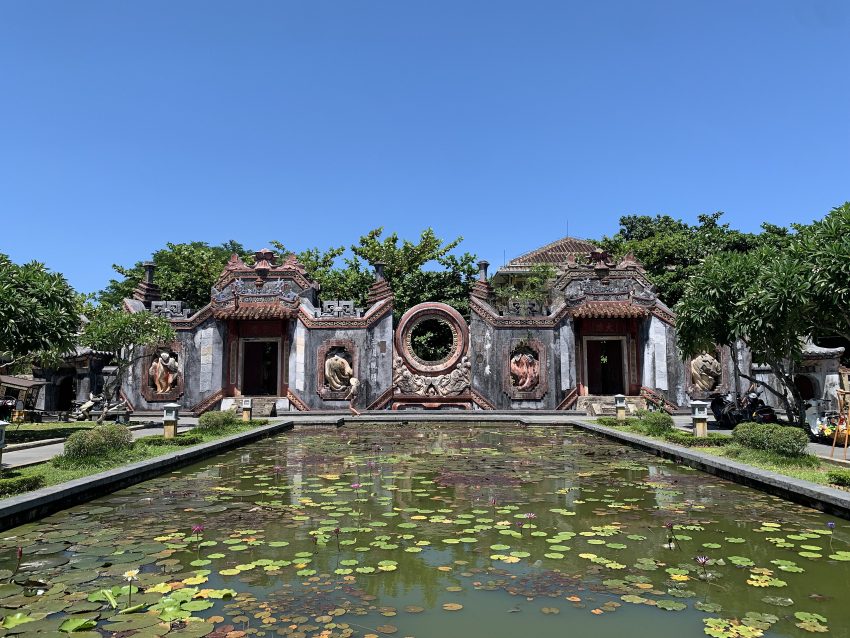
Map of the Self-Guided Walking Tour of Hanoi’s Ba Dinh District walking route with 11 stops in Hanoi.
Preview map of the Self-Guided Walking Tour of Hanoi’s Ba Dinh District route in Hanoi, showing 11 stops. Use the interactive map to zoom and tap markers.

Self-Guided Walking Tour of Hanoi’s French Quarter (2026)

French Quarter Hanoi

This website uses affiliate links which earn a small commission at no additional cost to you.

Hanoi's French Quarter offers a captivating blend of colonial elegance and enduring Vietnamese heritage. This area is characterised by wide boulevards, grand villas, and stately buildings that reflect the influence of French colonial rule. While more spacious and less hectic than the Old Quarter, the French Quarter still buzzes with life, offering a graceful atmosphere steeped in culture and political history.

Whether you're admiring the façade of the Hanoi Opera House or enjoying a café au lait at a street-side bistro, the French Quarter is best discovered on foot. A walking tour connects the dots between architecture, diplomacy, and revolution-illuminating the quieter, more refined side of Hanoi's urban character.

How to Get to Hanoi’s French Quarter

By Train: Hanoi Railway Station is conveniently located near the French Quarter and well connected to major Vietnamese cities. From the station, it's just a 15-minute walk or a short taxi ride to landmarks like Hoa Lo Prison or the Opera House.

By Car: Taxis or ride-hailing apps are easy ways to reach the French Quarter from anywhere in Hanoi. Good drop-off points include Trang Tien Plaza or Ly Thai To Square, both central to the walking route.

Where to Stay in Hanoi’s French Quarter

For an immersive stay, choose a hotel in or near the French Quarter’s leafy streets. A top luxury choice is Sofitel Legend Metropole Hanoi, an icon of colonial elegance and Vietnamese heritage. For a mid-range boutique stay, Hotel de l’Opera Hanoi - MGallery blends art-deco style with a prime location. Budget-conscious travellers might enjoy Hanoi Capella Hotel, offering comfort just steps from the French Quarter.

A Brief History of Hanoi’s French Quarter

Hanoi's French Quarter took shape during the late 19th and early 20th centuries, when Vietnam was under French colonial rule. Unlike the Old Quarter's organic street grid, the French Quarter was laid out with wide boulevards and elegant buildings that echoed the architecture of Paris. Grand villas, government offices, and hotels served colonial administrators and dignitaries.

After independence, many of these buildings were repurposed by the Vietnamese state, but their colonial character remains intact. Today, the area is home to embassies, luxury hotels, and cultural institutions, offering a unique glimpse into the legacy of French Indochina.

Guided or Self-Guided Tour of Hanoi’s French Quarter?

A guided walking tour can enhance this experience by providing deeper insights into the area’s past. The Hoa Lo Prison and Little Paris in Hanoi tour is a 3.5-hour journey through the heart of the French Quarter. Highlights include visits to the infamous Hoa Lo Prison, the iconic Hanoi Opera House, and the historic St. Joseph's Cathedral. Participants will also explore the National Museum of Vietnamese History and the luxurious Sofitel Legend Metropole Hotel, gaining a comprehensive understanding of Hanoi's colonial legacy and its path to independence.

Your Walking Tour of Hanoi’s French Quarter

This blog covers all the major sites of Hanoi's French Quarter, but you may need to be selective about which venues you enter-you're unlikely to fit them all into one day!

1. St Joseph's Cathedral

St. Joseph Cathedral Ha Noi Vietnam
CC BY-SA 3.0 / trungydang

Hanoi’s most significant church, St. Joseph’s Cathedral, also known as Nha Tho Lon, was inaugurated in 1886 and serves as a central point for the city’s Catholic community. Built in the late Neo-Gothic style, the building, with its majestic spires, resembles cathedrals found in many French provincial towns. The more remarkable interiors feature an ornate altar, French stained-glass windows, and a bas-relief painting of the Three Kings, complete with camels, on the rear wall. St. Joseph’s is typically filled to capacity on Sundays and major holidays such as Easter and Christmas. However, on most days, its main doors are generally closed except during mass, though entry is possible via the side door. To the east of the cathedral is Chua Ba Da, or Stone Lady’s Pagoda. Dating back to the 15th century, the pagoda was originally known as Linh Quang, or Holy Light. Legend has it that the discovery of a woman’s stone statue during restoration led to its more common local name. Accessed by a narrow alley, Chua Ba Da is an oasis of tranquility in the heart of old Hanoi and features several statues of the Thich Ca, or Sakyamuni Buddha, along with two large, antique bronze bells.


Location: St. Joseph Cathedral, Phố Nhà Chung, Hang Trong, Hoàn Kiếm, Hanoi, Vietnam

Here is a complete selection of hotel options in Hanoi. Feel free to review each one and choose the stay that best suits your needs.

Powered by GetYourGuide

2. Hoa Lo Prison Museum

Hanoi Hilton
Hanoi Hilton
CC BY-SA 2.0 / rhjpage

Walk south west down P. Ấu Triệu and at the end turn left into P. Phủ Doãn. Cross over P. Tràng Thi onto P. Triệu Quốc Đạt. At the next juction turn right and then left inot P. Hoả Lò to reach the Hanoi Hilton.


Constructed in 1896 by the French administration, the notorious Hoa Lo Prison was initially designed to house approximately 450 inmates. By the 1930s, it held nearly 2,000 prisoners, predominantly political detainees. During the Vietnam War, Hoa Lo Prison became infamous as the detention center for captured US pilots, who ironically dubbed it the “Hanoi Hilton.” Originally named Maison Centrale—a name still displayed above the entrance—the majority of the prison complex was demolished in 1997 to facilitate the construction of the Hanoi Towers. However, architects preserved enough of the structure to establish the Hoa Lo Prison Museum. The museum showcases a disturbing collection of instruments of torture, including shackles and whips, solitary confinement cells dating back to the French colonial era, and the narrow sewer system through which over 100 prisoners famously escaped in August 1945. A smaller section of the museum focuses on the American period, presenting a narrative that contrasts the supposed favorable treatment of US prisoners, such as US Senator John McCain, with the harsh treatment meted out to Vietnamese prisoners by the French. At the rear of the museum stands a guillotine.


Location: Hoa Lo Prison Relic, Phố Hoả Lò, Tran Hung Dao, Hoàn Kiếm, Hanoi, Vietnam | Hours: Daily 08:00 until 17:00 | Price: 30,000vnd (~$1.5) | Website

Traveling to a country with a different currency? Avoid ATM transaction fees and pay in local currency with a Wise Card. Having used it for over 5 years, we've saved loads on fees!

Powered by GetYourGuide

3. Quán Sứ Pagoda

Pagode Quan Su
Pagode Quan Su
CC BY-SA 4.0 / Guerinf

Continue down P. Hoả Lò, on your left is the Old Supreme Court.

The Old Supreme Court was designed in 1900 and its construction started from 1906 and finished in 1911.

Turn right into P. Lý Thường Kiệt and left into P. Quán Sứ, Cửa Nam. Chùa Quán Sứ is on your left.


Visiting Quán Sứ Pagoda offers a serene and spiritually enriching experience in the heart of Hanoi. As the headquarters of the Vietnam Buddhist Sangha, this pagoda holds significant religious importance and exudes a tranquil atmosphere that contrasts with the bustling city outside its gates. The pagoda’s architecture is a beautiful blend of traditional Vietnamese and classical Buddhist designs, featuring intricate carvings, ornate statues, and vibrant altars dedicated to various Buddhas and bodhisattvas. As you wander through the peaceful courtyard, the scent of incense fills the air, and the soft chanting of monks provides a soothing backdrop. The pagoda’s main hall is a sanctuary of calm, where visitors can observe devotees in prayer or partake in quiet reflection. Quán Sứ Pagoda not only offers a glimpse into Vietnam’s spiritual heritage but also provides a moment of respite and contemplation amidst the city’s vibrant energy.


Location: Quan Su Pagoda, Phố Quán Sứ, Tran Hung Dao, Hoàn Kiếm, Hanoi, Vietnam | Hours: Daily: 7:00 AM – 6:00 PM

Explore Hanoi at your own pace with our self-guided walking tour! Follow our curated route to discover must-see sights and local secrets that makes Hanoi one of the best places to visit in Vietnam.

4. Vietnamese Women’s Museum

Vietnamese Womens Museum Building
CC BY-SA 3.0 / Aumusee

Head back onto P. Lý Thường Kiệt and walk back the wal you came. The Vietnamese Women’s Museum is on your left/


This relatively little-known museum vividly traces the role of women in both historical and contemporary Vietnam. Visually striking and well-organized, the museum spans four floors of captivating exhibits and photographs, enhanced by informative captions in Vietnamese, French, and English. It also features a pleasant courtyard café. The museum explores women’s roles, family life, history, and fashion, providing visitors with an in-depth understanding of the country’s culture and history. Highlights include exhibits on the crucial role women played in the wars against the French and Americans, as well as the ceremonies and artifacts associated with each stage of a woman’s life. The museum also showcases heroic stories of many outstanding contemporary Vietnamese women and displays the traditional female costumes of all 54 ethnic groups in Vietnam.


Location: Vietnamese Women's Museum, Phố Lý Thường Kiệt, Hàng Bài, Hoàn Kiếm, Hanoi, Vietnam | Hours: 08:00 – 17:00 Monday to Sunday. | Price: 40,000 VND/adult | Website

Explore Hanoi at your own pace with our self-guided walking tour! Follow our curated route to discover must-see sights and local secrets that makes Hanoi one of the best places to visit in Vietnam.

5. Trang Tien Plaza

trang Tien Plaza
trang Tien Plaza
CC BY-SA 2.0 / blue_quartz

Backtrack slightly and walk up P. Bà Triệu. Cross over the next road tuen right at the Chùa Vũ Thạch.

Chùa Vũ Thạch, also known as Vũ Thạch Pagoda, is a serene Buddhist temple. This historic pagoda, dating back to the Ly dynasty, serves as a tranquil sanctuary amidst the city’s chaos, offering a place for reflection and spiritual solace. The architecture of Chùa Vũ Thạch features traditional Vietnamese elements, with intricately carved wooden beams, gracefully curved rooflines, and ornate altars adorned with statues of Buddha and bodhisattvas. The pagoda is also home to ancient relics and inscriptions that provide insight into the rich cultural and religious history of Vietnam.

Walk through the alley to its left to come out by the lake. Start to walk anti clockwise around the lake, you will soon see the Trang Tien Plaza on your right.


As you approach Trang Tien Plaza, you are greeted by its grand façade, which seamlessly blends colonial architectural charm with contemporary design elements. The pristine white exterior, adorned with large, gleaming windows and intricate detailing, exudes sophistication and invites visitors into a world of high-end shopping and refined taste. Inside, the atmosphere is equally impressive, with spacious, well-lit corridors lined with a variety of upscale boutiques and designer stores offering the latest in fashion, accessories, and luxury goods. The meticulous attention to detail, from the polished marble floors to the tasteful decor, creates an ambiance of opulence that is both welcoming and awe-inspiring.

Strolling through Trang Tien Plaza, you are struck by the vibrant energy that pervades the space. The plaza is not just a shopping destination; it is a social and cultural hub where people come to see and be seen. The mix of international and local brands provides a unique shopping experience, catering to diverse tastes and preferences. Additionally, the plaza hosts various events and exhibitions, adding a dynamic element to the visitor experience. Whether you are indulging in a shopping spree, enjoying a meal at one of the gourmet restaurants, or simply people-watching in this elegant setting, Trang Tien Plaza offers a slice of modern Hanoi that is both captivating and enriching.


Location: Trang Tien Plaza, Phố Hai Bà Trưng, Trang Tien, Hoàn Kiếm, Hanoi, Vietnam | Hours: 9:30 am–9:30 pm | Website

6. Hoa Phong Tower

Thap Hoa Phong
Thap Hoa Phong
CC BY-SA 4.0 / The Hanoian

Continue along the lake to reach Hoa Phong Tower.


Hoà Phong Tower, a solitary remnant of the once expansive Báo Ân Pagoda, which was demolished by the French to make way for a post office. The current iteration of this post office is on your left, across the road. The enormous Báo Ân Pagoda was only a few decades old when it was destroyed, yet it was likely one of the most important Buddhist worship sites in the city. Historical accounts describe a 360,000 square meter walled compound surrounded by a lotus-filled moat. Hoà Phong Tower was part of the gate connecting the pagoda with Hoàn Kiếm Lake.

As you approach, take a closer look at the creatures on the four corners of the tower. These are kỳ lân, often translated as unicorns, a significant animal in Vietnamese folklore. Add this to your mental list of legendary animals: the dragon, the tiger, the turtle, and the unicorn. You’ll encounter these creatures again later.


Location: Hoa Phong Tower, Phố Đinh Tiên Hoàng, French Quarter, Trang Tien, Hoàn Kiếm, Hanoi, Vietnam

7. Hoàn Kiếm Lake

turtle tower hanoi
turtle tower hanoi

The Turtle Tower, also known as Tháp Rùa, is an iconic landmark situated on a small island in the middle of Hoan Kiem Lake in Hanoi, Vietnam. This picturesque structure, built in the 19th century, holds great historical and cultural significance for the Vietnamese people. The tower is a symbol of Hanoi and is deeply entwined with the legend of the Hoan Kiem Lake. According to the legend, Emperor Le Loi was granted a magical sword by the Golden Turtle God, which he used to drive out the Chinese Ming Dynasty invaders. After his victory, while boating on the lake, a giant turtle surfaced and reclaimed the sword, disappearing into the depths, giving the lake its name, which means “Lake of the Returned Sword.”

Architecturally, the Turtle Tower combines elements of French and traditional Vietnamese styles, reflecting the period of its construction during the French colonial era. The tower has three stories, with the uppermost level featuring a small shrine dedicated to the Golden Turtle God. Surrounded by lush greenery and the tranquil waters of Hoan Kiem Lake, the Turtle Tower offers a serene retreat from the bustling city life. It is especially captivating when illuminated at night, casting a shimmering reflection on the lake’s surface. The Turtle Tower not only serves as a historical monument but also as a beloved symbol of peace and resilience for the people of Hanoi.


Location: Hoàn Kiếm Lake, Hang Trong, Hoàn Kiếm, Hanoi, Vietnam | Hours: 24 Hours | Price: Free
Powered by GetYourGuide

8. Hanoi Post Office

Hanoi Post Office
Hanoi Post Office
CC BY-SA 4.0 / Nguyenmy2302

As you continue along the lake the post office is to your right.


The Hanoi Post Office, also known as the Bo Ho Post Office, stands prominently near the picturesque Hoan Kiem Lake, embodying the rich history and architectural heritage of Hanoi. This iconic structure, comprising three distinct buildings along Dinh Tien Hoang, Le Thach, and Dinh Le streets, showcases a blend of neoclassical and Art Deco styles. Established in 1883 during French colonial rule, the post office played a pivotal role in developing Vietnam’s communication infrastructure, from telegraph lines connecting Hanoi to Saigon to the initiation of a telephone switchboard project. Despite the ravages of the Vietnam War, it remained a vital communication hub and symbol of resilience. Today, the Hanoi Post Office is not only an operational center but also a cherished cultural landmark, reflecting the city’s historical evolution and architectural beauty.


Location: Hanoi Post Office, Phố Đinh Tiên Hoàng, French Quarter, Trang Tien, Hoàn Kiếm, Hanoi, Vietnam

9. Ly Thai To Statue & Park

Ly Thai To Statue Park
CC BY-SA 4.0 / The Hanoian

Past the post office cross the road and enter the park.


Ly Thai To Statue & Park, located near the iconic Hoan Kiem Lake in the heart of Hanoi, serves as a significant cultural and historical landmark. The park, lush with greenery and meticulously maintained, provides a serene escape amidst the bustling city. At its center stands the imposing statue of Ly Thai To, the first king of the Ly dynasty, who played a crucial role in shaping Vietnam’s history. Erected to commemorate his contributions, the statue symbolizes his pivotal decision to move the capital to Hanoi, transforming it from a modest settlement into the political and cultural heart of Vietnam. The statue, with Ly Thai To depicted holding the decree that established Hanoi as the capital, exudes a sense of authority and vision, reminding visitors of his enduring legacy.

The park is not just a place of reflection but also a vibrant community hub. It offers a window into daily life in Hanoi, where locals and tourists alike gather to relax, exercise, and engage in various activities. The pathways and open spaces are often filled with people practicing Tai Chi, children playing, and friends chatting, creating a lively yet peaceful atmosphere. The park frequently hosts cultural events and festivals, further enriching its role as a communal space. As visitors stroll through the park, they are not only greeted by the grandeur of Ly Thai To’s statue but also by the harmonious blend of history, nature, and contemporary Vietnamese life, making it a must-visit destination in Hanoi.


Location: Ly Thai To Monument Hall, Phố Lê Lai, French Quarter, Trang Tien, Hoàn Kiếm, Hanoi, Vietnam
Powered by GetYourGuide

10. State Guest House, Vietnam

State Guest House
State Guest House
CC BY-SA 4.0 / The Hanoian

Walk through the park and at the end walk to the Toad Flower Garden (Vườn hoa con cóc), on your right. The State Guest House is on your right.


The State Guest House stands as a symbol of Vietnam’s rich historical and cultural legacy. Originally constructed between 1918 and 1919 by architect Auguste Henri Vildieu, the building was designed to house the French Governor of Tonkin, exemplifying the grandeur of French Colonial architecture in Indochina. Its elegant façade, adorned with intricate details, reflects the architectural sophistication of that era. Following Vietnam’s August Revolution in 1945, the building witnessed significant historical events, including the Viet Minh’s takeover of northern Vietnam. During the early stages of the Indochina War, it was a battleground where intense fighting took place, marking a pivotal moment in Vietnam’s struggle for independence.

Today, the State Guest House serves a prestigious role as the official accommodation for visiting dignitaries and state guests of the Vietnamese Government. The building’s historical significance is matched by its continued use in modern times, hosting international delegations and fostering diplomatic relations. Its well-preserved architecture and serene gardens provide a distinguished setting for high-level meetings and events. The State Guest House not only stands as a testament to Vietnam’s colonial past but also represents the nation’s ongoing journey toward progress and international cooperation, blending historical heritage with contemporary significance.


Location: Government Guest House (Tonkin Palace), Phố Ngô Quyền, French Quarter, Trang Tien, Hoàn Kiếm, Hanoi, Vietnam

11. Hanoi Opera House

Hanoi Opera House
Hanoi Opera House
CC BY-SA 4.0 / Hieucd

Walk down P. Lý Thái Tổ and on the other side of the roundabout is the Hanoi Opera House.


Modeled on the Paris Opera designed by Charles Garnier, the Hanoi Opera House, also known as Nha Hat Lon or Big Song House, opened in 1911. It became the centerpiece of French colonial architecture, not just in Hanoi but throughout French Indochina. Before World War II, the Opera House was the heart of the city’s cultural life. However, following the end of French rule, it gradually fell into disrepair. During the years leading up to the nation’s economic and cultural liberalization in the late 1980s, it hosted visiting Chinese and Russian artists, with performances such as the militant ballet “Red Detachment of Women” and musical recitals by ensembles from Kiev, now in Ukraine. By the mid-1980s, even these limited cultural exchanges had ceased, and the Opera House was nearly abandoned.

In 1994, authorities initiated a three-year restoration project costing $14 million. Today, the colonnaded building, with its refurbished gilt mirrors and grand stairways, is a magnificent sight. The 600-seat theater, equipped with state-of-the-art audio facilities, stages Vietnamese operettas, ballets, and recitals. Home to the Hanoi Symphony Orchestra, it also hosts performances by visiting companies such as the Philadelphia Symphony Orchestra from the US.


Location: Hanoi Opera House, Tràng Tiền, Trang Tien, Hoàn Kiếm, Hanoi, Vietnam | Hours: 10:30 am to 12:00 pm Performances usually start at 7:30 pm | Price: Roughly 400,000 VND | Website
Powered by GetYourGuide

12. Vietnam National Museum of History

Vietnam National Museum of History Hanoi Vietnam
Public Domain / Alistair Morrenger

Walk up Tràng Tiền, with the opera house on your right. The Bảo tàng Lịch sử Quốc gia is on your right.


Visiting the Vietnam National Museum of History is like stepping into a rich tapestry of the country’s past, offering a profound understanding of Vietnam’s cultural and historical evolution. The museum, housed in a beautiful colonial-era building, is an architectural marvel in itself, blending French and traditional Vietnamese styles. As you walk through the grand entrance, you are greeted by an extensive collection of artifacts that span centuries. From prehistoric tools and ancient bronze drums to intricate ceramics and exquisite sculptures from the Ly and Tran dynasties, the museum’s exhibits are meticulously curated to showcase Vietnam’s diverse and dynamic history. Each exhibit is accompanied by detailed descriptions in multiple languages, providing valuable context and insights into the significance of the displayed items.

The experience of exploring the Vietnam National Museum of History is both educational and inspiring. The museum’s layout takes you on a chronological journey, highlighting key periods and events that have shaped the nation. One of the most captivating sections is dedicated to the resistance against colonial rule and the struggle for independence, featuring personal belongings of historical figures, propaganda posters, and photographs that bring the stories of resilience and patriotism to life. The museum also delves into Vietnam’s cultural heritage, with displays of traditional costumes, musical instruments, and religious artifacts that reflect the rich traditions and beliefs of the Vietnamese people. A visit to the Vietnam National Museum of History not only deepens your appreciation for Vietnam’s past but also enhances your understanding of its present and future.


Location: Museo Nacional de Historia vietnamita, Tràng Tiền, Phan Chu Trinh, Hoàn Kiếm, Hanoi, Vietnam | Hours: Morning: 8:00 to 12:00 Afternoon: 1:30 p.m. to 5:00 p.m. | Price: Adults: 40,000 VND/turn/person | Website
Powered by GetYourGuide
Moira & Andy
Moira & Andy

Hey! We're Moira & Andy. From hiking the Camino to trips around Europe in Bert our campervan — we've been traveling together since retirement in 2020!

Read our full story here

This website uses affiliate links which earn a small commission at no additional cost to you.

Walking Tour Summary

Distance: 3 km
Sites: 12

Walking Tour Map
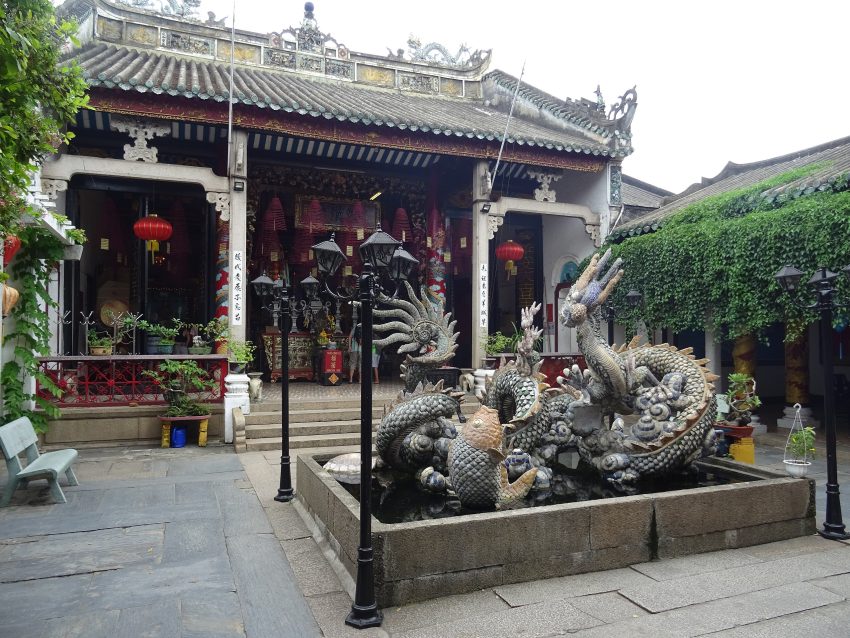
Map of the Self-Guided Walking Tour of Hanoi’s French Quarter walking route with 12 stops in Hanoi.
Preview map of the Self-Guided Walking Tour of Hanoi’s French Quarter route in Hanoi, showing 12 stops. Use the interactive map to zoom and tap markers.

Self-Guided Walking Tour of Hanoi’s Old Quarter (2026)

Hanoi Old Quarter
Hanoi Old Quarter

This website uses affiliate links which earn a small commission at no additional cost to you.

Hanoi's Old Quarter is a fascinating maze of history, street life, and timeless culture. With its tangle of narrow alleys, colonial-era buildings, and ancient temples, this district offers an immersive snapshot of Vietnamese life both past and present. Each street specializes in a particular trade-from silks and silver to street food-and every corner reveals another layer of the city's vibrant character.

Whether you're sipping egg coffee beside a centuries-old shrine or watching scooters stream past yellow-painted shopfronts, the Old Quarter is a place best explored on foot. A walking tour brings clarity to the chaos, guiding you to the hidden gems and historical treasures that lie beyond the guidebooks.

How to Get to Hanoi’s Old Quarter

By Train: While Hanoi Railway Station is not located in the Old Quarter, it's only about a 10-minute drive or 30-minute walk from the historic centre. Hanoi Railway Station is well connected to other cities like Da Nang, Hue, and Ho Chi Minh City.

By Car: If arriving by car or taxi from the airport or elsewhere in Hanoi, the best drop-off points for walking the Old Quarter are Dong Kinh Nghia Thuc Square or Ly Thai To Park, both of which are close to Hoan Kiem Lake.

Where to Stay in Hanoi’s Old Quarter

To enjoy a walking tour of the Old Quarter, stay right in the heart of the district. For a luxurious experience, La Siesta Premium Hang Be offers comfort and views of Hoan Kiem Lake. A boutique option is Hanoi La Selva Hotel, known for warm service and a central location. For budget travellers, See You at Lily's is a social and affordable hostel close to St. Joseph’s Cathedral.

Guided or Self-Guided Tour of Hanoi’s Old Quarter?

If you're visiting Hanoi's Old Quarter and want to get beyond the surface, a guided walking tour offers rich local insight. The Uncover Hanoi’s Hidden Treasures: Old Quarter & Train Street is a 3.5-hour small group tour led by a local expert. Starting near Hoan Kiem Lake, you'll explore landmarks like Ngoc Son Temple, the Ancient House on Ma May Street, and bustling Hang Bac. The tour ends with a coffee stop at the iconic Train Street, where the tracks run just inches from café tables-an unforgettable Hanoi moment.

A Brief History of Hanoi’s Old Quarter

The Old Quarter has its origins in the 11th century when craftsmen from surrounding villages settled here and formed guilds. Each street became associated with a specific craft-hence the name “36 Streets.” Over the centuries, the area expanded and adapted, welcoming influences from French colonial rule, Chinese occupation, and Vietnam's own dynastic legacies.

Though Hanoi has grown into a modern metropolis, the Old Quarter remains its historic soul. Its architecture, traditions, and street life reflect the resilience of the Vietnamese people and the continuity of culture in the heart of a fast-changing capital.

Your Walking Tour of Hanoi’s Old Quarter

This blog covers all the major sites of Hanoi's Old Quarter, but you may need to be selective about which venues you enter-you're unlikely to fit them all into one day!

1. Hoan Kiem Lake

turtle tower hanoi
turtle tower hanoi

You start this walking tour at Hoan Kiem Lake.


The lake sits in the middle of the city, surrounded by manicured gardens, and is steeped in a legendary story dating back to the mid-15th century.According to the tale, Heaven sent a sword to Emperor Le Thai To to drive the Chinese from Vietnam. After his success, a giant turtle took the sword to the bottom of the lake to return it to its divine owners, hence the name Ho Hoan Kiem, or Lake of the Restored Sword. Besides Jade Island, home to Ngoc Son Temple, the lake also features Turtle Islet, with the ancient Thap Rua (Turtle Tower) standing prominently.


Location: Hoàn Kiếm Lake, Hang Trong, Hoàn Kiếm, Hanoi, Vietnam | Hours: 24 Hours | Price: Free

Here is a complete selection of hotel options in Hanoi. Feel free to review each one and choose the stay that best suits your needs.

Powered by GetYourGuide

2. Ngoc Son Temple

Temple of the Jade Mountain Hanoi Vietnam
CC BY-SA 4.0 / Jakub Hałun

Walk towards the entrance to the Ngoc Son Temple complex.


Nghi Mon Gate marks the entrance to the complex, featuring two columns and walls engraved with Chinese characters. Inside, you can see Tháp Bút or Pen Tower on the left, constructed atop a stone hill in 1865 during King Tu Duc’s reign. Standing 28 meters tall with a stone feather pen on top, the tower is inscribed with “Ta Thanh Thien,” meaning “Write onto the sky,” honoring the Trinh Lords’ literary contributions and battles against northern invaders.

Beyond Pen Tower lies Long Mon Ho Bang Gate, which also has two columns and pagoda-style walls. The right wall features a dragon, symbolizing “Dragon Gate,” while the left wall displays a white tiger, representing “Tiger Board.” These symbols inspire academic success. Dai Nghien Gate, located near The Huc Bridge, features an ink pot atop three stone toads, with a poem by Nguyen Van Sieu carved in the center. The Huc Bridge, symbolizing the Sun God, is a curved, red-painted wooden bridge. It offers a beautiful view of the sunrise and cool breezes over the water, and at night, it illuminates, creating an enchanting sight.

The Ngoc Son Temple is located on Jade Island in Hoan Kiem Lake, this serene 18th-century shrine, named for the “jade mountain,” is one of Hanoi’s most picturesque temples. Dedicated to the 13th-century military hero Tran Hung Dao, scholar Van Xuong, and Confucian master Nguyen Van Sieu, who undertook repairs in 1864, the temple features Pen Tower and the Writing Pad. Access the temple via Three-Passage Gate and the Flood of Morning Sunlight Bridge. The temple opens to a courtyard where locals play Chinese chess, and houses a 6-foot-long stuffed tortoise from 1968.


Location: Ngoc Son Temple, Phố Đinh Tiên Hoàng, Ly Thai To, Hoàn Kiếm, Hanoi, Vietnam | Hours: Open 8-6pm daily | Price: Free

Traveling to a country with a different currency? Avoid ATM transaction fees and pay in local currency with a Wise Card. Having used it for over 5 years, we've saved loads on fees!

3. Ba Kieu Temple

Den Ba Kieu
Den Ba Kieu
CC BY-SA 3.0 / Codobai

After leaving Ngoc Son Temple cross over P. Đinh Tiên Hoàng to see the Monument of Determination, sometimes called the Martyrs Monument, which is located in the Vạn Xuân Flower garden.

The Martyrs’ Monument is a picturesque monument erected as a memorial for those who died fighting for Vietnam’s independence. It depicts two men, one holding a torch and the other holding a gun, and a woman with a sword to show how regardless of gender, everyone was involved in the Vietnam War equally.

Behind the Martyrs’ Monument is Ba Kieu Temple.


The next stop on your Walking Tour of Hanoi’s Old Quarter is the small, historic Den Ba Kieu Temple, which sits inconspicuously along a busy road. This beautiful temple dates back to the 17th century and was once part of the Hoan Kiem Lake waterfront. However, a road built around the lake now separates it from its original gate.


Location: Đền Bà Kiệu, Phố Đinh Tiên Hoàng, French Quarter, Ly Thai To, Hoàn Kiếm, Hanoi, Vietnam | Hours: Open daily 08:30am – 04:30pm, midday break 11:30am-01:30pm.

Explore Hanoi at your own pace with our self-guided walking tour! Follow our curated route to discover must-see sights and local secrets that makes Hanoi one of the best places to visit in Vietnam.

4. Thang Long Water Puppet Theater

Thang Long Water Puppet Theatre
CC BY-SA 3.0 / Gryffindor

Continue to walk north along P. Đinh Tiên Hoàng and the Thang Long Water Puppet Theatre is on your right.


Established in 1969, the Thang Long Theater can accommodate 300 guests for its multiple daily shows (tickets required). The entertaining performances are based on Vietnamese folklore and culture.


Location: Thang Long Water Puppet Theatre, Phố Đinh Tiên Hoàng, Ly Thai To, Hoàn Kiếm, Hà Nội, Vietnam | Website

Explore Hanoi at your own pace with our self-guided walking tour! Follow our curated route to discover must-see sights and local secrets that makes Hanoi one of the best places to visit in Vietnam.

Powered by GetYourGuide

5. Hanoi Memorial House

Heritage House in Hanoi
CC BY-SA 4.0 / Christophe95

Continue north and walk away from the lake. When you reach P. Cầu Gỗ turn right and then left to walk up Hang Be street. At the end turn left onto Hang Bac Street or silver craft street ( “Hang” means a shop or store and “Bac” is silver). Walk north up P. Mã Mây and Heritage House (Ngôi Nhà Di Sản) is on your right.


On the southern edge of the Old Quarter’s Rattan Street stands a Chinese-style house built in the late 19th century. Its rich dark-wood facade fronts a sparsely decorated interior. The second floor features exquisitely carved chairs, bureaus, and tea tables, with a balcony overlooking a courtyard adorned with Chinese lanterns. Originally occupied by a Chinese family selling traditional medicines until their resettlement in 1954, the house became a museum in 1999 through a cooperative effort between the local government and architects from Toulouse, France, after being shared by five families for decades.


Location: Old House, Phố Mã Mây, Old Quarter, Hàng Buồm, Hoàn Kiếm, Hanoi, Vietnam | Hours: 8:30AM - 4:30PM | Price: Small fee

6. Hanoi Bach Ma Temple

Bac Ma Temple
Bac Ma Temple
CC BY-SA 2.0 / Greg Willis

Continue up P. Mã Mây following it around to the left onto Hang Buom Street.

Hang Buom Street was once adjacent to a small tributary of the To Lich River, which facilitated the transport of goods to the city, Hang Buom was historically a place where local merchant vessels came to refit their ships. Today, you can find numerous colonial buildings and traditional Vietnamese houses along this street, as well as a communal house located at no. 22 Hang Buom.

Continue along Hang Buom Street until you reach the Bach Ma Temple on your right.


Bach Ma Temple is an exquisite 11th-century Buddhist temple in Hanoi. It is dedicated to Bach Ma, the ‘White Horse’ that legendarily guided Emperor Ly Thai To to the optimal temple construction site. The temple is a vibrant spot for observing local traditions, especially on the 1st and 15th days of each lunar month, when extended prayers, offerings, and ceremonies take place.

Upon entering, you’ll encounter a red-lacquered palanquin, a Confucius shrine, and a Phoenix altar. Bach Ma Temple, Hanoi’s oldest standing temple, sits between Hang Buom Street and Ngo Gach Street. It is historically significant, serving as a major hideout for resistance fighters during the French occupation. This temple is a vital cultural relic, celebrated for its ancient architecture and rich traditions, deeply revered by the Vietnamese people. Its history is intertwined with both factual events and mythology, enhancing its appeal.


Location: Bach Ma Temple, Phố Hàng Buồm, Old Quarter, Hàng Buồm, Hoàn Kiếm, Hanoi, Vietnam | Hours: 8:00 AM - 11:00 AM and 2:00 PM - 8:00 PM every day | Price: Free

7. Old East Gate (Ô Quan Chưởng)

Old East Gate Hanoi
Old East Gate Hanoi
CC BY-SA 2.0 / Richard Mortel

Come out of the temple and turn right and right again so you are walking to the side of the Temple. Turn right along P. Nguyễn Siêu.

Nguyen Sieu Street, named after a prominent 18th-century scholar, is lined with colonial buildings, perfect for those who enjoy spotting architectural gems. On the right side, look out for the small alley leading to the Co Luong Communal House, a vibrant temple adorned with modern relief sculptures, including whimsical Alice in Wonderland mushrooms and fearsome demons!

At the end of P. Nguyễn Siêu turn left on P. Đào Duy Từ. As you turn into the street look for the small entrance to the Huong Nghia Communal House on the left side.

The Old East Gate (Ô Quan Chưởng) is on your right.


A must-see on your free tour in Hanoi, the Hanoi Old City Gate is a relic of the past. Built in 1749, O Quan Chuong is the last remaining gate of the ancient Thang Long Citadel.

Originally one of 21 entrances to the ancient city, it was named after an army chief, Quan Chuong. The Hanoi East Gate features three arched openings and a two-story watchtower.


Location: Old East Gate, Phố Hàng Chiếu, Old Quarter, Dong Xuan, Hoàn Kiếm, Hanoi, Vietnam | Hours: 24 Hours | Price: Free

8. Dong Xuan Market

Dong Xuan Market
Dong Xuan Market
CC BY-SA 4.0 / NKSTTSSHNVN

Continue the direction you were heading and walk along P. Thanh Hà as it turns to the left. At the end turn to your right and at the next intersection you will see the Dong Xuan Market on your left.


The sprawling Hanoi market hall, constructed by the French in 1889. As the largest market in Hanoi, the three-story Dong Xuan Market buzzes with activity. Vendors sell everything from clothes and food to household goods—and plenty of counterfeit items, too. Shopping at this market is one of the top activities in Hanoi!


Location: Dong Xuan Market, Old Quarter, Dong Xuan, Hoàn Kiếm, Hanoi, Vietnam | Hours: Open 7-6pm Mon-Thur; 7-12noon (sometimes later) Fri-Sun.

9. Hang Gai Street

Hanoi   Hang Gai
Hanoi Hang Gai
CC BY-SA 2.0 / Benjamin Smith

From the Dong Xuan Market head south along P. Đồng Xuân, which then turns into Hàng Ngang.

Hàng Ngang, together Hang Dao Street, and Hang Luoc Streets are the location of the Hanoi weekend night market, or Hanoi Old Quarter night market (Friday to Sunday 6 p.m. – 11 p.m). The streets are closed to cars and out come hundreds of stalls offering a wide variety of products, including souvenirs, food, clothing, and Hanoi specialties.

Just before you reach Dong Kinh Nghia Thuc Square and Hoan Kiem Lake turn left.


Also known as Silk Street, this 300-meter-long street is entirely lined with fashion boutiques and local tailor shops that have been operating for decades. Here, you can order custom-made suits and dresses. Located on the edge of Hanoi’s Old Quarter near Hoan Kiem Lake, Silk Street is famous for its high-quality craftsmanship. Two of our top picks on Hang Gai Street are Khai Silk and Tan My Design, both of which offer ready-to-wear pieces – ideal if you’re short on time and can’t wait for a tailor-made outfit during your stay in Hanoi. Suits can be completed within 24 hours, though it’s recommended to allow more time for a second fitting to ensure a perfect fit.


Location: Phố Hàng Gai, Hang Gai, Hoàn Kiếm, Hanoi, Vietnam | Hours: 9:00 am to 8:00 pm

From Hang Gai street head south down P. Lý Quốc Sư to reach St. Joseph's Cathedral and the start of our French Quarter Walking Tour!

Powered by GetYourGuide
Moira & Andy
Moira & Andy

Hey! We're Moira & Andy. From hiking the Camino to trips around Europe in Bert our campervan — we've been traveling together since retirement in 2020!

Read our full story here

This website uses affiliate links which earn a small commission at no additional cost to you.

Walking Tour Summary

Distance: 3.5 km
Sites: 9

Walking Tour Map
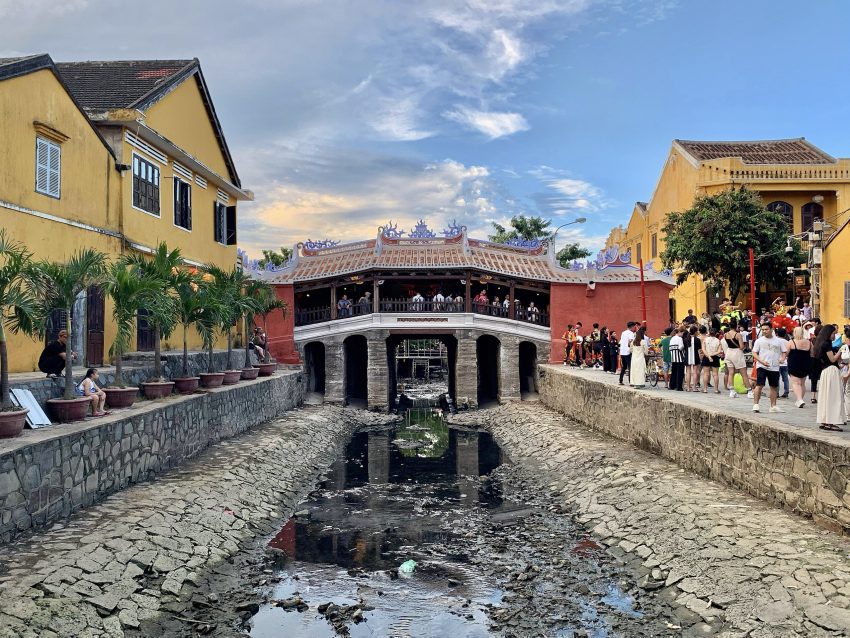
Map of the Self-Guided Walking Tour of Hanoi’s Old Quarter walking route with 9 stops in Hanoi.
Preview map of the Self-Guided Walking Tour of Hanoi’s Old Quarter route in Hanoi, showing 9 stops. Use the interactive map to zoom and tap markers.

Self-Guided Walking Tour of Cork, Ireland (2026)

Walking Tour of Cork

This website uses affiliate links which earn a small commission at no additional cost to you.

Cork, Ireland's second city, is a lively mix of waterways, steep streets, and independent spirit. Built on an island in the River Lee, its compact centre is filled with historic architecture, vibrant markets, and a renowned food scene. With a rich maritime past and a strong cultural identity, Cork rewards slow exploration, best done on foot.

From the bustling English Market to the quiet charm of Shandon’s bell tower, Cork’s layered history and local pride shine through. A walking tour is the perfect way to uncover hidden alleys, hear stories of rebellion and trade, and get a real sense of what makes this southern city so special.

How to Get to Cork

By Plane: Cork is served by Cork Airport (ORK), located about 8 km south of the city center. The airport has direct flights from many European cities, and for longer international journeys, travelers often connect via Dublin Airport (DUB) before taking a short domestic flight or a 3-hour drive to Cork. For the best deals and a seamless booking experience, check out these flights to Cork on Booking.com.

By Train: Cork is well connected by rail, with frequent services from Dublin, Limerick, and other major cities. Kent Railway Station is located just east of the city centre, about a 10-minute walk or short bus ride from the central sights. Train schedules and bookings can be found on Omio.

By Car: Cork can be reached via the M8 from Dublin or the N22 from Killarney. Central parking is available at Q-Park Carroll’s Quay or Paul Street Car Park, both of which are conveniently located for exploring the city on foot.

Where to Stay in Cork

To make the most of a walking tour in Cork, stay in or near the city centre. A luxurious option is The River Lee Hotel, which offers modern comfort and views of the River Lee. For boutique style, Hotel Isaacs Cork places you close to the action in the Victorian Quarter. For budget-friendly convenience, Kinlay House Cork is a great base near the Shandon Bells.

Guided or Self-Guided Tour of Cork?

If you're visiting Cork for just a day and want to make the most of your time, consider joining a walking tour with a local guide. The Cork Guided Historical Walking Tour is a 2-hour small-group experience that explores Cork’s origins, uprisings, and evolution through the centuries. Led by a passionate local, the tour brings you past key landmarks like Bishop Lucey Park, the old city walls, Shandon Tower, and the historic English Market-all while weaving in tales of trade, rebellion, and resilience.

A Brief History of Cork

Cork traces its roots back to a 6th-century monastic settlement founded by Saint Fin Barre. By the 12th century, it had grown into a walled trading port under Viking and later Norman influence. The city prospered through maritime trade, particularly with France and Spain, and played a prominent role in Ireland's fight for independence in the 20th century.

Despite fires, sieges, and political upheavals, Cork has maintained its reputation as a city of rebels and resilience. Today, it's a thriving cultural hub known for its music, food, and proud local identity-where the past is never far from the present.

Your Walking Tour of Cork

This blog covers all the major sites of Cork, but you may need to be selective about which venues you enter-you're unlikely to fit them all into one day!

1. Fitzgerald Park: A Tranquil Oasis in Cork

Fitzgeralds Park Cork Ireland
CC BY-SA 3.0 / K.ristof

Named after Edward Fitzgerald, the city’s Lord Mayor who organized Cork’s International Exhibition in 1902, Fitzgerald Park serves as a serene retreat on the outskirts of Cork city. The park still features the original pavilion and ornamental fountain from that era.

Within the gardens, visitors can enjoy a café, various sculptures, a skate park, and a water-lily pond. The picturesque Daly’s Bridge, built in 1926 and known locally as the “Shaky Bridge,” provides a charming connection to Sundays Well Road.

Fitzgerald Park is also home to the Cork Public Museum, housed in the former “Shrubbery House.” This fascinating attraction boasts collections of silver and ceramics, along with exhibits detailing the rich history of Cork.


Location: Fitzgerald Park, Mardyke, Cork, Ireland | Hours: November - February: 8.30 - 17.00 October & MArch: 8.30 - 18.00 April & September 8.30 - 20.00 May & August: 8.30 - 21.00 June & July: 8.30 - 22.00 | Price: Free

Here is a complete selection of hotel options in Cork. Feel free to review each one and choose the stay that best suits your needs.

2. Discover University College Cork: A Blend of History and Modernity

County Cork   University College Cork
County Cork University College Cork
CC BY-SA 4.0 / Michael O'Sheil

From Fitzgerald Park cross over Mardyke Walk and go down Noel Cartwell Walk. Turn right onto Western Road. Turn first left onto Gaol Walk and cross Gaol Bridge. Turn left and walk along River Lee. You will see the University Quad on your right under the archway.


University College Cork (UCC), established in 1845, offers an inspiring blend of old and new architecture, making it a must-visit in Cork City. The UCC Visitor Centre, situated at the heart of the campus, serves as the main information hub and the starting point for regular walking tours. These tours explore the university’s history and culture, featuring landmarks such as the Gothic Revival Quadrangle, Ogham stones, Aula Maxima (Great Hall), and The Glucksman Gallery. Audio tours are also available for a self-guided experience. On campus, visitors can find a variety of shops, whether you’re looking for today’s newspaper, a book on your favorite subject, or a souvenir of your visit to Cork City and UCC. Additionally, there are numerous cafés, bars, and restaurants to choose from, ensuring a pleasant and enriching visit.


Location: University College Cork, College Road, University College, Cork, Ireland

Traveling to a country with a different currency? Avoid ATM transaction fees and pay in local currency with a Wise Card. Having used it for over 5 years, we've saved loads on fees!

3. The Glucksman: An Artistic Hub at University College Cork

Glucksman
Glucksman
CC BY-SA 2.0 / Lewis Glucksman Gallery

With the archway at your back turn left and walk out of the quad towards the amphitheatre. Turn left back to the River lee and The Glucksman.


The Glucksman, situated at the main entrance to University College Cork (UCC), stands as one of Ireland’s leading university art galleries and a vibrant centre for contemporary art. Designed by the acclaimed architects O’Donnell + Tuomey, the award-winning building integrates harmoniously with the surrounding landscape and offers dramatic views over the university’s historic lower grounds. Since its opening in 2004, the Glucksman has developed a reputation for its ambitious exhibitions and innovative programming, showcasing works by both Irish and international artists. It actively engages with themes that bridge art, science, politics, and society, making it more than just a gallery — it’s a platform for cultural dialogue and critical thinking.

Inside, the Glucksman provides a dynamic and welcoming space for students, artists, and the public alike. The gallery’s exhibitions are complemented by an active schedule of talks, performances, and education programmes aimed at all ages. Its commitment to inclusion and accessibility ensures that contemporary art is not only seen but experienced and understood by a broad audience. Whether you’re a first-time visitor or a returning enthusiast, the Glucksman offers a thoughtful and ever-evolving artistic encounter in the heart of Cork. Admission is free, and the gallery is typically open Tuesday to Sunday.


Location: The Glucksman, University College, Cork, Ireland

4. St. Fin Barre's Cathedral: A Gothic Revival Marvel

Saint Fin Barres Cathedral
CC BY-SA 4.0 / Debora Guidi

Head south along Donovan Road and east along College Road unitl you reach St. Fin Barre’s Cathedral.


Europe is rich with cathedrals, but St. Fin Barre’s Cathedral in Cork is one that will undoubtedly leave you in awe. Just a pleasant stroll from St. Patrick’s Street, this magnificent Anglican Cathedral awaits.

The Gothic Revival structure is situated on a site that has been a place of worship since the seventh century. The original church stood until the 12th century, and in the 16th century, a new cathedral was built, which was eventually demolished in the 1800s.

In 1862, architect William Burges’ design was chosen from numerous entries for a new cathedral, with an initial budget of £15,000. By the time it was completed, the cost had soared to over £100,000, but the final result was undeniably worth it. The cathedral was constructed using Cork limestone, with an interior made of Cork marble. Although little of the previous cathedrals remains, nine carved heads and the Dean’s Gate from the medieval structure have survived.

The cathedral’s echoing chambers are beautifully lit through stained-glass panels. One of the interior’s most impressive features is its elaborate pipe organ, built in the 19th century and boasting more than 4,500 pipes. This organ, along with the cathedral’s architectural splendor, makes St. Fin Barre’s a must-visit landmark in Cork.


Location: Saint Fin Barre's Cathedral, Bishop Street, The Lough, Cork, Ireland | Hours: Monday through Saturday from 10 AM to 1 PM and from 2 PM to 5:30 PM.

5. Elizabeth Fort: A Star-Shaped Fortress Rich in History

Cork   Elizabeth Fort
Cork Elizabeth Fort
CC BY-SA 4.0 / Vimalkvn

Head east along Dean Street and Fort Street to reach Elizabeth Fort.


Step back in time with a visit to the 17th-century Elizabeth Fort. Shaped like a star, this historic structure sits on the River Lee, not far from St. Finbarr’s Cathedral. Steeped in history, the fort was first used in 1601 to reinforce the city walls of Cork.

Elizabeth Fort played a significant role in 1690 during the Siege of Cork, when Jacobite forces held the city against attacking Williamite soldiers. Today, it offers a remarkable glimpse into centuries of Cork’s history.

Visitors can explore the fort’s walls on a guided tour or with an audio guide. The best part? Admission is absolutely free, and it offers one of the best views of the city.


Location: Elizabeth Fort, Barrack Street, The Lough, Cork, Ireland | Hours: May–September: Tuesday–Saturday 10:00–17:00; Sunday 12:00–17:00 October–April: Tuesday–Saturday 10:00–17:00; Sunday 12:00–17:00

6. Oliver Plunkett Street

OliverPlunkettStCork
CC BY-SA 4.0 / Charles Curling

Hea up Barrack street, and walk east along the River Lee and cross over the Nano Nagle Pedestrian Bridge and along the Grand Parade. The bridge is named after Nano Nagle (1718 – 1784) was a pioneer of Catholic education in Ireland despite legal prohibitions.

On your right is the National Monument which commemorates the rebellions of 1798, 1803, 1848 and 1867. It was first unveiled on St. Patrick’s day in 1906 and was designed by architect D.J. Coakley. The figure in the middle is the “Maid of Erin”.


Oliver Plunkett Street is a vibrant and historic shopping area in Cork City, perfect for a day of exploring, shopping, and enjoying the local culture. Oliver Plunkett Street is renowned for its diverse range of shops. From high-street brands to unique local boutiques, there’s something for every shopper. Whether you’re looking for fashion, accessories, books, or souvenirs, you’ll find plenty of options to suit your tastes. The street is also a hotspot for dining and nightlife. Numerous cafes, bars, and restaurants line the street, offering a variety of cuisines and atmospheres. Whether you’re in the mood for a quick coffee, a leisurely lunch, or a night out with friends, Oliver Plunkett Street has plenty of choices. Many establishments feature live music, making it a lively spot to enjoy Cork’s vibrant nightlife.


Location: Oliver Plunkett Street, Cork, Ireland

7. The English Market: Cork's Historic Culinary Hub

A fantastic food market in Cork
CC BY-SA 2.0 / WordRidden

Continue along the Grand Parade to reach the English Market.


Located in the heart of Cork City, this distinctive roofed food market, featuring an eye-catching fountain at its center, has been trading since 1788. Owned by the Cork City Council, it is one of the world’s oldest municipal markets. Here, you’ll find a variety of specialties, including artisan breads, fresh fruit, and seafood.

The market gained international fame in 2011 when Queen Elizabeth II of Great Britain visited during her first-ever state visit to the Republic of Ireland. In addition to the wide range of produce, visitors can enjoy a coffee, sample local fare at Farmgate Restaurant, or try freshly prepared meals and snacks from various stalls (though seating is limited).


Location: English Market, Grand Parade, Centre, Cork, Ireland
Powered by GetYourGuide

8. St. Patrick's Street: Cork's Premier Shopping Destination

St. Patricks Street Cork
CC BY-SA 3.0 / Sebastian “sebrem” B…

Continue to walk up Grand Parade. On your left is the Queen’s Old Castle.

The Queen’s Old Castle stands on the site of the medieval King’s Castle and the post-medieval County Courthouse. It became known as the ‘Queen’s Castle’ in honour of the newly coronated English Queen in the late 1830s. In 1835, the Queen’s Old Castle was developed as an elegant department store that survived until 1978.

Daunt’s Square: In medieval times, Cork was enclosed by high stone walls on either side of North and South Main Streets. The area that would become Daunt’s Square was a marshy expanse outside these walls, bordered by rivers that followed the paths of the Grand Parade, St. Patrick’s Street, Daunt’s Square itself, and Cornmarket Street. As Cork expanded beyond its medieval core, the marsh was drained, and the rivers were culverted and paved over. Mid-1700s maps show Daunt’s Bridge crossing the river that once flowed along the Grand Parade and St. Patrick’s Street. This river was filled in and culverted starting in 1714, leading to the formation of Daunt’s Square as a plaza. The exact Daunt after whom the square and bridge were named remains unclear, but it is possibly the 18th-century local surgeon Hungerford Daunt.


Initially conceived in the early 18th century by wealthy merchants eager to part their fellow citizens from their cash, St. Patrick’s Street has remained Cork’s main shopping hub ever since. Just a few minutes’ stroll from The English Market and known locally as “Pana,” this broad, curving street boasts many fine shops and is regarded as one of the best places to shop in Ireland, with the upmarket department store Brown Thomas being a notable highlight.

While shopping is a primary attraction, the sociable nature of Cork’s residents adds to the street’s charm. Particularly during fine weather, visitors will see groups of friends and family chatting and spending time together.

The street’s various architectural styles reflect changes over the past two centuries. Dating from 1786 and rebuilt several times, St. Patrick’s Bridge connects directly to this bustling thoroughfare.


Location: St Patrick's Street, Centre, Cork, Ireland

9. Crawford Art Gallery: A Treasure Trove of Art and History

Crawford Art Gallery
CC BY-SA 4.0 / Digital Eye

At the end of St Patricks Street is a statue to Father Theobald Mathew. Known as the Apostle of Temperance, was born near Cashel in 1790. Ordained as a Capuchin priest in 1814, he spent most of his life serving in Cork, where he became a highly influential figure in the city’s social life during the first half of the nineteenth century. He gained national prominence during the temperance crusade of the late 1830s and 1840s. Beyond his temperance work, Father Mathew was beloved in Cork for his efforts to alleviate suffering during the cholera epidemic of 1832 and the Great Famine from 1845 to 1850. He also played a significant role in the community by purchasing the botanic gardens in Ballyphehane and establishing St. Joseph’s Cemetery on that site.

Turn left and walk along the River Lee. As you pass the Cork Opera House walk left up Half Moon Street to reach Crawford Art Gallery.

Cork Opera House was originally built in the 1850s and was known as the Athenaeum. It went on to become The Munster Hall, The Great & Royal Opera House Company, and finally, Cork Opera House in 1877. It was devastated in a fire in December 1955 and a new front-of-house was built in 1993.


The permanent collections of the Crawford Art Gallery feature a diverse array of paintings, sculptures, and prints, as well as crafts, stained glass, and ceramics. The sculpture galleries include Greco-Roman casts by Antonio Canova and Irish and European sculptures dating from the 19th century to modern times.

The museum’s extensive collection of paintings spans from the 16th century to the present, with a special exhibit dedicated to female artists. The gallery also frequently hosts drop-in creative events, including presentations and hands-on experiences. The Crawford Gallery Cafe is a popular spot for both tourists and locals to enjoy a meal or coffee.


Location: Crawford Municipal Art Gallery, Emmett Place, Centre, Cork, Ireland | Hours: Monday–Saturday 10.00am–5.00pm* Thursday until 8.00pm Sundays and Bank Holidays: 11.00 am–4.00pm | Price: Free

10. Cork Butter Museum

Cork Butter Museum Brands
CC BY-SA 4.0 / Whoisjohngalt

Walk back to the River Lee and walk along with the river on your right. Cross over the Shandon Bridge. The bridge stretches from Kyrl’s Quay (probably named after Sir Richard Kearle) to Pope’s Quay (named for the Widow Pope, who built the quay in the early 1700s). Walk straight across the road and up Widderlings Lane. Widderlings Lane is an intriguing name, possibly named after a Swedish surname. This steep laneway leads up to Dominick Street which you turn left onto.

Walk past the Firkin Crance-Dance centre to the Cork Butter Museum. This heritage building, which was part of the Butter Market was opened in 1855. “Firkin” is a Danish word meaning quarter barrel, the firkins, or casks, were weighed on a balance known as a “Crane”, hence the building’s unusual name.


Situated in Cork’s historic Shandon area, the Cork Butter Museum is unique in its focus on one of Ireland’s greatest success stories: the butter trade. Dairy culture has long been a cornerstone of the economy on the Island of Saints and Scholars. The museum highlights the 19th-century Butter Exchange in Cork, the traditional craft of domestic butter making, and the modern-day popularity of the Kerrygold brand. The exhibits also explore the commercial, social, and domestic aspects of life in Ireland.


Location: The Butter Museum, O'Connell Square, Shandon, Cork, Ireland | Hours: Jun - Sep open daily, Mon - Sat 10.00 - 4.00, Sun 11.00 - 4.00 Oct - Nov, Wed - Sat 10.00 - 4.00, Sun 11.00 - 4.00 | Price: Adults €5.00 | Website

11. Shandon Bells, St. Anne's Church

St. Annes Cork
St. Annes Cork
CC BY-SA 3.0 / Sebastian “sebrem” B…

Turn left out of the Butter museum and walk up Excahnge street to reach Shandon Bells and St. Anne’s Church.


Situated on the north side of the city across the River Lee, St. Anne’s Church (1722) is renowned for its iconic Shandon Bells tower. The church still uses its original 18th-century bells, making it one of Cork’s must-see attractions.

St. Anne’s Tower is a distinctive landmark on the city skyline, featuring a facade of red sandstone on the north and east sides, and white ashlar limestone on the south and west sides. Visitors have the opportunity to ring the bells from the first floor, observe the internal workings of the clocks, see the bells up close, and enjoy spectacular 360-degree views of Cork City and beyond from the balcony. Although the climb consists of 132 steps, the panoramic views make the effort well worthwhile.


Location: Shandon Bells & Tower St Anne's Church, Church Street, Shandon, Cork, Ireland | Hours: Mon-Sat 10.00-16.30 Sun 11:30-16:30 Last Entry 16.00 | Price: Adults €6.00

12. Cork City Gaol: A Journey Through History

Cork city gaol
Cork city gaol
CC BY-SA 2.0 / psyberartist

Walk east along Church Street and left along Shandon St. When you reach the river walk along it with the river on your left.

You pass the Franciscan Well, a renowned craft brewery which occupies the site of a former Franciscan monastery dating back to 1219. The monastery’s walls, including the namesake well, now enclose the pub’s beer garden, where contemporary fermentation vessels are also visible.

When the road splits come away from the river and stay on Sunday’s Well Rd. Stay on this road until you reach Convernt Lane which will take you to Cork City Gaol.


Another must-see attraction in Cork city is the atmospheric and historic Cork City Gaol. Opened in 1824 and closed in 1923, the prison originally housed both male and female prisoners who committed crimes within the city’s borders. In 1878, it became an all-female prison, a status it maintained until 1922-1923 when men opposed to the Anglo-Irish Treaty were incarcerated there.

After its closure, the complex fell into disrepair until it was restored and reopened as a tourist attraction in 1993. For a truly memorable and atmospheric experience, consider booking one of the attraction’s private evening tours.


Location: Cork City Gaol, Convent Avenue, Sunday's Well, Cork, Ireland | Hours: March to October: Monday to Sunday 10am to 5pm November to February: Monday to Sunday 10am to 4pm | Price: €11.00 | Website
Powered by GetYourGuide

From the Cork City Gaol entrance, turn right and then first left and left again on Shanakiel Road. When you are back on Sunday's Well Rd turn right, look for a brown sign pointing you back to Fitzgerald Park.

Powered by GetYourGuide
Moira & Andy
Moira & Andy

Hey! We're Moira & Andy. From hiking the Camino to trips around Europe in Bert our campervan — we've been traveling together since retirement in 2020!

Read our full story here

This website uses affiliate links which earn a small commission at no additional cost to you.

Walking Tour Summary

Distance: 7 km
Sites: 12

Walking Tour Map
Map of the Self-Guided Walking Tour of Cork, Ireland walking route with 12 stops in Cork.

Preview map of the Self-Guided Walking Tour of Cork, Ireland route in Cork, showing 12 stops. Use the interactive map to zoom and tap markers.

Renting a Car in Ireland 2026: A Complete Guide for Travelers

ireland car hire
ireland car hire

This website uses affiliate links which earn a small commission at no additional cost to you.

If you're planning to drive from Dublin to Galway, or perhaps explore the breathtaking landscapes of the Wild Atlantic Way, renting a car in Ireland offers unmatched freedom to discover the country at your own pace. This guide provides comprehensive information on how to rent a car in Ireland, what to expect while driving, and essential tips to enhance your driving experience. From understanding local driving laws and finding the best rental deals to navigating the scenic yet sometimes challenging Irish roads, this guide will equip you with all the necessary knowledge to ensure a smooth and enjoyable journey.

Do I need a car in Ireland?

Whether you rent a car or not depends on what you want to do in Ireland. If you plan to visit major tourist destinations like Dublin, Galway, the Cliffs of Moher, or Killarney, you can easily find tour groups that will take you to these areas by bus.

©

However, if you wanted to discover more of Ireland or wanted to travel at your own pace then a rental car is ideal! I chose to drive in Ireland to truly immerse myself in the country and visit places that a tour bus wouldn't reach-the beautiful, uncrowded hidden gems of the island. While Ireland has plenty of public transportation, it wouldn't take me to the places I wanted to explore.

A car also allows you to explore some of the best road trips in Europe. The Wild Atlantic Way is one of the most famous and my personal favorite Irish road trip. Stretching from Kinsale in West Cork to Donegal, it spans 2,500 km, making it the longest coastal driving route in the world. Another drive I love is the breathtaking Ring of Kerry, which is 180 km long and begins in Killarney, one of Ireland's must-visit towns. Essential stops along the Ring of Kerry include Killarney National Park, Glenbeigh, Caherdaniel, Sneem, and Kenmare.

Where Should I Rent My Car from?

Renting a car from the airport is the most convenient option. You can rent a car from Shannon Airport, Cork Airport, Kerry Airport, and major cities like Dublin and Galway.

I recommend using Discover Cars to search and compare rental options. I always use their website to book rental cars for the best prices. You can search multiple companies and find the best rates online.

Renting a Car in Ireland: Insurance Explained

Unlike in many other countries, you must purchase Collision Damage Waiver (CDW) insurance in Ireland. Most credit cards do not include CDW insurance for Ireland, so you'll need to buy it when renting a car there. Typically, rental cars in Ireland come with a basic CDW, but this isn't true insurance. It only covers up to €1,000-3,000 worth of damage and doesn't include tire, cracked windshield, or undercarriage damage. This amount is held on your credit card until you return the car undamaged.

Excess Damage/Super Damage (Super Collision Damage Waiver) insurance is an additional cost but covers minor damages such as scratches, dents, and small bumps, which are common on Ireland’s roads. Even if you are an exceptionally careful driver, Ireland’s roads can still cause damage to your car. The roads can be incredibly narrow, and you’re likely to encounter rocks, debris, and branches.

Your Credit Card Company May Cover CDW Insurance

While you can often save money by booking with a travel credit card that includes car rental insurance, it's crucial to read the fine print. Many people mistakenly believe their card covers them in Ireland when it doesn't. If you decline full coverage, get into an accident, and discover your credit card doesn't cover the damage, you'll be in a tough spot. I've heard countless travel horror stories about this.

Car rental agencies may also ask you to prove that your credit card covers car rental insurance. To prepare for this, you can call your credit card company ahead of time and request they email you a letter verifying this coverage.

Do you need an International Driver’s License to Rent a Car in Ireland?

If you have a valid driving license issued by an EU or EEA country, you can rent a car in Ireland without needing an International Driver's Permit (IDP). If your driving license is issued by a country outside the EU or EEA, you can use your home country's driving license for renting a car in Ireland. However, it is recommended to have an International Driver's Permit (IDP) if your original license is not in English.

[car_hire country=”Ireland”]

What size car should I rent in Ireland?

Opt for a small car if possible, as the roads in Ireland are very narrow. This will also help you save on fuel costs, as gas prices are high. However, ensure the car you choose can accommodate everyone in your party, as well as your luggage. Some compact cars can be quite small, so make sure they'll fit you and your belongings.

Our rental car wasn’t the smallest option available, but it comfortably fit two suitcases and carry-on bags in the trunk. When selecting your rental car, the rental agency will typically specify how many people can fit in the car and how much luggage the trunk can hold.

©

Toll Roads in Ireland

Ireland has several toll roads, primarily located on major motorways and key routes across the country. These toll roads help maintain and improve the national road network, ensuring smoother and faster travel for drivers. The most notable toll roads include the M50 around Dublin, which is the busiest and most significant, and other major motorways like the M1, M6, M7, and M8.

The M50, Dublin’s ring road, operates an electronic barrier-free tolling system known as eFlow. There are no physical toll booths on this road; instead, cameras capture your vehicle’s license plate, and the toll must be paid either online, by phone, or at designated retail outlets before 8 PM the following day. Failure to pay on time results in significant fines.

Other toll roads in Ireland typically use traditional toll plazas where you can pay with cash or card. These plazas are well-marked, and the fees are generally between €1.90 and €3.10 for cars, depending on the specific road. It's advisable to carry some change or have a contactless payment option available when traveling on these routes.

For frequent users, many toll roads offer a tag system, where you can affix an electronic tag to your windshield that automatically deducts the toll fee as you pass through. This system is convenient for regular commuters and helps avoid delays at toll plazas.

Age Requirements For Renting A Car in Ireland

The minimum legal driving age in Ireland is 18, but most car rental companies require drivers to be at least 21 years old to rent a car. Additionally, they often impose an extra fee for drivers under 24 years old.

Moira & Andy
Moira & Andy

Hey! We're Moira & Andy. From hiking the Camino to trips around Europe in Bert our campervan — we've been traveling together since retirement in 2020!

Read our full story here

This website uses affiliate links which earn a small commission at no additional cost to you.