Cork, Ireland: The Ultimate Travel Guide 2026

Cork
Cork
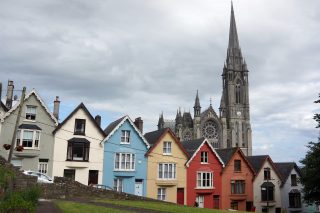
CC BY-SA 2.0 / psyberartist

Often referred to as Ireland's second city or “the real capital,” Cork is frequently overlooked in favor of Dublin or Galway. However, Cork deserves a spot on more travel itineraries due to its unique charm and offerings. Known as Ireland's Rebel City, Cork exudes a subtly cool atmosphere, filled with friendly locals and modern European vibes. Recently named the friendliest city in Ireland, Cork provides an authentic glimpse into Irish city life. With popular attractions like Blarney Castle nearby, Cork is an excellent base for a three-day exploration. Unlike some of Ireland's more popular destinations, Cork retains a local feel, offering a genuine experience away from the typical tourist trail. Continue reading to discover how to spend three days in Cork and its picturesque surroundings.

History of Cork

Early History of Cork

Cork began as a monastic settlement, reputedly founded by Saint Finbarr in the 6th century AD. This early settlement laid the foundation for the city’s rich cultural and religious heritage.

Viking Influence in Cork

Between 915 and 922, Norsemen (Vikings) arrived and established a trading port alongside the ecclesiastical settlement. This port provided the monastery with valuable trade goods and possibly military aid. Over time, the Viking longphort (shore fortress) evolved into an important trading center within the global Scandinavian commercial network.

Medieval Cork

In 1185, Cork was granted its charter. Throughout much of the Middle Ages, it remained an outpost of Old English culture, fully walled and surrounded by a predominantly hostile Gaelic countryside. During this period, Cork played a significant role in the English Wars of the Roses by supporting the Yorkist side in 1491, earning it the nickname “the rebel city.”

Cork in the 19th Century

Since the 19th century, Cork has been a stronghold of Irish nationalism. Its inhabitants were deeply involved in the Irish War of Independence (1919-1921). The city center was infamously burned down by the British Black and Tans during this period, in an event known as the “Burning of Cork.”

Modern Cork

Despite its turbulent history, Cork has retained much of its architectural heritage. Notable buildings from various periods, including two cathedrals – St. Mary’s and Saint Fin Barre’s – reflect the city’s historical and cultural evolution. Today, Cork is known for its vibrant cultural scene, culinary traditions, and historical sites, attracting thousands of visitors each year.

Cultural Significance of Cork

Cork continues to celebrate its rich history through numerous festivals and cultural events. The city’s architectural heritage, combined with its status as a culinary hub, makes it a unique destination for travelers seeking both historical insights and modern experiences.

Moira & Andy
Moira & Andy

Hey! We're Moira & Andy. From hiking the Camino to trips around Europe in Bert our campervan — we've been traveling together since retirement in 2020!

Read our full story here

Visiting Cork for the first time and wondering what are the top places to see in the city? In this complete guide, I share the best things to do in Cork on the first visit. To help you plan your trip, I have also included an interactive map and practical tips for visiting!

This website uses affiliate links which earn a small commission at no additional cost to you.
Powered by GetYourGuide

15 Best places to See in Cork

This complete guide to Cork not only tells you about the very best sights and tourist attractions for first-time visitors to the city but also provide insights into a few of our personal favorite things to do.

This is a practical guide to visiting the best places to see in Cork and is filled with tips and info that should answer all your questions!

1. English Market

A fantastic food market in Cork
CC BY-SA 2.0 / WordRidden
Housed in a covered, mid-19th-century hall of timber roofs, arched walkways, and stained-glass lunettes, the English Market has been trading since 1788 and still feels like a working food exchange rather than a museum piece. Enter through the Princes Street arches or the Grand Parade doors and follow the central gabled bay where counters stack fresh fish, butcher cuts, and piles of fruit and vegetables. Between artisan breads, cheeses, chocolates, spices, and global ingredients, the most memorable stops are the local specialities—drisheen, spiced beef, and buttered eggs. Many stalls are family-run, and the buzz of shoppers and café queues makes it easy to linger and snack.
Location: English Market, Grand Parade, Centre, Cork, Ireland | Distance: 0.1km

Here is a complete selection of hotel options in Cork. Feel free to review each one and choose the stay that best suits your needs.

Powered by GetYourGuide

2. Crawford Municipal Art Gallery

Crawford Art Gallery
CC BY-SA 4.0 / Digital Eye
Crawford Municipal Art Gallery is a free public art museum in central Cork, set inside the city’s former 18th‑century Customs House. The first thing many visitors remember is the airy hall of Graeco‑Roman plaster casts, brought to Cork in 1816 and modelled from Vatican originals, which gives the building a classical, almost studio-like atmosphere. Beyond the casts, the collection moves through Irish sculpture and painting alongside rotating contemporary installations. A quieter corner pairs visual art with literature through portraits of writers such as Samuel Beckett, W.B. Yeats, and Elizabeth Bowen. Finish with a pause in the bright on-site café, a local favourite for lingering after the galleries.
Location: Crawford Municipal Art Gallery, Emmett Place, Centre, Cork, Ireland | Hours: Monday–Saturday 10.00am–5.00pm* Thursday until 8.00pm Sundays and Bank Holidays: 11.00 am–4.00pm | Price: Free | Distance: 0.2km

Traveling to a country with a different currency? Avoid ATM transaction fees and pay in local currency with a Wise Card. Having used it for over 5 years, we've saved loads on fees!

3. Oliver Plunkett Street

OliverPlunkettStCork
CC BY-SA 4.0 / Charles Curling
Laid out in the 18th century as George’s Street, Oliver Plunkett Street is a central pedestrian-friendly thoroughfare where shopping and nightlife share the same stretch of pavement. Colourful shopfronts, older facades, and busy café terraces make it feel animated by day, while pubs and music venues take over after dark. Much of the street was destroyed in the Burning of Cork in 1920, then later renamed for the martyred Archbishop Oliver Plunkett. Each day, the section between Parnell Place and Grand Parade is pedestrianised (typically 10:30–16:30), turning it into an easy place to browse boutiques, record and book shops, and pause for coffee. Its street design was recognised with the London Academy of Urbanism’s Great Street Award in 2016.
Location: Oliver Plunkett Street, Cork, Ireland | Distance: 0.3km

Explore Cork at your own pace with our self-guided walking tour! Follow our curated route to discover must-see sights and local secrets that makes Cork one of the best places to visit in Ireland.

4. St. Patrick's Street

St. Patricks Street Cork
CC BY-SA 3.0 / Sebastian “sebrem” B…
St. Patrick’s Street (“Pana” to locals) is the city centre’s broad, gently curving boulevard running from St. Patrick’s Bridge to Daunt Square, and it’s where daily life feels most audible—shopping bags, café chatter, and constant foot traffic. Laid out in the early 1700s by merchant ambition, its unusual sweep still shapes the streetscape. The Father Mathew Statue (1864) stands as a central meeting point amid a mix of post-1920 rebuilds and newer glass-fronted façades after the Burning of Cork reshaped the street. Expect big-name stores like Penneys, Marks & Spencer, and Brown Thomas, plus the modern Opera Lane extension. It’s busy and bustling, though transit delays sometimes test patience.
Location: St Patrick's Street, Centre, Cork, Ireland | Distance: 0.3km

5. Butter Museum

Cork Butter Museum Brands
CC BY-SA 4.0 / Whoisjohngalt
The Butter Museum explores how Irish butter moved from farmhouse churns to a global commodity, centered on the former Butter Exchange in Shandon. Exhibits trace the 18th–19th century trade when farmers arrived with firkins—wooden barrels—so expert tasters could weigh and grade butter for export to places like the West Indies and North America. Look for tactile details: churns, butter pats, and the market-era tools used to prepare shipments, plus a startling thousand-year-old “bog butter” keg. Short videos and occasional live churning demonstrations make the story easy to picture, and many visitors remember tasting fresh butter and buttermilk afterward.
Location: The Butter Museum, O'Connell Square, Shandon, Cork, Ireland | Hours: Jun - Sep open daily, Mon - Sat 10.00 - 4.00, Sun 11.00 - 4.00 Oct - Nov, Wed - Sat 10.00 - 4.00, Sun 11.00 - 4.00 | Price: Adults €5.00 | Website | Distance: 0.5km

6. Shandon Tower (St Anne's Church)

St. Annes Cork
St. Annes Cork
CC BY-SA 3.0 / Sebastian “sebrem” B…
Shandon Tower at St Anne’s Church is an early 18th-century church tower (completed in 1722) that still shapes daily life through its working bells and skyline presence. You climb a very narrow stone staircase, pausing at different levels, and can even ring the eight bells yourself—six tonnes of bronze that have long marked celebrations and crises. Near the top, ear defenders are often provided as you pass close to the ringing chamber. The 50-metre tower is topped by a quirky 3-metre gold fish weathervane, and the final platform opens to wide views over the River Lee valley, rooftops, and surrounding hills.
Location: Shandon Bells & Tower St Anne's Church, Church Street, Shandon, Cork, Ireland | Hours: Mon-Sat 10.00-16.30 Sun 11:30-16:30 Last Entry 16.00 | Price: Adults €6.00 | Distance: 0.5km

7. Elizabeth Fort

Cork   Elizabeth Fort
Cork Elizabeth Fort
CC BY-SA 4.0 / Vimalkvn
Elizabeth Fort is a compact, star-shaped fortification on high ground, rebuilt in the 1620s after an earlier 1601 fort was demolished, and it still reads clearly as a defensive design with bastions and thick stone walls. Walking the ramparts is the main draw: you circle open-air walls and look out over rooftops and the skyline, with a particularly striking line of sight toward Saint Fin Barre’s Cathedral and the River Lee channels. Inside, plaques and a small museum add texture to its later lives as barracks, prison, and police station, including stories of women held here before transportation to Australia. Despite being tucked between modern streets and houses, it feels surprisingly atmospheric once you step through the entrance.
Location: Elizabeth Fort, Barrack Street, The Lough, Cork, Ireland | Hours: May–September: Tuesday–Saturday 10:00–17:00; Sunday 12:00–17:00 October–April: Tuesday–Saturday 10:00–17:00; Sunday 12:00–17:00 | Distance: 0.5km

8. Saint Fin Barre’s Cathedral

Saint Fin Barres Cathedral
CC BY-SA 4.0 / Debora Guidi
Saint Fin Barre’s Cathedral is a Gothic Revival masterpiece designed by William Burges and built between 1863 and 1879 on a much older sacred site linked to a 7th-century monastery. Three sharp spires and a façade crowded with Thomas Nicholls’s carvings—angels, animals, and symbolic figures—make the exterior easy to linger over, especially from the small garden out front. Inside, Burges’s total-design approach shows in mosaic floors, stained glass, and distinctive Victorian fittings such as the cylindrical pulpit raised on four sculpted legs. Look for the brass lectern with the heads of Moses and King David, and the unusual zodiac signs set into the nave windows.
Location: Saint Fin Barre's Cathedral, Bishop Street, The Lough, Cork, Ireland | Hours: Monday through Saturday from 10 AM to 1 PM and from 2 PM to 5:30 PM. | Distance: 0.6km

9. Cathedral of St. Mary and St. Anne

Cathedral Cork
Cathedral Cork
CC BY-SA 3.0 / Sebastian “sebrem” B…
The Cathedral of St. Mary and St. Anne (the North Cathedral) is the mother church of the Roman Catholic Diocese of Cork and Ross, with parish records reaching back to 1731. Begun in 1799 and dedicated in 1808, it was badly damaged by arson in 1820 and rebuilt over the next eight years, later gaining its entrance tower in 1869. Look for the early Neo-Gothic character in the sandstone and limestone detailing, then step inside to see a sanctuary reshaped after Vatican II and the Lady Chapel artworks by Irish artist Patrick Pye. Beneath the sanctuary, the visitor centre hosts the Cork Folklore Project exhibition, adding everyday voices to the cathedral’s quiet grandeur.
Location: Cathedral of St Mary and St Anne, Cathedral Street, Shandon, Cork, Ireland | Distance: 0.7km

10. The Glucksman

Glucksman
Glucksman
CC BY-SA 2.0 / Lewis Glucksman Gallery
The Glucksman is a contemporary art museum on the University College Cork campus, where the building is as memorable as the exhibitions. Opened in 2004, its sculptural curves, warm timber interiors, and glassy overhangs sit beside the River Lee, with big windows pulling trees and water into the galleries. Shows rotate between Irish and international artists, often leaning into socially engaged themes, so each visit feels different in tone and subject. Visitors tend to linger on the dramatic staircases and changing light, then drift to the ground-floor café and the small shop for art books and prints. Admission is often free, making it easy to pop in for a quick look or a longer hour.
Location: The Glucksman, University College, Cork, Ireland | Distance: 1.1km

11. Cork Public Museum

Cork public museum
Cork public museum
CC BY-SA 4.0 / Charlesolivercork
Set in an elegant Georgian house built in 1845, Cork Public Museum (opened 1945) sits beside the River Lee within Fitzgerald Park, where a visit naturally continues onto tree-lined paths, gardens, and riverside views. The galleries move from prehistoric tools and pottery through medieval trade and everyday life, then into the political story of the War of Independence and Civil War with objects tied to local movements and figures. A smaller but memorable section traces sporting life with rowing and Gaelic games memorabilia. Free admission makes it easy to drop in, and visitors often mention the warm, helpful staff and family-friendly touches like children’s activity sheets.
Location: Cork Public Museum, Mardyke, Cork, Ireland | Hours: Tue to Fri 10-4pm, Sat 11-4pm | Price: Free | Website | Distance: 1.3km

12. University College

County Cork   University College Cork
County Cork University College Cork
CC BY-SA 4.0 / Michael O'Sheil
University College Cork (UCC) is a working university campus near Cork city centre, visited for its atmospheric grounds and serious Victorian architecture. Founded in 1845 as Queen’s College and renamed in 1908, it carries a progressive academic legacy, including graduating Ireland’s first women in medicine in 1898. Visitors tend to linger in the Tudor Gothic main quadrangle, where arched cloisters and carved stone details frame a quiet lawn, then wander leafy paths and riverside walks along the River Lee. For a sharp contrast, the Glucksman Gallery brings award-winning contemporary design and rotating exhibitions into the campus fabric. The Boole Library’s busy study rooms add a lived-in, scholarly hum.
Location: University College Cork, College Road, University College, Cork, Ireland | Distance: 1.3km

13. Fitzgerald Park

Fitzgeralds Park Cork Ireland
CC BY-SA 3.0 / K.ristof
Fitzgerald Park is an 18-acre riverside park along the Mardyke, designed as a calm retreat of tree-lined paths, bright flower beds, and long views over the River Lee. Created from the grounds of the 1902 Cork International Exhibition, it still blends civic history with everyday leisure. Visitors gravitate to the central fountain and rose garden, pause by public sculptures including Seamus Murphy’s statue of Michael Collins, and browse the Cork Public Museum inside the park. Dermot Gavin’s Sky Garden adds a modern note with its distinctive pod-like structure. A large playground and a riverside café make it easy to linger, especially on warm afternoons.
Location: Fitzgerald Park, Mardyke, Cork, Ireland | Hours: November - February: 8.30 - 17.00 October & MArch: 8.30 - 18.00 April & September 8.30 - 20.00 May & August: 8.30 - 21.00 June & July: 8.30 - 22.00 | Price: Free | Distance: 1.4km

14. City Gaol

Cork city gaol
Cork city gaol
CC BY-SA 2.0 / psyberartist
Cork City Gaol is a restored 19th-century prison, completed in 1818 in a Georgian Gothic, castle-like style by architect William Robertson. Inside, visitors move through cold stone corridors and cells animated by lifelike figures, sound effects, and an audio guide that recreates daily routines and punishments—often for offences as small as drunkenness or petty theft. The story shifts from incarceration to reinvention: after closing in 1923, the building later housed 6CK Radio, and the on-site Radio Museum displays early broadcasting equipment from that era. Exhibits also trace political imprisonment, including Constance Markievicz’s detention, adding a sharper edge to the atmosphere.
Location: Cork City Gaol, Convent Avenue, Sunday's Well, Cork, Ireland | Hours: March to October: Monday to Sunday 10am to 5pm November to February: Monday to Sunday 10am to 4pm | Price: €11.00 | Website | Distance: 1.6km
Powered by GetYourGuide

15. Blackrock Castle & Observatory

Blackrock Castle Cork
CC BY-SA 3.0 / K.ristof
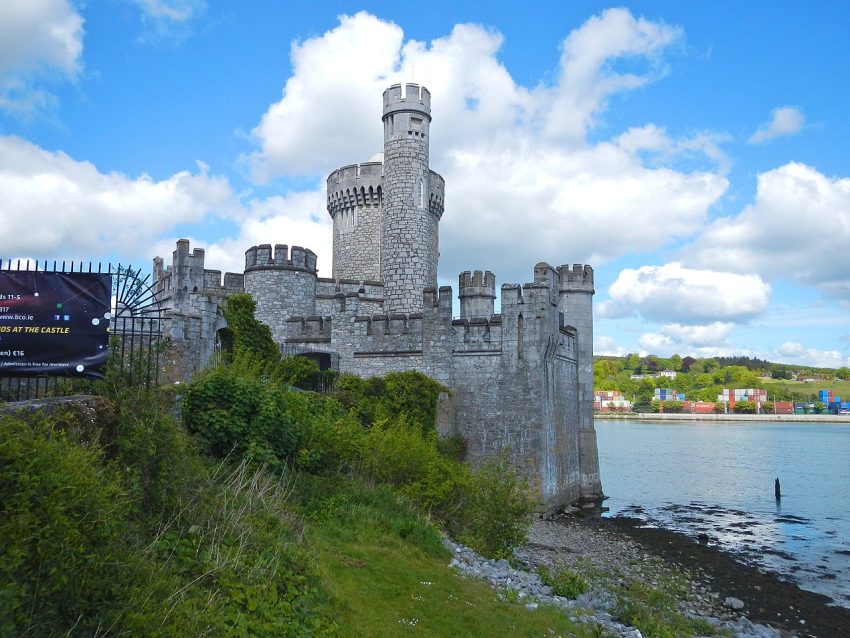
Set on the River Lee, Blackrock Castle is a 1604 riverside fort built to deter pirates, now repurposed as a public observatory and hands-on science centre. The contrast is the point: climb the tight spiral stairs to the battlements for harbour views, then head inside for interactive exhibits on space, engineering, and astrophysics. A standout feature is the radio telescope “Pan Galactic Station,” where visitors can type a message and beam it toward nearby stars. Timed telescope sessions such as Quarter Moon viewings add a real look at the night sky, while the courtyard cannons and waterfront setting keep the castle’s defensive past in view.
Location: Blackrock Castle Observatory, Castle Road, Blackrock, Cork, Ireland | Hours: Tuesday – Sunday 10a.m. – 5p.m. | Price: Adults €9 | Website | Distance: 5km

Best Day Trips from Cork

A day trip from Cork offers the perfect opportunity to escape the urban rhythm and discover the surrounding region's charm. Whether you're drawn to scenic countryside, historic villages, or cultural landmarks, the area around Cork provides a variety of easy-to-reach destinations ideal for a one-day itinerary.

1. Blarney Castle

Blarney Castle Ireland
CC BY-SA 4.0 / Ryanhuntmuzik
Blarney Castle is one of the best places to visit in Blarney, combining medieval drama, lush gardens, and world-famous folklore. Built in 1446 by Cormac Láidir MacCarthy of the powerful MacCarthy of Muskerry dynasty, the castle stands tall above the countryside, offering visitors a rare chance to step directly into Ireland’s storied past. Known worldwide for the Blarney Stone and…
Location: Blarney Castle & Gardens, Blarney, Cork, Ireland | Hours: Jan/Feb/Mar 9.00am - 5.00pm (Last Admission 4.00pm) Apr 9.00am to 5.30pm (Last Admission 4.30pm) May/Jun/Jul/Aug/Sep 9.00am to 6.00pm (Last Admission 5.00pm) Oct 9.00am to 5.30pm (Last Admission 4.30pm) Nov/Dec 9.00am to 5.00pm (Last Admission 4.00pm) | Price: Adult €22 | Website | Distance: 7.4km
Visiting Blarney Castle
Powered by GetYourGuide

2. Ballincollig Royal Gunpowder Mills

Gunpowder Mills Ballincollig
CC BY-SA 4.0 / The Speckled Bird
The Ballincollig Royal Gunpowder Mills form one of Ireland’s most fascinating industrial heritage sites, spread across a dramatic riverside landscape west of Cork City. Once a strategic centre of gunpowder production during the Napoleonic era, the complex today lies within the peaceful green expanse of Ballincollig Regional Park. Wandering the trails takes you past old mill buildings, canals, and towering…
Location: Ballincollig Royal Gunpowder Mills, Ballincollig, Cork, Ireland | Distance: 7.8km
Visiting Ballincollig Royal Gunpowder Mills

3. Ballincollig Castle

Ballincollig Castle cork
CC BY-SA 3.0 / Brendandiamond
Ballincollig Castle is a striking medieval ruin perched on a limestone summit south of the modern town. Its surviving keep, curtain walls, and towers give a vivid sense of Norman fortification design, while the surrounding valley spreads out below in quiet contrast. Visiting today feels like stepping into a half-forgotten chapter of local history, where family feuds and shifting allegiances…
Location: Ballincollig Castle(Caisleán Bhaile an Chollaigh), Ballincollig, Cork, Ireland | Hours: Private no access | Distance: 8.8km
Visiting Ballincollig Castle

4. Cobh

cobh ireland
cobh ireland
Formerly known as Queenstown (1849 – 1921), Cobh is located in Southern Ireland, just about a 20-minute drive from Cork City. Initially a fishing village, Cobh began to develop as an important port when the British established their naval fortifications. Pronounced "Cove," this town later became Ireland’s largest port of emigration, with many seeking new lives, primarily in North America.…
Visiting Cobh
Powered by GetYourGuide

5. Killarney

killarney
killarney
Killarney is a charming town located on the shores of Lough Leane in County Kerry, southwest Ireland. It serves as a popular stop on the scenic Ring of Kerry drive and marks the start and finish of the 200-km Kerry Way walking trail. The town boasts 19th-century architecture, including St. Mary’s Cathedral. Just across the bridge from the cathedral lies…
Visiting Killarney
Powered by GetYourGuide

6. Limerick

Limerick
Limerick
Limerick, the Emerald Isle's first "Irish City of Culture," has evolved significantly from its turbulent, siege-filled beginnings. As the third largest city in the Irish Republic, Limerick offers a vibrant mix of art, music, shopping, and cuisine that rivals any bustling metropolis. There are numerous attractions and activities to keep visitors engaged. Conveniently located about 24 kilometers from Shannon International…
Visiting Limerick
Powered by GetYourGuide

7. Waterford

Waterford
Waterford
Located in the southeast corner of Ireland, the port of Waterford is an excellent travel destination for those eager to delve into Ireland's rich history and culture. Just a two-hour drive from Dublin, this picturesque city is perfect for a day trip from the Irish capital. For those with more time, spending a few days in Waterford is highly recommended.…
Visiting Waterford
Powered by GetYourGuide

8. Kilkenny

kilkenny
kilkenny
History seeps from every corner of lovely Kilkenny. Located about an hour and a half from busy Dublin, this serene town lies on the banks of the River Nore in southeast Ireland. Kilkenny's array of tourist attractions makes it a worthwhile visit any time of year, particularly in the summer. Kilkenny's narrow, winding streets create an atmosphere of old-world charm,…
Visiting Kilkenny
Powered by GetYourGuide

9. Dingle

Dingle
Dingle
Dingle, with its winding streets and vibrant atmosphere, is a hub of literary and creative culture. The town bustles with activity from dawn until dusk, with music at its heart, featuring sessions that play well into the evening. Situated on the edge of the Dingle Peninsula along Ireland’s Wild Atlantic Way, Dingle is a colorful and lively artistic gem. Just…
Visiting Dingle
Powered by GetYourGuide

10. Galway

galway
galway
Galway, situated on the River Corrib between Lough Corrib and Galway Bay, was once part of the old Kingdom of Connacht. The city originated from a settlement around a fortification established by the King of Connacht in 1124. Today, Galway offers a wealth of attractions and activities. Shop Street features Lynch's Castle, a 16th-century medieval residence of the Lynch family,…
Visiting Galway
Powered by GetYourGuide

Where to Stay in Cork

The best area to stay is in the city center, where hotels and guesthouses offer easy access to the English Market, Shandon Bells, and vibrant pubs. For a countryside escape, staying in nearby Kinsale or along the coast provides a scenic retreat.

A 2 to 3-day stay is ideal for exploring the city’s historic sites, food scene, and nearby Blarney Castle. A 4 to 5-day stay allows for day trips to the Ring of Kerry, Clonakilty, or the scenic Wild Atlantic Way.

Using the our Hotel and Accomodation map, you can compare hotels and short-term rental accommodations in Cork. Simply insert your travel dates and group size, and you’ll see the best deals for your stay.

Cork Accommodation Map

Best Time to Visit Cork

Visiting Cork in Spring

Spring is a wonderful time to visit Cork as the weather begins to warm up and the city comes alive with blooming flowers and vibrant green landscapes. The temperatures are mild, making it perfect for exploring outdoor attractions such as the English Market, St. Patrick’s Street, and the grounds of University College Cork. Additionally, springtime festivals and events, like the Cork International Choral Festival, add to the cultural experience.

Visiting Cork in Summer

Summer is the peak tourist season in Cork, with warm temperatures and long daylight hours. This is the best time for outdoor activities and exploring the coastal areas, such as taking a trip to the nearby beaches or enjoying a boat tour along the River Lee. The city is bustling with events, including the Cork Midsummer Festival and various music and food festivals. However, be prepared for larger crowds and higher accommodation prices.

Visiting Cork in Autumn

Autumn in Cork offers a more relaxed atmosphere with cooler temperatures and fewer tourists. The fall foliage adds a beautiful touch to the city’s parks and countryside. This is an excellent time to visit attractions like the Cork City Gaol and Elizabeth Fort, as well as to enjoy local cuisine at the English Market. The Cork Jazz Festival, held in October, is a major highlight that draws visitors from around the world.

Visiting Cork in Winter

Winter in Cork is mild compared to other parts of Ireland, with occasional rain and cooler temperatures. This season is perfect for those who prefer a quieter visit without the crowds. The city’s festive decorations and Christmas markets create a magical atmosphere. Indoor attractions such as St. Fin Barre’s Cathedral and the Cork Butter Museum are great places to explore during the winter months. Additionally, winter offers the chance to experience traditional Irish hospitality in cozy pubs and restaurants.

Annual Weather Overview

  • January 8°C
  • February 8°C
  • March 9°C
  • April 12°C
  • May 14°C
  • June 18°C
  • July 19°C
  • August 19°C
  • September 16°C
  • October 13°C
  • November 10°C
  • December 9°C

How to get to Cork

By Air

Cork is easily accessible by air through Cork Airport, which is located about 8 kilometers south of the city center. The airport serves several international and domestic flights, making it a convenient option for travelers coming from various parts of the world. Upon arrival, you can reach the city center by taxi, bus, or car rental.

By Train

Cork is well-connected by train, with regular services running from Dublin to Cork's Kent Station. The journey takes approximately 2.5 to 3 hours, offering a comfortable and scenic route through the Irish countryside. Trains are a reliable and efficient way to travel, especially for those looking to avoid the hassle of driving.

By Bus

Several bus companies operate routes to Cork from different parts of Ireland, including Dublin, Galway, and Limerick. Bus travel is often a cost-effective option, with frequent services and comfortable coaches. The main bus terminal in Cork is Parnell Place, which is centrally located and provides easy access to the rest of the city.

By Car

Driving to Cork offers the flexibility to explore the surrounding areas at your own pace. The city is well-connected by major highways, including the M8 from Dublin, the N20 from Limerick, and the N22 from Kerry. Renting a car can be a good option for those who plan to visit multiple destinations in the region.

By Ferry

For travelers coming from the UK or continental Europe, taking a ferry to Ireland is another option. Ferries arrive at ports such as Dublin, Rosslare, and Ringaskiddy (near Cork). From these ports, you can drive or take public transportation to Cork, enjoying the scenic landscapes along the way.

More from this area