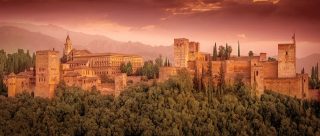
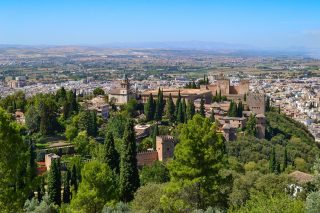
Salón de Embajadores, Granada
Historic Room in Granada
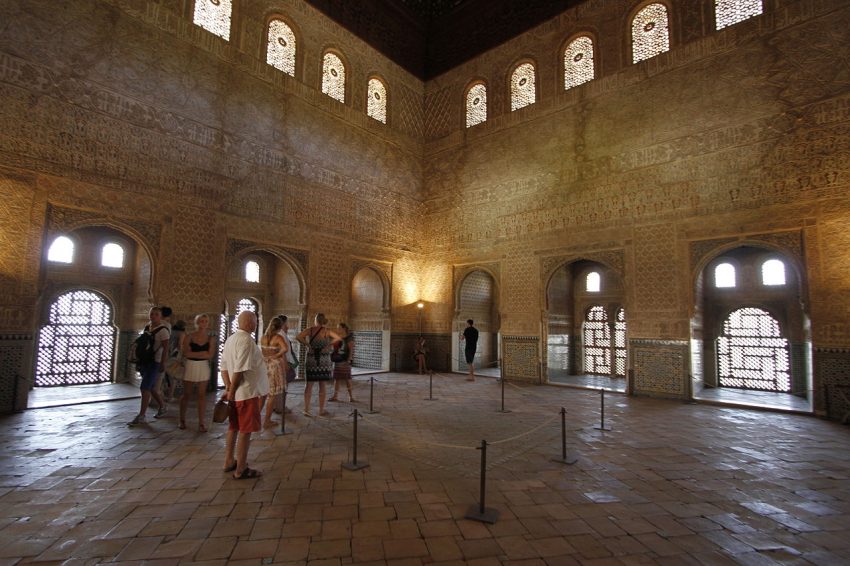
The Salón de Embajadores, or Hall of the Ambassadors, is the most majestic and symbolically charged chamber of the Palacio de Comares. Here, the sultan held official receptions, greeted foreign envoys, and expressed the full ceremonial splendour of Nasrid authority. Every inch of this space is covered with inscriptions, poems, and elaborate patterns that speak to the power of the dynasty. Its overwhelming scale makes it one of the top attractions in Granada and a highlight of any walking tour of Granada for travellers who want to stand inside the very heart of the Nasrid court.
Entering this grand qubba, visitors are enveloped in an interplay of light, colour, geometry, and poetry. From the cedar-wood dome evoking the seven heavens to the deep alcoves and gleaming stucco walls, the Salón de Embajadores was built to awe-and still does.
Table of Contents
- History and Significance of the Salón de Embajadores
- Things to See and Do in the Salón de Embajadores
- How to Get to the Salón de Embajadores
- Practical Tips on Visiting the Salón de Embajadores
- Where to Stay close to the Salón de Embajadores
- Is the Salón de Embajadores Worth Visiting?
- FAQs for Visiting the Salón de Embajadores
- Nearby Attractions to the Salón de Embajadores
History and Significance of the Salón de Embajadores
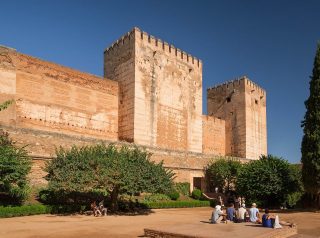
The hall occupies the interior of the mighty Comares Tower and served as the symbolic centre of Nasrid political life. It was here that the sultan displayed his legitimacy beneath a ceiling representing the celestial order described in the Qur’an. Completed during the reign of Yusuf I and enriched by Muhammad V, the hall formed the heart of diplomatic and governmental encounters.
This was the final and most sacred space reached after progressing through the Comares Palace. Every visitor-from ambassadors to high dignitaries-would have experienced a carefully staged journey ending here, where the sultan appeared beneath a dome representing the divine heavens. The arrangement reinforced his authority as God's representative on earth.
Things to See and Do in the Salón de Embajadores
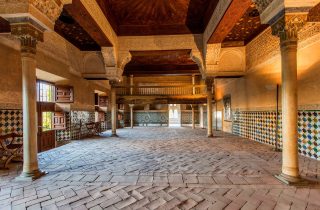
The hall is an 11.3-metre square rising to a height of 18.2 metres, giving it a monumental sense of verticality. The walls are immensely thick, housing deep alcoves with triple arches, each leading to small chambers and balconies. Light filters through double-arched windows and high lattice grilles, illuminating only select portions of the room and creating the dramatic shadow that once surrounded the throne.
The cedar-wood dome is the hall’s masterpiece. Composed of thousands of small wooden pieces arranged into concentric circles and star patterns, it depicts the seven superimposed heavens with God’s throne symbolically represented at the centre. Lapis lazuli pigment-imported at great expense from Afghanistan-still gleams in some sections of the decoration.
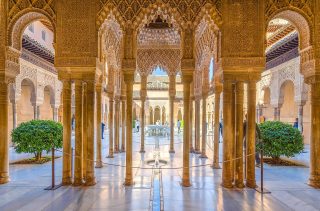
The walls dazzle with stucco filled with geometric, vegetal, and poetic designs. The dado contains glazed tiles forming interlocking patterns, while the cornice above is a dramatic band of painted mocárabes. Look carefully for poems by Ibn Zamrak, praises to God, and passages from the Qur’an, especially around the throne arch.
The floor, once covered with luminous blue-and-white tiles inscribed with the Nasrid motto “There is no conqueror but God,” is now represented by clay tiles. A cordoned-off section marks where the original sacred floor tiles once lay beneath the dome’s apex.
How to Get to the Salón de Embajadores
The nearest airport is Federico García Lorca Granada-Jaén Airport. For the best deals and a seamless booking experience, check out these flights to Granada on Booking.com.
Granada Railway Station connects the city to major destinations including Madrid, Málaga, and Seville, making train travel straightforward. Train schedules and bookings can be found on Omio.
If travelling by car, follow the Ronda Sur to the Alhambra's main parking area before exploring the complex on foot. If you are looking to rent a car in Spain I recommend having a look at Discover Cars, first, as they compare prices and review multiple car rental agencies for you.
The Salón de Embajadores is accessed through a double arch leading from the Sala de la Barca.
Practical Tips on Visiting the Salón de Embajadores
- Suggested tips: Spend time beneath the dome-its cosmic symbolism is central to understanding the hall.
- Best time to visit: Late morning, when soft light enhances the cedar dome’s colours.
- Entrance fee: The Salón de Embajadores is part of the Alhambra Complex and access it you need to purchase Alhambra Tickets or a Alhambra Guided Tour.
- Opening hours: For opening times of the Salón de Embajadores see [link_post post_id="3786" anchor="opening" type="link"]Alhambra Opening Times[/link_post].
- Official website: https://www.alhambra-patronato.es/en/edificios-lugares/the-chamber-of-the-ambassadors
- How long to spend: 15-25 minutes.
- Accessibility: Some narrow passages and steps between rooms.
- Facilities: Restrooms and cafés elsewhere within the Alhambra complex.
- Photography tip: Capture the central dome from directly beneath for a perfect geometric composition.
- Guided tours: Highly recommended for understanding the inscriptions and celestial symbolism.
- Nearby food options: Cafés near the Palacio de Carlos V.
Where to Stay close to the Salón de Embajadores
For proximity and atmosphere, stay at Parador de Granada, located within the Alhambra grounds. Nearby, Hotel America offers historic charm steps away from the Nasrid Palaces. For a more modern stay just outside, Eurostars Washington Irving blends comfort with literary-inspired design.
Is the Salón de Embajadores Worth Visiting?
Absolutely. Standing in the Salón de Embajadores is like standing inside the symbolic universe of the Nasrid dynasty. Its dome, inscriptions, poetry, and sheer architectural mastery make it one of the most compelling spaces in the Alhambra and a must-see for any visitor.
What Other Travellers Say...

Salón de los Embajadores, in the Comares Tower at the Alhambra, is a vast, highly decorated throne room where the sultan held private audiences and official receptions; visitors note its square plan with nine long alcoves (the central one opposite the entrance reserved for the sultan), richly stucado walls covered in poetic and courtly inscriptions, and lower tiled plinths, while the floor preserves glazed ceramic pieces and later tiles with a central coat of arms; the crowning feature is the masterful cedar-wood, polychrome ceiling—a vaulted, star-filled, multi-layered depiction of the seven heavens that soars above the hall and reinforces the sultan's presence.


FAQs for Visiting the Salón de Embajadores
Nearby Attractions to the Salón de Embajadores
- Sala de la Barca: The transitional hall leading to the throne room.
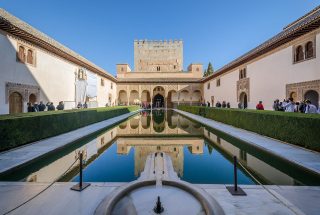
- Patio de los Arrayanes: The reflective courtyard at the heart of the Comares Palace.
- Palacio de Comares: The seat of Nasrid governmental authority.
- Patio del Cuarto Dorado: A ceremonial courtyard connecting the Mexuar and Comares palaces.
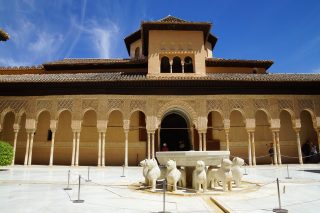
- Palacio de los Leones: The private residential palace of the sultan.
The Salón de Embajadores appears in our Complete Guide to Visiting Granada!

Moira & Andy
Hey! We're Moira & Andy. From hiking the Camino to trips around Europe in Bert our campervan — we've been traveling together since retirement in 2020!
This website uses affiliate links which may earn a commission at no additional cost to you!
Planning Your Visit
For opening times of the Salón de Embajadores see Alhambra Opening Times.
The Salón de Embajadores is part of the Alhambra Complex and access it you need to purchase Alhambra Tickets or a Alhambra Guided Tour.
Nearby Attractions
- Torre de Comares (0.0) km
Palace and Tower - Sala de la Barca (0.0) km
Historic Room - Patio de la Reja (0.0) km
Courtyard - Cuarto Dorado (0.0) km
Palace - Palacio Nazaríes (0.0) km
Palace - Patio del Cuarto Dorado (0.0) km
Courtyard - Oratorio de Mexuar (0.0) km
Historic Room - Torre del Peinador de la Reina (0.0) km
Palace and Tower - Facade of the Palace of Comares (0.0) km
Palace - Habitaciones de Carlos V (0.0) km
Historic Room