Ephesus, Türkiye: The Ultimate Travel Guide 2026
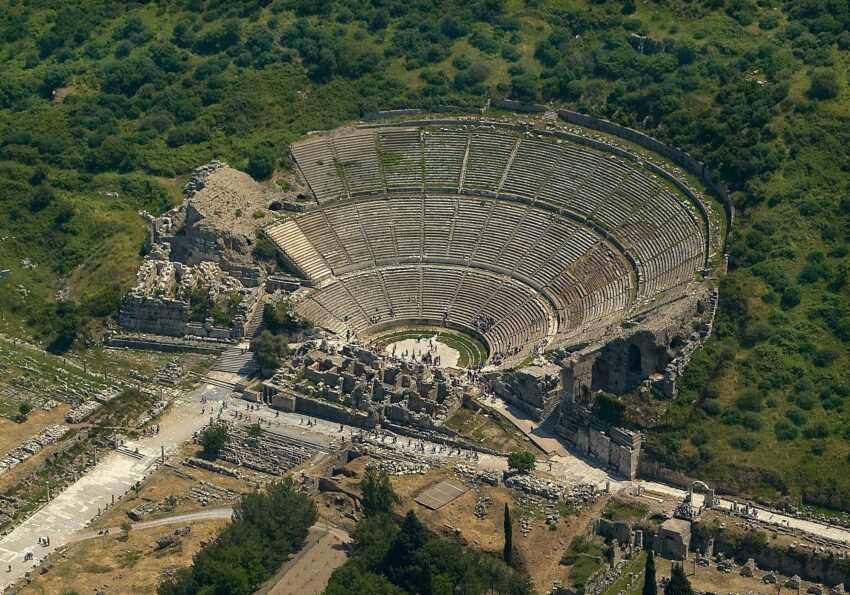
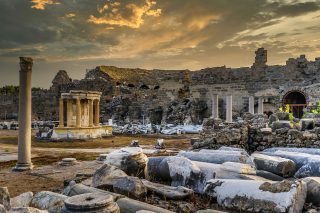
Ephesus is one of Türkiye's most impressive open-air archaeological sites, set in Aegean Türkiye amid olive groves, low hills, and wide skies. Walking its marble streets feels like moving through a purpose-built museum: monumental gates, colonnaded avenues, and grand public buildings appear in quick succession, with clear sightlines that make the scale easy to grasp even on a first visit. Plan to arrive early for softer light and fewer crowds, then take your time-there’s a lot to absorb even without diving deep into the backstory.
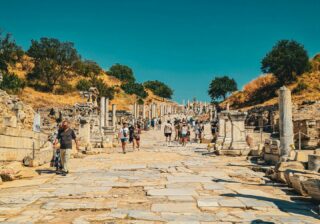
A typical visit focuses on the main route between the Upper and Lower Gates, where highlights cluster close together and the terrain slopes gently downhill. Comfortable shoes are essential because the stone paving can be slick, and there's limited shade across the core ruins. If you want a calmer pace, build in pauses at the quieter edges-lookouts, side streets, and smaller structures-where you can step away from tour groups and appreciate the site's atmosphere.
Ephesus pairs well with nearby stops in the same day, especially if you base yourself in the surrounding towns and countryside. Many travelers combine the ruins with a visit to a local museum, a hillside sanctuary, or a coastal sunset, making it easy to turn a single-site excursion into a full Aegean day out. Whether you come independently or with a guide, the experience is most rewarding when you allow enough time for unhurried wandering and a few moments of stillness among the stones.
Table of Contents
- History of Ephesus
- Ephesus in Prehistory and Early Settlement
- Ephesus in the Greek and Ionian Period
- Ephesus under Persian Influence and the Classical Age
- Ephesus in the Hellenistic Era
- Ephesus in the Roman Imperial Peak
- Ephesus in Late Antiquity and Early Christianity
- Ephesus in the Byzantine Period and Gradual Decline
- Ephesus from the Seljuk Era to Rediscovery and Modern Archaeology
- 23 Best places to See in Ephesus
- Baths of Varius
- Odeon
- Prytaneion
- State Agora
- Memmius Monument
- Temple of Domitian
- Heracles Gate
- Trajan Fountain
- Curetes Street
- Public Roman Latrines
- Terrace Houses of Ephesus
- Temple of Hadrian
- House of Pleasure
- Gate of Mazaeus and Mithridates
- Library of Celsus
- Ancient Greek Theater
- Commercial Agora
- Ephesus Experience Museum
- Theater Gymnasium
- Harbor Street
- Grotto of the Seven Sleepers
- Selçuk
- House of the Virgin Mary
- 4 Best Day Trips from Ephesus
- Where to Stay in Ephesus
- Best Time to Visit Ephesus
- How to get to Ephesus
History of Ephesus
Ephesus in Prehistory and Early Settlement
Archaeological evidence indicates human activity in the area from prehistoric times, with early communities taking advantage of fertile land and access to trade routes. Over time, small settlements developed into a more organized urban center, shaped by shifting coastlines, river silting, and the opportunities of regional exchange.
Ephesus in the Greek and Ionian Period
Ephesus grew into a prominent Ionian city, developing civic institutions, sanctuaries, and a strong maritime-trading identity. The city’s religious importance expanded alongside its economic role, and Ephesus became closely associated with major cult practice and pilgrimage, helping it attract wealth, artisans, and visitors.
Ephesus under Persian Influence and the Classical Age
During periods of Persian control and broader regional conflict, Ephesus navigated changing political realities while maintaining its commercial significance. The city’s elites and institutions adapted to new power structures, and Ephesus continued to develop as a major urban center with a reputation that extended well beyond its immediate hinterland.
Ephesus in the Hellenistic Era
Following the campaigns of Alexander and the reshaping of Anatolia by successor kingdoms, Ephesus entered a phase of planned urban development. Public buildings, street grids, and monumental architecture expanded, reflecting both royal patronage and the city’s own ambitions. This era laid much of the framework for the later grandeur most visitors recognize today.
Ephesus in the Roman Imperial Peak
Ephesus reached extraordinary prominence under Roman rule, becoming a leading city of the eastern Mediterranean in administration, commerce, and culture. Monumental construction flourished—civic complexes, baths, theaters, and libraries—supported by imperial favor and local benefactors. The city’s population and prestige grew, and Ephesus became a stage for public life, spectacle, and international trade.
Ephesus in Late Antiquity and Early Christianity
As the Roman world transformed, Ephesus remained influential, increasingly marked by Christian institutions and theological importance. Churches and new civic-religious landscapes emerged alongside older structures, and the city played a role in major ecclesiastical developments. Over time, however, environmental change and economic shifts began to erode the advantages that had powered earlier prosperity.
Ephesus in the Byzantine Period and Gradual Decline
In the Byzantine era, Ephesus continued as a regional center but faced mounting challenges, including changing trade patterns, repeated disruptions, and the long-term effects of harbor silting. Settlement patterns shifted, and the urban footprint contracted. Fortified areas and new focal points replaced parts of the earlier classical city.
Ephesus from the Seljuk Era to Rediscovery and Modern Archaeology
After medieval transitions in power, the ancient city’s remains became increasingly abandoned and buried, with nearby communities developing around new centers. From the 19th century onward, systematic exploration and excavation brought Ephesus back into global attention. Modern archaeology has since revealed and conserved major monuments, while ongoing work continues to refine understanding of the city’s long, layered past.

Moira & Andy
Hey! We're Moira & Andy. From hiking the Camino to trips around Europe in Bert our campervan — we've been traveling together since retirement in 2020!
Visiting Ephesus for the first time and wondering what are the top places to see in the city? In this complete guide, I share the best things to do in Ephesus on the first visit. To help you plan your trip, I have also included an interactive map and practical tips for visiting!
This website uses affiliate links which earn a small commission at no additional cost to you.

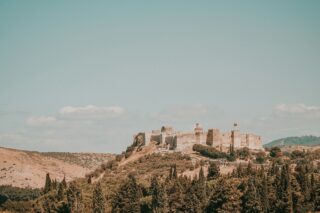
23 Best places to See in Ephesus
This complete guide to Ephesus not only tells you about the very best sights and tourist attractions for first-time visitors to the city but also provide insights into a few of our personal favorite things to do.
This is a practical guide to visiting the best places to see in Ephesus and is filled with tips and info that should answer all your questions!
1. Baths of Varius
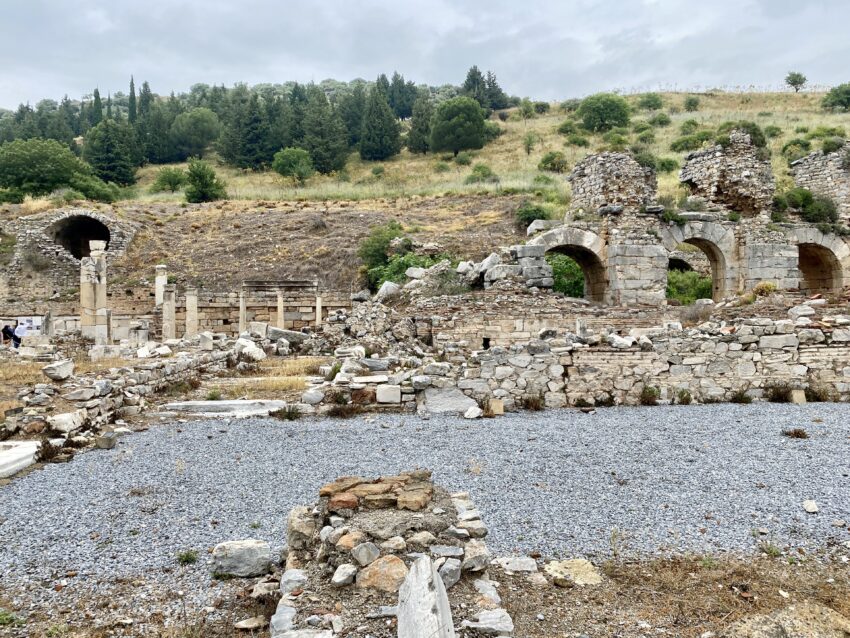
Location: Atatürk, 35920 Selçuk/İzmir, Türkiye | Hours: (Summer) April 1 – October 31; Daily: 08:00–19:30. (Winter) November 1 – March 31; Daily: 08:30–17:00. | Price: Included with Ephesus with Ephesus Experience Museum (40 Euro per person); Ephesus with Ephesus Experience Museum + Terrace Houses: 52 Euro p.p. | Website | Distance: 0.1km


2. Odeon
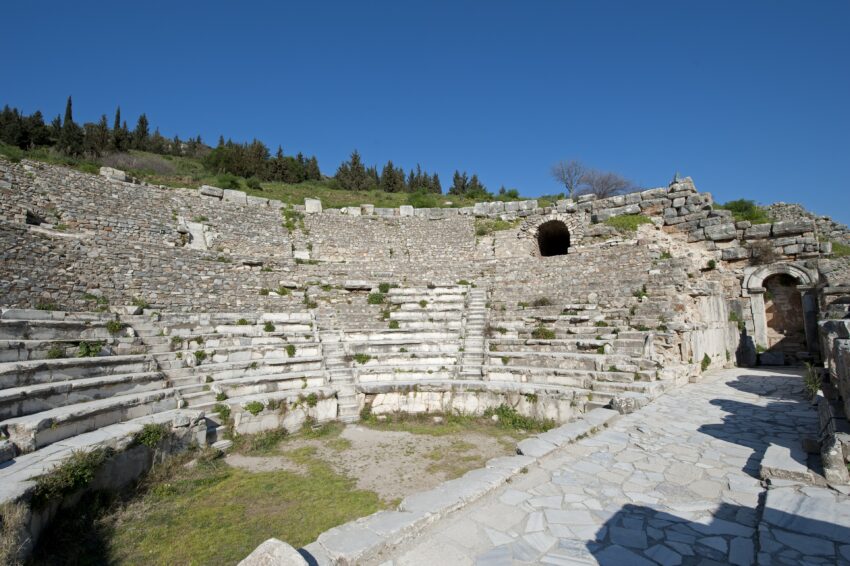
Location: Atatürk, Efes Harabeleri, 35920 Selçuk/İzmir, Türkiye | Hours: (Summer) April 1 – October 1; Daily: 08:00–19:00. (Winter) October 1 – April 1; Daily: 08:00–18:00. | Price: Included with Ephesus with Ephesus Experience Museum (40 Euro per person); Ephesus with Ephesus Experience Museum + Terrace Houses: 52 Euro p.p. | Website | Distance: 0.2km
3. Prytaneion
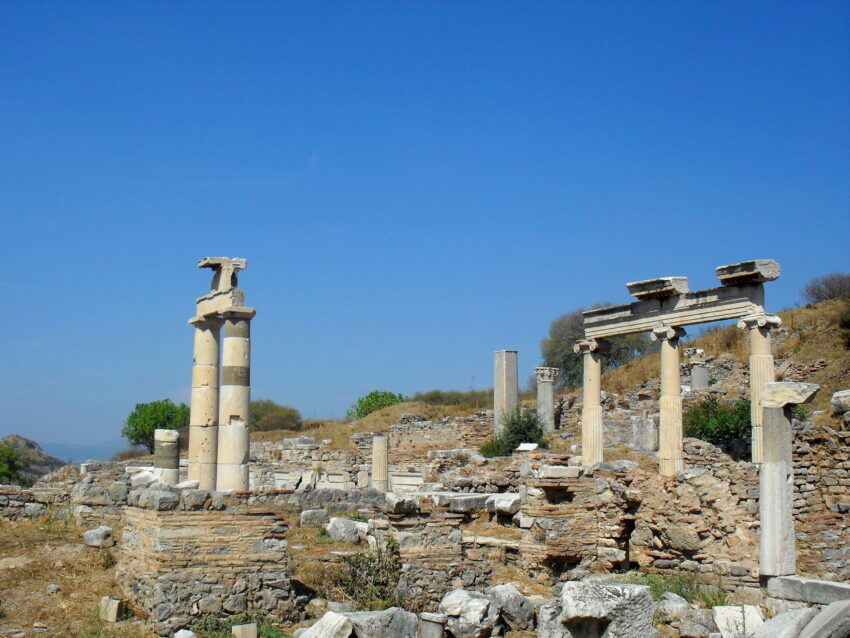
Location: Atatürk, 35920 Selçuk/İzmir, Türkiye | Hours: (Summer) April 1 – October 31; Daily: 08:00–19:30. (Winter) October 31 – April 1; Daily: 08:30–17:00. | Price: Included with Ephesus with Ephesus Experience Museum (40 Euro per person); Ephesus with Ephesus Experience Museum + Terrace Houses: 52 Euro p.p. | Website | Distance: 0.2km
4. State Agora
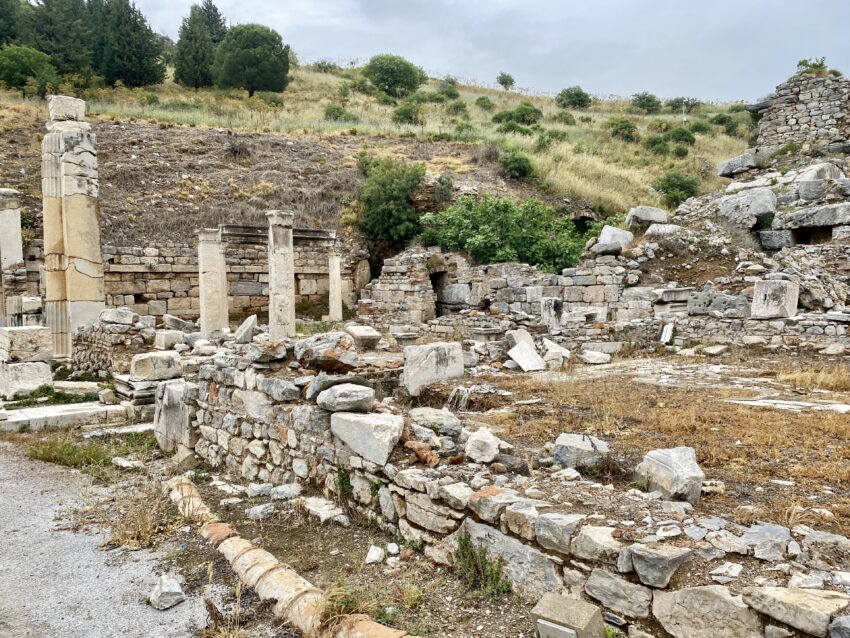
Location: Atatürk, Efes Harabeleri, 35920 Selçuk/İzmir, Türkiye | Hours: (Summer) April 1 – October 31: 08:00–19:30. (Winter) November 1 – March 31: 08:30–17:00. | Price: Included with Ephesus with Ephesus Experience Museum (40 Euro per person); Ephesus with Ephesus Experience Museum + Terrace Houses: 52 Euro p.p. | Website | Distance: 0.2km
5. Memmius Monument
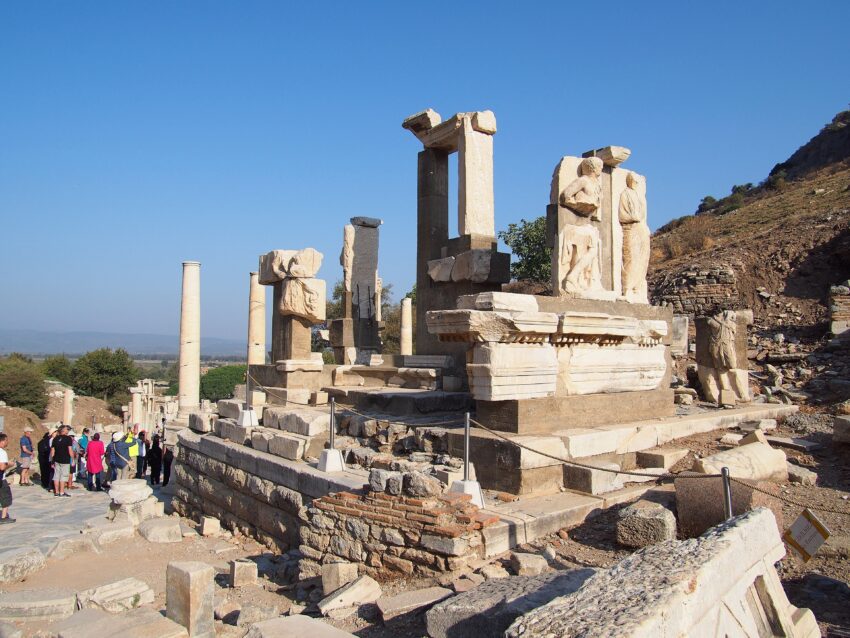
Location: Atatürk, 35920 Selçuk/İzmir, Türkiye | Hours: (Summer) April 1 – October 31; Daily: 08:00–19:30. (Winter) November 1 – March 31; Daily: 08:30–17:00. | Price: Included with Ephesus with Ephesus Experience Museum (40 Euro per person); Ephesus with Ephesus Experience Museum + Terrace Houses: 52 Euro p.p. | Website | Distance: 0.3km
6. Temple of Domitian
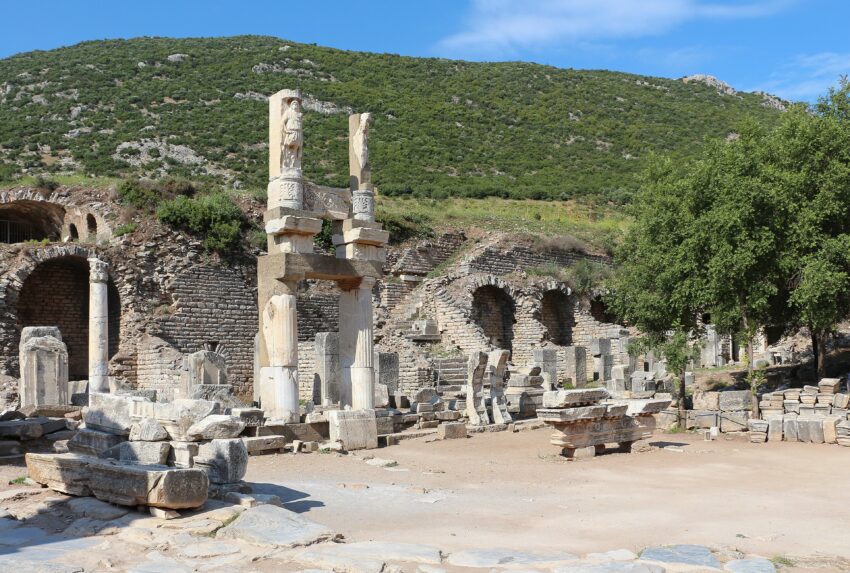
Location: Atatürk, 35920 Selçuk/İzmir, Türkiye | Hours: (Winter) Monday – Sunday: 08:00–18:00. | Price: Included with Ephesus with Ephesus Experience Museum (40 Euro per person); Ephesus with Ephesus Experience Museum + Terrace Houses: 52 Euro p.p. | Website | Distance: 0.3km
7. Heracles Gate
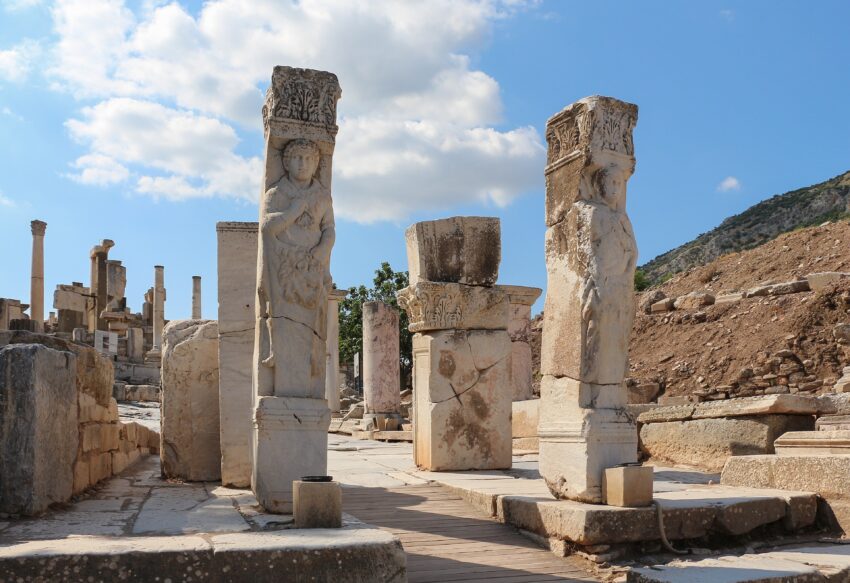
Location: Atatürk, Efes Harabeleri, 35920 Selçuk/İzmir, Türkiye | Hours: (Summer) April 1 – October 31; Daily: 08:00–19:30. (Winter) November 1 – March 31; Daily: 08:30–17:00. | Price: Included with Ephesus with Ephesus Experience Museum (40 Euro per person); Ephesus with Ephesus Experience Museum + Terrace Houses: 52 Euro p.p. | Website | Distance: 0.3km
8. Trajan Fountain
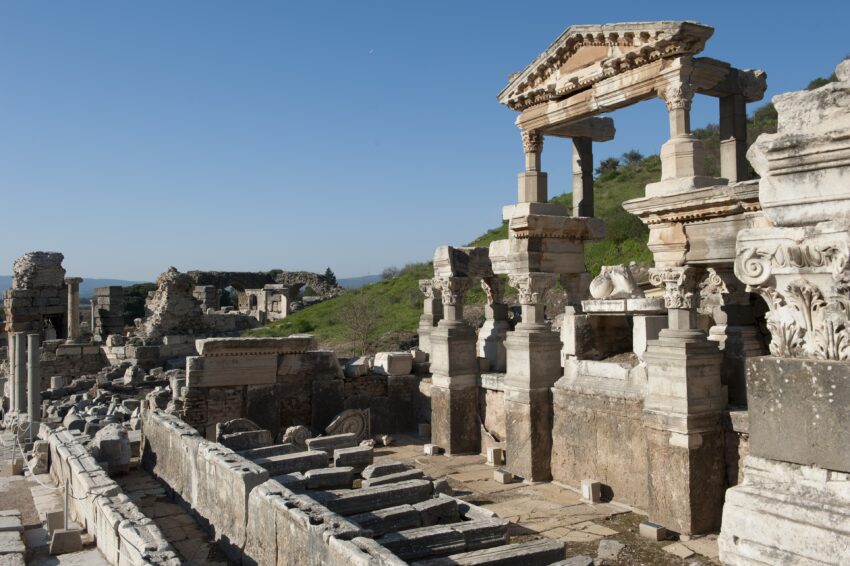
Location: Atatürk, 35920 Selçuk/İzmir, Türkiye | Hours: (Summer) April 1 – October 31; Daily: 08:00–19:30. (Winter) November 1 – March 31; Daily: 08:30–17:00. | Price: Included with Ephesus with Ephesus Experience Museum (40 Euro per person); Ephesus with Ephesus Experience Museum + Terrace Houses: 52 Euro p.p. | Website | Distance: 0.4km
9. Curetes Street
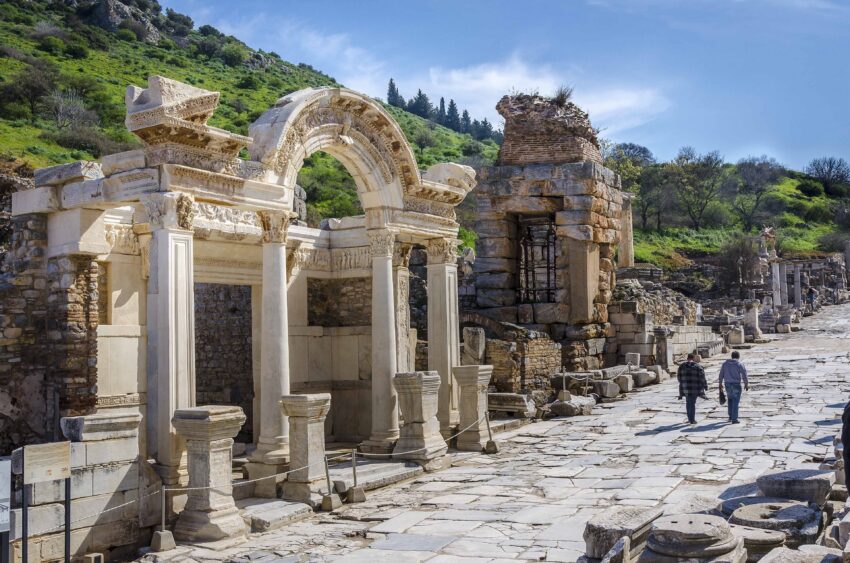
Location: Éphèse, Ancient City of Ephesus,, Atatürk, 35920 Selçuk/İzmir, Türkiye | Hours: (Summer) April 1 – October 31: 08:00–19:30. (Winter) October 31 – April 1: 08:30–17:00. | Price: Included with Ephesus with Ephesus Experience Museum (40 Euro per person); Ephesus with Ephesus Experience Museum + Terrace Houses: 52 Euro p.p. | Website | Distance: 0.4km
10. Public Roman Latrines
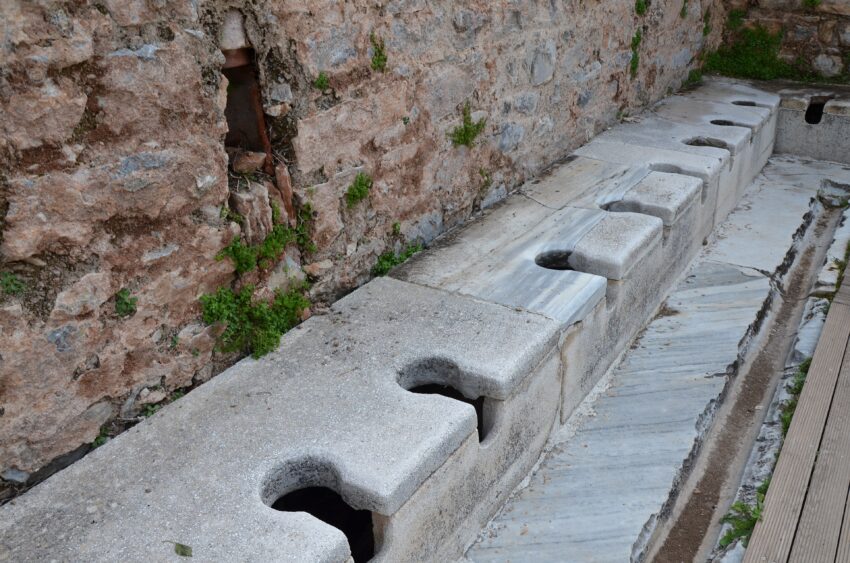
Location: Atatürk, 35920 Selçuk/İzmir, Türkiye | Hours: (Summer) April 1 – October 1; Daily: 08:00–19:00. (Winter) October 1 – April 1; Daily: 08:00–18:00. | Price: Included with Ephesus with Ephesus Experience Museum (40 Euro per person); Ephesus with Ephesus Experience Museum + Terrace Houses: 52 Euro p.p. | Website | Distance: 0.5km
11. Terrace Houses of Ephesus
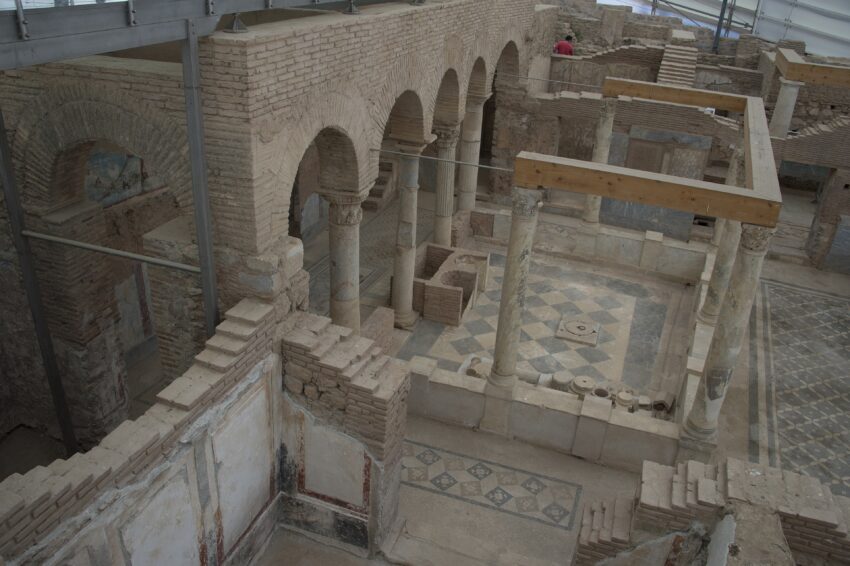
Location: Atatürk, Efes Harabileri, 35920 Selçuk/İzmir, Türkiye | Hours: (Summer) April 1 – October 31; Daily: 08:00–19:30. (Winter) October 31 – April 1; Daily: 08:30–17:00. | Price: Included with Ephesus with Ephesus Experience Museum (40 Euro per person); Ephesus with Ephesus Experience Museum + Terrace Houses: 52 Euro p.p. | Website | Distance: 0.5km
12. Temple of Hadrian
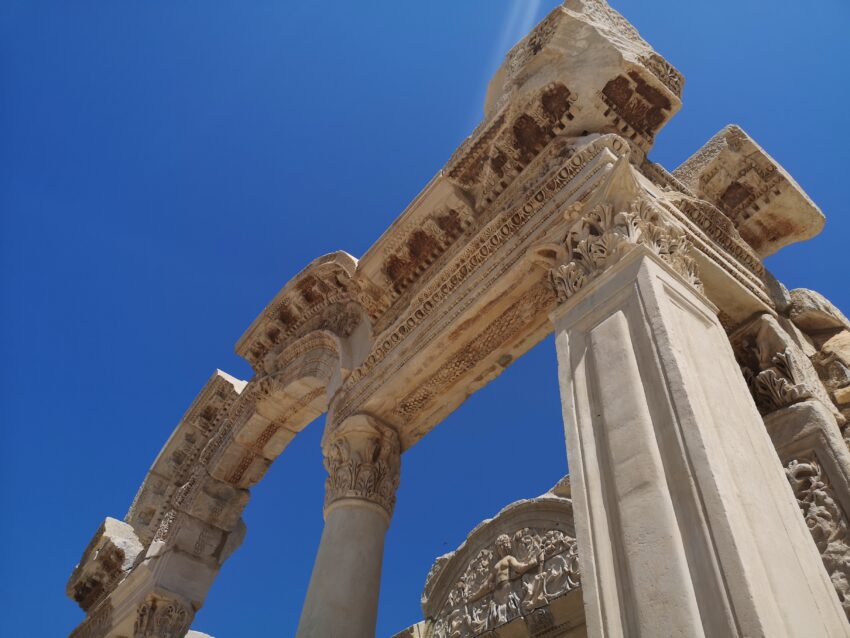
Location: Atatürk, 35920 Selçuk/İzmir, Türkiye | Hours: (Summer) April 1 – October 31; Daily: 08:00–19:30. (Winter) October 31 – April 1; Daily: 08:30–17:00. | Price: Included with Ephesus with Ephesus Experience Museum (40 Euro per person); Ephesus with Ephesus Experience Museum + Terrace Houses: 52 Euro p.p. | Website | Distance: 0.5km
13. House of Pleasure
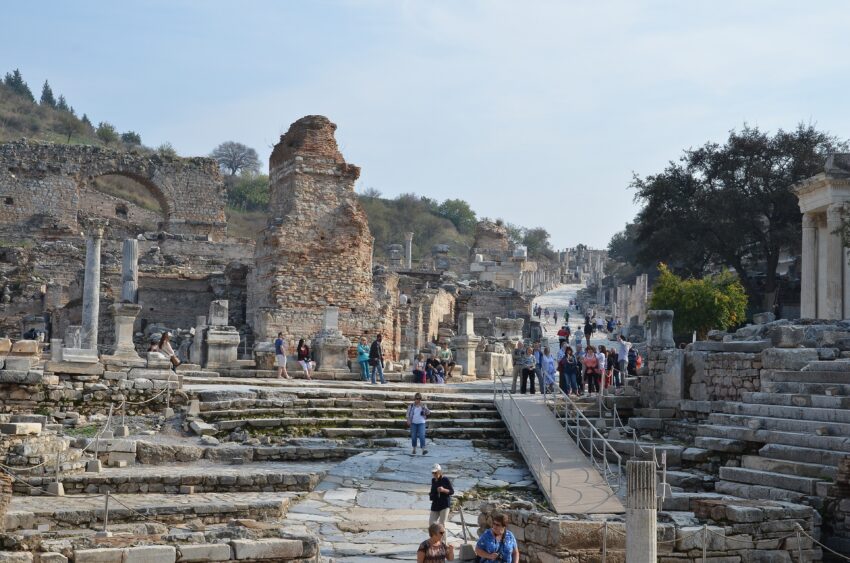
Location: Atatürk, 35920 Selçuk/İzmir, Türkiye | Hours: (Summer) Daily: 08:00–19:00. (Winter) Daily: 08:00–18:00. | Price: Included with Ephesus with Ephesus Experience Museum (40 Euro per person); Ephesus with Ephesus Experience Museum + Terrace Houses: 52 Euro p.p. | Website | Distance: 0.6km
14. Gate of Mazaeus and Mithridates
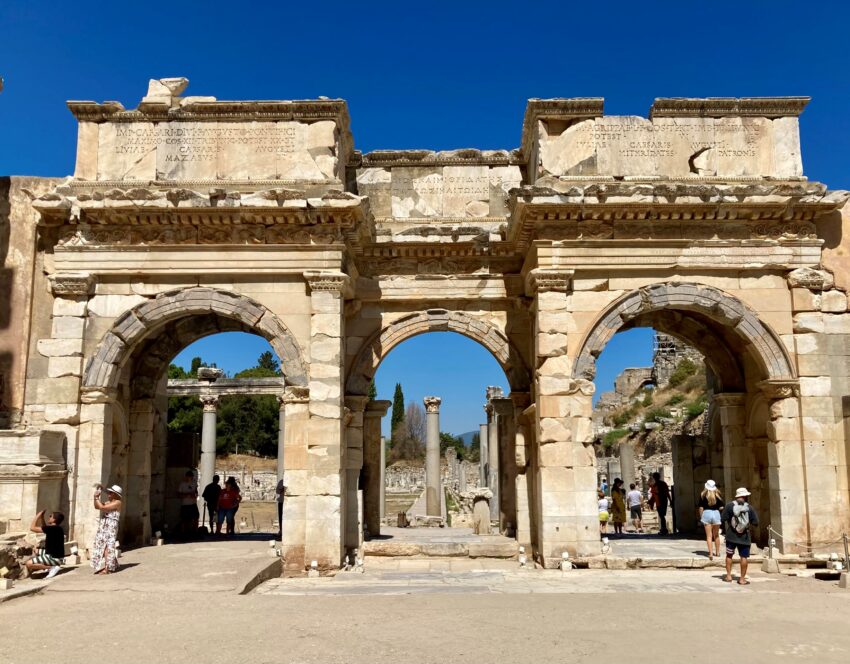
Location: Atatürk, Efes Harabeleri, 35920 Selçuk/İzmir, Türkiye | Hours: (Summer) April 1 – October 31: 08:00–19:30; Ticket office closes 19:00. (Winter) November 1 – March 31: 08:30–17:00; Ticket office closes 16:30. | Price: Included with Ephesus with Ephesus Experience Museum (40 Euro per person); Ephesus with Ephesus Experience Museum + Terrace Houses: 52 Euro p.p. | Website | Distance: 0.6km
15. Library of Celsus
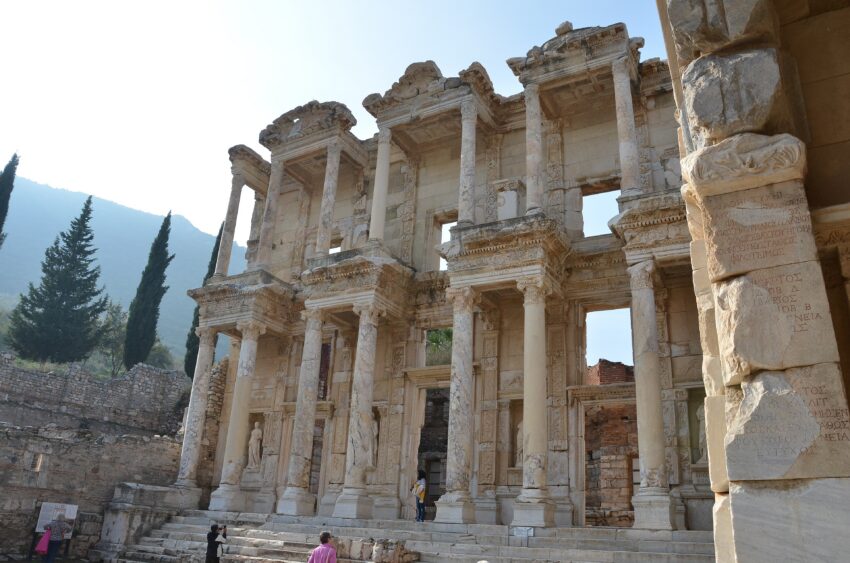
Location: Atatürk, 35920 Selçuk/İzmir, Türkiye | Hours: Daily: 08:00–18:00. | Price: Adults: ₺150. | Distance: 0.6km
16. Ancient Greek Theater
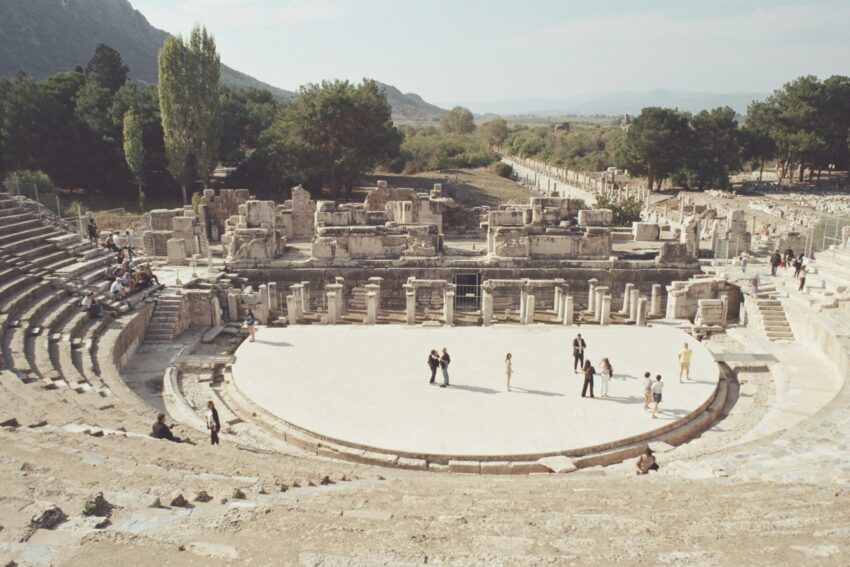
Location: Acarlar, Atatürk, 35920 Selçuk/İzmir, Türkiye | Hours: (Summer) April 1 – October 31; Daily: 08:00–19:30. (Winter) October 31 – April 1; Daily: 08:30–17:00. | Price: Included with Ephesus with Ephesus Experience Museum (40 Euro per person); Ephesus with Ephesus Experience Museum + Terrace Houses: 52 Euro p.p. | Website | Distance: 0.7km
17. Commercial Agora
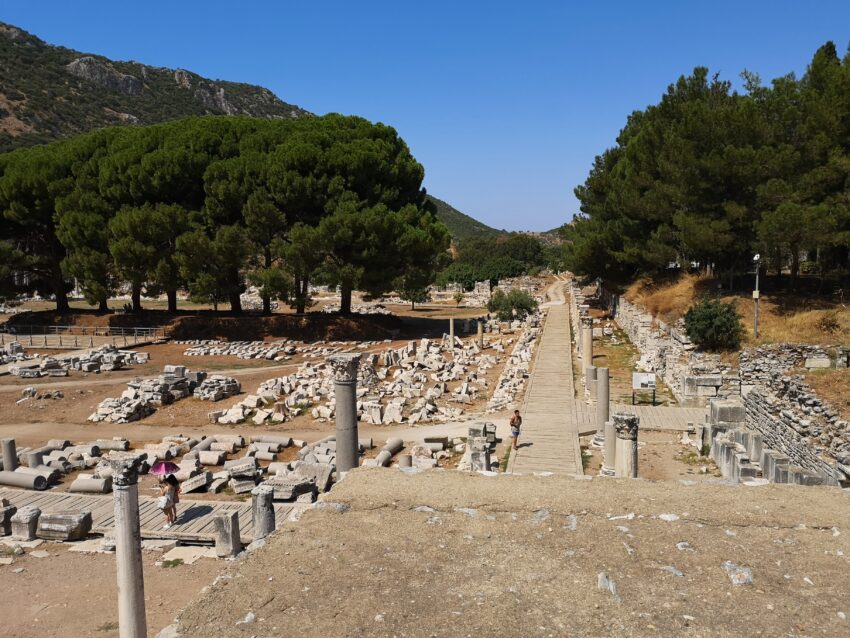
Location: Atatürk, Efes Harabeleri, 35920 Selçuk/İzmir, Türkiye | Hours: Check official website. | Price: Included with Ephesus with Ephesus Experience Museum (40 Euro per person); Ephesus with Ephesus Experience Museum + Terrace Houses: 52 Euro p.p. | Website | Distance: 0.7km
18. Ephesus Experience Museum
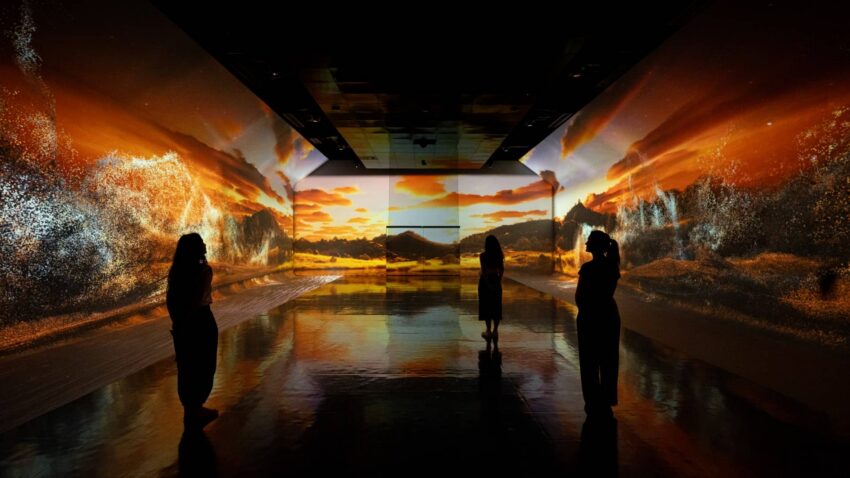
Location: Efes Antik Kenti, Antik Tiyatro Karşısı, Atatürk, 35920 Selçuk/İzmir, Türkiye | Hours: (Summer) April 1 – October 31; Daily: 08:00–19:30. (Winter) October 31 – April 1; Daily: 08:30–17:00. | Price: Check official website. | Distance: 0.7km
19. Theater Gymnasium
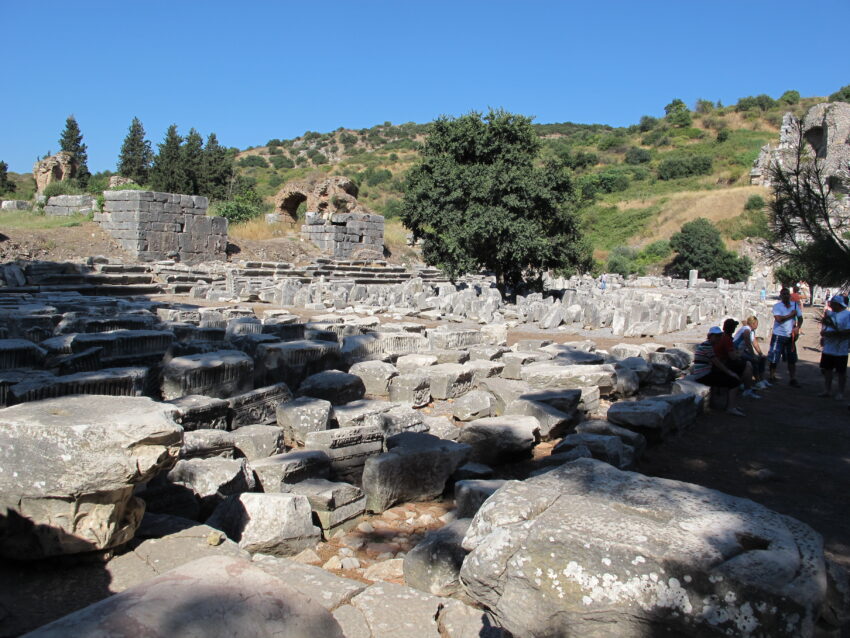
Location: Atatürk, 35920 Selçuk/İzmir, Türkiye | Hours: Daily: 08:00–18:00. | Price: Included with Ephesus with Ephesus Experience Museum (40 Euro per person); Ephesus with Ephesus Experience Museum + Terrace Houses: 52 Euro p.p. | Website | Distance: 0.8km
20. Harbor Street
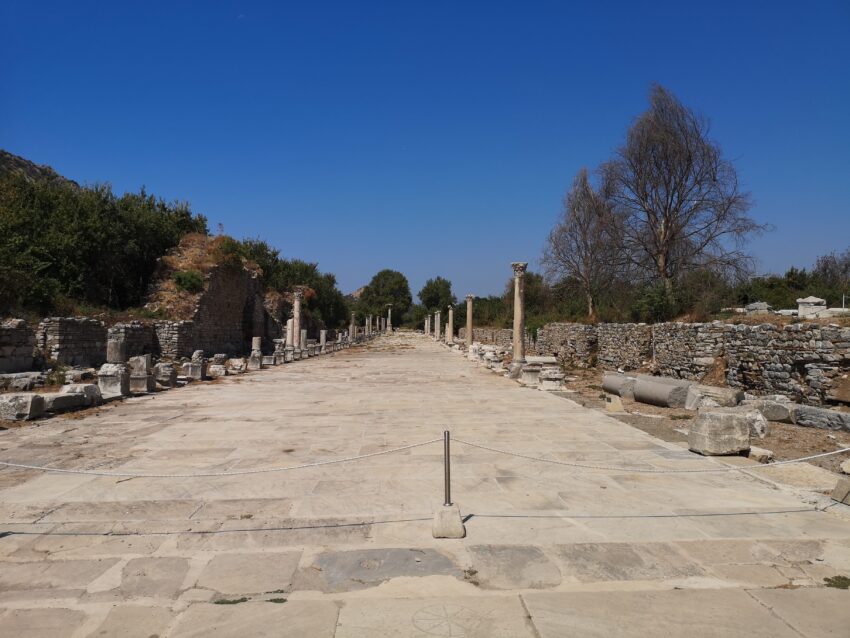
Location: Atatürk, 35920 Selçuk/İzmir, Türkiye | Hours: Monday – Sunday: 08:00–18:00. | Price: Included with Ephesus with Ephesus Experience Museum (40 Euro per person); Ephesus with Ephesus Experience Museum + Terrace Houses: 52 Euro p.p. | Website | Distance: 0.8km
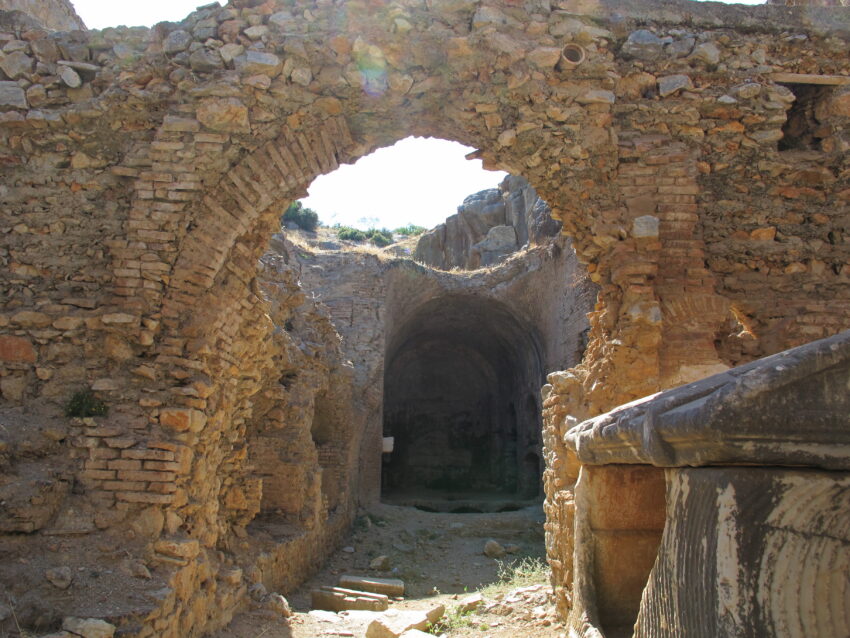
21. Grotto of the Seven Sleepers
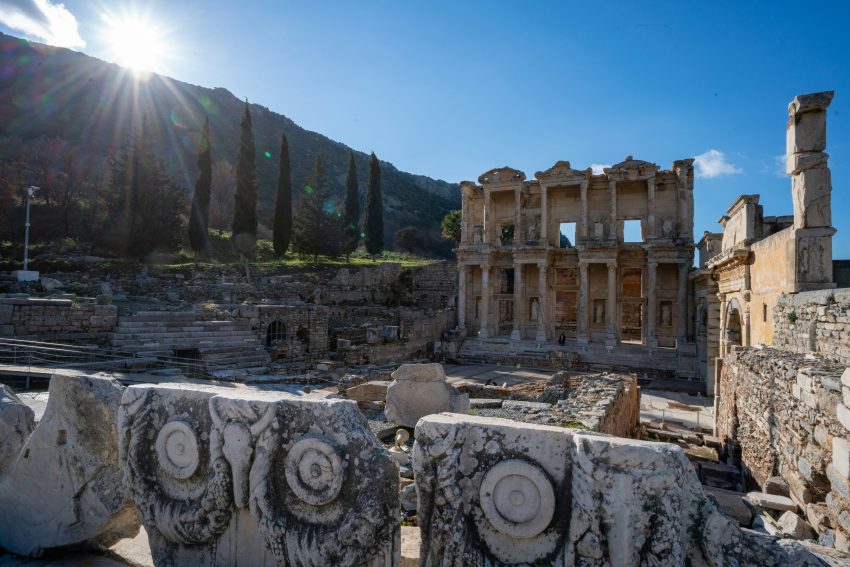
22. Selçuk
23. House of the Virgin Mary
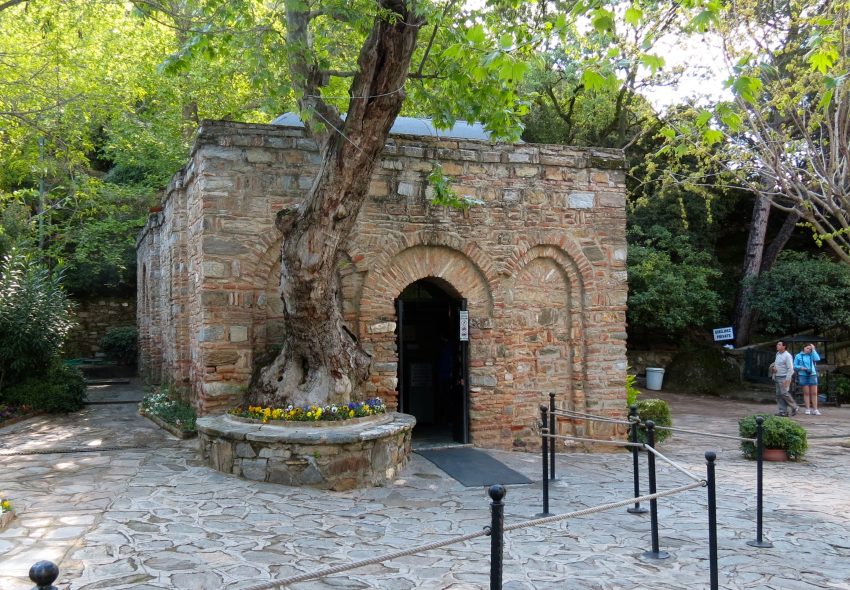
Location: House of Virgin Mary, Atatürk, Selçuk/İzmir, Türkiye | Hours: 8:00 a.m. to 6:00 p.m. (varies by season) | Price: Around €5 per person | Website | Distance: 2.8km
Best Day Trips from Ephesus
A day trip from Ephesus offers the perfect opportunity to escape the urban rhythm and discover the surrounding region's charm. Whether you're drawn to scenic countryside, historic villages, or cultural landmarks, the area around Ephesus provides a variety of easy-to-reach destinations ideal for a one-day itinerary. If you are looking to rent a car in Türkiye I recommend having a look at Discover Cars, first, as they compare prices and review multiple car rental agencies for you.
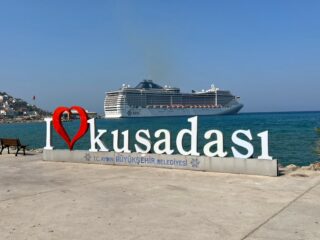
1. Kusadasi
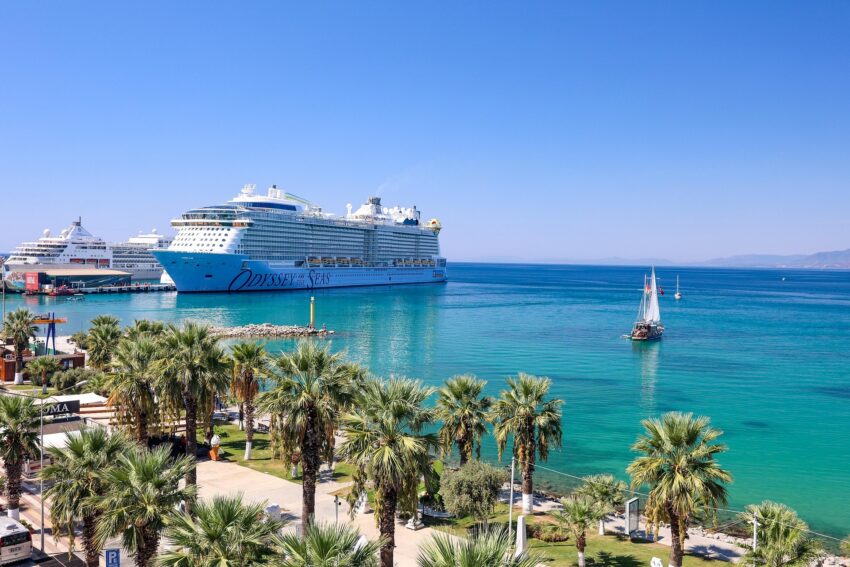
Visiting Kusadasi
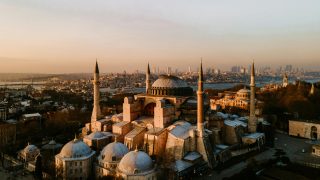
2. Izmir

Visiting Izmir
3. Bodrum

Visiting Bodrum
4. Marmaris
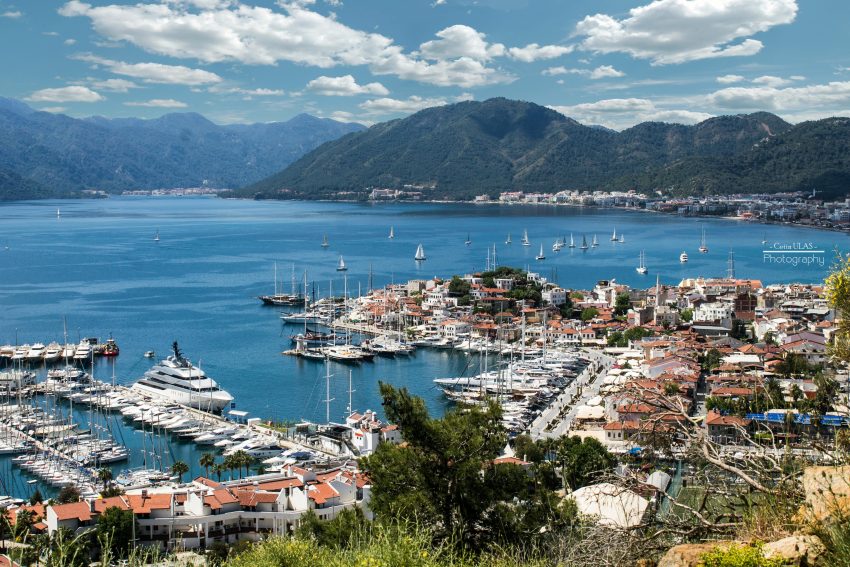
Visiting Marmaris
Where to Stay in Ephesus
For visiting Ephesus, the most practical base is Selçuk, because it keeps you close to the archaeological site while also putting the museum, restaurants, and other nearby sights within easy reach; it’s ideal if you want early starts and minimal transit time. A comfortable, well-located choice is Ayasoluk Hotel, which I recommend for its boutique feel, strong service, and proximity to Selçuk’s key attractions—useful when you want to split your day between ruins and town. Another reliable option is Ephesus Centrum, a good pick if you prefer a straightforward, central stay that makes it easy to walk to dinner and arrange taxis or tours.
If you want a quieter, countryside atmosphere after busy sightseeing, consider staying in Şirince, which suits travelers who value evenings in a small village setting and don’t mind a short drive to the site. In that area, Nişanyan Houses, is a standout for character and views, making it a memorable base for couples or slow travelers. For a more classic village-hotel experience with easy access to cafés and shops, Kirkinca Houses & Boutique Hotel, is a strong choice because it fits the setting well and makes it simple to enjoy Şirince’s calmer pace once the day visitors have gone.
Using the our Hotel and Accomodation map, you can compare hotels and short-term rental accommodations in Ephesus. Simply insert your travel dates and group size, and you’ll see the best deals for your stay.
Ephesus Accommodation Map
Best Time to Visit Ephesus
Ephesus in Spring (Best)
Spring (roughly March to May) is one of the most comfortable times to visit Ephesus, with mild temperatures and greener landscapes that make long walks through the ruins far more pleasant. Days are typically bright without the punishing midday heat of summer, and the softer light is excellent for photography. If you can, aim for early mornings to enjoy cooler air and fewer tour buses.
Ephesus in Summer
Summer (June to August) brings strong sun and high heat, especially around midday when the stone streets radiate warmth and shade is limited. Visit as early as possible, carry plenty of water, and consider pairing the ruins with a late-afternoon coastal stop. Summer can also coincide with regional cultural programming and concerts in the wider area, which can be a highlight if you enjoy evening events.
Ephesus in Autumn
Autumn (September to November) is another excellent window, with warm seas nearby and gradually easing temperatures that suit unhurried exploration. The crowds often thin after peak summer, and the golden light can be particularly striking on marble and stone. It’s a strong choice for travelers who want comfortable weather without spring’s occasional showers.
Ephesus in Winter
Winter (December to February) is the quietest season, with cooler days and a higher chance of rain and wind. While conditions can be changeable, the upside is a calmer site and a more atmospheric experience—especially on clear days when the ruins feel almost private. Pack layers and waterproof footwear, and be prepared for shorter daylight hours.
Annual Weather Overview
- January 13°C 60°F
- February 15°C 63°F
- March 16°C 65°F
- April 22°C 76°F
- May 26°C 82°F
- June 31°C 92°F
- July 32°C 99°F
- August 31°C 96°F
- September 30°C 89°F
- October 24°C 79°F
- November 19°C 70°F
- December 15°C 62°F
How to get to Ephesus
Getting to Ephesus by air
- Nearest airports: İzmir Adnan Menderes Airport (ADB) is the main gateway for most travelers; it offers frequent domestic flights and international connections in season. From the airport, you can continue by train, shuttle, private transfer, or rental car.
- From the airport to the Ephesus area: The simplest independent route is to travel to Selçuk first, then continue to the site by taxi or local transport. Pre-booked transfers are convenient if you're arriving with luggage or on a tight schedule.
Getting to Ephesus by train
- Train operators and tickets: Intercity and regional services are run by Turkish State Railways (TCDD). Check schedules and buy tickets via https://www.tcddtasimacilik.gov.tr/ or the e-ticket portal https://ebilet.tcddtasimacilik.gov.tr/.
- Typical rail approach: Many travelers route via İzmir (Basmane) and continue on regional services toward Selçuk. From Selçuk station, the archaeological site is a short taxi ride away, and some accommodations can be reached on foot.
Getting to Ephesus by Car
- Driving routes: Driving is straightforward from İzmir and other Aegean hubs, with well-signed roads toward Selçuk and the archaeological zone. Allow extra time in summer for traffic and parking queues.
- Parking and entry logistics: There are parking areas near the main entrances; choose your gate based on whether you prefer to walk mostly downhill (starting at the Upper Gate) or uphill (starting at the Lower Gate). Keep small cash or a card handy for parking and quick stops. If you are looking to rent a car in Türkiye I recommend having a look at Discover Cars, first, as they compare prices and review multiple car rental agencies for you.
Travelling around Ephesus
- Local transport: Taxis are the most time-efficient way to connect Selçuk, the Ephesus gates, the museum, and nearby sights. Local minibuses (dolmuş) operate on common routes, but frequencies vary by season and time of day.
- Guides and pacing: Licensed guides can add context and help you navigate the most important monuments efficiently. If visiting independently, arrive early, carry water, and plan a route that matches your heat tolerance and mobility—stone paving can be slippery.
- Accessibility notes: Expect uneven surfaces, steps, and sloped streets. If you have mobility concerns, consider focusing on the more accessible stretches and viewpoints, and use taxis to minimize walking between separate sites.