State Agora, Ephesus
Ancient City, Ruins and Square in Ephesus
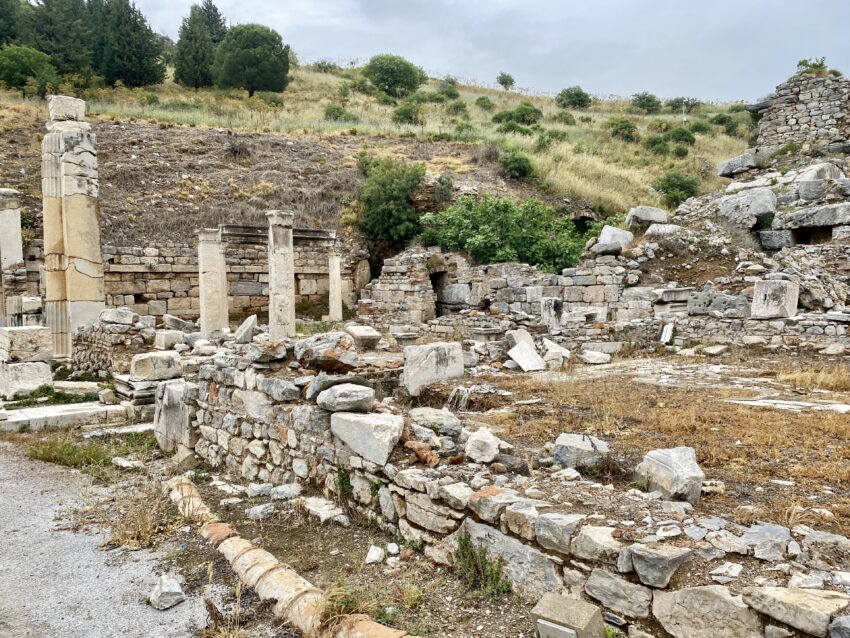
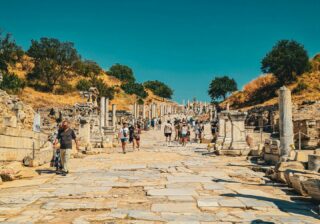
The State Agora is one of Ephesus's two main public squares, positioned beside the Odeon on the upper side of the archaeological site. While it's not as instantly dramatic as the Library of Celsus or the Great Theatre, it's a meaningful stop for understanding how the city actually functioned day to day.
Most visitors see the State Agora as part of a broader walking route through Ephesus, often starting from the Upper Gate and drifting downhill toward Curetes Street and the showpiece monuments. If you want the best perspective, pause near the Odeon and imagine the square as a formal civic space framed by stoas and official buildings rather than a single “must-photograph” structure.
History and Significance of the State Agora
The State Agora (often described as the “political” or “official” agora) served as a civic hub where administrative life, public announcements, and formal gatherings took place. In Roman-era Ephesus, this was the kind of space tied to governance, ceremonies, and the public face of authority.
Its location next to the Odeon is a clue to its role: the Odeon functioned as a covered meeting and performance space, and the square nearby supported the flow of people and the staging of civic life. Together, they help you read Ephesus not just as a collection of ruins, but as a working city with institutions.
Today, the State Agora is also a reminder of the site's long excavation history and the reality that not every important place survives in postcard condition. Even with fragmentary remains, the layout and setting can add real context to the grander monuments you'll see elsewhere.
Things to See and Do in the State Agora
Start by orienting yourself: this is a broad, open area where the “wow” factor comes more from understanding the plan than from a single intact building. Look for column fragments, cut stones, and scattered architectural pieces that hint at the colonnaded edges that once defined the square.
The best “thing to do” here is to slow down and connect the dots between nearby landmarks. Pair the State Agora with the Odeon and the surrounding upper-city structures, then continue your walking tour toward the more famous highlights; the contrast makes the monumental areas feel even more theatrical.
If you’re traveling with a guide (or using a good audio guide), this is one of the spots where interpretation pays off most. A few minutes of explanation about civic functions, processions, and how public space was organized in Roman cities can turn what looks like “just stones” into a memorable mental reconstruction.
How to Get to the State Agora
The nearest major airport is İzmir Adnan Menderes Airport (ADB), which is the most convenient gateway for reaching Ephesus via Selçuk and the surrounding area. For the best deals and a seamless booking experience, check out these flights to Ephesus on Booking.com.
You can reach Selçuk by train from İzmir (and other regional connections), then continue by taxi, local transport, or a short transfer to the Ephesus entrance area.You can use the official TCDD Taşımacılık website to check schedules, compare routes, and purchase tickets for Türkiye’s national and regional trains operated by TCDD. For a more streamlined experience (especially if you prefer an English interface or want to compare across countries), we recommend using Omio, which allows you to easily compare prices, schedules, and book train tickets across Türkiye and the rest of Europe — all in one place.
If you're driving, Ephesus is an easy day trip from İzmir or Kuşadası, with clear signage to the archaeological site and parking near the entrances.If you are looking to rent a car in Türkiye I recommend having a look at Discover Cars, first, as they compare prices and review multiple car rental agencies for you.
Practical Tips on Visiting the State Agora
- Entrance fee: Included with Ephesus with Ephesus Experience Museum (40 Euro per person); Ephesus with Ephesus Experience Museum + Terrace Houses: 52 Euro p.p.
- Opening hours: (Summer) April 1 – October 31: 08:00–19:30. (Winter) November 1 – March 31: 08:30–17:00.
- Website: https://muze.gov.tr/urun-ekle?catalogNo=WEB-EFS01-87-009
- Best time to visit: Go early in the morning for cooler temperatures and fewer tour groups, or later in the afternoon for softer light and a calmer atmosphere.
- How long to spend: Plan 10-20 minutes here on a self-guided walk, or 20-30 minutes if you’re stopping for context and photos.
- Accessibility: Expect uneven stone surfaces and some slopes in the upper areas of Ephesus; sturdy shoes help, and mobility can be challenging in places.
- Facilities: Facilities are concentrated near the main entrances and busier nodes of the site; carry water and plan restroom stops before you drift deep into the ruins.
Where to Stay Close to the State Agora
Base yourself in Selçuk town center for the easiest access to Ephesus, restaurants, and transport.
Ayasoluk Hotel Chosen for its boutique feel and strong location near Selçuk's key sights, making early starts to Ephesus simple.
Ephesus Centrum A practical pick for travelers who want a straightforward, central base close to cafés and local services.
Cella Boutique Hotel & Spa Included for comfort-forward stays; it’s a good option if you want to recover from long, hot walking days.
Saint John Hotel A solid mid-range choice with a convenient location for combining Ephesus with Selçuk's museums and basilica.
Ephesus Palace Selected for travelers who prioritize an easy, no-fuss base and good value while staying close to the action.
Is the State Agora Worth Visiting?
Yes, the State Agora is worth visiting if you're already inside Ephesus and want a fuller understanding of the city beyond the headline monuments. It's a quick stop that adds civic and political context, especially when paired with the Odeon next door.
Honest Pivot: if you're short on time, heat-sensitive, or mainly chasing the most photogenic ruins, you can skim this area quickly and focus your energy on the Library of Celsus, Curetes Street, the Terrace Houses, and the Great Theatre. The State Agora is more about imagination and interpretation than dramatic remains.
What Other Travellers Say...
Visitors rate the State Agora very highly overall and often appreciate it as a meaningful piece of the wider Ephesus experience, especially when seen alongside the nearby Odeon. Common positives include the sense of history, the feeling of ongoing excavation and discovery, and how it adds context to the city's civic life. The main drawback mentioned is that the remains are fragmentary, with scattered stones and column pieces, so it can feel underwhelming if you expect a dramatic, intact structure.





For Different Travelers
The State Agora fits best as a supporting chapter in your Ephesus story rather than the main event. How much you enjoy it depends on whether you like reconstructing places in your head and spotting subtle clues in the stones.
Families with Kids
Kids who love big, obvious structures may find the State Agora less exciting than the theatre or the library area. Keep it short and turn it into a quick “what was this place for?” game while you're already near the Odeon.
If your family is doing a full walking route, treat the State Agora as a breather stop: open space, quick explanation, then move on to the more visually striking sections. A guide who tells stories can make a big difference here.
Couples & Romantic Getaways
For couples, the State Agora can be a quieter pause away from the densest crowds, especially if you time it well. It's a good spot to slow down and appreciate the scale of the ancient city without feeling rushed.
Pair it with a relaxed, unhurried walk through the upper parts of Ephesus, then continue downhill toward the iconic photo stops. The contrast between subtle ruins and grand monuments can make the day feel more layered.
Budget Travelers
Budget travelers will like that the State Agora doesn't require any extra ticket beyond entry to Ephesus. It's a “free bonus” inside the site that rewards curiosity and a bit of patience.
If you’re skipping paid add-ons, spend a little extra time in areas like this where context matters. A low-cost audio guide or a well-prepared self-guided route can help you get more value from the visit.
History Buffs
History buffs should absolutely include the State Agora because it helps explain how Ephesus worked as a governed city, not just a monumental showpiece. The proximity to the Odeon makes it easier to picture assemblies, announcements, and formal civic routines.
Even with fragmentary remains, the setting is valuable for understanding Roman urban planning and the hierarchy of public spaces. It’s one of those places where “less to see” can still mean “more to understand.”
FAQs for Visiting State Agora
Getting There
Tickets & Entry
Visiting Experience
Tours, Context & Itineraries
Photography
Accessibility & Facilities
Food & Breaks Nearby
Safety & Timing
The State Agora appears in our Complete Guide to Visiting Ephesus!

Moira & Andy
Hey! We're Moira & Andy. From hiking the Camino to trips around Europe in Bert our campervan — we've been traveling together since retirement in 2020!
This website uses affiliate links which may earn a commission at no additional cost to you!
Planning Your Visit
(Summer) April 1 - October 31: 08:00-19:30.
(Winter) November 1 - March 31: 08:30-17:00.
Included with Ephesus with Ephesus Experience Museum (40 Euro per person); Ephesus with Ephesus Experience Museum + Terrace Houses: 52 Euro p.p.
Nearby Attractions
- Odeon (0) km
Roman Site, Ruins and Theatre - Baths of Varius (0.1) km
Baths, Roman Site and Ruins - Prytaneion (0.1) km
Ancient City, Historic Site and Ruins - Temple of Domitian (0.1) km
Historic Site, Roman Site and Ruins - Memmius Monument (0.2) km
Monument, Roman Site and Ruins - Heracles Gate (0.2) km
City Gate, Historic Site and Ruins - Curetes Street (0.2) km
Ancient City, Ruins and Street - Trajan Fountain (0.3) km
Fountain, Roman Site and Ruins - Temple of Hadrian (0.3) km
Historic Site, Roman Site and Ruins - Public Roman Latrines (0.4) km
Historic Site, Roman Site and Ruins