Baths of Varius, Ephesus
Baths, Roman Site and Ruins in Ephesus
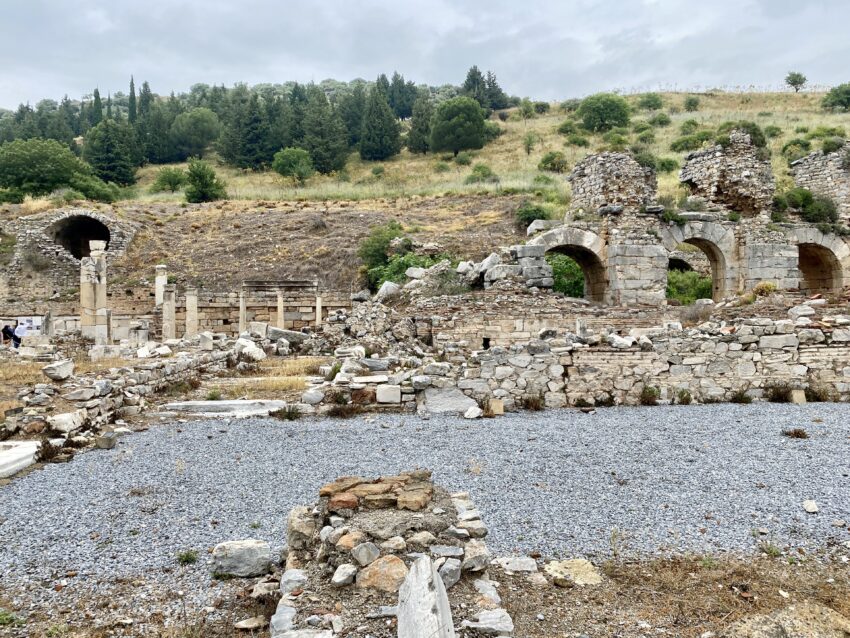
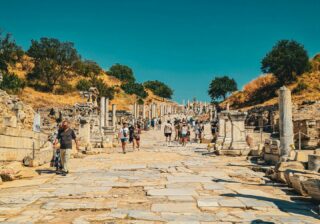
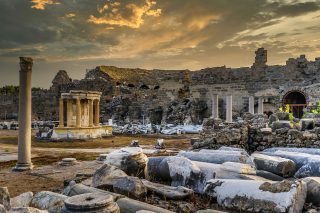
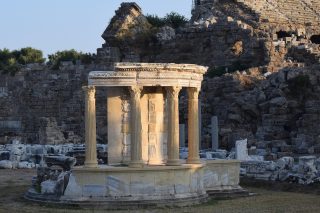
The Baths of Varius are an impressive set of Roman bathhouse ruins inside the Ephesus archaeological site, near the main pedestrian route that links many of the city's headline monuments. Even as a partial ruin, the scale is easy to read, making it a satisfying stop for anyone curious about how daily life worked in a major Roman city.
Most visitors see the Baths of Varius as part of a walking tour through Ephesus Ancient City, often between bigger “must-sees” like the Library of Celsus, Curetes Street, and the Great Theatre. It's best appreciated when you pause for a few minutes to picture the sequence of rooms and the flow of people through the complex.
Table of Contents
- History and Significance of the Baths of Varius
- Things to See and Do in the Baths of Varius
- How to Get to the Baths of Varius
- Practical Tips on Visiting the Baths of Varius
- Where to Stay Close to the Baths of Varius
- Is the Baths of Varius Worth Visiting?
- For Different Travelers
- FAQs for Visiting Baths of Varius
History and Significance of the Baths of Varius
Roman baths were more than places to wash: they were social hubs where people met friends, did business, and spent time in a structured routine of changing rooms, warm spaces, hot rooms, and cooling-off areas. In a wealthy, well-connected city like Ephesus, large bath complexes signaled civic pride and sophisticated urban infrastructure.
The Baths of Varius stand out for their size and the way the remaining walls help you imagine the building's original height and internal organization. As you walk through, look for how the plan would have guided visitors from one space to the next, and how thick masonry and high ceilings supported temperature control and crowd movement.
Seeing the baths in context also helps you understand Ephesus as a lived-in city rather than a collection of postcard façades. Pairing this stop with nearby streets, fountains, and public buildings makes the “everyday” side of the ancient city feel much more real.
Things to See and Do in the Baths of Varius
Start by stepping back for a wide view: the best “wow” moment here is appreciating the mass of the structure and how it anchors the surrounding ruins. Then move closer and trace the footprint of the rooms, imagining how people would circulate through a bathing sequence.
Look for architectural clues that hint at function: larger open areas that could have served as gathering or changing spaces, narrower transitions that controlled flow, and wall thickness that suggests insulation and support. Even without intact floors and pools, the layout can still tell a clear story if you take a slow lap around the remains.
If you’re visiting with a guide (or using an audio guide), this is a great place to ask about Roman bathing culture and the engineering behind heating systems. It’s also a good “breather stop” between the most crowded photo points, since many groups don’t linger long here.
How to Get to the Baths of Varius
The nearest major airports are İzmir Adnan Menderes Airport (ADB) and, for some itineraries, Milas-Bodrum Airport (BJV). For the best deals and a seamless booking experience, check out these flights to Ephesus on Booking.com.
To reach the area by rail, take a train to Selçuk (the closest station for Ephesus) and then continue by taxi, minibus, or a short onward ride to the site entrances. You can use the official TCDD Taşımacılık website to check schedules, compare routes, and purchase tickets for Türkiye’s national and regional trains operated by TCDD. For a more streamlined experience (especially if you prefer an English interface or want to compare across countries), we recommend using Omio, which allows you to easily compare prices, schedules, and book train tickets across Türkiye and the rest of Europe — all in one place.
If you're traveling by car, drive to Selçuk/Efes and follow signs for the Ephesus Örenyeri entrances; parking is available near the gates, and you'll walk to the Baths of Varius once inside the archaeological site. If you are looking to rent a car in Türkiye I recommend having a look at Discover Cars, first, as they compare prices and review multiple car rental agencies for you.
Practical Tips on Visiting the Baths of Varius
- Official website: https://muze.gov.tr/urun-ekle?catalogNo=WEB-EFS01-87-009
- Entrance fee: Included with Ephesus with Ephesus Experience Museum (40 Euro per person); Ephesus with Ephesus Experience Museum + Terrace Houses: 52 Euro p.p.
- Opening hours: (Summer) April 1 – October 31; Daily: 08:00–19:30. (Winter) November 1 – March 31; Daily: 08:30–17:00.
- Best time to visit: Go right at opening or later in the afternoon to reduce heat and crowds, especially in summer. Midday sun can be intense on the exposed stone.
- How long to spend: Plan 10-20 minutes if you're doing a highlights walk, or longer if you like interpreting ruins and layouts. It fits easily into a 2-4 hour Ephesus visit.
- Accessibility: Paths around Ephesus are uneven and can be slippery, with slopes and cobbled sections; sturdy shoes help a lot. Visitors with limited mobility may find some areas challenging without assistance.
- Facilities: Bring water and sun protection; shade is limited along many stretches of the route. Restrooms and small services are typically concentrated near the main entrances rather than at individual ruins.
Where to Stay Close to the Baths of Varius
Base yourself in Selçuk town center for the easiest access to Ephesus, walkable dining, and straightforward transport connections.
Ayasoluk Hotel Chosen for its boutique feel and strong sense of place, making it a relaxing base after a long day on the stones.
Cella Boutique Hotel & Spa Included for travelers who want a bit more comfort and recovery time, with spa-style amenities that pair well with hot weather sightseeing.
Ephesus Centrum Hotel A practical pick for location and convenience, ideal if you’re prioritizing early starts and simple logistics.
Akanthus Hotel Ephesus Selected for a quieter, design-forward stay that still keeps you close to the main sights.
Kalehan Hotel A classic option with a garden-like atmosphere, great if you want a calmer setting and an easy walk to restaurants.
Is the Baths of Varius Worth Visiting?
Yes, especially if you're already inside Ephesus: the Baths of Varius add depth to your visit by showing the city's everyday social infrastructure, not just its grand façades. The scale of the remaining structure makes it one of the more memorable “supporting” ruins on the route.
Honest Pivot: if you’re short on time, sensitive to heat, or mainly chasing the iconic photo stops, you can treat this as a quick look rather than a deep-dive. It’s most rewarding for travelers who enjoy reading plans and imagining how spaces functioned.
What Other Travellers Say...
Reviews are strongly positive overall, with visitors calling the Baths of Varius impressive and highlighting the sheer scale of the ruins within Ephesus. Travelers appreciate that it fits naturally into a full walking route through the ancient city and offers a good sense of how Roman public life worked. The most common downside mentioned is the exposed heat and sun, so timing and sun protection matter.





For Different Travelers
The Baths of Varius work well as a flexible stop: you can spend two minutes for a quick sense of scale or linger to interpret the layout. Because it sits within the main Ephesus walk, it's easy to include without adding extra travel time.
Families with Kids
Kids often respond well to the idea of “ancient bathrooms” and the social side of Roman life, which can make history feel relatable. Keep the visit short and turn it into a quick storytelling stop about how people spent time here.
Plan for heat management: hats, water, and a few planned shade breaks matter more than detailed explanations. If your family is doing the full Ephesus route, use the baths as a natural reset point before moving on.
Couples & Romantic Getaways
For couples, this is a quieter-feeling ruin where you can step slightly off the main photo scrum and enjoy a slower pace. It's a good spot to take a few atmospheric shots that feel different from the standard Library of Celsus angles.
Pair it with a late-afternoon walk through the site when the light softens and the crowds thin. The baths also add a “daily life” layer that complements the grand monuments.
Budget Travelers
Budget travelers will like that this is included within the main Ephesus ticket, so it adds value without extra cost. It's also a good place to slow down and get more out of the site without paying for add-ons.
Bring your own water and snacks (where permitted) and plan your timing to avoid peak tour-bus hours. A self-guided approach works well here because the structure is easy to appreciate visually.
History Buffs
History lovers will enjoy comparing the baths to other Roman public buildings in Ephesus and thinking about how infrastructure shaped urban life. The layout encourages questions about heating, crowd flow, and social customs.
Use this stop to connect the dots between streets, fountains, and civic buildings nearby. It's a strong reminder that Ephesus functioned as a living city, not just a ceremonial showpiece.
FAQs for Visiting Baths of Varius
Getting There
Tickets & Entry
Visiting Experience
Tours, Context & Itineraries
Photography
Accessibility & Facilities
Food & Breaks Nearby
Safety & Timing
The Baths of Varius appears in our Complete Guide to Visiting Ephesus!

Moira & Andy
Hey! We're Moira & Andy. From hiking the Camino to trips around Europe in Bert our campervan — we've been traveling together since retirement in 2020!
This website uses affiliate links which may earn a commission at no additional cost to you!
Planning Your Visit
(Summer) April 1 - October 31; Daily: 08:00-19:30.
(Winter) November 1 - March 31; Daily: 08:30-17:00.
Included with Ephesus with Ephesus Experience Museum (40 Euro per person); Ephesus with Ephesus Experience Museum + Terrace Houses: 52 Euro p.p.
Nearby Attractions
- Odeon (0.1) km
Roman Site, Ruins and Theatre - State Agora (0.1) km
Ancient City, Ruins and Square - Prytaneion (0.1) km
Ancient City, Historic Site and Ruins - Temple of Domitian (0.2) km
Historic Site, Roman Site and Ruins - Memmius Monument (0.2) km
Monument, Roman Site and Ruins - Heracles Gate (0.3) km
City Gate, Historic Site and Ruins - Curetes Street (0.3) km
Ancient City, Ruins and Street - Trajan Fountain (0.3) km
Fountain, Roman Site and Ruins - Temple of Hadrian (0.4) km
Historic Site, Roman Site and Ruins - Public Roman Latrines (0.4) km
Historic Site, Roman Site and Ruins