Prytaneion, Ephesus
Ancient City, Historic Site and Ruins in Ephesus
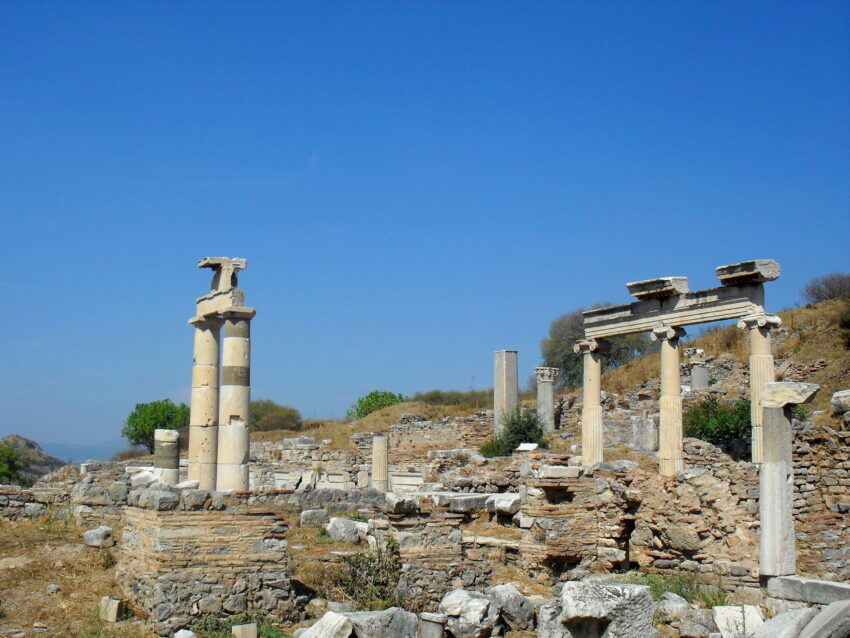
The Prytaneion in Ephesus, Türkiye is one of those quiet, easily-missed corners of the ancient city that becomes far more interesting once you know what it was: the symbolic heart of civic life, where an eternal flame once burned and official hospitality was performed.
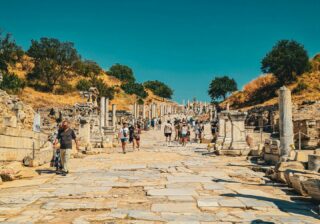
You'll typically encounter it as part of a broader Ephesus walking route, often between headline stops like the Temple of Hadrian, Curetes Street, and the Library of Celsus area. It's best appreciated on a guided walking tour (or with a good audio guide) because the surviving stones are subtle, but the story behind them is big.
History and Significance of the Prytaneion
In many Greek cities, a prytaneion functioned as an official civic building associated with governance, public feasts, and the city's formal identity. In Ephesus, it also carried a strong sacred dimension: the idea of a continuously maintained hearth linked to Hestia, the goddess of the hearth and communal life.
Rather than being “just another ruin,” the Prytaneion represents how ancient cities blended religion and administration. The civic hearth was a symbol of continuity and belonging, and ceremonies here reinforced the idea that the city was a shared home with shared obligations.
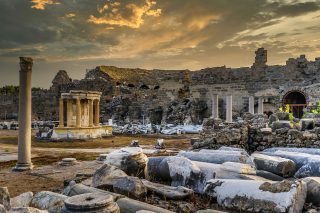
Today, what you see is fragmentary, but that's part of its value: it's a reminder that Ephesus wasn't only grand façades and marble streets, but also institutions and rituals that held daily life together.
Things to See and Do in the Prytaneion
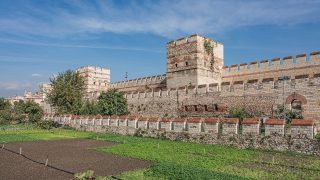
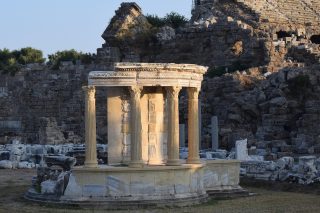
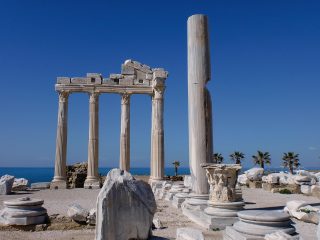
Start by looking for the overall footprint and architectural fragments that hint at a formal, public interior rather than a private residence. Even if walls are low, the layout helps you imagine a space designed for official gatherings and ceremonial functions.
If you're visiting with context (a guide, audio guide, or a well-prepared itinerary), pause here to connect the Prytaneion's “city hearth” concept with other civic spaces nearby, like the Odeon and the Upper Agora area. It's a good spot to slow down and notice how Ephesus was organized as a working city, not only a monument park.
For photographers, the Prytaneion is less about a single iconic shot and more about detail: textures of stone, carved fragments, and layered ruins with the surrounding hillside. It can also be a calmer stop when the main thoroughfares are crowded.
How to Get to the Prytaneion
The nearest major airports are İzmir Adnan Menderes Airport (ADB) and, farther south, Milas-Bodrum Airport (BJV); from either, you'll continue toward Selçuk for access to Ephesus. For the best deals and a seamless booking experience, check out these flights to Ephesus on Booking.com.
To reach the area by rail, take a train to Selçuk (commonly via connections from İzmir), then use a taxi, minibus, or tour transfer to the Ephesus entrances. You can use the official TCDD Taşımacılık website to check schedules, compare routes, and purchase tickets for Türkiye’s national and regional trains operated by TCDD. For a more streamlined experience (especially if you prefer an English interface or want to compare across countries), we recommend using Omio, which allows you to easily compare prices, schedules, and book train tickets across Türkiye and the rest of Europe — all in one place..
If you're driving, Ephesus is an easy road trip from İzmir or Kuşadası, with signed approaches and paid parking near the main entrances. If you are looking to rent a car in Türkiye I recommend having a look at Discover Cars, first, as they compare prices and review multiple car rental agencies for you.
Practical Tips on Visiting the Prytaneion
- Official website: https://muze.gov.tr/urun-ekle?catalogNo=WEB-EFS01-87-009
- Entrance fee: Included with Ephesus with Ephesus Experience Museum (40 Euro per person); Ephesus with Ephesus Experience Museum + Terrace Houses: 52 Euro p.p.
- Opening hours: (Summer) April 1 – October 31; Daily: 08:00–19:30. (Winter) October 31 – April 1; Daily: 08:30–17:00.
- Best time to visit: Go early for cooler temperatures and a quieter walk through the ruins; midday heat can make slower, detail-focused stops like the Prytaneion feel rushed.
- How long to spend: Plan 10-20 minutes here, or longer if you're following a themed “civic Ephesus” route with the Odeon and agoras.
- Accessibility: Expect uneven stone paths and steps in the broader Ephesus site; the Prytaneion area is best for visitors comfortable walking on rough ground.
- Facilities: Use restrooms and water points near the entrances before you get deep into the site; options are limited once you’re mid-route.
Where to Stay Close to the Prytaneion
Base yourself in Selçuk town center for the easiest logistics to Ephesus, the museum, restaurants, and transport connections.
Selçuk is the most practical home base because you can start early, beat tour-bus peaks, and return for a relaxed lunch after your walk through the ruins. Kuşadası works well if you want a resort vibe and seaside evenings, but you'll trade that for extra commuting time.
Ayasoluk Hotel Chosen for its boutique feel and strong location near Selçuk's historic sights, making it easy to pair Ephesus with a slower-paced town stay.
Cella Boutique Hotel & Spa A good pick if you want a comfortable, modern base with a spa element after long, sun-exposed days at archaeological sites.
Ephesus Centrum Included for travelers who prioritize a central, no-fuss stay close to cafés, small shops, and straightforward transport.
Hotel Bella A solid value option that suits early starts; ideal if your plan is to spend most of your time out exploring rather than in the hotel.
Korumar Ephesus Beach & Spa Resort Best for a “ruins plus beach” trip: stay near Pamucak for resort amenities, then day-trip into Ephesus for the Prytaneion and the main highlights.
Is the Prytaneion Worth Visiting?
Yes, the Prytaneion is worth visiting if you're already in Ephesus and want more than the headline photo stops. It adds meaning to the walk by showing how the city functioned ceremonially and politically, and it's a natural pause point when you're moving between major monuments.
Honest Pivot: if you're short on time, traveling with someone who only enjoys big, instantly recognizable ruins, or you're already feeling “templed out,” you can skip lingering here and focus on the Library of Celsus, the Great Theatre (when accessible), and the main streets. The Prytaneion's impact depends heavily on context and imagination.
What Other Travellers Say...
Reviews are overwhelmingly positive, with visitors describing the Prytaneion as a meaningful and memorable stop inside Ephesus—especially for those interested in how the ancient city functioned beyond its headline monuments. Common positives include its historical importance as a civic building tied to sacred traditions, its value as part of a broader walk through the ruins, and the sense of atmosphere it adds to the route. A recurring downside is that the remains are limited, so some travelers feel there isn't much left to see unless you have context or a guide.





For Different Travelers
Ephesus can feel like an open-air textbook, and the Prytaneion is one of the chapters that rewards curiosity. It's not the flashiest stop, but it's a smart addition if you like understanding how ancient life was organized.
Families with Kids
Kids often respond best when you frame the Prytaneion as the city's “shared home fire” and a place where important guests were welcomed. Turning it into a quick story stop can keep momentum going on a long walk.
Because there isn’t a single dramatic structure to climb or pose with, keep the visit short and pair it with more visual nearby highlights. A scavenger-hunt approach (columns, carvings, animal motifs) can help.
Couples & Romantic Getaways
For couples, the Prytaneion is a quieter, less crowded pause that can feel more intimate than the main bottlenecks. It's a good place to slow down, take a breath, and appreciate the atmosphere of the ruins.
Pair it with a golden-hour plan (when the site schedule allows) and a relaxed dinner back in Selçuk or by the coast. The romance here is subtle: shared discovery rather than a single iconic viewpoint.
Budget Travelers
Budget travelers will like that the Prytaneion is included within the broader Ephesus archaeological site visit, so it adds value without adding a separate ticket. It's also a good “context stop” if you're skipping paid extras and focusing on the main route.
To keep costs down, stay in Selçuk, walk or use short taxi hops, and bring water and sun protection so you're not forced into pricey convenience buys. A self-guided route works well here if you prep a little in advance.
History Buffs
History lovers should not skip the Prytaneion because it represents institutions, not just architecture. It's a doorway into how civic identity, religion, and governance overlapped in the ancient city.
Spend a few extra minutes connecting it to nearby civic spaces and imagining the ceremonies that made the city feel continuous across generations. If you’re the type who likes “how it worked,” this is your stop.
FAQs for Visiting Prytaneion
Getting There
Tickets & Entry
Visiting Experience
Tours, Context & Itineraries
Photography
Accessibility & Facilities
Food & Breaks Nearby
Safety & Timing
The Prytaneion appears in our Complete Guide to Visiting Ephesus!

Moira & Andy
Hey! We're Moira & Andy. From hiking the Camino to trips around Europe in Bert our campervan — we've been traveling together since retirement in 2020!
This website uses affiliate links which may earn a commission at no additional cost to you!
Planning Your Visit
(Summer) April 1 - October 31; Daily: 08:00-19:30.
(Winter) October 31 - April 1; Daily: 08:30-17:00.
Included with Ephesus with Ephesus Experience Museum (40 Euro per person); Ephesus with Ephesus Experience Museum + Terrace Houses: 52 Euro p.p.
Nearby Attractions
- Odeon (0.1) km
Roman Site, Ruins and Theatre - Memmius Monument (0.1) km
Monument, Roman Site and Ruins - Temple of Domitian (0.1) km
Historic Site, Roman Site and Ruins - State Agora (0.1) km
Ancient City, Ruins and Square - Heracles Gate (0.1) km
City Gate, Historic Site and Ruins - Baths of Varius (0.1) km
Baths, Roman Site and Ruins - Curetes Street (0.2) km
Ancient City, Ruins and Street - Trajan Fountain (0.2) km
Fountain, Roman Site and Ruins - Temple of Hadrian (0.3) km
Historic Site, Roman Site and Ruins - Public Roman Latrines (0.3) km
Historic Site, Roman Site and Ruins