Madrasa de los Príncipes, Granada
Ruins in Granada
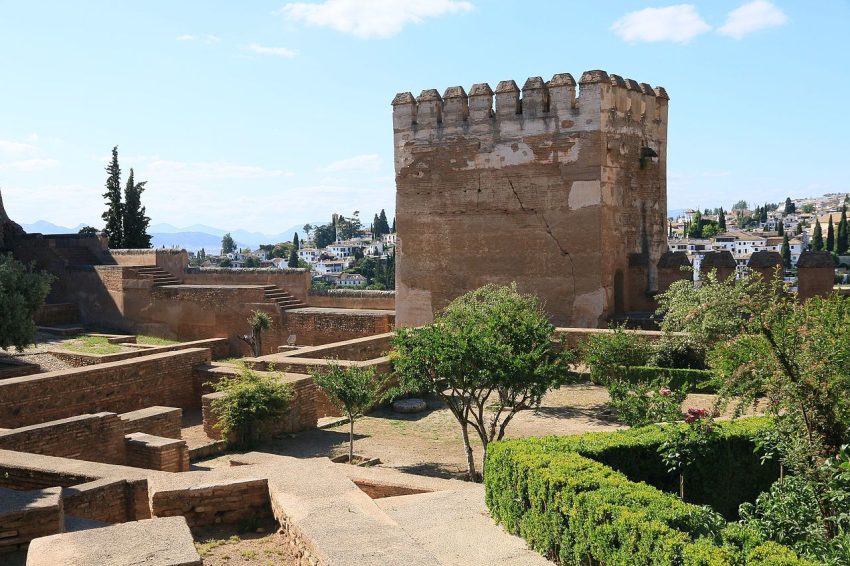
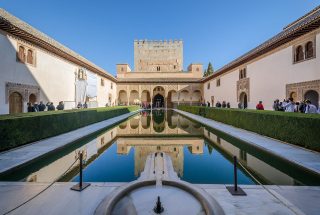
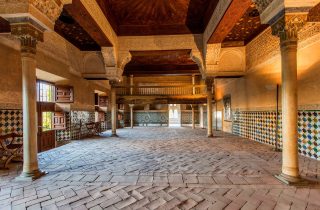
The Madrasa de los Príncipes is one of the least visible yet most historically intriguing parts of the Palacio del Mexuar, the oldest section of the Nasrid Palaces. Although only the foundations of this courtyard survive, its significance as the royal Koranic school-reserved exclusively for young members of the Nasrid dynasty-makes it one of the must-see places in Granada for travellers fascinated by the educational and intellectual life of the Alhambra. Its story adds rare insight into the private world of the princes who would one day govern the kingdom. Even though access is restricted, it remains a great place to visit on a walking tour of Granada because you can view it from several excellent vantage points.
This was the first courtyard visitors entered before proceeding deeper into the Mexuar. Here, royal children studied theology, philosophy, astronomy, law, and science. The school once contained a study hall, an oratory, rooms for teachers and students, and a basin for ablutions. Though the buildings have vanished, their foundations reveal the layout of a well-organised Persian-influenced madrasa.
Table of Contents
- History and Significance of the Madrasa de los Príncipes
- Things to See and Do in the Madrasa de los Príncipes
- How to Get to the Madrasa de los Príncipes
- Practical Tips on Visiting the Madrasa de los Príncipes
- Where to Stay close to the Madrasa de los Príncipes
- Is Madrasa de los Príncipes Worth Visiting?
- FAQs for Visiting the Madrasa de los Príncipes
- Nearby Attractions to Madrasa de los Príncipes
History and Significance of the Madrasa de los Príncipes
The Madrasa de los Príncipes followed the classic Persian madrasa layout established in the 11th century: a square central courtyard surrounded by four pavilions. The southern pavilion served as the main study hall, while a small oratory and its minaret stood in the southeast corner. This oratory is particularly notable because it is oriented toward Mecca, causing a visible shift in alignment compared with the rest of the Mexuar's architecture.
Built as the intellectual centre for the Nasrid royal family, the madrasa was an elite institution where future rulers were trained. Over time, as Christian authorities repurposed the palace spaces and later centuries brought damage, abandonment, and architectural loss, only the foundations of the complex survived. Yet these remnants still help reconstruct the educational function of the Alhambra as more than a palace-it was a centre of governance, ceremony, and learning.
Things to See and Do in the Madrasa de los Príncipes
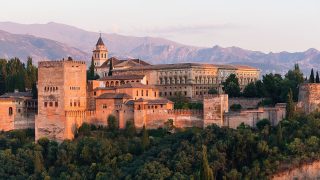
While access inside the madrasa is restricted, visitors can view the surviving foundations from several points around the Alhambra. From these vantage points, you can clearly identify the rectangular courtyard footprint and notice the imbalance of the walls caused by the southeast-facing oratory.
Understanding the layout helps appreciate the educational journey that once took place here: pupils entering the central courtyard, washing in the basin for ablutions, then proceeding to the study hall where the alpha-teacher presided. Imagining these daily rhythms adds depth to a visit of the Mexuar area, especially when exploring adjacent spaces like the Patio de Machuca and Sala del Mexuar.
How to Get to the Madrasa de los Príncipes
The nearest airport is Federico García Lorca Granada-Jaén Airport. For the best deals and a seamless booking experience, check out these flights to Granada on Booking.com.
Granada Railway Station provides connections from cities such as Seville, Málaga, and Madrid. Train schedules and bookings can be found on Omio.
If you travel by car, take the Ronda Sur to reach the Alhambra's official parking areas before entering the complex on foot. If you are looking to rent a car in Spain I recommend having a look at Discover Cars, first, as they compare prices and review multiple car rental agencies for you.
The Madrasa de los Príncipes is located within the Mexuar section of the Nasrid Palaces.
Practical Tips on Visiting the Madrasa de los Príncipes
- Suggested tips: View the madrasa from multiple vantage points to fully understand the courtyard layout.
- Best time to visit: Morning or late afternoon for clearer views from surrounding points.
- Entrance fee: The Madrasa de los Príncipes is part of the Alhambra Complex and access it you need to purchase Alhambra Tickets or a Alhambra Guided Tour.
- Opening hours: For opening times of the Madrasa de los Príncipes see [link_post post_id="3786" anchor="opening" type="link"]Alhambra Opening Times[/link_post].
- Official website:
- How long to spend: 5-10 minutes viewing from nearby locations.
- Accessibility: Viewpoints vary; Plaza de los Aljibes offers the easiest access.
- Facilities: Restrooms and cafés elsewhere within the Alhambra.
- Photography tip: Use the Torre del Cubo viewpoint for the best overhead perspective.
- Guided tours: Some guided tours point out the madrasa foundations when approaching the Mexuar.
- Nearby food options: Cafés near the Palacio de Carlos V and options by the main visitor routes.
Where to Stay close to the Madrasa de los Príncipes
For travellers wishing to stay close to the Nasrid Palaces, the historic Parador de Granada provides atmospheric lodging inside the monument grounds. The nearby Hotel America offers traditional surroundings within a short walk of the Mexuar. For a modern option just outside the complex, Eurostars Washington Irving delivers comfort and quick access to the Alhambra entrance.
Is Madrasa de los Príncipes Worth Visiting?
Yes-especially from a historical and architectural perspective. While you cannot enter the site, viewing its foundations helps you understand the educational and intellectual life of the Nasrid princes. It adds an important layer to any visit of the Mexuar and helps illustrate how the Alhambra functioned as both palace and scholarly centre.
What Other Travellers Say...

Palacio de la Madraza on Calle Oficios is a former medieval school now run by the University of Granada that offers free entry to at least its ground floor, with guided tours, occasional exhibitions and workshops; visitors praise its preserved Islamic architectural elements and decorative details, note its proximity to the cathedral and Royal Chapel (and nearby Alcaicería), warn that parts of the building or certain days (Mondays) may be closed, and mention occasional pushy street vendors and an isolated negative staff interaction reported by a past visitor.


FAQs for Visiting the Madrasa de los Príncipes
Nearby Attractions to Madrasa de los Príncipes
- Patio de Machuca: A 16th-century courtyard garden with a Roman-inspired pool.
- Sala del Mexuar: The council chamber where justice and governance took place.
- Torre del Cubo: A viewpoint offering excellent views of the madrasa foundations.
- Torre de Mohamed: A neighbouring defensive tower marking the Mexuar's boundary.
- Palacio del Mexuar: The oldest palace section within the Nasrid Palaces.
The Madrasa de los Príncipes appears in our Complete Guide to Visiting Granada!

Moira & Andy
Hey! We're Moira & Andy. From hiking the Camino to trips around Europe in Bert our campervan — we've been traveling together since retirement in 2020!
This website uses affiliate links which may earn a commission at no additional cost to you!
Planning Your Visit
For opening times of the Madrasa de los Príncipes see Alhambra Opening Times.
The Madrasa de los Príncipes is part of the Alhambra Complex and access it you need to purchase Alhambra Tickets or a Alhambra Guided Tour.
Nearby Attractions
- Torre de Mohamed (0.0) km
Tower - Patio de Machuca (0.0) km
Fountain and Gardens - Torre de Machuca (0.0) km
Tower - Sala del Mexuar (0.0) km
Palace - Palacio del Mexuar (0.0) km
Palace - Oratorio de Mexuar (0.0) km
Historic Room - Plaza de Los Aljibes (0.0) km
Square - Facade of the Palace of Comares (0.1) km
Palace - Patio del Cuarto Dorado (0.1) km
Courtyard - Cuarto Dorado (0.1) km
Palace