Palacio de Congresos, Córdoba
Historic Building in Córdoba
The Palacio de Congresos in Córdoba, set inside the former Hospital de San Sebastián, is one of the best places to visit in Córdoba for travellers interested in architecture, heritage, and the layers of history that shaped the city. Located directly opposite the western façade of the Mosque-Cathedral, the building blends Gothic, Mudejar, and Renaissance influences into a single cultural landmark. It also serves as a tourist information office, offering one of the most atmospheric introductions to the historic centre.
Wandering through its courtyards, archways, and restored halls provides an intimate encounter with a building that has served as a hospital, orphanage, maternity home, and now a modern conference centre. Its position within Córdoba's UNESCO World Heritage area means it is often visited on walking tours of Córdoba, giving travellers an easy opportunity to explore its preserved architecture and tranquil spaces.
Table of Contents
- History and Significance of Palacio de Congresos
- Things to See and Do in Palacio de Congresos
- How to Get to Palacio de Congresos
- Practical Tips on Visiting Palacio de Congresos
- Where to Stay close to Palacio de Congresos
- Is Palacio de Congresos
- FAQs for Visiting Palacio de Congresos
- Nearby Attractions to Palacio de Congresos
History and Significance of Palacio de Congresos (Hospital de San Sebastián)
The story of the Hospital de San Sebastián begins in the 14th century, when the institution was first founded in Alcayceria. It moved to its current location in the early 1500s, occupying a site historically linked to the Mosque's former ablution area and incorporating parts of the earlier Umayyad Alcázar wall. The present building was constructed between 1512 and 1516 by the architect Hernán Ruiz El Viejo, one of the leading masters of the period in Córdoba.
Over the centuries, the building became a social and religious landmark. Under the supervision of the Cathedral Chapter, the hospital originally cared for the sick, including those suffering from mental illness or infectious diseases. Its role later evolved into an institution for abandoned children and expectant mothers, prompting its long-standing nickname Casa de los Expósitos, or House of the Cradle. The nearby Postigo de la Leche gate in the Mosque-Cathedral courtyard recalls the time when nursing mothers gathered in search of work at the hospital’s nursery.
The building continued its social role until 1961, when it finally closed after more than four centuries of operation. After a long period of inactivity, it was restored and transformed into the Palacio de Congresos y Exposiciones, while its former church became a tourist information office. Today it remains a living historical space, reflecting Córdoba's evolving needs across centuries.
Things to See and Do in Palacio de Congresos (Hospital de San Sebastián)
Visitors will immediately notice the building’s two courtyards, which form the central architectural core of the complex. These patios feature octagonal pillars, brick arches, and a mix of Gothic and Mudejar influences that create a serene, balanced composition. They remain among the finest surviving elements of the original structure.
From the courtyards, you can reach the Julio Romero de Torres Room, once used as a maternity ward and now dedicated to the celebrated Cordoban painter. Inside, 16th-century frescoes depicting scenes from the life of San Sebastián add depth to the building's artistic significance. This quiet space provides a glimpse of how functional hospital rooms were later adapted for cultural purposes.
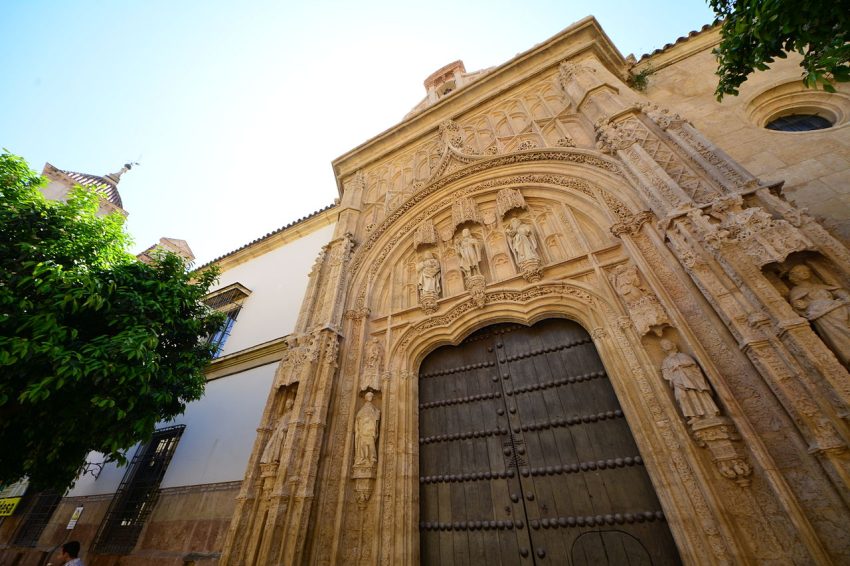
The old church, with its flamboyant Gothic doorway richly decorated in Plateresque style, is another highlight. The interior once served both as a place of worship and a vantage point for patients, who could observe religious services from the side tribunes. Beyond the church, the structure of the cloister, the vaulted presbytery, and the two-tiered quadrangular patio reveal the blend of styles that evolved here over the centuries, making this spot one of the top sights in Córdoba.
How to Get to Palacio de Congresos (Hospital de San Sebastián)
Córdoba is well connected to major airports in Andalusia, including Málaga-Costa del Sol Airport and Seville Airport, both of which offer frequent international and domestic flights. For the best deals and a seamless booking experience, check out these flights to Córdoba on Booking.com.
For travellers arriving by train, Córdoba's high-speed AVE services link the city with Madrid, Málaga, and Seville, making it an easy destination for a day trip or longer stay. Train schedules and bookings can be found on Omio.
If travelling by car, Córdoba is accessible via several major highways, with parking available near the historic centre, allowing visitors to explore the area on foot once parked. If you are looking to rent a car in Spain I recommend having a look at Discover Cars, first, as they compare prices and review multiple car rental agencies for you.
Practical Tips on Visiting Palacio de Congresos (Hospital de San Sebastián)
- Best time to visit Palacio de Congresos: Morning or late afternoon for cooler temperatures and quieter courtyards.
- Entrance fee in Euros: Generally free to visit the tourist information areas; event spaces vary.
- Opening hours: Hours depend on conferences and the tourist office schedule.
- Official website: Check Córdoba’s municipal tourism website for current information.
- How long to spend: Around 30-60 minutes, depending on interest.
- Accessibility: Many areas are accessible, though some historic sections may have uneven surfaces.
- Facilities: Tourist information services and occasional exhibitions are available inside.
- Photography tip: The patios are beautifully lit in the early morning when shadows emphasise the arches.
- Guided tours: Some local guides include the building on architectural or historic walking routes.
- Nearby food options: Numerous cafés and restaurants line the nearby streets around the Mosque-Cathedral.
Where to Stay close to Palacio de Congresos (Hospital de San Sebastián)
Staying close to the Palacio de Congresos offers ideal access to Córdoba's historic centre. A convenient choice is Eurostars Conquistador, located directly opposite the Mosque-Cathedral with comfortable rooms and atmospheric surroundings. Another excellent option is NH Collection Amistad Córdoba, set in a former palace with elegant courtyards and traditional details. Travellers seeking a contemporary stay might enjoy Soho Boutique Capuchinos, offering modern design within walking distance of the city’s main sights.
Is Palacio de Congresos (Hospital de San Sebastián) Worth Visiting?
Yes, the Palacio de Congresos is well worth visiting, especially for those interested in Córdoba's architectural diversity and long social history. From its Gothic doorways to Mudejar patios and Renaissance finishes, the building offers a layered story that spans more than five centuries. Its central location beside the Mosque-Cathedral makes it easy to incorporate into a day exploring the historic centre.
What Other Travellers Say...

Palacio de Congresos y Exposiciones de Córdoba on C. Torrijos, 10 sits directly beside the cathedral and welcomes visitors with an inviting Andalusian-style interior patio where you can relax; guests praise the pleasant setting, friendly service, a good breakfast and varied food offerings, and note the charming church bells that serenade the space.



FAQs for Visiting Palacio de Congresos (Hospital de San Sebastián)
Nearby Attractions to Palacio de Congresos (Hospital de San Sebastián)
- Mosque-Cathedral of Córdoba: The city's most iconic landmark, located just steps away.
- Alcázar de los Reyes Cristianos: A medieval palace with gardens, mosaics, and towers.
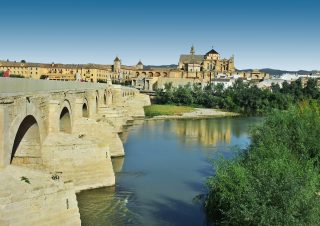
- Roman Bridge: A scenic ancient bridge crossing the Guadalquivir River.
- Calleja de las Flores: One of the most photogenic streets in the Jewish Quarter.
- Synagogue of Córdoba: A beautifully preserved medieval synagogue in the Judería.
The Palacio de Congresos appears in our Complete Guide to Visiting Córdoba!

Moira & Andy
Hey! We're Moira & Andy. From hiking the Camino to trips around Europe in Bert our campervan — we've been traveling together since retirement in 2020!
This website uses affiliate links which may earn a commission at no additional cost to you!
Nearby Attractions
- Mezquita-Catedral (0.1) km
Cathedral and Mosque - Triunfo de San Rafael de la Puerta del Puente (0.1) km
Statue - Puerta del Puente (0.2) km
City Gate - Baños Árabes de Santa María (0.2) km
Baths - Calleja de las Flores (0.2) km
Street - Hospital del Cardenal Salazar (0.2) km
Historic Building - Baños del Alcázar Califal (0.2) km
Baths - Mills of the Guadalquivir (0.2) km
Historic Building - Plaza Maimónides (0.2) km
Square and Statue - Capilla de San Bartolomé (0.2) km
Church