San Sebastián, Spain: The Ultimate Travel Guide 2026
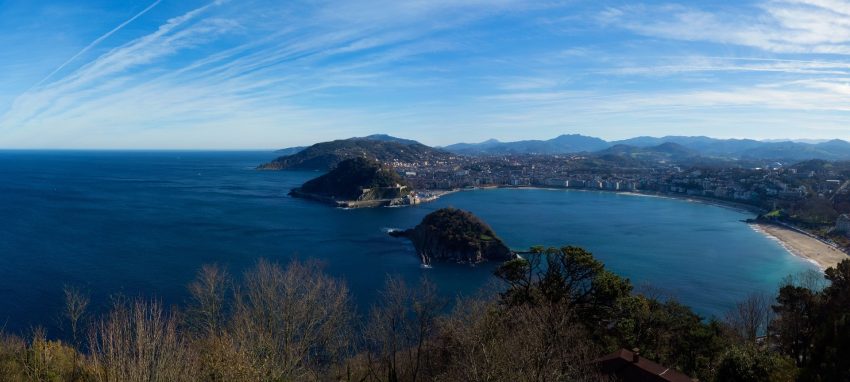
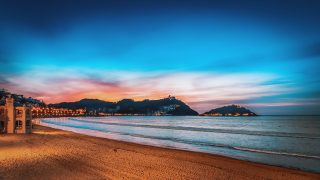
View of San Sebastian Bay

San Sebastián, located in Basque Country, is a city renowned for its breathtaking coastal scenery, world-class cuisine, and elegant charm. One of its most famous attractions is La Concha Beach, a stunning crescent-shaped bay with golden sands and clear waters that make it perfect for swimming, sunbathing, or taking a relaxing seaside stroll. The beachfront promenade, lined with historic railings and stylish cafés, invites visitors to enjoy the magnificent ocean views while experiencing the relaxed yet refined atmosphere of San Sebastián. Whether indulging in water sports or simply enjoying the serenity of the waves, La Concha is a must-visit for anyone exploring the city.

Beyond its coastal beauty, San Sebastián offers a vibrant culinary scene, widely regarded as one of the finest in the world. The city is famous for its pintxos, the Basque version of tapas, served in lively bars throughout the Parte Vieja (Old Town). Visitors can spend their evenings hopping between taverns, sampling exquisite small plates such as txistorra sausage, bacalao (salted cod), and Idiazabal cheese, paired with local cider or Txakoli wine. San Sebastián also boasts several Michelin-starred restaurants, where chefs craft groundbreaking dishes that elevate Basque cuisine to an art form. The fusion of traditional flavors and avant-garde techniques makes dining in the city an unforgettable experience.

For those who love scenic viewpoints and cultural excursions, Monte Igueldo offers spectacular panoramas of the city and coastline, accessible via a funicular ride that dates back to the early 20th century. Meanwhile, the city's cultural festivals, including the internationally acclaimed San Sebastián Film Festival, bring excitement and artistic flair throughout the year. Whether enjoying stunning landscapes, indulging in exceptional food, or soaking in its cultural richness, San Sebastián delivers a dynamic yet relaxing getaway that encapsulates the essence of Basque Country.

History of San Sebastián

San Sebastián in the Medieval Era

San Sebastián’s origins date back to the 12th century, when it was established as a strategic coastal settlement under the reign of King Sancho VI. Its location made it a vital maritime and trade hub, attracting merchants and fishermen who contributed to the city’s early economic growth. Fortifications were built to protect against pirate invasions, and San Sebastián quickly became an important stronghold for the kingdom.

Throughout the medieval period, San Sebastián developed a thriving fishing industry, particularly in whaling and cod exports. It also played a significant role in European trade routes, connecting merchants across the Iberian Peninsula and beyond. Despite occasional conflicts and territorial disputes, the city’s fortifications ensured its resilience and growth.

San Sebastián in the Age of Exploration

The 16th and 17th centuries marked an era of expansion and global trade, with San Sebastián benefiting from its connection to Spanish exploration and maritime expeditions. The city’s port was used for naval operations, with ships departing for transatlantic voyages. During this time, San Sebastián became known for its shipbuilding expertise, contributing to Spain’s growing influence in international trade and military power.

However, the city also endured periods of instability, facing military conflicts that resulted in multiple sieges and destruction. Despite these challenges, San Sebastián rebuilt itself stronger each time, reinforcing its strategic importance along Spain’s coastal defense network.

San Sebastián in the 19th Century

The 19th century was transformative for San Sebastián, as it transitioned from a military stronghold to an elegant seaside resort. During the reign of Queen Isabel II, the city’s natural beauty and coastal appeal made it a favored destination for aristocrats and royalty. The construction of grand promenades, luxurious hotels, and cultural landmarks gave San Sebastián a refined and cosmopolitan atmosphere.

This era also saw the expansion of urban infrastructure, with developments such as the famous La Concha Beach promenade attracting visitors from across Europe. The city’s cultural scene flourished, paving the way for its reputation as one of the most sophisticated destinations in Spain.

San Sebastián in the 20th Century

The 20th century was marked by political shifts, economic challenges, and artistic movements that shaped San Sebastián’s identity. The Spanish Civil War had a significant impact on the region, but the city remained a cultural beacon, hosting intellectual gatherings and creative minds. By the mid-20th century, San Sebastián gained international recognition through its cinema, gastronomy, and festivals, including the prestigious San Sebastián Film Festival, which continues to attract global talent.

The city also became a culinary powerhouse, earning recognition for its pintxos culture and Michelin-starred restaurants. Chefs introduced groundbreaking gastronomic innovations, cementing San Sebastián’s status as a world-class food destination.

San Sebastián Today

Today, San Sebastián is celebrated as a blend of tradition and modern luxury, attracting visitors for its coastal beauty, culinary excellence, and cultural events. Its old-town charm remains intact, while contemporary influences continue to evolve its artistic and architectural landscape. Whether exploring its historic streets, indulging in gourmet experiences, or attending international festivals, San Sebastián stands as one of Spain’s most captivating cities.

Moira & Andy
Moira & Andy

Hey! We're Moira & Andy. From hiking the Camino to trips around Europe in Bert our campervan — we've been traveling together since retirement in 2020!

Read our full story here

Visiting San Sebastián for the first time and wondering what are the top places to see in the city? In this complete guide, I share the best things to do in San Sebastián on the first visit. To help you plan your trip, I have also included an interactive map and practical tips for visiting!

This website uses affiliate links which earn a small commission at no additional cost to you.
Powered by GetYourGuide

29 Best places to See in San Sebastián

This complete guide to San Sebastián not only tells you about the very best sights and tourist attractions for first-time visitors to the city but also provide insights into a few of our personal favorite things to do.

This is a practical guide to visiting the best places to see in San Sebastián and is filled with tips and info that should answer all your questions!

1. Plaza de Gipuzkoa

Donostia Plaza de Guipuzcoa
public domain / Generalpoteito
Plaza de Gipuzkoa is a compact, garden-like square in central San Sebastián, facing the Diputación Foral de Gipuzkoa, and it’s prized as a quiet pause amid the city’s bustle. Laid out in 1877 by French landscape gardener Pierre Ducasse during the late-19th-century “Romantic Area” expansion, it keeps a deliberately composed feel—more miniature park than plaza. Visitors gravitate to the central pond with its little cascade, ducks (and sometimes swans), and a small wooden bridge that adds a storybook touch. Around the edges, neoclassical porticoes frame benches and shade, making it a favorite for lingering and people-watching. Look for the monument to composer José María Usandizaga and the meticulous seasonal flower beds that locals notice first.
Location: Gipuzkoa Plaza 10 20004 Donostia Gipuzkoa Spain | Hours: Daily: 08:00–21:00. | Price: Free | Distance: 0.3km


We recommend to rent a car in Spain through Discover Cars, they compare prices and review multiple car rental agencies. Book your rental car here.

2. Plaza Cervantes

Don Quixote in Plaza Cervantes at sunset
CC BY-SA 4.0 / Joxemai
Plaza Cervantes is a small triangular lookout on San Sebastián’s La Concha promenade, perched above an underground car park and angled toward the bay’s sweeping curve. Its defining feature is a 1929 bronze ensemble by Lorenzo Coullaut-Valera: Don Quixote on horseback beside Sancho Panza on his donkey, posed as if pausing mid-journey to face the sea. Visitors tend to remember the contrast between the theatrical figures and the open water, plus how the light changes across the beach and elegant waterfront façades. It’s the kind of spot where you stop for a quick photo, then linger to watch runners and stroller traffic stream past along the promenade.
Location: Kontxa Pasealekua, 1, 20007 Donostia, Gipuzkoa, Spain | Hours: 24 Hours | Price: Free | Distance: 0.3km

Here is a complete selection of hotel options in San Sebastián. Feel free to review each one and choose the stay that best suits your needs.

3. Parque de Alderdi Eder

Alderdi Eder park San Sebastian
CC BY-SA 2.0 / Miguel Ángel García
Parque de Alderdi Eder is a compact seaside garden in central San Sebastián, set directly in front of the City Hall at the edge of La Concha Bay. It matters less as a destination than as a pause point: a carefully kept rectangle of geometric flowerbeds, palms, and salt-tough tamarisks that frames two views at once—turn one way for the civic façade, the other for the curve of the water. The benches are the main feature, letting you choose sun or shade while you watch the promenade drift by. Locals and visitors use it for quick photos, a breather, or a simple picnic, and it stays notably tidy even when the waterfront is busy.
Location: Alderdi Eder, Alderdi Eder, Donostia-San Sebastian, Spain | Hours: (Summer) Daily: 08:00–21:00; 01 April–30 September. (Winter) Daily: 08:00–19:30; 01 October–31 March. | Price: Free | Website | Distance: 0.4km

Traveling to a country with a different currency? Avoid ATM transaction fees and pay in local currency with a Wise Card. Having used it for over 5 years, we've saved loads on fees!

4. Playa de la Concha

Playa de la Concha San Sebastian
CC BY-SA 3.0 / 500px
Playa de la Concha is San Sebastián’s central city beach, a long arc of pale sand curling around a sheltered bay that often feels calmer than the open Bay of Biscay. The shell-like curve is framed by headlands, with Santa Clara Island sitting in the middle like a stage prop, and the promenade makes an easy, scenic circuit as the light shifts. At low tide the beach widens into a broad walking strip, while in gentler conditions the water suits kayaking, paddleboarding, or an unhurried swim in the shallows. After dark, the waterfront lamps and reflections give the bay a quiet, cinematic mood. Travelers mention clean sand plus handy showers and bathrooms.
Location: Playa de la Concha, Spain | Hours: 24 Hours - Seasonal beach services (changing cabins/lockers): April – May & October: Daily: 10:00–18:00; June & September: Daily: 09:00–20:00; July – August: Daily: 09:00–20:30; November – March: Daily: 10:00–17:00. | Price: Free | Website | Distance: 0.4km

Click here to read our blog about 7 Things to Do on a Rainy Day in San Sebastián 2026

5. Victoria Eugenia Theater

Exterior San Sebastian   Teatro Victoria Eugenia
Exterior San Sebastian Teatro Victoria Eugenia
CC BY-SA 1.0 / Zarateman
Victoria Eugenia Theater is San Sebastián’s early-20th-century performance venue, opened in 1912 on the Urumea River in the city centre, facing the Kursaal across the water. Its warm sandstone exterior mixes Spanish Renaissance and plateresque flourishes, with sculptural figures over Doric columns that spell out opera, tragedy, comedy, and drama. Step inside and the riverside bustle drops away into an old-world hall where a vaulted ceiling and frescoes pull your gaze upward before the curtain even rises. Programming ranges from theatre and dance to festival screenings, and on show nights the foyer and seats feel deliberately formal—some visitors even compare the box seating to being “royalty.”
Location: Victoria Eugenia Theater Argentinar Errepublika, 2 20004 Donostia-San Sebastian SS Spain | Hours: Monday – Saturday: 11:30–13:30 & 17:00–20:00. | Price: Tickets vary by performance. | Website | Distance: 0.5km

Explore San Sebastián at your own pace with our self-guided walking tour! Follow our curated route to discover must-see sights and local secrets that makes San Sebastián one of the best places to visit in Spain.

6. Ayuntamiento de San Sebastian

San Sebastian Ayuntamiento
CC BY-SA 2.0 / Zarateman
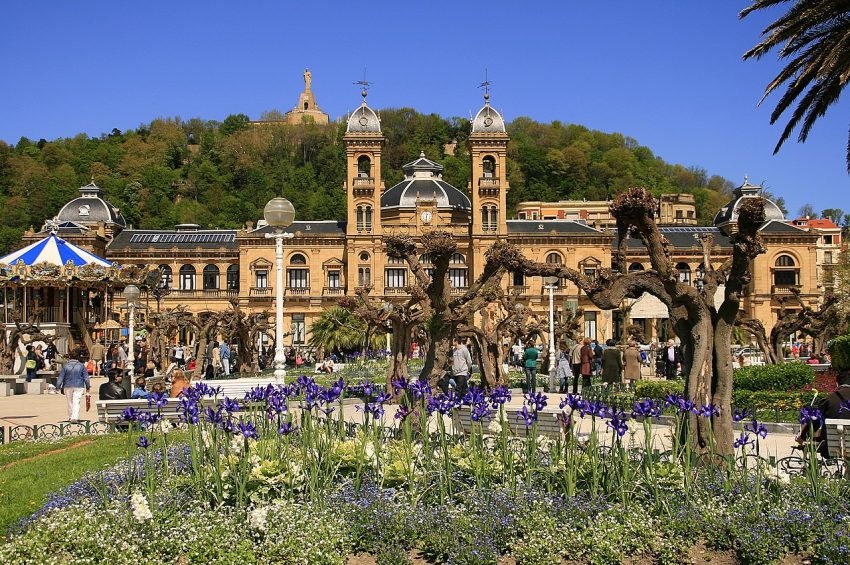
Ayuntamiento de San Sebastián is the city hall, a Belle Époque waterfront building that began life as a late-19th-century casino before Spain’s 1924 gambling ban pushed it toward civic use. It sits beside the Alderdi Eder Gardens where the elegant centre meets La Concha Bay, so the first thing you notice is how the symmetrical stone façade seems staged for the curve of the beach. Up close, the ornate masonry rewards a slow look, and faint scars from the Spanish Civil War still mark parts of the exterior. Most visitors simply admire it from the promenade, often with bikes passing by, and families linger near the large playground out front.
Location: 1 Ijentea Kalea, Donostia, Euskadi, 20003, Spain | Hours: Exterior: 24 Hours. Monday – Friday: 09:00–14:00 & 16:00–18:00. (Donostia) July – August: Monday – Friday: 09:00–14:00. (Donostia) | Price: Free to see from outside; interior access is typically limited to municipal business and occasional open-house days, which are free when offered. | Website | Distance: 0.5km

7. Mercado de la Bretxa
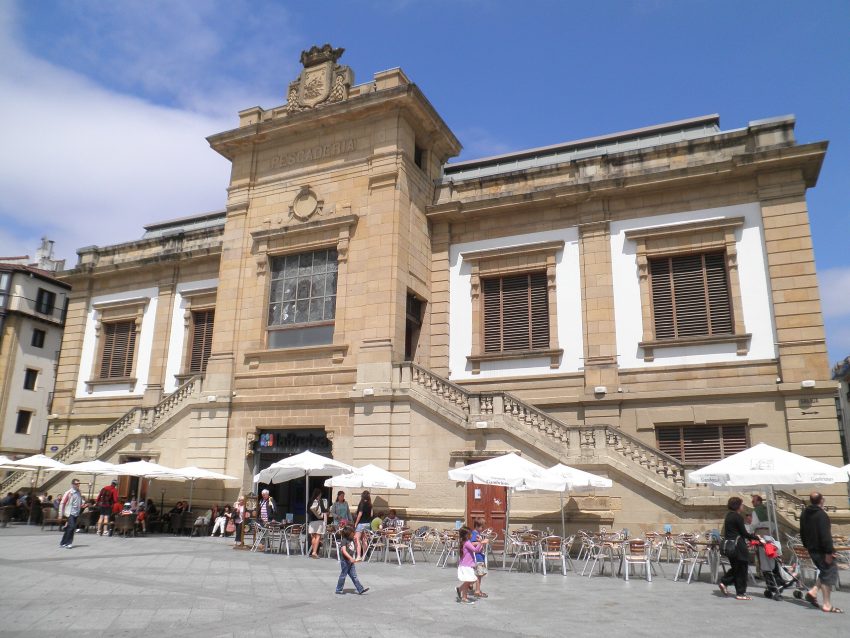
la Mercat de la Bretxa San Sebastian
CC BY-SA 3.0 / Joxemai
Mercado de la Bretxa is a working food market in San Sebastián’s Old Town, set on the site whose name recalls the “breach” once forced through the city walls. Inside, it still feels like the city’s kitchen: fish counters piled early with the day’s catch, butchers cutting to order, and stalls shining with olives, pickles, and seasonal produce that beg for an impromptu picnic. Visitors tend to remember the hum of local shopping and small details like the historic bidding clock and patterned tiles noted by regulars. The complex also includes a supermarket level, and even during periods of construction, the underground market may remain open via escalators at the main facade.
Location: De la Brecha Enparantza, 2, 20003 Donostia, Gipuzkoa, Spain | Hours: Monday – Saturday: 08:00–20:00. Closed on Sundays. | Price: Entrance fee: Free. | Website | Distance: 0.6km

8. Real Club Náutico de San Sebastián

Exterior of Real Club Nautico de San Sebastian on a stormy day
CC BY-SA 4.0 / Nachopicture
The Real Club Náutico de San Sebastián is a late-1920s rationalist waterfront club beside the harbour and the curve of La Concha, designed to read like a ship moored at the edge of the bay. From the promenade, visitors notice the crisp, modern lines and the bow-like overhang that projects over the water, changing character as you view it from different angles. It matters because it turns San Sebastián’s maritime life into architecture—more working harbour than postcard—framing rowers, small boats, and regatta-day energy. Even if you don’t go inside, it’s a natural pause for sea air and photos; reviewers also mention sweeping bay views and a bar-like atmosphere.
Location: Antiguo Embarcadero del Náutico Lasta Plaza, 1 20003 Donostia-San Sebastian SS Spain | Hours: Monday – Friday: 08:00–15:00 & 15:30–19:00. Saturday: 09:30–13:00. Sunday: 08:00–14:00. | Price: Free to view from the promenade; club facilities are primarily for members and guests. | Website | Distance: 0.6km

9. Parte Vieja (Old Town)

San Sebastian Parte Vieja
©
Parte Vieja (Old Town) is San Sebastián’s compact historic core, a maze of cobbled lanes and arcaded squares wedged between the port and the Urumea, with Mount Urgull rising just behind the rooftops. It matters because the city’s layers sit almost on top of each other here—bullring-era numbered balconies around Plaza de la Constitución, and churches that shift from the spare Gothic lines of San Vicente to the Baroque flourish of Santa María del Coro. Near La Bretxa, the mood turns market-busy with seafood and produce before spilling back into bar-lined streets where pintxos crowd the counters. Walk Calle 31 de Agosto, the lone street that survived the 1813 fire, and you feel the district’s resilience under the nightly buzz.
Location: Parte Vieja, 20003 Donostia, Gipuzkoa, Spain | Hours: 24 Hours | Price: Free | Distance: 0.6km

10. Kursaal

San Sebastian Kursaal at night
CC BY-SA 2.0 / JesusAbizanda
The Kursaal Congress Centre and Auditorium is San Sebastián’s modern cultural venue at the mouth of the Urumea River, where the city meets the sea. Designed by Rafael Moneo and opened in 1999, it replaced the earlier Gran Kursaal palace and casino (built in 1921, demolished in 1973) and reset this waterfront corner as a year-round events hub. From outside, two translucent glass blocks read like sculpted “cubes” by day and glow after dark, making them easy to spot from the bridges between the Old Town and Gros. Visitors tend to linger for the shifting light, river-and-ocean views, and the steady flow of locals crossing nearby. Inside, it functions as a large congress and performance complex with a substantial main hall and multiple meeting rooms.
Location: Avenida de Zurriola, 1, San Sebastián | Hours: (Summer) Monday – Friday: 11:30–13:30; 15 June–14 September. Closed on Saturdays & Sundays and public holidays (except on concert days). (Winter) Monday – Friday: 11:30–13:30; 15 September–14 June. Thursday – Saturday & concert days: 17:00–20:00. | Price: Free to visit the exterior and public areas; ticket prices vary by event. | Website | Distance: 0.6km

11. Iglesia de San Vicente

Iglesia de San Vicente San Sebastian
CC BY-SA 3.0 / Cruccone
Iglesia de San Vicente is San Sebastián’s oldest church, a Basque Gothic parish from the early 16th century set in the cobbled lanes of the Parte Vieja. Its exterior can feel plain and almost fortress-like, but inside the space rises into a tall, restrained nave where city noise seems to drop away. Visitors linger over the dramatic main altarpiece, then notice side chapels filled with sculptures and paintings, plus rose windows that shift the mood as the light changes. A restored historic organ adds to the atmosphere—sometimes you’ll even catch music drifting through the stone interior. Despite the tourists, it still feels like a working church, with people slipping in quietly to sit or light a candle.
Location: Calle de San Vicente, 3 - 20003 Donostia / San Sebastián Spain | Hours: Monday – Saturday: 10:30–13:30 & 17:30–20:30. Sundays & public holidays: 09:30–13:30. | Price: Free | Distance: 0.7km

12. Basílica de Santa María del Coro

Santa Maria del Coro   Donostia San Sebastian
Santa Maria del Coro Donostia San Sebastian
CC BY-SA 4.0 / Unuaiga
Basílica de Santa María del Coro is an 18th-century church tucked into the narrow, cobbled lanes of San Sebastián’s Parte Vieja, dedicated to Our Lady of the Choir, the city’s patron. The exterior reads like a theatrical Baroque retablo set into the street, packed with sculptural ornament that’s best appreciated by stepping back along the lane. Inside, the mood turns airy and quiet, with neo-Gothic vaulting stretching over a long rectangular nave that feels taller than the Old Town outside. Many visitors linger at the main altarpiece and then continue into the small diocesan museum of religious art, often mentioned as worth the modest entry fee.
Location: Basílica de Santa María del Coro 31 de Agosto Kalea, 46 20003 Donostia Gipuzkoa Spain | Hours: Daily: Monday to Sunday: 10:00am to 1:00pm and from 4:00pm to 7:00pm. | Price: Free | Distance: 0.7km

13. Plaza de la Constitución

Plaza de la Constitucion San Sebastien
CC BY-SA 3.0 / Calips
Plaza de la Constitución is the central square of San Sebastián’s Parte Vieja, a tidy rectangle ringed by arcaded buildings that still functions as the Old Town’s natural meeting point. The detail visitors remember is above the windows: painted numbers on the balconies, a leftover seating system from the days when the plaza doubled as a bullring and each balcony served as a spectator box. Rebuilt after the catastrophic 1813 fire, its orderly facades and covered walkways feel both composed and lived-in, with shelter for browsing and lingering even when the weather turns. Come in the early evening and the space shifts into a social stage—soft light under the arches, clinking glasses, and unhurried people-watching.
Location: Constitución Plaza, 119, 20003 Donostia, Gipuzkoa, Spain | Hours: 24 Hours | Price: Free | Distance: 0.7km

14. La Perla Spa

La Perla Spa san sebastian
La Perla Spa (La Perla Thalasso Sport) is a seafront thalassotherapy centre built into a photogenic Belle Époque façade on San Sebastián’s La Concha promenade. Inside, visitors move through a modern circuit of warm seawater pools, hydrotherapy jets, saunas, and quiet relaxation areas, with the bay visible as you soak. The most memorable moments tend to be the panoramic whirlpool zones, especially when Atlantic weather turns grey and cinematic outside while you stay warm in the water. The place matters because it carries forward the city’s early-1900s sea-bathing tradition—wellness anchored directly to the shoreline rather than tucked away indoors. Expect a timed, structured spa feel with changing rooms and wet transitions between zones.
Location: La Perla Centro Talaso Sport paseo de la concha Edificio La Perla 20007 Donostia Gipuzkoa Spain | Hours: Monday – Friday: 08:00–21:30. Saturday: 08:30–21:30. Sunday: 08:30–20:30. Closed on 25 December, 1 January & 6 January. | Price: Day tickets: €25–€54 | Website | Distance: 0.8km

15. San Telmo Museum

San Telmo Museum
San Telmo Museum
CC BY-SA 3.0 / Gonzalomauleon
San Telmo Museum (San Telmo Museoa) is San Sebastián’s city-and-society museum, using art and objects to explain Basque life, identity, and history. It occupies a 16th-century Dominican convent on Plaza Zuloaga, and the visit shifts between quiet cloisters and stone corridors and a sleek modern extension built for larger contemporary shows. The permanent galleries mix fine art, photography, and everyday artifacts, so you move from faith and work to language and the sea without rigid boundaries. Many visitors remember the atmospheric old church and the sense of context it gives to what you see in the streets outside. Temporary exhibitions often add a surprising, current edge to the experience.
Location: San Telmo Museum Plaza Zuloaga, 1 20003 Donostia Gipuzkoa Spain | Hours: Daily: 10:00–19:00. Closed Mondays. | Price: Adults: €10.00, free entry on Tuesdays. | Website | Distance: 0.8km

16. Museo Marítimo Vasco

San Sebastian Museo Naval
CC BY-SA 4.0 / Ermell
Museo Marítimo Vasco is a compact maritime museum on San Sebastián’s harbour, housed in an 18th-century consulate tower house that still feels tied to port life. Inside, the displays move from nautical charts and navigation instruments to maritime prints and paintings that link Basque seafaring to wider ocean routes. Temporary exhibitions add a focused theme, while the upper level includes smaller study-style displays, workshops, and a specialist library for map and archive lovers. Visitors often remember the clear multilingual explanations, informative films, and how calm it feels even when the waterfront outside is windy and busy. It’s an easy, absorbing stop when you want local context without a long museum slog.
Location: Euskal Itsas Museoa - Museo Marítimo Vasco Kaiko Pasealekua, 24 20003 Donostia-San Sebastian,Spain | Hours: Tuesday – Saturday: 11:00–14:00 & 16:00–19:00. Sunday & public holidays: 11:00–14:00. Closed on Mondays. | Price: Adults: €3. | Website | Distance: 0.9km

17. Playa Zurriola

Playa Zurriola San Sebastian
CC BY-SA 4.0 / Ander.gd
Playa Zurriola is San Sebastián’s open-ocean city beach in the Gros neighbourhood, a broad Atlantic stretch of golden sand that feels younger and more local than the sheltered bay. It sits across the Urumea from the Old Town, with the Kursaal anchoring one end and the Bay of Biscay swell powering the other. What visitors remember is the motion: sets rolling in, surfers waiting and dropping into waves, and the wind that can turn a sunbathing plan into a brisk shoreline walk. The sea wall and promenade keep it urban and social, with showers and cafés close by, and evenings often drift straight from sand to Gros bars.
Location: Zurriola beach Gipuzkoa Spain | Hours: 24 Hours | Price: Free | Distance: 0.9km

18. Monte Urgull

san sabastian 3568710
Monte Urgull is the wooded hill rising directly behind San Sebastián’s Old Town, where shaded paths thread through old ramparts and suddenly open onto big views of La Concha Bay, Parte Vieja rooftops, and the open sea by Paseo Nuevo. The climb leads to the Castillo de la Mota, a fortress whose cannons and stone walls still shape the walk, and the hilltop Monumento del Sagrado Corazón, visible across the city. Along the way, detours like the Batería de las Damas and the tucked-away Cementerio de los Ingleses add quieter, more atmospheric stops. Visitors mention multiple routes up and down and the payoff of “spectacular” panoramas at the top.
Location: Monte Urgull, Donostia-San Sebastian, Spain | Hours: 24 Hours | Price: Free | Distance: 1km

19. San Sebastián Aquarium

Aquarium of Donostia San Sebastian Spain
CC BY-SA 3.0 / Catatine
Set on San Sebastián’s harbour edge by the Old Town, the San Sebastián Aquarium pairs a nautical museum with a modern oceanarium, tying the city’s maritime identity to what you see in the tanks. The most memorable sequence is the 360º glass tunnel, where sharks and rays drift overhead and close enough to study fins and gills as they loop past. Beyond the tunnel, larger viewing windows create a cinematic play of light and shadow around swirling schools, with occasional diver or feeding activity adding movement to the scene. Many visitors linger in the maritime galleries, where models and fishing tools give local context rather than “just fish,” though crowds can make the darker rooms feel intense for some.
Location: Aquarium de San Sebastián 1 Plaza de Carlos Blasco Imaz 20003 Donostia Gipuzkoa Spain | Hours: Easter – 30 June; September: Monday – Friday: 10:00–20:00. Saturday – Sunday & public holidays: 10:00–21:00. July – August: Daily: 10:00–21:00. 1 October – Easter: Monday – Friday: 10:00–19:00. Saturday – Sunday & public holidays: 10:00–20:00. Closed on 25 December, 1 January & 20 January. | Price: Adult/child €13/6.50 | Website | Distance: 1km

20. Paseo Nuevo

Paseo Nuevo
Paseo Nuevo
CC BY-SA 3.0 / Валерий Дед
Paseo Nuevo is San Sebastián’s sea-level walkway that curves around the base of Monte Urgull, linking the harbour with the city’s eastern edge. Opened in 1916 and officially named Paseo Nuevo in 1979, it’s where the city feels most exposed to the Atlantic—wide horizons, salt in the air, and the steady boom of surf against the breakwater. In lively conditions, waves can vault the sea wall and turn the promenade into a shifting stage of spray, foam, and sudden light. Even on calmer days, you notice the contrast between harbour boats at one end and rugged rocks and open water along the bend, with the hill rising above like a watchful backdrop.
Location: Paseo Nuevo, Donostia / San Sebastián, Spain | Hours: 24 Hours. | Price: Free. | Distance: 1.2km

21. La Fuente Acorazada

La Fuente Acorazada is a small, easily missed stone fountain set low against the seawall at the foot of Monte Urgull beside San Sebastián’s Paseo Nuevo. What you notice first is how modest it is—a few cut blocks and a thin trickle—yet it sits in a dramatic pinch point between the fortified slope above and the open sea. In the 19th century, locals came here for water when supplies were difficult, and the nearby bastion called La Batería de las Damas is linked to women regularly crossing the battery to collect it. Pause a moment and you can picture those everyday routes under the guns, with waves breaking nearby along the waterfront.
Location: Fuente de la Atalaya, o de Bardocas Pasealeku Berria, 6 20003 Donostia-San Sebastian SS Spain | Hours: 24 Hours | Price: Free | Website | Distance: 1.2km

22. Construcción Vacía

Construccion vacia Jorge Oteiza
CC BY-SA 2.0 / Simoncio
Construcción Vacía is a stark, geometric weathered-steel sculpture by Basque modernist Jorge Oteiza, set on San Sebastián’s Paseo Nuevo at the foot of Monte Urgull where the city meets the Atlantic head-on. Shaped like an open frame, it draws your gaze through its planes so the “subject” keeps shifting—sea, horizon, and the curve of coastline—each time you circle it. On rough days, wind and salt spray turn the promenade into a small spectacle as waves slam the seawall, and the sculpture feels like a fixed marker against moving water. First developed as part of Oteiza’s 1957 “Empty Construction” series, the piece was acquired by the city in 2001 and installed here in 2002.
Location: Jorge Oteiza: Construcción Vacía, Pasealeku Berria, Donostia-San Sebastian, Spain | Hours: 24 Hours | Price: Free | Distance: 1.2km

23. Santa Clara Island
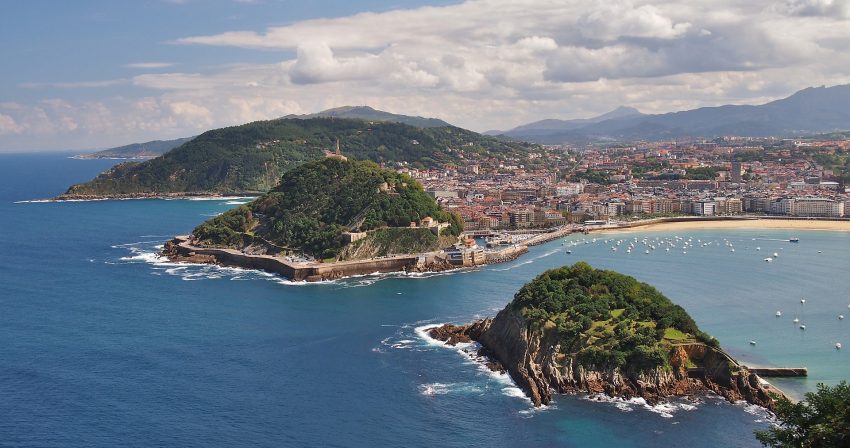
san sabastian 3568710 1920
Santa Clara Island is a small, rugged islet in the middle of La Concha Bay in San Sebastián, set between Monte Urgull and Monte Igueldo and close enough to the city to feel surreal. Its cliffs, seabirds, and sharp Atlantic light make it feel wilder than its size suggests, especially when you pause at the windswept viewpoints and watch the bay traffic drift past. A footpath loop links sheltered corners and picnic spots, and many visitors come to swim—either from the jetty or in the natural seawater pool when conditions are right. The island also carries a darker past: during plague outbreaks it served as a quarantine refuge, a sense of separation you still feel when looking back to shore.
Location: Kalea Isla de Santa Clara, 2, 20003, Gipuzkoa, Spain | Hours: All day every half hour from 10:00 until 20:00. Closed: October – Easter. | Price: Boats direct €5.00, tour the bay is €8.00 each way | Distance: 1.5km

24. Ondarreta Beach

Ondarreta Beach San Sebastian Spain
CC BY-SA 3.0 / Euskalduna
Ondarreta Beach is a broad stretch of golden sand at the western end of San Sebastián’s bay, tucked beneath Miramar Palace with Monte Igueldo rising behind it as a natural shelter. It feels calmer and more family-leaning than the busier central shoreline, and the setting is pure city-meets-sea: elegant promenades on one side, hills and water on the other. Visitors remember the on-sand playground, the generous space for casual volleyball or paddle-ball, and the neat rows of blue-and-white awnings that lend a vintage holiday look. In season, you may also spot canoe hire for an easy paddle along the bay. Nearby beach-bar chatter is mixed—some praise friendly service and prices, others complain about coffee and attitude.
Location: Ondarreta Pasealekua, 4, 20008 Donostia, Gipuzkoa, Spain | Hours: 24 Hours. Lifeguard Service: Daily: 10:00–20:00; | Price: Free | Distance: 1.6km

25. Miramar Palace

San Sebastian Palacio Miramar
CC BY-SA 3.0 / Generalpoteito
Miramar Palace (Palacio de Miramar) is a late-19th-century royal summer residence set on the grassy rise between La Concha and Ondarreta in San Sebastián, and today it’s best known for its open gardens rather than its interior. Built in 1893 for Queen Regent María Cristina and designed by English architect Ralph Selden Wornum in a Queen Anne, country-house style, it reflects the era when the city became a fashionable seaside retreat. Visitors linger on clipped lawns and terrace paths where the bay repeatedly appears between trees, with Santa Clara Island centered in the view and Monte Urgull beyond. The building is often closed or used for events, but the grounds feel like a local living room—quiet, breezy, and made for slow pauses.
Location: Parque Miramar - 20009 Donostia / San Sebastián | Hours: (Summer) Daily: 08:00–21:00. (Winter) Daily: 08:00–19:30. | Price: Free. | Website | Distance: 1.6km

26. Peine del Viento

Comb Of The Wind in San Sebastian
Peine del Viento is an outdoor sculpture installation at the western end of Ondarreta Beach in San Sebastián, where the city’s curve meets open Atlantic water beneath Monte Igueldo. Installed in 1977 by Basque sculptor Eduardo Chillida with architect Luis Peña Ganchegui, three iron, anchor-like forms are bolted into the rocks so the artwork and coastline read as one. Visitors remember the pink granite terraces, the salt spray, and how the steel seems to catch the wind rather than simply endure it. In heavier swell, hidden openings can vent air and seawater upward, turning the site into a loud, playful instrument; in calm weather it becomes a quiet place to watch waves and photograph the bay.
Location: Paseo Eduardo Chillida - 20008 Donostia / San Sebastián | Hours: 24 Hours | Price: Free | Distance: 2km

27. Funicular de Igueldo

Playa de la Concha San Sebastian
CC BY-SA 3.0 / 500px
Funicular de Igueldo is a 1912 hillside railway in San Sebastián, Spain, hauling wooden carriages up the steep flank of Monte Igueldo in a brisk couple of minutes. It matters because it turns a practical ascent into a small piece of living heritage, still running on the classic counterbalanced two-car system that passes at a midpoint loop. As you climb from the lower station near Ondarreta, the city falls away and the panorama over La Concha Bay snaps into view, with Santa Clara Island and the bay’s curve laid out below. At the top, many visitors linger for photos, a café pause, and the slightly time-capsule feel of the old-fashioned amusement area.
| Hours: (Summer) Daily: 10:00–22:00. (Winter) Daily: 11:00–18:00. | Price: Adults €4.75 return (€3.30 one-way); | Website | Distance: 2.2km

28. Torreón de Monte Igueldo
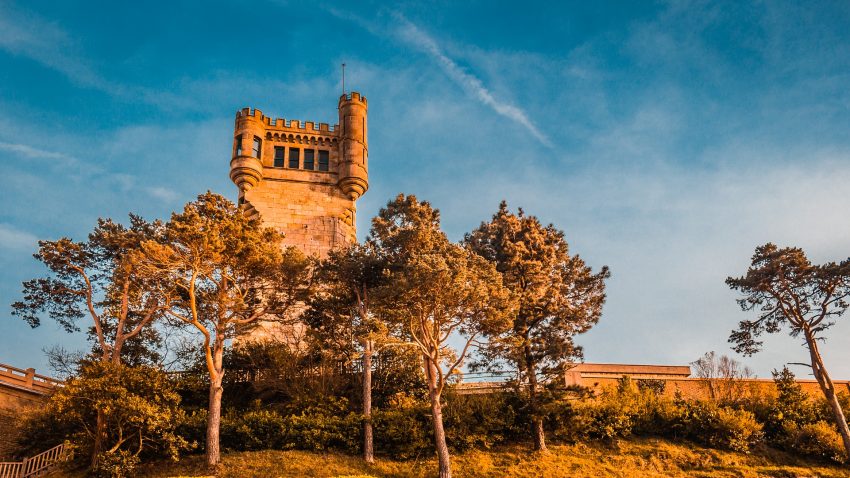
Torreon De Monte Igueldo San Sebastian
Torreón de Monte Igueldo is a small stone tower on the hill above La Concha Bay in San Sebastián, originally part of a lighthouse setup that once helped guide ships along the Bay of Biscay. You climb a short run of steps inside and emerge onto a terrace where the bay’s perfect curve, Santa Clara Island, Ondarreta Beach, and the city’s pale waterfront line up in one wide sweep. The experience is as much about atmosphere as the view—salt air, fast-changing light, and a sense of the city tucked between sea and mountains. Visitors often mention the low entry fee and the near-360° panorama, with a few sightlines partly blocked by nearby structures.
Location: Del Faro Ibilbidea, 134, 20008 San Sebastián, Gipuzkoa, Spain | Hours: Daily: 10:00–18:00. | Price: Adults: €3.00; Children: €1.50 (Torreón). | Website | Distance: 2.3km

29. Faro Monte Igueldo

Igueldo lighthouse at San Sebastian
CC BY-SA 3.0 / Phillip Maiwald
Faro Monte Igueldo is a working lighthouse on the seaward side of Monte Igueldo in San Sebastián, standing as part of the Basque coast’s everyday maritime network rather than a museum piece. Built in 1855 by civil engineer Manuel Peironcely to replace an earlier 18th-century light, it was positioned about 134 metres above sea level to cut through Atlantic mist and fickle weather. Visitors come for the elemental setting: cliff edges, wind-bent greenery, and a broad sweep of the Cantabrian coastline that feels far wilder than the curve of La Concha. Walk the perimeter for stark angles of the tower against open water, and watch how fast the scene shifts as clouds and wind roll in.
Location: Igeldo mendiko itsasargia Itsasargi Pasealekua, 107 20008 Donostia Gipuzkoa Spain | Hours: 24 Hours | Price: Free (lighthouse exterior and viewpoints). If you go up via the Monte Igueldo funicular, return ticket: Adults €4.75; Children (up to 7) €2.50. | Distance: 2.5km

Best Day Trips from San Sebastián

A day trip from San Sebastián offers the perfect opportunity to escape the urban rhythm and discover the surrounding region's charm. Whether you're drawn to scenic countryside, historic villages, or cultural landmarks, the area around San Sebastián provides a variety of easy-to-reach destinations ideal for a one-day itinerary. If you are looking to rent a car in Spain I recommend having a look at Discover Cars, first, as they compare prices and review multiple car rental agencies for you.

1. Saint-Jean-de-Luz
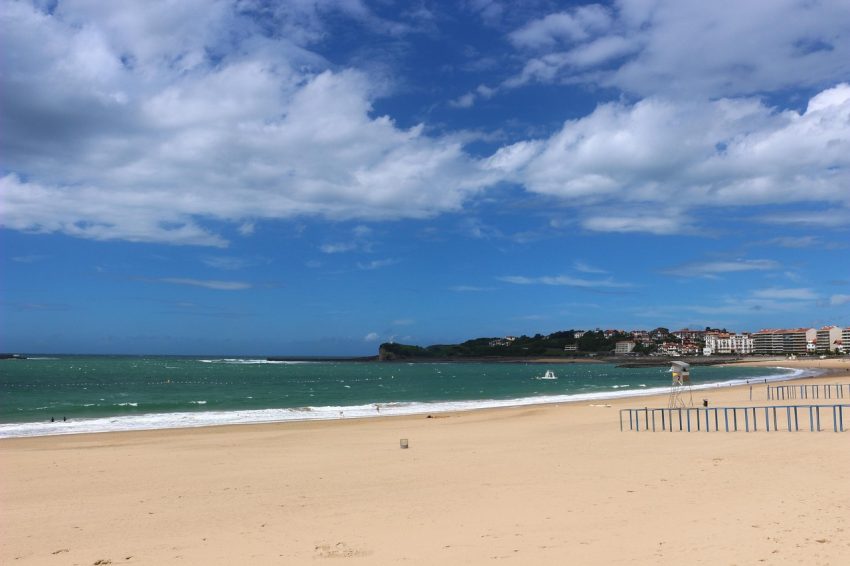
Beach of Saint-Jean-de-Luz
Saint-Jean-de-Luz, located in the Nouvelle-Aquitaine region, is a charming coastal town known for its beautiful beaches and vibrant Basque culture. The town’s picturesque harbor is lined with colorful buildings, and the lively Place Louis XIV offers a perfect spot to enjoy local cafés and restaurants. Whether you're relaxing on the sandy shores, exploring the charming streets, or enjoying the fresh…
Visiting Saint-Jean-de-Luz
Powered by GetYourGuide

2. Biarritz

Beach Scene, Biarritz, France
Visiting Biarritz is an unforgettable experience, thanks to its stunning coastal views, laid-back atmosphere, and vibrant surf culture. The city is known for its beautiful sandy beaches, perfect for sunbathing or surfing, as well as its impressive cliffs and dramatic coastal landscapes. Whether you're strolling along the wide promenade by the beach, exploring the lively markets, or enjoying the art…
Visiting Biarritz
Powered by GetYourGuide

3. Bayonne

Bayonne, France
Bayonne, France
Bayonne, located in the Nouvelle-Aquitaine region, is a delightful city that charms visitors with its vibrant atmosphere and picturesque streets lined with colorful half-timbered houses. Strolling through the lively old town, you'll encounter inviting cafés, chocolate shops, and bustling markets, perfect for experiencing authentic Basque culture. The Nive and Adour rivers converge here, creating scenic riverbanks ideal for leisurely walks…
Visiting Bayonne
Powered by GetYourGuide

4. Pamplona

Visiting Pamplona  Place de Castille
Visiting Pamplona Place de Castille
CC BY-SA 3.0 / Jean-Christophe BENOIST
Pamplona, the capital of Navarra, is by far the largest and most significant city in the region of Navarre and La Rioja. It is best known for the San Fermín Festival, held each July, which attracts thousands of visitors eager to witness the legendary Running of the Bulls (Encierro in Spanish). Pamplona’s reputation as a global destination is partly due…
Visiting Pamplona
Powered by GetYourGuide

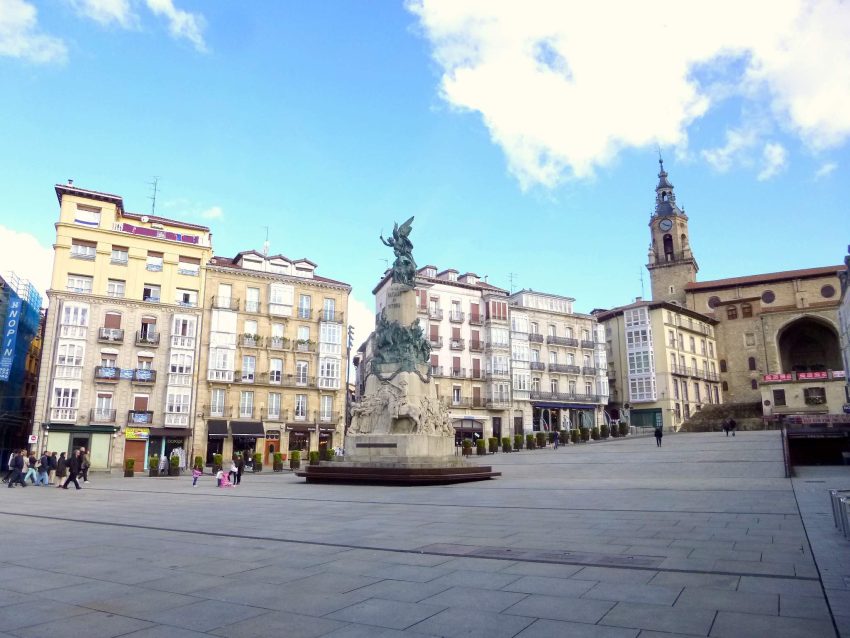
5. Vitoria-Gasteiz

Vitoria   Plaza de la Virgen Blanca
Vitoria Plaza de la Virgen Blanca
CC BY-SA 1.0 / Zarateman
Vitoria-Gasteiz is the seat of government and the capital city of the Basque Country and the province of Araba/Álava in northern Spain. It hosts the autonomous community's House of Parliament, the Government headquarters, and the Lehendakari's official residence. The municipality, which includes the city and the surrounding 63 agricultural villages, is the largest in the Basque Country, covering a total…
Visiting Vitoria-Gasteiz
Powered by GetYourGuide

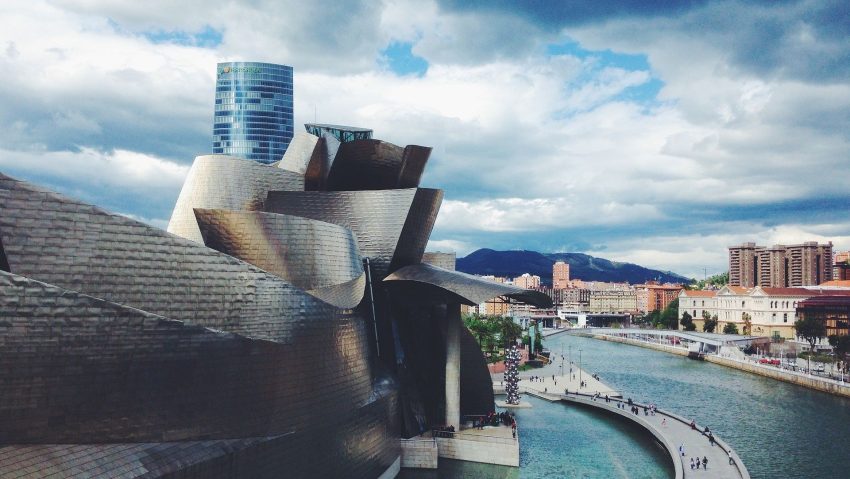
6. Bilbao

Bilbao, Spain
Bilbao, Spain
Bilbao, located in Spain’s northern Basque Country, is a dynamic riverside city where contemporary design meets rugged green hills and Atlantic light. Once known primarily for its industrial heritage, it has transformed into a vibrant cultural hub, symbolized by the shimmering titanium curves of the Guggenheim Museum. Visitors arriving here often find a city that feels both cosmopolitan and deeply…
Visiting Bilbao
Powered by GetYourGuide

7. Logroño

Rio Ebro, Logrono
Rio Ebro, Logrono
CC BY-SA 4.0 / LBM1948
Logrono lies mainly undiscovered among the vineyards of La Rioja. Not only the capital of Rioja, Spain's wine growing region it is also possibly its gastronomical capital with a great selection of pintxos (Basque tapas) bars.  The town is full of of tree-studded squares, narrow streets and hidden corners.  Logroño is a city rich in history, originally the Roman town of Vareia, it grew…
Visiting Logroño
Powered by GetYourGuide

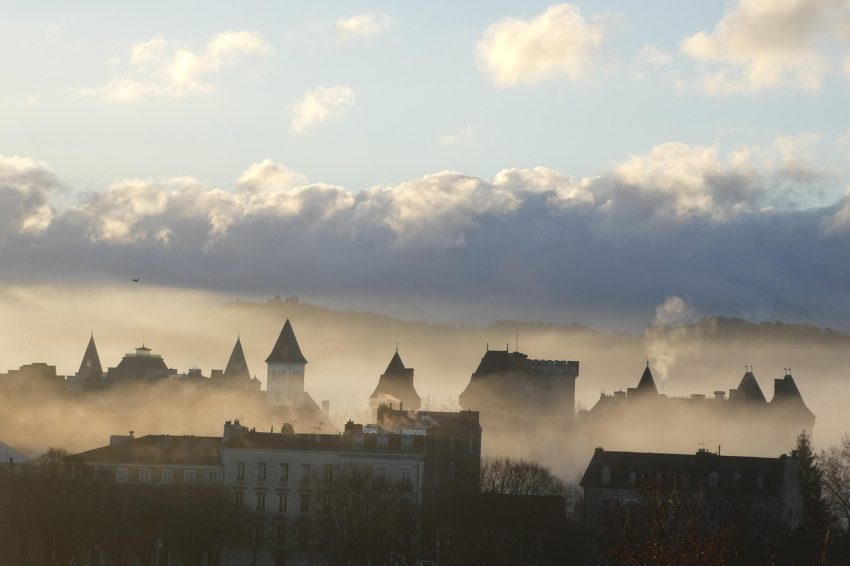
8. Pau

Pau Castle
Pau Castle
Pau, located in the Nouvelle-Aquitaine region, is a charming town nestled at the foot of the Pyrenees mountains. Known for its stunning natural beauty, Pau offers a perfect blend of outdoor activities and cultural experiences. Visitors can stroll along the Boulevard des Pyrénées, which offers breathtaking views of the mountain range, or explore the lush gardens and parks scattered throughout…
Visiting Pau
Powered by GetYourGuide

9. Santander

Playa el Sardinero, Santander
© Pixabay
Santander, located along Spain’s northern coast in Cantabria, is a city that seamlessly blends coastal beauty with urban charm. The city’s El Sardinero Beach is one of its most iconic attractions, offering golden sands, turquoise waters, and a picturesque promenade perfect for leisurely strolls. Along the coastline, visitors can also enjoy the stunning views from the Palacio de la Magdalena,…
Visiting Santander
Powered by GetYourGuide

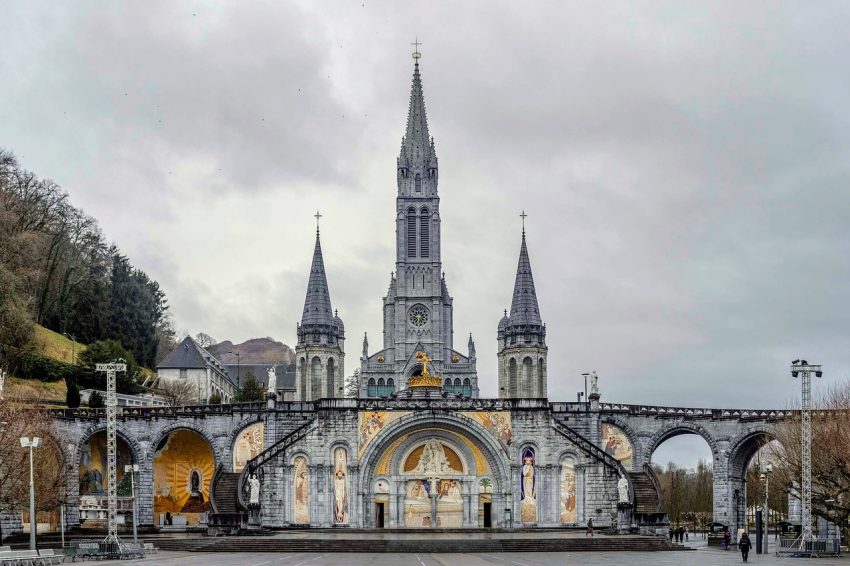
10. Lourdes

Lourdes, France
Lourdes, France
Lourdes is a renowned pilgrimage destination located in the Pyrénées mountains, attracting visitors from around the world. The town is most famous for the Sanctuary of Our Lady of Lourdes, where millions of pilgrims visit each year to pray, seek healing, and experience the peaceful atmosphere. The sanctuary, along with its beautiful basilicas and chapels, offers visitors a serene environment…
Visiting Lourdes
Powered by GetYourGuide

Where to Stay in San Sebastián

San Sebastián offers a range of accommodations that cater to visitors looking for seaside luxury, cultural immersion, or scenic tranquility. Parte Vieja (Old Town) is the best place to stay for travelers who want to be in the heart of the city’s pintxos scene, surrounded by historic buildings, lively bars, and charming plazas. This area provides easy access to key attractions such as San Sebastián Cathedral and Plaza de la Constitución, making it ideal for those wanting to explore the city’s vibrant character. A recommended hotel in this district is Hotel Villa Soro, offering elegant accommodations in a restored manor house with classic Basque charm.

For visitors looking for beachfront luxury and relaxation, La Concha Beach is a prime location. This district offers stunning views of the Bay of Biscay, upscale dining options, and access to beautiful promenades where guests can enjoy the city’s most iconic coastal scenery. Staying near Playa de la Concha allows travelers to wake up to the sound of waves, experience elegant terraces, and take refreshing morning strolls along the famous seaside walkway. A fantastic option in this area is Hotel de Londres y de Inglaterra, featuring stylish rooms with direct views of the bay and a refined ambiance.

If you prefer a quiet retreat with breathtaking nature, Monte Igueldo and the outskirts provide a peaceful stay while still being a short distance from the city center. This area is perfect for travelers wanting panoramic views, hiking trails, and a relaxed escape from city crowds. It’s ideal for visitors who enjoy outdoor activities and wish to experience the green hills surrounding San Sebastián. A recommended stay in this district is Akelarre Hotel, offering a luxurious boutique experience with world-class dining and serene coastal surroundings. Whether you’re drawn to the city’s culinary delights, its stunning coastline, or its peaceful hillside retreats, San Sebastián has accommodations to suit every traveler’s preference.

Using the our Hotel and Accomodation map, you can compare hotels and short-term rental accommodations in San Sebastián. Simply insert your travel dates and group size, and you’ll see the best deals for your stay.

San Sebastián Accommodation Map

Best Time to Visit San Sebastián

Visiting San Sebastián in Spring

Spring, from March to May, is an excellent time to visit San Sebastián. The weather is mild and pleasant, with temperatures ranging from 12°C to 20°C (54°F to 68°F). This season is perfect for exploring the city’s outdoor attractions, such as the beaches and parks, and enjoying the blossoming flowers and vibrant greenery.

Visiting San Sebastián in Summer

Summer, from June to August, is the peak tourist season in San Sebastián. The weather is warm and sunny, with temperatures ranging from 18°C to 28°C (64°F to 82°F). This is the best time to enjoy the city’s beautiful beaches, such as La Concha and Zurriola, and participate in various water sports. The city’s lively festivals and events, including the famous San Sebastián Jazz Festival in July, make summer an exciting time to visit.

Visiting San Sebastián in Autumn

Autumn, from September to November, is another great time to visit San Sebastián. The temperatures are cooler, ranging from 14°C to 22°C (57°F to 72°F), making it comfortable for sightseeing and outdoor activities. The crowds from the summer have diminished, allowing for a more relaxed exploration of the city’s historical sites and cultural attractions. The autumn colors enhance the natural beauty of the area.

Visiting San Sebastián in Winter

Winter, from December to February, is mild in San Sebastián, with temperatures averaging between 8°C and 15°C (46°F to 59°F). This is the off-peak tourist season, offering a quieter and more relaxed atmosphere. Winter is a good time to explore indoor attractions such as museums and historic buildings without the crowds. The city’s festive decorations and events during the holiday season add a charming touch to the visit.

Annual Weather Overview

  • January 11°C
  • February 12°C
  • March 14°C
  • April 15°C
  • May 19°C
  • June 21°C
  • July 24°C
  • August 24°C
  • September 24°C
  • October 21°C
  • November 15°C
  • December 13°C

How to get to San Sebastián

By Air to San Sebastián

The nearest airport to San Sebastián is San Sebastián Airport (EAS), located about 20 kilometers from the city center. Another option is Bilbao Airport (BIO), which is approximately 100 kilometers away. From these airports, you can reach San Sebastián by taxi, car rental, or shuttle services.

By Train to San Sebastián

San Sebastián is well-connected by train, with the main station being Donostia-San Sebastián. There are regular train services from major Spanish cities such as Madrid, Barcelona, and Bilbao. High-speed trains (AVE) and regional trains (Renfe) provide convenient and comfortable travel options.

By Bus to San Sebastián

Several bus companies operate routes to San Sebastián from various cities across Spain and neighboring countries. The main bus station, Estación de Autobuses de Donostia-San Sebastián, is centrally located, offering easy access to the city’s main attractions.

By Car to San Sebastián

Driving to San Sebastián is a convenient option, especially if you plan to explore the surrounding Basque Country. From Bilbao, the drive takes about 1.5 hours via the AP-8 highway. From Madrid, it takes around 4.5 to 5 hours via the A-1 and AP-1 highways. The city is well-connected by road, making it easy to navigate by car.

If you are looking to rent a car in Spain I recommend having a look at Discover Cars, first, as they compare prices and review multiple car rental agencies for you.

By Local Transportation in San Sebastián

Once in San Sebastián, you can explore the city by walking or using the local bus network operated by Dbus. Taxis and bike rentals are also readily available for getting around. Walking is particularly enjoyable in San Sebastián due to its compact size and the close proximity of major attractions.
More from this area