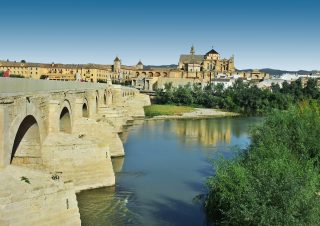
Mills of the Guadalquivir, Córdoba
Historic Building in Córdoba
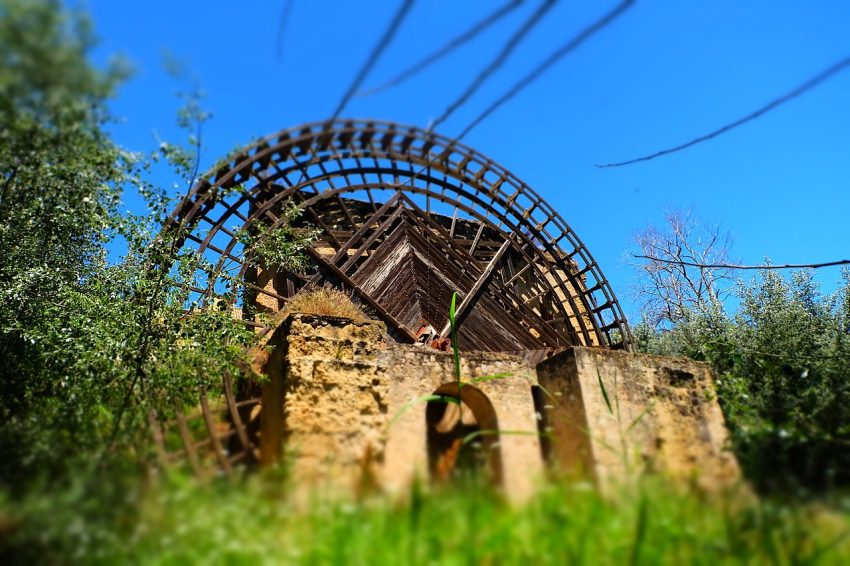
The Guadalquivir River Watermills are one of the best places to visit in Córdoba for travellers fascinated by history, engineering, and the life of the river. Stretching along the riverbank near the historic centre, these eleven medieval mills were once vital to Córdoba's economy. Declared an Andalusian Historical Heritage site in 2009, they now stand as peaceful reminders of the city's Islamic and later Christian past. Some lie in romantic ruins, while others have been restored for cultural use - making them a great place to visit on a walking tour of Córdoba that follows the river's edge.
From the iconic Albolafia Wheel beside the Roman Bridge to the Martos Mill with its Museum of Water, each mill offers a glimpse into how Córdoba harnessed the river for milling grain, fulling cloth, tanning leather, and processing plant fibres. Their quiet presence along the Guadalquivir creates one of the most atmospheric riverside walks in the city.
Table of Contents
- History and Significance of the Guadalquivir River Watermills
- Things to See and Do in the Guadalquivir River Watermills
- How to Get to the Guadalquivir River Watermills
- Practical Tips on Visiting the Guadalquivir River Watermills
- Where to Stay close to the Guadalquivir River Watermills
- Is the Guadalquivir River Watermills Worth Visiting?
- FAQs for Visiting the Guadalquivir River Watermills
- Nearby Attractions to the Guadalquivir River Watermills
History and Significance of the Guadalquivir River Watermills
The eleven watermills - Albolafia, Alegría, Carbonell, Casillas, Emmedio, Lope García, Martos, Pápalo Tierno, San Antonio, San Lorenzo, and San Rafael - formed an essential industrial network from the medieval period onward. Built between the Islamic period and the late Middle Ages, they used the flow of the Guadalquivir to grind grain, prepare textiles, and assist in local industry long before modern machinery arrived.
The most famous, the Albolafia Mill, dates back to the 10th century and once lifted water to the gardens of the Caliphal Palace. Its great wooden wheel became an emblem of medieval Córdoba. Nearby, the Martos Mill served as the main cereal mill in the city, its structure evolving through multiple restorations in the 14th and 16th centuries.
Over time, as industrial needs changed, many mills fell into disuse. Yet their foundations, chambers, and millraces survived along the riverbanks. Their protection as Andalusian Historical Heritage in 2009 recognised their importance not only as architectural relics but also as symbols of Córdoba’s relationship with water, agriculture, and craftsmanship.
Things to See and Do in the Guadalquivir River Watermills
Start your walk near the Roman Bridge, where the Albolafia Wheel immediately catches the eye. Standing against the backdrop of the bridge and the Calahorra Tower, it remains one of the most photographed landmarks on the river. Although no longer functioning, its structure hints at the ingenuity of Islamic hydraulic engineering.
Continue toward the Martos Mill, home to the Museum of Water. This small but engaging museum explores traditional water use, water-powered industry, and the role of plants in medieval daily life - from textile dyeing and tanning to flour production. With exhibits based on local culture and environmental history, it provides a deep look at the city’s ancient dependence on the river.
Other mills, though in varying states of ruin, still preserve foundations, walls, and millraces. A riverside walk lets you observe their different forms - some rectangular, some multi-chambered, some with still-visible water channels. Together, they create a fascinating open-air museum of medieval technology.
How to Get to the Guadalquivir River Watermills
Córdoba is easily reached via Málaga-Costa del Sol Airport and Seville Airport, both with good transport links to the city. For the best deals and a seamless booking experience, check out these flights to Córdoba on Booking.com.
If travelling by rail, the AVE high-speed train offers direct connections from Madrid, Seville, and Málaga. From the train station, the river and its mills are about a 20-25 minute walk through the old town. Train schedules and bookings can be found on Omio.
By car, park in one of the public garages near the historic centre and walk down to the riverbank. The paths along the Guadalquivir are pedestrian-friendly and ideal for strolling. If you are looking to rent a car in Spain I recommend having a look at Discover Cars, first, as they compare prices and review multiple car rental agencies for you.
Practical Tips on Visiting the Guadalquivir River Watermills
- Best time to visit the mills: Morning or late afternoon for soft light along the river.
- Entrance fee in Euros: Free to walk the riverside; the Museum of Water may charge a small fee.
- Opening hours: Outdoor paths are always open; museum hours vary.
- Official website: Refer to Córdoba tourism or the Botanic Garden for museum details.
- How long to spend: 45 minutes to 1.5 hours for a full riverside walk.
- Accessibility: River paths are mostly accessible; individual mills vary.
- Facilities: Cafés and restrooms near the Roman Bridge and Botanic Garden.
- Photography tip: Capture the Albolafia Wheel with the Roman Bridge in the background.
- Guided tours: Some historical and nature tours include mill visits.
- Nearby food options: Restaurants along Paseo de la Ribera.
Where to Stay close to the Guadalquivir River Watermills
Staying near the river offers a beautiful base for exploring. Hesperia Córdoba provides sweeping river views and easy access to the mills. For charm within the old town, Eurostars Conquistador is a short stroll away. Another appealing option is Balcón de Córdoba, offering elegant rooms and rooftop views of the historic centre.
Is the Guadalquivir River Watermills Worth Visiting?
Yes, the Guadalquivir River Watermills are absolutely worth visiting. They offer a unique combination of nature, heritage, and industrial history. The restored mills and the Museum of Water bring Córdoba's medieval past to life, while the riverside walk provides some of the city's most calming and scenic views. Whether you're a history enthusiast, a nature lover, or simply exploring Córdoba's quieter corners, the watermills make for a rewarding experience.
What Other Travellers Say...

Molino de Albolafia sits on the northern bank of the Guadalquivir next to the Roman Bridge and opposite the Alcázar; visitors note it as a medieval noria or waterwheel that historically brought river water to Córdoba's gardens and palace, a picturesque spot close to the Mezquita/Cathedral though some remark it's in a sorry state and mainly frequented by sunbathing stray cats, and evening lighting can be dim which limits photography.


FAQs for Visiting the Guadalquivir River Watermills
Nearby Attractions to the Guadalquivir River Watermills
- Roman Bridge of Córdoba: A historic crossing with beautiful views.
- Calahorra Tower: Home to a museum on Córdoba's multicultural past.
- Alcázar de los Reyes Cristianos: Medieval palace with gardens and towers.
- Royal Botanic Garden: Close to the Alegría Mill and paleobotany exhibits.
- Posada del Potro: Historic inn now housing the Centro Flamenco Fosforito.
The Mills of the Guadalquivir appears in our Complete Guide to Visiting Córdoba!

Moira & Andy
Hey! We're Moira & Andy. From hiking the Camino to trips around Europe in Bert our campervan — we've been traveling together since retirement in 2020!
This website uses affiliate links which may earn a commission at no additional cost to you!
Planning Your Visit
24 Hour
Free
Nearby Attractions
- Triunfo de San Rafael de la Puerta del Puente (0.1) km
Statue - Puerta del Puente (0.1) km
City Gate - Puente Romano de Córdoba (0.1) km
Bridge and Historic Site - Alcázar de los Reyes Cristianos (0.2) km
Palace - Palacio de Congresos (0.2) km
Historic Building - Baños del Alcázar Califal (0.2) km
Baths - Mezquita-Catedral (0.2) km
Cathedral and Mosque - Caballerizas Reales de Córdoba (0.3) km
Historic Building - Torre de Belén de Córdoba (0.3) km
City Walls and Tower - Torre de la Calahorra (0.3) km
Tower