Real Jardín Botánico de Córdoba
Gardens in Córdoba
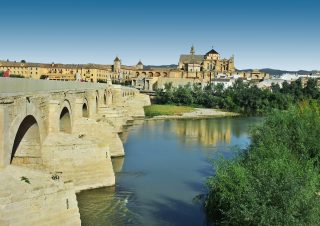
Set on the edge of the Guadalquivir River, the Jardín Botánico de Córdoba is a spacious, thoughtfully organised garden designed as much for learning as for leisure. It's the kind of place that makes sense in a city like Córdoba: after the intensity of the Mezquita, patios, and sun-baked lanes, the gardens offer shade, greenery, and a slower rhythm without asking you to leave town.
Opened in 1987 with an educational and scientific focus, the garden is laid out in clear “rooms” of planting that guide you through different themes and plant groups. You can treat it as a gentle stroll, but it also rewards curiosity: the collections are curated rather than decorative, and the route builds toward one of its most distinctive features-the Molino de la Alegría, where the paleobotany museum brings Córdoba’s landscape history into sharp focus.
Table of Contents
- History and Significance of the Jardín Botánico de Córdoba
- Things to See and Do in the Jardín Botánico de Córdoba
- How to Get to the Jardín Botánico de Córdoba
- Practical Tips on Visiting the Jardín Botánico de Córdoba
- Where to Stay Close to the Jardín Botánico de Córdoba
- Is the Jardín Botánico de Córdoba Worth Visiting?
- For Different Travelers
- FAQs for Visiting Jardín Botánico de Córdoba
- Nearby Attractions to the Jardín Botánico de Córdoba
History and Significance of the Jardín Botánico de Córdoba
The Jardín Botánico de Córdoba was created as a modern botanical institution, opening in 1987 as a centre for plant culture with a strong emphasis on education, conservation, and scientific work. That mission still shapes how the place feels today: instead of a single “show garden” style, you move through different zones with clear purpose-collections that teach you how plants are related, how they're used, and how Mediterranean landscapes function.
Its riverside position is part of the story too. The Guadalquivir isn't just scenery here; it helps explain why Córdoba has always been tied to water management, agriculture, and the rhythms of riverbank ecosystems. The garden uses that setting well, framing plant life as something lived with-cultivated, studied, and adapted-rather than simply admired.
Things to See and Do in the Jardín Botánico de Córdoba
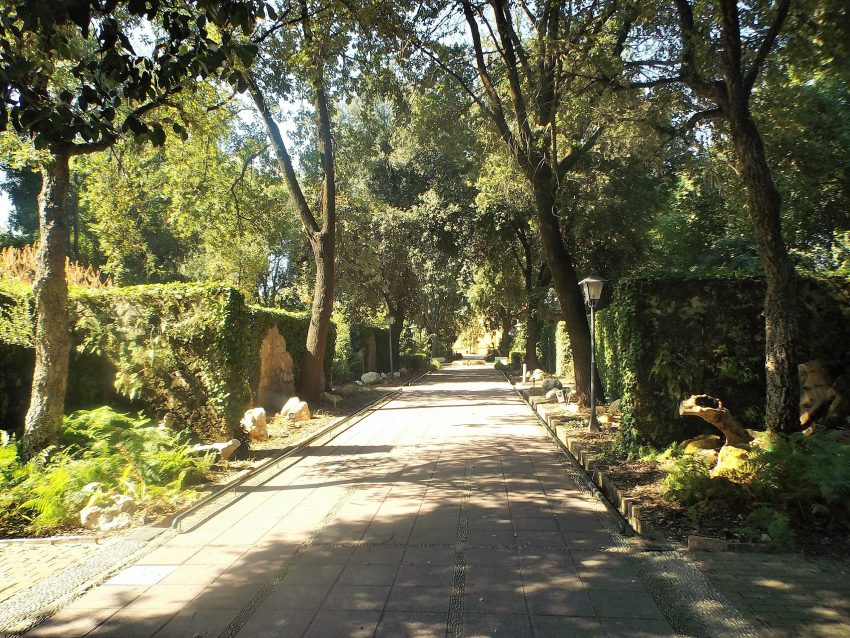
Start at the arboretum, where the planting is arranged to feel more like a natural woodland than a formal park. It’s an easy way to settle into the garden, and it gives you a sense of scale before you reach the more structured zones, where plants are grouped in ways that highlight relationships and characteristics rather than pure visual effect.
Next, make time for the greenhouses and the themed collections. Even if you’re not a plant specialist, this is where the visit becomes more than “a nice walk”: you’ll see how Mediterranean species are adapted to heat and dry conditions, and how curated collections turn familiar herbs, shrubs, and trees into something more meaningful. The rose garden is a pleasant change of pace, and the “useful plants” areas (aromatics, medicinal herbs, fruit trees, and crops) tend to be surprisingly engaging because you recognise so much of what you’re seeing.
Finally, do not skip the Molino de la Alegría paleobotany museum. Housed in a historic mill building, it adds a completely different dimension to the visit by shifting your attention from living collections to deep time-how plant life has changed, what fossils reveal, and why landscape history matters. It's the kind of add-on that turns a botanical garden visit into a rounded, memorable Córdoba experience rather than a simple green break.
How to Get to the Jardín Botánico de Córdoba
The nearest airports are Seville Airport (SVQ) and Málaga Airport (AGP), both commonly used for Córdoba city breaks. For the best deals and a seamless booking experience, check out these flights to Córdoba on Booking.com. From either airport, you can continue by train, bus, or car depending on your itinerary and accommodation base.
Córdoba is one of the easiest Andalusian cities to reach by rail, with frequent long-distance and high-speed services connecting it to major Spanish hubs. Train schedules and bookings can be found on Omio. From Córdoba’s main station, it’s typically simplest to take a taxi or local bus to the riverside area, then walk the last stretch.
If you’re already in the historic centre, the garden is very walkable, especially if you pair it with a riverside stroll and a bridge crossing. Local buses also help if you want to spare your legs in the heat.
Driving is straightforward, but parking close to the historic core can be slow at peak times, so it’s usually better to use a public car park and approach on foot. If you are looking to rent a car in Spain I recommend having a look at Discover Cars, first, as they compare prices and review multiple car rental agencies for you.
Practical Tips on Visiting the Jardín Botánico de Córdoba
- Entrance fee: €3 (adults); €1.50 (children from 5, students, pensioners); €2 (youth card & pre-booked groups).
- Opening hours: Park: Tuesday – Sunday: 10:00–17:00. Closed on Monday. Museums (Etnobotany & Paleobotany) Tuesday – Sunday: 10:00–14:00. Closed on 1 January; 6 January; 24 December; 25 December; 31 December.
- Official website: http://www.jardinbotanicodecordoba.com/
- Best time to visit: Spring and early autumn are ideal for comfortable temperatures; in summer, go close to opening time to avoid peak heat and get softer light in the gardens.
- How long to spend: Plan 1.5-2.5 hours for a relaxed visit that includes the museums; closer to 60-90 minutes if you’re focusing on the outdoor collections only.
- Accessibility: The site is generally easier than many old-town sights, with broad paths and open space, but allow extra time if you want to include every zone at a gentle pace.
- Facilities: Bring water in warm months, and treat the museums as your best “cool-down” moments; amenities are practical rather than resort-like, so plan your main food stop elsewhere.
Where to Stay Close to the Jardín Botánico de Córdoba
For a culture-heavy itinerary, base yourself in the historic centre near the Mezquita and the Judería so you can walk to Córdoba's major sights and reach the riverside easily; if your priority is simpler logistics and transport links, stay closer to the modern centre around Plaza de las Tendillas or the station area for easy arrivals, taxis, and evening dining.
For classic old-town atmosphere within easy reach of the river and the main monuments, Las Casas de la Judería de Córdoba is a strong pick with real Córdoba character. If you want a central, comfortable base that's excellent for walking everywhere and keeping evenings easy, H10 Palacio Colomera puts you in the city’s modern heart with quick access to both the old town and river routes. For a practical historic-centre option right by the Mezquita area, Eurostars Conquistador is well placed for a sight-heavy stay.
Is the Jardín Botánico de Córdoba Worth Visiting?
Yes-especially if you want a calmer, greener counterbalance to Córdoba’s monument-heavy itinerary. The layout is clear, the collections feel purposeful rather than random, and the paleobotany museum adds a genuinely distinctive angle you don’t get from most city gardens.
Honest pivot: if you're in Córdoba for a very short, headline-only visit and you're already packed with the Mezquita, Alcázar, and patios, you may find the garden optional. In that case, prioritise it only if you're craving shade, slower pacing, or a science-and-nature break that still feels connected to Córdoba's identity.
What Other Travellers Say...

Real Jardín Botánico de Córdoba, on Av. Linneo, is a manicured botanical garden and arboretum with greenhouses and a collection that includes endangered and exotic plants; visitors praise its variety of flora—from fruit trees to rainforest and cactus areas—and a tranquil riverside setting that can occupy an hour or more, though some note limited facilities (no full café, only a coffee machine), occasional closure or disrepair of conservatories and amenities, dry or poorly maintained planting in places, uneven paths, and mixed upkeep likely linked to low visitor numbers.


For Different Travelers
Families with Kids
This is one of the easiest “reset” stops in Córdoba for families because it has space, variety, and a natural sense of progression as you move through different zones. Kids often engage more than you'd expect when there are greenhouses, water features, and themed areas that feel like changing scenes rather than one long walk.
To make it smoother, treat the visit as a flexible loop rather than a full deep-dive into every collection. Pick a couple of highlights-arboretum first, then greenhouses, then the museum if attention spans hold-and save the longer explanations for later, when you’re back in the shade with snacks.
Couples & Romantic Getaways
For couples, the garden works as a quieter “in-between” experience that makes a Córdoba trip feel less rushed. The riverside setting and the open lawns give you room to slow down together, and it's a surprisingly good place to talk while still feeling like you're doing something distinctly Córdoba.
If you’re building a romantic day, it pairs well with a late lunch or early evening stroll by the Guadalquivir. The garden gives you a softer, greener side of the city before you head back into lantern-lit streets and dinner in the historic centre.
Budget Travelers
Budget-wise, the Jardín Botánico de Córdoba is good value because it fills a couple of hours with a different kind of experience than the big-ticket monuments. It's also a smart choice on a hot day when you want a slower pace without paying for a long guided tour or adding transport costs.
To keep spending low, walk here as part of a riverside loop and use it to break up a monument day. It’s the kind of place where a packed water bottle and a simple plan go a long way, leaving you more budget for your priority sights and meals.
FAQs for Visiting Jardín Botánico de Córdoba
Getting There
Tickets & Entry
Visiting Experience
Tours, Context & Itineraries
Photography
Accessibility & Facilities
Food & Breaks Nearby
Safety & Timing
Nearby Attractions to the Jardín Botánico de Córdoba
- Calahorra Tower: A historic riverside fortification at the end of the Roman Bridge, with views and museum-style context for Córdoba's layered past.
- Roman Bridge of Córdoba: The city's iconic river crossing, ideal for a scenic walk that links the garden with the historic centre.
- Alcázar de los Reyes Cristianos: A major palace-fortress with gardens and towers that adds big-history drama to the same riverside corridor.
- Mezquita-Catedral de Córdoba: Córdoba's essential monument, best paired with the botanical garden to balance intensity with calm.
- Judería of Córdoba: The atmospheric old Jewish Quarter, perfect for wandering narrow lanes and patios after a greener, more open stop.
The Real Jardín Botánico de Córdoba appears in our Complete Guide to Visiting Córdoba!

Moira & Andy
Hey! We're Moira & Andy. From hiking the Camino to trips around Europe in Bert our campervan — we've been traveling together since retirement in 2020!
This website uses affiliate links which may earn a commission at no additional cost to you!
Planning Your Visit
Park: Tuesday - Sunday: 10:00-17:00. Closed on Monday.
Museums (Etnobotany & Paleobotany) Tuesday - Sunday: 10:00-14:00. Closed on 1 January; 6 January; 24 December; 25 December; 31 December.
€3 (adults); €1.50 (children from 5, students, pensioners); €2 (youth card & pre-booked groups).
Nearby Attractions
- Puerta de Sevilla (0.6) km
City Gate - Caballerizas Reales de Córdoba (0.8) km
Historic Building - Torre de Belén de Córdoba (0.8) km
City Walls and Tower - Alcázar de los Reyes Cristianos (0.8) km
Palace - Mills of the Guadalquivir (0.9) km
Historic Building - Baños del Alcázar Califal (0.9) km
Baths - Puente Romano de Córdoba (1.0) km
Bridge and Historic Site - Torre de la Calahorra (1.0) km
Tower - Triunfo de San Rafael de la Puerta del Puente (1.0) km
Statue - Puerta del Puente (1.0) km
City Gate