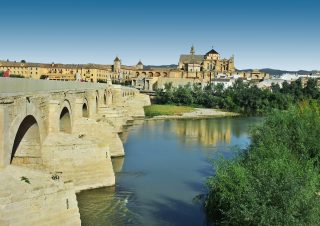
Real Colegiata de San Hipólito, Córdoba
Church in Córdoba
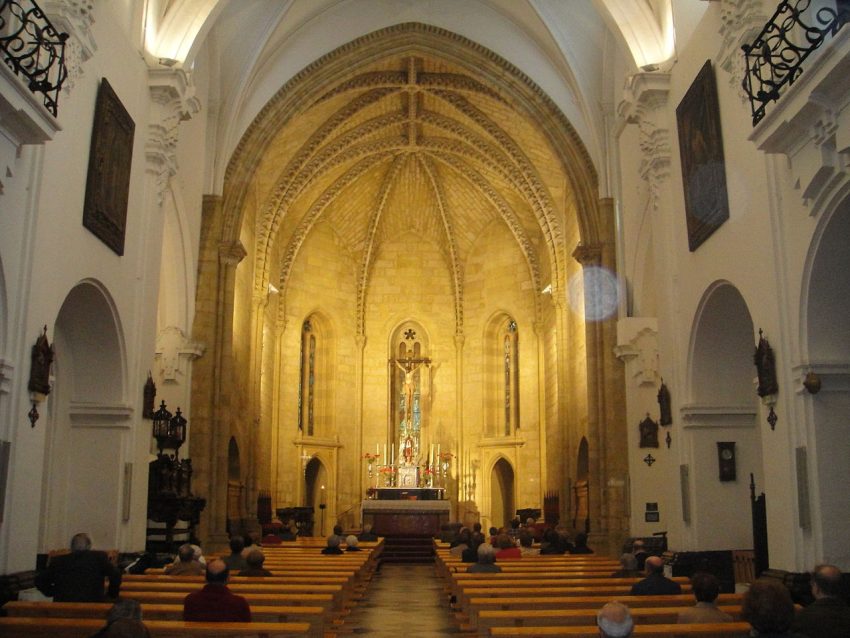
The Real Colegiata de San Hipólito is one of the must-see places in Córdoba for travellers seeking a quieter yet deeply significant historic site. Founded in the 14th century by King Alfonso XI to commemorate his victory at the Battle of Salado, the church stands as a testament to royal devotion, medieval architecture, and centuries of religious life. Set slightly apart from the busiest corners of the old town, it offers a peaceful atmosphere while still revealing some of Córdoba's most remarkable royal connections.
With its royal tombs, austere Gothic lines, and Jesuit legacy, the church is often visited on walking tours of Córdoba by those who want to explore beyond the main monuments and understand the layers of Christian history that shaped the city.
Table of Contents
- History and Significance of Real Colegiata de San Hipólito
- Things to See and Do in Real Colegiata de San Hipólito
- How to Get to Real Colegiata de San Hipólito
- Practical Tips on Visiting Real Colegiata de San Hipólito
- Where to Stay close to Real Colegiata de San Hipólito
- Is Real Colegiata de San Hipólito Worth Visiting?
- FAQs for Visiting Real Colegiata de San Hipólito
- Nearby Attractions to Real Colegiata de San Hipólito
History and Significance of Real Colegiata de San Hipólito
The church was founded in 1343 by Alfonso XI of Castile, who wanted to honour the Christian victory at the Battle of Salado three years earlier. This decisive confrontation against Marinid and Nasrid forces helped secure Christian rule in the region, and the king vowed to construct a church dedicated to Saint Hippolytus in gratitude for the victory. Its establishment also reflects the royal presence in Córdoba, which had been reconquered just under a century earlier.
Though founded by Alfonso XI, the church’s royal ties extend further: it became the final resting place of both Alfonso XI and his father, King Ferdinand IV, whose tombs remain inside. These royal burials elevate San Hipólito to one of Córdoba’s most important dynastic sites. Over time, the church was granted in perpetuity to the Society of Jesus, linking it to the Jesuit presence in the city and shaping its later architectural and liturgical evolution.
Today, the Real Colegiata de San Hipólito preserves its spiritual and historical relevance, offering a window into medieval piety, royal patronage, and the significance of Córdoba within the broader narrative of Castilian history.
Things to See and Do in Real Colegiata de San Hipólito
Visitors to San Hipólito can admire its Gothic-inspired façade and simple yet harmonious exterior, which contrasts with some of Córdoba’s more ornate churches. Inside, the atmosphere is calm and contemplative, with clean architectural lines and pointed arches typical of its 14th-century origins.
The royal tombs are the church’s most significant features. The tomb of King Ferdinand IV, known as “the Summoned,” and that of his son King Alfonso XI are positioned prominently, reflecting their importance. Their presence gives the church a solemn historical weight, especially for visitors interested in medieval Castile and its monarchs.
The Jesuit influence is also visible in later additions and the organisation of the interior, which reflects both its medieval foundation and subsequent centuries of religious stewardship. Spend time appreciating the chapels, vaulted ceilings, and understated artistic details that contribute to the church’s serene character.
How to Get to Real Colegiata de San Hipólito
Córdoba is served by nearby airports, including Málaga-Costa del Sol Airport and Seville Airport, both offering frequent international and domestic flights. For the best deals and a seamless booking experience, check out these flights to Córdoba on Booking.com.
Visitors arriving by train can take advantage of the high-speed AVE network, which connects Córdoba with Madrid, Málaga, and Seville in under two hours. Train schedules and bookings can be found on Omio.
If travelling by car, Córdoba is accessible via major highways, with parking areas around the historic centre making it easy to reach San Hipólito on foot. If you are looking to rent a car in Spain I recommend having a look at Discover Cars, first, as they compare prices and review multiple car rental agencies for you.
Practical Tips on Visiting Real Colegiata de San Hipólito
- Best time to visit Real Colegiata de San Hipólito: Morning or early afternoon for quiet interior views.
- Entrance fee in Euros: Usually free or donation-based.
- Opening hours: Vary depending on liturgical schedules.
- Official website: Check Córdoba’s diocesan information pages for updated details.
- How long to spend: Around 20-30 minutes.
- Accessibility: Generally accessible, though some steps may be present.
- Facilities: Limited; cafés and shops are nearby.
- Photography tip: Capture the play of light along the nave’s pointed arches.
- Guided tours: Included in some historical walking tours of the area.
- Nearby food options: Numerous cafés and restaurants in the surrounding streets.
Where to Stay close to Real Colegiata de San Hipólito
The church is centrally located, making nearby accommodation extremely convenient. For historical charm, consider Eurostars Conquistador, just a short walk from Córdoba’s main monuments. Another excellent option is NH Collection Amistad Córdoba, offering comfort within a historic setting. For boutique elegance, Balcón de Córdoba provides stunning views and a peaceful atmosphere.
Is Real Colegiata de San Hipólito Worth Visiting?
Yes, the Real Colegiata de San Hipólito is worth visiting, especially for travellers interested in medieval history, royal heritage, and quieter sacred spaces. The combination of Gothic architecture, royal tombs, and Jesuit legacy makes it a meaningful stop, offering a more intimate experience than many of Córdoba's larger churches.
What Other Travellers Say...

Parroquia San Hipolito on Plaza San Ignacio de Loyola in Córdoba is a historic church where visitors note a mix of Gothic and Baroque elements, an imposing main façade and tower, and a restrained interior with notable altarpieces and side chapels; it also houses the tombs of Ferdinand IV and Alfonso XI and is recommended for those wanting to explore the city's religious heritage, though some visitors find it merely mediocre while others describe it as worth a calm, unhurried visit and recall ceremonies such as weddings taking place there.



FAQs for Visiting Real Colegiata de San Hipólito
Nearby Attractions to Real Colegiata de San Hipólito
- Mosque-Cathedral of Córdoba: The city's most iconic monument.
- Plaza de las Tendillas: A lively central square perfect for cafés and people-watching.
- Palacio de Viana: A mansion with twelve beautiful patios.
- Roman Temple of Córdoba: Striking columns from a first-century temple.
- Alcázar de los Reyes Cristianos: A historic palace with gardens and towers.
The Real Colegiata de San Hipólito appears in our Complete Guide to Visiting Córdoba!

Moira & Andy
Hey! We're Moira & Andy. From hiking the Camino to trips around Europe in Bert our campervan — we've been traveling together since retirement in 2020!
This website uses affiliate links which may earn a commission at no additional cost to you!
Planning Your Visit
Nearby Attractions
- Roman Mausoleum (0.2) km
Mausoleum - Plaza de las Tendillas (0.3) km
Square - Alminar de San Juan (0.4) km
Minaret - Palacio de la Merced (0.6) km
Historic Building - Almodóvar Gate (0.6) km
City Gate - Templo Romano de Córdoba (0.6) km
Roman Site - Córdoba Archaeological Museum (0.6) km
Museum - Casa Andalusí (0.6) km
Historic Building and Museum - Hospital del Cardenal Salazar (0.7) km
Historic Building - Casa de Sefarad (0.7) km
Museum