Medina Azahara, Córdoba
Museum and Ruins in Córdoba
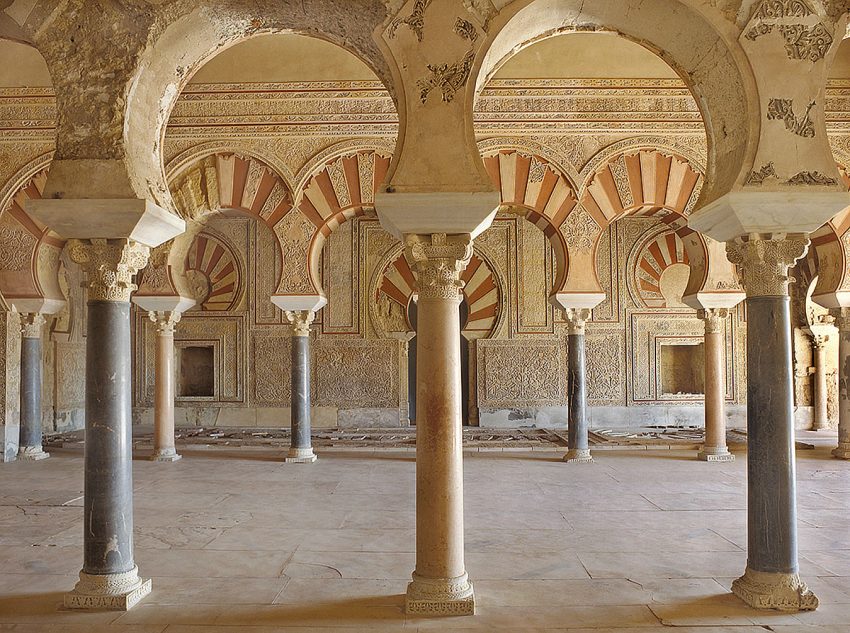
Medina Azahara, known as the Shining City, lies on the western outskirts of Córdoba at the foot of the Sierra Morena. Built by Abd-ar-Rahman III, the first Umayyad Caliph of Córdoba, it was one of the most lavish palace-cities in medieval Europe-designed to dazzle visitors and project the power of Al-Andalus. Today, wandering through its excavated terraces, halls, gardens, and courtyards is one of the best places to visit in Córdoba for travellers seeking a vivid, atmospheric connection to the city's Islamic golden age.
Although only about ten percent of the site has been unearthed, what remains reveals a world of marble halls, carved arches, ceremonial gardens, and administrative quarters. Together with the excellent on-site museum, Medina Azahara is a highlight of any walking tour of Córdoba when paired with the Mezquita and other Caliphate-era monuments, offering a deeper understanding of how this region shaped European art and architecture.
Table of Contents
History and Significance of Medina Azahara
After declaring himself Caliph in 928, Abd-ar-Rahman III set out to build a palace-city that would reflect the prestige of his new title and rival the grandeur of Damascus and Baghdad. Construction began in 936 and continued for decades, with some chroniclers claiming that 10,000 workers set thousands of stones daily. The city stretched over 110 hectares in a vast rectangle, divided into terraces devoted to administration, courtly life, gardens, military quarters, and housing for up to 20,000 people.
For barely 65 years, Medina Azahara functioned as the political and ceremonial centre of Al-Andalus. Here the Caliph received ambassadors, governed his territories, and oversaw a flourishing of art, architecture, and scholarship. But in the early 11th century, the city was destroyed during civil conflicts that fractured the Caliphate. It was eventually abandoned and forgotten beneath farmland until rediscovered by archaeologists in the 20th century.
This dazzling ruin is one of the top attractions in Córdoba because it offers a rare glimpse into the sophistication of the medieval Islamic world-a story that complements the monuments within Córdoba's historic centre.
Things to See and Do in Medina Azahara
The site is laid out across three terraces, each offering a different window into courtly life.
At the highest level stood the private palaces and government rooms, including the Caliph’s residence and the House of Ja’far, belonging to Ya’far ibn Abd al-Rahman, the prime minister. This house is remarkably well-preserved, revealing the arrangement of public, private, and service courtyards.
The middle terrace features administrative buildings, gardens, and the only excavated mosque. Here was once the souk, along with pools, fountains, and aviaries containing exotic birds.
At the lower terrace were the vast barracks that housed the infantry and cavalry, while residential neighbourhoods stretched to each side.
One of the most remarkable structures is the Salon Rico, or Reception Hall of Abd-ar-Rahman III, built between 953 and 957. This basilica-style chamber hosted political and ceremonial events. Contemporary descriptions speak of carved ivory, marble, gold, and jewel-inlaid decorations. Nearby rooms include the Court of the Sink and a small bathhouse used by the Caliph.
The Prince’s Garden, located on the upper terrace, is divided into four sunken squares with water channels and a central summer pavilion. Two other formal gardens on the lower terraces featured pavilions, fountains, and reflective pools that framed the Salon Rico.
The on-site museum is essential for understanding the site. Its models, artifacts, architectural fragments, and interactive displays reconstruct the splendour of Medina Azahara and explain its dramatic rise and fall.
How to Get to Medina Azahara
Travelling by air, visitors usually arrive via Seville Airport or Málaga Airport and then continue to Córdoba by train or bus. For the best deals and a seamless booking experience, check out these flights to Córdoba on Booking.com.
If arriving by train, you can take the dedicated Medina Azahara visitor bus from Córdoba's Paseo de la Victoria (near the Red Cross Hospital and the Roman Mausoleum). This service includes transport to the museum and the site itself. Train schedules and bookings can be found on Omio.
If travelling by car, head west out of Córdoba along Avenida de Medina Azahara, which joins the A-431. The turn-off to the site is clearly signposted after about 6 km. Parking is available at the museum, with shuttle buses transporting visitors up to the archaeological site. If you are looking to rent a car in Spain I recommend having a look at Discover Cars, first, as they compare prices and review multiple car rental agencies for you.
Practical Tips on Visiting Medina Azahara
- Best time to visit Medina Azahara: Morning or late afternoon for cooler temperatures and atmospheric light.
- Entrance fee in Euros: Museum and site entry is free for EU citizens; small fee applies for others. Shuttle bus ticket required.
- Opening hours: Vary by season; closed Mondays.
- Official website: Check the Junta de Andalucía site for current schedules.
- How long to spend: 2-3 hours including museum and shuttle.
- Accessibility: Museum is accessible; archaeological site has uneven surfaces and slopes.
- Facilities: Museum café, restrooms, shop, and climate-controlled exhibition halls.
- Photography tip: Capture the terraces from above for the best sense of scale.
- Guided tours: Highly recommended to understand the layout and symbolism of the palace-city.
- Nearby food options: Restaurants and cafés available in Córdoba; no dining at the site.
Where to Stay close to Medina Azahara
Most visitors choose to stay in central Córdoba and visit Medina Azahara as a half-day excursion. Good options include Eurostars Palace, close to the bus departure point. For boutique charm near the Judería, consider Balcón de Córdoba. Another comfortable choice is NH Collection Amistad Córdoba.
Is Medina Azahara Worth Visiting?
Yes. Medina Azahara is one of the must-see places in Córdoba, offering a rare opportunity to explore the remains of a 10th-century palace-city once considered the most splendid in Europe. Its ruins, museum, and sweeping landscapes create an unforgettable window into the Caliphate's power and beauty.
What Other Travellers Say...

Medina Azahara - Conjunto Arqueológico Madinat al-Zahra, on the Palma del Río road outside Córdoba, presents the archaeological remains of an early medieval palace complex with basilicas, mosques and porticos; visitors start in the museum (which includes an introductory film and displays) and then take a shuttle bus or drive to the excavated site, where restored structures, arches and views make for a memorable visit—guided tours bring the ruins to life, entry can be very inexpensive or free for some visitors, parts of the site may be closed for maintenance, and it's best to visit early or late in summer to avoid heat and crowds.


FAQs for Visiting Medina Azahara
Nearby Attractions to Medina Azahara
- Mezquita-Catedral de Córdoba - Córdoba's most iconic monument in the historic centre.
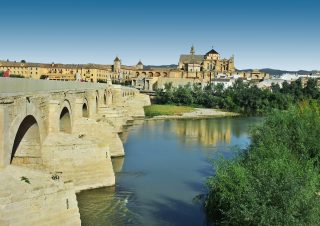
- Roman Bridge of Córdoba - A scenic crossing with views of the Mezquita.
- Alcázar de los Reyes Cristianos - A medieval fortress-palace with gardens.
- Judería de Córdoba - The historic Jewish Quarter with narrow atmospheric lanes.
- Torre de la Calahorra - A fortified tower with a museum telling the story of Al-Andalus.
The Medina Azahara appears in our Complete Guide to Visiting Córdoba!

Moira & Andy
Hey! We're Moira & Andy. From hiking the Camino to trips around Europe in Bert our campervan — we've been traveling together since retirement in 2020!
This website uses affiliate links which may earn a commission at no additional cost to you!
Planning Your Visit
Sunday - 9:00 to 15:00 (year round)
Tuesday to Saturday - 9:00 closing at 15:00 (July to mid-September), at 18:00 (mid-September to end March), and at 21:00 (April to June).
Entrance is free if you are a resident of the EU, otherwise there is a EUR 1.50 charge.
Nearby Attractions
- Monasterio de San Jerónimo de Valparaíso (0.9) km
Monastery - Palacio de Maximiano Hercúleo (6.6) km
Ruins - Roman Mausoleum (7.3) km
Mausoleum - Puerta de Sevilla (7.3) km
City Gate - Almodóvar Gate (7.4) km
City Gate - Casa Andalusí (7.4) km
Historic Building and Museum - Real Colegiata de San Hipólito (7.4) km
Church - Judería de Córdoba (7.4) km
Area - Casa de Sefarad (7.4) km
Museum - Real Jardín Botánico de Córdoba (7.4) km
Gardens