Pamplona, Spain: The Ultimate Travel Guide 2026

Pamplona, the capital of Navarra, is by far the largest and most significant city in the region of Navarre and La Rioja. It is best known for the San Fermín Festival, held each July, which attracts thousands of visitors eager to witness the legendary Running of the Bulls (Encierro in Spanish). Pamplona’s reputation as a global destination is partly due to Ernest Hemingway, who wrote about the festival and the city’s atmosphere in his novel The Sun Also Rises. His time in Navarra during the Spanish Civil War further cemented the city’s place in literary and cultural history, making it a must-visit for those intrigued by both history and tradition.
Beyond its famous festival, Pamplona boasts a wealth of historical and architectural treasures. The city's medieval walls, which once protected its inhabitants, now offer scenic walking routes with breathtaking views. The Gothic cathedral, an imposing structure rich in historical significance, stands alongside the 16th-century citadel, a well-preserved fortress showcasing Pamplona’s military past. The Baroque town hall, located in the heart of the Old Town, is another remarkable highlight, often serving as the backdrop for cultural celebrations.
Pamplona’s Casco Antiguo (Old Town) exudes charm, with its narrow streets winding through lively squares where locals gather to socialize. The relaxed atmosphere is enhanced by numerous outdoor cafés, where visitors can sip local wines or indulge in traditional Navarrese cuisine, such as chistorra sausage or pimientos del piquillo. Whether exploring historic landmarks, enjoying the city's vibrant social scene, or immersing yourself in its famous festivities, Pamplona offers a unique and captivating experience for travelers.
Table of Contents
- History of Pamplona
- 21 Best places to See in Pamplona
- Museo Universidad de Navarra
- La Taconera Park
- Museum of Navarre
- Parroquia San Lorenzo
- Ayuntamiento de Pamplona
- San Fermín de Aldapa
- Royal and General Archive of Navarra
- Iglesia de San Saturnino
- Portal de Francia
- Iglesia De San Nicolas
- Calle Estafeta
- Mirador de Caballo Blanco
- Albergue de Jesús y María
- Plaza del Castillo
- Catedral de Pamplona
- Palacio de Navarra
- Ciudadela de Pamplona
- Running of the Bulls Monument
- Magdalena Bridge
- Plaza de Toros de Pamplona
- Centro De Interpretacion De Las Fortificaciones
- 10 Best Day Trips from Pamplona
- Where to Stay in Pamplona
- Best Time to Visit Pamplona
- How to get to Pamplona
History of Pamplona
Early History of Pamplona
This charming historic town was founded by Pompey in 75-74BC, while he was fighting the against Quintus Sertorius, the leader of a revolt against Rome. The city’s first name was Pompeiopolis or Pompaelo – the city of Pompey. In the 5th century, the Visigoths establish a bishopric here and called the city Iruña. It fell and was occupied by the Moors in 711. In 778, Charlemagne razed the walls of Pamplona, which lead to Basque forcing him to retreat at the Battle of Roncesvalles, an event interpreted as the beginnings of the small Kingdom of Pamplona.
The Christian Reconquest of Pamplona
Its first king was Eneko Aritza. Pamplona was made capital of the kingdom of Navarre by Sancho III of Navarre (1000–35), and his new foundation was known as the Ciudad de la Navarrería.
The Kingdom of Navarre and Pamplona
Throughout the Middle Ages, Pamplona remained the capital of the Kingdom of Navarre. The city flourished as a political and cultural center, experiencing growth in trade and the arts. The construction of notable buildings, including the new Gothic cathedral, marked this era of prosperity. In 1512 the armies of King Ferdinand of Aragon-Castile entered Pamplona, and the portion of Navarre south of the Pyrenees was incorporated into Spain. The citadel built by Philip II of Spain in 1571 made Pamplona the most strongly fortified town of the north.
Pamplona in the Early Modern Period
The 16th century brought significant changes to Pamplona when the Kingdom of Navarre was annexed by Spain in 1512. The city became a key military outpost for the Spanish Crown, leading to the construction of extensive fortifications, including the famous citadel, to defend against potential invasions.
The San Fermín Festival
One of the most iconic aspects of Pamplona’s history is the San Fermín Festival, which dates back to the medieval period. The festival, held annually in July, features the famous “Running of the Bulls” (Encierro) and attracts visitors from around the world. The event has deep cultural and religious significance, celebrating the city’s patron saint, Saint Fermin.
Pamplona in the 19th and 20th Centuries
The 19th and early 20th centuries were periods of modernization and growth for Pamplona. The city expanded beyond its medieval walls, developing new neighborhoods and modern infrastructure. Industrialization brought economic development, while cultural and educational institutions flourished.
Pamplona in Contemporary Times
Today, Pamplona is a vibrant city that blends its rich historical heritage with modern amenities. It remains an important cultural and economic center in the region of Navarre. The city’s historical sites, such as its well-preserved medieval walls, the Gothic cathedral, and the bustling Plaza del Castillo, attract tourists and reflect its storied past.
Pamplona’s Cultural and Educational Contributions
Pamplona is also known for its contributions to education and culture. The University of Navarre, established in the mid-20th century, is a prestigious institution that attracts students from around the world. The city hosts various cultural festivals, exhibitions, and performances, maintaining its status as a cultural hub.

Moira & Andy
Hey! We're Moira & Andy. From hiking the Camino to trips around Europe in Bert our campervan — we've been traveling together since retirement in 2020!
Visiting Pamplona for the first time and wondering what are the top places to see in the city? In this complete guide, I share the best things to do in Pamplona on the first visit. To help you plan your trip, I have also included an interactive map and practical tips for visiting!
This website uses affiliate links which earn a small commission at no additional cost to you.
21 Best places to See in Pamplona
This complete guide to Pamplona not only tells you about the very best sights and tourist attractions for first-time visitors to the city but also provide insights into a few of our personal favorite things to do.
This is a practical guide to visiting the best places to see in Pamplona and is filled with tips and info that should answer all your questions!
1. Museo Universidad de Navarra
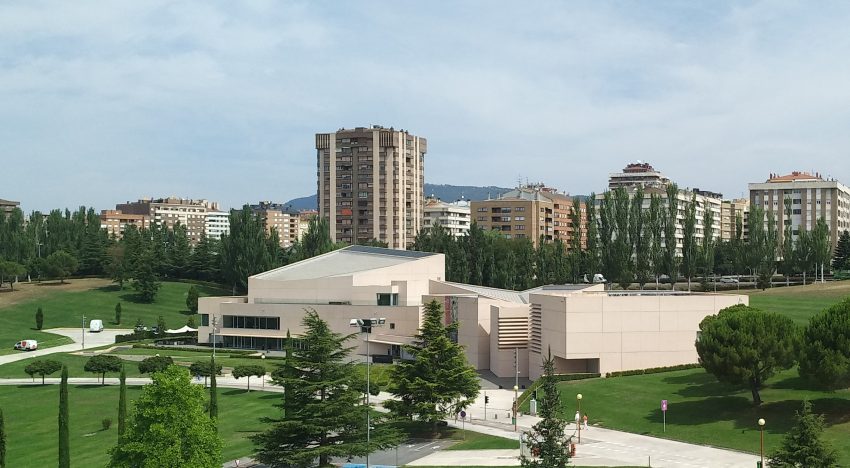
Location: calle Cuesta de Santo Domingo 47 | Hours: Tuesday to Saturday, 11:00 AM to 2:00 PM and 4:00 PM to 7:30 PM. Sundays and public holidays, 11:00 AM to 2:00 PM. Closed Mondays. In summer, Tuesday to Sunday, 11:00 AM to 2:00 PM. | Price: Free | Website | Distance: 0.3km

2. La Taconera Park
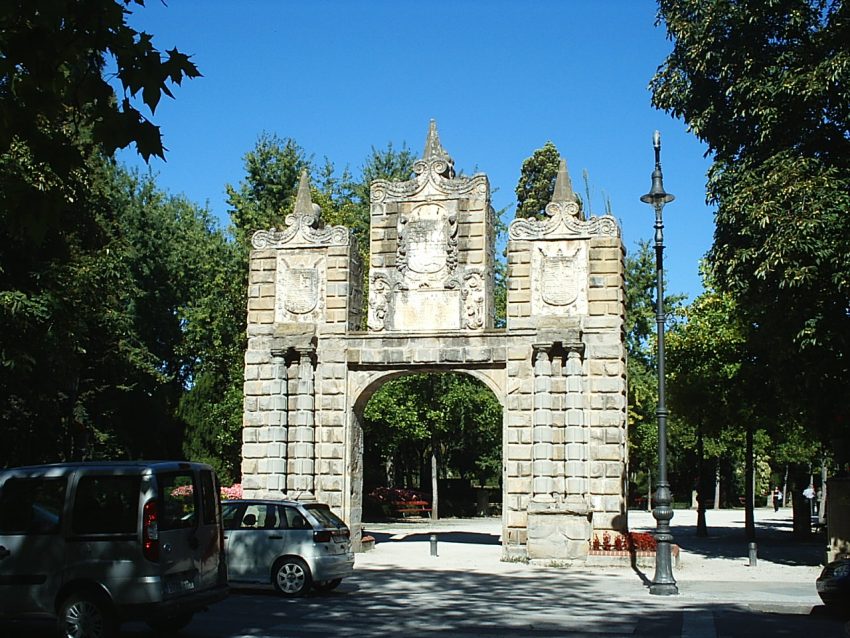
Location: Jardines de la Taconera, Calle Taconera, Pamplona, Spain | Hours: Generally open daily and accessible during daylight and early evening hours; check locally for any seasonal gate times. | Price: Free – La Taconera is a public park open to everyone. | Website | Distance: 0.3km
3. Museum of Navarre
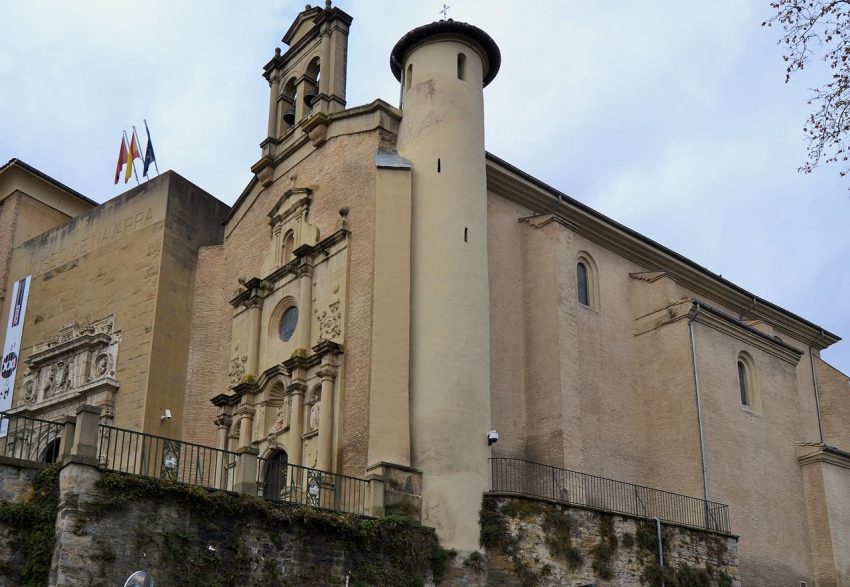
Location: Calle Cuesta de Santo Domingo, Pamplona | Hours: Tuesday to Saturday: 9:30 a.m. to 2:00 p.m. & 5:00 p.m. to 7:00 p.m. ; Sundays and public holidays: 11:00 a.m. to 2:00 p.m. | Price: Adults: €2; Free admission: Saturday afternoons and Sundays. | Website | Distance: 0.3km
4. Parroquia San Lorenzo
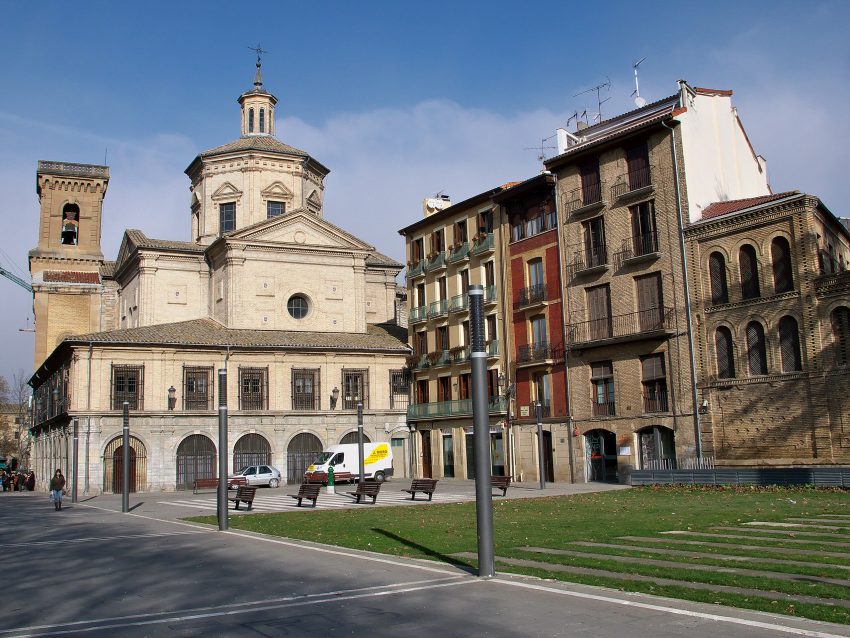
Location: Iglesia de - San Lorenzo - Eliza, Calle Mayor, 74, 31001 Pamplona, Navarra, Spain | Hours: Hours follow parish and service schedules and may vary by day and season; check times posted at the entrance for the latest information. | Price: Free entry, with voluntary donations appreciated to support the upkeep of the church and chapel. | Distance: 0.4km
5. Ayuntamiento de Pamplona
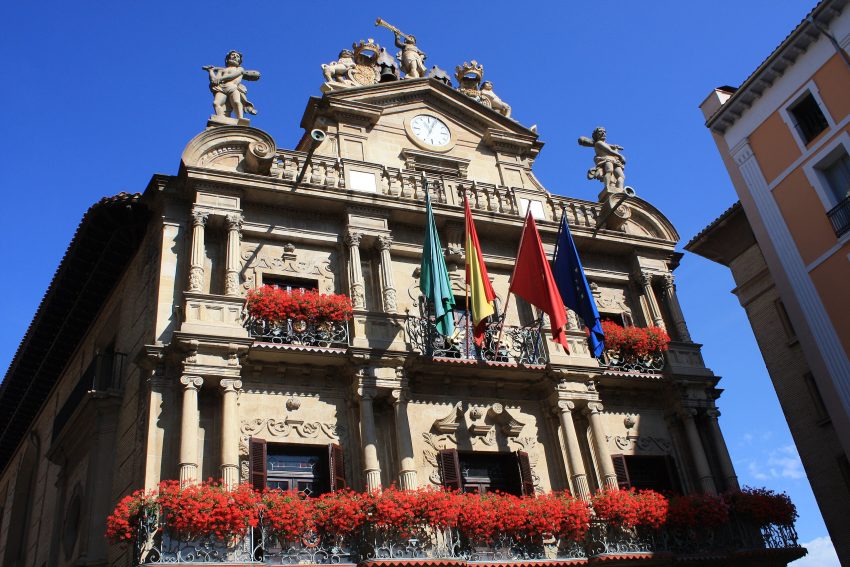
Location: Ayuntamiento de Pamplona Plaza Consistorial, s/n 31001 Pamplona Navarra Spain | Hours: The exterior square is always accessible; interior access follows municipal schedules or specific guided visit times. | Price: Viewing the exterior is free. | Distance: 0.5km
6. San Fermín de Aldapa
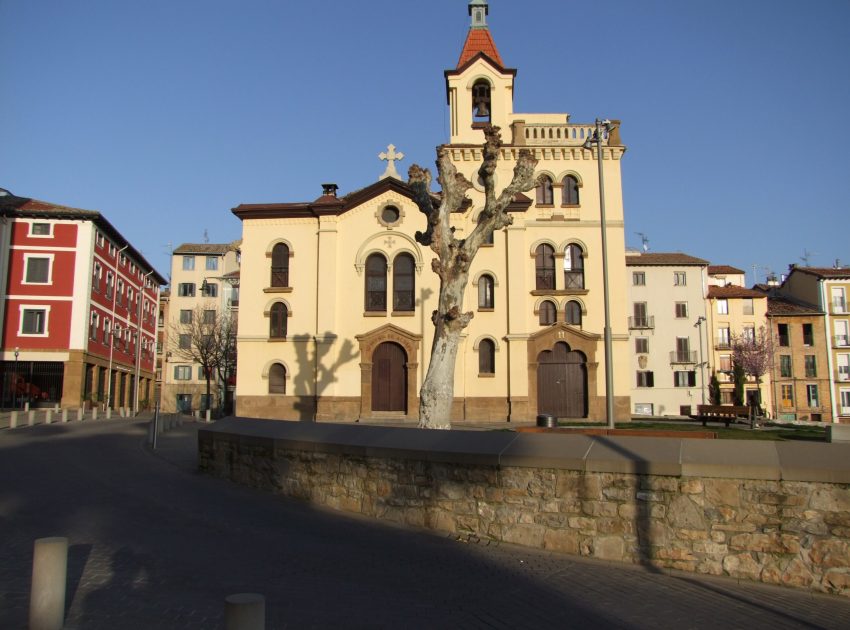
Location: San Fermin De Aldapa, Calle Dos de Mayo, Pamplona, Spain | Hours: Hours vary with parish activities and services; check times posted at the door or locally before planning your visit. | Price: Free entry; donations are welcomed to help with the church’s upkeep. | Distance: 0.5km
7. Royal and General Archive of Navarra
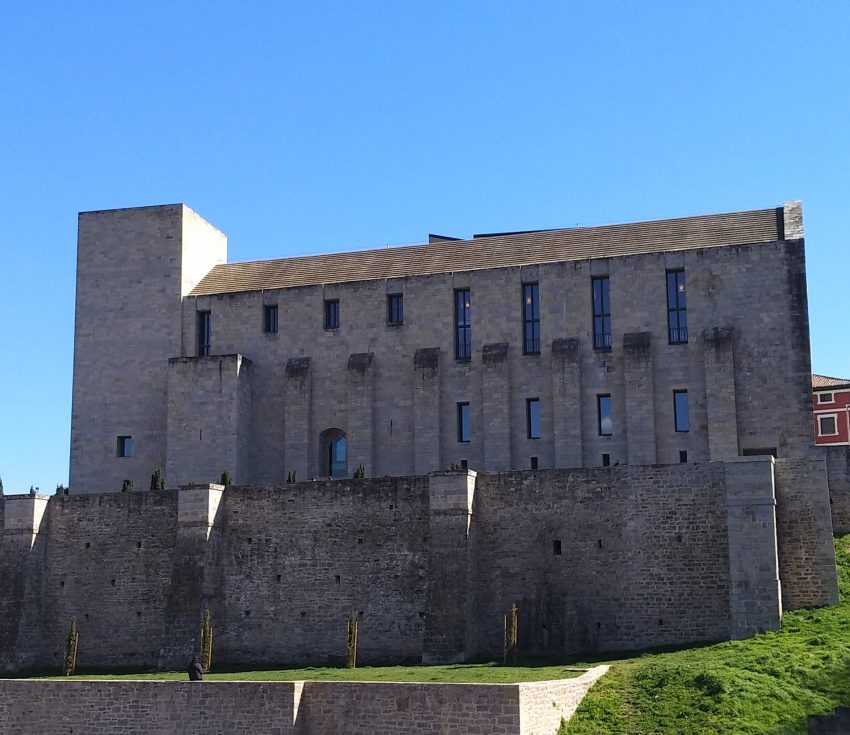
Location: Royal and General Archive of Navarra Calle Dos de Mayo, s/n 31001 Pamplona Navarra Spain | Hours: Monday to Sunday and holidays: 10:00 - 14:00 and 17:00 - 20:00. Closed Monday. | Price: Entry to public areas and exhibitions is typically free or low cost | Distance: 0.5km
8. Iglesia de San Saturnino (San Cernin)
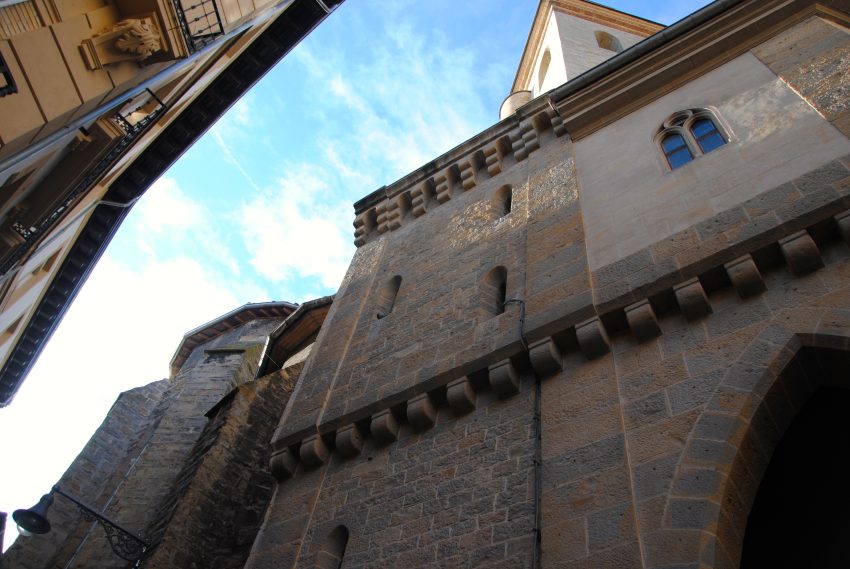
Location: Iglesia de San Saturnino Calle San Saturnino, S/N 31001 Pamplona Navarra Spain | Hours: Opening times can vary by season, day of the week and religious services; confirm locally for current hours and mass times. | Price: Free | Website | Distance: 0.5km
9. Portal de Francia
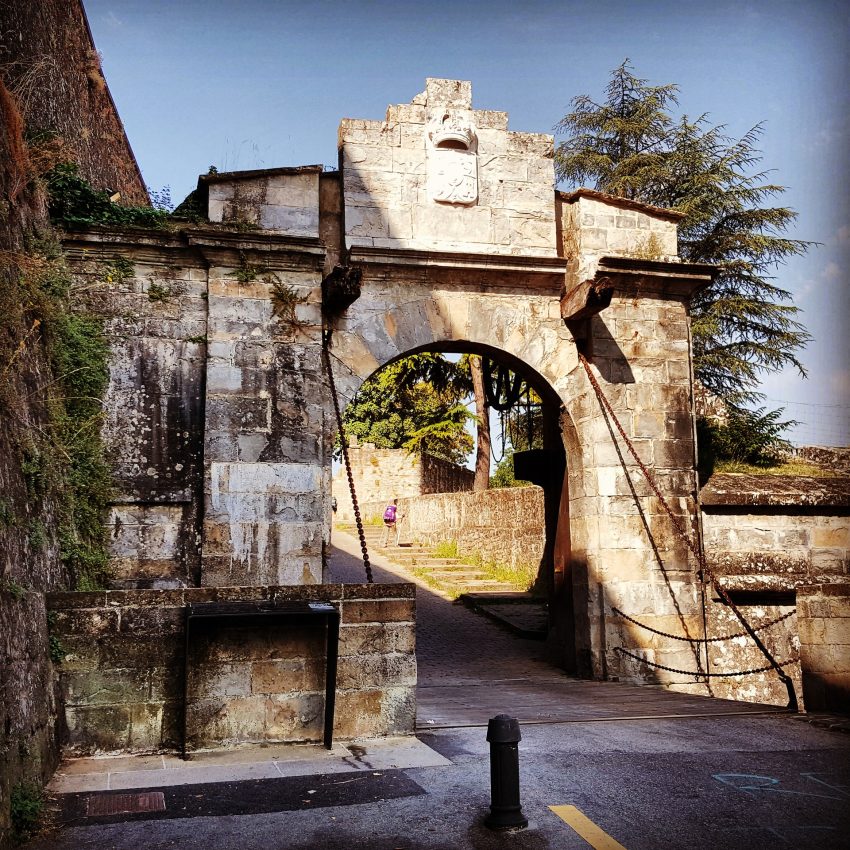
Location: Calle Carmen, 35, 31001 Pamplona, Navarra, Spain | Hours: Accessible at all times | Price: Free – this is a public city gate integrated into the historic walls. | Website | Distance: 0.6km
10. Iglesia De San Nicolas
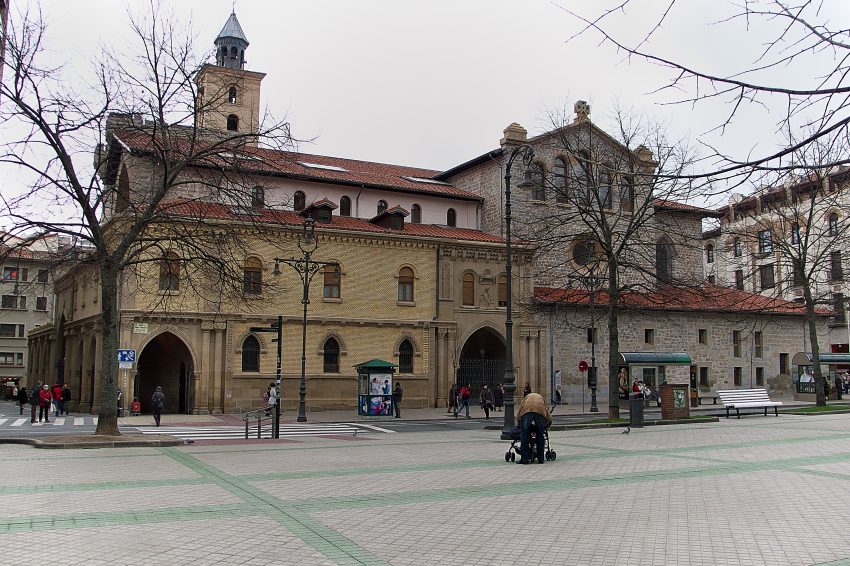
Location: Iglesia De San Nicolas, Calle de San Miguel, 15, 31001 Pamplona, Navarra, Spain | Hours: Opening times vary by day and season, and are often centred around mass schedules; check times posted at the entrance. | Price: Generally free entry | Website | Distance: 0.6km
11. Calle Estafeta
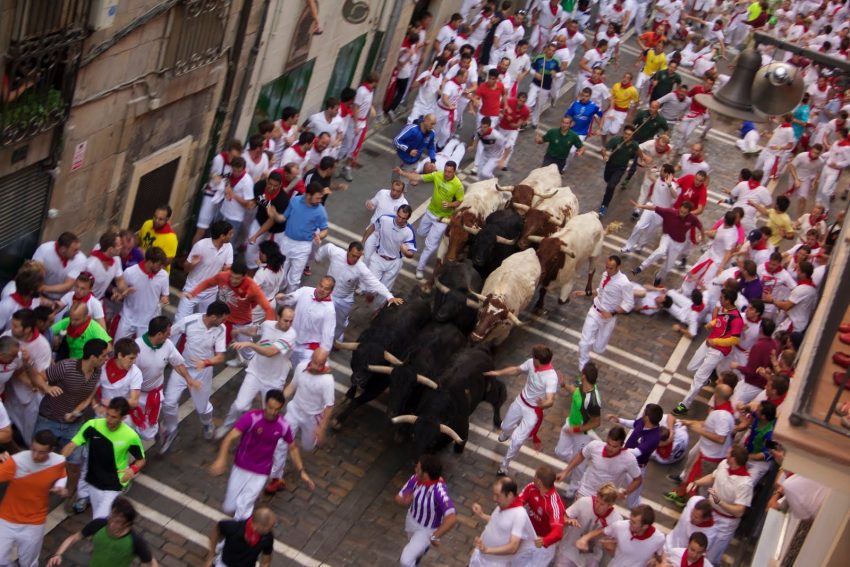
Location: Calle Estafeta, Pamplona, Spain | Hours: Accessible 24 hours a day, though bar and shop hours vary by business and season. | Price: Free – Calle Estafeta is a public street; you only pay for food, drink and shopping. | Distance: 0.7km
12. Mirador de Caballo Blanco
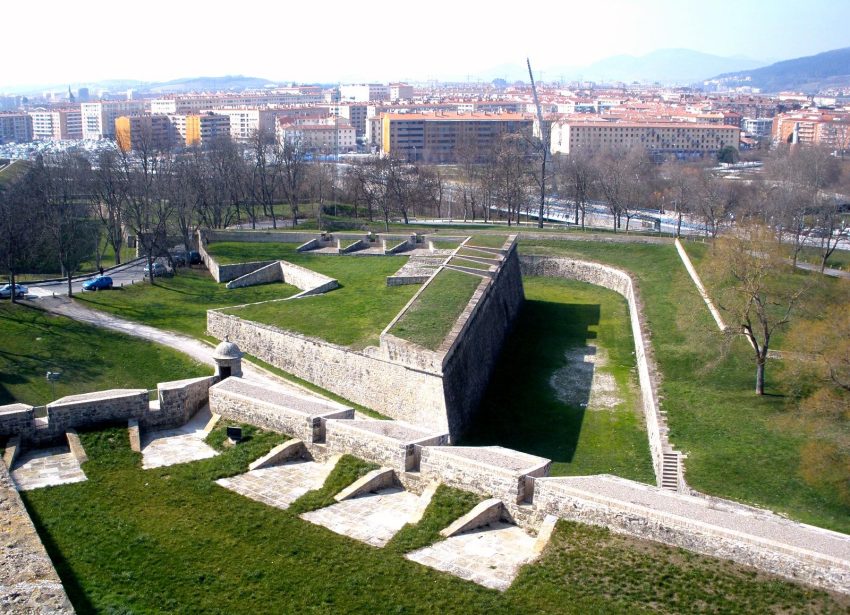
Location: Mirador del Caballo Blanco, Pamplona, Spain | Hours: Generally accessible at all times, though it is safest and most enjoyable to visit during daylight and early evening hours. | Price: Free – Mirador de Caballo Blanco is a public viewpoint. | Distance: 0.7km
13. Albergue de Jesús y María
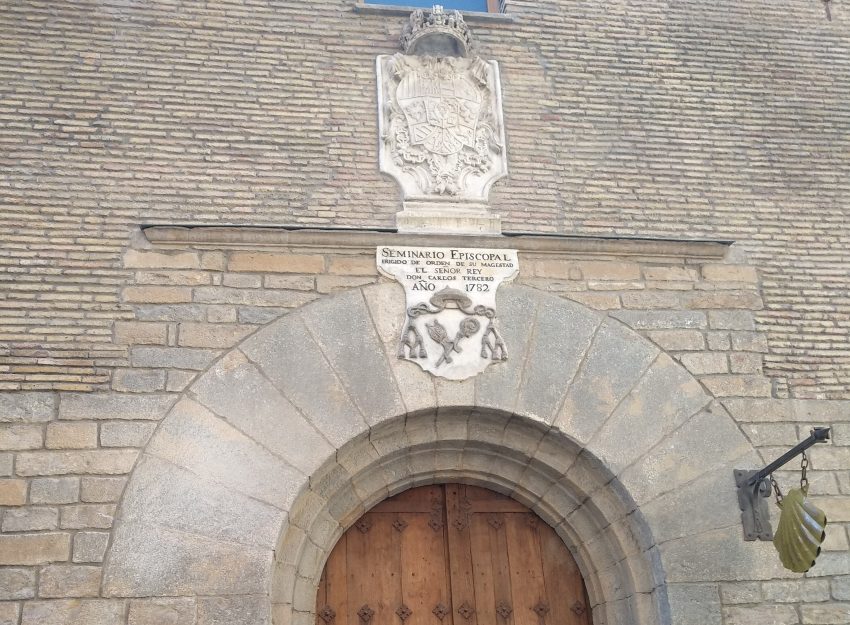
Location: Calle Compañía, 4, Pamplona, Spain | Hours: Arrival: from 12:00 onwards, No entry after 23:00 | Price: Adults: Shared Dormitory €10.00 | Distance: 0.7km
14. Plaza del Castillo
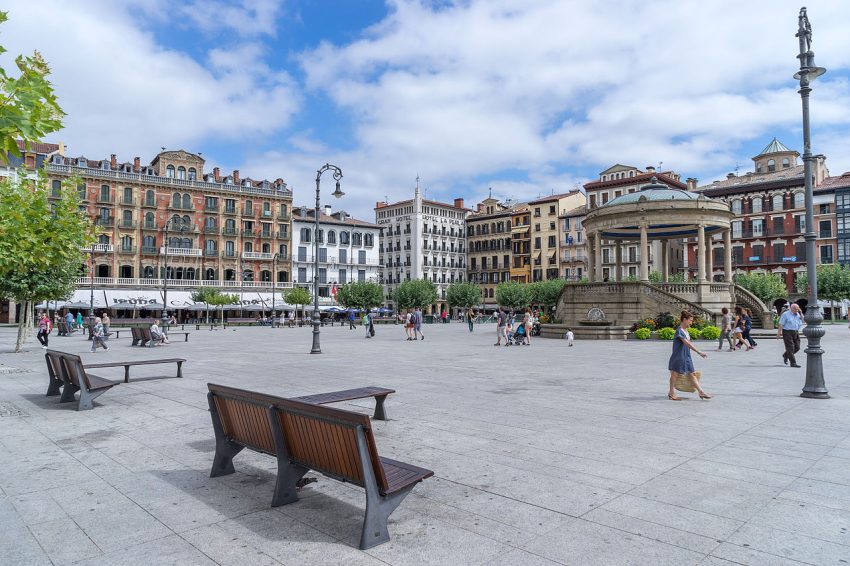
Location: Plaza del Castillo, Pamplona | Hours: Accessible at all times | Price: Free – it is a public square open to everyone. | Distance: 0.7km
15. Catedral de Pamplona
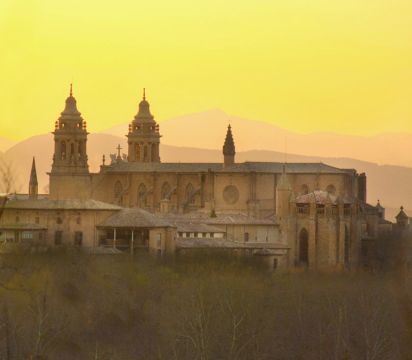
Location: Calle Dormitalería | Hours: 10.30am-7pm Mon-Sat Apr-Oct, to 5pm Nov-Mar, tower climb 11.15am | Price: Adult/child €5/3 | Website | Distance: 0.7km
16. Palacio de Navarra
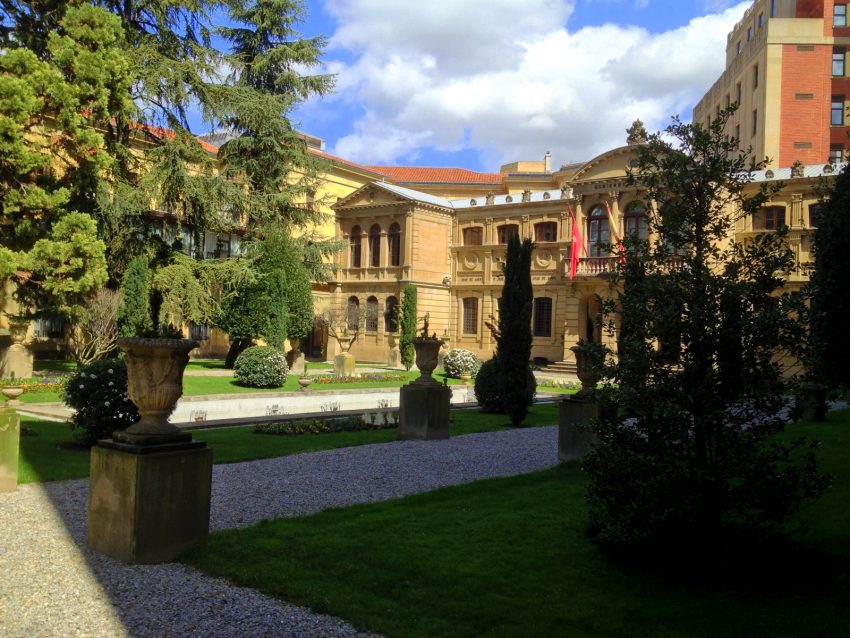
Location: 1 Avenida Carlos III El Noble, Pamplona | Hours: Last Friday of each month 5:00 PM, 6:00 PM and 7:00 PM. Apply on website 1 week in advance. | Price: Free | Website | Distance: 0.8km
17. Ciudadela de Pamplona
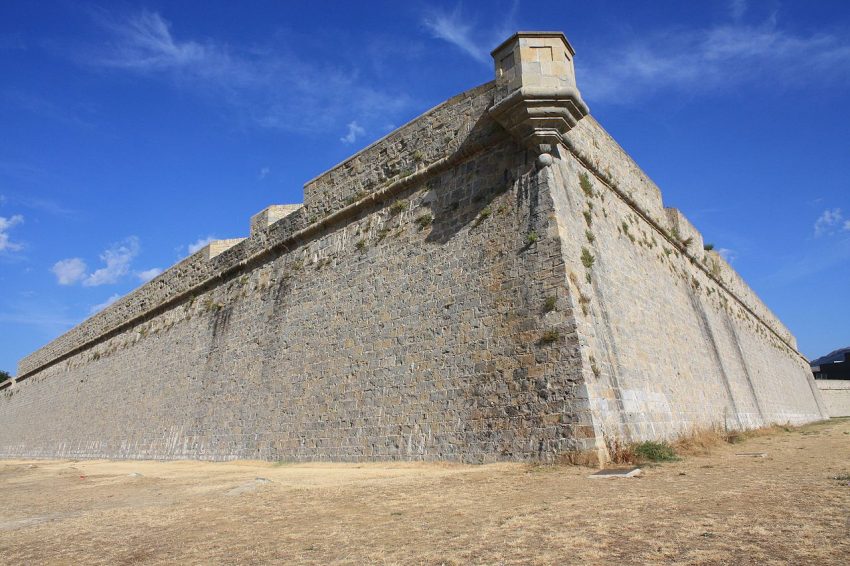
Location: Avenida del Ejército s/n 31002 Pamplona-Iruña, Pamplona, Navarre (Autonomous Community of Navarre) | Hours: Monday to Friday: 7:30 to 21:30; Saturdays: 8:00 to 21:30; Sundays and public holidays: 9:00 to 21:30 | Price: Free – access to the park and grounds is generally without charge | Website | Distance: 0.8km
18. Running of the Bulls Monument
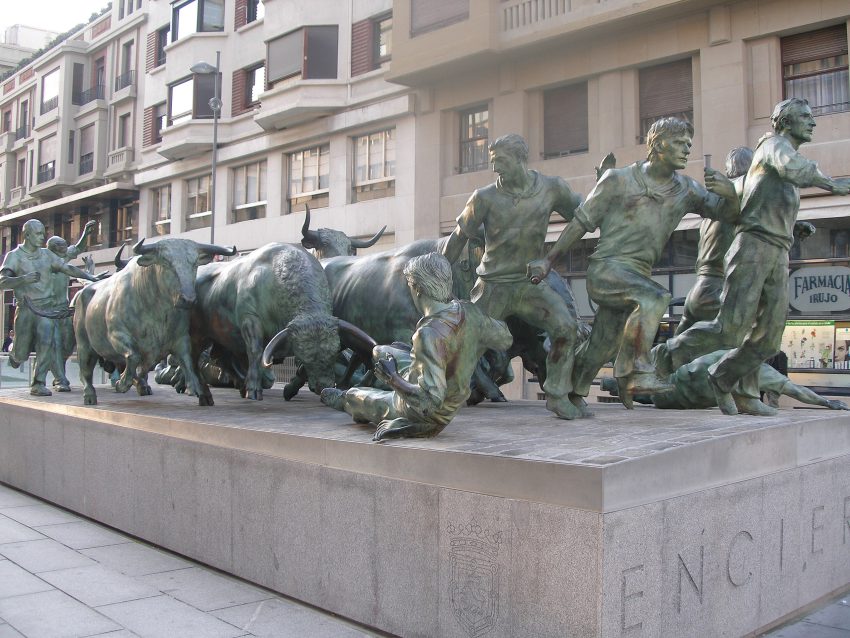
Location: Avenida de Roncesvalles | Hours: Accessible at all times, although the atmosphere is liveliest during daylight and early evening. | Price: Free – the monument stands in a public pedestrian area. | Distance: 0.9km
19. Magdalena Bridge
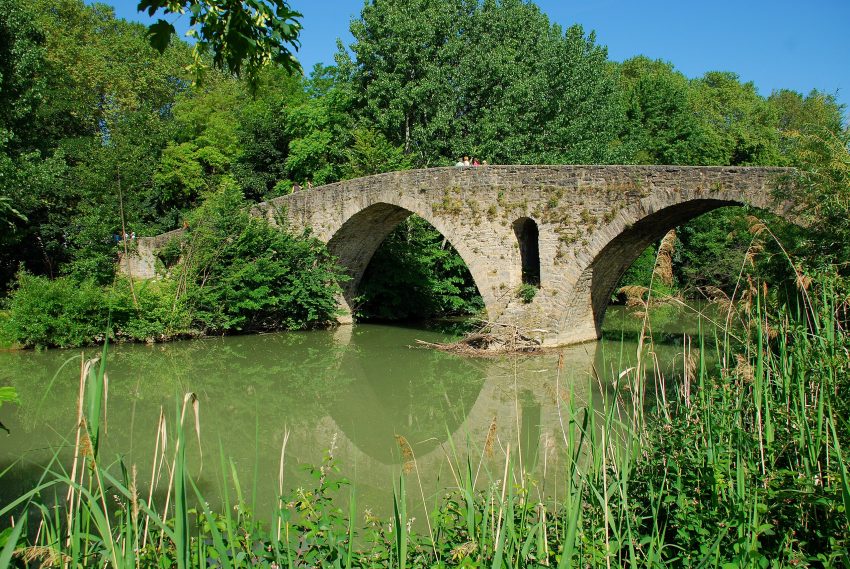
Location: Puente medieval de la magdalena-ko erdi aroko zubia, Puente de la Magdalena, 31015 Pamplona, Navarra, Spain | Hours: Accessible at all times, though visiting in daylight is recommended to enjoy the scenery and for safety on paths. | Price: Free – the Magdalena Bridge is a public structure within the Arga River Park. | Distance: 1.0km
20. Plaza de Toros de Pamplona
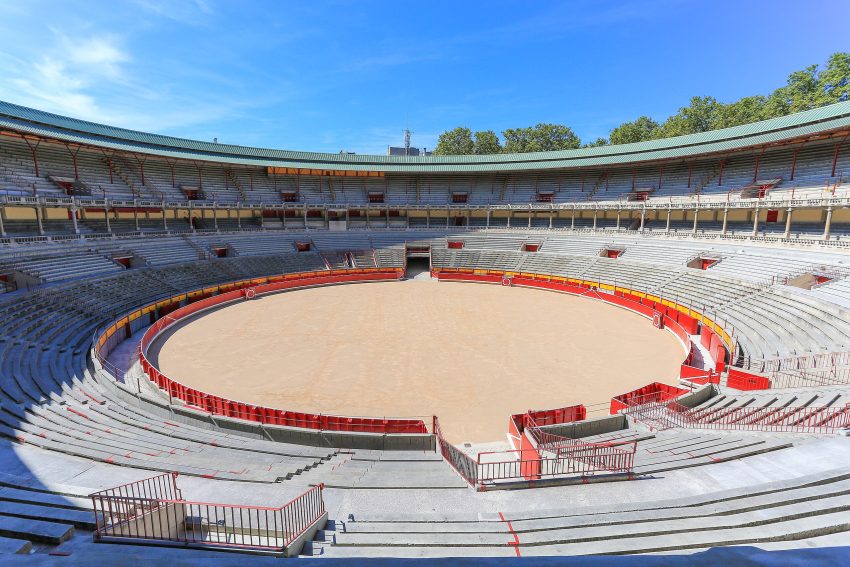
Location: Paseo Hemingway, s/n. 31002 Pamplona - Iruña | Hours: Until July 31st: Monday to Sunday, from 10:30 a.m. to 7:00 p.m. From August 1st to 30th: Monday to Sunday, from 10:30 a.m. to 8:00 p.m. (group by reservation) From September 1st to October 31st: Monday: groups only by reservation. Tuesday to Saturday, from 10:30 a.m. to 7:30 p.m. Sundays, from 10:30 to 14:30 October 12th, 10:30 a.m. to 7:30 p.m. | Price: Adults: from €20 | Website | Distance: 1.0km
21. Centro De Interpretacion De Las Fortificaciones
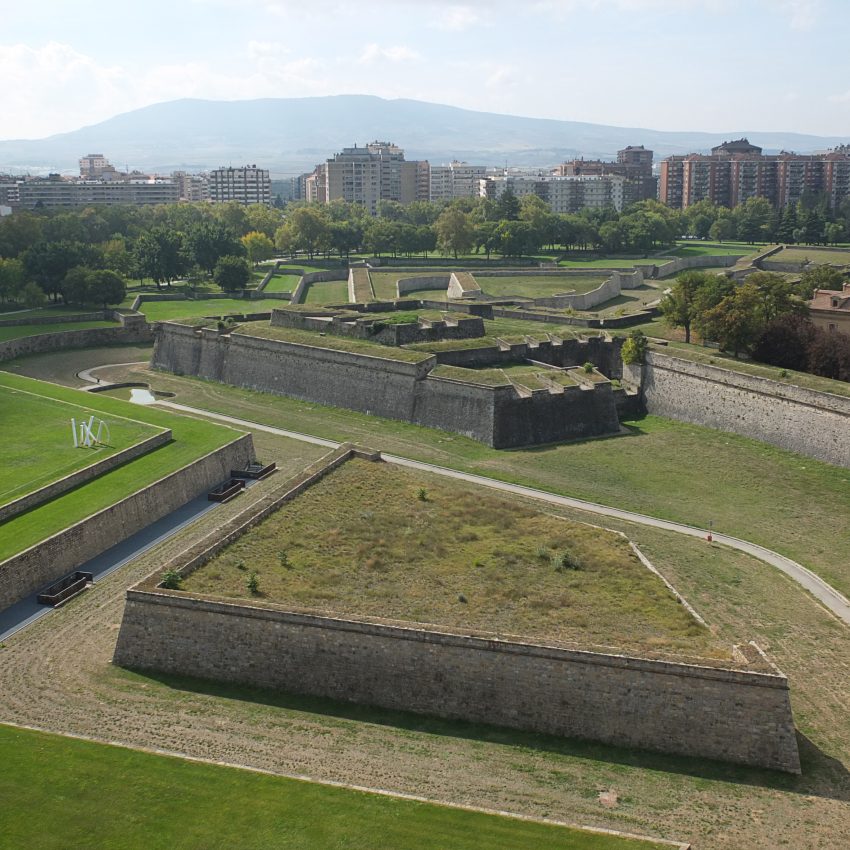
Location: cnr Calles Arrieta & Aralar | Hours: 11am-2pm & 5-7pm Tue-Sun Apr-Oct, 10am-2pm & 4-6pm Nov-Mar | Price: Adults €3.00 | Website | Distance: 1.1km
Best Day Trips from Pamplona
A day trip from Pamplona offers the perfect opportunity to escape the urban rhythm and discover the surrounding region's charm. Whether you're drawn to scenic countryside, historic villages, or cultural landmarks, the area around Pamplona provides a variety of easy-to-reach destinations ideal for a one-day itinerary. If you are looking to rent a car in Spain I recommend having a look at Discover Cars, first, as they compare prices and review multiple car rental agencies for you.
1. San Sebastián
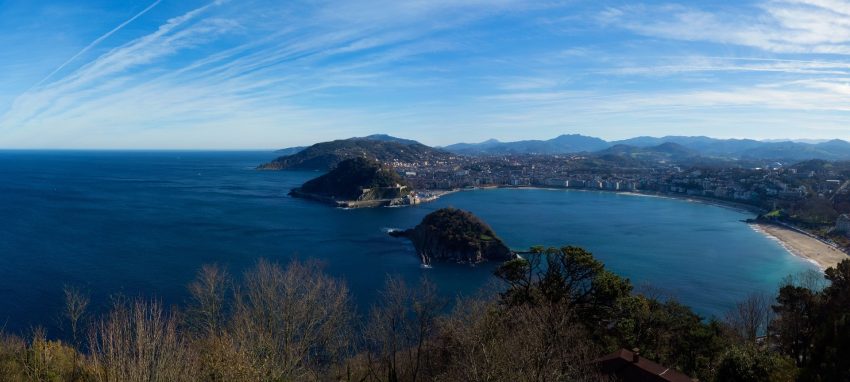
Visiting San Sebastián
2. Saint-Jean-de-Luz
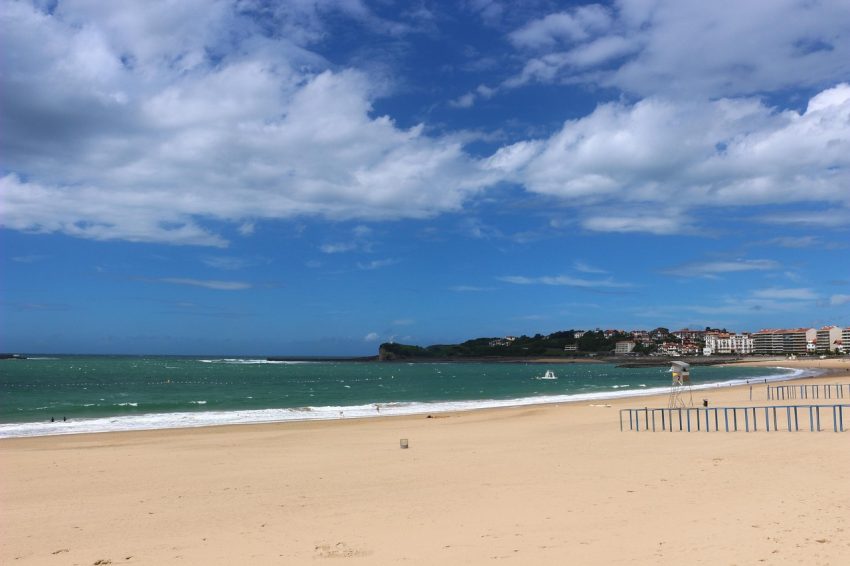
Visiting Saint-Jean-de-Luz
3. Biarritz

Visiting Biarritz
4. Logroño

Visiting Logroño
5. Bayonne
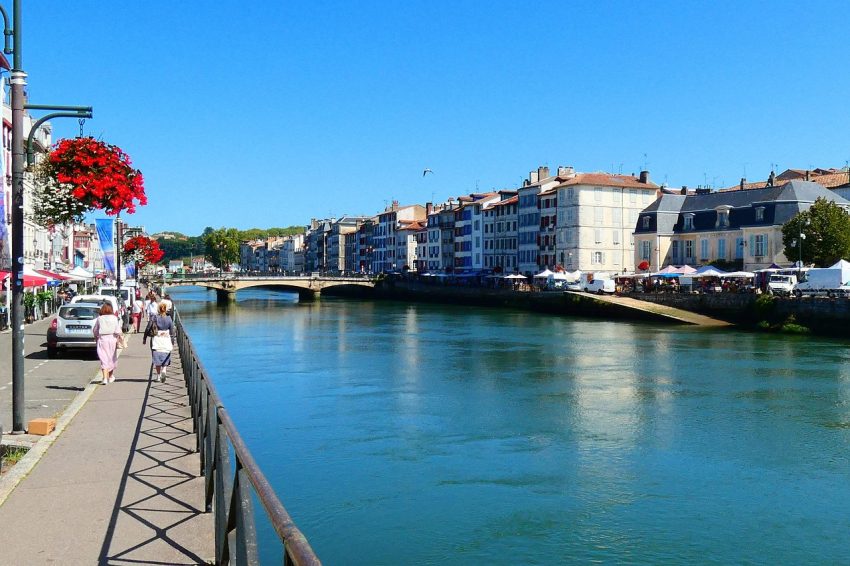
Visiting Bayonne
6. Vitoria-Gasteiz
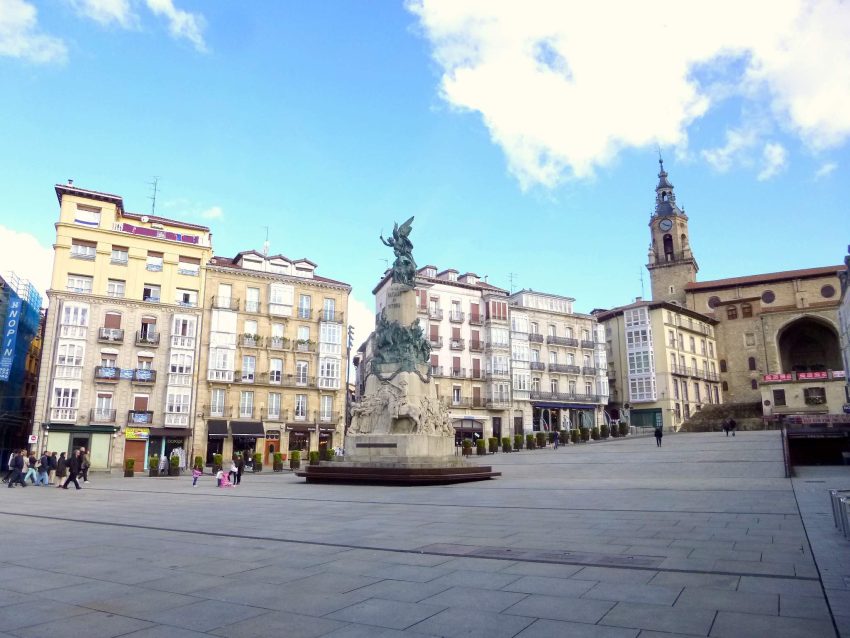
Visiting Vitoria-Gasteiz
7. Bilbao
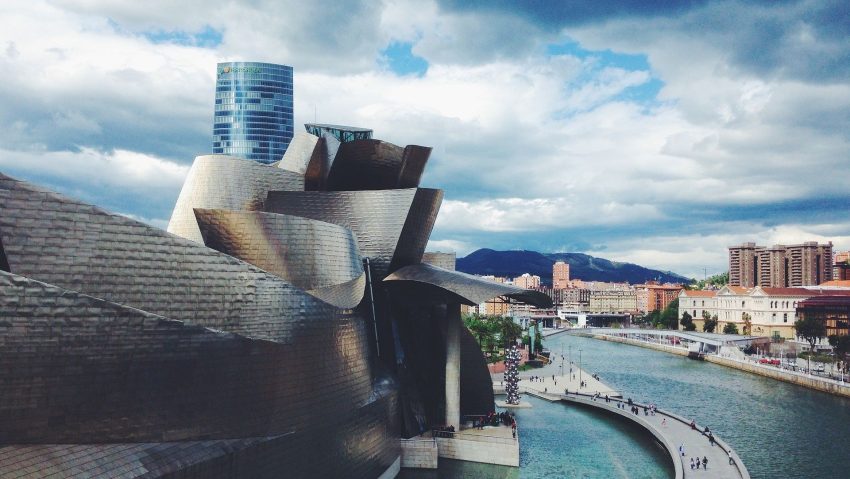
Visiting Bilbao
8. Pau
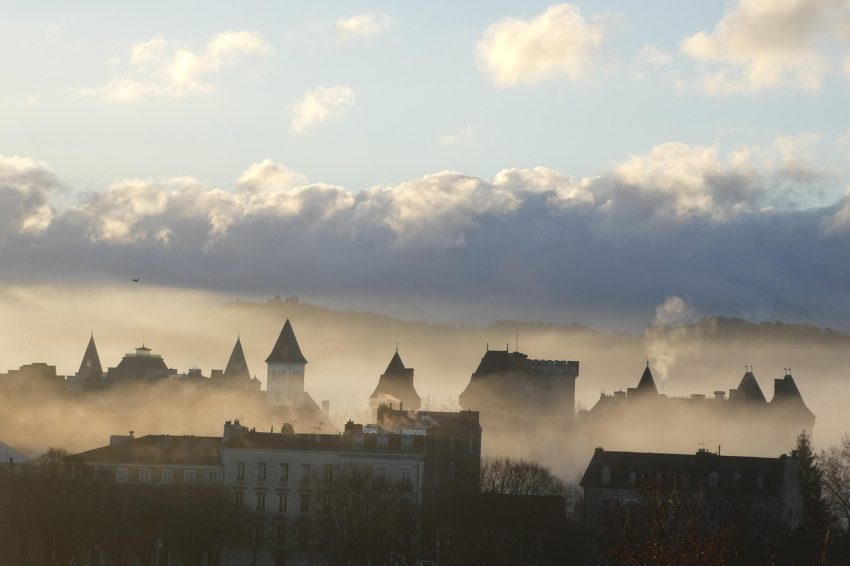
Visiting Pau
9. Lourdes
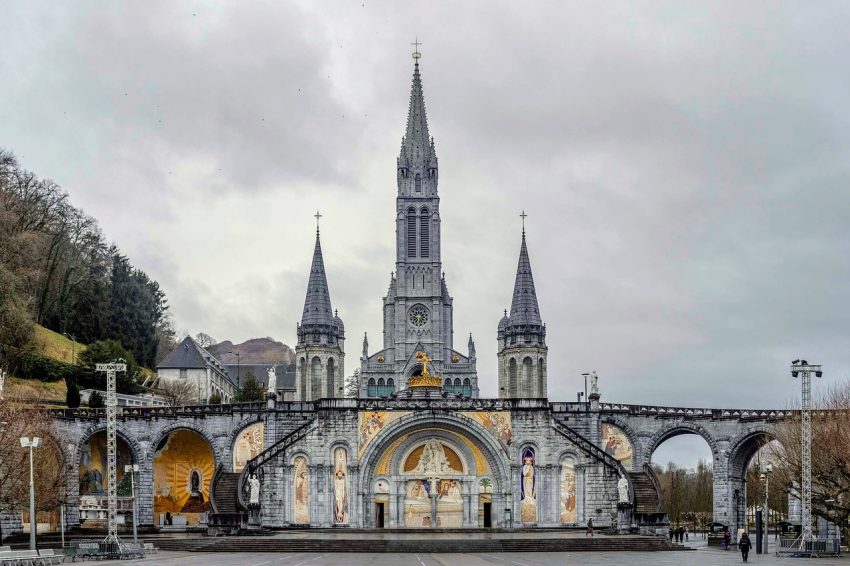
Visiting Lourdes
10. Zaragoza

Visiting Zaragoza
Where to Stay in Pamplona
Pamplona offers a range of accommodations that cater to visitors seeking historic charm, modern comforts, or a peaceful retreat. The Old Town (Casco Antiguo) is an excellent choice for travelers wanting to immerse themselves in the city’s medieval streets and lively atmosphere. Staying here means being surrounded by key landmarks such as Plaza del Castillo, the Baroque town hall, and charming cafés perfect for people-watching. This area is especially vibrant during the San Fermín Festival, when its streets come alive with celebrations. A recommended hotel in this district is Gran Hotel La Perla, offering elegant accommodations in a historic setting with direct access to the city’s main attractions.
For those looking for a more relaxed setting with greenery and scenic surroundings, Taconera Park and the Modern District provide a peaceful atmosphere while remaining well-connected to Pamplona’s highlights. This area offers wide avenues, open gardens, and proximity to local museums, making it ideal for visitors who want a quieter stay. A fantastic option here is Hotel Tres Reyes, known for its stylish design and comfortable amenities, offering a balanced experience between nature and city life.
If you prefer a contemporary experience with access to modern conveniences, Ensanche is a great district to consider. This area features upscale shopping, trendy restaurants, and a bustling nightlife scene while still allowing quick access to Pamplona’s historic center. It’s perfect for visitors who appreciate sleek surroundings and a dynamic urban environment. A recommended stay in this neighborhood is NH Pamplona Iruña Park, featuring spacious rooms and excellent service. Whether you’re drawn to Pamplona’s historic charm, its scenic greenery, or its modern comforts, the city offers accommodations tailored to every traveler’s preference.
Using the our Hotel and Accomodation map, you can compare hotels and short-term rental accommodations in Pamplona. Simply insert your travel dates and group size, and you’ll see the best deals for your stay.
Pamplona Accommodation Map
Best Time to Visit Pamplona
Visiting Pamplona in Spring
Spring, from March to May, is an excellent time to visit Pamplona. The weather is mild and pleasant, with temperatures ranging from 10°C to 20°C (50°F to 68°F). This season is perfect for exploring the city’s parks, such as Taconera Park, and enjoying outdoor activities. Spring also brings vibrant flowers and greenery, making the city even more picturesque.
Visiting Pamplona in Summer
Summer, from June to August, is the most popular time to visit Pamplona, especially during the famous San Fermín Festival in July. The weather is warm, with temperatures ranging from 20°C to 30°C (68°F to 86°F). The city is bustling with energy, and the festival’s events, including the Running of the Bulls, attract visitors from all over the world. It’s a great time to experience Pamplona’s lively atmosphere, although it can be crowded.
Visiting Pamplona in Autumn
Autumn, from September to November, is another ideal time to visit Pamplona. The temperatures are cooler, ranging from 10°C to 20°C (50°F to 68°F), making it comfortable for sightseeing. The crowds from the summer festival have dispersed, allowing for a more relaxed exploration of the city’s historical sites and cultural attractions. The fall foliage adds a beautiful touch to the city’s landscapes.
Visiting Pamplona in Winter
Winter, from December to February, is the off-peak season in Pamplona. The weather is colder, with temperatures ranging from 0°C to 10°C (32°F to 50°F). While it might be chilly, winter offers a quieter and more intimate experience of the city. It’s a great time to visit indoor attractions like museums and the cathedral. The festive holiday decorations and events add charm to Pamplona during this season.
Annual Weather Overview
- January 8°C 51°F
- February 11°C 55°F
- March 14°C 60°F
- April 17°C 66°F
- May 21°C 74°F
- June 26°C 83°F
- July 29°C 88°F
- August 29°C 88°F
- September 24°C 79°F
- October 22°C 75°F
- November 13°C 59°F
- December 10°C 54°F

How to get to Pamplona
By Air to Pamplona
Pamplona is served by the Pamplona Airport (PNA), located approximately 6 kilometers from the city center. The airport offers regular flights from major Spanish cities like Madrid and Barcelona. From the airport, you can reach the city center by taxi, car rental, or public transportation.
By Train to Pamplona
Pamplona has a well-connected train station with regular services from cities such as Madrid, Barcelona, and Zaragoza. High-speed trains (AVE) and regional trains (Renfe) provide convenient and comfortable travel options. The train station is located close to the city center, making it easy to access local attractions.
By Bus to Pamplona
Several bus companies operate routes to Pamplona from various cities across Spain. The bus journey from Madrid or Barcelona takes around 5-6 hours. The main bus station in Pamplona is centrally located, providing easy access to the city's main sights and accommodations.
By Car to Pamplona
Driving to Pamplona is a convenient option, especially if you plan to explore the surrounding region. From Madrid, the drive takes approximately 4-5 hours via the A-2 and AP-15 highways. From Barcelona, it takes around 4-5 hours via the AP-2 and AP-15 highways. The city is well-connected by road, making it easy to navigate by car.
By Local Transportation in Pamplona
Once in Pamplona, you can explore the city by walking or using the local bus network operated by La Villavesa. Taxis are also readily available for getting around the city. Walking is particularly enjoyable in Pamplona due to its compact size and the close proximity of major attractions.