Dijon, France: The Ultimate Travel Guide 2026

Dijon, the capital of the Côte-d'Or département, lies in the heart of the Bourgogne-Franche-Comté region-a part of eastern France renowned for its wine, architecture, and refined gastronomy. Dijon is one of the most underrated cities in France. While it is sometimes mistakenly associated with Germany due to its historical ties and geographic proximity, Dijon is unmistakably French, offering visitors a taste of the Burgundy lifestyle in a setting of tiled roofs and elegant facades. Its compact old town is perfect for leisurely exploration, with pedestrian streets that lead to charming squares and tucked-away courtyards.
One of the city's greatest pleasures is wandering through its vibrant markets and food halls. The covered market, Les Halles, is a highlight, offering regional cheeses, meats, pastries, and the famed Dijon mustard. A stop at a local café or wine bar offers the chance to sample wines from nearby vineyards, including some of the most prestigious appellations in Burgundy. Dijon is also known for its emphasis on the arts, with several museums and galleries to enjoy, including the excellent Musée des Beaux-Arts housed in the former Ducal Palace.
For those interested in architectural beauty and relaxed city life, Dijon delivers with its blend of medieval half-timbered houses, Renaissance mansions, and modern civic pride. Visitors can follow the “Parcours de la Chouette” (Owl's Trail), a self-guided walking tour marked by brass owl plaques that guide you to 22 key sites across the city. Whether you're in town for a weekend break or as part of a longer journey through eastern France, Dijon is a rewarding stop filled with cultural richness and culinary depth.
TOUR TIPS: If you are visiting Dijon for just a day and want to make the most of your visit, you may want to consider taking a walking tour with a local guide. This is one of the most complete and best-rated city tours that covers the main, must-see attractions in about 2 hours. If you were thinking of taking a wine tour this full day tour includes a lunch in an 18th-century castle! For the more energentic try this 3 hour bike tour and Tastings around the Vineyards of Burgundy! If you prefer walking at your own pace read our Walking tour of Dijon.
Table of Contents
- History of Dijon
- 23 Best places to See in Dijon
- Palace of the Dukes of Burgundy
- Tour Philippe le Bon
- Palais des Ducs
- Rue des Forges
- Hôtel de Vogüé
- Owl of Dijon
- Maison Millière
- Liberation Square
- Church of Notre-Dame
- Musée des Beaux-Arts
- Musée Rude
- Place du Théâtre
- Place François-Rude
- Halles de Dijon
- Saint-Michel Church
- Poste Place Grangier
- Musée Archéologique de Dijon
- Porte Guillaume
- Cathédrale Saint-Bénigne
- Grand Hôtel la Cloche
- Darcy Garden
- Jardin de l’Arquebuse
- Chartreuse de Champmol
- 2 Best Day Trips from Dijon
- Where to Stay in Dijon
- Best Time to Visit Dijon
- How to get to Dijon
History of Dijon
Dijon in Antiquity and Roman Times
Dijon’s early origins can be traced back to a Gallic settlement known as Divio, located along a key Roman road linking Lyon to the north. Under Roman rule, the area developed into a modest but strategically placed town. Roman remains, including roads and artifacts, suggest an organized urban layout with baths and temples. The prosperity of the region was tied to its agricultural fertility and its position on important trade routes.
Dijon in the Middle Ages
Dijon began to flourish in the early Middle Ages as Christianity spread and monasteries were established. Its real transformation came in the 11th century when it became the capital of the Duchy of Burgundy. Under the rule of the powerful Valois Dukes of Burgundy, Dijon entered its golden age. The city became a center of art, politics, and religion, with the construction of the ducal palace, churches, and cloisters. Gothic architecture flourished, and Dijon gained prominence throughout Europe.
Dijon in the Renaissance and Early Modern Period
The Renaissance brought intellectual and architectural advancement to Dijon, though its political power diminished after Burgundy was absorbed into the French crown in the late 15th century. The city adapted as a key administrative center for the French monarchy. Civic buildings were expanded, and the Parliament of Burgundy convened in Dijon. Artistic patronage remained strong, and classical styles began to influence new constructions.
Dijon in the 18th and 19th Centuries
In the 18th century, Dijon became known for its cultural refinement, gastronomy, and mustard production, which started to gain international reputation. During the French Revolution, the city experienced social upheaval, but it remained an administrative hub. The 19th century brought industrial growth and the arrival of the railway, connecting Dijon to Paris and Lyon. Urban development expanded with new boulevards, public buildings, and a growing middle class.
Dijon in the 20th Century and Beyond
Dijon was spared major destruction during both World Wars, though it played a role in resistance activities during German occupation. In the postwar years, the city modernized, developing its university and expanding its urban transport systems. Cultural preservation has remained a focus, with many historic buildings restored. Today, Dijon is known for its heritage architecture, wine and food culture, and its status as a UNESCO-designated City of Gastronomy.

Moira & Andy
Hey! We're Moira & Andy. From hiking the Camino to trips around Europe in Bert our campervan — we've been traveling together since retirement in 2020!
Visiting Dijon for the first time and wondering what are the top places to see in the city? In this complete guide, I share the best things to do in Dijon on the first visit. To help you plan your trip, I have also included an interactive map and practical tips for visiting!
This website uses affiliate links which earn a small commission at no additional cost to you.
23 Best places to See in Dijon
This complete guide to Dijon not only tells you about the very best sights and tourist attractions for first-time visitors to the city but also provide insights into a few of our personal favorite things to do.
This is a practical guide to visiting the best places to see in Dijon and is filled with tips and info that should answer all your questions!
1. Palace of the Dukes of Burgundy
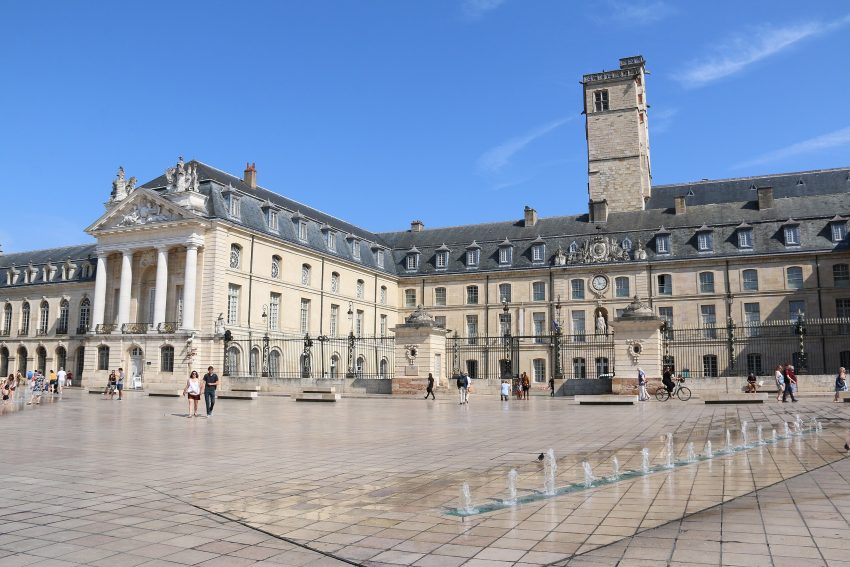
Location: Palais des Ducs et des États de Bourgogne, Rue Rameau, Dijon, France | Distance: 0.0km

2. Tour Philippe le Bon

Location: Tour Philippe le Bon, Place des Ducs de Bourgogne, Dijon, France | Hours: 10.00-17.50 | Price: €6.00 | Website | Distance: 0.0km
3. Palais des Ducs
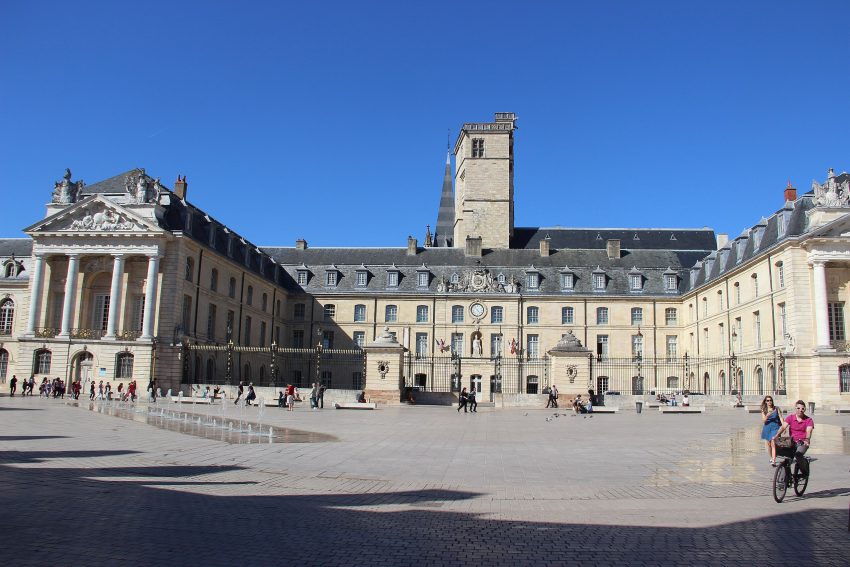
Location: Palais des Ducs et des États de Bourgogne, Rue Rameau, Dijon, France | Distance: 0.0km
4. Rue des Forges
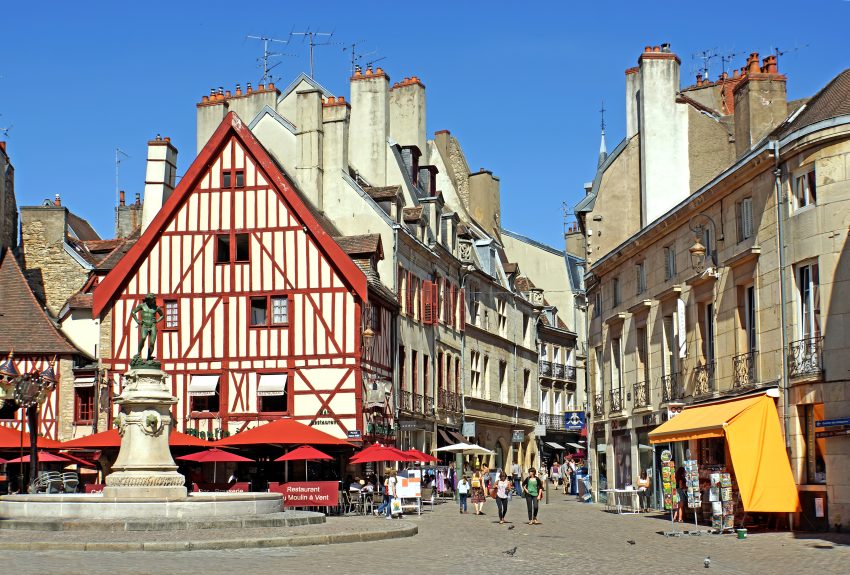
Location: Rue des Forges, Dijon, France | Hours: 24 Hours | Price: Free | Distance: 0.1km
5. Hôtel de Vogüé
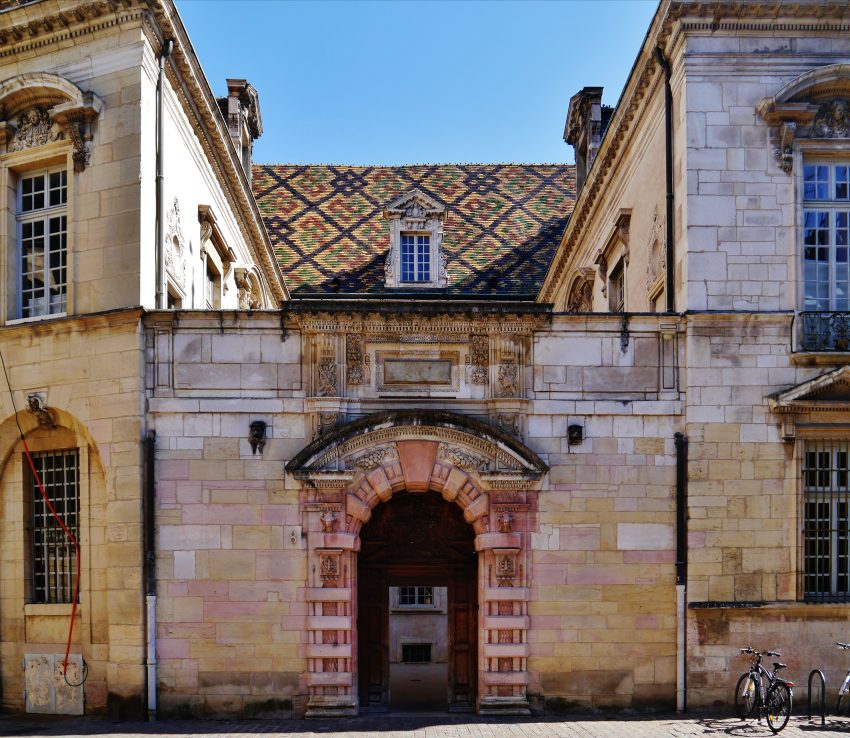
Location: Hôtel de Vogüé, Rue de la Chouette, Dijon, France | Hours: Courtyard access varies; check local listings. | Price: Free to view the exterior; interior access limited due to municipal use. | Distance: 0.1km
6. Owl of Dijon

Location: The Owl of Dijon, Rue de la Chouette, Dijon, France | Hours: 24 Hours | Price: Free | Distance: 0.1km
7. Maison Millière

Location: Maison Millière - Restaurant Boutique Bar à vin et Salon de thé, Rue de la Chouette, Dijon, France | Distance: 0.1km
8. Liberation Square

Location: Place de la Libération, Dijon, France | Hours: 24 Hours | Price: Free | Distance: 0.1km
9. Church of Notre-Dame
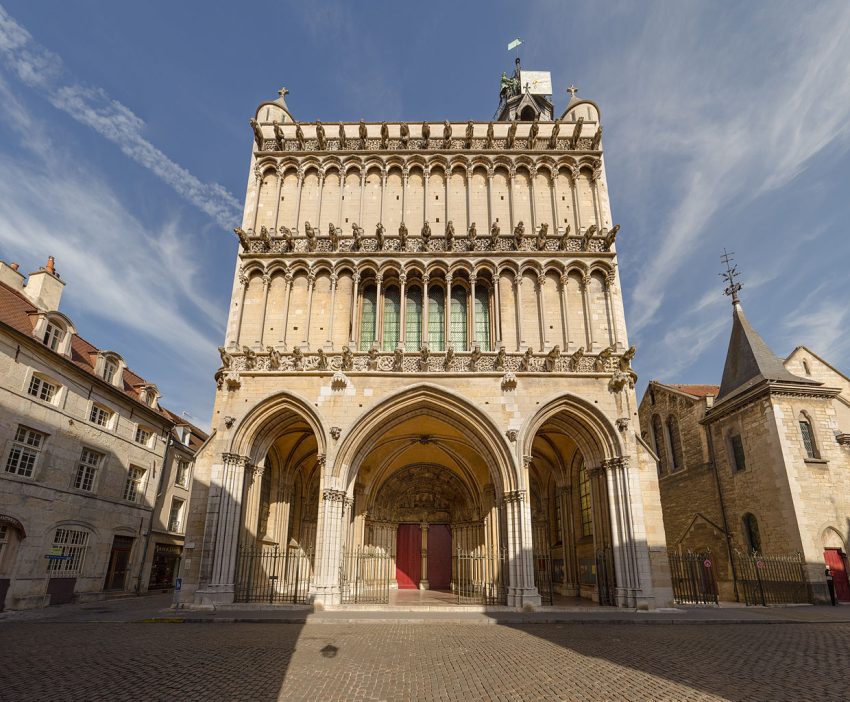
Location: Église Notre-Dame, Place Notre Dame, Dijon, France | Hours: Open every day from 8 a.m. to 6 p.m., except Sundays from 9 a.m. | Distance: 0.1km
10. Musée des Beaux-Arts

Location: Musée des Beaux-Arts, Rue Rameau, Dijon, France | Hours: October 1 to May 31: 9:30 a.m. to 6 p.m. / June 1 to September 30: 10 a.m. to 6:30 p.m. Closed on Tuesdays, as well as January 1, May 1 and May 8, July 14, November 1 and 11, December 25. | Price: Guided tour: €6 | Website | Distance: 0.1km
11. Musée Rude

Location: Musée Rude, Rue Vaillant, Dijon, France | Hours: Daily from 9:30 am to 6 pm from June 1 to September 30 | Price: Free | Distance: 0.2km
12. Place du Théâtre

Location: Place du Théâtre, Dijon, France | Hours: 24 Hours | Price: Free | Distance: 0.2km
13. Place François-Rude

Location: Place François Rude, Dijon, France | Hours: 24 Hours | Price: Free | Distance: 0.2km
14. Halles de Dijon

Location: Halles centrales et marché central, Dijon, France | Hours: Tuesday: 7am to 1pm, Thursday: 7am to 1pm (indoor market only), Friday: 7am to 1pm, Saturday: 7am to 1pm | Distance: 0.2km
15. Saint-Michel Church

Location: Église Saint-Michel, Place Saint-Michel, Dijon, France | Hours: Open every day from 8 a.m. to 7 p.m., except Sundays from 9 a.m. | Distance: 0.3km
16. Poste Place Grangier

Location: Postes et Télécommunications, Place Grangier, Dijon, France | Distance: 0.4km
17. Musée Archéologique de Dijon

Location: Musée archéologique de Dijon, Rue Docteur Maret, Dijon, France | Hours: Open every day except Tuesday April 1 to October 31 from 9:30 a.m. to 12:30 p.m. and from 1:30 p.m. to 6 p.m. November 2 to March 31 from 9:30 a.m. to 12:30 p.m. and from 1:30 p.m. to 6 p.m. Closed on January 1 , May 1 and May 8, July 14, November 1 and 11, December 25 N.B. Museum not heated during winter | Price: Guided tour: €6 | Website | Distance: 0.5km
18. Porte Guillaume

Location: Porte Guillaume, Place Darcy, Dijon, France | Hours: 24 Hours | Price: Free | Distance: 0.5km
19. Cathédrale Saint-Bénigne

Location: Cathédrale Saint-Bénigne de Dijon, Place Saint Bénigne, Dijon, France | Hours: Open every day from 9am to 12pm and from 2pm to 6.30pm, except Saturdays when it is open until 5.30pm. | Distance: 0.5km
20. Grand Hôtel la Cloche

Location: Grand Hôtel La Cloche Dijon - MGallery, Place Darcy, Dijon, France | Distance: 0.6km
21. Darcy Garden
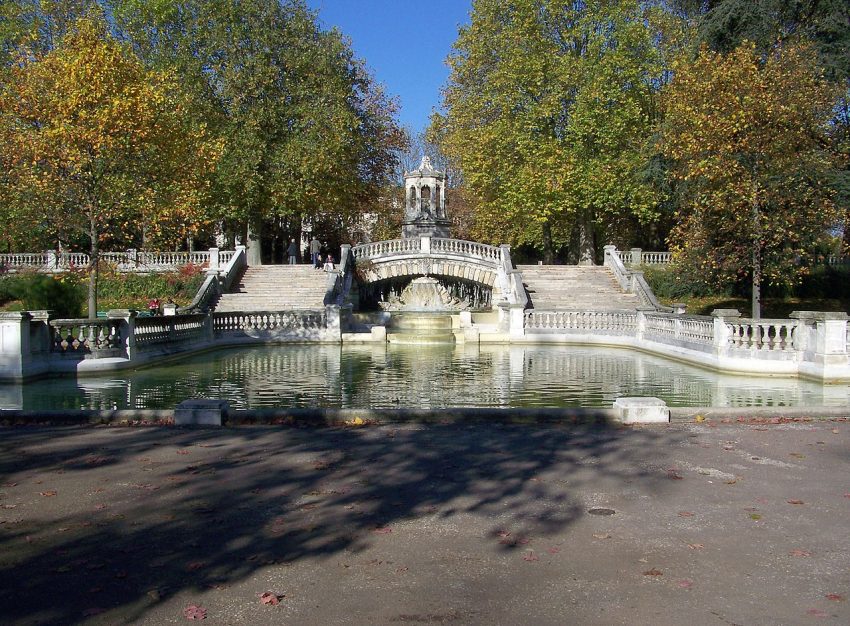
Location: Jardin Darcy, Place Darcy, Dijon, France | Hours: 7.30am until dusk | Distance: 0.8km
22. Jardin de l’Arquebuse

Location: Jardin Botanique de l'Arquebuse, Avenue Albert 1er, Dijon, France | Hours: 7.30am until dusk | Distance: 1.0km
23. Chartreuse de Champmol

Location: Chartreuse de Champmol, Dijon, France | Hours: 9am to 5.30pm | Distance: 1.9km
Best Day Trips from Dijon
A day trip from Dijon offers the perfect opportunity to escape the urban rhythm and discover the surrounding region's charm. Whether you're drawn to scenic countryside, historic villages, or cultural landmarks, the area around Dijon provides a variety of easy-to-reach destinations ideal for a one-day itinerary. If you are looking to rent a car in France I recommend having a look at Discover Cars, first, as they compare prices and review multiple car rental agencies for you.
1. Beaune

Visiting Beaune
2. Troyes

Visiting Troyes
Where to Stay in Dijon
The best area to stay in Dijon is the historic city centre, also known as the “Écusson.” This compact, pedestrian-friendly area is full of charm, with medieval streets, timber-framed houses, and key attractions like the Ducal Palace, Musée des Beaux-Arts, and Les Halles market all within walking distance. It’s perfect for first-time visitors or those who want to explore on foot. You’ll find a range of hotels here, from boutique stays to elegant townhouses, such as Maison Philippe le Bon and Hostellerie du Chapeau Rouge.
For a quieter stay, consider the Quartier Montchapet, located just northwest of the old town. This primarily residential area offers more space and a relaxed atmosphere while still being a short walk or tram ride from the centre. It’s ideal for those arriving by car, with easier parking and larger properties, including some charming guesthouses and mid-range hotels like Hotel La Bonbonnière.
Another good option is near Dijon-Ville train station, especially for those travelling by rail or needing easy transport links. This area has seen recent development and offers modern hotel chains and business-class accommodations, including ibis Styles Dijon Central and Holiday Inn Dijon Toison d'Or. It’s a practical base with good tram connections to the city centre and surrounding attractions.
Using the our Hotel and Accomodation map, you can compare hotels and short-term rental accommodations in Dijon. Simply insert your travel dates and group size, and you’ll see the best deals for your stay.
Dijon Accommodation Map
Best Time to Visit Dijon
The best time to visit Dijon, France, largely depends on what you’re looking to get out of your visit. Here are some insights for each season:
- Spring (March to May): This is a wonderful time to visit Dijon as the weather starts to warm up and the city begins to bloom. You can enjoy the outdoor attractions comfortably, and it’s also a good time to avoid the larger summer crowds.
- Summer (June to August): Summer is the peak tourist season in Dijon. The weather is typically warm and sunny, making it ideal for exploring the city’s outdoor sites, like the vineyards of Burgundy. However, be prepared for more tourists and higher prices during this time.
- Autumn (September to November): Fall is another excellent time to visit Dijon. The weather is still pleasant, and the autumn colors in the city and surrounding countryside are beautiful. It’s also grape harvest time in the nearby vineyards, which can be a particularly interesting experience.
- Winter (December to February): Winters are generally cold, and some attractions might have reduced hours or be closed, especially in January and February. However, if you enjoy festive atmospheres, visiting Dijon during the Christmas season can be magical with the Christmas markets and lights.
Each season offers its unique charm, but for the most balanced experience of good weather and fewer crowds, spring and autumn are often considered the best times to visit Dijon.
Annual Weather Overview
- January 7°C 48°F
- February 9°C 51°F
- March 12°C 57°F
- April 16°C 65°F
- May 20°C 72°F
- June 25°C 80°F
- July 28°C 86°F
- August 29°C 87°F
- September 25°C 81°F
- October 19°C 69°F
- November 10°C 54°F
- December 8°C 49°F
How to get to Dijon
Getting to Dijon by Air
The nearest major international airport to Dijon is Lyon-Saint Exupéry Airport (LYS), which offers flights from across Europe and beyond. From Lyon, Dijon is accessible in about two hours by train or car. Alternatively, Paris Charles de Gaulle Airport (CDG) is well connected globally and links directly to Dijon via high-speed train services. Smaller regional airports like Dole–Jura Airport (DLE) also serve limited domestic and seasonal routes. For the best deals and a seamless booking experience, check out these flights to Dijon on Booking.com.
Getting to Dijon by Train
Dijon is a key hub on the French railway network, served by TGV (high-speed trains) and TER (regional trains). From Paris Gare de Lyon, the journey takes just over 1.5 hours by TGV. Other major cities such as Lyon, Strasbourg, and Lausanne also connect easily to Dijon. The central station, Dijon-Ville, is a short walk from the historic centre. You can use SNCF Connect to check schedules, compare routes, and purchase tickets for National (SNCF ) and regional trains (TER). For a more streamlined experience, we recommend using Omio, which allows you to easily compare prices, schedules, and book tickets for both National and Regional travel across all of Europe, all in one place.
Getting to Dijon by Car
Dijon is conveniently located along the A6 (Autoroute du Soleil), making it easily reachable by car from Paris, Lyon, and other cities. The A31 and A39 also serve the region, offering scenic drives through Burgundy's vineyards and countryside. Parking is available in and around the city centre, with several public garages and park-and-ride facilities. If you are looking to rent a car in France I recommend having a look at Discover Cars, first, as they compare prices and review multiple car rental agencies for you.
Travelling around Dijon
Dijon has an efficient and accessible public transport network managed by Divia, which includes trams, buses, and bicycle rentals. The historic city centre is compact and mostly pedestrianised, making it ideal for walking. For trips beyond the centre, trams connect the main districts, train station, and university areas. The City Pass Dijon provides access to transport and major cultural attractions, offering good value for short stays.