Beaune, France: The Ultimate Travel Guide 2026

Nestled amidst the picturesque landscapes of the Côte d'Or department in eastern France, Beaune stands as the quintessential wine capital of Burgundy. Positioned strategically between Lyon and Dijon, this enchanting town is steeped in centuries of winemaking tradition and is celebrated as the epicenter of Burgundy's wine production and commerce. For wine aficionados, Beaune is a veritable paradise. The town is surrounded by some of the world's most renowned wine villages, each contributing to Burgundy's esteemed winemaking legacy. Visitors can explore the facilities and cellars of numerous producers, both large and small, tracing a tradition that dates back to Roman times. Each year, Beaune takes center stage with the prestigious Hospices de Beaune wine auction, a highlight on France's wine calendar. Despite its status as a magnet for wine enthusiasts from around the globe, Beaune retains its timeless allure, characterized by its narrow cobblestone streets and sunlit squares adorned with charming cafes.
Immersing oneself in Beaune's rich history is an experience not to be missed. The town's historic center, adorned with remnants from pre-Roman, Roman, medieval, and Renaissance periods, offers a captivating journey through time. From its ancient walls to its timber-framed buildings and vibrant, patterned roofs, Beaune exudes medieval charm at every turn. To truly immerse oneself in Burgundy's wine culture, a visit to the Hôtel-Dieu Hospices is essential. Here, amidst the historic halls of this charitable institution, visitors can witness the renowned charity wine auction and sample the region's finest wines. For a deeper insight into Burgundy's winemaking heritage, a tour and tasting at Domaine Chanson offer an unforgettable experience.
In Beaune, the beauty of Burgundy's wines is not just in the taste but also in the captivating scenery, rich history, and timeless charm that permeate every corner of this enchanting town. Whether strolling through its medieval streets or indulging in a wine tasting, a visit to Beaune promises a truly unforgettable journey into the heart of Burgundy's wine country.
TIP: If you are visiting Beaune in search of a fine burgandy wine, to make the most of your visit, you may want to consider taking a guided tour. This is one of the most complete and best-rated wine tasting tours with a specialist to take you through the vineyards near Beaune and Nuits Saint Georges, the tour takes about 8 hours! For the more energetic, you can combine the wine tour with a bike tour around the vineyards, half day, full day or even 2 day tours are available! If you prefer walking at your own pace read our Self-Guided Walking Tour of Beaune.
History of Beaune
Beaune in Antiquity and Roman Times
Beaune likely began as a Gallic settlement before becoming a modest Roman town situated along key trade and military routes. During Roman times, it was known for its viticulture and strategic position in the network of Roman roads that traversed Gaul. Archaeological evidence, such as remnants of walls and villas, suggests that Beaune was a thriving Gallo-Roman community with agricultural roots.
Beaune in the Early Middle Ages
In the early medieval period, Beaune became associated with the powerful Dukes of Burgundy and began to emerge as a center of regional administration and trade. As the influence of the Church expanded, Beaune’s ecclesiastical institutions, including its collegiate churches, grew in importance. Defensive walls were built to protect the town from external threats, laying the foundation for the fortified townscape that remains today.
Beaune in the Burgundian Golden Age
Beaune flourished in the 14th and 15th centuries under the patronage of the Dukes of Burgundy. It became a key administrative and financial centre, closely tied to the growing wine trade. In 1443, Chancellor Nicolas Rolin and his wife Guigone de Salins founded the Hôtel-Dieu, a charitable hospital for the poor, which remains the city’s most iconic building. This period saw the development of grand civic and religious architecture, much of which still defines Beaune’s historic character.
Beaune from the Renaissance to the Revolution
In the 16th and 17th centuries, Beaune retained its regional significance, though the loss of Burgundy’s ducal independence reduced its political clout. The town continued to thrive through viticulture and trade, and its merchant class grew in influence. The Hôtel-Dieu operated continuously, supported by donations of vineyard land. By the time of the French Revolution, Beaune had become a moderately prosperous town deeply rooted in wine commerce and charitable traditions.
Beaune in the 19th and 20th Centuries
The 19th century brought modern infrastructure and an expansion of Beaune’s wine economy. The arrival of the railway helped export local wines more efficiently, and the establishment of wine auctions and associations helped formalize Beaune’s position as a capital of Burgundy wine. During the 20th century, Beaune was largely spared from wartime destruction and developed a reputation as a cultural and tourist destination. Its architectural preservation, wine heritage, and annual wine auction have made it internationally renowned.

Moira & Andy
Hey! We're Moira & Andy. From hiking the Camino to trips around Europe in Bert our campervan — we've been traveling together since retirement in 2020!
Visiting Beaune for the first time and wondering what are the top places to see in the city? In this complete guide, I share the best things to do in Beaune on the first visit. To help you plan your trip, I have also included an interactive map and practical tips for visiting!
This website uses affiliate links which earn a small commission at no additional cost to you.

14 Best places to See in Beaune
This complete guide to Beaune not only tells you about the very best sights and tourist attractions for first-time visitors to the city but also provide insights into a few of our personal favorite things to do.
This is a practical guide to visiting the best places to see in Beaune and is filled with tips and info that should answer all your questions!
1. Hospices de Beaune

Location: Hôtel Dieu, Rue de l'Hôtel Dieu, Beaune, France | Hours: 30/03/24 to 17/11/24 of 09:00 to 19:30 18/11/24 to 31/12/24 of 09:00 to 12:30 - of 14:00 to 18:30 | Price: Adults: €12, Children: €5 | Website | Beaune - Private walking tour | Distance: 0km


2. Marché de Beaune

Location: Halle de Beaune, Place de la Halle, Beaune, France | Hours: Saturday 07:00 - 13:00 | Website | Distance: 0.1km
3. Athenaeum de la Vigne et du Vin

Location: Athenaeum - Beaune, Rue de l'Hôtel Dieu, Beaune, France | Hours: Daily 10:00-19:00 | Website | Distance: 0.1km
4. La Maison des Climats

Location: Maison des Climats, Porte Marie de Bourgogne, Beaune, France | Hours: Open every day (except December 25, January 1 and winter Sundays) Summer (March to Oct): Monday to Sunday, 10 a.m. - 5:30 p.m. Winter (Oct to March): Monday to Saturday, 10 a.m. to 12:30 p.m. and 2 p.m. to 5:30 p.m. | Price: Free | Website | Distance: 0.2km
5. Maison Du Colombier

Location: Maison du Colombier, Rue Charles Cloutier, Beaune, France | Hours: Monday to Friday from 6 P.M. | Distance: 0.2km
6. Musée du Vin de Bourgogne

Location: Musée du Vin - Hôtel des Ducs de Bourgogne, Rue d'Enfer, Beaune, France | Hours: Open every day from March 29 to November 4, 2024, from 10 a.m. to 1 p.m. and from 2 p.m. to 6 p.m. except Tuesday Ticket office closes 30 minutes before the museum | Price: €6 | Distance: 0.2km
7. Collégiale Notre-Dame

Location: Collégiale Notre-Dame de Beaune, Place du Général Leclerc, Beaune, France | Hours: April to October: Monday-Tuesday-Wednesday-Thursday-Friday and Sunday: 2.30pm-5.30pm - except during religious ceremonies / no admission on Saturdays. | Distance: 0.2km
8. Tour de l'horloge

Location: Beffroi de Beaune, Place Monge, Beaune, France | Distance: 0.3km
9. La Moutarderie Fallot

Location: La Moutarderie Fallot, Rue du Faubourg Bretonnière, Beaune, France | Hours: Monday: 12pm to 7pm Tuesday to Saturday: 10am to 7pm Sunday: 10am to 1pm Tours are at set imtes during the day. | Price: Adult €10.00 | Website | Distance: 0.3km
10. Hôpital Sainte-Trinité

Location: 3 Rue Rousseau Deslandes, 21200 Beaune, France | Distance: 0.4km
11. Les Remparts de Beaune

| Hours: 24 Hours | Price: Free | Website | Distance: 0.4km
12. Hôtel de Ville

Location: Hôtel de Ville de Beaune, Rue de l'Hôtel de ville, Beaune, France | Distance: 0.5km
13. Porte Saint Nicolas, Beaune

Location: Porte Saint-Nicolas, Rue de Lorraine, Beaune, France | Hours: 24 Hours | Price: Free | Distance: 0.6km
14. Parc de la Bouzaize

Location: Parc de la Bouzaize, Avenue du Parc, Beaune, France | Distance: 0.9km
Best Day Trips from Beaune
A day trip from Beaune offers the perfect opportunity to escape the urban rhythm and discover the surrounding region's charm. Whether you're drawn to scenic countryside, historic villages, or cultural landmarks, the area around Beaune provides a variety of easy-to-reach destinations ideal for a one-day itinerary. If you are looking to rent a car in France I recommend having a look at Discover Cars, first, as they compare prices and review multiple car rental agencies for you.
1. Dijon

Visiting Dijon
2. Lyon
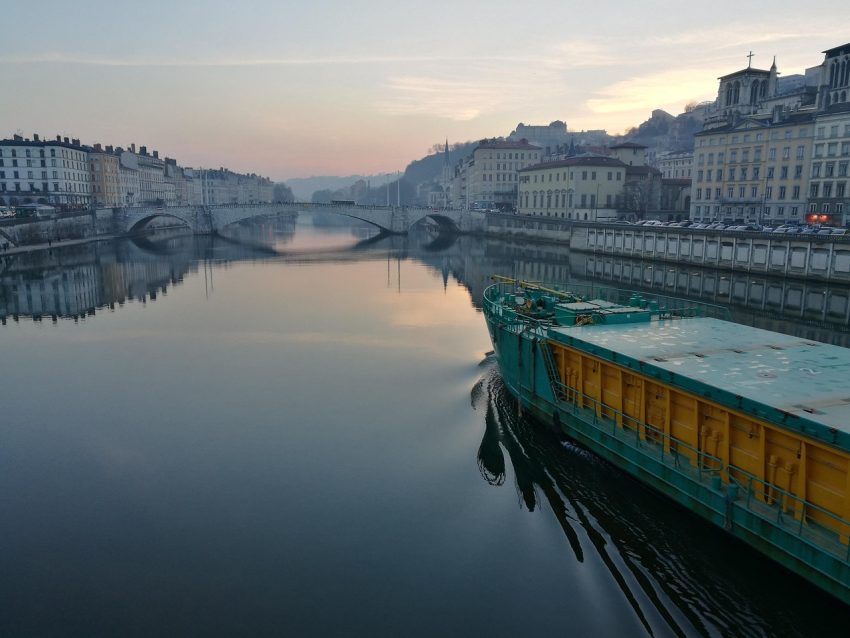
Visiting Lyon
3. Troyes

Visiting Troyes
4. Annecy
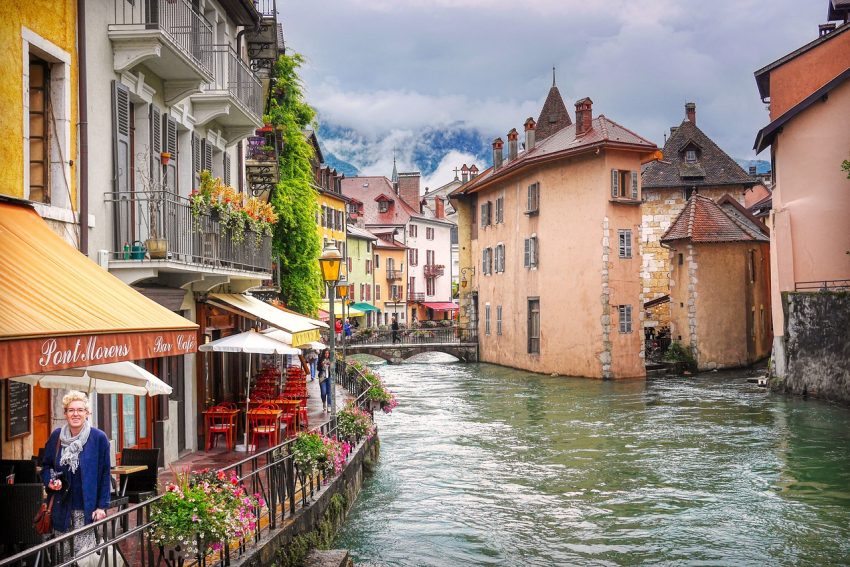
Visiting Annecy
Where to Stay in Beaune
Beaune offers a variety of charming accommodations, from historic hotels in the city center to serene retreats nestled among the vineyards.
In the heart of Beaune’s historic center, you’ll find several notable hotels. Hôtel Le Cep is a luxurious option, offering elegant rooms and a renowned spa. L'Hôtel de Beaune provides a boutique experience with exceptional service and a gourmet restaurant. For those seeking a blend of history and comfort, Abbaye de Maizières is set in a former 12th-century abbey, offering unique rooms with vaulted ceilings.
Just outside the city center, Hostellerie Cèdre & Spa Beaune is set in a tranquil garden and features a full-service spa and fine dining. Hotel de la Poste combines traditional charm with modern amenities, making it a favorite among travelers.
For a countryside experience, Château de Challanges offers a peaceful retreat in a 19th-century castle surrounded by parkland. Wine enthusiasts might enjoy La Maison des Courtines, a guesthouse located near several renowned vineyards.
Beaune’s accommodations cater to a range of preferences, ensuring a memorable stay in this picturesque region.
Using the our Hotel and Accomodation map, you can compare hotels and short-term rental accommodations in Beaune. Simply insert your travel dates and group size, and you’ll see the best deals for your stay.
Beaune Accommodation Map
Best Time to Visit Beaune
The best time to visit Beaune largely depends on what you want to experience during your trip. Each season offers a unique charm and set of activities:
- Summer (July and August): This is a great time if you enjoy warm weather and outdoor activities. You can rent bikes and explore the scenic vineyards and the countryside. The town is vibrant, with many tourists and numerous wine-related events.
- Autumn (September to November): Autumn is particularly special in Beaune due to the grape harvest season. The vineyards transform into stunning shades of gold and russet. It’s also an excellent time for wine enthusiasts to experience the bustling activity in the vineyards and perhaps participate in wine tastings and festivals, including the famous Hospices de Beaune wine auction in November.
- Winter (December to February): Winter is quieter but no less charming, with fewer tourists. This season is ideal for visiting wineries and enjoying wine tastings in a more intimate setting. The cold weather makes the cozy wine cellars particularly inviting.
- Spring (March to June): Spring is a lovely time as the vineyards burst into life with new growth, and the weather is generally mild. It’s less crowded than summer and a beautiful season for enjoying the fresh air and verdant landscapes.
Each season offers a distinct experience, so the best time to visit Beaune really depends on your personal interests and what you hope to get out of the trip. If you are a wine lover, planning your visit during the harvest season or for specific wine events would be ideal.
Annual Weather Overview
- January 7°C 48°F
- February 9°C 52°F
- March 12°C 58°F
- April 17°C 65°F
- May 21°C 73°F
- June 25°C 81°F
- July 28°C 86°F
- August 29°C 87°F
- September 25°C 81°F
- October 19°C 70°F
- November 10°C 54°F
- December 8°C 50°F
How to get to Beaune
Getting to Beaune, a charming town in the Burgundy region of France, is quite straightforward whether you’re traveling from within France or internationally. Here are some of the main options:
By Train
Beaune is well-connected by train, which is one of the most convenient ways to reach the town:
- From Paris: Direct trains from Paris Gare de Lyon to Beaune take about 2 hours. There are also options that require a quick change at Dijon, which might add a little extra travel time.
- From Lyon: Direct regional trains from Lyon to Beaune take approximately 1.5 to 2 hours.
- From Dijon: Regular regional trains connect Dijon to Beaune, with the journey taking about 20-30 minutes.
By Car
Driving to Beaune offers the flexibility of exploring the surrounding wine regions at your own pace:
- From Paris: The drive from Paris to Beaune is around 3 hours via the A6 motorway.
- From Lyon: From Lyon, it takes about 1.5 hours to drive to Beaune, also via the A6.
- From Geneva: It takes about 2.5 hours to drive from Geneva, Switzerland to Beaune, mostly on motorways.
By Air
While Beaune does not have its own airport, it is accessible via several nearby airports:
- Dijon Bourgogne Airport: Located about 45 minutes north of Beaune, but with limited flights.
- Lyon-Saint Exupéry Airport: A major international airport about 1.5 hours away by car. You can also take a train from Lyon to Beaune.
- Paris Airports (Charles de Gaulle and Orly): You can fly into Paris and then take a high-speed train (TGV) from Paris Gare de Lyon to Beaune.
By Bus
Bus services may be available, particularly from Dijon, but are generally less convenient than trains due to the frequency and speed of service.
Overall, train travel is typically the most efficient and relaxing way to get to Beaune, especially if you are coming from major cities like Paris or Lyon. However, if you plan to explore more extensively in the Burgundy region, driving might be the better option for greater mobility.