Bilbao, Spain: The Ultimate Travel Guide 2026
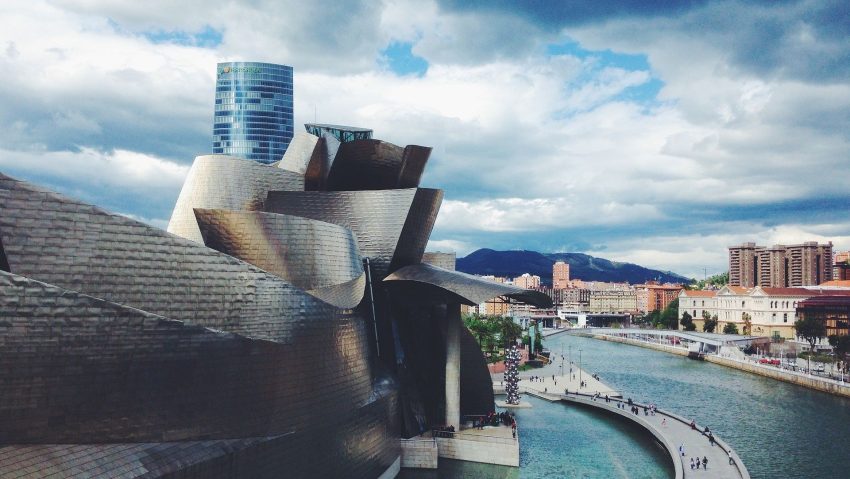
Bilbao, located in Spain's northern Basque Country, is a dynamic riverside city where contemporary design meets rugged green hills and Atlantic light. Once known primarily for its industrial heritage, it has transformed into a vibrant cultural hub, symbolized by the shimmering titanium curves of the Guggenheim Museum. Visitors arriving here often find a city that feels both cosmopolitan and deeply regional, with Basque traditions woven naturally into modern urban life. The city's size makes it ideal for exploring on foot, and its distinct blend of innovation, culture, and gastronomy has helped position Bilbao as one of the best places to visit in Spain.
A stroll along the Nervión River reveals much of what makes Bilbao so appealing. The regenerated waterfront is lined with architectural landmarks, art installations, and outdoor cafés that buzz with conversation well into the night. From here, it's easy to wander into the Casco Viejo, the old quarter, where seven medieval streets spill out into lively plazas filled with pintxo bars and markets. The mix of languages, the scent of grilled seafood, and the rhythm of people hopping from one bar to another create an atmosphere that captures the spirit of the Basque people-sociable, proud, and inventive.
Beyond its urban energy, Bilbao offers quick access to the stunning natural landscapes that surround it. The metro connects the city to Getxo's beaches and the dramatic Basque coastline, where surfers and walkers share the same Atlantic breeze. Inland, rolling green hills and vineyards hint at a slower pace, perfect for day trips or weekend escapes. It's this balance-between art and industry, mountains and sea, modern energy and traditional soul-that makes Bilbao such an unforgettable destination for travelers exploring northern Spain.
History of Bilbao
Origins and Medieval Foundation
Bilbao’s story begins in the early 14th century, when Don Diego López de Haro, Lord of Biscay, officially founded the town in 1300. The site was chosen for its strategic position along the Nervión River, which provided access to the Bay of Biscay and made it an ideal location for trade. Even before its official founding, the area had been home to small fishing and trading settlements, benefiting from a sheltered estuary and the natural harbor at the river’s mouth. The granting of municipal rights by the Biscayan lords helped Bilbao grow quickly into a vital port town. During the Middle Ages, it became an important link between Castile and northern Europe, exporting wool, iron, and other regional products in exchange for goods from Flanders and England.
Prosperity and Industrialization
By the 16th and 17th centuries, Bilbao’s merchants had established the city as a key hub in Atlantic trade, with shipbuilding and ironworking among its principal industries. The city’s commercial wealth supported cultural and architectural development, giving rise to noble houses and religious buildings that still shape parts of its old town. The true transformation, however, arrived in the 19th century, when Bilbao became one of Spain’s leading industrial cities. Iron ore deposits in the surrounding hills, coupled with access to the sea, fueled massive growth in steelmaking, shipbuilding, and banking. This industrial boom turned Bilbao into the economic heart of the Basque Country and one of Spain’s richest cities, attracting workers from across the country and laying the foundations for its modern identity.
Modern Era and Cultural Renaissance
The 20th century brought both turmoil and renewal. The Spanish Civil War (1936–1939) deeply affected Bilbao, which served as the capital of the Basque autonomous government before its fall to Franco’s forces. Under dictatorship, industrialization continued but came with pollution, congestion, and urban strain. When democracy returned in the late 1970s, Bilbao faced the challenge of reinventing itself amid the decline of heavy industry. What followed was one of Europe’s most remarkable urban transformations. The city invested in cultural and architectural regeneration, symbolized by the opening of the Guggenheim Museum in 1997—a turning point that projected Bilbao onto the world stage. Today, it stands as a model of post-industrial renewal, a city that honors its working-class roots while embracing creativity, sustainability, and design.

Moira & Andy
Hey! We're Moira & Andy. From hiking the Camino to trips around Europe in Bert our campervan — we've been traveling together since retirement in 2020!
Visiting Bilbao for the first time and wondering what are the top places to see in the city? In this complete guide, I share the best things to do in Bilbao on the first visit. To help you plan your trip, I have also included an interactive map and practical tips for visiting!
This website uses affiliate links which earn a small commission at no additional cost to you.
15 Best places to See in Bilbao
This complete guide to Bilbao not only tells you about the very best sights and tourist attractions for first-time visitors to the city but also provide insights into a few of our personal favorite things to do.
This is a practical guide to visiting the best places to see in Bilbao and is filled with tips and info that should answer all your questions!
1. Mercado de la Ribera
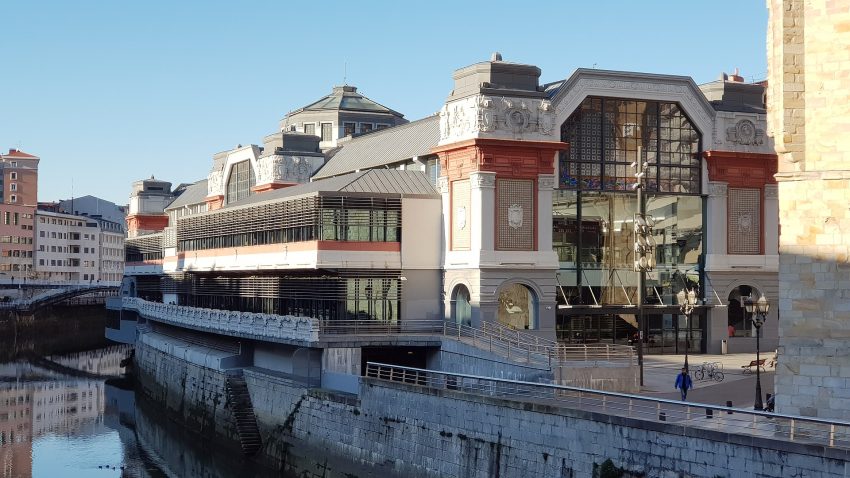
Location: Mercado De La Ribera 48005 Bilbao BI Spain | Hours: 8am-2.30pm Mon & Sat, 8am-2.30pm & 5-8pm Tue-Fri | Website | Distance: 0.8km

2. Catedral de Santiago
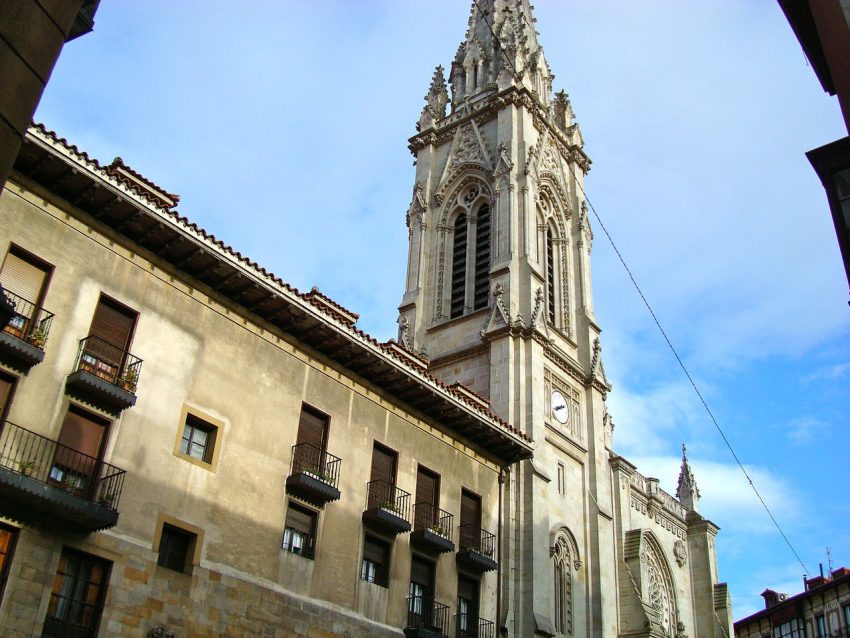
Location: Plaza de Santiago, 1 48005 Bilbao, Vizcaya, Spain | Hours: 10am-9pm Jul & Aug, to 8pm Sep-Jun | Price: adult/child €5/free | Website | Distance: 0.9km
3. Teatro Arriaga

Location: Arriaga Plaza, 1, 48005 Bilbao, Bizkaia, Basque Country, Spain | Website | Distance: 1.1km
4. Casco Viejo
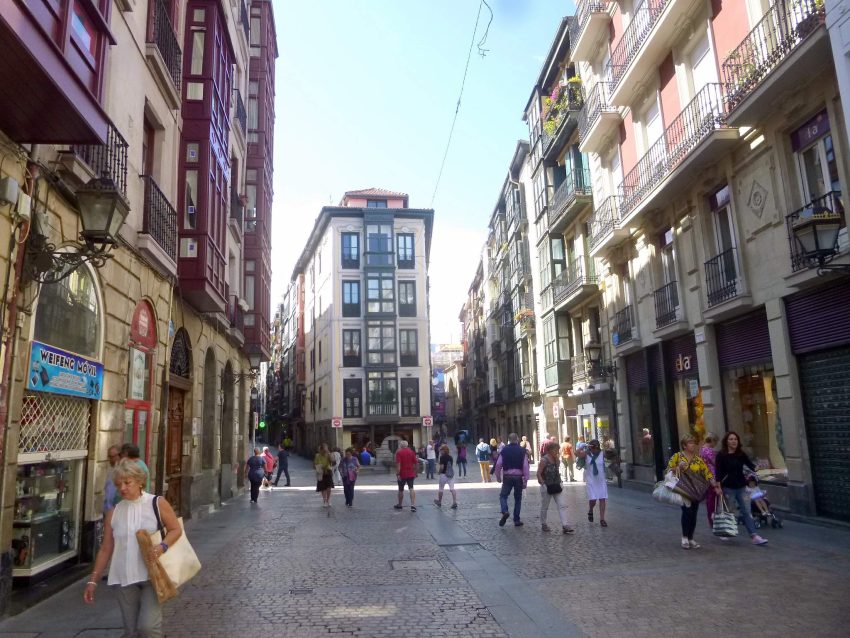
Location: Casco Viejo Bilbao Biscay Spain | Distance: 1.1km
5. Azkuna Zentroa

Location: Azkuna Zentroa, Arriquíbar Plaza, Bilbao, Spain | Distance: 1.2km
6. Archeological Museum of Bilbao
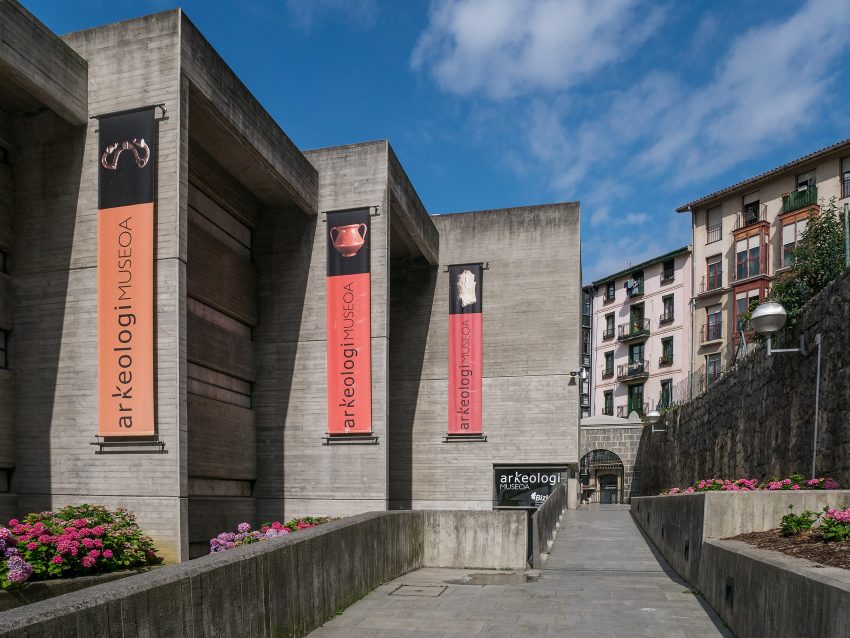
Location: Bizkaiko Arkeologia Museoa, Mallona Galtzada, Bilbao, Spain | Hours: Tuesday to Saturday 10:00-14:00 16:00-19:30 Sunday an public holiday 10:30-14:00 | Price: €5,00 | Website | Distance: 1.2km
7. Plaza Nueva
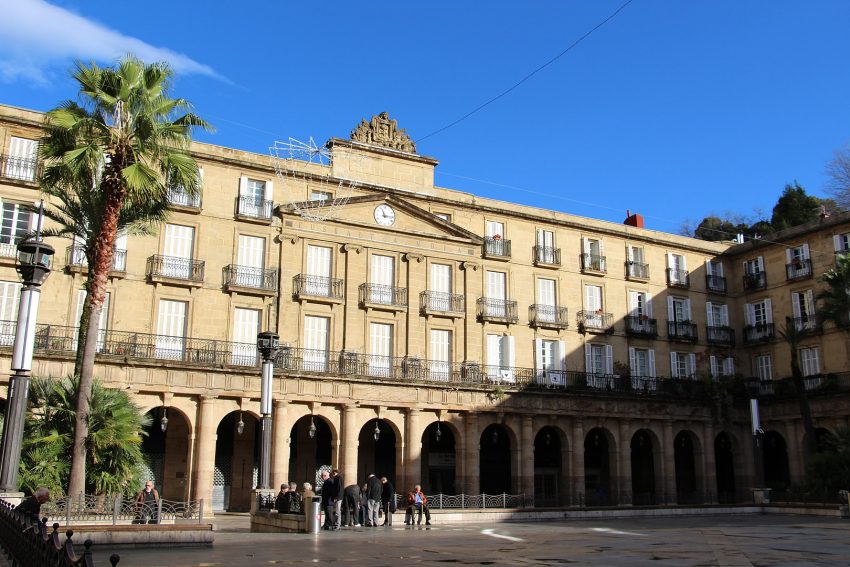
Location: Plaza Barria 6, Bilbao, 14 48005 Spain | Hours: Mon-Fri 7am-11pm, Sat 8.30am-10.30pm, Sun 8.30am-3pm | Distance: 1.2km
8. Gran Vía
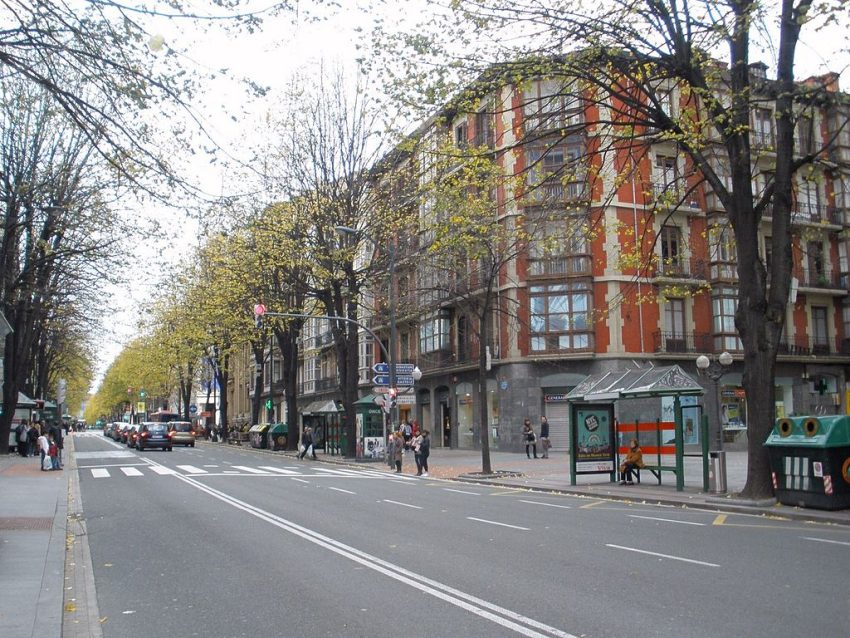
Location: Federico Moyua enparantza Federico Moyúa Plaza, 5 48009 Bilbo Bizkaia Spain | Distance: 1.5km
9. Bilbao Ayuntamiento
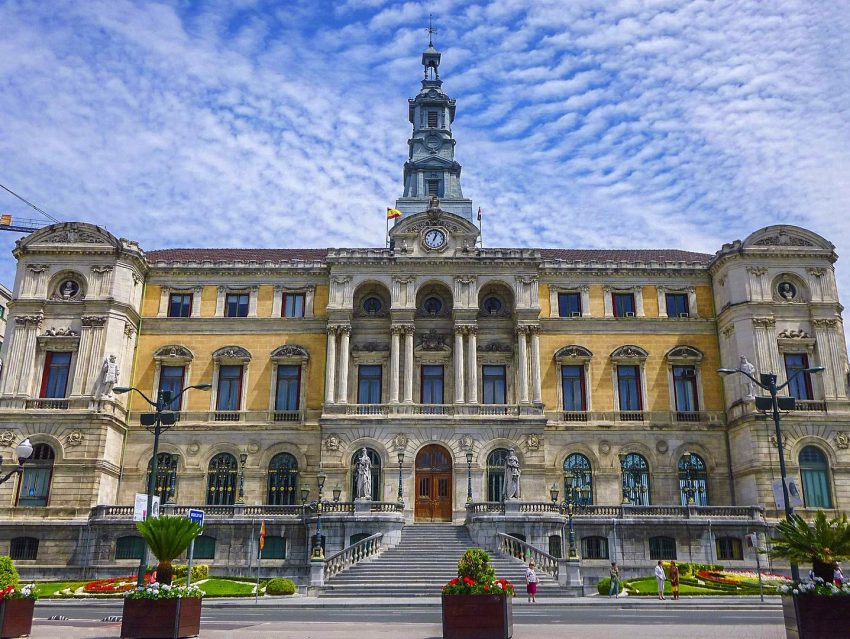
Location: Ayuntamiento de Bilbao - Bilboko Udaletxea, Ernesto Erkoreka Plaza, Bilbao, Spain | Distance: 1.7km
10. Zubizuri Bridge
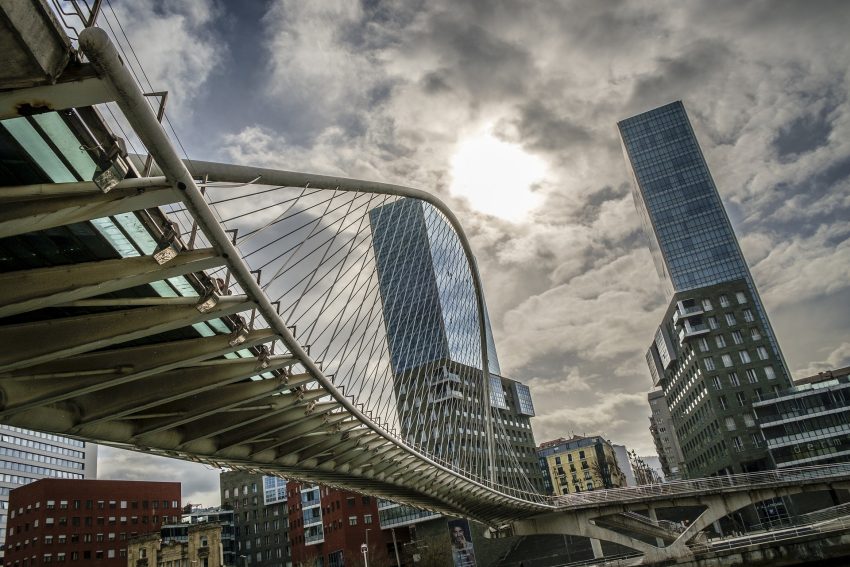
Location: Zubizuri 48001 Bilbo Bizkaia Spain | Hours: 24 Hours | Price: Free | Distance: 1.8km
11. Museo Bellas Artes de Bilbao
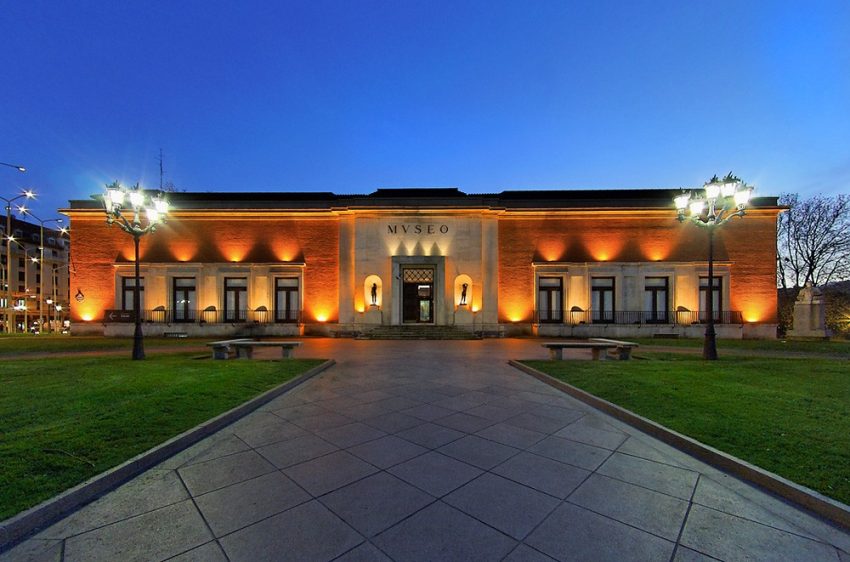
Location: Museum of Fine Arts of Bilbao Museo Plaza, 2 48009 Bilbo Bizkaia Spain | Hours: 10am-8pm Wed-Mon | Price: adult/child €10/free, free 6-8pm | Website | Distance: 1.9km
12. Doña Casilda Park
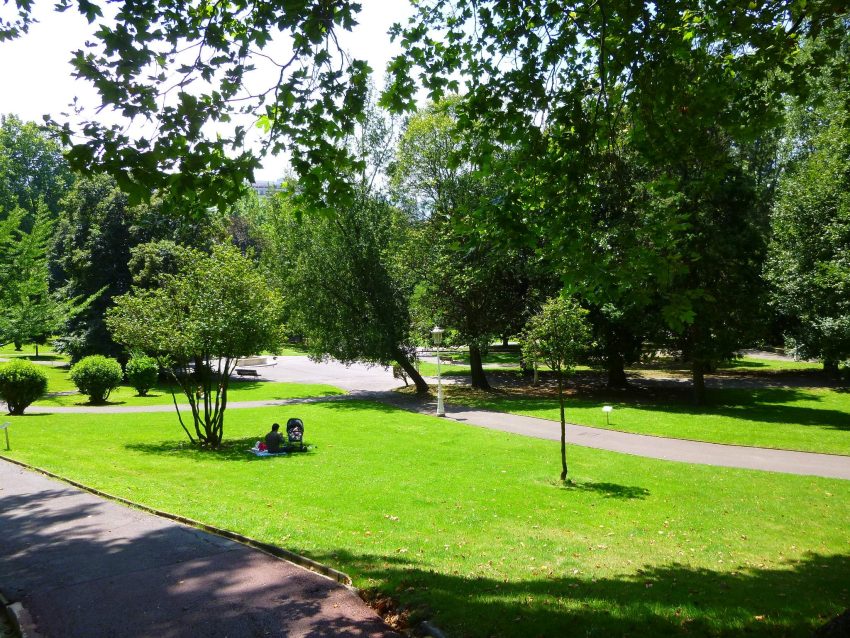
Location: Parque Doña Casilda Iturrizar, Bilbao, Spain | Distance: 2.0km
13. Bilbao Art District
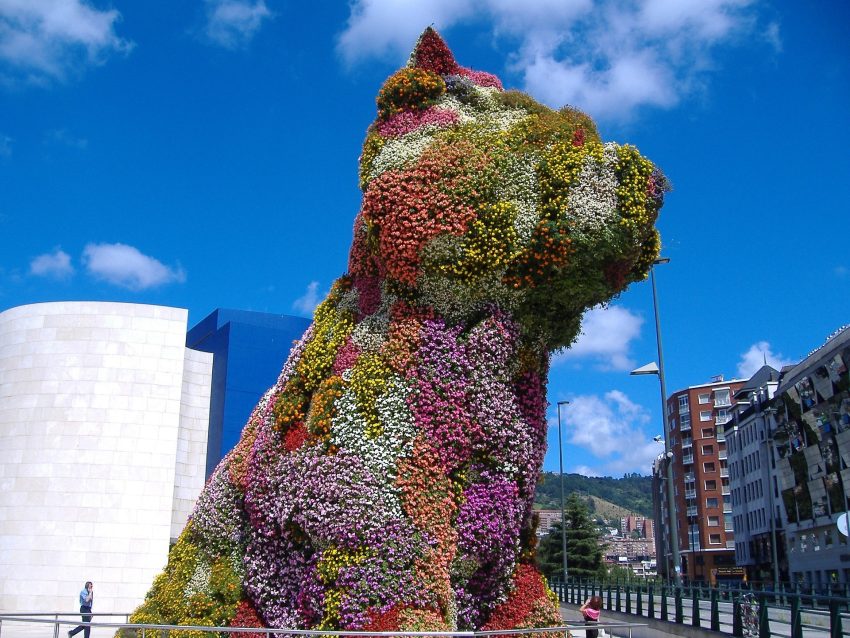
| Hours: 24 Hours | Price: Free | Website | Distance: 2.1km
14. Artxanda´s Funicular
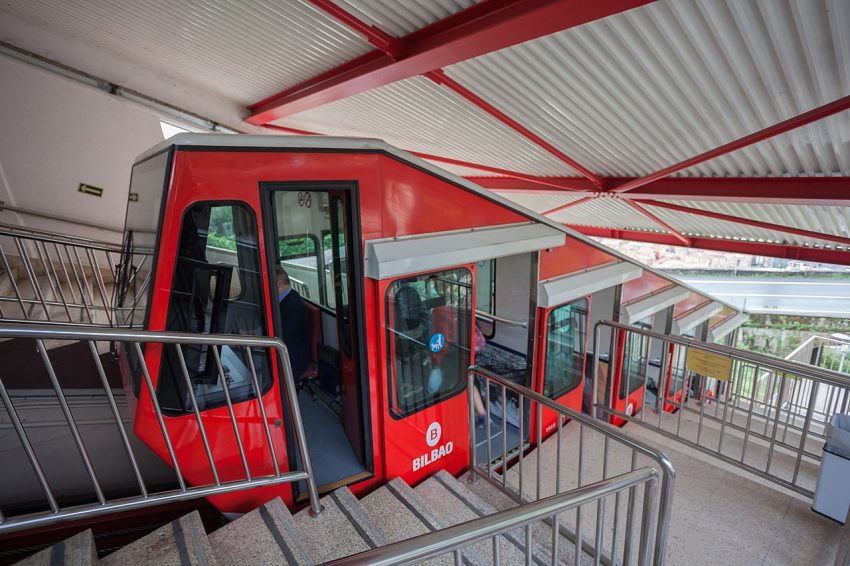
Location: Funicular de Artxanda Ko Funikularra, Funikularreko Plaza, S/N, 48007 Bilbao, Vizcaya, Spain | Hours: Every 15min 7.15am-10pm Mon-Thu, to 11pm Fri & Sat, 8.15am-10pm Sun Jun-Sep, 7.15am-10pm Oct-May | Price: adult/child one-way €2/0.31 | Website | Distance: 2.1km
15. Guggenheim Museum Bilbao
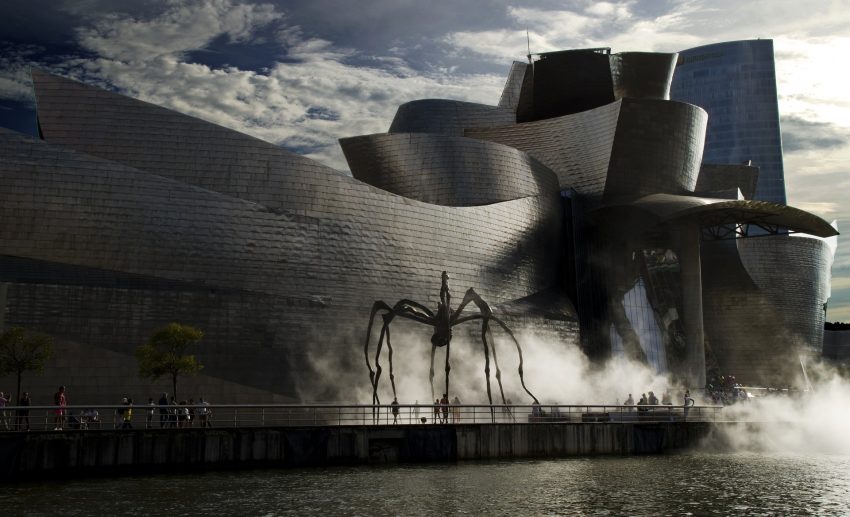
| Hours: 10am-8pm, closed Mon Sep-Jun | Price: adult/child €13/free | Website | Distance: 2.1km
Best Day Trips from Bilbao
A day trip from Bilbao offers the perfect opportunity to escape the urban rhythm and discover the surrounding region's charm. Whether you're drawn to scenic countryside, historic villages, or cultural landmarks, the area around Bilbao provides a variety of easy-to-reach destinations ideal for a one-day itinerary. If you are looking to rent a car in Spain I recommend having a look at Discover Cars, first, as they compare prices and review multiple car rental agencies for you.
1. Puente de Vizcaya

| Hours: Pedestrian walkway - 10:00-14:00 / 16:00-20:00 Audioguide: €2 - Spanish / Basque / English / French Gondola - 24 Hours €0.45/Person / €1.60 Vehicle | Distance: 10.8km
Visiting Puente de Vizcaya
2. San Juan de Gaztelugatxe
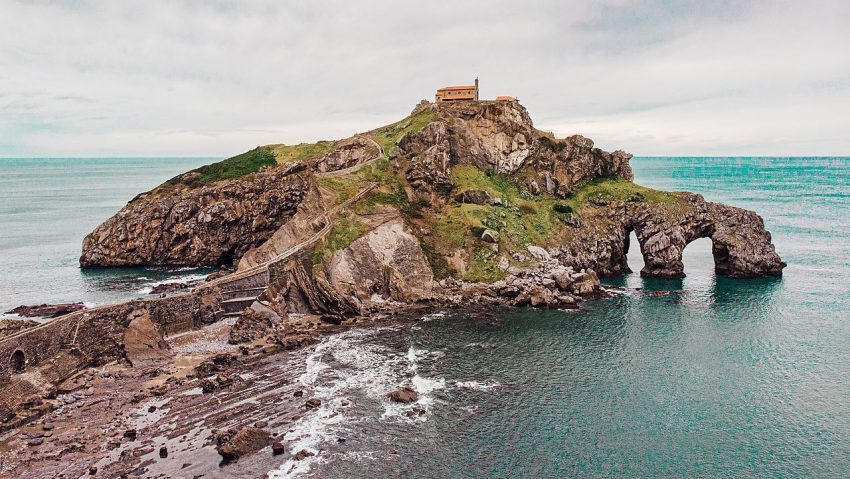
Location: 48130 Gaztelugatxeko Doniene, Biscay, Spain | Hours: Island year-round, hermitage 11am-6pm Tue-Sat, to 3pm Sun Jul & Aug | Price: £Island free, hermitage €1 | Website | Distance: 24.8km
Visiting San Juan de Gaztelugatxe
3. Vitoria-Gasteiz
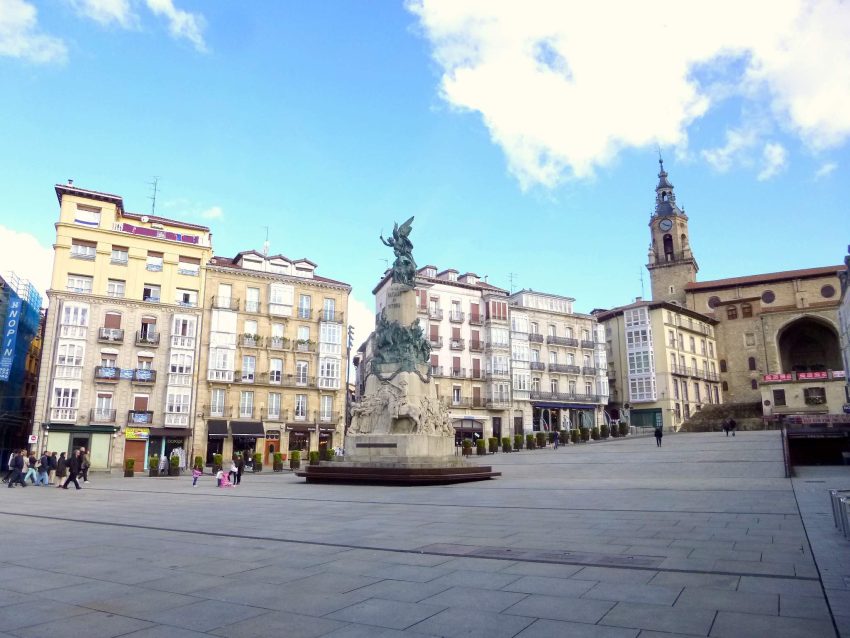
Visiting Vitoria-Gasteiz
4. Santander

Visiting Santander
5. San Sebastián
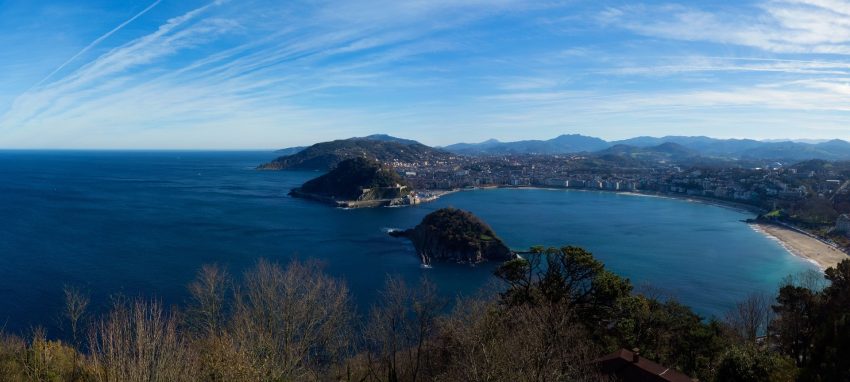
Visiting San Sebastián
6. Logroño

Visiting Logroño
7. Saint-Jean-de-Luz
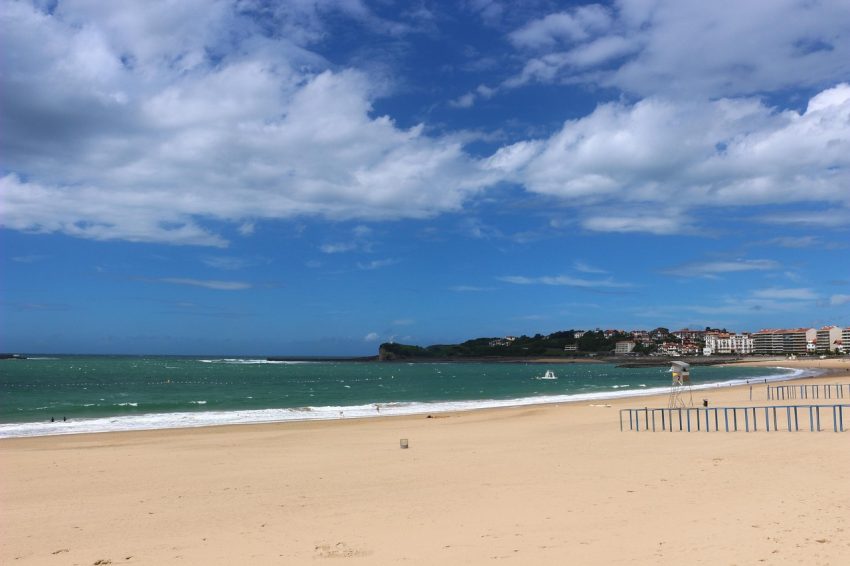
Visiting Saint-Jean-de-Luz
8. Biarritz

Visiting Biarritz
9. Pamplona

Visiting Pamplona
10. Burgos

Visiting Burgos
11. Bayonne
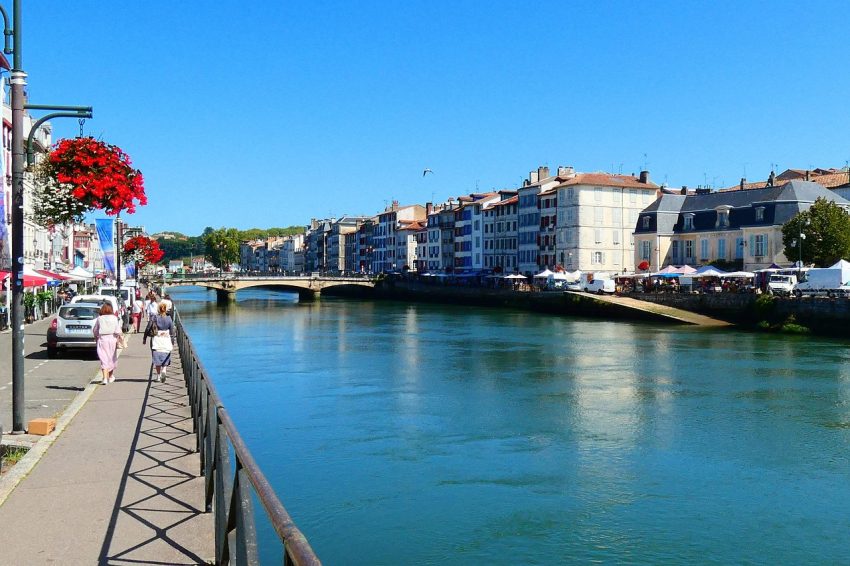
Visiting Bayonne
Where to Stay in Bilbao
In the central Abando / Ensanche district of Bilbao, which offers excellent access to the city’s shopping streets, transport hubs and the riverside promenade, one standout option is Hotel Miró Bilbao. Located opposite the Guggenheim Museum Bilbao and a short stroll from high-end boutiques and museums, this boutique design hotel offers a refined stay with stylish rooms and strong service. For a more modern feel in the same area, consider Radisson Collection Hotel Gran Vía Bilbao which occupies a dramatic neoclassical building and blends luxury with city-centre convenience. For a slightly more affordable but still very well-located option, Catalonia Gran Vía Bilbao sits right on the main Gran Vía thoroughfare and puts you within easy walking distance of many cafes and bars. Each of these options places you right in the heart of the city’s action—ideal if you want to explore on foot and be close to the pulse of Bilbao.
In the historic old town of Casco Viejo and along the estuary banks, where narrow streets, pintxo bars and Basque charm converge, one excellent choice is Hotel Tayko Bilbao. Set in a restored industrial building that retains character and is home to a restaurant by a Michelin-starred chef, it offers a stylish stay with a slightly more boutique feel. Staying here means you’ll be immersed in the historic ambience of Bilbao while still being close to the main cultural sights. This area is perfect for evening strolls and authentic local cuisine, and Tayko delivers a thoughtful mix of design and service in that environment.
If you’d prefer somewhere a little quieter, away from the busiest parts of the city but still well connected, the coastal town of Getxo (about 20-25 minutes from Bilbao by transport) offers an appealing alternative with scenic sea views and a more relaxed pace. A standout here is Palacio Arriluce Hotel which occupies an early 20th-century palace overlooking the Cantabrian Sea. It offers elegance, tranquillity and a chance to unwind away from the dense urban core, yet you remain within reach of Bilbao. This makes it a great choice for travellers who want the best of both worlds—city access and seaside calm.
When choosing your stay, bear in mind that prices in Bilbao can fluctuate significantly around major events, so early booking is wise. Also consider how much walking or transport you’re comfortable with: the older town offers atmosphere and compactness, the city centre offers convenience, and the coast gives space and a different vibe. Let me know if you’d like recommendations for boutique stays, business-friendly hotels, or budget-friendly options too.
Using the our Hotel and Accomodation map, you can compare hotels and short-term rental accommodations in Bilbao. Simply insert your travel dates and group size, and you’ll see the best deals for your stay.
Bilbao Accommodation Map
Best Time to Visit Bilbao
Visiting Bilbao in Spring (Best)
Spring is the ideal time to visit Bilbao, when mild temperatures and blooming parks create a vibrant, welcoming atmosphere. From March to May, the city awakens after winter with longer days perfect for strolling along the Nervión River or exploring the Casco Viejo without the summer crowds. The hills surrounding the city turn lush green, and outdoor terraces begin to fill with locals enjoying the first warm days of the year. Spring also hosts cultural events like Basque Fest, held around Easter, which celebrates Basque traditions through food, dance, and music. With comfortable weather and a lively yet relaxed energy, this season offers the best balance for sightseeing, dining, and discovering Bilbao’s creative spirit.
Visiting Bilbao in Summer
Summer brings warmth, festivals, and a vibrant energy to Bilbao. From June to August, daytime temperatures hover in the mid-20s °C, rarely becoming uncomfortably hot thanks to the city’s Atlantic influence. This is the season when Bilbao truly comes alive, with open-air concerts, street performances, and art events taking over plazas and riversides. The highlight is Aste Nagusia (the Great Week) in August, the city’s largest festival, featuring fireworks, music, parades, and traditional Basque sports. Although it’s the busiest season, the festive mood and long evenings make summer in Bilbao a joyful time to experience local culture at its most exuberant.
Visiting Bilbao in Autumn
Autumn in Bilbao, from September to November, is calm and atmospheric. The air turns crisp, the summer crowds thin out, and the city’s surrounding countryside glows in shades of gold and green. This is the perfect season for those who enjoy art galleries, cozy restaurants, and riverside walks under changing leaves. September often remains warm enough for outdoor dining, while October brings the Galdakao Fair and other local food festivals celebrating Basque produce and wine. Autumn offers an appealing mix of culture and comfort, ideal for travelers seeking a slower, more intimate experience of the city.
Visiting Bilbao in Winter
Winter in Bilbao, from December to February, is cool but rarely harsh. Average daytime temperatures stay around 10 °C, and occasional rain adds to the city’s moody charm. While this isn’t beach weather, it’s a great time to explore Bilbao’s museums, pintxo bars, and cafés without the tourist crowds. The Christmas season brings festive markets and lights along the Gran Vía, giving the city a cozy, welcoming feel. If you enjoy quieter travel and cultural exploration at a relaxed pace, winter in Bilbao offers warmth through atmosphere rather than sunshine.
Annual Weather Overview
- January 12°C 57°F
- February 13°C 59°F
- March 16°C 64°F
- April 15°C 64°F
- May 19°C 69°F
- June 22°C 75°F
- July 24°C 79°F
- August 24°C 79°F
- September 25°C 80°F
- October 22°C 75°F
- November 16°C 64°F
- December 14°C 60°F
How to get to Bilbao
Getting to Bilbao by Air
Nearest airports: The main gateway to the city is Bilbao Airport (BIO), located about 12 kilometres north of the city centre in the municipality of Loiu. This modern airport is one of the busiest in northern Spain and serves as the principal hub for visitors to the Basque Country.
Air connections: Bilbao Airport offers frequent domestic flights from Madrid, Barcelona, Seville, and Valencia, along with numerous international connections across Europe. Major airlines and low-cost carriers operate regular routes from cities such as London, Paris, Amsterdam, Frankfurt, and Rome, making it easy to reach Bilbao from most European capitals. The airport is compact and efficient, designed by architect Santiago Calatrava, and known locally as “La Paloma” (The Dove) for its distinctive white, wing-like design.
Getting from the airport to the city: The airport is well connected to the city by bus and taxi. The Bizkaibus line A3247 runs between the terminal and Bilbao’s main transport hub at Termibus in about 20 minutes, with stops along Gran Vía and Plaza Moyúa. Taxis are readily available and reach central Bilbao in roughly 15 minutes, depending on traffic.
For the best deals and a seamless booking experience, check out these flights to Bilbao on Booking.com.Getting to Bilbao by Train
Rail connections: Bilbao is served by two main railway stations—Abando Indalecio Prieto Station and Bilbao Concordia Station. The Abando station, located in the city centre, is the hub for long-distance services operated by Renfe, Spain’s national rail company. Although Bilbao is not on Spain’s high-speed AVE network, it maintains strong connections with major cities through conventional rail lines.
Routes and services: Frequent trains link Bilbao with Madrid, Barcelona, Zaragoza, Valladolid, and San Sebastián, as well as regional services to Vitoria-Gasteiz and León. The FEVE narrow-gauge trains also operate scenic routes along the northern coast toward Santander and Oviedo, providing a slower but picturesque way to travel through northern Spain. Within the Basque Country, Euskotren services offer convenient connections to smaller towns and coastal destinations.
Train schedules and bookings can be found on Omio.Getting to Bilbao by Car
Driving routes: Bilbao is well connected by road, with a network of major highways linking it to the rest of Spain and southern France. The AP-8 motorway runs east–west along the Basque coast from Irún (near the French border) through San Sebastián and on to Bilbao, while the A-68 connects the city southward toward Zaragoza and Madrid.
Toll roads and travel times: Many of these routes are toll roads, so drivers should be prepared for moderate fees, though the roads are well maintained and scenic. The drive from Madrid takes about four and a half hours, while the journey from San Sebastián or Santander can be done in around one hour.
Parking and navigation: Once in Bilbao, it’s advisable to park in designated car parks near the centre and explore the city on foot or by public transport, as the old town has limited access for vehicles. The city’s road system is well signposted, and most hotels provide parking or can guide visitors to nearby facilities.
If you are looking to rent a car in Spain I recommend having a look at Discover Cars, first, as they compare prices and review multiple car rental agencies for you.Travelling around Bilbao
Bilbao has a modern and efficient public transport system that makes getting around simple and affordable. The Bilbao Metro is clean, fast, and runs through most of the city’s key districts, extending out to coastal areas such as Getxo. Trams operated by Euskotren provide a scenic route along the riverfront, while a network of city buses covers routes not served by the metro. Taxis are reliable, and cycling is increasingly popular thanks to dedicated bike lanes and the city’s public bike-sharing system, Bilbaobizi. Walking remains one of the best ways to experience Bilbao’s character, particularly in areas like Casco Viejo and along the riverside promenades.