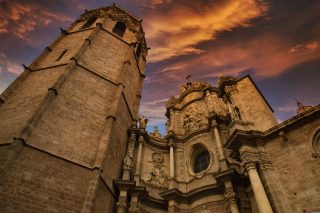
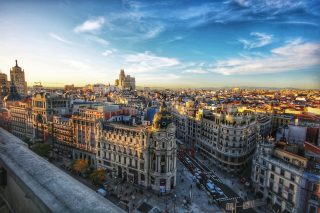
Ávila, Spain: The Ultimate Travel Guide 2026

Avila City Walls
Avila City Walls

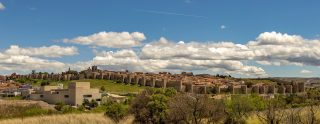
Ávila is a city of Spain located in the autonomous community of Castile and León. It is the capital and most populated municipality of the Province of Ávila. Ávila will always be associated with the image of its city walls. Visible from far away, they are among the best-preserved and most complete in Europe. They protect a medieval World Heritage City of cobbled streets, interesting churches, delicious local cuisine, and a wonderfully tranquil atmosphere.

It lies on the right bank of the Adaja river. Located more than 1,130 m above sea level, the city is the highest provincial capital in Spain. Ávila is sometimes called the Town of Stones and Saints, and it claims that it is one of the towns with the highest number of Romanesque and Gothic churches per capita in Spain. Orson Welles once named Ávila as the place in which he would most desire to live, calling it a “strange, tragic place”. Ávila was declared a UNESCO World Heritage Site in 1985. The site originally consisted of the walled city and four extra muros churches. The number of churches included in the site has since been increased.

History of Ávila

Early History of Ávila

Ávila, located in the autonomous community of Castile and León in Spain, has a history that dates back to ancient times. The area was originally inhabited by the Vettones, a Celtic people, who built hill forts in the region. Later, it became a part of the Roman Empire, contributing to its development as a fortified settlement.

Ávila in the Middle Ages

During the early Middle Ages, Ávila faced numerous invasions and was largely destroyed by the Visigoths and later by the Moors. In the 11th century, King Alfonso VI of Castile reconquered Ávila from the Moors. This period marked the beginning of significant reconstruction, including the construction of the iconic city walls.

The Construction of Ávila’s City Walls

One of Ávila’s most defining features, the city walls, were constructed in the late 11th century under the direction of Raymond of Burgundy, son-in-law of Alfonso VI. These massive walls, built for defense against Moorish invasions, stretch over 2.5 kilometers and include 88 towers and nine gates, making them one of the best-preserved medieval fortifications in Europe.

Ávila in the Renaissance Period

The 16th century marked a golden age for Ávila, characterized by economic prosperity and cultural development. The city became a significant religious center, highlighted by the life and works of Saint Teresa of Ávila, a prominent mystic and reformer of the Carmelite Order. Her legacy is deeply intertwined with the city’s history, with several convents and churches dedicated to her.

Ávila in the Modern Era

The centuries following the Renaissance saw Ávila maintaining its religious significance but experiencing economic decline. The city’s isolation and lack of industrial development led to a decrease in population and influence. However, its historical and architectural significance remained intact, attracting scholars and visitors.

Ávila in the 20th Century

The 20th century brought renewed attention to Ávila’s cultural and historical heritage. In 1985, the city’s old town and its city walls were declared a UNESCO World Heritage Site, recognizing their exceptional preservation and historical importance. This designation helped boost tourism and revitalized the local economy.

Contemporary Ávila

Today, Ávila is a vibrant city that seamlessly blends its rich historical past with modern amenities. The city continues to celebrate its heritage through various cultural events, festivals, and religious celebrations. Ávila’s historical sites, including the city walls, the Cathedral of Ávila, and the Monastery of Saint Thomas, attract visitors from around the world, making it a significant destination for those interested in Spain’s medieval history and religious heritage.

Moira & Andy
Moira & Andy

Hey! We're Moira & Andy. From hiking the Camino to trips around Europe in Bert our campervan — we've been traveling together since retirement in 2020!

Read our full story here

Visiting Ávila for the first time and wondering what are the top places to see in the city? In this complete guide, I share the best things to do in Ávila on the first visit. To help you plan your trip, I have also included an interactive map and practical tips for visiting!

This website uses affiliate links which earn a small commission at no additional cost to you.
Powered by GetYourGuide

32 Best places to See in Ávila

This complete guide to Ávila not only tells you about the very best sights and tourist attractions for first-time visitors to the city but also provide insights into a few of our personal favorite things to do.

This is a practical guide to visiting the best places to see in Ávila and is filled with tips and info that should answer all your questions!

1. Basílica de San Vicente

Avila   Basilica de San Vicente exteriores
Avila Basilica de San Vicente exteriores
CC BY-SA 1.0 / Zarateman
Basílica de San Vicente is a honey-colored Romanesque basilica set just outside Ávila’s medieval walls, built on the traditional site tied to the sibling martyrs Vicente, Sabina, and Cristeta. Its exterior portals are the first thing most visitors linger over, packed with carved figures and patterns that feel severe from a distance and intricate up close. Inside, the polychrome stone cenotaph of the martyrs draws you in with narrative sculpture and surprisingly vivid detail. The nave’s heavy arches and vaulted rhythm give the space a processional calm, and many travelers note how well kept it is, sometimes finding it almost empty. An audio tour is available—bring earphones.
Location: San Vicente de Ávila, Plaza de San Vicente, Ávila‎, Spain | Hours: (Summer) Monday, Wednesday, Thursday, Friday & Saturday: 10:00–19:00; Tuesday: 10:00–14:00 & 15:00–19:00; Sunday & Public holidays: 16:00–18:00. (Winter) Monday – Saturday: 10:00–13:30 & 16:00–18:30; Sunday & Public holidays: 16:00–18:00. | Price: €3. Reduced: €2.20 (over-12s, students, seniors). Free: under 12 with an adult; clergy; Ávila residents. | Website | Distance: 0.1km


We recommend to rent a car in Spain through Discover Cars, they compare prices and review multiple car rental agencies. Book your rental car here.

2. San Vicente Garden

San Vicente Garden
San Vicente Garden
CC BY-SA 2.0 /
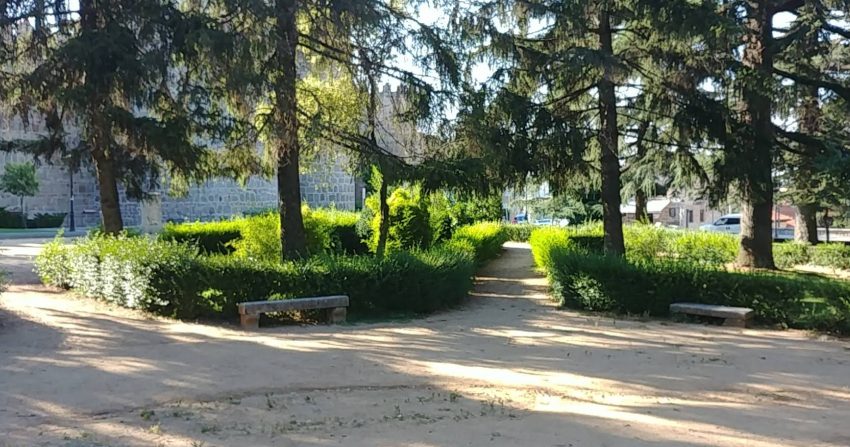
San Vicente Garden is a small green space just outside Ávila’s medieval walls, set beside the Puerta de San Vicente, where the stone defenses feel close enough to study. Its value is in the pause it creates: a calm buffer between streets and ramparts, with benches for sitting and watching the crenellations rise above trees and open sky. A curved, promenade-like path runs parallel to the wall, making it easy to follow the line of towers from ground level and find strong photo angles. Travelers often mention stopping here simply to rest and take in the views, sometimes with an aperitivo from the restaurants that ring the area.
Location: Pl. de San Vicente, 05001 Ávila, Spain | Hours: 24 Hours. | Price: Free. | Distance: 0.2km

Here is a complete selection of hotel options in Ávila. Feel free to review each one and choose the stay that best suits your needs.

3. Museo de Ávila

Casa Deanes avila
Casa Deanes avila
GNU 1.2 / David Perez
Museo de Ávila is the provincial museum inside the walled old town, housed in the 16th-century Casa de los Deanes on Plaza de Nalvillos, built for the Cathedral’s dean. The visit is shaped by the building itself: two floors wrap a quiet, porticoed courtyard where brick basket-handle arches rest on granite columns, with cathedral heraldry worked into the stone. Galleries move through archaeology, ethnography, and fine arts, giving context for Ávila’s Roman-to-medieval layers and the province beyond the walls. Visitors tend to remember the down-to-earth displays of folk dress, traditional kitchens, weaving and farming tools, alongside heavier finds such as Roman mosaics and stone pieces that explain the region’s enigmatic boar sculptures.
Location: Museo de Ávila, Plaza Nalvillos, Ávila‎, Spain | Hours: (Summer) 01 July–30 September: Tuesday–Saturday: 10:00–14:00 & 17:00–20:00. Sunday & Public holidays: 10:00–14:00. (Winter) 01 October–30 June: Tuesday–Saturday: 10:00–14:00 & 16:00–19:00. Sunday & Public holidays: 10:00–14:00. Closed on Mondays. | Price: €1 (permanent exhibition); €0.60 (temporary exhibitions). | Website | Distance: 0.2km

Traveling to a country with a different currency? Avoid ATM transaction fees and pay in local currency with a Wise Card. Having used it for over 5 years, we've saved loads on fees!

4. Puerta de San Vicente

Puerta de San Vicente Avila
CC BY-SA 3.0 / 23Agata
Puerta de San Vicente is one of the earliest gateways through Ávila’s medieval walls, marked by a tough twin‑tower layout that reads as defense first, decoration second. Standing by the Basilica de San Vicente and the leafy Jardines de San Vicente, it’s a spot where the city’s fortifications and sacred landscape meet within a few steps. Look closely and you can sense the gate’s layered security logic—an entrance designed for controlled access, with features described historically as double doors and a portcullis-like barrier. The stonework here feels older and more pieced-together than some stretches, with hints of reused blocks. Visitors tend to remember the “threshold” view: towers framing the arch and the old town immediately beyond.
Location: Puerta de San Vicente, C. de López Núñez, 14, 05001 Ávila, Spain | Hours: 24 Hours | Price: Free. | Website | Distance: 0.2km

Click here to read our blog about 15 Best Palaces in Avila, Spain (2026)

5. Casa de la Misericordia

Avila   Casa de la Misericordia
Avila Casa de la Misericordia
CC BY-SA 2.0 / Zarateman
Casa de la Misericordia is a small “House of Mercy” built right into the outer face of Ávila’s medieval wall on Calle de San Segundo. It’s easy to walk past until you notice the stone relief above the doorway: Saint Martin cutting his cloak to share with a poor man, carved to be read from the street. That scene hints at the building’s original role in the city’s charitable care—an everyday counterpoint to the wall’s defensive purpose. Stand back to see how the figures are composed, then look along the adjoining fortification to feel the tight seam where boundary and neighborhood meet. The contrast of massive masonry and a quiet act of compassion is what lingers.
Location: La Bodeguita de San Segundo, C. de San Segundo, 19, 05001 Ávila, Spain | Hours: 24 Hours | Price: Free to view the outside. | Distance: 0.2km

Explore Ávila at your own pace with our self-guided walking tour! Follow our curated route to discover must-see sights and local secrets that makes Ávila one of the best places to visit in Spain.

6. Palacio del Rey Niño

Palacio del Rey Nino de avila
CC BY-SA 2.0 / Richard Mortel
Set beside Ávila Cathedral and built into the inner face of the medieval walls, the Palacio del Rey Niño is a quiet remnant of the old episcopal complex. Its core is the Episcopio, a compact two-level Romanesque hall often identified as the former synod room, where clergy and officials once met under heavy stone vaulting. The building sits low against Ávila’s granite, its restrained proportions and enclosed atmosphere a stark contrast to the Cathedral’s vertical drama outside. When open, it hosts small exhibitions and cultural events, but the lasting impression is the texture of the masonry and the sense of a civic space shaped by faith, governance, and defense at the wall line.
Location: Oficina de Correos Pl. de la Catedral, 2 05001 Ávila Spain | Hours: Tuesday – Friday: 19:00–21:00. Saturday & public holidays: 19:00–21:00. Sunday: 12:00–14:00. Closed on Monday. | Price: https://www.avilaturismo.com/que-ver/el-episcopio | Distance: 0.3km

Explore Ávila at your own pace with our self-guided walking tour! Follow our curated route to discover must-see sights and local secrets that makes Ávila one of the best places to visit in Spain.

7. Palacio de los Serranos

Palacio de los Serranos Centro Cultural de Caja de Avila 3
CC BY-SA 1.0 / Zarateman
Palacio de los Serranos in Ávila is a mid-16th-century Renaissance palace of granite ashlar, now used as a cultural venue where exhibitions and events animate an old noble residence. From the street, its three full storeys give it a noticeably taller, more urban profile than many neighbouring houses. Step inside and the focus becomes the courtyard: a lintelled patio where only two gallery bays survive, leaving a readable fragment of the original symmetry. The contrast between sturdy stone architecture and contemporary programming is part of the appeal, and visits often feel quiet and unhurried, with time to linger on the building’s details between shows.
Location: Palacio Los Serrano Pl. de Italia, 1 05001 Ávila Spain | Hours: (Summer) 01 July – 31 August: Monday – Friday: 09:00–14:00 & 18:00–20:00; Saturday: 10:00–13:00. Closed on Sunday & public holidays. (Winter) 01 September – 30 June: Monday – Friday: 10:00–14:00 & 16:30–21:00; Saturday: 10:00–13:30 & 18:00–20:00. Closed on Sunday & public holidays. | Price: Free. | Website | Distance: 0.3km

8. Palacio de los Verdugo

Palacio de los Verdugo Avila
CC BY-SA 3.0 / Zarateman
Palacio de los Verdugo is a 16th-century noble residence just inside Ávila’s walls near the Puerta de San Vicente, a reminder of how the city’s elites blended Renaissance taste with a defensive, granite-heavy look. From the street, it reads almost like a small fortress, with low flanking towers and a plateresque entrance framed by coats of arms and other carved quirks, including an animal figure locals often point out. If it’s open, step into the unfinished central courtyard, where the arcades and proportions reveal a private inner world behind the severe façade. The building still hosts civic and cultural uses, so you may find a small exhibition inside, and visitors often note the free entry and upstairs artwork.
Location: Palacio de los Verdugo, Calle de López Núñez, Ávila‎, Spain | Hours: Monday – Saturday & public holidays: 10:00–14:00 & 17:00–20:00. Sunday: 10:00–14:00. Closed Monday afternoon in November. | Price: Free. | Website | Distance: 0.3km

9. Palacio de Sofraga

Palacio Sofraga Avila
CC BY-SA 4.0 / Javiermes
Palacio de Sofraga is a restored noble residence in Ávila’s walled Old Town, set in Plaza de Sofraga where the building seems to fuse with the medieval fortifications. Linked for centuries to the Águila family, it reflects how elite households once sat beside gates and wall stretches as part of the city’s defensive logic. Look closely and you’ll notice the wall physically integrated into the structure and subtle shifts in stonework that hint at 15th–16th century phases and a major late-19th-century rehabilitation. Today it functions as a boutique hotel, and visitors often remember the public areas where the old masonry is left exposed and the courtyard-and-garden calm softens the fortified setting.
Location: Palacio de Sofraga, Ávila‎, Spain | Hours: Exterior viewing: 24 Hours Restaurante Sofraga: Monday – Sunday: 13:30–16:00. Monday – Saturday: 20:30–23:00. | Price: Free. | Website | Distance: 0.3km

10. Casa Carnicerías

Avila   Casa de las Carnicerias 1
Avila Casa de las Carnicerias 1
CC BY-SA 3.0 / Zarateman
Casa de las Carnicerías is a late-16th-century civic building in Ávila, built tight against the outer face of the city walls on Calle San Segundo, where the street’s flow and the wall line meet. It began as a practical hub for goods entering through the gates—first linked to wine storage and butchery—before shifting to regulation, including the “peso de la harina” that weighed and controlled grain and flour supplies. Its location near a small postigo gate even sparked disputes about everyday passage, prompting changes ordered from above. Today it’s a brief, grounding stop: you notice how the façade sits flush to the ramparts and how naturally people pause here to get their bearings before moving on.
Location: Casa de las Carnicerías C. de San Segundo, 17 05001 Ávila Spain | Hours: (Summer) 1 July – 15 September: Monday – Friday: 09:15–14:00 & 17:00–19:30. Saturday: 09:30–14:00 & 17:00–19:30. Sunday: 09:30–14:30. (Winter) 16 September – 30 June: Monday – Friday: 09:15–14:00 & 16:00–18:30. Saturday: 09:30–14:00 & 16:00–18:30. Sunday: 09:30–14:30. Closed on Sunday afternoons; 25 December; 1 January; afternoons of 24 & 31 December. | Price: Free to enter (tourist information point); wall-walk tickets are sold here if you’re climbing the ramparts. | Website | Distance: 0.3km

11. Walls of Ávila

avila city walls2
avila city walls2
The Walls of Ávila form a complete ring of granite ramparts that still encloses the Ciudad Vieja, making the city feel medieval from the moment you see the towers. The best experience is climbing up to the adarve walkway and following an accessible stretch, where crenellations and watchtowers frame alternating views: tiled rooftops and church spires inside, and open plains and valleys beyond. Several stair-entry points lead onto different sections, so each walk feels like a new vantage point. The circuit is tied to late-11th-century frontier fortification after the Christian reconquest, and in places the defenses merge with later buildings—most strikingly where the cathedral’s fortress-like eastern end visually locks into the wall line.
Location: Casa de las Carnicerías C. de San Segundo, 17 05001 Ávila Spain | Hours: (Summer) 21 March – 30 June; 1 September – 31 October: Daily: 10:00–20:00. 1 July – 31 August: Monday, Tuesday, Friday, Saturday & Sunday: 10:00–15:00 & 17:00–23:00. Wednesday – Thursday: 10:00–15:00 & 17:00–21:00. (Winter) 1 November – 30 March: Daily: 10:00–18:00. Closed on Monday. | Price: €8 (reduced €5). | Website | Distance: 0.3km

12. Marshal Gate
Marshal Gate
Marshal Gate
CC BY-SA 3.0 / AdriPozuelo
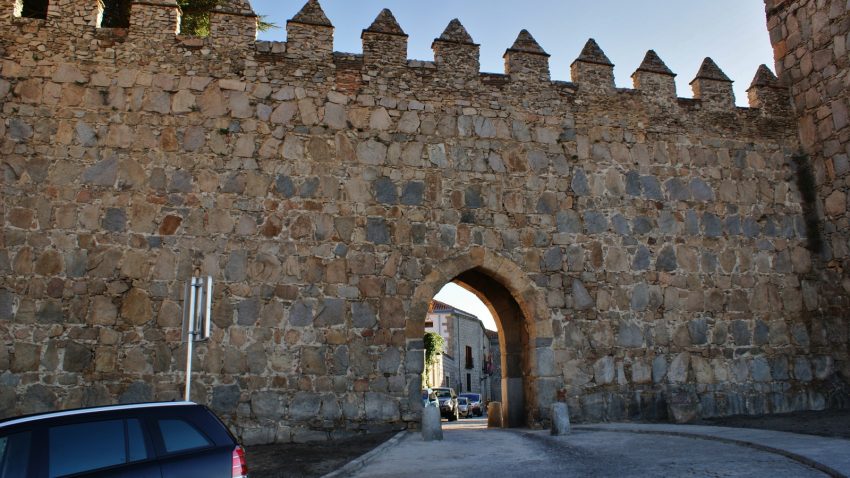
Marshal Gate (Arco del Mariscal) is a small, pointed-arch entrance in Ávila’s medieval wall on the quieter northern stretch of the old town. Unlike the city’s grander gates, it feels like a working passage—plain stone, minimal decoration, and a close-up view of the wall’s towers and crenellations. The name recalls Álvaro Dávila, a marshal tied to King John II of Castile, giving this modest opening a specific place in the wall’s story. Step just outside the arch to line up long perspectives of ramparts and towers, especially striking in late light or when the walls are illuminated at night. Because cars can pass through, it’s worth staying alert while you linger for photos.
Location: Pl. Fuente el Sol, 1, 05001 Ávila, Spain | Hours: 24 Hours. | Price: Free. | Distance: 0.4km

13. Palacio de Bracamonte

Patio del Palacio de Diego de Bracamonte Avila
CC BY-SA 4.0 / José Luis Filpo Cabana
Palacio de Bracamonte is a noble residence tucked just inside Ávila’s northern medieval walls, where aristocratic homes once doubled as part of the city’s defensive fabric. Its street-facing stone exterior looks austere, but inside you’ll find a 16th-century porticoed courtyard with a double gallery that rewards a slow circuit. The lower arcade is carried on sturdy Doric/Tuscan columns, while the upper level adds late-Gothic geometry and coats of arms that read like a carved record of family alliances. Built in the early 1500s over an earlier medieval house, it later fell into decline before being rebuilt in the late 19th century. Today it functions as a regional administrative building, so access can be limited, but visitors often remember the well-preserved patio—now partly enclosed with glass.
Location: Palacio de Bracamonte, Plaza Fuente el Sol, Ávila, Spain | Hours: Monday – Friday: 09:00–14:00. Closed on Saturday – Sunday. | Price: Free. | Website | Distance: 0.4km

14. Palacio de Valderrábanos

Avila   Palacio de Valderrabanos
Avila Palacio de Valderrabanos
CC BY-SA 1.0 / Zarateman
Palacio de Valderrábanos is a 14th-century noble residence on Ávila’s Plaza de la Catedral, now functioning as a hotel but still most memorable from the street. Set against the cathedral’s fortress bulk and the tight medieval lanes, its more human-scale façade reads as Gothic with later alterations. Look for the distinctive corner marked by a double brick tower, a detail that gives the building a slightly defensive, urban-palace character. Move closer to spot the heraldic carving tied to Gonzalo Dávila, an easily missed coat of arms that turns the stonework into a statement of lineage and status. Even without entering, it adds a civil counterpoint to the square’s overwhelmingly religious architecture.
Location: Hotel Palacio Valderrábanos, Plaza de la Catedral, Ávila, Spain | Hours: (Summer) Daily: 9:00 - 20:00 (Winter) Daily: 9:00 - 16:00 | Price: Entry to the public areas, such as the hotel lobby and restaurant, is free. | Website | Distance: 0.4km

15. Los Velada Palace

Los Velada Palace Avila
CC BY-SA 2.0 / Richard Mortel
Los Velada Palace is a 16th-century Renaissance residence set directly on Plaza de la Catedral, pressed up against Ávila Cathedral in the city’s tight, stone-built core. Even from the street, the building reads as both refined and defensive: a broad semicircular entrance arch with hefty voussoirs, a sturdy tower, and a façade that still signals status. Step inside as far as public areas allow and you can glimpse the surviving courtyard structure, where lower galleries of segmental arches on Tuscan columns create a measured, processional rhythm. Look too for traces of Mudéjar craftsmanship—coffered ceilings in some interior spaces add a distinctly Castilian layer to the palace’s Renaissance frame.
Location: Hotel Palacio de Los Velada Pl. de la Catedral, 10 05001 Ávila Spain | Hours: (Summer) Daily: 09:00–20:00. (Winter) Daily: 09:00–18:00. | Price: Free. | Website | Distance: 0.4km

16. Palacio de los Águila

Palacio de los Aguila Avila
CC BY-SA 3.0 / Outisnn
Palacio de los Águila is a 16th-century Renaissance noble house within Ávila’s walled old town, notable for how courtly taste appears in a city better known for stern medieval stone. Its showpiece is the Plateresque entrance: a densely carved portal that reads like a miniature altarpiece set into a domestic façade, with ornament clustered theatrically around the doorway. The rest of the exterior keeps a granite, symmetrical restraint that still signals status. When access is possible, the building is organized around an arcaded patio with segmental arches, though some visitors report finding only the courtyard or arriving to find it closed despite posted hours.
Location: Palacio de los Águila C. de López Núñez, 1 05001 Ávila Spain | Hours: Currently Closed. | Price: Not applicable (currently closed to the public). | Website | Distance: 0.4km

17. Puerta del Alcázar

Murallas de Avila Puerta del Alcazar
CC BY-SA 3.0 / AdriPozuelo
Puerta del Alcázar is a fortified gate on the eastern side of Ávila’s walled old town, framed by two hefty towers and a bold semicircular arch that makes the entrance feel ceremonial and defensive at once. Look up beneath the arch for stone corbels and projecting supports—clues to the gate’s working past, when a defensive walkway and drawbridge-era engineering helped control access. The approach once included a moat and barbican, and the structure still reads like a piece of medieval machinery rather than a simple opening in a wall. Step through and turn back for a strong “arrival” view, especially when the light catches the pale stone.
Location: Puerta del Alcázar C. Don Gerónimo, 17 05001 Ávila Spain | Hours: 24 Hours | Price: Free | Distance: 0.4km

18. Ávila Cathedral

Cathedral of Avila
Cathedral of Avila
CC BY-SA 2.0 / Richard Mortel
Ávila Cathedral (Catedral del Salvador) is a Romanesque-to-early-Gothic cathedral in the center of Ávila’s walled old town, built with the logic of a frontier stronghold as much as a church. Its most memorable feature is the eastern apse, which is fused into the city walls so the back of the sanctuary reads like a defensive tower from outside. Inside, visitors notice the contrast between thick, grounding masonry and the lift of Gothic height, plus finely carved choir stalls, bas-reliefs, and sculpted tombs. Stained glass adds color to the cool stone, and the reddish tinge of the building’s stonework stands out in certain light.
Location: Catedral de Ávila Pl. de la Catedral, 8 05001 Ávila Spain | Hours: Monday – Saturday: 10:00–18:00. Sunday: 12:30–18:00. | Price: General €10 (reduced €7; seniors €9; under 12 free). | Website | Distance: 0.4km

19. Plaza Mercado Chico

Plaza Mercado Chico Avila
CC BY-SA 2.0 / Pedro Henrique Ponchio
Plaza Mercado Chico is Ávila’s compact main square inside the medieval walls, a neat rectangle edged by arcades on three sides and closed off by the Town Hall at one end. It matters because it has long been the city’s civic “stage,” taking shape during the late-11th-century repopulation and later refined into the orderly space you see today. Under the covered walkways, you notice the rhythm of arches, balconies, and granite façades—especially welcome in summer heat or winter chill. The square’s character sharpens in the face-to-face between the Town Hall and the Church of San Juan Bautista, where administration and parish life meet. On Fridays, a fruit market sometimes sets up, and after dark the stone glows softly.
Location: Plaza Mercado Chico Pl. Mercado Chico, 11 05001 Ávila Spain | Hours: 24 Hours | Price: Free | Distance: 0.5km

20. Parador de Ávila

Palacio de Benavites Avila
CC BY-SA 4.0 / Paradores
Parador de Ávila is a working hotel set in a 16th-century Renaissance palace known as the Palace of Piedras Albas, tucked into the fabric of Ávila’s fortified old city. What makes it memorable is how the building and the medieval walls press close together, so a simple coffee stop feels like lingering inside the city’s defenses. Step into the gardens for a quieter mood and look for the granite verraco vetón (a boar sculpture) that nods to the province’s pre-Roman past. The palace’s layered life—noble residence, later a Civil Guard barracks, and since 1960 part of Spain’s Parador network—adds to the sense of a place still in use, not frozen in time.
Location: Palacio de Benavites, Calle Marqués de Canales y Chozas, Ávila, Spain | Hours: Restaurant & café: 07:45–24:00. | Price: Free (public areas; food and drink extra). | Website | Distance: 0.6km

21. Torreón de los Guzmanes

Torreon de los Guzmanes Avila
CC BY-SA 3.0 / Rowanwindwhistler
Torreón de los Guzmanes is the corner tower of Ávila’s Palacio de los Guzmanes, a Renaissance noble residence that still reads like a small urban fortress inside the old town near Plaza del Mercado Chico. Built in the 15th–16th centuries for the Mújica lineage, its squared mass is crowned with trefoiled merlons and machicolation-like projections, with corner lookout posts that feel made for surveillance rather than decoration. Step through the entrance and the mood shifts to a serene, porticoed courtyard: two levels of galleries with Tuscan Doric columns and low arches below, and simpler lintels above, punctuated by coats of arms and floral carving. The building now houses the Provincial Council, and visitors often remember the beautifully kept patio and the small Vetton culture exhibition in the former stables.
Location: Torreon de los Guzmanes, Plaza Corral de las Campanas, Ávila, Spain | Hours: Torreón (public access): Monday – Friday: 08:00–15:00. Courtyard exhibitions: Daily: 12:00–14:00 & 17:00–20:00. La Vetonia exhibition: Tuesday – Saturday: 11:00–14:00 & 17:00–20:00. Sunday & Public holidays: 11:00–14:00. Closed on Monday (La Vetonia). | Price: Free. | Website | Distance: 0.6km

22. Palacio de los Dávila

Avila Palacio Davila
CC BY-SA 4.0 / Palickap
Palacio de los Dávila is a fortified noble residence built in stages from the 13th to 16th centuries, literally integrated into Ávila’s inner line of city defenses beside the Gate of El Rastro. From the outside, visitors notice the stern granite massing, a pointed Gothic porch, and paired (geminate) windows that signal its medieval core. Walk around and the palace reads like part of the wall itself, with merlons and machicolations that underline its security role as much as its status. Look closely at the thick, semicircular arches and the carved doorway reliefs—chained wild figures flanked by trumpet-bearing knights—that give the stonework an unexpectedly vivid voice.
Location: Palacio de los Dávila, Plaza Pedro Dávila, 7, 05001 Ávila, Spain | Hours: 24 Hours | Price: Free to view externally. | Website | Distance: 0.6km

23. Iglesia de San Juan Bautista

Avila. Plaza del Mercado Chico
Public Domain / Elena F D
Iglesia de San Juan Bautista is an active parish church in Ávila’s old city near Mercado Chico, valued for its layered architecture and its link to Saint Teresa of Jesus. Built on Romanesque foundations, it was substantially reshaped in the 16th century with Gothic structure and vaulting, then finished with restrained Renaissance-Herrerian details around the chevet and transept chapels. Inside, the baptismal font where Teresa was baptised gives the visit an unusually personal focus, and many travellers come specifically for that connection. The atmosphere is quiet and lived-in rather than museum-like, and visitors often remark on how easily this beautiful church can be missed if you don’t seek it out.
Location: Church of Saint John Baptist Calle Martín Carramolino, 1 05001 Ávila Spain | Hours: (Summer) Monday – Friday: 09:15–14:00 & 17:00–19:30; Saturday: 09:30–14:00 & 17:00–19:30; Sunday: 09:30–14:30. (Winter) Monday – Friday: 09:15–14:00 & 16:00–18:30; Saturday: 09:30–14:00 & 16:00–18:30; Sunday: 09:30–14:30. Closed on Sunday afternoons. Closed on 25 December; 1 January; 6 January; afternoons of 24 December & 31 December. | Distance: 0.6km

24. Palacio de Los Almarza

Palacio de Los Almarza Avila
CC BY-SA 2.0 / Luis Rogelio HM
Palacio de los Almarza is a protected Renaissance-era palace façade in Ávila’s walled old town, best appreciated from the street rather than as an interior visit. The granite front mixes classical order with lingering Gothic cues, turning the entrance into a piece of stone sculpture. Notice the heavy semicircular portal built from oversized wedge stones, then follow the framing upward to an ogee-arched window and a band of carving that reads like a decorative frieze. Coats of arms flank the composition, hinting at the status of the original owners and the palace’s place in the city’s civil architecture. It’s the kind of stop where a few minutes of looking closely reveals new details.
Location: Siervas De María Ministras De Los Enfermos Provincia De Castilla Curia Provincial C. Madre Soledad, 2 05001 Ávila Spain | Hours: 24 Hours | Price: Free (exterior viewing). | Website | Distance: 0.7km

25. Palacio de Los Superunda

Exterior photo of Palacio De Los Superunda
CC BY-SA 2.0 / Luis Rogelio HM
Palacio de los Superunda is a late-16th-century Renaissance palace inside Ávila’s walled old town, valued for its sober elegance and its later life as a cultural home. The granite ashlar façade feels disciplined and civic-minded, with tower-like ends, upper balconies, and coats of arms that signal the ambitions of Ávila’s elite around the 1580s, often linked to regidor Pedro Ochoa Aguirre. Step inside and the mood shifts to quiet proportion: a restrained courtyard lit from above, where rhythm and symmetry do the work instead of ornament. Interior transitions—especially the staircase—make it feel inhabited, and displays connected to Italian painter Guido Caprotti tie the building’s domestic past to its 20th-century artistic identity.
Location: Palacio de Superunda, Plaza Corral de las Campanas, Ávila‎, Spain | Hours: (Summer) 01 April–31 October: Tuesday–Sunday: 10:00–14:00 & 17:00–20:00. (Winter) 01 November–31 March: Tuesday–Sunday: 10:00–14:00 & 16:00–18:00. Closed on Mondays. | Price: €5 general / €3 reduced. Free entry Tuesday 10:00–12:00. | Website | Distance: 0.7km

26. Palace of Polentinos (Ávila)

Avila Palacio de Polentinos
CC BY-SA 4.0 / Palickap
The Palace of Polentinos is a 16th-century Renaissance noble house tucked inside Ávila’s walled old town on Calle Vallespín, now part of the General Military Archive complex and home to the Quartermaster (Intendencia) museum. Its plateresque stone façade reads like a carved statement of status, while inside a calm, square courtyard with two levels of slender arcades slows the pace of the city’s granite streets. Look for monolithic columns, heraldic shields, and finely worked friezes that show how Renaissance symmetry met local craftsmanship. Some rooms retain a ceremonial feel—especially the tribute hall with a coffered ceiling and carved corbels—while the small museum adds uniforms and logistics artifacts. Visitors often note the free entry and the courtyard’s beauty.
Location: Palace of Polentinos, Calle Vallespín, 19, 05001 Ávila, Spain. | Hours: Monday – Friday: 10:30–14:00. Saturday – Sunday & Public holidays: 10:30–14:30 & 16:00–19:00. | Price: Free. | Website | Distance: 0.7km

27. Puerta del Carmen

AVILA MURALLA PUERTA DEL CARMEN
CC BY-SA 3.0 / Concepcion AMAT ORTA
Puerta del Carmen is a medieval defensive gate on the quieter northern side of Ávila’s walled city, where the ramparts stretch out in a clean, cinematic line of towers against open sky. From outside, you get one of the clearest reads of how the fortification rides the landscape, with plenty of space for unhurried photos. The entrance is designed to make you angle and turn rather than walk straight in—a practical detail that still feels noticeable underfoot. Look for the distinctive brick belfry, often crowned with stork nests, and the mix of stonework and later additions around the gateway. Nearby archaeology even suggests one flanking tower was built hollow and later filled in.
Location: Acceso muralla. Puerta del Carmen Pl. Concepción Arenal, 1 05001 Ávila Spain | Hours: (Summer) 01 April–30 June; 01 September–31 October: Daily: 10:00–20:00. 01 July–31 August: Monday, Tuesday, Friday, Saturday & Sunday: 10:00–22:00. Wednesday & Thursday: 10:00–20:00. (Winter) 01 November–31 March: Daily: 10:00–18:00. Closed on Mondays (except 10 November, 08 December & 30 March). Special schedule: 24 December & 31 December: 10:00–15:00. Closed on 25 December; 01 January; 06 January. | Price: Free to see the gate; wall-walk ticket (when access is operating): €8 general / €5 reduced. | Website | Distance: 0.7km

28. Palacio de Núñez Vela

Palacio de Nunez Vela Avila
©
Palacio de Núñez Vela sits against the southern stretch of Ávila’s medieval walls, a Renaissance noble residence whose stern placement reads almost defensive at first glance. Commissioned in the mid-1500s by Blasco Núñez Vela—later the first Viceroy of Peru—it signals the city’s 16th-century ambition in disciplined symmetry and crisp granite ashlar. Most visitors experience it from the street, since it functions today as the Provincial Courthouse, but the façade rewards a slow look. Notice the semicircular arched doorway with oversized voussoirs, the restrained classical framing, and the coats of arms and relief carving that punctuate the stonework. Step back to take in the balanced proportions before moving on.
Location: Palacio de D. Blasco Nuñez Vela, Plaza la Santa, Ávila‎, Spain | Hours: 24 Hours | Price: Free (exterior viewing). | Website | Distance: 0.8km

29. El Convento de Santa Teresa

Iglesia Convento de Santa Teresa, Avila
CC BY-SA 4.0 / Américo Toledano
El Convento de Santa Teresa in Ávila is a Baroque Carmelite church and convent built over the birthplace of Saint Teresa of Jesus, fixing her story to a precise spot on Plaza de la Santa. Begun in 1629 under the Carmelite architect Fray Alonso de San José and opened on 15 October 1636, the building keeps a restrained Latin-cross plan with side chapels that feel intimate rather than grand. The façade is arranged like an altarpiece in three vertical tiers, and inside you’ll spot sculptures linked to Gregorio Fernández’s circle. Downstairs, the museum occupies a large vaulted burial crypt—cool stone and low arches that shift the mood to quiet contemplation. Visitors often remark on the calm, prayerful atmosphere.
Location: Convento de Santa Teresa, Arenas de San Pedro, Ávila, Spain | Hours: Church (tourist visits) Monday – Saturday: 09:30–13:00 & 15:30–19:30.Sunday & public holidays: 09:30–11:00 & 15:30–19:00. Museum (in the crypt) Daily: 10:00–14:00 & 16:00–19:00. | Price: Church: Free. Museum: €3 | Website | Distance: 0.8km

30. Puerta de Santa Teresa

Plaza de la Santa, Avila
CC BY-SA 4.0 / Américo Toledano
Puerta de Santa Teresa is a compact medieval gate set into Ávila’s stone walls, traditionally counted among the city’s nine entrances and closely tied to the Santa Teresa quarter. It’s easy to miss at speed, but pausing reveals its defensive character: two square towers flank the passage, topped by a machicolation that once protected the opening below. The weathered masonry shows traces of older construction beneath later repairs, giving the structure a layered, lived-in feel rather than a ceremonial arrival. Walk through and look back—the arch neatly frames the wall line for photos, and the surrounding lanes keep a quiet, almost cloistered atmosphere that many visitors describe as peaceful and reflective.
| Hours: 24 Hours | Price: Free | Website | Distance: 0.8km

31. Royal Monastery of Santo Tomás
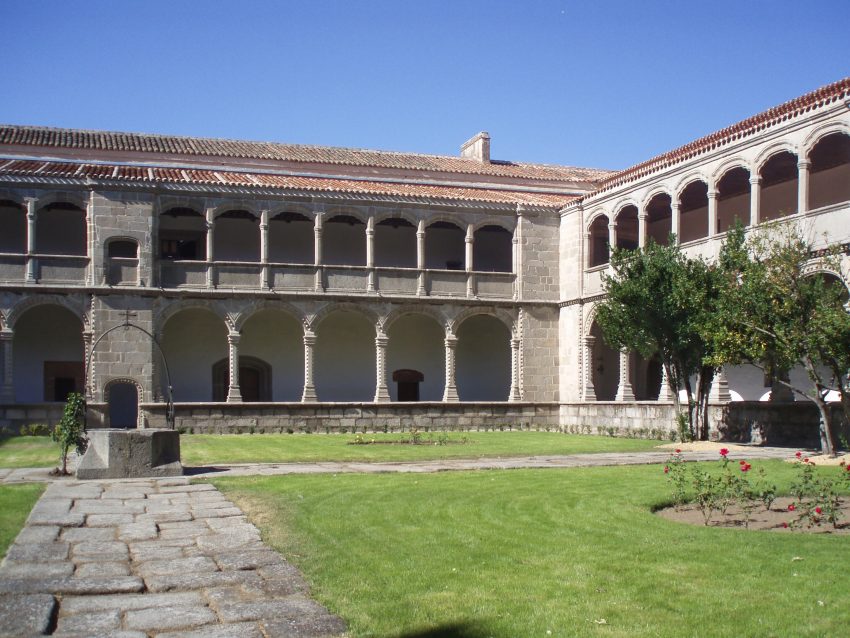
Royal Monastery of Santo Tomás
Public Domain / Pizicato Elena
The Royal Monastery of Santo Tomás in Ávila, Spain is a late-15th-century Dominican complex founded under the Catholic Monarchs, blending Gothic structure with Plateresque decoration. Its carved stone façade and large rose window set the tone before you enter a sequence of three cloisters, where arcades and intricate stonework create a hushed, rhythmic walk around quiet courtyards. The church carries the site’s royal weight, including the burial of Prince John of Asturias, linking the monastery to a pivotal dynastic moment. Beyond the architecture, the on-site museums can feel delightfully unexpected, with collections ranging from Oriental art to natural science specimens.
Location: Pl. Granada, 1, 05003 Ávila, Spain | Hours: (Summer) July 1 – August 31; Daily: 10:30–21:00. (Winter) September 1 – June 30; Daily: 10:30–14:00 & 15:30–19:30. | Price: Adults: €6; Reduced: €5; Special: €4; Groups (10–15): €5 per person; Groups (16–24): €4 per person. | Website | Distance: 0.9km

32. Mirador de los Cuatro Postes

Humilladero de los Cuatro Postes  Avila
Humilladero de los Cuatro Postes Avila
CC BY-SA 2.0 / M.Peinado
Mirador de los Cuatro Postes is a viewpoint across the River Adaja that frames Ávila’s walled skyline in a single, uninterrupted sweep. At the center stands a spare 16th-century humilladero: four tall Doric columns joined by stone beams carved with the city’s arms, with a granite cross rising between them. Step back from the monument and the walls read like a diagram—towers marching along the ridge and the old town sitting compactly behind its defenses. The light near sunset sharpens the silhouette and then turns the stone warm as dusk settles, making the whole city feel like a fortress set on display.
| Hours: 24 Hours | Price: Free. | Distance: 1.4km

Best Day Trips from Ávila

A day trip from Ávila offers the perfect opportunity to escape the urban rhythm and discover the surrounding region's charm. Whether you're drawn to scenic countryside, historic villages, or cultural landmarks, the area around Ávila provides a variety of easy-to-reach destinations ideal for a one-day itinerary. If you are looking to rent a car in Spain I recommend having a look at Discover Cars, first, as they compare prices and review multiple car rental agencies for you.

1. El Escorial
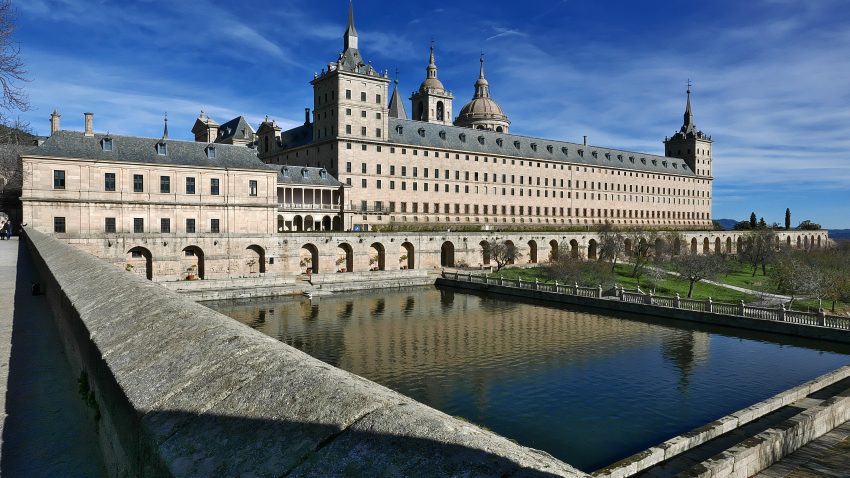
Royal Monastery of San Lorenzo
CC BY-SA 3.0 / José Luis Filpo Cabana
El Escorial in San Lorenzo de El Escorial, near Madrid, is the Royal Monastery of San Lorenzo de El Escorial, a major historic complex made up of monastery, basilica, royal chambers, library, and burial spaces. Built for Philip II in the 16th century, it takes up a large footprint on the edge of town and is usually visited as a…
Location: Royal Site of San Lorenzo de El Escorial, Av Juan de Borbón y Battemberg, San Lorenzo de El Escorial, Spain | Hours: (Summer) Tuesday – Sunday: 10:00–19:00. (Winter) Tuesday – Sunday: 10:00–18:00. Closed on Monday. | Price: Standard admission €14; reduced €7; free for eligible visitors (including under 5s and some other categories). | Website | Distance: 46.8km
Visiting El Escorial
Powered by GetYourGuide

2. Segovia

alcazar de segovia
alcazar de segovia
Segovia, located in Castile and León, is a captivating city that effortlessly blends architectural grandeur with scenic landscapes and traditional Spanish charm. Its historic center, filled with cobbled streets, charming squares, and centuries-old buildings, is a delight to explore. The city's Roman aqueduct, one of Spain’s most iconic landmarks, stretches across the heart of Segovia, creating a striking contrast between…
Visiting Segovia
Powered by GetYourGuide

3. Salamanca

Salamanca
Salamanca
Salamanca, a jewel of Castile and León, captivates visitors with its golden sandstone architecture and vibrant student atmosphere. The city's Plaza Mayor, often regarded as one of Spain’s most beautiful squares, serves as the social and cultural hub, where cafés spill onto the cobbled streets and people gather to soak in the energy of the city. A walk through the…
Visiting Salamanca
Powered by GetYourGuide

4. Madrid

madrid palace
madrid palace
Madrid, the capital and largest city of Spain, showcases the nation's finest attributes through its vibrant population, diverse culinary offerings to suit every budget, and an array of top-tier museums and galleries found nowhere else in Europe. With a population of nearly 3.3 million residents and a metropolitan area exceeding 6.5 million, Madrid ranks as the third-largest city in the…
Visiting Madrid
Powered by GetYourGuide

5. Toledo

toledo
toledo
Toledo, set in the heart of Castile-La Mancha, is a city where centuries of cultural influences blend seamlessly into its striking urban landscape. Surrounded by the winding Tagus River, Toledo’s elevated position offers breathtaking views of its skyline, dominated by the grand Alcázar and the towering Toledo Cathedral. The historic streets lead visitors through atmospheric alleys, where medieval buildings coexist…
Visiting Toledo
Powered by GetYourGuide

6. Valladolid

Valladolid
Valladolid
Valladolid, located in Castile and León, offers visitors a captivating blend of grand architecture, rich cultural experiences, and a lively urban atmosphere. Its Plaza Mayor, a vibrant square surrounded by elegant buildings, serves as the city's central hub, where locals and visitors gather to enjoy cafés and outdoor terraces. Strolling through the city center leads to impressive landmarks like the…
Visiting Valladolid
Powered by GetYourGuide

7. Alcalá de Henares

Alcala de Henares
Alcala de Henares
CC BY-SA 2.0 / M.Peinado
Alcalá de Henares, situated 35 kilometers (22 miles) northeast of Madrid, is a fantastic day trip from the capital. From its rich literary heritage to its vibrant tapas scene, here are the top attractions and activities to enjoy when visiting this charming city.
Visiting Alcalá de Henares

8. Guadalajara

Guadalajara Espana
Guadalajara Espana
CC BY-SA / Diego Delso, delso.photo
Located in central Spain, in the northeast of the Castile La Mancha region, this area offers a wealth of rural landscapes waiting to be explored, notably through its renowned Black Architecture villages. Additionally, Guadalajara boasts several protected natural areas, including the Tejeda Negra Nature Reserve, known for its stunning beech forest. For those with a penchant for culture, Guadalajara's historic…
Visiting Guadalajara

Where to Stay in Ávila

Ávila offers a variety of accommodations, whether you’re looking for a historic stay within its medieval walls, a serene retreat in the countryside, or a modern hotel with convenient access to the city’s highlights. The Historic Center (Casco Antiguo) is the ideal choice for visitors who want to be surrounded by Ávila’s stone fortifications, charming plazas, and renowned landmarks like the Cathedral and Plaza del Mercado Chico. Staying within the ancient city walls allows easy access to its beautifully preserved streets, making every stroll a journey through history. A recommended hotel in this district is Palacio de los Velada, an elegant establishment set in a historic palace with stylish interiors and a prime location.

For those seeking tranquility and nature, the Surrounding Countryside provides the perfect balance of peaceful landscapes and proximity to the city center. This area is ideal for travelers who want to experience scenic walks, traditional Castilian cuisine, and breathtaking views of Ávila’s walled skyline without being in the midst of the tourist crowds. A fantastic option in this setting is Hotel Fontecruz Ávila, offering a quiet retreat with lush surroundings and spa facilities.

If modern comforts and accessibility are priorities, Ávila’s New Town and Commercial Districts provide contemporary accommodations with easy transport links, shopping areas, and diverse dining options. This area is ideal for travelers who prefer sleek hotels with modern amenities while still being within walking distance of the historic center. A recommended stay in this district is Hotel II Castillas Ávila, featuring spacious rooms and excellent service. Whether you’re drawn to medieval charm, countryside serenity, or urban convenience, Ávila offers accommodations tailored to every traveler’s preference.

Using the our Hotel and Accomodation map, you can compare hotels and short-term rental accommodations in Ávila. Simply insert your travel dates and group size, and you’ll see the best deals for your stay.

Ávila Accommodation Map

Best Time to Visit Ávila

Visiting Ávila in Spring

Spring, from March to May, is an excellent time to visit Ávila. The weather is mild and pleasant, with temperatures ranging from 10°C to 20°C (50°F to 68°F). This season is ideal for exploring the city’s historical sites, such as the city walls and the Cathedral of Ávila, and enjoying the blossoming flowers and vibrant greenery.

Visiting Ávila in Summer

Summer, from June to August, is the peak tourist season in Ávila. The weather is warm, with temperatures often reaching 30°C (86°F) or higher. This is a great time to experience local festivals and events, such as the Medieval Market in July. The evenings are perfect for strolling through the old town and enjoying outdoor dining.

Visiting Ávila in Autumn

Autumn, from September to November, is another excellent time to visit Ávila. The temperatures are cooler, ranging from 10°C to 20°C (50°F to 68°F), making it comfortable for sightseeing and outdoor activities. The autumn colors add a beautiful backdrop to the city’s landscapes, and the tourist crowds from summer have diminished, allowing for a more relaxed experience.

Visiting Ávila in Winter

Winter, from December to February, is mild in Ávila, with temperatures averaging between 0°C and 10°C (32°F to 50°F). This is the off-peak tourist season, offering a quieter and more relaxed atmosphere. Winter is a good time to explore indoor attractions such as museums and historic buildings without the crowds. The festive holiday decorations and events add charm to the city during this season.

Annual Weather Overview

  • January 7°C
  • February 10°C
  • March 12°C
  • April 18°C
  • May 20°C
  • June 26°C
  • July 31°C
  • August 29°C
  • September 24°C
  • October 19°C
  • November 12°C
  • December 9°C

How to get to Ávila

By Air to Ávila

The nearest major airport to Ávila is Adolfo Suárez Madrid-Barajas Airport (MAD), located about 120 kilometers away. From the airport, you can reach Ávila by rental car, taxi, or by taking a train or bus from Madrid.

By Train to Ávila

Ávila is well-connected by train, with regular services from major Spanish cities. RENFE operates trains from Madrid, which take approximately 1.5 hours. The train station in Ávila is conveniently located close to the city center, making it easy to access local attractions.

By Bus to Ávila

Several bus companies operate routes to Ávila from various cities across Spain. Buses from Madrid to Ávila take around 1.5 to 2 hours. The main bus station in Ávila is centrally located, providing easy access to the city's attractions.

By Car to Ávila

Driving to Ávila is a convenient option, especially if you plan to explore the surrounding region. From Madrid, the drive takes about 1.5 hours via the A-6 and AP-51 highways. The city is well-connected by road, making it easy to navigate by car.

By Local Transportation in Ávila

Once in Ávila, you can explore the city by walking or using the local bus network. Taxis are also readily available for getting around. Walking is particularly enjoyable in Ávila due to its compact size and the close proximity of major attractions.
More from this area