12 Best Museums in Córdoba, Spain (2026)
This website uses affiliate links which earn a small commission at no additional cost to you.
Córdoba, once the dazzling capital of Al-Andalus and one of Europe's great centers of learning, remains a city where art, architecture, and history intertwine at every corner. Its museums offer an extraordinary window into this past - from Roman foundations and Islamic brilliance to the vibrancy of the Spanish Golden Age. Whether you are drawn to ancient mosaics, Moorish craftsmanship, or the bold portraits of Andalusian painters, Córdoba's museums tell the story of a city that has always been a crossroads of cultures.
Exploring Córdoba's museums is more than just a journey through art; it's an immersion into the spirit of southern Spain. Each collection reflects the influences that shaped this UNESCO-listed city - Roman, Visigothic, Islamic, Jewish, and Christian. Many are housed in palaces, convents, and Renaissance mansions, where the setting itself is part of the experience. From archaeological treasures to contemporary creativity, Córdoba's museums bring the city's 2,000 years of history to life.
Here are the best museums in Córdoba to experience its art, history, and culture - each a testament to the city's layered identity and enduring beauty.
Table of Contents
Córdoba’s History and its Museums
Córdoba's history is one of the richest and most layered in all of Spain - a story of civilizations that rose, mingled, and left their mark in stone, art, and tradition. Once the capital of Roman Hispania Baetica, later the shining heart of Islamic Al-Andalus, and eventually a jewel of Christian Spain, Córdoba has absorbed influences from every culture that touched it. Its museums today mirror that evolution, acting as time capsules that preserve and interpret each chapter of the city's long past.
The city's origins stretch back more than two thousand years. Founded by the Romans in the 2nd century BCE, Córdoba grew into a prosperous provincial capital, famous for its bridge over the Guadalquivir River and its philosophers, including Seneca. The remains of this classical world still lie beneath the modern streets, and they surface spectacularly in the Museo Arqueológico de Córdoba, built over the ruins of a Roman theatre. Inside, statues of emperors, fragments of mosaics, and carved altars remind visitors of the city's early grandeur. Roman mosaics also reappear in the Palacio de la Condesa de Lebrija in Seville and in private collections across Andalusia, showing how deeply Roman artistry took root in southern Spain.
When the Moors arrived in 711, Córdoba became the glittering capital of the Umayyad Caliphate of Al-Andalus, rivaling Baghdad and Constantinople in wealth and learning. At its peak in the 10th century, it was home to hundreds of mosques, public baths, libraries, and schools, a place where Muslims, Jews, and Christians shared ideas and innovations. The Museo Vivo de Al-Andalus, housed in the Calahorra Tower, celebrates this golden age, recreating the world of scholars like Averroes and Maimonides and the spirit of tolerance that defined medieval Córdoba. The Casa Andalusí adds a more personal perspective, evoking life in a refined Islamic household, where science, craftsmanship, and poetry flourished in equal measure.
After the Christian conquest in 1236, Córdoba became part of Castile, and its churches and palaces began to rise on the foundations of mosques and Moorish houses. The Museo Diocesano, inside the Episcopal Palace, preserves this era's sacred art - paintings, silverwork, and carvings that reveal how Gothic and Renaissance forms merged with the lingering delicacy of Mudéjar design. The Palacio de Viana, with its courtyards and Renaissance galleries, shows the domestic side of post-Reconquista Córdoba: the life of noble families surrounded by gardens, tapestries, and ceramics. In these spaces, the city's Islamic heritage persisted quietly in the geometry of tiles and the flow of water in fountains.
By the 16th and 17th centuries, Córdoba, though no longer a political capital, became a center of religious devotion and art. The Museo de Bellas Artes and the Museo Julio Romero de Torres reflect that transition - from the solemn saints and chiaroscuro dramas of Baroque painters to the intimate, emotional portraits of Andalusian identity in the modern age. Julio Romero de Torres' works in particular capture a Córdoba that is both mystical and sensual, old and new, echoing the city's eternal duality.
In this way, Córdoba's museums are not just collections of objects; they are reflections of its entire history. The Archaeological Museum anchors the city in the Roman world. The Museo Vivo de Al-Andalus celebrates its intellectual zenith under Islam. The Diocesan and Fine Arts museums record its Christian rebirth and artistic flourishing. And places like Palacio de Viana embody the Andalusian spirit of beauty, balance, and everyday grace. Together, they form a continuous narrative - the story of a city where empires have come and gone, but culture has remained, layered and luminous, like the light that falls through Córdoba's ancient courtyards.
Museums in Córdoba
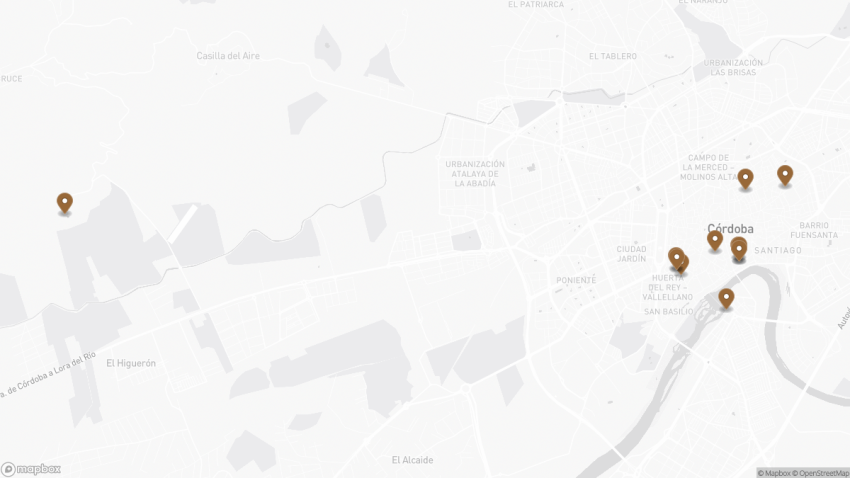
When you look beyond the best things to see in Córdoba, you'll discover a remarkable variety of museums that span history, archaeology, and both classical and contemporary art - even a botanical garden and museum dedicated to the region's natural heritage. The city's elegant palaces, which are well worth exploring during your visit, enrich this cultural tapestry, offering a vivid reflection of Córdoba's diverse and multicultural past and securing its place as one of Andalusia's most beautiful cities.
1. Palacio de Viana

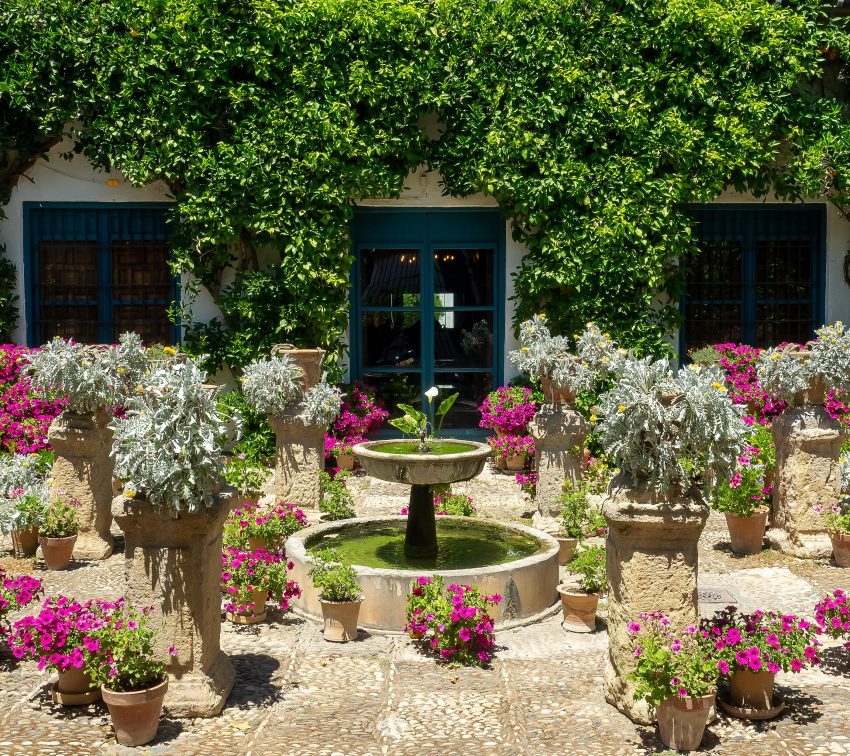
Known as the “Museum of the Patios,” the Palacio de Viana is one of Córdoba’s most enchanting historic residences and one of the best places to experience Andalusian domestic art. Dating back to the 15th century, it combines aristocratic architecture with twelve exquisite courtyards — each with its own character, from lush gardens to intimate tiled cloisters.
The interior of the palace houses a remarkable collection of antique furniture, tapestries, ceramics, and paintings, reflecting the refined lifestyle of Córdoba’s nobility over five centuries. Walking through the rooms feels like moving through different eras, where Renaissance arches open into Baroque salons, and Moorish tiles meet European artworks. The delicate use of light, water, and color creates a harmony that has made the palace famous worldwide.
Visitors can stroll at their own pace or join a guided tour to learn about the Marqueses de Viana, who owned the palace for generations. It’s not only a museum of art and architecture but also a symbol of Córdoba’s enduring tradition of patios — spaces that blend nature, beauty, and family life. Palacio de Viana is undoubtedly one of the best museums in Córdoba for those who want to experience the soul of the city through its courtyards.
Location: Plaza de Don Gómes, 2, 14001 Cordova, Spain | Hours: Tue - Sat: 10 am - 7 pm Sun: 10 am - 3 pm | Price: €8 | Website | Viana Palace Gardens and Patios Entry Ticket

2. Museo Taurino
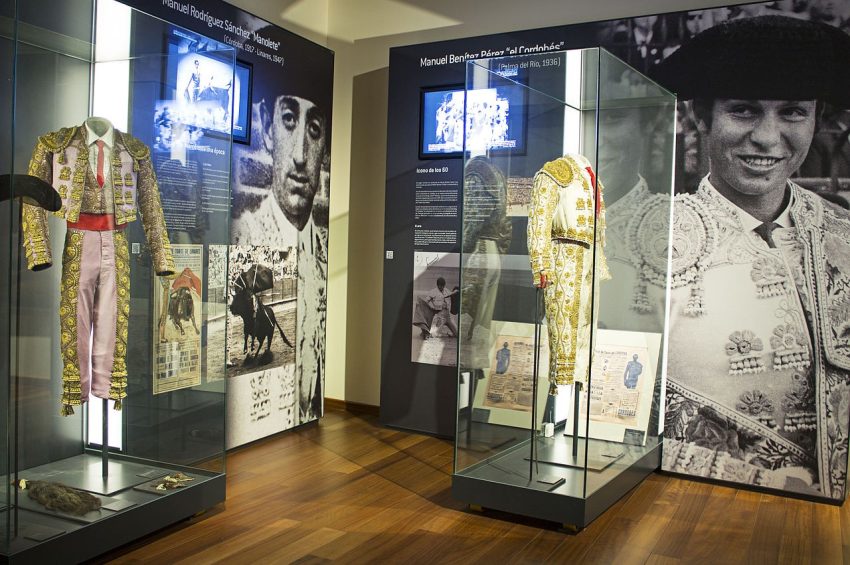
For a glimpse into one of Spain’s most traditional cultural expressions, the Museo Taurino de Córdoba provides an engaging and well-presented look at the art of bullfighting. Housed in a Renaissance mansion near the Plaza de Maimónides, the museum explores Córdoba’s long relationship with this controversial yet deeply symbolic sport.
The exhibits include costumes, posters, paintings, and personal belongings of Córdoba’s most famous bullfighters, notably Manolete, a legendary figure of 20th-century Spanish bullfighting. The collection is both artistic and historical, tracing the evolution of bullfighting as part of Andalusian identity and its representation in art and literature.
Even for those who do not follow the tradition, the museum provides cultural insight into how bullfighting shaped Spanish aesthetics, from sculpture to poetry. It’s a museum that invites reflection on heritage, passion, and performance — and how these themes define much of Andalusian culture.
Location: Bullfighting Museum of Cordoba Plaza Maimónides, 3 14004 Córdoba Spain | Hours: Open Winter, 9.30h-13.30h and 16.00h -19.00h. Summer, 9.30h-15.30h and 17.00h -20.00h. | Price: Regular: 4 EUR Kids, Students under 26 years: 2 EUR | Website
3. Museo de Bellas Artes
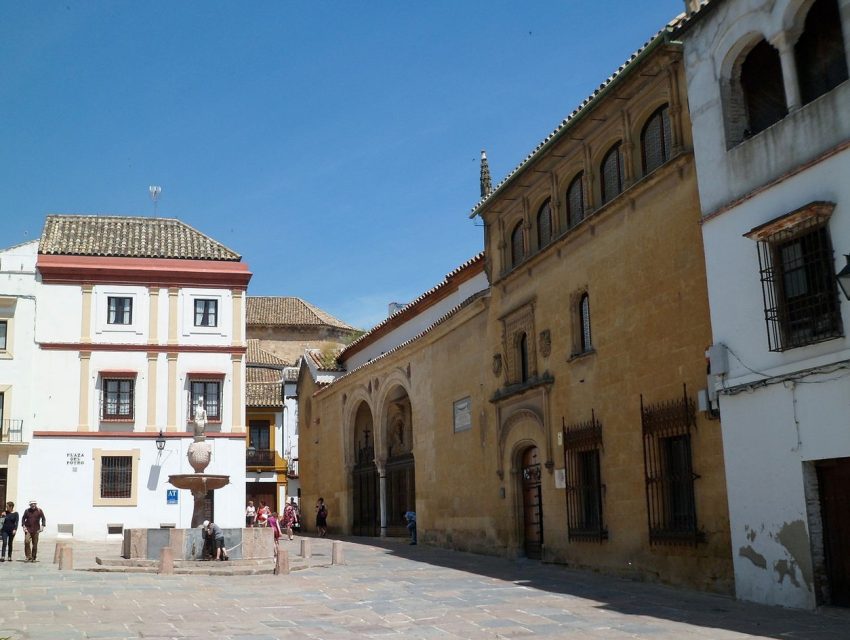
Housed in the former Hospital de la Caridad, a 15th-century building overlooking Plaza del Potro, the Museum of Fine Arts offers a refined and peaceful escape in the heart of Córdoba. Its arched courtyards and whitewashed galleries provide the perfect setting for a collection that celebrates Spanish art across the centuries, with a particular focus on Andalusian masters. The museum shares its building with the Julio Romero de Torres Museum, making it easy to explore both in one visit.
Inside, visitors will find an impressive array of paintings from the Renaissance to the Baroque period, including works by Murillo, Zurbarán, and Valdés Leal. The galleries also highlight the strong tradition of religious art that flourished in Córdoba’s churches and monasteries, as well as portraits and landscapes from the 19th century that capture everyday Andalusian life. The soft light, quiet atmosphere, and sense of timelessness make this museum especially moving for those who love classical Spanish art.
The Museum of Fine Arts is more than a collection of paintings — it is a reflection of Córdoba’s artistic evolution. Through its works, visitors can see how local artists were influenced by Seville’s great Baroque school, while still preserving a distinctly Cordoban sensitivity. It’s a place to slow down and admire the skill, color, and emotion that define the Spanish artistic spirit.
Location: Plaza del Potro, 1, 14002 Córdoba, Spain | Hours: 9am-3pm Tue-Sun mid-Jun–mid-Sep, 9am-8pm Tue-Sat & 9am-3pm Sun mid-Sep–mid-Jun | Price: EU Citizen/other free/€1.50
4. Museo Julio Romero de Torres
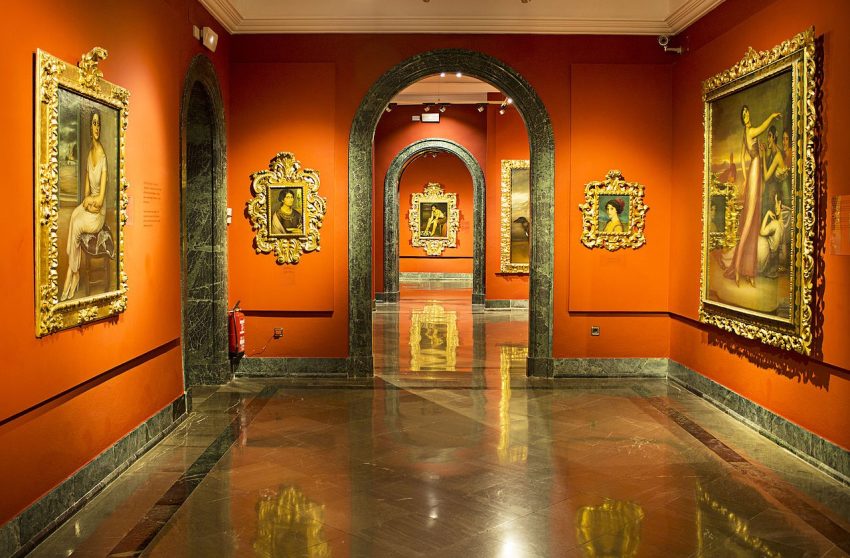
Just next door to the Museum of Fine Arts lies one of Córdoba’s most beloved institutions — the Museo Julio Romero de Torres, dedicated to the city’s most famous painter. Julio Romero de Torres (1874–1930) was known for his sensual, poetic portraits of Andalusian women, blending realism with mysticism. His works express both pride and melancholy, capturing the essence of Andalusian identity in a way few artists have matched.
The museum occupies the family home and studio where the painter lived and worked. Its collection includes not only his most iconic paintings but also his sketches, personal belongings, and the symbolic objects that often appeared in his art. Among the masterpieces are La Chiquita Piconera, Naranjas y Limones, and La Saeta, each infused with the warmth and melancholy of Córdoba.
Visiting this museum is an intimate experience — a journey into the artist’s inner world and the culture that inspired him. The contrast between shadow and light in his paintings mirrors the emotional depth of Andalusia itself. For art lovers, it’s one of the best museums in Córdoba to understand the connection between art, identity, and place.
Location: Julio Romero de Torres Museum Plaza del Potro, 1 14002 Córdoba Spain | Hours: 8.30am-3pm Tue-Sat & 8.30am-2.30pm Sun mid-Jun–mid-Sep, 8.30am-8.45pm Tue-Fri, 8.30am-4.30pm Sat & 8.30am-2.30pm Sun mid-Sep–mid-Jun | Price: Adults: €4.50. | Website
5. Living Museum of al-Andalus
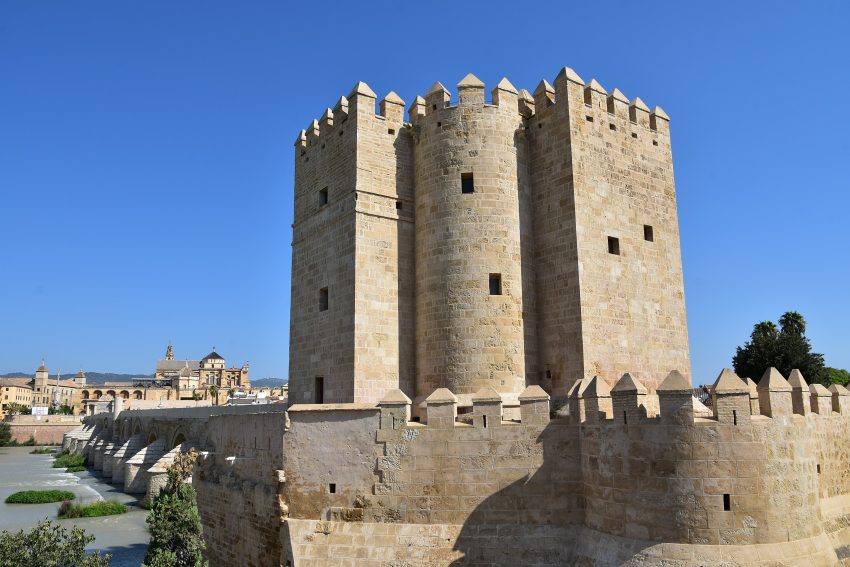
Located in the Calahorra Tower, at the far end of the Roman Bridge, the Museo Vivo de Al-Andalus offers a vivid, educational look at the period when Córdoba was the intellectual heart of medieval Europe. During the 10th century, the city was home to philosophers, poets, and scientists whose ideas shaped the world. This museum celebrates that era of coexistence among Muslims, Christians, and Jews.
Inside, visitors can explore interactive exhibits and models that bring Al-Andalus to life. Highlights include detailed reconstructions of the Mezquita-Catedral, the Alhambra, and the School of Translators of Toledo, as well as displays on science, medicine, and music. Audio-visual installations explain how knowledge was preserved and shared across cultures during this golden age.
The museum is ideal for families, students, and anyone curious about how Córdoba became a beacon of learning and tolerance. From the top of the Calahorra Tower, panoramic views stretch across the river to the Mezquita — a perfect reminder of the city’s enduring spirit of harmony and enlightenment.
Location: Torre De Calahorra s/n Puente Romano 14009 Córdoba Spain | Hours: Summer (May to September) 10.00 to 14.00 and 16.30 to 20.30 Winter (October to March) 10.00 to 18.00 | Price: 4.50 euro, reduced 3.00 euro | Website
6. Centro Flamenco ‘Fosforito’
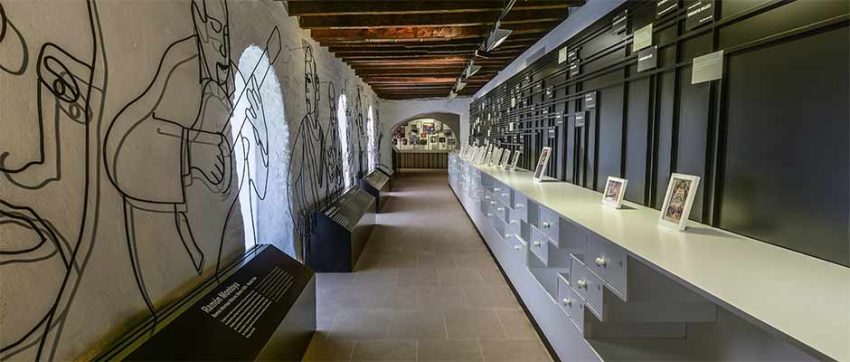
The Centro Flamenco ‘Fosforito’ museum is spread over a series of rooms surrounding the Plaza del Potro. This is a fascinating museum which looks at the history of the art flamenco. The museum tells its story with interactive panels and exhibits, in English and Spanish. The visitor is taken on a journey through the evolution of flamenco and its various different styles and rhythmic forms.
It focuses on the life and work of the popular Cordoban flamenco singer Antonio Fernandez Diaz, also known as Fosforito, after whom the museum is named.
Location: Posada del Potro - Centro Flamenco Fosforito Plaza del Potro, 7 14002 Córdoba Spain | Hours: 8.30am-2.30pm Tue-Sat, from 9.30am Sun mid-Jun–mid-Sep, 8.30am-7.30pm Tue-Fri, to 2.30pm Sat & Sun mid-Sep–mid-Jun | Website
7. Museo Arqueológico de Córdoba
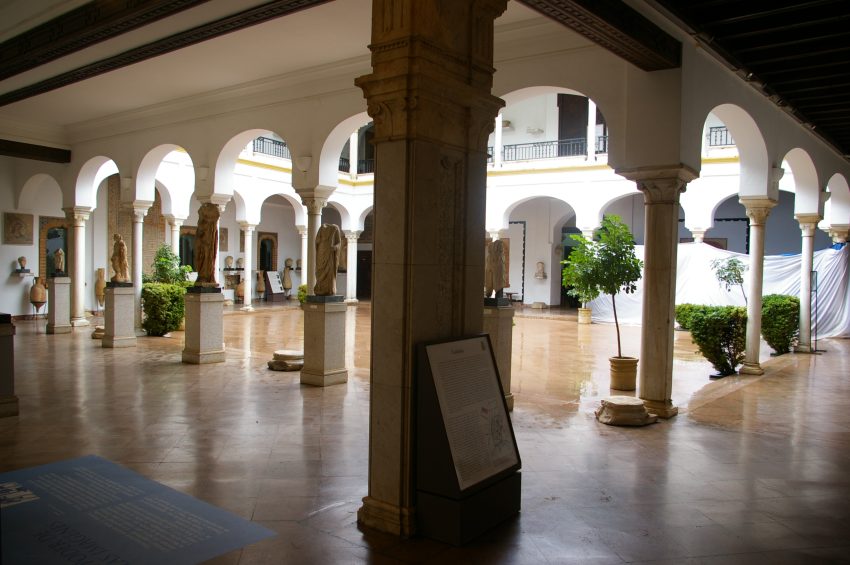
Set within the Renaissance Palacio de los Páez de Castillejo, the Archaeological Museum of Córdoba is one of the finest in Andalusia and an essential stop for anyone who wants to understand the city’s ancient past. Beneath the building lie the remains of Córdoba’s Roman theatre, the largest ever discovered in Spain, seamlessly integrated into the museum’s modern lower galleries. The museum’s setting alone makes it an attraction, with courtyards, stone columns, and vaulted rooms that evoke the city’s archaeological wealth.
The museum’s collection spans thousands of years, from prehistoric tools to Iberian pottery, Roman mosaics, and Visigothic carvings. Among the highlights are sculptures from the Roman Forum, a finely preserved bust of Emperor Augustus, and a collection of Islamic ceramics that reveal Córdoba’s role as the heart of Al-Andalus. The displays are beautifully curated, allowing visitors to trace the evolution of the city from ancient settlement to imperial capital.
What makes this museum truly special is how it bridges archaeology with living history. Standing above the ruins, visitors can literally see how Córdoba was built layer upon layer over the centuries. It is a fascinating reminder that the modern city rests upon the stones of empires past — a place where every discovery adds to the story of one of Spain’s most historic cities.
Location: Córdoba Archaeological Museum Pl. de Jerónimo Páez, 7 Centro 14003 Córdoba Spain | Hours: 9am-8pm Tue-Sat & 9am-3pm Sun mid-Sep–mid-Jun, 9am-3pm Tue-Sun mid-Jun–mid-Sep | Price: E.U. citizens free, all others 1.50 EUR | Website
8. Casa Andalusí
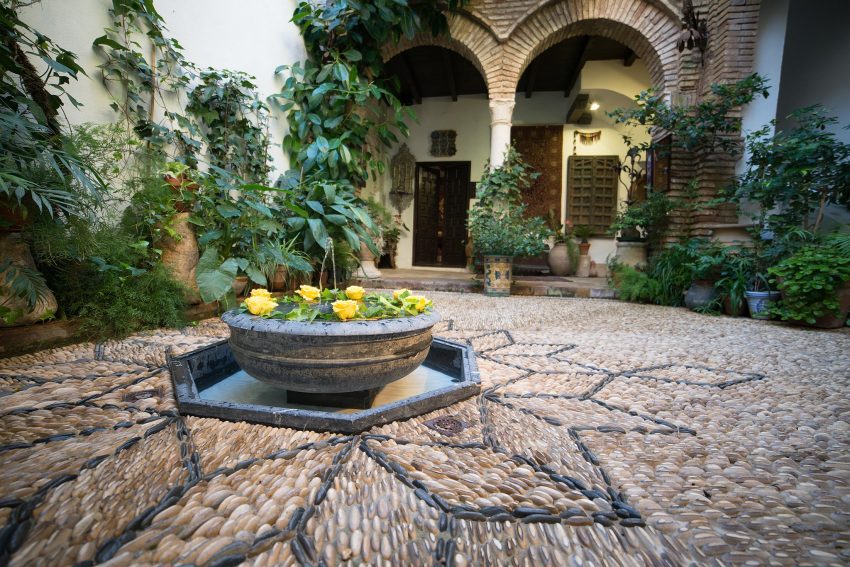
Hidden in a quiet street near the Jewish Quarter, the Casa Andalusí recreates life inside a 12th-century Islamic home. Modest in scale but rich in atmosphere, it immerses visitors in the daily life of Córdoba during the Caliphate period. Every room, courtyard, and corner is designed to reflect the refined simplicity and intellectual curiosity of Al-Andalus.
Among its most fascinating features is the small exhibition on papermaking, showing how Córdoba became one of the first cities in Europe to produce paper — a key reason it thrived as a center of scholarship. The house also displays coins, ceramics, and household objects that evoke the comfort and elegance of medieval Andalusian domestic life.
Visiting Casa Andalusí feels like stepping back in time. The scent of jasmine, the sound of trickling water, and the soft light filtering through wooden lattices create a deeply tranquil atmosphere. It’s one of Córdoba’s hidden gems, offering a more intimate and personal view of the city’s Islamic past.
Location: Calle Judíos, 12, 14004 Córdoba, Spain | Hours: 10.30am-7.30pm Apr-Oct, 10am-7pm Nov-Mar | Price: €4 | Website
9. Casa de Sefarad

The Casa de Sefarad is one of Córdoba’s most intimate and evocative museums, dedicated to preserving the memory of the city’s Sephardic Jewish heritage. Located in the heart of the Judería, just a few steps from the old synagogue, this 14th-century house recreates the atmosphere of Jewish domestic life during the Middle Ages, when Córdoba was a thriving center of learning and coexistence. Its rooms, patios, and displays invite reflection on the centuries when Muslim, Jewish, and Christian cultures flourished side by side under the Caliphate.
Inside, visitors will find a fascinating collection of artifacts, manuscripts, and textiles that illustrate the daily lives and spiritual traditions of Sephardic families. Exhibitions explore themes such as Jewish philosophy, women’s roles in medieval Andalusia, and the profound legacy of Maimonides, Córdoba’s most famous Jewish scholar. The museum also houses musical instruments, embroidery, and ceremonial objects that connect the city’s past to the broader Jewish diaspora.
What makes the Casa de Sefarad truly special is its storytelling. Through photographs, reconstructed rooms, and personal narratives, it brings history to life with quiet dignity. It’s not only a museum but also a place of remembrance — a tribute to Córdoba’s once-vibrant Jewish community and a reminder of the city’s enduring spirit of cultural dialogue.
Location: Judería de Cordoba Calle Averroes, 2 14004 Córdoba Spain | Hours: From September 16 to June 15. Monday to Sunday: 10:00 a.m. to 6:00 p.m. From June 16 to September 15. Monday to Sunday: 10:00 a.m. to 6:00 p.m. | Price: Adults: € 4. Reduced: € 3. | Website
10. Medina Azahara
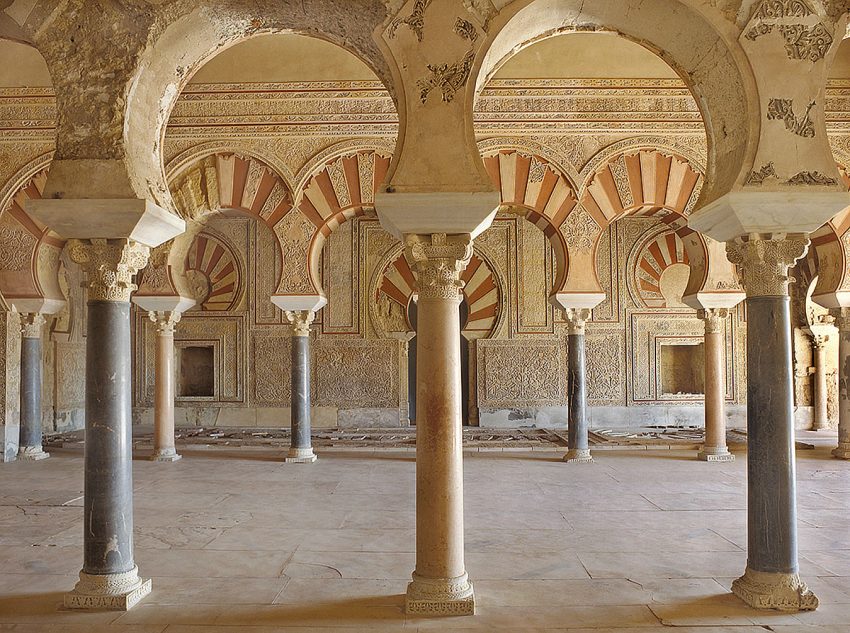
A few kilometers west of Córdoba lie the haunting ruins of Medina Azahara, or Madinat al-Zahra — one of the most spectacular archaeological sites in Spain and a UNESCO World Heritage Site since 2018. Founded in the 10th century by Caliph Abd al-Rahman III, this vast palace-city was the administrative and ceremonial capital of Al-Andalus at the height of its power. For a brief, dazzling period, Medina Azahara symbolized the wealth, sophistication, and ambition of Islamic Córdoba.
The city covered more than 100 hectares, filled with marble pavilions, gardens, mosques, and reception halls adorned with carved stucco and colorful tiles. Visitors today can walk among its terraces, colonnaded streets, and the Salón Rico, once the audience hall where ambassadors were received in splendor. The attached Archaeological Museum of Medina Azahara displays artifacts recovered from the site — fragments of ivory boxes, capitals, ceramics, and inscriptions that reveal the luxury of courtly life.
Though destroyed during the civil wars of the 11th century, Medina Azahara remains one of Spain’s most evocative historic sites. Its museum and ruins together tell the story of a lost city — one that embodied the intellectual and artistic brilliance of Al-Andalus. Visiting it offers a powerful glimpse of Córdoba’s golden age and how its influence once reached far across the Mediterranean world.
Location: Medina Azahara - Conjunto Arqueológico Madinat al-Zahra Ctra. Palma del Río, km 5.5 14005 Córdoba Spain | Hours: Sunday — 9:00 to 15:00 (year round) Tuesday to Saturday — 9:00 closing at 15:00 (July to mid-September), at 18:00 (mid-September to end March), and at 21:00 (April to June). | Price: Entrance is free if you are a resident of the EU, otherwise there is a EUR 1.50 charge. | Website
11. Centro de Interpretación de la Fiesta de los Patios Trueque Cuatro

Few traditions capture Córdoba’s soul as vividly as the Festival of the Patios, and the Centro de Interpretación de la Fiesta de los Patios Trueque Cuatro is the perfect place to understand this living heritage. Located in a beautifully restored traditional house, this small but engaging museum is dedicated to the history and symbolism of Córdoba’s patios — those flower-filled courtyards that have become an emblem of the city.
The center offers exhibits that explore how the patio evolved from Roman and Moorish domestic architecture, adapting over centuries into an art form celebrated each spring. Visitors can learn about the festival’s origins in the 1920s, its recognition by UNESCO as Intangible Cultural Heritage of Humanity, and the care that local families put into cultivating their plants, fountains, and ceramics. Interactive displays and photographs document generations of Cordobeses who have turned their homes into works of living art.
Beyond its exhibitions, the Trueque Cuatro patio itself is a delight — shaded by vines and filled with geraniums, jasmine, and orange trees. It’s a sensory experience that connects architecture, community, and nature in a single space. Visiting this center deepens appreciation for why Córdoba’s patios are not just gardens but an enduring expression of Andalusian hospitality and identity.
Location: Interpretation Center of the Fiesta de los Patios Calle Trueque, 4 14002 Córdoba Spain | Hours: From September 1 to March 31 From 10:00 a.m. to 2:00 p.m. Monday, Friday and Saturday: 10:00 a.m. - 2:00 p.m. and 5:00 p.m. - 7:00 p.m. Sundays and holidays: 10:00 a.m. - 2:00 p.m. | Price: Free
12. Centro Flamenco Fosforito
Housed in the historic Posada del Potro, an inn mentioned in Cervantes’ Don Quixote, the Centro Flamenco Fosforito is Córdoba’s main museum and cultural center dedicated to flamenco — one of Andalusia’s greatest artistic legacies. The building itself, a 15th-century courtyard house, provides an atmospheric setting where the echoes of guitar and song seem to linger in the air.
The museum takes its name from Antonio Fernández Díaz “Fosforito,” one of Spain’s most acclaimed flamenco singers, whose career helped preserve and elevate the art form. Its interactive displays explore flamenco’s history, from its Gypsy, Moorish, and Andalusian roots to its modern-day expression on global stages. Visitors can listen to archival recordings, watch performances, and learn about the major palos (styles) of flamenco singing and dance.
More than a museum, the center serves as a vibrant performance venue and educational space. Regular events, concerts, and workshops connect visitors with Córdoba’s living flamenco scene. It’s a place where art, emotion, and tradition meet — a fitting tribute to the music that expresses the soul of Andalusia.
Location: Posada del Potro - Centro Flamenco Fosforito Plaza del Potro, 7 14002 Córdoba Spain | Hours: 8.30am-2.30pm Tue-Sat, from 9.30am Sun mid-Jun–mid-Sep, 8.30am-7.30pm Tue-Fri, to 2.30pm Sat & Sun mid-Sep–mid-Jun | Website
Conclusion
Córdoba's museums offer a journey through the essence of Andalusian culture - from Roman mosaics and Islamic science to Baroque painting and aristocratic refinement. Each museum reflects a different chapter of the city's story, yet all share the same spirit of creativity and coexistence that defines Córdoba.
For travelers seeking more than just monuments, exploring these museums is a chance to connect with the city’s living history. Whether you’re admiring Roman artifacts at the Archaeological Museum, strolling through the patios of Palacio de Viana, or standing before a Julio Romero de Torres painting, you’re discovering the art, history, and soul of one of Spain’s most enchanting cities.

Moira & Andy
Hey! We're Moira & Andy. From hiking the Camino to trips around Europe in Bert our campervan — we've been traveling together since retirement in 2020!

This website uses affiliate links which earn a small commission at no additional cost to you.
Walking Tour Map