Museo Taurino, Córdoba
Museum in Córdoba
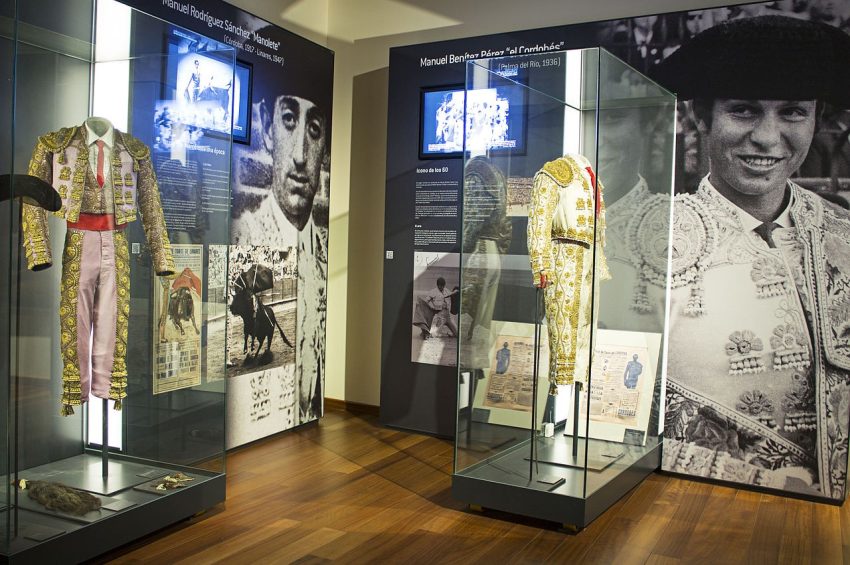
Museo Taurino is in Córdoba's La Judería neighbourhood, on Plaza Maimónides, and it is a museum focused on bullfighting traditions and the city's best-known matadors. The collection is housed in a restored 16th-century Renaissance mansion, so the visit combines a specific subject with a setting that still feels closely tied to old Córdoba.
Inside, visitors see costumes, capes, posters, photographs, personal objects, and audiovisual displays that explain how bullfighting developed in Andalusia and how Córdoba helped shape that story. The museum is best suited to travellers interested in local customs, museum displays, and the legacy of figures such as Manolete and Rafael Molina. Those uncomfortable with the subject may prefer to skip it, but it remains a clear, well-organised stop for anyone trying to understand this part of Córdoba's past.
Table of Contents
- History and Significance of Museo Taurino de Córdoba
- Things to See and Do in Museo Taurino de Córdoba
- How to Get to Museo Taurino de Córdoba
- Practical Tips on Visiting Museo Taurino de Córdoba
- Where to Stay close to Museo Taurino de Córdoba
- Is Museo Taurino de Córdoba Worth Visiting?
- FAQs for Visiting Museo Taurino de Córdoba
History and Significance of Museo Taurino de Córdoba
The building that houses today’s museum was once an aristocratic mansion from the 1500s, reflecting Córdoba’s Renaissance-era urban profile. In the mid-20th century the city purchased the property, converting it into a craftsmanship museum. As bullfighting’s cultural relevance continued to grow during that era, the museum gradually shifted its focus to the traditions, costumes, and stories of the bullring.
By the 1960s, the shift was complete: the museum became fully dedicated to bullfighting, gathering objects and stories connected to Córdoba’s most iconic matadors. After its closure in 2005 for major restoration, the museum reopened in 2014, displaying a modernised, curated narrative that preserves both the history of the building and the lore of bullfighting.
Today it stands as a place to understand how this tradition shaped Córdoba socially, artistically, and symbolically. The museum's central focus on the “Five Caliphs” - Lagartijo, Guerrita, Machaquito, Manolete, and Manuel Benítez “El Cordobés” - anchors the narrative in local pride and identity.
Things to See and Do in Museo Taurino de Córdoba
The museum features six exhibition halls that provide a complete journey into the bullfighting world. Countless photographs, original matador costumes, historic posters, sculptures, and paintings illustrate how deeply the tradition permeated Andalusian culture. The suits of light worn by legendary bullfighters are among the most visually striking objects on display.
Dedicated sections explore the lives and artistry of Córdoba's “Five Caliphs of the Bullfight”, each with connections to the city's bullfighting heritage. Visitors will also find exhibits on the biology and breeding of the bull, the history of bullrings in Córdoba, and the evolution of the corrida ritual itself.
The mansion’s architecture enhances the visit. Stone archways, patios, and wooden ceilings create an atmospheric backdrop, making the museum feel both intimate and immersive. Even those with little prior interest in bullfighting often find the museum’s storytelling compelling.
How to Get to Museo Taurino de Córdoba
Córdoba is served by nearby airports, with Málaga-Costa del Sol Airport and Seville Airport providing convenient international access. For the best deals and a seamless booking experience, check out these flights to Córdoba on Booking.com.
Travelling by train is simple thanks to the AVE high-speed network, which links Córdoba with major hubs like Madrid, Málaga, and Seville. Train schedules and bookings can be found on Omio.
If travelling by car, Córdoba is accessible via major road routes, and parking areas near the historic centre make it easy to explore La Judería on foot. If you are looking to rent a car in Spain I recommend having a look at Discover Cars, first, as they compare prices and review multiple car rental agencies for you.
Practical Tips on Visiting Museo Taurino de Córdoba
- Best time to visit Museo Taurino: Mid-morning or late afternoon for fewer crowds.
- Entrance fee in Euros: Low-cost entry; check current pricing.
- Opening hours: Vary slightly by season; typically open daily except Mondays.
- Official website: Consult Córdoba’s municipal tourism site for updated schedules.
- How long to spend: Around 45-60 minutes.
- Accessibility: Most areas are accessible, though some older sections may have uneven flooring.
- Facilities: Restrooms and small exhibition resources available.
- Photography tip: Capture the matador suits under soft interior lighting for dramatic detail.
- Guided tours: Occasionally available; many walking tours include an external stop here.
- Nearby food options: Numerous tapas bars and cafés in Plaza Maimónides and La Judería.
Where to Stay close to Museo Taurino de Córdoba
Staying in the Jewish Quarter offers excellent access to the museum and surrounding attractions. A charming option is Las Casas de la Judería, known for its serene courtyards and historic character. Another reliable choice is Eurostars Conquistador, located close to the Mosque-Cathedral. For a boutique experience, consider Soho Boutique Museo, just steps from the museum itself.
Is Museo Taurino de Córdoba Worth Visiting?
Yes, the Museo Taurino de Córdoba is worth visiting. Even those who do not follow or support bullfighting find the museum culturally fascinating, thanks to its rich exhibitions, strong storytelling, and impressive historic setting. The combination of art, tradition, and Córdoba's legendary matadors makes it one of the city's most atmospheric museums.
What Other Travellers Say...

Bullfighting Museum of Córdoba, at Pl. Maimúnides 3 in the city centre, presents the history and traditions of bullfighting through photos, paintings, costumes and equipment, with displays that include taxidermied bulls, famous matadors' outfits and short films; the venue is compact so you can see it fairly quickly, films add context (available in English or Spanish per one account) but most exhibit labels are in Spanish so visitors recommend using a translator or guide, and some find the material confronting for sensitive viewers.


FAQs for Visiting Museo Taurino de Córdoba
The Museo Taurino appears in our Complete Guide to Visiting Córdoba!

Moira & Andy
Hey! We're Moira & Andy. From hiking the Camino to trips around Europe in Bert our campervan — we've been traveling together since retirement in 2020!
This website uses affiliate links which may earn a commission at no additional cost to you!
Planning Your Visit
Open Winter, 9.30h-13.30h and 16.00h -19.00h.
Summer, 9.30h-15.30h and 17.00h -20.00h.
Regular: 4 EUR Kids, Students under 26 years: 2 EUR
Nearby Attractions
- Plaza Maimónides (0) km
Square and Statue - Capilla de San Bartolomé (0) km
Church - Statue of Maimónides (0) km
Statue - El Zoco (0) km
Market - Sinagoga (0.1) km
Synagogue - Judería de Córdoba (0.1) km
Area - Casa de Sefarad (0.1) km
Museum - Hospital del Cardenal Salazar (0.1) km
Historic Building - Casa Andalusí (0.1) km
Historic Building and Museum - Almodóvar Gate (0.2) km
City Gate