Piran, Slovenia: The Ultimate Travel Guide 2026
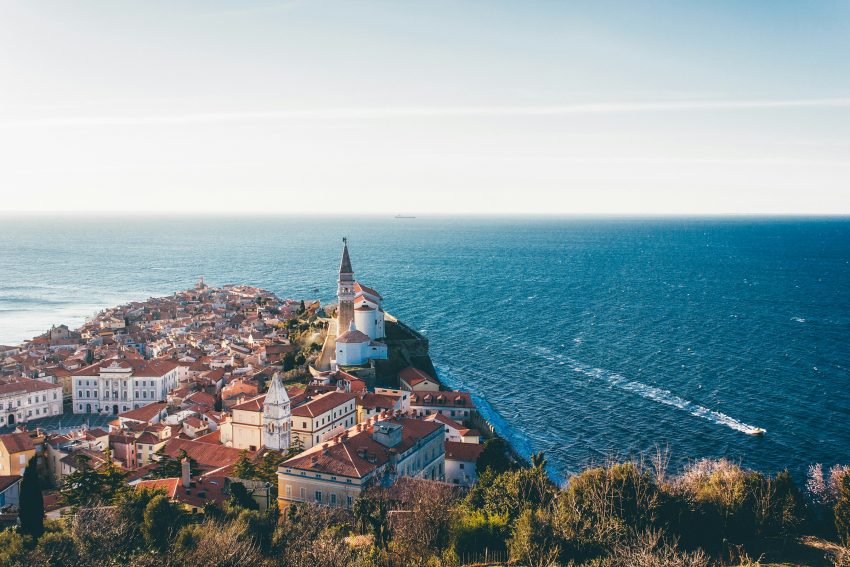
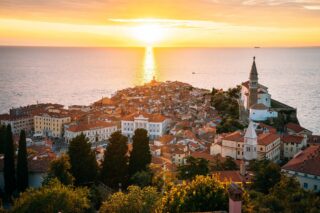
Piran is a postcard-pretty coastal town on Slovenia's short Adriatic shoreline, set on a narrow peninsula where Venetian-style facades, sea-facing cafés, and stone lanes create an easy, walkable escape. The heart of the experience is simply wandering: you move from sunlit squares to shaded alleys in minutes, with salty breezes and bell chimes as a constant soundtrack. It's compact enough to feel intimate, yet lively enough to keep you lingering over seafood, gelato, and sunset views.
The town's best moments happen at a relaxed pace. Start with a morning stroll along the waterfront promenade, then climb to panoramic viewpoints for wide-open sea vistas and terracotta rooftops. In between, dip into small galleries and churches, browse local salt and olive-oil products, and pause for coffee in the main square. Because everything is close, Piran works beautifully for a long day trip, but it's even better as an overnight base when the crowds thin and the old town feels more local.
Piran also makes a great hub for the wider Slovene Istria area, with nearby salt pans, seaside nature, and neighboring coastal towns all within a short ride. You can mix culture with swimming, add a spa afternoon in Portorož, or take a quick hop to Koper or Izola for a change of scene. Whether you come for romance, photography, or simple coastal downtime, Piran delivers a classic Adriatic atmosphere in a very manageable, traveler-friendly package.
History of Piran
Piran in Prehistory and the Roman Era
Early settlement in the area predates written records, with coastal life shaped by fishing, maritime trade, and the strategic value of sheltered waters. Under Roman influence, regional commerce expanded and coastal infrastructure developed, laying foundations for later urban growth.
Piran in the Early Middle Ages
After the Western Roman Empire’s decline, shifting powers and migrations reshaped the northern Adriatic. Piran gradually consolidated as a fortified community, with the sea remaining central to livelihoods and defense.
Piran under the Venetian Republic (13th–18th centuries)
Venetian rule marked Piran’s most defining architectural and cultural period. Trade networks, maritime law, and urban planning brought prosperity, while Gothic and later Renaissance and Baroque influences left a lasting imprint on churches, palaces, and the town’s distinctive streetscape.
Piran in the Habsburg Period (late 18th century–1918)
With Venice’s fall, administration and economic orientation shifted. Piran’s economy continued to rely on the sea—shipping, fishing, and especially salt production—while modernization brought new institutions and gradual changes to civic life.
Piran between the World Wars
The 20th century brought border changes and political upheaval. Social and linguistic dynamics evolved, and the town experienced the pressures of nationalism, economic uncertainty, and the broader instability of the era.
Piran in Yugoslavia and Modern Slovenia
Post–World War II transitions altered demographics and governance, while tourism steadily grew in importance. In contemporary times, heritage preservation and cultural programming have helped Piran balance local life with its role as one of the Adriatic’s most recognizable historic towns.

Moira & Andy
Hey! We're Moira & Andy. From hiking the Camino to trips around Europe in Bert our campervan — we've been traveling together since retirement in 2020!
Visiting Piran for the first time and wondering what are the top places to see in the city? In this complete guide, I share the best things to do in Piran on the first visit. To help you plan your trip, I have also included an interactive map and practical tips for visiting!
This website uses affiliate links which earn a small commission at no additional cost to you.
10 Best places to See in Piran
This complete guide to Piran not only tells you about the very best sights and tourist attractions for first-time visitors to the city but also provide insights into a few of our personal favorite things to do.
This is a practical guide to visiting the best places to see in Piran and is filled with tips and info that should answer all your questions!
1. Tartini Square
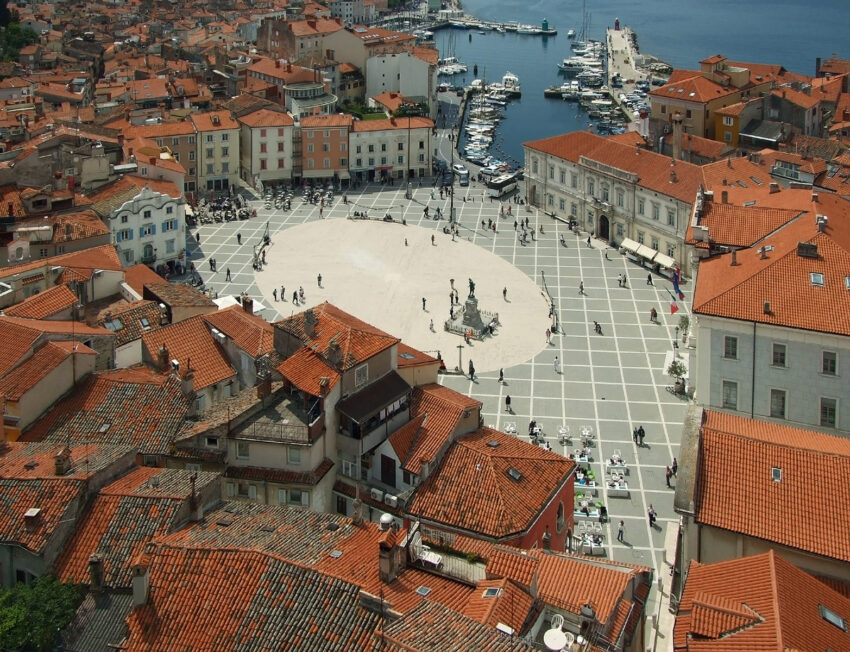
Location: Tartini Square, Piran, Slovenia | Hours: 24 Hours. | Price: Free. | Distance: 0km


2. Casa Tartini
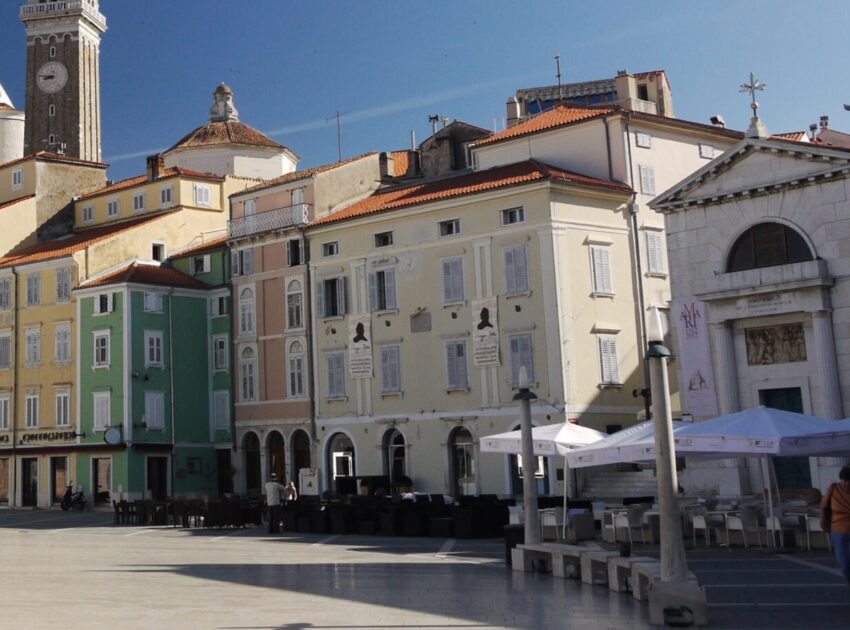
Location: Casa Tartini, Via Kajuh, Piran, Slovenia | Hours: Tuesday: 10:00–13:00. Wednesday: 15:00–18:00. Thursday: 10:00–13:00. Friday: 15:00–18:00. Saturday: 10:00–18:00. Sunday: 10:00–15:00. Closed on Monday. | Price: Adults €4; students and pensioners €3; children €2; family ticket €10. | Website | Distance: 0.1km
3. Sergej Mašera Maritime Museum
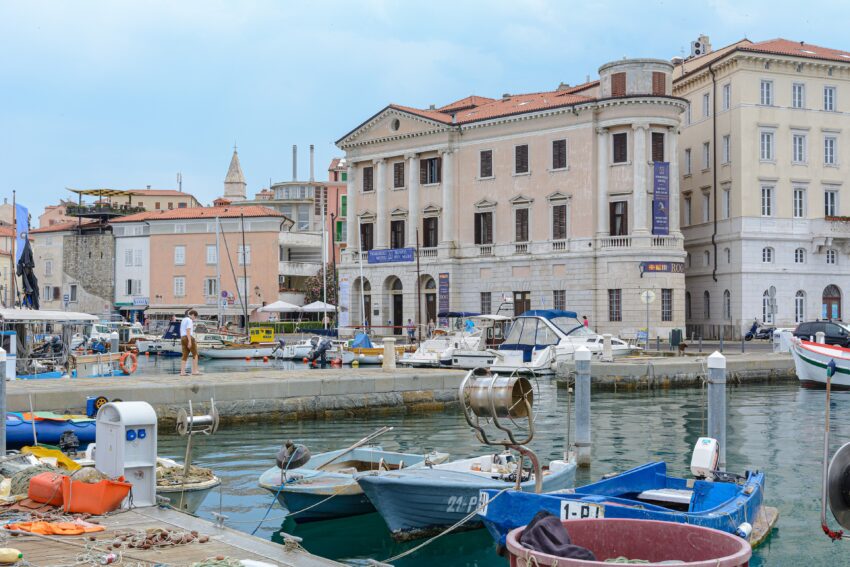
| Hours: (September – June) Tuesday – Sunday: 09:00–17:00. (July – August) Tuesday – Sunday: 09:00–12:00 & 17:00–21:00. Closed on Monday. | Price: Adults 5.00 €; students and pensioners 4.00 €; children 3.00 €; family ticket 12.00 €. | Website | Distance: 0.1km
4. Town Hall
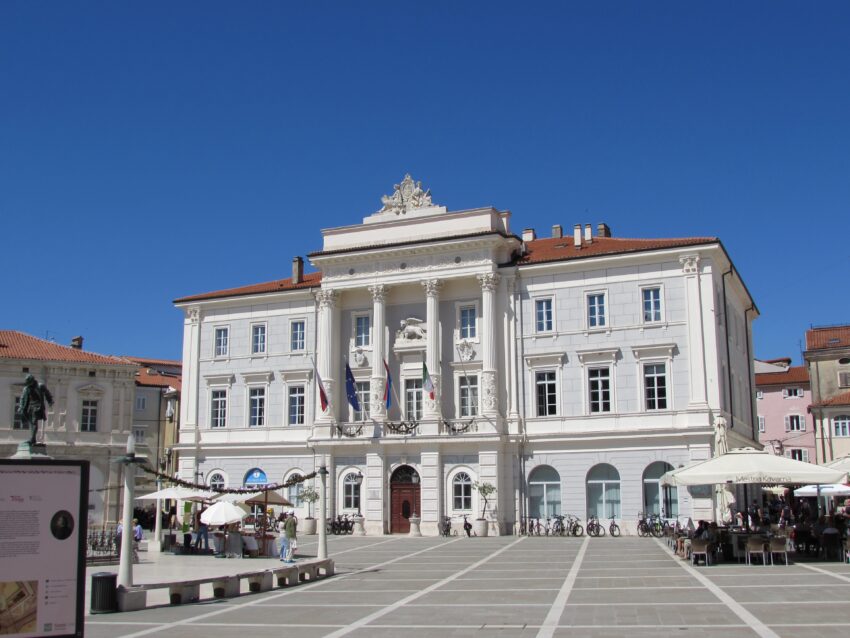
| Hours: Exterior: 24 Hours. Interior: Administrative building; access is limited. | Price: Free to view from outside. | Distance: 0.1km
5. Piran Port
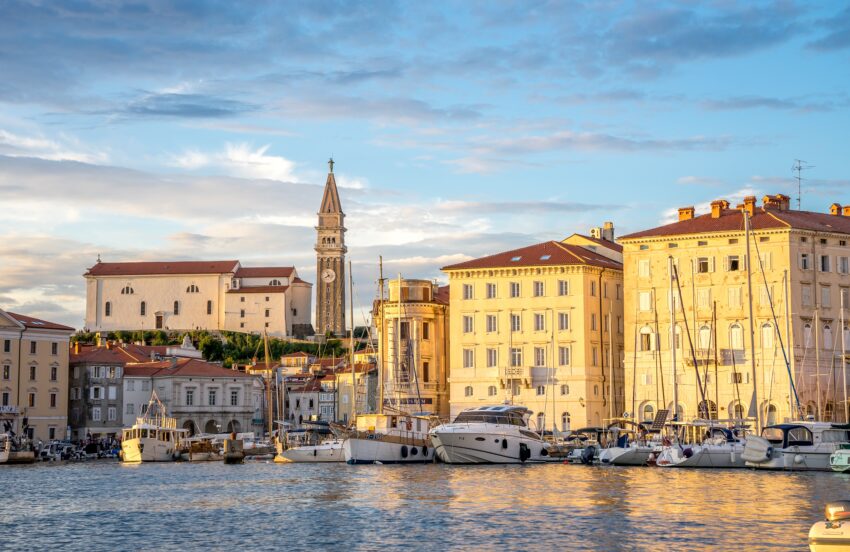
Location: Port Piran Tartinijev trg 1 6330 Piran Slovenia | Hours: 24 Hours | Price: Free | Distance: 0.1km
6. St. George’s Cathedral
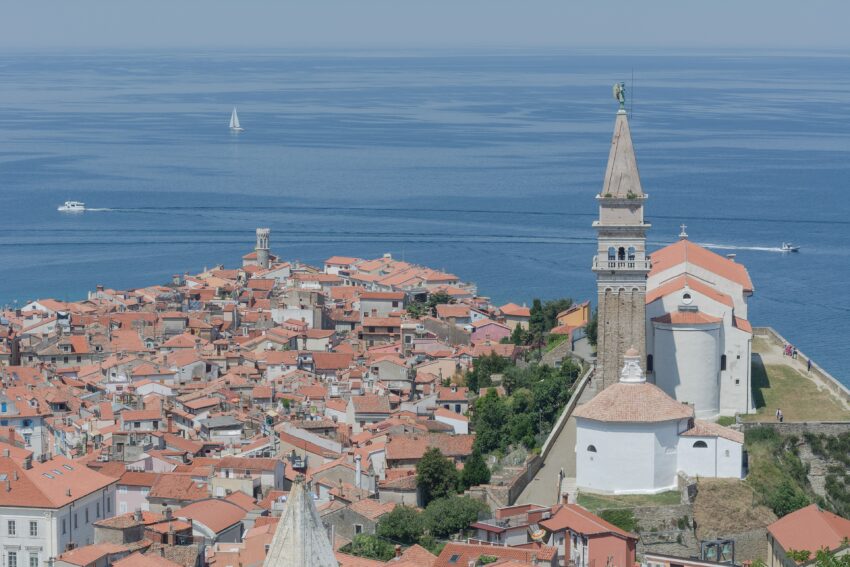
Location: Cerkev svetega Jurija, Adamičeva ulica, Piran, Slovenia | Price: Free; donations appreciated. | Distance: 0.2km
7. Piran Waterfront Promenade
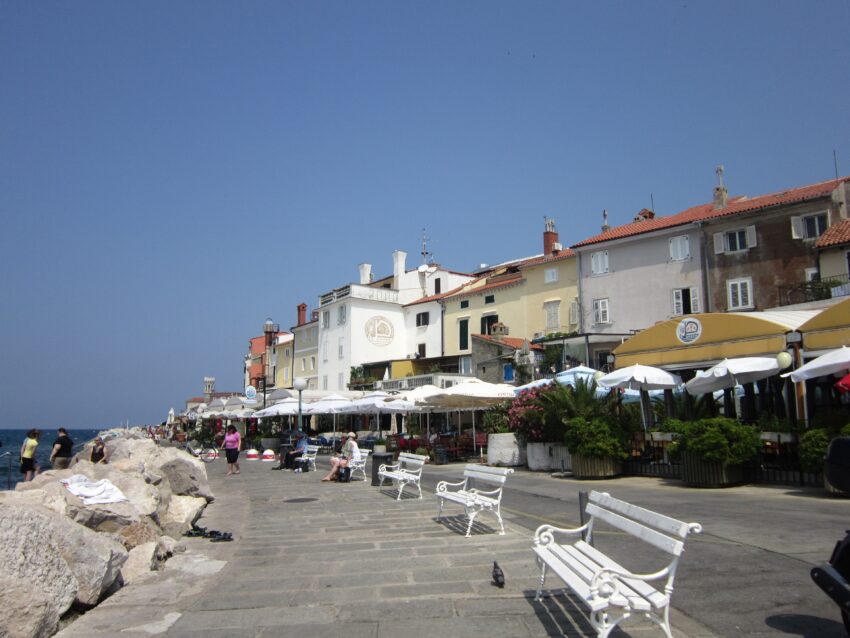
| Hours: 24 Hours. | Price: Free. | Distance: 0.2km
8. Walls of Piran
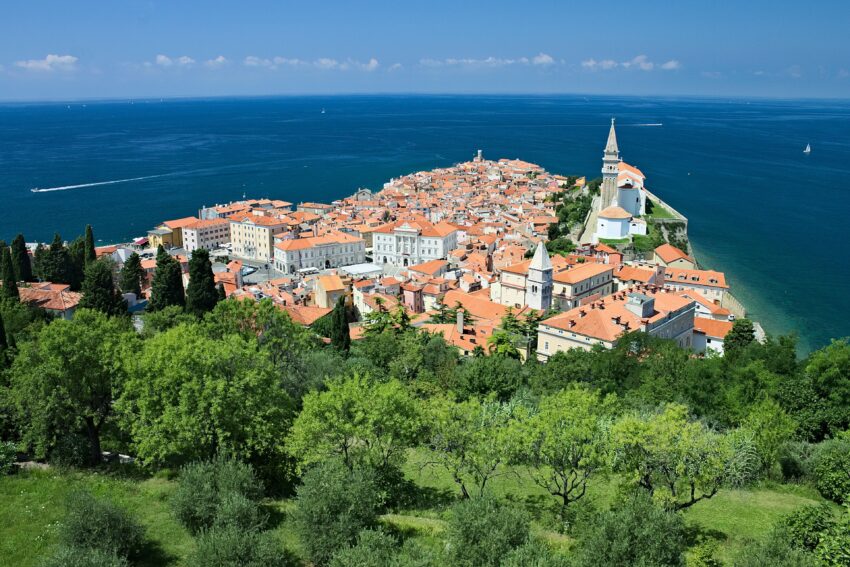
Location: Walls of Piran, Ulica IX. korpusa, Piran, Slovenia | Hours: (Summer) Every day: 08:00–21:00. (Winter) Every day: 08:00–18:30. | Price: 2 € per person | Website | Distance: 0.3km
9. Piran Lighthouse
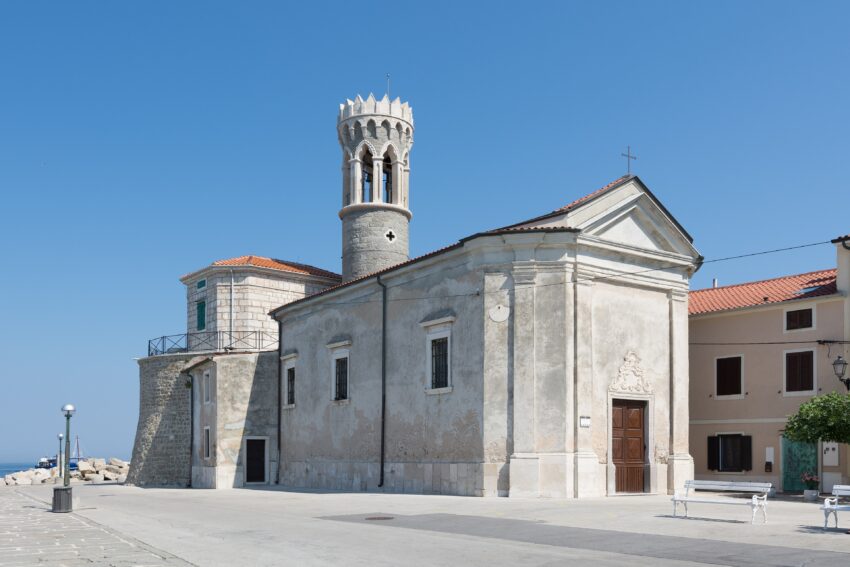
Location: Piranski svetilnik, Prešernovo nabrežje, Piran, Slovenia | Hours: April: Friday, Saturday, Sunday 11:00 - 17:00 May: Friday, Saturday, Sunday 11:00 - 17:00 June: Friday, Saturday, Sunday 10:00 - 17:00 July: 9:00 - 12:00 and 17:00 - 21:00 August: 9:00 - 12:00 and 16:00 - 20:00 September: 10:00 - 18:00 October: 10:00 - 17:00 | Price: Adults: €3 | Website | Distance: 0.4km
10. Portoroz
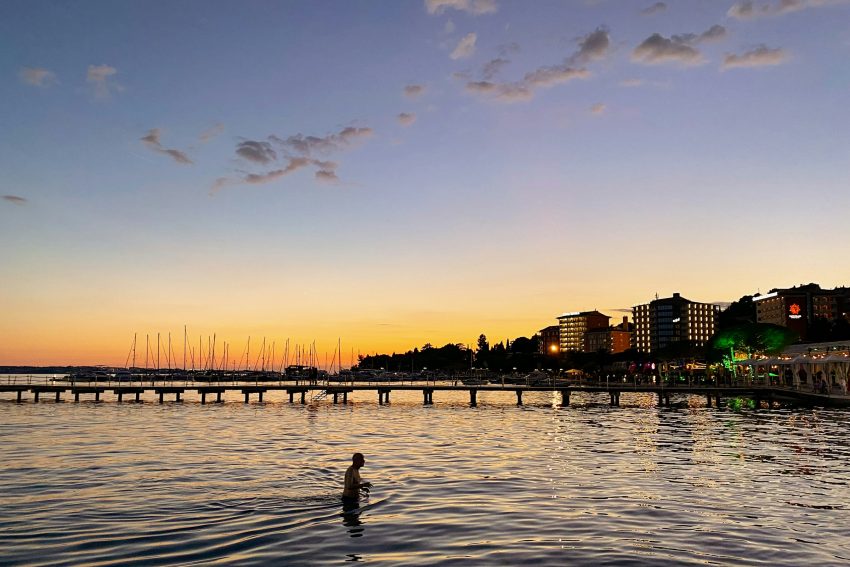
Best Day Trips from Piran
A day trip from Piran offers the perfect opportunity to escape the urban rhythm and discover the surrounding region's charm. Whether you're drawn to scenic countryside, historic villages, or cultural landmarks, the area around Piran provides a variety of easy-to-reach destinations ideal for a one-day itinerary.
1. Trieste

Visiting Trieste
2. Rovinj
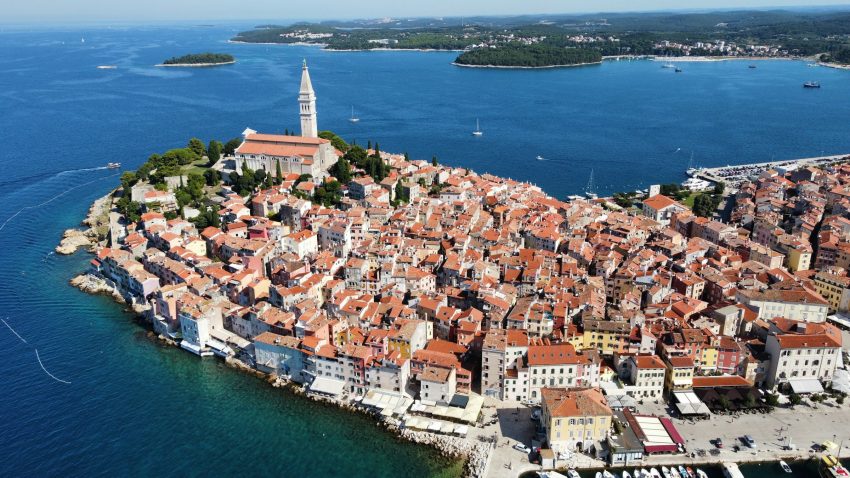
Visiting Rovinj
3. Cividale del Friuli

Visiting Cividale del Friuli
4. Udine
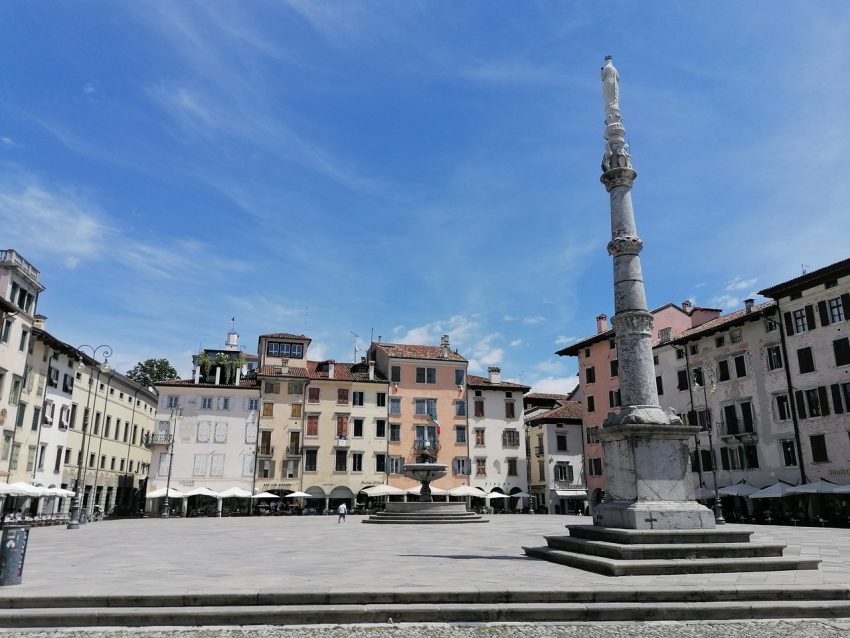
Visiting Udine
5. Pula
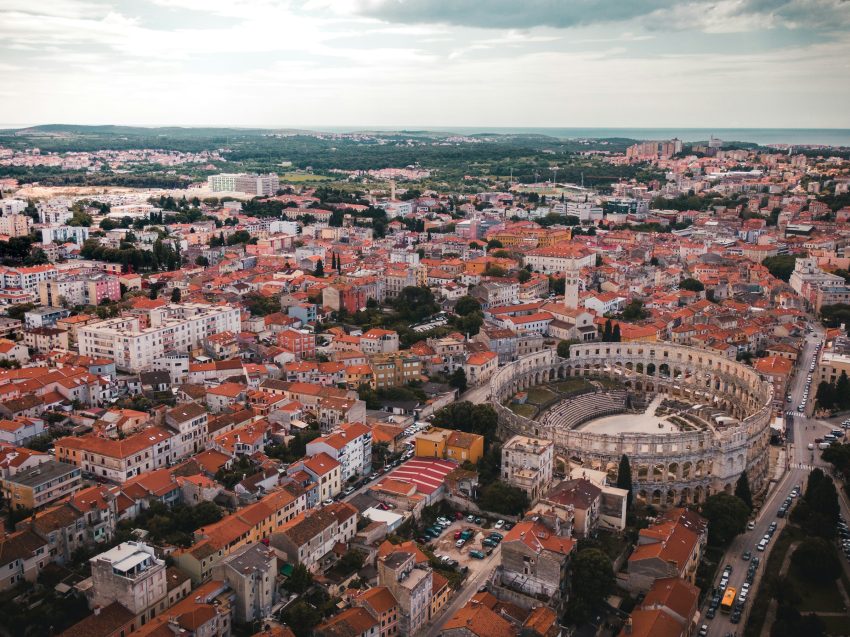
Visiting Pula
6. Škofja Loka
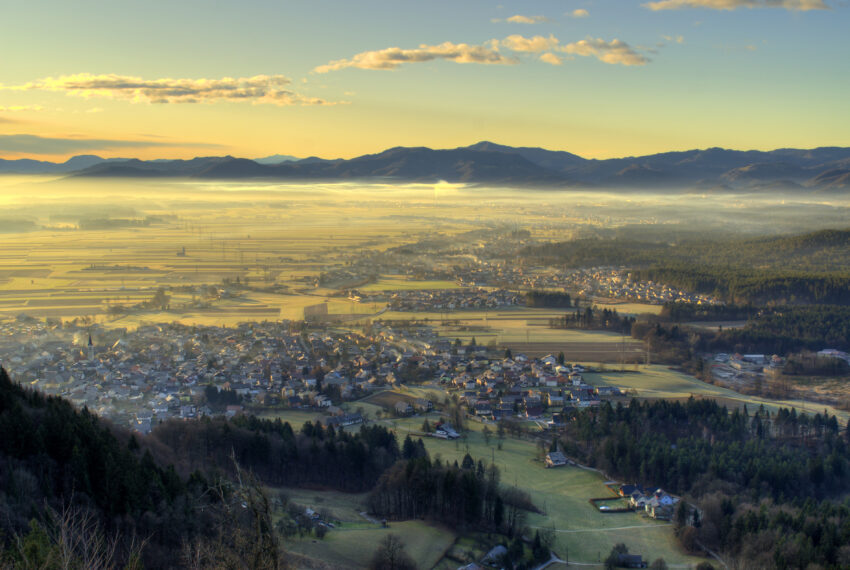
Visiting Škofja Loka
7. Ljubljana

Visiting Ljubljana
8. Venice
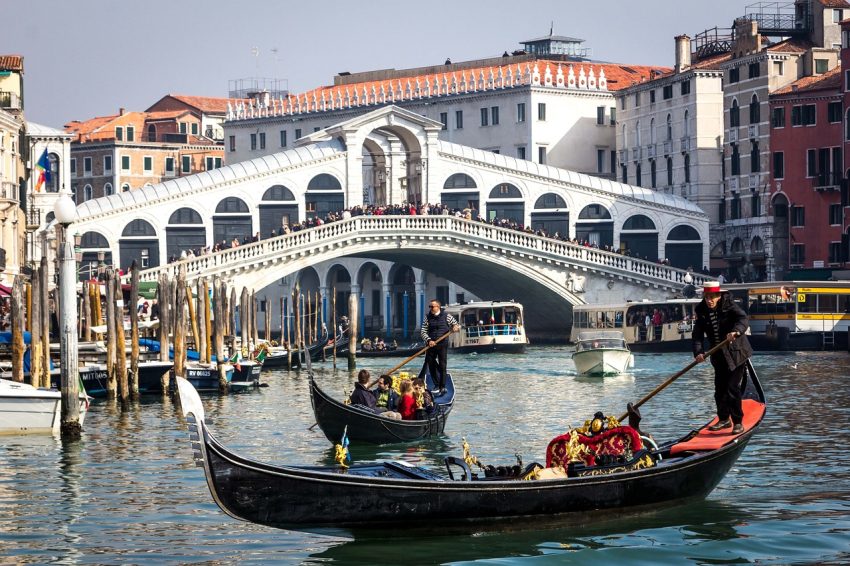
Visiting Venice
9. Bled
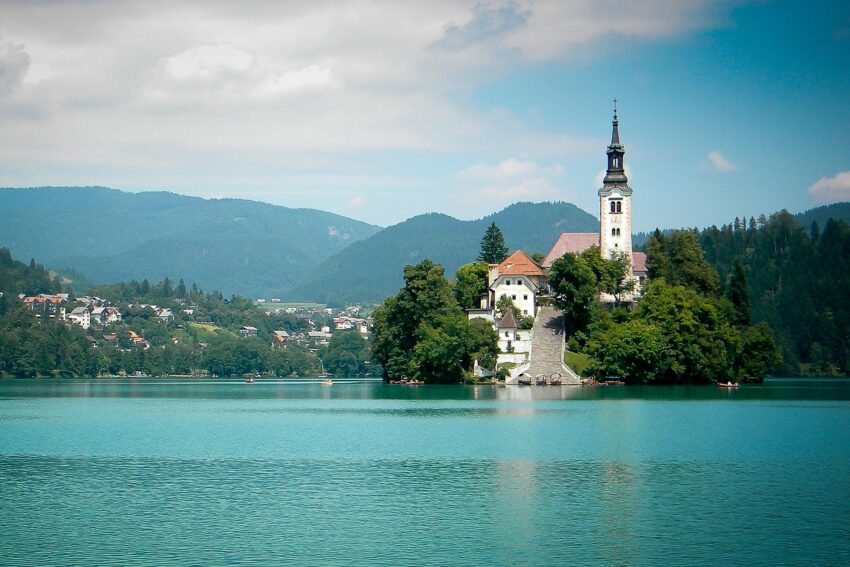
Visiting Bled
Where to Stay in Piran
Staying inside Piran’s old town is best if you want to step out straight into the lanes, waterfront, and evening atmosphere—just be prepared for limited vehicle access and a short walk from parking. For a classic, central stay with sea views and immediate access to the promenade, consider Hotel Piran, which suits travelers who want to be in the middle of everything and enjoy sunsets without commuting. If you prefer a more boutique, design-forward feel in the historic core, Art Hotel Tartini places you right by the main square, making early-morning exploring and late dinners especially convenient.
If you want easier parking, more space, and a resort-style beach setup, base yourself in nearby Portorož and visit Piran by short ride or bus—this works well for families or anyone prioritizing pools and wellness. A strong upscale option is Kempinski Palace Portorož, chosen for its grand setting, spa facilities, and polished service. For a modern, wellness-oriented stay close to the seafront, Hotel Slovenija is a good fit, especially if you want a comfortable, full-service base while keeping Piran’s old town within easy reach.
Using the our Hotel and Accomodation map, you can compare hotels and short-term rental accommodations in Piran. Simply insert your travel dates and group size, and you’ll see the best deals for your stay.
Piran Accommodation Map
Best Time to Visit Piran
Piran in Spring (March–May)
Spring is ideal for comfortable walking temperatures, clearer air for viewpoints, and fewer crowds than peak summer. It’s a strong season for combining old-town exploring with coastal walks and nearby nature, with cafés and terraces coming back to life.
Piran in Summer (June–August) (Best)
Summer brings the warmest sea temperatures and the liveliest atmosphere, with long evenings on the waterfront and plenty of events. Festival highlights often include open-air concerts and cultural programming, and the town feels at its most animated—just expect higher prices and busier streets.
Piran in Autumn (September–November)
Early autumn keeps the sea pleasant for swimming while easing the peak-season crowds. It’s a great time for food-focused travel—olive oil, seafood, and local produce—plus golden-hour photography as the light softens.
Piran in Winter (December–February)
Winter is quieter and more local, with crisp coastal days and occasional windy spells. It’s best for slow travel: museums, churches, long lunches, and atmospheric evening walks when the old town feels calm and uncrowded.
Annual Weather Overview
- January 8°C 49°F
- February 11°C 55°F
- March 12°C 58°F
- April 16°C 65°F
- May 21°C 74°F
- June 27°C 85°F
- July 30°C 89°F
- August 30°C 90°F
- September 25°C 80°F
- October 19°C 70°F
- November 12°C 57°F
- December 9°C 51°F
How to get to Piran
Getting to Piran by air
Nearest airports: Trieste (TRS), Ljubljana (LJU), Venice Marco Polo (VCE), and Pula (PUY) are commonly used depending on schedules and prices. From the airport, continue by bus, shuttle, or car rental to the coast, then use local buses/taxis to reach the old town.
Getting to Piran by train
Nearest practical rail hubs: Koper is the main nearby rail station area for onward bus/taxi connections.
Train operators (links): Slovenian Railways: https://www.slo-zeleznice.si/en/passengers ; Trenitalia: https://www.trenitalia.com/en.html ; ÖBB (Austrian Railways): https://www.oebb.at/en/ .
Getting to Piran by Car
Driving is straightforward for reaching the coast, but the historic center is largely restricted and designed for pedestrians. Plan to park outside the old town in designated garages/lots and continue on foot or by local shuttle/taxi to your accommodation.
Travelling around Piran
Piran is best explored on foot: distances are short, streets are narrow, and the most scenic routes are pedestrian lanes and the seafront. For nearby areas (Portorož, Lucija, Strunjan, Izola, Koper), use regional buses, taxis, or bikes/e-bikes; boat excursions and seasonal services can add a scenic alternative for short coastal hops.