Rovinj, Croatia: The Ultimate Travel Guide 2026
The Complete Guide to Rovinj

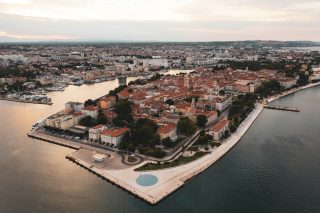
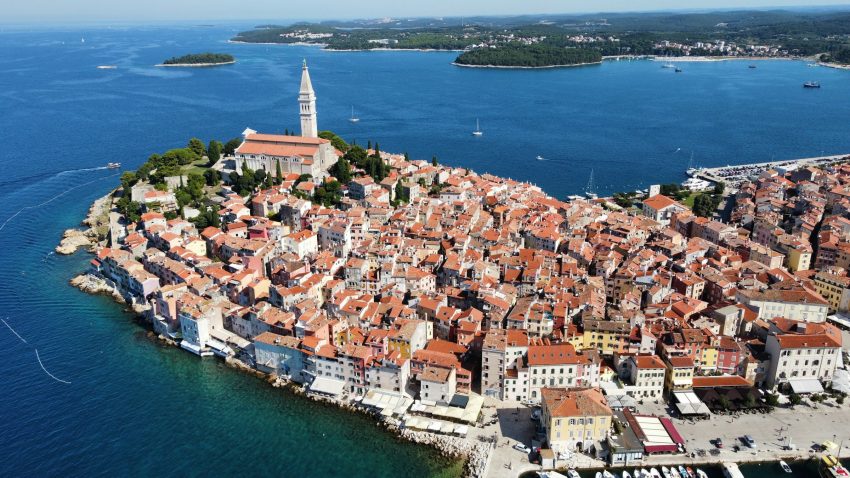
Rovinj is one of Istria's most photogenic coastal towns, built around a compact old core that rises to a hilltop church and spills down into a tangle of stone lanes, small squares, and waterfront promenades. It's the kind of place that rewards slow wandering: you'll move from shaded alleys to sunlit terraces in minutes, with constant glimpses of fishing boats, pastel façades, and the Adriatic beyond.

A visit to Rovinj is largely about atmosphere-morning coffee by the harbor, a swim from smooth rocks just outside the old town, and sunset walks along the sea-facing paths. The town is also a great base for exploring the wider Istrian Peninsula, with easy access to nearby beaches, forest parks, and small villages, plus day trips to Pula or inland wine-and-truffle country.

Food and drink are a major part of the experience, with Istrian olive oil, seafood, and seasonal produce featuring heavily on menus. Plan time for a relaxed dinner in the old town, then linger for an evening stroll when the streets quiet down and the lights reflect off the water-Rovinj feels especially magical after dark, without needing a packed itinerary.

History of Rovinj

Rovinj in Antiquity and the Early Settlement

Archaeological traces point to early habitation in the area long before the medieval town took shape. Over time, a fortified community developed, shaped by the need for protection and by maritime trade routes that connected the Adriatic’s coastal settlements.

Rovinj in the Medieval Period

During the Middle Ages, Rovinj evolved into a walled town with a dense urban fabric and a strong connection to the sea. Defensive structures, narrow streets, and compact building patterns reflect both security concerns and limited space, while the community’s economy increasingly relied on fishing, salt-related activities, and coastal commerce.

Rovinj under the Venetian Era

For centuries, Venetian influence left a lasting imprint on Rovinj’s architecture, language, and civic life. The town prospered as part of a wider Adriatic network, and many of the stylistic cues visible in façades, arches, and urban layout echo Venetian coastal design traditions.

Rovinj in the Habsburg and Modern Periods

Shifts in regional power brought administrative and economic changes, with new trade patterns and modernization gradually reshaping daily life. In the 20th century, political transitions and population movements altered the town’s demographics, while the later rise of tourism helped drive restoration and preservation of the historic core.

Rovinj Today

In recent decades, Rovinj has balanced heritage conservation with a strong visitor economy. Restoration of buildings, investment in public spaces, and a focus on culture and gastronomy have helped it become a leading Adriatic destination while maintaining the intimate scale of its old town.

Moira & Andy
Moira & Andy

Hey! We're Moira & Andy. From hiking the Camino to trips around Europe in Bert our campervan — we've been traveling together since retirement in 2020!

Read our full story here

Visiting Rovinj for the first time and wondering what are the top places to see in the city? In this complete guide, I share the best things to do in Rovinj on the first visit. To help you plan your trip, I have also included an interactive map and practical tips for visiting!

This website uses affiliate links which earn a small commission at no additional cost to you.
Powered by GetYourGuide

8 Best places to See in Rovinj

This complete guide to Rovinj not only tells you about the very best sights and tourist attractions for first-time visitors to the city but also provide insights into a few of our personal favorite things to do.

This is a practical guide to visiting the best places to see in Rovinj and is filled with tips and info that should answer all your questions!

1. Marsala Tita Square
Marsala Tita Square
Marsala Tita Square
CC BY-SA 3.0 / ChrisV
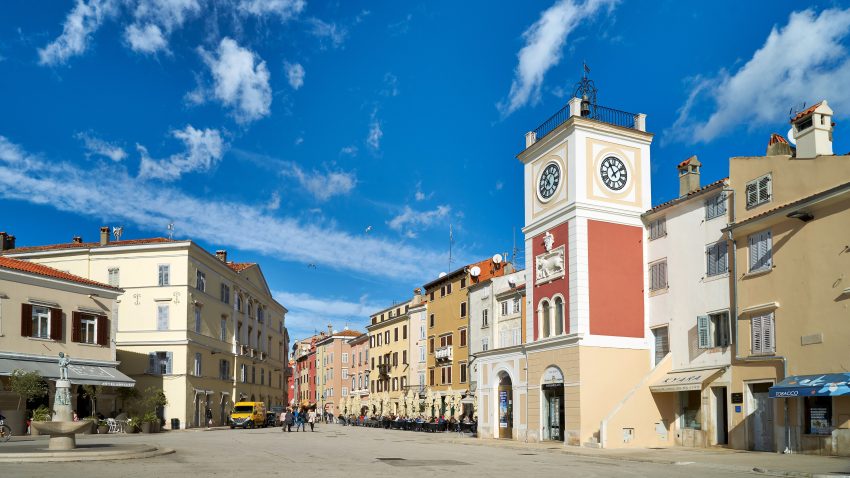
Marsala Tita Square (Trg Maršala Tita) is Rovinj’s main harbor-edge square, where the Old Town’s stone lanes spill out into open sea views and constant foot traffic. It matters because it’s the town’s civic “front room,” linking the waterfront to the historic core while framing some of Rovinj’s most memorable facades. In the center, a small fountain features a boy clutching a fish, with smaller fish below spouting water. One side is anchored by the reddish Rovinj Heritage Museum, a 17th-century Baroque palace built for the Califfi counts and now filled with Croatian art and archaeological finds. At the north end, Balbi’s Arch is carved with the family coat of arms and Venice’s winged Lion of St. Mark.
Location: Trg Maršala Tita, 52210, Rovinj, Croatia | Hours: 24 Hours. | Price: Free. | Distance: 0.3km

Here is a complete selection of hotel options in Rovinj. Feel free to review each one and choose the stay that best suits your needs.

2. Clock Tower

Clock Tower
Clock Tower
CC BY-SA 4.0 / Georg Karl Ell
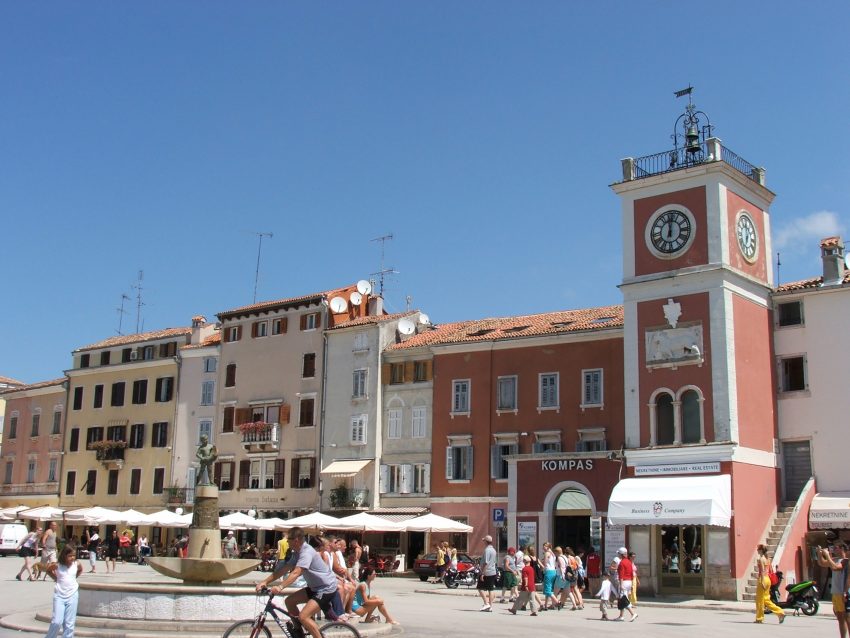
Rovinj’s Clock Tower rises over Marshal Tito Square, built into the southern corner of the old city walls and still shaping the town’s hilltop skyline. First constructed in the 12th century and later extended, it contains a 14th-century clock and bears the Lion of Saint Mark, a clear reminder of Venetian rule. Climbing its tight spiral stairway leads to a rooftop panorama of terracotta roofs, the harbor curve, and the island-speckled Adriatic. Visitors tend to remember the tower’s gritty details—there was once a small prison beneath it—and the slightly nerve‑testing stairs, which reviews note can feel narrow and worn even if the view is worth it.
Location: Crkva sv. Eufemije u Rovinju, Trg Sv. Eufemije, 52210, Rovinj, Croatia | Hours: Check official website. | Price: From €4 (tower climb; may vary). | Distance: 0.3km

Traveling to a country with a different currency? Avoid ATM transaction fees and pay in local currency with a Wise Card. Having used it for over 5 years, we've saved loads on fees!

3. Port of Rovinj

Port of Rovinj
Port of Rovinj
CC BY-SA 2.0 / Mateusz Kamiński
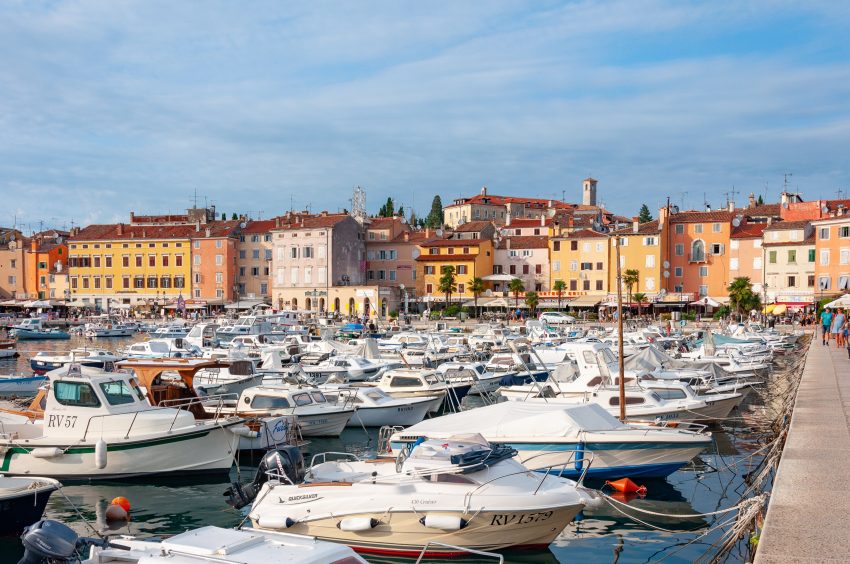
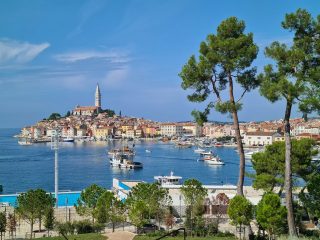
The Port of Rovinj is the town’s working harbor and waterfront promenade, where the Adriatic meets the pastel-faced Old Town rising straight from the sea. At dawn, small fishing boats head out and return with the day’s catch, a routine that still shapes the port’s atmosphere and menus. Along the quayside you’ll see traditional craft tied up beside sleek yachts, a snapshot of Rovinj’s old rhythms and newer visitors. Cobblestone lanes and the waterside edge are lined with pavement cafés and tavernas, and there are benches for lingering with nothing but the view. Come evening, the harbor glows with sunset light and reflections as terraces fill and boats rock gently.
Location: Ul. Joakima Rakovca 6, 52210, Rovinj, Croatia | Hours: 24 Hours. | Price: Free. | Website | Distance: 0.4km

Explore Rovinj at your own pace with our self-guided walking tour! Follow our curated route to discover must-see sights and local secrets that makes Rovinj one of the best places to visit in Croatia.

4. Balbi's Arch

Balbi’s Arch
Balbi’s Arch
CC BY-SA 3.0 / Andrea Albini
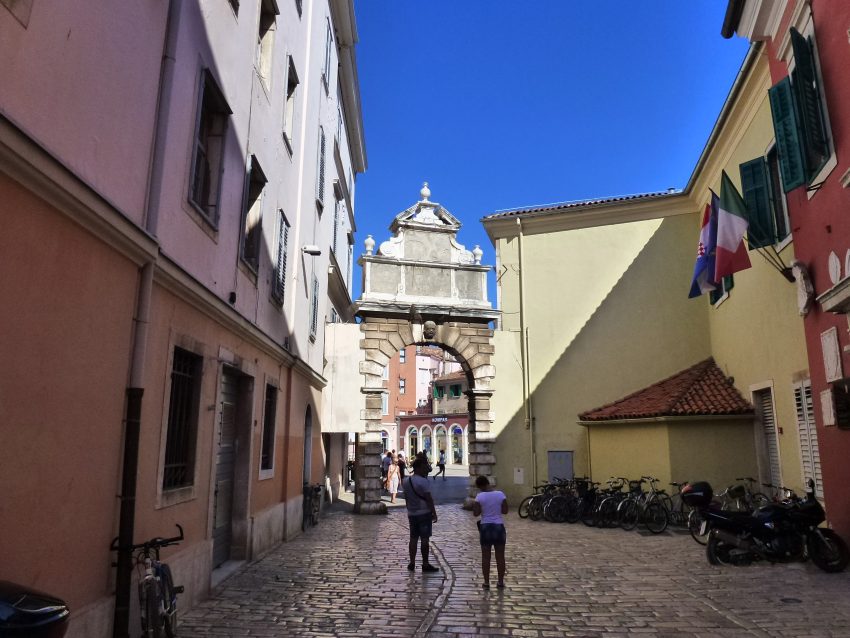
Balbi’s Arch is Rovinj, Croatia’s late-17th-century stone gateway (1678–1679), standing where the fortified town’s main entrance, Porton della Pescheria, once controlled access from the waterfront into the Old Town. Built during the mayoralty of Daniel Balbi, it still bears a commemorative inscription, along with the Balbi family crest and a Venetian lion. Visitors linger over the carved faces set into the arch—traditionally read as a Venetian on one side and a Turk on the other—an unusual detail that hints at Adriatic trade and rivalry. Step through and the scene shifts quickly from the open square with café terraces to the tighter, uphill lanes leading into Grisia Street.
Location: 52210, Rovinj, Croatia | Hours: 24 Hours. | Price: Free. | Distance: 0.4km

5. Rovinj Heritage Museum
Rovinj Heritage Museum
CC BY-SA 4.0 / Georg Karl Ell
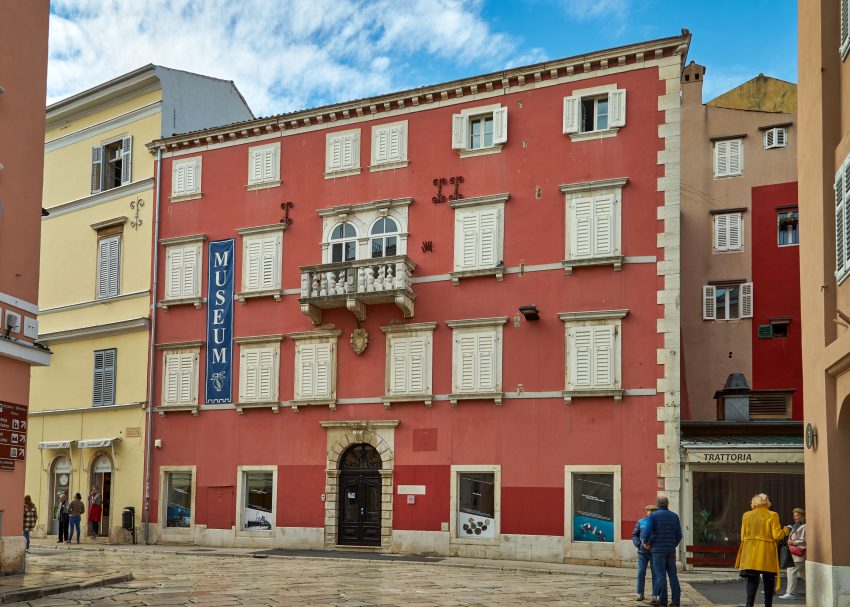
Rovinj Heritage Museum is the city’s compact museum and gallery, founded in 1954 by local artists to preserve Rovinj’s cultural record while exhibiting art. It occupies the Baroque Califfi Counts’ palace (17th–18th centuries) on Marshal Tito Square, so the rooms and staircases feel as much a part of the visit as the displays. Collections span modern works and old masters alongside archaeological finds, ethnological objects, historic books and documents, and photographs connected to the partisan battalion led by Pino Budicin. Space limits mean only a slice is shown at any time, and some visitors note that galleries can feel sparse or focused mainly on temporary art shows.
Location: Trg na mostu 1, 52210, Rovinj, Croatia | Hours: Daily: 10:00–18:00. | Price: Free. | Website | Distance: 0.4km

6. Batana Eco Museum
Batana Eco Museum
Batana Eco Museum
CC BY-SA 3.0 / Roberta F.
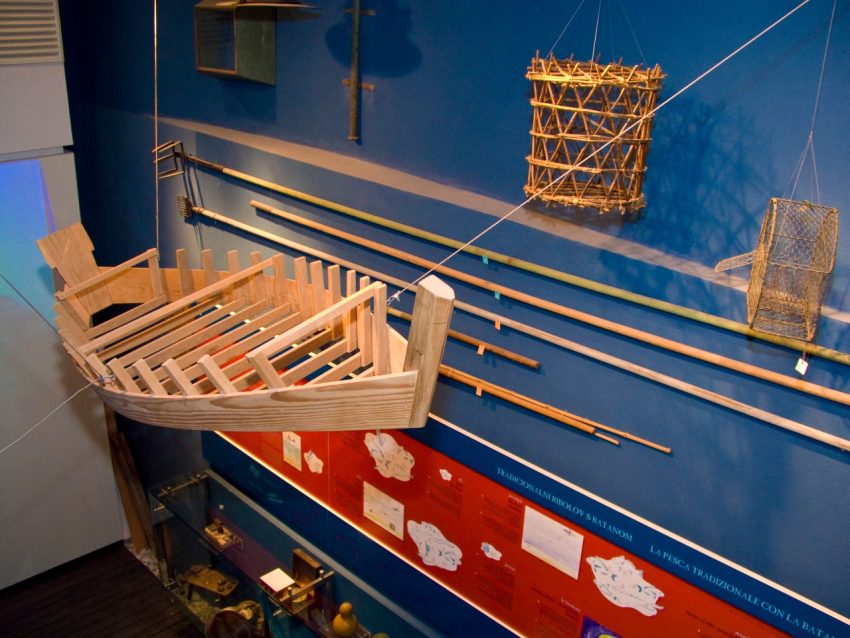
Batana Eco Museum in Rovinj is Croatia’s first ecomuseum, built around the small wooden fishing boat called the batana and the community that keeps its traditions alive. Opened to the public in 2004, its interpretation and documentation center shows how this everyday vessel became a symbol tying together local identity, from boatbuilding and fishing know-how to songs and language. The exhibits are compact but tactile, mixing tools, photographs, drawings, and multimedia so you hear and see how waterfront life once worked. Housed in an old coastal home near the harbor, it feels more like stepping into a lived-in story than a formal gallery. Visitors often mention how clearly the displays work across languages, despite the museum’s tiny size.
Location: Obala Pina Budicina 2, 52210, Rovinj, Croatia | Hours: (Winter) January, February, December: Monday – Friday: 10:00–15:00; Closed on Saturday, Sunday. (Group visits with advance notice.). (Summer) March, April, October, November: Monday – Saturday: 10:00–16:00; Closed on Sunday. May, September: Monday – Saturday: 10:00–13:00 & 18:00–21:00; Closed on Sunday. June – August: Monday – Saturday: 10:00–13:00 & 19:00–23:00; Closed on Sunday. (Group visits with advance notice.). | Price: Adults: €5; Pupils, students & pensioners: €4; Adult groups (10+): €3; School groups (10+): €2.50; Some members free. | Website | Distance: 0.5km

7. Grisia Street
Grisia Street
Grisia Street
CC BY-SA 3.0 / Dguendel
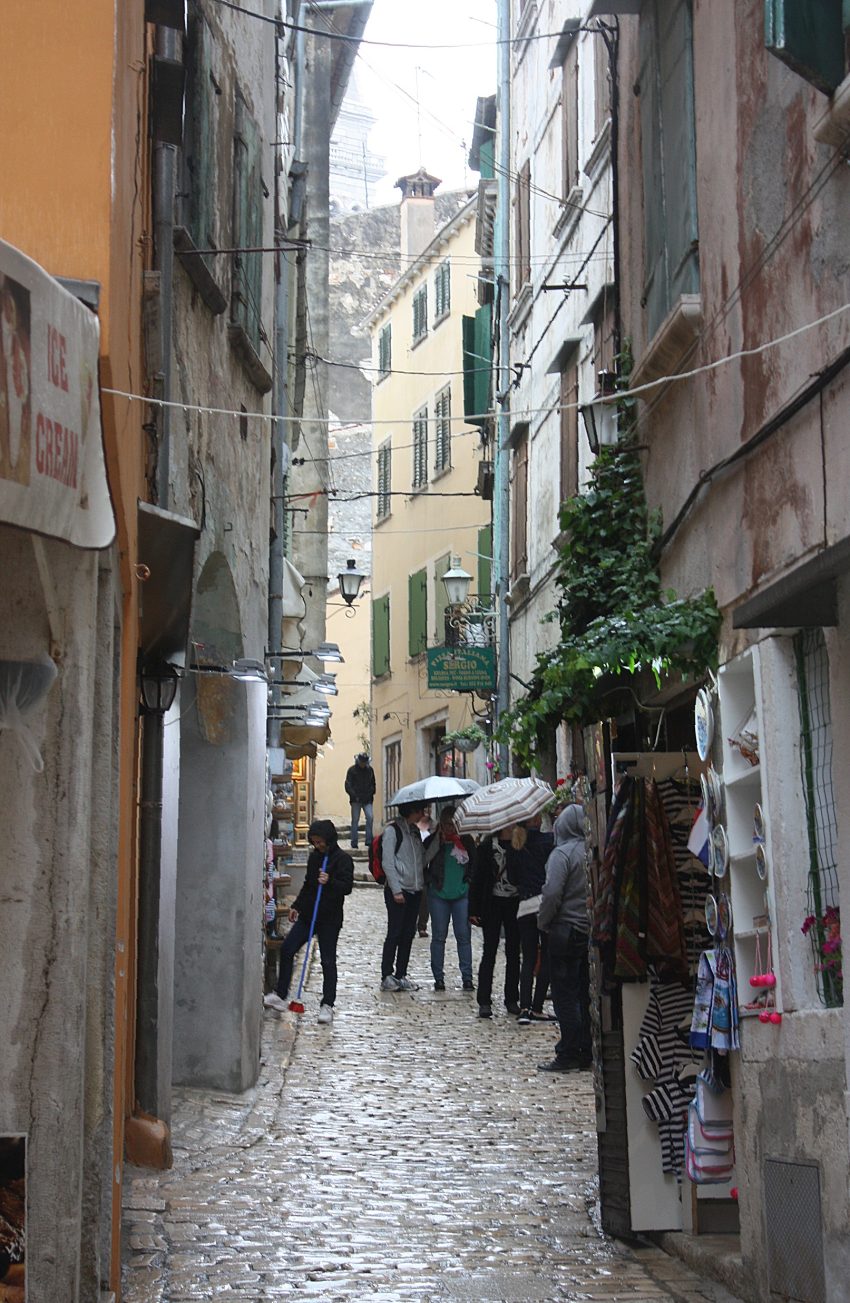
Grisia Street (Grizia) is a narrow, stepped cobblestone lane in Rovinj’s Old Town that climbs from the lower town up toward the Church of St. Euphemia. Lined with small galleries, studios, and craft shops, it functions like a permanent open-air corridor of local art—paintings, ceramics, jewelry, and Istrian souvenirs tucked into old doorways. Since 1967, the street has hosted an annual art exhibition on the first Sunday in August, when registered exhibitors (from academic artists to children) hang work along the walls and turn the climb into a street-long gallery. Visitors remember the polished stones underfoot, the tight medieval scale, and the rooftop views that open up as you look back downhill.
Location: Ul. Grisia, 52210, Rovinj, Croatia | Hours: 24 Hours. | Price: Free. | Distance: 0.5km

8. Church of St. Euphemia and the Bell Tower
Church of St. Euphemia and the Bell Tower
CC BY-SA 4.0 / Georg Karl Ell
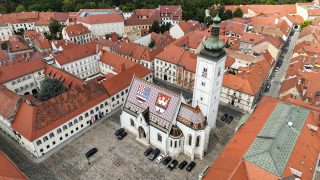
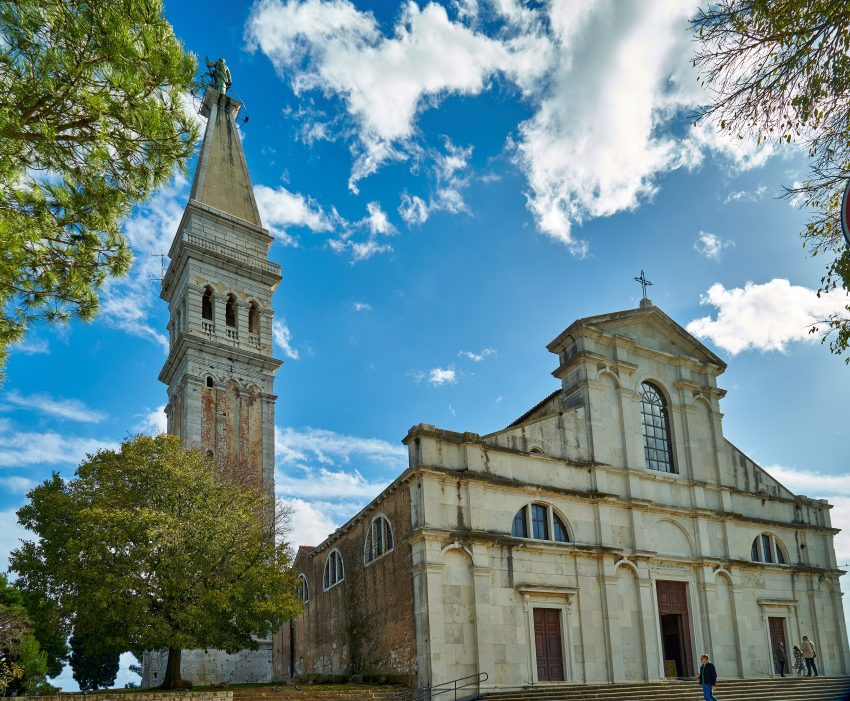
Set on the highest point of Rovinj’s old town, the Baroque Church of St. Euphemia (1725–1736) crowns the hill above the harbor, with a Venetian-style campanile that shapes the city’s skyline. Inside, the scale feels unexpectedly grand, and the church keeps St. Euphemia’s relics in a Roman sarcophagus dating to the 6th century, later reworked in the 15th, alongside Gothic statues and paintings such as a Last Supper. The 60‑meter bell tower (1654–1680), modeled after Venice’s St. Mark’s, is topped by a wind-turning statue of the saint like a weather vane. Visitors remember the rooftop-and-sea panorama—and the tower’s narrow, steep steps that some reviewers call precarious.
Location: Crkva sv. Eufemije u Rovinju, Trg Sv. Eufemije, 52210, Rovinj, Croatia | Hours: Check official website. | Price: Check official website. | Website | Distance: 0.6km

Best Day Trips from Rovinj

A day trip from Rovinj offers the perfect opportunity to escape the urban rhythm and discover the surrounding region's charm. Whether you're drawn to scenic countryside, historic villages, or cultural landmarks, the area around Rovinj provides a variety of easy-to-reach destinations ideal for a one-day itinerary.

1. Pula
The Complete Guide to Pula
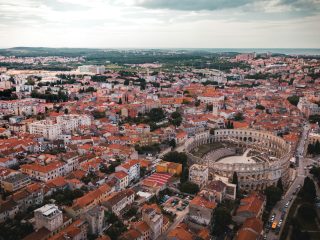
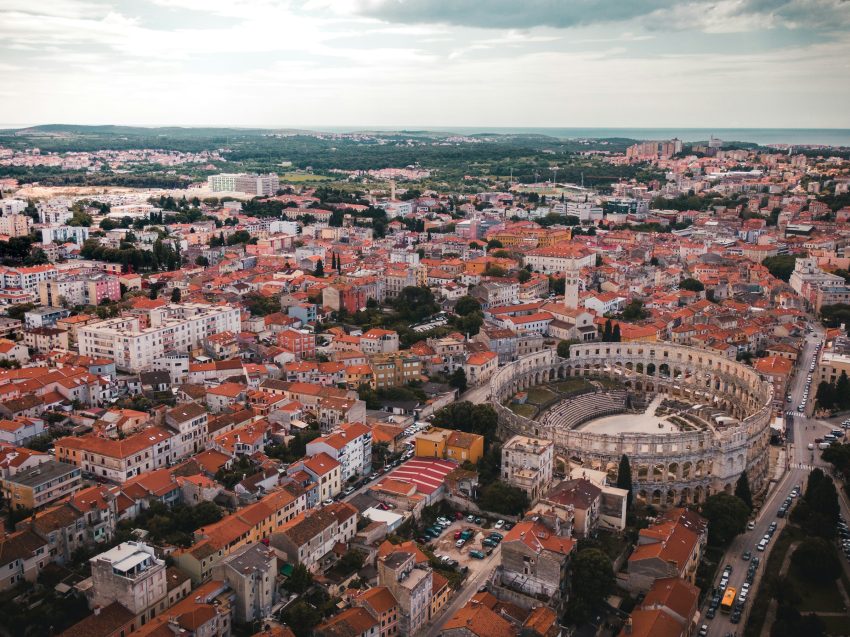
Pula is a laid-back coastal city at the southern tip of the Istrian Peninsula, where Roman-era landmarks sit alongside working harbors, café-lined streets, and easy access to beaches and pine-fringed coves. It’s compact enough to explore on foot, yet surrounded by small seaside neighborhoods and nature spots that make it feel like a base for both culture and swimming days.…
Visiting Pula
Powered by GetYourGuide

2. Portoroz

The Complete Guide to Portoroz
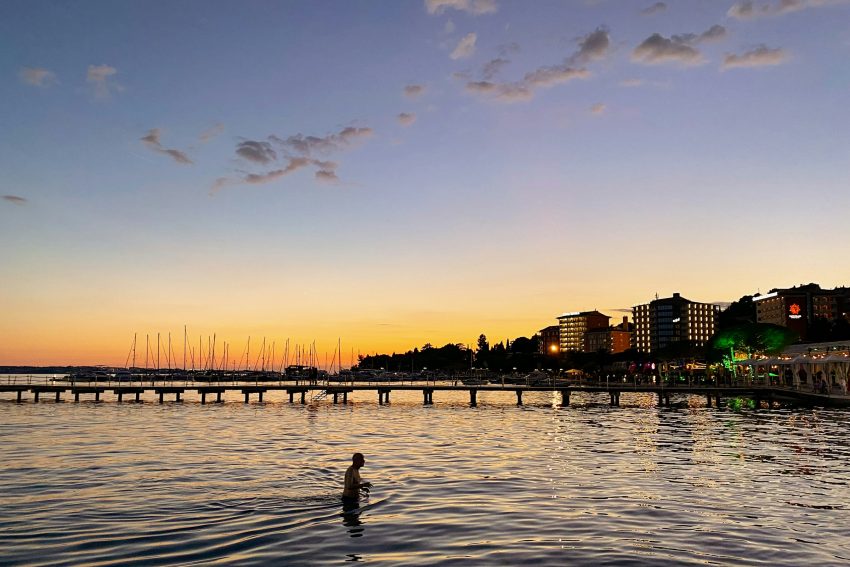
Portorož is Slovenia’s best-known seaside resort, set on the Adriatic coast in the Istrian peninsula, where a long promenade, palm-lined streets, and a sheltered bay create an easy, holiday-first atmosphere. Come for the classic beach days—sun loungers, swimming platforms, and calm water—then stay for the mix of spa culture, marina life, and evening strolls that make the town feel lively…
Visiting Portoroz

3. Piran

The Complete Guide to Piran
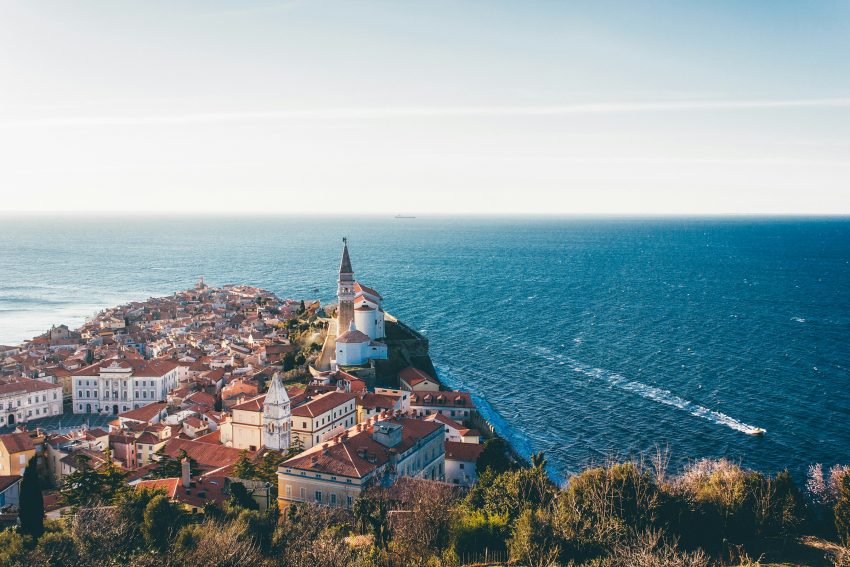
Piran is a postcard-pretty coastal town on Slovenia’s short Adriatic shoreline, set on a narrow peninsula where Venetian-style facades, sea-facing cafés, and stone lanes create an easy, walkable escape. The heart of the experience is simply wandering: you move from sunlit squares to shaded alleys in minutes, with salty breezes and bell chimes as a constant soundtrack. It’s compact enough…
Visiting Piran
Powered by GetYourGuide

4. Trieste

trieste
trieste
Visiting Trieste offers a unique blend of Italian charm and Central European influence, making it a fascinating destination for travelers. Located at the crossroads of Italy, Slovenia, and Austria, Trieste boasts a rich history and diverse cultural heritage. The city’s stunning architecture reflects its past under the Austro-Hungarian Empire, with grand neoclassical buildings, elegant squares, and a beautiful waterfront promenade.…
Visiting Trieste
Powered by GetYourGuide

5. Venice

venice rialta bridge
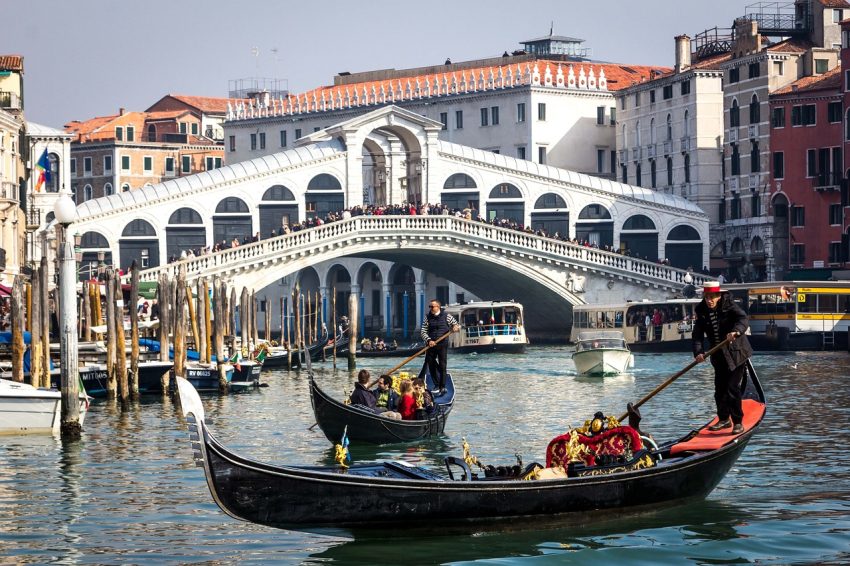
Venice is one of Italy’s most picturesque cities. Beautiful floating palaces of stone surrounded by an ancient network of canals, built on a group of 118 islands and these small islands are linked with 400 bridges. These islands are located in the Venetian Lagoon, which sits just off of the mainland of Italy. With its Gothic architecture, Renaissance and Baroque buildings,…
Visiting Venice
Powered by GetYourGuide

6. Udine

udine italy
udine italy
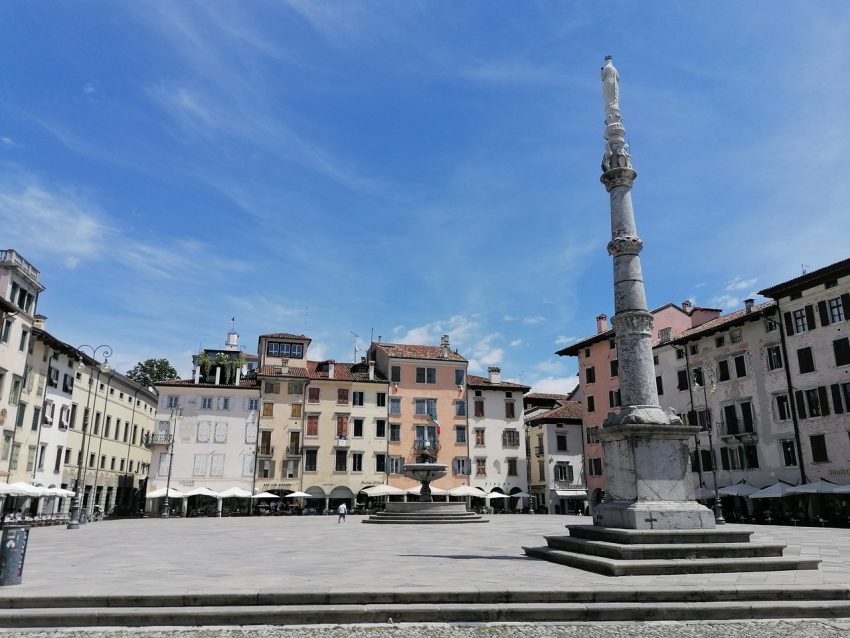
Visiting Udine, located in the northeastern region of Friuli Venezia Giulia, Italy, offers a journey through a city rich in history, art, and culture. Udine is known for its charming old town, where Venetian influence is evident in its architecture and layout. The city’s centerpiece is the stunning Piazza della Libertà, often referred to as the most beautiful square in…
Visiting Udine
Powered by GetYourGuide

7. Cividale del Friuli

Cividale del Friuli veduta
CC BY-SA 4.0 / Sirleonidas
Cividale del Friuli, a picturesque town in Italy's northeastern region, offers a captivating blend of history, culture, and natural beauty. Founded by Julius Caesar as a Roman colony in 50 BC, the town's historic center, now a UNESCO World Heritage site, showcases a remarkable array of medieval and Renaissance architecture. Key landmarks such as the Tempietto Longobardo, an exquisite example…
Visiting Cividale del Friuli

8. Ljubljana

complete guide to ljubljana
Ljubljana, the vibrant capital of Slovenia, is located in the central part of the country, surrounded by scenic hills and the Ljubljanica River. The compact city center makes it perfect for exploring on foot, with charming pedestrian streets, lively squares, and a mix of modern cafés and traditional eateries. Its central location also makes it a convenient base for day…
Visiting Ljubljana
Powered by GetYourGuide

9. Škofja Loka

Skofja Loka in Winter from hill
Skofja Loka in Winter
CC BY-SA 3.0 / Mihael Grmek
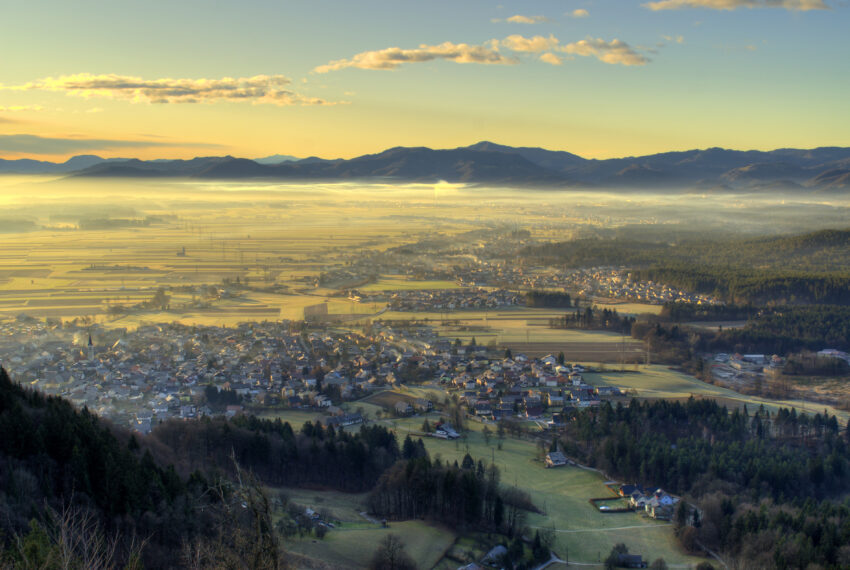
Škofja Loka is one of Slovenia’s most atmospheric small towns, with a compact old centre, river views, painted façades and a castle rising above the rooftops. It sits in the Upper Carniola area, close to Ljubljana, and works especially well for visitors who want a historic town that feels rich in detail without being overwhelming. The old streets are easy…
Visiting Škofja Loka

10. Ravenna

Ravenna
Ravenna
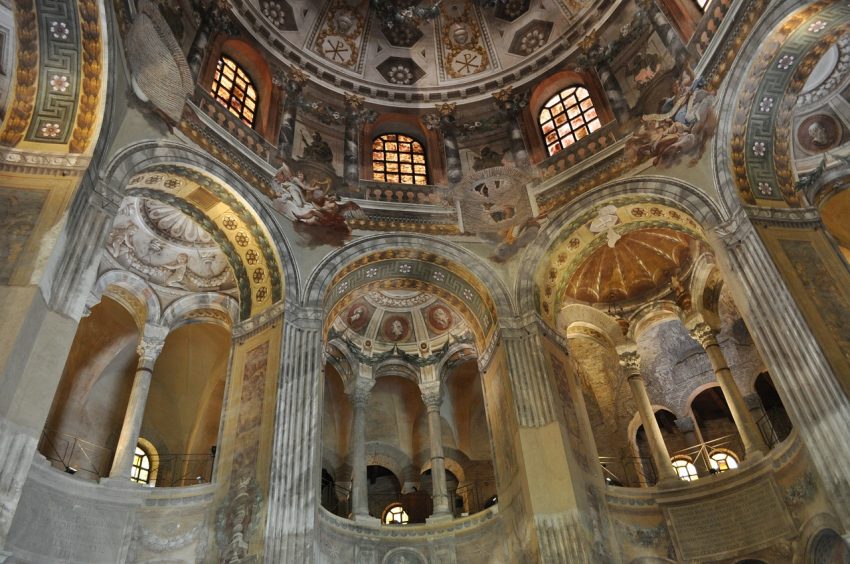
Situated on the eastern coast of Italy, nestled between San Marino and Bologna, Ravenna serves as the capital of the Ravenna province and stands as one of the larger cities in the Emilia-Romagna region. Throughout its illustrious history, Ravenna has held a position of great importance under various empires, including serving as the capital of the Western Roman Empire and…
Visiting Ravenna
Powered by GetYourGuide

Where to Stay in Rovinj

For a first-time visit, staying in Rovinj Old Town is ideal if you want to step straight into the atmosphere—early-morning quiet, evening strolls, and restaurants right outside your door—though you should expect stairs, limited vehicle access, and a short walk from parking. A standout choice here is Adriatic Hotel by Maistra Collection, which suits travelers who want a central waterfront position with stylish interiors and easy access to the harbor promenade. If you prefer a resort feel with pools, beaches, and a bit more space while still being close to the center, the Lone Bay/Golden Cape area is the best balance; Grand Park Hotel Rovinj by Maistra Collection is a top pick for its views over the old town, high-end facilities, and quick walk or shuttle access into town. For a quieter, beach-forward stay with a classic holiday vibe, consider the island setting of Maistra Select Island Hotel Katarina, which works well for couples and anyone who likes being surrounded by sea views while remaining a short boat ride from the old town. If you want a family-friendly base with easy swimming access and a straightforward drive-and-park setup, the southern resort zone is convenient; Maistra Select Family Hotel Amarin is well suited for families thanks to its amenities and beach access while still keeping Rovinj’s center within a short ride.

Using the our Hotel and Accomodation map, you can compare hotels and short-term rental accommodations in Rovinj. Simply insert your travel dates and group size, and you’ll see the best deals for your stay.

Rovinj Accommodation Map

Best Time to Visit Rovinj

Rovinj in Spring

Spring is a comfortable time to visit, with warming days, fewer crowds, and excellent conditions for walking the old town and cycling nearby trails. Nature is at its greenest, and it’s a good season for food-focused travel as seasonal menus start to broaden.

Rovinj in Summer (Best)

Summer delivers the classic Rovinj experience: long sunny days, warm sea temperatures, and a lively waterfront atmosphere. This is peak season for swimming, boat trips, and late-night dining. Festival highlights often include open-air concerts and cultural events, and the town’s calendar typically feels busiest from late June through August.

Rovinj in Autumn

Autumn stays pleasantly mild into early fall, with warm seas lingering and a calmer feel once peak crowds fade. It’s a strong season for gastronomy—especially olive oil and wine-related experiences in the broader area—and for photographers who want softer light and quieter streets.

Rovinj in Winter

Winter is the quietest period, with cooler, wetter spells and shorter days, but it can be rewarding for travelers who prefer a local, unhurried pace. Many seasonal businesses reduce hours, yet the old town’s atmosphere remains charming for café stops, coastal walks, and low-key cultural visits.

Annual Weather Overview

  • January 9°C
  • February 10°C
  • March 13°C
  • April 17°C
  • May 21°C
  • June 25°C
  • July 28°C
  • August 27°C
  • September 24°C
  • October 19°C
  • November 14°C
  • December 9°C

How to get to Rovinj

Getting to Rovinj by air

Nearest airports: Pula Airport (PUY) is the closest and usually the most convenient. Trieste Airport (TRS) and Rijeka Airport (RJK) can also work depending on routes and season.

From Pula Airport to Rovinj: The simplest options are taxi, private transfer, or a pre-booked shuttle in high season. If you prefer public transport, you’ll typically connect via Pula’s bus station and continue by regional bus to Rovinj.

Getting to Rovinj by train

Rovinj does not have a mainline passenger rail connection into the town, so the practical approach is to travel by train to a nearby hub and continue by bus.

Train operators (links): Croatia: https://www.hzpp.hr/en • Italy: https://www.trenitalia.com/en.html • Austria: https://www.oebb.at/en/

Common rail-to-bus connections: Travelers often route via Pula (then bus onward) or via Trieste (then cross-border bus connections depending on season). Always check current timetables, as services can be limited outside summer.

Getting to Rovinj by Car

Driving is one of the easiest ways to reach Rovinj, especially if you want flexibility to explore Istria’s coast and inland villages. Major roads in Istria are well maintained, and the approach into town is straightforward.

Parking tips: The old town is largely pedestrianized, so plan to park in designated lots on the edge of the center and walk in with luggage if needed. In peak summer, arrive earlier in the day to secure a spot.

Travelling around Rovinj

Rovinj is compact and best explored on foot, particularly the old town where streets are narrow and steep. For beaches and nearby nature areas, local buses and taxis can help, but cycling is especially popular thanks to scenic coastal and forest routes. Boat taxis and short excursions are also a convenient way to reach nearby coves and islands in season.
More from this area