Pula, Croatia: The Ultimate Travel Guide 2026
The Complete Guide to Pula

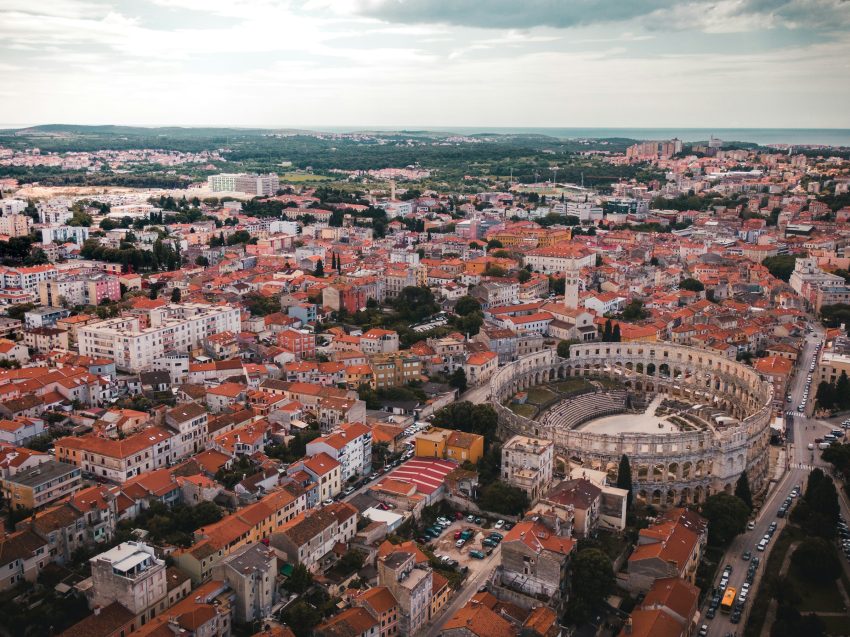
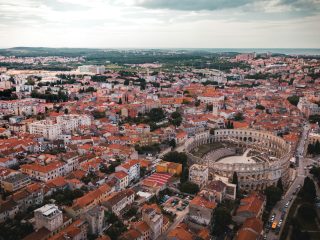
Pula is a laid-back coastal city at the southern tip of the Istrian Peninsula, where Roman-era landmarks sit alongside working harbors, café-lined streets, and easy access to beaches and pine-fringed coves. It's compact enough to explore on foot, yet surrounded by small seaside neighborhoods and nature spots that make it feel like a base for both culture and swimming days. The city's atmosphere is relaxed and local, especially outside peak summer weeks, with plenty of places to linger over seafood, Istrian olive oil, and a glass of Malvazija.

A visit usually revolves around a mix of big-ticket sights and simple pleasures: wandering the old town, catching sunset views from the waterfront, and dipping into the clear Adriatic when the heat rises. Pula's standout monuments are easy to reach between meals and beach time, and many of the best viewpoints and promenades are a short stroll from the center. If you like to keep plans flexible, Pula suits spontaneous days-start with a morning market and coffee, then decide whether you're in the mood for museums, a boat trip, or a swim.

Pula also works well as a gateway to southern Istria, with quick trips to nearby beaches, forested peninsulas, and small coastal villages within a short drive or bus ride. Even if you're not packing your schedule, you'll find plenty to do: summer concerts and film events, lively terraces in the evenings, and scenic walks that connect the city to the sea. It's a destination that balances “must-sees” with an easygoing rhythm.

History of Pula

Pula in Prehistory and the Histri Era

Long before written records, the wider area around Pula was inhabited by prehistoric communities who left traces in hillforts and burial sites. By the late Iron Age, the Histri people were established in the region, known for fortified settlements and maritime activity. Their presence shaped early patterns of trade and defense that later powers would build upon.

Pula under Roman Rule

Pula rose to major prominence during the Roman period, when it developed into an important urban center with monumental public architecture. Roman planning brought forums, temples, gates, and an amphitheater that anchored civic life and entertainment. The city’s stonework and infrastructure from this era became the defining layer of its built identity.

Pula in Late Antiquity and the Early Middle Ages

As the Western Roman Empire weakened, Pula experienced political shifts and periods of instability, while Christianity became increasingly influential. Defensive needs grew, and existing structures were adapted or repurposed. Over time, new authorities and cultural influences reshaped administration and daily life.

Pula under Venetian Influence

In the medieval and early modern period, Venetian power left a strong mark on Pula’s governance, maritime orientation, and architecture. Fortifications and civic buildings reflected strategic priorities in the Adriatic. Trade networks connected the city to broader Mediterranean currents, even as outbreaks of disease and conflict periodically affected population and prosperity.

Pula in the Habsburg Era and the Rise of the Naval Port

Under Habsburg administration, Pula transformed dramatically with the development of a major naval base and shipbuilding capacity. This brought rapid urban growth, new infrastructure, and a more international population. Military priorities influenced city planning, fort construction, and the expansion of services.

Pula in the 20th Century: War, Borders, and Modern Identity

The 20th century brought profound change through world wars, shifting borders, and demographic movements. Industry and shipbuilding remained important, while the city’s cultural life evolved alongside new political realities. In recent decades, heritage preservation and tourism have become increasingly central, with Pula’s layered past serving as a foundation for its contemporary character.

Moira & Andy
Moira & Andy

Hey! We're Moira & Andy. From hiking the Camino to trips around Europe in Bert our campervan — we've been traveling together since retirement in 2020!

Read our full story here

Visiting Pula for the first time and wondering what are the top places to see in the city? In this complete guide, I share the best things to do in Pula on the first visit. To help you plan your trip, I have also included an interactive map and practical tips for visiting!

This website uses affiliate links which earn a small commission at no additional cost to you.
Powered by GetYourGuide

16 Best places to See in Pula

This complete guide to Pula not only tells you about the very best sights and tourist attractions for first-time visitors to the city but also provide insights into a few of our personal favorite things to do.

This is a practical guide to visiting the best places to see in Pula and is filled with tips and info that should answer all your questions!

1. Roman Amphitheater
Roman Amphitheater
Roman Amphitheater
CC BY-SA 4.0 / Olgierd Rudak
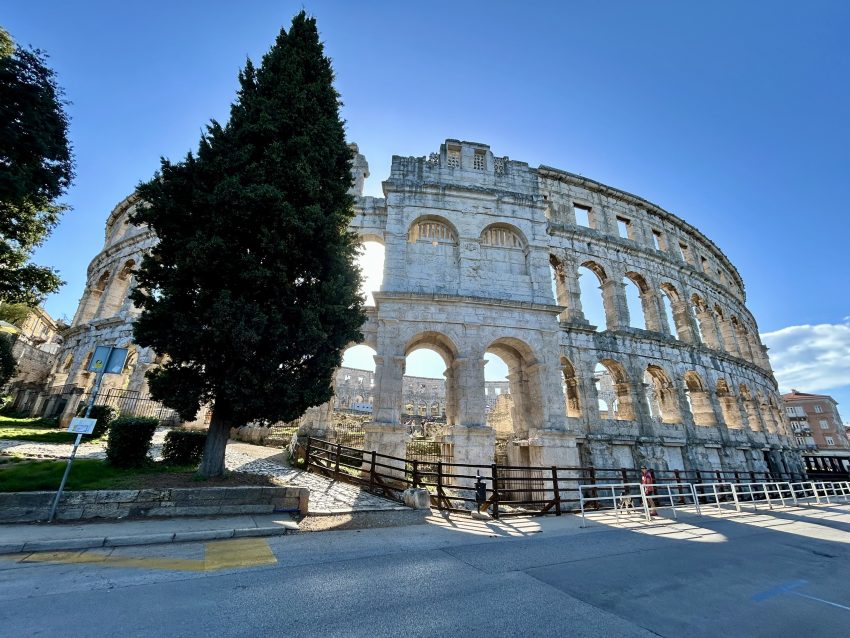
Pula’s Roman Amphitheater (the Pula Arena) is a vast limestone arena from the early Roman era, among the best preserved of its kind and still used today. Built on a slope outside the old city walls, it rises higher on the seaward side, where three levels of arches and window-like openings make the structure feel surprisingly intact. It’s the only surviving amphitheater that still keeps all four side towers, once stocked with perfumed water that fed fountains to cool the crowd. Inside, you can trace the old circulation with multiple gates and imagine the underground corridors that once moved animals and gladiators onto the sand. Modern concerts and festivals sometimes share the same space.
Location: Flavijevska ul., 52100, Pula, Croatia | Hours: Daily: 08:00–20:00. | Price: Adults: €10; Children/pupils/students: €5; Children under 5: free. | Website | Distance: 0.1km


Here is a complete selection of hotel options in Pula. Feel free to review each one and choose the stay that best suits your needs.

2. Gate of Hercules

Gate of Hercules
Gate of Hercules
CC BY-SA 3.0 / lienyuan lee
In Pula, Croatia, the Gate of Hercules is a modest Roman-era city gate that once marked the fortified edge of the settlement, and it’s easy to overlook until you’re right beside it. Built around 47–44 BC from rough-cut stone blocks, it’s about 13 feet high with a 12-foot-wide opening, framed today by later towers. Look above the lintel for the worn relief of Hercules—his beard and club are still discernible—and for the damaged Latin inscription naming Lucius Calpurnius Piso and Gaius Cassius Longinus, officials linked to founding a Roman colony here. The gate’s small scale makes it a “lean in and notice” stop, especially striking when lit at night.
Location: Giardini 5, 52100, Pula, Croatia | Hours: 24 Hours. | Price: Free. | Distance: 0.4km

Traveling to a country with a different currency? Avoid ATM transaction fees and pay in local currency with a Wise Card. Having used it for over 5 years, we've saved loads on fees!

3. Archaeological Museum of Istria

Archaeological Museum of Istria
CC BY-SA 4.0 / Rosholinux
The Archaeological Museum of Istria in Pula is the peninsula’s main archaeological institution, tracing local life from prehistory through Roman, late antique, and medieval eras. Its roots reach back to 1802, when Marshal Marmont began gathering stone monuments in the Temple of Augustus, and it formally grew from a 1902 city museum after finds at Nesactium. After major losses in the postwar period, part of the collection was returned from Italy in 1961, enabling renewed displays. Visitors move through rooms devoted to stone monuments and period galleries—expanded in 1973 across multiple floors—while the collection keeps growing with finds from caves, hill forts, necropolises, and Roman economic sites.
Location: Gradinski uspon 6, 52100, Pula, Croatia | Hours: The museum is currently closed for the preparation of a new permanent exhibition. | Price: Check official website. | Website | Distance: 0.4km

Explore Pula at your own pace with our self-guided walking tour! Follow our curated route to discover must-see sights and local secrets that makes Pula one of the best places to visit in Croatia.

4. Twin Gates

Twin Gates
Twin Gates
CC BY-SA 2.0 / Diego Delso
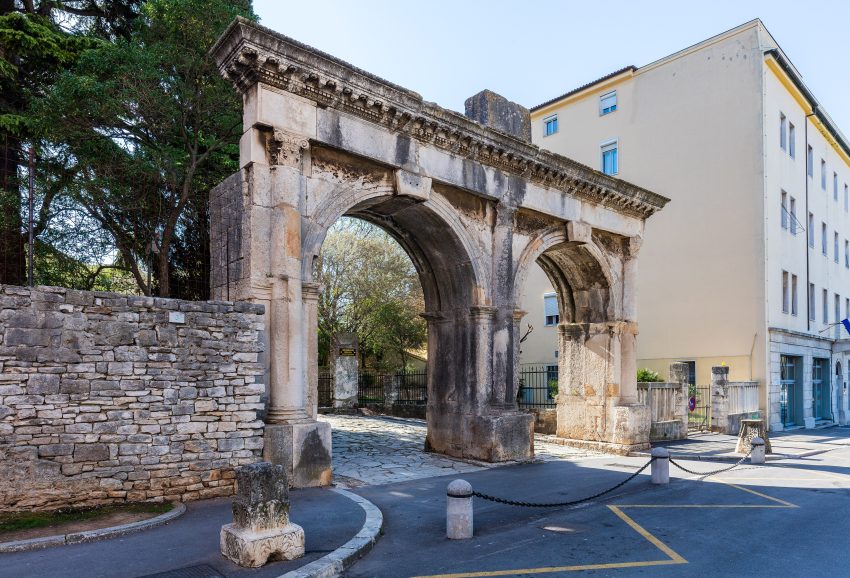
Pula’s Twin Gates (Porta Gemina/Dvojna vrata) are a Roman double-arched entrance that once pierced the city walls, a tangible threshold into ancient Pola. Two matching openings sit side by side, framed by three half-columns with composite capitals, with a carved stone wreath crowning the composition. Look closely and you can still make out the grooves where a portcullis slid down, a rare survival that makes the fortifications feel practical rather than decorative. The gates were buried in the Middle Ages and only later uncovered, along with a memorial plaque naming Lucius Menacius Priscis, a benefactor of the town’s water supply. Today they stand at the Old Town’s northern edge, weathered and atmospheric.
Location: Carrarina ul. 8, 52100, Pula, Croatia | Hours: 24 Hours. | Price: Free. | Distance: 0.4km

5. Pula Castle
Pula Castle
Pula Castle
CC BY-SA 4.0 / Diego Delso
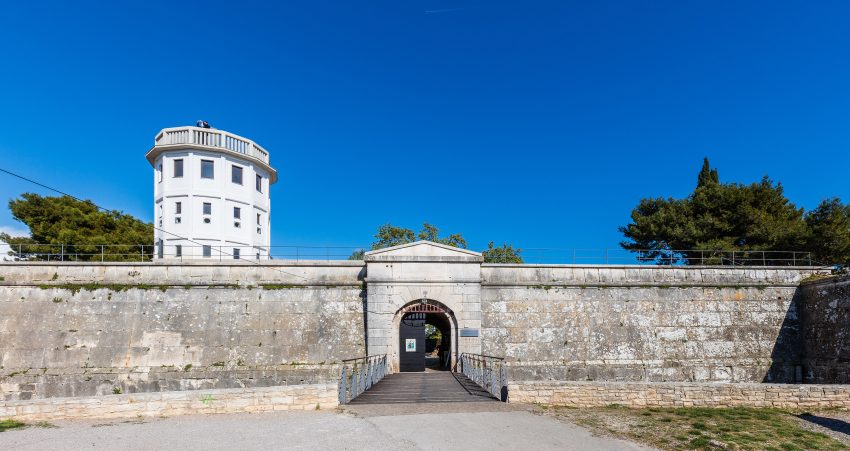
Pula Castle (Kaštel) is a 17th-century hilltop fortress built in 1630–1633 to defend Pula and its bay, rising over the city center like a stone compass point. Its flower-like, star plan—rectangular core with four pentagonal towers—shows the logic of early modern fortification design, and parts were even built with stone taken from the Roman amphitheater alongside local quarry blocks. Inside, the Baroque-era stronghold houses the Historical and Maritime Museum of Istria, with vast collections ranging from maps and numismatics to thousands of 19th-century postcards and shipwreck finds. What visitors remember most is the rampart walk: a near-360° sweep over rooftops, harbor, and the Arena below.
Location: Gradinski uspon 10, 52100, Pula, Croatia | Hours: (Summer) May 1 – September 30: 08:00–21:00. (Winter) October 1 – April 30: 09:00–17:00. | Price: Adults: €6; Children (5–16): €3; Students & retirees (65+): €3; Groups (10+): €5; Under 5 & visitors with disabilities: free. | Website | Distance: 0.5km

6. Pula Cathedral
Pula Cathedral
Pula Cathedral
CC BY-SA 1.0 / SIG SG 510
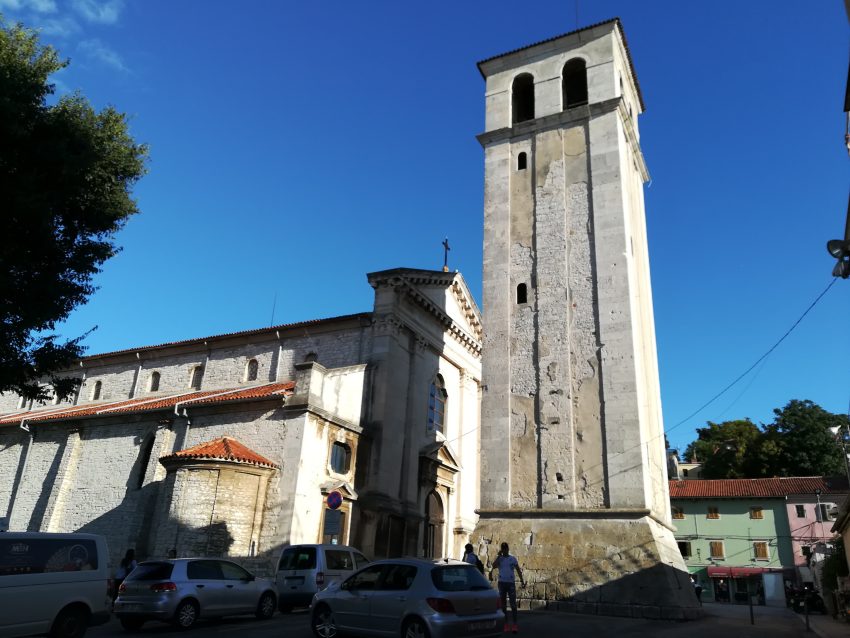
Pula Cathedral (Cathedral of the Assumption of the Blessed Virgin Mary) is Pula’s main Roman Catholic church, built on a waterfront site used for worship since antiquity, once occupied by a Roman temple and baths. Its fabric layers early Christian beginnings—first a 4th‑century church, later expanded into a multi-aisled basilica—so the building feels more like a palimpsest than a single grand design. Visitors notice the calm, spare interior and the freestanding Baroque bell tower added in 1707 beside the former baptistry. Look for the surviving fragment of floor mosaic bearing the names “Damianus and Lavrentia,” and remember that a sarcophagus found here in 1860 held relics of St. Thomas. The cathedral was damaged in World War II and repaired soon after.
Location: Trg Svetog Tome 2, 52100, Pula, Croatia | Hours: Open all year round (visiting times vary; access may be limited during services). | Price: Free; donations appreciated. | Distance: 0.5km

7. Small Roman Theatre
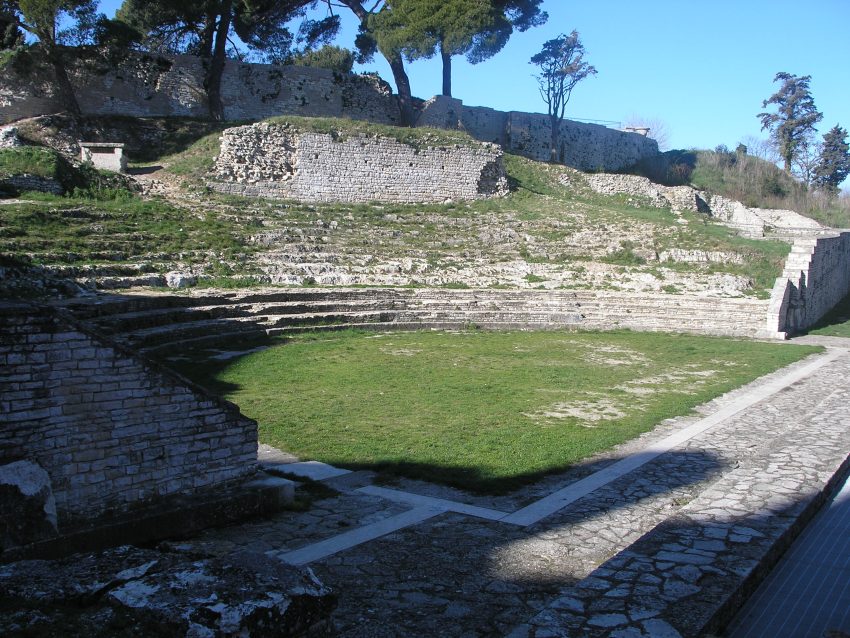
Small Roman Theatre
Small Roman Theatre
CC BY-SA 2.0 / Way 1038079915
Pula’s Small Roman Theatre is a compact 1st-century AD performance space built into the slope below the Castle/Citadel, showing that the town once supported multiple venues beyond its amphitheater. You can still read the basic plan: the proscenium where actors performed and the semicircular seating carved up the hillside in the Greek-style tradition. At its peak it held roughly 4,000–5,000 spectators—about the entire population of Roman-era Pula—yet today much of it survives as stage foundations and fragments of the curved cavea. The Archaeological Museum sits in front, and on event nights the intimate setting can feel strikingly alive, though modern metal stands can dilute some of the original atmosphere.
Location: Herculov prolaz 1, 52100, Pula, Croatia | Hours: Check official website. | Price: Check official website. | Website | Distance: 0.5km

8. Floor Mosaic The Punishment of Dirce
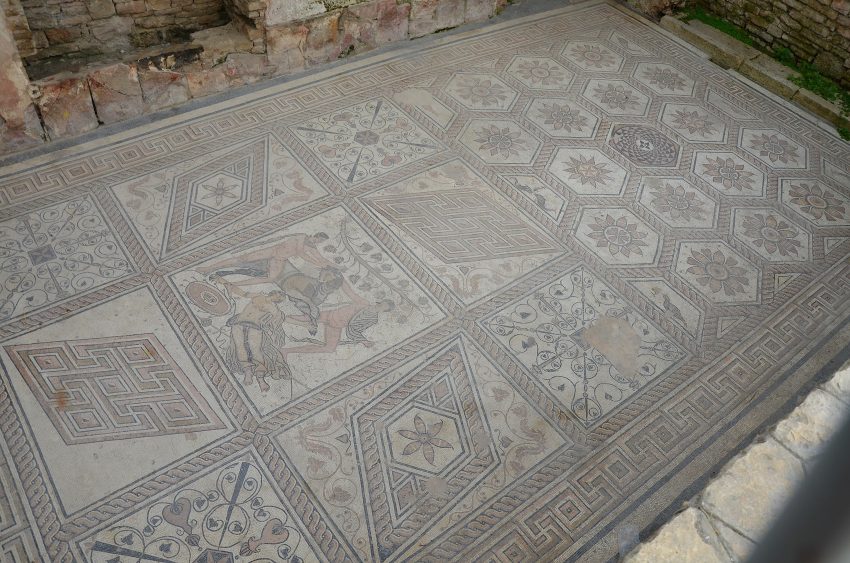
Floor Mosaic The Punishment of Dirce
CC BY-SA 2.0 / Carole Raddato
Hidden just off central Pula, Floor Mosaic The Punishment of Dirce is a Roman villa floor discovered during World War II bomb-damage cleanup and kept in place below today’s street level. The mosaic spans roughly 20 by 40 feet, with geometric borders of creatures and foliage framing a central myth scene: Dirce bound to a bull as the twins Amphion and Zethus mete out her brutal punishment. Seeing it from above behind protective barriers, you’re struck by how precisely the tiny tesserae model movement and shading across the panels. Finding the entrance can feel like slipping through a back-lot or parking area, and daytime light makes the details easier to read.
Location: Ul. Sergijevaca 18, 52100, Pula, Croatia | Hours: 24 Hours. | Price: Free. | Website | Distance: 0.7km

9. Temple of Augustus

Temple of Augustus
Temple of Augustus
CC BY-SA 2.5 / Lerner
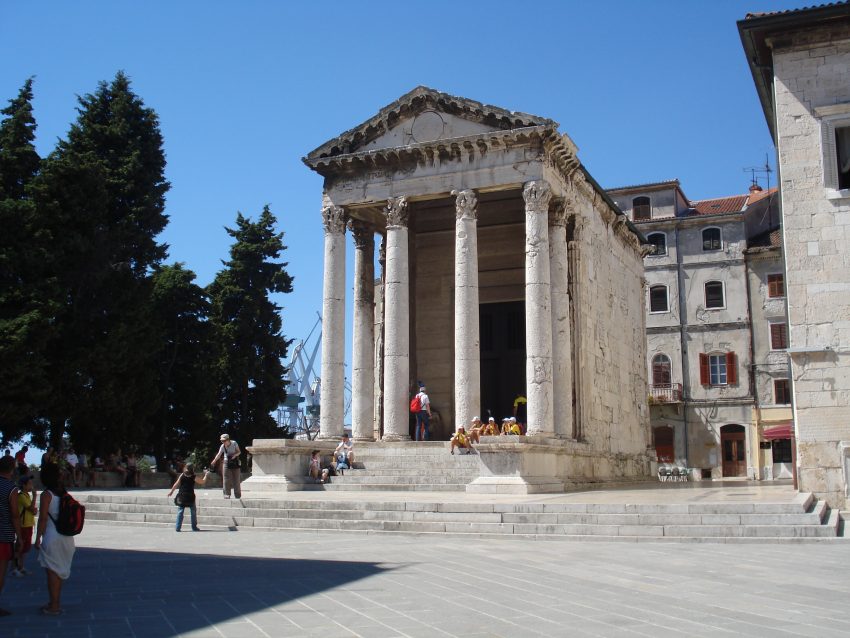
The Temple of Augustus stands beside Pula’s Communal Palace on Forum Square, a compact Roman temple built in AD 2 and dedicated to Emperor Augustus. Its Corinthian columns front a tetrastyle porch set on a podium, and the building’s harmonious proportions make the Roman design easy to read at a glance. Look closely and you can still spot the nail holes where a bronze dedication sign once hung, proclaiming Augustus’ divinity. Once one of three temples on the Forum, it later became a church under Byzantine rule and was absorbed into surrounding buildings in Venetian times. Inside, a small lapidarium displays tombstones and Roman sculptures, with faint traces of frescoes on the walls.
Location: Forum b.b, 52100, Pula, Croatia | Hours: (Summer) April 1 – September 30; Daily: 08:00–19:30. (Winter) October 1 – March 31; Daily: 09:00–19:00. | Price: Adults: €2.00; Pupils/Students: €1.00. | Website | Distance: 0.7km

10. Forum Square and Communal Palace

Forum Square and Communal Palace
CC BY-SA 4.0 / Srecan
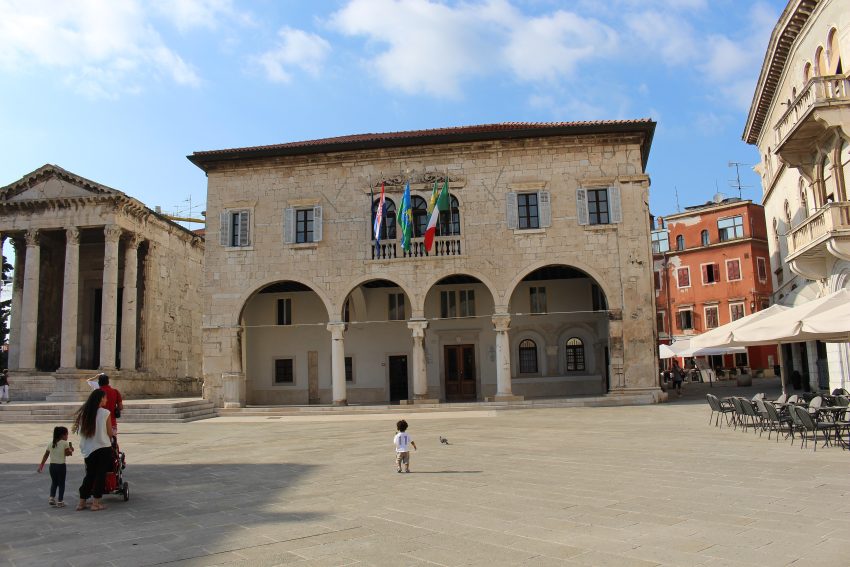
Forum Square and the Communal Palace form Pula’s main civic stage, set on the footprint of the Roman forum laid out in 44 BC. The plaza once measured about 39 by 82 meters and was edged by temples to Jupiter, Juno, and Minerva—today only the Temple of Augustus (c. 14 AD) survives intact. Look closely at the back wall of the 13th-century Communal Palace: fragments of the lost temples were built into it, tying Roman stonework to a town hall whose core dates to 1296 and still serves local government. Its façade layers Romanesque and Gothic structure with later Renaissance columns and Baroque windows, and the square’s café terraces keep it lively into evening.
Location: Forum 3, 52100, Pula, Croatia | Hours: 24 Hours. | Price: Free. | Distance: 0.7km

11. Franciscan Church and Monastery

Franciscan Church and Monastery
CC BY-SA 4.0 / Georg Karl Ell
The Franciscan Church and Monastery in Pula sits on the western slope below the Kaštel fortress and above the Forum, a quiet stone complex founded after papal approval for the order in 1209. Built between the late 1200s and early 1300s and attributed to the Franciscan architect Jacobus de Pola, the church follows a Romanesque plan with Gothic touches and the Narbonne rules: a rectangular nave, square sanctuary, and a spare interior shaped by a mendicant ethos. Visitors notice the single-wall bell tower, the adjoining cloister with Renaissance columns, and a lapidarium at the entrance displaying medieval monuments and wall-painting fragments. Inside, the main altar holds a gilded 15th-century polyptych, and the church also keeps the memory of Blessed Otto, long venerated locally.
Location: Uspon Svetog Franje Asiškog 9, 52100, Pula, Croatia | Hours: Daily: 08:00–19:00. | Price: Adults: €1.33; Children & students: free (with prior notice). | Distance: 0.7km

12. Triumphal Arch of the Sergii

Triumphal Arch of the Sergii
CC BY-SA 2.5 / Jean plancon
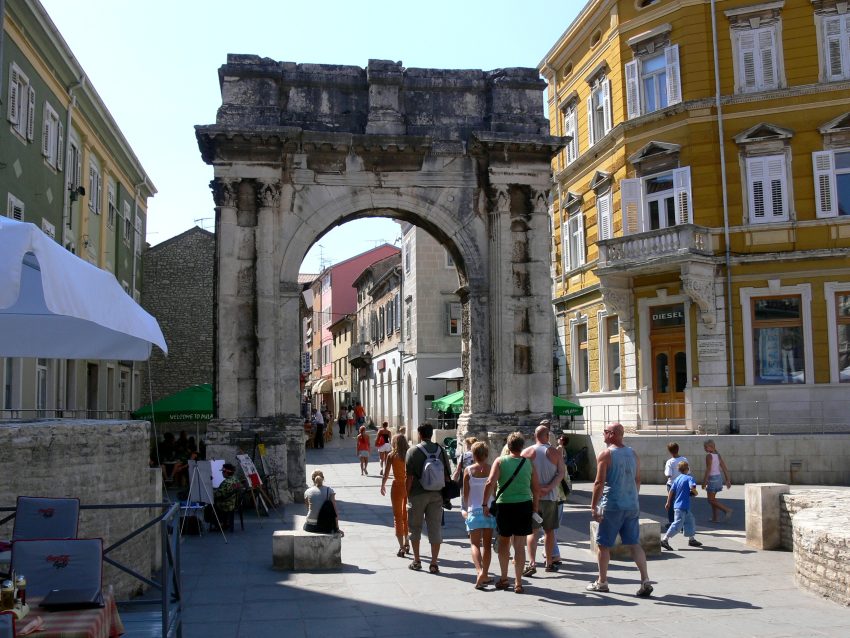
The Triumphal Arch of the Sergii in Pula, Croatia is a late-1st-century BC Roman triumphal arch built into the former Golden Gate in the city walls, marking the edge of the old-town pedestrian streets. It was commissioned by the powerful Sergii family and financed by Salvia Postuma Sergia, with inscriptions naming Lucius Sergius Lepidus and his relatives. Up close, visitors notice crisp Augustan-era decoration: Corinthian columns, winged Victories in the spandrels, and a frieze of cupids, garlands, and bull skulls (bucrania). From the town side, a Hellenistic-style relief shows a war chariot and horses, and the stonework reads especially well in softer light.
Location: Flanatička ul. 2, 52100, Pula, Croatia | Hours: 24 Hours. | Price: Free. | Distance: 0.7km

13. City Farmers' Market
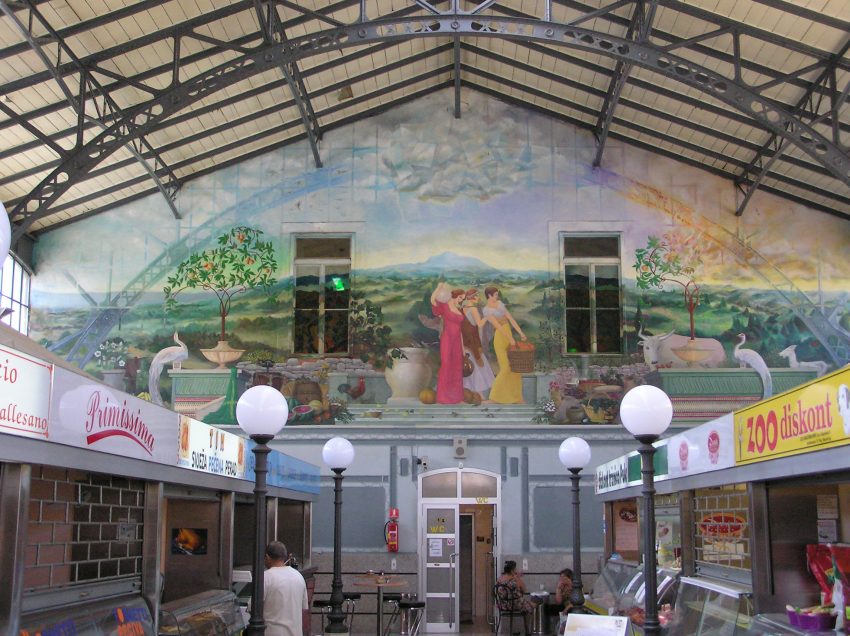
City Farmers’ Market
CC BY-SA 3.0 / Michael Bechtold
City Farmers’ Market (Tržnica) is Pula’s central marketplace, where the city’s food culture is on display from morning onward. It’s split between open-air stalls piled with seasonal fruit, vegetables, flowers, olive oil, honey, ajvar, and local brandy, and a covered market hall for meat, cheese, and seafood. The hall itself is memorable: a two-story Liberty-style structure of iron and glass that feels like a small civic landmark. At the fish counters you’ll see everyday Adriatic catch—sardines, grey mullet, surmullet, even conger and small sharks—laid out for inspection. Depending on the season, you might also spot autumn mushrooms or spring wild asparagus tied to local traditions.
Location: Narodni trg 9, 52100, Pula, Croatia | Hours: Monday – Friday: 07:00–20:30. Saturday: 07:00–20:30. Sunday: 07:00–12:00. | Price: Free. | Distance: 0.8km

14. Chapel of Saint Maria Formose
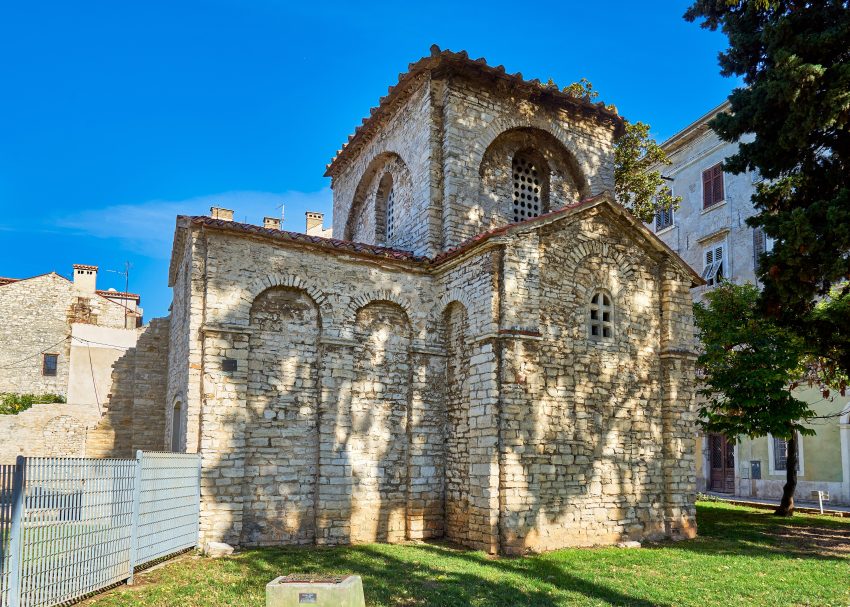
Chapel of Saint Maria Formose
CC BY-SA 4.0 / Georg Karl Ell
In Pula’s old town, the Chapel of Saint Maria Formose is the surviving south chapel of a 6th-century early Christian basilica, an important Byzantine-era remnant in Istria. Its compact Greek-cross plan and restrained exterior—shallow pilasters, blind arches, and small half-round windows—stand out when you pause to study the stonework up close. Commissioned by Archbishop Maximianus of Ravenna, the original church was far larger, with three naves and a sanctuary articulated by polygonal arches; the north chapel is now largely incorporated into nearby homes. A memorable footnote is that a 1605 Venetian raid removed valuables, including alabaster pilasters later placed behind the high altar of St Mark’s in Venice. With only a handful of reviews (4.4/5), it feels like a quiet, easily missed stop.
Location: Flaciusova ul., 52100, Pula, Croatia | Hours: Check official website. | Price: Free; donations appreciated. | Distance: 0.8km

15. Fort Bourguignon
Fort Bourguignon
Fort Bourguignon
Public Domain / Orlovic
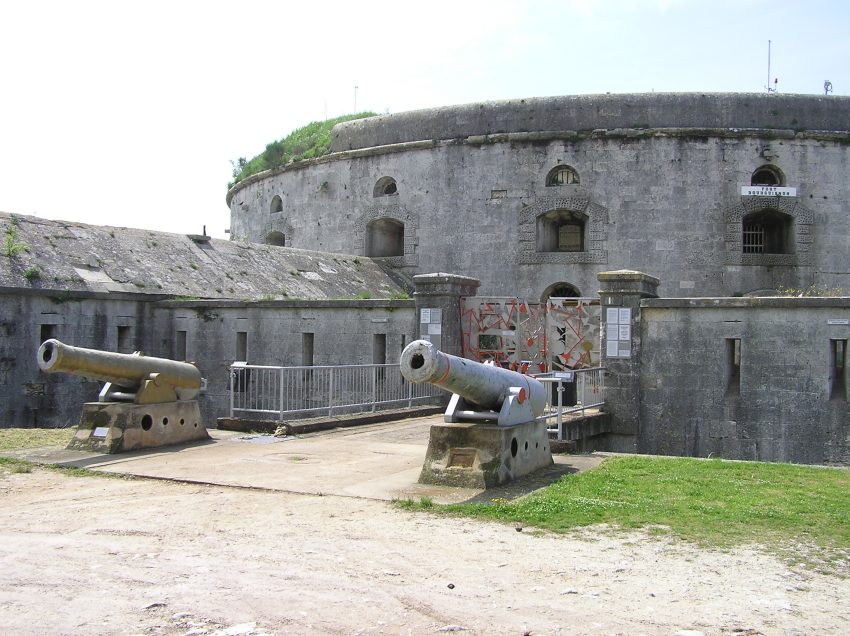
Fort Bourguignon (Fort Monsival) is an Austrian Empire hilltop fortress built from 1861 to 1866 to defend Pula’s harbor, positioned for sweeping views over the city and the Adriatic. Its compact geometry still reads clearly from outside: a moat once encircled it, crossed by a drawbridge, with two caponiers guarding the ditch. One unusual feature was a roof mechanism designed to rotate a full 360 degrees, hinting at the fort’s engineered firepower rather than ornamental design. Named for Admiral Anton Bourguignon von Baumberg, it later served as shelter in World War I. Travelers today often find it preserved but closed, with a moody, abandoned feel and strong sunrise or sunset light.
Location: 52100, Pula, Croatia | Hours: Check official website. | Price: Check official website. | Distance: 3.3km

16. Aquarium Pula
Aquarium Pula
Aquarium Pula
Public Domain / Orlovic
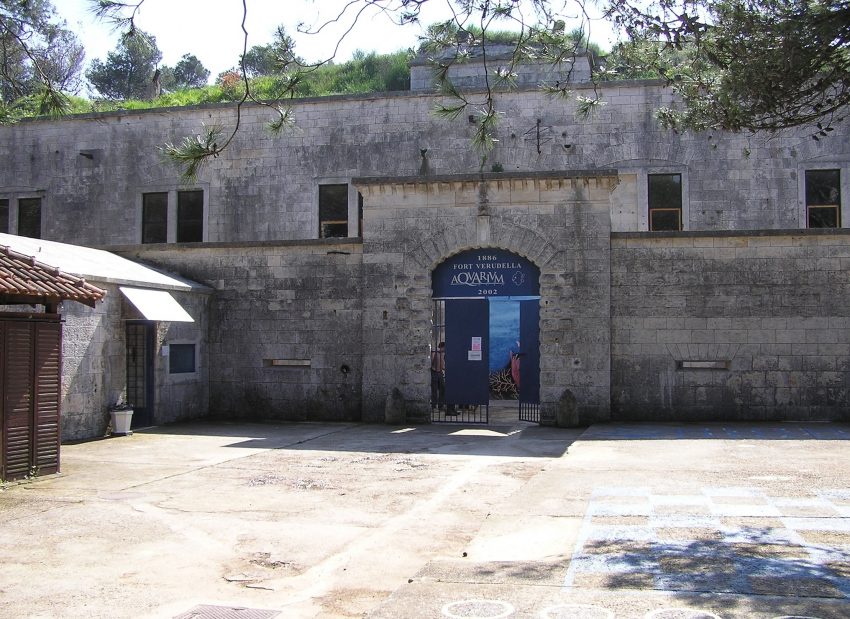
Aquarium Pula is a sizeable aquarium set inside Fort Verudela, an 1886 Austro-Hungarian coastal fortress listed as protected cultural heritage in Croatia. Its exhibits span both saltwater and freshwater worlds, with four main zones: a detailed Adriatic section organized by habitats (from tides and seagrass to rocky shallows and deep sea), a Mediterranean gallery with creatures like groupers and moray eels, plus tropical freshwater tanks featuring piranhas and caimans. The tropical marine area adds sharks, rays, clownfish, and seahorses, making the collection feel broader than a local-sea focus. Visitors often remember moving through multiple buildings and tunnel-like passages in the fort, and many pause at the rooftop viewpoint for wide Adriatic views.
Location: Verudella 29, Verudela 33, 52100, Pula, Croatia | Hours: April 1 – April 30: 09:00–19:00. May 1 – May 31: 09:00–20:00. June 1 – June 30: 09:00–21:00. July 1 – August 31: 09:00–22:00. September 1 – September 30: 09:00–21:00. October 1 – October 31: 09:00–19:00. November 1 – March 31: 10:00–18:00. Closed on December 25, January 1. | Price: Adults: €24; Students & seniors 60+: €20; Children 7–18: €20; Children 3–6: €16; Under 3: free. | Website | Distance: 4.5km

Best Day Trips from Pula

A day trip from Pula offers the perfect opportunity to escape the urban rhythm and discover the surrounding region's charm. Whether you're drawn to scenic countryside, historic villages, or cultural landmarks, the area around Pula provides a variety of easy-to-reach destinations ideal for a one-day itinerary.

1. Rovinj
The Complete Guide to Rovinj
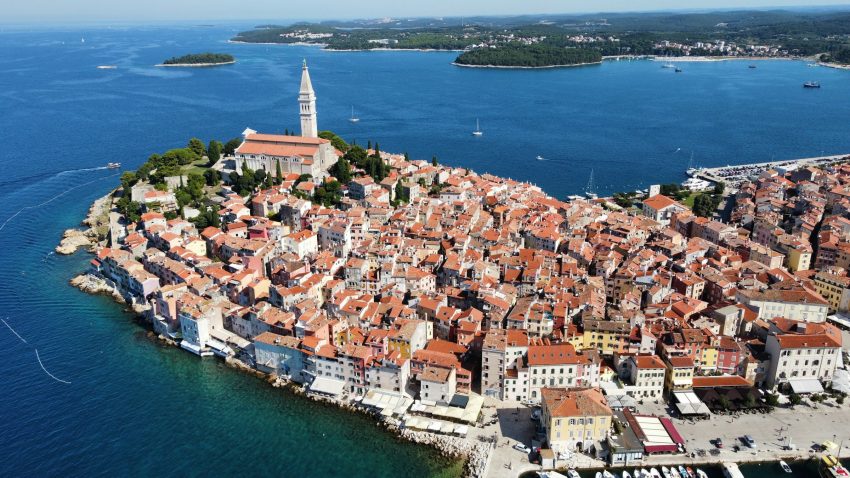
Rovinj is one of Istria’s most photogenic coastal towns, built around a compact old core that rises to a hilltop church and spills down into a tangle of stone lanes, small squares, and waterfront promenades. It’s the kind of place that rewards slow wandering: you’ll move from shaded alleys to sunlit terraces in minutes, with constant glimpses of fishing boats,…
Visiting Rovinj
Powered by GetYourGuide

2. Portoroz

The Complete Guide to Portoroz
Portorož is Slovenia’s best-known seaside resort, set on the Adriatic coast in the Istrian peninsula, where a long promenade, palm-lined streets, and a sheltered bay create an easy, holiday-first atmosphere. Come for the classic beach days—sun loungers, swimming platforms, and calm water—then stay for the mix of spa culture, marina life, and evening strolls that make the town feel lively…
Visiting Portoroz

3. Piran

The Complete Guide to Piran
Piran is a postcard-pretty coastal town on Slovenia’s short Adriatic shoreline, set on a narrow peninsula where Venetian-style facades, sea-facing cafés, and stone lanes create an easy, walkable escape. The heart of the experience is simply wandering: you move from sunlit squares to shaded alleys in minutes, with salty breezes and bell chimes as a constant soundtrack. It’s compact enough…
Visiting Piran
Powered by GetYourGuide

4. Trieste

trieste
trieste
Visiting Trieste offers a unique blend of Italian charm and Central European influence, making it a fascinating destination for travelers. Located at the crossroads of Italy, Slovenia, and Austria, Trieste boasts a rich history and diverse cultural heritage. The city’s stunning architecture reflects its past under the Austro-Hungarian Empire, with grand neoclassical buildings, elegant squares, and a beautiful waterfront promenade.…
Visiting Trieste
Powered by GetYourGuide

5. Venice

venice rialta bridge
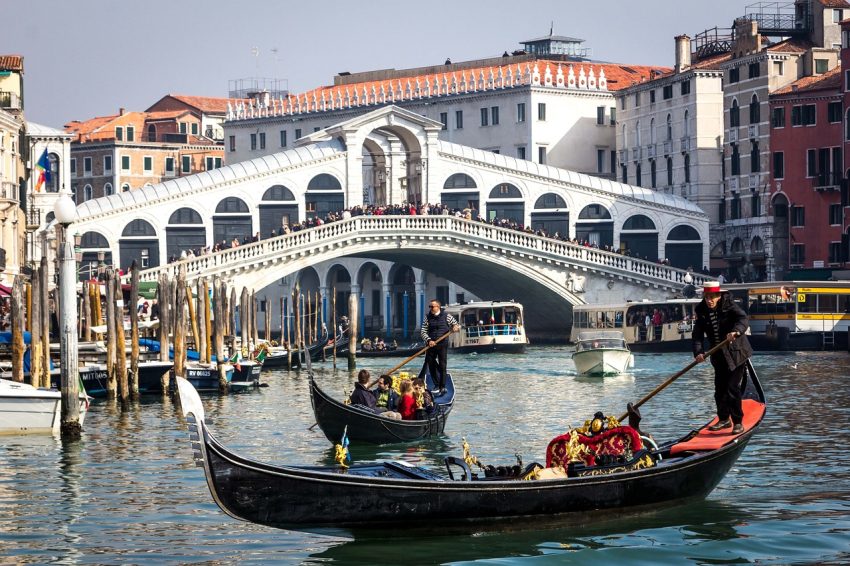
Venice is one of Italy’s most picturesque cities. Beautiful floating palaces of stone surrounded by an ancient network of canals, built on a group of 118 islands and these small islands are linked with 400 bridges. These islands are located in the Venetian Lagoon, which sits just off of the mainland of Italy. With its Gothic architecture, Renaissance and Baroque buildings,…
Visiting Venice
Powered by GetYourGuide

6. Rimini

riminiItaly
riminiItaly
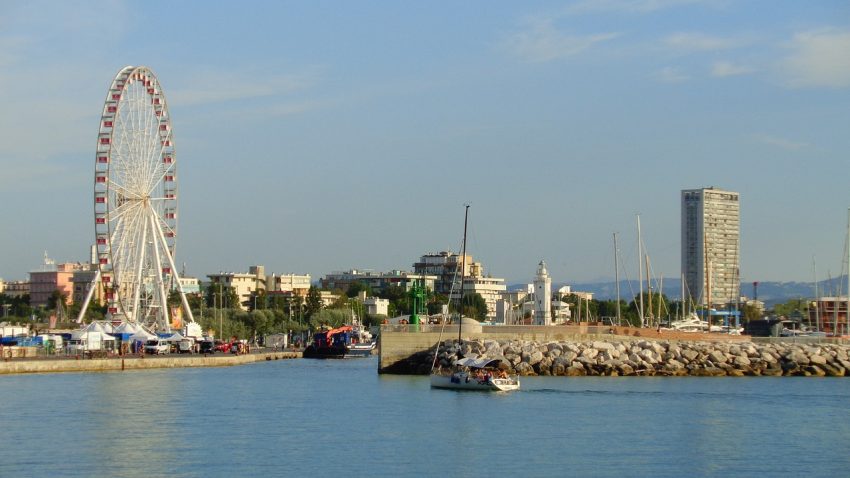
Located in the Emilia-Romagna region, Rimini boasts a rich history dating back to its Roman foundation in 268 BC. This coastal gem spans over 15 kilometers of pristine beaches, rendering it a favoured destination for seaside enthusiasts. Notably, the renowned filmmaker Federico Fellini hailed from this city, which is celebrated for its lively nightlife and historic landmarks, including the iconic…
Visiting Rimini
Powered by GetYourGuide

7. Zadar

The Complete Guide to Zadar
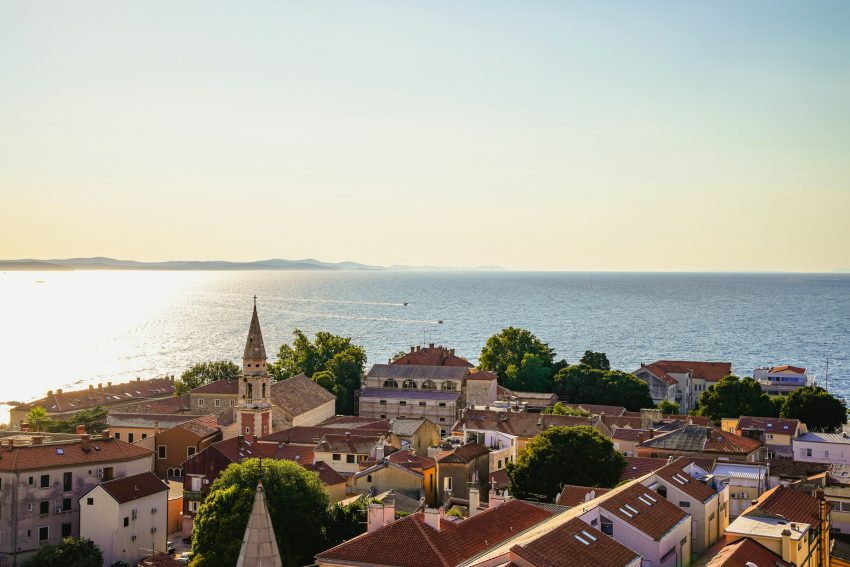
Zadar is a relaxed Adriatic city in northern Dalmatia, set on a compact peninsula where Roman-era streets meet lively café terraces and a long seaside promenade. It’s an easy place to enjoy at your own pace: wander the old town lanes, pause for gelato in sunlit squares, then drift toward the waterfront as the light turns golden. The city’s scale…
Visiting Zadar
Powered by GetYourGuide

8. Ravenna

Ravenna
Ravenna
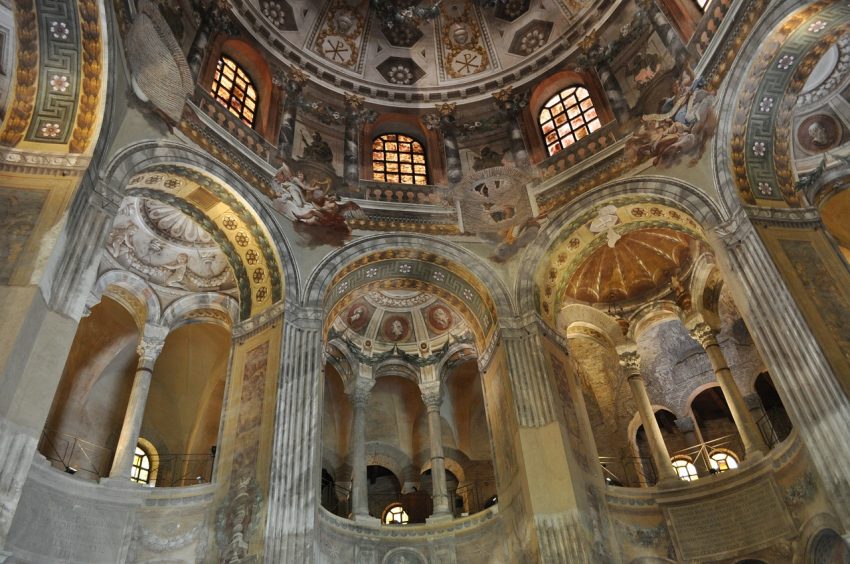
Situated on the eastern coast of Italy, nestled between San Marino and Bologna, Ravenna serves as the capital of the Ravenna province and stands as one of the larger cities in the Emilia-Romagna region. Throughout its illustrious history, Ravenna has held a position of great importance under various empires, including serving as the capital of the Western Roman Empire and…
Visiting Ravenna
Powered by GetYourGuide

9. Cividale del Friuli

Cividale del Friuli veduta
CC BY-SA 4.0 / Sirleonidas
Cividale del Friuli, a picturesque town in Italy's northeastern region, offers a captivating blend of history, culture, and natural beauty. Founded by Julius Caesar as a Roman colony in 50 BC, the town's historic center, now a UNESCO World Heritage site, showcases a remarkable array of medieval and Renaissance architecture. Key landmarks such as the Tempietto Longobardo, an exquisite example…
Visiting Cividale del Friuli

10. Udine
udine italy
udine italy
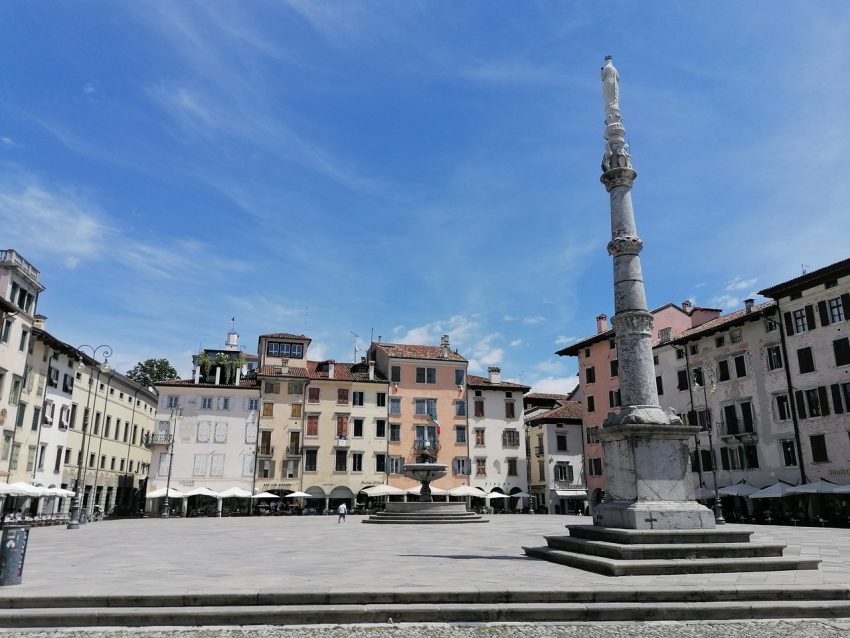
Visiting Udine, located in the northeastern region of Friuli Venezia Giulia, Italy, offers a journey through a city rich in history, art, and culture. Udine is known for its charming old town, where Venetian influence is evident in its architecture and layout. The city’s centerpiece is the stunning Piazza della Libertà, often referred to as the most beautiful square in…
Visiting Udine
Powered by GetYourGuide

Where to Stay in Pula

For first-time visitors, staying in Pula’s old town and immediate center is the most convenient choice because you can walk to the Arena, the Forum, restaurants, and evening strolls without needing a car. A strong central option is Hotel Amfiteatar, which suits travelers who want to be close to the main sights and enjoy an easy, on-foot itinerary. Another reliable city-center base is Park Plaza Histria Pula, ideal if you prefer a resort-style stay with amenities and quick access to the Verudela coastline while still being a short ride from the old town.

If your priority is swimming, coastal walks, and a more “holiday by the sea” feel, the Verudela peninsula is the best area to stay; it’s calmer than the center at night and puts you close to coves, beach platforms, and the aquarium. Park Plaza Arena Pula works well for couples and beach-focused trips thanks to its proximity to the water and relaxed setting among pines. For a quieter, slightly more residential seaside base with good access to promenades, consider Stoja and nearby coastal neighborhoods; Hotel Modo can be a good fit if you want a smaller-hotel feel and easy access to dining while keeping the city within reach.

For travelers arriving by car and planning day trips around southern Istria, staying just outside the busiest core can make parking and quick departures easier while still keeping restaurants and sights close. In that case, choosing a hotel with on-site parking or straightforward access roads—such as Ribarska Koliba Resort—can improve the overall experience, especially in peak summer when central parking is more competitive.

Using the our Hotel and Accomodation map, you can compare hotels and short-term rental accommodations in Pula. Simply insert your travel dates and group size, and you’ll see the best deals for your stay.

Pula Accommodation Map

Best Time to Visit Pula

Pula in Spring (March–May)

Spring is a comfortable time to visit for sightseeing and walking, with mild days and fewer crowds than mid-summer. It’s ideal for exploring the old town, coastal paths, and nearby nature areas without intense heat. The sea is still cool early in the season, but by late spring you can start mixing in beach time on warmer days.

Pula in Summer (June–August) (Best)

Summer is peak season: hot, bright, and built for swimming, boat trips, and long evenings outdoors. This is also when Pula’s event calendar shines, with major highlights such as the Pula Film Festival (often held in the Arena) and a steady run of concerts and cultural nights. Expect the busiest atmosphere and the highest accommodation demand, especially in July and August.

Pula in Autumn (September–November)

Early autumn keeps the sea warm while easing the crowds, making September particularly appealing for a balanced trip. Days are still pleasant for beaches and outdoor dining, and the pace becomes more relaxed. Later in the season, cooler evenings and occasional rain make it better for museums, food-focused outings, and scenic drives.

Pula in Winter (December–February)

Winter is the quietest period, with cooler temperatures and a calmer, local feel. It’s a good choice if you prefer uncrowded streets, lower prices, and a slower rhythm focused on cafés, galleries, and day trips when the weather cooperates. Some tourist-oriented services reduce hours, but the city remains active year-round.

Annual Weather Overview

  • January 10°C
  • February 11°C
  • March 12°C
  • April 16°C
  • May 21°C
  • June 25°C
  • July 28°C
  • August 28°C
  • September 24°C
  • October 19°C
  • November 14°C
  • December 10°C

How to get to Pula

Getting to Pula by air

Nearest airports: Pula Airport (PUY) is the closest option and is the most convenient in season. Alternative airports that can work depending on routes and prices include Rijeka Airport (RJK), Trieste Airport (TRS), and Ljubljana Jože Pučnik Airport (LJU), typically followed by bus, shuttle, or car rental.

From the airport to the city: In summer there are usually more frequent transfers and taxis; outside peak season, check schedules in advance and consider pre-booking a transfer if arriving late.

Getting to Pula by train

Train operators and tickets: Rail services in Istria are limited compared with other parts of Croatia, but trains can be useful on certain routes and for connecting via larger hubs.

Croatian rail operator: HŽ Putnički prijevoz (Croatian Railways) https://www.hzpp.hr/en

International connections: If routing via Italy or Slovenia, you may also use Trenitalia https://www.trenitalia.com/en.html and Slovenske železnice https://www.slo-zeleznice.si/en

Practical note: Because timetables and connections can be infrequent, many travelers pair trains with buses or a rental car for the last leg.

Getting to Pula by Car

Driving routes: Pula is well connected by road within Istria, and driving is one of the easiest ways to combine the city with beaches and nearby towns. In peak summer, allow extra time for traffic around popular coastal areas and for parking near the center.

Parking: Use signed public parking zones and garages where available; in the busiest weeks, it’s often easier to park once and explore the center on foot.

Travelling around Pula

On foot: The central sights are walkable, and walking is often the fastest way to move around the old town.

Local buses: City buses are useful for reaching outlying neighborhoods and some beach areas, especially if you’re not driving.

Taxis and ride services: Handy for evenings or short hops, particularly in summer when demand is higher.

Bikes and scooters: A good option for the waterfront and longer promenades, though watch for heat in mid-summer and choose safe routes.
More from this area