Marseille, France: The Ultimate Travel Guide 2026
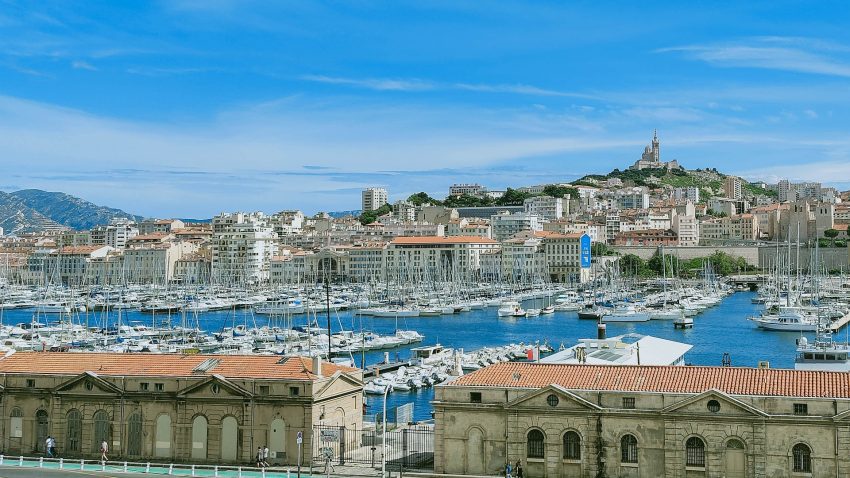
Marseille, located in the Provence-Alpes-Côte d’Azur region of southern France-not in Germany-is a dynamic port city known for its mix of cultures, sea views, and Mediterranean energy. It offers a completely different vibe from inland Provençal towns, with its bustling harbor, urban sprawl, and access to the sea. The Vieux-Port (Old Port) is the heart of the city, lined with cafés, seafood restaurants, and ferries that take visitors to the nearby Frioul Islands or the Château d’If, made famous by The Count of Monte Cristo.
Visitors to Marseille are often struck by the contrast between its modern edge and its timeless coastal setting. The Calanques National Park, with its dramatic limestone cliffs and turquoise coves, lies just beyond the city and offers outstanding hiking, swimming, and kayaking. Back in the centre, Marseille boasts vibrant markets like Noailles, a thriving arts scene in districts like Cours Julien, and beautiful architecture from the Basilique Notre-Dame de la Garde, which provides panoramic views over the rooftops and sea.
The city is also a gateway to exploring other parts of southern France. From here, visitors can travel easily to places like Cassis, Aix-en-Provence, and the Luberon region. Marseille’s cultural diversity is reflected in its food-ranging from the traditional bouillabaisse to North African street food-and its atmosphere, which blends southern French charm with the grit of a working port. It’s an ideal destination for those looking for both energy and authenticity in a Mediterranean setting.
Table of Contents
- History of Marseille
- 25 Best places to See in Marseille
- Musée d'Archéologie Méditerranéenne
- La Vieille Charité
- Porte d'Aix
- Notre-Dame-des-Accoules
- Cathédrale de la Major
- Maison Diamantée
- Église Saint-Cannat
- Musée des Docks Romains
- Marseille History Museum
- Hotel de Ville
- Jardin des Vestige
- Church of Saint Ferreol
- Saint-Laurent Church
- Museum of European and Mediterranean Civilisations
- Fort Saint-Jean
- Vieux Port
- Fort Saint-Nicolas
- Pharo Palace
- Abbaye Saint-Victor
- Marseille Saint-Charles Station
- Musée des Beaux-Arts
- Muséum d'Histoire Naturelle
- Basilique Notre-Dame de la Garde
- Château d'If
- Borély Park
- 11 Best Day Trips from Marseille
- Where to Stay in Marseille
- Best Time to Visit Marseille
- How to get to Marseille
History of Marseille
Marseille in Antiquity and Greek Foundation
Marseille is one of the oldest cities in France, founded around 600 BCE by Greek settlers from Phocaea. They named it Massalia, and it quickly became a prosperous trading port. The city established commercial ties across the Mediterranean and developed into a vibrant hub of Greek culture. Its influence extended inland through trade routes and outposts. Despite remaining independent, Massalia eventually fell under the influence of the Roman Republic as alliances shifted in response to regional conflicts.
Marseille under Roman Rule
In 49 BCE, Marseille sided with Pompey during the Roman civil war and was subsequently captured by Julius Caesar. Though stripped of much of its territory and political power, it remained an important port under Roman control. The city adopted Roman architecture and infrastructure, including aqueducts, baths, and a forum. Christianity began to take root in the later stages of the Roman Empire, preparing the way for its religious significance in the coming centuries.
Marseille in the Early Middle Ages
Following the collapse of the Western Roman Empire, Marseille endured invasions by Visigoths, Franks, and Saracens. It remained a contested but resilient city throughout the Merovingian and Carolingian periods. Its location ensured continued maritime trade, and it became a centre for Christian missionary activity. The influence of local bishops helped maintain the city’s prominence during periods of instability.
Marseille in the High and Late Middle Ages
By the 10th and 11th centuries, Marseille began to regain autonomy under local counts and grew into a thriving commercial and naval city. It became part of the County of Provence and later the Angevin and then Capetian territories. The city played an important role in Mediterranean trade, especially with Italy, North Africa, and the Levant. Marseille’s port supported crusades and pilgrimages, and its merchant class grew powerful and wealthy.
Marseille from the Renaissance to the Revolution
During the Renaissance, Marseille continued to flourish economically, but it also faced outbreaks of plague and periods of unrest. In 1481, the city became part of the French crown lands. The 17th century brought both prosperity and strife—plague devastated the city in 1720, killing a large portion of its population. Despite these setbacks, Marseille remained a crucial port for colonial and Mediterranean commerce.
Marseille in the 19th and 20th Centuries
The Industrial Revolution brought rapid growth to Marseille in the 19th century. Its port expanded dramatically to accommodate trade with North Africa, the Middle East, and Asia. The city attracted waves of immigrants, particularly from Italy and the French colonies, transforming it into a multicultural metropolis. During World War II, Marseille was occupied by German forces and suffered bombings and destruction, particularly in the Old Port area.
Marseille in the Contemporary Era
In recent decades, Marseille has undergone significant urban renewal, especially in preparation for its role as European Capital of Culture in 2013. Projects revitalised the Old Port, built new cultural institutions like the MuCEM, and brought attention to Marseille’s unique identity. Today, the city balances its gritty authenticity with emerging creativity, continuing its historic role as a crossroads of cultures, commerce, and migration.

Moira & Andy
Hey! We're Moira & Andy. From hiking the Camino to trips around Europe in Bert our campervan — we've been traveling together since retirement in 2020!
Visiting Marseille for the first time and wondering what are the top places to see in the city? In this complete guide, I share the best things to do in Marseille on the first visit. To help you plan your trip, I have also included an interactive map and practical tips for visiting!
This website uses affiliate links which earn a small commission at no additional cost to you.
25 Best places to See in Marseille
This complete guide to Marseille not only tells you about the very best sights and tourist attractions for first-time visitors to the city but also provide insights into a few of our personal favorite things to do.
This is a practical guide to visiting the best places to see in Marseille and is filled with tips and info that should answer all your questions!
1. Musée d'Archéologie Méditerranéenne (MAM)

Location: Musée d’Archéologie Méditerranéenne, Rue de la Charité, Marseille, France | Hours: Tuesday to Sunday from 9 a.m. to 6 p.m. | Price: Free | Website | Distance: 0.3km

2. La Vieille Charité

Location: Centre de la Vieille Charité, Rue de la Charité, Marseille, France | Hours: Tuesday to Sunday, 9am to 6pm; Closed every Monday | Price: Access to the Museum of Mediterranean Archaeology (MAM) and the Museum of African, Oceanic, and Amerindian Arts (MAAOA) is free | Website | Distance: 0.3km
3. Porte d'Aix

Location: Porte d'Aix, Place Jules Guesde, Marseille, France | Hours: Accessible at all times; the arch stands in an open public space with no gates. | Price: Free: Porte d’Aix is an open-air monument in a public square. | Website | Distance: 0.5km
4. Notre-Dame-des-Accoules

Location: Église des Accoules, Place Daviel, Marseille, France | Hours: Typical parish church hours with closures at midday and outside of services; check local notices on the door for current times. | Price: Access to the church itself is generally free; any special exhibitions or events may have a modest separate fee | Distance: 0.5km
5. Cathédrale de la Major

Location: Marseille Cathedral, Place de la Major, Marseille, France | Hours: Daily: 10:00 to 19:00 (Summer 01/04 to 31/10) and 10:00 to 17:30 (Winter 01/11 to 31/03) | Price: Admission is free, though donations for maintenance and restoration are welcome. | Website | Distance: 0.5km
6. Maison Diamantée (Diamond House)

Location: Maison Diamantée (La), Rue de la Prison, Marseille, France | Hours: As the building houses municipal services, access is generally limited to office hours on weekdays; the exterior can be seen at any time. | Price: Free to admire from the outside; the interior is not open to public visits. | Distance: 0.6km
7. Église Saint-Cannat

Location: Église Saint-Cannat, Rue des Prêcheurs, Marseille, France | Hours: Typically open during daytime hours, with closures between services or at midday; times can vary on religious holidays. | Price: Free entry; donations for church upkeep are appreciated. | Distance: 0.6km
8. Musée des Docks Romains

Location: Musée des Docks romains de la Ville de Marseille, Place Vivaux, Marseille, France | Hours: Daily 09:00 - 18:00 Closed Mondays | Price: Free | Website | Distance: 0.6km
9. Marseille History Museum

Location: Musée d'histoire de la Ville de Marseille, Rue Henri Barbusse, Marseille, France | Hours: Daily 09:00 - 18:00 Closed Mondays | Price: Free (Permanent collections) | Website | Distance: 0.7km
10. Hotel de Ville

Location: Ville de Marseille, Place Villeneuve-Bargemon, Marseille, France | Hours: It can not be visited, except for official business. | Price: Free to view from outside; access to interiors is usually restricted to official events | Distance: 0.7km
11. Jardin des Vestige

Location: Jardin des Vestiges, Rue Henri Barbusse, Marseille, France | Hours: Generally aligned with the Marseille History Museum and Centre Bourse opening times. | Price: Often accessible via or included with the Marseille History Museum ticket | Website | Distance: 0.7km
12. Church of Saint Ferreol

Location: Église Saint-Ferréol les Augustins, Quai des Belges, Marseille, France | Hours: Opening hours generally follow daytime church times with closures between services; exact times can vary by day and season. | Price: Free entry | Website | Distance: 0.8km
13. Saint-Laurent Church

Location: Eglise Saint Laurent, Esplanade de la Tourette, Marseille, France | Hours: Hours can vary and may follow mass times; check locally or on the day for current opening times. | Price: Free entry | Distance: 0.9km
14. Museum of European and Mediterranean Civilisations (MuCEM)

Location: Mucem - Museum of Civilizations of Europe and the Mediterranean, Esplanade J4, Marseille, France | Hours: Daily 10 a.m. — 6 p.m. Closed Tuesdays | Price: Adults: €11.00 | Website | Distance: 0.9km
15. Fort Saint-Jean

Location: Fort Saint-Jean, Promenade Louis Brauquier, Marseille, France | Hours: Daily 10 a.m. — 6 p.m. Closed Tuesdays | Price: €11.00 | Website | Distance: 1.0km
16. Vieux Port (Old Port)

Location: Vieux Port, Rue Breteuil, Marseille, France | Hours: As a public harbourfront, the Old Port is accessible at all hours, though shops and markets follow individual schedules. | Price: The Vieux-Port itself is free to explore; boat trips, ferries, and nearby attractions charge their own separate fees. | Distance: 1.0km
17. Fort Saint-Nicolas

Location: Fort Saint-Nicolas, Montée du Souvenir Français, Marseille, France | Hours: Approx: Winter: Saturday/Sunday Summer: Wednesday - Sunday 12 p.m. - 10 p.m. See their website. | Price: €12 Booking Required | Website | Distance: 1.3km
18. Pharo Palace

Location: Palais du Pharo, Boulevard Charles Livon, Marseille, France | Hours: The Pharo garden is open all year round to the public from 7 a.m. to 9 p.m. | Price: Free | Website | Distance: 1.3km
19. Abbaye Saint-Victor

Location: Abbaye Saint-Victor, Place Saint-Victor, Marseille, France | Hours: Daily 09:00 - 18:00 | Price: €2 to visit crypts | Website | Distance: 1.4km
20. Marseille Saint-Charles Station

Location: Saint-Charles, Marseille, France | Hours: The station operates daily with early-morning to late-evening train services; shops and cafés generally follow standard daytime hours. | Price: Free to enter. | Distance: 1.7km
21. Musée des Beaux-Arts

Location: Musée des Beaux Arts de Marseille, Palais Longchamp Aile gauche, Rue Edouard Stephan, Marseille, France | Hours: Tuesday to Sunday from 9 a.m. to 6 p.m. | Price: Free | Website | Distance: 2.0km
22. Muséum d'Histoire Naturelle (MHM)

Location: Muséum d'histoire naturelle de la Ville de Marseille, Palais Longchamp, Rue Espérandieu, Marseille, France | Hours: Daily 9 a.m. to 6 p.m. Closed Tuesdays | Price: Permanent collections: Free | Website | Distance: 2.1km
23. Basilique Notre-Dame de la Garde

Location: Basilique Notre-Dame de la Garde, Rue Fort du Sanctuaire, Marseille, France | Hours: Daily 07:00 - 18:00 | Price: Free | Website | Distance: 2.1km
24. Château d'If

Location: Château d'If, Marseille, France | Hours: April 1 to September 30 10 a.m. - 6 p.m. October 1 to March 31 10 a.m. - 5.15 p.m. Closed on Mondays | Price: Adults €7 | Website | Distance: 4.3km
25. Borély Park

Location: Parc Borély, Avenue du Parc Borély, Marseille, France | Hours: Open daily, generally from early morning until evening, with hours varying slightly by season. | Price: Free entry to the park | Distance: 4.8km
Best Day Trips from Marseille
A day trip from Marseille offers the perfect opportunity to escape the urban rhythm and discover the surrounding region's charm. Whether you're drawn to scenic countryside, historic villages, or cultural landmarks, the area around Marseille provides a variety of easy-to-reach destinations ideal for a one-day itinerary. If you are looking to rent a car in France I recommend having a look at Discover Cars, first, as they compare prices and review multiple car rental agencies for you.
1. Parc national des Calanques

Location: Parc national des Calanques, Marseille, France | Website | Distance: 11.2km
Visiting Parc national des Calanques
2. Aix en Provence
Visiting Aix en Provence
3. Toulon
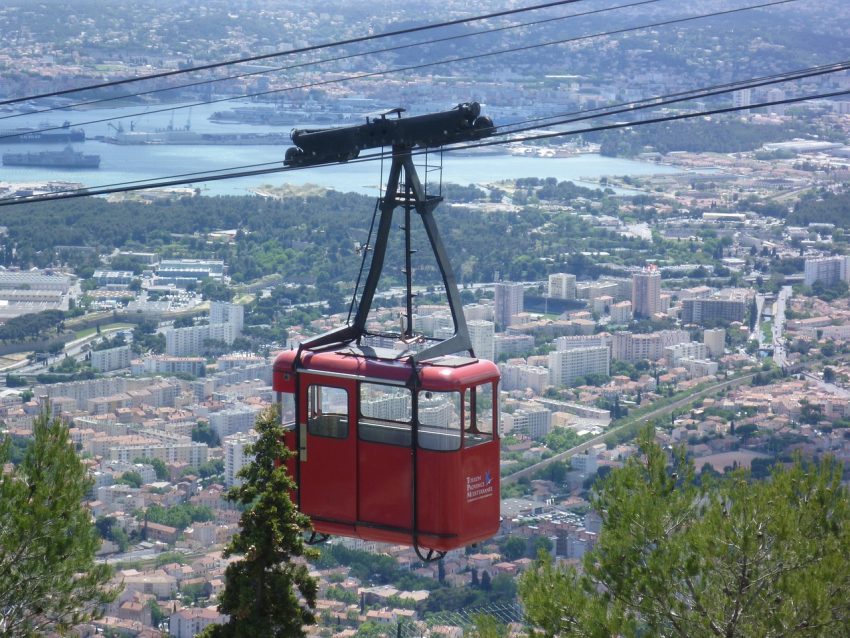
Visiting Toulon
4. Cavaillon
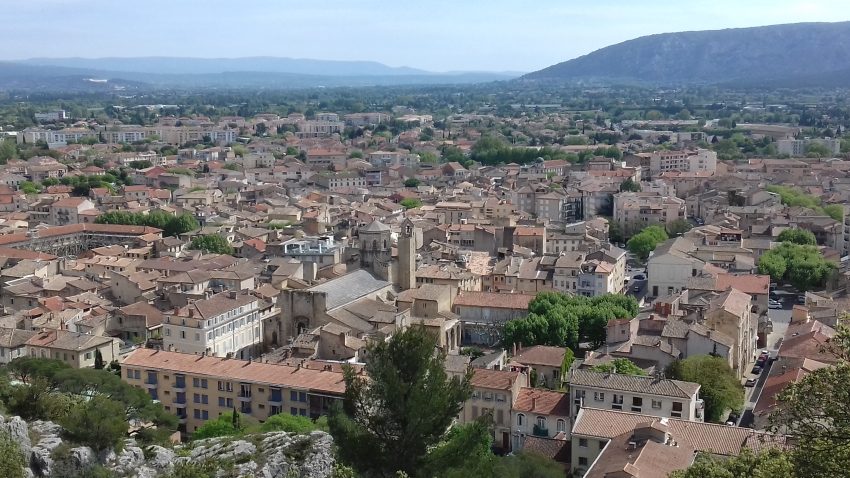
Visiting Cavaillon
5. Saint-Rémy-de-Provence
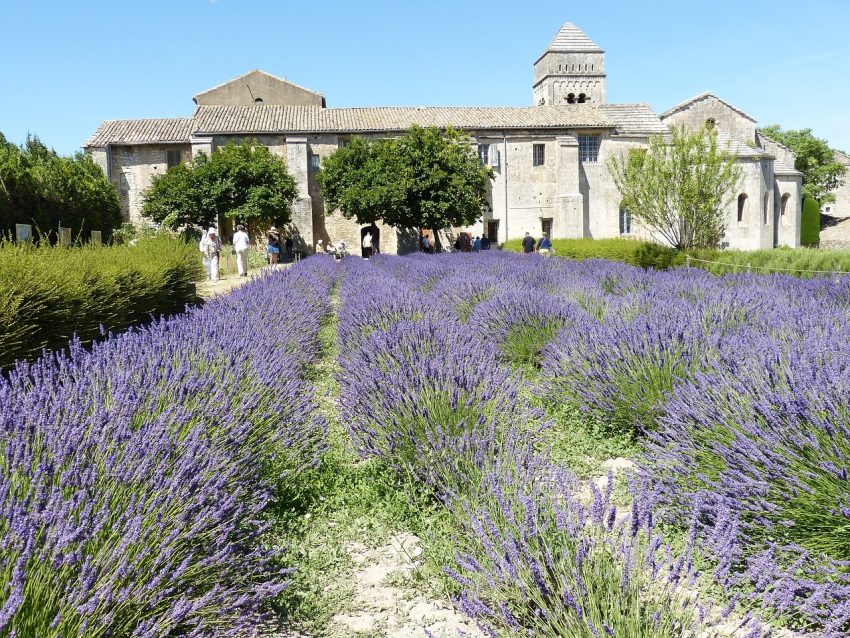
Visiting Saint-Rémy-de-Provence
6. Arles
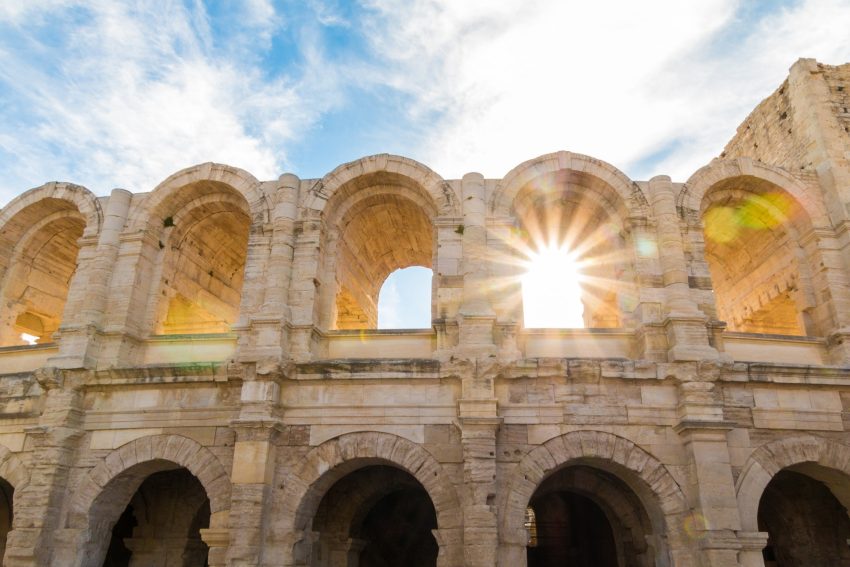
Visiting Arles
7. Avignon
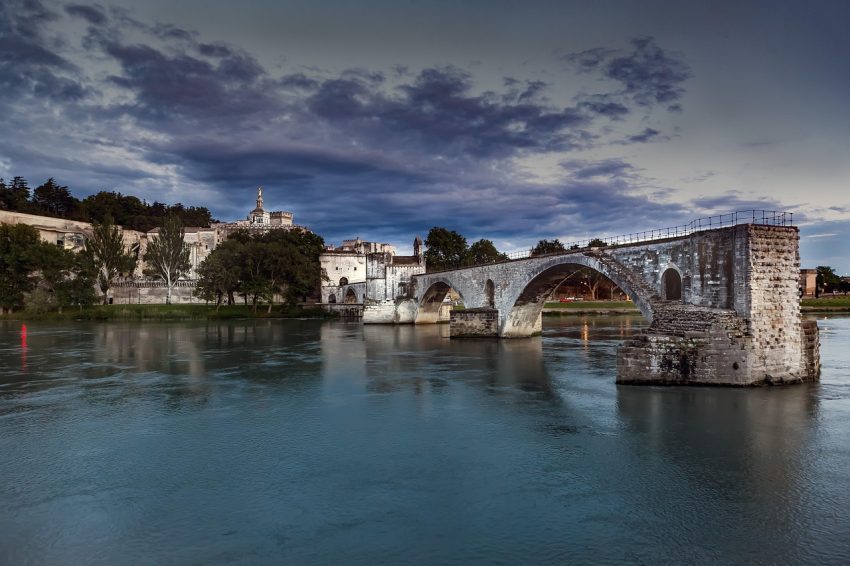
Visiting Avignon
8. Nimes
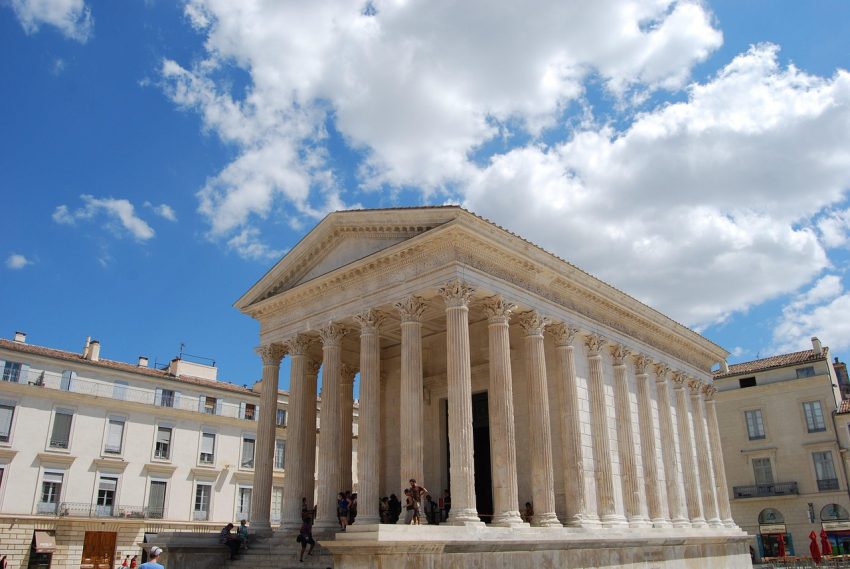
Visiting Nimes
9. Uzes
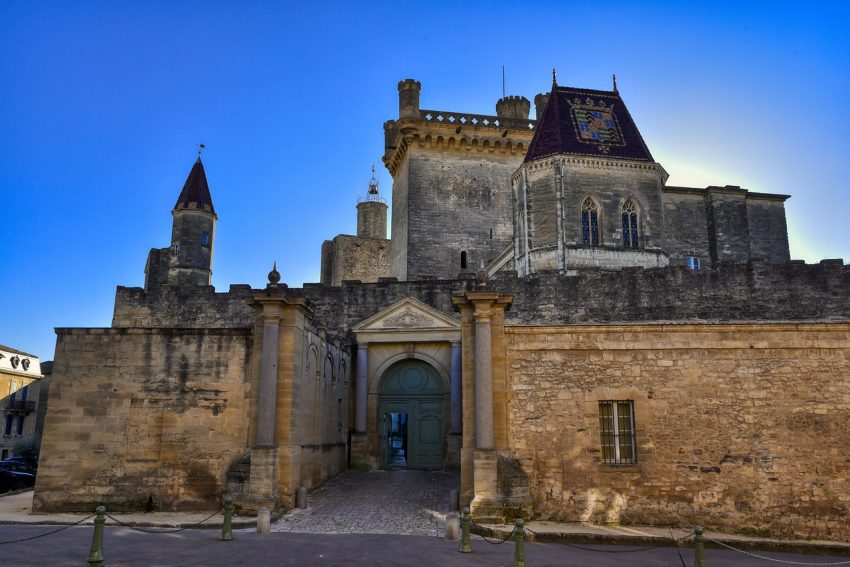
Visiting Uzes
10. Bagnols-en-Foret
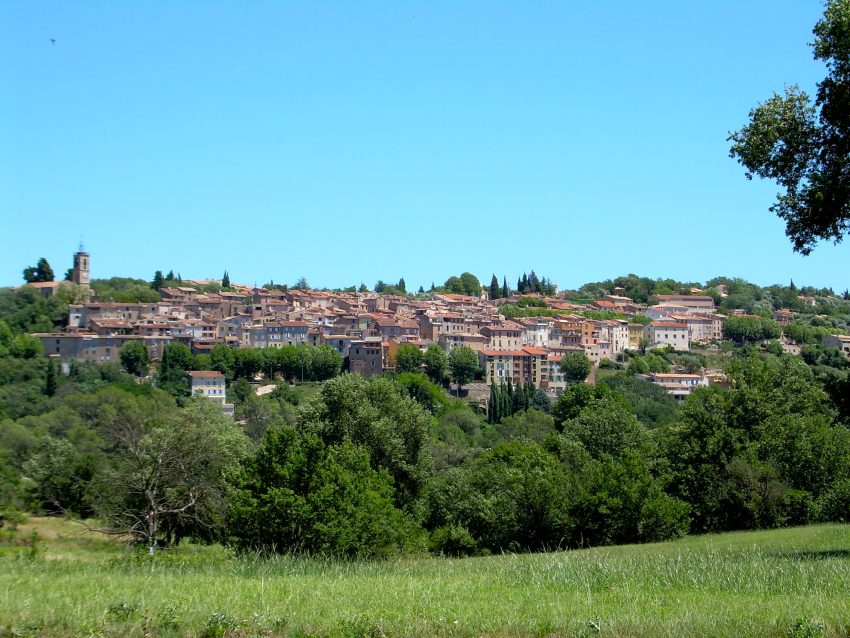
Visiting Bagnols-en-Foret
11. Montpellier
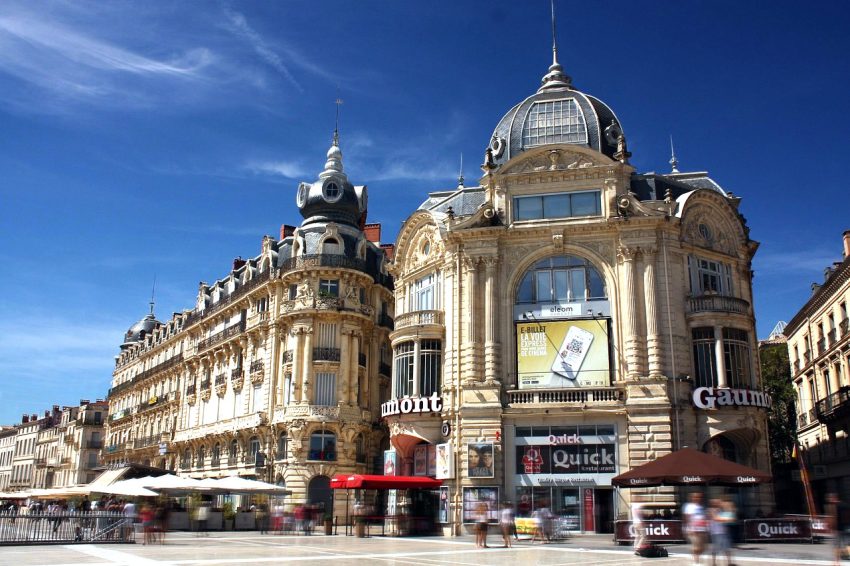
Visiting Montpellier
Where to Stay in Marseille
For a luxurious stay, InterContinental Marseille – Hotel Dieu stands out with its historic architecture and panoramic views of the Old Port. Another top-tier option is Le Petit Nice – Passedat, offering a serene seaside setting and a renowned Michelin-starred restaurant.
Boutique hotel enthusiasts might appreciate Hotel C2, a 19th-century mansion blending historic charm with modern design. For a more artistic vibe, Mama Shelter Marseille offers quirky interiors and a lively atmosphere.
Travelers on a budget can consider Hotel 96, a charming hotel set in a 19th-century house with modern amenities. Another affordable option is Hôtel Hermès, offering comfortable rooms and a rooftop terrace with views over the city.
Using the our Hotel and Accomodation map, you can compare hotels and short-term rental accommodations in Marseille. Simply insert your travel dates and group size, and you’ll see the best deals for your stay.
Marseille Accommodation Map
Best Time to Visit Marseille
Marseille in Spring
Spring (March to May) is a great time to visit Marseille, with pleasant weather and fewer crowds. Temperatures gradually rise from around 15°C in March to 22°C in May, making it perfect for exploring the Vieux-Port, seaside promenades, and outdoor markets. The city begins to buzz with activity, and events such as the Fête du Panier and early music festivals offer cultural flavour. Wildflowers and fresh produce bring a burst of colour to the city’s parks and markets.
Marseille in Summer (Best)
Summer (June to August) is the best time to visit Marseille for beach weather, festivals, and a vibrant Mediterranean atmosphere. Daytime temperatures often range from 27°C to 33°C, with nearly constant sunshine. The city hosts the Festival de Marseille, a month-long celebration of dance, music, and theatre held in outdoor venues and historic spaces. It’s also the ideal season to swim in the Calanques, enjoy open-air cinema, and dine late at waterfront restaurants.
Marseille in Autumn
Autumn (September to November) brings milder weather and fewer tourists, with temperatures ranging from 25°C in early September to around 14°C by November. The sea remains warm enough for swimming well into October, and the city’s cultural life stays active. Events like the Fiesta des Suds, a popular world music festival, take place in October, drawing visitors and locals alike. The season offers a relaxed pace with great light for photography and comfortable conditions for hiking in the surrounding hills.
Marseille in Winter
Winter (December to February) is the quietest season in Marseille, with daytime temperatures typically between 10°C and 14°C. Though it’s not beach weather, the city remains lively with winter markets, festive lights, and the annual Fête de la Saint-Barbe. Restaurants and museums are less crowded, and visitors can enjoy a more local rhythm. Winter is also a good time to explore cultural sites, warm up with Provençal food, and enjoy views of the sea without the summer crowds.
Annual Weather Overview
- January 12°C 57°F
- February 12°C 58°F
- March 14°C 61°F
- April 16°C 65°F
- May 21°C 73°F
- June 26°C 82°F
- July 30°C 89°F
- August 28°C 87°F
- September 25°C 80°F
- October 21°C 73°F
- November 15°C 63°F
- December 12°C 57°F
How to get to Marseille
Getting to Marseille, a major city in southern France, is quite straightforward due to its well-connected transportation infrastructure. Here’s how you can reach Marseille by various modes of transport:
By Air: Marseille is served by Marseille Provence Airport (MRS), which is located about 25 kilometers (15 miles) northwest of the city center. It is the fifth busiest French airport by passenger traffic and offers numerous domestic and international flights. From the airport, you can reach the city center via shuttle buses, taxis, or rental cars. The shuttle bus service links the airport to Marseille Saint Charles Train Station every 15-20 minutes.
By Train: Marseille Saint Charles Train Station is the main railway hub in Marseille and is well-connected to many French cities and other European destinations. High-speed TGV trains can take you from Paris to Marseille in about 3 hours. There are also regular regional trains and services from other major cities like Lyon, Nice, and Toulouse.
By Bus: Various national and international bus services, such as FlixBus and Eurolines, connect Marseille with other French cities and neighboring countries. The main bus terminal is located near Saint Charles Train Station, making transfers between bus and train relatively seamless.
By Car: Marseille is easily accessible by road and is well-connected to the French motorway system. The A7 motorway links Marseille to Lyon and Paris, the A50 connects it to Toulon and Nice, and the A55 links to Montpellier and Spain. Driving to Marseille can be a good option if you plan to explore the Provence region at your own pace.
By Boat: Marseille has a large port that accommodates cruise ships and ferries. There are regular ferry services between Marseille and Corsica, Sardinia, and other Mediterranean destinations. The ferry terminal is close to the city center, making it convenient for travelers arriving by sea.
These various transport options make Marseille accessible for both domestic and international travelers, providing a range of choices depending on your starting point and preferences.