Aix en Provence, France: The Ultimate Travel Guide 2026
Aix en Provence
Aix en Provence

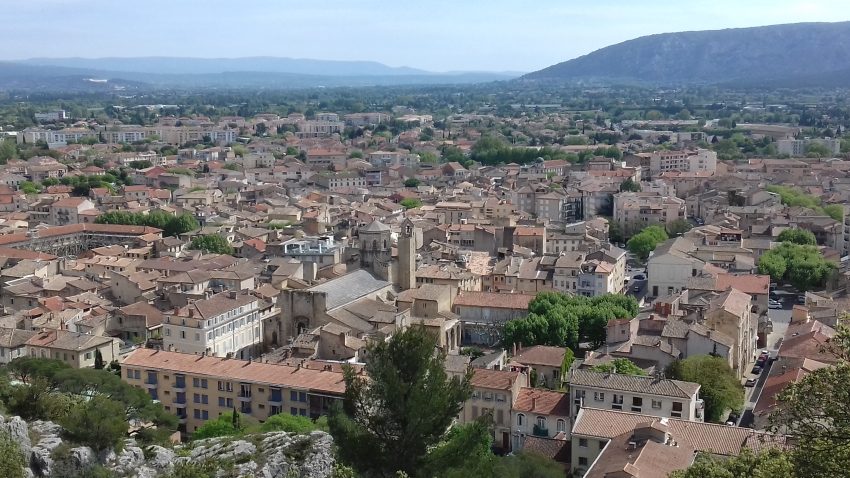
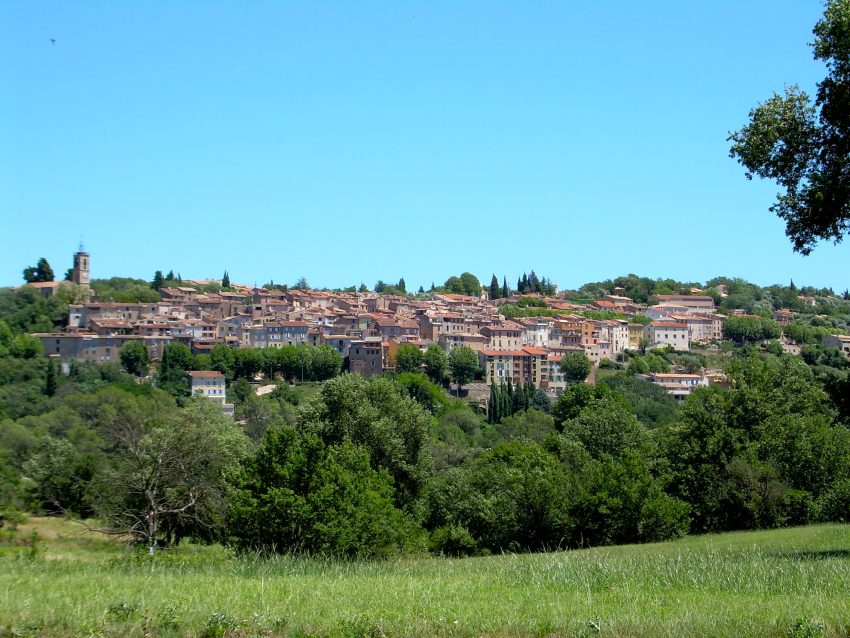
Aix-en-Provence, commonly pronounced as “X,” is a stunning town in the far south of France, easily accessible by TGV high-speed train. It takes about three hours from downtown Paris and three and a half hours from Charles de Gaulle Airport. Located just 30km north of Marseille, Aix could well have been the central hub of Provence if not overshadowed by the larger metropolis. Historically, culturally, and socially, Aix-en-Provence and Marseille are vastly different, often leading visitors to favor one city over the other.

Aix-en-Provence is traditionally viewed as conservative, exuding a stately charm that makes it immediately appealing. Its proudest era was in the fifteenth century when it thrived as an independent fiefdom under the beloved King René of Anjou. The nineteenth century saw notable residents such as Paul Cézanne and Émile Zola, enhancing its cultural footprint. Today, Aix is known for its well-dressed youth, an influx of international students-especially Americans-and a certain level of snobbishness reminiscent of Paris.

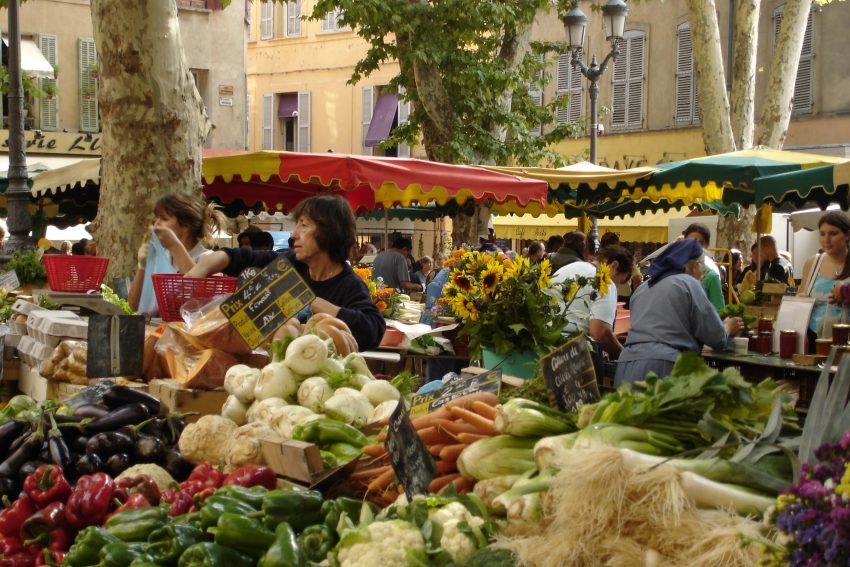
The heart of the city, known as Vieil Aix, is a tangle of medieval lanes that collectively form a significant monument. This enchanting ensemble is more captivating than any single building or museum within it. The lively streets, tempting restaurants, cafés, shops, and fountained squares make it easy to spend days soaking in the city’s ambiance. The central area hosts some of Provence’s finest markets on Saturdays, with smaller markets on Tuesdays and Thursdays, offering an authentic taste of local life and culture.

TIP: If you are visiting Aix en Provence for just a day and want to make the most of your visit, you may want to consider taking a walking tour with a local guide. This is one of the most complete and best-rated city tours that covers the main, must-see attractions in about 3 hours. If you prefer walking at your own pace read our Self Guided Walking Tour of Aix en Provence.

History of Aix en Provence

Aix-en-Provence in Ancient Times and the Roman Period

The area around Aix-en-Provence, known in ancient times as Aquae Sextiae, dates back to Roman times. It was founded in 122 BC by the Roman consul Sextius Calvinus, who established a settlement near the natural hot springs in the region. The name “Aquae Sextiae” is a reference to the healing waters, which were highly prized by the Romans for their therapeutic properties. The town quickly grew into a key Roman settlement, benefiting from its strategic location and the surrounding fertile land.

Aix-en-Provence flourished during the Roman era, and evidence of its Roman past can still be seen today in the ruins of Roman baths, temples, and other architectural remnants. The town was also known for its spa culture, attracting visitors from all over the Roman Empire who sought the healing properties of its hot springs. This early period set the foundation for Aix-en-Provence as a center of culture and relaxation, aspects that still define the town today.

Aix-en-Provence in the Medieval Period

During the Middle Ages, Aix-en-Provence saw significant changes. After the fall of the Roman Empire, the town came under Frankish rule and later became a major center of the Count of Provence’s domain. By the 12th century, Aix had become an important political and ecclesiastical center, thanks to its proximity to the Papal States and its growing influence as a commercial hub.

Aix-en-Provence’s medieval architecture is one of its key features, with many buildings from this period still standing. Notably, the Saint-Sauveur Cathedral was constructed during this time, featuring a mix of Romanesque and Gothic styles. The town was also known for its university, which was founded in the 15th century and became a leading intellectual center in southern France. The medieval period cemented Aix-en-Provence’s role as a cultural and political hub in the region.

Aix-en-Provence in the Renaissance and Early Modern Period

During the Renaissance, Aix-en-Provence experienced a period of great prosperity. The town became a vibrant cultural center, with wealthy families commissioning magnificent buildings, fountains, and other public works that still enhance the town’s charm. The Cultural Renaissance also saw the rise of prominent artists and intellectuals who made Aix their home or visited for inspiration.

The Renaissance influence is still visible in the town’s public squares, mansions, and art galleries. The Cours Mirabeau, one of Aix-en-Provence’s most famous streets, was developed during this period. The wide avenue is lined with plane trees, fountains, and elegant buildings that have made it one of the most beautiful boulevards in France. Aix’s popularity as a cultural center continued to grow, particularly during the reign of King Louis XIV, when the town was a favorite destination for nobility.

Aix-en-Provence in the 18th and 19th Centuries

The 18th century brought a mix of challenges and opportunities for Aix-en-Provence. The town became more closely aligned with the monarchy, but it also faced the challenges of the French Revolution. During this time, many of the town’s aristocratic families lost their power and influence. Despite these political shifts, the town’s artistic and cultural significance continued to grow. The Royal Court in Aix attracted artists, intellectuals, and musicians, leading to a flourishing of classical music and theater in the region.

By the 19th century, Aix-en-Provence became a favorite destination for artists, most notably Paul Cézanne, one of the most famous figures in French post-impressionism. Cézanne was born in the town and spent much of his life here, drawing inspiration from the surrounding Provençal landscape. His works are celebrated for capturing the essence of southern France, with the iconic Mount Sainte-Victoire often featured in his paintings. The artistic legacy of the town continued to shape its identity in the 19th century, making it a key center of creativity and innovation.

Aix-en-Provence in the 20th Century

The 20th century saw a transformation in Aix-en-Provence from a historic town into a modern cultural and academic center. The town’s prestigious university, the Université de Provence, became a focal point for research, education, and intellectual exchange. With the rise of mass tourism in the 20th century, Aix became increasingly popular with visitors who were drawn to its rich history, stunning architecture, and beautiful landscapes.

Aix-en-Provence also experienced significant urban expansion during the 20th century, modernizing its infrastructure while preserving its historical sites. The town’s commitment to maintaining its cultural heritage while embracing modernity helped it retain its charm and character. Today, Aix is considered one of the most picturesque towns in France, attracting millions of visitors each year who come to enjoy its art, architecture, and natural beauty.

Aix-en-Provence in the 21st Century

In the 21st century, Aix-en-Provence remains a thriving cultural and tourist destination. It is famous for its festivals, including the Festival of Lyric Art and the Cézanne Festival, which celebrate the region’s artistic heritage. The town also continues to draw visitors with its historic public squares, beautiful fountains, and vibrant markets.

Aix-en-Provence’s role as a cultural hub continues to attract artists, musicians, and writers, while its university ensures that it remains an intellectual center. The town’s charm lies in its ability to blend modern amenities with its rich cultural and architectural history, making it one of the most beloved destinations in the south of France. With its thriving tourism industry, commitment to cultural preservation, and academic influence, Aix-en-Provence looks poised to continue thriving in the 21st century.

Moira & Andy
Moira & Andy

Hey! We're Moira & Andy. From hiking the Camino to trips around Europe in Bert our campervan — we've been traveling together since retirement in 2020!

Read our full story here

Visiting Aix en Provence for the first time and wondering what are the top places to see in the city? In this complete guide, I share the best things to do in Aix en Provence on the first visit. To help you plan your trip, I have also included an interactive map and practical tips for visiting!

This website uses affiliate links which earn a small commission at no additional cost to you.
Powered by GetYourGuide

36 Best places to See in Aix en Provence

This complete guide to Aix en Provence not only tells you about the very best sights and tourist attractions for first-time visitors to the city but also provide insights into a few of our personal favorite things to do.

This is a practical guide to visiting the best places to see in Aix en Provence and is filled with tips and info that should answer all your questions!

1. Town Hall of Aix-en-Provence
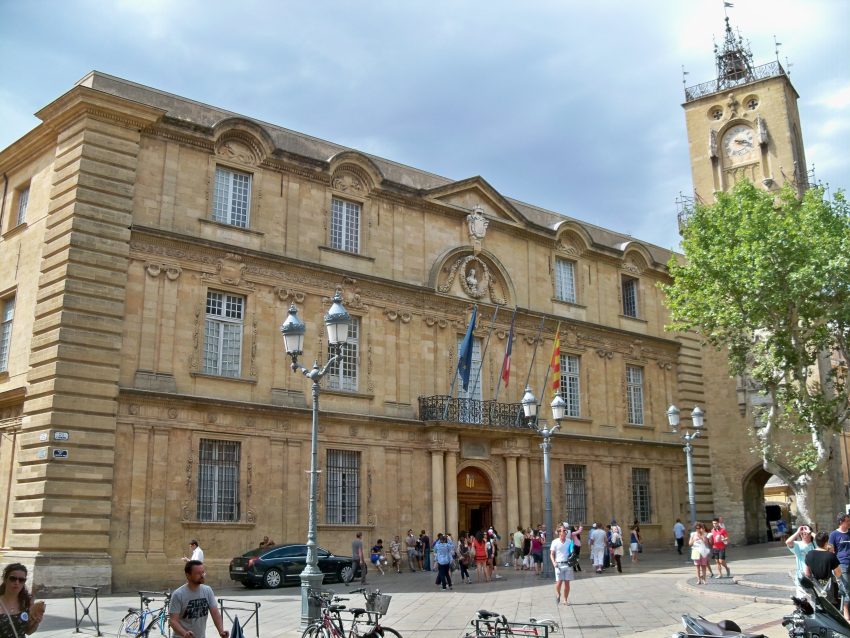
Hotel de ville dAix en Provence
CC BY-SA 2.0 / Marianne Casamance
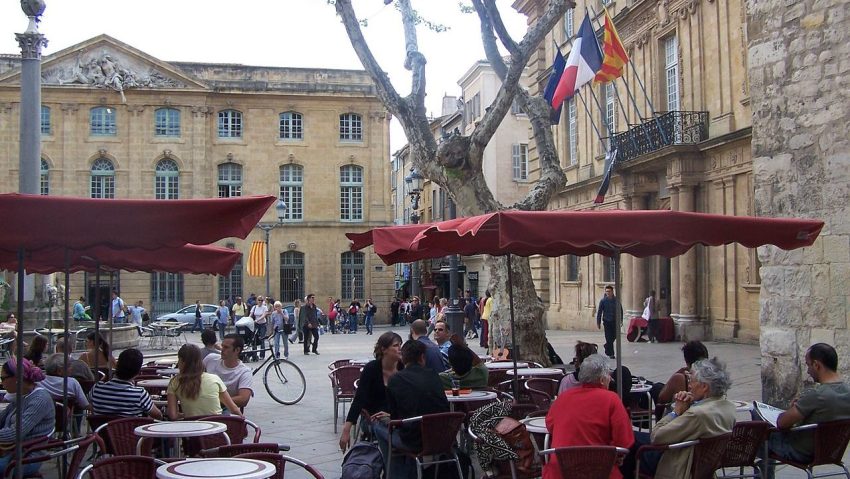
Aix-en-Provence’s Town Hall (Hôtel de Ville) presides over Place de l’Hôtel de Ville, a lived-in square of café terraces and daily bustle. Built between 1655 and 1678 by architect Pierre Pavillon, its Baroque façade was pared back after the French Revolution, yet you can still pick out the disciplined rows of five windows, carved fruit garlands, and floral friezes, braced by hefty buttresses. Next door, the 1510 Clock Tower holds an astronomical clock added in 1661, and at its base pale limestone blocks are thought to be reused pieces of a Roman gateway. Step inside when open to see the Hall of the Estates of Provence with portraits of kings and local rulers; Cézanne also married here in 1886.
Location: Pl. de l'Hôtel de ville, 13100 Aix-en-Provence, France | Hours: Monday: 8:00 AM – 5:00 PM Tuesday: 8:00 AM – 5:00 PM Wednesday: 8:00 AM – 5:00 PM Thursday: 8:00 AM – 5:00 PM Friday: 8:00 AM – 5:00 PM Saturday: Closed Sunday: Closed | Price: Free | Website | Distance: 0km

We recommend to rent a car in France through Discover Cars, they compare prices and review multiple car rental agencies. Book your rental car here.

2. Halle aux Grains

Halle aux Grains
Halle aux Grains
CC BY-SA 3.0 / Marianne Casamance
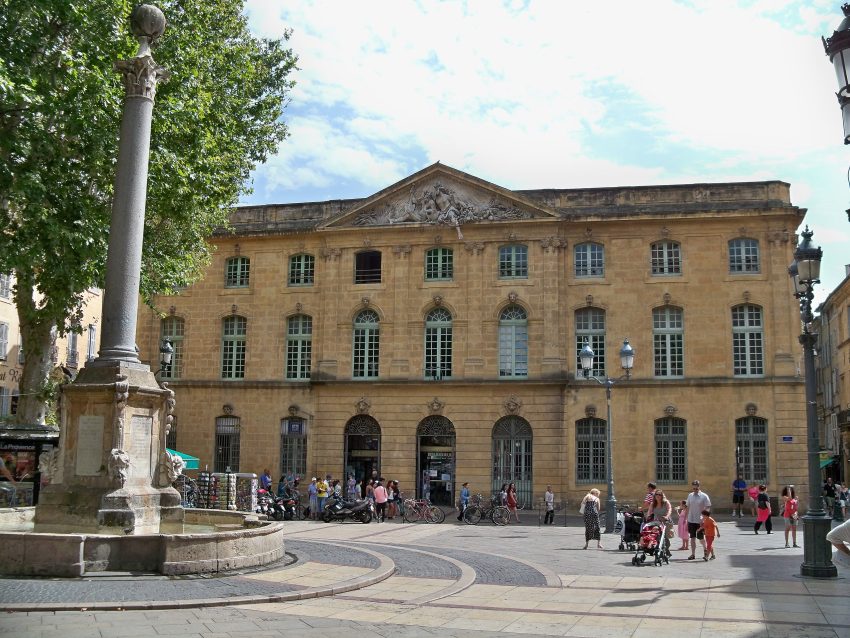
Halle aux Grains is an 18th-century Neoclassical grain hall on Place de l’Hôtel-de-Ville in Aix-en-Provence, built in 1759–1761 by architect Georges Vallon to organize the city’s cereal trade. Visitors notice the columned portico and the pediment’s allegorical sculptures celebrating abundance and commerce, a reminder of Aix’s prosperity and agricultural ties. Its role shifted from market to civic venue, and today it functions as a concert hall, hosting the Orchestre Philharmonique de l’Opéra de Marseille during the Festival d’Aix-en-Provence. A 2017–2019 renovation refreshed the interior and acoustics, so the experience is as much about sound as symmetry. Reviews often single out the sculpted fronton as the standout detail.
Location: Halle aux grains, Place Richelme, Aix-en-Provence, France | Hours: Dependent on scheduled events. | Price: Free to view the exterior; ticket prices vary for concerts. | Website | Distance: 0km

Here is a complete selection of hotel options in Aix en Provence. Feel free to review each one and choose the stay that best suits your needs.

3. Place de l'Hôtel de Ville

Place de l'Hotel de Ville, Aix en Provence
Place de l’Hotel de Ville, Aix en Provence
Public Domain / Aix-en-Provence
Place de l’Hôtel de Ville is Aix-en-Provence’s old-town civic square, where daily café life plays out against formal Provençal Baroque façades. The Town Hall, finished in 1678 to replace a medieval predecessor, anchors the space with carved details by local sculptors, and it’s also where Paul Cézanne married Hortense Fiquet in 1886. Beside it rises the 1510 clock tower, topped by an iron cage and a medieval bell once used to announce feudal obligations, with an astronomical clock added in 1661. In the middle, an 18th-century fountain with a Roman column sits among terraces and flower stalls, especially lively on market mornings.
Location: Place de l'Hôtel de Ville, Rue Vauvenargues, Aix-en-Provence, France | Distance: 0km

Traveling to a country with a different currency? Avoid ATM transaction fees and pay in local currency with a Wise Card. Having used it for over 5 years, we've saved loads on fees!

4. Musée du Vieil-Aix

Old Aix Museum Aix en Provence
CC BY-SA 3.0 / JM Campaner
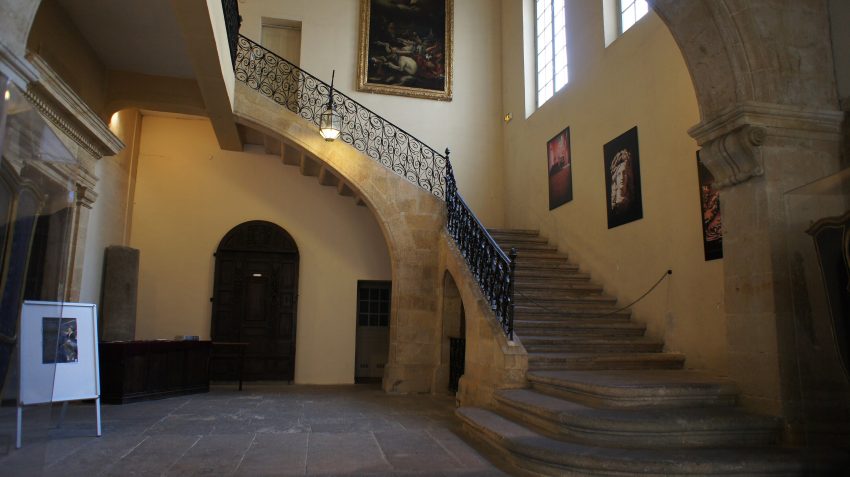
Musée du Vieil-Aix is a small city museum in Aix-en-Provence’s historic center, housed since 1932 in the Hôtel d’Estienne-de-Saint-Jean, created when Marie d’Estienne-de-Saint-Jean donated her home and collections with folklorist Marcel Provence. Its focus is everyday local life, especially from the 17th century onward, rather than the city’s ancient beginnings. Visitors tend to remember the scale model of Aix that helps you match old street patterns to what’s outside. The collections also include 19th-century articulated wooden puppets used for Corpus Christi, along with a rare ceremonial screen recreating Ancien Régime festivities. Period costumes and a few art-related rooms add texture, though some travelers find the displays compact.
Location: 17 Rue Gaston de Saporta, 13100 Aix-en-Provence, France | Hours: Tuesday - Sunday: 10:00 AM – 12:30 PM, 1:30 – 5:00 PM; Monday: Closed | Price: €6 or €4.50 depending on the exhibition. Guided tour: admission fee plus €2. Guided tours take place on Wednesdays and Saturdays at 11:00 AM. | Website | Distance: 0.1km

Explore Aix en Provence at your own pace with our self-guided walking tour! Follow our curated route to discover must-see sights and local secrets that makes Aix en Provence one of the best places to visit in France.

5. Place Richelme

Place Richelme
Place Richelme
CC BY-SA 2.0 / fretless88
Place Richelme is a small, tree-shaded square in the old town of Aix-en-Provence, best known as the setting for the city’s daily food market and a steady pulse of local life. In the morning, stalls pack the plaza with Provençal produce and pantry staples—olives, cheeses, ripe seasonal fruit, and jars of lavender honey—while the smell of fresh bread drifts under the plane trees. Arcaded façades and café terraces ring the square, making it an easy place to linger with a coffee once the bustle eases. Rooted in medieval trading traditions and named for 15th-century jurist Jean de Richelme, it still feels like a working marketplace rather than a stage set.
Location: Place Richelme, Aix-en-Provence, France | Hours: Market open daily from 8:00 a.m. to 1:00 p.m. | Price: Free public access. | Website | Distance: 0.1km

6. Tour de l’Horloge

Aix en Provence Place de la Mairie
CC BY-SA 4.0 / Rolf Kranz
Rising over Place de l’Hôtel-de-Ville since 1510, the Tour de l’Horloge is a civic clock tower that still sets the rhythm of the square with its chimes. Its flamboyant Gothic silhouette—pinnacles, braces, and delicate stonework—sits on a pale limestone base that recalls the site’s Roman-era role as a checkpoint. Look for the astronomical clock added in 1661, and the four wooden figures of the seasons beneath it, turned by hand through the year, including a small blindfolded cherub. Around it, cafés and daily bustle frame the tower, and the flower market brings extra color several mornings a week.
Location: Tour de l'Horloge, Rue Gaston de Saporta, Aix-en-Provence, France | Distance: 0.1km

7. Place des Trois Ormeaux
Aix en Provence Fontaine des trois ormeaux
CC BY-SA 4.0 / François de Dijon
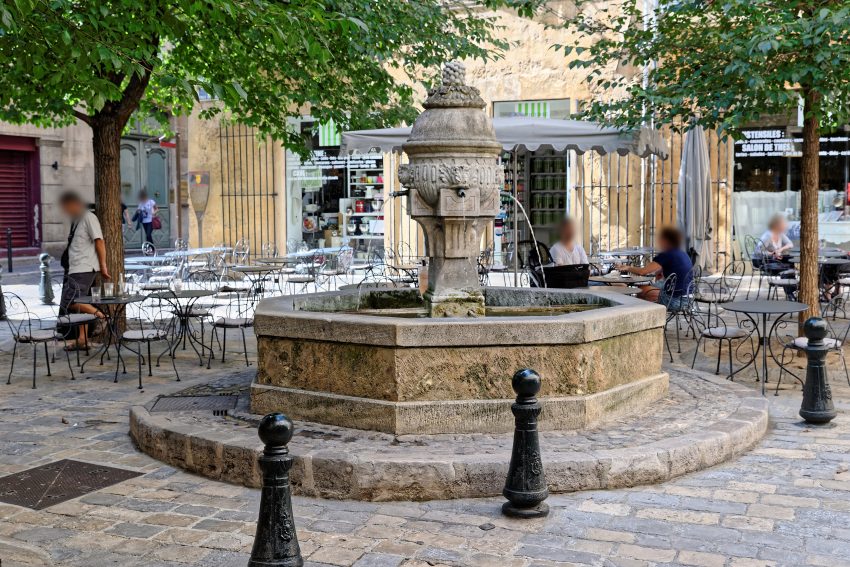
Place des Trois Ormeaux is a small residential-feeling square in the old center of Aix-en-Provence, remembered for its modest fountain and the quiet pause it creates between narrow streets. Its name comes from three elm trees once planted in a triangle around the plaza, later replaced by plane trees, and local lore links the spot to townspeople taking up arms. In the middle stands a 17th-century fountain carved from pale Calissane and Bibemus stone, with a polygonal basin and six spouts set around a decorated pedestal of leaves and grapes. Look up at the surrounding façades and seek out the 1672 doorway of the Hôtel de Saphallin among the shops and restaurants.
Location: Place des Trois Ormeaux, 13100 Aix-en-Provence, France | Hours: 24 Hours | Price: Free | Distance: 0.2km

8. Musee des Tapisserie
Aix en Provence Palais Archiepiscopal
CC BY-SA 4.0 / François GOGLINS
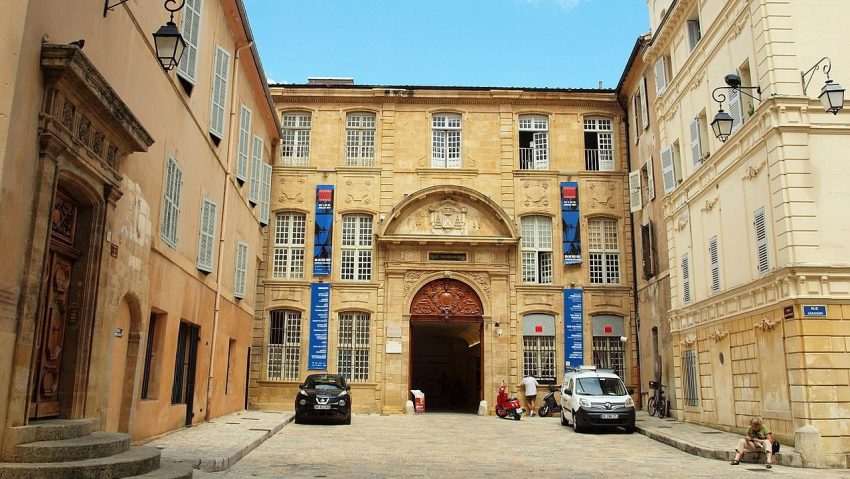
Musée des Tapisserie in Aix-en-Provence, France, is a textile-art museum housed in the former Archbishop’s Palace, a 17th–18th century residence arranged around a calm courtyard. Its core galleries focus on French and Flemish tapestries, including the witty Beauvais “Grotesques” series (c. 1689) and a rare 1735 cycle illustrating episodes from Don Quixote, where color and narrative detail still read clearly up close. The building’s ornate rooms and the contrast between monumental woven scenes and fine gold-thread passages are what most visitors remember. Downstairs, a temporary exhibition space and an “Arts du Spectacle” section connect tapestry to stage design through models, costumes, and set sketches.
Location: Musée des Tapisseries, Place des Martyrs de la Resistance, Aix-en-Provence, France | Hours: Daily except Tuesday, 10:00 a.m.–12:30 p.m. and 1:30 p.m.–6:00 p.m. | Price: Adults: €4 | Website | Distance: 0.2km

9. Place d’Albertas
Aix Place dAlbertas
Aix Place dAlbertas
CC BY-SA 4.0 / Bjs
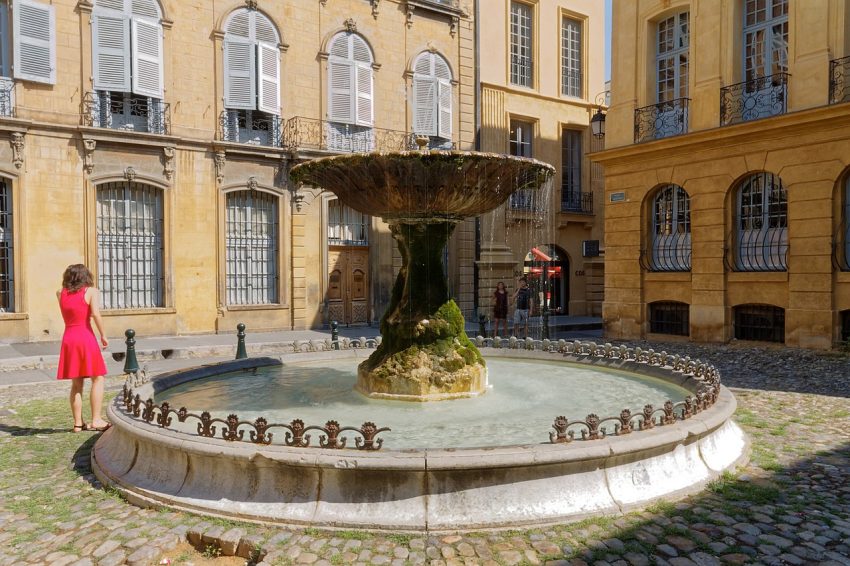
Tucked into the old town’s narrow lanes, Place d’Albertas is a small, carefully composed 18th‑century square designed as a grand forecourt for the d’Albertas residence. Four matching townhouses frame it with symmetrical façades, tall windows, and delicate wrought‑iron balconies that catch the Provençal light. At the center, the Fontaine d’Albertas—an ornate cast‑iron, chalice-shaped basin set within a circular pool and ringed by iron railings—adds a steady soundtrack of trickling water. The weathered stone and intimate scale make it feel both elegant and slightly timeworn, a place people pause to photograph or simply linger; locals also treat it as an easy evening meeting point.
Location: Place d'Albertas 11 Rue Espariat 13100 Aix-en-Provence France | Hours: 24 hours | Price: Free | Distance: 0.2km

10. Cathedrale Saint-Sauveur
Baptistere Cathedrale Saint Sauveur Aix en Provence
CC BY-SA 3.0 / Ddeveze
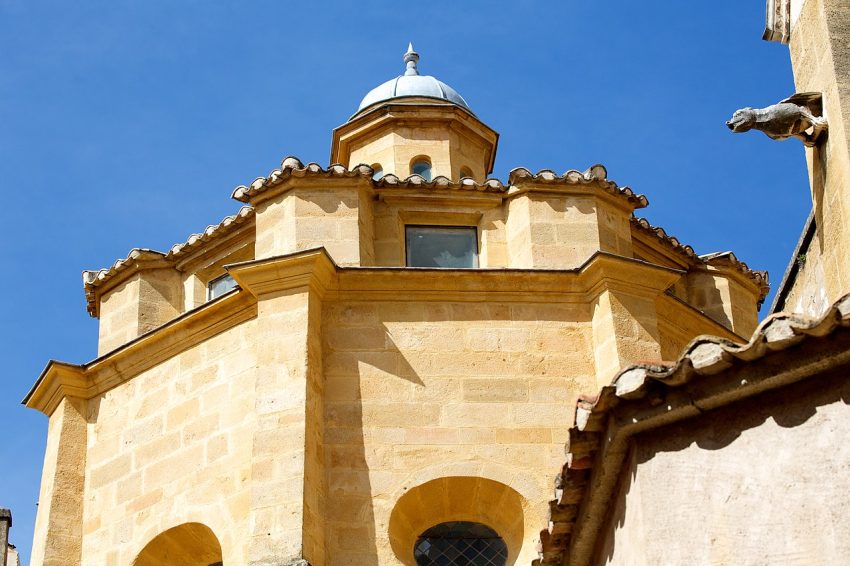
Cathédrale Saint-Sauveur in Aix-en-Provence is a working cathedral built in layers, reputedly on the footprint of a Roman temple to Apollo, with ancient fragments still visible in its fabric. Inside, the mood is often dim and hushed, and the octagonal baptistery—among the oldest parts, supported by reused Roman columns—feels like a small sanctuary within the larger church. The building shifts style as you move through it, from the weighty Romanesque nave to a later Gothic portal, capped by a medieval bell tower. Look for the early-16th-century walnut doors carved with biblical scenes, then step into the 12th–13th-century cloisters, where sculpted capitals and uneven stone slow you down.
Location: Paroisse Cathédrale Saint Sauveur Aix-en-Provence, Cathédrale Saint-Sauveur d'Aix-en-Provence, Place des Martyrs de la Resistance, Aix-en-Provence, France | Hours: All year round, every day from 10 a.m. to 5 p.m. Celebration of Masses: Monday to Friday at 8 a.m. Saturday at 8 a.m. and 6:30 p.m. Sunday at 10:30 a.m. and 7 p.m. | Price: Free | Website | Distance: 0.2km

11. Église du Saint-Esprit
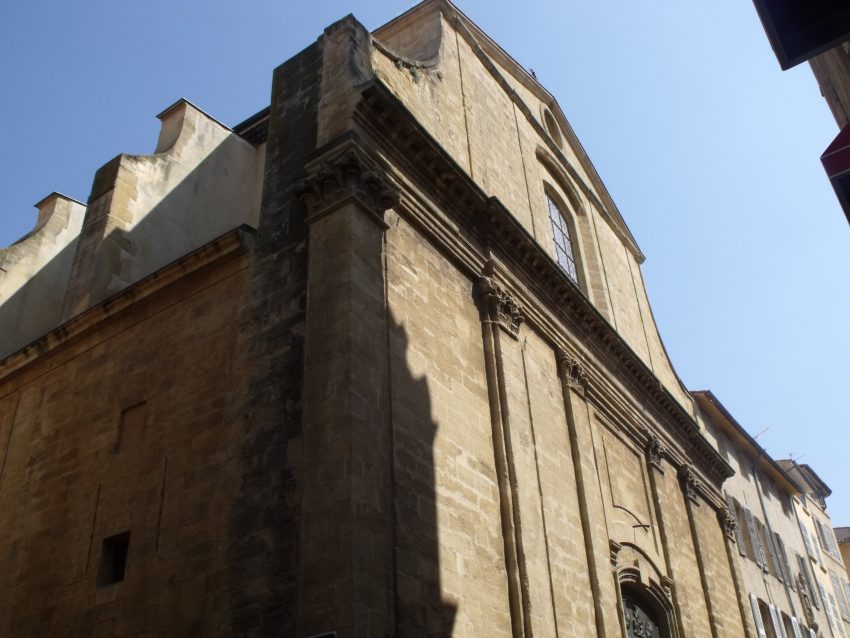
Eglise du Saint Esprit Rue Espariat Aix en Provence
CC BY-SA 2.0 / Elliott Brown
Église du Saint-Esprit is an 18th-century Roman Catholic church in the center of Aix-en-Provence, built between 1706 and 1728 after the former Hôpital du Saint-Esprit and surrounding houses were cleared away. Designed by Laurent and Georges Vallon, it carries a Provençal Baroque sense of scale, yet feels like a working neighborhood parish rather than a museum piece. Inside, linger for the older surprises, including a retable dating to 1505, and the fully painted and sculpted decoration completed in the late 1720s. It was long known as Saint-Jérôme and is now especially associated with Aix’s university students. Visitors often remember the cool, quiet interior—particularly in the morning light.
Location: 40 Rue Espariat, 13100 Aix-en-Provence, France | Hours: Daily: 9:00 AM – 8:00 PM | Price: Free | Website | Distance: 0.3km

12. Église de la Madeleine
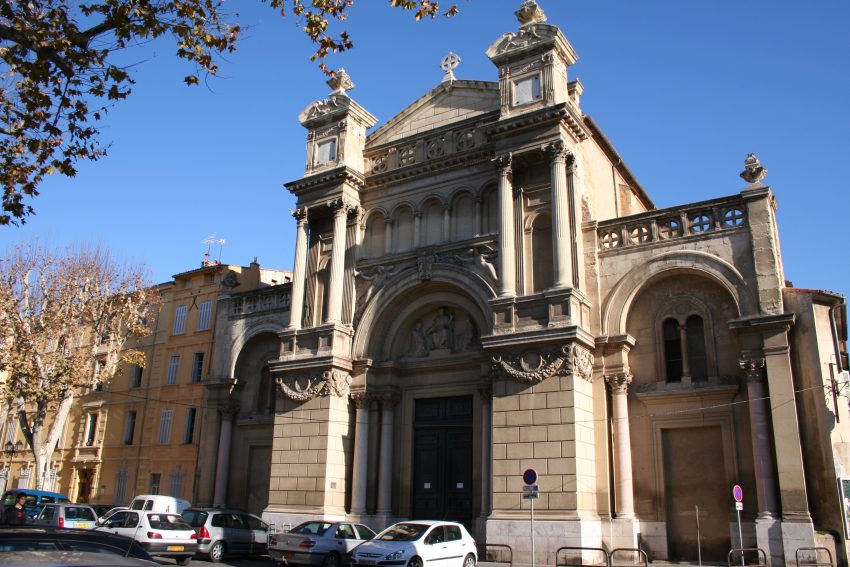
Aix en Provence Eglise de la Madeleine
CC BY-SA 2.0 / Georges Seguin (Okki)
Église de la Madeleine is a Dominican-rooted church on the edge of Place des Prêcheurs in Aix-en-Provence, a small stop that carries a surprisingly layered story. First built in the 13th century as part of a convent, it burned in 1383, collapsed again in 1465, and was reshaped in 1703 by architect Laurent Vallon, with a later Second Empire façade by Henri Révoil and an Annunciation scene on the front. Inside, the atmosphere is spare and weighty, but the art is not: look for paintings by Jean-Baptiste van Loo and Michel Serre, plus a 15th-century Annunciation triptych by Barthélemy d’Eyck. Many visitors note ongoing, sometimes heavy renovation, so you may only catch the exterior.
Location: 13100 Aix-en-Provence, France | Price: Free | Website | Distance: 0.3km

13. Fontaine Des Augustins
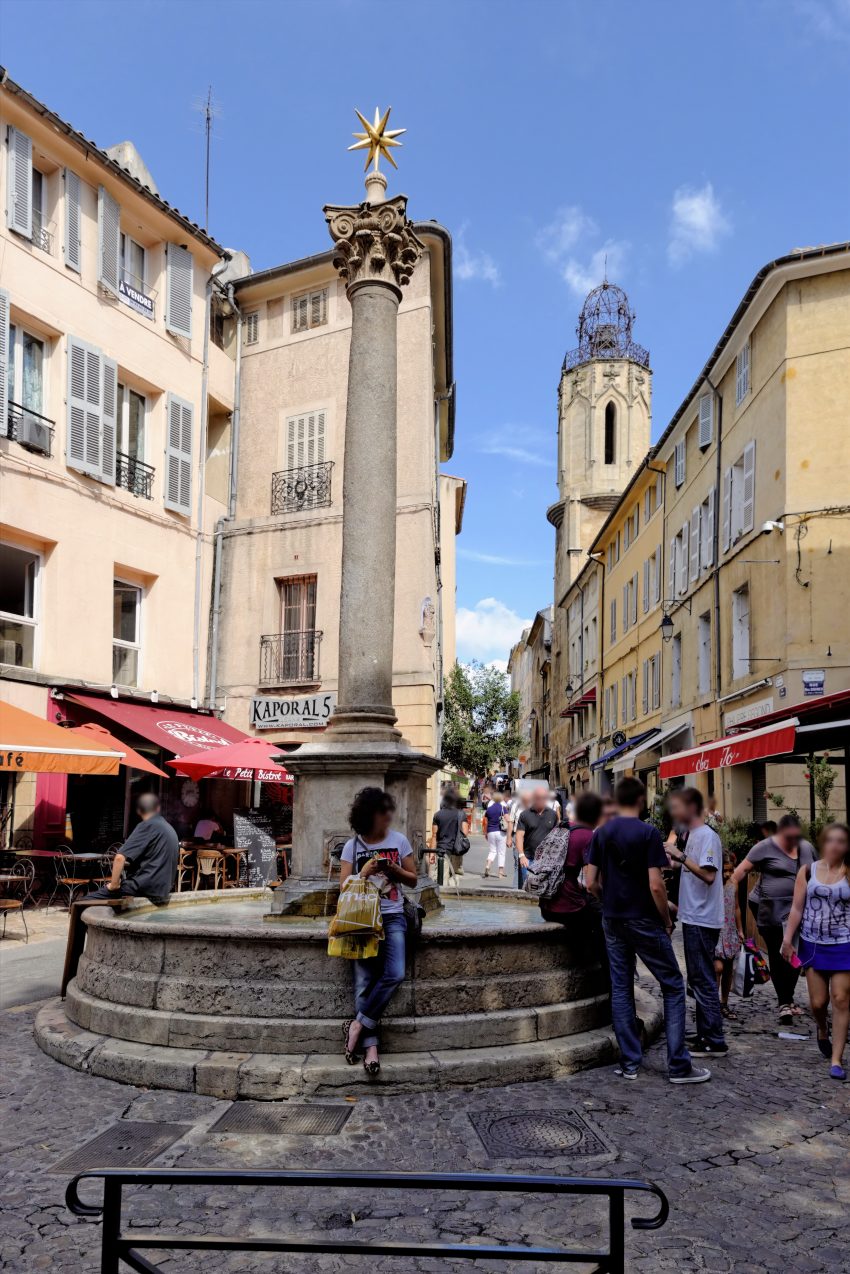
Aix en Provence Fontaine des Augustins
CC BY-SA 2.0 / François de Dijon
Fontaine Des Augustins is a lively little fountain set in Augustine Square in the heart of Aix-en-Provence, where café terraces and restaurant tables ring a pocket-sized plaza. Rebuilt in 1820 by local architect Beisson after an earlier 1620 version stood nearer Rue Espariat, it still serves as a handy point of orientation in the old town’s narrow lanes. Look for the Roman column reused from the former Palace of the Counts of Provence, topped with a 12-sided copper star, and the four cannon-like spouts feeding a broad circular basin. Listed as a historic monument in 1949, it’s also one of only four Aix fountains supplied by a natural spring, with the constant water sound that locals linger around.
Location: Pl. des Augustins, 13100 Aix-en-Provence, France | Hours: 24 hours | Price: Free | Distance: 0.3km

14. Palais de Justice
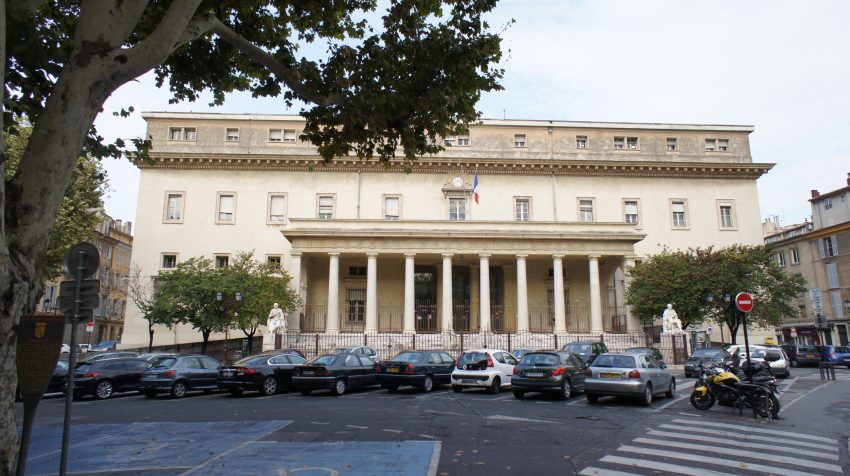
Palais de Justice
Palais de Justice
CC BY-SA 3.0 / JM Campaner
The Palais de Justice on Place de Verdun is Aix-en-Provence’s working courthouse, a Neoclassical statement of civic authority set on the site of the Roman forum of Aquae Sextiae. Built from 1825 to 1832 by architect Michel-Robert Penchaud, it’s defined by a symmetrical, colonnaded façade, a sculpted pediment, and a monumental staircase that makes the square feel like an outdoor stage set. Look for the allegorical figures of Law and Justice in the exterior detailing, then step back to take in the building’s measured proportions against the plane trees. On market days, the sober stone backdrop meets the color and noise of Provençal stalls, a contrast visitors tend to remember.
Location: Palais de Justice d'Aix-en-Provence, Place de Verdun, Aix-en-Provence, France | Distance: 0.3km

15. Place des Prêcheurs

Aix en Provence place des Precheurs
CC BY-SA 4.0 / François GOGLINS
Facing the Palais de Justice, Place des Prêcheurs is an old-town square where daily life still revolves around a central fountain and a broad sweep of historic façades. It was the city’s main civic gathering place from the 15th century, and the eastern side retains Jean Lombard’s 1640s redesign with distinctive buttressed details. At the center, the Prêcheurs Fountain dates to 1748, with sculptures rebuilt in the 1830s after Revolutionary damage. The Madeleine Church anchors one edge; built in the late 17th century, it’s known as the baptism site of Paul Cézanne. On market mornings the square fills with stalls, chatter, and the splash of clean, running water.
Location: Place des Prêcheurs, Aix-en-Provence, France | Hours: 24 Hours | Price: Free | Distance: 0.3km

16. Cours Mirabeau
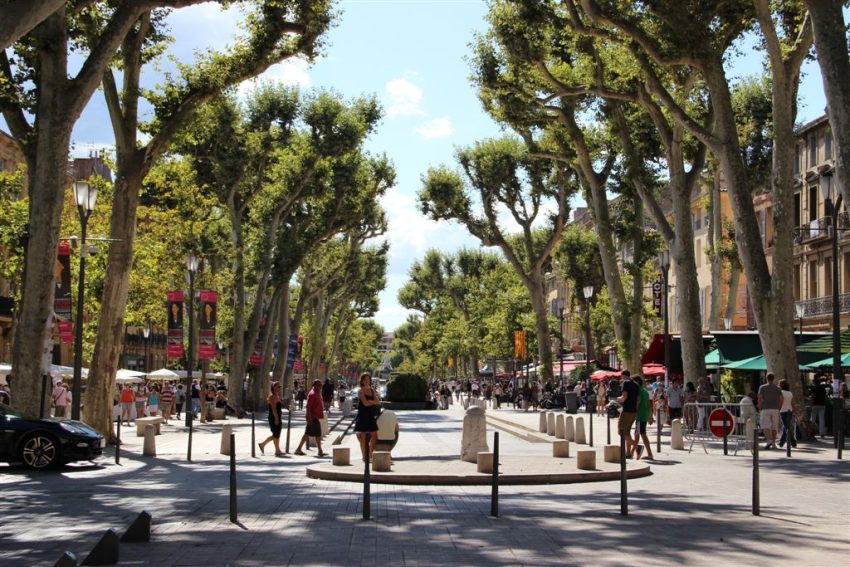
Aix en Provence le cours Mirabeau
CC BY-SA 4.0 / Ketounette
Cours Mirabeau is a broad, plane-tree-shaded boulevard that functions as the city’s main promenade, where cafés, boutiques, and people-watching spill onto wide sidewalks. Laid out after the southern ramparts were demolished in 1649 to create a carriage route for the Mazarin Quarter, it still reads as an elegant corridor of 17th- and 18th-century façades and wrought-iron balconies. Fountains punctuate the walk, from the Rotonde at one end to smaller stops like the moss-draped Fontaine Moussue, fed by warm spring water that stays about 18°C year-round. The constant sound of water, coffee aromas, and the green canopy make it feel like an open-air living room.
Location: Cours Mirabeau, Aix-en-Provence, France | Hours: 24 Hours | Price: Free | Distance: 0.3km

17. Fontaine de la Rotonde
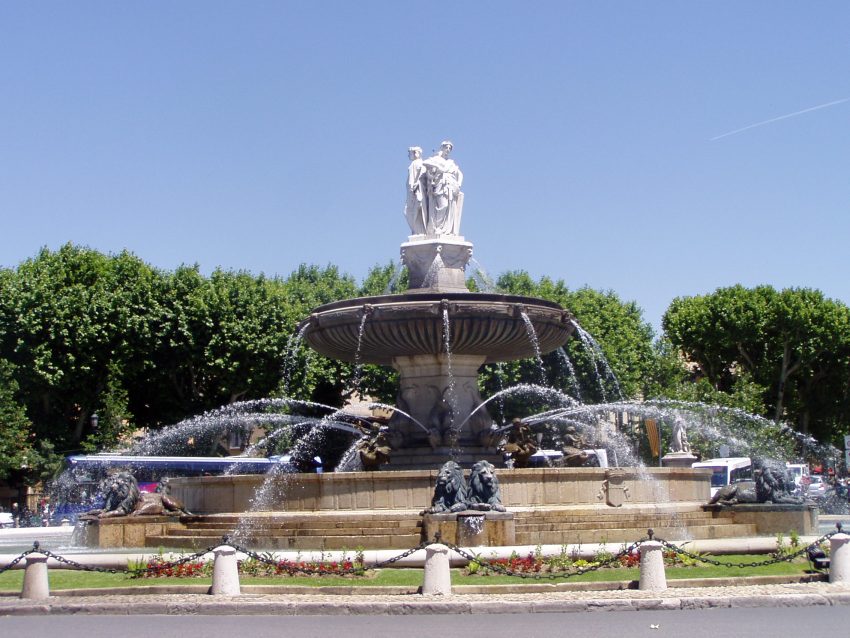
Fontaine de la Rotonde Aix en Provence
CC BY-SA 2.0 / Rainbow0413
Fontaine de la Rotonde is Aix-en-Provence’s grand 19th-century circular fountain, set in the middle of a busy traffic roundabout where the city’s main boulevards meet and people naturally use it as a rendezvous point. Rising to nearly 40 feet, it was the first fountain here to use a cast-iron basin, and its theatrical sculptural details reward a slow lap around the perimeter. Look for the lounging lions at the rim and the bronze children clinging to swans, then spot the second tier with fierce cheetah-head spouts. Above, three female figures—Justice, Commerce and Agriculture, and Fine Arts—face different directions, turning the monument into a civic compass amid the street energy.
Location: Place du Général de Gaulle, 13100 Aix-en-Provence, France | Hours: 24 hours | Price: Free. | Website | Distance: 0.4km

18. Fontaine Du Roi René
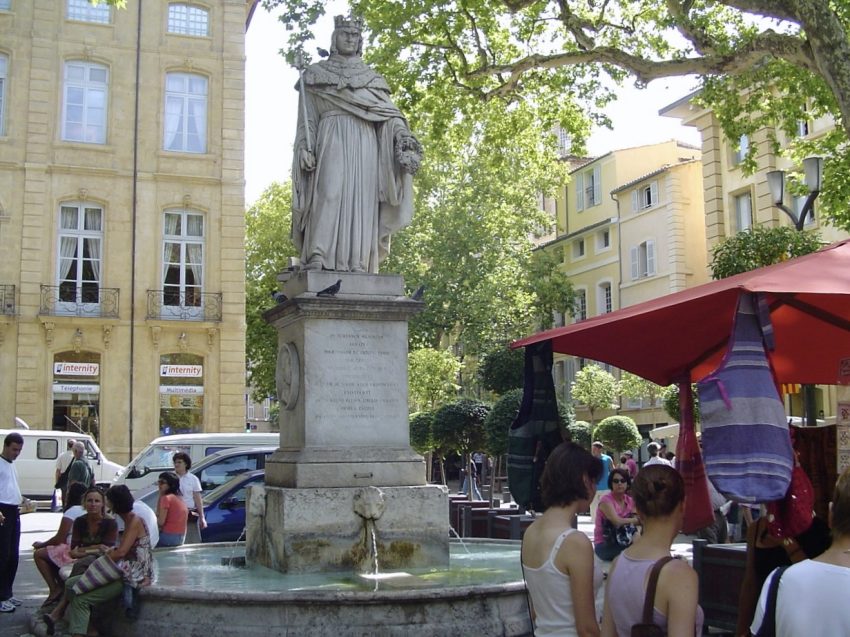
Fontaine du Roi Rene
CC BY-SA 2.0 / mwanasimba
Fontaine Du Roi René stands at the top of the Cours Mirabeau in central Aix-en-Provence, marking a natural gateway between the grand boulevard and the square where people often meet. Designed by architect Pierre-Henri Revoil in 1819, it replaced a pyramid-shaped fountain destroyed during the French Revolution and now sits in a circular basin. Above the water rises a pedestal with figures of Jean Matheron de Salignac and Palamède de Forbin, companions of King René. The crowning statue by David d’Angers (installed in 1822) shows René of Anjou holding a scepter and Muscat grapes, a nod to Provence’s wine culture. Listed as a historic monument, it was restored in 2009.
Location: Cr Mirabeau, 13100 Aix-en-Provence, France | Hours: 24 hours | Price: Free | Website | Distance: 0.4km

19. Fontaine Moussue
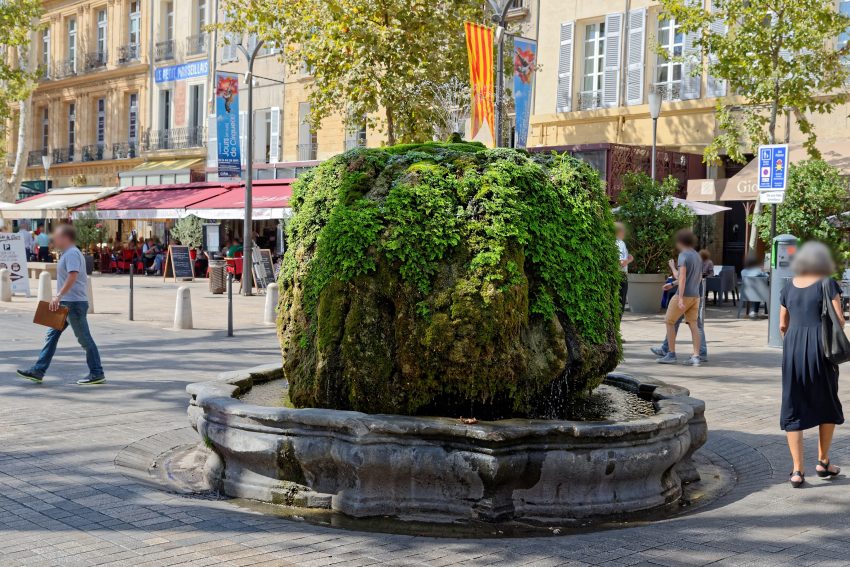
Aix en Provence Fontaine deau chaude
CC BY-SA 2.0 / François de Dijon
Fontaine Moussue is a 17th-century thermal fountain on Cours Mirabeau in Aix-en-Provence, instantly recognizable for the thick moss and ferns that drape it like a living cloak. Built in 1667 as the first fountain on the boulevard and later rebuilt in 1687 and 1734, it’s less about carved ornament than the steady warm flow that keeps it green year-round—around 64°F (18°C). Up close, calcified deposits blur the original design, though some say figures of four children lie beneath the limestone. The water isn’t drinkable, and locals once hauled its heated water in buckets for laundry, cleaning steps, and watering plants.
Location: Cr Mirabeau, 13100 Aix-en-Provence, France | Hours: 24 Hours | Price: Free | Website | Distance: 0.4km

20. Paul Cezanne Statue
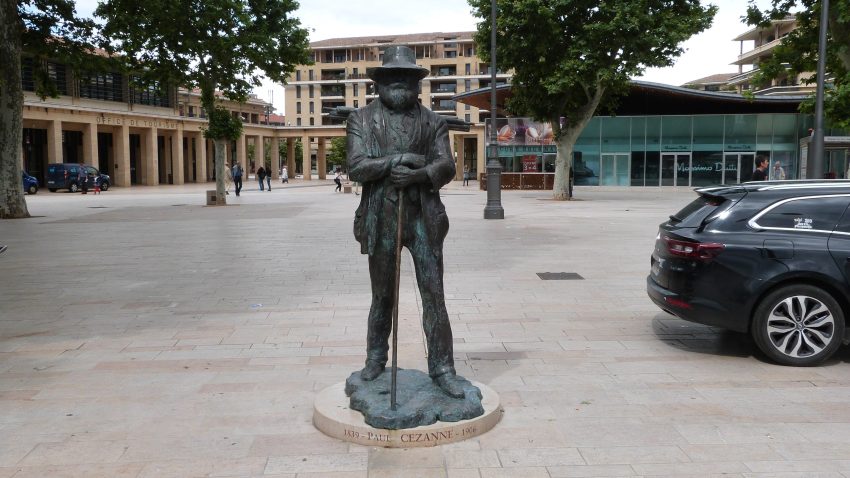
Statue of Paul Cezanne
CC BY-SA 2.0 / Peter_Glyn
The Paul Cézanne Statue is a bronze monument in Aix-en-Provence beside the Fontaine de la Rotonde, right where Cours Mirabeau begins. Sculpted by Dutch artist Gabriel Sterk and gifted in 2006 for the centenary of Cézanne’s death, it portrays the painter in a work jacket and boots, hat low, with a backpack and walking stick—more hiker than hero. At a little over six feet tall, it’s the alert, ready-to-move stance that people remember as traffic and café life swirl around the plaza. Visitors often pause to frame Cézanne against the fountain and boulevard, then continue on their way.
Location: Couronne Urbaine, 13100 Aix-en-Provence, France | Hours: 24 hours | Price: Free | Website | Distance: 0.4km

21. Hotel de Caumont
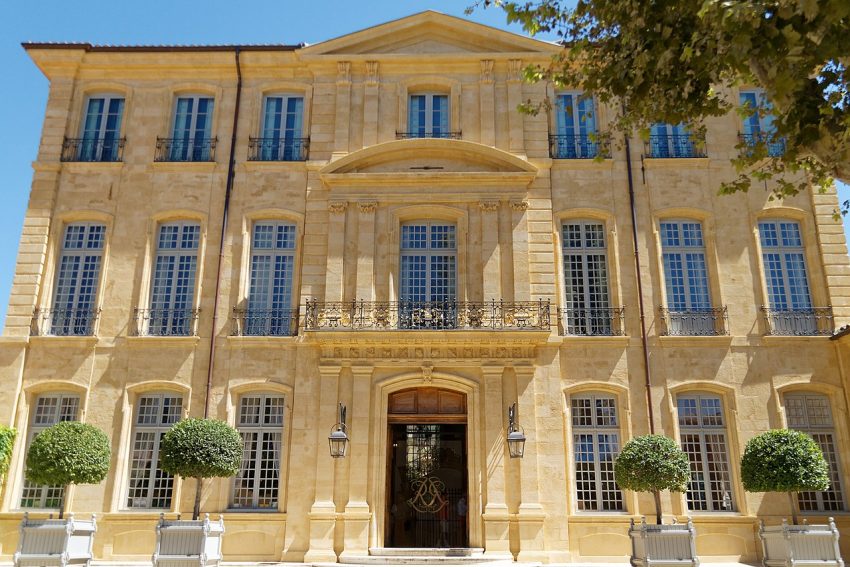
Aix Hotel de Caumont
CC BY-SA 4.0 / Bjs
Hôtel de Caumont is a restored 1715 Baroque townhouse in Aix-en-Provence’s Mazarin Quarter, now an art museum set behind a formal garden. Visitors enter through a Court of Honor and move through 18th-century salons where gilded ceilings, Rococo plasterwork, and pastel-toned private rooms evoke aristocratic life. Look for the sculpted Atlas figure at the entrance and the music room’s ornate décor, which frames traces of a Naderman harpsichord. Rotating exhibitions bring major European artists into the period setting, and many travelers linger on the café terrace in the two-level garden, a quiet pocket of hedges, fountains, and shade.
Location: Hôtel de Caumont, Rue Joseph Cabassol, Aix-en-Provence, France | Hours: Open every day. From 9 October to 3 May: 10am to 6pm From 4 May to 8 October: 10am to 7pm | Price: Adult: €15,50 | Distance: 0.4km

22. Place et Fontaine d’Albertas
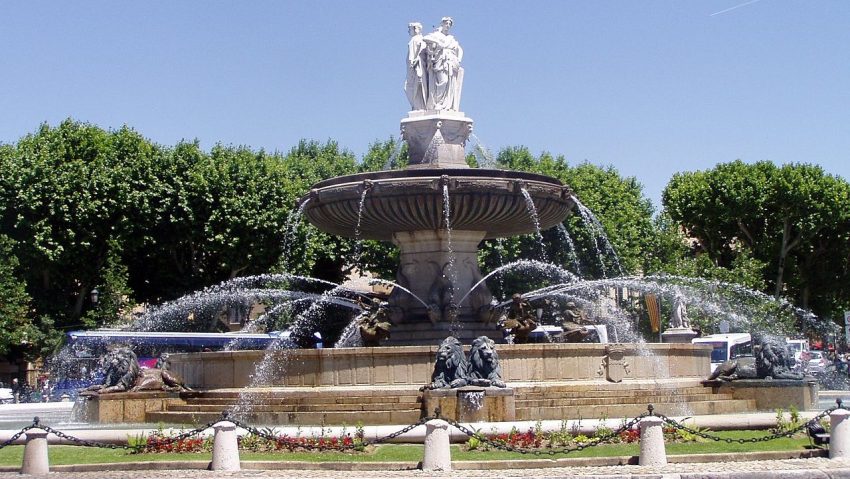
Fontaine de la Rotonde, Aix en Provence
CC BY-SA 2.0 / Rainbow0413
Tucked into the old town’s narrow streets, Place et Fontaine d’Albertas is a small, symmetrical 18th‑century square designed as an elegant forecourt for the d’Albertas family’s mansion, shaped by city architects Laurent and later Georges Vallon. Four matching townhouses frame the space with tall windows and delicate wrought-iron balconies, creating a sense of measured grandeur despite its compact size. In the center, the Fontaine d’Albertas features a cast-iron, chalice-like basin set in a circular pool and edged with fine iron railings, its water sound soft against the stone. Locals treat it as a calm pause by day and, as reviews note, a casual meeting spot at night.
Location: Fontaine de la Rotonde, Place du Général de Gaulle, Aix-en-Provence, France | Hours: 24 Hours | Price: Free | Distance: 0.4km

23. Rue d'Italie
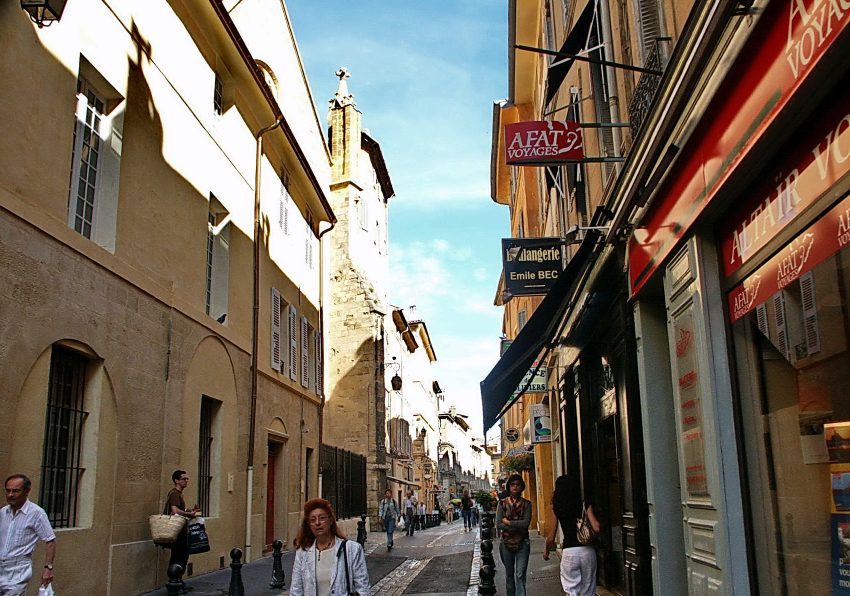
Rue dItalie panoramio
CC BY-SA 2.0 / lienyuan lee
Rue d’Italie is a long, lived-in street in Aix-en-Provence’s Mazarin district, prized less as a single attraction than as a memorable walk through layers of the city. It follows the line of the ancient Roman Via Aurelia, once running past the Baths of Sextius, and its name later nodded to Napoleon’s Italian campaigns. As you stroll the Provençal cobblestones, you’ll notice restrained townhouses, everyday shops, and small eateries, with the Church of Saint John keeping quiet watch along one side. The street has worn many identities over centuries, and a former priory here eventually became today’s Granet Museum, a reminder of how Aix repurposes its old stones.
Location: Rue d'Italie, 13100 Aix-en-Provence, France | Hours: 24 Hours | Price: Free | Distance: 0.5km

24. Pavillon de Vendome
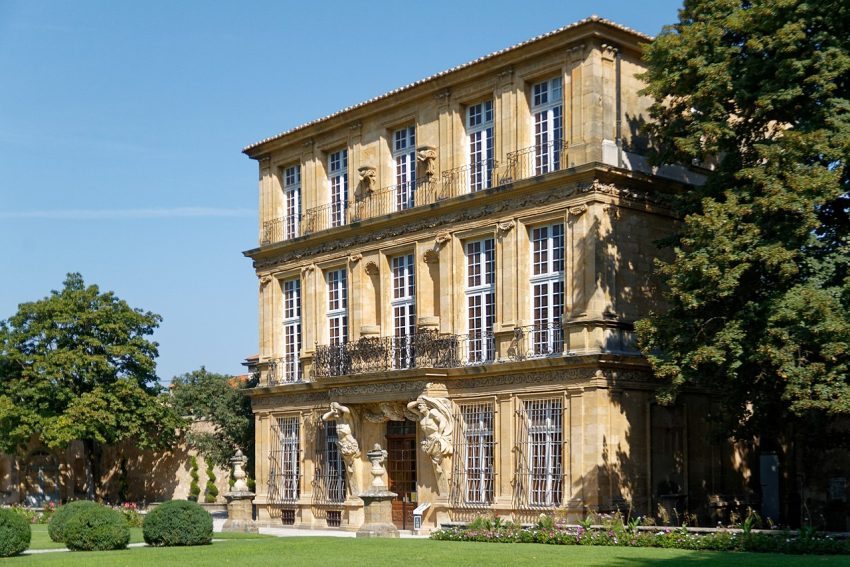
Aix Pavillon Vendome
CC BY-SA 4.0 / Bjs
Pavillon de Vendôme in Aix-en-Provence, France is a compact 17th-century Baroque mansion set behind wrought-iron gates and formal French gardens, built in 1667 as a private retreat for the Duke of Vendôme and Lucrèce de Forbin Solliès. Visitors tend to remember the quiet, green garden rooms—trim hedges, geometric parterres, and shaded paths—more than the small scale of the house itself. Inside, the museum mixes Provençal period furniture and decorative objects with rotating contemporary exhibitions, so the experience can feel more like an art space than a fully furnished residence. The serene grounds are often described as a calming place to sit, even on a short visit.
Location: Pavillon de Vendôme, Rue de la Molle, Aix-en-Provence, France | Hours: The museum is open every day except Tuesday. April 15 to October 15 from 10 a.m. to 12:30 p.m. and from 1:30 p.m. to 6 p.m. October 16 to April 14 from 10 a.m. to 12:30 p.m. and from 1:30 p.m. to 5 p.m. Exceptional closure on May 1st. | Price: Adults: €4 | Distance: 0.5km

25. Fountain of the Four Dolphins
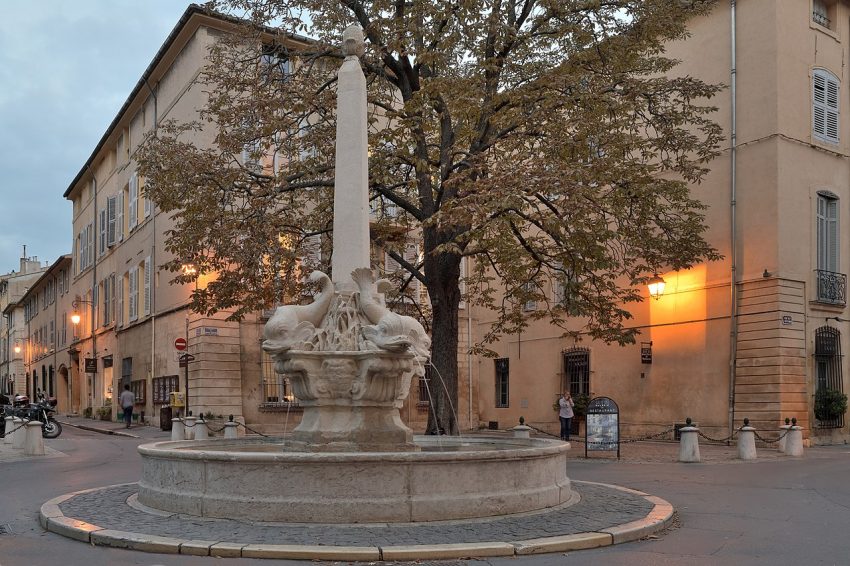
Aix en Provence Quatre Dauphins
CC BY-SA 2.5 / Wolfgang Moroder
The Fountain of the Four Dolphins anchors Place des Quatre-Dauphins, a small, leafy square in the orderly 17th-century Mazarin District. Carved in 1667 by local sculptor Jean-Claude Rambot, it’s built around a central column with four dolphins curling upward, their heads serving as the water spouts. The setting is intimate rather than grand—cobblestones, calm shade, and symmetrical façades make it a natural pause on a wander. Travelers often note it as one of the prettiest little fountains in town, though the basin can sometimes be dry and one dolphin head has been damaged. It’s best appreciated up close for its playful stonework.
Location: Place des Quatre-Dauphins, Place des 4 Dauphins, 13100 Aix-en-Provence, France | Hours: 24 Hours | Price: Free | Distance: 0.5km

26. Maison natale de Cezanne
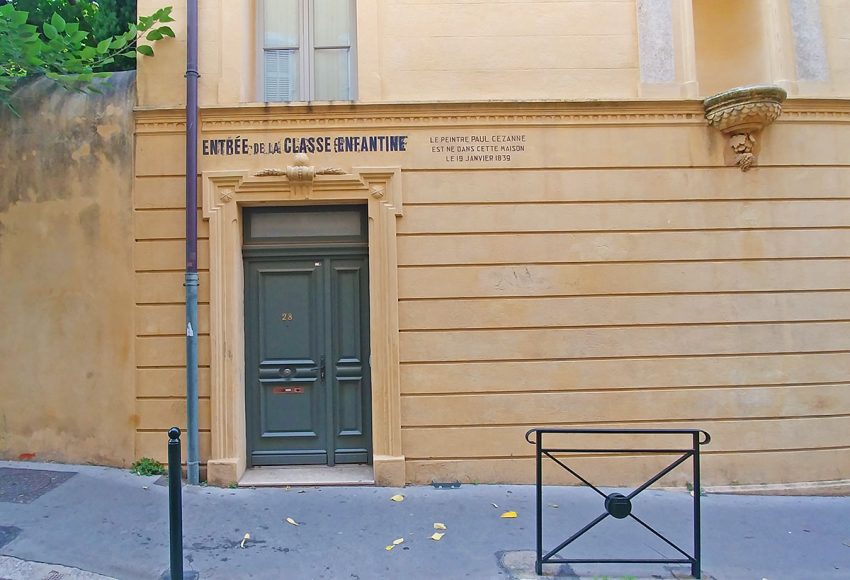
Cezanne casa donde nacio Aix en Provence
CC BY-SA 2.0 / Vestemocoso
Maison natale de Cezanne in Aix-en-Provence, France marks the address linked to Paul Cézanne’s birth on 19 January 1839, grounding his story in the city’s everyday streets. The house is associated with 28 Rue de l’Opéra, when his father Louis-Auguste was shifting from hat-making toward banking, and the family later moved on to other nearby addresses. Visitors typically encounter a commemorative plaque rather than a fully staged house museum, so the experience is brief and outward-facing. What lingers is the sense of standing where his life began, in the same old-town fabric that also held family milestones at the Church of the Madeleine. Some travelers note you may only glimpse a tidy inner courtyard from outside.
Location: 28 Rue de l'Opéra, 13100 Aix-en-Provence, France | Hours: 24 Hour for viewing from outside | Price: Free | Distance: 0.6km

27. Église Saint-Jean-de-Malte
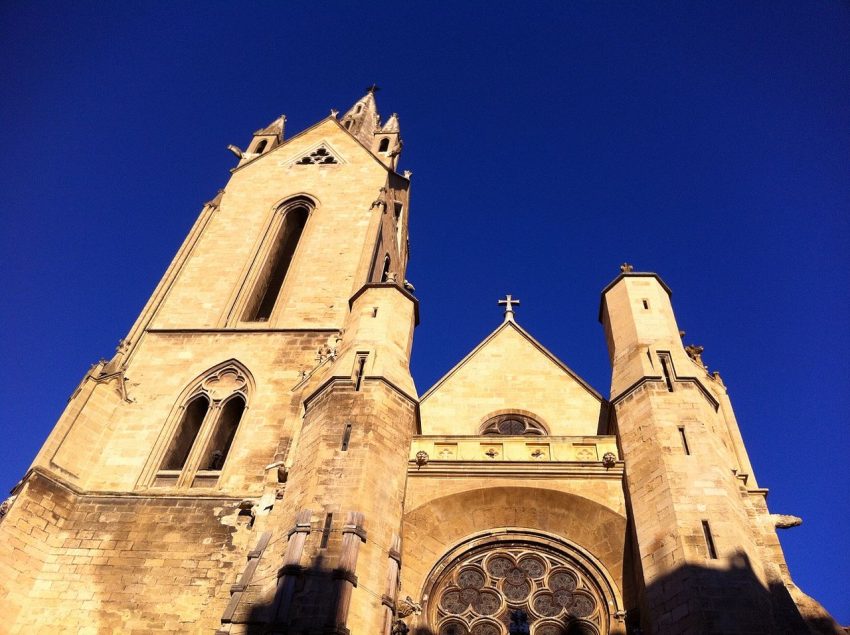
Eglise Saint Jean de Malte
CC BY-SA 3.0 / Earwiglet
The Église Saint-Jean-de-Malte is a Gothic church in the Mazarin Quarter, founded on a 12th-century Knights Hospitaller site and rebuilt in the 13th century as Provence’s first Gothic church. Its slender spire rises sharply above the surrounding streets, but the real draw is inside, where stained glass washes the nave in shifting color. Look for the 1858 apse window, the 1896 rose window above the entrance, and a modern transept panel added in 1984 by Henri Guérin. Baroque sculptures and paintings sit alongside works attributed to artists such as Nicolas Mignard and Delacroix, and visitors often remark on the calm, incense-tinged atmosphere.
Location: Eglise et Paroisse Saint-Jean-de-Malte, Rue d'Italie, Aix-en-Provence, France | Distance: 0.6km

28. Musee Granet
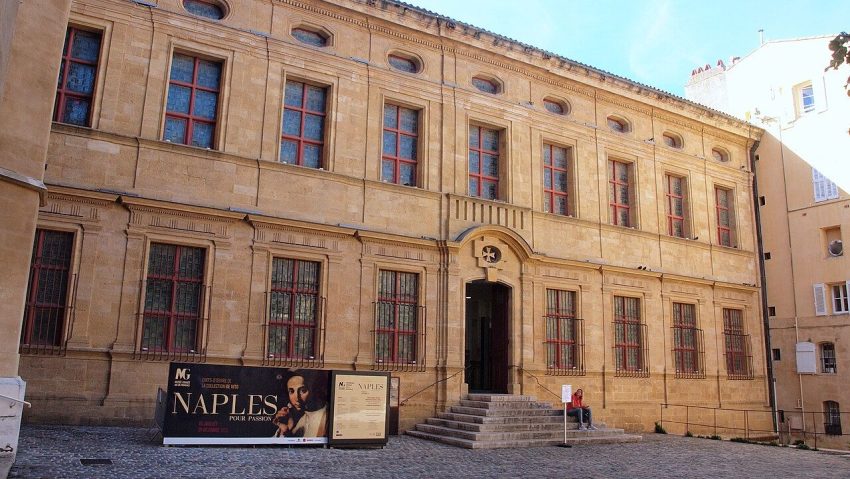
Aix en Provence Musee Granet
CC BY-SA 4.0 / François GOGLINS
Set beside the Gothic Saint-Jean-de-Malte church, Musée Granet occupies a former priory, giving its galleries a quiet, cloistered feel. The collection ranges from Renaissance and Baroque painting to modern works, with memorable stops like Ingres’ dramatic “Jupiter and Thetis” and a Rembrandt self-portrait, alongside Picasso and Giacometti. Its most talked-about thread is Cézanne: once rejected by a long-serving curator, the museum later began acquiring his work after the curator’s death, turning a local snub into a defining story. Many visitors come for special Cézanne shows, which can draw queues and timed-entry crowds.
Location: Musée Granet, Place Saint-Jean de Malte, Aix-en-Provence, France | Hours: Tues-Sun, closed Mondays. Jan2- June 10 noon-6pm; June 11-Oct 2 10am-7pm; Oct 3 - Dec 31 noon-6pm | Price: Adults: €5 | Website | Distance: 0.6km

29. Parc Jourdan
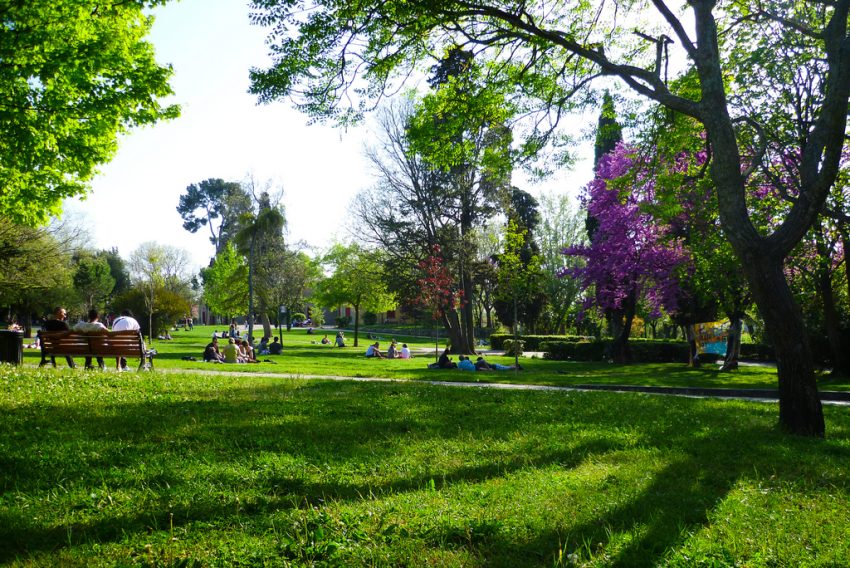
Parc Jourdan i april
CC BY-SA 2.0 / Andreas Hj.
Parc Jourdan is a large public garden just outside Aix-en-Provence’s historic center, valued as a shady, everyday escape in a city that bakes in summer. Laid out on two levels, it shifts from a formal lower terrace—entered through a grand gate and a lime-tree avenue leading to a reflecting pool—to a more romantic upper garden reached by a monumental double staircase. Broad lawns and sandy paths draw students and dog-walkers, and there’s a simple children’s play area near a mansion that houses the Oustau de Provenco association. Look for small artworks tucked into the greenery, including a 17th-century “Winter” statue and busts of Frédéric Mistral and Émile Zola. Visitors often come to picnic, read, and cool off.
Location: Av. Jules Ferry, 13100 Aix-en-Provence, France | Hours: 24 Hours | Price: Free | Website | Distance: 0.9km

30. Atelier de Cézanne
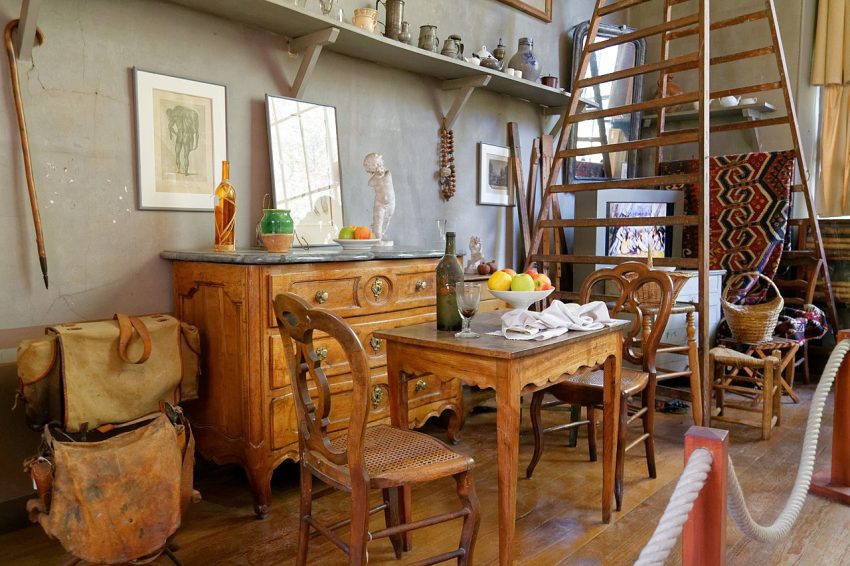
Aix Atelier Cezanne
Aix Atelier Cezanne
CC BY-SA 4.0 / Bjs
Atelier de Cézanne is the modest stone studio Paul Cézanne designed and built in 1902 on the Lauves hill, a quiet retreat where he worked late in life. Inside, the room feels paused mid-process: a north-facing window still washes the space in soft light, his coat hangs where he left it, and paint-marked palettes sit near the easel beside arranged props like bottles, jugs, skulls, and fruit. The setting makes his method tangible—simple, disciplined, and intensely focused on form. Step outside into the small garden of pines and stone paths and you’ll understand why visitors linger in the silence, looking toward Montagne Sainte-Victoire.
Location: Atelier de Cezanne, Avenue Paul Cézanne, Aix-en-Provence, France | Distance: 1km

31. Bastide du Jas de Bouffan
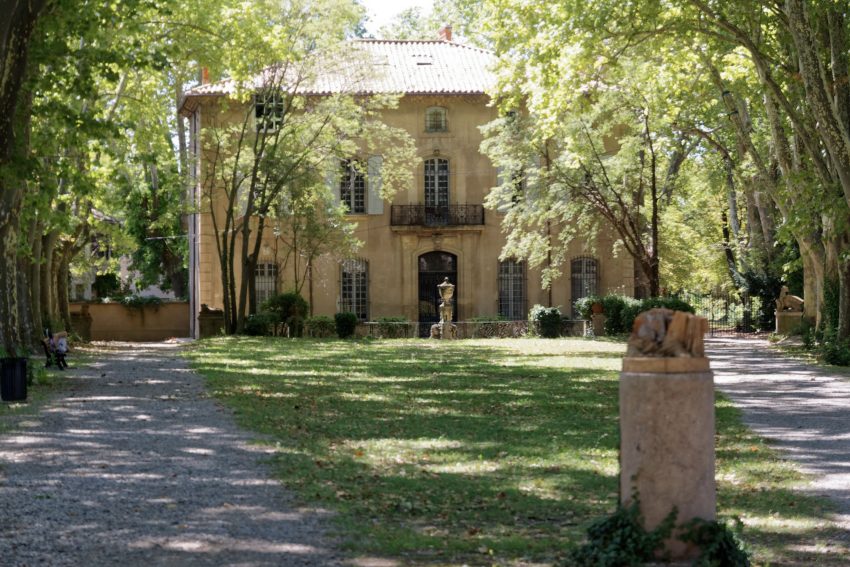
Aix Bastide du Jas de Bouffan bjs
CC BY-SA 2.0 / Bjs
Bastide du Jas de Bouffan is an 18th-century country house on the west side of Aix-en-Provence, best known as the Cézanne family home and a key setting for Paul Cézanne’s early work. Built around 1750 for Gaspard Truphème by architect Georges Vallon, it sits in a private-feeling garden with ponds, fountains, and sculptures that rewards a slow circuit. Inside, visitors see where Cézanne set up an attic studio in 1880 and even painted directly onto a living-room wall, grounding his art in real rooms and light. In the garden, sightlines are part of the experience, including views toward Montagne Sainte-Victoire from different angles. Ongoing restoration is noticeable, but many find the atmosphere unusually serene.
Location: 4 Rue de Valcros, 13090 Aix-en-Provence, France | Hours: Summer (June - September): Daily- 9am - 7pm. Winter (October - November): Daily: 10am - 5.30pm | Price: Full price: 9.50€ – Reduced price: 7.50€ | Website | Distance: 1.5km

32. Terrain des Peintres
Terrain des Peintres
CC BY-SA 4.0 / Guerinf
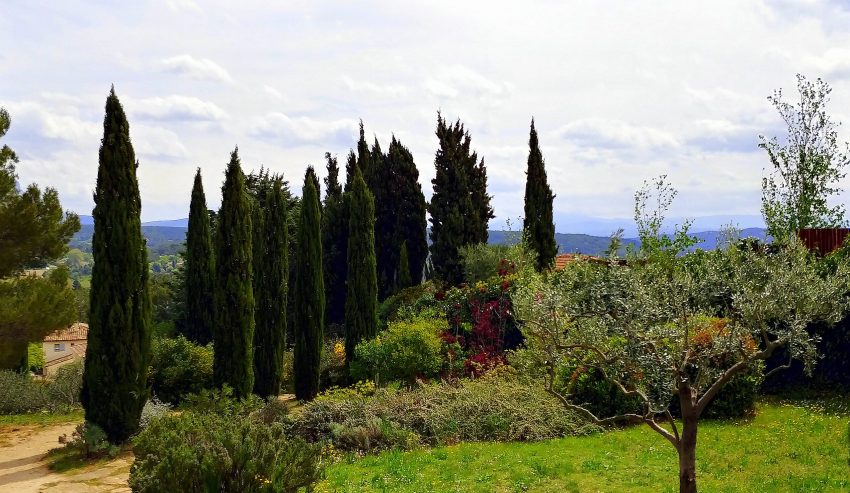
Terrain des Peintres is a quiet hillside viewpoint on Chemin de la Marguerite, where the landscape opens toward Montagne Sainte-Victoire. Paul Cézanne returned here almost daily between 1902 and 1906, using this exact prospect to study shifting light and the mountain’s hard geometry in dozens of paintings and watercolors. Today, you walk gentle paths among olive trees and benches, with reproduction panels set at the same angles as his canvases so you can compare art to the real ridge line. The atmosphere is notably calm and a little removed from the tourist flow, making the silence and wide Provençal air part of what visitors remember.
Location: Jardin des peintres, Avenue Paul Cézanne, Aix-en-Provence, France | Distance: 1.7km

33. Promenade de la Torse
Parc de la Torse
Parc de la Torse
CC BY-SA 2.0 / Georges Seguin (Okki)
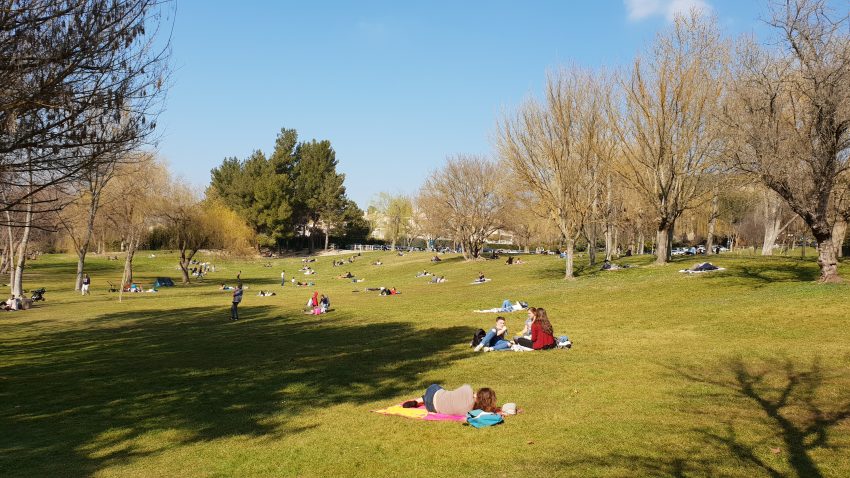
Promenade de la Torse is a public promenade-park in Aix-en-Provence that follows the Torse stream through a long, leafy green corridor. Developed in 1984 with the eastern neighborhood expansion, it covers over 19 acres and is planted with a varied canopy—poplar, cypress, oak, maple, willow, walnut, and chestnut—so there’s deep shade and strong autumn color. Visitors notice the simple pleasures: a streamside path, broad lawns for picnics, and pockets for play and casual sports. Locals dominate the scene, jogging and cycling on dedicated bike lanes, with benches and small family areas that make it easy to pause and watch the park’s everyday rhythm.
Location: 12 Rue Pierre de Coubertin, 13100 Aix-en-Provence, France | Hours: Daily: 9:00 AM – 5:00 PM | Price: Free | Website | Distance: 1.9km

34. Fondation Vasarely
Fondation Vasarely Aix en Provence
CC BY-SA 3.0 / Creando
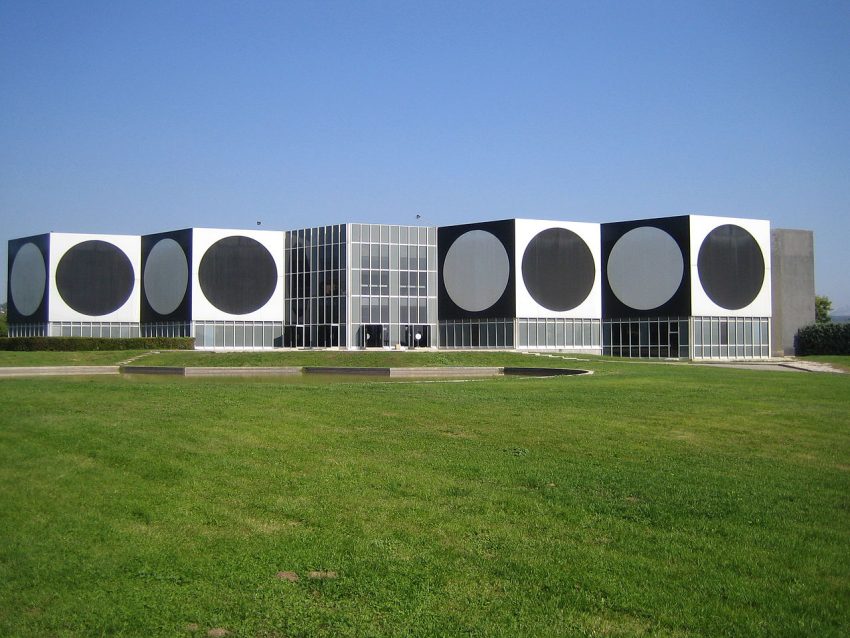
The Fondation Vasarely is a purpose-built museum where Victor Vasarely’s Op Art and the building’s architecture lock together into a single, immersive experience. From the outside, its stark black-and-white, geometric façade reads like a futuristic temple; inside, seven hexagonal “cells” hold 42 monumental works, each around 6 by 8 meters, that seem to vibrate as you move. Founded in 1966 and inaugurated in 1976 on land donated by the city, it was conceived as a civic project—art integrated into everyday life rather than reserved for elites. The hexagonal structure and “plastic unity” idea make it feel like a mid-century vision of tomorrow, though some visitors note the site shows its age in maintenance.
Location: 1 Avenue Marcel Pagnol, 13090 Aix-en-Provence, France | Hours: Daily 10 am to 6 pm. Closed on December 25 and January 1 of each year. | Price: €15 | Website | Distance: 2km

35. Entremont Archaeological Site
Entremont oppidum
Entremont oppidum
CC BY-SA 4.0 / Mark Landon
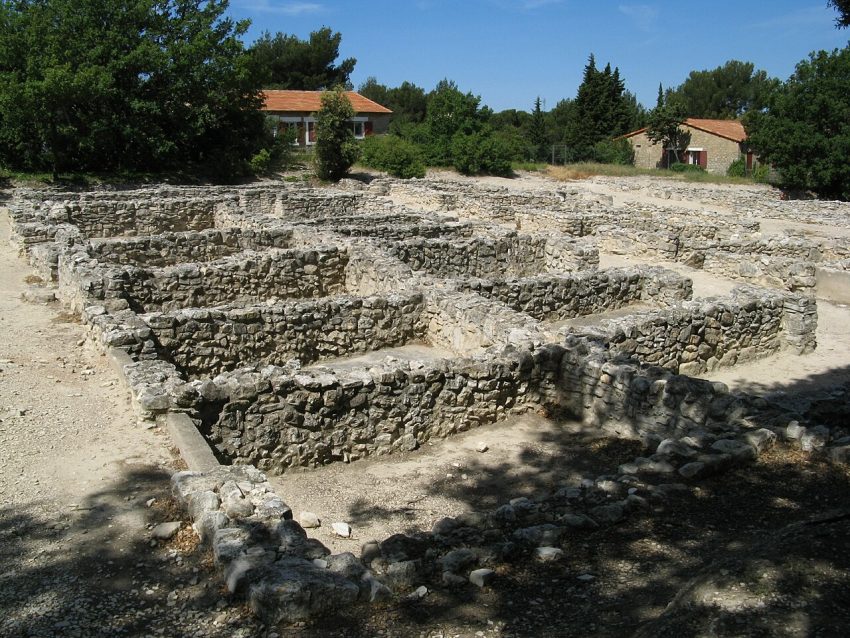
Entremont Archaeological Site is a 3.5-hectare Iron Age hilltop oppidum just north of Aix-en-Provence, once the main stronghold of the Celtic-Ligurian Salyes before Roman forces took it in 123 B.C. You wander between two settlement zones, tracing low stone house walls, narrow street lines, and the remains of defensive ramparts set on the edge of the Puyricard plateau. Interpretive boards help you read the layout, while the most memorable details are the warrior sculptures and the unsettling “severed head” motif carved into stone. The ground is rugged and sun-exposed, and the views stretch out toward Mont Sainte-Victoire.
Location: Oppidum d'Entremont, Avenue Fernand Benoît, Aix-en-Provence, France | Hours: June to September: every day except Tuesdays October to May: Monday, Wednesday, Thursday, Friday and the first week-end of the month. Schedule: from 9:00 am to 12:00 pm; from 2:00 pm to 6:00 pm (from April to August) from 2:00 pm to 5:00 pm (from September to March). It is closed: 1 January, 1 and 8 May, 1 and 11 November, 25 December. | Price: Free | Website | Distance: 2.6km

36. Camp des Milles
Les Milles Gebaude des Lagers
CC BY-SA 3.0 / --Anima
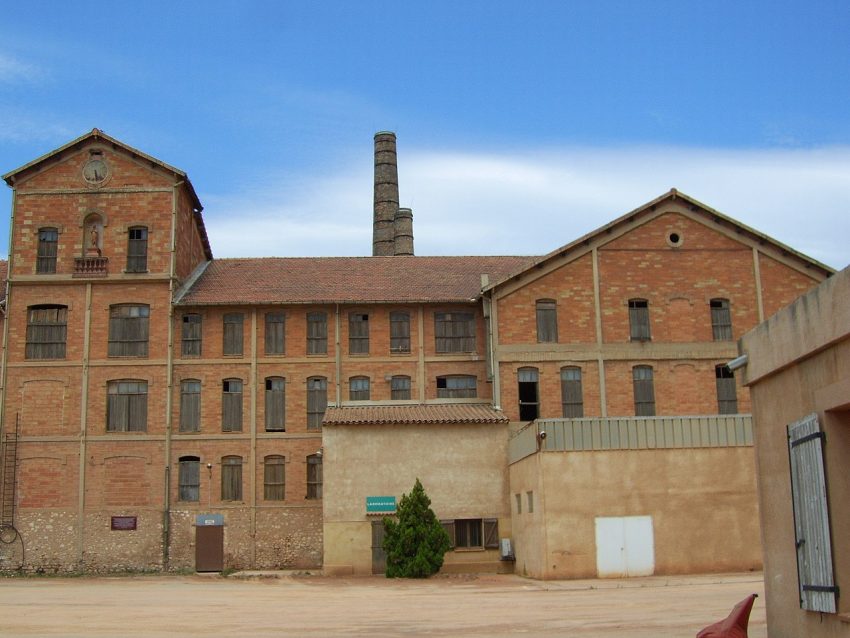
Housed in a former tile factory in the village of Les Milles, this memorial and museum preserves the stark, red-brick halls where an internment camp operated from 1939 to 1942. You walk through original dormitory spaces and vast kiln-like rooms, with walls still marked by internees’ graffiti and sketches, then follow a three-part route that moves from documented history to commemoration and reflection on prejudice and civic responsibility. The site traces how the camp shifted from holding many German and Austrian anti-Nazi refugees to serving as a transit point for roughly 2,000 Jewish prisoners sent onward via Drancy to Auschwitz. Visitors often describe it as heavy but deeply absorbing, with far more to read and watch than expected.
Location: Camp des Milles, Chemin de la Badesse, Aix-en-Provence, France | Hours: Open every day from 10 pm to 7 pm (Ticketing closure at 5.30 pm) except: 01/01, 01/05 and 25/12. | Price: Adults: € 9.50 | Website | Distance: 6km

Best Day Trips from Aix en Provence

A day trip from Aix en Provence offers the perfect opportunity to escape the urban rhythm and discover the surrounding region's charm. Whether you're drawn to scenic countryside, historic villages, or cultural landmarks, the area around Aix en Provence provides a variety of easy-to-reach destinations ideal for a one-day itinerary. If you are looking to rent a car in France I recommend having a look at Discover Cars, first, as they compare prices and review multiple car rental agencies for you.

1. Museum Calisson
Musee du Calisson
Musee du Calisson
CC BY-SA 2.0 /
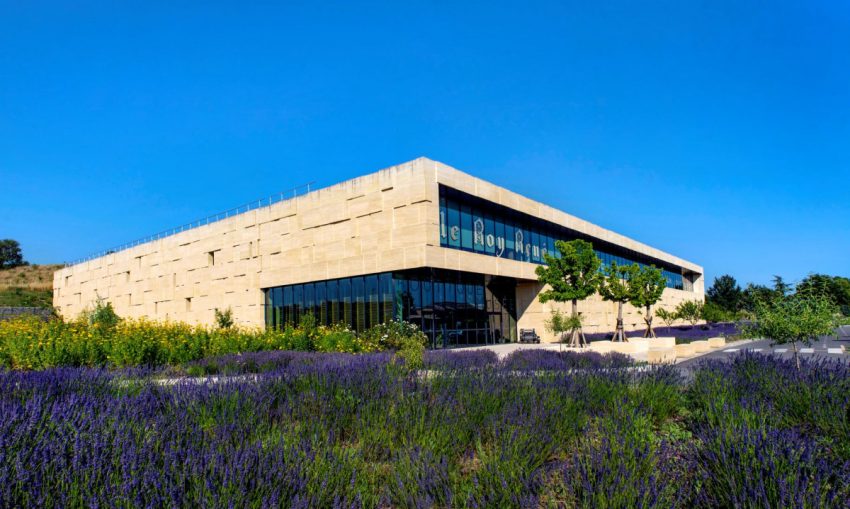
Museum Calisson is a modern museum-and-factory experience dedicated to one of Aix-en-Provence’s most beloved treats: the calisson, a diamond-shaped confection traditionally made with almonds and candied fruit. Set on the outskirts of Aix, it combines storytelling exhibits, behind-the-scenes production context, and a tempting shop where you can stock up on regional sweets. It’s an easy add-on to a day exploring…
Location: 5380 Route d'Avignon, Quartier la Calade, D7N, 13100 Aix-en-Provence, France | Hours: Monday - Saturday: 9:30 AM – 6:30 PM Sunday: 10:00 AM – 1:00 PM, 2:00 – 5:30 PM | Price: Free. | Website | Distance: 8km
Visiting Museum Calisson

2. Marseille
visit marseille
visit marseille
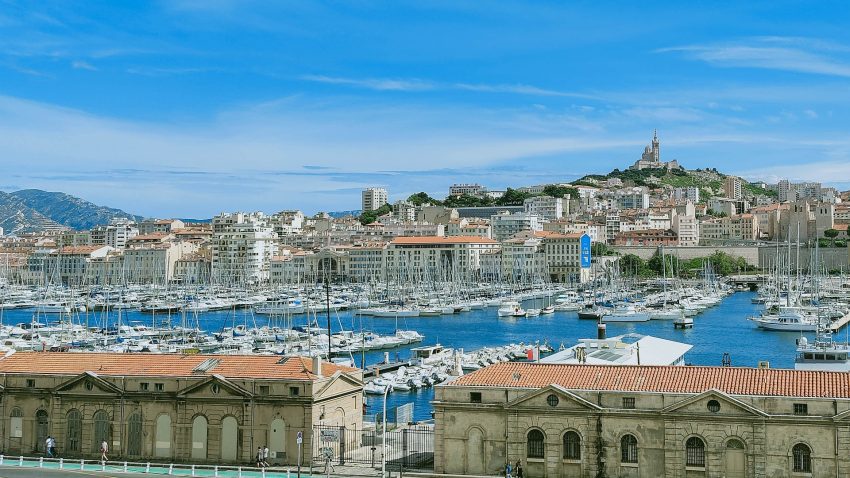
Marseille, located in the Provence-Alpes-Côte d’Azur region of southern France—not in Germany—is a dynamic port city known for its mix of cultures, sea views, and Mediterranean energy. It offers a completely different vibe from inland Provençal towns, with its bustling harbor, urban sprawl, and access to the sea. The Vieux-Port (Old Port) is the heart of the city, lined with…
Visiting Marseille
Powered by GetYourGuide

3. Cavaillon

Cavaillon
Cavaillon
CC BY-SA 4.0 / Julien Pelissier
Visiting Cavaillon offers a delightful mix of small-town charm and access to the beautiful landscapes of the Provence-Alpes-Côte d'Azur region. The town is known for its stunning surroundings, including the nearby Luberon mountains and vast fields of fruit orchards, particularly its famous melons. With its warm Mediterranean climate, Cavaillon is an excellent spot for those who enjoy outdoor activities like…
Visiting Cavaillon
Powered by GetYourGuide

4. Saint-Rémy-de-Provence

france St Remy de Provence
Saint-Rémy-de-Provence is a picturesque town in the Provence-Alpes-Côte d’Azur region of southern France, beloved for its sun-drenched charm, winding stone streets, and atmospheric markets. Surrounded by olive groves and vineyards at the foot of the Alpilles mountains, it's an ideal destination for those looking to experience the slower rhythms and sensory pleasures of Provençal life. Weekly markets fill the town…
Visiting Saint-Rémy-de-Provence
Powered by GetYourGuide

5. Toulon

Toulon France
Toulon France
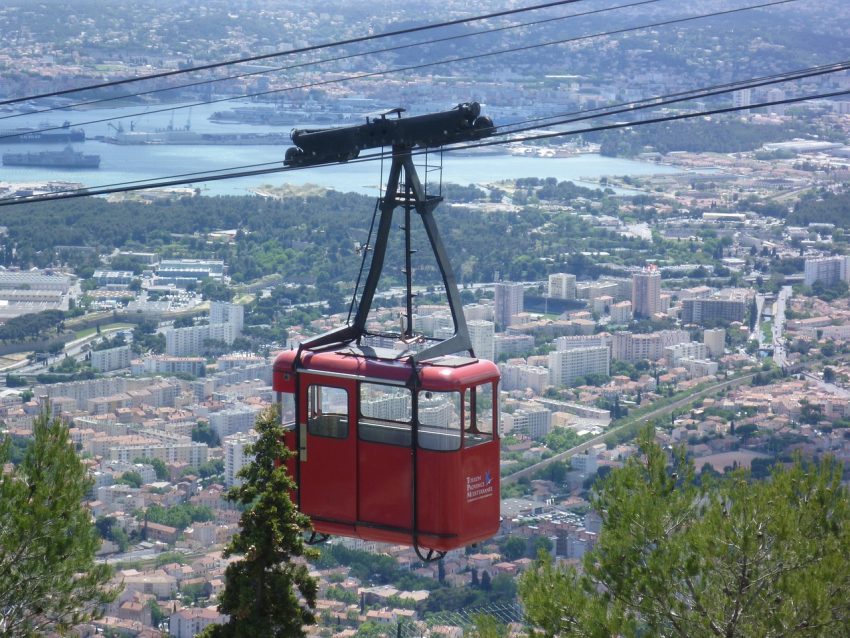
Toulon is a lively port city known for its mix of maritime heritage, sunny Mediterranean ambiance, and relaxed coastal vibe. Visitors can enjoy the bustling harbor, stroll along the waterfront promenade, and explore local markets filled with Provençal flavors. The city also offers a great balance of culture and leisure, with museums, theaters, and charming old town streets waiting to…
Visiting Toulon
Powered by GetYourGuide

6. Arles

the amphitheatre of arles
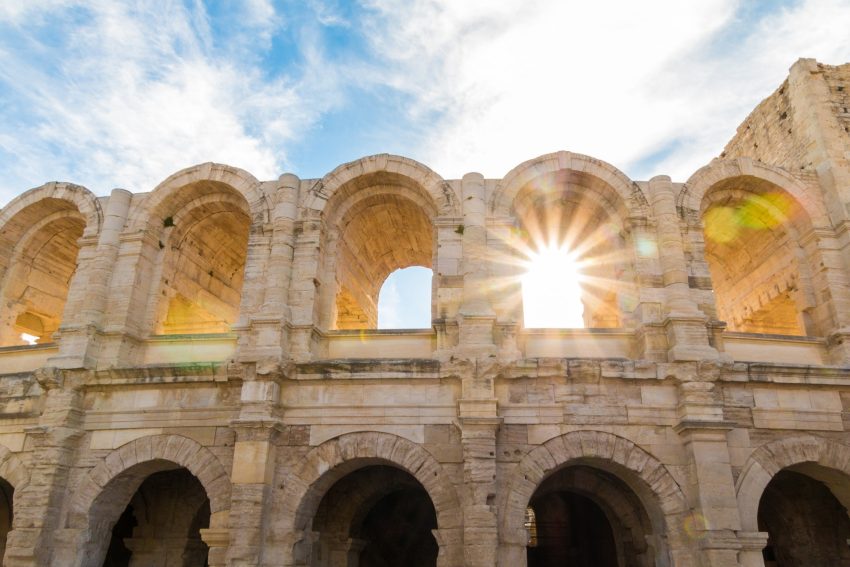
Positioned along the River Rhône in the heart of Provence, Southern France, Arles captivates with its blend of elegant 18th and 19th-century mansions and ancient Roman architecture. Arles is one of the most underrated cities in France. Its fame was significantly heightened by Vincent van Gogh, whose time in Arles left behind an array of scenes that continue to draw…
Visiting Arles
Powered by GetYourGuide

7. Avignon

avignon
avignon
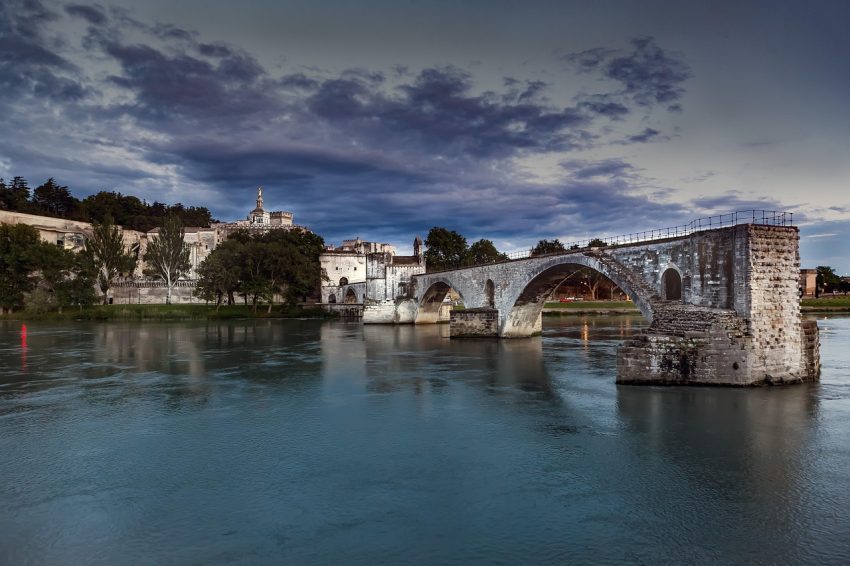
Avignon is one of those places that instantly makes you slow down and look around. The stone streets, shaded squares, and dramatic medieval architecture feel like something out of a film set. Walking through the old town is a joy in itself—cafés spill into plazas, musicians play under centuries-old archways, and the golden light bouncing off the Rhône makes everything…
Visiting Avignon
Powered by GetYourGuide

8. Nimes

Nimes France
Nimes France
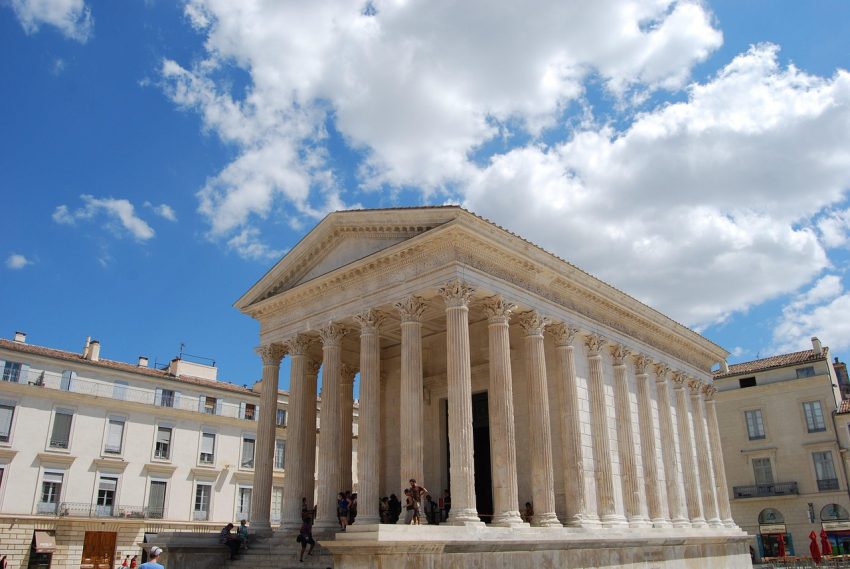
Nîmes, in the Occitanie region, is a city where Roman grandeur meets southern French charm. Its sun-drenched streets, leafy boulevards, and relaxed pace make it a pleasant place to explore on foot. The architecture is striking, blending ancient stone with classical French facades, and there's a strong local culture centered around food, markets, and outdoor living. The city is also…
Visiting Nimes
Powered by GetYourGuide

9. Uzes

Uzes France
Uzes France
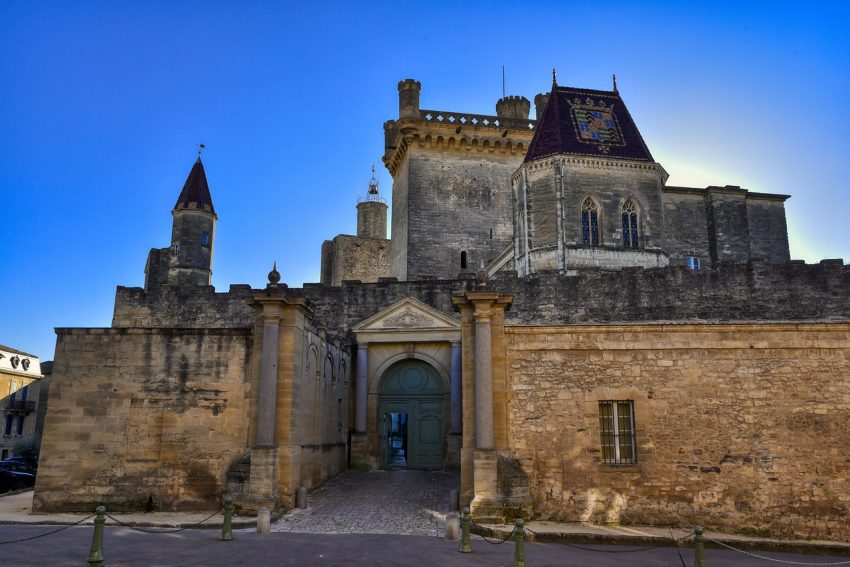
Uzès is a charming town in the Occitanie region, known for its beautiful medieval architecture, lively markets, and tranquil atmosphere. Visitors can explore the picturesque streets, lined with boutiques, cafés, and art galleries, all while soaking in the town’s relaxed, small-town feel. The town's central square, Place aux Herbes, hosts a popular market where you can sample local produce and…
Visiting Uzes
Powered by GetYourGuide

10. Bagnols-en-Foret

Bagnols en foret
Bagnols en foret
Public Domain / Patricia.fidi
Bagnols-en-Forêt is a peaceful escape tucked into the hills above the Côte d’Azur, offering a slower, more scenic pace compared to the coastal buzz. Wandering its quiet stone streets, shaded squares, and terraced cafés, you feel like you're stepping into a secret corner of Provence. It’s the kind of place where you can spend an afternoon sipping rosé under the…
Visiting Bagnols-en-Foret

11. Cannes

Cannes France
Cannes France
Cannes is a glamorous destination that seamlessly combines coastal beauty with cultural sophistication. The city is known for its stunning beaches along the French Riviera, where you can relax in the Mediterranean sun or enjoy water sports. Walking along the iconic Boulevard de la Croisette, lined with luxury hotels, designer boutiques, and restaurants, visitors are treated to a world-class experience.…
Visiting Cannes
Powered by GetYourGuide

Where to Stay in Aix en Provence

For those seeking a luxurious stay, Villa Gallici Hôtel & Spa provides an opulent experience with its Florentine-style gardens and lavish interiors. Another top-tier option is Les Lodges Sainte-Victoire Hotel & Spa, set amidst vineyards and olive trees, offering serene surroundings and a Michelin-starred restaurant.

Boutique hotel enthusiasts might appreciate La Maison d’Aix, a charming townhouse with stylish rooms and a soothing spa, ideal for a romantic weekend. Hotel des Augustins, located within a 12th-century convent, combines historical architecture with modern comforts, situated just off the famous Cours Mirabeau.

For travelers on a budget, Hotel Le Mozart offers comfortable accommodations within walking distance to the city center. Another affordable option is Hotel des Quatre Dauphins, a 19th-century mansion turned hotel, providing elegant rooms at a reasonable price.

Using the our Hotel and Accomodation map, you can compare hotels and short-term rental accommodations in Aix en Provence. Simply insert your travel dates and group size, and you’ll see the best deals for your stay.

Aix en Provence Accommodation Map

Best Time to Visit Aix en Provence

Aix en Provence in Spring

Spring (March to May) is a beautiful time to visit Aix en Provence. The weather gradually warms, with average temperatures ranging from 15°C in March to around 22°C by May. The city comes alive with blossoming gardens, street cafés, and lively markets. Spring is also when the Festival de Pâques (Easter Festival) takes place, attracting classical music lovers to prestigious venues across town. The crowds are moderate, making it a pleasant time for sightseeing and day trips into the countryside.

Aix en Provence in Summer (Best)

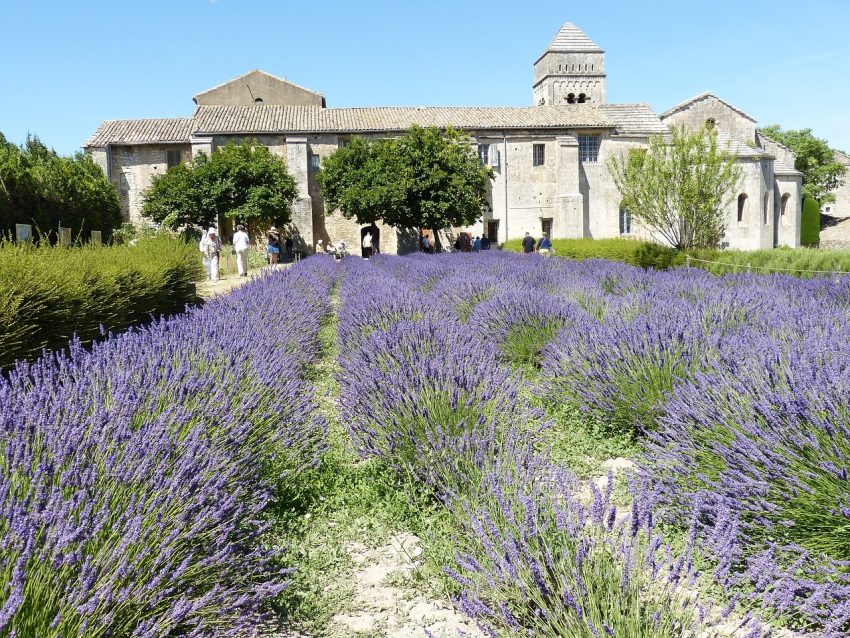
Summer (June to August) is the best time to visit Aix en Provence for cultural events and outdoor life. Daytime temperatures often range from 25°C to 35°C, with long, sunny days perfect for exploring the historic centre, enjoying open-air terraces, and attending the city’s many events. The highlight of the season is the renowned Festival d’Aix-en-Provence, an internationally acclaimed opera and classical music festival held in July. While the city does get busier, the vibrant atmosphere, evening concerts, and lavender-scented air make summer the most unforgettable time to experience Aix.

Aix en Provence in Autumn

Autumn (September to November) brings cooler weather and a slower pace. Temperatures begin around 24°C in September and drop to about 12°C by November. The changing colours of nearby vineyards and the quieter streets create a peaceful and photogenic environment. September still sees some cultural events, and wine harvest festivals take place in the surrounding countryside. It’s a great season for those looking to avoid crowds while still enjoying warm days and local produce.

Aix en Provence in Winter

Winter (December to February) is the quietest time in Aix en Provence, with daytime temperatures ranging from 7°C to 13°C. Though colder, the city retains its charm, with festive decorations, Christmas markets, and a cozy atmosphere in cafés and bistros. The Marché de Noël adds seasonal cheer, and the lack of tourists makes it easy to explore museums and historical sites at a relaxed pace. While it’s not the ideal time for outdoor activities, winter offers a more intimate and authentic view of local life.

Annual Weather Overview

  • January 11°C
  • February 12°C
  • March 15°C
  • April 18°C
  • May 24°C
  • June 29°C
  • July 30°C
  • August 30°C
  • September 26°C
  • October 22°C
  • November 14°C
  • December 11°C

How to get to Aix en Provence

Getting to Aix-en-Provence is quite straightforward, whether you’re traveling from within France or internationally. Here are some of the main options:

By Air

While Aix-en-Provence does not have its own airport, it is easily accessible via Marseille Provence Airport (MRS), which is about 25 kilometers (approximately 15 miles) from Aix-en-Provence. The airport offers numerous domestic and international flights. From the airport, you can take a bus, a shuttle service, or a taxi to reach Aix-en-Provence. The journey typically takes about 30 minutes by car or taxi.

By Train

Aix-en-Provence is well-connected by the French rail network, including high-speed TGV trains:

  • From Paris: Direct TGV trains from Paris Gare de Lyon to Aix-en-Provence TGV station take about 3 hours. You can take a bus or taxi from the TGV station to downtown Aix-en-Provence.
  • From Lyon: TGV or regional trains from Lyon to Aix-en-Provence take about 1 to 1.5 hours.
  • From Marseille: Regular local trains connect Marseille to Aix-en-Provence, with a journey time of about 40 minutes.
You can use SNCF Connect to check schedules, compare routes, and purchase tickets for National (SNCF ) and regional trains (TER). For a more streamlined experience, we recommend using Omio, which allows you to easily compare prices, schedules, and book tickets for both National and Regional travel across all of Europe, all in one place.

By Car

Driving to Aix-en-Provence offers the flexibility of exploring the surrounding region at your own pace:

  • From Paris: The drive from Paris to Aix-en-Provence is approximately 750 kilometers (about 466 miles) and takes around 7 hours via the A6 and A7 motorways.
  • From Lyon: From Lyon, it takes about 3 hours to drive to Aix-en-Provence, mostly via the A7 motorway.
  • From Nice: The drive from Nice to Aix-en-Provence takes about 2 hours via the A8 motorway.
If you are looking to rent a car in France I recommend having a look at Discover Cars, first, as they compare prices and review multiple car rental agencies for you.

By Bus

Long-distance buses also connect Aix-en-Provence with other major French cities and some European cities. Buses can be a more economical but slower option compared to trains.

Overall, train travel is typically the most efficient and relaxing way to get to Aix-en-Provence, especially if you are coming from other major French cities. However, if you plan to explore more extensively in the Provence region, driving might be the better option for greater mobility.
More from this area